Garden Calendar
See exactly what to sow, transplant and harvest each month — a planting calendar covering 1,000+ vegetables, herbs, fruits and flowers across all 12 months and four seasons.
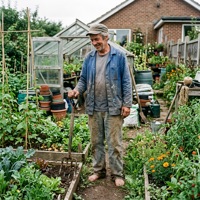
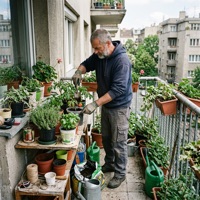
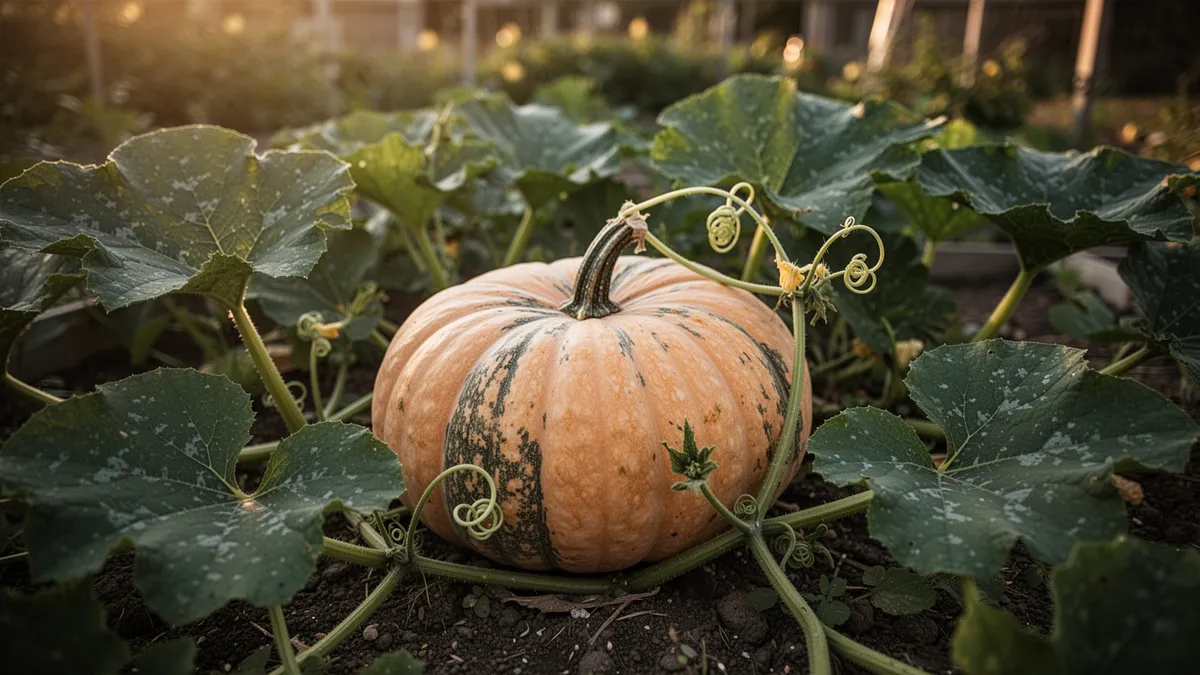
The Importance of Timing in Gardening
Timing is one of the most critical factors in gardening success. Planting too early exposes tender seedlings to late frosts, while planting too late shortens the growing season and reduces yields. Understanding your local frost dates, soil temperature patterns, and day length changes is essential for getting the most from every growing season.
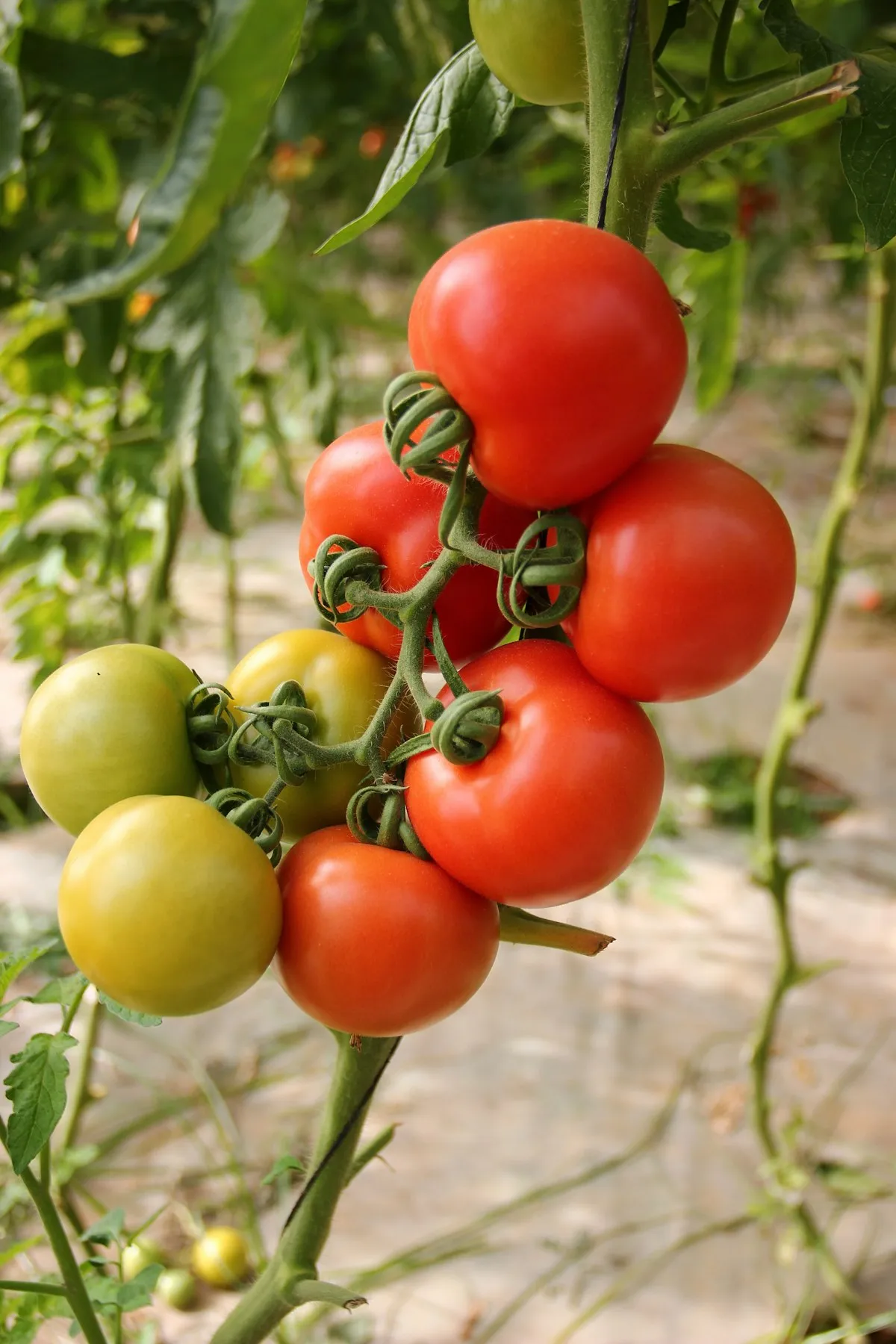
Soil temperature matters as much as air temperature. Seeds like tomatoes and peppers will not germinate in cold soil even if air temperatures are warm. A simple soil thermometer can prevent weeks of wasted time waiting for seeds that will never sprout. Most warm-season crops need soil temperatures above 15°C (60°F) for reliable germination.
Our interactive calendar below shows the optimal planting and harvest windows for every plant in our database. Use it alongside your local frost dates to create a personalized schedule that maximizes your growing season from the first spring sowing to the last autumn harvest.
Adjust timing to your climate
Dates below use a temperate baseline. Set your hardiness zone to re-time them for your garden.
Estimated from your zone's average frost dates — your microclimate may shift these by a couple of weeks.
October
Autumn season · 154 to plant · 500 to harvest
Autumn Tips
- 1Plant garlic 4-6 weeks before the ground freezes for harvest next summer — choose large cloves for biggest bulbs.
- 2Sow cover crops like winter rye or clover in empty beds to prevent erosion and add organic matter.
- 3Extend the season with row covers or cold frames for cool-season crops like kale, carrots, and Brussels sprouts.
- 4Clean up plant debris to reduce overwintering pests and diseases. Compost healthy material, dispose of diseased.
- 5Save seeds from open-pollinated varieties. Label and store in a cool, dry place for next season's planting.
What to Plant
154 plants ready to sow or transplant in October
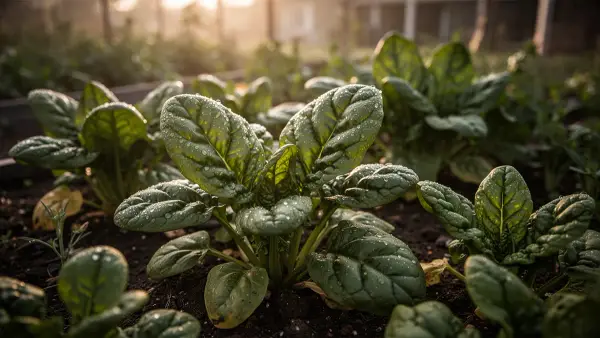
Spinach
Spinacia oleracea
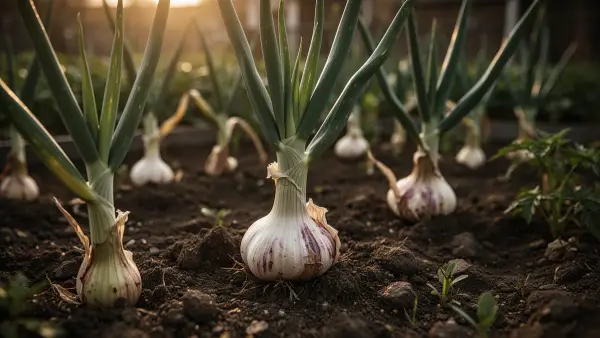
Garlic
Allium sativum
Baby Spinach
Spinacia oleracea
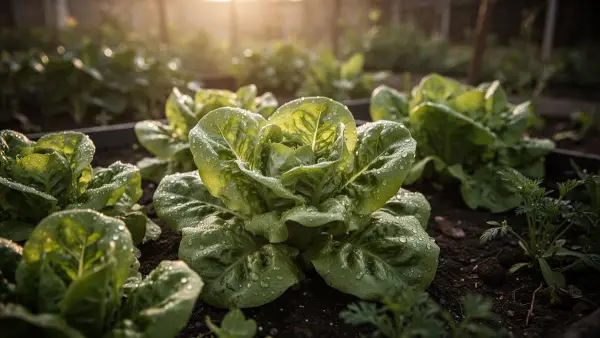
Butter Lettuce
Lactuca sativa var. capitata
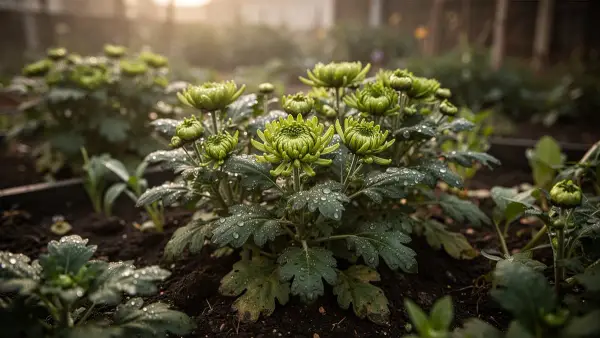
Chrysanthemum Greens
Glebionis coronaria
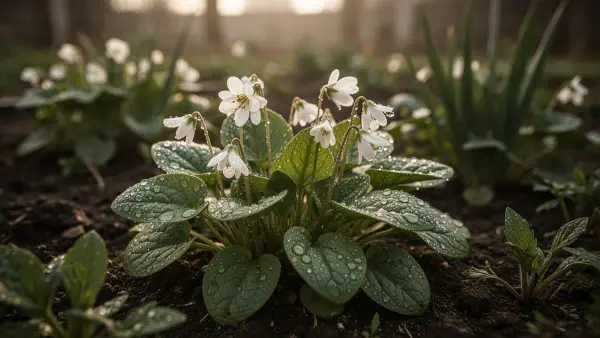
Claytonia
Claytonia perfoliata
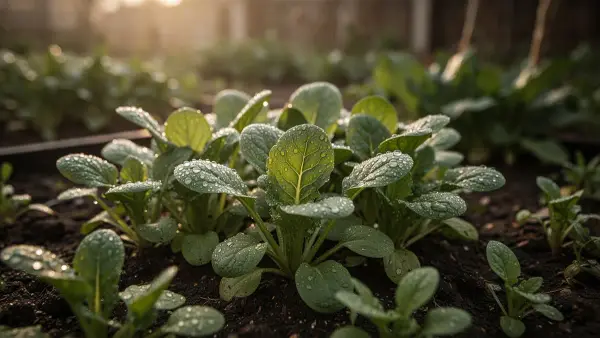
Garden Cress
Lepidium sativum
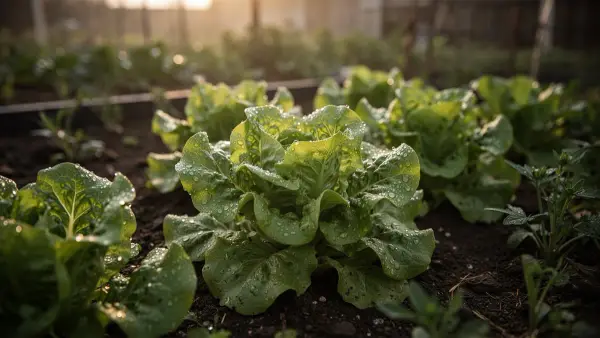
Little Gem Lettuce
Lactuca sativa
What to Harvest
500 plants ready to pick in October
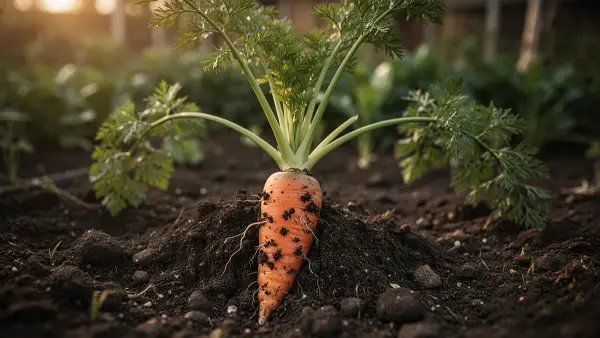
Carrot
Daucus carota subsp. sativus
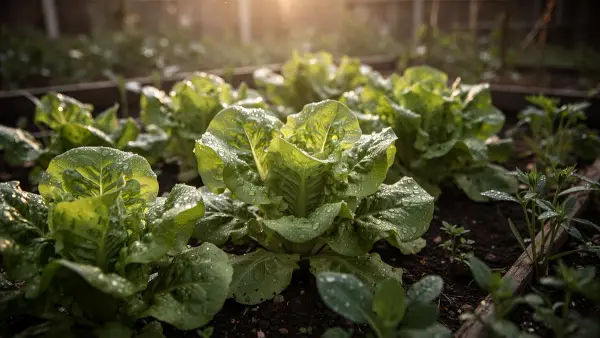
Lettuce
Lactuca sativa
Kale
Brassica oleracea var. sabellica
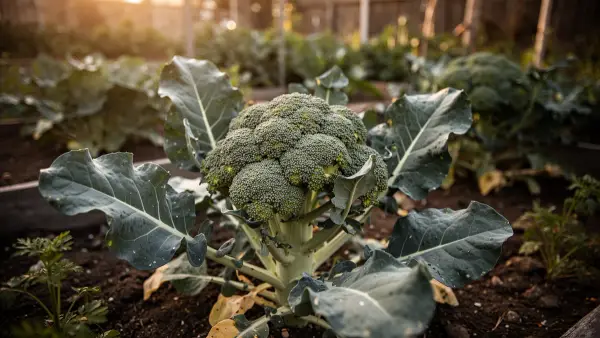
Broccoli
Brassica oleracea var. italica
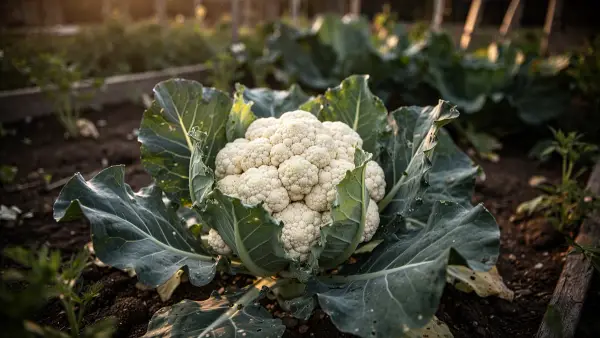
Cauliflower
Brassica oleracea var. botrytis
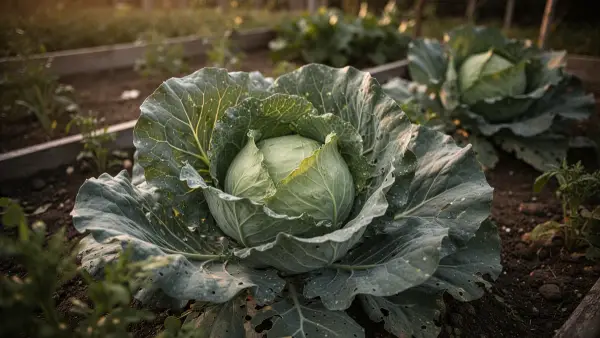
Cabbage
Brassica oleracea var. capitata
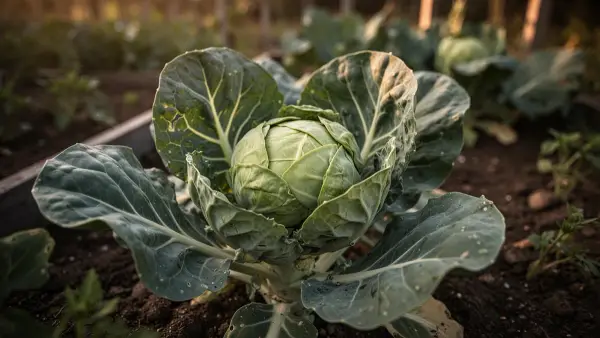
Brussels Sprouts
Brassica oleracea var. gemmifera
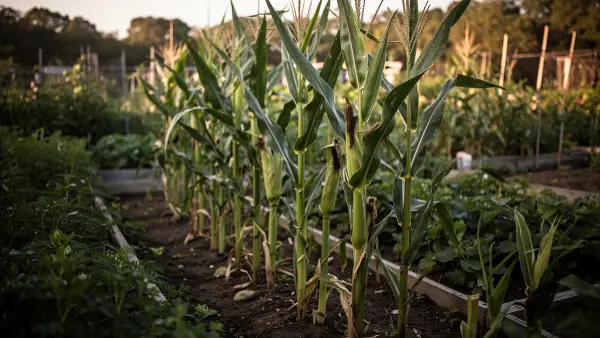
Corn
Zea mays
Prepare for November
These 10 plants will be ready to plant next month. Start preparing beds, ordering seeds, or hardening off seedlings now.
Year Overview
Full planting and harvest schedule for all 1045 plants across the year. Green indicates planting months, amber indicates harvest months.
Timing reflects a temperate Northern-Hemisphere baseline. Use the planner above to re-time these dates to your hardiness zone.
Vegetables
Herbs
Fruits
Flowers
Trees
Shrubs
| Plant | Jan | Feb | Mar | Apr | May | Jun | Jul | Aug | Sep | Oct | Nov | Dec |
|---|---|---|---|---|---|---|---|---|---|---|---|---|
| Azalea | ||||||||||||
| Butterfly Bush | ||||||||||||
| Summersweet | ||||||||||||
| Rose of Sharon | ||||||||||||
| New Jersey Tea | ||||||||||||
| Red Tip Photinia | ||||||||||||
| Spicebush | ||||||||||||
Frequently asked questions
When should I start planting my garden?
It depends on your climate and crop. Cool-season crops like lettuce, peas and spinach go in 4–6 weeks before your last frost; warm-season crops like tomatoes and peppers wait until after it, once soil reaches about 15 °C (60 °F). Connect your hardiness zone and PlotMyGarden dials these dates to your exact location.
How do I know what to plant each month?
Pick any month above to see exactly what to sow and what's ready to harvest, drawn from over a thousand plant profiles. The year overview shows every crop's planting and harvest windows at a glance.
Can I plant year-round?
In mild zones, yes — there's almost always something to sow. In colder zones, winter is for planning, protected growing and overwintering hardy crops. The calendar adapts to whichever month you're in.
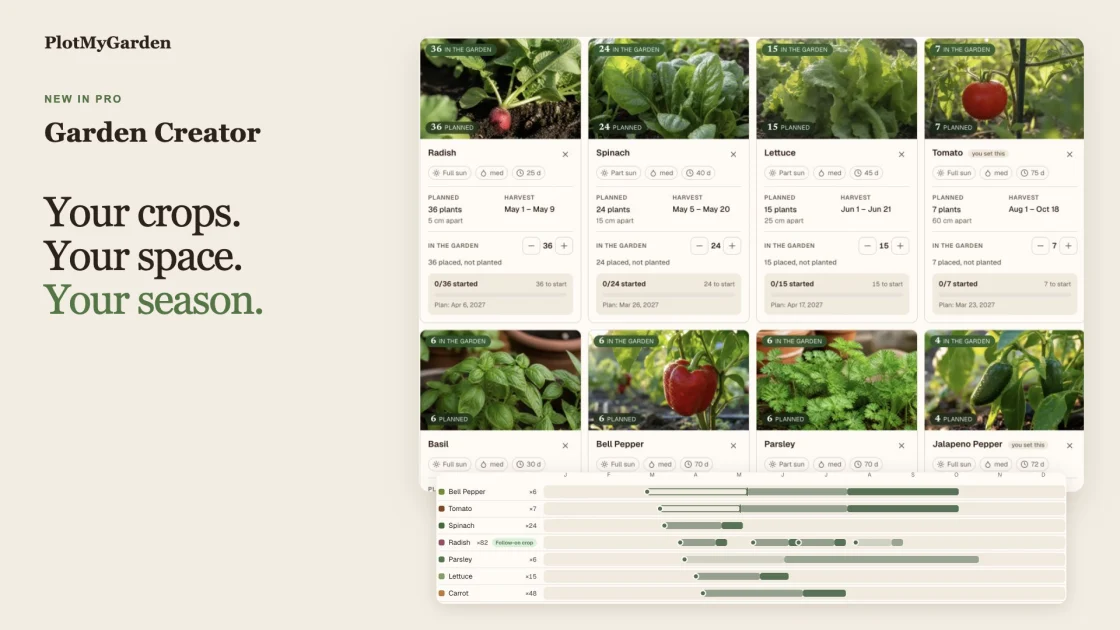
New in Pro · Garden Creator
Turn planting windows into your own season.
The calendar shows planting windows. The creator connects them with your space, household and chosen crops in an editable plan, with harvest estimates where crop data is available.
Create my garden with ProFollow the season with Garden Autopilot
Take your plan into Grow mode when you sow or plant. Autopilot follows recorded progress with care priorities, weather context and the week ahead, through to harvest and follow-on sowings.
See how Autopilot worksThe garden creator and full Autopilot are Pro features.