Butterfly & Hummingbird Garden
An 8×6 nectar buffet layered from 2-meter spires to ground-level landing pads, blooming from May to first frost.
About This Template
Butterflies and hummingbirds want different things from the same garden: hummingbirds feed at tubular flowers in mid-air, while butterflies need flat-topped blooms to land on and sun-warmed spots to bask. This bed serves both by strict height layering. The back rank is a wall of spires — hollyhock, delphinium, foxglove, and lupine — that hummingbirds patrol like a flight path. The midfield carries bee balm, liatris, phlox, and coneflower, the hardest-working nectar perennials in cultivation. The front is butterfly country: flat aster and zinnia landing pads, salvia and catmint edging, and butterfly weed — the milkweed that monarch caterpillars require. A bird bath in the middle row doubles as a butterfly puddling station.
Benefits
- 1Height layering feeds hummingbirds in the air and butterflies on flat blooms
- 2Butterfly weed is a true milkweed — monarchs can breed here, not just feed
- 3Bloom relay runs May to frost: lupine and dianthus open, aster closes
- 4Perennial backbone rebuilds itself bigger every spring
- 5The bird bath doubles as the puddling station butterflies need for minerals
Growing Tips
- 1Skip all pesticides — caterpillars ARE the butterflies you planted this for
- 2Deadhead zinnias and cosmos weekly to keep the nectar flowing
- 3Let the last coneflower and aster heads stand for winter seed-eating birds
- 4Put a flat stone in the bird bath so butterflies can drink without drowning
Included Plants (25)
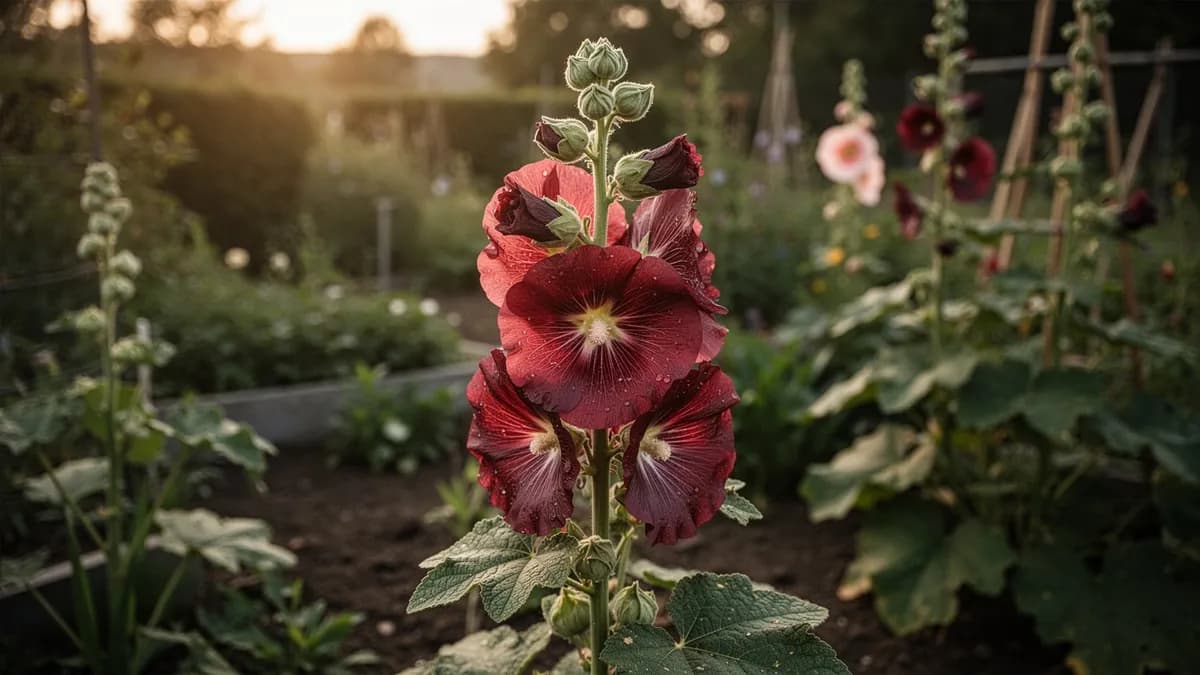
Hollyhock
Alcea rosea
Spacing: 45 cm · 18 in
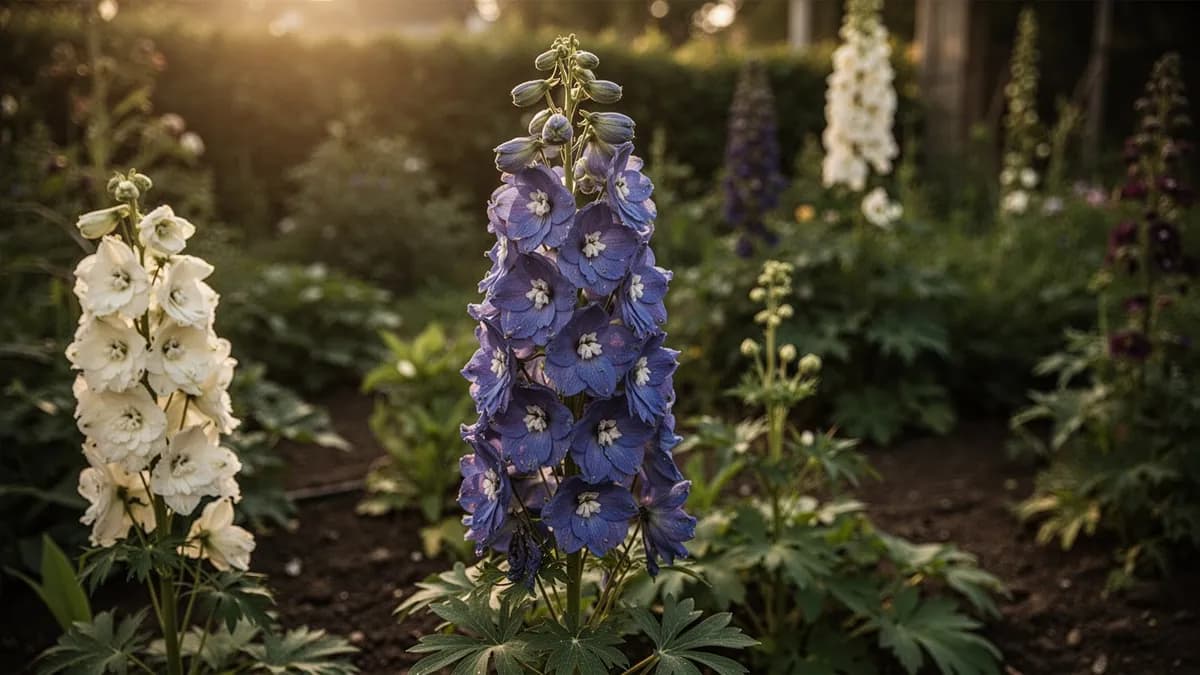
Delphinium
Delphinium elatum
Spacing: 45 cm · 18 in
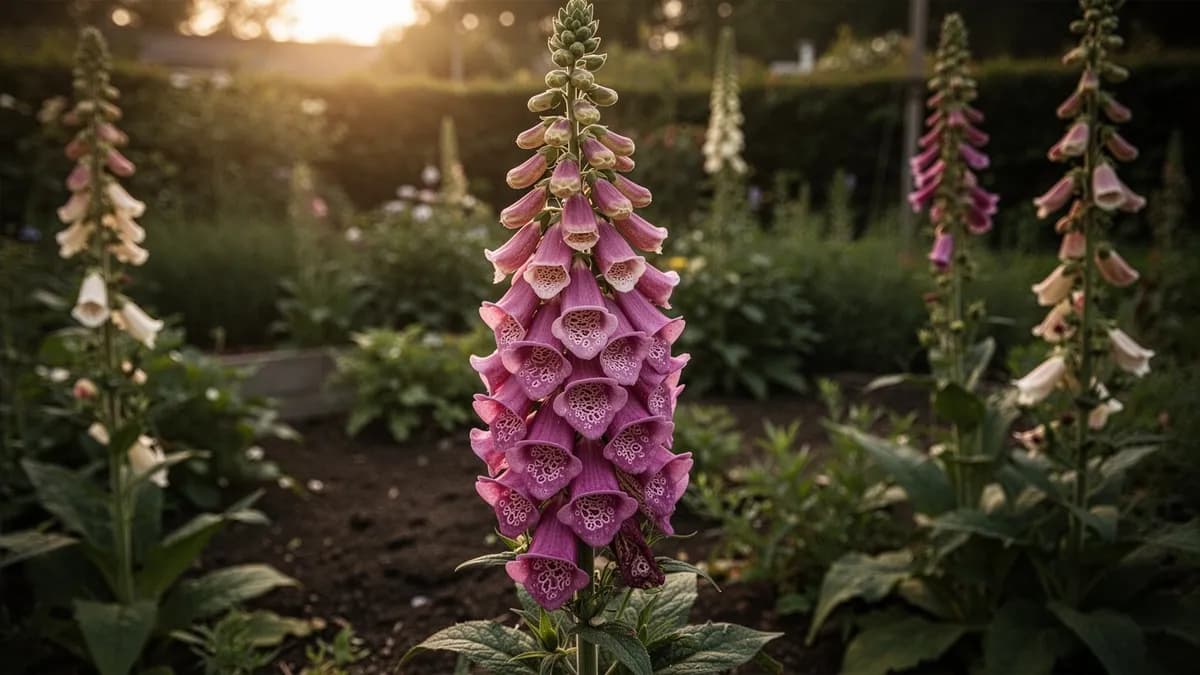
Foxglove
Digitalis purpurea
Spacing: 45 cm · 18 in
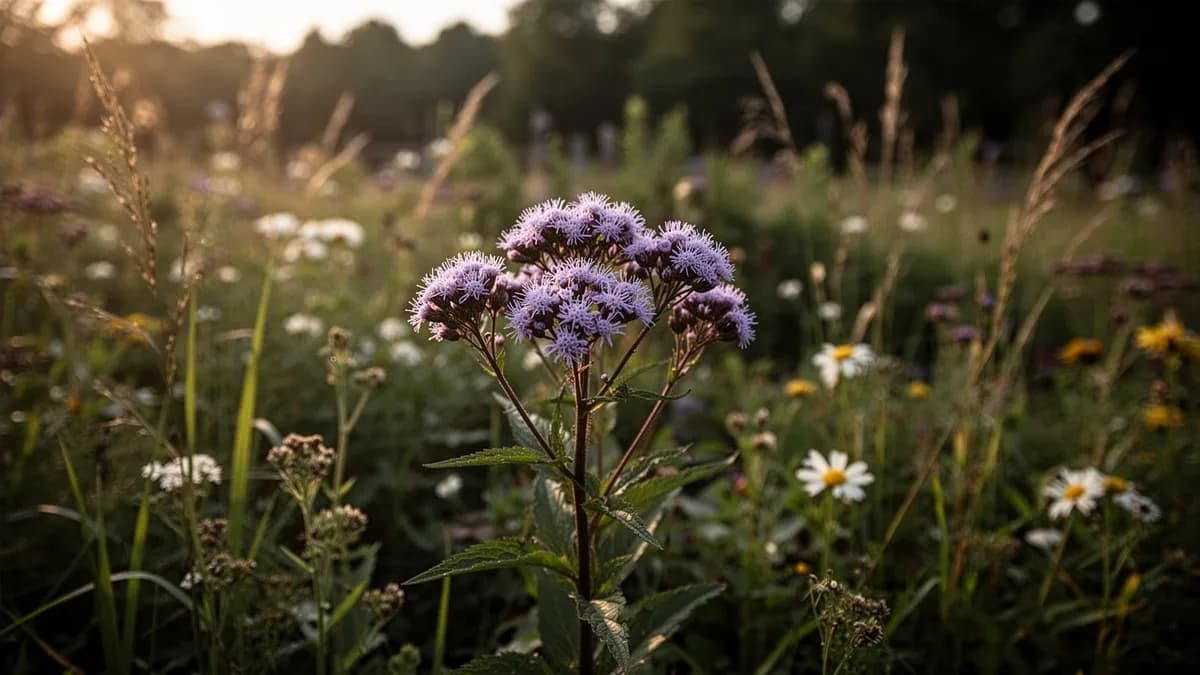
Ironweed
Vernonia noveboracensis
Spacing: 60 cm · 24 in
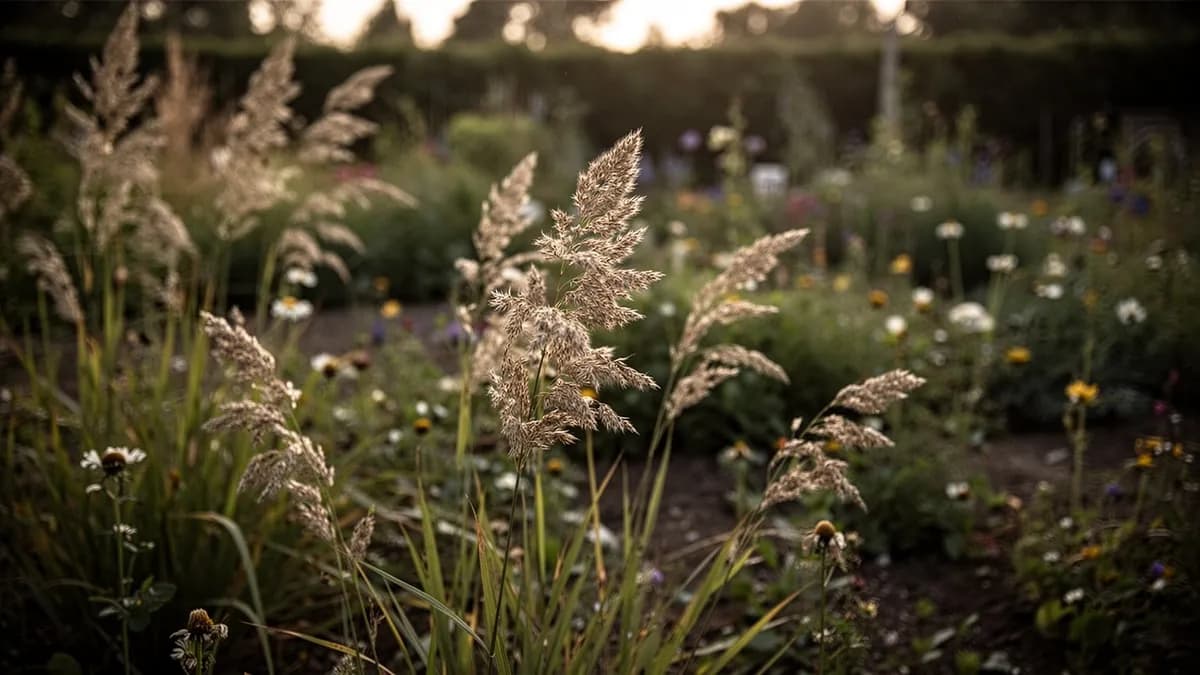
Flowering Switchgrass
Panicum virgatum
Spacing: 60 cm · 24 in
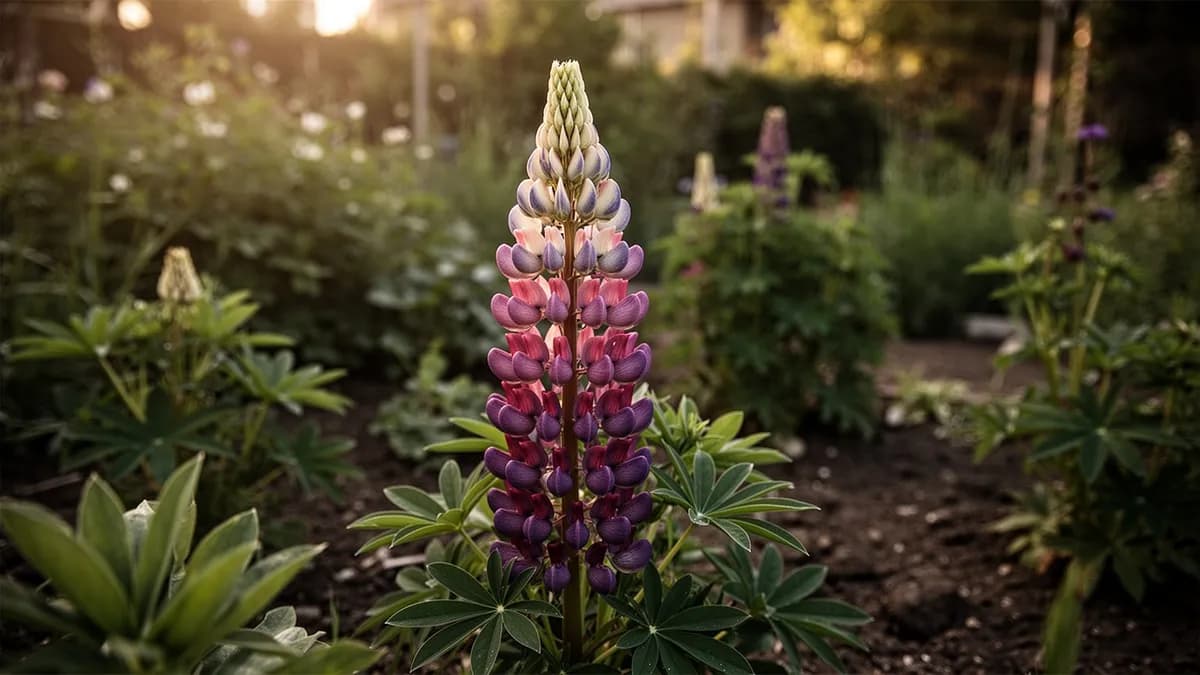
Lupine
Lupinus polyphyllus
Spacing: 45 cm · 18 in
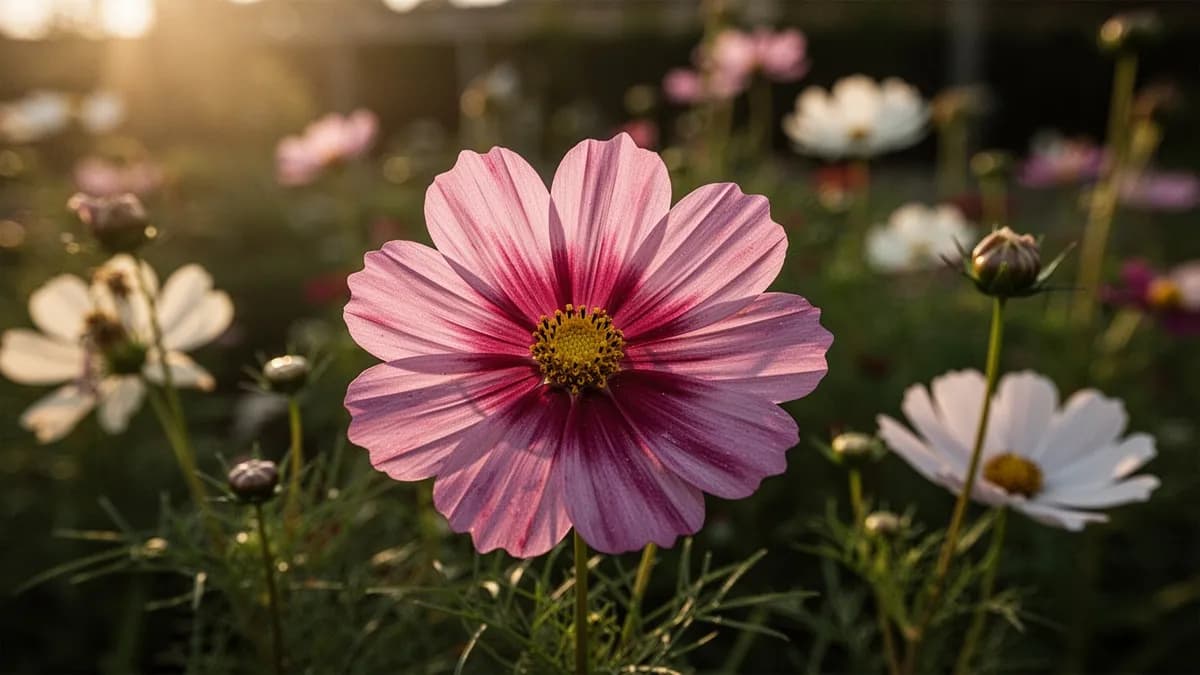
Cosmos
Cosmos bipinnatus
Spacing: 30 cm · 12 in
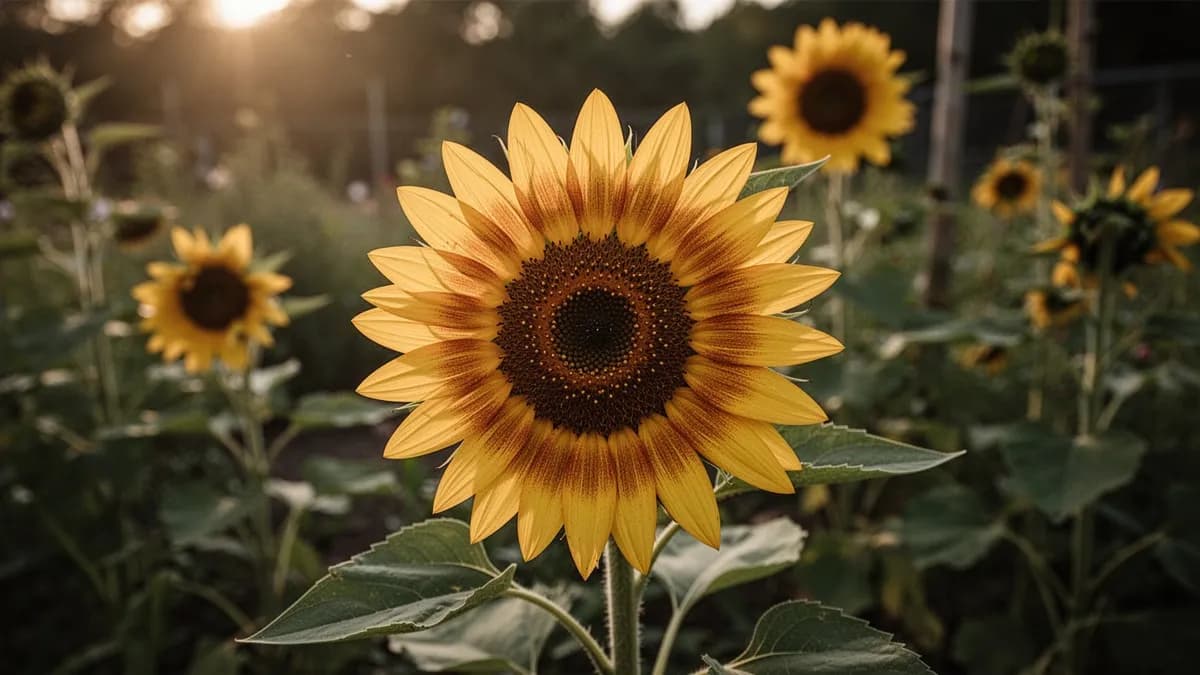
Sunflower
Helianthus annuus
Spacing: 45 cm · 18 in
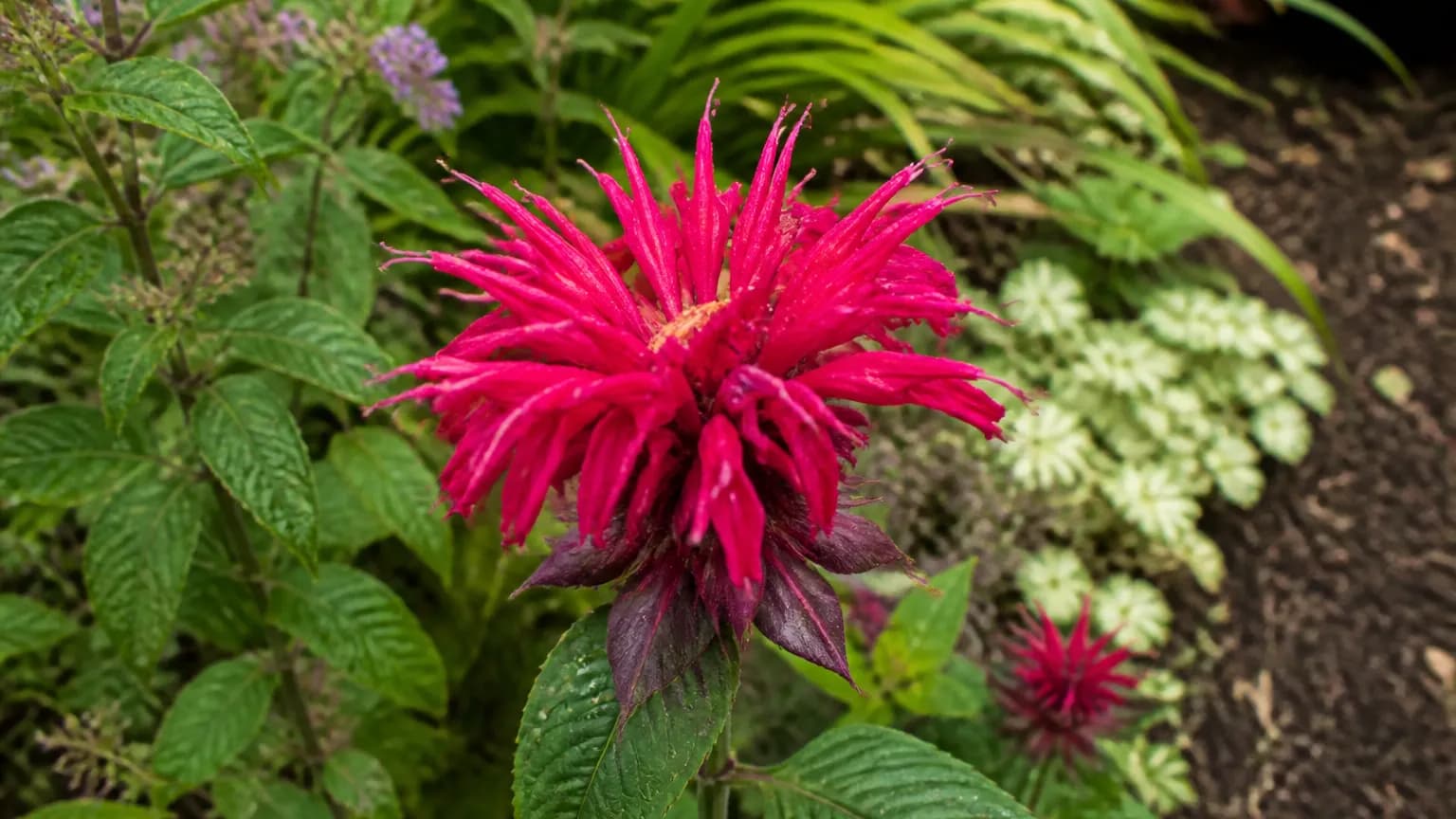
Bee Balm×2
Monarda didyma
Spacing: 45 cm · 18 in
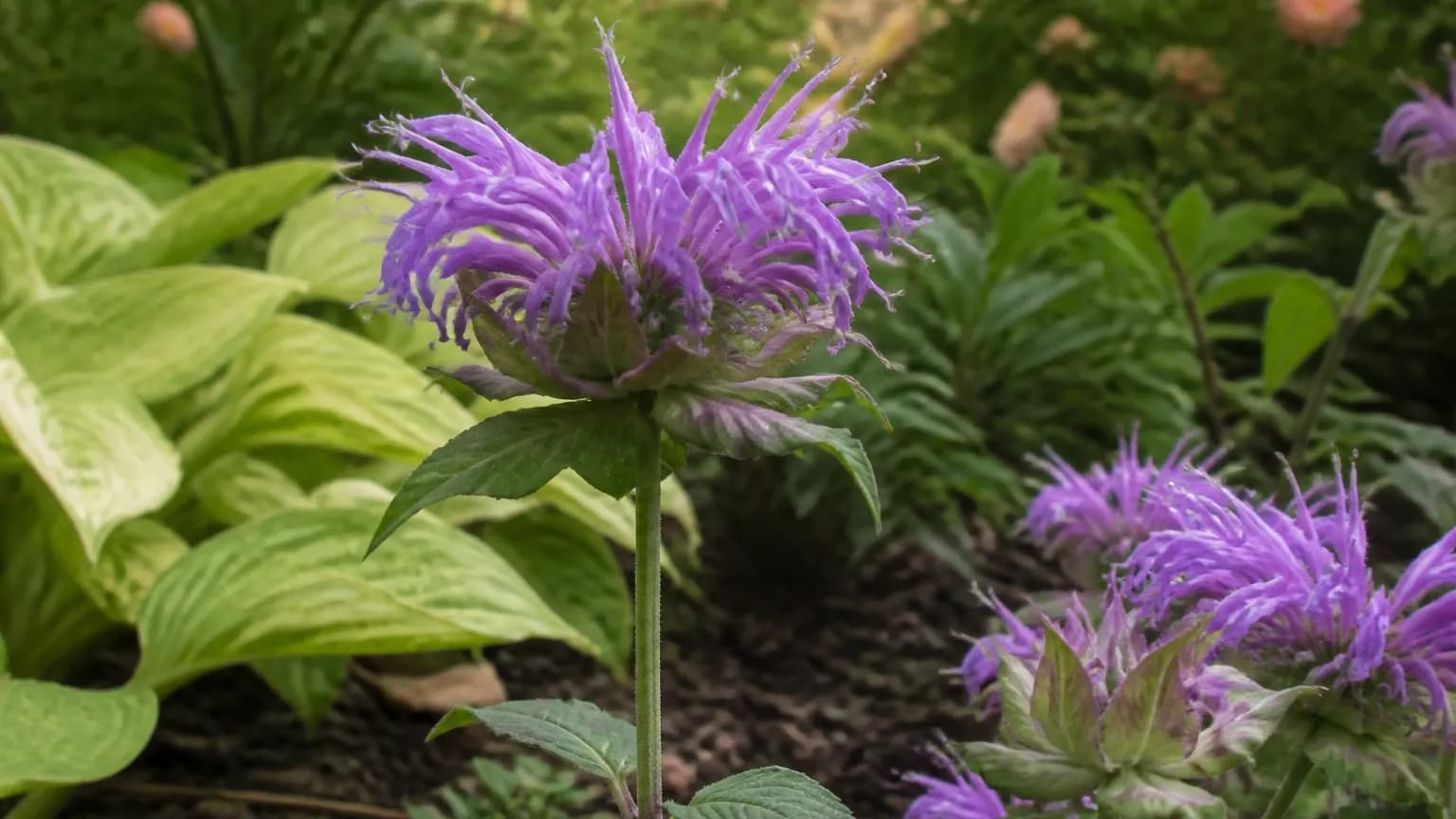
Wild Bergamot
Monarda fistulosa
Spacing: 45 cm · 18 in
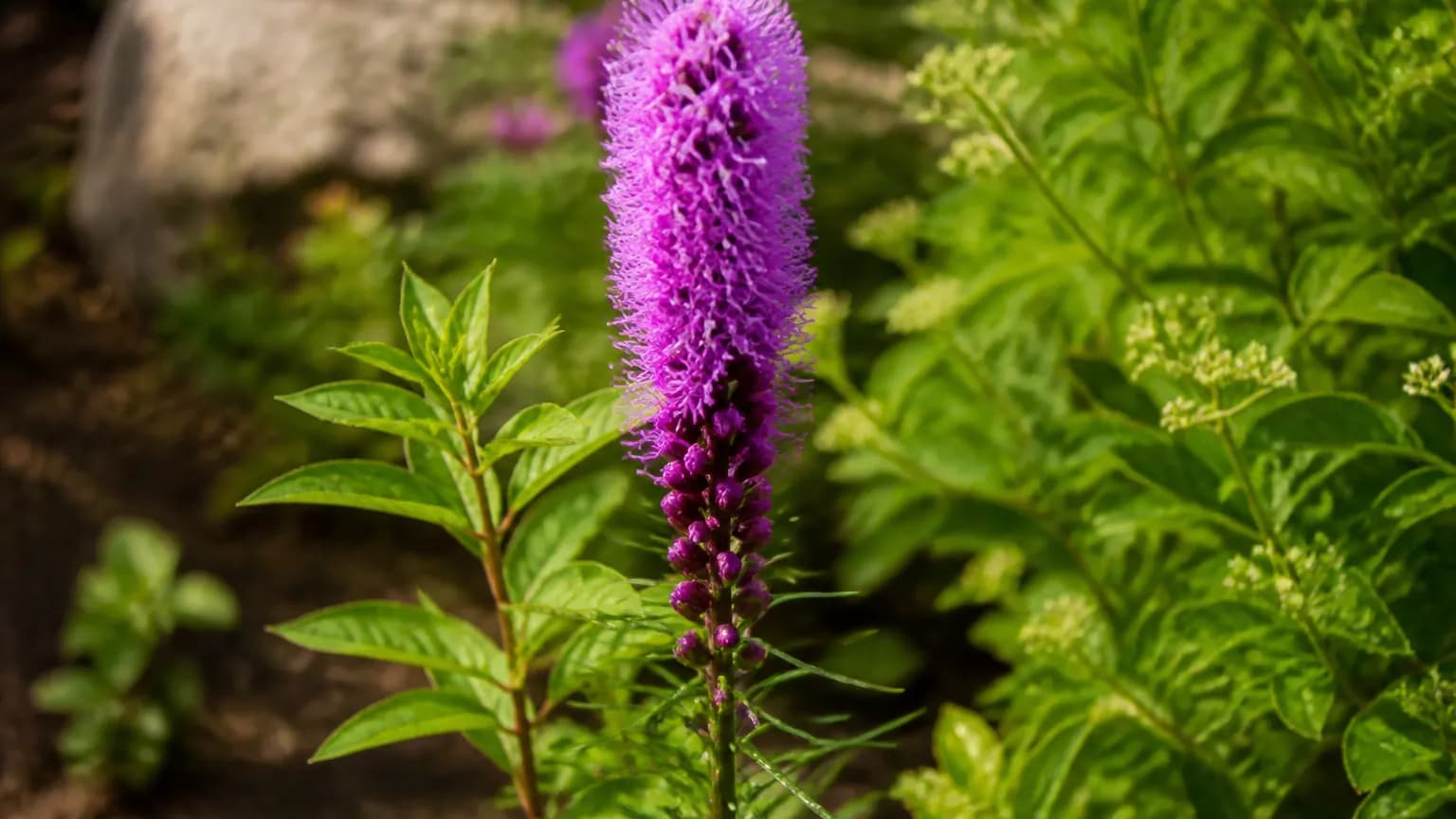
Blazing Star×2
Liatris spicata
Spacing: 30 cm · 12 in
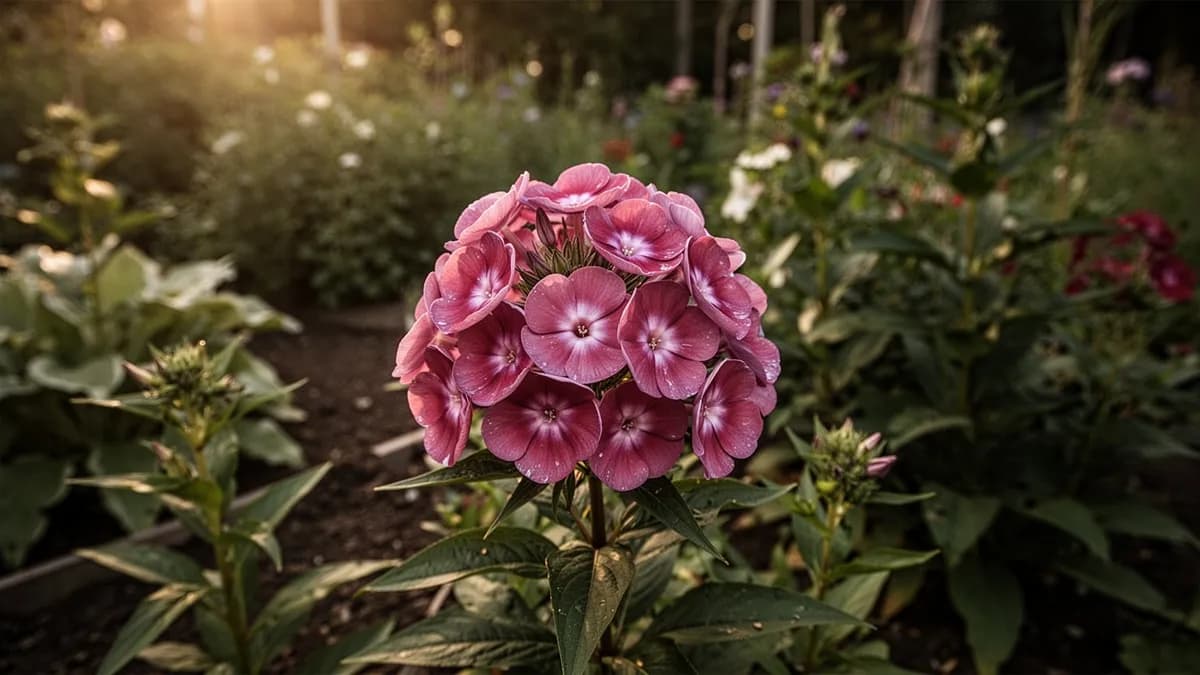
Garden Phlox
Phlox paniculata
Spacing: 45 cm · 18 in
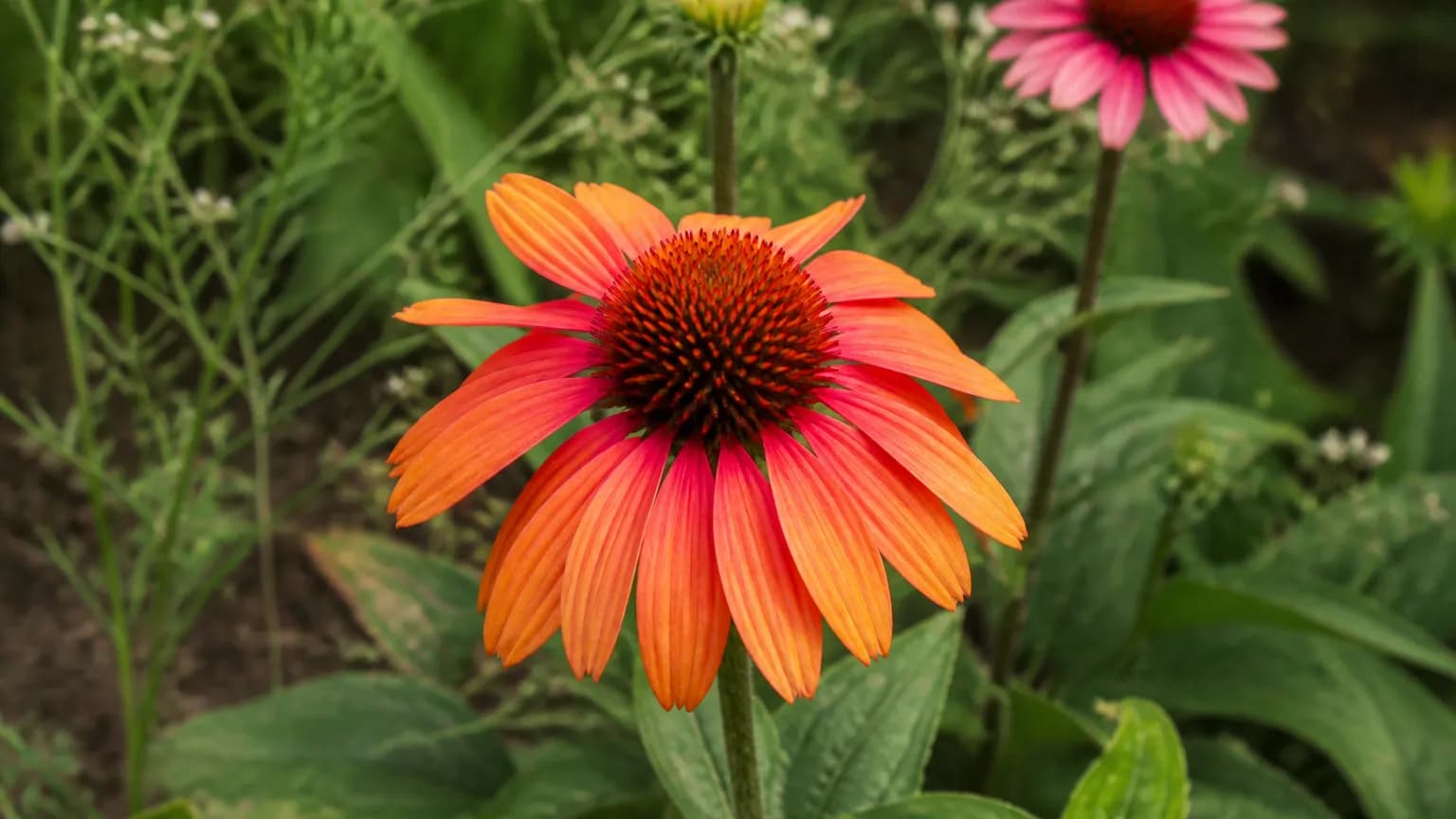
Coneflower×2
Echinacea purpurea
Spacing: 45 cm · 18 in
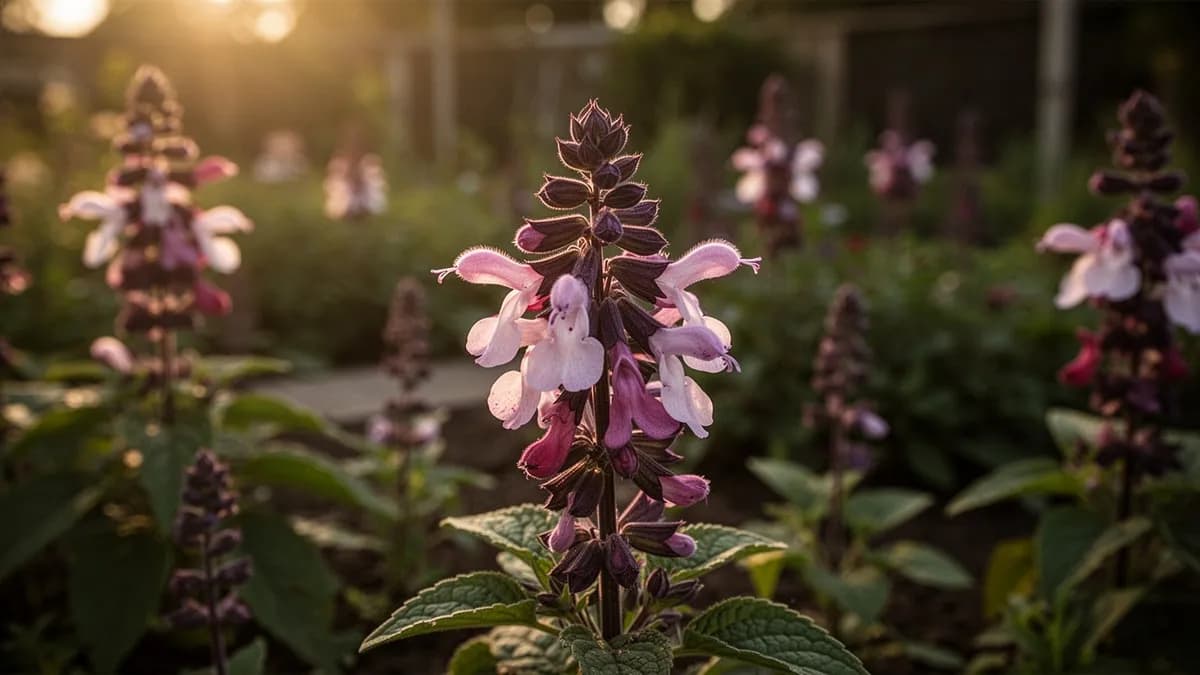
Salvia×2
Salvia splendens
Spacing: 30 cm · 12 in
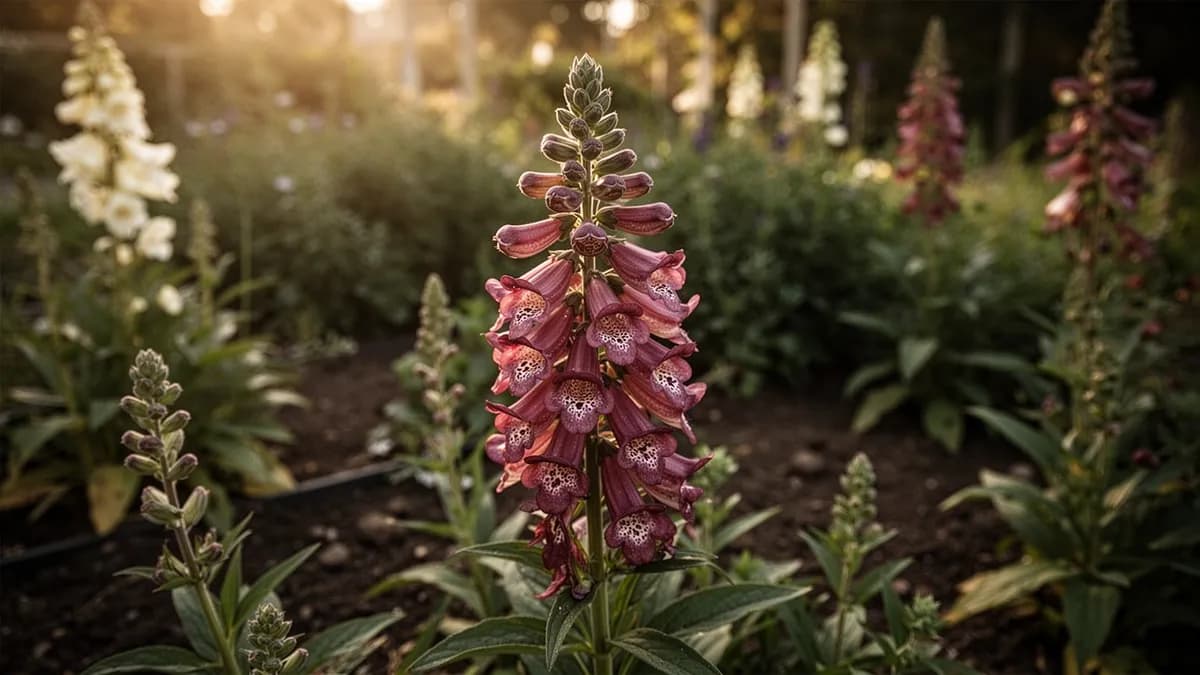
Beardtongue×2
Penstemon digitalis
Spacing: 35 cm · 14 in
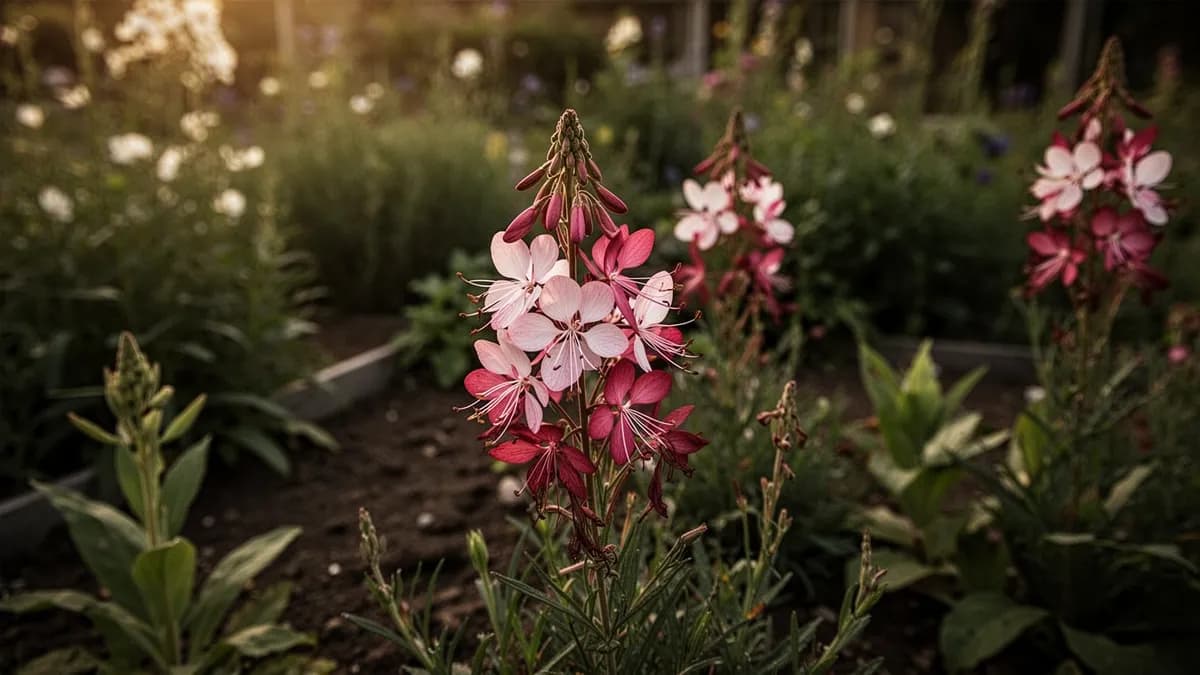
Gaura
Oenothera lindheimeri
Spacing: 45 cm · 18 in
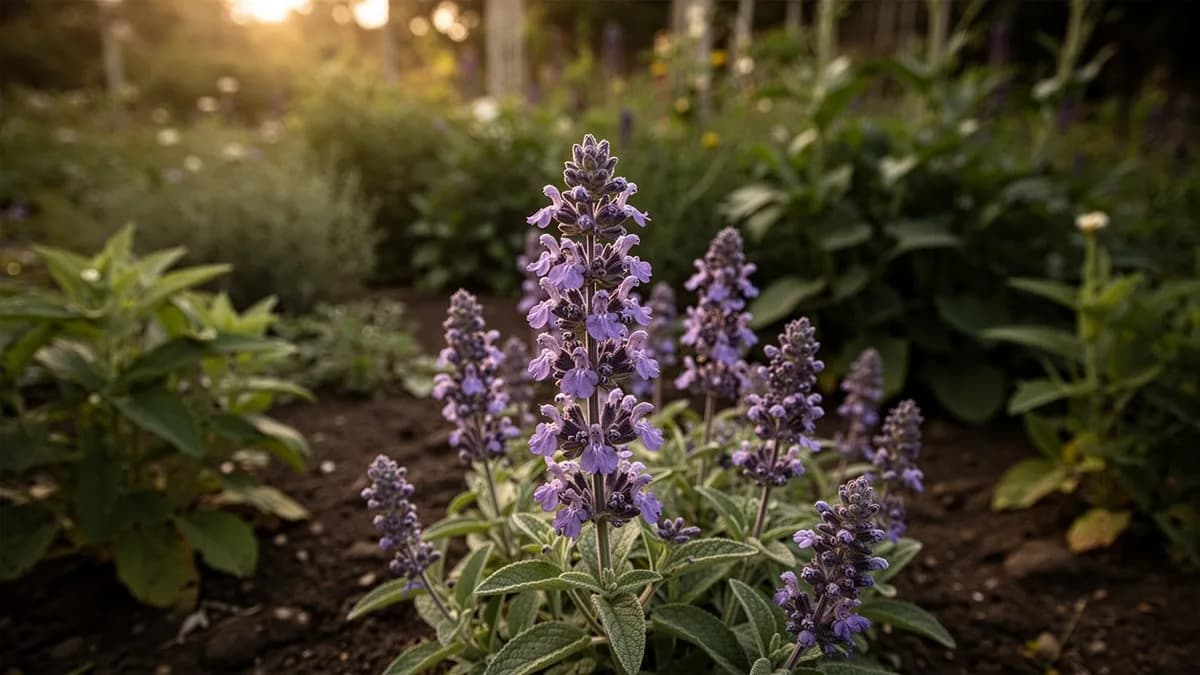
Catmint×2
Nepeta x faassenii
Spacing: 45 cm · 18 in
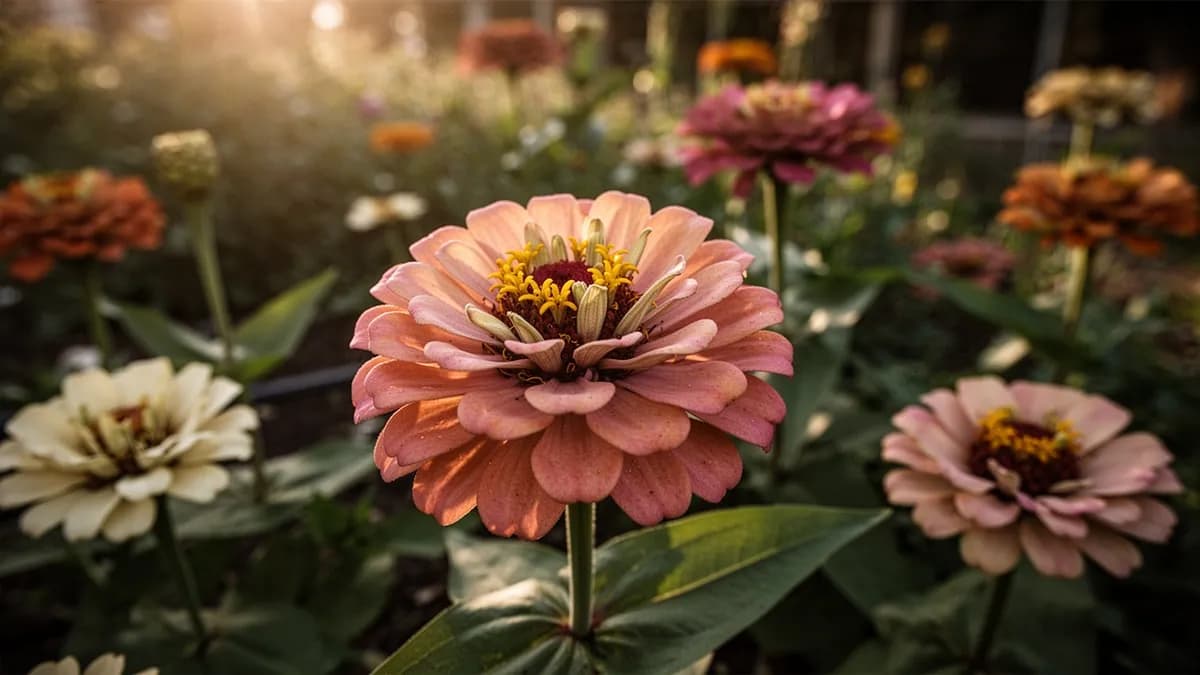
Zinnia×4
Zinnia elegans
Spacing: 25 cm · 10 in
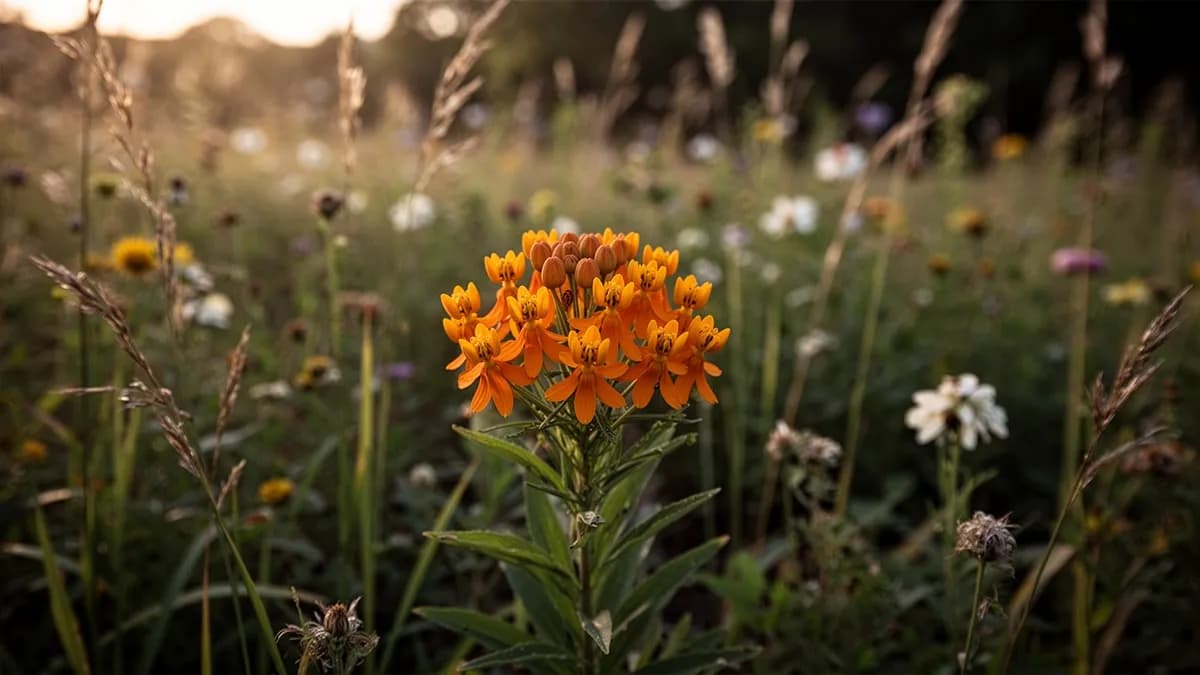
Butterfly Weed×2
Asclepias tuberosa
Spacing: 45 cm · 18 in
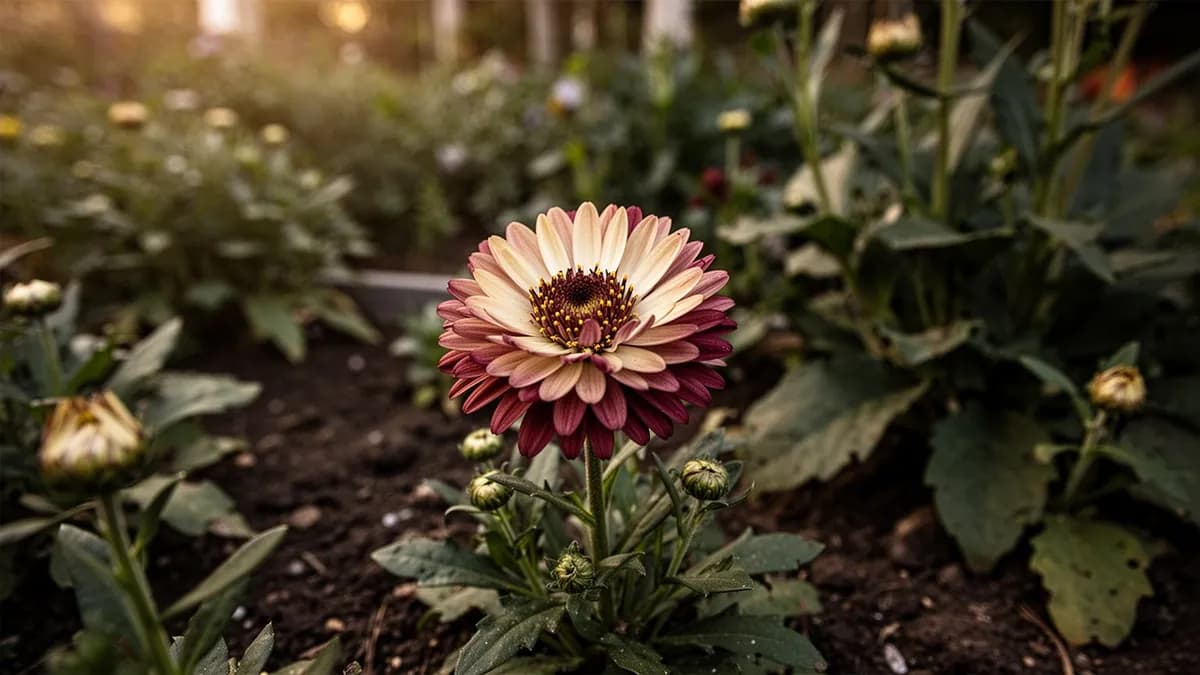
Aster×2
Symphyotrichum novae-angliae
Spacing: 45 cm · 18 in
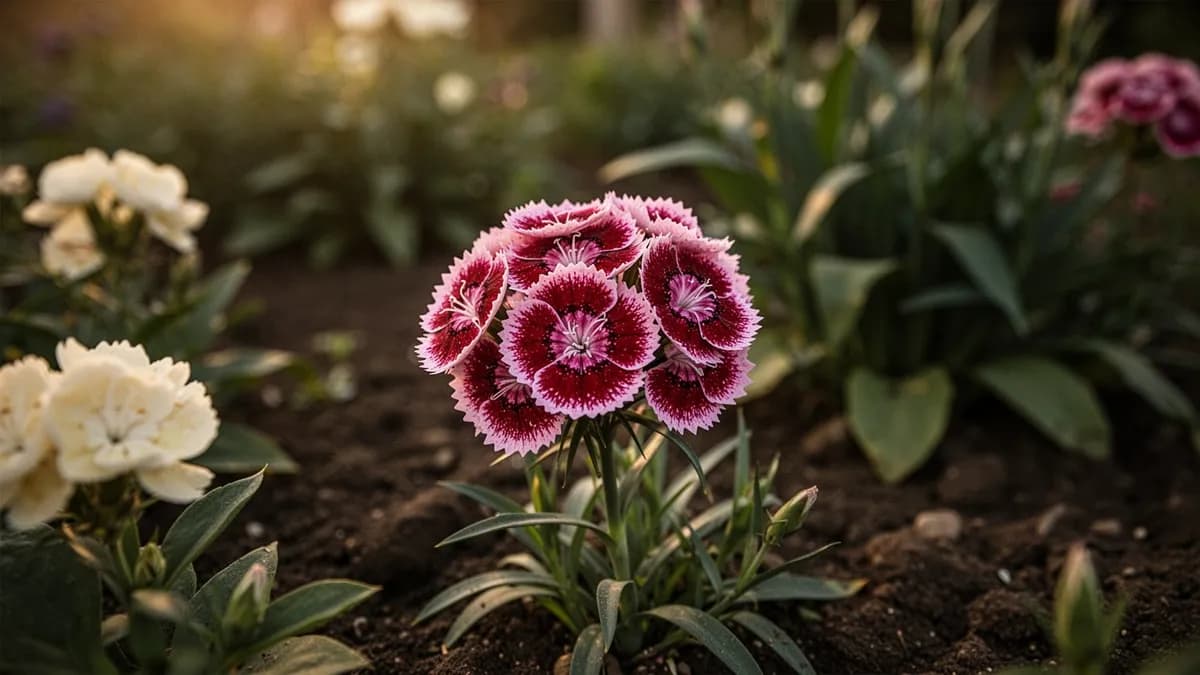
Perennial Dianthus×2
Dianthus gratianopolitanus
Spacing: 25 cm · 10 in
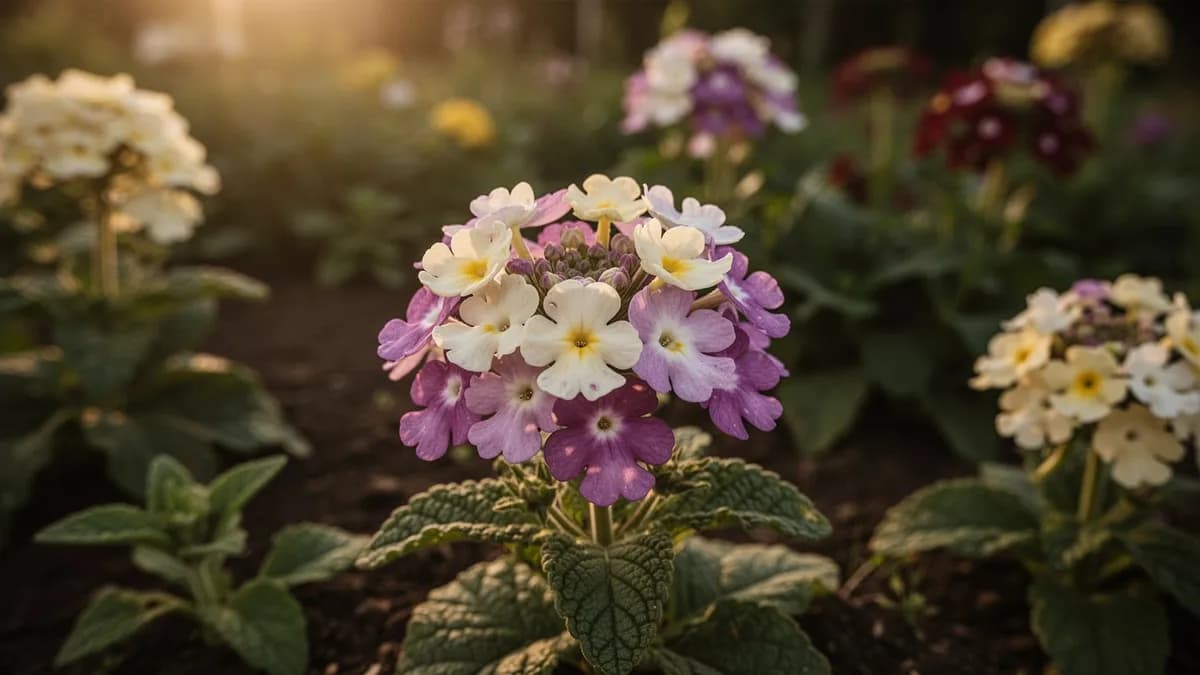
Verbena
Verbena x hybrida
Spacing: 30 cm · 12 in
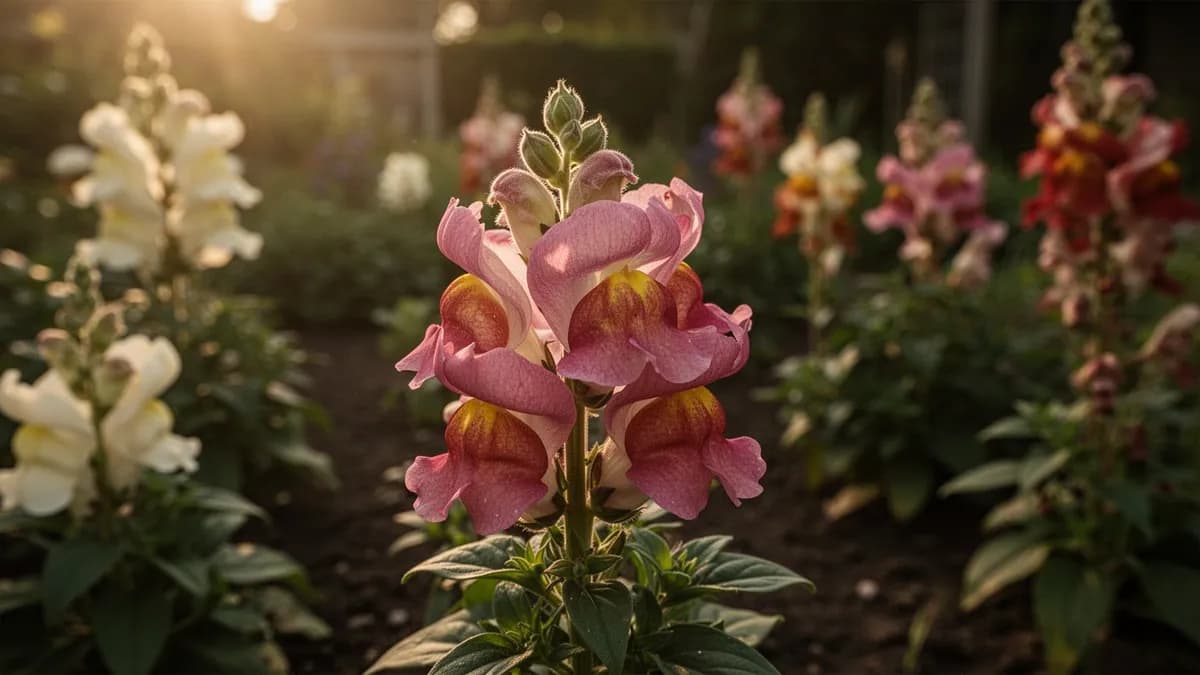
Snapdragon×2
Antirrhinum majus
Spacing: 25 cm · 10 in
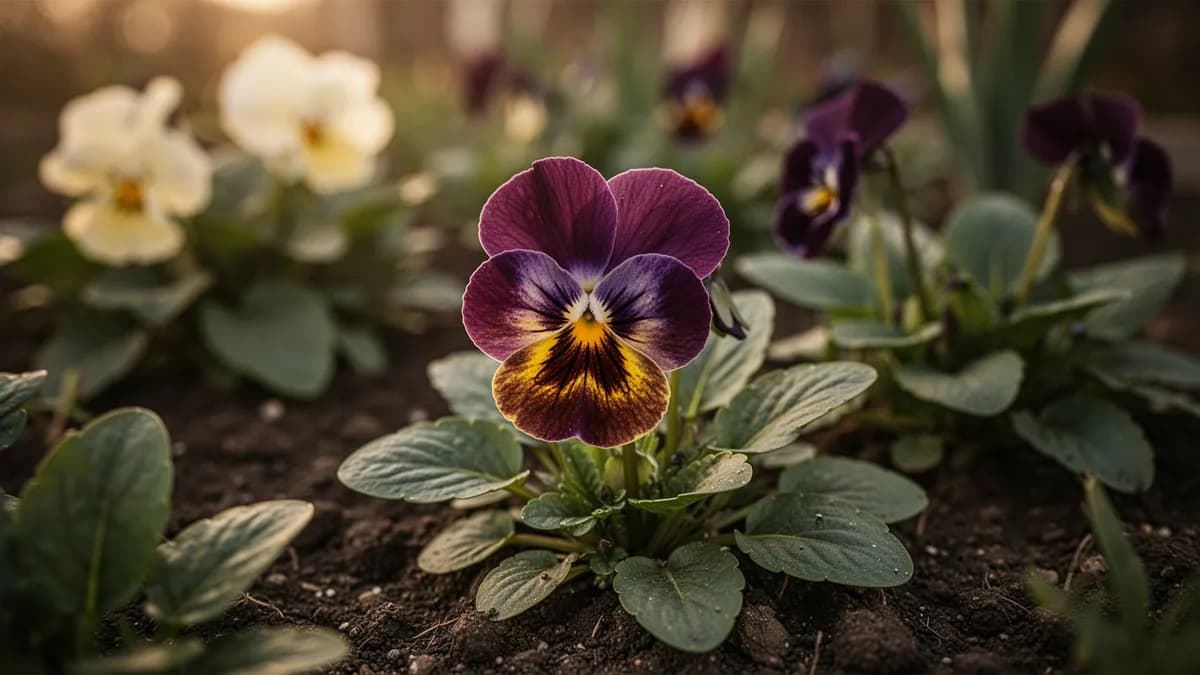
Perennial Viola×4
Viola cornuta
Spacing: 20 cm · 8 in
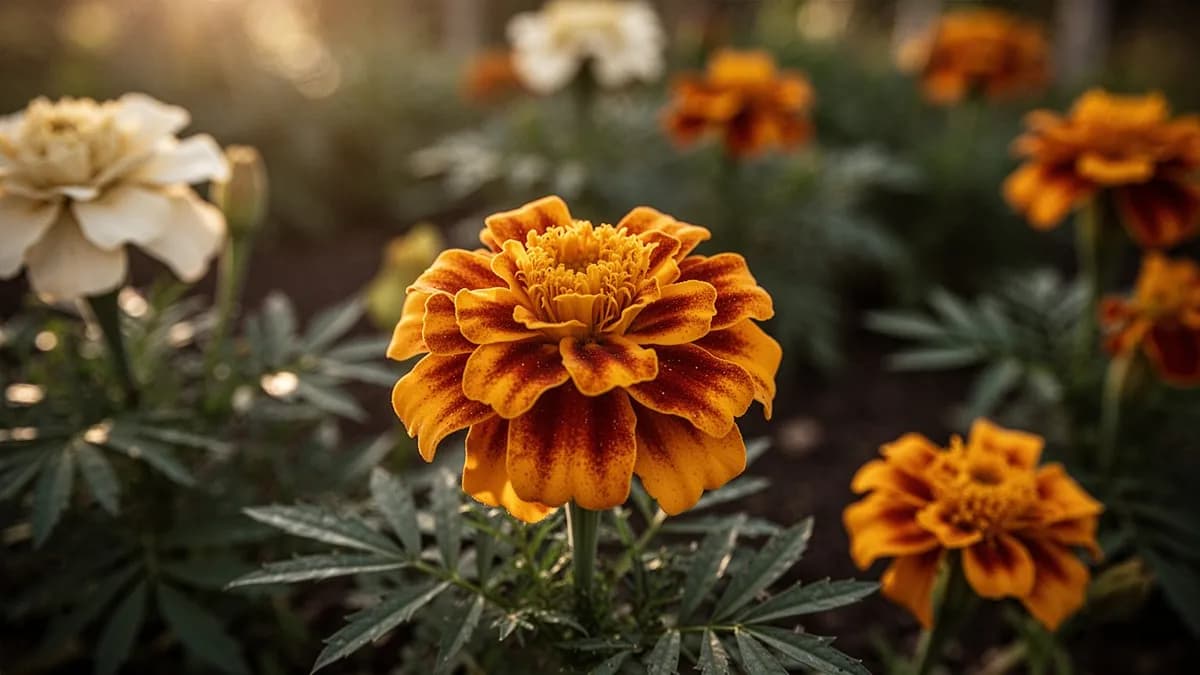
Marigold×2
Tagetes patula
Spacing: 25 cm · 10 in
Garden Elements (1)
Bird Bath
Bird bath attracting wildlife to the garden.
Ready to Start Growing?
Use this template as a starting point and customize it in the garden editor.
Related garden plans
Pollinator Paradise
An 8×8 flower garden designed to attract bees, butterflies, and beneficial insects all season.
Low-Maintenance Perennial Border
A 10×3 plant-once border of Russian sage, switchgrass, daylilies, and coneflowers that needs one tidy-up a year.
Native Wildflower Strip
An 8×4 prairie-style strip of North American natives — coneflower, monarda, columbine, and grasses — that runs on rainfall.