Zinnia
A heat-loving annual available in a vast range of colors and forms, excellent as a cut flower and butterfly magnet.





On this pageOverview
Meet Zinnia
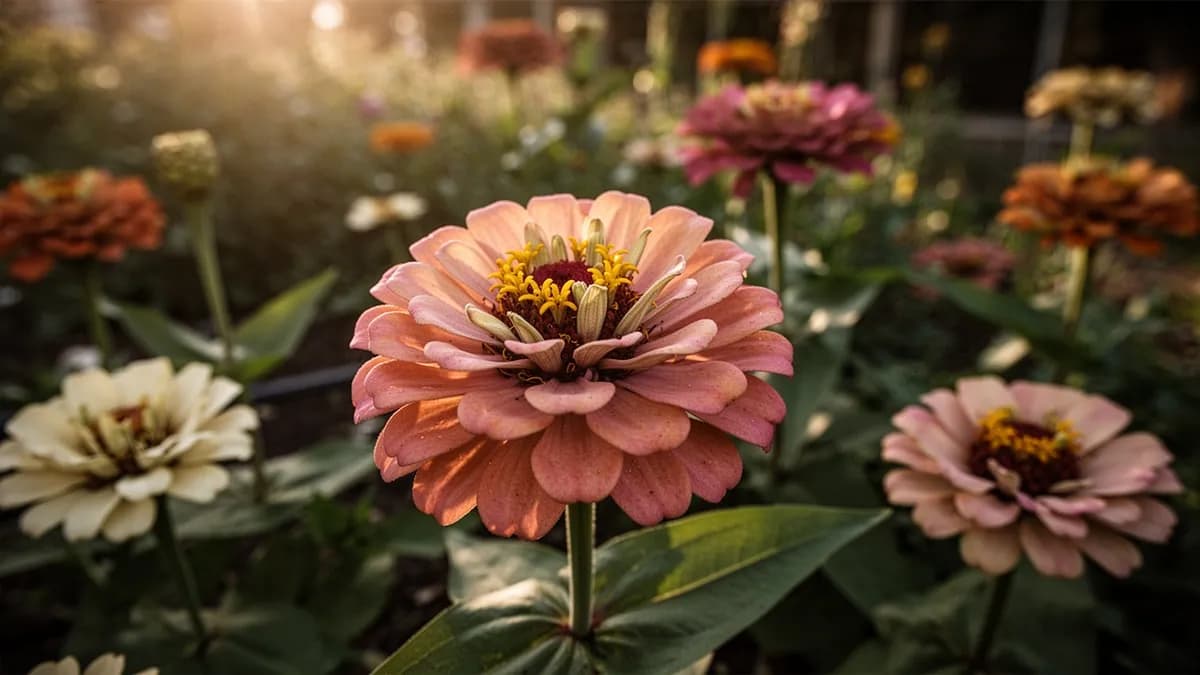
A heat-loving annual available in a vast range of colors and forms, excellent as a cut flower and butterfly magnet. Zinnias thrive in hot weather and actually perform poorly in cool, damp conditions where powdery mildew can become problematic. Space plants adequately for air circulation, water at the base rather than overhead, and deadhead spent blooms to encourage prolific reblooming. Cut stems for bouquets when flowers are just opening, and they will last a week or more in a vase.
When to plant Zinnia
Zinnia seeds are best direct sown outdoors after the last frost when soil temperature reaches 70 degrees Fahrenheit. Sow seeds a quarter inch deep and keep consistently moist until germination in five to seven days. If starting indoors, sow in peat pots three to four weeks before the last frost to minimize root disturbance at transplanting. Thin or transplant seedlings to proper spacing when they have two to three sets of true leaves. Successive sowings every two to three weeks extend the cutting season.
Your Zinnia Year
Composed for Zone 7 · typical seasons · frost passes Apr 2, returns Nov 1
Plant Zinnia Apr – Jun, pick Jul – Oct. Check the planting methods below and set your climate to personalize these windows.
How to grow Zinnia
Zinnias resent transplanting and perform best when direct sown into warm garden soil after the last frost. Prepare the bed by working in a two-inch layer of compost and rake smooth. Sow seeds a quarter inch deep and keep moist until germination, which takes five to seven days in soil above 70 degrees Fahrenheit.
Thin seedlings to their final spacing once they have two sets of true leaves: four to six inches apart for dwarf types, twelve to eighteen inches for tall cut-flower varieties. Pinch the growing tip of each seedling when it reaches about twelve inches tall to encourage branching and more flower stems.
Water zinnias at soil level using drip irrigation or a soaker hose, as wet foliage invites powdery mildew. Feed every three to four weeks with a balanced fertilizer or top-dress with compost. Remove spent flowers by cutting the stem back to just above a leaf node, which triggers new branching and prolongs the bloom season well into fall.
36 plants fit a 4 × 8 ft bed
Each Zinnia wants 25 cm of elbow room. The planner keeps that spacing for you — every plant, every bed.
Zinnia's best neighbours
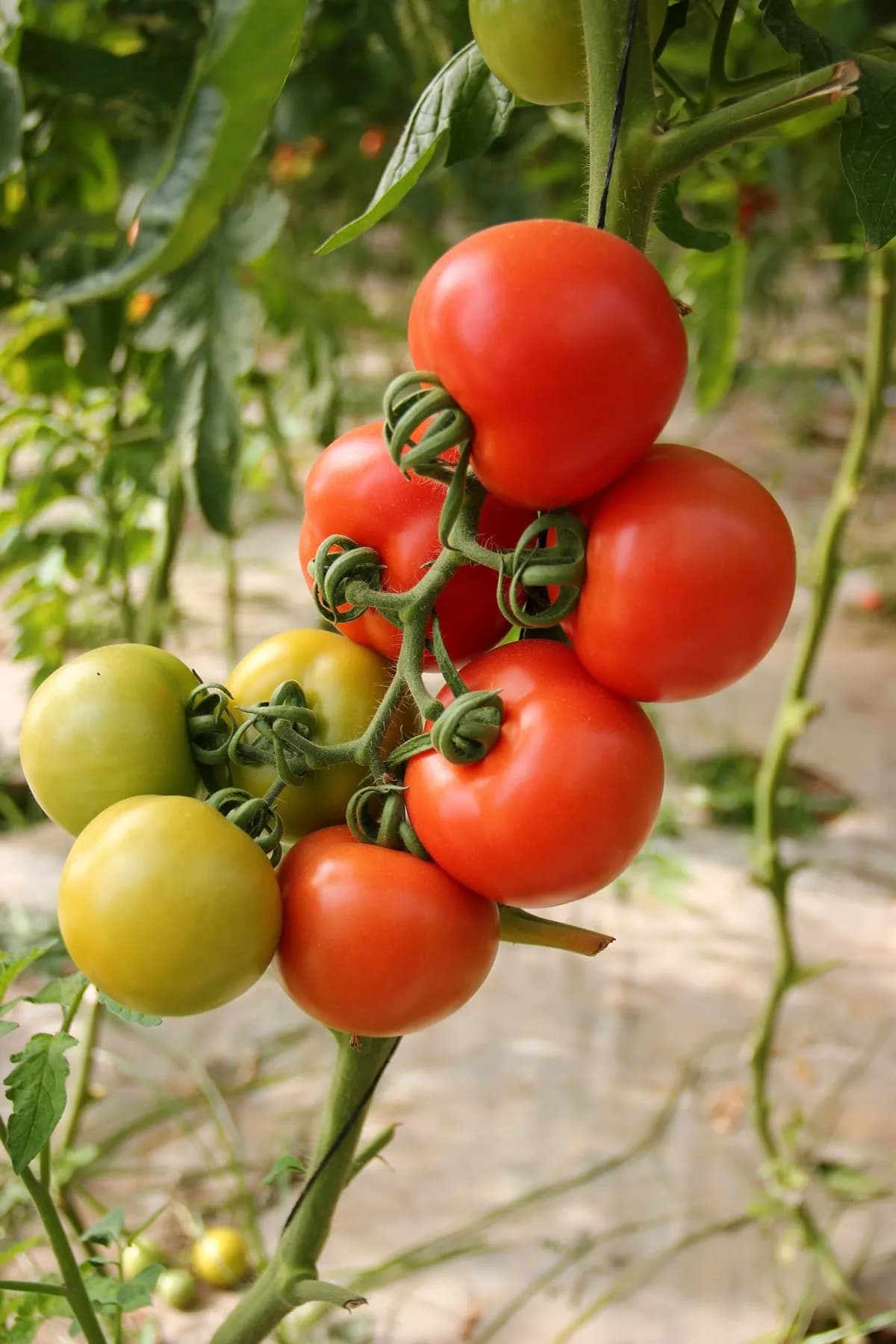
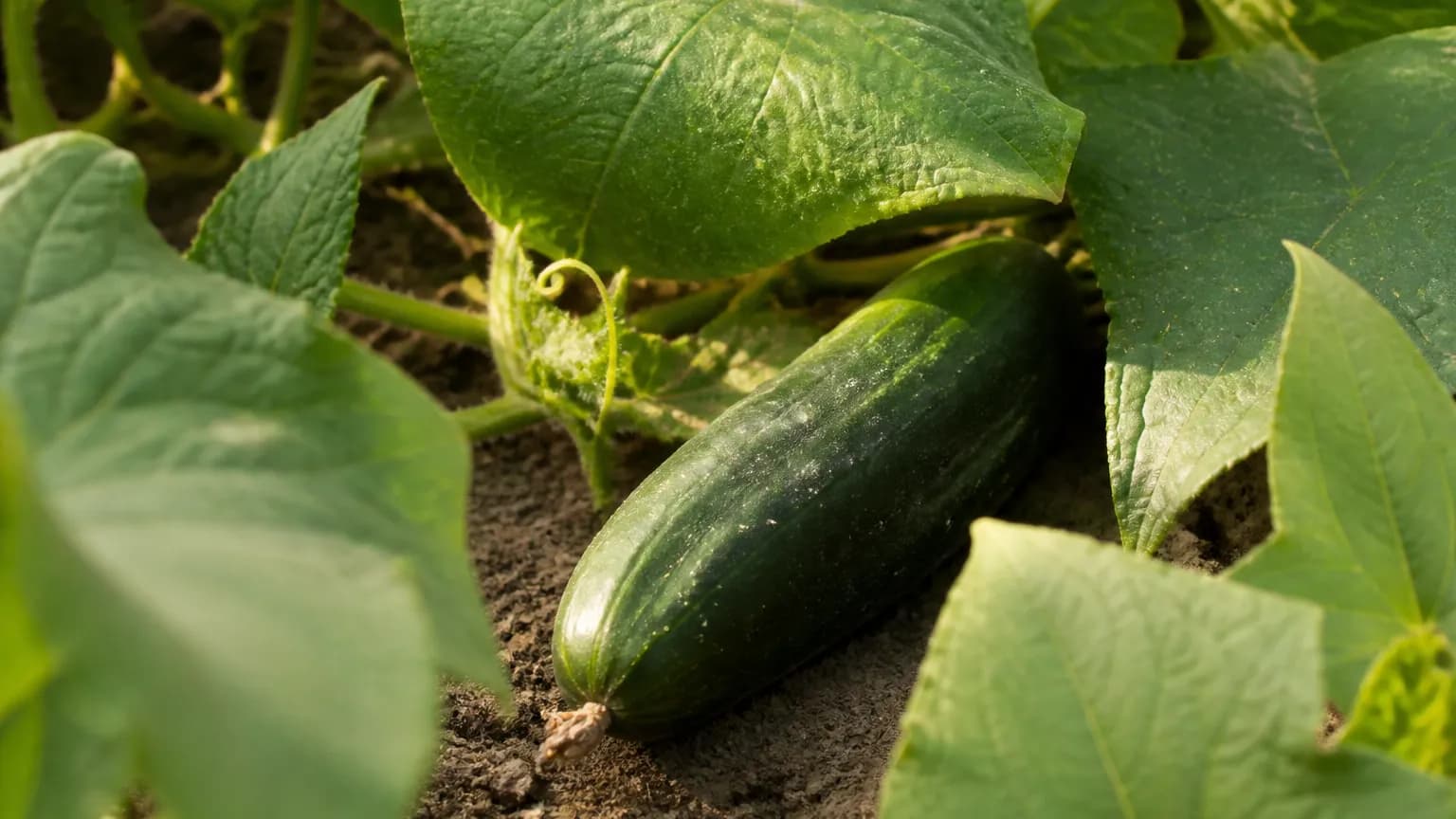
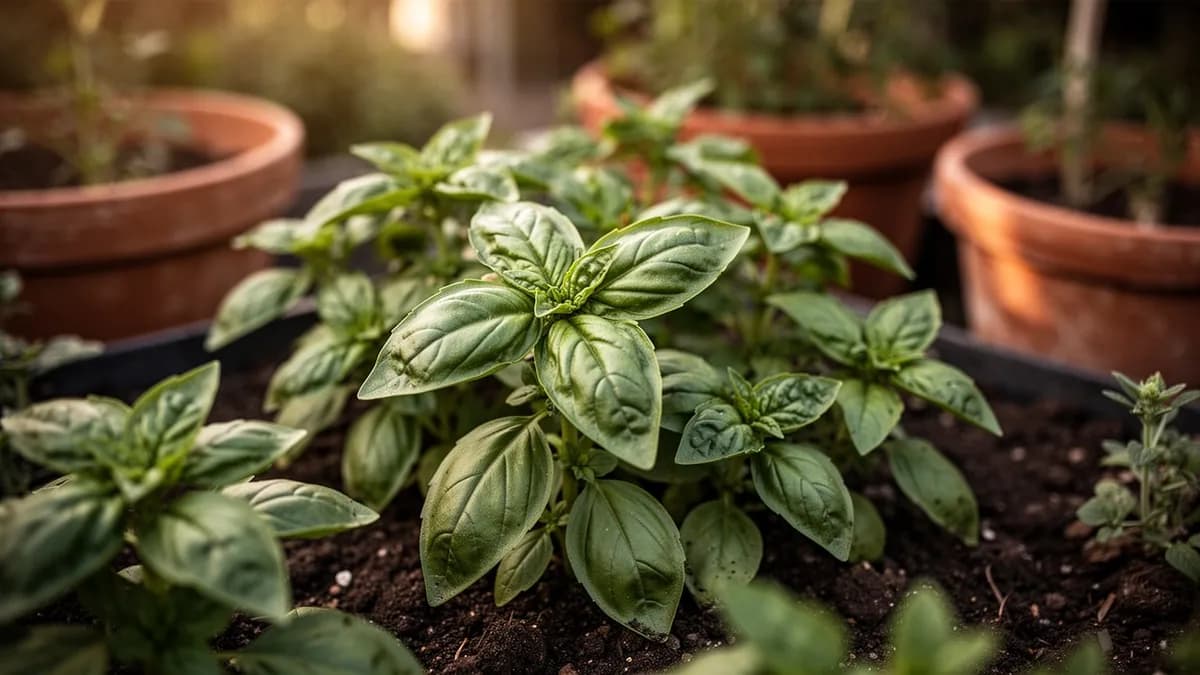
Zinnias attract a wide range of pollinators including butterflies, bees, and hummingbirds, making them excellent companions for any vegetable or fruit that requires pollination. Plant near tomatoes, cucumbers, and squash to boost pollinator visits. Their bright colors also lure beneficial insects like parasitic wasps that prey on garden pests. Zinnias pair well with basil, which helps repel aphids and whiteflies from nearby plants.
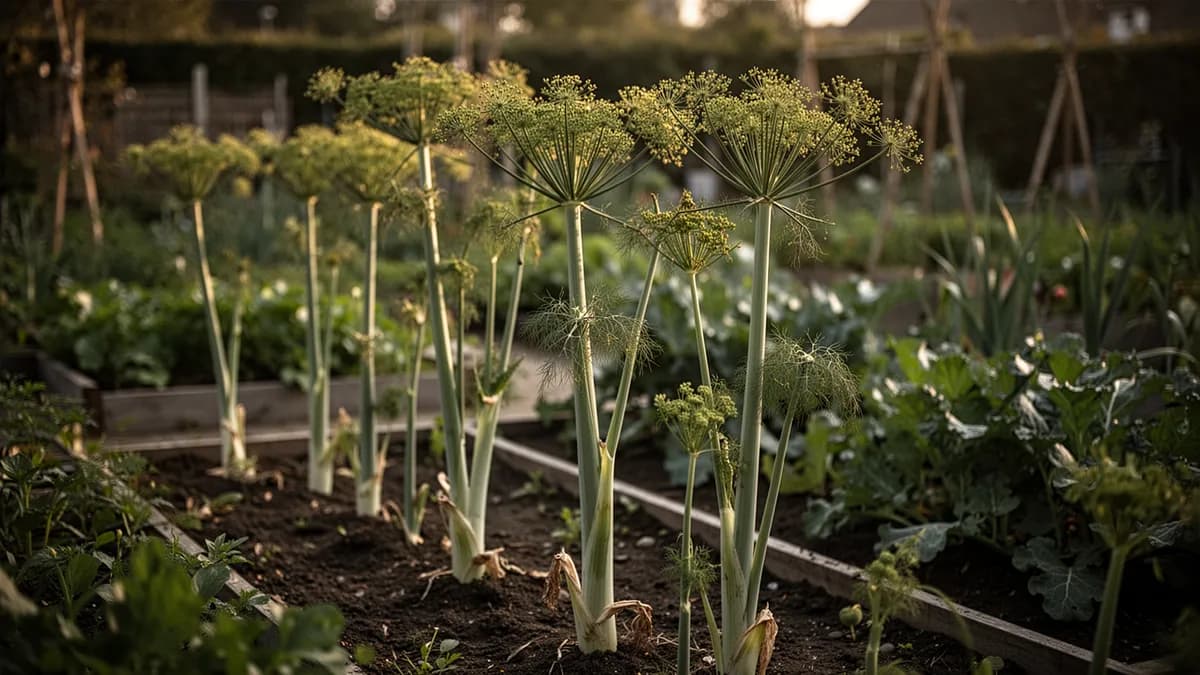
Tomato belongs beside it. Fennel doesn't.
Old growers' knowledge, checked against Zinnia's real companion table below — test any plant you're growing.
Try Zinnia in a bed — right here
A real planner bed with Zinnia already in it. Tap a companion to place it and watch the pairing checks answer — green for good neighbours, red for a clash.


Related growing guides
Feed it well
Zinnias prefer average to rich, well-drained soil with a pH between 5.5 and 7.5. Amend heavy clay soil with compost and coarse sand to improve drainage, as zinnias are susceptible to root rot in waterlogged conditions. Apply a balanced 10-10-10 granular fertilizer at planting and again when buds begin to form. For continuous-bloom varieties, feed every three weeks with a diluted liquid fertilizer. Too much nitrogen results in abundant foliage with fewer flowers.
Ideal Temperature
Hardiness Zone Compatibility
From seed to harvest, stage by stage
Seed Germination
Zinnia seeds germinate quickly when soil temperatures reach 21-27°C (70-80°F). Seeds should be sown 6 mm (1/4 inch) deep in moist, well-drained soil. Germination typically occurs within four to seven days under optimal conditions.
Seedling Development
Seedlings develop their first true leaves and begin establishing a root system. At this stage the plants are still small and delicate, typically reaching 5-8 cm (2-3 inches) in height.
Vegetative Growth
The plant grows rapidly, producing strong upright stems and abundant foliage. Zinnia elegans can reach 30-120 cm (12-48 inches) tall depending on the cultivar. The root system deepens and the plant becomes more drought tolerant.
Bud Formation
Flower buds begin to form at the tips of stems. The plant channels energy from vegetative growth into reproductive development. Buds gradually swell and show color before opening.
Full Bloom
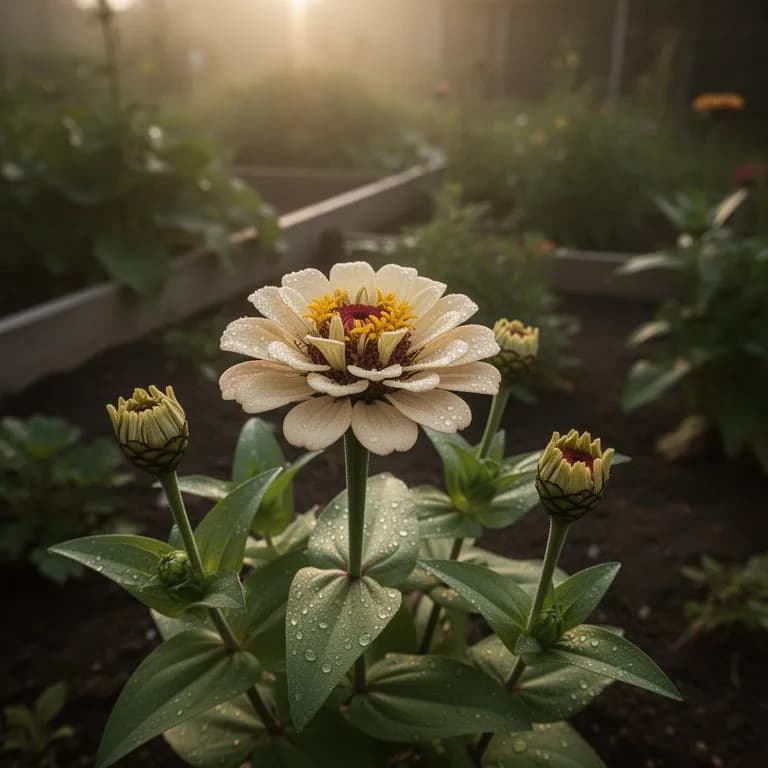
Flowers open fully, displaying the characteristic layered daisy-like form in colors ranging from white, yellow, orange, pink, red, purple, and green. Each bloom lasts approximately two to three weeks on the plant. Regular deadheading encourages continuous flowering.
Seed Production
As flowers mature and petals fade, seeds develop in the center cone of the flower head. The seed head dries and turns brown on the plant. Each flower can produce dozens of arrow-shaped seeds.
End of Season Decline
As temperatures drop below 10°C (50°F) and the first frost approaches, zinnia plants begin to decline. Foliage may yellow and flower production slows significantly. Zinnias are frost-tender annuals and will be killed by the first hard freeze.
Keep the soil consistently moist but not waterlogged during germination. Avoid overhead watering to prevent damping off disease in seedlings.
Caring for Zinnia month by month
What to do each month for your Zinnia
October
You are hereHarvest dried seed heads for next year before frost arrives. Enjoy the last blooms of the season. Zinnias will continue flowering until the first hard frost in most regions.
Know exactly what to do in your garden — every month
One email at the start of each month: what to sow, plant, and tackle right now — for your Zinnia and everything growing around it. Plus a short starter course that helps you dodge the classic mistakes.
- What to do, right now
- Matched to your season
- Starter course included
Harvesting Zinnia
Cut zinnia stems for bouquets when the flower is about three-quarters open and the stem feels firm when you wiggle it. A limp stem indicates the flower will not take up water well and will wilt quickly. Cut in the early morning, making a clean diagonal cut and placing stems immediately in water. For seed collecting, allow flower heads to dry fully on the plant until petals are papery, then pull individual seeds from the center cone and store dry.
assuming you plant when the window opens — set your real date
Cut stems when flowers are about three-quarters open and the stem passes the wiggle test: gently shake the stem just below the bloom and the flower head should remain rigid rather than flop. Limp stems mean the flower is immature and will not take up water.
Storage & Preservation
Fresh zinnias last seven to ten days in a clean vase with floral preservative. Recut stems and change water every two days for maximum longevity. To dry zinnias, cut flowers at peak bloom and hang upside down in small bunches in a dark, warm, well-ventilated area for two to three weeks. Zinnias can also be pressed between sheets of parchment paper under heavy books for use in crafts. Dried zinnia petals retain their color better than most flowers.
What goes wrong — and the fix
Powdery Mildew
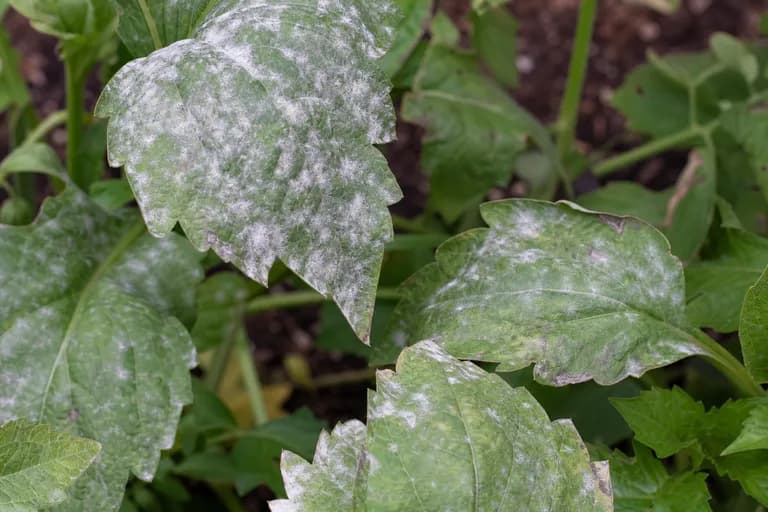
DiseaseWhite or gray powdery patches on leaves, stems, and buds. Lower leaves are usually affected first, then the disease spreads upward. Severe cases cause leaf drop and stunted growth.
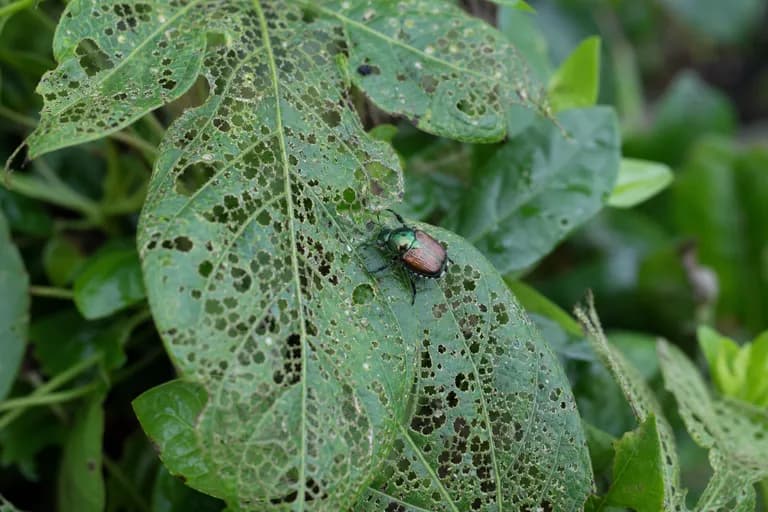
Japanese Beetles
PestSkeletonized leaves with only veins remaining, ragged holes in flower petals. Adult beetles are metallic green and copper colored, feeding in groups.
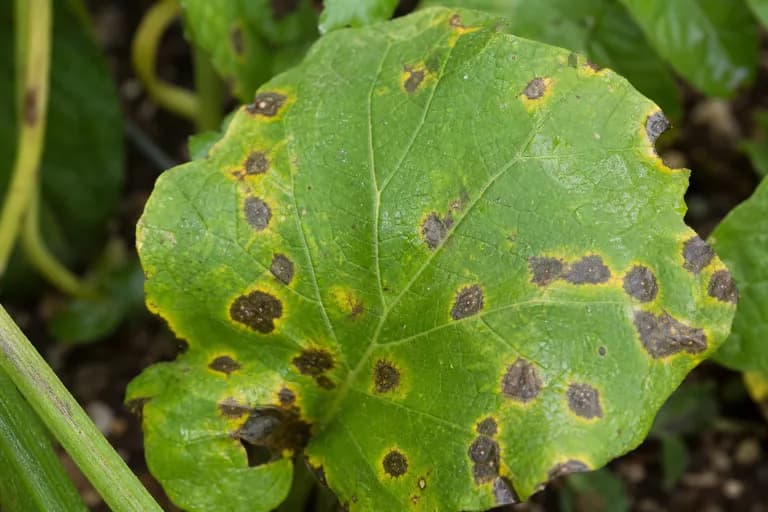
Bacterial Leaf Spot
DiseaseDark brown or black angular spots on leaves, often with yellow halos. Spots may merge, causing large areas of dead tissue. Lower leaves are affected first.
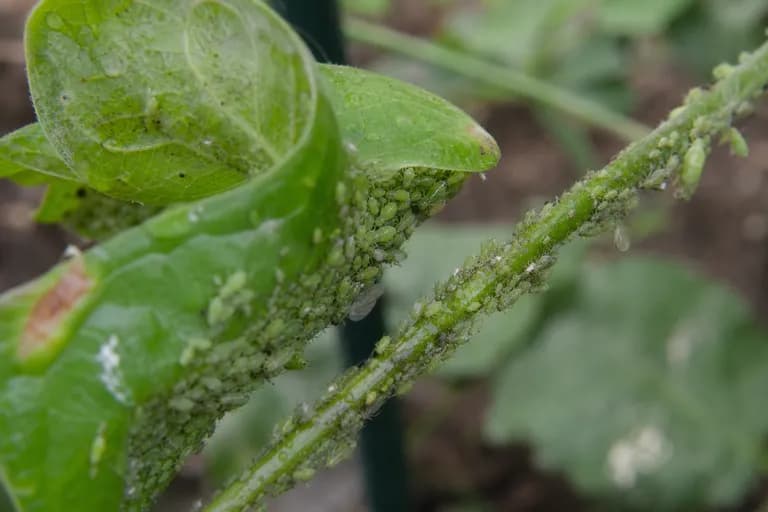
Aphids
PestClusters of soft-bodied insects on growing tips and flower buds. Sticky honeydew on leaves, sometimes with black sooty mold. Distorted new growth.
Troubleshooting Common Problems
Powdery mildew is by far the most common problem, especially in humid climates or when plants are crowded. Improve air flow and water at the base to prevent it. Alternaria leaf spot causes dark circular spots with concentric rings and is controlled by removing infected foliage. Zinnias may become leggy and floppy if not pinched early or if grown in partial shade. Bud drop can occur from drought stress during peak flowering.
Growing Tips
- Direct sow zinnia seeds after the last frost rather than transplanting whenever possible. Zinnias have taproots that resent disturbance, and direct-sown plants often outperform transplants within a few weeks.
- Space plants 15-30 cm (6-12 inches) apart to allow adequate air circulation. Good airflow is the single most effective cultural practice for preventing powdery mildew, the most common zinnia disease.
- Pinch the central growing tip when seedlings have three to four sets of true leaves. This encourages the plant to branch and produce multiple flower stems rather than a single tall stalk with one bloom.
- Water at the base of the plant using drip irrigation or a soaker hose. Overhead watering, especially in the evening, dramatically increases the risk of fungal diseases including powdery mildew and alternaria leaf spot.
- Deadhead spent flowers by cutting the stem back to just above a leaf node or side branch. This redirects the plant's energy from seed production into new flower growth and extends the blooming season by several weeks.
- Succession sow zinnia seeds every two to three weeks from late spring through midsummer to ensure a continuous supply of fresh blooms from early summer until the first frost arrives in autumn.
- Apply a 5-7 cm (2-3 inch) layer of organic mulch around zinnia plants to conserve soil moisture, suppress weeds, and keep the root zone cool during the hottest weeks of summer.
- Choose mildew-resistant varieties such as 'Zahara', 'Profusion', or 'Zinnita' if powdery mildew is a persistent problem in your garden. These interspecific hybrids between Zinnia elegans and Zinnia angustifolia offer excellent disease tolerance.
- Harvest cut flowers early in the morning when stems are fully hydrated. Use the wiggle test: gently shake the stem near the flower head, and if the stem is rigid and the flower does not wobble, it is mature enough to cut and will last well in a vase.
- Grow zinnias alongside vegetables as companion plants. They attract pollinators that improve yields of fruiting crops, lure beneficial predatory insects, and can serve as trap crops for Japanese beetles and other pests that might otherwise damage your vegetables.
Grow your best Zinnia yet — and everything around it.
Start a free plan today. Lay out your beds, drop in your Zinnia, and let PlotMyGarden handle the timing, spacing, companions and reminders from seed to harvest basket.
Pick your Zinnia
Benary's Giant
The gold standard for cut-flower zinnias, reaching four feet tall with fully double, dahlia-like blooms up to six inches across in a wide color range.
Profusion Series
Compact, disease-resistant plants growing twelve to eighteen inches tall with single to semi-double flowers. Exceptional mildew resistance and continuous bloom.
Queen Lime
Unique lime-green to blushed rose double blooms on sturdy two-foot stems. A favorite of floral designers for its unusual coloring.
Zinderella Series
Scabiosa-flowered zinnias with a tufted center surrounded by a ring of larger petals, giving an elegant, old-fashioned appearance.
Lilliput Mix
Dwarf button-type zinnias with small, round, fully double flowers on compact eighteen-inch plants, perfect for edging and containers.
Zinnias are among the most cost-effective flowers a home gardener can grow. A single packet of seeds costing two to four dollars can produce 50-100 plants, each yielding dozens of cut flowers throughout the summer. A comparable number of cut zinnia stems from a florist or farmers market would cost $150-$400 or more over the course of a season. Seeds can also be saved from year to year at no additional cost, making zinnias essentially free after the initial investment. Their low maintenance requirements mean minimal spending on fertilizers and pest controls compared to more demanding ornamental plants.
Quick recipes
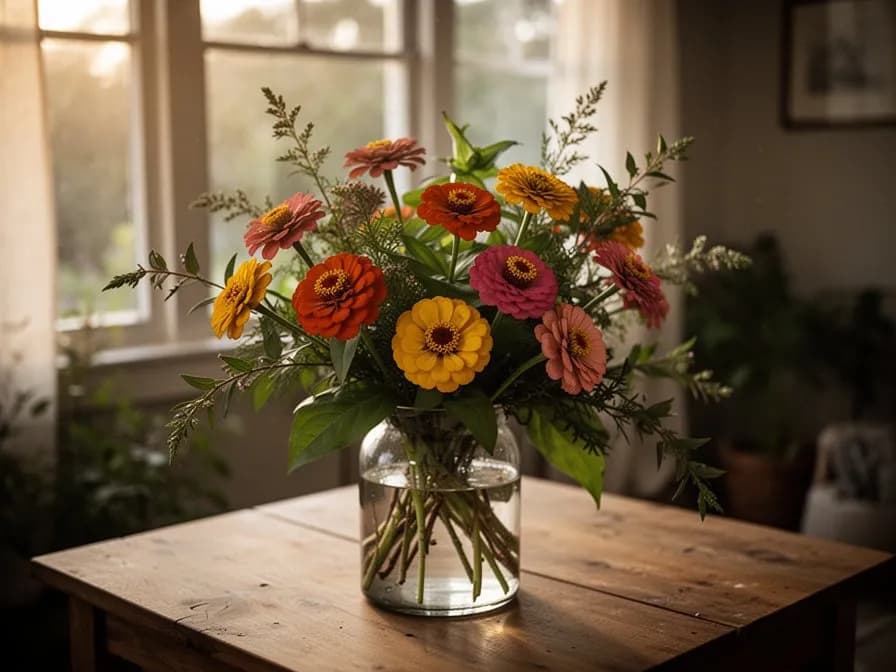
Zinnia Petal Garden Salad
10 minutesA vibrant summer salad topped with fresh zinnia petals for color and a mild peppery bite. The edible petals add visual drama to a simple mixed green salad dressed with a light citrus vinaigrette.
8 ingredients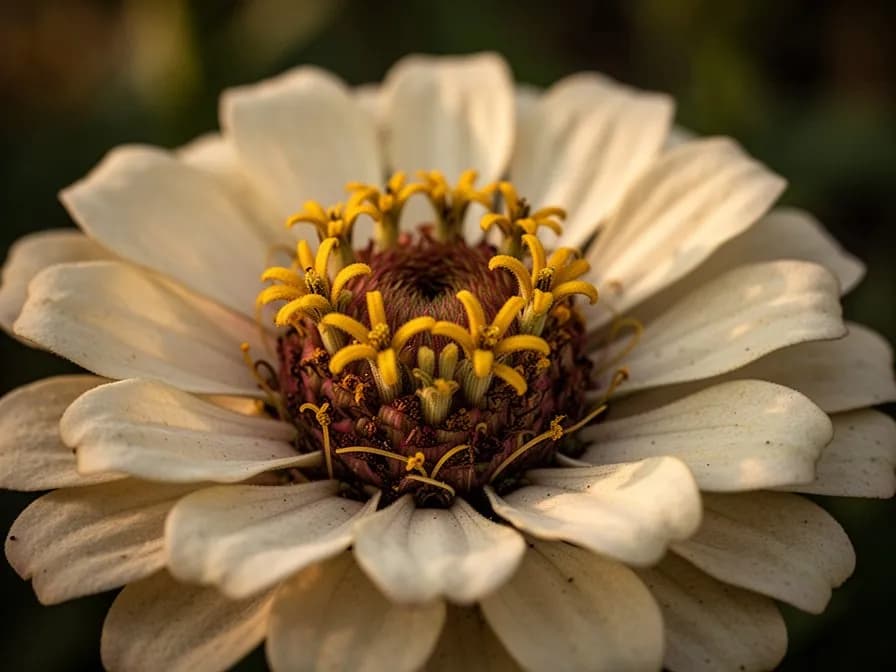
Zinnia Flower Ice Cubes
15 minutes plus 4 hours freezing timeBeautiful frozen flower cubes that add a stunning decorative touch to summer drinks, lemonade, or sparkling water. Each ice cube captures a colorful zinnia petal or small bloom suspended in crystal-clear ice.
3 ingredientsZinnia Petal Infused Honey
10 minutes plus 1 week infusion timeA delicately floral infused honey made by steeping fresh zinnia petals in raw honey. The result is a subtly flavored golden honey with a light floral note, perfect for drizzling over toast, stirring into tea, or gifting in small jars.
3 ingredientsWhat's inside
Health Benefits
- Zinnia petals contain small amounts of antioxidant compounds including flavonoids and carotenoids, particularly in deeply colored red, orange, and purple varieties.
- Growing zinnias provides significant mental health benefits; studies have shown that flower gardening reduces cortisol levels and promotes relaxation and mindfulness.
- The act of cutting and arranging zinnias has been used in horticultural therapy programs to improve fine motor skills, cognitive function, and emotional well-being in elderly and rehabilitation patients.
- Zinnias attract beneficial pollinators to vegetable gardens, indirectly supporting healthier food production and increased yields of nutrient-rich crops like tomatoes, peppers, and squash.
- Spending time in a zinnia garden exposes gardeners to natural sunlight, supporting vitamin D synthesis and helping regulate circadian rhythms for better sleep quality.
- The bright, saturated colors of zinnia blooms have been associated with mood elevation and reduced symptoms of seasonal affective disorder when grown indoors under supplemental lighting during winter months.
Where Zinnia comes from
Zinnia elegans is native to the semi-arid grasslands and scrubby hillsides of central and southern Mexico, where wild populations still grow today in the states of Durango, Jalisco, and Oaxaca. The Aztec people were familiar with the plant but considered the small, purplish-brown wildflowers unremarkable in appearance, reportedly calling them by a name that translates roughly to 'eyesore' or 'plants that are hard to look at.' Spanish conquistadors and early botanists collected specimens during the colonial period, but zinnias initially failed to impress European gardeners when seeds were first sent to the Royal Botanic Garden of Madrid in the early 1700s. The genus was formally named by Carl Linnaeus in 1759 in honor of Johann Gottfried Zinn, a German botanist and physician from the University of Gottingen who had published detailed descriptions of the plant. Through the late 18th and 19th centuries, European plant breeders began selecting for larger flowers, doubled petals, and brighter colors, gradually transforming the humble Mexican wildflower into the vibrant garden ornamental we recognize today. By the early 20th century, American seed companies had embraced the zinnia as a staple of summer flower gardens across the United States. Luther Burbank and other notable breeders worked to develop the giant dahlia-flowered types that became enormously popular in the 1920s and 1930s. Today, Zinnia elegans and its hybrids are among the most widely grown annual flowers in the world, cultivated on every inhabited continent in home gardens, commercial cut flower operations, and public landscapes. Modern breeding programs continue to release new varieties with improved disease resistance, compact habits for container growing, and novel color combinations that would have astonished the Aztec farmers who first overlooked this now-beloved flower.
Zinnia: did you know?
Fascinating facts about Zinnia
Zinnias were one of the first flowers ever grown in space. NASA astronaut Scott Kelly cultivated zinnias aboard the International Space Station in 2016 as part of the Veggie plant growth experiment.
Zinnia questions, answered
When should I plant Zinnia?
What are good companion plants for Zinnia?
What hardiness zones can Zinnia grow in?
How much sun does Zinnia need?
How far apart should I space Zinnia?
What pests and diseases affect Zinnia?
How do I store Zinnia after harvest?
What are the best Zinnia varieties to grow?
What soil does Zinnia need?
Why are my zinnia leaves turning white or developing a powdery coating?
Can I start zinnia seeds indoors, or should I direct sow them?
How do I save zinnia seeds for next year?
Do zinnias attract pollinators?
Why are my zinnia flowers getting smaller as the season goes on?
Are zinnias deer resistant?
You just read the theory. Now grow it on autopilot.
Everything that makes Zinnia fiddly — the timing, the spacing, the companions, the harvest window — is exactly what PlotMyGarden handles for you, for every plant in your garden.
A plan that knows your weather
Set your location once. Get sow, feed and harvest dates built around your real last-frost date and live forecast — no more guessing from a generic seed packet.
From the “When to plant” sectionDrag-and-drop bed planner
Design beds on a grid. Every plant snaps to its proper spacing, and you can see your whole season laid out before you spend a cent on seed.
From the “Growing guide” sectionCompanion conflicts, caught early
200+ good-and-bad pairings checked live as you plant — so a season-wrecking mistake never makes it into the ground.
From the “Companions” sectionReminders you'll actually act on
“Water the beans.” “Pick today before it turns.” Timely, specific, and tied to the plants you're really growing.
From the “Harvest” sectionSuccession, scheduled
Want a harvest for six weeks, not six days? It spaces your sowings automatically and reminds you when each new block is due.
From the “When to plant” sectionA record that gets smarter
Every harvest you log teaches it your garden. Next year's plan starts from what actually worked in your soil, not a textbook's.
From the “Overview” sectionPlant these alongside Zinnia
More Annuals
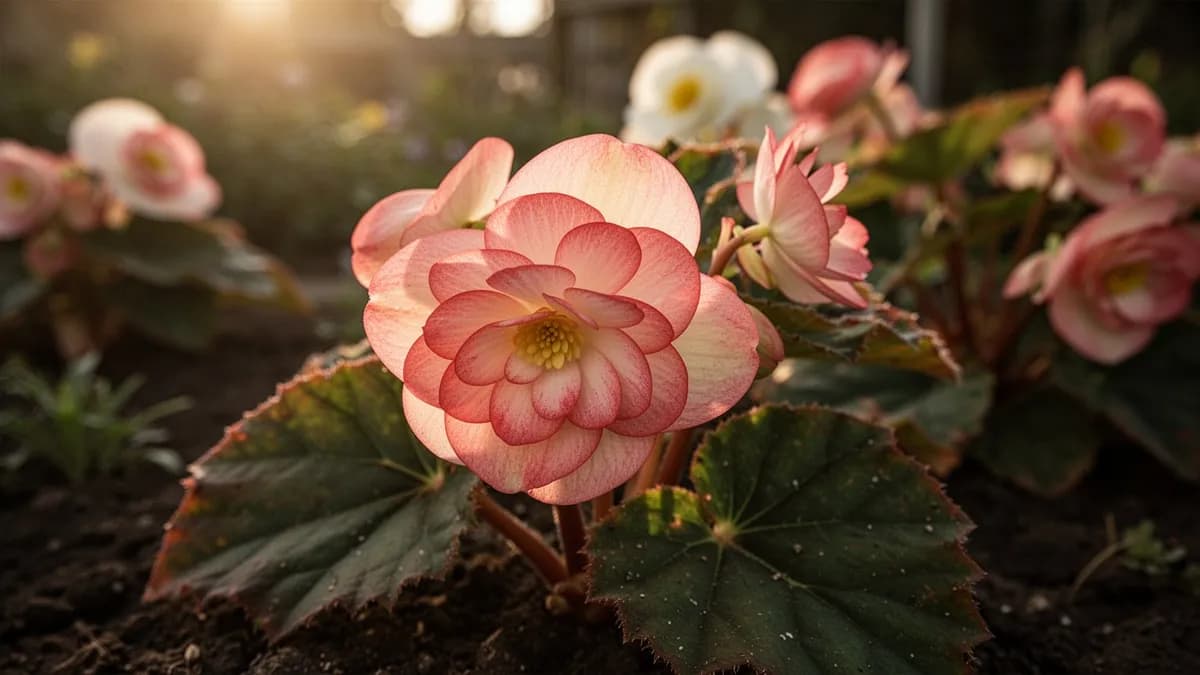
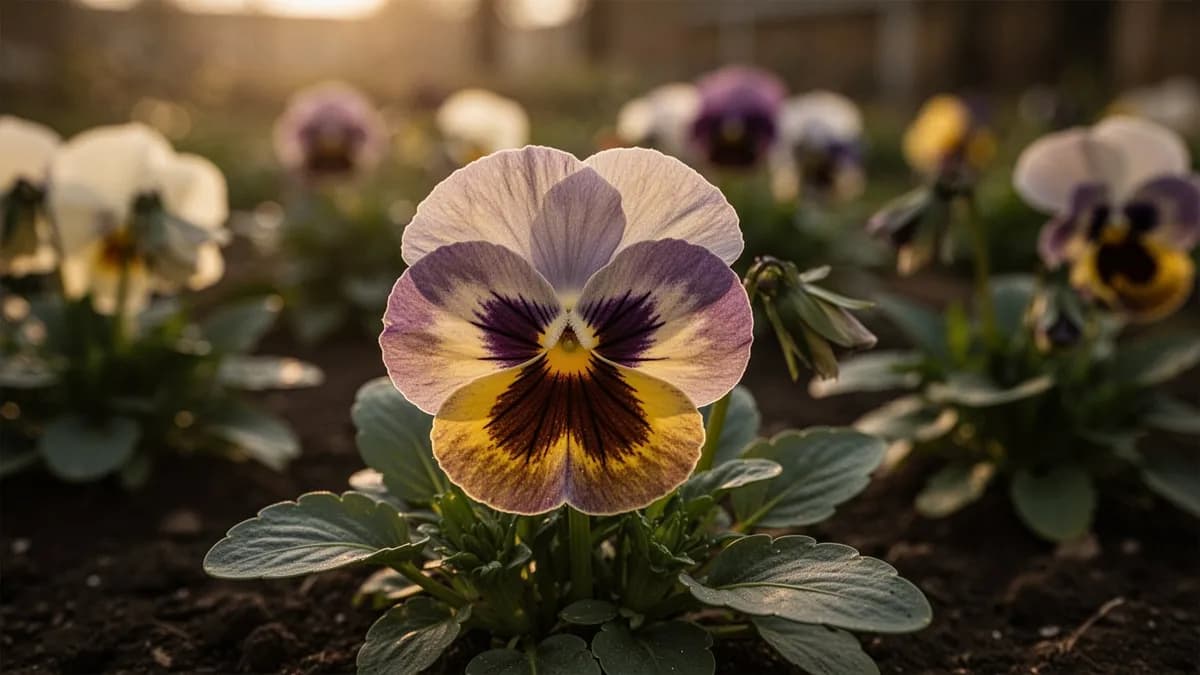
Keep Zinnia away from these
Garden plans featuring Zinnia
Grow your best Zinnia yet — and everything around it.
Start a free plan today. Lay out your beds, drop in your Zinnia, and let PlotMyGarden handle the timing, spacing, companions and reminders from seed to harvest basket.