Geranium
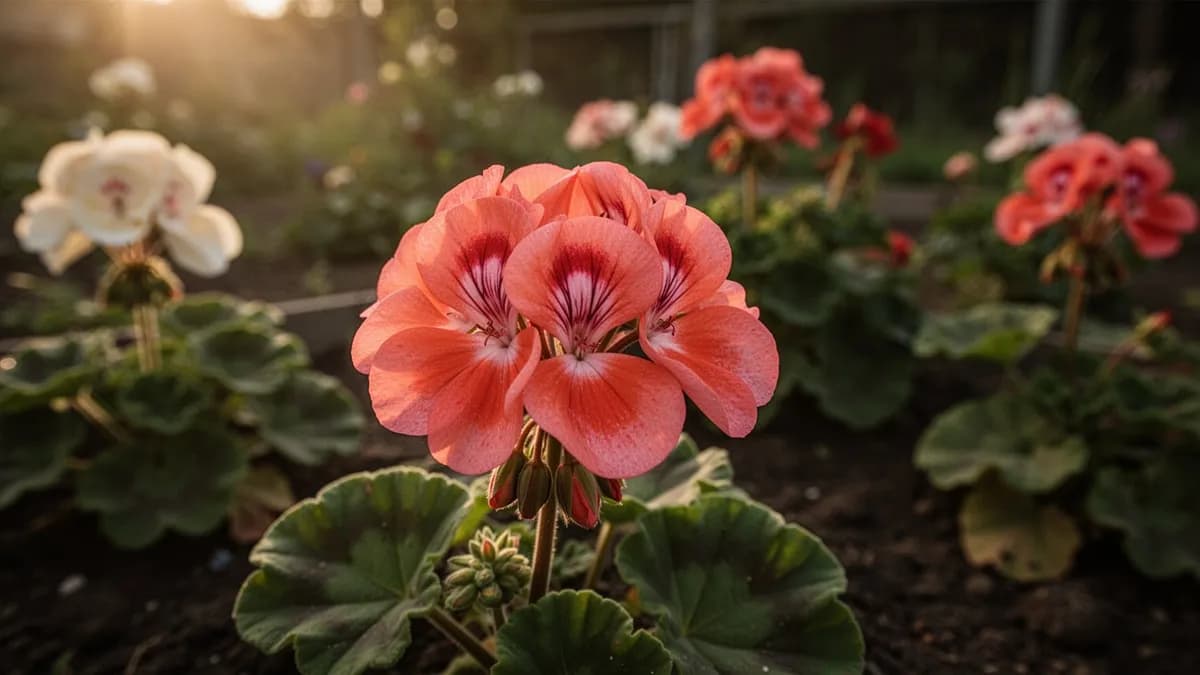
A popular container plant with rounded clusters of bright flowers and scented foliage that repels certain pests including mosquitoes and deer.





On this pageOverview
Meet Geranium
A popular container plant with rounded clusters of bright flowers and scented foliage that repels certain pests including mosquitoes and deer. Geraniums prefer full sun, well-drained soil, and moderate watering, tolerating dry spells better than most bedding plants. Deadhead regularly to encourage continuous blooming and pinch growing tips to promote bushy, compact growth. In cold climates, bring plants indoors before frost or take cuttings in late summer to overwinter on a sunny windowsill for next season.
When to plant Geranium
Geraniums are most commonly propagated from stem cuttings, which produce plants identical to the parent. Take four-inch cuttings from healthy stems, remove lower leaves, let cut ends dry for a few hours, and insert into moist perlite or vermiculite. Cuttings root in three to four weeks without rooting hormone. Seeds can be started indoors twelve to sixteen weeks before the last frost at 70 to 75 degrees Fahrenheit. Seeds are slow and uneven to germinate, taking seven to twenty-one days. Seed-grown geraniums are typically more compact than cutting-grown types.
Your Geranium Year
Composed for Zone 7 · typical seasons · frost passes Apr 2, returns Nov 1
Plant Geranium Apr – May, pick May – Oct. Check the planting methods below and set your climate to personalize these windows.
How to grow Geranium
Geraniums (Pelargonium) are among the most versatile and forgiving bedding plants available. Purchase transplants in spring or start from cuttings taken the previous fall. Plant in full sun in well-drained soil or premium potting mix, spacing plants twelve to fifteen inches apart in beds or using one to three plants per twelve-inch container. Geraniums tolerate heat and moderate drought but perform best with consistent moisture.
Allow the soil to dry slightly between waterings, as geraniums are susceptible to stem rot in constantly wet conditions. Feed every two to three weeks with a balanced liquid fertilizer during the growing season. Deadhead spent flower clusters by snapping them off at the base of the stem to encourage continuous blooming and keep plants tidy.
Pinch growing tips on young plants to encourage bushy, compact growth and more flowering stems. In areas with hot summers, geraniums may slow their blooming during peak heat but rebound vigorously as temperatures cool in early fall. Before the first frost, bring container geraniums indoors to a sunny windowsill or take cuttings for winter propagation. Plants can also be overwintered dormant by hanging bare-root plants in a cool, dark basement and replanting in spring.
32 plants fit a 4 × 8 ft bed
Each Geranium wants 30 cm of elbow room. The planner keeps that spacing for you — every plant, every bed.
Geranium's best neighbours
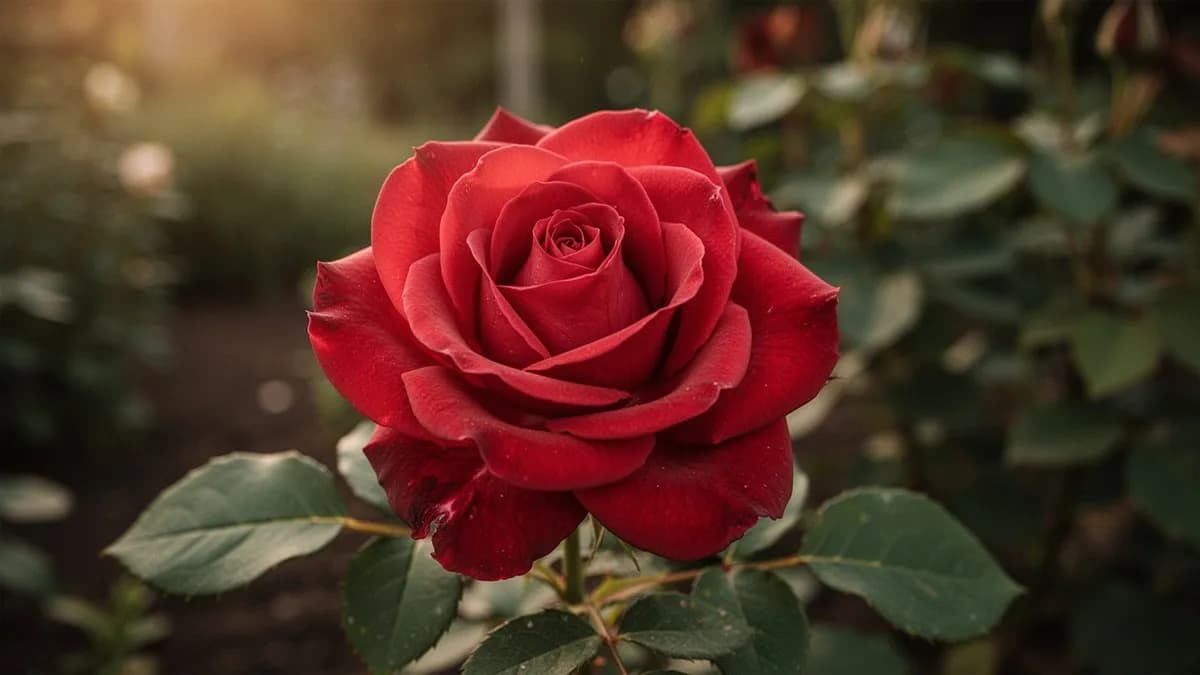
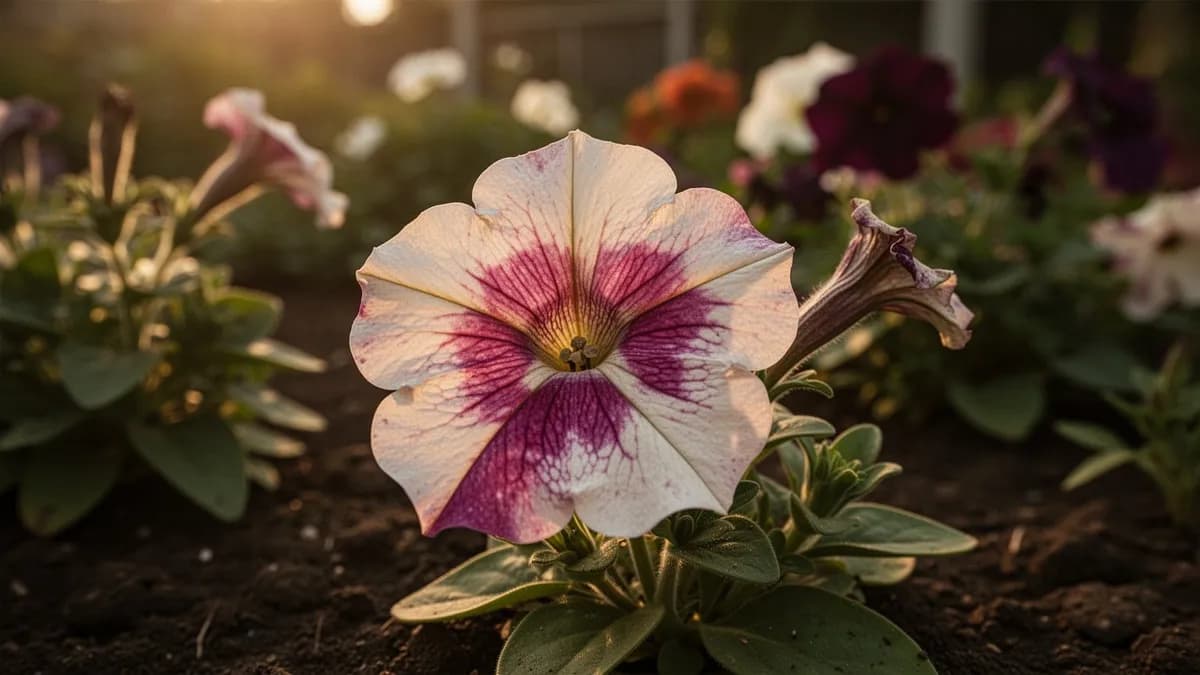
Geraniums are traditional companion plants for roses, where their scented foliage is believed to deter Japanese beetles and aphids. They pair well with petunias, lobelia, and sweet alyssum in containers and borders. Scented-leaved varieties planted near patios and walkways release fragrance when brushed. In vegetable gardens, geraniums can serve as trap plants for certain pests, drawing them away from food crops.
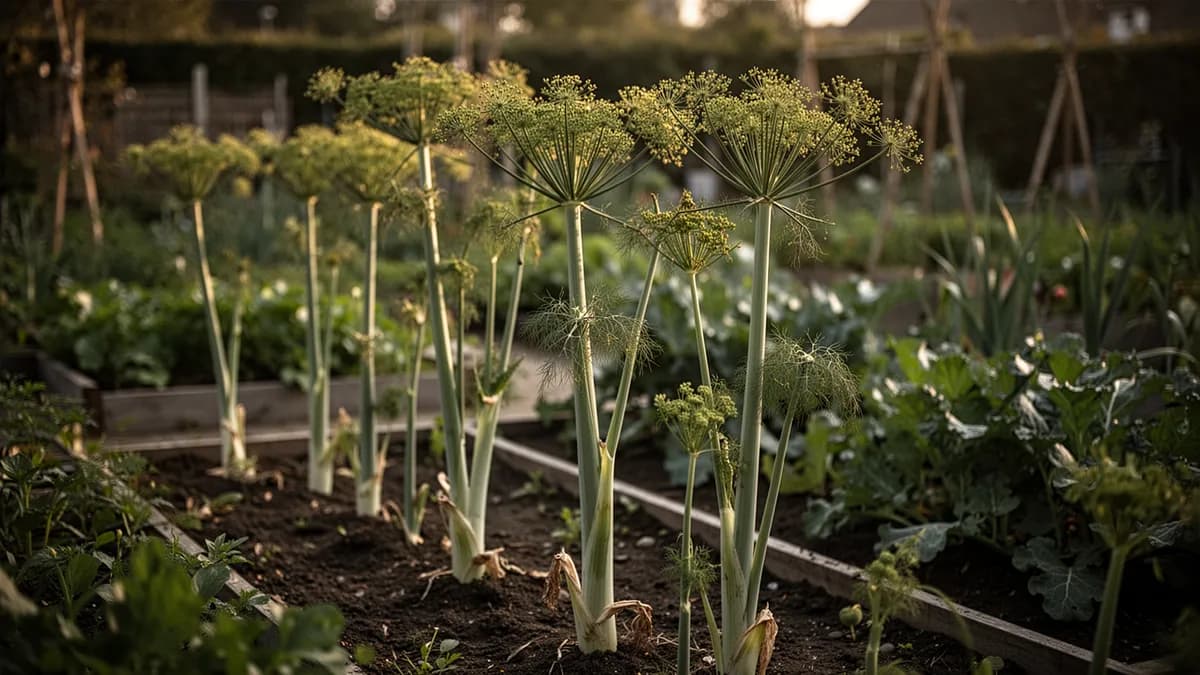
Rose belongs beside it. Fennel doesn't.
Old growers' knowledge, checked against Geranium's real companion table below — test any plant you're growing.
Try Geranium in a bed — right here
A real planner bed with Geranium already in it. Tap a companion to place it and watch the pairing checks answer — green for good neighbours, red for a clash.


Related growing guides
Feed it well
Geraniums prefer fertile, well-drained soil with a pH of 6.0 to 6.5. In containers, use a quality soilless potting mix with good drainage. Geraniums are moderate feeders that respond well to balanced liquid fertilizer applied every two to three weeks during active growth. Slow-release granular fertilizer mixed into container soil at planting reduces the need for frequent feeding. Avoid over-fertilizing, which produces lush foliage at the expense of flowers. Magnesium deficiency causes yellowing between leaf veins and is corrected with Epsom salt.
Ideal Temperature
Hardiness Zone Compatibility
From seed to harvest, stage by stage
Seed Germination
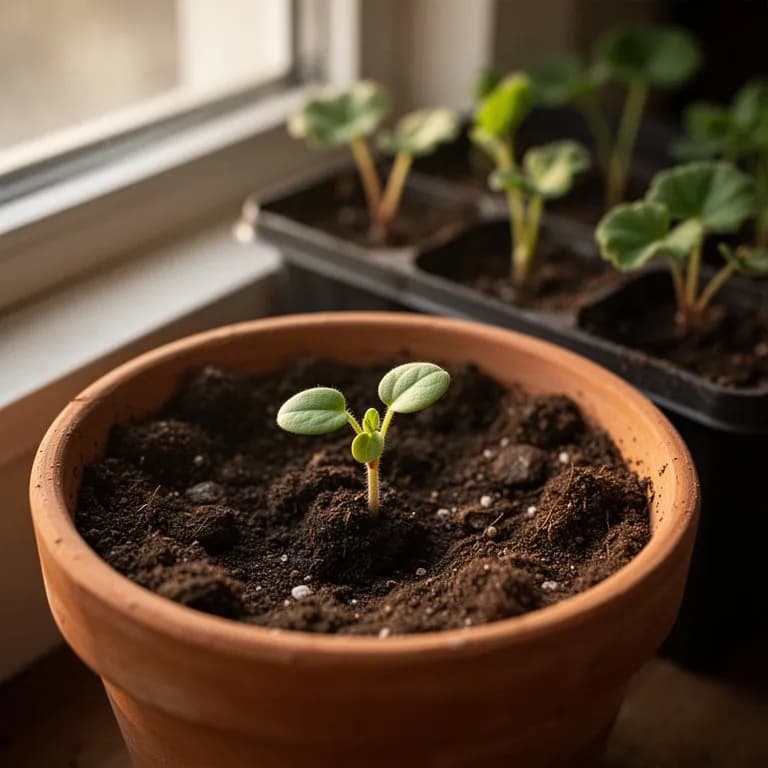
Geranium seeds are slow and irregular germinators, requiring consistent warmth and moisture. Seeds should be lightly covered with fine vermiculite or seed-starting mix, as they need darkness to germinate. Soil temperature of 22-24°C (72-75°F) is optimal. Germination rates vary from 60-80% even under ideal conditions, so sow extra seeds to compensate.
Seedling Development
Cotyledons appear first, followed by the distinctive rounded, scalloped true leaves. Seedlings grow slowly during this phase and are susceptible to fungal diseases in humid conditions. The characteristic zonal banding pattern on leaves may begin to appear after the third set of true leaves develops.
Vegetative Growth
The plant develops a sturdy, semi-succulent stem structure and produces multiple branches. Leaf production accelerates, and the plant begins to develop its characteristic bushy form. Stems become thicker and slightly woody at the base. This is the ideal time to shape the plant through selective pinching.
First Flowering
Flower buds form at the tips of branches, developing into the characteristic rounded umbel clusters. Each cluster contains 20-50 individual florets that open sequentially from the outside inward. The first flush of flowers is typically the most abundant and signals the plant has reached maturity.
Continuous Blooming
With proper care, geraniums enter a prolonged blooming phase that can last from late spring through the first autumn frosts. The plant continuously produces new flower clusters while older ones fade. Regular deadheading is essential to redirect energy from seed production back into new flower development.
Late Season and Overwintering Preparation
As temperatures drop and daylight decreases, flower production slows. The plant begins to enter a semi-dormant state. In frost-free climates, geraniums may continue to grow year-round. In colder regions, this is the time to prepare plants for overwintering indoors by taking cuttings or bringing entire plants inside before the first frost.
Use a heat mat to maintain consistent soil temperature. Keep the growing medium evenly moist but never waterlogged. Cover trays with a humidity dome or plastic wrap to retain moisture. Remove the cover once seedlings begin to emerge to prevent damping off.
Caring for Geranium month by month
What to do each month for your Geranium
October
You are hereBring geraniums indoors before the first hard frost. Cut back plants by one-third and repot into fresh compost if root-bound. Place in the brightest available indoor location. Reduce watering to match slower growth.
Know exactly what to do in your garden — every month
One email at the start of each month: what to sow, plant, and tackle right now — for your Geranium and everything growing around it. Plus a short starter course that helps you dodge the classic mistakes.
- What to do, right now
- Matched to your season
- Starter course included
Harvesting Geranium
Geraniums are primarily enjoyed in the garden and containers rather than as cut flowers, though stems can be cut for small indoor bouquets. Cut when the first florets in a cluster have opened. Deadhead spent flower trusses regularly by snapping them off cleanly at the base of the flower stem. This is the single most important maintenance task for continuous blooming. Remove yellowing lower leaves to maintain an attractive appearance and prevent disease. For seed saving, allow a few seed pods to form and dry on the plant.
assuming you plant when the window opens — set your real date
Pick Geranium promptly and the plant keeps producing.
Storage & Preservation
Geranium stems last only three to five days in water, so they are not ideal cut flowers. Their real value is their extended garden season. To overwinter geraniums, dig plants before frost, shake off soil, and hang upside down in a cool, dark basement at 45 to 50 degrees Fahrenheit. Mist roots monthly to prevent complete desiccation. In spring, repot in fresh soil, cut stems back to six inches, water, and place in bright light. Alternatively, take four-inch stem cuttings in late summer and root in moist perlite for fresh plants next spring.
What goes wrong — and the fix
Geranium Budworm
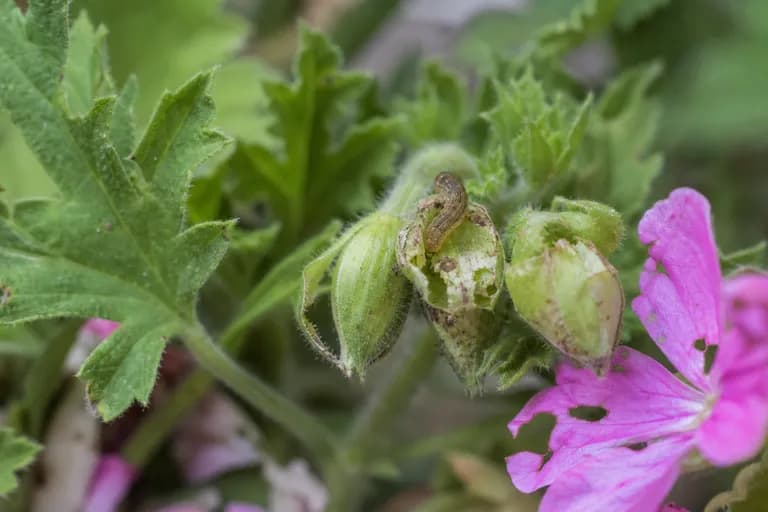
PestSmall holes in flower buds that never open, or ragged, damaged petals on newly opened flowers. Small green or brown caterpillars visible inside buds at dusk.
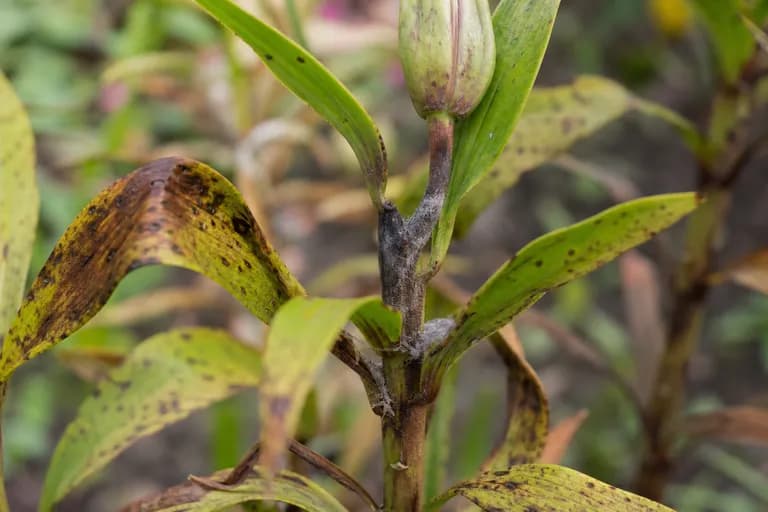
Botrytis Blight
DiseaseBrown, mushy spots on leaves and flowers, especially during cool, wet weather. Gray fuzzy mold develops on affected tissue. Stems may develop cankers.
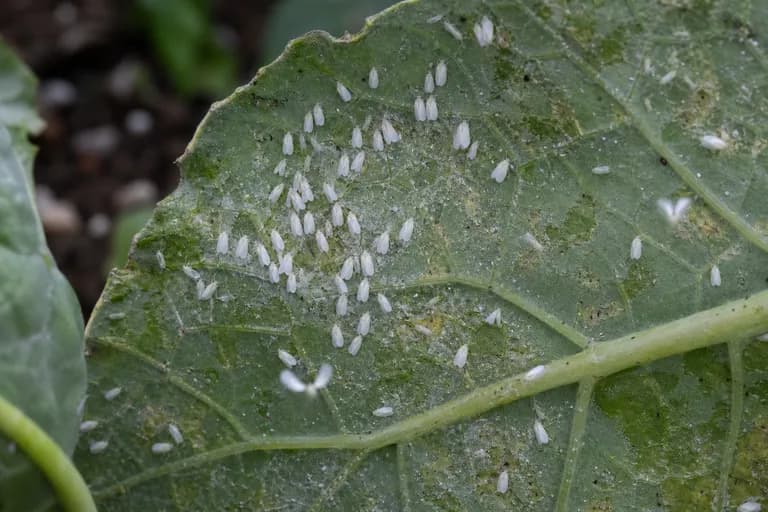
Whiteflies
PestTiny white flying insects that scatter when plants are disturbed. Sticky honeydew on leaves, yellowing foliage, and reduced vigor, especially on indoor plants.
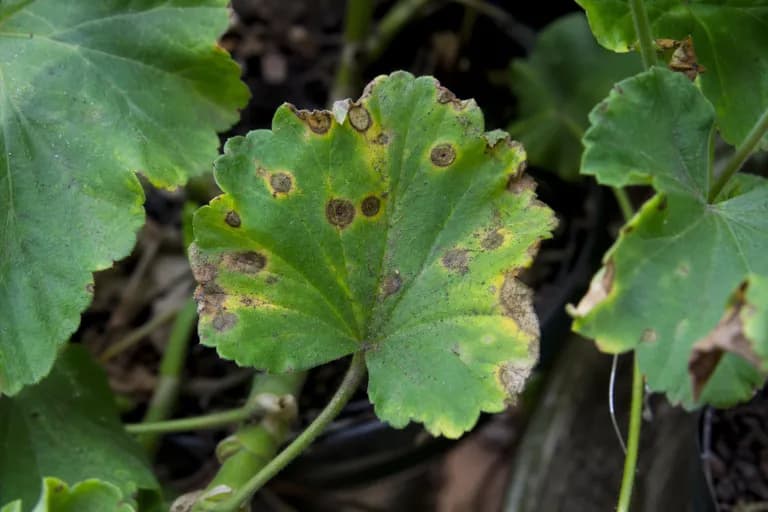
Bacterial Blight (Xanthomonas)
DiseaseSmall, circular water-soaked spots on leaves that enlarge and become brown. Leaf edges may wilt and curl. Stems develop black rot and plants wilt and die.
Troubleshooting Common Problems
Yellowing lower leaves are the most common complaint and usually indicate overwatering, poor drainage, or natural aging of older foliage. Leggy growth results from insufficient light or failure to pinch growing tips. Geraniums that stop blooming during the hottest weeks of summer typically resume once nighttime temperatures cool. Edema, or raised corky spots on leaf undersides, occurs when plants absorb water faster than they can transpire it, usually in cool, overcast weather with warm soil.
Growing Tips
- Allow the soil to dry slightly between waterings. Geraniums are semi-succulent and store water in their thick stems, making them far more tolerant of underwatering than overwatering, which quickly causes root rot.
- Use a well-draining potting mix with added perlite or coarse sand. A blend of 60% peat-free compost, 20% perlite, and 20% coarse horticultural sand provides ideal drainage and aeration for container-grown geraniums.
- Deadhead spent flower clusters by tracing the flower stem back to its origin on the main branch and snapping it off cleanly. This redirects energy into new bud production rather than seed formation.
- Provide at least 6 hours of direct sunlight daily for maximum flowering. Geraniums tolerate partial shade but will produce fewer flowers and leggier growth in low-light conditions.
- Feed with a high-potassium fertilizer (such as tomato feed) every 10-14 days during the active growing season to promote abundant, richly colored flowers rather than excessive foliage growth.
- Take stem cuttings of 8-10 cm in late summer or early autumn. Remove the lower leaves, allow the cut end to callus for a few hours, then insert into moist perlite or vermiculite. Most cuttings root within 2-3 weeks without rooting hormone.
- Pinch out the growing tips of young plants when they reach 10-15 cm tall to encourage branching and create a fuller, more compact shape. Repeat pinching on new side shoots for an exceptionally bushy plant.
- Avoid wetting the foliage when watering, as damp leaves in warm conditions are highly susceptible to botrytis (gray mold) and bacterial leaf spot. Water at the base of the plant or use drip irrigation.
- Bring container geraniums indoors before nighttime temperatures regularly fall below 7°C (45°F). Place them in a bright, cool room and reduce watering to once every two to three weeks during their winter dormancy period.
- Rotate container-grown geraniums a quarter turn each week to ensure even light exposure on all sides, preventing the plant from becoming lopsided as it leans toward the brightest light source.
Grow your best Geranium yet — and everything around it.
Start a free plan today. Lay out your beds, drop in your Geranium, and let PlotMyGarden handle the timing, spacing, companions and reminders from seed to harvest basket.
Pick your Geranium
Zonal Geranium (Pelargonium x hortorum)
The classic bedding geranium with rounded leaves marked by a darker horseshoe zone. Available in red, pink, salmon, white, and bicolors.
Ivy-Leaved Geranium (Pelargonium peltatum)
Trailing varieties with glossy, ivy-shaped leaves, ideal for hanging baskets and window boxes. More heat-tolerant than zonal types.
Martha Washington (Regal Pelargonium)
Large, showy flowers with ruffled petals in bicolored patterns of pink, purple, and white. Prefers cooler temperatures and blooms mainly in spring.
Scented Geraniums
Grown for their intensely fragrant foliage in scents including rose, lemon, peppermint, and nutmeg. Small flowers but outstanding aromatic leaves used in cooking.
Calliope Series
Interspecific hybrids combining the large flower heads of zonal types with the heat tolerance and trailing habit of ivy-leaved varieties. Exceptionally vigorous.
A single geranium plant costing $4-6 can be propagated into dozens of new plants each year through simple stem cuttings, eliminating the need to purchase new bedding plants annually. With proper overwintering, the same mother plant can survive 10+ years. A window box that might cost $30-50 to fill at a garden center each spring can be stocked entirely from homegrown cuttings, saving $25-45 per season. Over five years, one original plant can easily generate $150-250 in savings compared to buying new plants each year.
Quick recipes
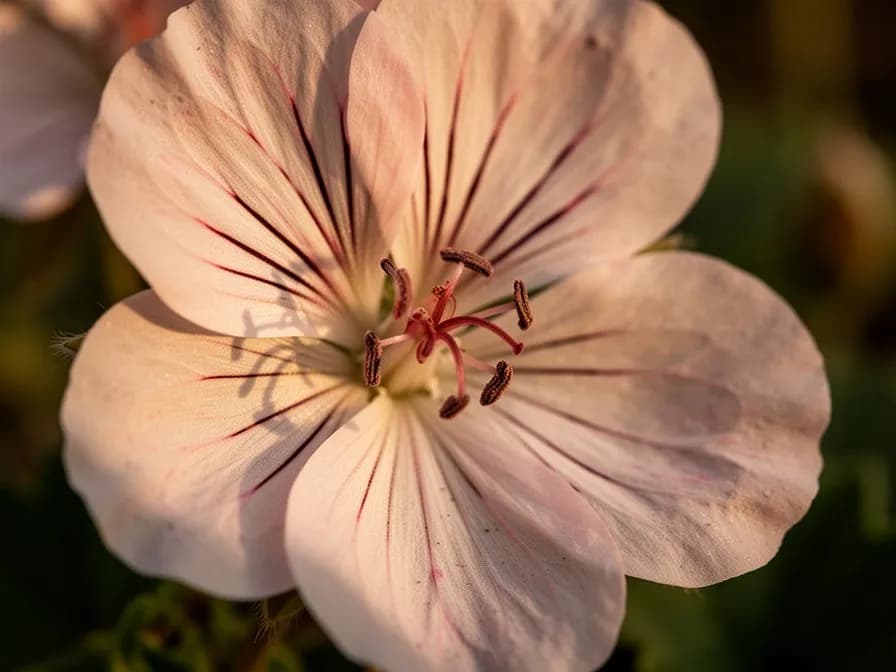
Rose Geranium Infused Sugar
5 minutes (plus 2 weeks infusion)Layer fresh rose geranium leaves with granulated sugar in a sealed jar to create a beautifully fragrant flavored sugar. The essential oils from the leaves permeate the sugar crystals over time, producing a delicate floral sweetener perfect for baking, tea, or rimming cocktail glasses.
3 ingredientsGeranium Leaf Pound Cake
20 minutes prep, 55 minutes bakingA classic butter pound cake baked with rose or lemon geranium leaves lining the bottom of the pan. The leaves release their fragrant oils during baking, infusing the cake with a subtle, elegant floral flavor. The leaves are peeled away after unmolding, leaving a beautiful leaf imprint on the golden crust.
7 ingredients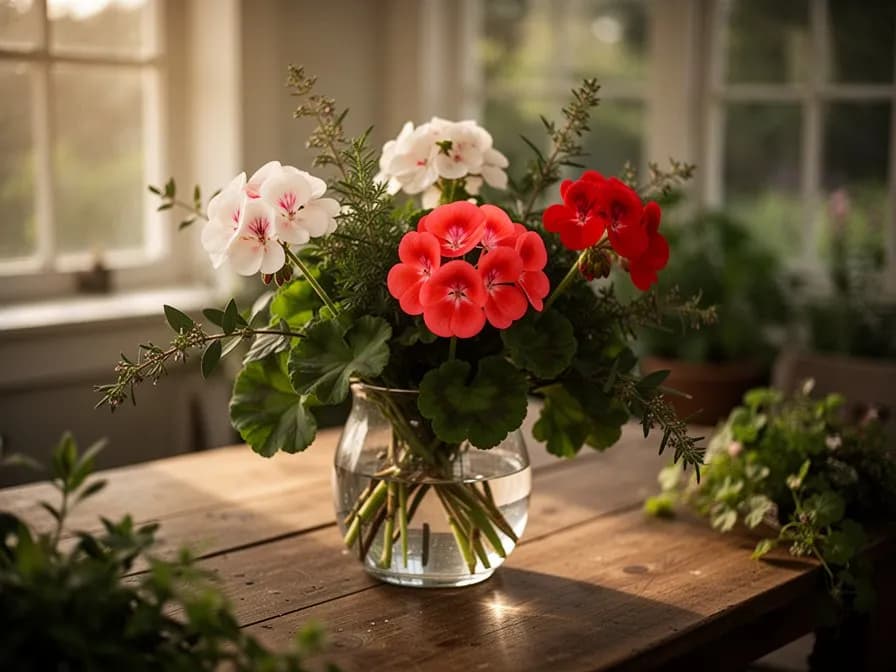
Scented Geranium Herbal Tea
10 minutesA soothing caffeine-free herbal infusion made from fresh scented geranium leaves. The tea has a gentle floral aroma with subtle citrus or rose notes depending on the variety used. It is traditionally enjoyed in South Africa and is believed to have calming and digestive properties.
4 ingredientsWhat's inside
Health Benefits
- Geranium essential oil has been shown to possess anti-inflammatory properties and is used in aromatherapy to reduce stress, anxiety, and promote emotional balance.
- Pelargonium sidoides root extract (marketed as Umckaloabo) has demonstrated effectiveness in clinical studies for alleviating symptoms of acute bronchitis and upper respiratory tract infections.
- The citronellol and geraniol compounds in scented geranium leaves act as natural insect repellents, helping to deter mosquitoes and other biting insects from outdoor living spaces.
- Traditional herbal medicine uses geranium leaf poultices and infusions to support wound healing and skin health, with modern research confirming mild astringent and antimicrobial properties.
- Inhaling geranium essential oil has been studied for its potential to lower blood pressure and reduce cortisol levels, supporting cardiovascular relaxation and stress management.
- Rose geranium tea is used in folk medicine traditions across South Africa and the Mediterranean as a gentle digestive aid and to relieve mild gastrointestinal discomfort.
Where Geranium comes from
The garden geranium (Pelargonium) has its origins in the diverse flora of southern Africa, primarily the Cape Province of South Africa, where over 250 wild species thrive in the region's Mediterranean-like climate. Dutch and British traders first encountered these striking plants in the mid-1600s during their voyages around the Cape of Good Hope, and specimens began arriving at European botanical gardens by the 1630s. The earliest introductions included Pelargonium triste, prized for its fragrant nocturnal flowers, followed by Pelargonium zonale and Pelargonium inquinans, which would become the ancestors of the modern zonal geranium through extensive hybridization. Swedish botanist Carl Linnaeus originally grouped these plants with the true geraniums (Geranium) in 1753, but French botanist Charles Louis L'Héritier de Brutelle formally separated them into the distinct genus Pelargonium in 1789, based on differences in flower symmetry and seed structure. Despite this reclassification, the common name 'geranium' persisted in everyday usage. By the 1800s, Pelargoniums had become enormously popular across Europe, particularly in France, Germany, Switzerland, and Austria, where they adorned the iconic wooden window boxes of alpine chalets and village houses. Victorian-era plant breeders developed hundreds of cultivars, selecting for vivid flower colors, compact growth habits, and ornamental leaf patterns. The regal (Martha Washington) geraniums emerged from crosses involving Pelargonium cucullatum and Pelargonium grandiflorum, while the ivy-leaved types were derived from Pelargonium peltatum. In the 20th century, seed-grown F1 hybrid geraniums revolutionized commercial production, making these plants among the most widely sold bedding and container plants worldwide.
Geranium: did you know?
Fascinating facts about Geranium
What most gardeners call 'geraniums' are actually Pelargonium species from South Africa, not true Geranium (cranesbill) plants. The two genera were separated by botanists in 1789 but the common name stuck.
Geranium questions, answered
When should I plant Geranium?
What are good companion plants for Geranium?
What hardiness zones can Geranium grow in?
How much sun does Geranium need?
How far apart should I space Geranium?
What pests and diseases affect Geranium?
How do I store Geranium after harvest?
What are the best Geranium varieties to grow?
What soil does Geranium need?
What is the difference between geraniums and pelargoniums?
Can geraniums survive winter outdoors?
Why has my geranium stopped flowering?
How do I propagate geraniums from cuttings?
Are geranium leaves edible or safe for pets?
What causes yellow leaves on my geranium?
You just read the theory. Now grow it on autopilot.
Everything that makes Geranium fiddly — the timing, the spacing, the companions, the harvest window — is exactly what PlotMyGarden handles for you, for every plant in your garden.
A plan that knows your weather
Set your location once. Get sow, feed and harvest dates built around your real last-frost date and live forecast — no more guessing from a generic seed packet.
From the “When to plant” sectionDrag-and-drop bed planner
Design beds on a grid. Every plant snaps to its proper spacing, and you can see your whole season laid out before you spend a cent on seed.
From the “Growing guide” sectionCompanion conflicts, caught early
200+ good-and-bad pairings checked live as you plant — so a season-wrecking mistake never makes it into the ground.
From the “Companions” sectionReminders you'll actually act on
“Water the beans.” “Pick today before it turns.” Timely, specific, and tied to the plants you're really growing.
From the “Harvest” sectionSuccession, scheduled
Want a harvest for six weeks, not six days? It spaces your sowings automatically and reminds you when each new block is due.
From the “When to plant” sectionA record that gets smarter
Every harvest you log teaches it your garden. Next year's plan starts from what actually worked in your soil, not a textbook's.
From the “Overview” sectionPlant these alongside Geranium
More Annuals
Keep Geranium away from these
Grow your best Geranium yet — and everything around it.
Start a free plan today. Lay out your beds, drop in your Geranium, and let PlotMyGarden handle the timing, spacing, companions and reminders from seed to harvest basket.