Studentenblume
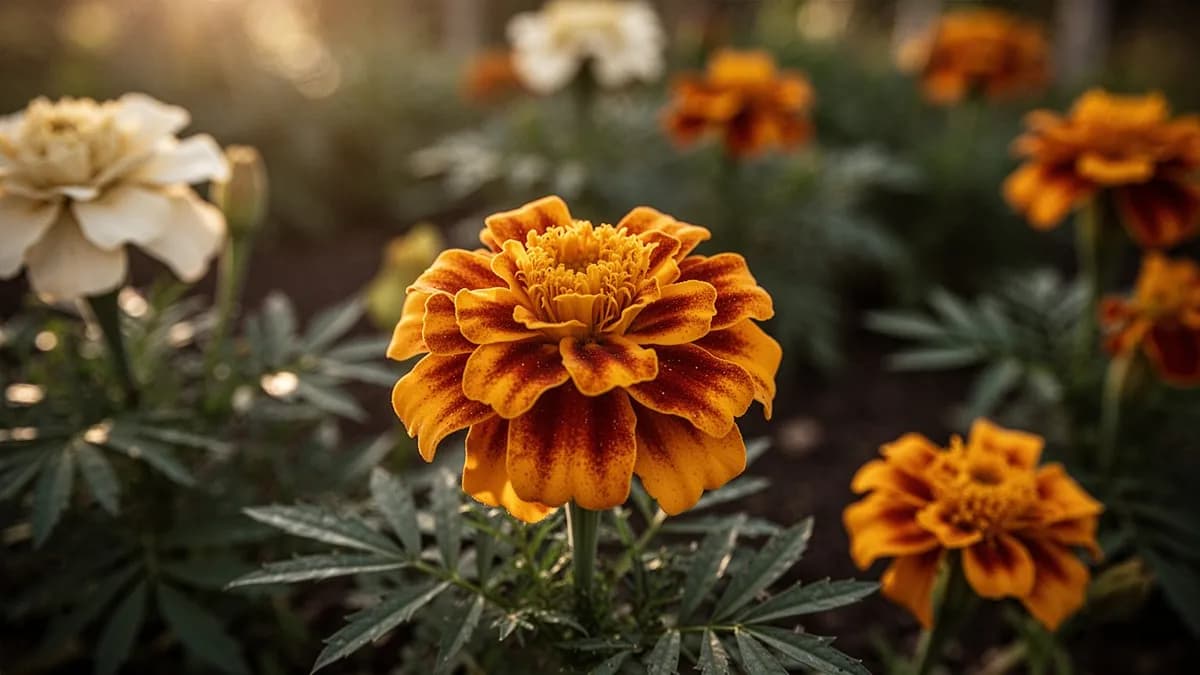
Eine fröhliche einjährige Pflanze, deren Wurzeln Verbindungen absondern, die Nematoden unterdrücken, was sie zu einer hervorragenden Begleitpflanze für Gemüsegärten macht.





Auf dieser SeiteÜberblick
Studentenblume im Überblick
Eine fröhliche einjährige Pflanze, deren Wurzeln Verbindungen absondern, die Nematoden unterdrücken, was sie zu einer hervorragenden Begleitpflanze für Gemüsegärten macht. Studentenblumen sind außergewöhnlich leicht aus Samen zu ziehen und vertragen Hitze, Trockenheit und schlechten Boden, sobald sie sich in voller Sonne etabliert haben. Entfernen Sie regelmäßig verblühte Blüten, um eine kontinuierliche Blüte vom späten Frühling bis zum ersten starken Frost zu fördern. Französische Studentenblumen bleiben kompakt für Beeteinfassungen und Kübel, während afrikanische Sorten hoch wachsen und große Pompon-Blüten bilden, die sich ideal für Schnittblumengärten eignen.
Wann Studentenblume pflanzen
Studentenblumen-Samen sind groß und leicht zu handhaben, was sie ideal für Gartenanfänger und Kinder macht. Säen Sie die Samen sechs bis acht Wochen vor dem letzten Frost drinnen in feuchte Anzuchterde, leicht bedeckt mit einer viertel Zentimeter Schicht Erde. Die Keimung erfolgt in fünf bis sieben Tagen bei 21 bis 24 Grad Celsius. Härten Sie die Sämlinge eine Woche lang ab, bevor Sie sie nach dem letzten Frost ins Freie pflanzen. Direktsaat nach dem Frost ist ebenso erfolgreich, wobei die Pflanzen etwa acht Wochen nach der Aussaat blühen.
Dein Studentenblume-Jahr
Abgestimmt auf Zone 7 · typische Saison · Frost geht um den 2. Apr. und kehrt um den 1. Nov. zurück
Studentenblume Apr – Jun pflanzen, Jun – Okt ernten. Beachte die Pflanzmethoden unten und wähle dein Klima für passende Zeiträume.
So baust du Studentenblume an
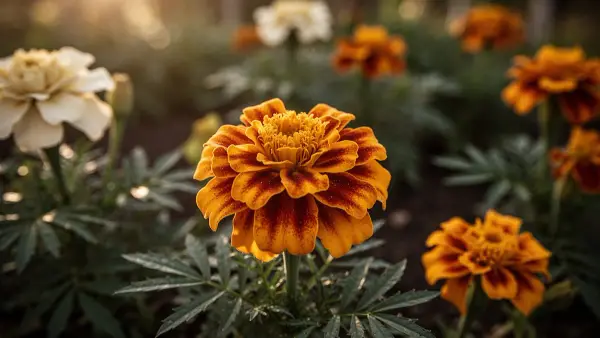
Säen Sie Studentenblumen-Samen sechs bis acht Wochen vor dem letzten Frost drinnen vor, oder säen Sie sie direkt ins Freie, nachdem alle Frostgefahr vorüber ist. Die Samen keimen schnell in fünf bis sieben Tagen, wenn die Bodentemperatur mindestens 18 Grad Celsius beträgt. Setzen Sie Sämlinge um oder vereinzeln Sie direkt gesäte Pflanzen an ihren endgültigen Standort, nachdem sie eine Woche lang abgehärtet wurden.
Studentenblumen gedeihen in voller Sonne und vertragen schlechten, trockenen Boden besser als die meisten Einjährigen. Setzen Sie französische Sorten in einem Abstand von zwanzig bis fünfundzwanzig Zentimetern und afrikanische Sorten in einem Abstand von dreißig bis fünfundvierzig Zentimetern. Gießen Sie bodennah, um das Laub trocken zu halten, und lassen Sie den Boden zwischen den Wassergaben leicht abtrocknen, sobald die Pflanzen etabliert sind.
Entfernen Sie regelmäßig verblühte Blütenköpfe, indem Sie sie knapp über dem nächsten Blattpaar abknipsen oder abschneiden, um eine kontinuierliche Blüte zu fördern. Düngen Sie monatlich mit einem verdünnten Volldünger oder arbeiten Sie Kompost als Seitendüngung ein. In extrem heißen Klimazonen kann die Blüte im Hochsommer nachlassen, erholt sich aber, wenn die Temperaturen im Frühherbst nachlassen.
36 Pflanzen passen in ein Beet von 120 × 240 cm
Studentenblume braucht 25 cm Platz pro Pflanze. Der Planer hält diesen Abstand für dich ein — jede Pflanze, jedes Beet.
Die besten Nachbarn für Studentenblume
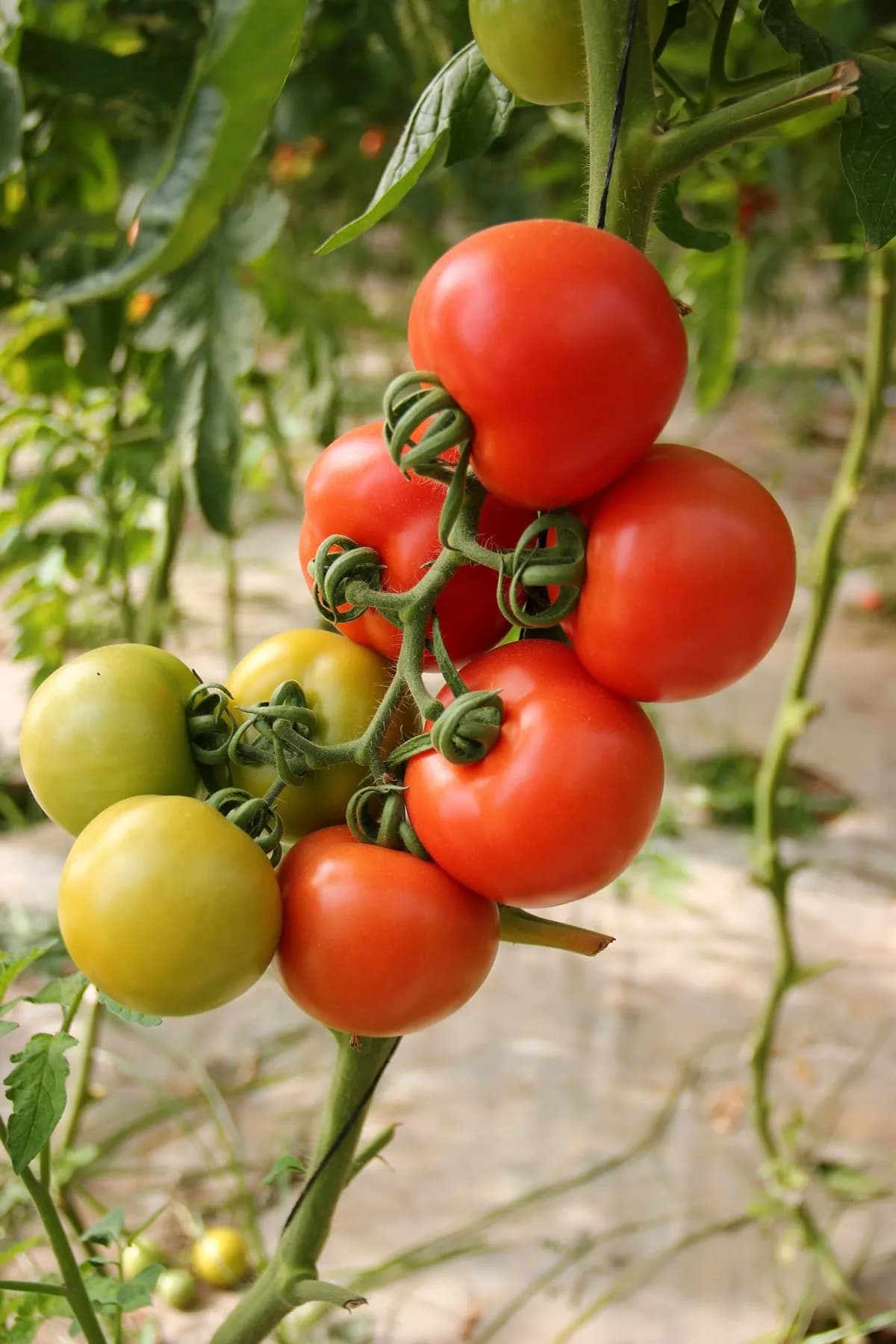
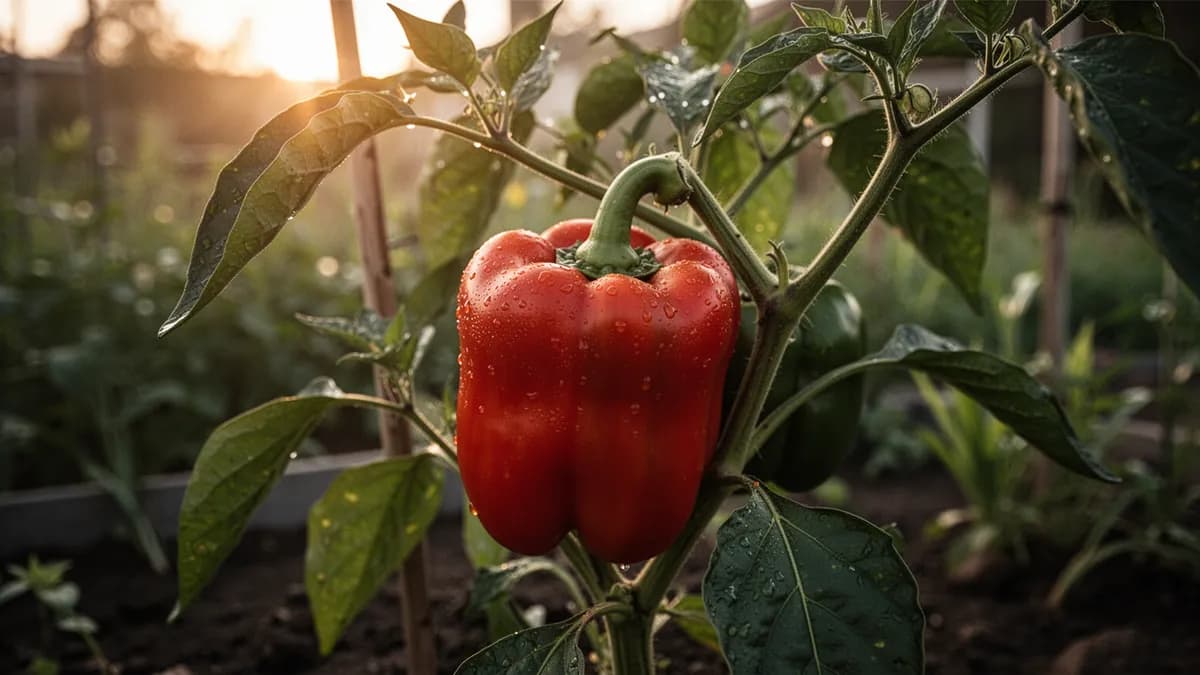
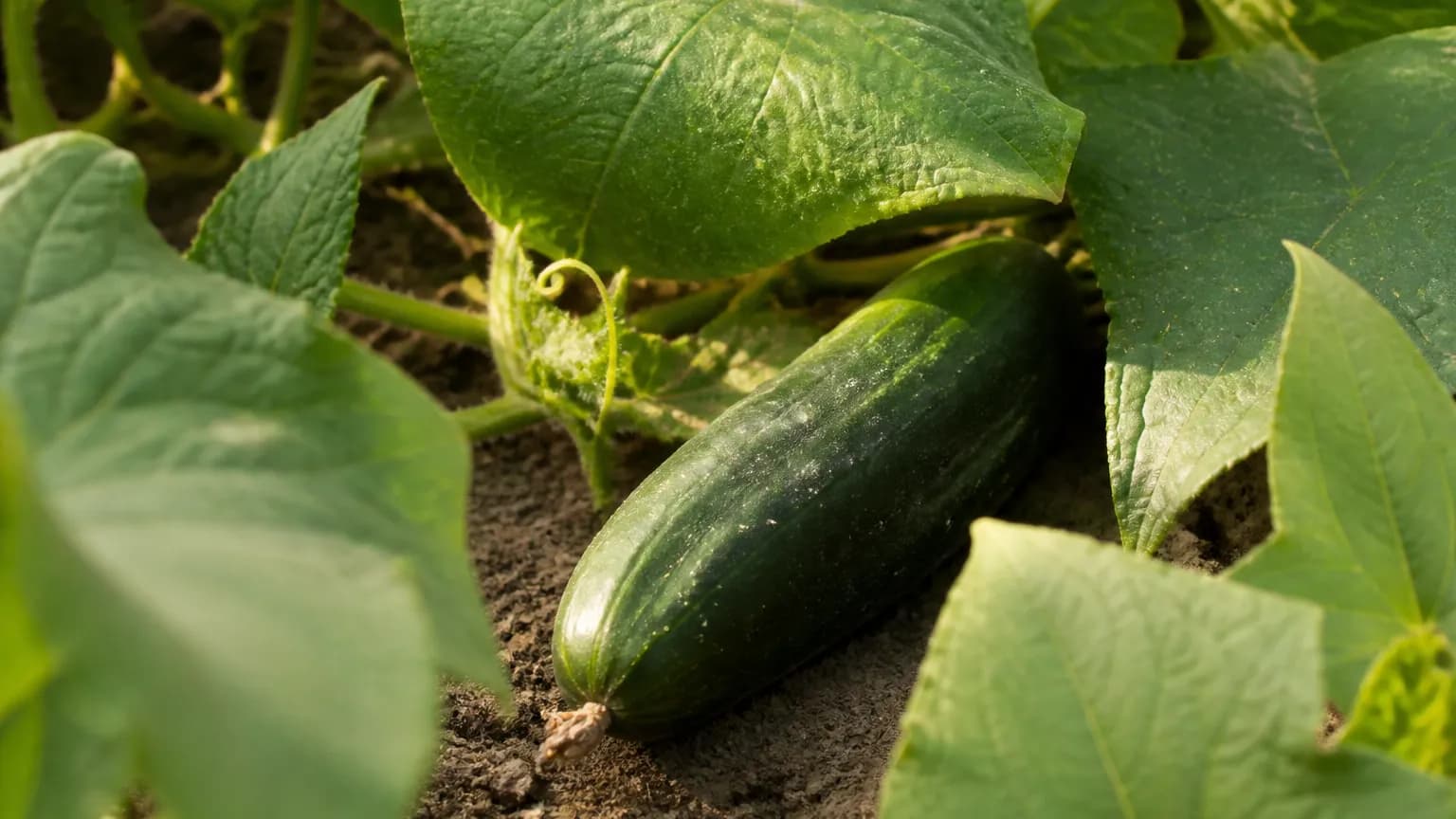
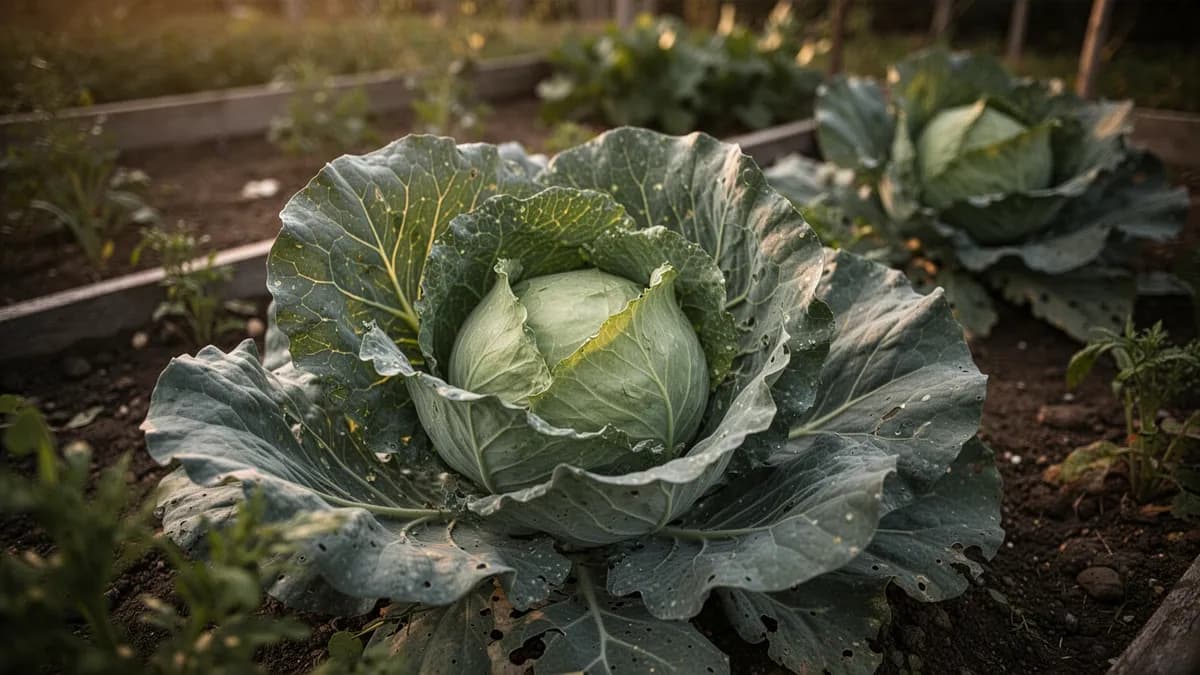
Studentenblumen gehören zu den wertvollsten Begleitpflanzen im Gemüsegarten. Ihre Wurzeln setzen Alpha-Terthienyl frei, eine Verbindung, die für Wurzelgallennematoden giftig ist, was sie besonders nützlich neben Tomaten, Paprika und Gurken macht. Der starke Duft des Laubs hält Weiße Fliegen, Blattläuse und Kohlmotten ab. Französische Studentenblumen sind als Schädlingsabwehr wirksamer als afrikanische Sorten. Vermeiden Sie die Pflanzung in der Nähe von Bohnen und Kohl, da Studentenblumen deren Wachstum hemmen können.
Tomate gehört daneben. Kohl nicht.
Altes Gärtnerwissen, geprüft an der echten Nachbartabelle von Studentenblume — teste jede Pflanze, die du anbaust.
Probiere Studentenblume direkt hier im Beet
Ein echtes Planer-Beet, Studentenblume steht schon drin. Tippe einen Begleiter an, platziere ihn und sieh, wie die Nachbarschaftsprüfung antwortet — grün für gute Nachbarn, rot bei Streit.


Passende Anbau-Ratgeber
Richtig düngen
Studentenblumen sind anspruchslos bezüglich des Bodens und gedeihen gut in durchschnittlicher Gartenerde mit einem pH-Wert von 6,0 bis 7,0. Gute Drainage ist unerlässlich, da staunasse Bedingungen zu Wurzelfäule führen. Arbeiten Sie bei der Pflanzung eine leichte Gabe Volldünger in den Boden ein. Düngen Sie Studentenblumen im Kübel alle zwei Wochen mit einem verdünnten Flüssigdünger. Vermeiden Sie Überdüngung, insbesondere mit stickstoffreichen Formeln, die das Blattwachstum auf Kosten der Blüten fördern.
Ideale Temperatur
Winterhärtezone-Kompatibilität
Von der Saat zur Ernte, Schritt für Schritt
Keimung
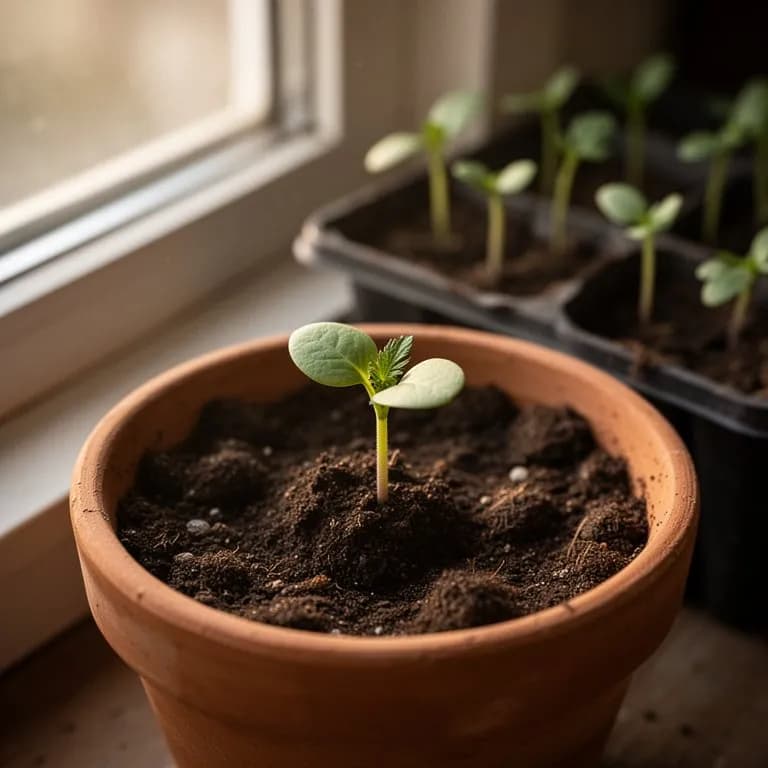
Studentenblumen-Samen keimen schnell in warmem Boden zwischen 21–24 °C. Die Samen sollten etwa 6 mm tief in feuchte, gut durchlässige Anzuchterde gepflanzt werden. Die Keimung erfolgt unter optimalen Bedingungen typischerweise innerhalb von fünf bis sieben Tagen.
Sämlingsentwicklung
Die Sämlinge entwickeln ihre ersten echten Blätter und etablieren ein Wurzelsystem. Zuerst erscheinen die Keimblätter, gefolgt vom charakteristischen gefiederten Studentenblumen-Laub. Die Stängel beginnen sich zu verdicken und die Pflanze entwickelt einen gedrungenen Wuchs.
Vegetatives Wachstum
Die Pflanzen wachsen schnell und bilden verzweigte Stängel und dichtes Laub. Französische Studentenblumen (Tagetes patula) erreichen 15–30 cm Höhe, während afrikanische Studentenblumen (Tagetes erecta) bis zu 60–90 cm groß werden können. Das aromatische Laub füllt sich und die Pflanze etabliert ein starkes Wurzelsystem.
Knospenbildung und frühe Blüte
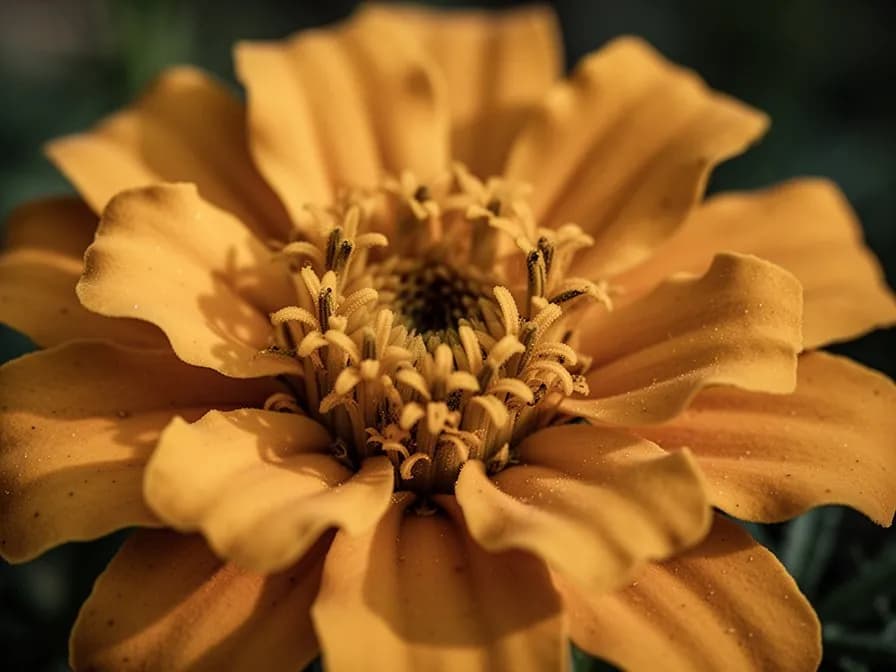
Blütenknospen bilden sich an den Triebspitzen und beginnen sich zu öffnen, wobei die ersten Blüten erscheinen. Die Farben reichen je nach Sorte von Blassgelb über tiefes Orange bis Burgunderrot. Die ersten Blüten signalisieren den Beginn einer langen Blütezeit.
Hauptblüte
Die Pflanzen produzieren während der gesamten Sommermonate kontinuierlich reichlich Blüten. Jede Blüte hält etwa zwei Wochen, bevor sie verblasst. Bei regelmäßigem Ausputzen produzieren Studentenblumen bis zum ersten starken Frost im Herbst weiterhin neue Blüten.
Samenreife
Wenn die Saison sich dem Ende nähert, lassen Sie einige Blütenköpfe an der Pflanze, damit sie reifen und trocknen können. Die Blütenblätter schrumpfen zusammen und der Samenkopf wird braun und enthält längliche schwarz-weiße Samen. Jeder Blütenkopf kann hundert oder mehr Samen für die folgende Saison produzieren.
Saisonende
Studentenblumen sind einjährige Pflanzen, die ihren Lebenszyklus nach dem ersten starken Frost abschließen. Das Laub wird schwarz und die Pflanze stirbt ab. Die Wurzeln, die während der gesamten Saison Alpha-Terthienyl in den Boden abgegeben haben, hinterlassen nützliche nematodenunterdrückende Verbindungen.
Halten Sie die Erde während der Keimung gleichmäßig feucht, aber nicht staunass. Decken Sie die Aussaatschalen mit einer Abdeckhaube oder Frischhaltefolie ab, um die Feuchtigkeit zu halten, und entfernen Sie die Abdeckung, sobald die Sämlinge erscheinen.
Studentenblume Monat für Monat pflegen
Was du jeden Monat für deine Studentenblume tun solltest
Oktober
Aktueller MonatErnten Sie reife Samenköpfe von getrockneten Blüten und lagern Sie die Samen in beschrifteten Papierumschlägen an einem kühlen, trockenen Ort. Entfernen Sie nach dem ersten tödlichen Frost abgestorbenes Pflanzenmaterial und kompostieren Sie es oder arbeiten Sie es in den Boden ein.
Immer wissen, was jetzt im Garten zu tun ist
Eine E-Mail zum Monatsanfang: was du jetzt säen, pflanzen und anpacken solltest — für deine Studentenblume und alles, was drumherum wächst. Dazu ein kurzer Startkurs, der dich vor den klassischen Fehlern bewahrt.
- Was jetzt zu tun ist
- Passend zu deiner Saison
- Startkurs inklusive
Studentenblume ernten
Schneiden Sie Studentenblumen für Arrangements, wenn die Blüten vollständig geöffnet sind, aber bevor die mittleren Blütenblätter zu verblassen beginnen. Schneiden Sie die Stängel am Morgen, nachdem der Tau getrocknet ist, und wählen Sie Stängel mit mindestens fünfzehn Zentimetern Länge. Zur Saatgutgewinnung lassen Sie die Blütenköpfe vollständig an der Pflanze trocknen, bis sie papierartig und braun sind, ziehen Sie dann die Samen aus dem getrockneten Kopf und lagern Sie sie an einem kühlen, trockenen Ort. Entfernen Sie während der gesamten Saison regelmäßig verblühte Blüten, damit die Pflanzen weiterhin neue Knospen bilden.
angenommen, du pflanzt zu Beginn des Zeitraums — trage dein tatsächliches Datum ein
Ernte Studentenblume zügig, dann trägt die Pflanze weiter.
Lagerung & Konservierung
Frisch geschnittene Studentenblumen halten fünf bis sieben Tage in einer Vase mit sauberem Wasser. Entfernen Sie alles Laub unterhalb der Wasserlinie und wechseln Sie das Wasser jeden zweiten Tag. Zum Trocknen hängen Sie Sträuße kopfüber in einem warmen, dunklen, gut belüfteten Bereich für zwei bis drei Wochen auf. Getrocknete Studentenblumenköpfe behalten ihre Farbe gut und sind beliebt für Bastelprojekte, Girlanden und traditionelle Día-de-los-Muertos-Feiern. Die Blütenblätter können auch getrocknet und als natürlicher Farbstoff oder kulinarische Garnitur aufbewahrt werden.
Was schiefgeht — und die Lösung
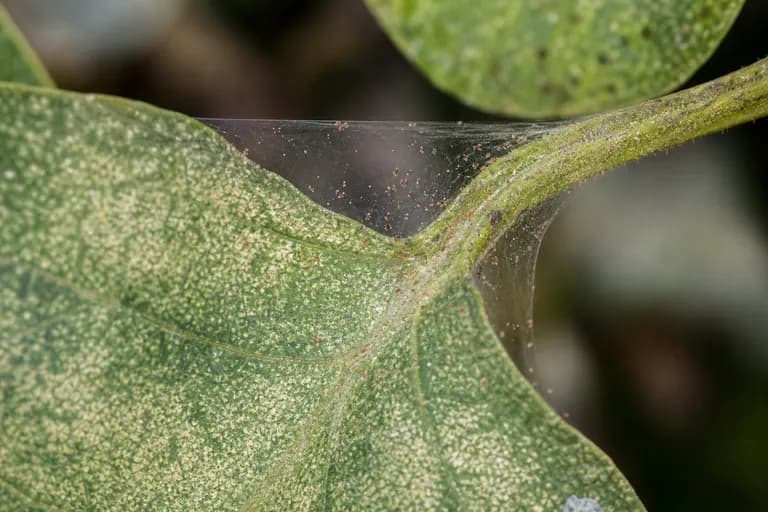
Spinnmilben
SchädlingFeine Gespinste auf den Blattunterseiten, gesprenkelte oder bronzefarbene Blätter, winzige sich bewegende Punkte unter Vergrößerung sichtbar.
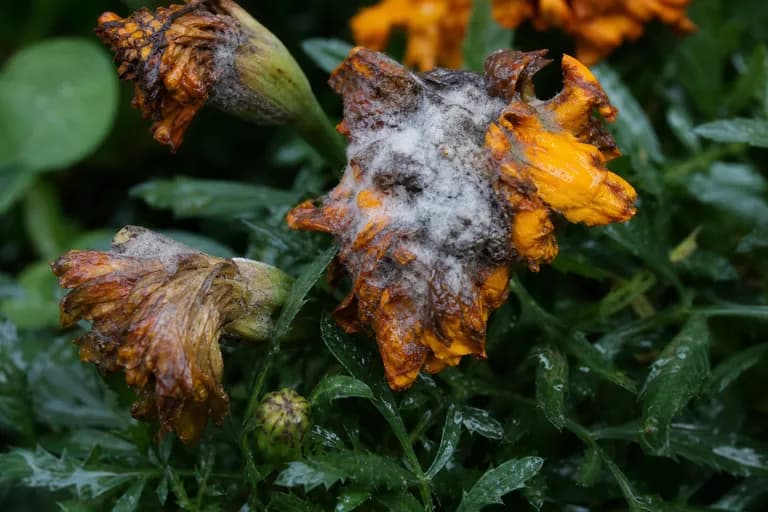
Grauschimmel (Botrytis)
KrankheitGrauer, flaumiger Schimmel auf Blüten und Knospen, besonders bei nassem Wetter. Blütenblätter werden braun und matschig, und Knospen öffnen sich möglicherweise nicht.
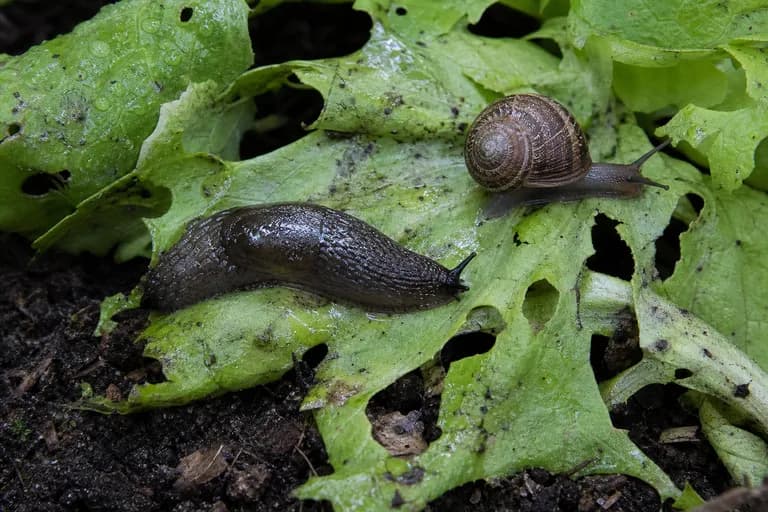
Schnecken und Nacktschnecken
SchädlingUnregelmäßige Löcher in Blättern und Blütenblättern, schleimige Spuren auf Laub und Bodenoberfläche sichtbar, Schäden am schlimmsten über Nacht und bei feuchten Bedingungen.
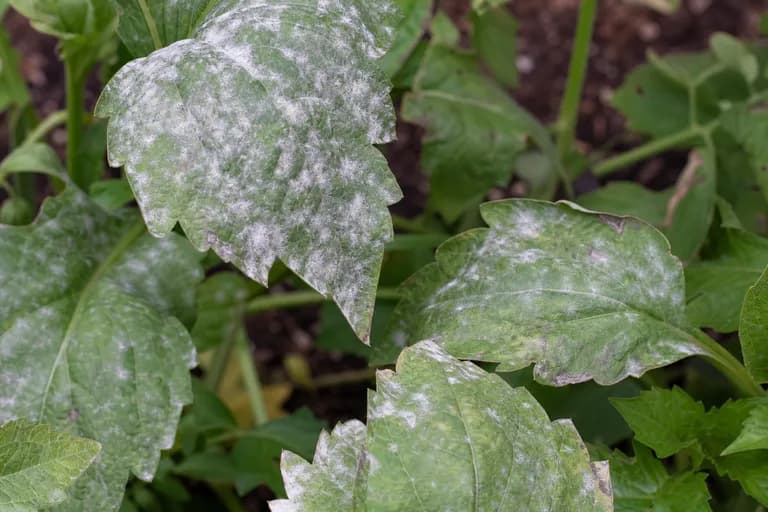
Echter Mehltau
KrankheitWeißer, pudriger Belag auf Blättern und Stängeln, tritt typischerweise im Spätsommer auf. Befallene Blätter können sich gelb verfärben, einrollen und vorzeitig abfallen.
Fehlerbehebung bei häufigen Problemen
Das häufigste Problem sind sparrige, spärliche Pflanzen, verursacht durch unzureichendes Sonnenlicht oder zu dichte Bepflanzung. Studentenblumen, die zu dicht gepflanzt oder im Halbschatten stehen, bilden weniger Blüten und sind anfälliger für Krankheiten. Übermäßiges Gießen kann zu Wurzelfäule und Stängelkollaps führen. In heißen, feuchten Klimazonen kann Grauschimmel bei anhaltendem Regen die Blütenköpfe zerstören. Manche Gärtner empfinden den starken Geruch des Studentenblumen-Laubs als unangenehm – pflanzen Sie sie daher abseits von Sitzbereichen, wenn dies ein Problem darstellt.
Anbautipps
- Säen Sie die Samen sechs bis acht Wochen vor dem letzten Frosttermin drinnen vor, um die frühesten Blüten zu erzielen, oder säen Sie direkt ins Freie, nachdem alle Frostgefahr vorüber ist, für eine einfachere, aber etwas spätere Blütenpracht.
- Pflanzen Sie Studentenblumen in volle Sonne mit mindestens sechs bis acht Stunden direkter Sonneneinstrahlung täglich. Sie vertragen Halbschatten, werden aber deutlich weniger Blüten produzieren und bei wenig Licht sparrige, schwache Stängel entwickeln.
- Verwenden Sie gut durchlässigen Boden und vermeiden Sie Überdüngung mit stickstoffreichen Düngern, die üppiges Laub auf Kosten der Blütenproduktion fördern. Ein ausgewogener oder leicht phosphorbetonter Dünger wirkt am besten.
- Gießen Sie Studentenblumen am Fuß der Pflanze statt von oben, um das Laub trocken zu halten und Pilzkrankheiten wie Echten Mehltau, Grauschimmel und Blattfleckenkrankheit vorzubeugen, die unter feuchten Bedingungen gedeihen.
- Knipsen Sie die zentrale Triebspitze ab, wenn junge Pflanzen 15 cm hoch sind, um die Verzweigung und einen buschigeren Wuchs mit mehr blühenden Trieben zu fördern, was zu einer volleren Blütenpracht führt.
- Entfernen Sie verblühte Blüten mindestens zweimal pro Woche während der Hauptsaison, indem Sie den Blütenstängel bis zum nächsten Blattknoten zurückschneiden, was die Energie in die Bildung neuer Blütenknospen statt in Samen umlenkt.
- Pflanzen Sie Studentenblumen zwischen Tomaten, Paprika, Auberginen und Kürbis, um deren natürliche schädlingsabweisende Eigenschaften zu nutzen. Französische Studentenblumen sind besonders wirksam bei der Unterdrückung von Wurzelgallennematoden im Boden.
- In heißen Klimazonen, in denen die Sommertemperaturen regelmäßig 35 °C überschreiten, bieten Sie leichten Nachmittagsschatten und zusätzliche Mulchschicht, um die Wurzeln kühl zu halten und die vorübergehende Blühpause bei extremer Hitze zu verhindern.
- Für die Ernte essbarer Blütenblätter bauen Sie Gewürz-Studentenblumen (Tagetes tenuifolia) wie die Sorten ‚Lemon Gem' oder ‚Tangerine Gem' an, die den besten Geschmack mit einem zitrusartigen Aroma und zarteren Blütenblättern als andere Typen haben.
- Gewinnen Sie Samen, indem Sie den letzten Blütenflor im Herbst vollständig an der Pflanze trocknen lassen. Ernten Sie die Samenköpfe, wenn sie papierartig und braun sind, trennen Sie die länglichen Samen und lagern Sie sie an einem kühlen, trockenen Ort für die Aussaat im folgenden Frühling.
Bau deine beste Studentenblume an — und alles drumherum.
Starte heute kostenlos. Lege deine Beete an, setze deine Studentenblume ein und lass PlotMyGarden Timing, Abstände, Begleiter und Erinnerungen von der Saat bis zum Erntekorb übernehmen.
Finde deine Studentenblume
French Vanilla
Eine cremeweiße französische Studentenblume mit vollständig gefüllten Blüten auf kompakten dreißig Zentimeter hohen Pflanzen, einzigartig unter Studentenblumen durch ihre ungewöhnliche Farbe.
Bonanza Serie
Kompakte französische Studentenblumen, die fünfundzwanzig bis dreißig Zentimeter erreichen, mit großen gefüllten Blüten in Gelb, Orange, Gold und zweifarbigen Kombinationen. Ausgezeichnete Hitzetoleranz.
Crackerjack Mix
Hohe afrikanische Studentenblumen, die bis zu neunzig Zentimeter wachsen, mit riesigen sieben bis zehn Zentimeter großen Pompon-Blüten in einer Mischung aus Gelb, Gold und Orange.
Queen Sophia
Eine markante französische Sorte mit tiefrotorangenen Blütenblättern mit Goldrand, dreißig Zentimeter hoch wachsend. Sehr gleichmäßig und reich blühend.
Durango Serie
Wüchsige französische Studentenblumen mit großen fünf Zentimeter gefüllten Blüten auf kompakten Pflanzen, erhältlich in einer breiten Palette warmer Farben und Zweifarbkombinationen.
Der Anbau von Studentenblumen aus Samen ist außergewöhnlich kostengünstig. Eine einzelne Packung Samen (typischerweise 100–200 Samen) kostet zwischen 2–4 € und kann Dutzende von Pflanzen hervorbringen, die vier bis fünf Monate lang ununterbrochen blühen. Über den Zierwert hinaus dienen Studentenblumen als wirksame Begleitpflanzen, die den Bedarf an chemischen Pestiziden verringern, und ihre essbaren Blütenblätter können in der Küche teuren Safran ersetzen. Das Sammeln von Samen aus reifen Blütenköpfen am Ende jeder Saison liefert kostenloses Pflanzgut für die folgenden Jahre, was Studentenblumen zu einer praktisch kostenlosen dauerhaften Investition in Ihren Garten macht.
Schnelle Rezepte
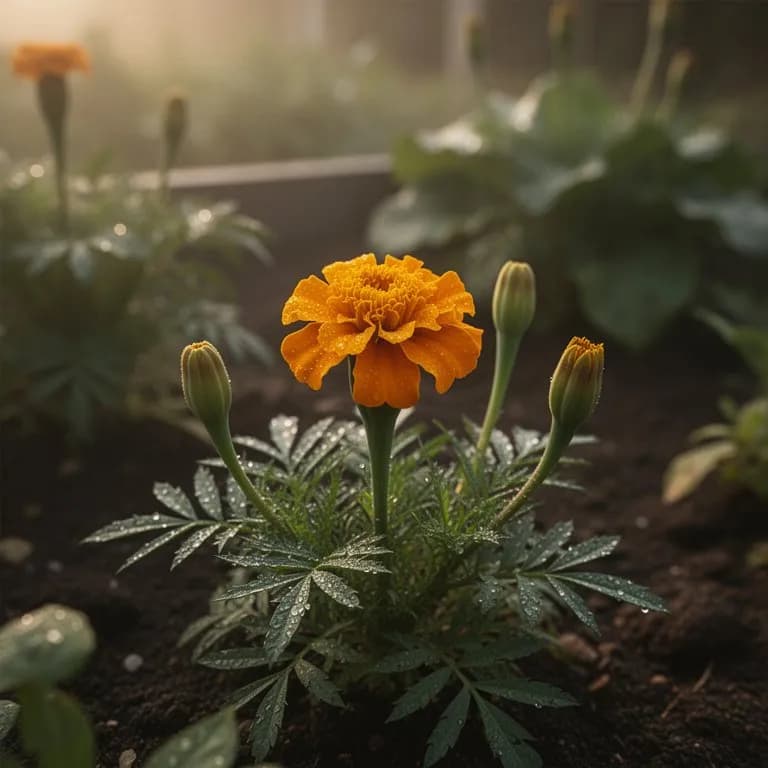
Studentenblumen-Blütenblatt-Butter
10 Min.Eine leuchtend goldene Kräuterbutter, durchzogen von frischen Studentenblumen-Blütenblättern, perfekt zum Schmelzen über gegrilltem Gemüse, zum Aufstreichen auf warmes Brot oder zum Verfeinern von gedämpftem Reis. Die Blütenblätter verleihen ein subtiles blumiges und leicht zitrusartiges Aroma sowie eine wunderschöne goldene Farbe, die an Safran erinnert.
5 Zutaten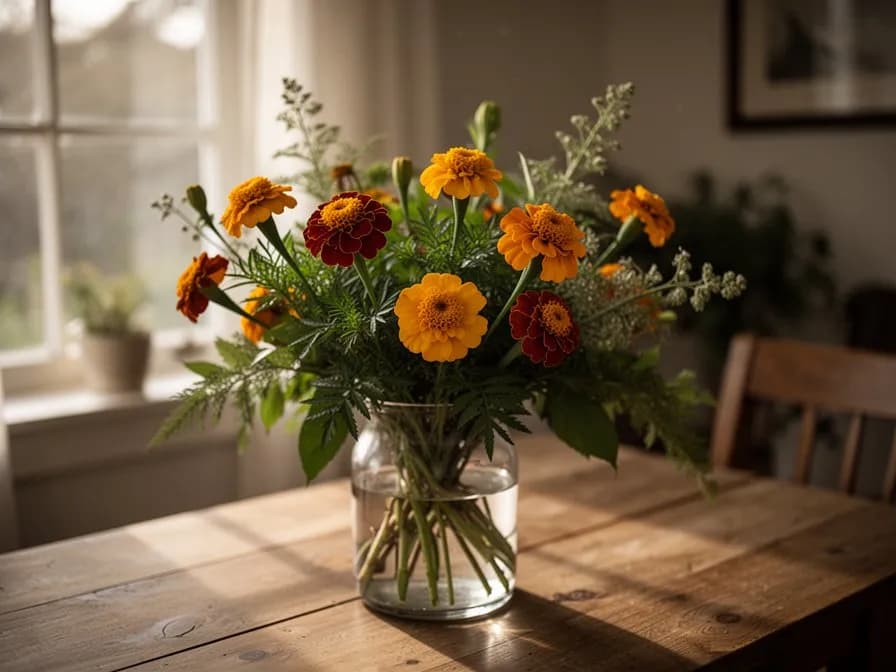
Studentenblumen- und Ringelblumen-Kräutertee
15 Min.Ein beruhigender Kräuteraufguss aus getrockneten Studentenblumen- und Ringelblumen-Blütenblättern, traditionell zur Unterstützung der Verdauung und zur Linderung von Entzündungen verwendet. Dieser koffeinfreie Tee hat einen milden, leicht erdigen Geschmack mit sanften Blumennoten und einer warmen goldenen Farbe.
5 ZutatenSafran-Art Studentenblumen-Reis
25 Min.Eine preiswerte Alternative zu Safranreis, die getrocknete Studentenblumen-Blütenblätter verwendet, um eine ähnliche goldene Farbe und ein zartes blumiges Aroma zu erzielen. Studentenblumen-Blütenblätter werden seit dem Mittelalter in der europäischen Küche als Safranersatz verwendet, was der Blume den Spitznamen ‚Safran des armen Mannes' einbrachte.
6 ZutatenKulinarische Verwendung
Studentenblumen-Blütenblätter sind essbar und werden seit Jahrhunderten als Safranersatz verwendet, um Reis, Butter und Käse eine goldene Farbe zu verleihen. Die Blütenblätter der Tagetes-Sorten haben einen leicht zitrusartigen, mild bitteren Geschmack. Verwenden Sie frische Blütenblätter als Garnitur für Salate, Suppen und Desserts. Getrocknete Blütenblätter können in Backwaren und Eierspeisen eingebröselt werden. Verwenden Sie ausschließlich biologisch angebaute Blumen und entfernen Sie den bitteren weißen Blütenblattansatz vor dem Verzehr.
Was drinsteckt
Gesundheitsvorteile
- Studentenblumen-Blütenblätter sind reich an Lutein und Zeaxanthin, zwei Carotinoid-Pigmenten, die sich in der Netzhaut anreichern und bei regelmäßigem Verzehr als Teil einer normalen Ernährung zum Schutz vor altersbedingter Makuladegeneration und grauem Star beitragen können.
- Die Flavonoide in Studentenblumen, darunter Quercetin und Patuletin, haben in Laborstudien entzündungshemmende Eigenschaften gezeigt, und Studentenblumen-Extrakte werden traditionell zur Beruhigung gereizter Haut und zur Verringerung von Schwellungen eingesetzt.
- Ätherische Öle der Studentenblume enthalten Verbindungen wie Alpha-Terthienyl und Tageton, die antimykotische und antibakterielle Wirkung zeigen, weshalb Studentenblumen-Umschläge historisch auf kleine Wunden und Hautinfektionen aufgetragen wurden.
- Traditionelle Kräuterkundige haben Studentenblumen-Aufgüsse zur Unterstützung der Verdauungsgesundheit verwendet, da die Bitterstoffe in den Blütenblättern die Gallenproduktion anregen und leichte Verdauungsbeschwerden und Blähungen lindern sollen.
- Der Carotinoid-Gehalt in Studentenblumen-Blütenblättern liefert Vorstufen von Vitamin A, das für die Aufrechterhaltung einer gesunden Immunfunktion, die Unterstützung der Hautzellerneuerung und die Förderung des normalen Sehens bei schlechten Lichtverhältnissen unerlässlich ist.
- Einige Forschungsergebnisse deuten darauf hin, dass Studentenblumen-Blütenblatt-Extrakte die Herz-Kreislauf-Gesundheit durch ihre antioxidative Wirkung unterstützen können, indem sie freie Radikale neutralisieren und oxidativen Stress auf die Blutgefäßwände reduzieren.
Woher Studentenblume stammt
Studentenblumen (Tagetes) stammen aus Amerika, wobei die größte Artenvielfalt in Mexiko und Mittelamerika zu finden ist, wo sie seit über 2.000 Jahren kultiviert werden. Die aztekische Zivilisation betrachtete Studentenblumen als heilige Blumen und verwendete sie in religiösen Zeremonien, als Heilkräuter und als natürliche Farbstoffe für Textilien und Lebensmittel. Tagetes erecta, die afrikanische Studentenblume, war zentral für aztekische Rituale zu Ehren der Toten – eine Tradition, die heute bei Mexikos Día-de-los-Muertos-Feiern fortlebt.
Spanische Konquistadoren brachten Studentenblumen-Samen im frühen sechzehnten Jahrhundert nach Europa, wo die Pflanzen schnell in Klostergärten sowohl zu Zier- als auch zu Heilzwecken an Beliebtheit gewannen. Die Blumen verbreiteten sich rasch in ganz Europa, Nordafrika und schließlich nach Indien, wo sie tief in hinduistische religiöse Zeremonien und die Tradition der Girlandenherstellung integriert wurden. In Indien sind Studentenblumen heute die am meisten angebaute kommerzielle Blume, mit einer jährlichen Produktion von über einer Million Tonnen.
Französische Studentenblumen (Tagetes patula) wurden hauptsächlich von französischen Gärtnern ab dem siebzehnten Jahrhundert entwickelt, die die kompakten, buschigen Sorten züchteten, die in modernen Gärten beliebt sind. Afrikanische Studentenblumen wurden trotz ihres Namens in Afrika nach ihrer Einführung aus Amerika weiterentwickelt. Die Gewürz-Studentenblume (Tagetes tenuifolia) erlangte später als essbare Zierpflanze mit einem zarten Zitrusgeschmack Aufmerksamkeit.
Im zwanzigsten Jahrhundert bot die Saatgutfirma Burpee einen Preis von 10.000 Dollar für die erste wirklich weiße Studentenblume aus, die schließlich 1975 nach Jahrzehnten selektiver Züchtung erzielt wurde. Heute gehören Studentenblumen zu den beliebtesten einjährigen Blumen weltweit, geschätzt für ihre leuchtenden Farben, einfache Kultivierung, schädlingsabweisende Eigenschaften und lange Blütezeit vom späten Frühling bis zum ersten Herbstfrost.
Studentenblume: Schon gewusst?
Faszinierende Fakten über Studentenblume
Die Wurzeln der Studentenblume setzen Alpha-Terthienyl frei, eine natürlich vorkommende chemische Verbindung, die für Wurzelgallennematoden giftig ist, was sie zu einem der wirksamsten biologischen Bodenentseuchungsmittel macht, die Hobbygärtnern zur Verfügung stehen.
Studentenblume: Fragen & Antworten
Wann sollte ich Studentenblume pflanzen?
Was sind gute Begleitpflanzen für Studentenblume?
In welchen Winterhärtezonen kann Studentenblume wachsen?
Wie viel Sonne braucht Studentenblume?
Welchen Abstand sollte ich zwischen Studentenblume lassen?
Welche Schädlinge und Krankheiten befallen Studentenblume?
Wie lagere ich Studentenblume nach der Ernte?
Was sind die besten Studentenblume-Sorten zum Anbauen?
Welchen Boden braucht Studentenblume?
Sind alle Studentenblumen-Sorten essbar, oder nur bestimmte Arten?
Wie helfen Studentenblumen, Gartenschädlinge abzuwehren, und welche Schädlinge halten sie fern?
Warum blühen meine Studentenblumen nicht, obwohl die Pflanzen gesund aussehen?
Können Studentenblumen Frost überstehen, oder sind sie reine Warmwetterpflanzen?
Wie kann ich Studentenblumen-Samen für den Garten nächstes Jahr aufbewahren?
Was ist der Unterschied zwischen französischen, afrikanischen und Gewürz-Studentenblumen?
Du hast die Theorie gelesen. Jetzt baue sie auf Autopilot an.
Alles, was Studentenblume knifflig macht — das Timing, die Abstände, die Begleiter, das Erntefenster — genau das übernimmt PlotMyGarden für dich, für jede Pflanze im Garten.
Ein Plan, der dein Wetter kennt
Standort einmal festlegen. Aussaat-, Dünge- und Erntedaten rund um deinen echten letzten Frosttermin und die Live-Vorhersage — kein Raten mehr nach Saattüte.
Aus dem Abschnitt „Pflanzzeit“Beetplaner per Drag & Drop
Beete auf einem Raster gestalten. Jede Pflanze rastet im richtigen Abstand ein, und du siehst die ganze Saison, bevor du einen Cent für Saatgut ausgibst.
Aus dem Abschnitt „Anbau“Begleiter-Konflikte früh erkannt
Über 200 gute und schlechte Kombinationen werden beim Pflanzen live geprüft — so landet ein saisonruinierender Fehler nie in der Erde.
Aus dem Abschnitt „Begleiter“Erinnerungen, nach denen du wirklich handelst
„Gieß die Bohnen.“ „Heute ernten, bevor's umschlägt.“ Pünktlich, konkret und auf deine echten Pflanzen bezogen.
Aus dem Abschnitt „Ernte“Staffel-Aussaat, geplant
Sechs Wochen ernten statt sechs Tage? Die App verteilt deine Aussaaten automatisch und erinnert dich, wenn der nächste Satz fällig ist.
Aus dem Abschnitt „Pflanzzeit“Ein Verlauf, der schlauer wird
Jede protokollierte Ernte bringt der App deinen Garten bei. Der Plan fürs nächste Jahr startet bei dem, was in deinem Boden wirklich funktioniert hat.
Aus dem Abschnitt „Überblick“Pflanze diese neben Studentenblume
Weitere Einjährige
Halte Studentenblume von diesen fern
Gartenpläne mit Studentenblume
Bau deine beste Studentenblume an — und alles drumherum.
Starte heute kostenlos. Lege deine Beete an, setze deine Studentenblume ein und lass PlotMyGarden Timing, Abstände, Begleiter und Erinnerungen von der Saat bis zum Erntekorb übernehmen.