Cucumber
A vigorous vining plant that produces crisp, refreshing fruits ideal for fresh eating and pickling.





On this pageOverview
Meet Cucumber
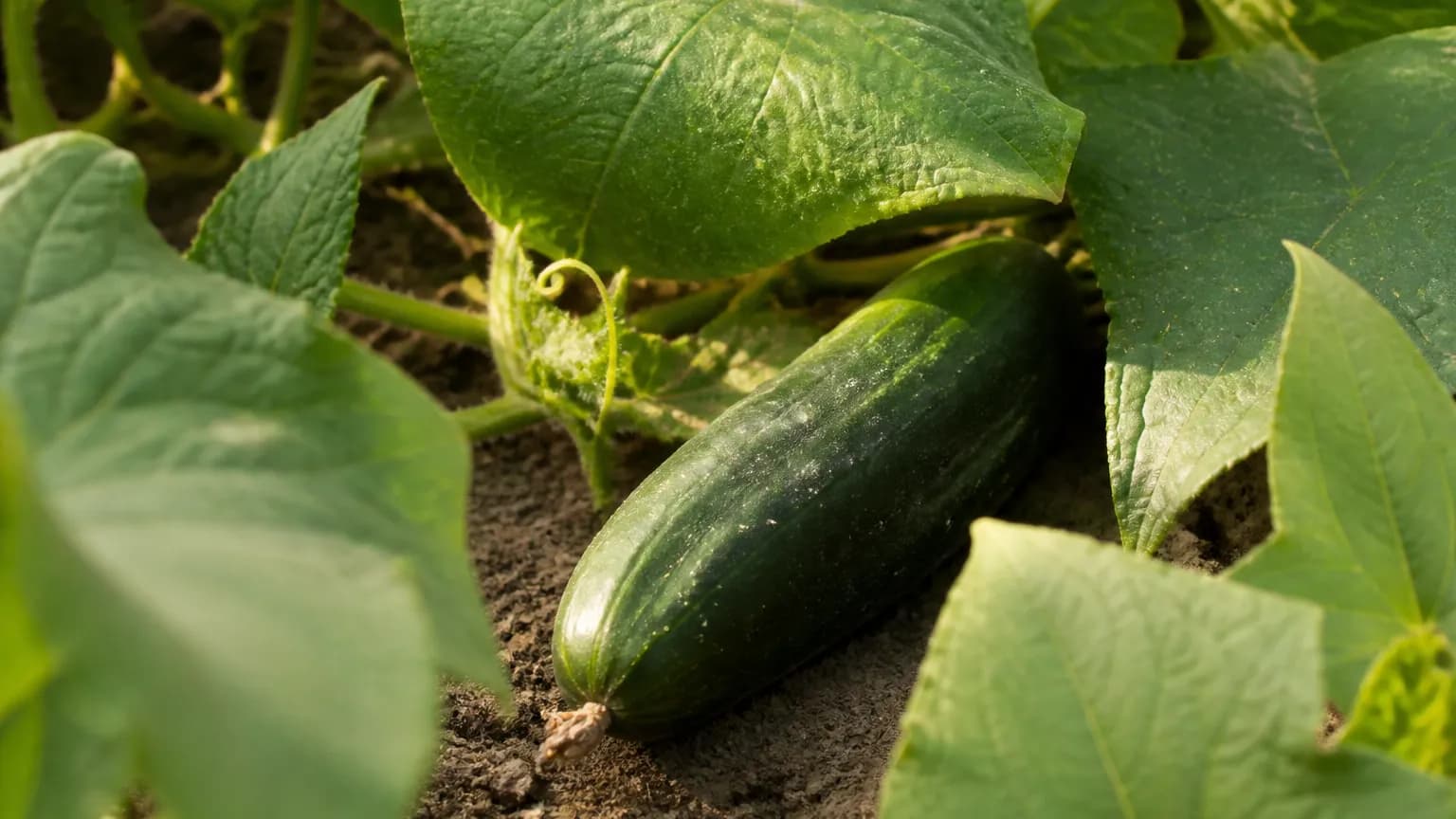
A vigorous vining plant that produces crisp, refreshing fruits ideal for fresh eating and pickling. Train vines onto a trellis to save space, improve air circulation, and keep fruits clean and straight. Provide deep, consistent watering since irregular moisture leads to bitter-tasting or misshapen fruits. Harvest frequently when fruits are young and firm to encourage continued production throughout the season.
When to plant Cucumber
Cucumbers have a fundamentally different seed-starting approach than tomatoes and peppers. They grow explosively fast and resent root disturbance, so the indoor window is short — start seeds only 3-4 weeks before your last frost date. Starting earlier creates rootbound, stressed transplants that establish poorly outdoors. Many experienced gardeners skip indoor starting entirely and direct sow once the soil is warm.
If starting indoors, sow seeds 2 cm (3/4 inch) deep in biodegradable peat pots, coir pots, or soil blocks — never in standard plastic cells that require popping out the root ball. Cucumber roots are extremely sensitive to disturbance and transplant shock can set them back 2 weeks or more. Maintain soil temperature of 24-29°C (75-85°F) with a heat mat for rapid germination in 3-7 days. Cucumbers germinate much faster than peppers and should break the surface within a week.
Once seedlings emerge, provide strong light immediately — 14-16 hours from grow lights positioned close to the plants. Cucumber seedlings grow fast and become leggy almost overnight without adequate light. Feed with quarter-strength liquid fertilizer from the first true leaf stage. Keep soil moist but not waterlogged.
Harden off seedlings for 5-7 days before transplanting, starting with 2 hours of sheltered outdoor time and increasing daily. For direct sowing — the preferred method for many gardeners — wait until soil temperatures reach 18°C (65°F), typically 1-2 weeks after your last frost date. Plant 2-3 seeds per position at 2 cm depth and thin to the strongest seedling once true leaves appear. Direct-sown cucumbers often catch up to and surpass transplanted ones within 2-3 weeks because they establish root systems without any shock.
Your Cucumber Year
Composed for Zone 7 · typical seasons · frost passes Apr 2, returns Nov 1
Plant Cucumber Apr – Jun, pick Jul – Sep. Check the planting methods below and set your climate to personalize these windows.
How to grow Cucumber
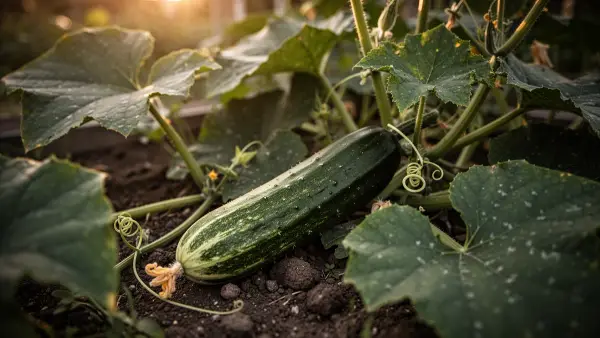
Cucumbers are warm-season crops that thrive in heat and need consistently moist soil to produce crisp, sweet fruits without bitterness. Sow seeds directly into the garden 1-2 weeks after the last frost date when soil temperatures have reached at least 18°C (65°F), planting 2-3 seeds per hole at 2.5 cm (1 inch) deep, then thinning to the strongest seedling. For an earlier start, begin seeds indoors 3-4 weeks before transplanting in biodegradable pots to minimize root disturbance, as cucumbers resent having their roots disturbed.
Prepare planting sites by working generous amounts of aged compost into the soil to improve moisture retention and fertility. Cucumbers are heavy feeders that benefit from a rich growing medium. For vining types, install a sturdy trellis or A-frame at planting time — vertical growing saves significant garden space, improves air circulation to reduce disease, and produces straighter fruits that are easier to spot and harvest.
Water deeply and consistently, providing at least 2.5 cm (1 inch) per week, increasing to 5 cm during hot weather and peak fruiting. Use drip irrigation or soaker hoses to keep foliage dry and reduce fungal disease risk. Mulch with 5-8 cm of straw to conserve moisture and keep soil temperatures stable. Feed every 2-3 weeks with a balanced liquid fertilizer once vines begin to flower, switching to a potassium-rich formula during heavy fruiting.
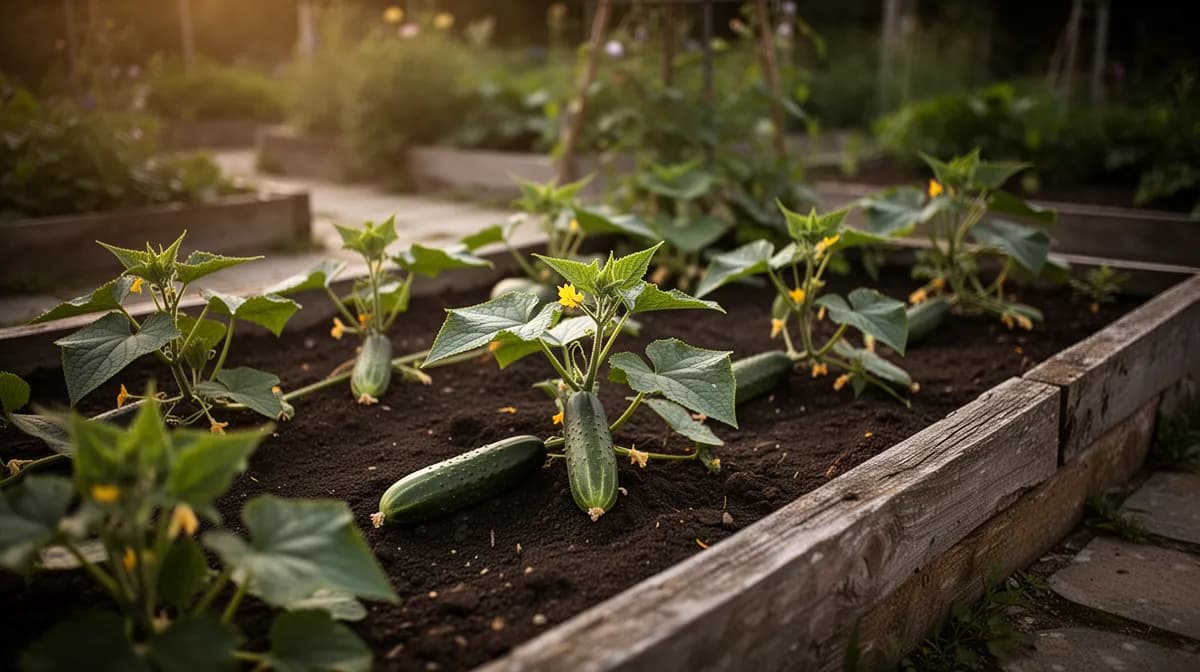
8 plants fit a 4 × 8 ft bed
Each Cucumber wants 60 cm of elbow room. The planner keeps that spacing for you — every plant, every bed.
Cucumber's best neighbours
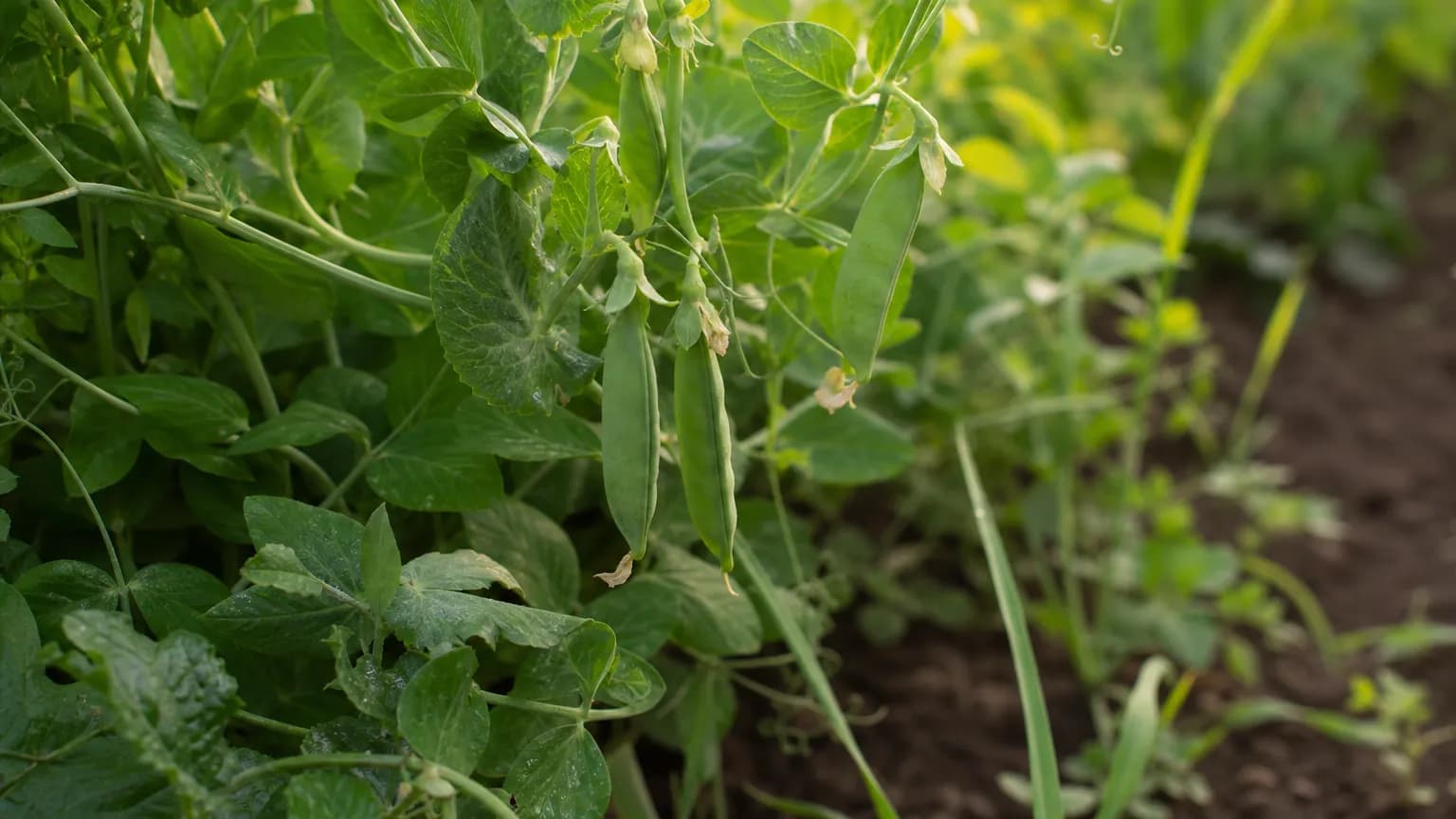
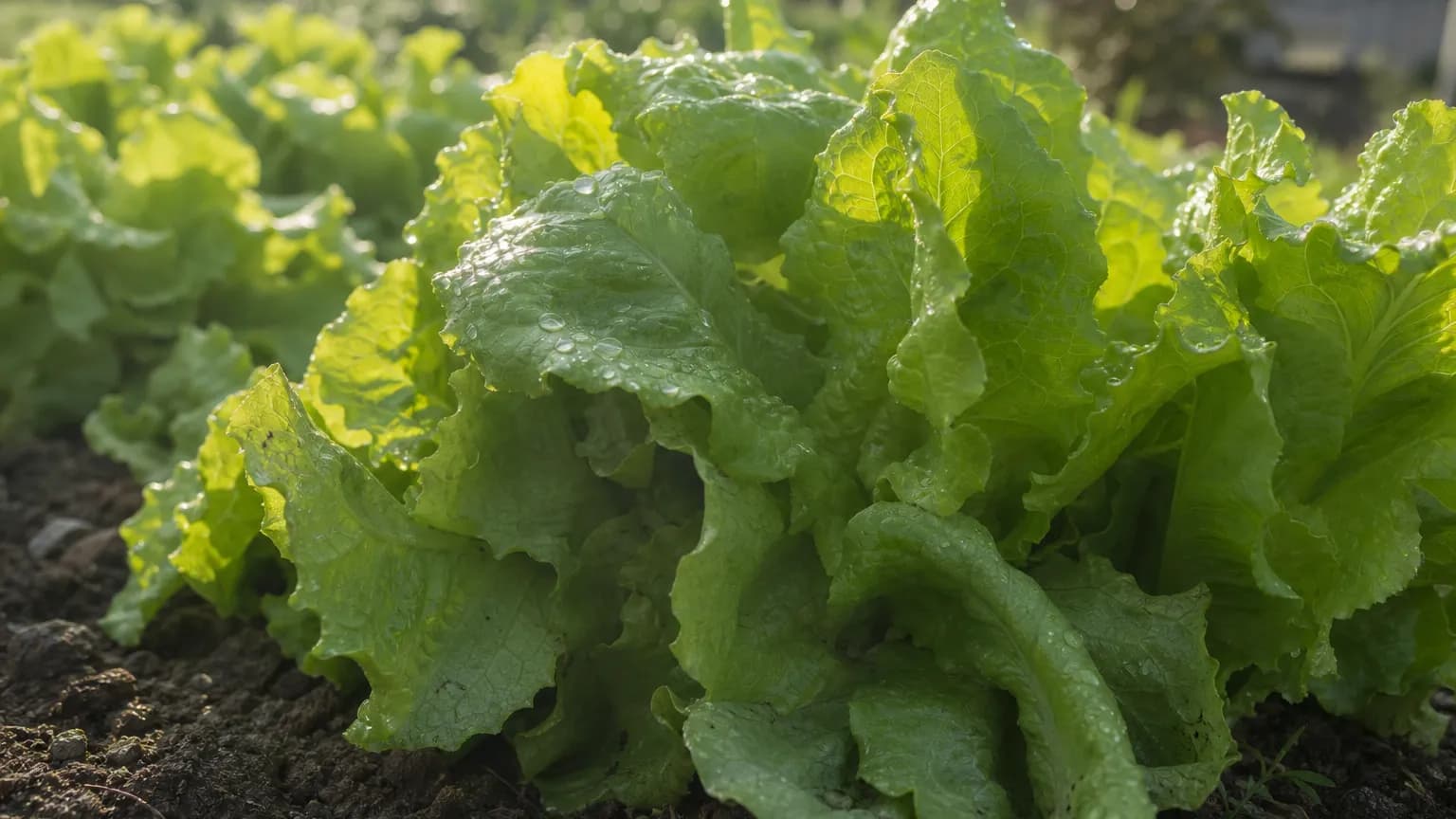
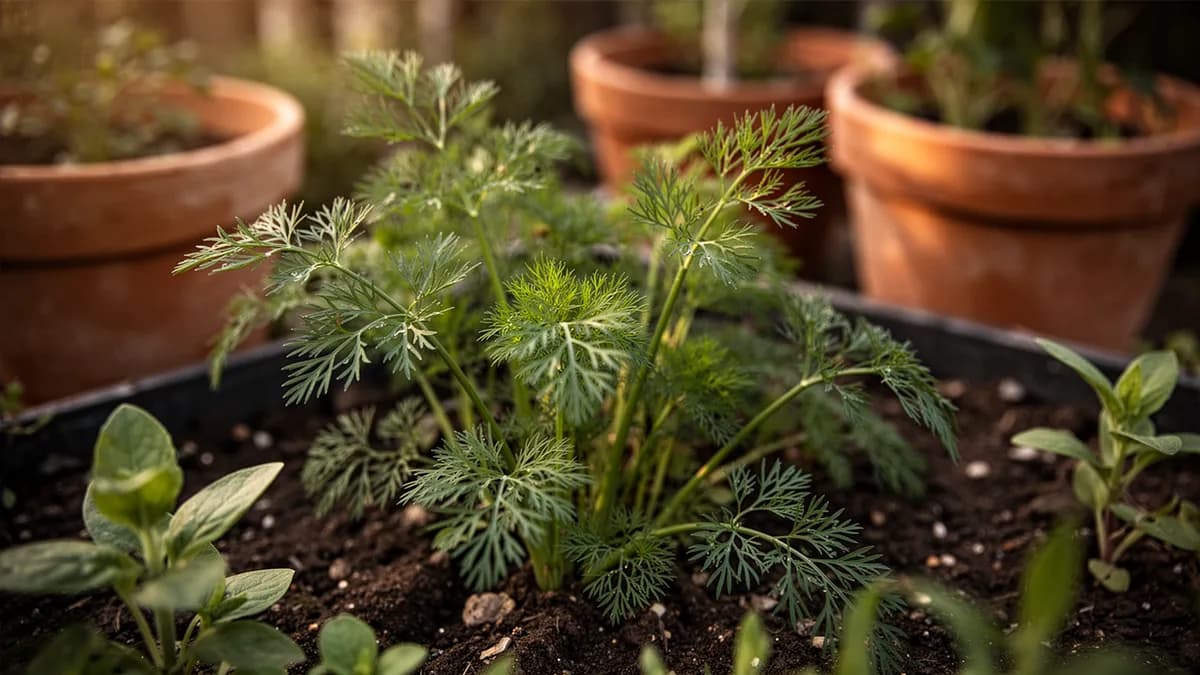
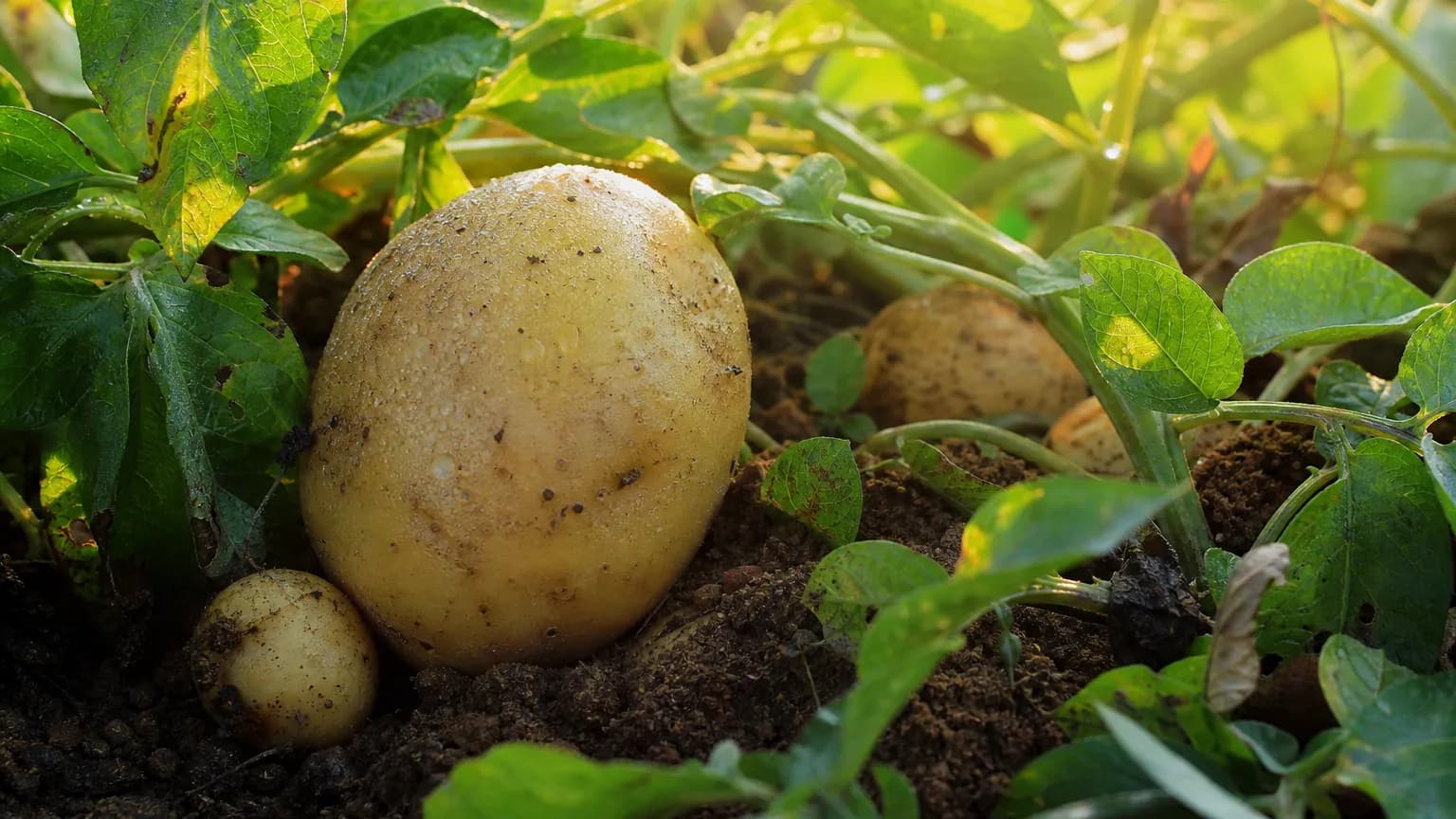
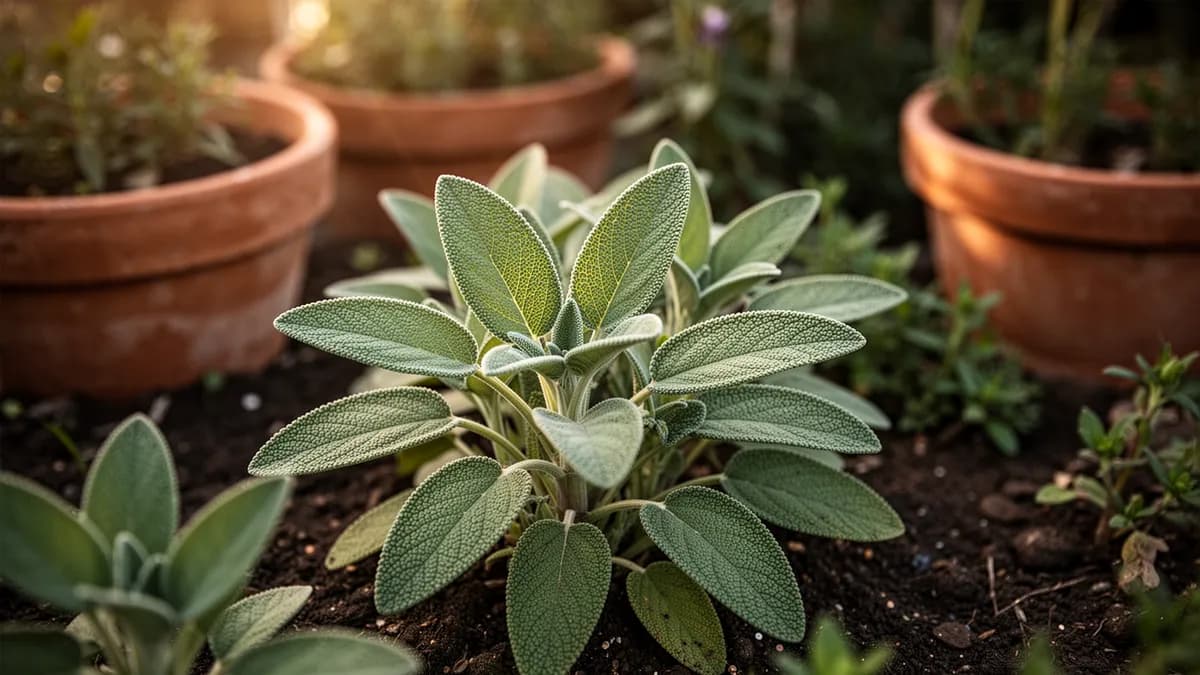
Peas and beans fix atmospheric nitrogen in the soil through their root nodules, providing a natural fertilizer source that supports cucumber's heavy feeding needs. Lettuce and radishes grow quickly in the dappled shade beneath cucumber trellises, making efficient use of garden space. Dill attracts beneficial predatory wasps and hoverflies that control cucumber pests, and sunflowers provide a natural trellis while attracting pollinators. Avoid planting near potatoes, which compete for nutrients and may transmit blight, and sage, whose strong essential oils may inhibit cucumber growth.
Peas belongs beside it. Potato doesn't.
Old growers' knowledge, checked against Cucumber's real companion table below — test any plant you're growing.
Try Cucumber in a bed — right here
A real planner bed with Cucumber already in it. Tap a companion to place it and watch the pairing checks answer — green for good neighbours, red for a clash.


Related growing guides

Feed it well
Cucumbers are hungry, thirsty plants that demand rich, well-drained soil loaded with organic matter. They prefer a pH of 6.0-7.0 and thrive in loose, loamy soil that retains moisture without becoming waterlogged. Before planting, work 8-10 cm of aged compost into the top 30 cm of soil — cucumbers respond dramatically to generous soil preparation. If your soil is heavy clay, build raised beds or mounds at least 15 cm high and amend with compost and perlite. Sandy soil needs extra compost for moisture retention, as cucumbers cannot tolerate drought even briefly.
At planting time, mix a handful of well-rotted manure or worm castings into each planting hill for a slow-release nitrogen boost. Add a tablespoon of balanced slow-release fertilizer (10-10-10) per planting hole. Cucumbers are heavy feeders that deplete soil nutrients quickly during their rapid vine growth and heavy fruiting phases — you will need to supplement throughout the season.
Once flowering begins, switch from balanced fertilizer to a potassium-rich formula (5-10-15 or a dedicated cucurbit fertilizer) to support fruit development and improve fruit quality. Side-dress with compost or apply liquid fish emulsion every 2-3 weeks. A tablespoon of Epsom salts dissolved in a gallon of water applied monthly provides magnesium for healthy leaf color and strong vine growth. Avoid excessive nitrogen after flowering — it pushes leafy growth at the expense of fruit and can contribute to bitterness. Most importantly, maintain absolutely consistent soil moisture through drip irrigation and heavy mulching. Fluctuating moisture is the primary cause of bitter, misshapen fruits and is a more common problem than nutrient deficiency.
Ideal Temperature
Hardiness Zone Compatibility
From seed to harvest, stage by stage
Seed Starting
Sow seeds 2 cm deep in warm soil at 24-29°C. Cucumbers germinate quickly in 3-7 days with adequate warmth. Seeds need consistent moisture and warm temperatures.
Seedling Growth
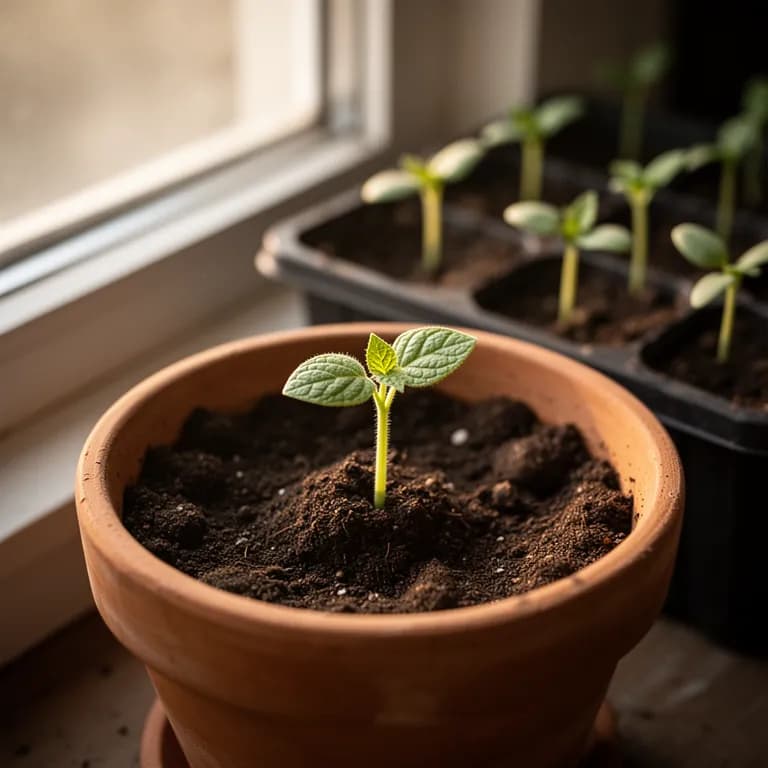
Seedlings develop rapidly with large cotyledon leaves followed by the first true leaves. Provide strong light to prevent leggy growth. Vines begin to develop tendrils.
Vine Development
Vines grow vigorously, producing tendrils and reaching for support. Train vines onto trellises early. Leaves become large and rough-textured.
Flowering
Bright yellow flowers appear — male flowers first, followed by female flowers with a tiny cucumber behind them. Pollination by bees is essential for most varieties.
Fruiting
Pollinated flowers develop into rapidly growing fruits. Cucumbers can grow 2-3 cm per day in warm weather. Keep soil consistently moist to prevent bitterness.
Harvest
Harvest slicing cucumbers at 15-20 cm and pickling types at 5-10 cm. Check daily during peak production. Regular harvesting keeps the plant producing.
Cucumbers resent root disturbance — start in biodegradable peat pots or direct sow outdoors for best results.
Caring for Cucumber month by month
What to do each month for your Cucumber
October
You are hereClean up all cucumber debris to prevent disease overwintering. Store trellises. Add compost to beds for next season.
Know exactly what to do in your garden — every month
One email at the start of each month: what to sow, plant, and tackle right now — for your Cucumber and everything growing around it. Plus a short starter course that helps you dodge the classic mistakes.
- What to do, right now
- Matched to your season
- Starter course included
Harvesting Cucumber
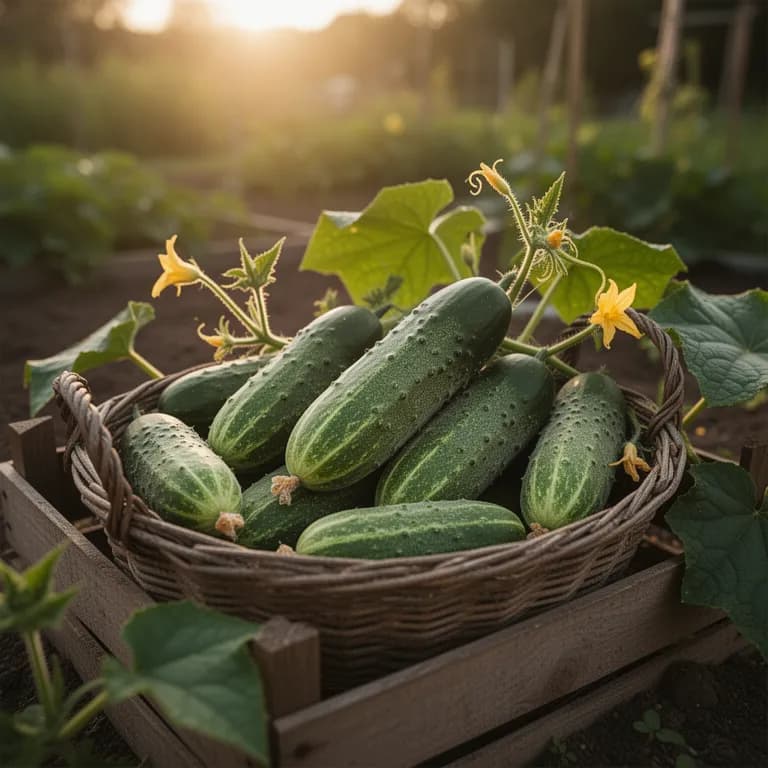
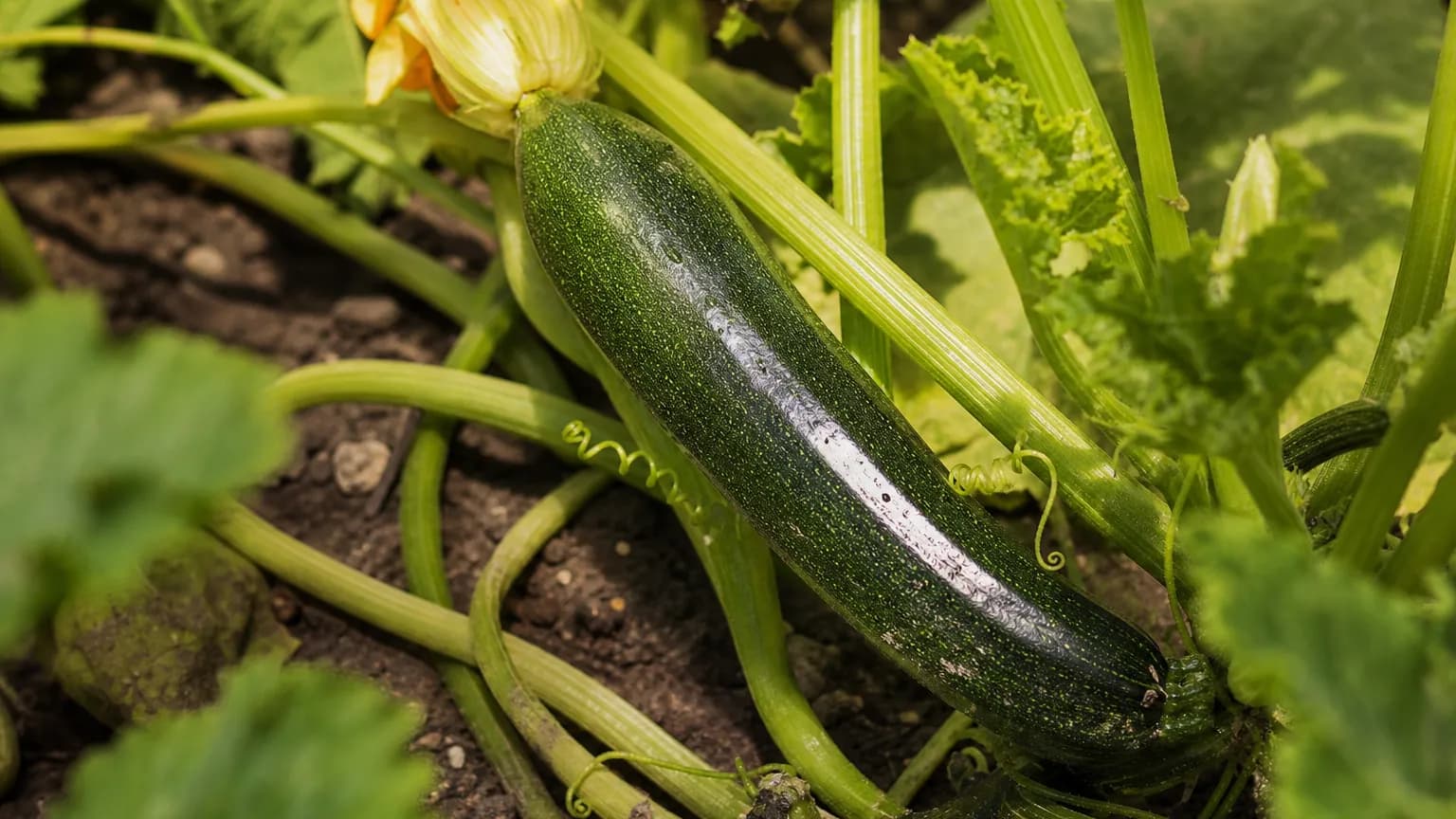
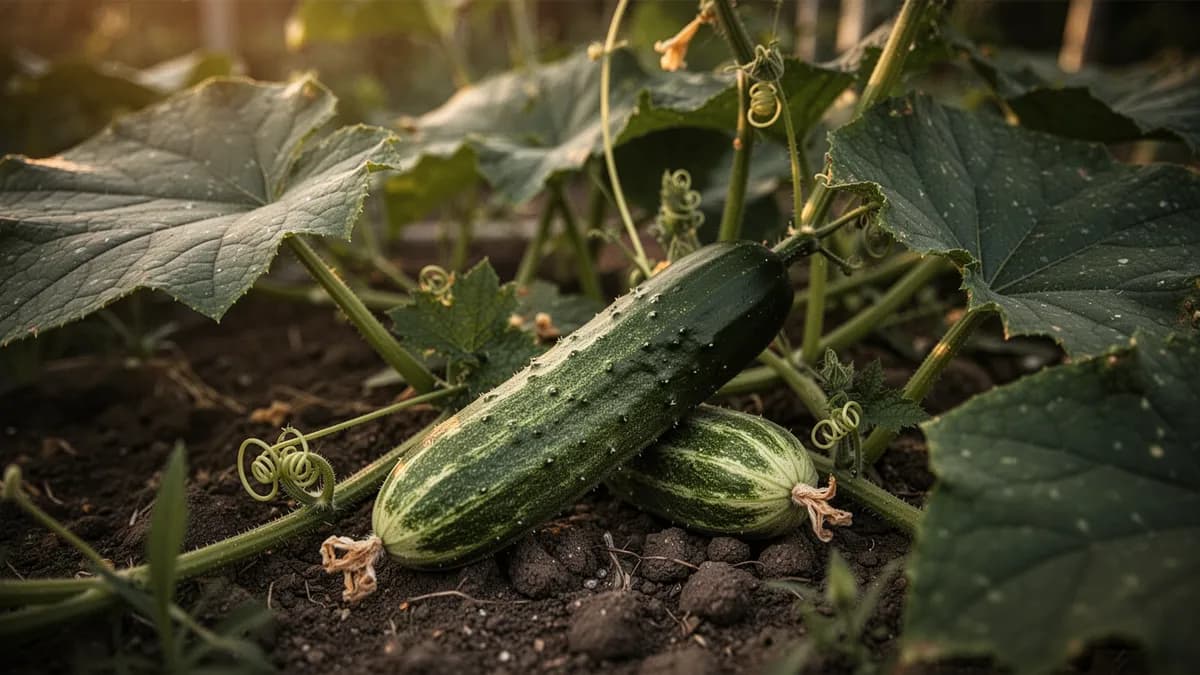
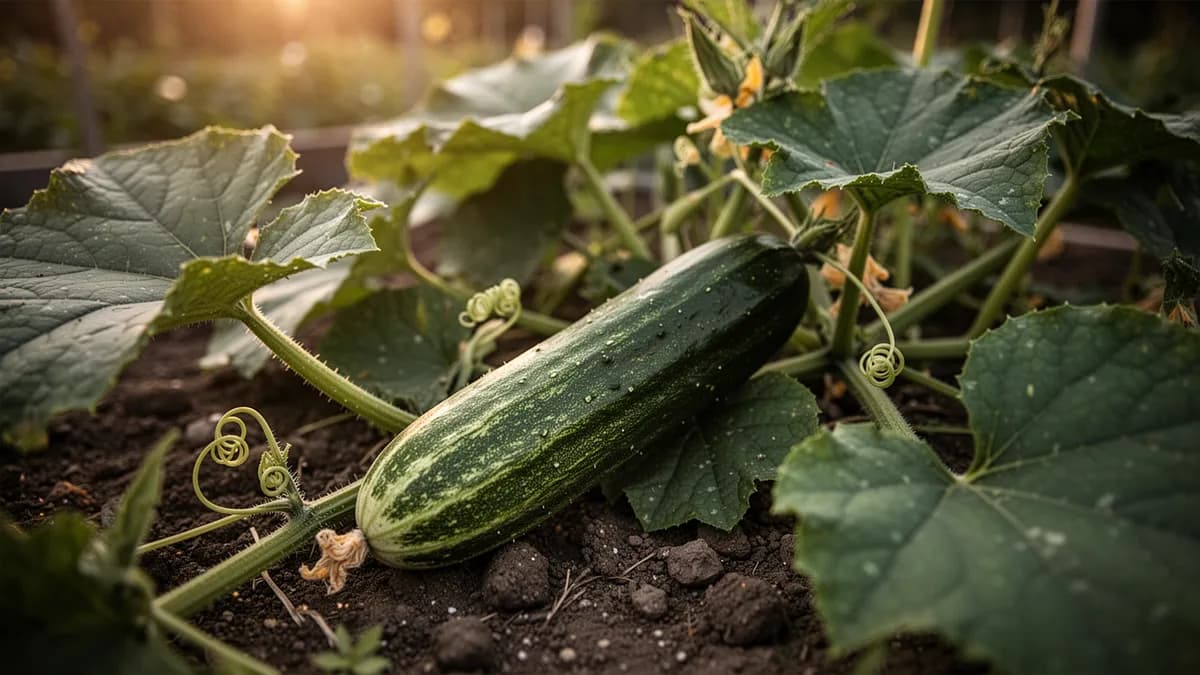
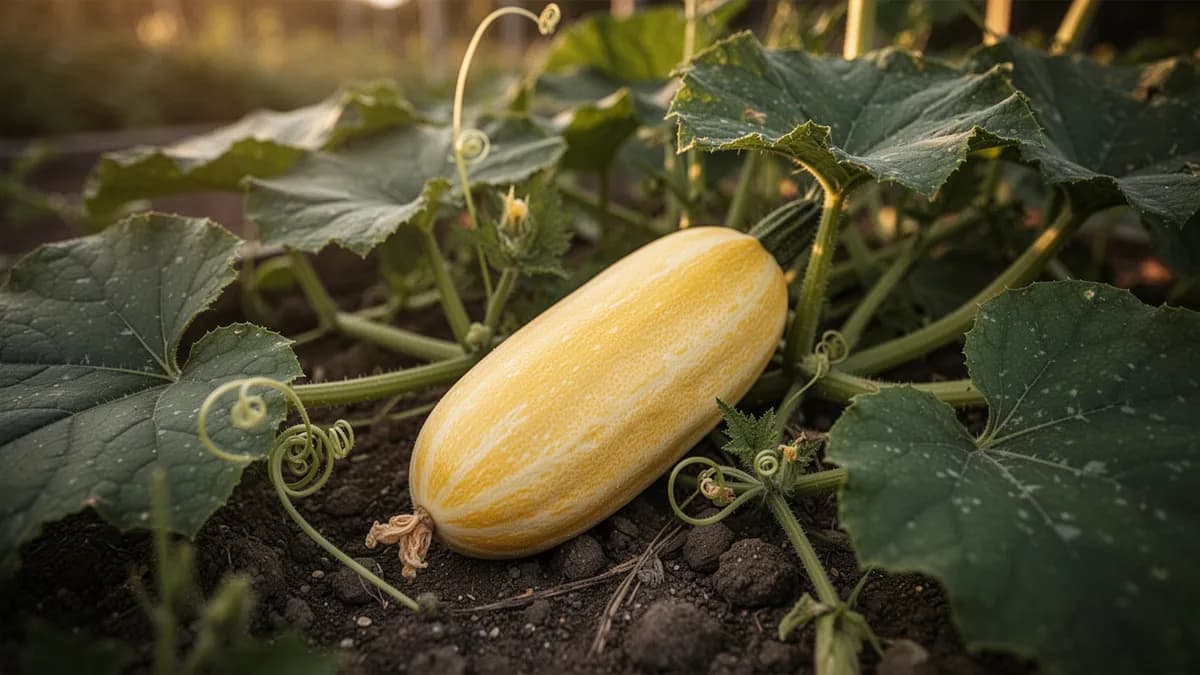
Timing is everything with cucumbers — harvest too early and you lose yield, too late and fruits become seedy, bitter, and tell the plant to shut down production. Slicing cucumbers are ideal at 15-20 cm (6-8 inches) with firm, uniformly dark green skin and a slight glossy sheen. Pickling varieties should be picked small at 5-10 cm (2-4 inches) for the crispest texture that holds up to brining. Specialty types like lemon cucumbers are ready when they turn pale yellow and are about the size of a tennis ball.
Check plants every single day during peak production — this is not an exaggeration. In warm weather (above 27°C), cucumbers can grow 2-3 cm per day and go from perfect to oversized in just 24-48 hours. Use clean pruning shears to cut the stem about 1 cm above the fruit. Never pull or twist cucumbers off the vine, as this damages the plant and creates entry points for disease.
Overripe cucumbers are the enemy of continued production. When a fruit turns yellow and swells with large seeds, it signals the vine that its reproductive job is done and flowering slows dramatically. Remove any missed overripe fruits immediately, even if they are past eating quality — getting them off the vine is what matters. In late season as frost approaches, harvest all remaining cucumbers regardless of size. Green cucumbers picked early can still be used for quick pickles, relish, or cold soups.
assuming you plant when the window opens — set your real date
Slicers at 15-20 cm, picklers at 5-10 cm — check daily in peak season.
Storage & Preservation
Fresh cucumbers are best stored unwashed in the refrigerator, loosely wrapped in a damp paper towel inside an open plastic bag. This maintains humidity without trapping excess moisture that causes rot. Properly stored, slicing cucumbers keep for 7-10 days and pickling types for 4-5 days. Keep cucumbers away from tomatoes, bananas, apples, and melons — the ethylene gas these produce accelerates cucumber deterioration and softening. Never store cucumbers below 4°C (40°F), as cold damage causes waterlogged, translucent spots in the flesh.
Pickling is the classic long-term preservation method and the main reason pickling cucumber varieties exist. Quick refrigerator pickles are the easiest entry point: pack sliced cucumbers into jars with a hot vinegar-salt-sugar brine, add garlic, dill, and spices, and refrigerate. They are ready to eat in 24 hours and keep for 2-3 months. For shelf-stable pickles that last a year or more, use a tested water-bath canning recipe — proper acidity is critical for food safety with canned pickles.
Fermented pickles (lacto-fermentation) produce a completely different product with probiotic benefits. Pack whole small cucumbers into a salt brine (3-5% by weight) with garlic, dill, and grape leaves (the tannins keep pickles crisp), and ferment at room temperature for 3-7 days. These traditional fermented pickles keep in the refrigerator for 4-6 months and provide live beneficial bacteria for gut health.
Dehydrating sliced cucumbers at 52°C (125°F) for 8-10 hours produces surprisingly addictive crunchy chips. Season before drying with salt, vinegar, dill, or ranch seasoning for a healthy snack. Freezing raw cucumbers does not work well — they become mushy when thawed. However, cucumbers can be frozen in a sugar-vinegar brine for relishes and cold soups, or pureed and frozen into ice cubes for adding to smoothies and cold drinks.
What goes wrong — and the fix
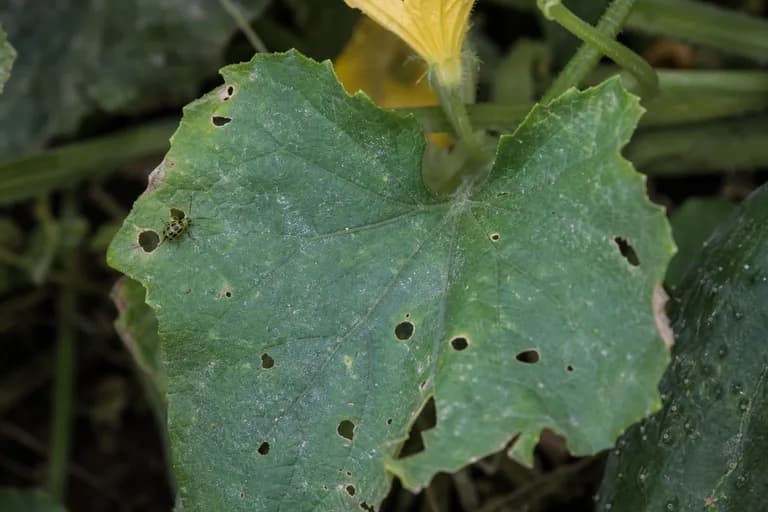
Cucumber Beetle
PestSmall, yellow-green beetles with black spots or stripes chewing holes in leaves, flowers, and fruits. Larvae feed on roots underground. These beetles also transmit bacterial wilt, which causes sudden, irreversible wilting of entire vines.
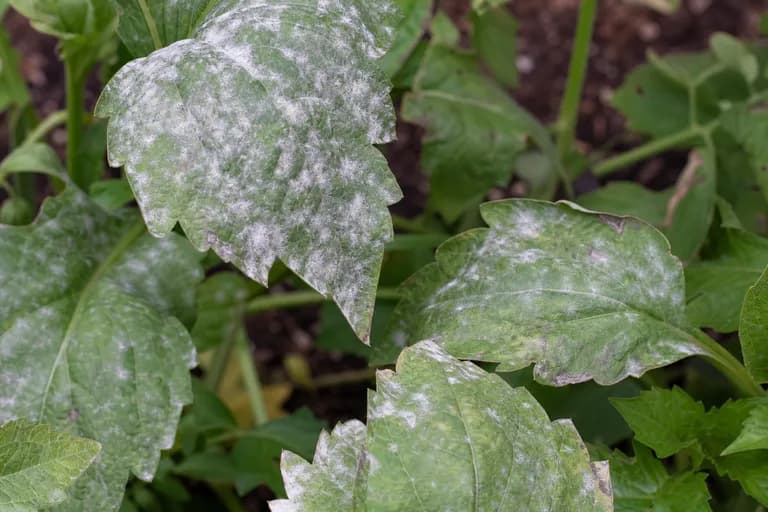
Powdery Mildew
DiseaseWhite, powdery fungal patches appearing on upper leaf surfaces, spreading rapidly to cover entire leaves. Affected leaves yellow, become brittle, and die prematurely, reducing fruit production and quality.
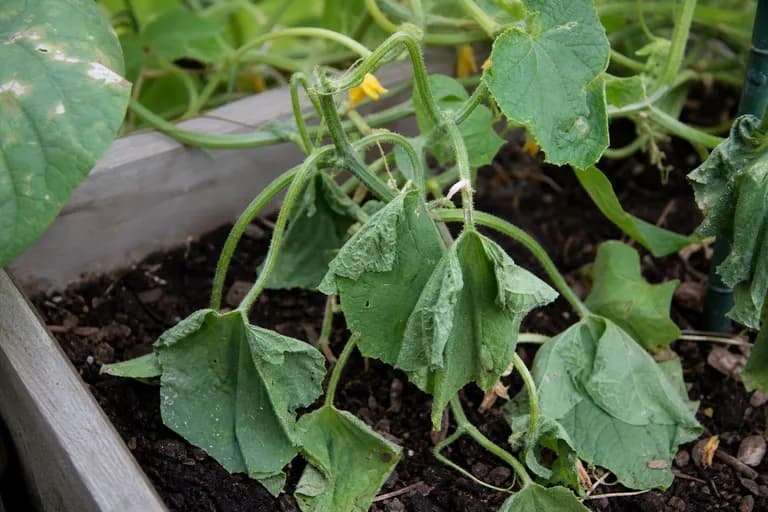
Bacterial Wilt
DiseaseSudden wilting of individual vines or the entire plant, starting from a single leaf and progressing rapidly. Cut stems exude a sticky, white bacterial ooze when squeezed. The disease is fatal once symptoms appear.
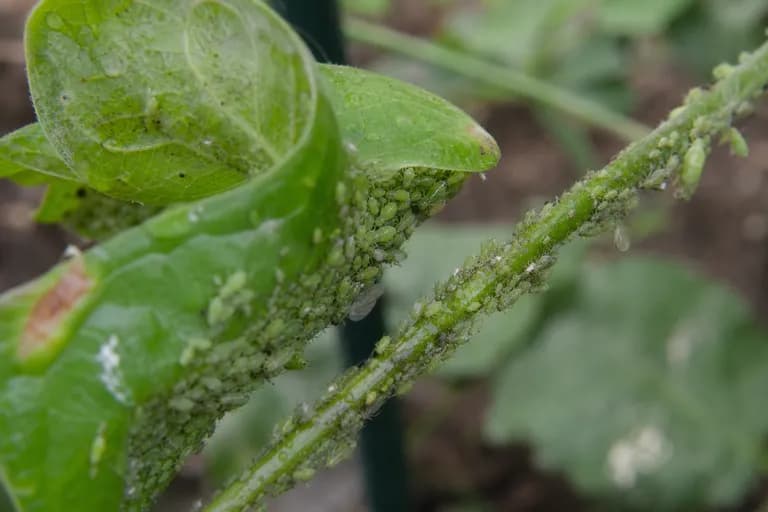
Aphids
PestClusters of tiny green, yellow, or black insects on leaf undersides and growing tips. Leaves become distorted and curled, and sticky honeydew attracts sooty mold. Aphids also transmit cucumber mosaic virus.
Troubleshooting Common Problems
Bitter-tasting cucumbers are the most common complaint and are almost always caused by plant stress rather than variety choice. The primary culprits are irregular watering (the biggest factor by far), temperature extremes above 32°C or below 13°C, and nutrient deficiency. The bitterness compound cucurbitacin concentrates in the stem end and skin when the plant is stressed. Prevention is straightforward: water deeply and consistently with drip irrigation, mulch heavily with 5-8 cm of straw, and avoid letting soil dry out between waterings. Modern varieties like 'Diva', 'Sweet Slice', and 'Tasty Green' have been bred to produce very low levels of cucurbitacin even under stress.
Misshapen, curved, or club-shaped fruits are a pollination problem in most cases. If the fruit is pinched at one end or curved like a hook, not enough pollen reached all the ovules. Plant pollinator-attracting flowers nearby (dill, sunflowers, borage), or hand-pollinate in the morning by transferring pollen from male flowers (plain stem) to female flowers (tiny cucumber behind the bloom) with a small paintbrush. Parthenocarpic varieties like 'Diva' set fruit without pollination and produce consistently straight fruits.
Poor fruit set despite abundant flowers is normal early in the season — cucumber plants produce male flowers first for 1-2 weeks before female flowers appear. If flowers are present but fruits don't form even later in the season, poor pollination is likely the cause. In greenhouses or covered gardens, hand-pollination is essential.
Yellow leaves starting at the base of the plant are usually normal aging — the plant redirects nutrients upward as it grows. However, if yellowing spreads rapidly up the vine, check for magnesium deficiency (interveinal chlorosis — yellow between green veins), overwatering, or downy mildew (yellow patches with fuzzy gray growth underneath). A foliar spray of Epsom salts (1 tablespoon per liter) corrects magnesium deficiency quickly.
Sudden wilting of an entire vine on a sunny day that does not recover overnight is the classic symptom of bacterial wilt, transmitted by cucumber beetles. Cut the stem and squeeze — if white, sticky bacterial ooze strings out, the diagnosis is confirmed. There is no cure; remove and destroy the plant immediately. Prevention means controlling cucumber beetle populations with row covers, kaolin clay spray, and yellow sticky traps early in the season before the beetles can transmit the bacterium.
Growing Tips
- Always grow cucumbers on a trellis when possible — vertical growing saves 50% or more garden space, improves air circulation, and produces straighter, cleaner fruits.
- Cucumbers need consistent, deep watering of at least 2.5 cm per week. Irregular watering is the #1 cause of bitter cucumbers — use drip irrigation and mulch heavily.
- Harvest cucumbers every 1-2 days during peak production. Missing even a few days allows fruits to become oversized, seedy, and signals the plant to stop producing.
- Plant pollinator-attracting flowers like dill and sunflowers nearby. Poor pollination causes curved or club-shaped cucumbers and reduced yields.
- Direct sowing is often more successful than transplanting. Cucumbers have sensitive roots and resent disturbance — if starting indoors, use peat pots.
- Avoid overhead watering, which promotes powdery mildew and other fungal diseases. Water at the base of the plant early in the morning.
- Succession plant every 2-3 weeks from late spring to midsummer for a continuous harvest rather than a single overwhelming glut.
- Remove any yellow or overripe cucumbers immediately — even one overlooked fruit can cause the vine to slow or stop producing new ones.
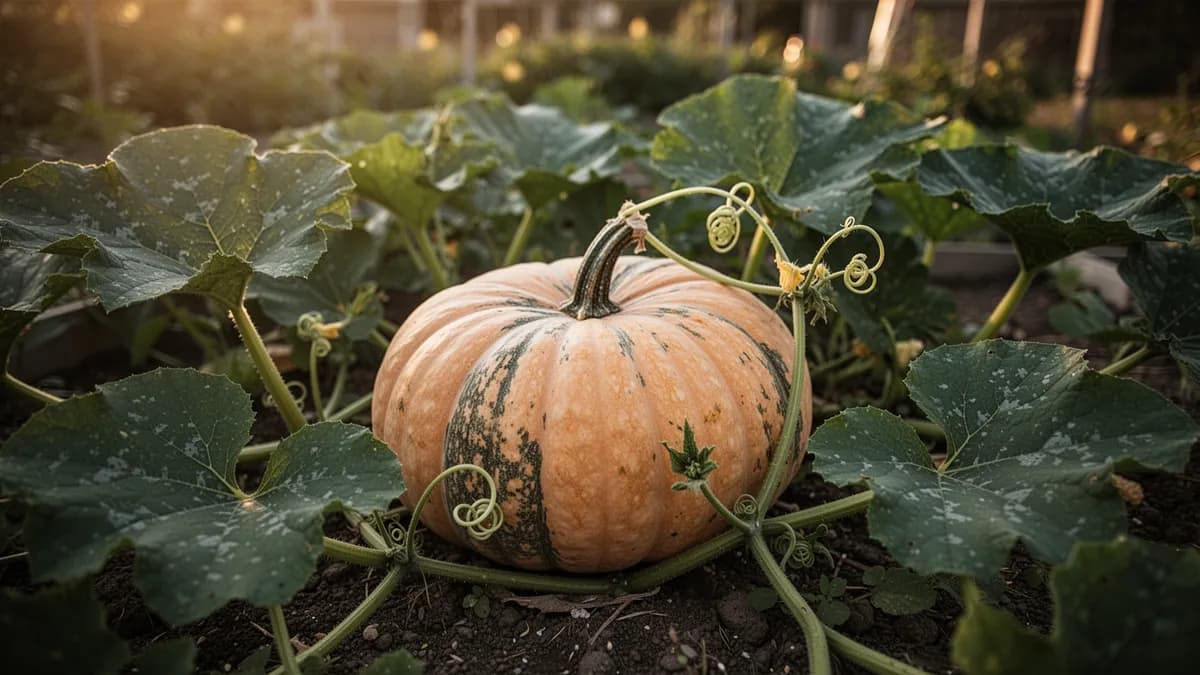
- Avoid planting cucumbers where any cucurbit (squash, melons, pumpkins) grew in the past 2-3 years to prevent soil-borne disease buildup.
- In cool climates, use black plastic mulch and row covers to create warmer growing conditions and extend the season by 2-3 weeks.
Grow your best Cucumber yet — and everything around it.
Start a free plan today. Lay out your beds, drop in your Cucumber, and let PlotMyGarden handle the timing, spacing, companions and reminders from seed to harvest basket.
Pick your Cucumber
Marketmore 76
The standard slicing cucumber with excellent disease resistance and consistently dark green, 20 cm fruits. Open-pollinated, 67 days. Performs well in a wide range of climates and tolerates heat.
National Pickling
A prolific heirloom pickling cucumber producing uniform, blocky fruits ideal for dill pickles and bread-and-butter chips. 52 days. Vigorous vines with concentrated fruit set.
Diva
An AAS-winning seedless variety with thin, tender skin that does not require peeling. Sweet, never bitter flavor. Parthenocarpic, so it sets fruit without pollination. 58 days.
Lemon Cucumber
A unique heirloom producing round, pale yellow fruits about the size of a lemon with mild, sweet flavor and no bitterness. 65 days. Prolific producer and conversation piece in the garden.
Straight Eight
A classic AAS winner producing symmetrical, dark green fruits averaging 20 cm. Open-pollinated, 63 days. Reliable performer with good disease resistance and crisp texture.
A single cucumber vine costing $2-4 as a seedling (or pennies from seed) can produce 10-20 fruits over the season, with organic cucumbers costing $1-2 each at the store. Just 3-4 plants can yield 40-80 cucumbers worth $40-160, making cucumbers one of the highest-value crops for home gardens. Homegrown cucumbers harvested minutes before eating are dramatically crisper and more flavorful than store-bought fruits shipped from distant greenhouses.
Quick recipes
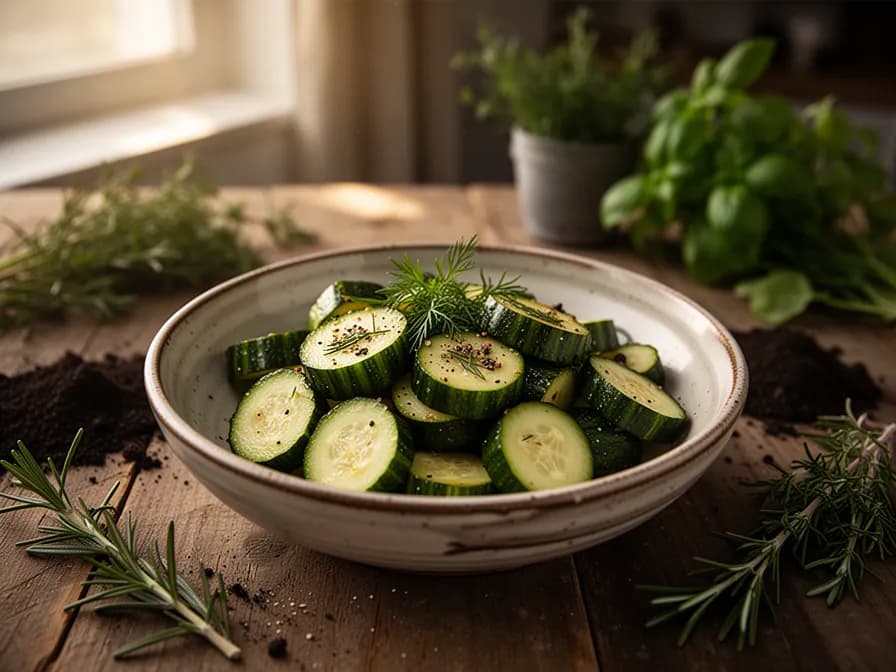
Classic Tzatziki Sauce
10 minCool and creamy Greek yogurt sauce with grated cucumber, garlic, and dill — perfect as a dip or alongside grilled meats.
7 ingredients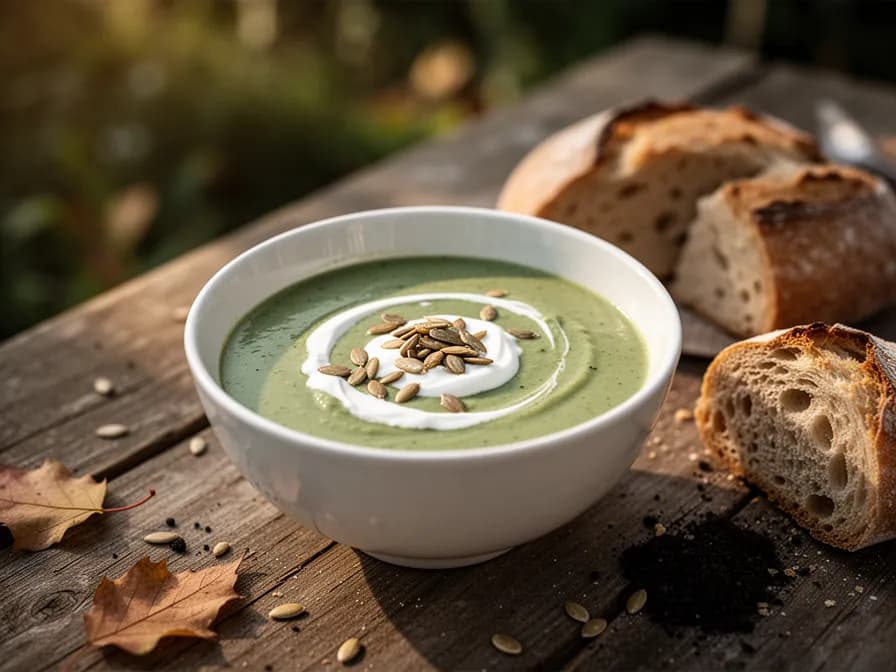
Quick Refrigerator Pickles
15 minCrispy, tangy pickles ready in just 24 hours — no canning required. Customize with your favorite herbs and spices.
8 ingredientsAsian Cucumber Salad
10 minA refreshing, crunchy salad with sesame, rice vinegar, and a hint of chili — ready in minutes.
8 ingredientsCulinary Uses
Cucumbers are the ultimate refreshing vegetable — cool, crisp, and endlessly versatile. Their high water content and mild flavor make them a perfect canvas for both simple and complex preparations. Raw, they shine in green salads, Greek salads with feta and olives, and sliced onto sandwiches for a satisfying crunch. Spiralized into long ribbons, they serve as a zero-carb noodle substitute for summer pasta dishes. Cut into sticks, they are the classic healthy snack alongside hummus, ranch, or tzatziki.
In world cuisines, cucumbers play starring roles across the globe: Greek tzatziki (yogurt, cucumber, garlic, dill) is the essential Mediterranean condiment, Japanese sunomono (cucumber in sweet rice vinegar) is a refined palate cleanser, Indian raita (yogurt with cucumber and mint) cools the heat of curries, Korean oi-sobagi (stuffed cucumber kimchi) adds probiotic punch, and Chinese smashed cucumber salad with sesame and chili is a beloved street food. Gazpacho-style cold cucumber soup blended with yogurt, dill, and garlic is the perfect summer starter.
The pickling cucumber is a world unto itself — dill pickles, bread-and-butter pickles, gherkins, cornichons, and fermented pickles each have devoted followings. Home-pickled cucumbers from your own garden taste dramatically better than anything store-bought and make excellent gifts. Nutritionally, cucumbers are ultra-low-calorie (only 15 per 100g) while providing vitamin K, potassium, and silica — a mineral that supports skin elasticity and collagen production. Cooking tip: leave the skin on whenever possible, as it contains most of the fiber and nutrients.
What's inside
Health Benefits
- Ultra-hydrating with 96% water content, supporting kidney function and overall hydration during hot weather
- Vitamin K supports healthy blood clotting and plays a crucial role in bone metabolism and calcium regulation
- Cucurbitacins — the compounds responsible for occasional bitterness — have shown promising anti-inflammatory and anti-tumor properties in research
- Silica in cucumber skin supports connective tissue health, hair growth, and may help reduce the appearance of wrinkles
- Low glycemic index makes cucumbers safe and beneficial for people managing blood sugar levels
- Antioxidant compounds including beta-carotene and flavonoids help protect cells from oxidative stress
Where Cucumber comes from
Cucumbers (Cucumis sativus) originated in the Indian subcontinent, where wild relatives still grow in the foothills of the Himalayas. Archaeological evidence suggests they were first cultivated in India over 3,000 years ago, making them one of the oldest cultivated crops in Asia.
From India, cucumbers spread westward along ancient trade routes to the Middle East, where they were adopted by ancient Mesopotamian and Egyptian civilizations. Roman naturalist Pliny the Elder recorded that Emperor Tiberius was so fond of cucumbers that he ate them daily, and his gardeners developed portable cold frames to grow them year-round — possibly the earliest recorded greenhouse technology.
Cucumbers reached China by the 2nd century AD and became integral to Chinese cuisine. Spanish explorers brought them to the Americas in the 16th century, where they were quickly adopted by Native American cultures. The pickling cucumber was developed in Europe during the Middle Ages, and today cucumbers are the fourth most widely cultivated vegetable in the world, with China producing about 80% of the global supply.
Cucumber: did you know?
Fascinating facts about Cucumber
Cucumbers are 96% water, making them one of the most hydrating foods on earth — eating a cucumber is almost like drinking a glass of water with added nutrients.
Cucumber questions, answered
When should I plant Cucumber?
What are good companion plants for Cucumber?
What hardiness zones can Cucumber grow in?
How much sun does Cucumber need?
How far apart should I space Cucumber?
What pests and diseases affect Cucumber?
How do I store Cucumber after harvest?
What are the best Cucumber varieties to grow?
What soil does Cucumber need?
Why are my cucumbers bitter?
Why are my cucumbers curved or oddly shaped?
Can I grow cucumbers in containers?
How do I prevent powdery mildew on cucumbers?
What's the difference between slicing and pickling cucumbers?
Do cucumber plants need a trellis?
You just read the theory. Now grow it on autopilot.
Everything that makes Cucumber fiddly — the timing, the spacing, the companions, the harvest window — is exactly what PlotMyGarden handles for you, for every plant in your garden.
A plan that knows your weather
Set your location once. Get sow, feed and harvest dates built around your real last-frost date and live forecast — no more guessing from a generic seed packet.
From the “When to plant” sectionDrag-and-drop bed planner
Design beds on a grid. Every plant snaps to its proper spacing, and you can see your whole season laid out before you spend a cent on seed.
From the “Growing guide” sectionCompanion conflicts, caught early
200+ good-and-bad pairings checked live as you plant — so a season-wrecking mistake never makes it into the ground.
From the “Companions” sectionReminders you'll actually act on
“Water the beans.” “Pick today before it turns.” Timely, specific, and tied to the plants you're really growing.
From the “Harvest” sectionSuccession, scheduled
Want a harvest for six weeks, not six days? It spaces your sowings automatically and reminds you when each new block is due.
From the “When to plant” sectionA record that gets smarter
Every harvest you log teaches it your garden. Next year's plan starts from what actually worked in your soil, not a textbook's.
From the “Overview” sectionPlant these alongside Cucumber
More Cucurbits
Keep Cucumber away from these
Garden plans featuring Cucumber
Grow your best Cucumber yet — and everything around it.
Start a free plan today. Lay out your beds, drop in your Cucumber, and let PlotMyGarden handle the timing, spacing, companions and reminders from seed to harvest basket.