Pickling Cucumber
A compact cucumber variety bred specifically for making pickles, producing short, bumpy fruits with thin skin that absorbs brine well.





On this pageOverview
Meet Pickling Cucumber
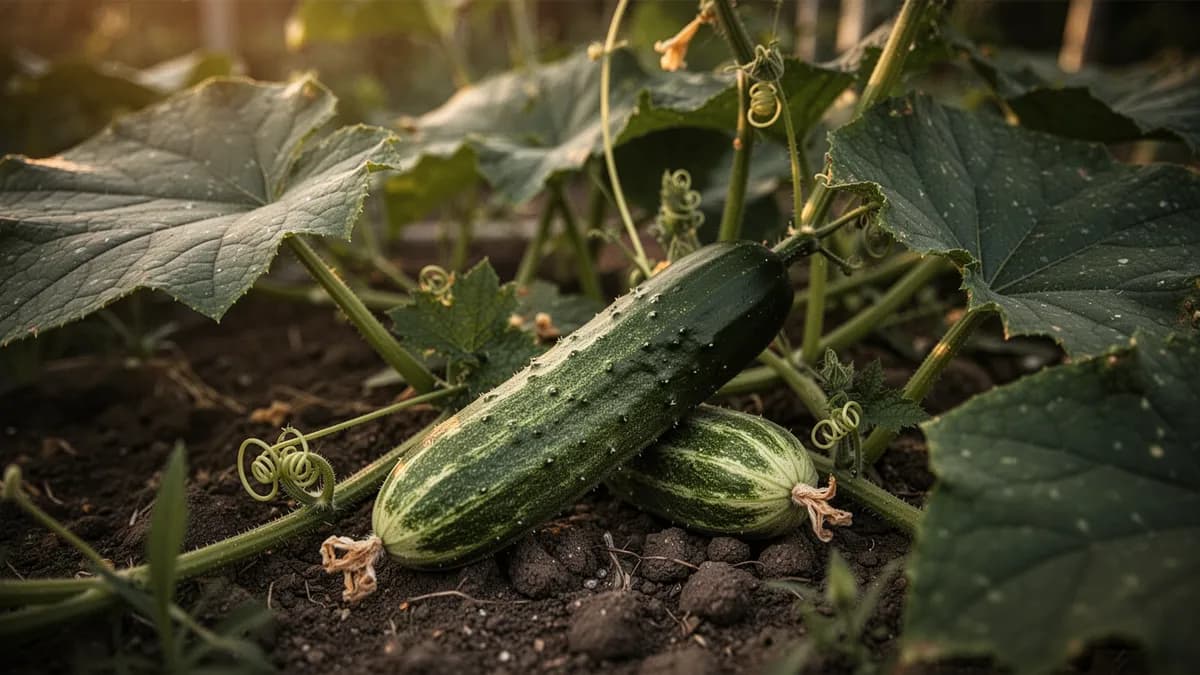
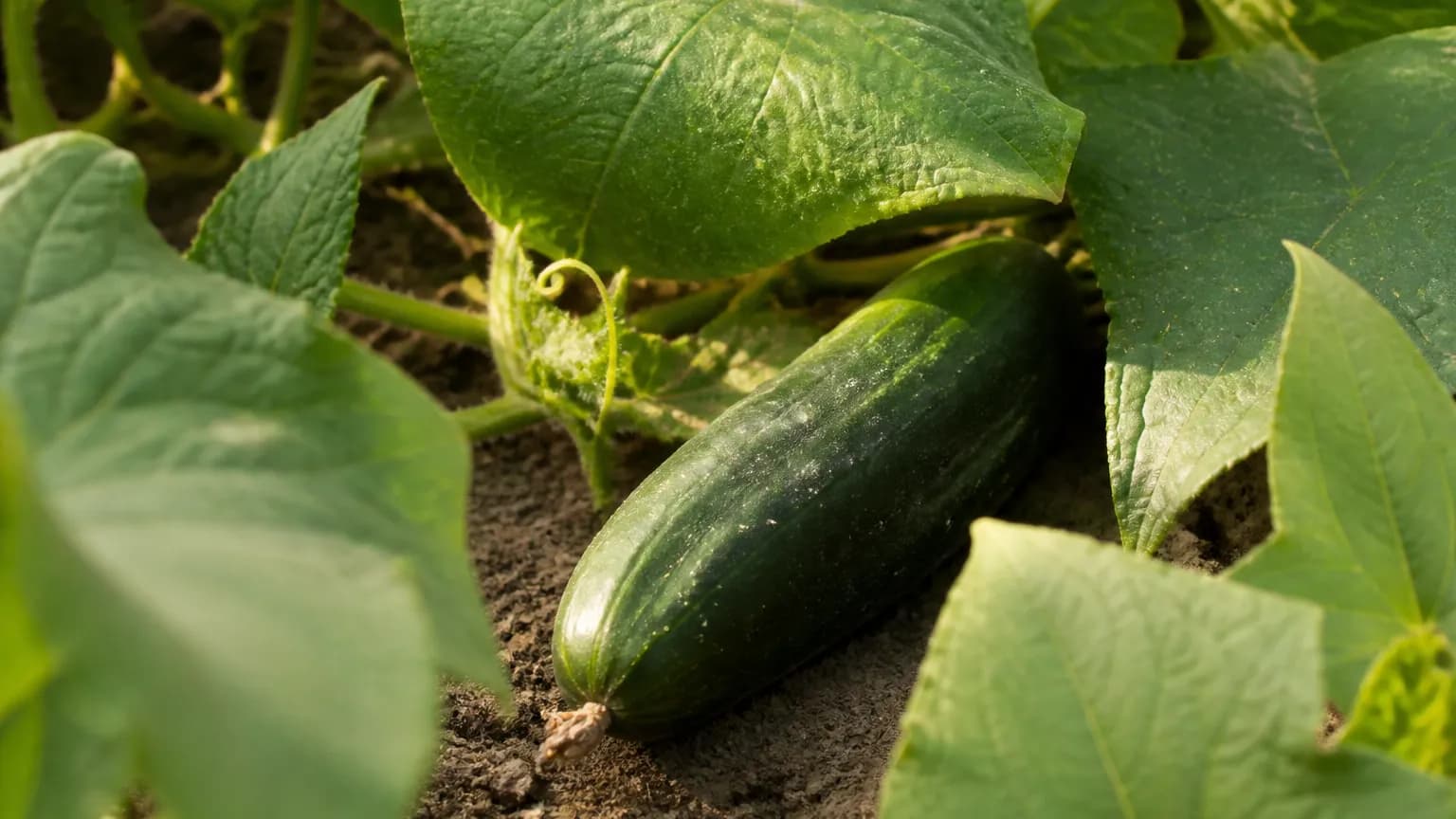
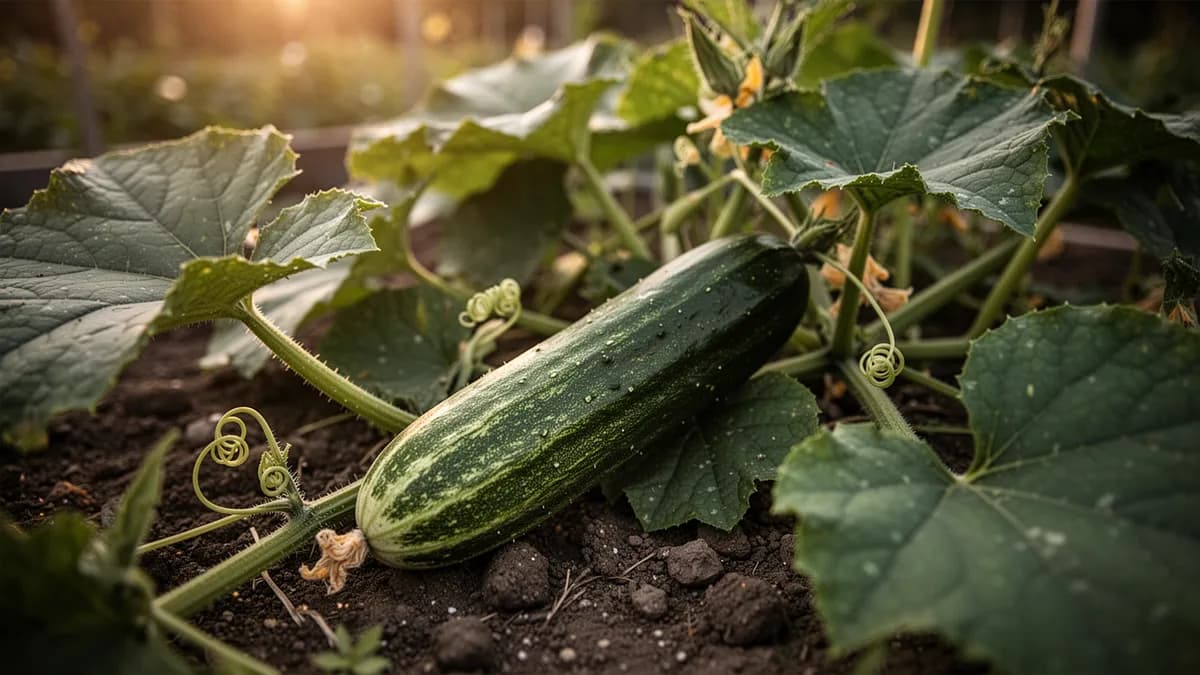
A compact cucumber variety bred specifically for making pickles, producing short, bumpy fruits with thin skin that absorbs brine well. Pickling cucumbers tend to be more productive than slicing types and produce their crop over a concentrated period. Harvest at two to four inches for gherkins or up to six inches for dill pickles, checking plants daily during peak production. The blocky shape and firm flesh hold up well during the pickling process without becoming soft or hollow.
When to plant Pickling Cucumber
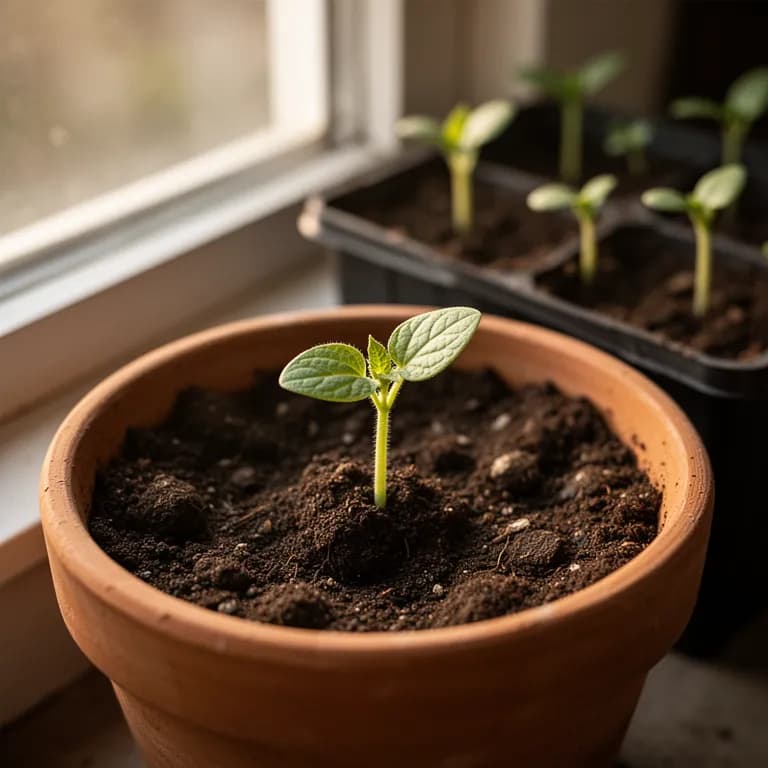
Direct sowing is preferred as cucumbers resent root disturbance. Sow seeds 1 inch deep after soil reaches 65°F, with optimal germination at 75-85°F in 3-7 days. For an earlier start, begin seeds indoors 3-4 weeks before the last frost in peat pots or soil blocks that can be transplanted without disturbing roots. Use a heat mat to maintain warm soil temperatures for germination. Harden off seedlings for one week before transplanting. Handle transplants very gently and avoid planting deeper than the original soil line.
Your Pickling Cucumber Year
Composed for Zone 7 · typical seasons · frost passes Apr 2, returns Nov 1
Plant Pickling Cucumber Apr – Jun, pick Jul – Sep. Check the planting methods below and set your climate to personalize these windows.
How to grow Pickling Cucumber
Pickling cucumbers are compact, highly productive plants bred to produce short, blocky fruits ideal for making pickles. Direct sow seeds 1 inch deep and 6 inches apart after all frost danger has passed and soil temperatures reach 65°F. Thin to 12 inches apart once seedlings establish. These warm-season crops perform best at 70-85°F.
Grow on a trellis or let plants sprawl on the ground with straw mulch beneath to keep fruits clean. Trellised plants produce straighter fruits and are easier to harvest. Water deeply and consistently, providing 1-1.5 inches per week. Inconsistent watering causes bitter fruits and misshapen cucumbers. Mulch heavily to retain soil moisture and moderate soil temperature.
Pickling cucumbers are typically gynoecious or monoecious, meaning most modern varieties produce primarily female flowers for maximum fruit production. Many seed packets include a few pollinator seeds of a standard variety to ensure adequate pollination. Bees are essential for fruit set, so avoid insecticides during flowering. Harvest frequently to keep plants productive; leaving mature fruits on the vine signals the plant to stop producing new flowers.
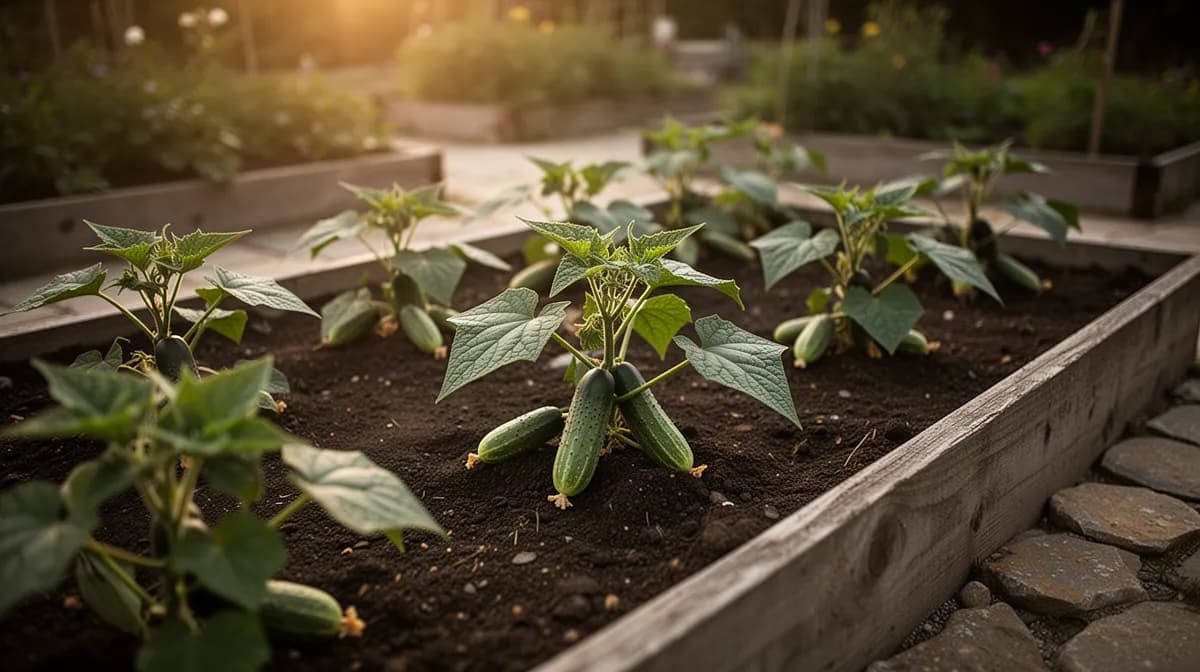
10 plants fit a 4 × 8 ft bed
Each Pickling Cucumber wants 45 cm of elbow room. The planner keeps that spacing for you — every plant, every bed.
Pickling Cucumber's best neighbours
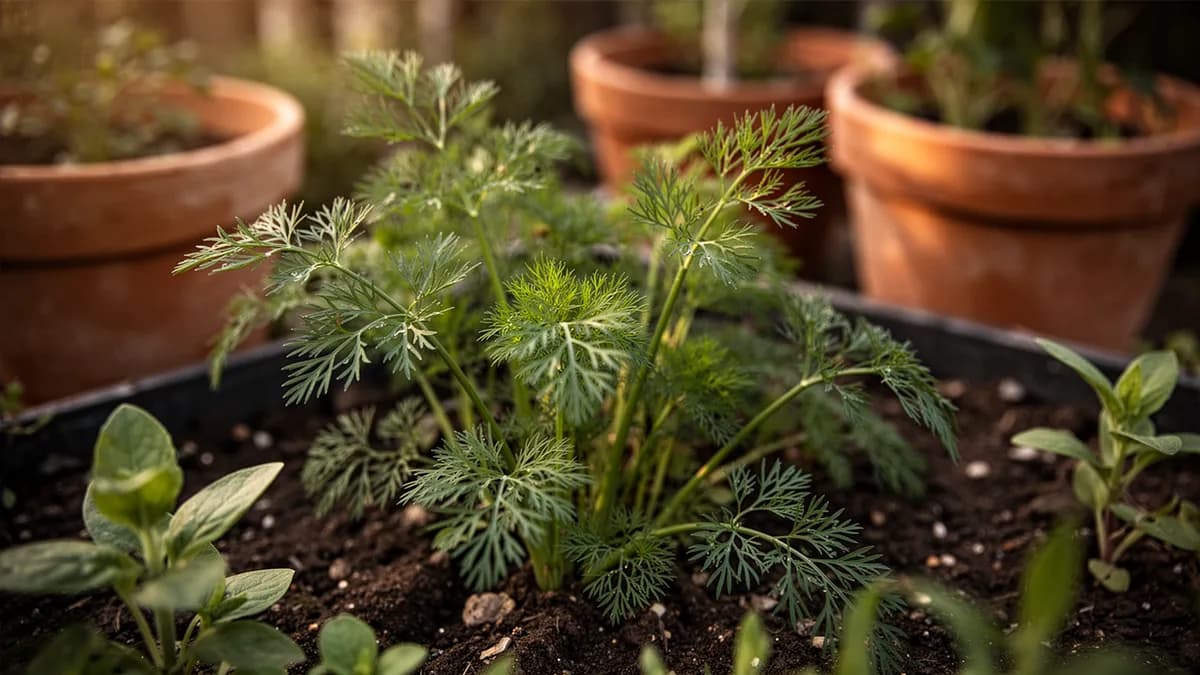
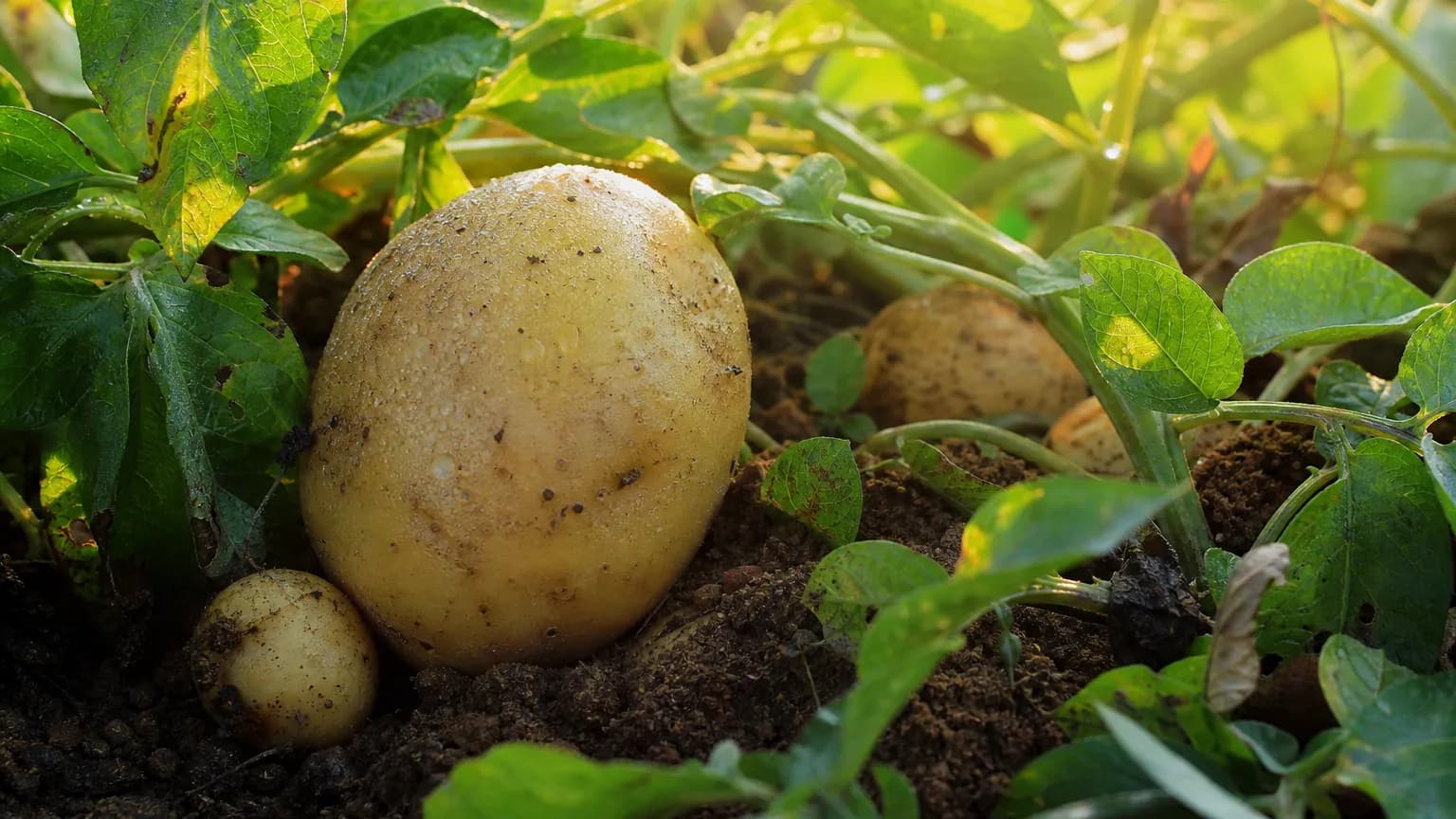
Pickling cucumbers grow well with corn, which provides light shade and wind protection, and beans which fix nitrogen for the heavy-feeding cucumbers. Sunflowers attract pollinators essential for cucumber fruit set. Radishes planted nearby help deter cucumber beetles. Dill and oregano attract beneficial predatory insects. Avoid planting near potatoes which compete for nutrients and may share disease problems. Aromatic herbs like basil can help mask cucumber plants from pests.
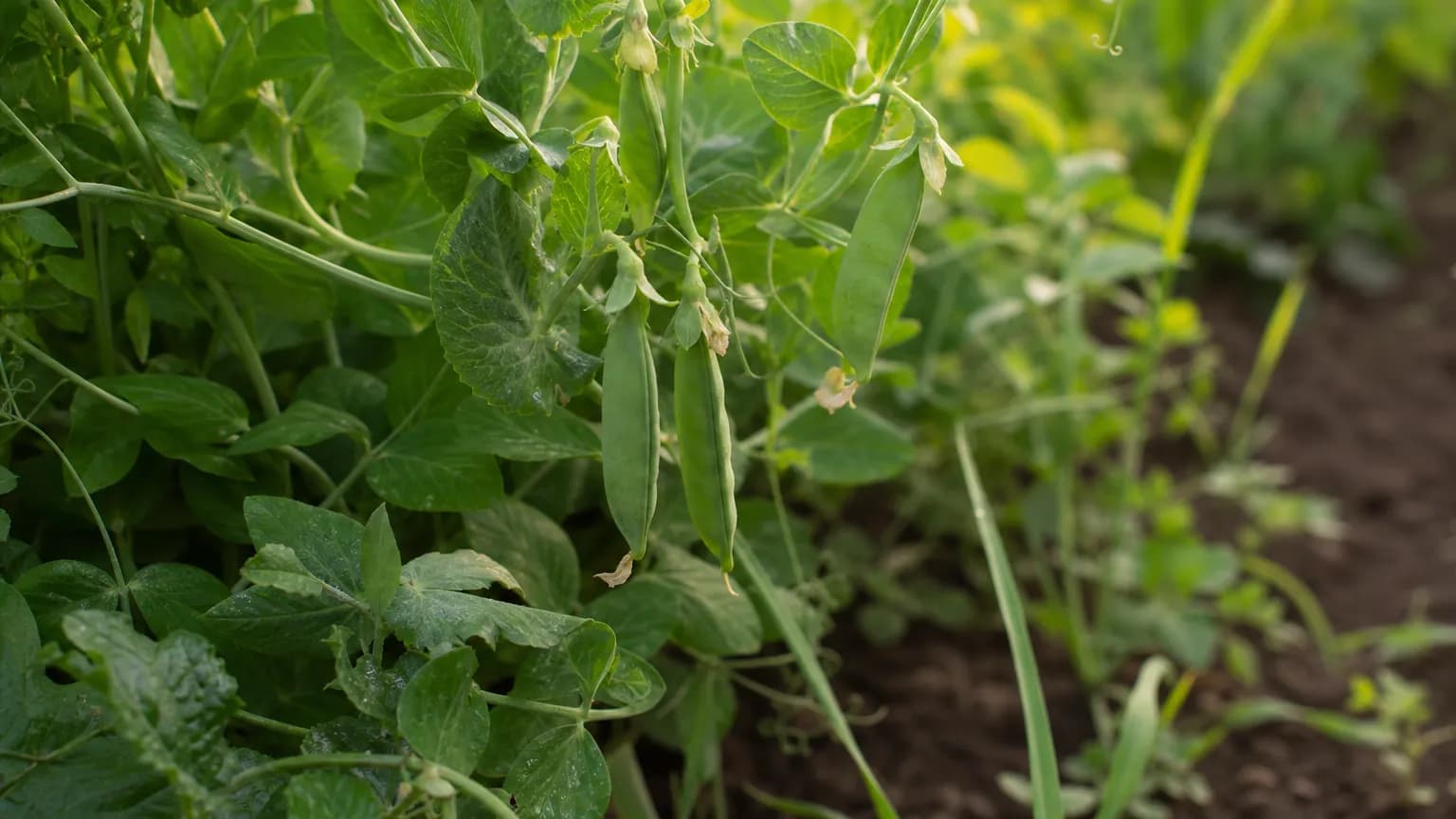
Peas belongs beside it. Potato doesn't.
Old growers' knowledge, checked against Pickling Cucumber's real companion table below — test any plant you're growing.
Try Pickling Cucumber in a bed — right here
A real planner bed with Pickling Cucumber already in it. Tap a companion to place it and watch the pairing checks answer — green for good neighbours, red for a clash.


Related growing guides
Feed it well
Pickling cucumbers thrive in rich, well-drained soil with a pH of 6.0-7.0. Work in generous amounts of compost or aged manure before planting as cucumbers are heavy feeders. Apply a balanced fertilizer at planting and side-dress with compost or a nitrogen-rich fertilizer when plants begin to vine. Additional feeding when flowering starts supports continuous fruit production. Avoid excessive nitrogen late in the season which promotes foliage over fruit. Raised beds warm faster in spring and provide excellent drainage.
Ideal Temperature
Hardiness Zone Compatibility
From seed to harvest, stage by stage
Seed Germination
Large, flat cucumber seeds germinate rapidly in warm soil, pushing up sturdy cotyledon leaves within 3-7 days. The root system establishes quickly in loose, warm soil above 18°C (65°F). Seeds planted in cold soil rot before germinating.
Seedling Development
True leaves emerge with the characteristic rough, angular shape. Tendrils begin to appear at leaf nodes as the plant prepares to climb. Seedlings grow quickly in warm conditions and strong light, establishing a vigorous root network.
Vine Expansion
Rapid vegetative growth as vines extend 15-30 cm per day in warm weather. Large, rough-textured leaves unfold rapidly and tendrils actively grip any available support. The plant develops a sprawling or climbing habit depending on support availability.
Flowering and Pollination
Bright yellow flowers appear in leaf axils. Modern gynoecious varieties produce mostly female flowers with a tiny fruit swelling behind each petal. Pollination by bees is essential — each flower opens for a single day and must be visited by pollinators to set fruit.
Fruit Development
Small, bumpy fruits develop rapidly behind pollinated flowers, growing 2-3 cm per day in warm weather. The firm, dense flesh fills in and the characteristic warty skin texture develops. Multiple fruits set simultaneously across the vine.
Peak Production
The plant enters sustained production mode, setting new flowers and developing fruits continuously for 3-4 weeks. A single healthy plant can produce 20-30 cucumbers during this peak period. Production slows naturally as summer heat intensifies or nights cool in autumn.
Wait until soil reaches at least 18°C (65°F) before sowing. Plant seeds 2.5 cm deep and keep soil consistently moist. A heat mat accelerates germination for indoor starts to just 3-4 days.
Caring for Pickling Cucumber month by month
What to do each month for your Pickling Cucumber
October
You are hereClean up all cucumber debris from the garden. Compost healthy plant material, but discard any diseased vines in the trash. Note which varieties performed best.
Know exactly what to do in your garden — every month
One email at the start of each month: what to sow, plant, and tackle right now — for your Pickling Cucumber and everything growing around it. Plus a short starter course that helps you dodge the classic mistakes.
- What to do, right now
- Matched to your season
- Starter course included
Harvesting Pickling Cucumber
Harvest pickling cucumbers when they are 2-4 inches long for gherkins or cornichons, 4-6 inches for standard dill pickles. Check plants daily during peak production as fruits grow rapidly in warm weather. Cut fruits from the vine with pruners or a knife rather than pulling which can damage plants. Remove any oversized yellowing fruits immediately as they suppress new production. Harvest in the morning for crispest results. A single healthy plant can produce dozens of cucumbers over the season with regular picking.
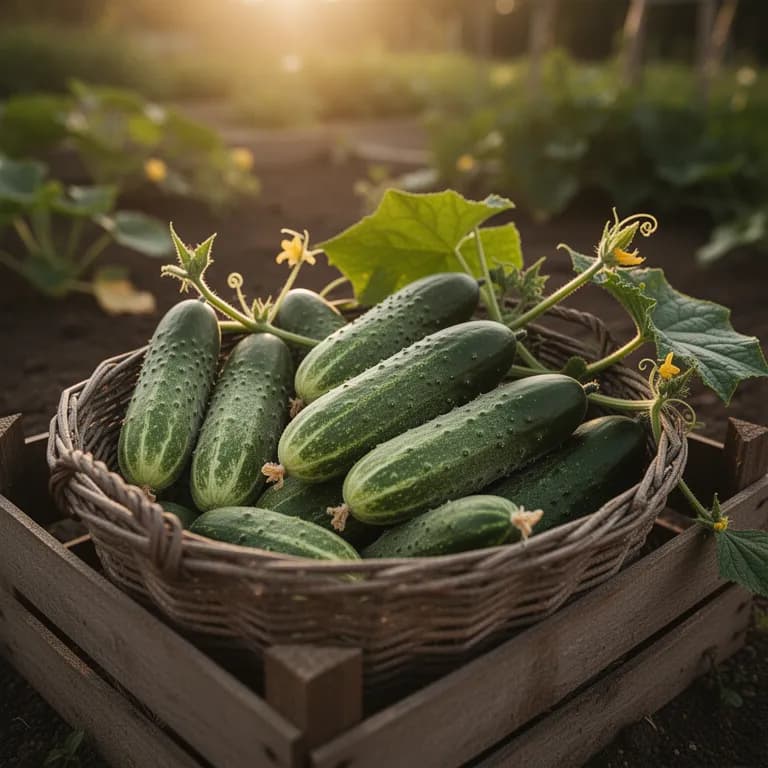
assuming you plant when the window opens — set your real date
Pick Pickling Cucumber promptly and the plant keeps producing.
Storage & Preservation
Fresh pickling cucumbers keep in the refrigerator for up to one week but begin to lose crispness after 2-3 days. For best pickles, process within 24 hours of harvest. Quick refrigerator pickles can be made in just a few hours with vinegar, salt, dill, and garlic. For shelf-stable pickles, use tested water-bath canning recipes. Fermented pickles made with salt brine develop complex flavors and beneficial probiotics. Bread-and-butter pickles, relish, and dilly beans are other popular preservation methods.
What goes wrong — and the fix
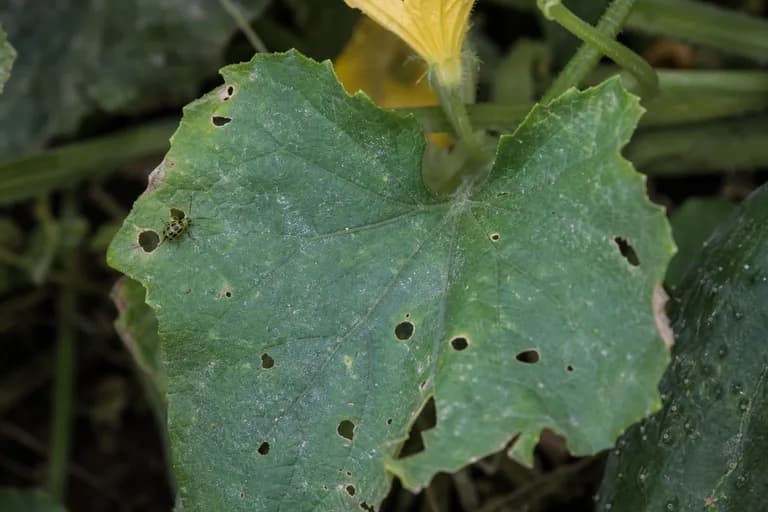
Cucumber Beetle
PestStriped or spotted beetles feeding on leaves, flowers, and fruit. They transmit bacterial wilt disease and cause cosmetic damage to developing fruits.
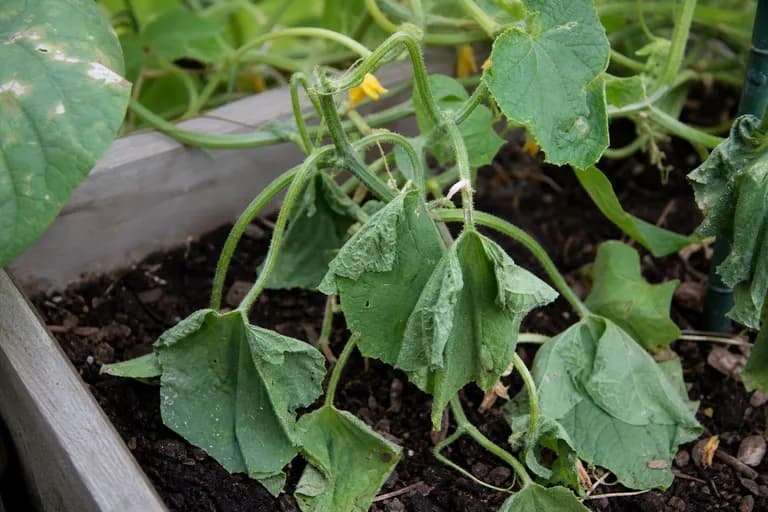
Bacterial Wilt
DiseaseSudden wilting of individual vines that does not recover with watering. Cut stems exude sticky bacterial strands when pulled apart slowly.
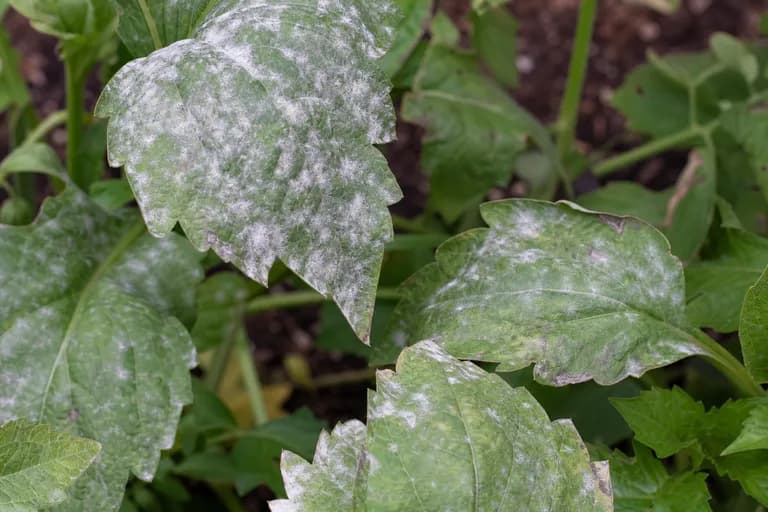
Powdery Mildew
DiseaseWhite powdery patches on upper leaf surfaces, spreading to cover entire leaves and reduce photosynthesis and fruit quality.
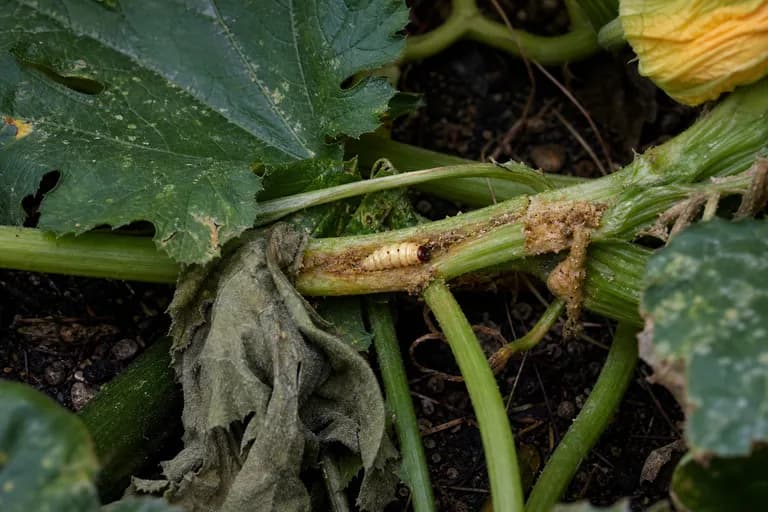
Squash Vine Borer
PestWilting vines with sawdust-like frass near the base of stems. Larvae bore into stems and feed internally.
Troubleshooting Common Problems
Bitter fruits typically result from inconsistent watering or heat stress. Maintain even soil moisture and mulch heavily. Misshapen or curved fruits indicate poor pollination or environmental stress. Yellowing leaves at the base are normal as plants age but may also indicate disease. Cucumber beetles are the most damaging pest as they spread bacterial wilt; aggressive early control is essential. Poor fruit set often means insufficient pollination; avoid insecticide use during flowering to protect bees.
Growing Tips
- Succession plant for extended production — sow a new batch of seeds every 2-3 weeks from late spring through early summer to extend your harvest window from a concentrated 4-week burst to a steady 8-10 week supply of fresh cucumbers arriving at prime pickling size.
- Grow vertically on a sturdy trellis, cattle panel, or string system for cleaner, straighter fruits with fewer blemishes and soil-borne disease problems. Trellised plants are dramatically easier to harvest daily since every fruit is visible at eye level.
- During peak production, check and harvest every single day without exception. Cucumbers left on the vine for even one extra day become oversized and seedy. Worse, overripe fruits signal the plant to stop producing new flowers, drastically reducing total yield.
- Water consistently to prevent bitter fruits — inconsistent watering is the number one cause of bitter cucumbers. Use drip irrigation or soaker hoses to deliver 2.5-4 cm of water per week evenly, and mulch heavily to buffer soil moisture fluctuations.
- Never apply insecticides during active flowering — pickling cucumbers require bee pollination for every fruit. If cucumber beetles are a problem, use row covers before flowering begins, then remove them when the first flowers open.
- Harvest early in the morning when cucumbers are cool, turgid, and at peak water content. Fruits harvested in afternoon heat are softer and more prone to going limp during pickling. Refrigerate immediately and process within 24 hours.
- Add a grape leaf, oak leaf, horseradish leaf, or pinch of loose black tea to each jar for crunch — these contain natural tannins that inhibit the enzyme pectinase responsible for softening cell walls during pickling.
- Plant dill directly alongside your cucumbers — dill attracts beneficial parasitic wasps and hoverflies that prey on cucumber pests, while cucumbers provide ground cover that shades dill roots and retains moisture.
Grow your best Pickling Cucumber yet — and everything around it.
Start a free plan today. Lay out your beds, drop in your Pickling Cucumber, and let PlotMyGarden handle the timing, spacing, companions and reminders from seed to harvest basket.
Pick your Pickling Cucumber
National Pickling
Classic open-pollinated variety with medium-green fruits and traditional pickle shape. Heavy yields and reliable performance.
Boston Pickling
Heirloom variety dating to 1880 with smooth, bright green fruits. Excellent for both pickling and fresh eating.
Calypso
Disease-resistant hybrid with uniform fruits and high yields. Good resistance to angular leaf spot and multiple viruses.
Homemade Pickles
Prolific producer of slightly spiny, crisp fruits perfect for all pickle styles. Compact vines good for smaller gardens.
A single packet of pickling cucumber seeds costs around $3-4 and contains 25-50 seeds. Just 4-6 plants can produce 80-180 cucumbers — enough for 20-40 jars of pickles worth $5-8 each at retail, representing a potential savings of $100-300 per season. Add in the cost of vinegar, salt, jars, and dill (about $20-30 total for supplies), and homegrown pickles still cost a fraction of store-bought artisan pickles while delivering far superior freshness and flavor.
Quick recipes
Classic Refrigerator Dill Pickles
20 minThe easiest entry point into pickling — crisp, tangy, garlicky dill pickles ready to eat in just 24 hours with no canning equipment needed. Pack cucumber spears into jars with fresh dill, smashed garlic, peppercorns, and mustard seed. Bring equal parts white vinegar and water to a boil with salt (2 tablespoons per cup), pour over cucumbers, cool, seal, and refrigerate. Ready to eat the next day, even better after 3 days, and keeps for 2 months refrigerated.
8 ingredientsLacto-Fermented Kosher Dills
15 min + 5-7 days fermentAuthentic old-world fermented pickles with complex tangy flavor and gut-healthy probiotics — no vinegar needed. Dissolve 3 tablespoons sea salt per liter of filtered water (chlorinated water inhibits fermentation). Pack whole small cucumbers tightly into a wide-mouth jar with generous fresh dill, garlic cloves, black peppercorns, and a grape leaf or oak leaf for crunch-preserving tannins. Submerge under brine using a weight, cover loosely, and ferment at room temperature for 5-7 days, tasting daily until sourness reaches your preference.
7 ingredientsSweet Bread-and-Butter Pickles
45 minA beloved sweet-tangy pickle that pairs perfectly with sandwiches, burgers, and charcuterie boards. Slice cucumbers and one large onion into thin rounds, toss with 2 tablespoons salt, cover with ice, and let stand 2 hours to draw out moisture for maximum crunch. Rinse and drain. Bring 1.5 cups apple cider vinegar, 1 cup sugar, 1 teaspoon mustard seed, half a teaspoon celery seed, and quarter teaspoon turmeric to a boil. Pack cucumber slices into hot jars, pour brine over, and process in a boiling water bath for 10 minutes for shelf-stable storage.
8 ingredientsCulinary Uses
Pickling cucumbers are primarily grown for preservation. Classic dill pickles combine cucumbers with vinegar, dill, and garlic in a hot-pack canning method. Fermented kosher dill pickles use salt brine and develop tangy, complex flavors over several weeks. Bread-and-butter pickles feature sweet-tart vinegar with onions and mustard seed. Small fruits make excellent cornichons. Fresh pickling cucumbers are also good for eating raw, with a crisper texture and thinner skin than slicing varieties.
What's inside
Health Benefits
- Naturally fermented pickles are one of the richest food sources of Lactobacillus probiotics, supporting a healthy gut microbiome, improved digestion, and enhanced immune function.
- Cucumbers contain fisetin, a flavonoid that has shown neuroprotective properties in research studies and may support brain health and memory as part of a vegetable-rich diet.
- The high water content (95%) and electrolyte minerals in cucumbers and pickle brine make them an effective natural rehydration food, which is why athletes commonly use pickle juice to prevent muscle cramps.
- Cucumber skin is rich in insoluble fiber and silica, supporting digestive regularity and connective tissue health including skin elasticity and joint integrity.
- The anti-inflammatory cucurbitacin compounds concentrated in cucumber skin and stems have demonstrated potential to inhibit inflammatory pathways associated with chronic disease in laboratory studies.
- Pickling cucumbers provide vitamin K, which plays a critical role in blood clotting, calcium metabolism, and bone density maintenance — particularly important for postmenopausal bone health.
Where Pickling Cucumber comes from
The cucumber (Cucumis sativus) originated in India, where wild ancestors still grow in the foothills of the Himalayas. Cucumbers have been cultivated for at least 3,000 years, spreading from India to ancient Egypt, Greece, and Rome along early trade routes. The Romans were likely the first Europeans to pickle cucumbers, preserving them in brine for soldiers and sailors on long campaigns. Pickling cucumbers as a distinct type were developed over centuries of selective breeding, favoring smaller fruits with thinner skin, firmer flesh, denser texture, and characteristic bumpy warts that indicate active brine absorption sites. German and Eastern European immigrants brought sophisticated pickling traditions to America, establishing the kosher dill pickle culture that persists today. Modern pickling cucumber breeding has focused on gynoecious flowering (mostly female flowers) for concentrated fruit set, disease resistance, uniform fruit shape, and compact vine habits suited to mechanical harvesting for the commercial pickle industry.
Pickling Cucumber: did you know?
Fascinating facts about Pickling Cucumber
The phrase 'cool as a cucumber' has scientific backing — the interior of a cucumber can be up to 11°C (20°F) cooler than the surrounding air temperature on a hot day, due to its extremely high water content.
Pickling Cucumber questions, answered
When should I plant Pickling Cucumber?
What are good companion plants for Pickling Cucumber?
What hardiness zones can Pickling Cucumber grow in?
How much sun does Pickling Cucumber need?
How far apart should I space Pickling Cucumber?
What pests and diseases affect Pickling Cucumber?
How do I store Pickling Cucumber after harvest?
What are the best Pickling Cucumber varieties to grow?
What soil does Pickling Cucumber need?
What is the difference between pickling cucumbers and slicing cucumbers?
Why are my homemade pickles soft instead of crunchy?
Can I grow pickling cucumbers in containers?
How do I know if my fermented pickles are safe to eat?
When is the best time to plant pickling cucumbers?
How many pickling cucumber plants do I need for canning?
You just read the theory. Now grow it on autopilot.
Everything that makes Pickling Cucumber fiddly — the timing, the spacing, the companions, the harvest window — is exactly what PlotMyGarden handles for you, for every plant in your garden.
A plan that knows your weather
Set your location once. Get sow, feed and harvest dates built around your real last-frost date and live forecast — no more guessing from a generic seed packet.
From the “When to plant” sectionDrag-and-drop bed planner
Design beds on a grid. Every plant snaps to its proper spacing, and you can see your whole season laid out before you spend a cent on seed.
From the “Growing guide” sectionCompanion conflicts, caught early
200+ good-and-bad pairings checked live as you plant — so a season-wrecking mistake never makes it into the ground.
From the “Companions” sectionReminders you'll actually act on
“Water the beans.” “Pick today before it turns.” Timely, specific, and tied to the plants you're really growing.
From the “Harvest” sectionSuccession, scheduled
Want a harvest for six weeks, not six days? It spaces your sowings automatically and reminds you when each new block is due.
From the “When to plant” sectionA record that gets smarter
Every harvest you log teaches it your garden. Next year's plan starts from what actually worked in your soil, not a textbook's.
From the “Overview” sectionPlant these alongside Pickling Cucumber
More Cucurbits
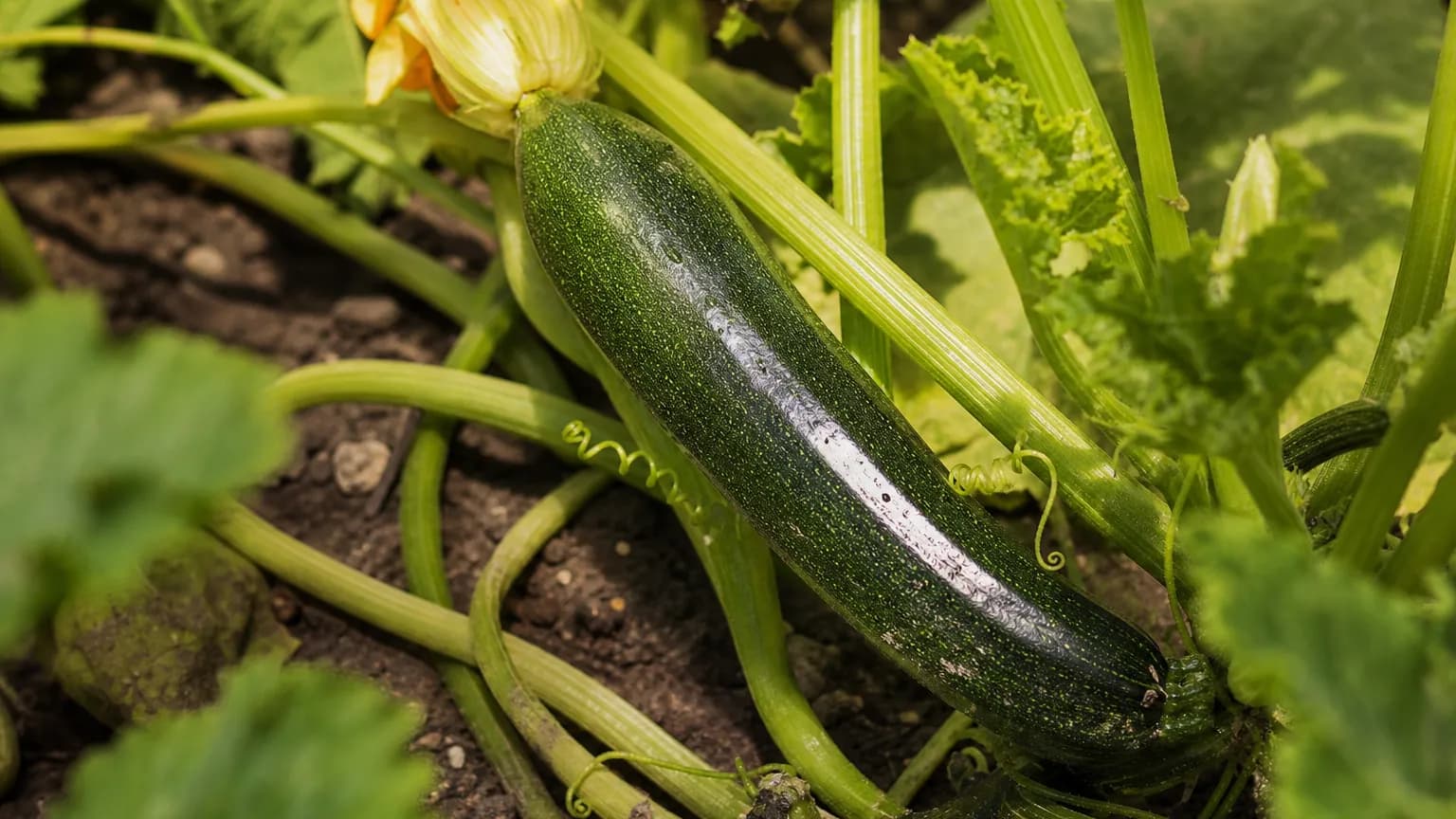
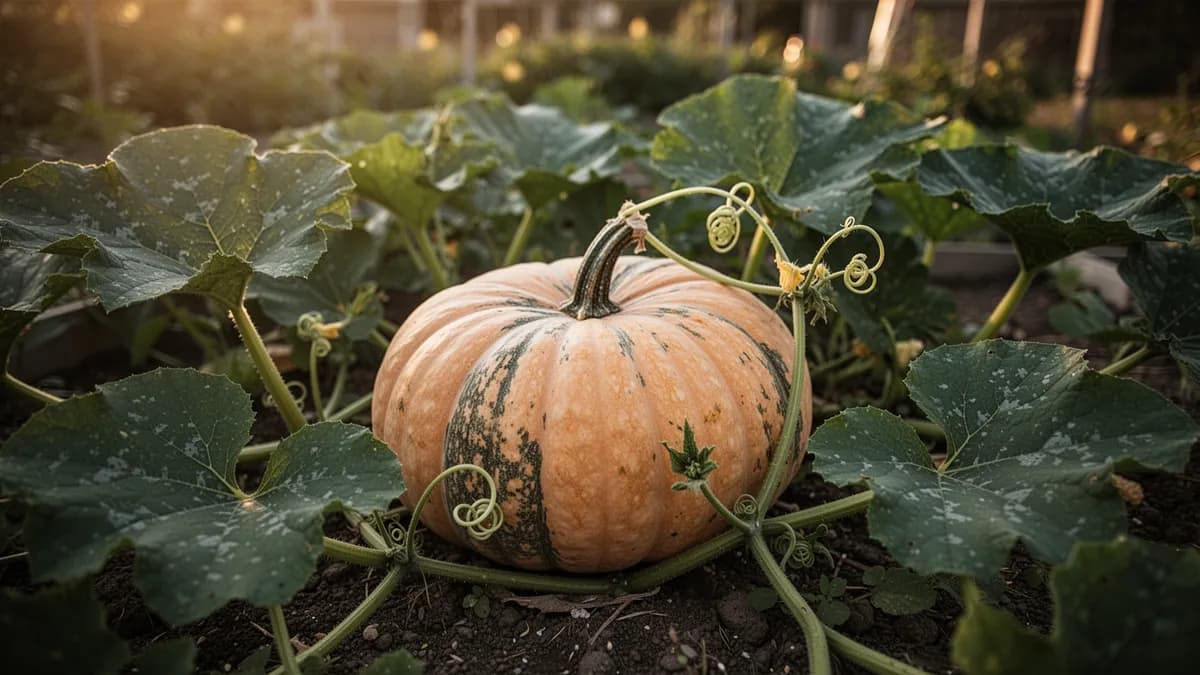
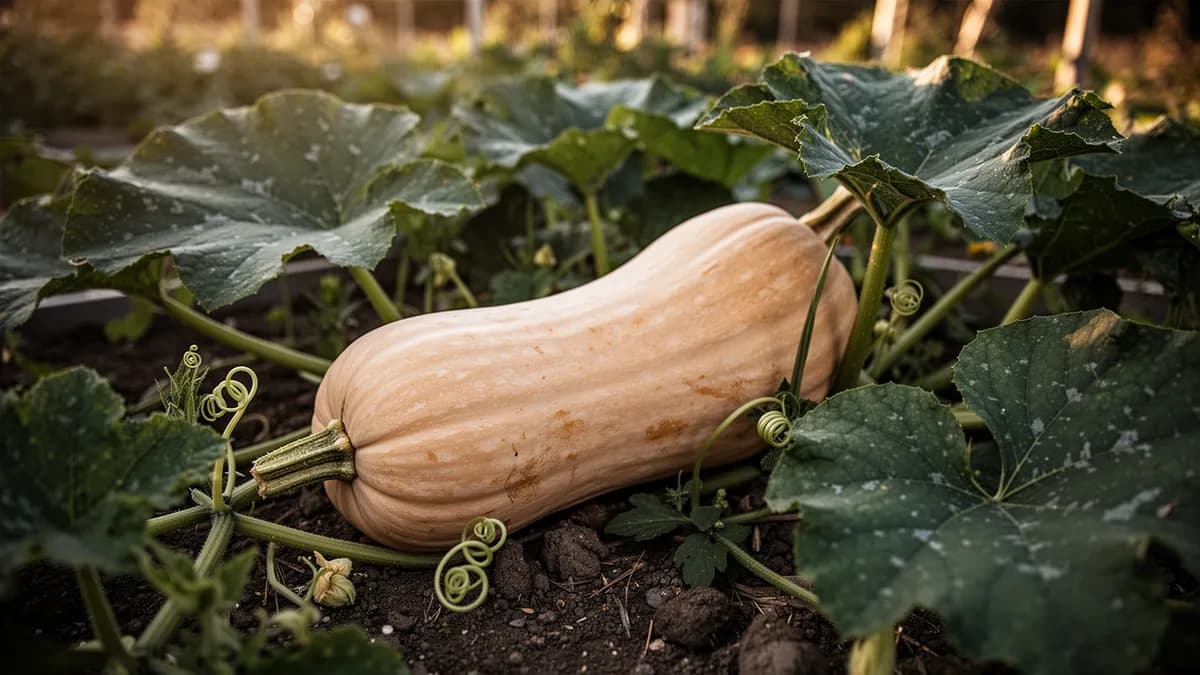
Keep Pickling Cucumber away from these
Garden plans featuring Pickling Cucumber
Grow your best Pickling Cucumber yet — and everything around it.
Start a free plan today. Lay out your beds, drop in your Pickling Cucumber, and let PlotMyGarden handle the timing, spacing, companions and reminders from seed to harvest basket.