Butternut Squash
A winter squash with tan skin and rich orange flesh that sweetens during storage over several months.





On this pageOverview
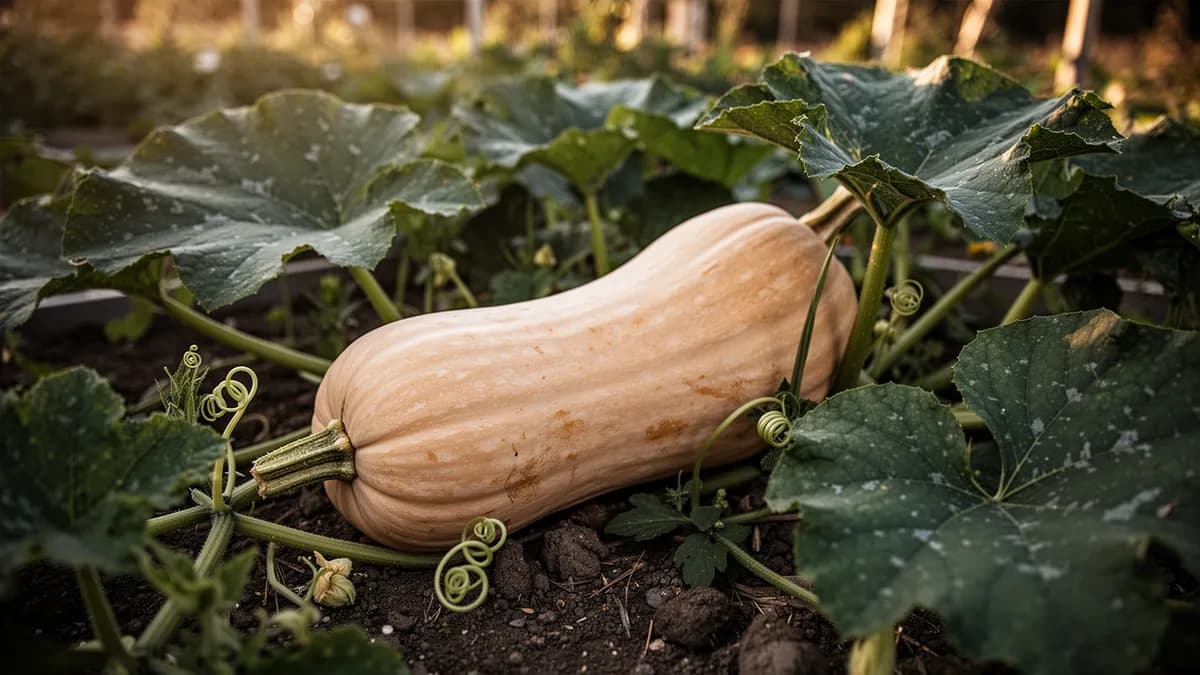
Meet Butternut Squash
A winter squash with tan skin and rich orange flesh that sweetens during storage over several months. Grow on fertile, well-drained soil with plenty of room for vines to sprawl, or train them up a sturdy trellis with sling supports for the heavy fruits. The dense, nutty flesh is excellent roasted, pureed into soups, or used in baking as a nutritious alternative to canned pumpkin. Harvest after the stem dries and the skin resists scratching, then cure in a warm spot for ten days before cool storage.
When to plant Butternut Squash
Butternut squash is best direct-sown to avoid transplant shock, but can be started indoors 3-4 weeks before the last frost in short-season areas where the 110-120 day growing requirement would not otherwise be met. For indoor starting, sow seeds 2.5 cm (1 inch) deep in large biodegradable peat pots or soil blocks at 24-30°C (75-85°F) — never use small cell trays, as cucurbit roots grow rapidly and become rootbound within days. Germination takes 7-14 days. Use biodegradable pots so you can plant the entire pot directly into the garden without disturbing the roots, which is critical because cucurbits are extremely sensitive to root disturbance and transplant shock can set plants back by 2-3 weeks.
For direct sowing — the preferred method in zones with long growing seasons — wait until soil temperatures reach at least 18°C (65°F) and all danger of frost has passed. Plant 3-4 seeds per hill, 2.5 cm (1 inch) deep, and thin to the strongest 2 seedlings when the first true leaves develop. In cold climates, pre-warm soil with black plastic mulch for 2 weeks before planting to raise soil temperature by 5-8°C — this makes a significant difference in germination speed and early seedling vigor. Count backwards from your average first fall frost date, allowing a full 110-120 days for the crop to mature, and add 2 weeks as a buffer.
To speed germination, soak seeds in warm water for 2-4 hours before planting, or pre-sprout by placing seeds between moist paper towels in a warm location until the radicle (root tip) just emerges — then plant immediately with the root tip pointed down. Protect young seedlings from cucumber beetles and cutworms with floating row covers or individual cloches for the first 3-4 weeks. Once vines begin to run and female flowers appear, remove covers to allow pollinator access. In short-season climates, choose early-maturing varieties like Butterbush (75 days) or Butterscotch (100 days) rather than the full-season Waltham Butternut (110 days) to ensure reliable ripening before frost.
Your Butternut Squash Year
Composed for Zone 7 · typical seasons · frost passes Apr 2, returns Nov 1
Plant Butternut Squash May – Jun, pick Sep – Oct. Check the planting methods below and set your climate to personalize these windows.
How to grow Butternut Squash
Butternut squash is a Cucurbita moschata species, making it naturally more resistant to squash vine borers and squash bugs than other winter squash types — a significant advantage for organic growers. It requires a long, warm growing season of 100-120 frost-free days. Wait to plant until soil temperatures reach 18-21°C (65-70°F) and all frost danger has passed. Prepare planting hills with generous compost and a balanced fertilizer, spacing hills 120-180 cm apart to accommodate the extensive vine spread.
Sow 3-4 seeds per hill, 2.5 cm (1 inch) deep, and thin to 2 seedlings per hill when true leaves develop. Butternut vines typically grow 3-5 meters long, though bush varieties stay more compact at 90-120 cm. If garden space is limited, train vines vertically on a sturdy trellis or A-frame, using slings made from old t-shirts or mesh bags to support the heavy fruits as they develop.
Water deeply and consistently during vine growth and fruit development with 2.5-5 cm per week. Apply 5-8 cm of straw mulch after soil has thoroughly warmed to conserve moisture and suppress weeds. Feed every 3 weeks with balanced fertilizer through the vine growth stage, then switch to a high-potassium formula when fruits begin swelling. Allow 3-5 fruits per vine for good-sized squash. As fall approaches and the growing season winds down, remove any new female flowers so the plant directs energy toward maturing existing fruits rather than starting new ones.
2 plants fit a 4 × 8 ft bed
Each Butternut Squash wants 120 cm of elbow room. The planner keeps that spacing for you — every plant, every bed.
Butternut Squash's best neighbours
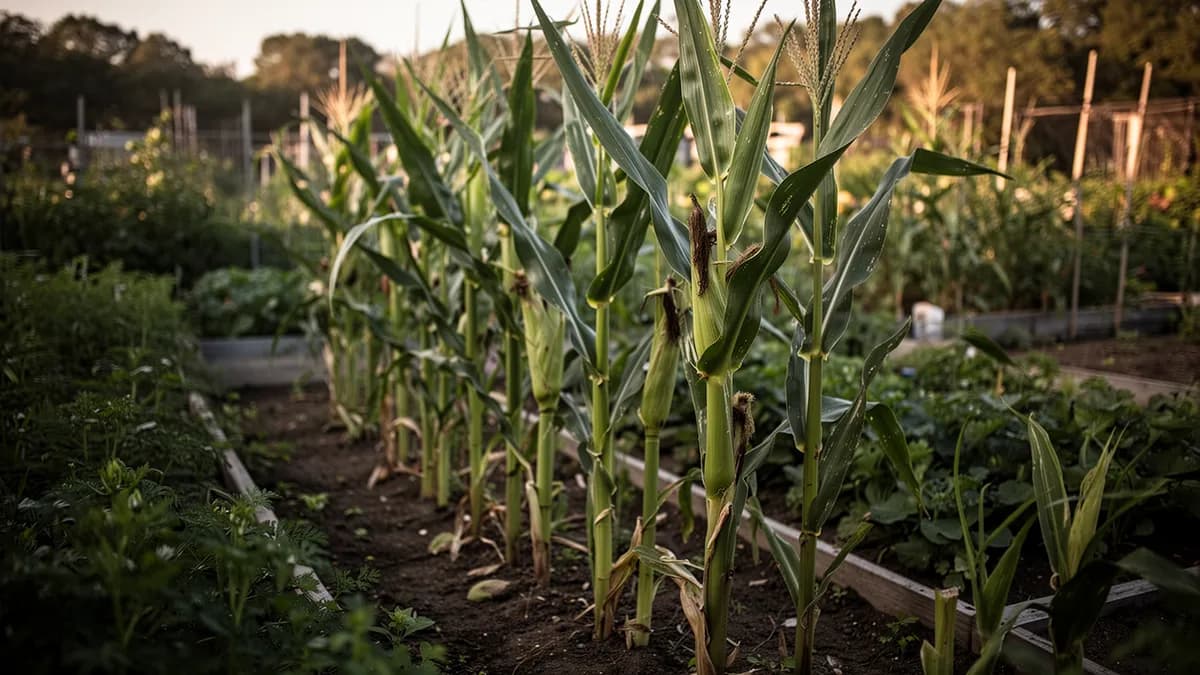
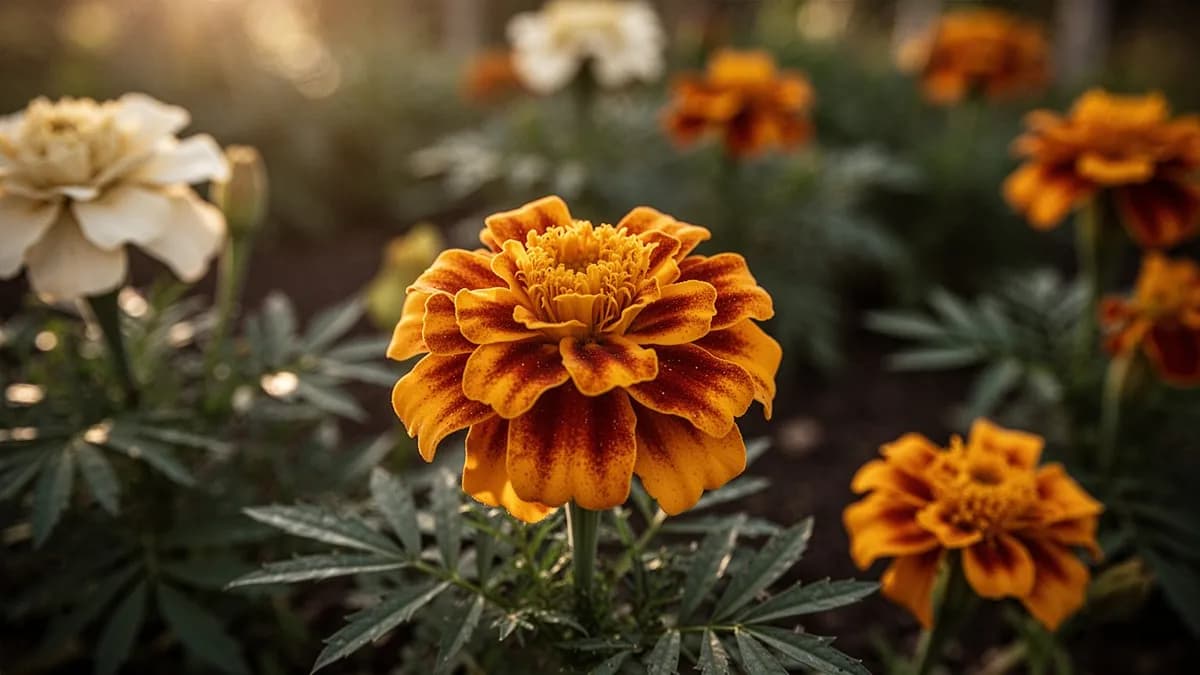
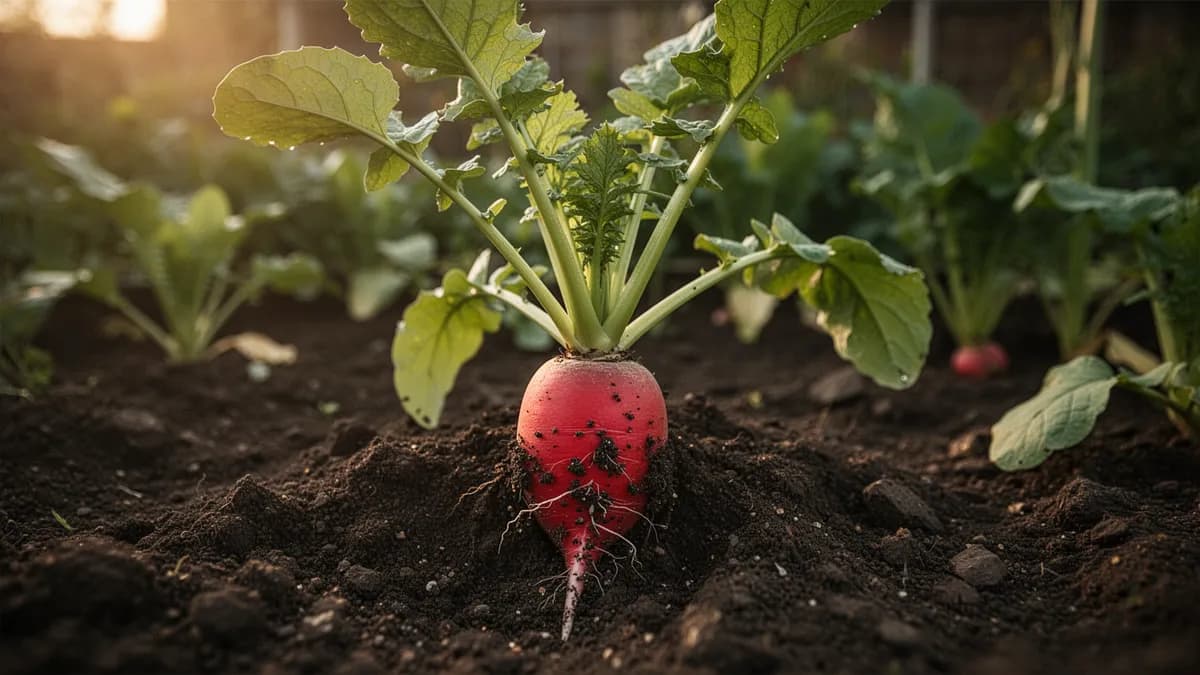
Corn provides natural windbreak protection for butternut squash vines and can be grown in the traditional Three Sisters arrangement with beans. Marigolds planted around squash hills repel cucumber beetles and squash bugs through their pungent root exudates and foliage scent. Radishes planted as trap crops attract flea beetles away from young squash seedlings. Nasturtiums lure aphids and serve as a natural pest diversion. Avoid planting near potatoes, which compete heavily for nutrients and are susceptible to similar blight diseases that can spread through soil.
Corn belongs beside it. Potato doesn't.
Old growers' knowledge, checked against Butternut Squash's real companion table below — test any plant you're growing.
Try Butternut Squash in a bed — right here
A real planner bed with Butternut Squash already in it. Tap a companion to place it and watch the pairing checks answer — green for good neighbours, red for a clash.


Related growing guides
Feed it well
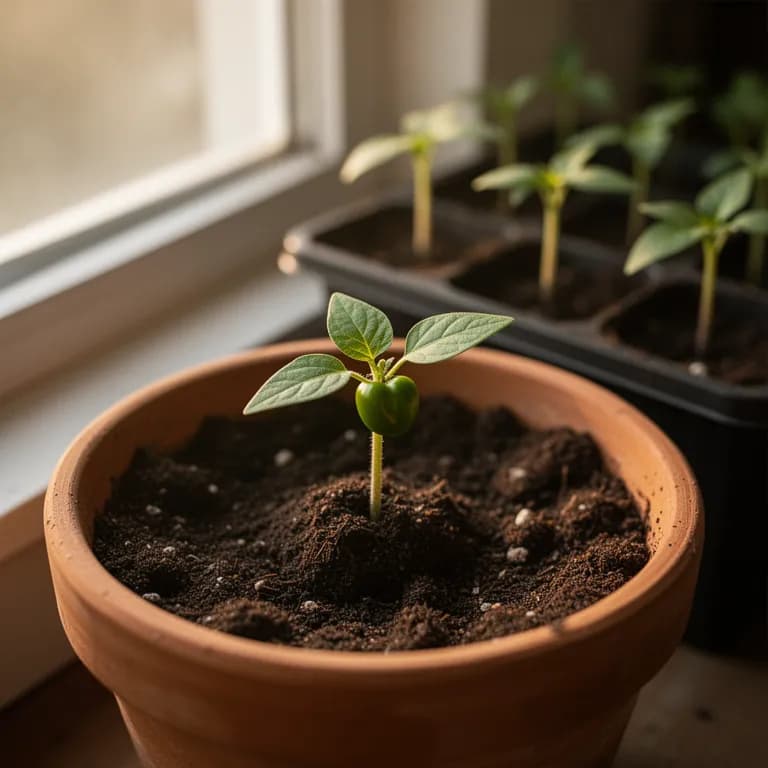
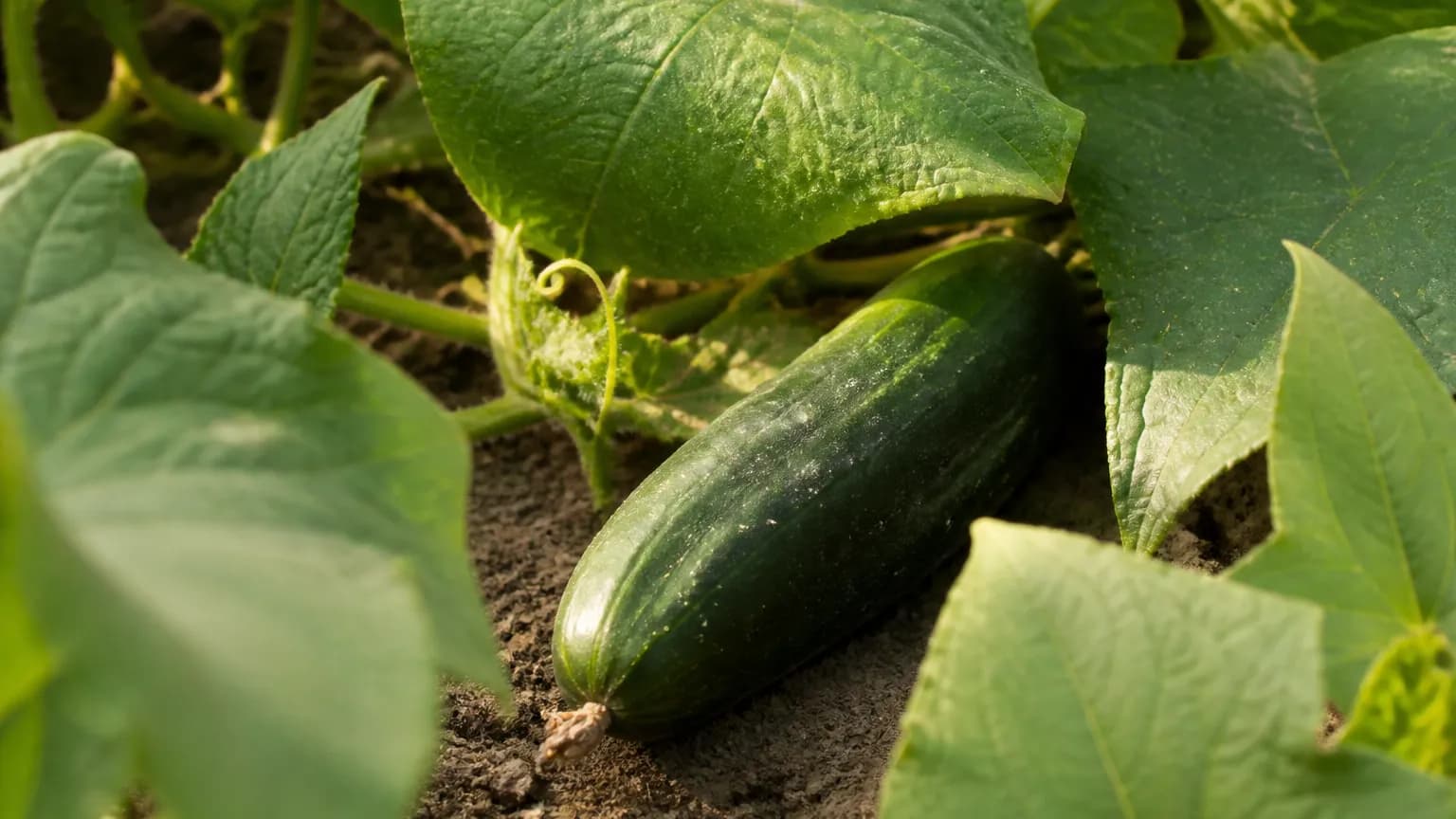
Butternut squash needs rich, well-drained soil with a pH of 6.0-6.8 and abundant organic matter. Build planting hills by mounding soil 15-20 cm high and 60-90 cm wide, working in at least 5-8 cm of compost into the top 30 cm along with a balanced granular fertilizer (10-10-10). Like all cucurbits, butternut thrives when planted over a buried pocket of aged compost or well-rotted manure — dig a hole 30 cm deep, fill halfway with compost, then cover with soil and plant on top. This underground compost reservoir feeds the roots throughout the season and retains moisture where the plant needs it most.
During the vine growth phase (the first 6-8 weeks after germination), side-dress with a balanced fertilizer every 3 weeks to fuel rapid vine and leaf expansion. Once the first female flowers appear and fruits begin to swell, switch to a high-potassium feeding regimen using wood ash, sulfate of potash (0-0-50), or a liquid tomato fertilizer. Potassium is critical for butternut squash because it drives sugar accumulation in the flesh and promotes the development of a hard, thick rind — both essential for good flavor and long storage. Apply potassium-rich fertilizer every 2-3 weeks through the fruit development period.
Avoid excessive nitrogen late in the season, which is one of the most common fertilizer mistakes with winter squash. Too much nitrogen after fruit set promotes continued vine growth and new leaf production at the expense of fruit maturation, resulting in fruits with thinner rinds, lower sugar content, and shorter storage life. A foliar spray of liquid kelp or seaweed extract every 2-3 weeks provides trace minerals including boron and manganese that support fruit quality. Stop all fertilizing 3-4 weeks before your expected harvest date to allow vines to naturally senesce and fruits to cure on the vine.
Ideal Temperature
Hardiness Zone Compatibility
From seed to harvest, stage by stage
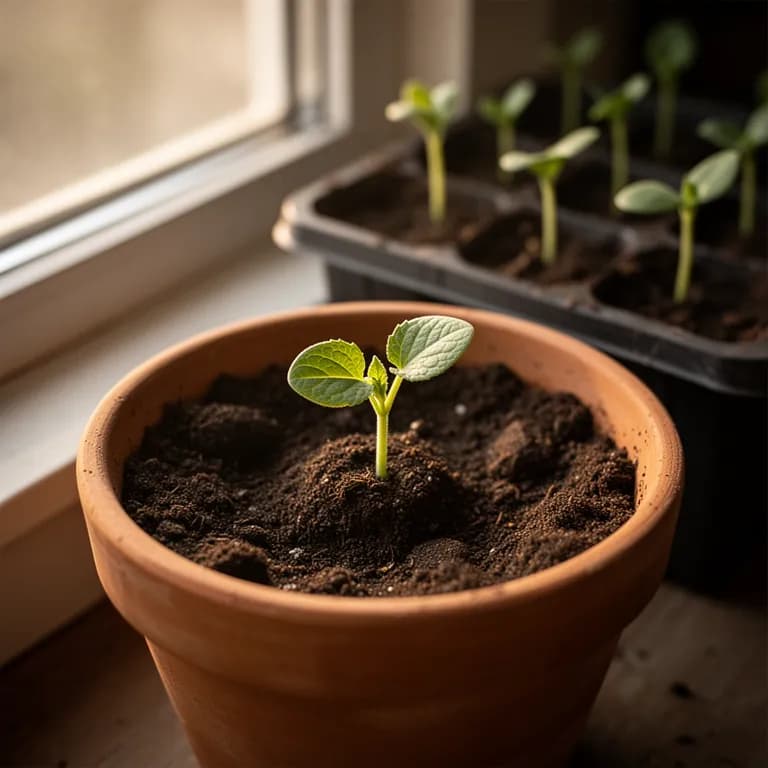
Seed Germination
Large, flat seeds germinate in warm soil within 5-10 days. The thick cotyledons push forcefully through the soil surface.
Seedling Development
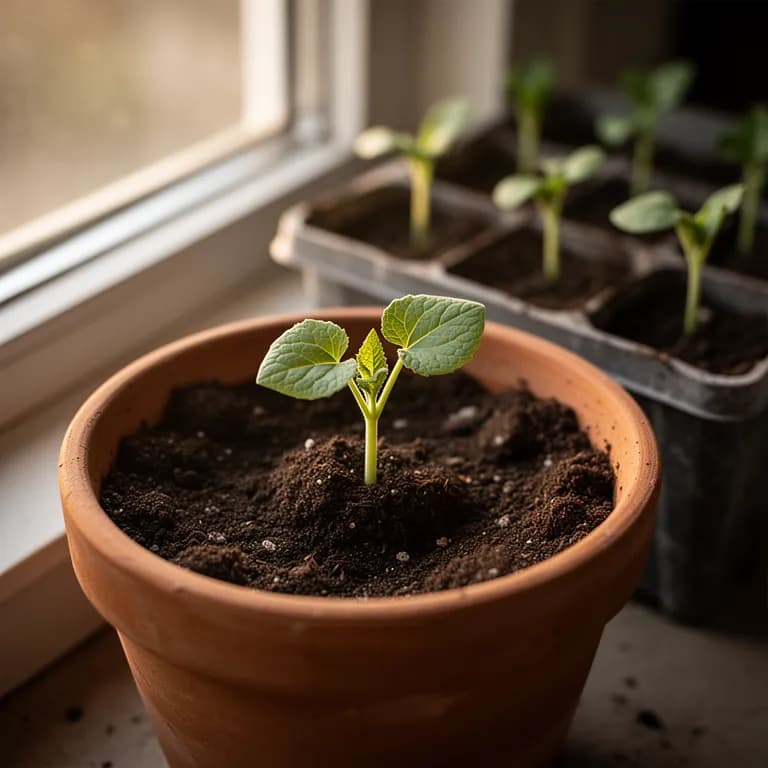
True leaves develop with rounded, slightly lobed shape and soft, downy texture. Root system establishes rapidly in warm conditions.
Vine Expansion
Vigorous vining growth begins with stems extending up to 4-5 meters. Large leaves develop to maximize photosynthesis for the demanding fruit production ahead.
Flowering
Golden-yellow flowers open in early morning. Male flowers appear 1-2 weeks before females. Female flowers have a distinctive elongated swelling at the base — the future butternut.
Fruit Development
Pollinated fruits elongate rapidly into the characteristic bottle shape. Initially green, the skin gradually transitions to tan as the fruit matures. Internal flesh deepens to rich orange.
Maturity & Harvest
Skin turns uniformly tan and becomes very hard — impossible to dent with a fingernail. The stem dries and turns corky. Flesh inside is deep orange, sweet, and dense.
Sow seeds 2.5 cm deep in soil at least 18°C (65°F). Start indoors 3-4 weeks before last frost in short-season areas.
Caring for Butternut Squash month by month
What to do each month for your Butternut Squash
October
You are hereHarvest all butternut squash before the first hard frost. Cut stems with sharp pruners leaving 5-8 cm of stem. Cure in warm sun (27°C/80°F) for 10 days to harden skin and extend storage life to 6 months.
Know exactly what to do in your garden — every month
One email at the start of each month: what to sow, plant, and tackle right now — for your Butternut Squash and everything growing around it. Plus a short starter course that helps you dodge the classic mistakes.
- What to do, right now
- Matched to your season
- Starter course included
Harvesting Butternut Squash
Butternut squash is ready to harvest when the rind has turned from green to a uniform deep tan color, the skin is too hard to dent with your fingernail, and the stem has dried and begun to cork over. This typically occurs 110-120 days after planting or before the first killing frost. Cut fruits from the vine with pruning shears, leaving 5-8 cm of stem attached — the stem acts as a seal against rot organisms. Never carry squash by the stem, as a broken stem creates an entry point for decay that can ruin the fruit within weeks. If frost threatens before fruits are fully mature, harvest immediately and bring indoors — even slightly immature butternut will continue to ripen off the vine in a warm location.
Curing is the most important post-harvest step and should never be skipped. Place harvested squash in a warm (27°C / 80°F), dry, well-ventilated area for 10-14 days. During curing, the skin hardens and thickens, minor field wounds heal over, and starches convert to sugars — dramatically improving both flavor and storage life. A sunny porch, greenhouse, or warm room with good airflow works well. Turn fruits occasionally to ensure even curing on all sides. Properly cured butternut squash will have a noticeably harder, more matte-finished rind compared to freshly harvested fruit.
After curing, inspect each squash carefully before committing to long-term storage. Reject any with soft spots, deep scratches, or missing stems — these will rot and can spread decay to neighboring fruits. Wipe the exterior with a dilute vinegar solution (one part vinegar to ten parts water) to reduce surface mold spores. Well-cured butternut squash with intact stems routinely stores for 3-6 months, making it one of the most reliable winter keepers in the home garden. The flavor actually continues to improve during the first 2-3 months of storage as more starches convert to sugars.
assuming you plant when the window opens — set your real date
Pick Butternut Squash promptly and the plant keeps producing.
Storage & Preservation
Properly cured butternut squash is one of the longest-storing winter vegetables — it keeps 3-6 months at 10-15°C (50-60°F) with low humidity (50-70%) and good airflow. A cool basement, unheated room, or garage is ideal. Place squash on slatted shelves or wire racks in a single layer — never stack them, as trapped moisture between touching fruits promotes rot. Check stored squash monthly by running your hand over the surface, and use any showing soft spots, mold, or weeping immediately. One rotting squash can quickly spread decay to its neighbors. The best-stored butternuts develop sweeter, more concentrated flavor over time as residual starches continue converting to sugars during storage.
Freezing is the most practical long-term preservation method for butternut squash. Peel, seed, and cube the flesh into 2-3 cm pieces, then roast at 200°C (400°F) for 25-30 minutes or steam until fork-tender. Spread cooked pieces on a parchment-lined baking sheet and flash-freeze for 2 hours before transferring to labeled freezer bags — this prevents clumping and lets you grab exactly the amount you need. Frozen butternut keeps for up to 12 months with excellent quality. Puree freezes beautifully in measured portions for soups, baby food, and baking — freeze in ice cube trays or muffin tins for convenient single-use blocks.
Pressure canning cubed butternut squash is safe following tested USDA recipes — process pint jars at 10 PSI for 55 minutes or quart jars for 90 minutes. Do not water-bath can squash, as it is a low-acid food that requires pressure canning for safety. Dehydrating thin butternut slices at 57°C (135°F) for 8-12 hours produces crispy chips that store indefinitely at room temperature in airtight containers. Butternut powder, made by grinding dehydrated chips in a blender, is a versatile pantry staple that can be reconstituted into instant soup, stirred into oatmeal, or added to smoothies for a nutritional boost.
What goes wrong — and the fix
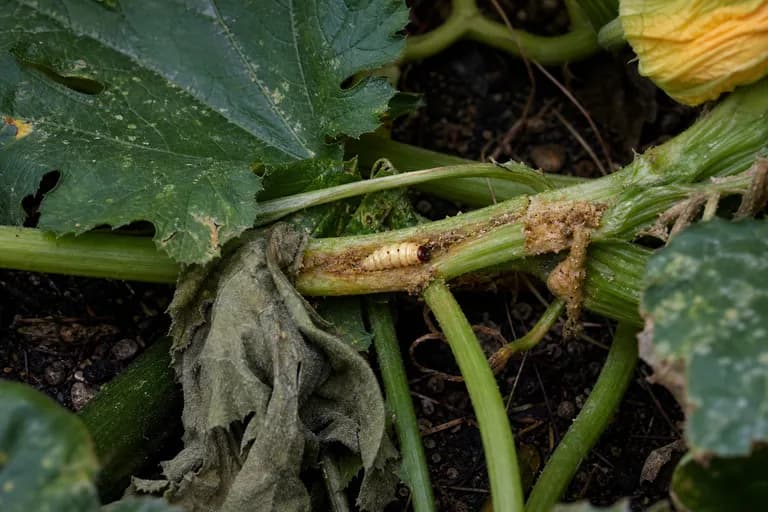
Squash Vine Borer
PestClearwing moth larvae bore into vine stems near the base, causing sudden wilting and eventual death of the vine. Frass (sawdust-like debris) visible at entry hole near soil level. Cucurbita moschata types like butternut have some natural resistance.
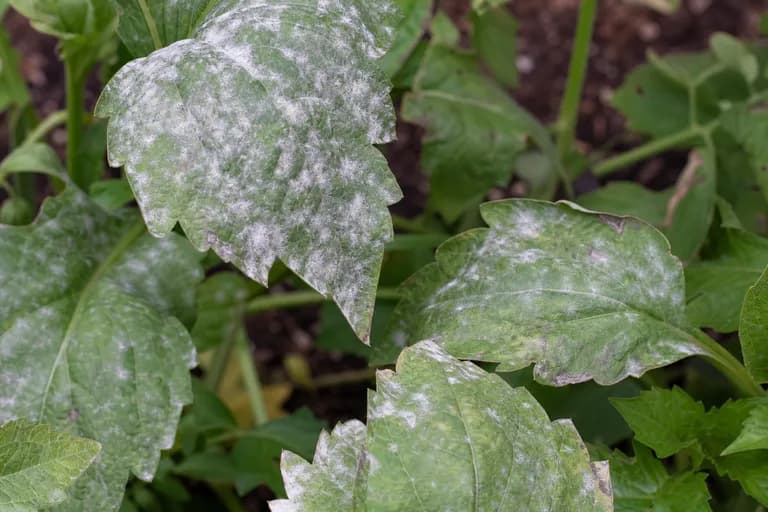
Powdery Mildew
DiseaseWhite, powdery fungal patches on upper leaf surfaces, spreading to cover entire leaves. Severely infected leaves yellow and die, reducing photosynthesis and resulting in smaller, less sweet fruits.
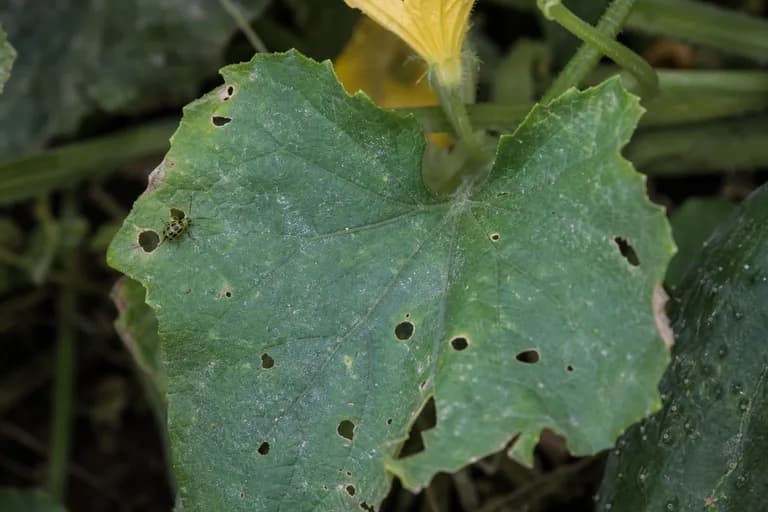
Cucumber Beetle
PestStriped or spotted beetles chew on leaves, flowers, and fruit skin. More importantly, they transmit bacterial wilt disease, which causes sudden, irreversible vine wilting. Young seedlings are most vulnerable.
Troubleshooting Common Problems
Fruits staying green and not ripening to tan indicate they need more time or warmer temperatures — be patient, as butternuts are among the last winter squash to ripen, often needing the full 110-120 days. The color change from green to tan happens gradually over the final 2-3 weeks, and some varieties develop tan coloring from the stem end first. If frost threatens before fruits are fully ripe, harvest immediately and cure in a warm (27°C / 80°F) indoor location — most fruits will finish ripening and develop good flavor even if harvested slightly early. Fruits that are still completely dark green at harvest will have starchy, bland flesh and poor storage quality.
Poor fruit set is the second most common complaint and is almost always a pollination issue. Butternut squash produces separate male and female flowers on the same vine, and male flowers typically appear 1-2 weeks before the first female flowers — this is normal and not a cause for concern. If female flowers (identifiable by the small swollen bulge at their base) appear but fruits fail to develop, hand-pollinate by transferring pollen from male flowers (straight stems) to female flowers with a small paintbrush or cotton swab in the early morning before 10 AM when pollen is most viable. Low bee activity due to pesticide use, rainy weather, or lack of pollinator habitat is the most common cause of poor natural pollination.
Fruits rotting on the vine bottom need a barrier — slide a piece of cardboard, straw pad, tile, or wooden shingle under each developing fruit to lift it off wet soil. Bitter-tasting flesh can occur if plants experience severe drought stress during fruit development, so maintain consistent watering of 2.5-5 cm per week throughout the growing season. While cross-pollination with ornamental gourds is sometimes blamed for bitter flesh, cross-pollination only affects the genetics of the seeds inside the fruit and has no effect on the current season's flesh quality. Vines that suddenly wilt in one section while the rest of the plant looks healthy are likely suffering from squash vine borer damage — inspect the stem base for entry holes and frass.
Growing Tips
- Start seeds indoors 3-4 weeks before last frost in large peat pots to give butternut the extra growing time it needs — with 100-120 days to maturity, direct sowing is risky in short-season climates.
- Butternut squash (C. moschata) is naturally resistant to squash vine borers, making it the best choice for gardeners plagued by this devastating pest that kills other squash species.
- Build rich planting hills mounded 15 cm high, mixing equal parts garden soil, compost, and aged manure — butternut is among the heaviest-feeding garden vegetables.
- Water deeply and consistently at the base using drip irrigation or soaker hoses — overhead watering on the dense leaf canopy promotes powdery mildew, butternut's most common disease.
- Pinch off vine tips after 3-4 fruits have set per vine to redirect the plant's energy from vine growth into developing larger, sweeter, more fully mature squash.
- Butternut squash is ripe when the skin turns uniformly tan, the stem is corky and dry, and you cannot dent the skin with your thumbnail — green streaks mean it needs more time.
- Cure harvested fruits in warm sun (27°C/80°F) for 10 days before storage — this process hardens the skin, heals wounds, and extends storage life from weeks to 6+ months.
- Store cured butternut at 10-15°C (50-60°F) with good air circulation — never stack them, as trapped moisture causes rot. A single plant's harvest can feed a family all winter.
Grow your best Butternut Squash yet — and everything around it.
Start a free plan today. Lay out your beds, drop in your Butternut Squash, and let PlotMyGarden handle the timing, spacing, companions and reminders from seed to harvest basket.
Pick your Butternut Squash
Waltham Butternut
The classic standard butternut with tan skin, bright orange flesh, and rich, sweet, nutty flavor. Large fruits weigh 2-4 kg with small seed cavities. 110 days. Excellent storage up to 6 months. The most widely grown butternut variety.
Honeynut
A miniature butternut (about the size of a large mango) with concentrated sweetness and deep orange flesh. Developed by Cornell University. 110 days. Perfect for individual servings. Extremely flavorful with high beta-carotene content.
Butterbush
A compact bush variety that produces standard-sized butternut fruits on 90 cm plants instead of sprawling vines. 75 days. Ideal for small gardens and containers. Good flavor though slightly less sweet than vine types.
Butterscotch
A miniature variety (PMR) bred for exceptional sweetness, disease resistance, and early maturity. Individual-serving sized fruits with deep orange flesh. 100 days. Powdery mildew resistant.
Butternut squash is an exceptional value crop. A single €2 seed packet yields 6-10 plants producing 30-60 squash worth €60-150 at retail prices (€2-3 each). Their extraordinary storage life (6+ months without refrigeration) means a summer harvest provides winter food with zero energy cost. Among the highest calorie-per-square-meter yields of any garden vegetable.
Quick recipes
Classic Butternut Squash Soup
40 minThe quintessential autumn soup — velvety, warming, and deeply satisfying. Roasting the squash first adds caramelized complexity. Finished with sage brown butter.
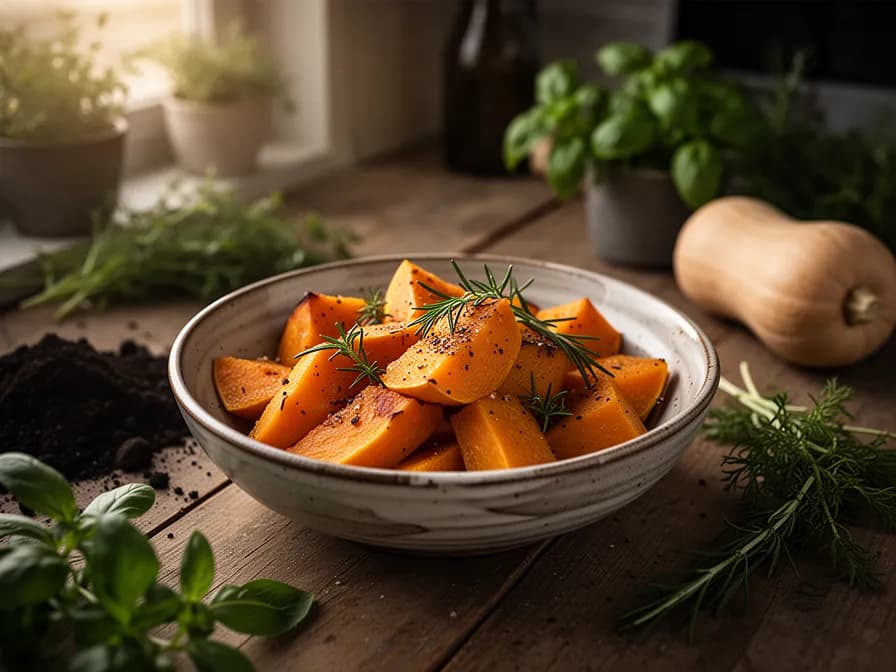
8 ingredientsMaple-Roasted Butternut Cubes
35 minSweet, caramelized cubes of butternut squash roasted at high heat with maple syrup and warm spices. The perfect autumn side dish — simple and universally loved.
7 ingredients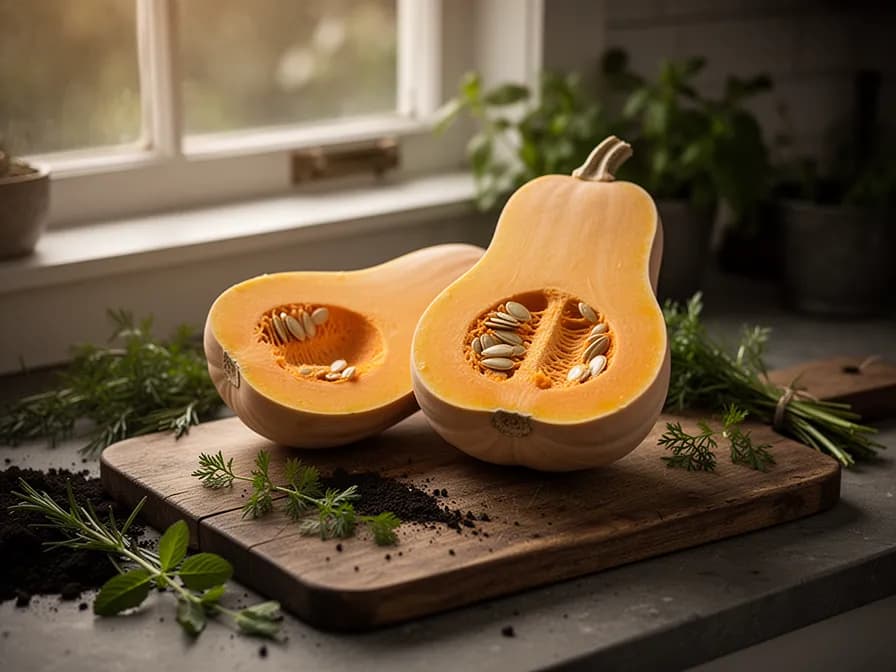
Butternut Squash Risotto
45 minA creamy, elegant risotto where roasted butternut squash melts into Arborio rice, creating a naturally silky texture. Finished with Parmesan and toasted sage.
8 ingredientsCulinary Uses
Butternut squash has some of the finest, most versatile flesh of any winter squash — sweet, nutty, and buttery with a smooth, non-fibrous texture when cooked. Unlike many other squash varieties, butternut flesh purees to a perfectly silky consistency without any stringiness, making it the preferred choice for soups, sauces, and baby food. The flavor profile deepens and sweetens with storage as starches convert to sugars, so a butternut squash eaten in January is noticeably sweeter than one eaten at harvest in October. The dense, dry flesh holds its shape when roasted or cubed, yet melts into creamy smoothness when pureed.
Roasting is the preparation that best showcases butternut squash's natural sweetness. Cut in half and roast cut-side down at 200°C (400°F) for 40-50 minutes until caramelized and fork-tender, or cube and toss with olive oil, salt, and spices for roasted chunks that are golden and crispy on the edges. Butternut is the classic base for velvety autumn soups — combine with apple, ginger, and coconut milk for a Thai-inspired version, or keep it classic with sage and cream. It excels in risottos, pasta sauces, ravioli fillings, gratins, and casseroles. For baking, substitute butternut puree one-to-one for canned pumpkin in pies, muffins, breads, and pancakes — most professional bakers actually prefer butternut over pumpkin for its smoother texture and superior flavor.
Classic pairings include sage, brown butter, maple syrup, nutmeg, cinnamon, pecans, walnuts, goat cheese, Parmesan, bacon, and caramelized onions. In world cuisines, butternut squash features in Italian tortellini and gnocchi, Indian curries, Thai soups, Moroccan tagines, and Mexican enchiladas. Nutritionally, butternut squash is a powerhouse — one cup of cooked flesh provides over 450% of the daily recommended vitamin A (as beta-carotene), 50% of vitamin C, plus significant potassium, manganese, magnesium, and dietary fiber, all for only 82 calories. The deep orange color indicates exceptional beta-carotene content, which the body converts to vitamin A for eye health, immune function, and skin integrity.
What's inside
Health Benefits
- Contains more beta-carotene per gram than carrots — one cup of cooked butternut provides over 200% of daily vitamin A needs for vision, immune function, and skin health.
- Rich in dietary fiber (both soluble and insoluble) supporting digestive regularity, beneficial gut bacteria, and helping manage cholesterol levels.
- Excellent source of vitamin C (23% DV per cup) supporting immune function, collagen production, and enhancing iron absorption from plant-based foods.
- Good source of magnesium (supporting 300+ enzymatic reactions), manganese (bone health and antioxidant function), and potassium (heart and blood pressure health).
- Low glycemic index despite its sweet flavor, making butternut squash a smart carbohydrate choice for blood sugar management and sustained energy.
- Contains anti-inflammatory compounds including beta-cryptoxanthin, which research links to reduced risk of inflammatory conditions like rheumatoid arthritis.
Where Butternut Squash comes from
Butternut squash belongs to the species Cucurbita moschata, one of five domesticated squash species, with origins in southern Mexico and Central America dating back approximately 7000-10000 years. Archaeological evidence from caves in the Tamaulipas and Oaxaca regions of Mexico shows that early peoples cultivated C. moschata for its nutritious seeds long before the flesh was palatable — wild ancestors had bitter, thin flesh surrounding abundant seeds. Over millennia of selective breeding, indigenous farmers developed sweeter, fleshier varieties.
C. moschata squashes spread throughout the Americas via trade networks, becoming a staple food from the Caribbean to the northeastern woodlands of North America. They were a key component of the 'Three Sisters' agricultural system alongside corn and beans. European colonists adopted squash cultivation and brought seeds back to Europe, Africa, and Asia in the 16th and 17th centuries. The species thrived particularly in warm, humid climates where other squash species struggled.
The specific butternut variety we know today is actually a modern American creation — Charles Leggett of Stow, Massachusetts developed it in 1944 by crossing a gooseneck squash (C. moschata) with a Hubbard squash. His goal was a smooth-skinned, easy-to-peel squash with a small seed cavity and dense, sweet flesh — and he succeeded brilliantly. The butternut has since become the world's most popular winter squash variety, prized by home gardeners and commercial growers alike for its exceptional flavor, storage life, and versatility in the kitchen.
Butternut Squash: did you know?
Fascinating facts about Butternut Squash
Butternut squash was developed in Stow, Massachusetts in 1944 by Charles Leggett who crossed a gooseneck squash with a Hubbard squash — it's a relatively modern vegetable.
Butternut Squash questions, answered
When should I plant Butternut Squash?
What are good companion plants for Butternut Squash?
What hardiness zones can Butternut Squash grow in?
How much sun does Butternut Squash need?
How far apart should I space Butternut Squash?
What pests and diseases affect Butternut Squash?
How do I store Butternut Squash after harvest?
What are the best Butternut Squash varieties to grow?
What soil does Butternut Squash need?
How long does butternut squash take to mature?
Why are my butternut squash still green at harvest time?
What causes butternut squash to rot on the vine?
Can I grow butternut squash vertically?
How do I store butternut squash for months?
Is butternut squash really more nutritious than carrots?
You just read the theory. Now grow it on autopilot.
Everything that makes Butternut Squash fiddly — the timing, the spacing, the companions, the harvest window — is exactly what PlotMyGarden handles for you, for every plant in your garden.
A plan that knows your weather
Set your location once. Get sow, feed and harvest dates built around your real last-frost date and live forecast — no more guessing from a generic seed packet.
From the “When to plant” sectionDrag-and-drop bed planner
Design beds on a grid. Every plant snaps to its proper spacing, and you can see your whole season laid out before you spend a cent on seed.
From the “Growing guide” sectionCompanion conflicts, caught early
200+ good-and-bad pairings checked live as you plant — so a season-wrecking mistake never makes it into the ground.
From the “Companions” sectionReminders you'll actually act on
“Water the beans.” “Pick today before it turns.” Timely, specific, and tied to the plants you're really growing.
From the “Harvest” sectionSuccession, scheduled
Want a harvest for six weeks, not six days? It spaces your sowings automatically and reminds you when each new block is due.
From the “When to plant” sectionA record that gets smarter
Every harvest you log teaches it your garden. Next year's plan starts from what actually worked in your soil, not a textbook's.
From the “Overview” sectionPlant these alongside Butternut Squash
More Cucurbits
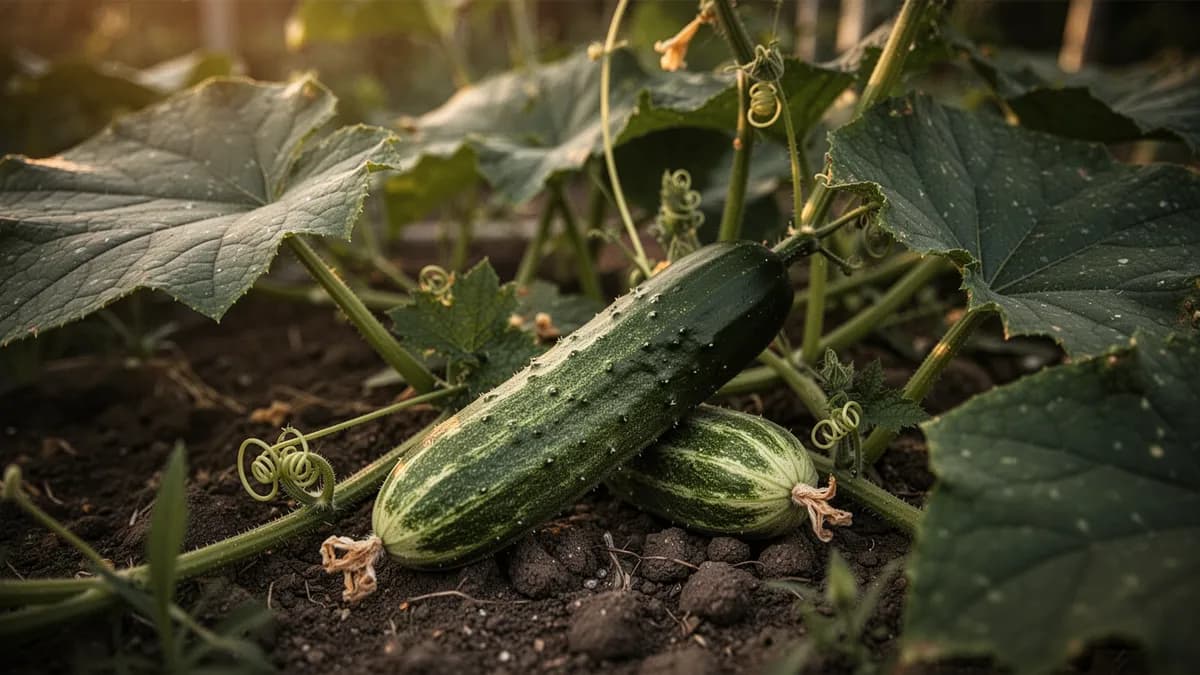
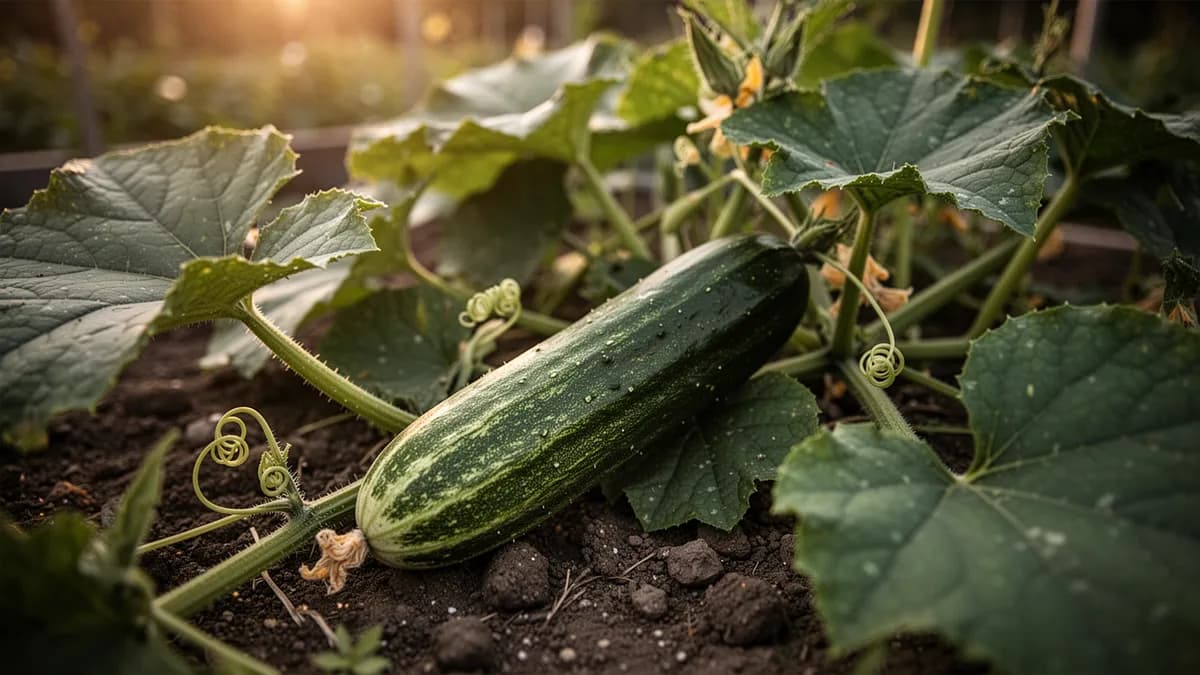
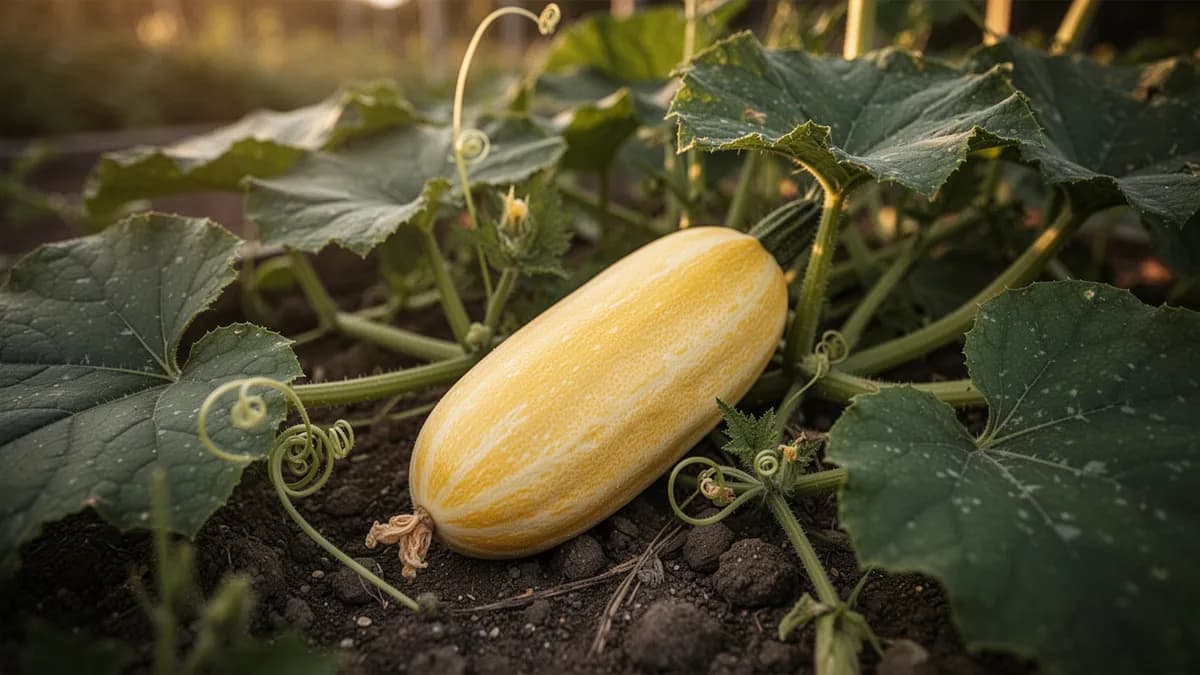
Keep Butternut Squash away from these
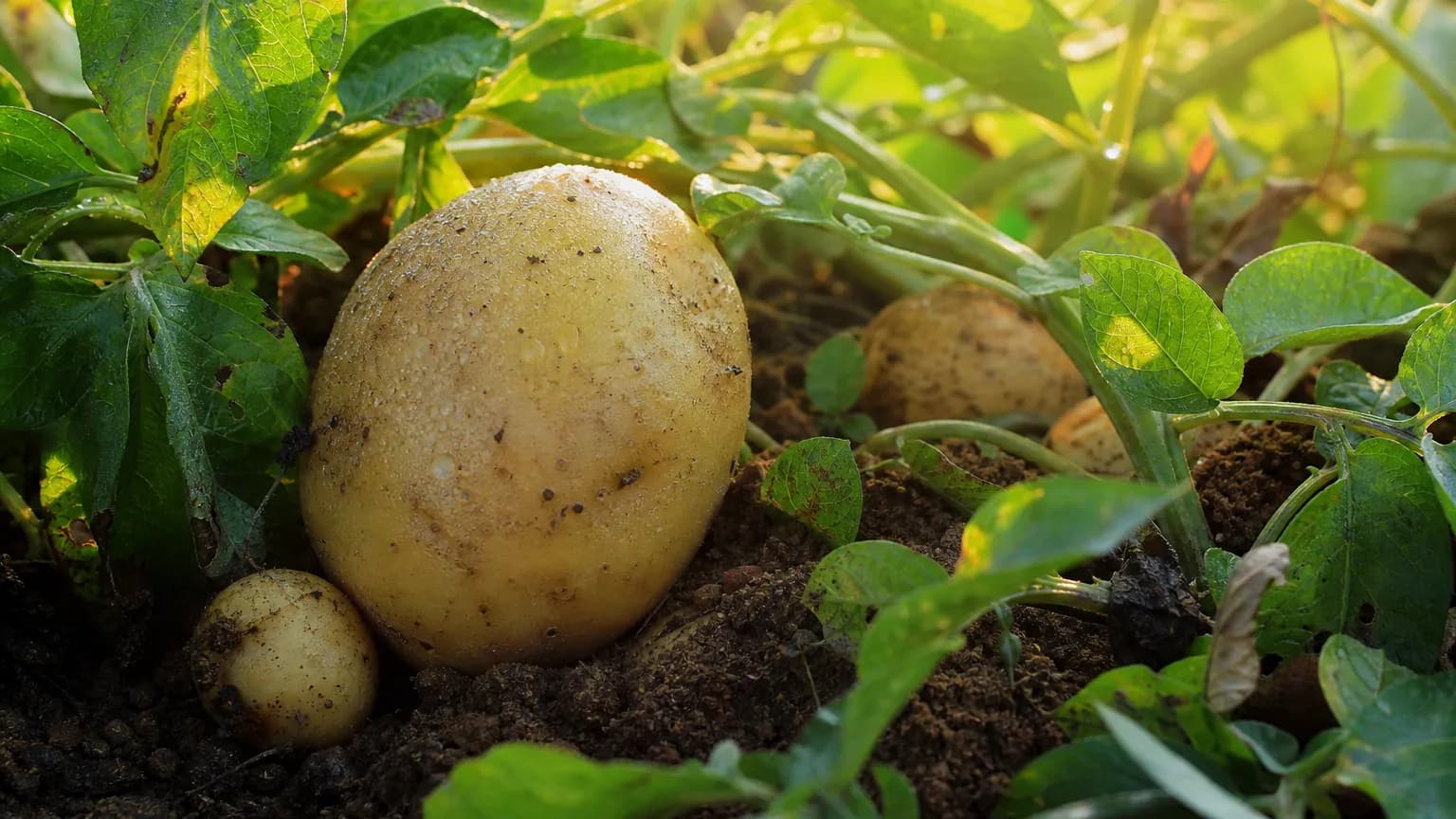
Garden plans featuring Butternut Squash
Grow your best Butternut Squash yet — and everything around it.
Start a free plan today. Lay out your beds, drop in your Butternut Squash, and let PlotMyGarden handle the timing, spacing, companions and reminders from seed to harvest basket.