Radish
One of the fastest-maturing vegetables, ready to harvest in as few as three weeks from sowing.





On this pageOverview
Meet Radish
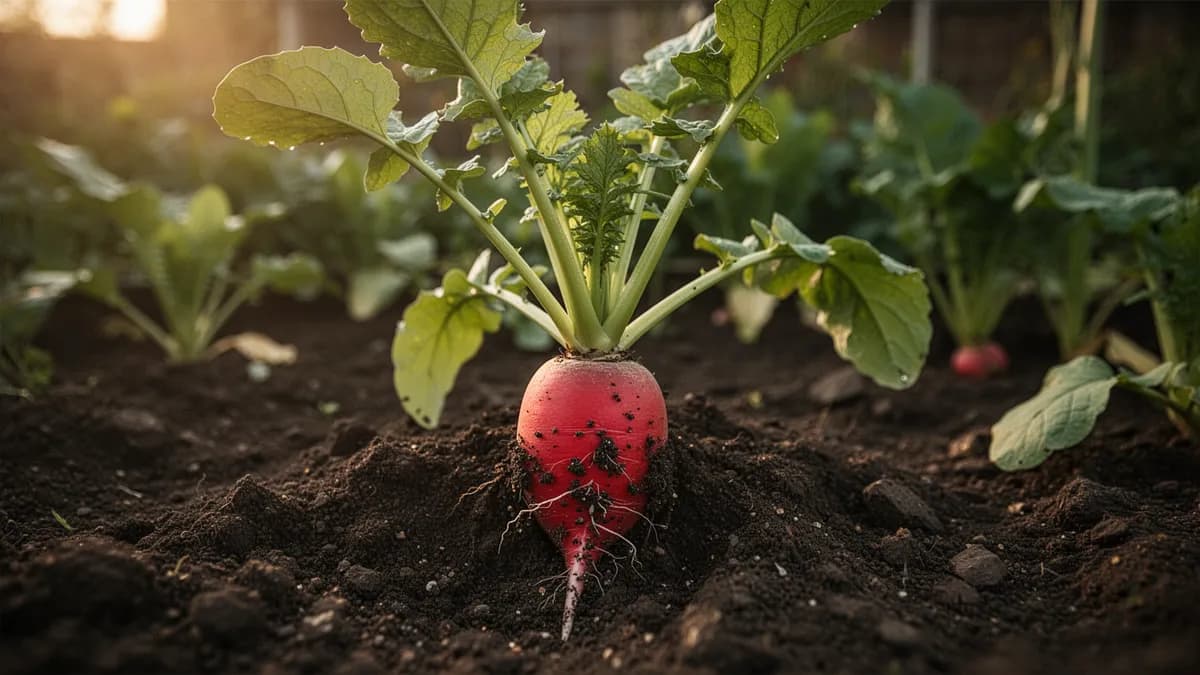
One of the fastest-maturing vegetables, ready to harvest in as few as three weeks from sowing. Sow seeds directly in the garden every two weeks for a continuous supply and thin seedlings early to prevent crowded, misshapen roots. Radishes prefer cool weather and become woody and overly pungent when left in the ground too long or grown in hot conditions. Their rapid growth makes them ideal row markers when interplanted with slower-germinating crops like carrots and parsnips.
When to plant Radish
Radishes should always be direct-sown — they do not transplant well due to their fast growth and delicate tap root structure that is easily damaged by handling. Sow seeds 1 cm (1/2 inch) deep and 2-3 cm apart as soon as soil can be worked in spring — radish seeds germinate rapidly, even in soil as cool as 4°C (40°F), though the ideal range of 10-18°C (50-65°F) produces the fastest and most uniform germination in just 3-5 days. In very early spring, pre-warm soil under clear plastic or cloches for a week before sowing to accelerate germination.
Thin seedlings to 5 cm apart when the first true leaves appear — this is the single most important step for growing good radishes, and the step most beginners skip. Crowded radishes simply will not form roots. Use the thinnings in salads; even tiny radish seedlings have a pleasant, mild peppery flavor. Make succession sowings every 10-14 days for continuous harvest through spring and again from late summer through fall. Stop spring sowings when daytime temperatures regularly exceed 24°C (75°F), and resume in late summer when temperatures cool.
For fall crops, begin sowing 4-6 weeks before the first expected frost — fall radishes are often sweeter and crisper than spring ones because cool nights promote sugar accumulation. Winter radish varieties (daikon, Black Spanish, Watermelon) have significantly longer growing seasons of 50-70 days and should be sown in late summer, 8-10 weeks before first frost. These larger varieties need wider spacing of 10-15 cm between plants and deeper, well-loosened soil to accommodate their substantial roots. Radish seeds remain viable for 4-5 years when stored in a cool, dry place.
Your Radish Year
Composed for Zone 7 · typical seasons · frost passes Apr 2, returns Nov 1
Plant Radish Mar – May, Aug – Sep, pick Apr – Jun, Sep – Oct. Check the planting methods below and set your climate to personalize these windows.
How to grow Radish
Radishes are the perfect beginner crop and gratification garden plant — spring varieties mature in as few as 21-30 days from sowing, making them one of the fastest harvests in the vegetable garden. They thrive in cool weather between 10-18°C (50-65°F) and are among the first crops that can be sown in spring, as soon as soil is workable. Prepare beds by loosening soil to a depth of 15-20 cm and removing rocks and debris that cause forked or misshapen roots. Work in a light application of compost — radishes need modest fertility.
Sow seeds directly 1 cm (1/2 inch) deep and 2-3 cm apart in rows spaced 15-20 cm apart. Thin seedlings to 5 cm apart when the first true leaves appear — crowded radishes produce all tops and no roots. For a continuous supply, make succession sowings every 10-14 days throughout spring and again in late summer through fall. Avoid sowing in summer heat, as hot temperatures cause radishes to bolt, become pithy, and develop intensely hot, bitter flavor.
Keep the soil consistently moist but not waterlogged — even brief drought stress causes tough, woody roots and triggers premature bolting. Mulch lightly to retain moisture and moderate soil temperature. Radishes need minimal fertilization; excessive nitrogen produces lush foliage at the expense of root development. For winter storage radishes (daikon, Black Spanish, Watermelon), sow in late summer and allow 50-70 days to maturity. These large varieties need deeper, looser soil and wider spacing of 10-15 cm.
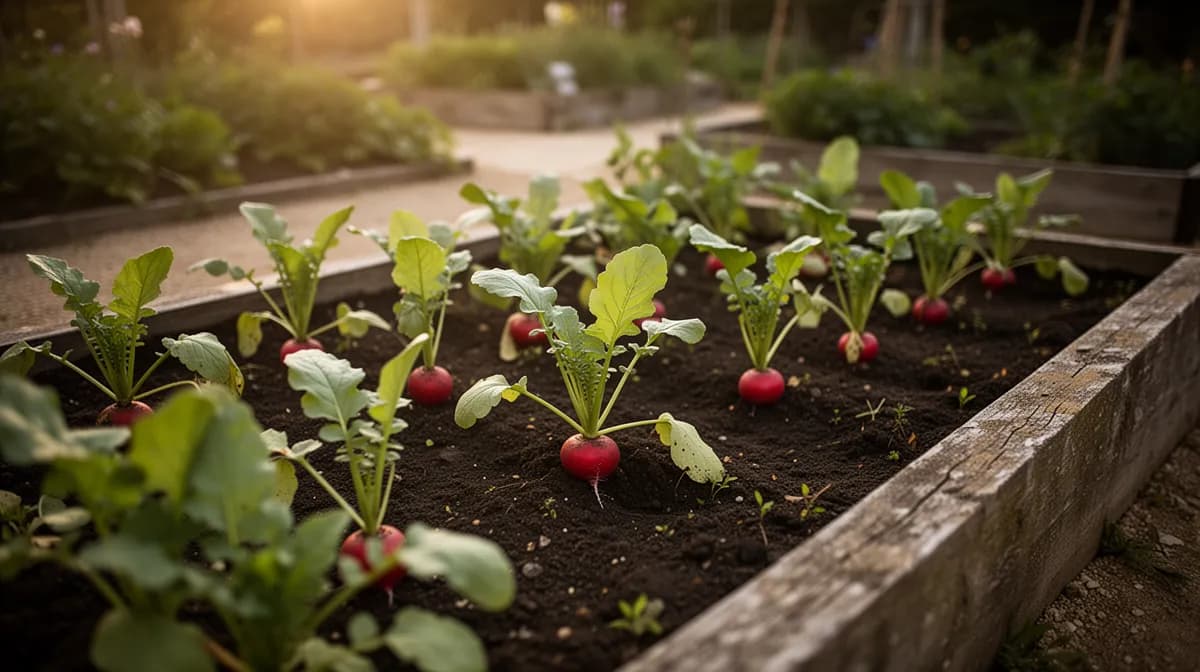
1152 plants fit a 4 × 8 ft bed
Each Radish wants 5 cm of elbow room. The planner keeps that spacing for you — every plant, every bed.
Radish's best neighbours
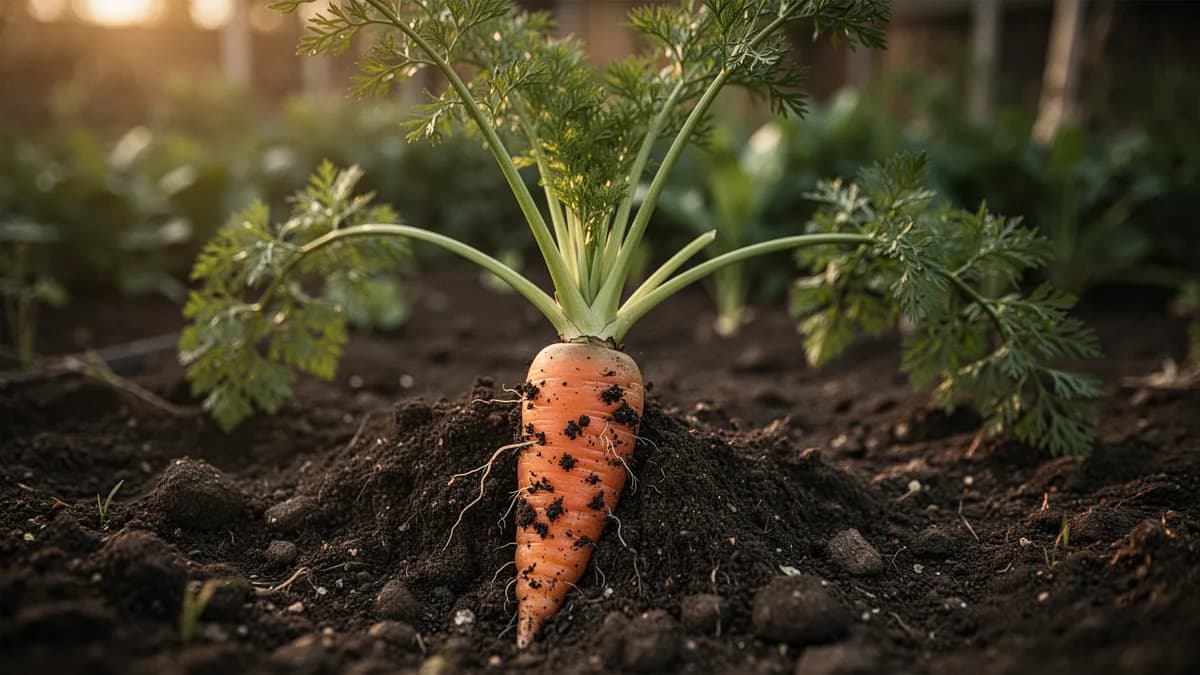
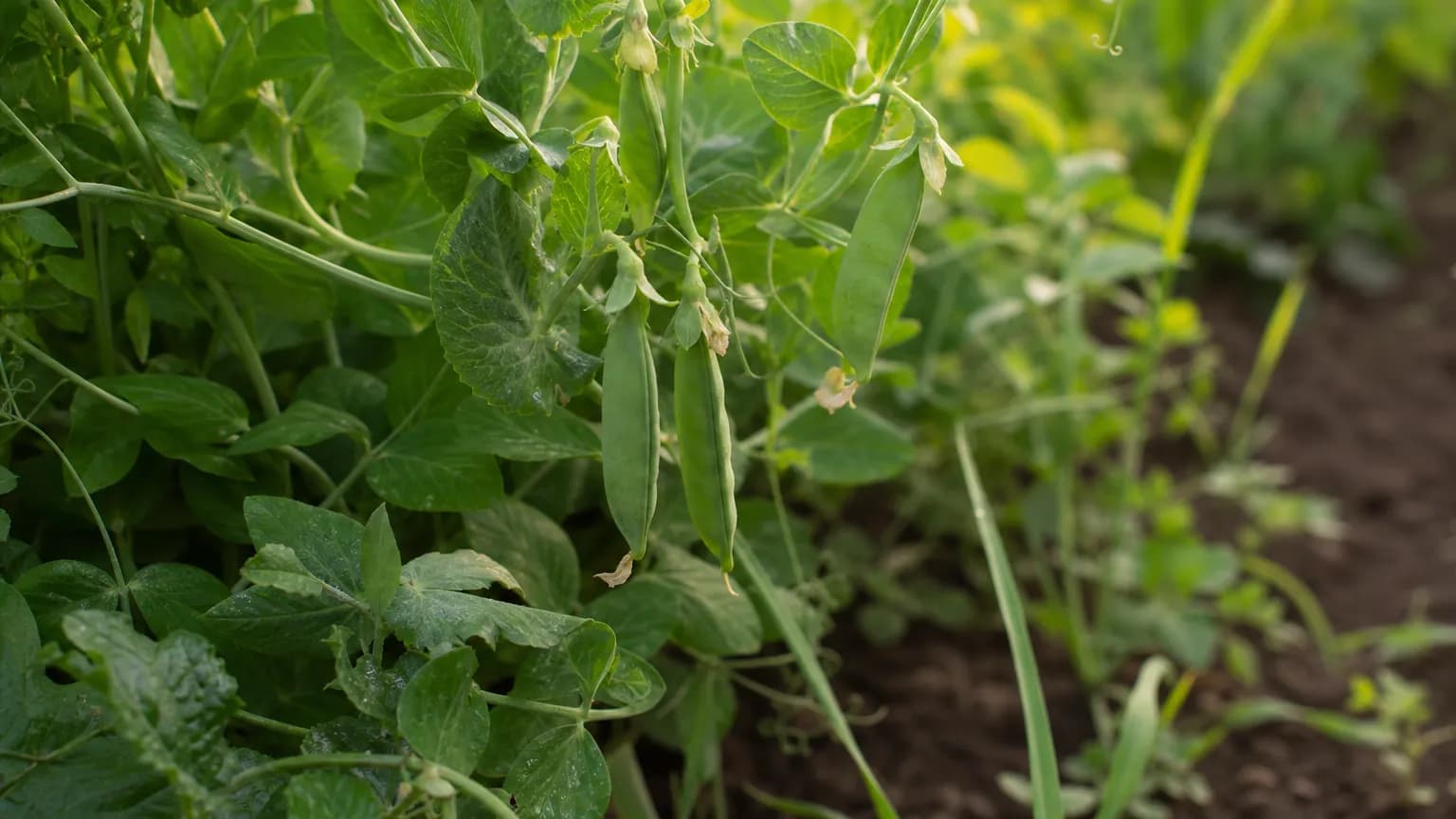
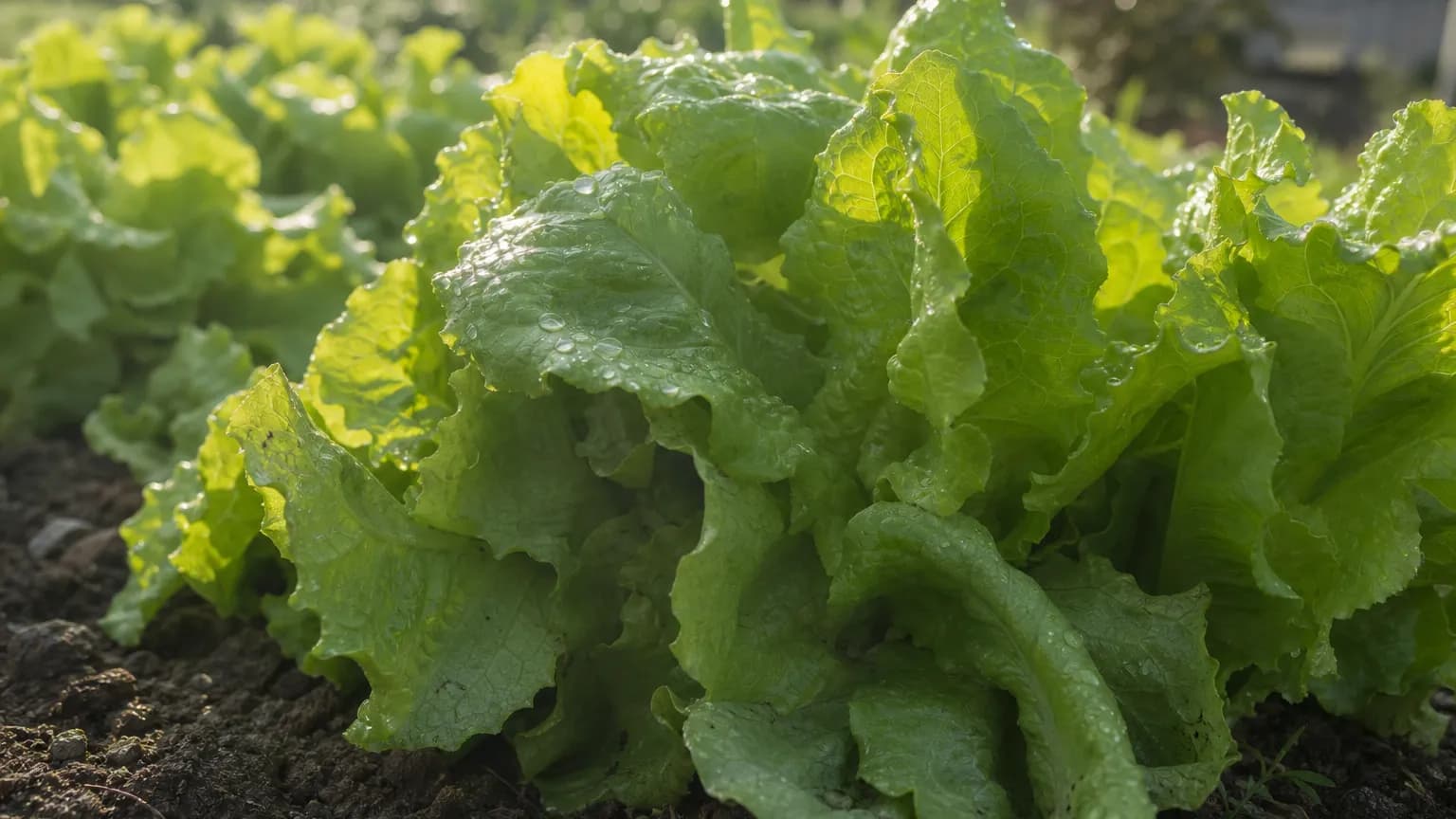
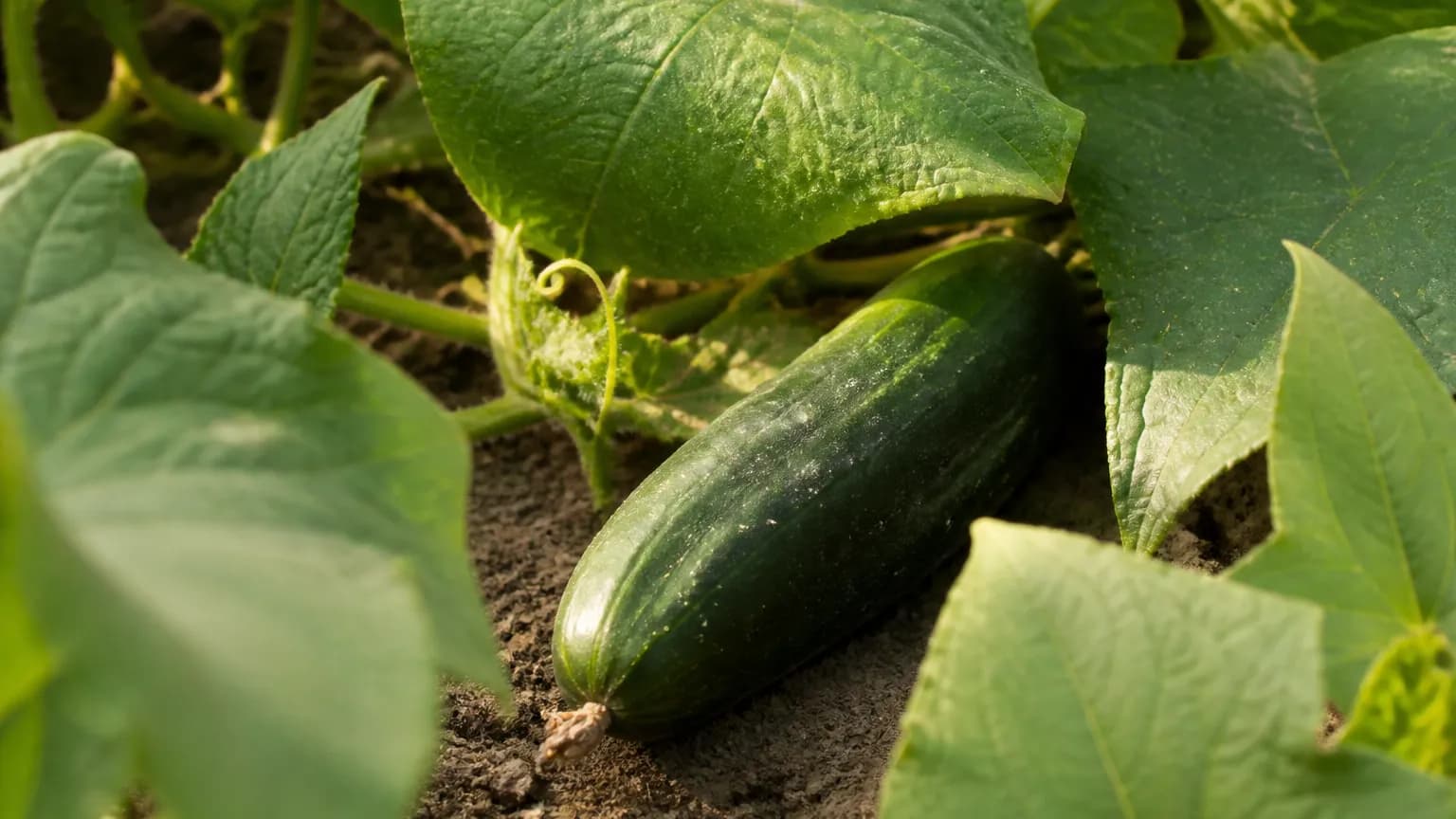
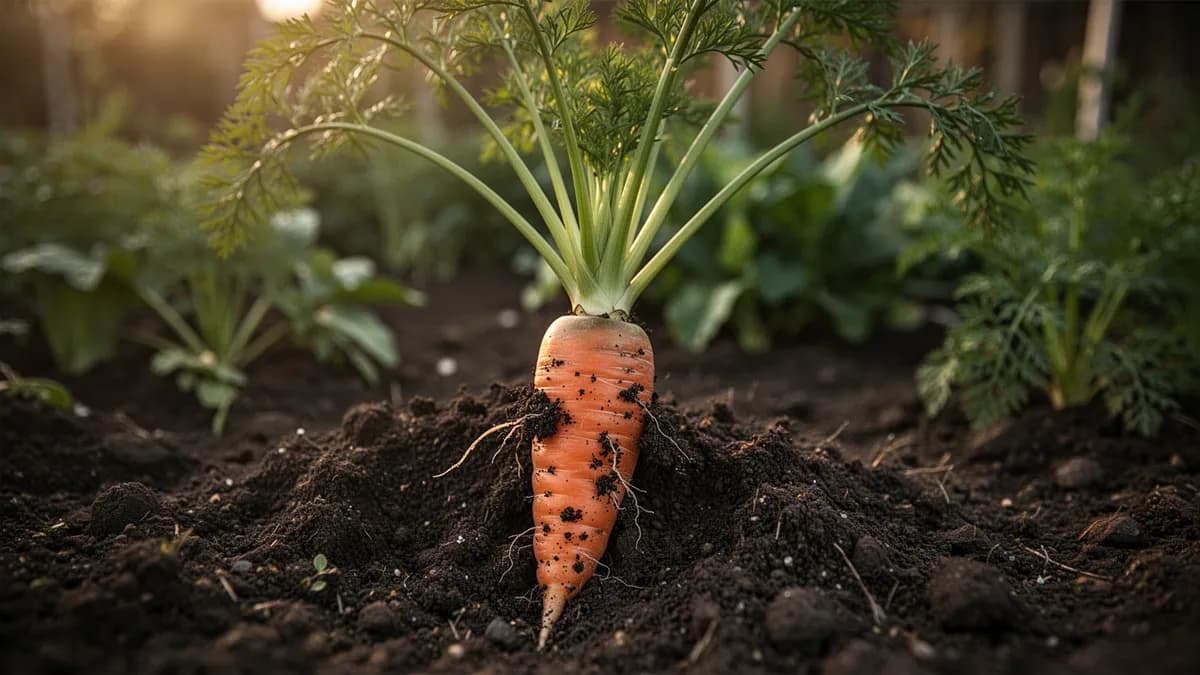
Radishes are excellent companions for carrots — their fast germination marks the carrot rows and breaks up soil crusts that slow-germinating carrot seeds struggle to penetrate. By the time carrots need the space, radishes have already been harvested. Cucumbers benefit from radishes planted nearby, as radish foliage can deter striped cucumber beetles. Lettuce and spinach appreciate the soil-loosening effect of radish roots. Peas fix nitrogen that subsequent radish plantings can use. Avoid planting near hyssop, which can inhibit radish root development.
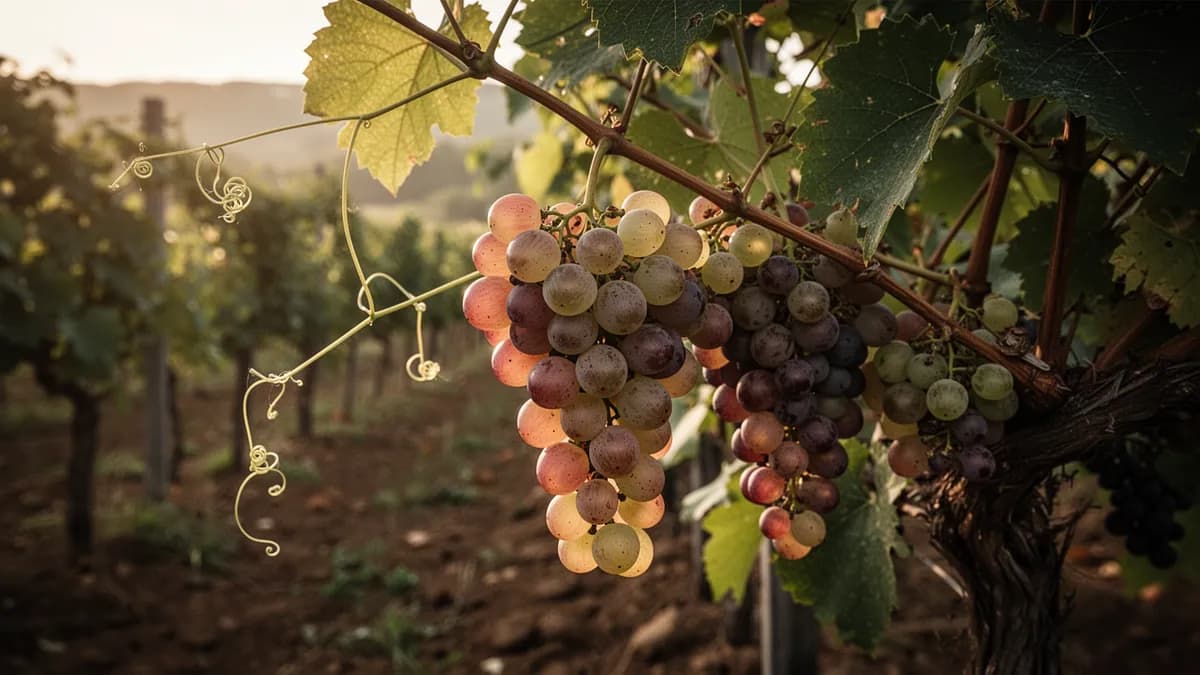
Carrot belongs beside it. Grape doesn't.
Old growers' knowledge, checked against Radish's real companion table below — test any plant you're growing.
Try Radish in a bed — right here
A real planner bed with Radish already in it. Tap a companion to place it and watch the pairing checks answer — green for good neighbours, red for a clash.


Related growing guides
Feed it well
Radishes need loose, well-drained soil free of rocks and clods, with a pH of 6.0-7.0. Hard or compacted soil causes forked, misshapen, or cracked roots — double-dig or deeply loosen beds before planting, especially for long-rooted varieties like daikon and French Breakfast. Amend heavy clay with generous amounts of compost and coarse sand to a depth of at least 20 cm for spring types, and 30-40 cm for winter storage varieties. Sandy loam is the ideal soil texture, as it provides the loose, well-aerated conditions that allow roots to swell evenly without obstruction.
Radishes are light feeders and actually perform worse with too much fertilizer. Work in a small amount of well-rotted compost before planting — about 2-3 cm worked into the top 15 cm of soil is sufficient. Avoid high-nitrogen fertilizers (anything with a first number above 5 in the N-P-K ratio), which produce lush, excessive leaf growth at the expense of root development. A light dusting of wood ash or kelp meal provides potassium, which promotes root sizing and firmness. Bone meal at half the rate used for other root crops supplies phosphorus for root initiation.
No side-dressing is needed for quick-maturing spring types — they grow so fast that supplemental feeding rarely helps before harvest. For winter radishes growing over 50-70 days, one light side-dressing of balanced compost tea or dilute fish emulsion at the midpoint can support their longer development cycle. If leaves appear pale or yellowish, a light application of compost tea can correct minor nitrogen deficiency without overstimulating foliage. Always water thoroughly after any fertilizer application to prevent root burn and ensure even nutrient distribution.
Ideal Temperature
Hardiness Zone Compatibility
From seed to harvest, stage by stage
Germination
Radish seeds are among the fastest-germinating vegetable seeds. A white radicle (root tip) pushes downward within 24-48 hours of sowing in warm soil, followed by the emergence of two round cotyledon leaves above the surface. Even in cool soil as low as 4°C (40°F), germination occurs within 7-10 days.
Seedling & Thinning
The first pair of true leaves appears, distinctly different from the smooth cotyledons — true radish leaves are rough-textured and slightly lobed. This is the critical thinning stage. Seedlings grow rapidly and begin competing for space and nutrients.
Leaf Development
The plant develops a rosette of 4-6 leaves and the taproot begins to thicken visibly. Energy from photosynthesis is increasingly directed downward into root expansion. The characteristic radish shape starts forming underground.
Root Swelling
The root expands rapidly, pushing shoulders above the soil surface. Root color develops depending on variety — red, pink, white, purple, or bicolor. The interior fills with crisp, juicy white flesh. This is the period of fastest growth.
Maturity
Spring radishes reach harvest size at 2-3 cm in diameter. Roots are at peak crispness and flavor — mildly peppery with a satisfying crunch. Leaving them beyond this point causes rapid deterioration in quality as roots become pithy and intensely hot.
Bolting (if unharvested)
If left in the ground past maturity, radishes send up a tall flowering stalk with small white or pink flowers. The root becomes woody and hollow. However, the resulting seed pods are edible and have a pleasant, mild radish flavor.
Keep soil consistently moist but not waterlogged. Do not let the surface crust over, as emerging seedlings can struggle to break through compacted soil. A light covering of vermiculite over seeds helps retain moisture.

Caring for Radish month by month
What to do each month for your Radish
October
You are hereHarvest fall-sown spring radishes and winter storage radishes. Daikon and Black Spanish can tolerate light frost and actually improve in flavor. Store winter types in damp sand in a cool root cellar for months of use.
Know exactly what to do in your garden — every month
One email at the start of each month: what to sow, plant, and tackle right now — for your Radish and everything growing around it. Plus a short starter course that helps you dodge the classic mistakes.
- What to do, right now
- Matched to your season
- Starter course included
Harvesting Radish
Spring radishes are ready to harvest when roots are 2-3 cm in diameter — check by gently brushing soil away from the crown to see the root size. Do not leave spring radishes in the ground too long, as they quickly become pithy, hollow, and fiercely hot in warm weather. Pull roots in the morning when they are crispest and most hydrated. Most spring varieties reach ideal size 22-30 days after sowing, but check daily once shoulders begin pushing above the soil surface, because they can go from perfect to overripe in just two or three days during warm spells.
Winter storage radishes like daikon and Black Spanish require a different approach — they can be left in the ground longer and actually improve in flavor after light frost, which converts starches to sugars. Daikon types are ready when roots are 25-35 cm long and 5-7 cm wide at the shoulder. Loosen deep soil alongside the root with a garden fork before pulling to avoid snapping the long taproot. For Watermelon radishes, harvest at 7-10 cm in diameter when a small scratch on the skin reveals the characteristic pink interior.
Twist off the leaf tops immediately after harvest, leaving 1-2 cm of stem — leaving tops attached draws moisture from the root and causes it to go limp within hours. Do not wash roots until you are ready to use or store them, as excess moisture promotes rot. If you plan to save seed, allow a few plants from your best-performing variety to bolt and flower; radish seed pods are also edible and have a pleasant, mild peppery crunch that works well in salads and stir-fries.
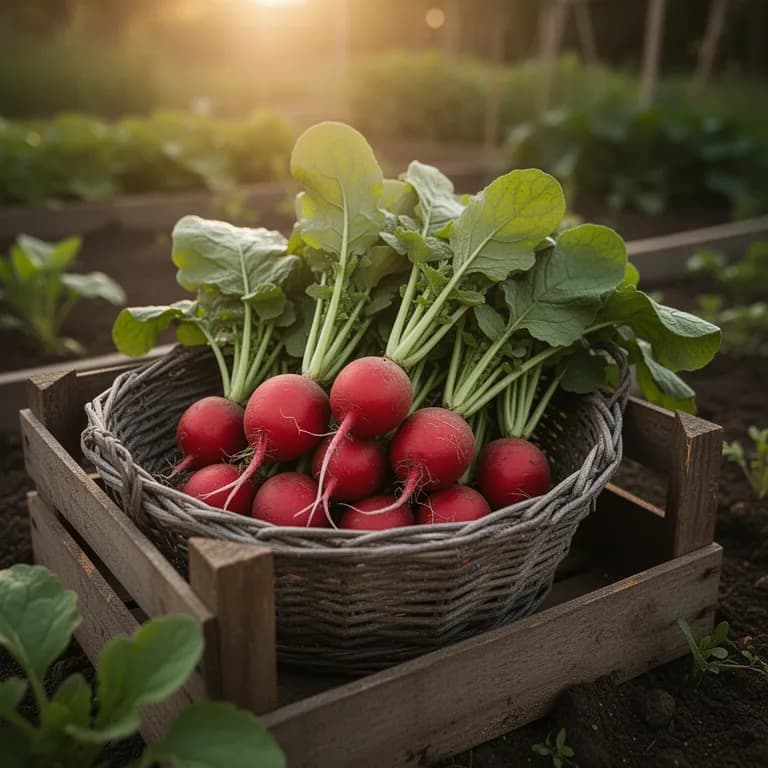
assuming you plant when the window opens — set your real date
Roots 2-3 cm across; 2-3 day window before they turn pithy
Storage & Preservation
Store radishes with tops removed in a perforated plastic bag in the refrigerator crisper drawer for 1-2 weeks. To revive radishes that have gone slightly limp, soak them in ice water for 30 minutes — they will crisp up remarkably well. For longer storage of winter varieties, layer them in damp sand in a root cellar or unheated garage at 0-2°C (32-35°F) and 90-95% humidity — daikon and Black Spanish radishes can last 2-4 months stored this way, while spring types keep only 2-3 weeks even under ideal conditions.
Pickling is the best long-term preservation method for radishes. Quick-pickled radishes in rice vinegar with a pinch of sugar are a popular condiment for tacos, banh mi, and grain bowls — they keep in the refrigerator for 2-3 weeks and develop a beautiful pink hue from red varieties. For months-long storage, fermented radishes like Korean kkakdugi (cubed radish kimchi) develop complex, tangy, umami-rich flavors that deepen over time. Lacto-fermented radishes also provide beneficial probiotics and are a traditional staple of Korean cuisine.
Dehydrate thin radish slices at 52°C (125°F) for 6-8 hours for crispy radish chips that concentrate flavor and store in airtight containers for months. Radishes do not freeze well raw — the high water content causes cell walls to rupture, resulting in mushy texture when thawed. However, radish greens can be blanched for 2 minutes and frozen for up to 6 months for use in soups and stir-fries. Radish seed pods can be pickled or frozen as well, providing yet another way to use this versatile plant.
What goes wrong — and the fix
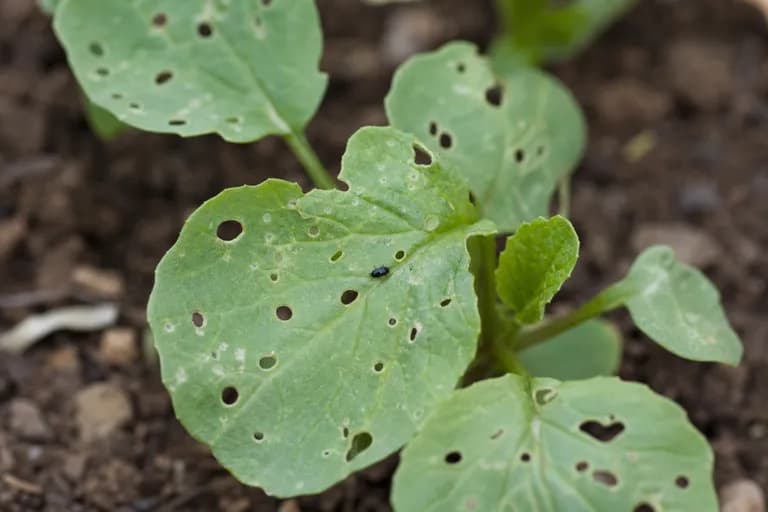
Flea Beetle
PestTiny, jumping black beetles that chew small round holes in leaves, giving foliage a shotgun-like appearance. Seedlings are most vulnerable and can be killed by heavy infestations. Adults emerge in spring as soil warms.
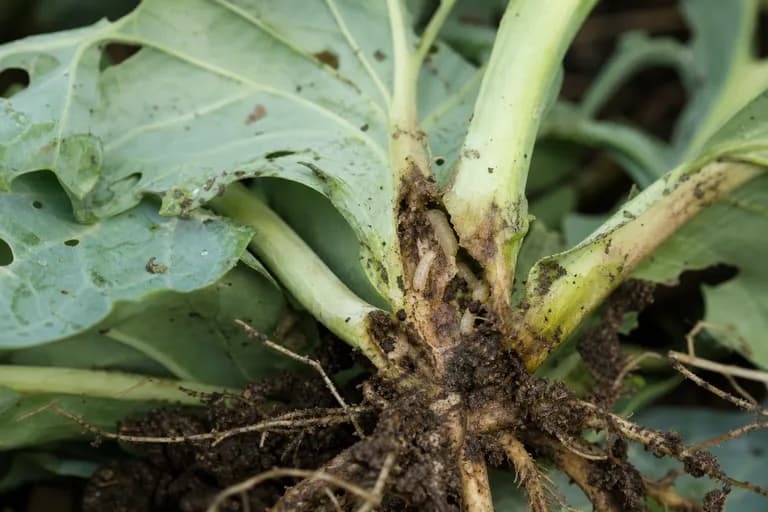
Cabbage Root Maggot
PestSmall white maggots tunnel into the root, leaving brown tracks and making roots inedible. Plants may wilt even with adequate moisture. Larvae are the immature stage of a small gray fly that lays eggs at the base of brassica plants.
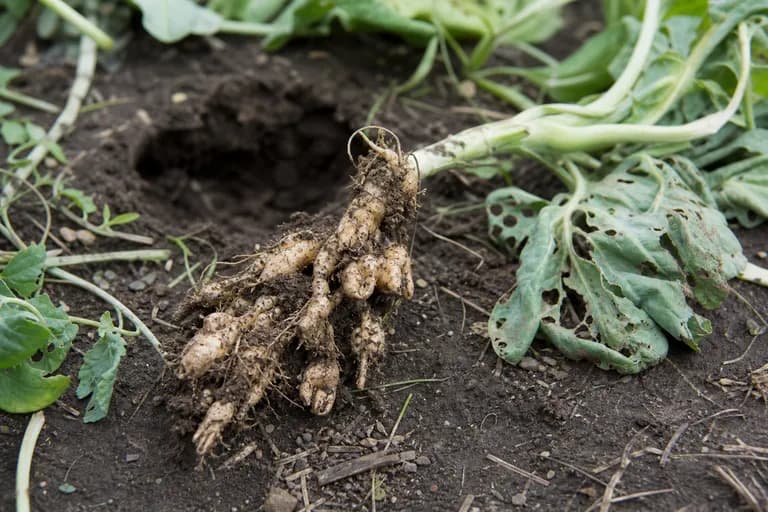
Clubroot
DiseaseRoots develop swollen, distorted club-shaped galls. Above-ground plants wilt on hot days and may appear stunted with yellowing leaves. The soil-borne fungus can persist in soil for 15-20 years.
Troubleshooting Common Problems
All tops and no roots is the most common radish complaint — usually caused by overcrowding, too much nitrogen, excessive heat, or insufficient light. Thin seedlings promptly to 5 cm apart and ensure at least 6 hours of direct sun daily. If seedlings were not thinned early enough and roots are already stunted, pull the overcrowded plants and use the peppery greens in salads rather than waiting for roots that will never properly develop. In hot weather, radish foliage grows rapidly but roots stall — only sow radishes when daytime temperatures are consistently below 24°C (75°F).
Woody, pithy, or hollow roots result from leaving radishes in the ground too long past maturity, especially during warm weather — spring types should be harvested within a week of reaching full size. Cracked or split roots indicate irregular watering; maintain consistent soil moisture with light, frequent irrigation rather than occasional deep soaking. Extremely hot or bitter flavor develops from heat stress, water stress, or delayed harvest — if your radishes are too pungent, try growing milder varieties like White Icicle or growing exclusively in spring and fall when cool temperatures produce sweeter, crisper roots.
Bolting (going to seed) is triggered by long days exceeding 12-14 hours combined with warm temperatures above 24°C (75°F) — this is why summer-sown radishes almost always bolt before forming usable roots. Flea beetle damage (tiny round holes in leaves) is the most common pest issue and is worst on young seedlings; use floating row covers from sowing day to exclude the beetles entirely. Black or brown spots on roots indicate bacterial soft rot, often caused by overwatering or poorly drained soil — pull affected plants immediately to prevent spread.
Growing Tips
- Sow radishes every 10-14 days for a continuous harvest — a single sowing gives you only a 1-2 week harvest window before roots become overripe. Succession planting is the key to a steady supply.
- Thin to 5 cm apart without fail. This is the number one mistake with radishes. Crowded plants produce beautiful foliage but no usable roots. Thin when the first true leaves appear and eat the thinnings.
- Keep soil consistently moist with light, frequent watering. Radishes grown with irregular moisture develop cracked, woody, or pithy roots with a harsh, bitter flavor.
- Grow radishes only in cool seasons — spring and fall. Summer heat causes bolting, pithy roots, and intensely pungent flavor. Stop sowing when temperatures regularly exceed 24°C (75°F).
- Remove rocks and deeply loosen soil before planting. Any obstruction causes forked, misshapen roots. For long varieties like daikon, loosen soil to 30-40 cm deep.
- Use floating row covers from the day you sow to protect against flea beetles, the most common radish pest. The covers also moderate temperature and retain moisture.
- Harvest spring radishes the moment they reach 2-3 cm in diameter. Check daily once shoulders push above the soil. They go from perfect to overripe in just days during warm spells.
- Interplant radishes with slow-germinating crops like carrots and parsnips. Radishes mark the rows, break up soil crusts, and are harvested before the main crop needs the space.
Grow your best Radish yet — and everything around it.
Start a free plan today. Lay out your beds, drop in your Radish, and let PlotMyGarden handle the timing, spacing, companions and reminders from seed to harvest basket.
Pick your Radish
Cherry Belle
The classic round red radish with crisp white flesh and mild peppery flavor. One of the most reliable and fastest-growing varieties. 22 days to maturity. Perfect for beginners and succession planting.
French Breakfast
An elongated radish with distinctive red upper half and white tip. Mild, slightly sweet flavor with crisp texture. 25 days. Elegant appearance makes it a favorite for crudite platters and salads.
Watermelon (Red Meat)
A stunning winter radish with green skin and vibrant magenta interior. Mild, slightly sweet flavor. 50-60 days. Best grown as a fall crop. Sliced thinly, it adds dramatic color to salads and garnishes.
Daikon (Miyashige)
A large Japanese winter radish producing mild, sweet roots 30-45 cm long. 50 days. Excellent raw in salads, pickled, grated as a condiment, or cooked in soups and stir-fries. Stores well for months.
Easter Egg
A colorful mix producing round radishes in red, pink, purple, white, and bicolor. Mild flavor with crisp texture. 25 days. Perfect for children's gardens and adding visual interest to salads.
A packet of radish seeds costing $2-3 contains 200-500 seeds — enough for an entire season of succession plantings. At organic grocery prices of $3-5 per bunch, even a modest planting easily yields $20-40 worth of radishes per season. Winter storage varieties like daikon, which sell for $3-6 each at farmers markets, represent even greater value. The speed of radish growing (seed to harvest in 3-4 weeks) makes them the highest return-on-investment crop for new gardeners.
Quick recipes
French Radis au Beurre
5 minThe simplest and most elegant way to enjoy fresh radishes. Crisp, just-pulled radishes served with high-quality salted butter and flaky sea salt. A beloved French bistro classic that lets the radish's peppery crunch shine against the cool creaminess of butter.
4 ingredientsQuick-Pickled Radishes
15 min + 1 hr restingBright, tangy, and beautifully pink, these quick-pickled radishes transform a simple root into an addictive condiment. Perfect on tacos, banh mi, grain bowls, or alongside grilled meats. They keep for weeks in the refrigerator and get better each day.
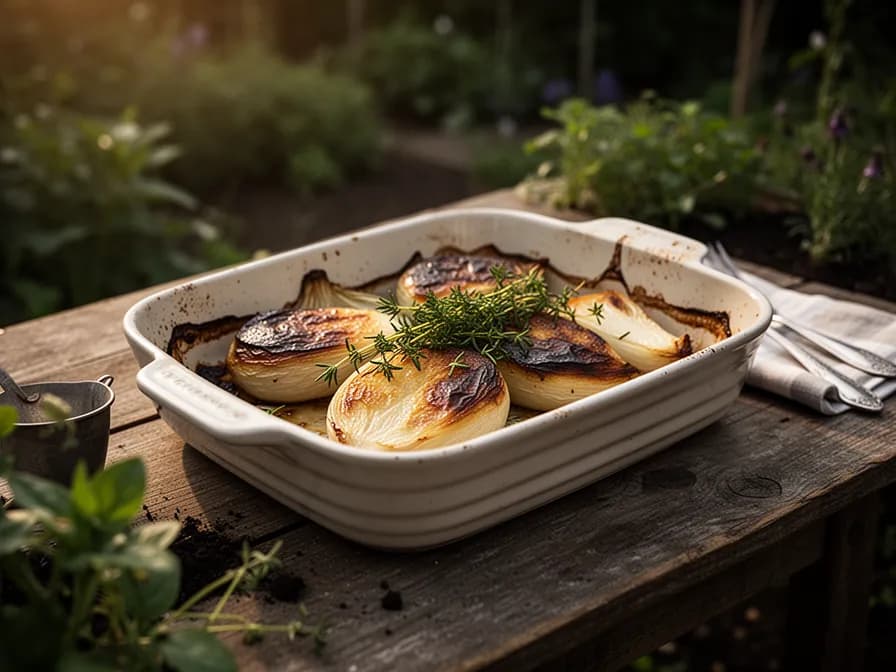
6 ingredientsRoasted Radishes with Herbs
30 minRoasting transforms radishes from sharp and peppery to mellow, sweet, and tender — similar to baby turnips. A revelation for anyone who thinks they do not like radishes. The caramelized edges add a savory depth that is impossible to resist.
7 ingredientsCulinary Uses
Radishes are most commonly eaten raw for their refreshing crunch and peppery bite — slice into salads, serve with butter and flaky sea salt (a beloved French classic called radis au beurre), add to tacos and banh mi sandwiches, or use as colorful crudites with dips. The leaves are also edible and delicious — young radish greens have a mild, slightly peppery flavor and can be sauteed with garlic and olive oil, blended into pesto, or added to soups. Do not discard the greens; they are rich in vitamin C and calcium.
Roasting radishes transforms them entirely — the heat mellows the peppery bite into a mild, tender, slightly sweet morsel that tastes similar to baby turnips. Halve or quarter radishes, toss with olive oil, salt, and herbs, and roast at 220°C (425°F) for 20-25 minutes until caramelized and tender. Daikon radish is essential in Asian cuisine: grated raw as a condiment for sashimi and tempura, pickled as takuan in Japanese cuisine, simmered in Korean soups and stews, or shredded into Chinese turnip cakes (lo bak go).
Radishes provide meaningful nutritional value relative to their small size — they are rich in vitamin C, folate, and potassium, with only 16 calories per 100 grams. Their distinctive peppery flavor comes from glucosinolates, sulfur-containing compounds with documented antioxidant and anti-inflammatory properties. Watermelon radishes, with their stunning magenta interior, make a dramatic addition to charcuterie boards and salads when sliced paper-thin on a mandoline.
What's inside
Health Benefits
- Rich in Vitamin C — 100g of radishes provides 16% of daily needs, supporting immune function, collagen synthesis, and enhanced iron absorption from plant foods.
- Contains glucosinolates, sulfur compounds that break down into isothiocyanates during chewing — these have been studied for potential anti-cancer properties, particularly in reducing risk of colorectal and stomach cancers.
- Natural digestive aid — radishes stimulate bile production and support liver function. Traditional Ayurvedic and Chinese medicine have used radishes for digestive complaints for centuries.
- Very low calorie (16 per 100g) with high water content (95%), making radishes an excellent high-volume, low-energy snack that supports weight management and hydration.
- Good source of folate (vitamin B9), which is critical for DNA synthesis, cell division, and is especially important during pregnancy to prevent neural tube defects.
- Anthocyanins in red and purple radish varieties provide additional antioxidant protection, helping to reduce inflammation and support cardiovascular health.
Where Radish comes from
The radish is one of humanity's oldest cultivated plants, with origins traced to Southeast Asia and the eastern Mediterranean region. Wild forms of Raphanus sativus still grow in these areas today. Ancient Egyptians cultivated radishes extensively — records from the construction of the Great Pyramids at Giza (around 2560 BCE) mention radishes, onions, and garlic as foods provided to the laborers. The Greek historian Herodotus noted that an inscription on the Great Pyramid recorded expenditures for these three crops.
From Egypt, radish cultivation spread throughout the ancient Mediterranean world. Greeks and Romans grew multiple varieties and valued radishes both as food and medicine — Pliny the Elder described several types in his Natural History, including long, round, and wild forms. The Romans introduced radishes to northern Europe, where they became a garden staple. In Asia, radishes evolved independently into the large, mild daikon types that became central to Chinese, Japanese, and Korean cuisines, with Chinese agricultural texts mentioning radish cultivation as early as 700 BCE.
The modern diversity of radishes reflects centuries of selective breeding across different cultures. European growers favored small, quick-maturing spring types — the familiar red globe radishes that mature in three to four weeks. Asian growers developed the enormous daikon and Sakurajima varieties that can weigh several kilograms. The Watermelon radish, with its green exterior and brilliant magenta interior, was developed in China. Today, radishes are grown on every inhabited continent and remain one of the most beginner-friendly and rewarding vegetables for home gardeners, valued for their speed, simplicity, and the nearly instant gratification they provide.
Radish: did you know?
Fascinating facts about Radish
Radishes are one of the first crops ever cultivated by humans — they were grown in ancient Egypt before the pyramids were built, and are depicted in tomb paintings dating back over 4,000 years.
Radish questions, answered
When should I plant Radish?
What are good companion plants for Radish?
What hardiness zones can Radish grow in?
How much sun does Radish need?
How far apart should I space Radish?
What pests and diseases affect Radish?
How do I store Radish after harvest?
What are the best Radish varieties to grow?
What soil does Radish need?
Why are my radishes all leaves and no root?
Why are my radishes woody, pithy, or hollow inside?
Can I grow radishes in containers?
Why are my radishes extremely spicy and bitter?
When should I plant radishes for a fall harvest?
Are radish leaves edible?
You just read the theory. Now grow it on autopilot.
Everything that makes Radish fiddly — the timing, the spacing, the companions, the harvest window — is exactly what PlotMyGarden handles for you, for every plant in your garden.
A plan that knows your weather
Set your location once. Get sow, feed and harvest dates built around your real last-frost date and live forecast — no more guessing from a generic seed packet.
From the “When to plant” sectionDrag-and-drop bed planner
Design beds on a grid. Every plant snaps to its proper spacing, and you can see your whole season laid out before you spend a cent on seed.
From the “Growing guide” sectionCompanion conflicts, caught early
200+ good-and-bad pairings checked live as you plant — so a season-wrecking mistake never makes it into the ground.
From the “Companions” sectionReminders you'll actually act on
“Water the beans.” “Pick today before it turns.” Timely, specific, and tied to the plants you're really growing.
From the “Harvest” sectionSuccession, scheduled
Want a harvest for six weeks, not six days? It spaces your sowings automatically and reminds you when each new block is due.
From the “When to plant” sectionA record that gets smarter
Every harvest you log teaches it your garden. Next year's plan starts from what actually worked in your soil, not a textbook's.
From the “Overview” sectionPlant these alongside Radish
More Root Vegetables
Keep Radish away from these
Garden plans featuring Radish
Grow your best Radish yet — and everything around it.
Start a free plan today. Lay out your beds, drop in your Radish, and let PlotMyGarden handle the timing, spacing, companions and reminders from seed to harvest basket.