English Cucumber
A long, slender, seedless cucumber with thin, tender skin that does not require peeling.





On this pageOverview
Meet English Cucumber
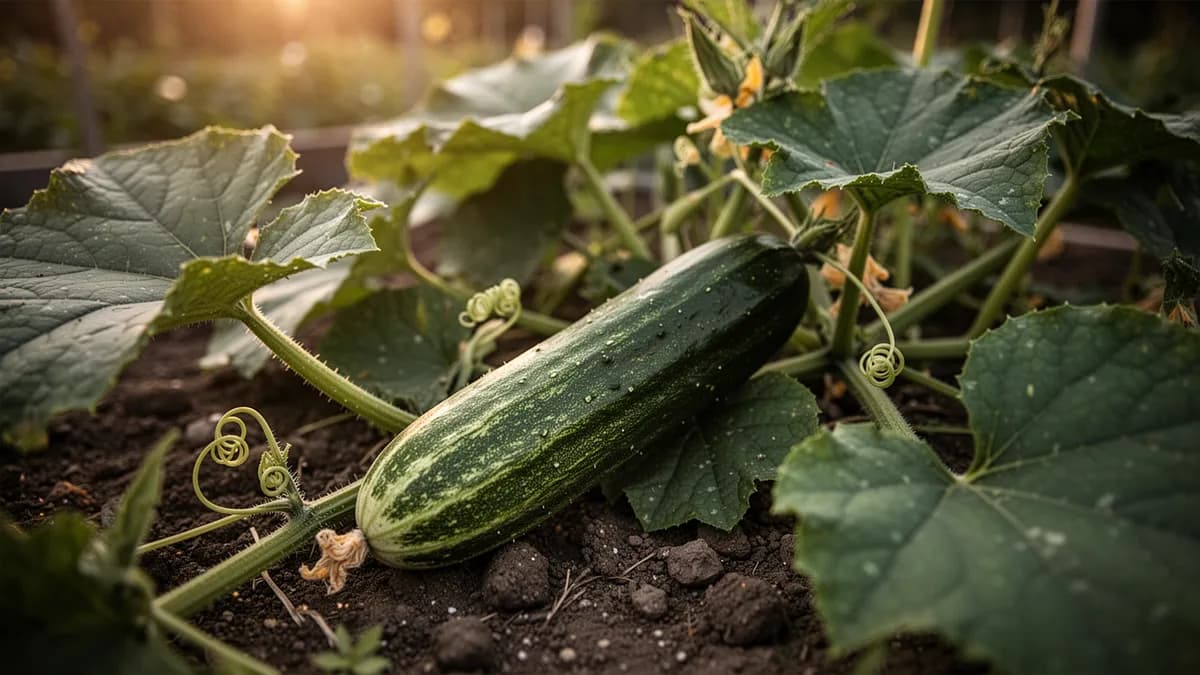
A long, slender, seedless cucumber with thin, tender skin that does not require peeling. English cucumbers are typically grown in greenhouses but can be trellised outdoors in warm climates for excellent results. The mild flavor and crisp texture make them ideal for fresh eating, tea sandwiches, and elegant salads. These parthenocarpic varieties set fruit without pollination, so they can be grown in enclosed spaces without bee access.
When to plant English Cucumber
Start English cucumber seeds indoors 3-4 weeks before the last frost date in individual peat pots or soil blocks to minimize root disturbance at transplanting. Plant seeds half an inch deep in warm, moist seed-starting mix at 75-85°F for germination in 3-5 days. Use a heat mat for consistent temperature. Harden off seedlings gradually over one week before transplanting outdoors. Can also be direct sown after soil reaches 65°F. For greenhouse production, start seeds year-round in a heated propagation area.
Your English Cucumber Year
Composed for Zone 7 · typical seasons · frost passes Apr 2, returns Nov 1
Plant English Cucumber Apr – Jun, pick Jul – Sep. Check the planting methods below and set your climate to personalize these windows.
How to grow English Cucumber
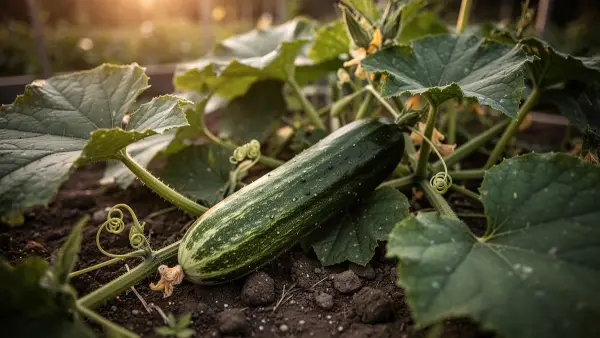
English cucumbers, also known as seedless or hothouse cucumbers, produce long, slender fruits up to 14 inches with thin, tender skin that requires no peeling. These parthenocarpic varieties set fruit without pollination, making them ideal for greenhouse growing where pollinators may be absent. In the garden, direct sow or transplant after frost danger passes and soil reaches 65°F.
Grow exclusively on a trellis or support system as the long fruits benefit greatly from hanging vertically, producing straighter, cleaner cucumbers. Space plants 12-18 inches apart along a sturdy trellis at least 6 feet tall. Water deeply and consistently, providing 1-1.5 inches per week, as English cucumbers are particularly sensitive to drought stress which causes bitter, misshapen fruits.
For greenhouse production, maintain temperatures of 75-85°F during the day and above 60°F at night. If growing parthenocarpic varieties outdoors, remove male flowers or isolate from other cucumber varieties to prevent unwanted pollination which causes seedy, bitter fruits. Feed heavily with a balanced fertilizer every 2 weeks during active growth, as English cucumbers are vigorous, hungry plants.
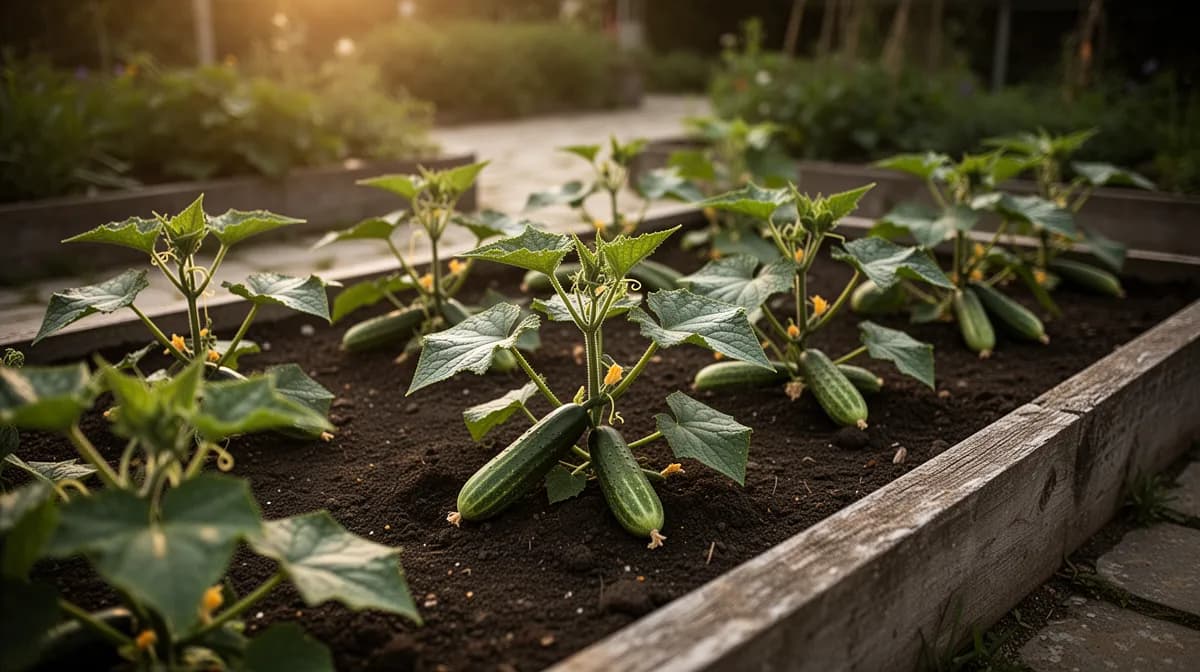
8 plants fit a 4 × 8 ft bed
Each English Cucumber wants 60 cm of elbow room. The planner keeps that spacing for you — every plant, every bed.
English Cucumber's best neighbours
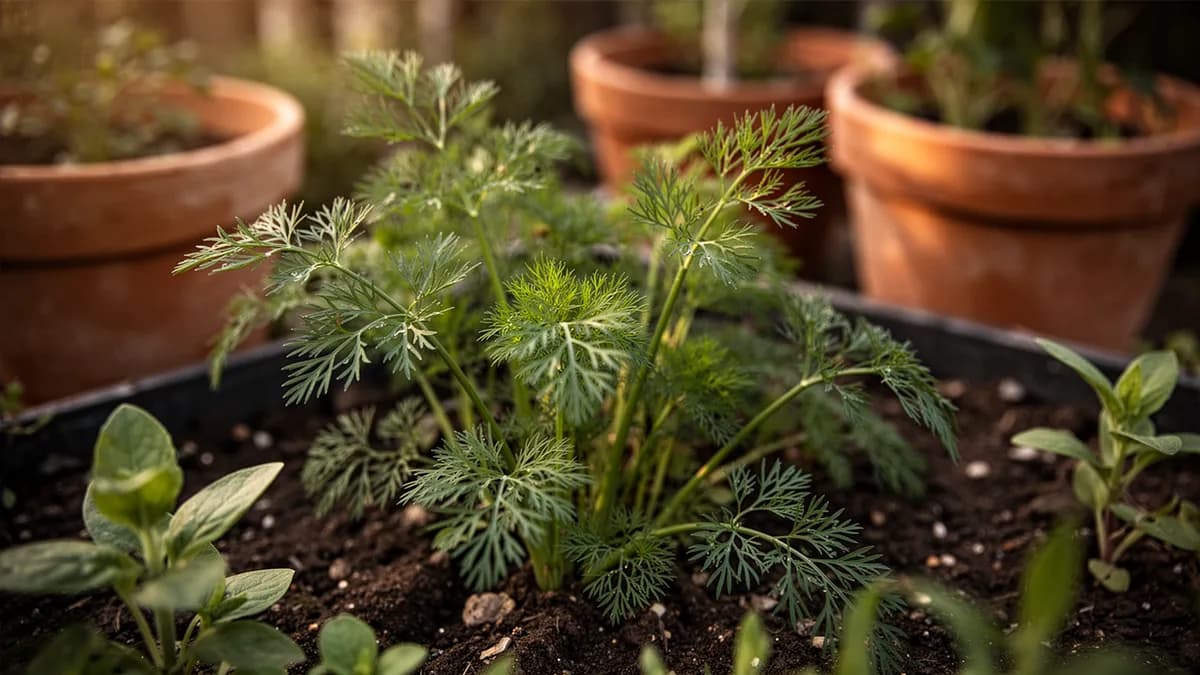
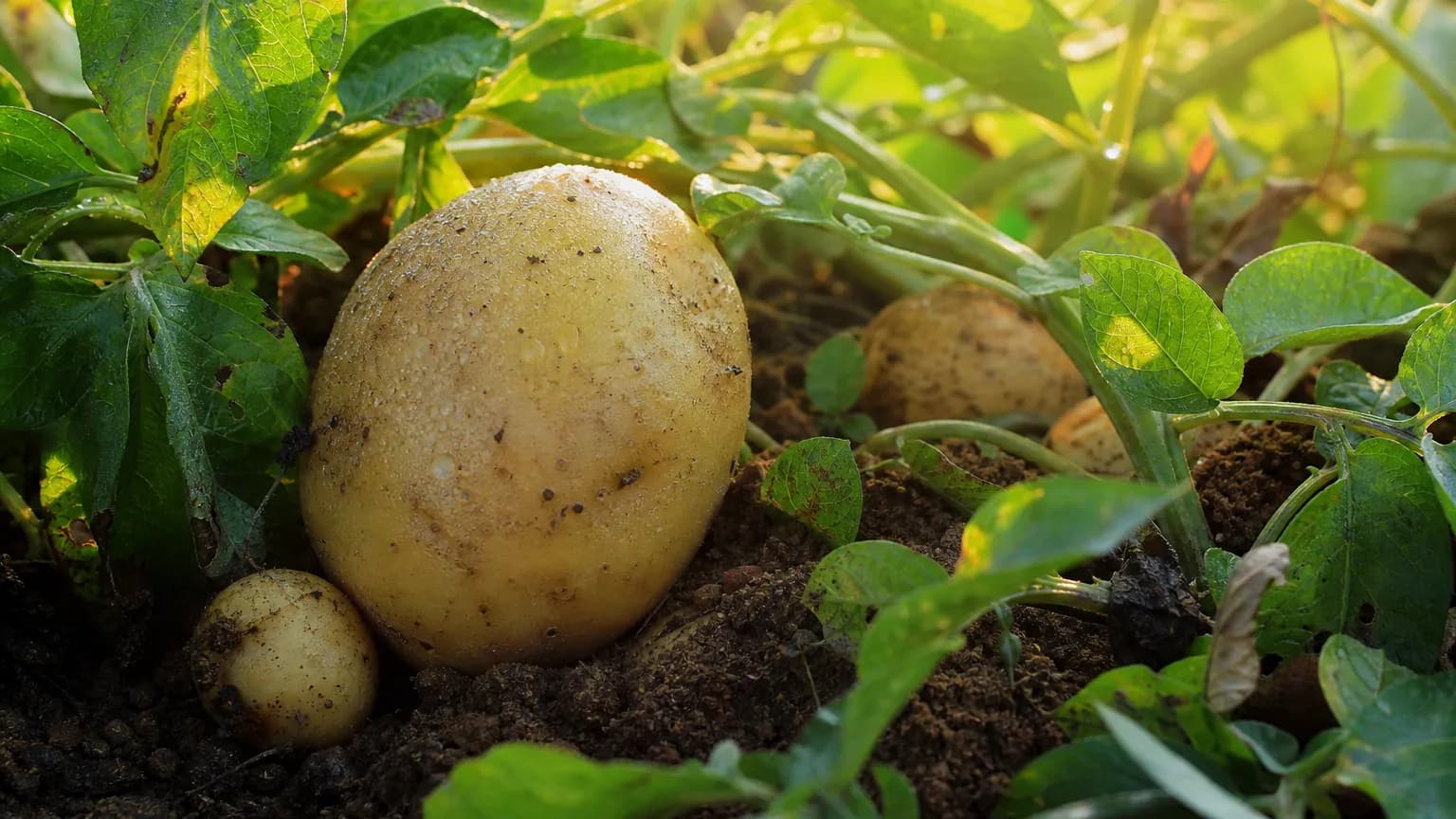
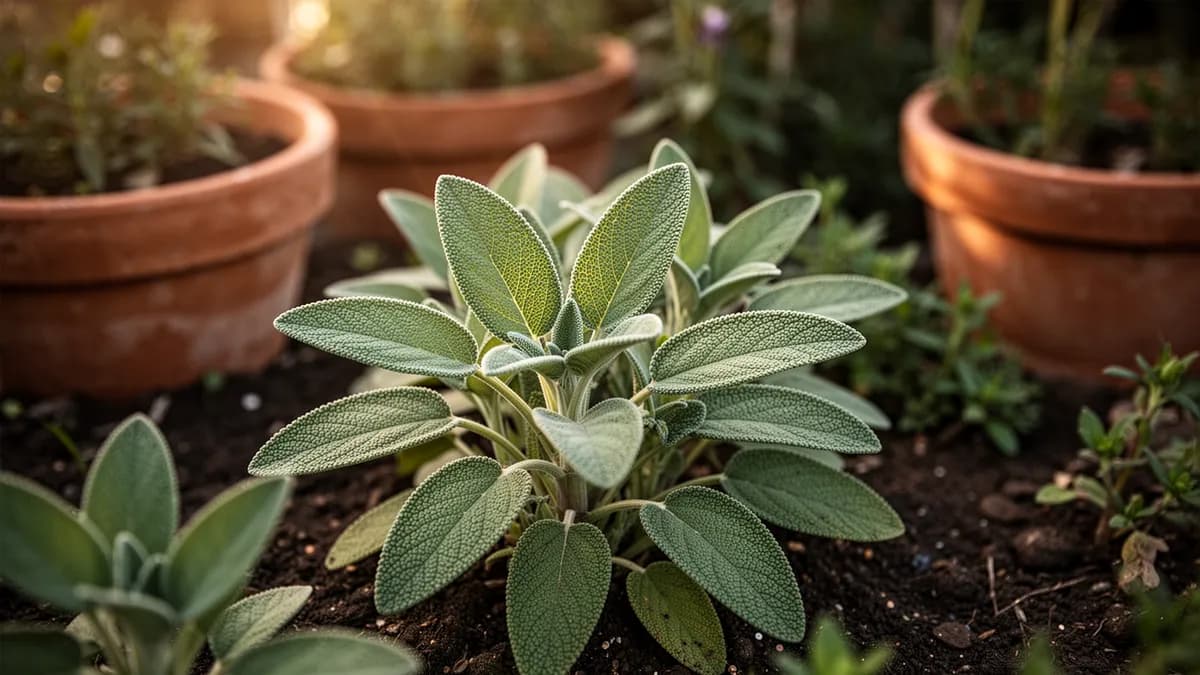
English cucumbers benefit from the same companion planting strategies as other cucumbers. Grow alongside corn and beans in a modified Three Sisters arrangement. Sunflowers attract pollinators though parthenocarpic types do not need them. Dill and oregano nearby attract beneficial insects that prey on cucumber pests. Radishes can serve as trap crops for flea beetles. Avoid planting near aromatic herbs like sage which may inhibit cucumber growth, and keep away from potatoes to prevent shared disease issues.
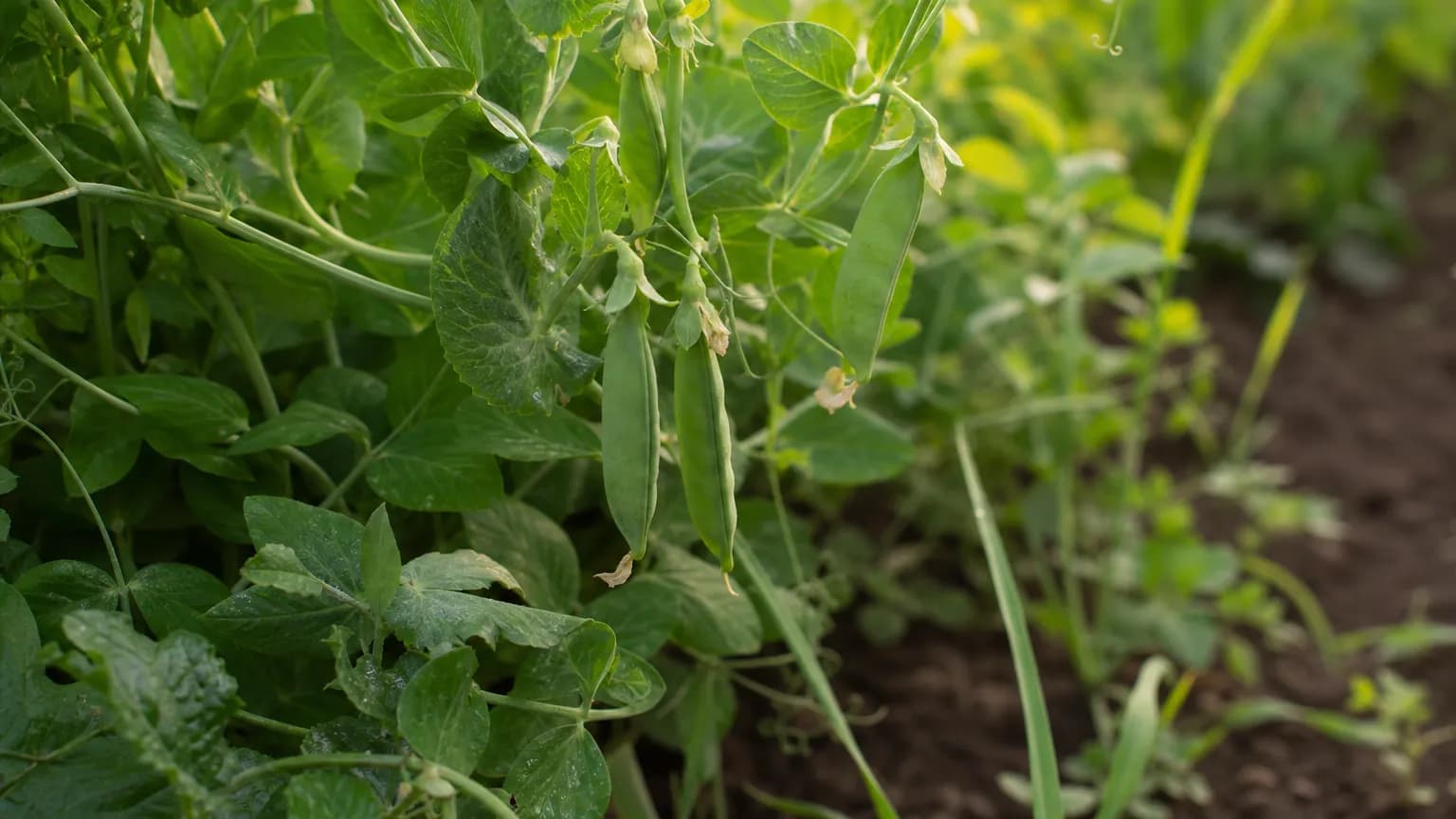
Peas belongs beside it. Potato doesn't.
Old growers' knowledge, checked against English Cucumber's real companion table below — test any plant you're growing.
Try English Cucumber in a bed — right here
A real planner bed with English Cucumber already in it. Tap a companion to place it and watch the pairing checks answer — green for good neighbours, red for a clash.


Related growing guides
Feed it well
English cucumbers demand rich, fertile soil with a pH of 6.0-7.0 and excellent drainage. Incorporate generous amounts of compost and aged manure before planting. These are among the heaviest-feeding cucumber types and benefit from regular fertilization every 2 weeks with a balanced liquid fertilizer during active growth. Side-dress with compost when vines begin to run. For greenhouse growing, use a nutrient-rich potting mix and supplement with water-soluble fertilizer at every watering.
Ideal Temperature
Hardiness Zone Compatibility
From seed to harvest, stage by stage
Seed Starting
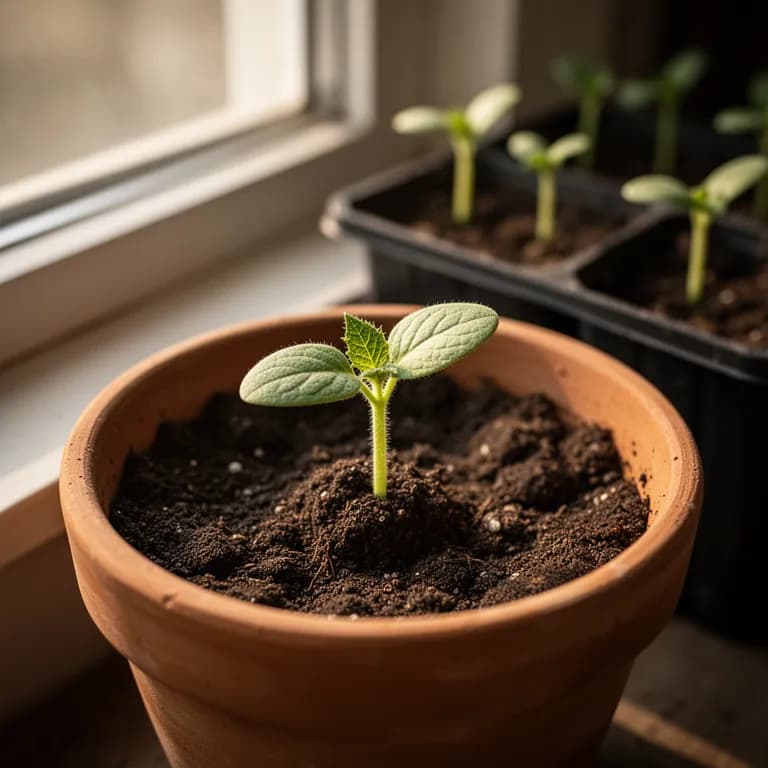
Seeds germinate rapidly in warm, moist conditions. The large, flat seeds push up sturdy cotyledon leaves within days. English cucumber seeds are vigorous germinators when soil temperature is maintained at 75-85°F.
Seedling Development
True leaves emerge with the characteristic rough, heart-shaped form. The stem thickens and tendrils begin to appear, signaling the vine's readiness to climb. Seedlings grow quickly in warm conditions with strong light.
Vine Growth
Rapid vegetative growth as vines extend along their trellis or support. Large leaves unfold daily, and the plant develops a strong root system. Tendrils actively grip supports as the vine climbs upward.
Flowering
Yellow flowers appear at leaf nodes along the vine. Parthenocarpic English varieties produce predominantly female flowers that set fruit without pollination. Non-parthenocarpic types produce both male and female blooms.
Fruiting
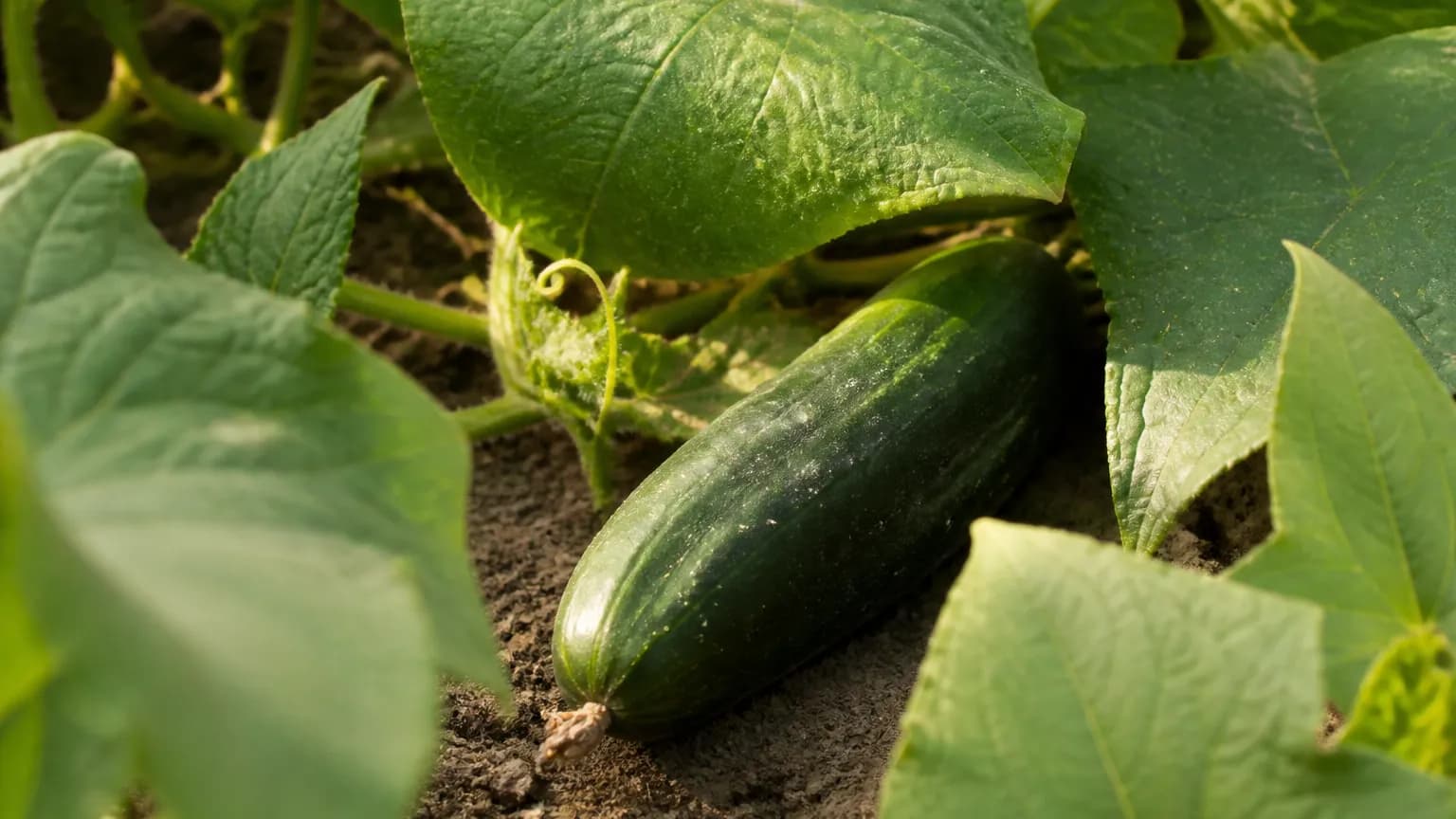
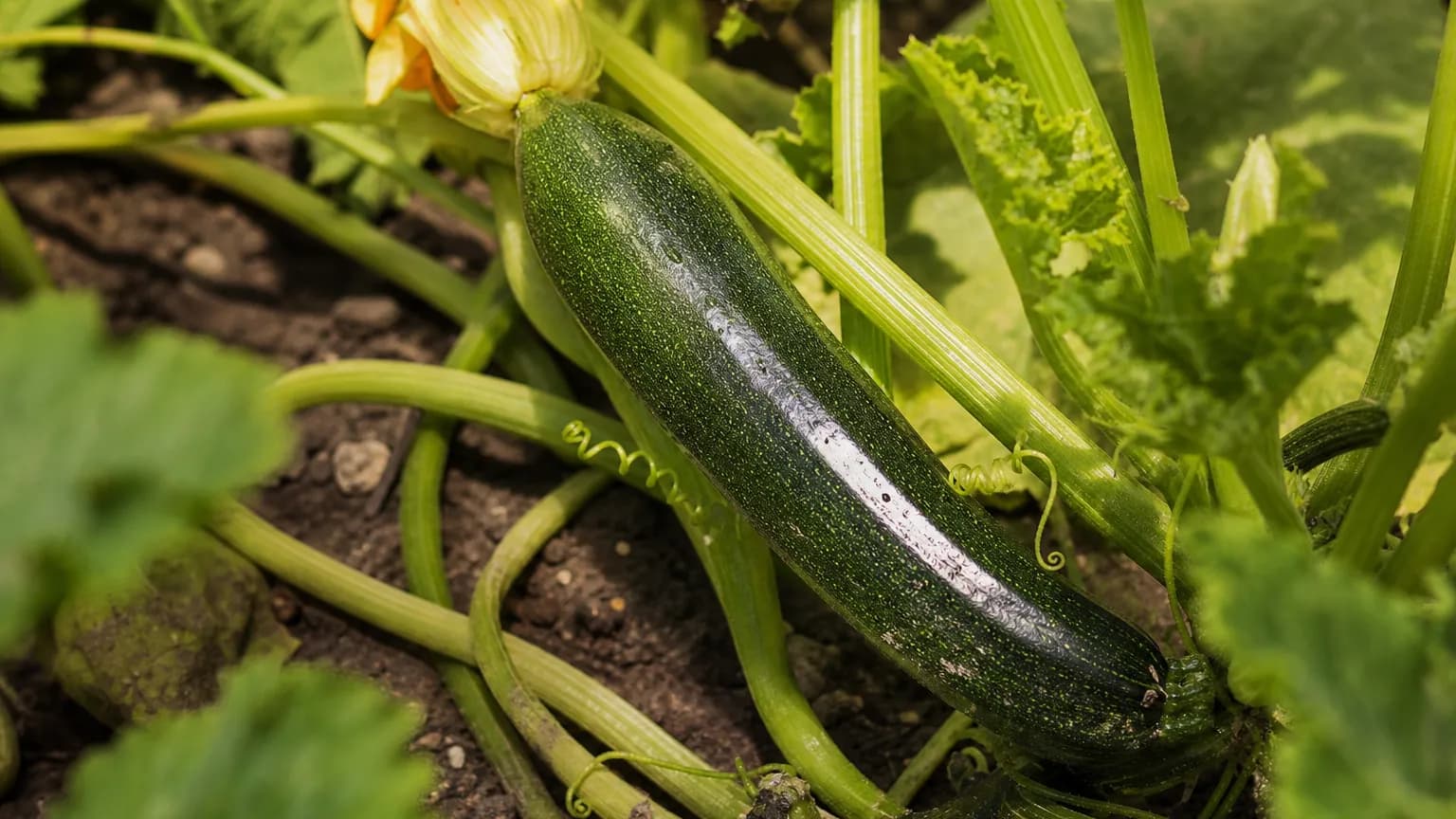
Long, slender fruits develop rapidly behind each flower. Fruits elongate to 10-14 inches and fill out with crisp, virtually seedless flesh. The thin, dark green skin develops its characteristic smooth finish.
Continuous Harvest
With regular picking, English cucumber vines produce new fruits continuously for several weeks. Plants can yield 20-30 fruits over the full harvest window under ideal greenhouse or garden conditions.
Use a heat mat to maintain consistent 24-29°C (75-85°F) soil temperature. Sow in peat pots or soil blocks to avoid root disturbance at transplanting. Keep soil moist but never waterlogged to prevent seed rot.
Caring for English Cucumber month by month
What to do each month for your English Cucumber
October
You are hereFinal harvests before frost in most zones. Pick all remaining fruits, even small ones, before temperatures drop below 50°F. Remove spent vines and add to compost. Clean and store trellis materials.
Know exactly what to do in your garden — every month
One email at the start of each month: what to sow, plant, and tackle right now — for your English Cucumber and everything growing around it. Plus a short starter course that helps you dodge the classic mistakes.
- What to do, right now
- Matched to your season
- Starter course included
Harvesting English Cucumber
Harvest English cucumbers when they are 10-14 inches long and uniformly dark green with smooth skin. Check plants daily during peak production. Cut fruits from the vine with clean pruners rather than twisting which can damage the plant. Do not allow fruits to over-mature on the vine as this reduces subsequent production and causes seeds to develop. Harvest in the morning for crispest results. Individually wrapping harvested cucumbers in plastic helps maintain their thin-skinned freshness.
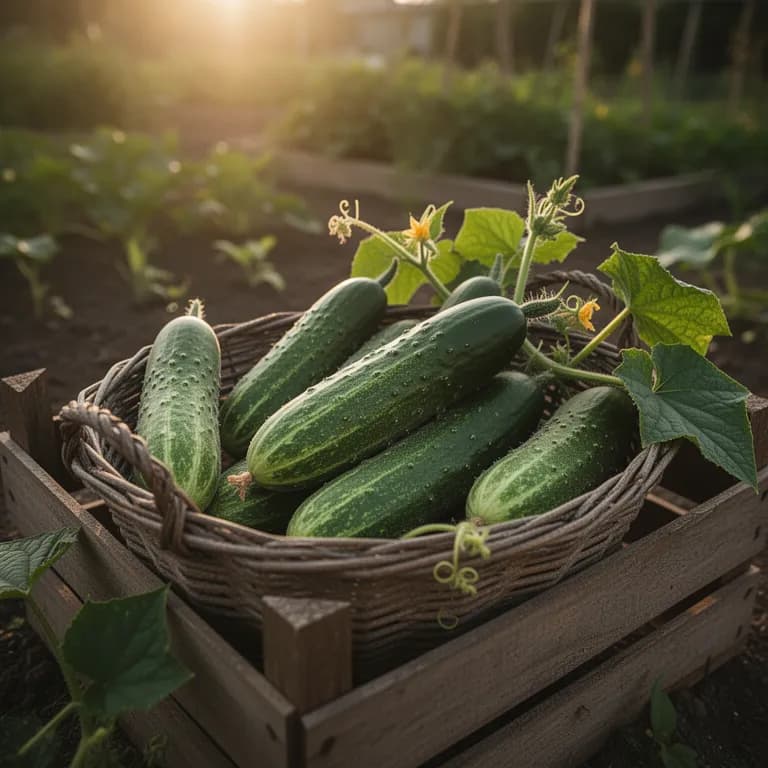
assuming you plant when the window opens — set your real date
Pick English Cucumber promptly and the plant keeps producing.
Storage & Preservation
English cucumbers are best consumed fresh within one week of harvest. Wrap individually in plastic or beeswax wrap to prevent dehydration, as their thin skin lacks the waxy coating of slicing types. Store in the warmest part of the refrigerator, ideally around 50°F, as cold temperatures below 45°F cause chilling injury. English cucumbers are not ideal for traditional pickling due to their thin skin and high water content, but they make excellent quick refrigerator pickles and fresh tzatziki sauce.
What goes wrong — and the fix

Cucumber Beetle
PestFeeding damage on leaves and flowers, transmission of bacterial wilt causing sudden vine collapse.

Downy Mildew
DiseaseAngular yellow patches on upper leaf surface with fuzzy gray-purple mold on leaf undersides, causing rapid defoliation.

Spider Mites
PestFine stippling on leaves, tiny webs visible on leaf undersides, yellowing and bronzing of foliage in severe infestations.
Troubleshooting Common Problems
Bitter fruits are the most common complaint, caused by water stress, temperature extremes, or unwanted pollination in parthenocarpic varieties. Maintain consistent moisture and isolate from other cucumber types. Crooked or hooked fruits result from incomplete pollination or physical obstacles during growth; trellis growing minimizes this issue. Thin skin makes English cucumbers prone to sunscald in very hot conditions; provide light afternoon shade in hot climates. Greenhouse crops are particularly susceptible to spider mites and whiteflies.
Growing Tips
- Always grow English cucumbers on a sturdy trellis at least 6 feet tall. The long fruits hang straight when grown vertically, producing better-looking cucumbers with fewer blemishes and less contact with soil-borne diseases.
- Parthenocarpic varieties are essential for greenhouse growing since they set fruit without bee pollination. If growing these varieties outdoors, isolate them from other cucumber types — cross-pollination causes seedy, bitter fruit.
- Water deeply and consistently, providing 1-1.5 inches per week minimum. English cucumbers are the most water-sensitive cucumber type. Even brief drought stress causes irreversible bitterness in developing fruit.
- Provide afternoon shade in hot climates where temperatures regularly exceed 90°F. The thin skin of English cucumbers makes them prone to sunscald, and extreme heat reduces fruit quality significantly.
- Remove all lateral shoots below 60 cm on the main stem to create a clean trunk. Above that point, allow laterals to grow and produce fruit, pinching them back after two leaf nodes to keep the plant manageable.
- Feed every two weeks with a balanced liquid fertilizer during active growth and fruiting. English cucumbers are heavy feeders that deplete soil nutrients quickly, especially in containers or greenhouse beds.
- Wrap individual harvested cucumbers in plastic wrap or beeswax wrap immediately after picking. Their thin, unwaxed skin dehydrates rapidly — an unwrapped English cucumber loses crispness within 1-2 days even in the refrigerator.
- For the longest harvest window, start a second succession planting 4-6 weeks after the first. As the initial vines slow down, the new plants ramp up production, extending your harvest by several weeks.
Grow your best English Cucumber yet — and everything around it.
Start a free plan today. Lay out your beds, drop in your English Cucumber, and let PlotMyGarden handle the timing, spacing, companions and reminders from seed to harvest basket.
Pick your English Cucumber
Tasty Green
Vigorous outdoor variety producing 10-12 inch fruits with excellent disease resistance. Good heat tolerance for garden growing.
Diva
Award-winning seedless variety with smooth, tender skin and sweet flavor. Semi-dwarf vines with excellent powdery mildew resistance.
Telegraph Improved
Classic English greenhouse variety with extra-long, straight fruits up to 18 inches. Requires protection from pollinators.
Socrates
Parthenocarpic variety well-suited to both greenhouse and outdoor growing. Smooth, dark green fruits with mild, sweet flavor.
English cucumbers are one of the priciest vegetables at the grocery store, typically costing $1.50-3.00 each. A single vine producing 20-30 fruits represents $30-90 in retail value from a plant that costs just $2-4 as a seedling or pennies from seed. Growing 3-4 plants can yield 60-120 cucumbers worth $90-360 at store prices — an exceptional return. The flavor and crispness of a just-picked English cucumber is dramatically superior to shrink-wrapped supermarket fruit that may have been harvested days or weeks prior.
Quick recipes
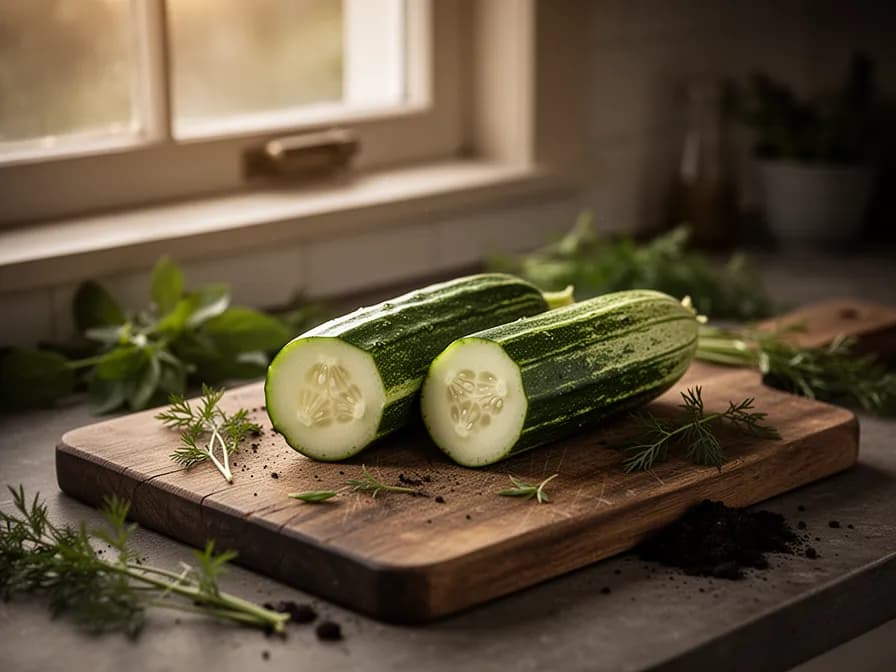
Classic Tzatziki Sauce
15 minA cool, tangy Greek dip that is the ultimate showcase for fresh English cucumbers. Grated cucumber folded into thick yogurt with garlic and dill creates a versatile sauce for grilled meats, pita bread, or as a refreshing dip.
7 ingredients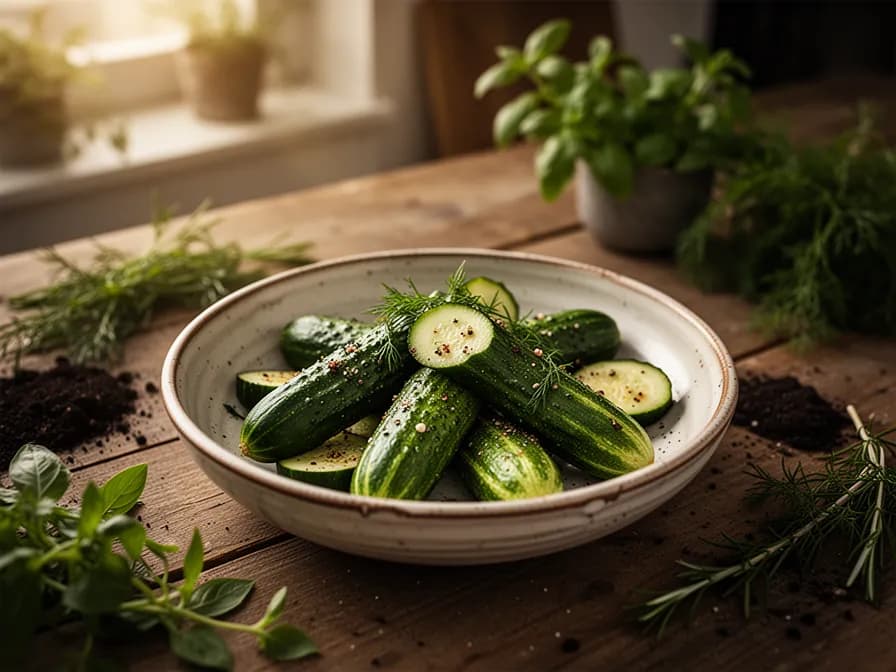
Smashed Cucumber Salad
10 minA popular Chinese-style side dish where smashing the cucumber creates irregular edges that absorb the savory, tangy dressing beautifully. Quick to prepare and full of bold flavor.
8 ingredientsCucumber Mint Cooler
5 minA refreshing, spa-worthy drink that transforms garden cucumbers into pure summer refreshment. Blended cucumber with fresh mint and lime creates a hydrating beverage that can be served as-is or spiked for cocktails.
6 ingredientsCulinary Uses
English cucumbers are the premium choice for fresh eating with their thin, burpless skin and crisp, seed-free flesh. Slice for elegant tea sandwiches, dice for Greek salad, or cut into spears for crudite platters. They are essential for tzatziki, raita, and cucumber soup. Their mild, sweet flavor and tender skin make them preferred for sushi rolls and spring rolls. Spiralized English cucumber makes a refreshing low-carb noodle alternative. They also blend well into green smoothies and juice.
What's inside
Health Benefits
- Exceptional hydration support — at 96% water content, English cucumbers are one of the most hydrating foods available, supporting kidney function, skin health, and overall cellular hydration.
- Contains silica, a mineral compound that strengthens connective tissue and promotes healthy skin, hair, and nails. Regular cucumber consumption can contribute to a healthier, more youthful complexion.
- Rich in vitamin K, which is essential for proper blood clotting and plays a crucial role in maintaining bone density and preventing osteoporosis.
- Provides cucurbitacins and lignans — naturally occurring plant compounds with demonstrated anti-inflammatory properties that may help reduce the risk of chronic diseases.
- The fiber and water content combination supports healthy digestion and regular bowel movements, while the low calorie density makes cucumbers ideal for weight management.
- Contains fisetin, a flavonoid with promising research suggesting neuroprotective benefits, including potential improvements in memory and learning capacity.
Where English Cucumber comes from
The cucumber originated in the Indian subcontinent, where wild ancestors have been identified growing in the foothills of the Himalayas. Cultivation began at least 3,000 years ago, and the crop spread westward through Persia, Greece, and Rome. Roman emperor Tiberius was reportedly so fond of cucumbers that his gardeners devised early greenhouse-like structures to supply them year-round.
The English cucumber as we know it was developed primarily in Victorian-era England, where long, thin-skinned, seedless varieties were perfected for growing in the elegant glasshouses that became status symbols of the British aristocracy. These greenhouses provided the controlled warmth and humidity that English cucumbers demand, and the fruits became a staple of refined English cuisine — think delicate cucumber sandwiches served at afternoon tea.
Modern English cucumber varieties are the product of decades of selective breeding focused on parthenocarpy (seedless fruit production), disease resistance, and uniform appearance. The Netherlands became a global leader in greenhouse cucumber production in the 20th century, refining both varieties and growing techniques. Today, English cucumbers are one of the highest-value greenhouse vegetable crops worldwide, grown on every continent in climate-controlled facilities that would astonish those Victorian gardeners.
English Cucumber: did you know?
Fascinating facts about English Cucumber
English cucumbers are parthenocarpic, meaning they can produce fruit without pollination or fertilization — a trait that makes them perfectly suited to greenhouse growing where bees are absent.
English Cucumber questions, answered
When should I plant English Cucumber?
What are good companion plants for English Cucumber?
What hardiness zones can English Cucumber grow in?
How much sun does English Cucumber need?
How far apart should I space English Cucumber?
What pests and diseases affect English Cucumber?
How do I store English Cucumber after harvest?
What are the best English Cucumber varieties to grow?
What soil does English Cucumber need?
Why are my English cucumbers bitter?
Can I grow English cucumbers outdoors without a greenhouse?
Why are my English cucumbers curving or growing crooked?
How do I prevent spider mites on my English cucumbers?
What is the difference between English cucumbers and regular slicing cucumbers?
You just read the theory. Now grow it on autopilot.
Everything that makes English Cucumber fiddly — the timing, the spacing, the companions, the harvest window — is exactly what PlotMyGarden handles for you, for every plant in your garden.
A plan that knows your weather
Set your location once. Get sow, feed and harvest dates built around your real last-frost date and live forecast — no more guessing from a generic seed packet.
From the “When to plant” sectionDrag-and-drop bed planner
Design beds on a grid. Every plant snaps to its proper spacing, and you can see your whole season laid out before you spend a cent on seed.
From the “Growing guide” sectionCompanion conflicts, caught early
200+ good-and-bad pairings checked live as you plant — so a season-wrecking mistake never makes it into the ground.
From the “Companions” sectionReminders you'll actually act on
“Water the beans.” “Pick today before it turns.” Timely, specific, and tied to the plants you're really growing.
From the “Harvest” sectionSuccession, scheduled
Want a harvest for six weeks, not six days? It spaces your sowings automatically and reminds you when each new block is due.
From the “When to plant” sectionA record that gets smarter
Every harvest you log teaches it your garden. Next year's plan starts from what actually worked in your soil, not a textbook's.
From the “Overview” sectionPlant these alongside English Cucumber
More Cucurbits
Keep English Cucumber away from these
Grow your best English Cucumber yet — and everything around it.
Start a free plan today. Lay out your beds, drop in your English Cucumber, and let PlotMyGarden handle the timing, spacing, companions and reminders from seed to harvest basket.