Lemon Cucumber
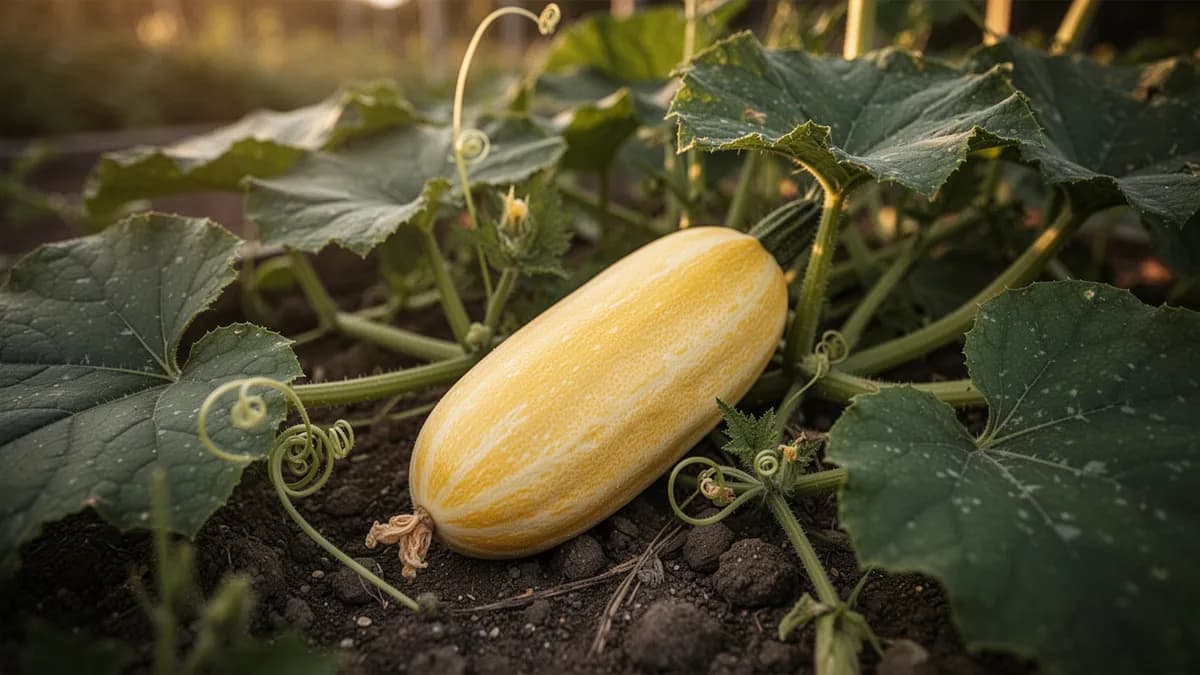
A round, yellow cucumber resembling a lemon in shape and color, with a mild, sweet, never-bitter flavor.





On this pageOverview
Meet Lemon Cucumber
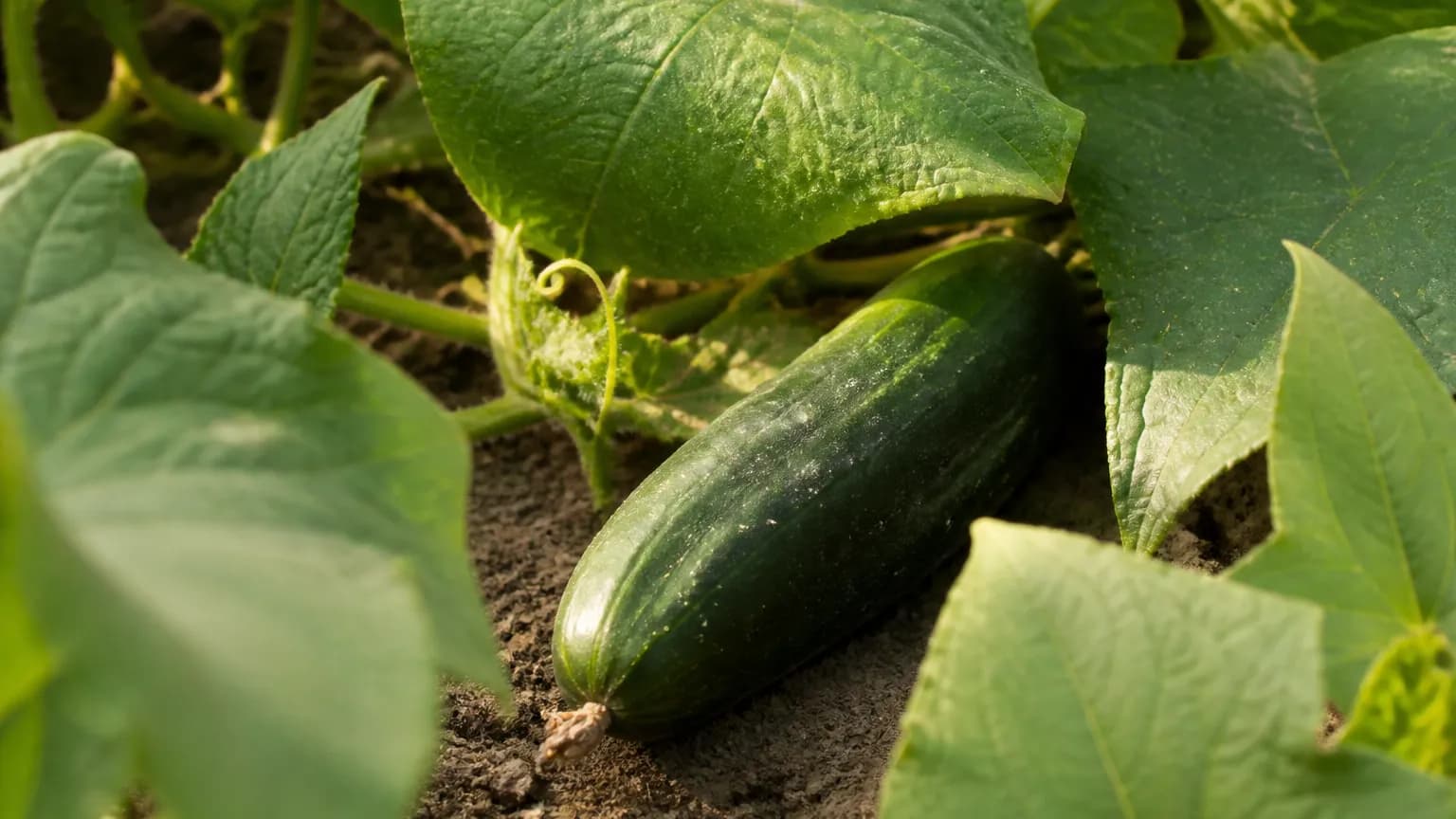
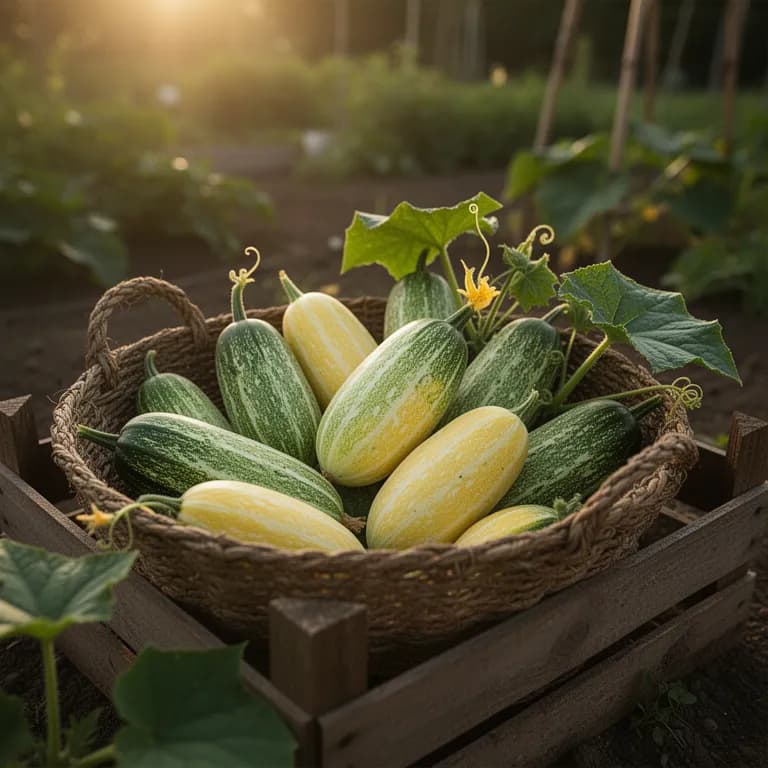
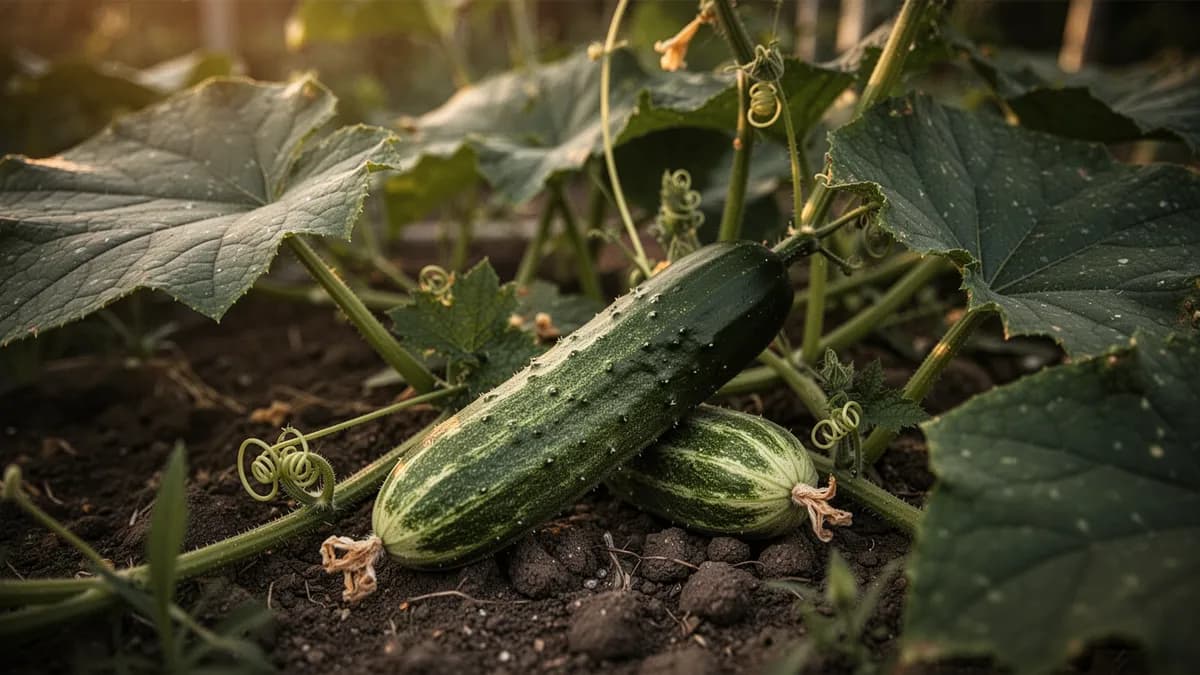
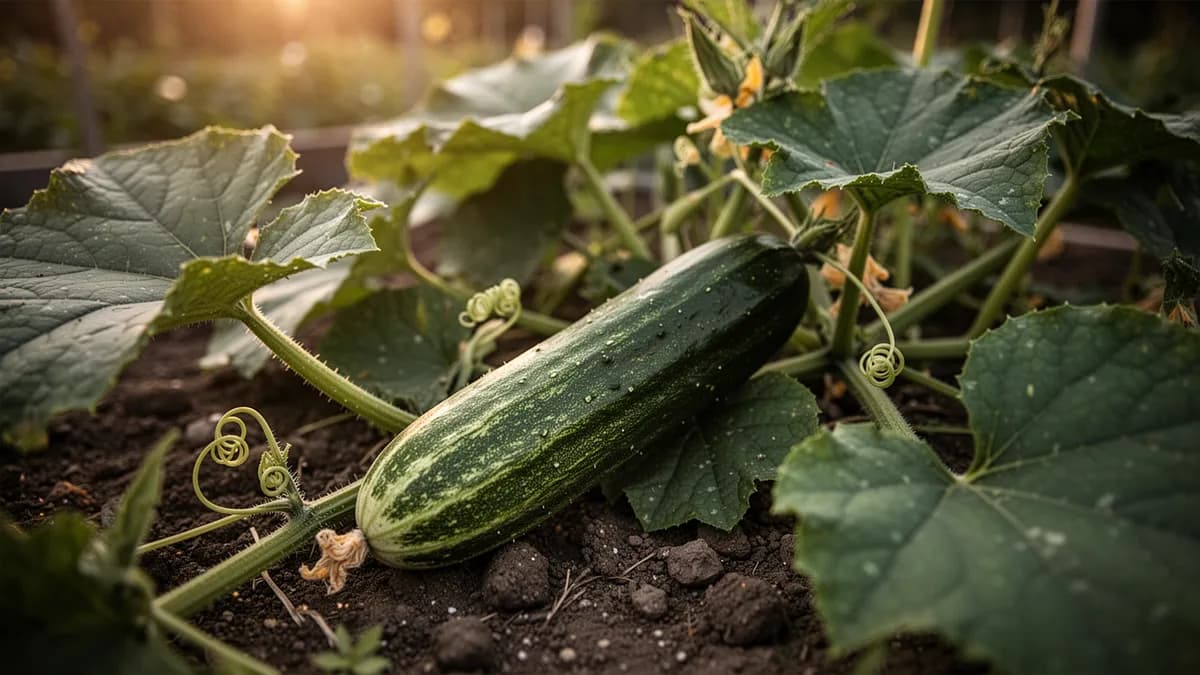
A round, yellow cucumber resembling a lemon in shape and color, with a mild, sweet, never-bitter flavor. Lemon cucumbers are highly productive and make charming additions to salads, relish trays, and pickles. Harvest when the fruits are bright yellow and about the size of a tennis ball, before they become overly seedy. The thin skin is edible and the crisp flesh is excellent for those who find traditional cucumbers too strong or bitter.
When to plant Lemon Cucumber
Direct sow lemon cucumber seeds outdoors when soil temperature reaches 65°F, planting 1 inch deep and 12 inches apart. Germination occurs in 5-10 days in warm soil. For an earlier start, sow seeds indoors 3-4 weeks before the last frost in biodegradable pots. Maintain 75-85°F soil temperature with a heat mat. Transplant carefully without disturbing roots. As an open-pollinated heirloom, lemon cucumbers produce true-to-type seeds that can be saved from ripe fruits for next season's planting.
Your Lemon Cucumber Year
Composed for Zone 7 · typical seasons · frost passes Apr 2, returns Nov 1
Plant Lemon Cucumber Apr – Jun, pick Jul – Sep. Check the planting methods below and set your climate to personalize these windows.
How to grow Lemon Cucumber
Lemon cucumbers are charming heirloom varieties that produce round, yellow-skinned fruits about the size and shape of a lemon, though they taste purely like a mild, sweet cucumber. Direct sow seeds 1 inch deep and 12 inches apart after frost danger passes and soil reaches 65°F. These vigorous plants can be grown on a trellis or allowed to sprawl, though trellising keeps fruits cleaner and saves space.
Lemon cucumbers are prolific producers that are incredibly easy to grow, making them excellent for beginning gardeners. They tolerate a wider range of conditions than many cucumber varieties and continue producing well into warm weather. Water consistently with 1-1.5 inches per week and mulch to maintain soil moisture. Like all cucumbers, they are sensitive to cold and should not be planted until the soil has thoroughly warmed.
These open-pollinated plants require bee pollination for fruit set. Avoid spraying insecticides during flowering to protect pollinators. Lemon cucumbers tend to produce an abundance of fruit all at once; stagger plantings 3 weeks apart for a more even harvest. The plants are vigorous growers that benefit from occasional pruning of lateral shoots to improve air circulation and direct energy toward fruit production.
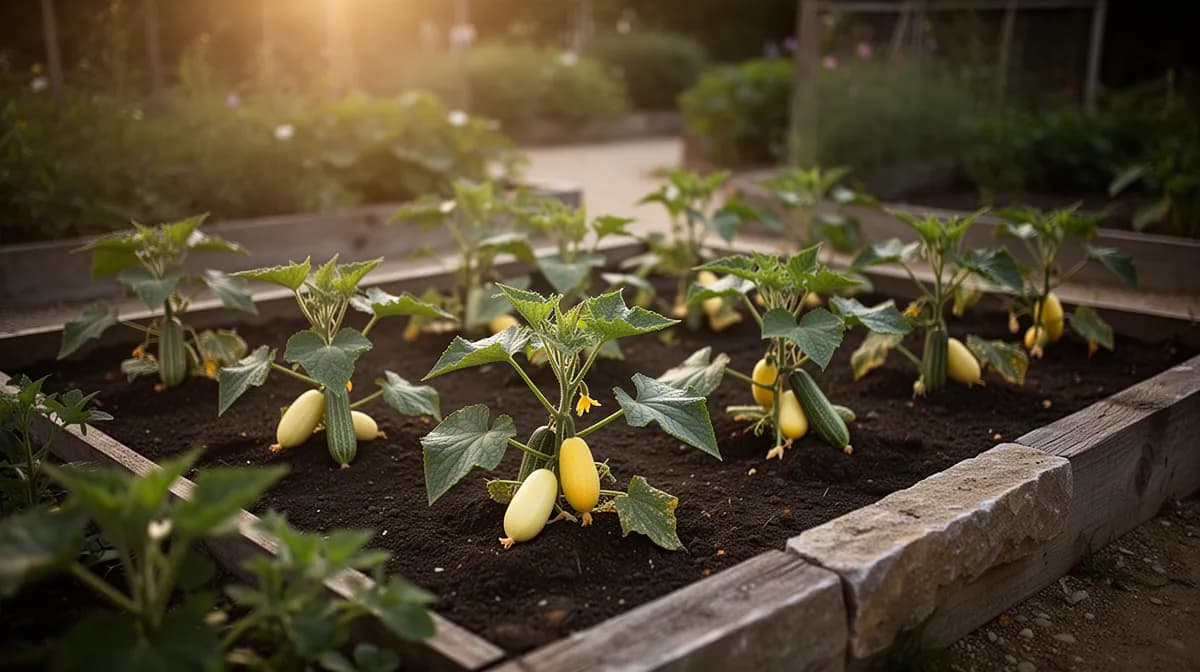
8 plants fit a 4 × 8 ft bed
Each Lemon Cucumber wants 60 cm of elbow room. The planner keeps that spacing for you — every plant, every bed.
Lemon Cucumber's best neighbours
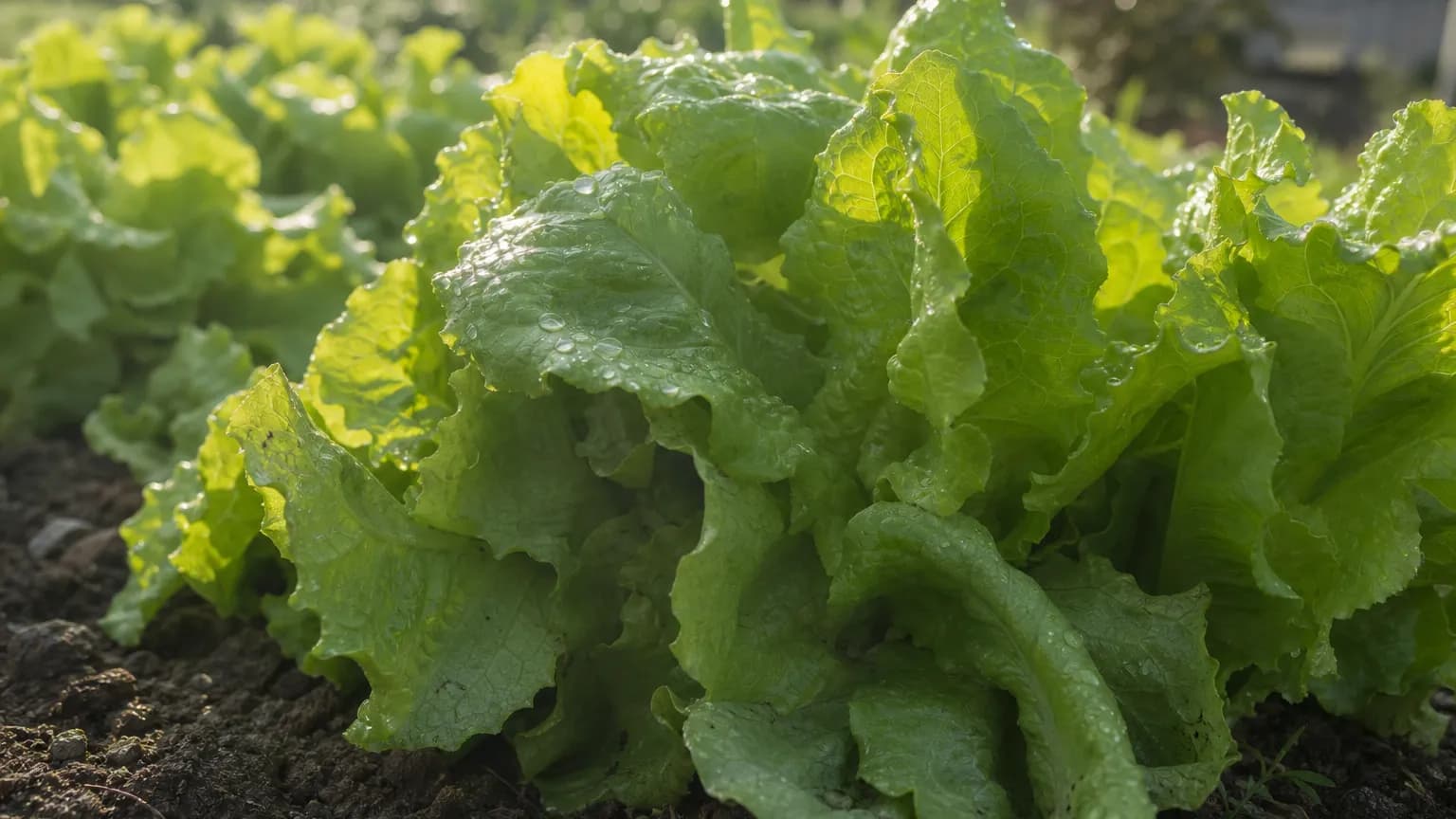
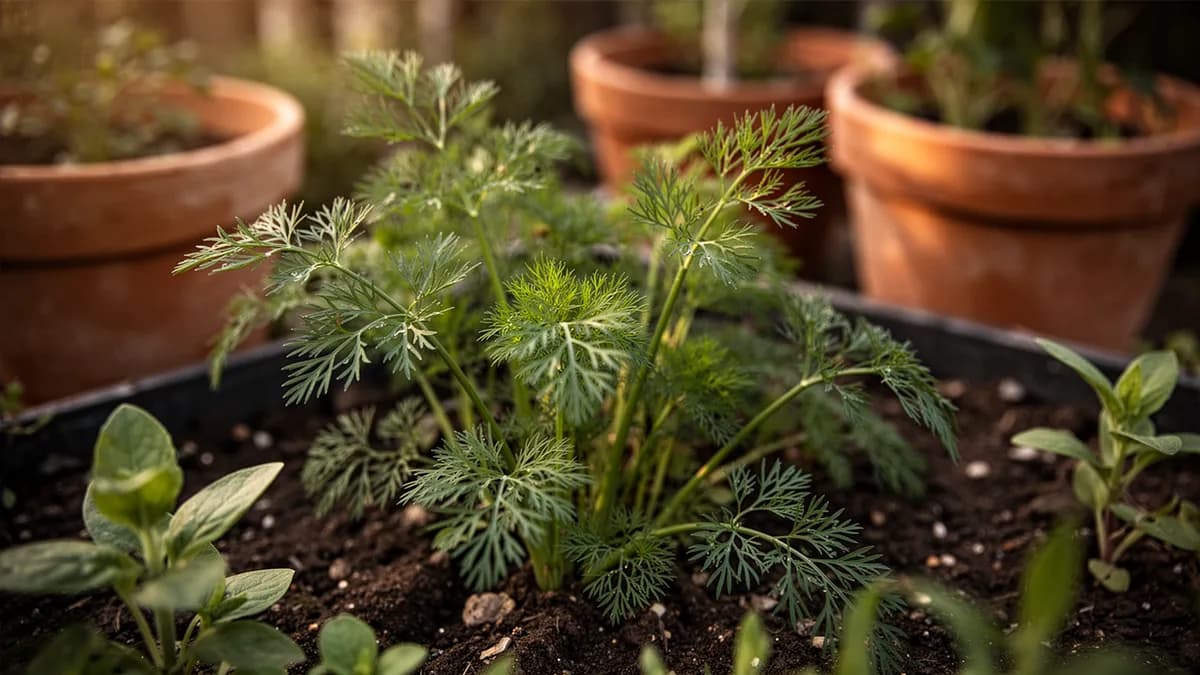
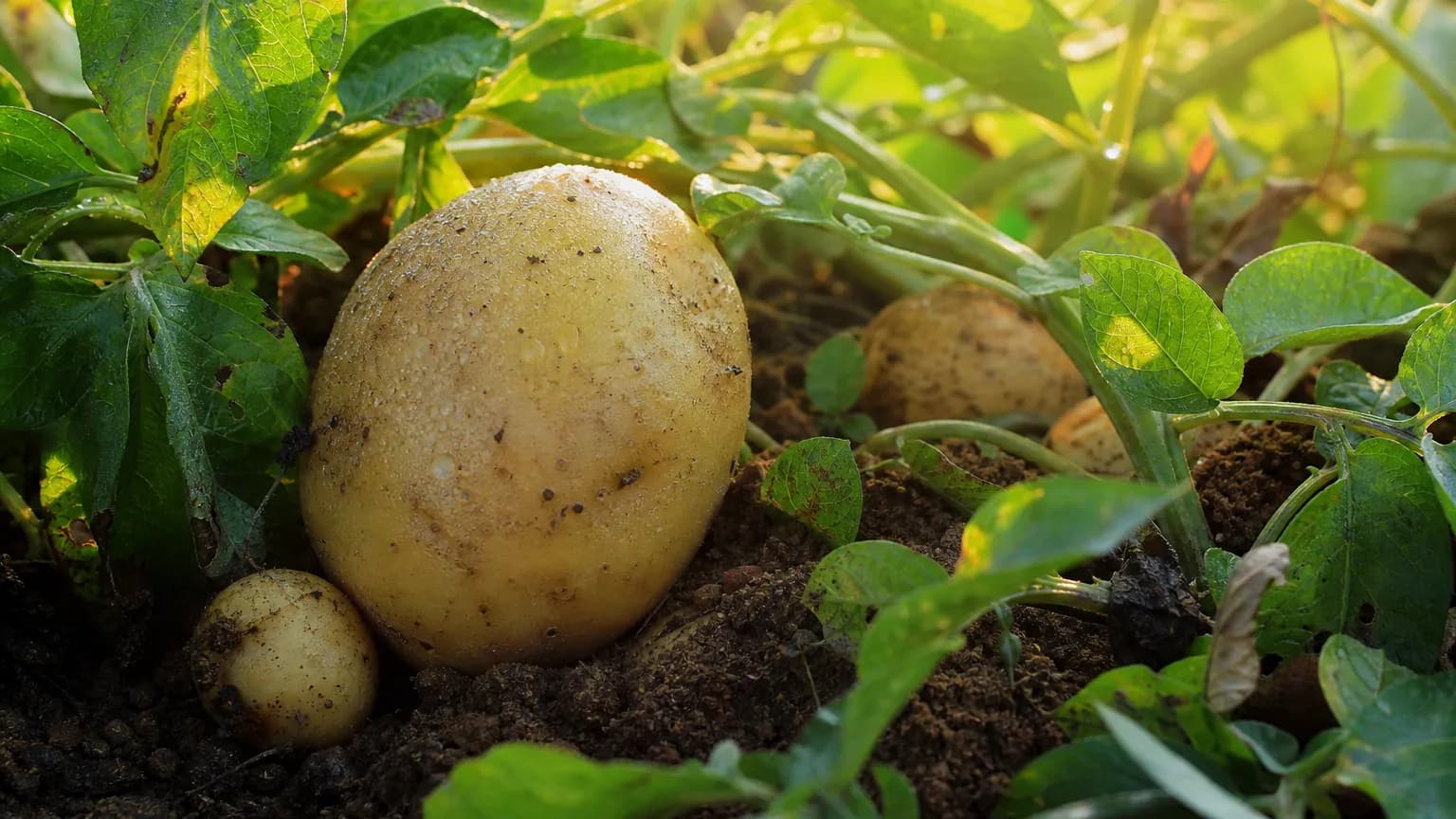
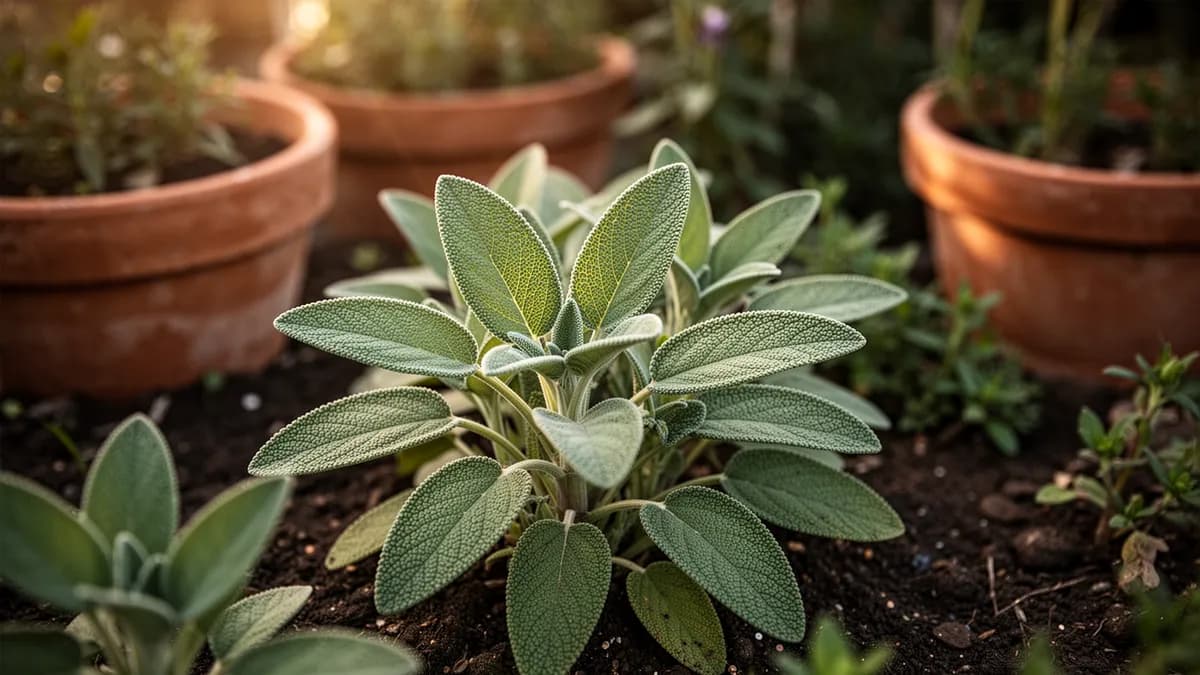
Lemon cucumbers benefit from the same companions as other cucumber types. Plant near corn and beans which provide mutual benefits through the Three Sisters arrangement. Sunflowers and zinnias nearby attract pollinators critical for fruit set. Dill attracts beneficial predatory insects but should be planted at a distance as mature dill may inhibit cucumber growth. Nasturtiums serve as trap crops for aphids. Avoid planting near potatoes and strongly aromatic herbs like sage.
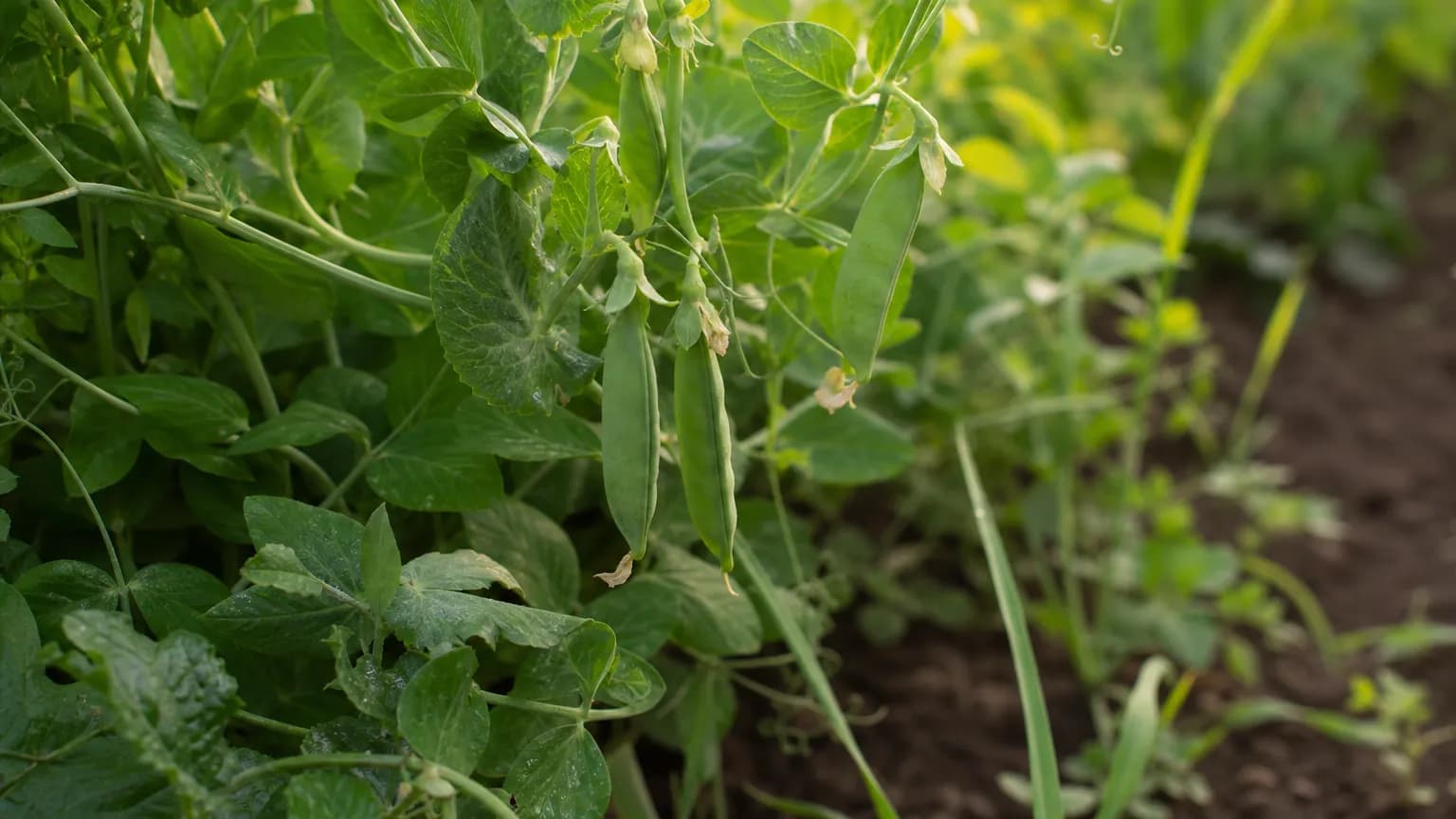
Peas belongs beside it. Potato doesn't.
Old growers' knowledge, checked against Lemon Cucumber's real companion table below — test any plant you're growing.
Try Lemon Cucumber in a bed — right here
A real planner bed with Lemon Cucumber already in it. Tap a companion to place it and watch the pairing checks answer — green for good neighbours, red for a clash.


Related growing guides
Feed it well
Lemon cucumbers grow best in rich, well-drained soil with a pH of 6.0-7.0 amended with plenty of compost. Apply a balanced vegetable fertilizer at planting and side-dress with compost or fish emulsion when plants begin to flower. Feed every 2-3 weeks during active fruiting to sustain the heavy production these plants are known for. Avoid excessive nitrogen which produces more vines than fruit. Mulch with straw or shredded leaves to maintain consistent soil moisture and suppress weeds.
Ideal Temperature
Hardiness Zone Compatibility
From seed to harvest, stage by stage
Seed Germination
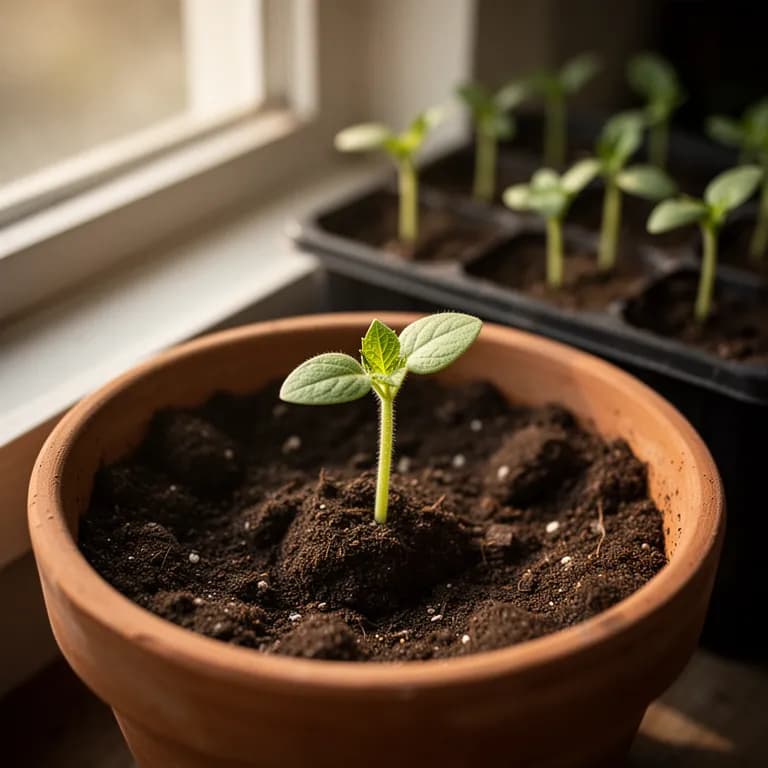
Seeds swell and crack open in warm, moist soil. The white radicle root emerges first, anchoring into the ground, followed by the hypocotyl arch pushing rounded cotyledon leaves above the surface. Germination requires soil temperatures of at least 18°C (65°F) and takes 5-10 days.
Seedling Establishment
True leaves develop with the characteristic rough, lobed cucumber shape. The seedling establishes a branching root system and begins to produce tendrils seeking support. Growth is initially slow but accelerates as temperatures warm and roots establish.
Vine Growth
Vigorous vine growth with large leaves spreading rapidly along the ground or up trellises. Lateral branches develop and the plant can cover a substantial area. Tendrils grip tightly to any available support structure.
Flowering
Bright yellow flowers appear in the leaf axils, with male flowers emerging first followed by females a few days later. Female flowers are identifiable by the small round swelling at the base that will become the fruit. Bees are essential for pollination and fruit set.
Fruit Development
Pollinated flowers develop into small round fruits that expand rapidly in warm weather. Fruits transition from green to pale yellow as they approach harvest size, resembling small lemons. Multiple fruits develop simultaneously as the vine continues flowering.
Harvest Season
Plants enter sustained production for 4-6 weeks, simultaneously flowering and fruiting. A healthy vine can produce 20-30 fruits over the harvest period. Fruits mature quickly in warm weather and should be checked daily to harvest at the ideal pale yellow, tennis-ball size.
Keep soil consistently moist but not waterlogged during germination. A light layer of vermiculite over the seeds helps retain moisture. Soil temperatures of 24-29°C (75-85°F) produce the fastest and most reliable germination.
Caring for Lemon Cucumber month by month
What to do each month for your Lemon Cucumber
October
You are hereFinal harvests in most zones. Collect and process saved seeds by fermenting in water for 2-3 days, rinsing, and drying. Pull spent vines and compost healthy material. Note your planting dates and yield for next year's planning.
Know exactly what to do in your garden — every month
One email at the start of each month: what to sow, plant, and tackle right now — for your Lemon Cucumber and everything growing around it. Plus a short starter course that helps you dodge the classic mistakes.
- What to do, right now
- Matched to your season
- Starter course included
Harvesting Lemon Cucumber
Harvest lemon cucumbers when they are about the size of a tennis ball, 2-3 inches in diameter, and still pale yellow to light gold. At this stage they are crisp, mild, and virtually seedless. Once fruits turn deep gold-orange, they become seedy and less flavorful. Check plants daily during peak season as fruits mature quickly. Twist or cut fruits from the vine gently. Lemon cucumbers are ready approximately 60-70 days from sowing and plants continue producing for 4-6 weeks with regular harvesting.
assuming you plant when the window opens — set your real date
Pick Lemon Cucumber promptly and the plant keeps producing.
Storage & Preservation
Fresh lemon cucumbers keep in the refrigerator for up to one week. Their round shape and mild flavor make them ideal for slicing into salads and pickle jars. For pickling, use whole small fruits or halves for a visually striking preserved product. Quick refrigerator pickles with rice vinegar and sesame create an Asian-inspired snack. For longer storage, lemon cucumbers can be processed using standard cucumber pickle canning recipes. They also make attractive additions to relish trays and charcuterie boards.
What goes wrong — and the fix
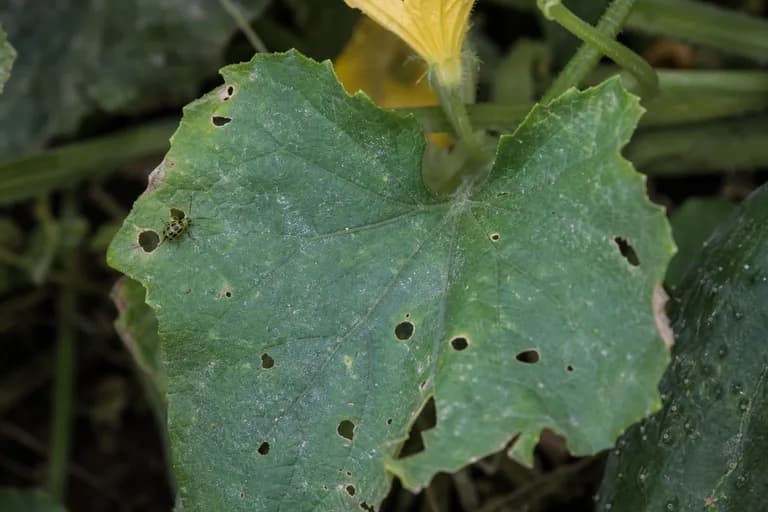
Cucumber Beetle
PestStriped or spotted beetles chewing on leaves, stems, and fruits, potentially transmitting bacterial wilt.
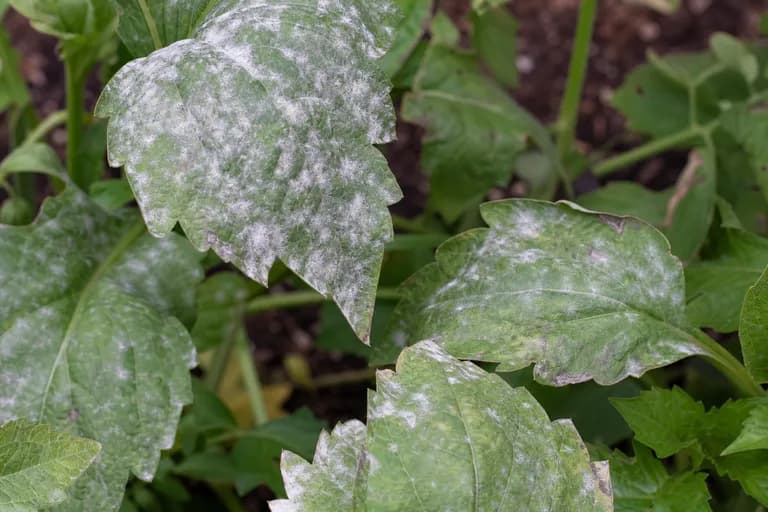
Powdery Mildew
DiseaseWhite powdery coating on leaf surfaces reducing photosynthesis and fruit production in late season.
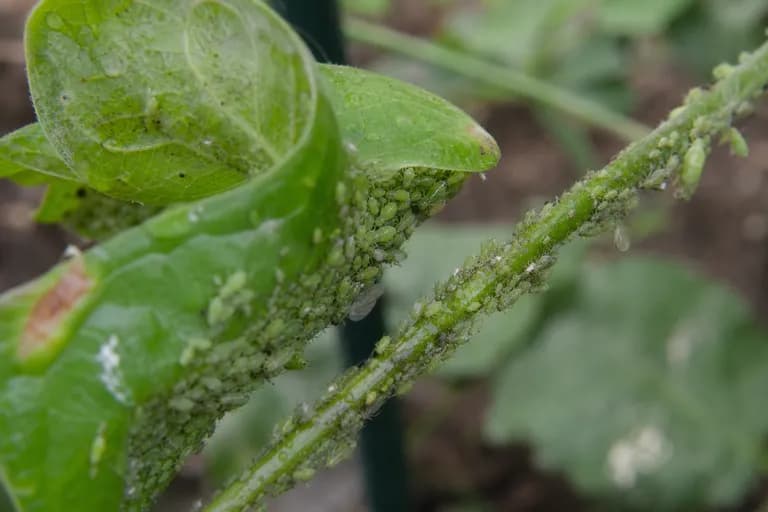
Aphids
PestClusters of small green or black insects on shoot tips causing curled leaves, stunted growth, and sticky honeydew.
Troubleshooting Common Problems
Overripe fruits left on the vine are the biggest issue, as they suppress new production and become seedy and bland. Harvest frequently even if you cannot use all the fruits. Bitter fruit is rare in lemon cucumbers but can occur with severe water stress. Misshapen fruits indicate poor pollination; attract bees by planting flowers nearby. Lemon cucumbers are susceptible to the same diseases as other cucumbers; practice crop rotation and remove plant debris at season end.
Growing Tips
- Grow on a trellis whenever possible. Lemon cucumbers grown vertically produce rounder, cleaner fruits with fewer blemishes and are much easier to spot among the foliage than ground-sprawled vines where ripe fruits hide under leaves.
- Harvest at the pale yellow stage — about the size of a tennis ball (5-7 cm diameter). Once fruits turn deep gold or orange, they are overripe with tough seeds and diminished flavor. Check plants daily during peak production.
- Stagger plantings every 3 weeks from late spring through early summer. Lemon cucumbers tend to produce an intense flush of fruit followed by declining yields. Succession planting ensures a continuous supply throughout the season.
- Mulch heavily with straw or shredded leaves after the soil has warmed. Lemon cucumbers are shallow-rooted and sensitive to soil temperature fluctuations and moisture swings — a 7-10 cm mulch layer moderates both effectively.
- Water at the base of plants using drip irrigation or a soaker hose, never overhead. Wet foliage dramatically increases the risk of powdery mildew, which is the most common disease affecting lemon cucumbers in humid climates.
- Plant flowers like marigolds, zinnias, and borage nearby to attract pollinators. Lemon cucumbers require bee pollination for fruit set, and gardens with abundant pollinator activity produce significantly higher yields.
- Save seeds from your best fruits for next year — lemon cucumbers are open-pollinated and produce true-to-type offspring. Let one fruit turn fully gold on the vine, scoop out seeds, ferment in water for 2-3 days to remove the gel coating, rinse, and dry completely before storing.
- Remove the first few flowers that appear on young plants to redirect energy toward vine and root development. This brief sacrifice results in a stronger plant that ultimately produces more total fruit over the season.
Grow your best Lemon Cucumber yet — and everything around it.
Start a free plan today. Lay out your beds, drop in your Lemon Cucumber, and let PlotMyGarden handle the timing, spacing, companions and reminders from seed to harvest basket.
Pick your Lemon Cucumber
Lemon
The standard heirloom lemon cucumber with round, yellow fruits and mild, sweet flavor. Very productive and easy to grow from saved seed.
Crystal Lemon
Refined selection with more uniform fruit size and shape. Slightly earlier maturity and good disease tolerance.
True Lemon
Selected strain with consistent tennis-ball size and pale yellow color at peak ripeness. Crisp texture and sweet flavor.
A single lemon cucumber vine grown from a packet of seeds costing $3-4 (which contains 25-50 seeds) can produce 25-40 fruits over the season. Specialty heirloom cucumbers like lemon cucumbers sell for $3-6 per pound at farmers markets when they are available at all — most grocery stores simply do not carry them. Growing just 3-4 plants can yield 10-20 kg of this hard-to-find variety worth $60-150 at market prices. The true value goes beyond cost savings: homegrown lemon cucumbers harvested minutes before eating deliver a crisp, sweet experience that is impossible to replicate with shipped produce.
Quick recipes
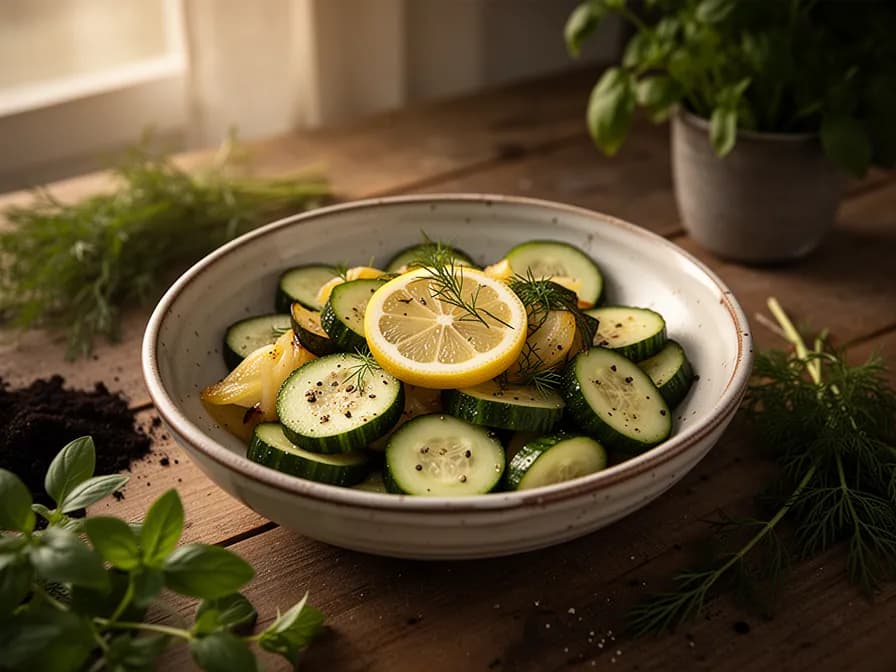
Lemon Cucumber and Feta Summer Salad
10 minA refreshing no-cook salad that showcases the mild sweetness of lemon cucumbers. The round slices pair beautifully with salty feta, fresh mint, and a bright lemon vinaigrette for a stunning side dish.
7 ingredientsQuick Refrigerator Pickled Lemon Cucumbers
15 minHalved lemon cucumbers pickled in a sweet-tangy brine with dill and garlic. Their round shape makes visually stunning pickle jars, and the mild flesh absorbs flavors beautifully. Ready to eat in just 24 hours.
9 ingredientsLemon Cucumber Gazpacho
15 minA chilled summer soup that highlights the delicate, never-bitter flavor of lemon cucumbers. Blended with yogurt, fresh herbs, and a hint of garlic, this is the perfect light lunch on a hot day.
9 ingredientsCulinary Uses
Lemon cucumbers have a mild, sweet flavor with no bitterness, making them perfect for eating fresh right from the garden. Their round shape is ideal for slicing into attractive circles for salads and sandwiches. They shine in cucumber water, gazpacho, and summer salads. Children love their unusual appearance and gentle flavor. Use halved and hollowed as edible cups for dips or chicken salad. They pickle beautifully, maintaining their unique shape in jars, and make stunning additions to relish trays.
What's inside
Health Benefits
- Exceptionally high water content of approximately 96% makes lemon cucumbers one of the best whole-food sources of hydration, helping maintain fluid balance and supporting kidney function during hot summer months.
- Contains silica, a trace mineral that supports the production of collagen and elastin — the structural proteins responsible for healthy skin elasticity, strong nails, and resilient hair.
- The flavonoid fisetin found in cucumber flesh has been studied for its neuroprotective properties and potential to support memory and learning by reducing age-related oxidative damage in brain cells.
- Low glycemic impact and high water content make lemon cucumbers an ideal snack for blood sugar management — they provide satisfying crunch and volume with virtually no effect on blood glucose levels.
- The edible skin provides lignans, plant compounds that have been associated in population studies with reduced risk of cardiovascular disease and certain hormone-sensitive conditions.
- Anti-inflammatory compounds including beta-carotene, flavonols, and triterpenes in cucumber flesh may help reduce chronic inflammation markers and support joint comfort.
Where Lemon Cucumber comes from
The lemon cucumber is a cherished American heirloom variety of Cucumis sativus that first appeared in seed catalogs in the late 1800s. Its exact origin is debated, but most horticultural historians trace it to introductions from India or the Middle East, where round and yellow cucumber varieties have been grown for centuries. Samuel Wilson of Mechanicsville, Pennsylvania is often credited with popularizing the variety in the United States after listing it in his seed catalog around 1894.
The variety gained steady popularity through the early twentieth century among home gardeners who valued its unusual appearance, prolific production, and exceptionally mild flavor. Unlike many heirloom vegetables that fell out of favor during the mid-century push for commercial uniformity, lemon cucumbers maintained a loyal following among seed savers and cottage gardeners. Their round shape made them impractical for commercial packing and shipping, which ironically preserved them as a purely home-garden treasure.
In the late twentieth century, the heirloom seed movement brought renewed attention to lemon cucumbers. Organizations like Seed Savers Exchange and Baker Creek Heirloom Seeds championed the variety, introducing it to a new generation of gardeners drawn to unusual, flavorful, and historically significant crops. Today, lemon cucumbers are among the most popular heirloom cucumber varieties worldwide, grown on every continent and prized for their unique appearance, reliable production, gentle flavor, and the simple joy of harvesting something that looks like a lemon but tastes like the mildest, sweetest cucumber imaginable.
Lemon Cucumber: did you know?
Fascinating facts about Lemon Cucumber
Despite their name and appearance, lemon cucumbers taste nothing like lemons — they are pure cucumber with a mild, sweet flavor and zero bitterness. The name comes solely from their round shape and bright yellow color at maturity.
Lemon Cucumber questions, answered
When should I plant Lemon Cucumber?
What are good companion plants for Lemon Cucumber?
What hardiness zones can Lemon Cucumber grow in?
How much sun does Lemon Cucumber need?
How far apart should I space Lemon Cucumber?
What pests and diseases affect Lemon Cucumber?
How do I store Lemon Cucumber after harvest?
What are the best Lemon Cucumber varieties to grow?
What soil does Lemon Cucumber need?
Do lemon cucumbers actually taste like lemons?
When exactly should I pick lemon cucumbers — how do I know they are ready?
Why are my lemon cucumber plants producing flowers but no fruit?
Can I grow lemon cucumbers in a container on my patio?
Are lemon cucumbers good for pickling?
How do lemon cucumbers compare to regular slicing cucumbers for growing difficulty?
You just read the theory. Now grow it on autopilot.
Everything that makes Lemon Cucumber fiddly — the timing, the spacing, the companions, the harvest window — is exactly what PlotMyGarden handles for you, for every plant in your garden.
A plan that knows your weather
Set your location once. Get sow, feed and harvest dates built around your real last-frost date and live forecast — no more guessing from a generic seed packet.
From the “When to plant” sectionDrag-and-drop bed planner
Design beds on a grid. Every plant snaps to its proper spacing, and you can see your whole season laid out before you spend a cent on seed.
From the “Growing guide” sectionCompanion conflicts, caught early
200+ good-and-bad pairings checked live as you plant — so a season-wrecking mistake never makes it into the ground.
From the “Companions” sectionReminders you'll actually act on
“Water the beans.” “Pick today before it turns.” Timely, specific, and tied to the plants you're really growing.
From the “Harvest” sectionSuccession, scheduled
Want a harvest for six weeks, not six days? It spaces your sowings automatically and reminds you when each new block is due.
From the “When to plant” sectionA record that gets smarter
Every harvest you log teaches it your garden. Next year's plan starts from what actually worked in your soil, not a textbook's.
From the “Overview” sectionPlant these alongside Lemon Cucumber
More Cucurbits
Keep Lemon Cucumber away from these
Grow your best Lemon Cucumber yet — and everything around it.
Start a free plan today. Lay out your beds, drop in your Lemon Cucumber, and let PlotMyGarden handle the timing, spacing, companions and reminders from seed to harvest basket.