Calabaza Butternut
Una calabaza de invierno enredadera con sabor dulce y a nuez.





En esta páginaResumen
Conoce Calabaza Butternut
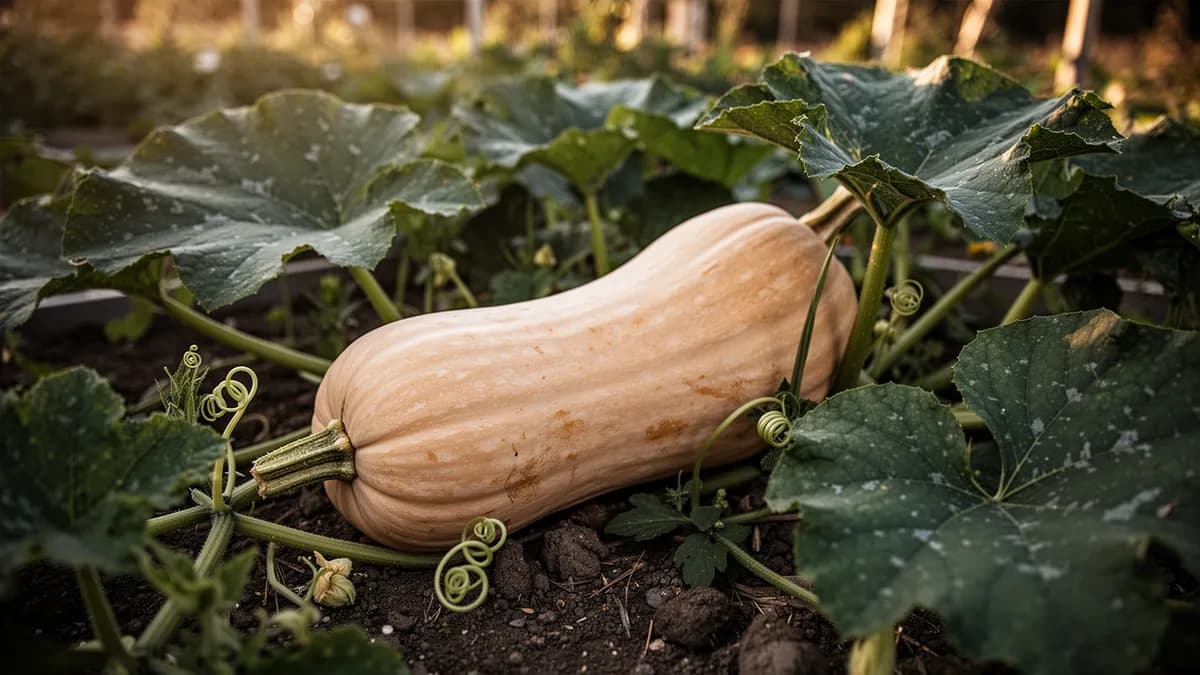
Una calabaza de invierno enredadera con sabor dulce y a nuez. La calabaza butternut tiene cáscara suave y pulpa cremosa.
Cuándo plantar Calabaza Butternut
Siembre directamente después de la última helada.
Tu año de Calabaza Butternut
Ajustado a Zona 7 · temporada típica · la helada se va hacia el 2 abr y vuelve hacia el 1 nov
Planta Calabaza Butternut May – Jun y cosecha Sep – Oct. Consulta los métodos de plantación y elige tu clima para adaptar los periodos.
Cómo cultivar Calabaza Butternut
Plante calabaza butternut después de la última helada. Siembre semillas 2,5 cm de profundidad. Las plantas necesitan espacio para enredar.
Las calabazas son alimentadores pesados. Mantenga humedad constante durante la formación de frutos.
2 plantas caben en un bancal de 120 × 240 cm
Cada Calabaza Butternut pide 120 cm de margen. El planificador guarda ese marco por ti — cada planta, cada bancal.
Los mejores vecinos de Calabaza Butternut
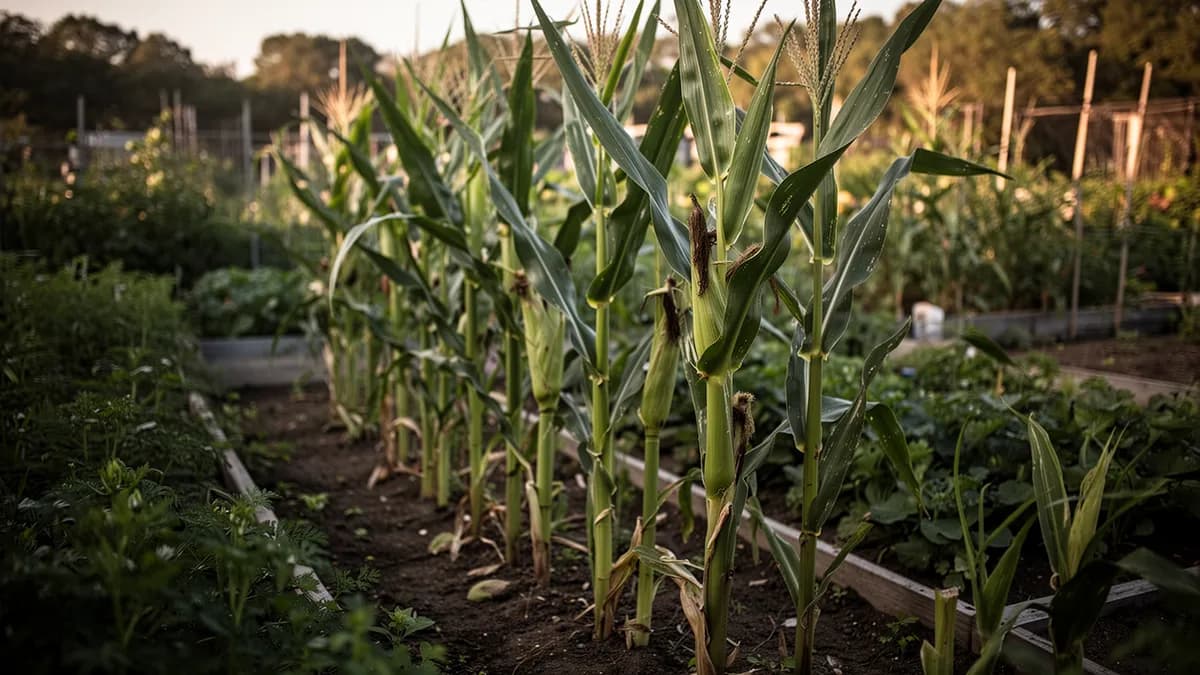
Maíz y frijoles son buenos compañeros.
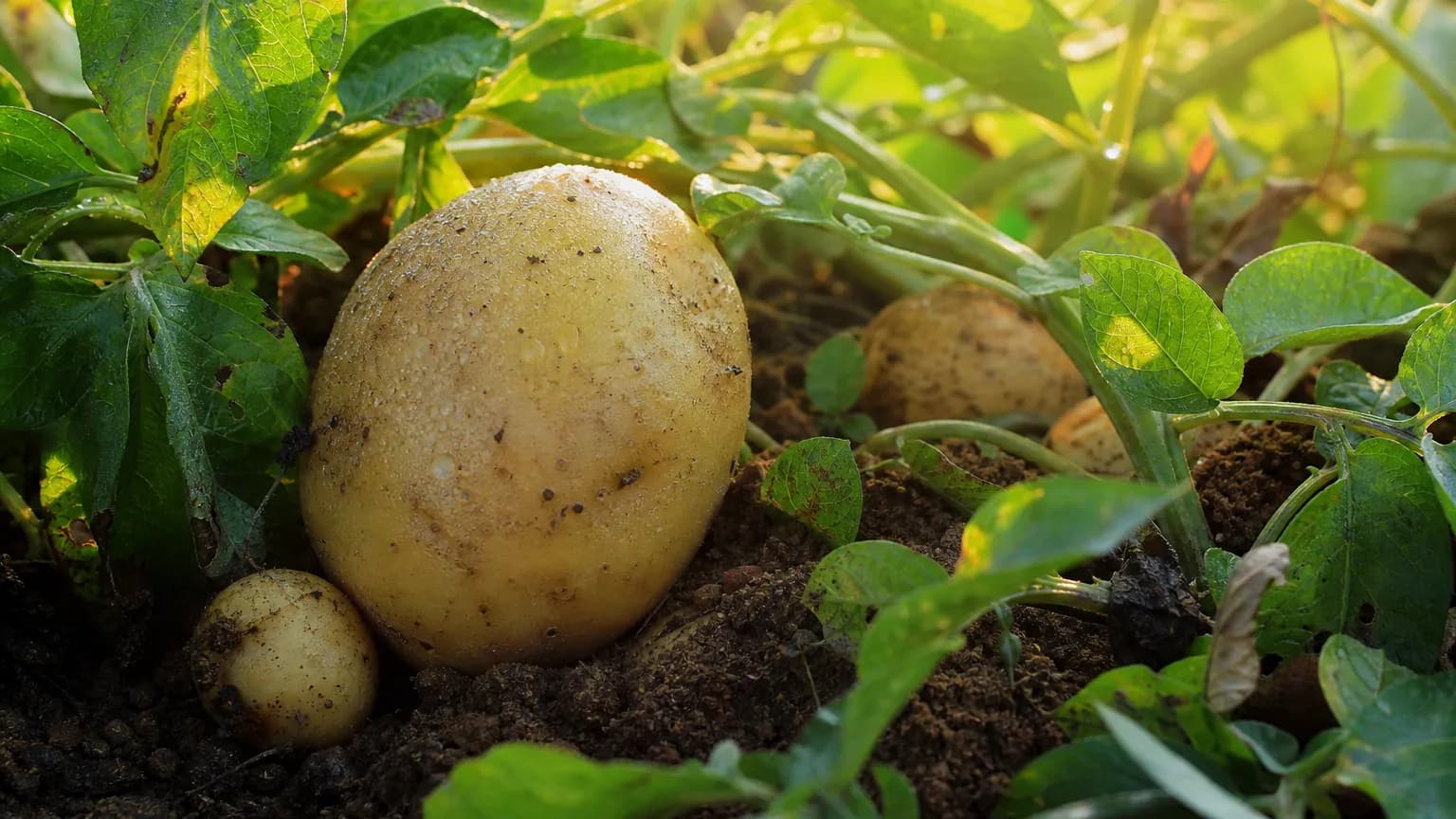
Maíz va a su lado. Papa no.
Saber de huerto de siempre, cotejado con la tabla real de Calabaza Butternut — prueba cualquier planta que cultives.
Prueba Calabaza Butternut en un bancal, aquí mismo
Un bancal real del planificador con Calabaza Butternut ya plantado. Toca una planta compañera para colocarla y mira cómo responde la comprobación de vecinos: verde para buenos vecinos, rojo si hay conflicto.


Guías de cultivo relacionadas
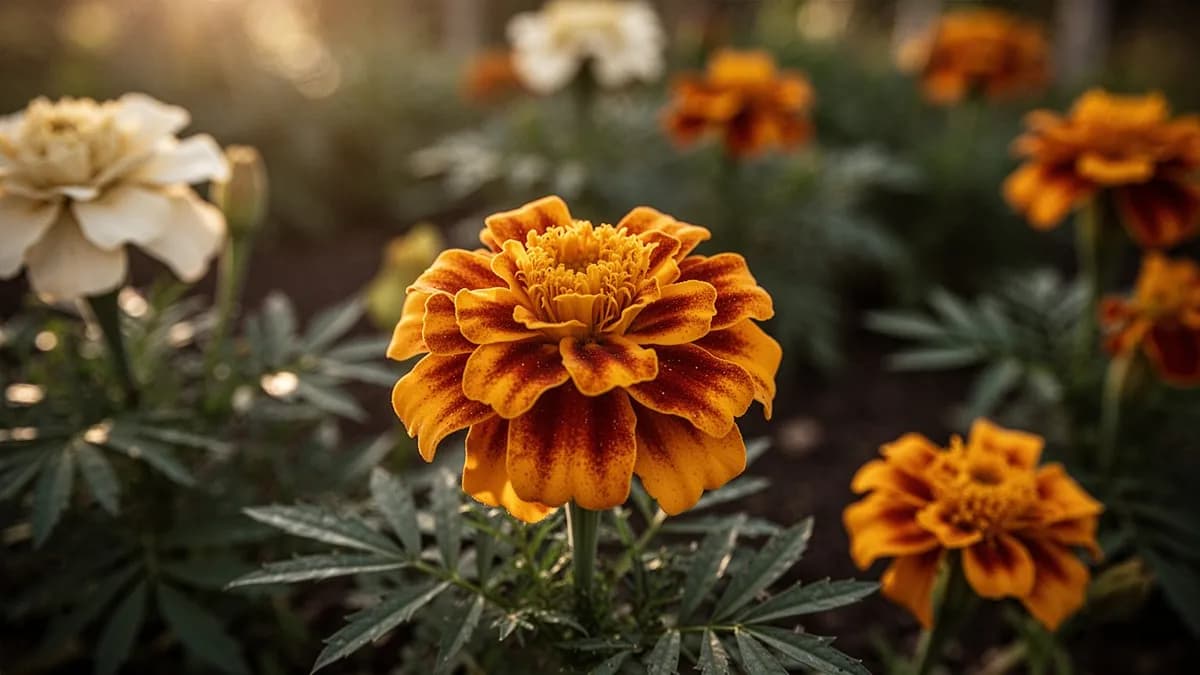
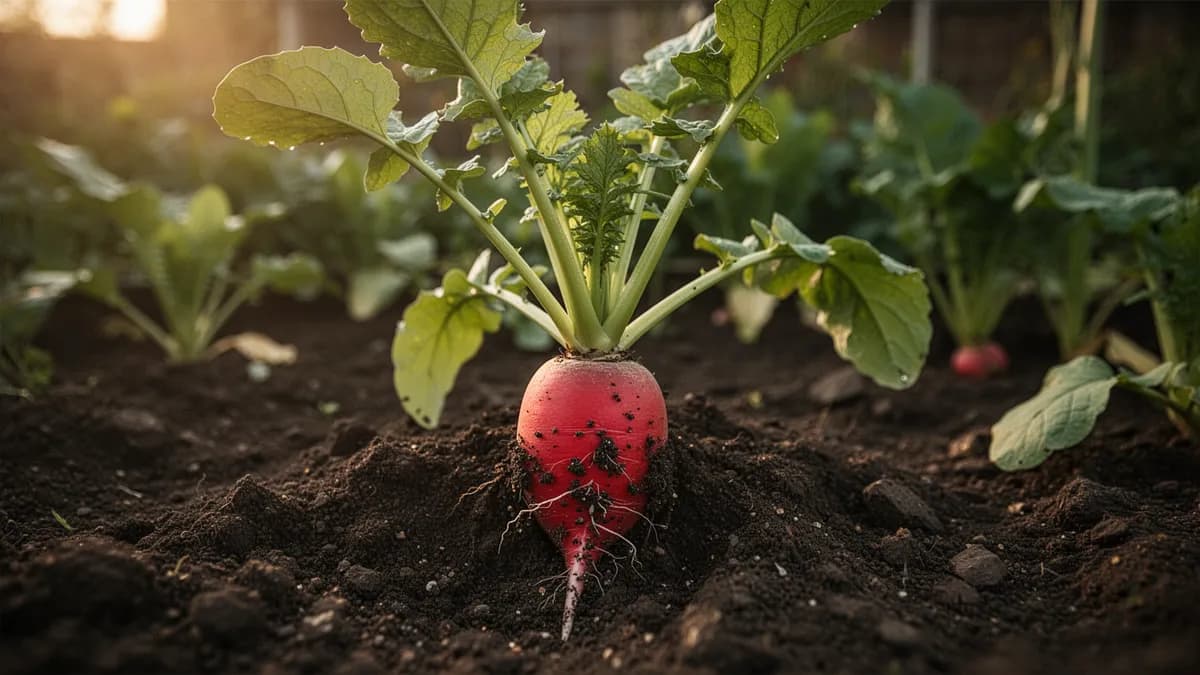
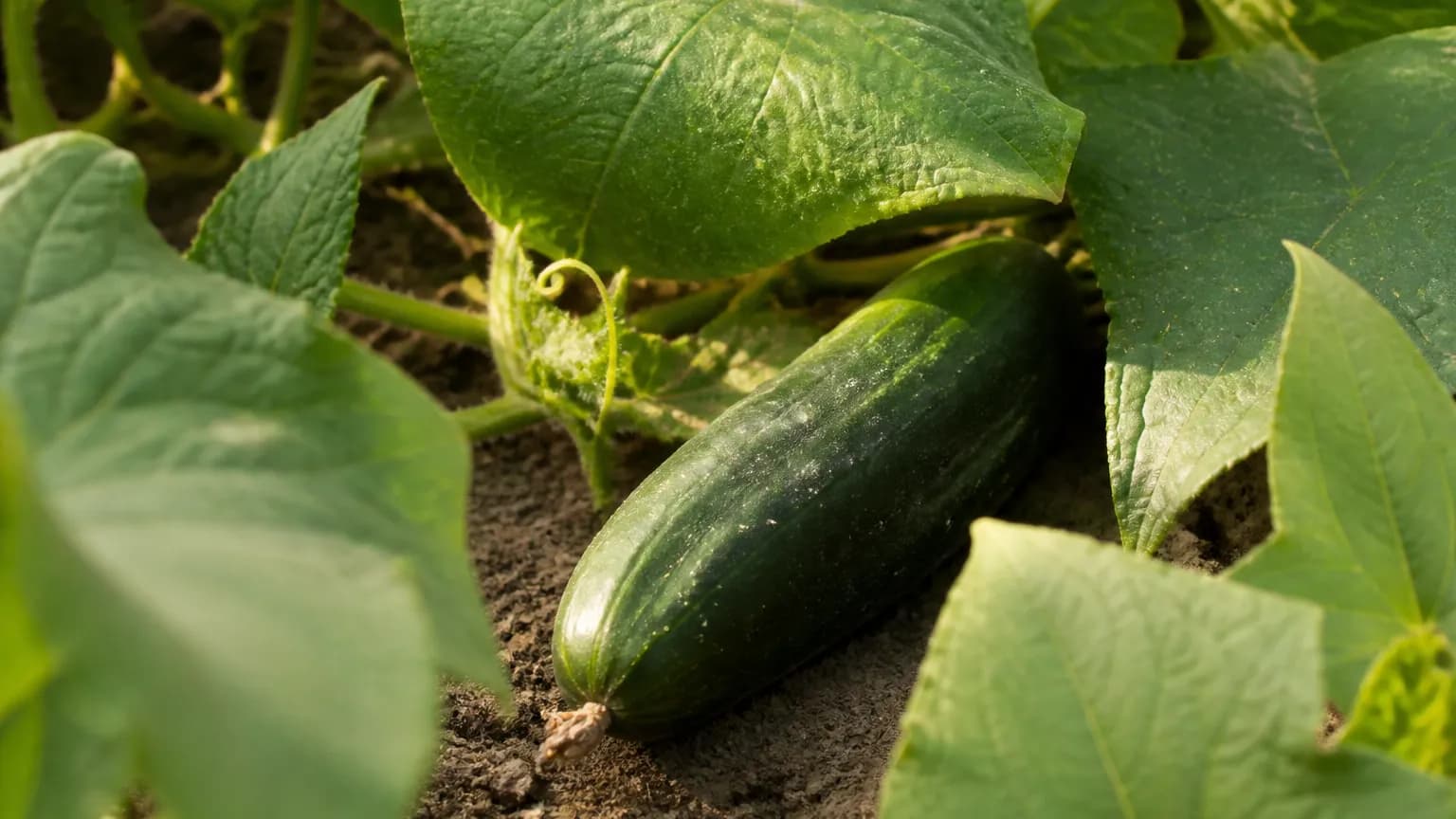
Abónalo bien
Suelo rico en nutrientes con pH 6,0-7,0. Incorpore compost.
Temperatura ideal
Compatibilidad de zonas de rusticidad
De la semilla a la cosecha, etapa por etapa
Germinación de las semillas
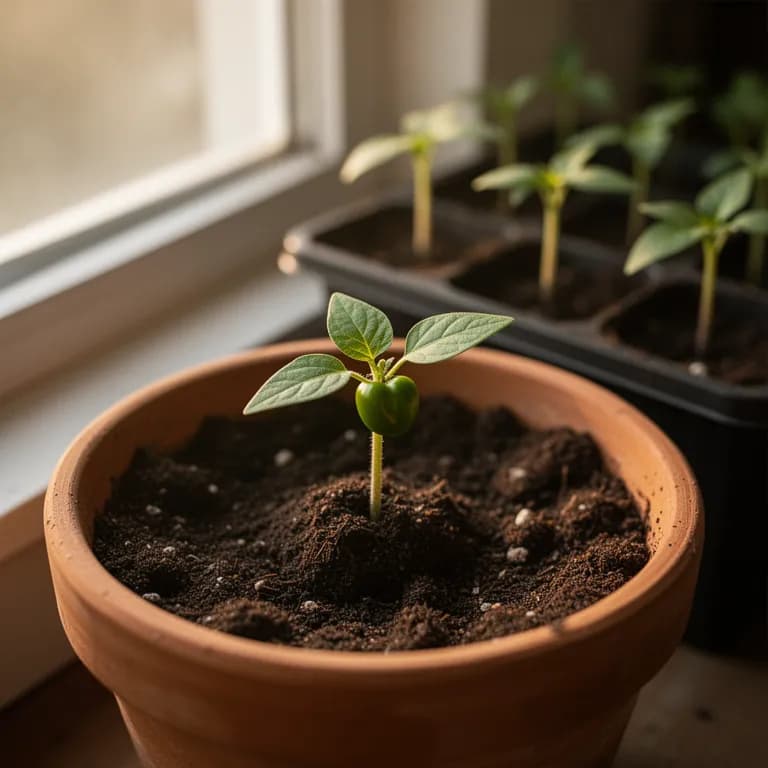
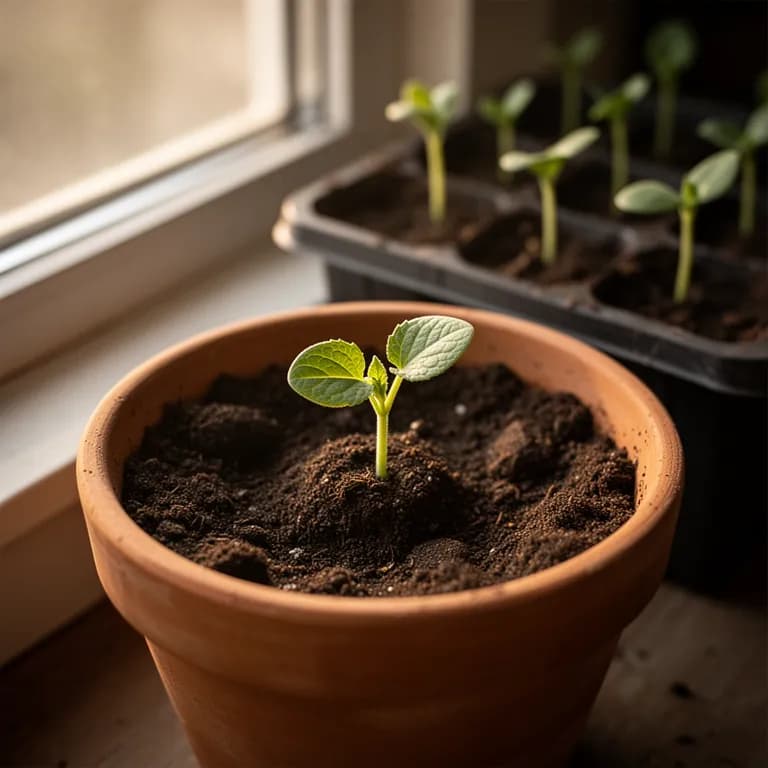
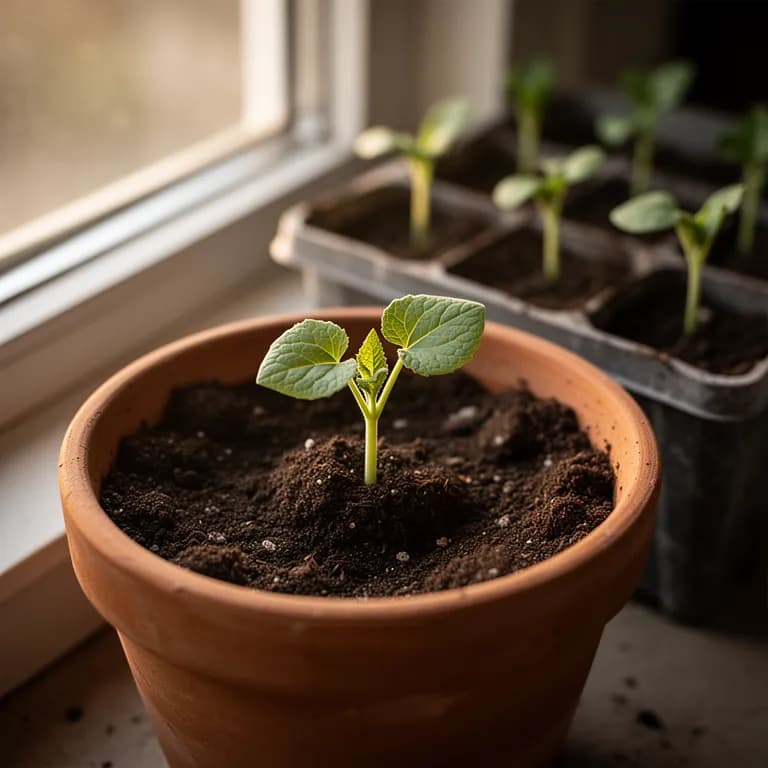
Las semillas grandes y planas germinan en suelo cálido en 5-10 días. Los cotiledones gruesos empujan con fuerza a través de la superficie del suelo.
Desarrollo de plántulas
Las primeras hojas verdaderas aparecen redondeadas, ligeramente lobuladas y con una textura suave y vellosa. El sistema radicular se establece rápidamente en condiciones cálidas.
Expansión de las guías
Comienza un crecimiento vigoroso de las guías, con tallos que pueden alcanzar 4-5 metros. Se desarrollan hojas grandes para maximizar la fotosíntesis antes de la exigente producción de frutos.
Floración
Las flores amarillo dorado se abren a primera hora de la mañana. Las flores masculinas aparecen 1-2 semanas antes que las femeninas. Las flores femeninas tienen un ensanchamiento alargado en la base: el futuro butternut.
Desarrollo del fruto
Los frutos polinizados se alargan rápidamente hasta adoptar la forma característica de botella. Al principio son verdes, pero la piel va cambiando gradualmente a un tono canela a medida que maduran. La pulpa interna adquiere un naranja intenso.
Madurez y cosecha
La piel pasa a un tono canela uniforme y se vuelve muy dura: imposible de marcar con la uña. El tallo se seca y adquiere textura corchosa. La pulpa interior es de color naranja intenso, dulce y densa.
Siembra las semillas a 2,5 cm de profundidad en un suelo de al menos 18°C. En zonas de temporada corta, comienza en interior 3-4 semanas antes de la última helada.
Cuidar Calabaza Butternut mes a mes
Qué hacer cada mes para tu Calabaza Butternut
Octubre
Mes actualHarvest all butternut squash before the first hard frost. Cut stems with sharp pruners leaving 5-8 cm of stem. Cure in warm sun (27°C/80°F) for 10 days to harden skin and extend storage life to 6 months.
Ten claro qué hacer en tu huerto, cada mes
Un correo al empezar cada mes: qué sembrar, plantar y hacer ahora mismo — para tu Calabaza Butternut y todo lo que crece alrededor. Más un breve curso inicial para esquivar los errores clásicos.
- Qué hacer ahora mismo
- Ajustado a tu temporada
- Curso inicial incluido
Cosechar Calabaza Butternut
Coseche cuando la cáscara está dura y suena hueca al golpearla. Antes de la primera helada.
se supone que plantas al comenzar el periodo — indica tu fecha real
Cosecha cuando la cáscara tenga un tono canela uniforme, la piel resista la uña y el tallo se haya secado y corchificado.
Almacenamiento y conservación
Almacene en lugar fresco y seco por varios meses.
Qué falla — y cómo solucionarlo
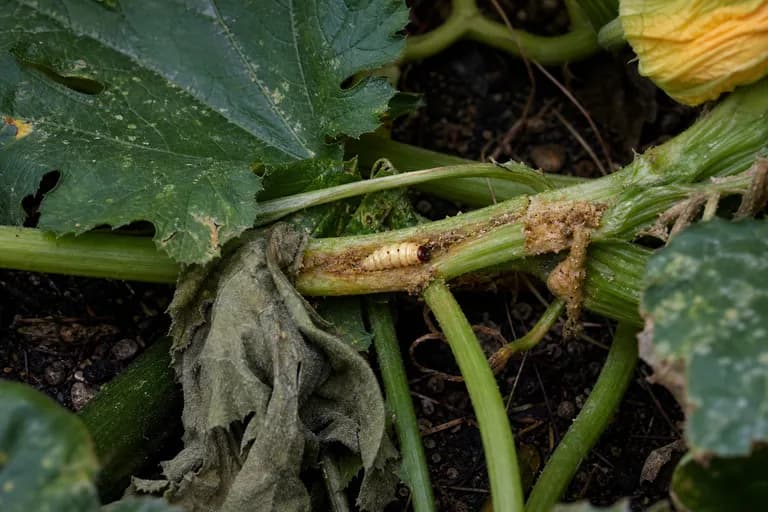
Escarabajo del pepino
PlagaEscarabajos comen hojas y flores.
Solución de problemas comunes
Mala fructificación por polinización insuficiente.
Consejos de cultivo
- Start seeds indoors 3-4 weeks before last frost in large peat pots to give butternut the extra growing time it needs — with 100-120 days to maturity, direct sowing is risky in short-season climates.
- Butternut squash (C. moschata) is naturally resistant to squash vine borers, making it the best choice for gardeners plagued by this devastating pest that kills other squash species.
- Build rich planting hills mounded 15 cm high, mixing equal parts garden soil, compost, and aged manure — butternut is among the heaviest-feeding garden vegetables.
- Water deeply and consistently at the base using drip irrigation or soaker hoses — overhead watering on the dense leaf canopy promotes powdery mildew, butternut's most common disease.
- Pinch off vine tips after 3-4 fruits have set per vine to redirect the plant's energy from vine growth into developing larger, sweeter, more fully mature squash.
- Butternut squash is ripe when the skin turns uniformly tan, the stem is corky and dry, and you cannot dent the skin with your thumbnail — green streaks mean it needs more time.
- Cure harvested fruits in warm sun (27°C/80°F) for 10 days before storage — this process hardens the skin, heals wounds, and extends storage life from weeks to 6+ months.
- Store cured butternut at 10-15°C (50-60°F) with good air circulation — never stack them, as trapped moisture causes rot. A single plant's harvest can feed a family all winter.
Cultiva tu mejor Calabaza Butternut — y todo lo que la rodea.
Empieza un plan gratis hoy. Diseña tus bancales, coloca tu Calabaza Butternut y deja que PlotMyGarden gestione el momento, el espaciado, las asociaciones y los recordatorios de la semilla a la cesta.
Elige tu Calabaza Butternut
Waltham
Variedad clásica con sabor excelente. 110 días.
Butterbush
Variedad de arbusto para jardines pequeños. 90 días.
Butternut squash is an exceptional value crop. A single €2 seed packet yields 6-10 plants producing 30-60 squash worth €60-150 at retail prices (€2-3 each). Their extraordinary storage life (6+ months without refrigeration) means a summer harvest provides winter food with zero energy cost. Among the highest calorie-per-square-meter yields of any garden vegetable.
Recetas rápidas
Classic Butternut Squash Soup
40 minThe quintessential autumn soup — velvety, warming, and deeply satisfying. Roasting the squash first adds caramelized complexity. Finished with sage brown butter.
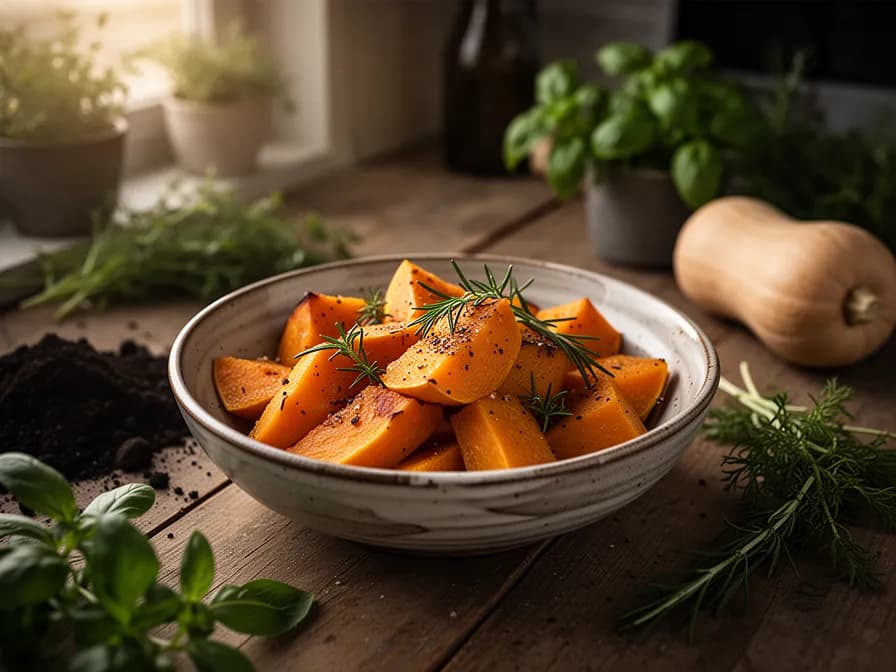
8 ingredientesMaple-Roasted Butternut Cubes
35 minSweet, caramelized cubes of butternut squash roasted at high heat with maple syrup and warm spices. The perfect autumn side dish — simple and universally loved.
7 ingredientes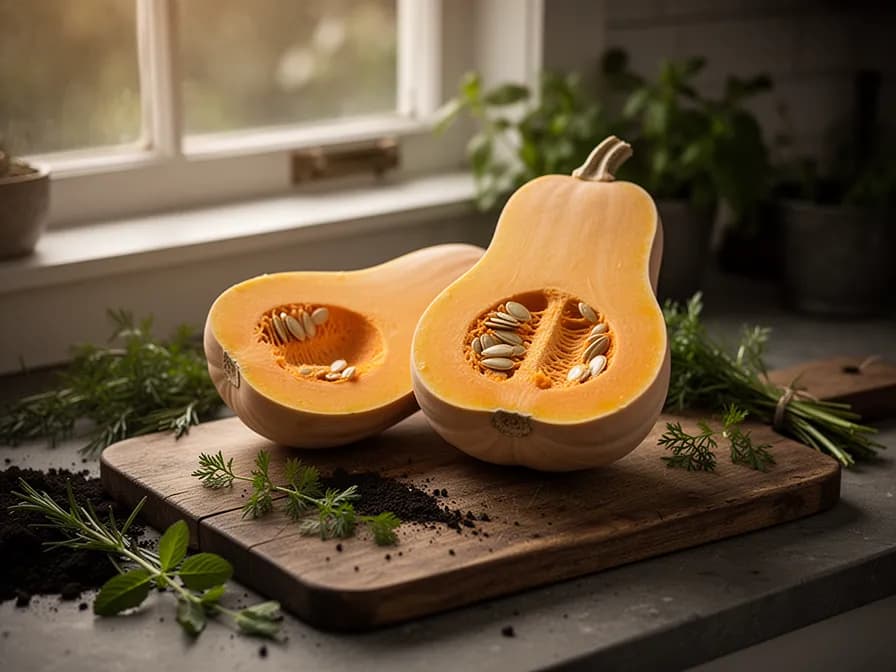
Butternut Squash Risotto
45 minA creamy, elegant risotto where roasted butternut squash melts into Arborio rice, creating a naturally silky texture. Finished with Parmesan and toasted sage.
8 ingredientesUsos culinarios
Asada, en sopas, como puré o en gratinados.
Qué contiene
Beneficios para la salud
- Contains more beta-carotene per gram than carrots — one cup of cooked butternut provides over 200% of daily vitamin A needs for vision, immune function, and skin health.
- Rich in dietary fiber (both soluble and insoluble) supporting digestive regularity, beneficial gut bacteria, and helping manage cholesterol levels.
- Excellent source of vitamin C (23% DV per cup) supporting immune function, collagen production, and enhancing iron absorption from plant-based foods.
- Good source of magnesium (supporting 300+ enzymatic reactions), manganese (bone health and antioxidant function), and potassium (heart and blood pressure health).
- Low glycemic index despite its sweet flavor, making butternut squash a smart carbohydrate choice for blood sugar management and sustained energy.
- Contains anti-inflammatory compounds including beta-cryptoxanthin, which research links to reduced risk of inflammatory conditions like rheumatoid arthritis.
De dónde viene Calabaza Butternut
Butternut squash belongs to the species Cucurbita moschata, one of five domesticated squash species, with origins in southern Mexico and Central America dating back approximately 7000-10000 years. Archaeological evidence from caves in the Tamaulipas and Oaxaca regions of Mexico shows that early peoples cultivated C. moschata for its nutritious seeds long before the flesh was palatable — wild ancestors had bitter, thin flesh surrounding abundant seeds. Over millennia of selective breeding, indigenous farmers developed sweeter, fleshier varieties.
C. moschata squashes spread throughout the Americas via trade networks, becoming a staple food from the Caribbean to the northeastern woodlands of North America. They were a key component of the 'Three Sisters' agricultural system alongside corn and beans. European colonists adopted squash cultivation and brought seeds back to Europe, Africa, and Asia in the 16th and 17th centuries. The species thrived particularly in warm, humid climates where other squash species struggled.
The specific butternut variety we know today is actually a modern American creation — Charles Leggett of Stow, Massachusetts developed it in 1944 by crossing a gooseneck squash (C. moschata) with a Hubbard squash. His goal was a smooth-skinned, easy-to-peel squash with a small seed cavity and dense, sweet flesh — and he succeeded brilliantly. The butternut has since become the world's most popular winter squash variety, prized by home gardeners and commercial growers alike for its exceptional flavor, storage life, and versatility in the kitchen.
Calabaza Butternut: ¿sabías que?
Datos fascinantes sobre Calabaza Butternut
Butternut squash was developed in Stow, Massachusetts in 1944 by Charles Leggett who crossed a gooseneck squash with a Hubbard squash — it's a relatively modern vegetable.
Calabaza Butternut: preguntas frecuentes
¿Cuándo debo plantar Calabaza Butternut?
¿Cuáles son buenas plantas acompañantes para Calabaza Butternut?
¿En qué zonas de rusticidad puede crecer Calabaza Butternut?
¿Cuánto sol necesita Calabaza Butternut?
¿A qué distancia debo espaciar Calabaza Butternut?
¿Qué plagas y enfermedades afectan a Calabaza Butternut?
¿Cómo almaceno Calabaza Butternut después de la cosecha?
¿Cuáles son las mejores variedades de Calabaza Butternut para cultivar?
¿Qué suelo necesita Calabaza Butternut?
How long does butternut squash take to mature?
Why are my butternut squash still green at harvest time?
What causes butternut squash to rot on the vine?
Can I grow butternut squash vertically?
How do I store butternut squash for months?
Is butternut squash really more nutritious than carrots?
Acabas de leer la teoría. Ahora cultívala en piloto automático.
Todo lo que hace que Calabaza Butternut sea delicado — el momento, el espaciado, las asociaciones, la ventana de cosecha — es justo lo que PlotMyGarden resuelve por ti, para cada planta de tu huerto.
Un plan que conoce tu clima
Indica tu ubicación una vez. Recibe fechas de siembra, abonado y cosecha basadas en tu última helada real y el pronóstico en vivo — sin adivinar con un sobre genérico.
De la sección “Cuándo plantar”Planificador de bancales de arrastrar y soltar
Diseña bancales sobre una cuadrícula. Cada planta encaja con su espaciado correcto y ves toda la temporada antes de gastar un céntimo en semillas.
De la sección “Cultivo”Conflictos de asociación, detectados a tiempo
Más de 200 buenas y malas combinaciones comprobadas en vivo mientras plantas — para que un error que arruine la temporada nunca llegue a la tierra.
De la sección “Asociaciones”Recordatorios que sí vas a seguir
“Riega las judías.” “Recoge hoy antes de que se pase.” Oportunos, concretos y ligados a las plantas que de verdad cultivas.
De la sección “Cosecha”Escalonado, programado
¿Quieres cosechar seis semanas en vez de seis días? Reparte tus siembras automáticamente y te avisa cuando toca el siguiente lote.
De la sección “Cuándo plantar”Un registro que se vuelve más listo
Cada cosecha que registras le enseña tu huerto. El plan del año que viene parte de lo que de verdad funcionó en tu suelo, no en un manual.
De la sección “Resumen”Planta estos junto a Calabaza Butternut
Más Cucurbitáceas
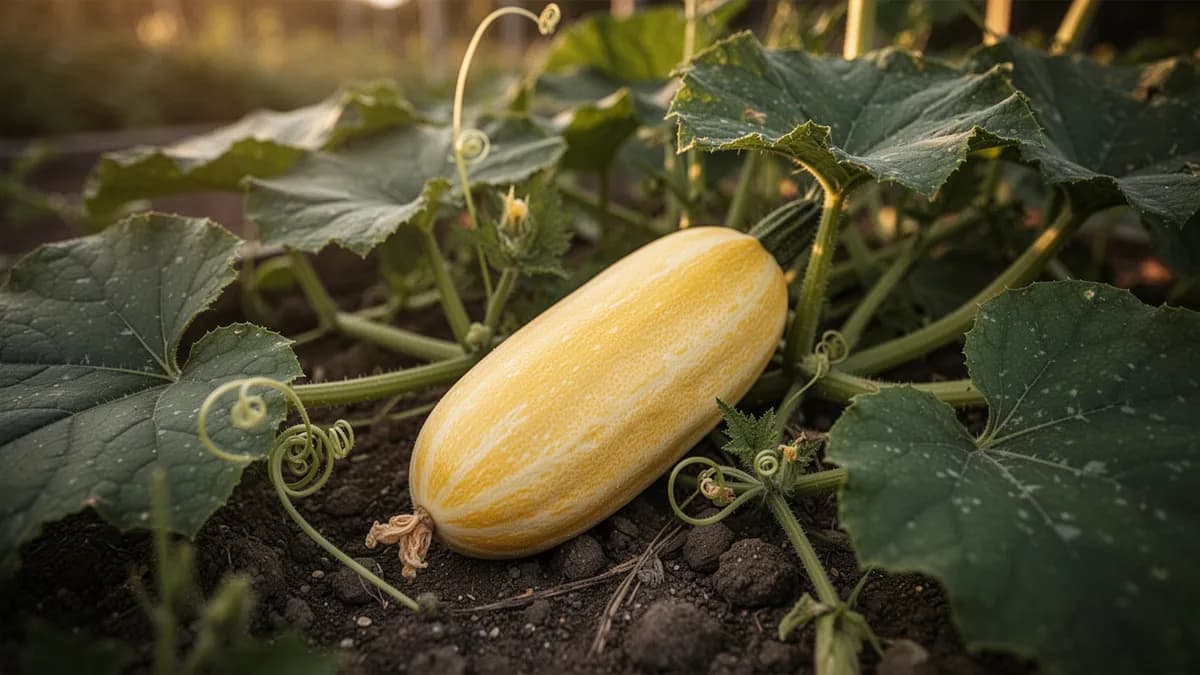
Mantén Calabaza Butternut lejos de estos
Diseños de jardín con Calabaza Butternut
Cultiva tu mejor Calabaza Butternut — y todo lo que la rodea.
Empieza un plan gratis hoy. Diseña tus bancales, coloca tu Calabaza Butternut y deja que PlotMyGarden gestione el momento, el espaciado, las asociaciones y los recordatorios de la semilla a la cesta.