Lettuce
A fast-growing leafy green that prefers cooler temperatures and bolts quickly in summer heat.





On this pageOverview
Meet Lettuce
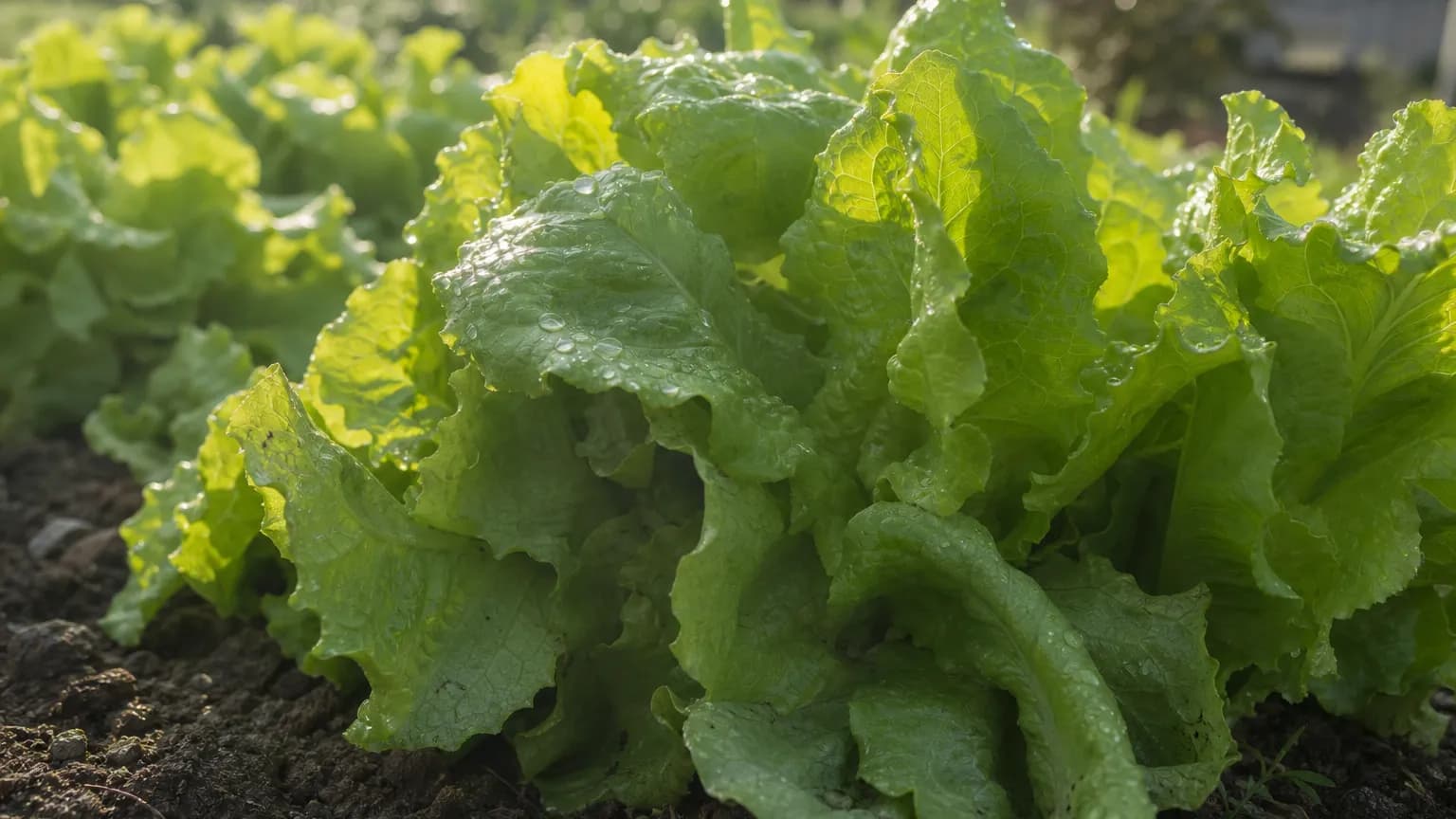
A fast-growing leafy green that prefers cooler temperatures and bolts quickly in summer heat. Succession sow every two to three weeks for a continuous supply of fresh leaves throughout the growing season. Provide afternoon shade in warmer months and keep soil evenly moist to delay bolting and prevent bitter-tasting leaves. Harvest outer leaves first or cut the whole head at the base for a possible second flush of growth.
When to plant Lettuce
Lettuce seeds can be direct-sown or started indoors 4-6 weeks before the last frost date. Sow seeds on the surface of moist seed-starting mix and press lightly — lettuce seeds need light to germinate, so do not cover with soil. Germination occurs in 4-10 days at 10-18°C (50-65°F). Lettuce seeds become dormant above 25°C (77°F); for summer sowing, pre-chill seeds in a damp paper towel in the refrigerator for 2-3 days, then sow in the evening to take advantage of cooler night temperatures. Transplant seedlings outdoors once they have 3-4 true leaves, spacing 25-30 cm apart. Harden off for 3-5 days. Lettuce tolerates light frost, so early transplanting is safe in most climates.
Your Lettuce Year
Composed for Zone 7 · typical seasons · frost passes Apr 2, returns Nov 1
Plant Lettuce Mar – May, Aug – Sep, pick May – Jul, Oct – Nov. Check the planting methods below and set your climate to personalize these windows.
How to grow Lettuce
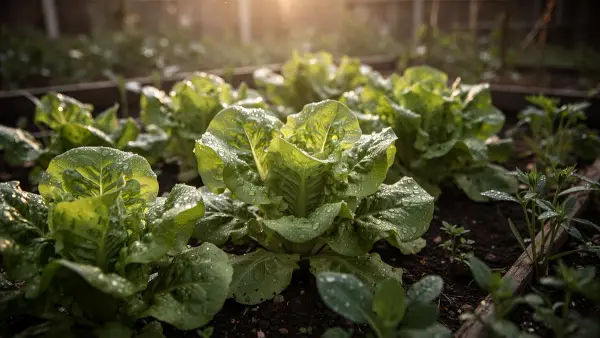
Lettuce is one of the easiest and most rewarding crops for home gardeners, offering fast harvests and the ability to grow in containers, raised beds, or even window boxes. Sow seeds directly outdoors 2-4 weeks before the last frost date, scattering them 6mm (1/4 inch) deep in rows 30 cm apart. Lettuce seeds need light to germinate, so press them gently into the soil surface rather than burying deeply. Seeds germinate in 4-10 days at soil temperatures of 10-18°C (50-65°F). Thin seedlings to 25-30 cm apart for heading types or 10-15 cm for loose-leaf varieties.
Lettuce performs best in cool weather between 10-21°C (50-70°F) and struggles in temperatures above 27°C (80°F), which trigger bolting (premature flowering). Provide partial shade during warm weather using shade cloth, tall companion plants, or north-facing planting positions. Succession sow every 2-3 weeks from early spring through fall for a continuous supply. In hot climates, focus on heat-tolerant varieties and plant in late summer for fall and winter harvests.
Keep soil consistently moist but not waterlogged, as lettuce has shallow roots that dry out quickly. Water gently in the morning to keep foliage dry overnight and reduce disease risk. Mulch with a thin layer of straw or grass clippings to conserve moisture and keep soil temperatures cool. Lettuce is a light feeder but benefits from a side-dressing of compost or dilute liquid fertilizer every 2-3 weeks. Avoid excessive nitrogen late in growth, which can make leaves taste bitter.
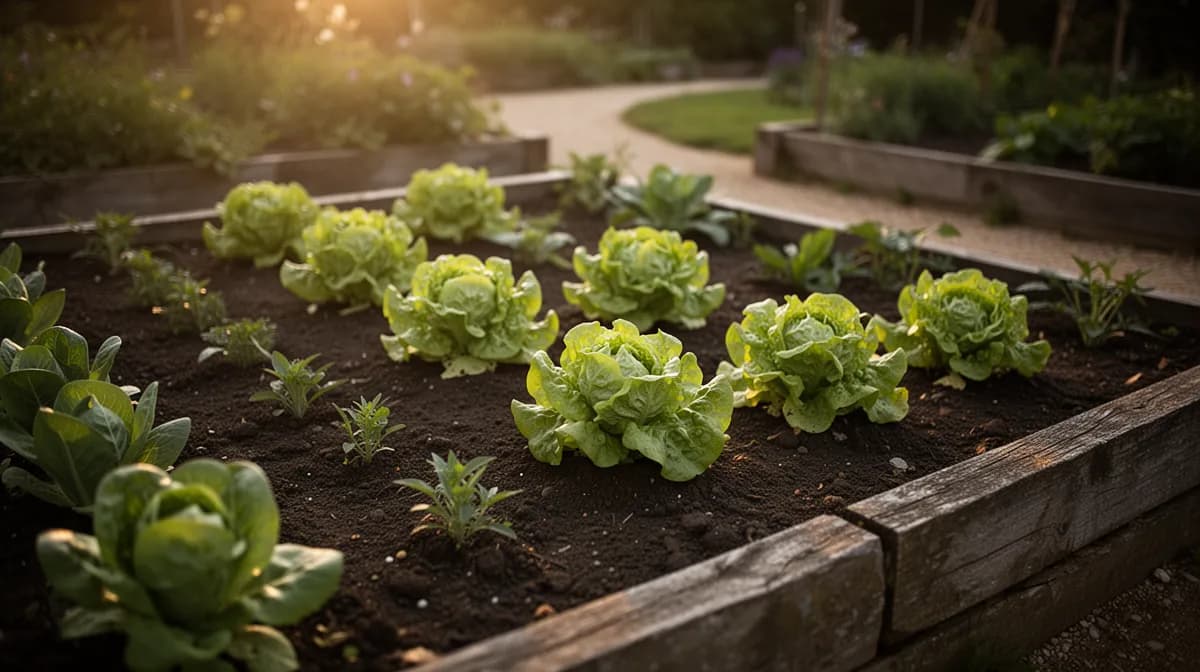
36 plants fit a 4 × 8 ft bed
Each Lettuce wants 25 cm of elbow room. The planner keeps that spacing for you — every plant, every bed.
Lettuce's best neighbours
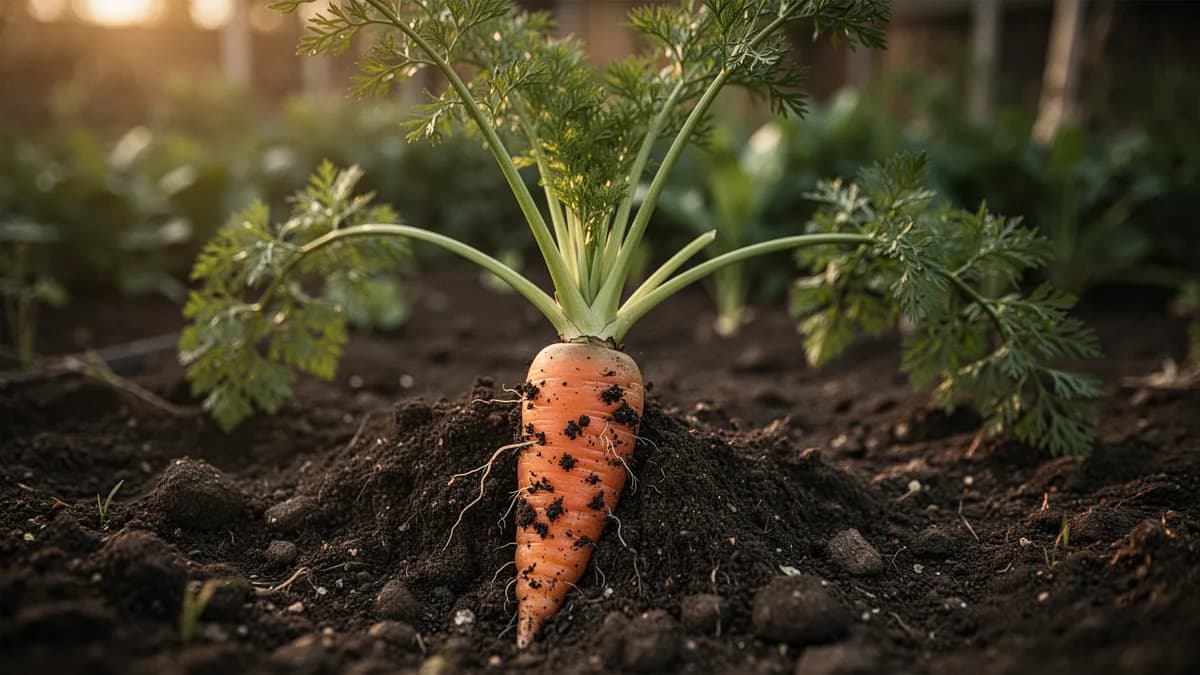
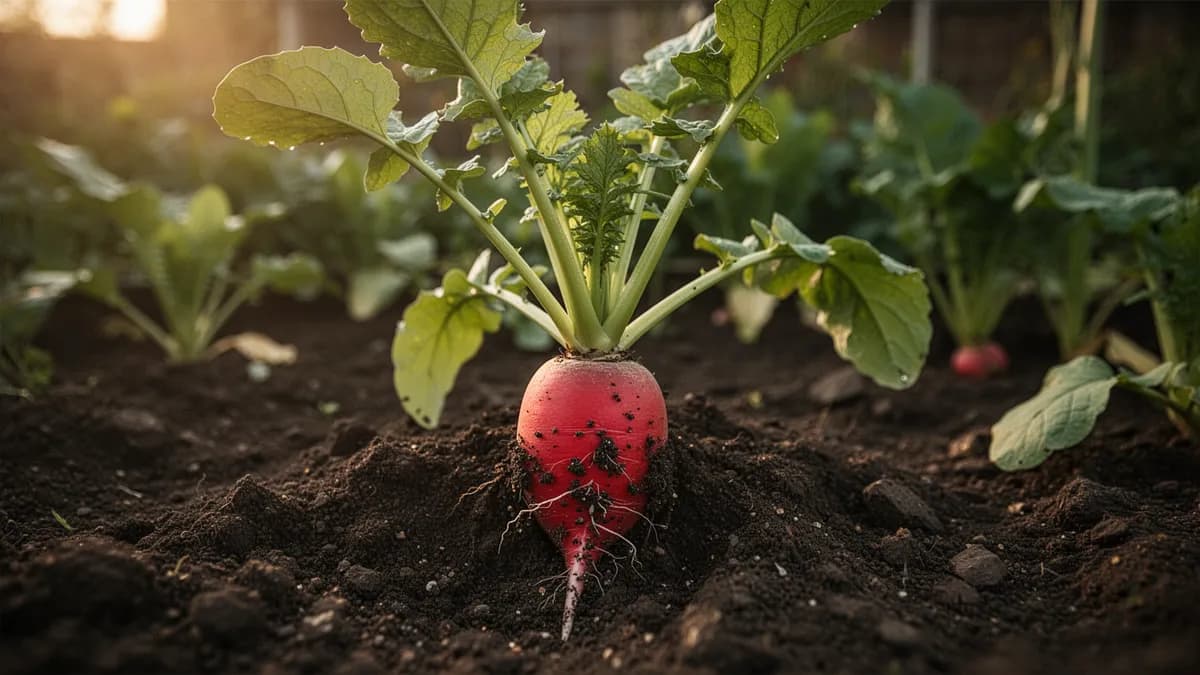
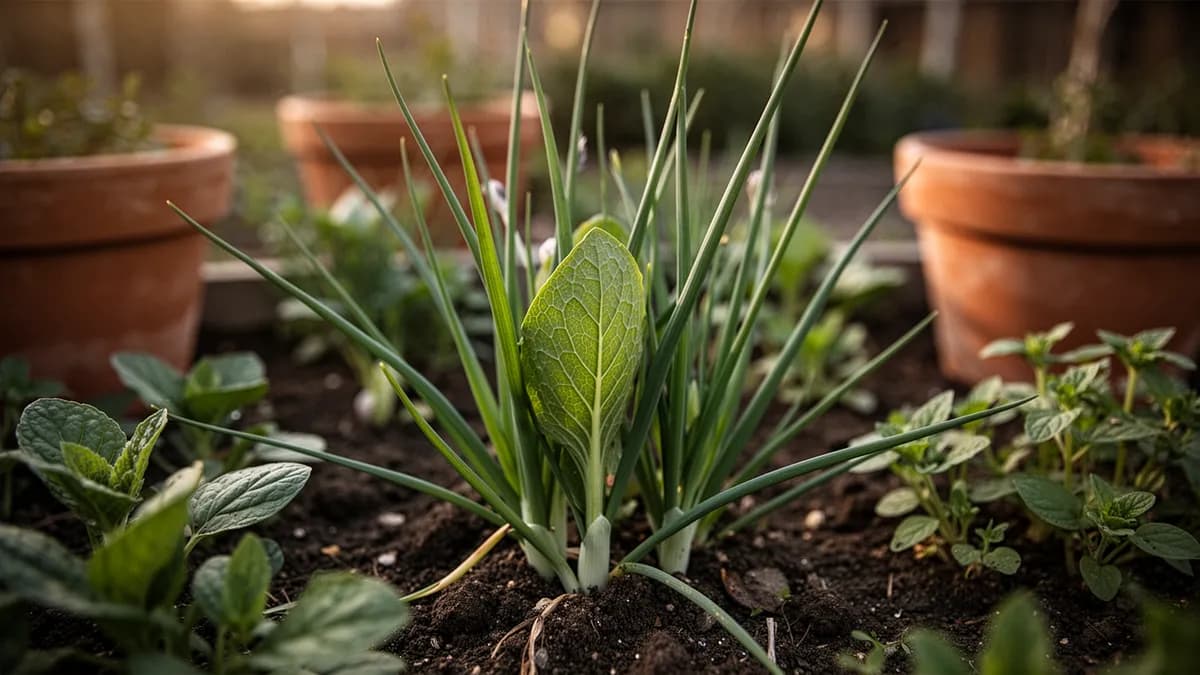
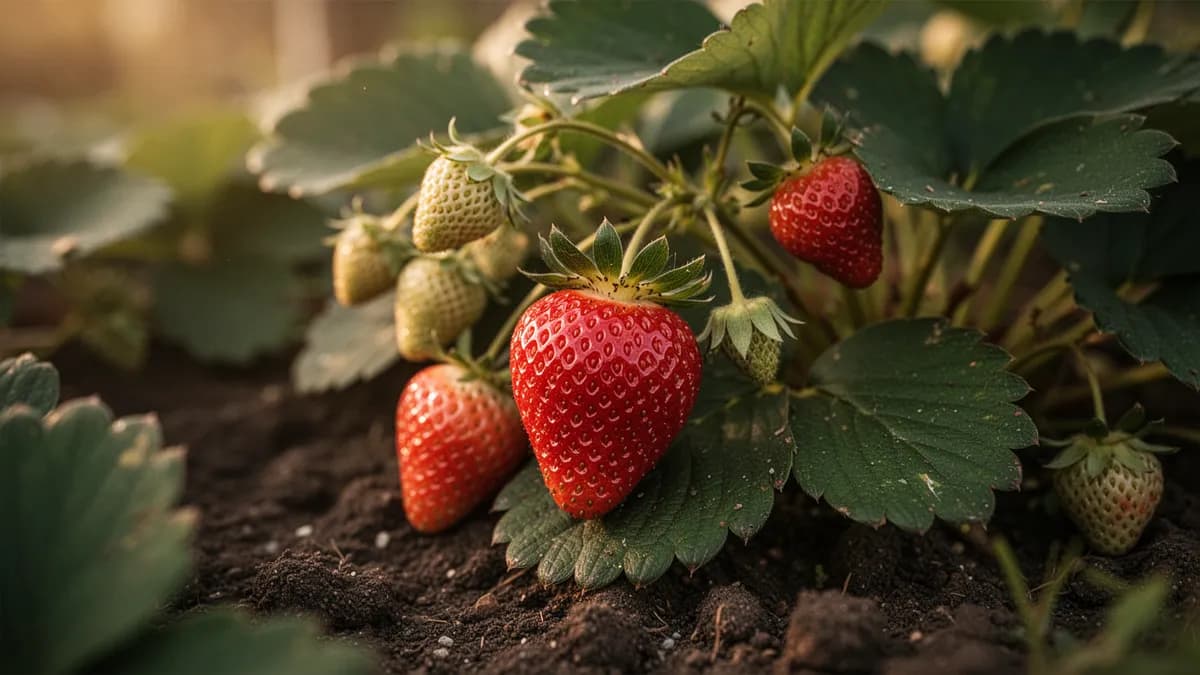
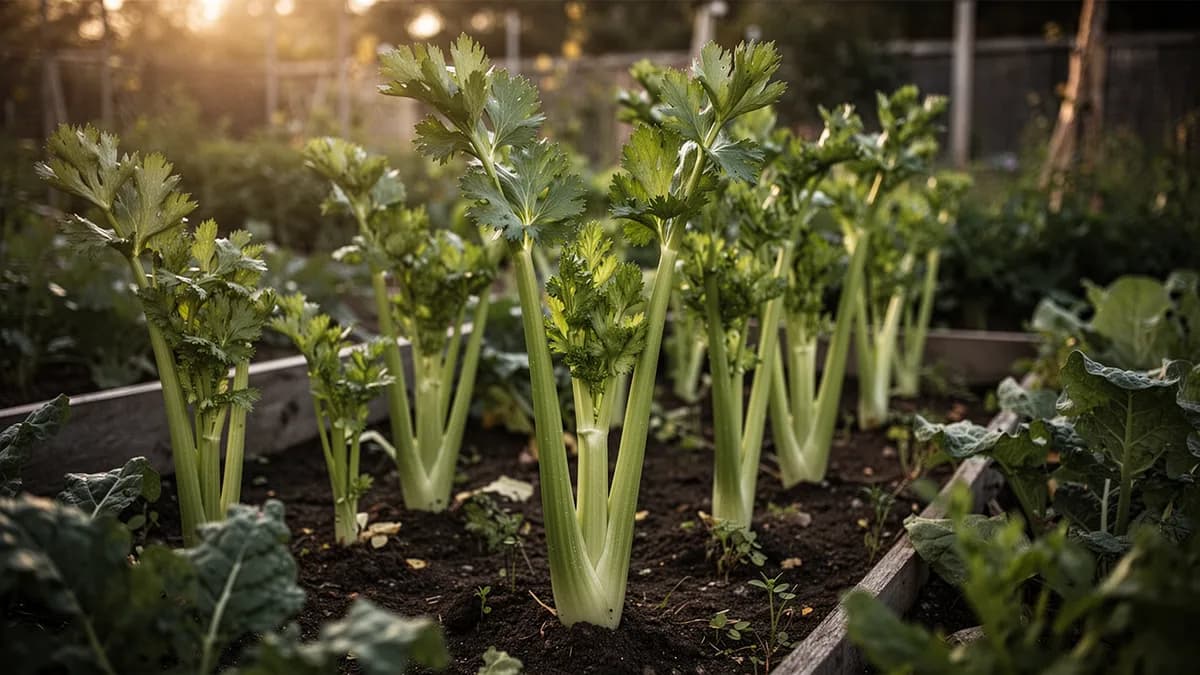
Carrots and lettuce are classic companions — lettuce acts as living mulch that shades the soil surface, keeping carrot roots cool and moist, while carrots grow deep underground without competing for the same root zone. Radishes interplanted with lettuce germinate quickly, marking rows and breaking soil crust for the smaller lettuce seeds. Chives planted nearby repel aphids with their pungent aroma. Tall crops like corn, tomatoes, and sunflowers provide the partial shade that lettuce craves during warm weather. Strawberries and lettuce share similar light and water needs, making them efficient bed partners. Avoid planting near celery, which competes for similar nutrients and space.
Carrot belongs beside it. Celery doesn't.
Old growers' knowledge, checked against Lettuce's real companion table below — test any plant you're growing.
Try Lettuce in a bed — right here
A real planner bed with Lettuce already in it. Tap a companion to place it and watch the pairing checks answer — green for good neighbours, red for a clash.


Related growing guides
Feed it well
Lettuce prefers fertile, well-drained soil rich in organic matter with a pH of 6.0-7.0. Work 5 cm of compost into the top 15-20 cm of soil before planting. Lettuce is a relatively light feeder but responds well to a steady supply of nitrogen for lush leaf production. Apply a balanced granular fertilizer (10-10-10) at planting, then side-dress with compost tea or dilute fish emulsion every 2-3 weeks. Avoid heavy nitrogen applications close to harvest, which can make leaves taste bitter. For container growing, use a high-quality potting mix with slow-release fertilizer and supplement with liquid feed every 10-14 days.
Ideal Temperature
Hardiness Zone Compatibility
From seed to harvest, stage by stage
Seed Germination
Lettuce seeds germinate quickly in 4-10 days when conditions are right. Seeds need light to germinate, so they should be pressed onto the soil surface rather than buried. Cool soil temperatures of 10-18°C are ideal — seeds go dormant above 25°C.
Seedling Growth
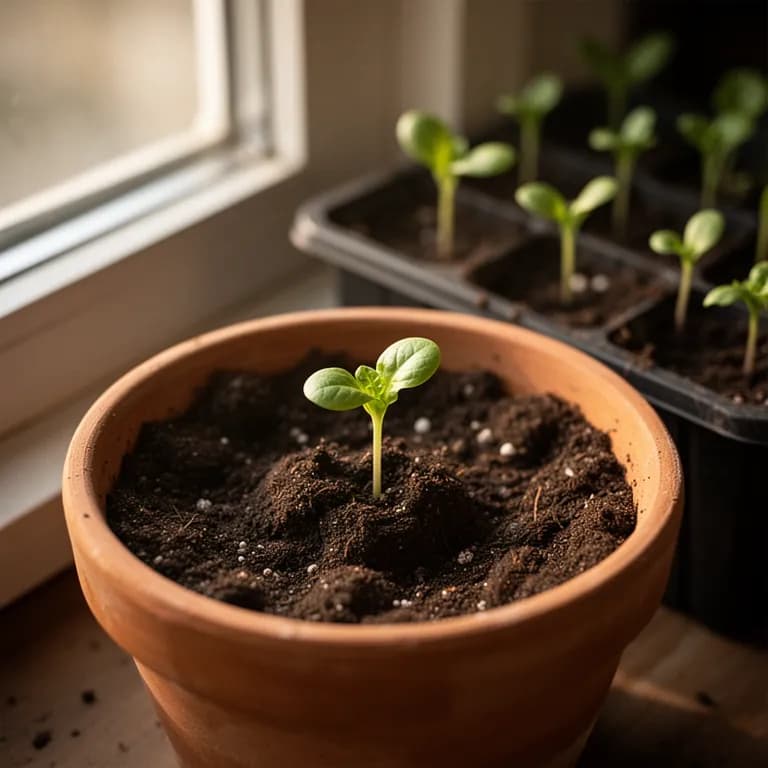
Tiny seedlings develop their first true leaves beyond the initial cotyledons. Growth is rapid in cool weather. Seedlings are delicate and susceptible to slugs, damping off, and drying out.
Rosette Formation
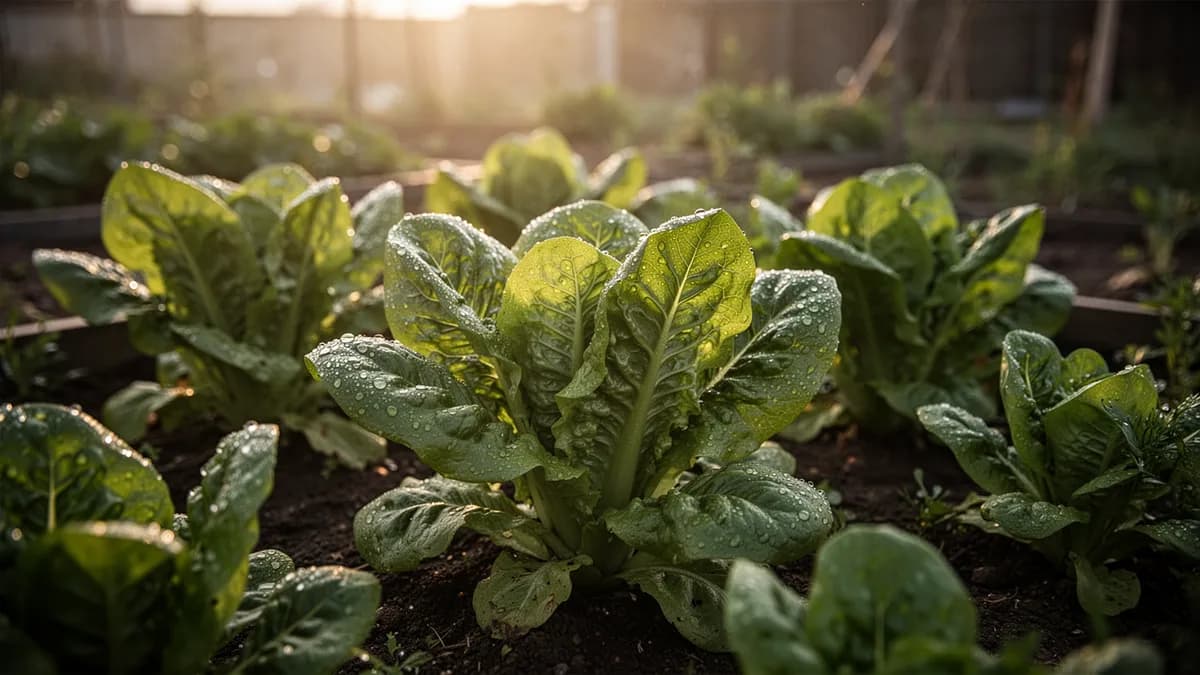
Plants develop their characteristic leaf pattern — loose rosettes for leaf types, upright columns for romaine, or cupped inner leaves for butterhead. Leaves grow rapidly, adding several new leaves per week in cool conditions.
Head Development
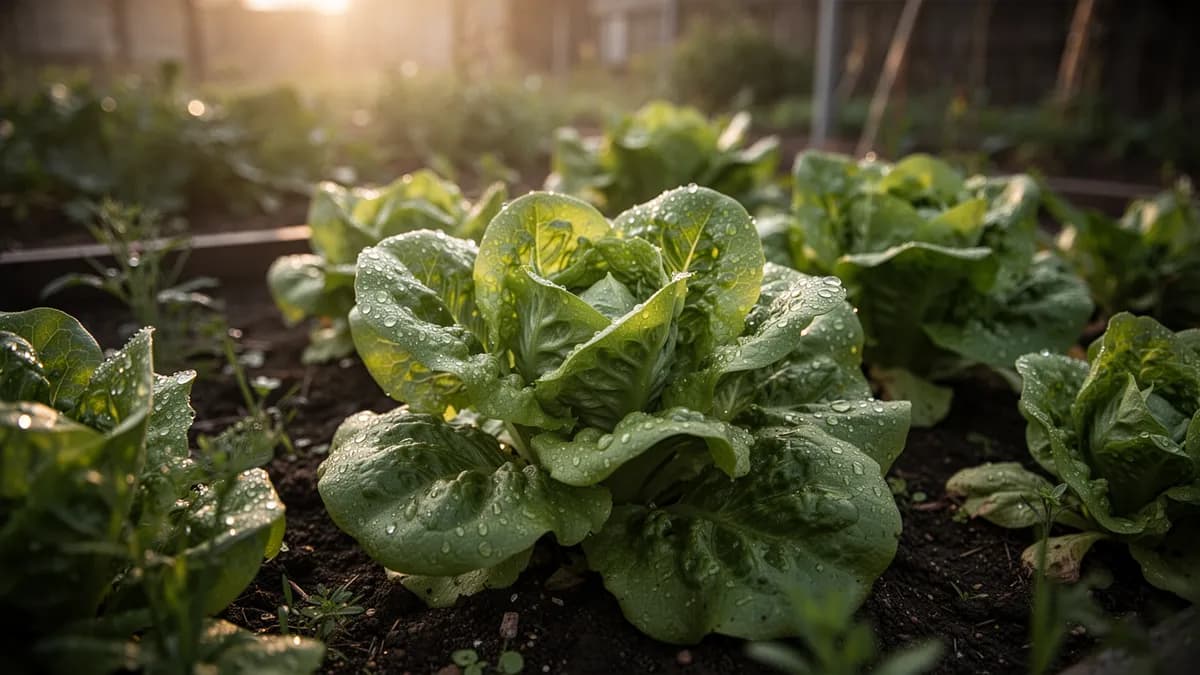
Heading varieties begin forming their distinctive structure — romaine develops tall, tightly folded heads, butterhead forms soft, rounded heads, and iceberg creates dense, crisp balls. Leaf lettuce reaches peak production.
Harvest Window
Lettuce reaches peak flavor and quality. Heading types feel firm when gently squeezed. Leaf varieties are at maximum size. Harvest in the cool morning hours when sugar content is highest and leaves are most crisp and hydrated.
Never cover lettuce seeds with soil — they require light for germination. Press gently into moist soil surface. For summer sowing, pre-chill seeds in a damp paper towel in the refrigerator for 2-3 days to break heat-induced dormancy.
Caring for Lettuce month by month
What to do each month for your Lettuce
October
You are herePeak fall harvest season. Lettuce improves in quality as temperatures drop. Cover plants with row covers or cloches on frosty nights to extend the harvest. Cut-and-come-again varieties provide continuous leaves.
Know exactly what to do in your garden — every month
One email at the start of each month: what to sow, plant, and tackle right now — for your Lettuce and everything growing around it. Plus a short starter course that helps you dodge the classic mistakes.
- What to do, right now
- Matched to your season
- Starter course included
Harvesting Lettuce
Harvest loose-leaf lettuce by picking individual outer leaves once they reach 10-15 cm long, allowing the center to continue producing new growth for weeks of continuous harvest. For heading types like romaine, iceberg, and butterhead, wait until the head feels firm when gently squeezed, then cut the entire head at the base with a sharp knife. Harvest in the cool morning hours for the crispest, least bitter leaves. A cut-and-come-again approach works well for loose-leaf and baby lettuce — cut all leaves 2.5 cm above the crown, and the plant will regrow for 2-3 additional harvests. Harvest immediately if plants begin to bolt (sending up a tall central flower stalk), as leaves become increasingly bitter.
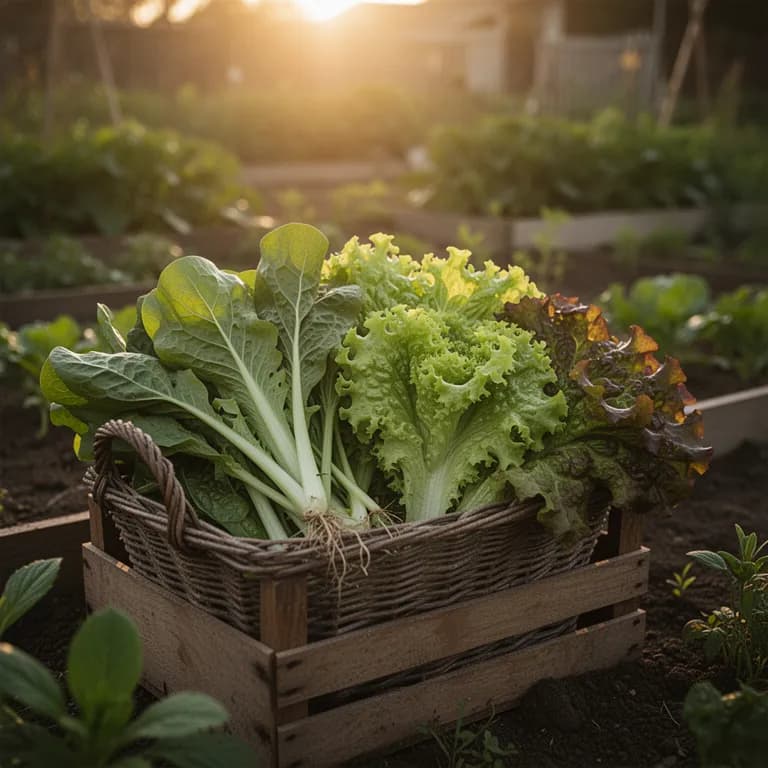
assuming you plant when the window opens — set your real date
Heads feel firm; leaf types reach 10-15 cm. Harvest in the cool morning.
Storage & Preservation
Fresh lettuce stores in the refrigerator for 5-10 days depending on type — head lettuces keep longer than loose-leaf varieties. Wash leaves, spin dry thoroughly, and wrap in paper towels inside a loosely closed plastic bag to absorb excess moisture. Crisp wilted lettuce by soaking in ice water for 15-30 minutes. Lettuce does not freeze, can, or dehydrate well, so focus on succession planting for continuous fresh supply rather than preservation. Surplus lettuce can be juiced or blended into green smoothies. Romaine hearts tolerate light grilling for a unique smoky salad option.
What goes wrong — and the fix
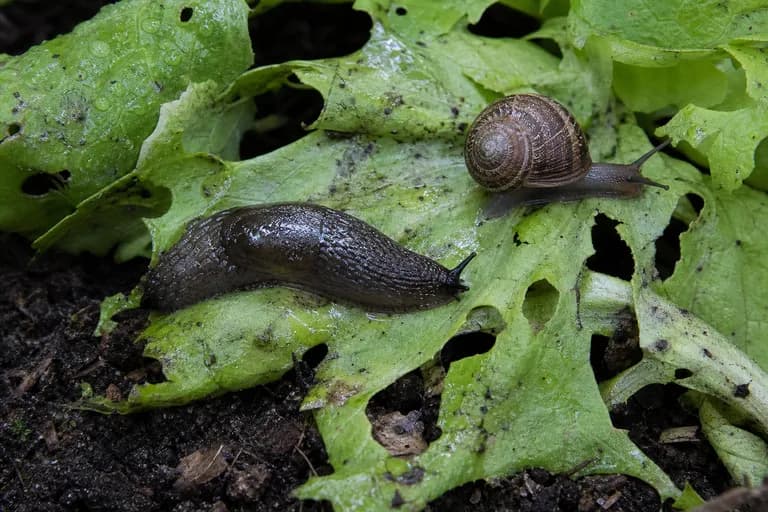
Slugs and Snails
PestIrregular holes chewed in leaves, especially overnight, with characteristic silvery slime trails visible on the soil surface and foliage. Young seedlings may be completely consumed. Damage is worst during wet weather.
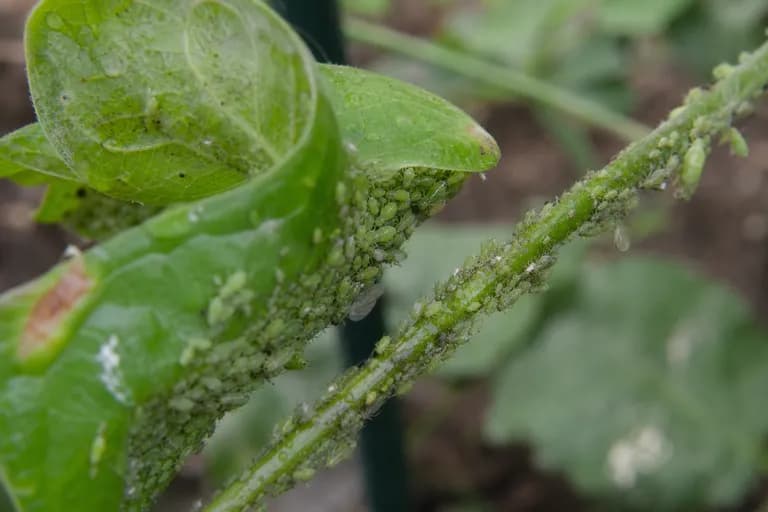
Aphids
PestColonies of small green, peach, or black soft-bodied insects clustered on leaf undersides and in the hearts of heading varieties. Leaves become puckered and curled, and sticky honeydew may coat lower leaves.

Downy Mildew
DiseasePale green to yellow angular patches on upper leaf surfaces, with white to grayish fuzzy fungal growth on the undersides. Affected areas turn brown and papery. Spreads rapidly in cool, humid weather.
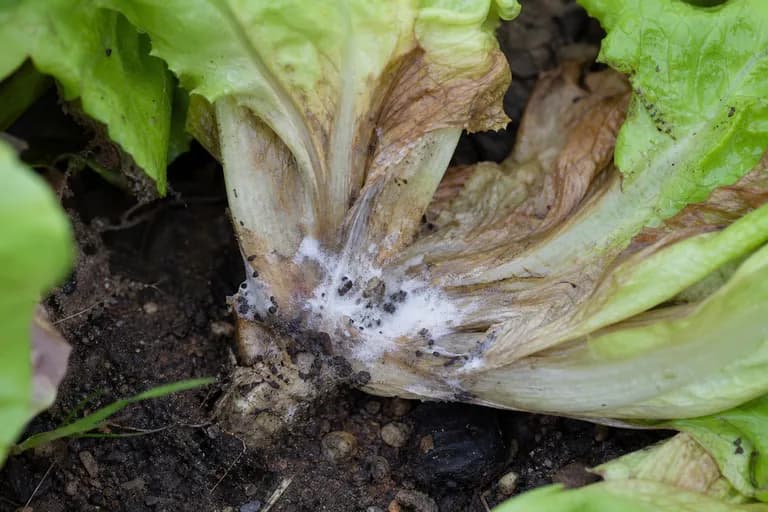
Lettuce Drop (Sclerotinia)
DiseasePlants suddenly wilt and collapse at the base, with white, cottony fungal growth visible on the stem and lower leaves near the soil line. Hard, dark sclerotia (fungal survival structures) form in the decayed tissue.
Troubleshooting Common Problems
Bolting (premature flowering) is the most common lettuce frustration and is triggered by a combination of hot weather above 27°C (80°F), long day lengths exceeding 14 hours, and water stress. Once the central stalk begins to elongate, leaves quickly become bitter and the plant shifts all energy to seed production. Choose bolt-resistant varieties like 'Buttercrunch', 'Jericho', or 'Muir', and provide afternoon shade using shade cloth (40-50%) or tall companion plants. Succession sow every 2-3 weeks so you always have young plants at their peak flavor. Bitter-tasting leaves are the second most common complaint and result from heat stress, insufficient watering, or harvesting too late in the day when the plant has been photosynthesizing in warm temperatures. Harvest in the cool morning hours when sugar content is highest and leaves are most crisp. Keep soil consistently moist through drip irrigation and mulching — even brief dry spells cause lettuce to concentrate bitter latex compounds in the leaves. Tip burn (brown, papery leaf edges, especially on inner leaves of heading types) is caused by calcium uptake issues during periods of rapid growth and inconsistent watering. It is not a calcium deficiency in the soil but rather the plant's inability to transport calcium fast enough to fast-growing tissue. Maintain even soil moisture, avoid over-fertilizing with nitrogen, and provide adequate spacing for air circulation. Brown or slimy leaf bases indicate bottom rot from prolonged soil contact in poorly drained conditions. Mulch around plants to create a clean barrier between soil and leaves, ensure good airflow by thinning crowded plantings, and avoid overhead watering that keeps foliage wet. Poor germination in summer occurs because lettuce seeds go dormant above 25°C (77°F) — a survival mechanism called thermodormancy. Pre-chill seeds in a damp paper towel in the refrigerator for 2-3 days before summer sowing, then sow in the evening to take advantage of cooler night temperatures. Use shade cloth over newly sown rows to keep soil temperatures down.
Growing Tips
- Succession sow every 2-3 weeks from early spring through fall for a non-stop supply of fresh lettuce. This is the single most important technique for avoiding feast-or-famine harvests.
- Lettuce seeds need light to germinate — press them onto the soil surface and keep moist, but never bury them. This is the #1 mistake new gardeners make with lettuce.
- For summer growing, pre-chill seeds in a damp paper towel in the refrigerator for 2-3 days to break heat-induced dormancy, then sow in the evening when soil is coolest.
- Provide afternoon shade during warm weather using shade cloth (40-50%), tall companion plants, or by planting on the north side of trellised crops like tomatoes or beans.
- Harvest in the cool early morning when leaves are most crisp and sugars are highest. Afternoon-harvested lettuce is more limp and can taste slightly bitter.
- Use the cut-and-come-again method on loose-leaf varieties — cut all leaves 2.5 cm above the crown and the plant will regrow for 2-3 additional harvests, effectively tripling your yield.
- Mulch with a thin layer of straw or grass clippings to keep soil cool and moist — lettuce has very shallow roots that dry out quickly in exposed soil.
- Grow bolt-resistant varieties like 'Jericho' (romaine), 'Muir' (butterhead), or 'Buttercrunch' during the warmer months to extend your salad season.
- Interplant lettuce between slower-growing crops like tomatoes, peppers, and cabbage — the lettuce will be harvested before the larger plants need the space.
- Consider growing lettuce in containers on a shaded patio — it requires surprisingly little root depth (15 cm) and thrives in the cooler microclimate of a covered porch.
Grow your best Lettuce yet — and everything around it.
Start a free plan today. Lay out your beds, drop in your Lettuce, and let PlotMyGarden handle the timing, spacing, companions and reminders from seed to harvest basket.
Pick your Lettuce
Black Seeded Simpson
A classic loose-leaf variety with light green, frilly, tender leaves. One of the fastest lettuces to harvest at 45 days. Open-pollinated and heat-tolerant, making it ideal for extended spring harvests.
Buttercrunch
An AAS-winning butterhead with thick, succulent, dark green outer leaves and a tender, buttery yellow heart. 55 days. Excellent heat tolerance for a heading type, slow to bolt in warm weather.
Romaine (Parris Island Cos)
A tall, upright romaine with crisp, dark green outer leaves and a crunchy, pale heart. 70 days. The classic choice for Caesar salads. Good heat tolerance and disease resistance.
Red Sails
A beautiful loose-leaf variety with deeply ruffled, bronze-red leaves that intensify in color as the plant matures. 45 days. AAS winner with excellent heat tolerance and a mild, sweet flavor.
Salad Bowl
A loose-leaf variety forming a large rosette of deeply lobed, oak-shaped leaves. Available in green and red forms. 50 days. Extremely productive and slow to bolt. Excellent for cut-and-come-again harvesting.
A single $3-4 seed packet contains hundreds of lettuce seeds — enough for an entire season of succession plantings. A 3-meter row produces 10-15 heads or continuous cut-and-come-again harvests worth $20-40 in organic salad greens at the store. With monthly succession sowings from spring through fall, a small garden bed can produce $80-150+ worth of premium salad greens annually, far fresher and more diverse than anything available in stores.
Quick recipes
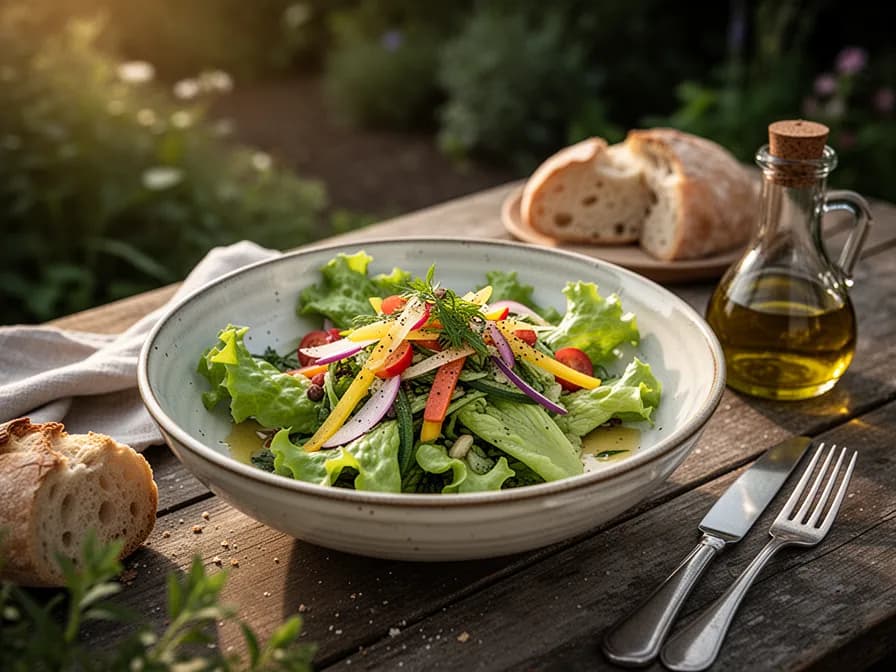
Classic Caesar Salad
15 minThe quintessential salad featuring crisp romaine lettuce with a creamy, anchovy-spiked dressing, crunchy croutons, and shaved Parmesan — a steakhouse classic that shines with garden-fresh romaine.
7 ingredients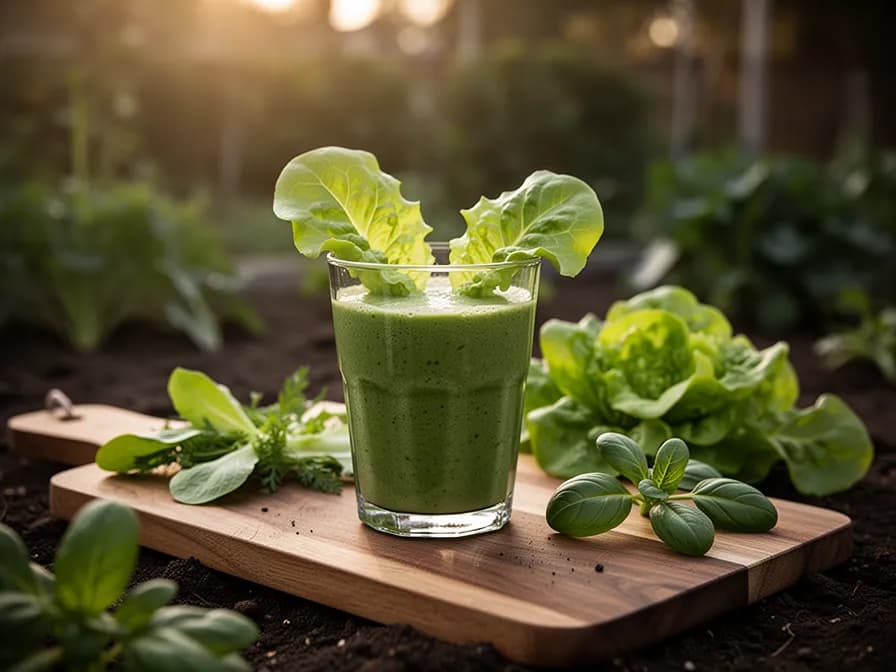
Asian Lettuce Wraps
20 minCrisp butterhead lettuce cups filled with savory stir-fried chicken, water chestnuts, and a sweet hoisin glaze — a light, flavorful meal that lets fresh lettuce take center stage.
9 ingredientsGrilled Romaine with Blue Cheese
10 minA surprising and elegant side dish — romaine hearts halved and briefly charred on the grill, then topped with crumbled blue cheese, crispy bacon, and a tangy balsamic drizzle.
7 ingredientsCulinary Uses
Lettuce is the undisputed foundation of fresh salads worldwide, from simple garden salads dressed with vinaigrette to elaborate composed salads, wedge salads, wraps, tacos, and sandwich fillings. Each type offers a distinct texture and flavor profile — crisp, sturdy romaine is the classic choice for Caesar salads, buttery bibb and Boston varieties make perfect wraps and cups for fillings, crunchy iceberg adds refreshing crunch to wedge salads and burgers, and tender loose-leaf varieties shine in mixed green salads and mesclun mixes.
Lettuce pairs beautifully with an enormous range of dressings, from simple olive oil and lemon to creamy ranch, blue cheese, and Caesar. Classic accompaniments include toasted nuts, shaved Parmesan, croutons, seasonal fruits, avocado, and fresh herbs like dill, chives, and tarragon. Beyond raw salads, grilled romaine hearts add a surprising smoky dimension with charred edges and a warm, wilted center. In Asian cuisine, lettuce leaves serve as fresh wraps for seasoned meats and rice, while in French cooking, braised lettuce with peas and butter is a classic spring side dish.
Nutritionally, lettuce provides vitamins A, K, and folate, with darker-leaved and red varieties being significantly more nutritious than pale iceberg. The redder the leaf, the higher the antioxidant content. While lettuce is low in calories, it is an important source of hydration due to its 95% water content.
What's inside
Health Benefits
- Vitamin A from beta-carotene in dark-leaved varieties supports healthy vision, immune defense, and skin cell renewal — romaine provides 148% of the daily value per 100g
- Exceptionally high vitamin K content (especially in romaine) is essential for proper blood clotting and plays a crucial role in bone calcium metabolism, helping prevent osteoporosis
- Folate content supports DNA synthesis, red blood cell formation, and is particularly important during pregnancy for preventing neural tube defects
- Natural lactucarium compounds have mild sedative and analgesic properties, supporting relaxation and sleep quality — the basis for centuries-old folk remedy of eating lettuce before bedtime
- High water content (95%) combined with potassium and low sodium makes lettuce excellent for hydration and maintaining healthy blood pressure
- Antioxidant phenolic compounds in red and dark-leaved varieties help neutralize free radicals and may reduce the risk of cardiovascular disease and certain cancers
Where Lettuce comes from
Lettuce (Lactuca sativa) is one of the oldest cultivated vegetables, with its wild ancestor Lactuca serriola still growing as a common weed across Europe and western Asia. The earliest evidence of lettuce cultivation comes from ancient Egypt around 2680 BC, where it was initially grown for its oil-rich seeds and the milky latex in its stems. Egyptian wall paintings in tombs depict tall, cos-type lettuces that closely resemble modern romaine.
From Egypt, lettuce cultivation spread to Greece and Rome, where it became an important salad crop. The Romans developed multiple varieties and are credited with the practice of serving lettuce as a salad course. Roman emperor Caesar Augustus is said to have erected a statue honoring lettuce after it cured his illness. The word 'lettuce' derives from the Latin 'lactuca,' referring to the milky sap (lac = milk) that flows from cut stems.
During the Middle Ages, lettuce cultivation expanded throughout Europe, with monasteries maintaining extensive herb and vegetable gardens that preserved diverse varieties. Christopher Columbus brought lettuce to the Americas in 1494, and it quickly became one of the most widely grown garden crops in the New World. The iconic iceberg lettuce was developed in the United States in the 1940s-50s and became America's dominant salad green for decades, though today the trend has shifted toward more nutritious and flavorful varieties like romaine, arugula, and mixed baby greens.
Lettuce: did you know?
Fascinating facts about Lettuce
Lettuce has been cultivated for over 4,500 years — ancient Egyptians first grew it for its oily seeds, and it was sacred to the fertility god Min. Egyptian tomb paintings depict tall, pointed lettuce plants.
Lettuce questions, answered
When should I plant Lettuce?
What are good companion plants for Lettuce?
What hardiness zones can Lettuce grow in?
How much sun does Lettuce need?
How far apart should I space Lettuce?
What pests and diseases affect Lettuce?
How do I store Lettuce after harvest?
What are the best Lettuce varieties to grow?
What soil does Lettuce need?
Why did my lettuce bolt and turn bitter?
How do I grow lettuce in hot climates?
Can I regrow lettuce from the store-bought base?
What's the best lettuce for containers?
Why won't my lettuce seeds germinate in summer?
Is iceberg lettuce really less nutritious?
You just read the theory. Now grow it on autopilot.
Everything that makes Lettuce fiddly — the timing, the spacing, the companions, the harvest window — is exactly what PlotMyGarden handles for you, for every plant in your garden.
A plan that knows your weather
Set your location once. Get sow, feed and harvest dates built around your real last-frost date and live forecast — no more guessing from a generic seed packet.
From the “When to plant” sectionDrag-and-drop bed planner
Design beds on a grid. Every plant snaps to its proper spacing, and you can see your whole season laid out before you spend a cent on seed.
From the “Growing guide” sectionCompanion conflicts, caught early
200+ good-and-bad pairings checked live as you plant — so a season-wrecking mistake never makes it into the ground.
From the “Companions” sectionReminders you'll actually act on
“Water the beans.” “Pick today before it turns.” Timely, specific, and tied to the plants you're really growing.
From the “Harvest” sectionSuccession, scheduled
Want a harvest for six weeks, not six days? It spaces your sowings automatically and reminds you when each new block is due.
From the “When to plant” sectionA record that gets smarter
Every harvest you log teaches it your garden. Next year's plan starts from what actually worked in your soil, not a textbook's.
From the “Overview” sectionPlant these alongside Lettuce
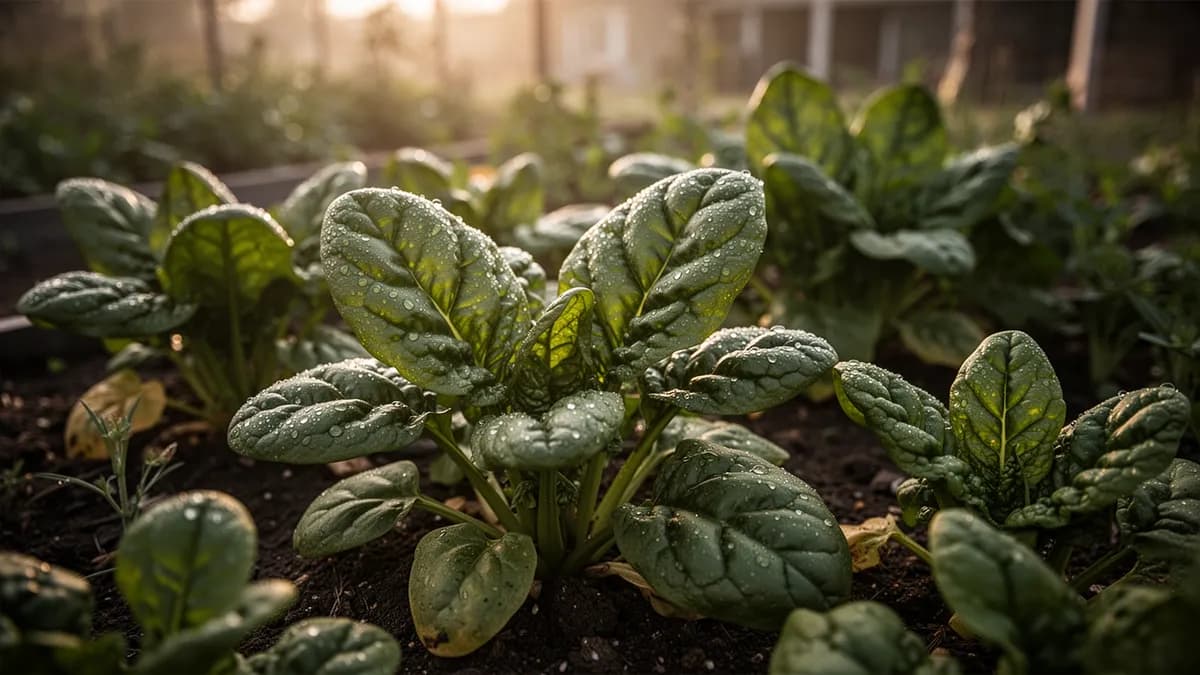
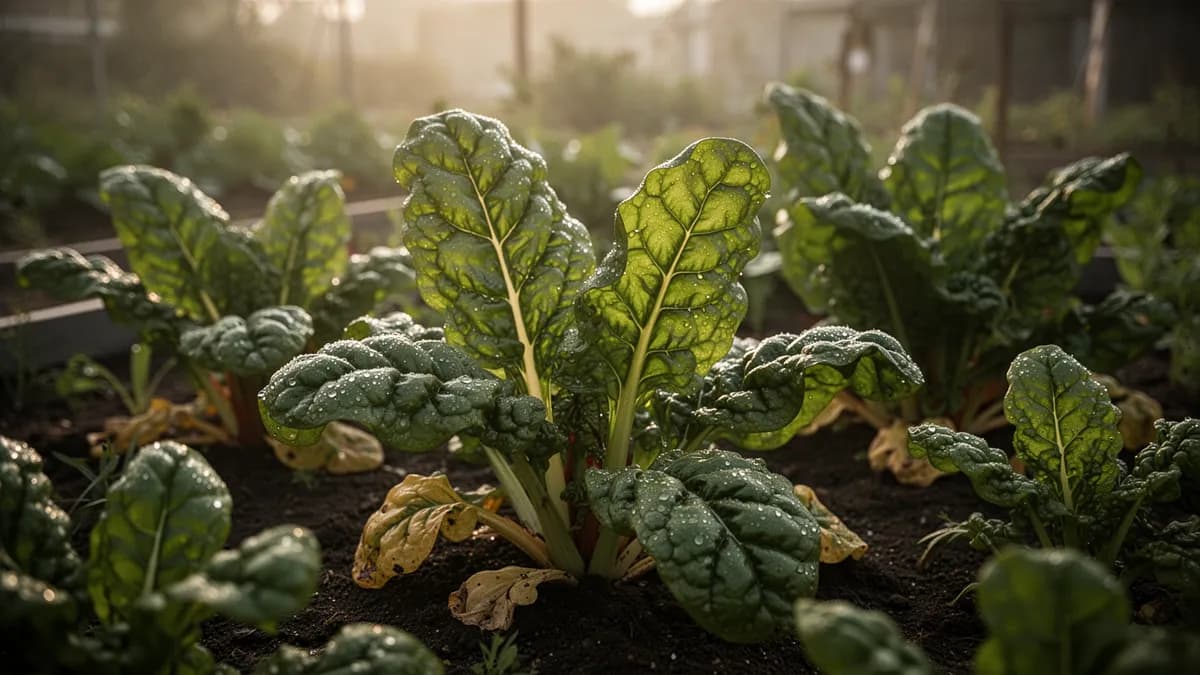
More Leafy Greens
Keep Lettuce away from these
Garden plans featuring Lettuce
Grow your best Lettuce yet — and everything around it.
Start a free plan today. Lay out your beds, drop in your Lettuce, and let PlotMyGarden handle the timing, spacing, companions and reminders from seed to harvest basket.