Swiss Chard
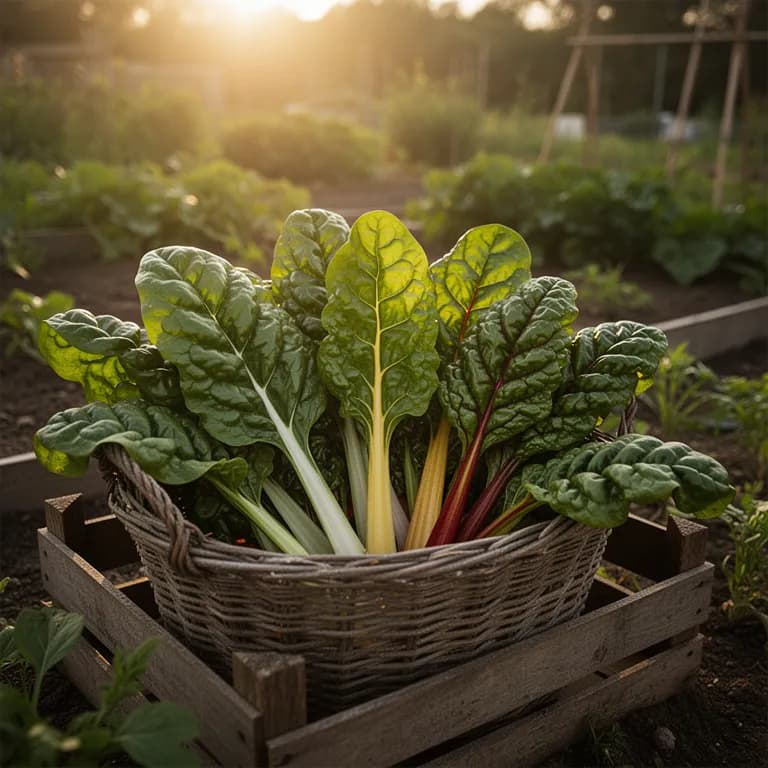
A colorful, heat-tolerant green with vibrant stems in red, yellow, orange, and white that can be continuously harvested by picking outer leaves.





On this pageOverview
Meet Swiss Chard
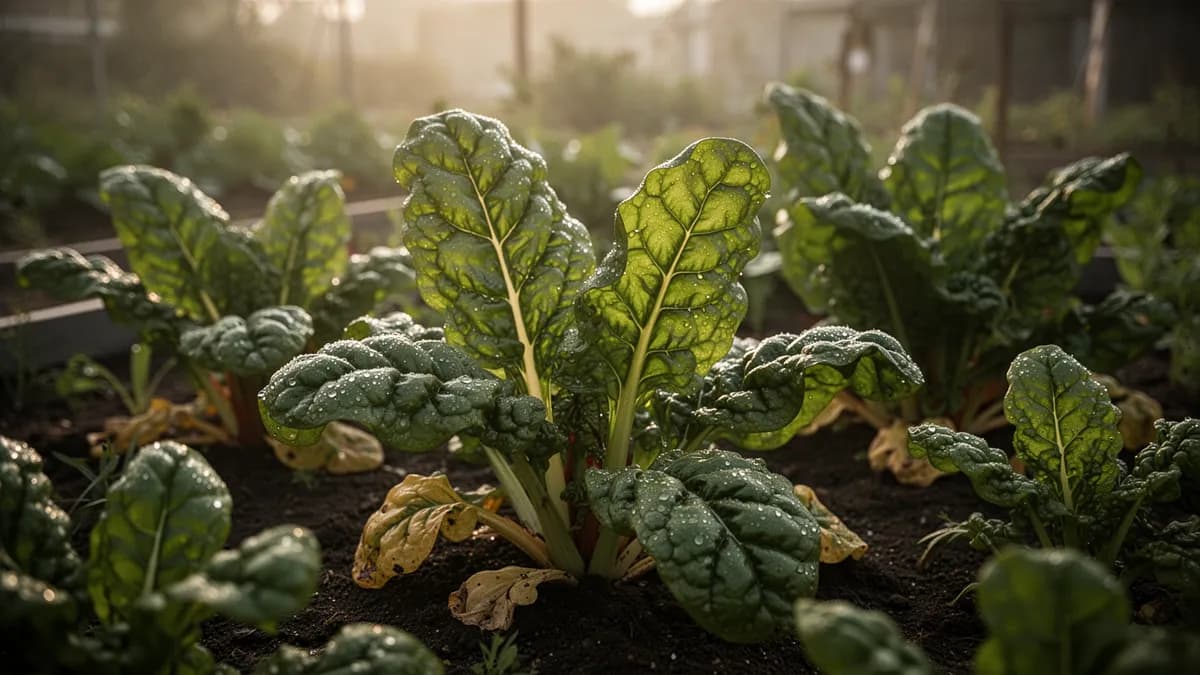
A colorful, heat-tolerant green with vibrant stems in red, yellow, orange, and white that can be continuously harvested by picking outer leaves. Unlike spinach, Swiss chard resists bolting in warm weather and produces reliably from late spring through the first hard frost. Grow in fertile, well-drained soil with consistent moisture and feed regularly to support vigorous leaf production. Use the tender young leaves raw in salads and cook mature leaves and thick stems as a nutritious side dish.
When to plant Swiss Chard
Swiss chard can be direct-sown or started indoors, with both methods yielding excellent results. For direct sowing, plant seeds 2 cm (3/4 inch) deep and 5 cm apart as soon as soil can be worked in spring — seeds germinate in 7-14 days at temperatures from 5-30°C (40-85°F), with the optimal range being 10-25°C (50-77°F). Each chard seed is actually a multigerm cluster (like beet seeds) that produces 2-4 seedlings from a single seed ball, so thinning is essential. Soaking seeds in warm water for 24 hours before planting softens the corky seed coat and can cut germination time nearly in half.
For an earlier start, begin seeds indoors 4-6 weeks before the last frost date in individual 7-8 cm pots or cell trays filled with a quality seed-starting mix. Sow 2 seeds per cell and thin to the strongest seedling after germination. Chard seedlings grow quickly under lights and are ready to transplant when they have 3-4 true leaves. Harden off transplants over 7-10 days by gradually increasing outdoor exposure before planting out. Space transplants 25-30 cm apart in the garden. Chard tolerates light frost, so transplanting 2-3 weeks before the last frost date is safe and gives plants a head start.
For a continuous harvest from spring through winter, make a second sowing in midsummer (July-August) for a fall and winter crop. Fall-sown chard often outperforms spring plantings because cooler temperatures produce sweeter, more tender leaves and pest pressure from leaf miners and aphids diminishes. In mild-winter areas (zones 7+), fall-sown chard overwinters successfully and provides an early spring harvest months before spring-sown plants mature. In colder zones, protect fall-sown chard with a cold frame, hoop tunnel, or heavy mulch to extend the harvest well into winter. Chard is a biennial, meaning it completes its lifecycle in two years — overwintered plants will bolt and flower the following spring, at which point they should be replaced with new sowings.
Your Swiss Chard Year
Composed for Zone 7 · typical seasons · frost passes Apr 2, returns Nov 1
Plant Swiss Chard Mar – May, Aug – Sep, pick Jun – Aug, Oct – Nov. Check the planting methods below and set your climate to personalize these windows.
How to grow Swiss Chard
Swiss chard is one of the most reliable and visually stunning vegetables in the garden — it produces continuously from late spring through fall, tolerates both heat and light frost, and its rainbow-colored stems add ornamental beauty to both vegetable beds and flower borders. It is botanically the same species as beets (Beta vulgaris) but has been selected for leaf and stem production rather than roots. Like beet seeds, each chard seed cluster produces multiple seedlings that need thinning.
Sow seeds directly 2 cm (3/4 inch) deep and 5 cm apart as soon as soil can be worked in spring — chard seeds germinate in soil as cool as 5°C (40°F), though 10-30°C (50-85°F) is optimal. Thin seedlings to 25-30 cm apart when they develop 2-3 true leaves. Alternatively, start seeds indoors 4-6 weeks before the last frost for an earlier harvest. Transplant hardened-off seedlings when they have 3-4 true leaves.
Swiss chard thrives in rich, well-drained soil with consistent moisture. Water with 2.5-4 cm per week and mulch to retain moisture and moderate soil temperature. Feed every 3-4 weeks with a nitrogen-rich fertilizer like fish emulsion or blood meal to support continuous leaf production. The key to prolonged harvest is the cut-and-come-again technique: harvest outer leaves when 20-25 cm tall by cutting at the base, leaving the inner growing point intact. This stimulates ongoing new growth. Swiss chard survives light frost to -6°C (21°F), making it one of the last greens standing in the fall garden.
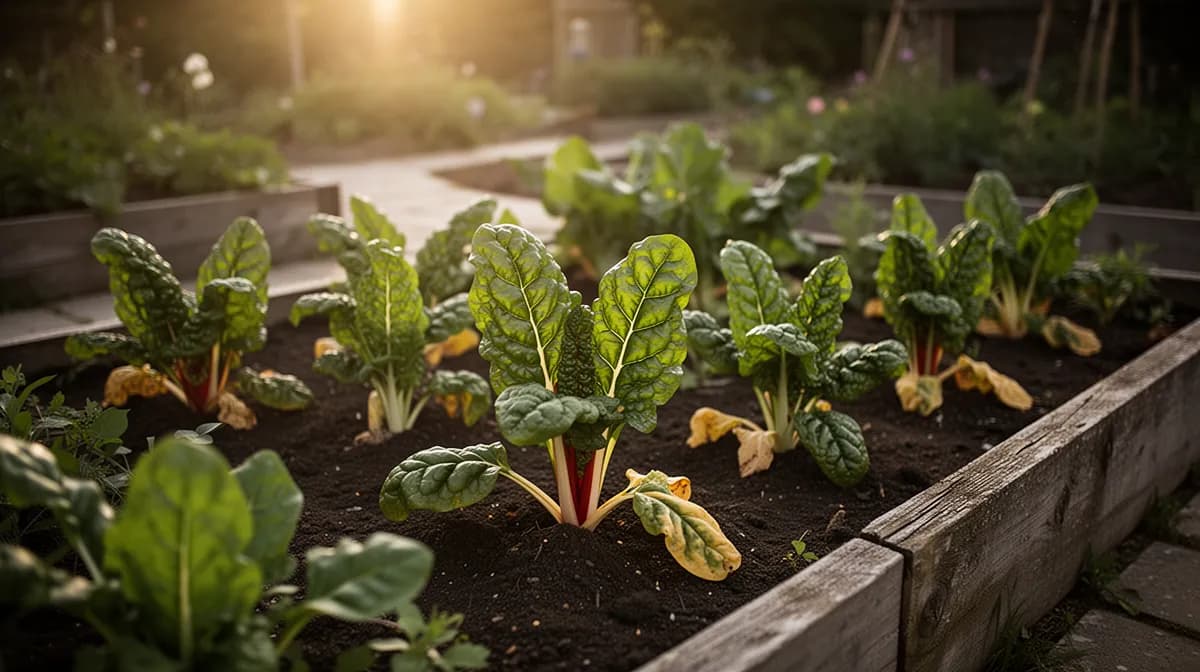
32 plants fit a 4 × 8 ft bed
Each Swiss Chard wants 30 cm of elbow room. The planner keeps that spacing for you — every plant, every bed.
Swiss Chard's best neighbours
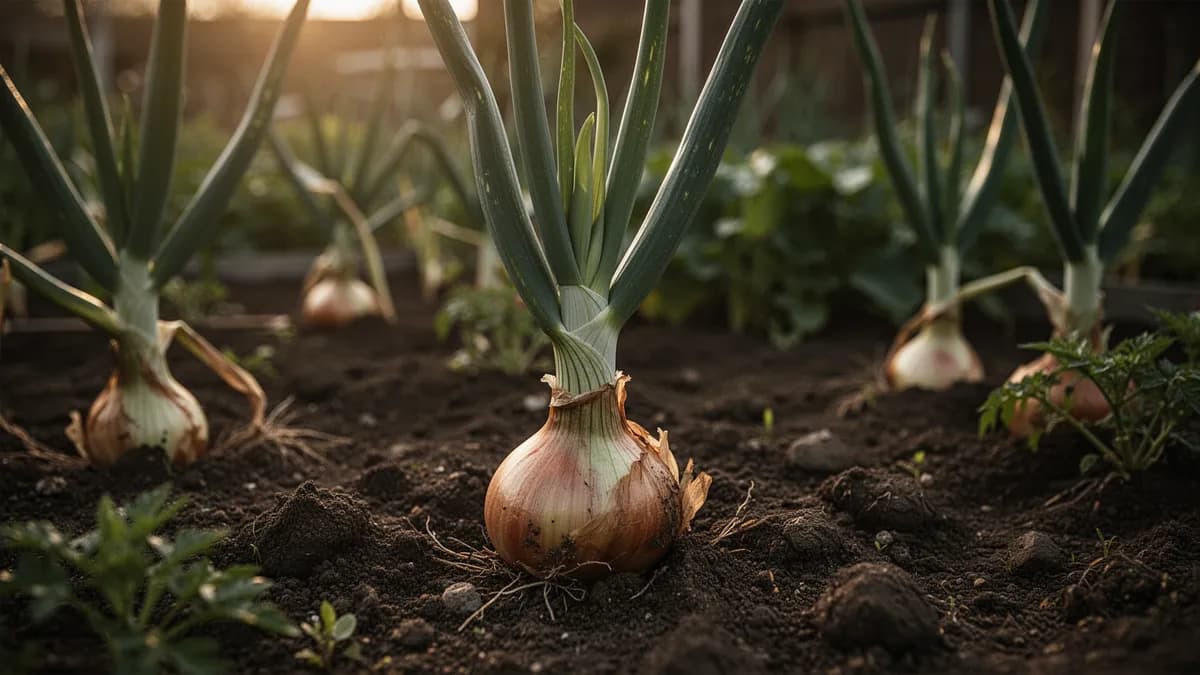
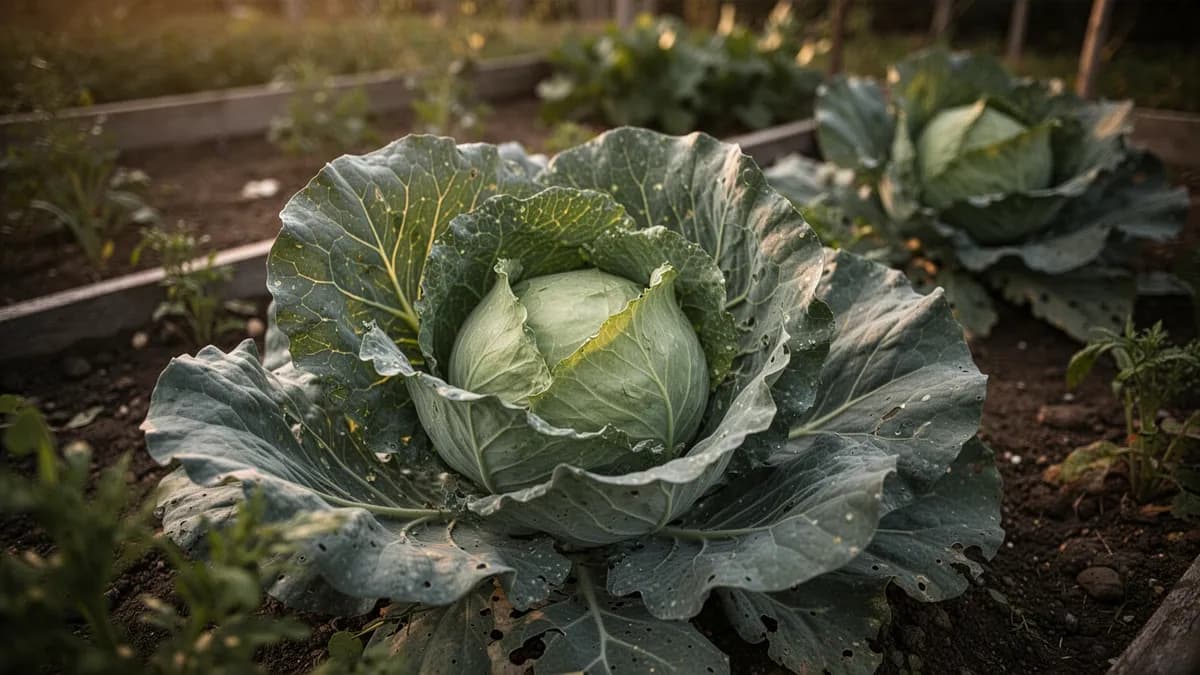
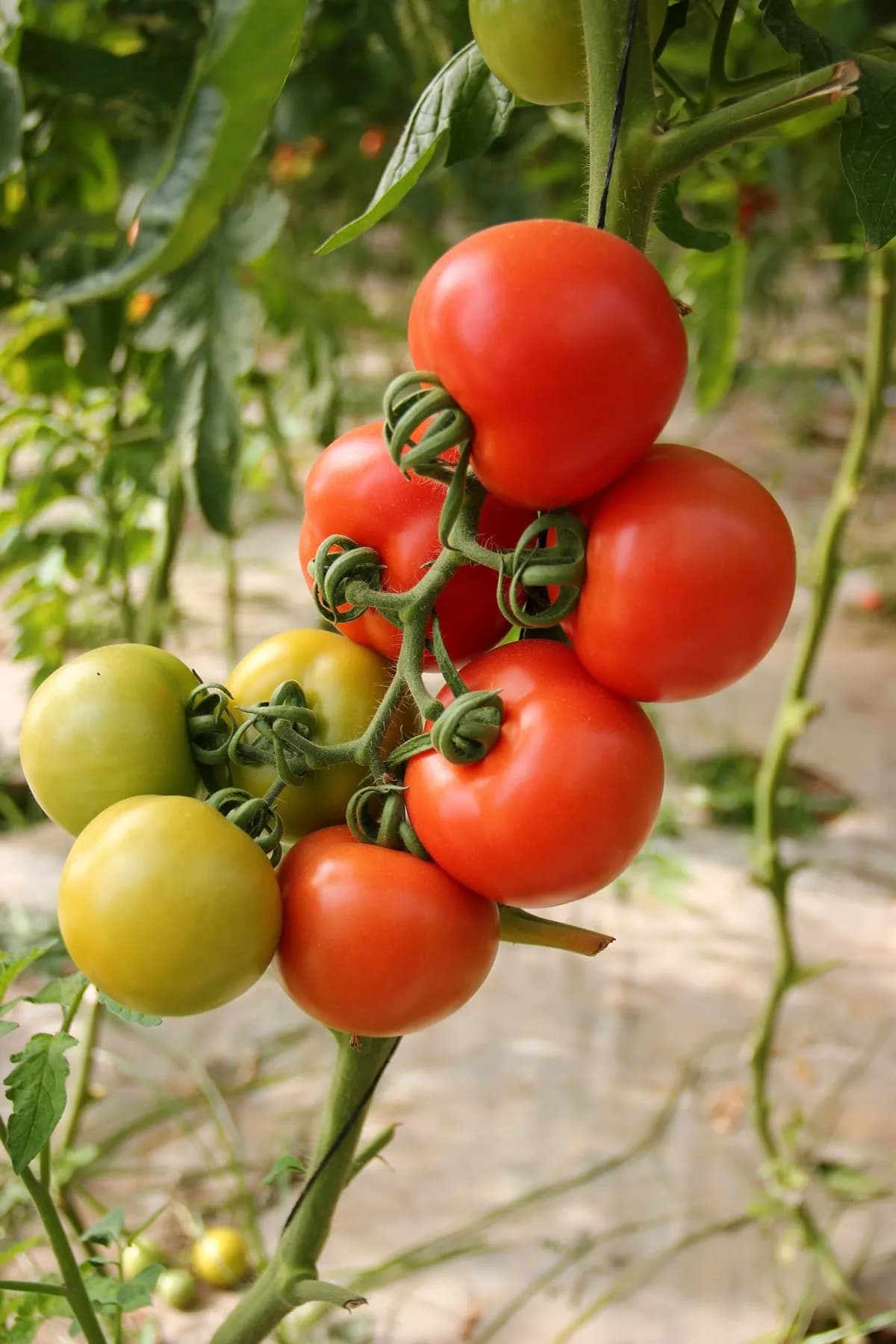
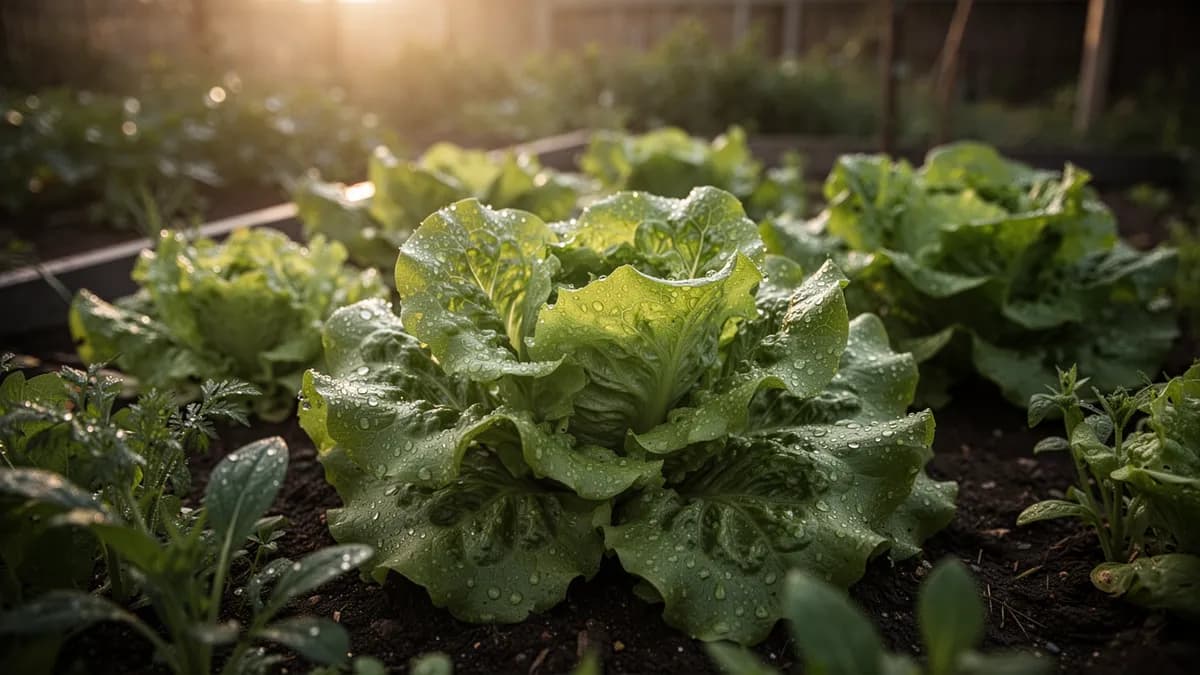
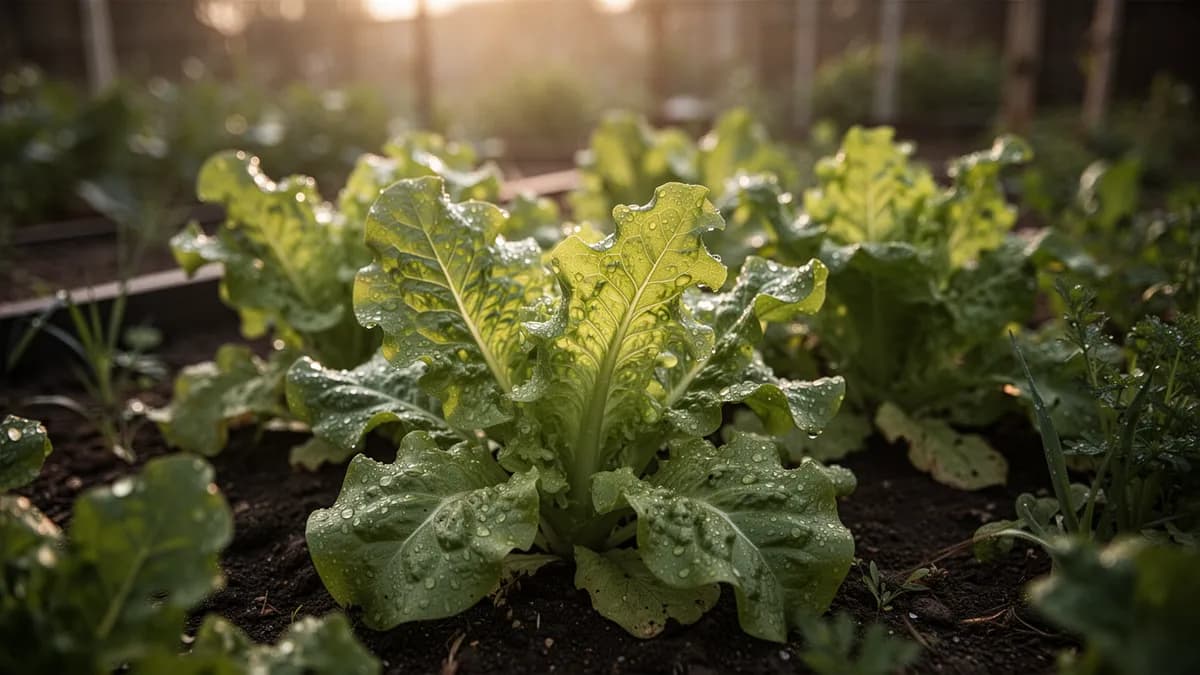
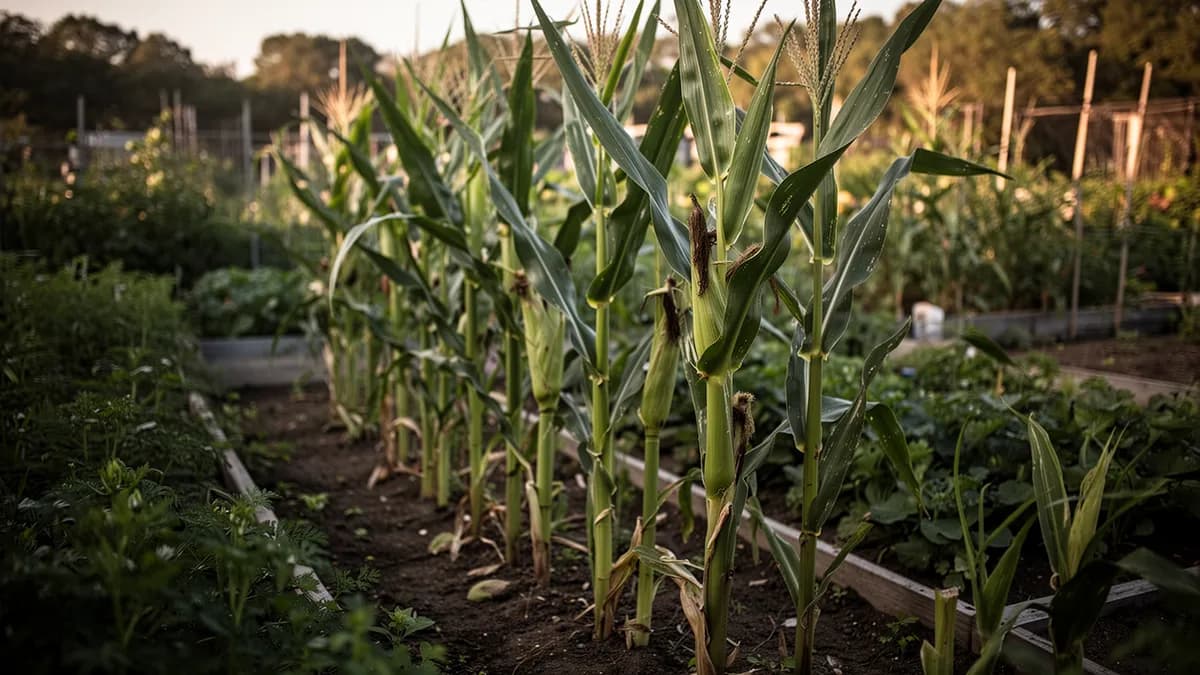
Lettuce benefits from the partial shade Swiss chard provides during warm weather, extending the lettuce harvest before it bolts. Onions planted nearby help deter leaf miners and slugs with their pungent scent. Cabbage family plants and chard coexist well since they occupy different space and have compatible nutrient needs. Tomatoes and chard are good companions — chard appreciates the dappled shade from taller tomato plants during hot weather. Avoid planting near corn, which competes aggressively for nutrients and casts too much shade, and avoid growing next to beets since they are the same species and share identical pests and diseases.
Lettuce belongs beside it. Corn doesn't.
Old growers' knowledge, checked against Swiss Chard's real companion table below — test any plant you're growing.
Try Swiss Chard in a bed — right here
A real planner bed with Swiss Chard already in it. Tap a companion to place it and watch the pairing checks answer — green for good neighbours, red for a clash.


Related growing guides
Feed it well
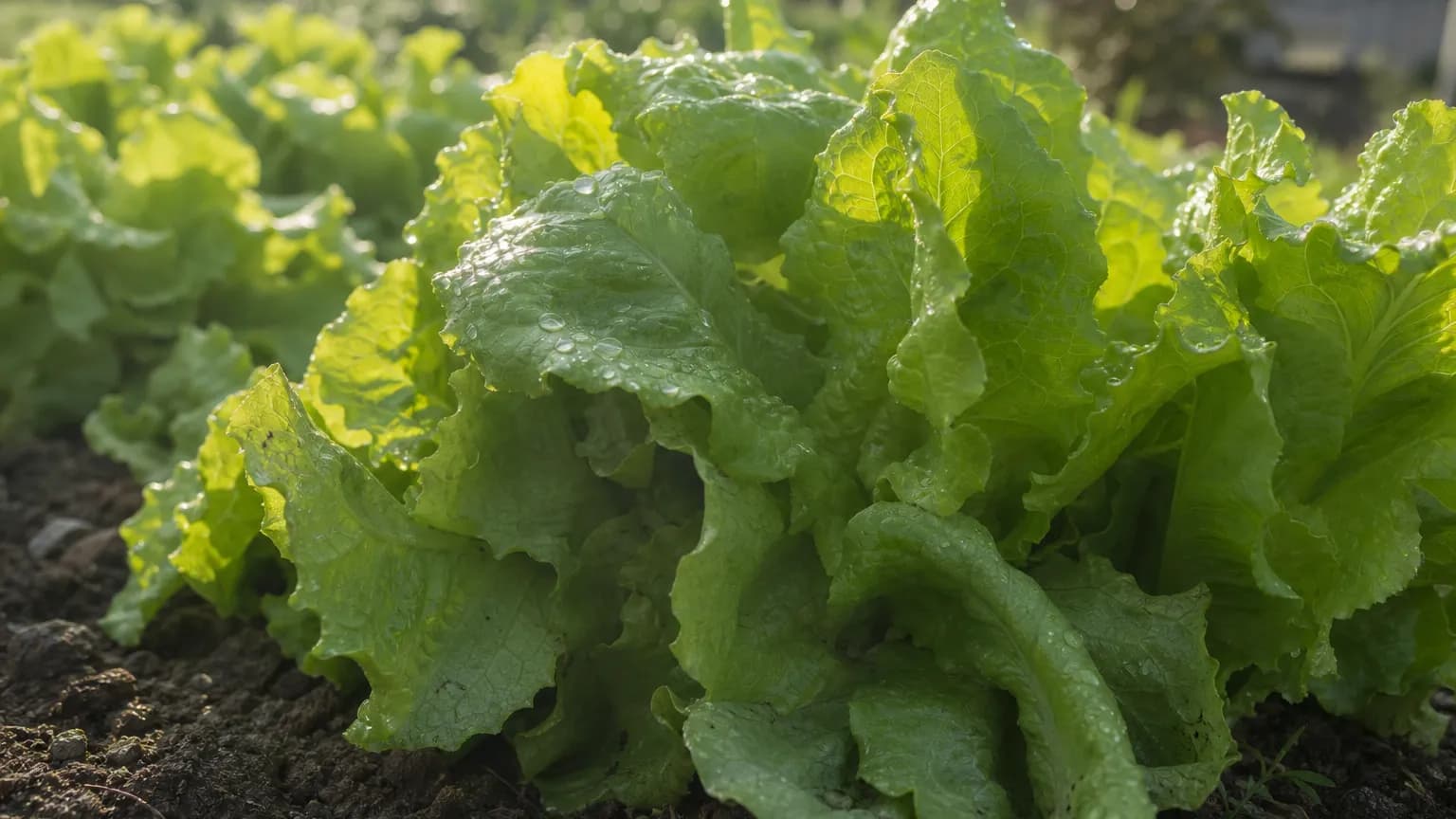
Swiss chard grows best in rich, well-drained soil with a pH of 6.0-7.0 and abundant organic matter. Before planting, work in 5-8 cm of aged compost or well-rotted manure to improve soil structure, water retention, and microbial life. Sandy soils benefit from extra compost to hold moisture, while heavy clay soils should be amended with compost and coarse perlite to improve drainage. Chard tolerates a range of soil types but performs poorly in waterlogged or compacted ground where roots cannot access oxygen.
As a heavy leaf producer, Swiss chard demands consistent nitrogen throughout its long growing season. Apply a balanced granular fertilizer (10-10-10) at planting time, then side-dress every 3-4 weeks with nitrogen-rich amendments like blood meal, fish emulsion, or compost tea to fuel continuous leaf regeneration. Potassium is equally important for developing strong, vibrantly colored stems — supplement with wood ash, greensand, or kelp meal. Avoid excessive nitrogen in isolation, which produces lush but weak growth that is more attractive to aphids and slugs. A balanced approach with regular, moderate feeding produces the healthiest and most productive plants.
Like its beet relative, Swiss chard benefits from slightly alkaline to neutral conditions and has a particular sensitivity to boron deficiency — a common micronutrient issue in alkaline or sandy soils. Symptoms of boron deficiency include cracked stems, corky patches on stalks, and browning leaf edges. Apply borax at 1 teaspoon per 10 square meters if these symptoms appear, but be cautious as boron toxicity can occur at only slightly higher rates. Magnesium deficiency, visible as interveinal yellowing on older leaves, can be corrected with Epsom salt at 1 tablespoon per gallon of water applied as a foliar spray every 2-3 weeks. Mulch around plants with straw or shredded leaves to maintain even soil moisture and moderate temperature extremes.
Ideal Temperature
Hardiness Zone Compatibility
From seed to harvest, stage by stage
Seed Germination
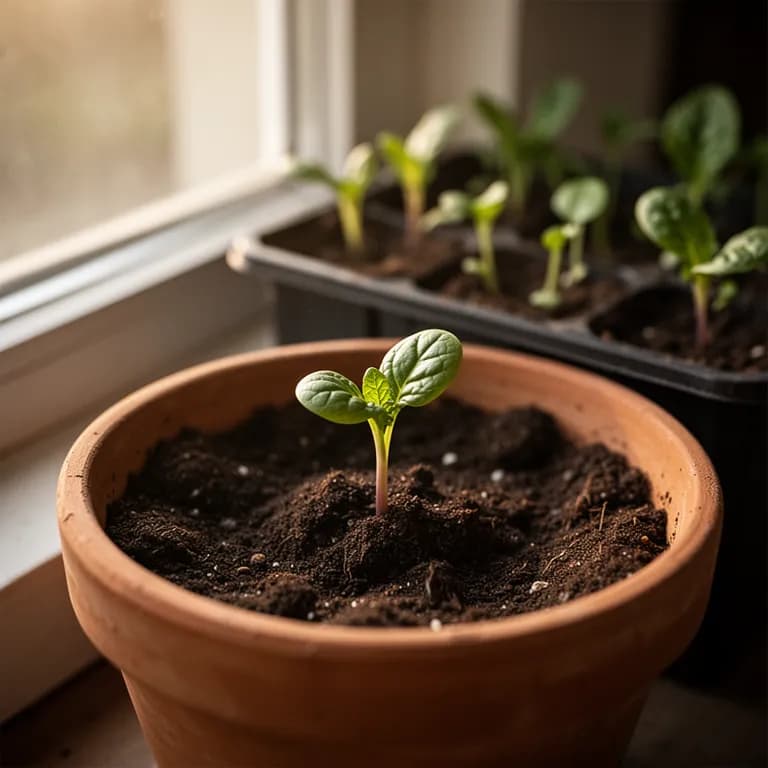
Each multigerm seed cluster swells and splits, sending out 2-4 tiny seedlings. The first structures to emerge are the cotyledons (seed leaves), which are narrow and strap-shaped. Roots establish in the top 5-8 cm of soil during this phase.
Seedling Development
True leaves emerge with their characteristic broad, slightly crinkled blades. Stem color becomes visible even at this early stage — red, yellow, orange, or white depending on variety. The root system deepens and the plant builds the energy reserves needed for rapid leaf production.
Vegetative Growth
The plant enters a phase of vigorous leaf production, generating new leaves from the central growing crown in a rosette pattern. Leaves grow larger and stems thicken, developing their full coloration. The root system reaches its mature depth of 15-30 cm.
First Harvest
Outer leaves reach 20-25 cm in length and are ready for the first cut-and-come-again harvest. The plant is now a well-established rosette with 8-12 full-sized leaves. Stems are thick, crunchy, and at peak color intensity.
Continuous Production
With regular harvesting, the plant enters a sustained production cycle, continuously generating new leaves from the center while outer leaves are harvested. A healthy plant produces 1-2 new leaves per week during warm weather. Flavor may sweeten after light frosts in autumn.
Overwintering or Bolting
As a biennial, Swiss chard completes its lifecycle in two years. In mild climates (zones 7+), plants overwinter and resume growth in early spring. In the second spring, lengthening days trigger bolting — a tall flower stalk emerges from the center, and the plant produces small greenish flowers and seeds before dying.
Keep the seedbed consistently moist but not waterlogged. If direct sowing, a light layer of vermiculite over the seeds helps retain moisture. Thin to one seedling per cluster once the first true leaves appear.
Caring for Swiss Chard month by month
What to do each month for your Swiss Chard
October
You are hereHarvest intensifies as chard sweetens after the first light frosts. In zones 6 and colder, install cold frames or hoop tunnels over fall plantings for winter harvest. Apply a thick layer of straw mulch around plant bases for insulation.
Know exactly what to do in your garden — every month
One email at the start of each month: what to sow, plant, and tackle right now — for your Swiss Chard and everything growing around it. Plus a short starter course that helps you dodge the classic mistakes.
- What to do, right now
- Matched to your season
- Starter course included
Harvesting Swiss Chard
Begin harvesting Swiss chard when outer leaves reach 20-25 cm long — typically 50-60 days after sowing. Use the cut-and-come-again method: cut or snap outer leaves at the base of the stem, leaving the inner growing point and younger leaves undisturbed. This encourages continuous new growth, and a single planting can produce for 6-8 months in temperate climates. Never harvest more than one-third of the plant at once to maintain vigor and allow the plant to continue photosynthesizing efficiently. For baby chard, harvest leaves at 10-12 cm for tender salad greens that are mild enough to eat raw.
Harvesting technique matters for both quality and longevity. Use a sharp knife or scissors to make a clean cut at the base of each leaf stalk, about 3-5 cm above the soil line. Avoid twisting or yanking leaves, which can damage the crown and invite disease. Harvest in the cool of the morning when leaves are fully turgid and at their crispest — chard harvested in afternoon heat wilts rapidly. The thick, colorful stems of varieties like Bright Lights and Ruby Red are a prized culinary ingredient, so cut low enough to include the full stem length rather than just the leaf blade.
In fall and early winter, chard becomes noticeably sweeter as cool temperatures trigger the plant to convert starches into sugars — a natural antifreeze response. A light frost to -6°C (21°F) actually improves flavor significantly, making late-season chard some of the best of the year. However, stems may become more fibrous after repeated frosts, so separate stems from leaves when cooking late-season harvests. In mild-winter regions (zones 7+), chard can be harvested through the entire winter. In colder zones, apply a thick mulch layer or use a cold frame to extend the harvest into December or even January.
assuming you plant when the window opens — set your real date
Outer leaves 20-25 cm; plant has 8-12 full leaves
Storage & Preservation
Fresh Swiss chard stores best when wrapped in a damp paper towel inside a loosely sealed plastic bag in the refrigerator crisper drawer, where it keeps for 5-7 days. Do not wash before storing, as excess moisture accelerates decay. Store stems and leaves separately if possible — stems stay crisp longer than the delicate leaf blades. For maximum freshness, stand the stem ends in a glass of water in the refrigerator, similar to fresh-cut flowers, and the leaves will stay perky for up to 10 days.
Freezing is the most practical long-term preservation method for Swiss chard. Separate stems from leaves since they require different blanching times — blanch chopped leaves for 2 minutes and diced stems for 3 minutes, then immediately plunge into ice water to halt cooking. Drain thoroughly, spread in a single layer on parchment-lined baking sheets, and freeze until solid before transferring to freezer bags or vacuum-sealed pouches. This prevents clumping and allows you to remove only what you need. Properly frozen chard retains excellent nutritional value and keeps for 10-12 months.
Beyond freezing, Swiss chard lends itself to several creative preservation methods. The colorful stems make stunning quick pickles when sliced and submerged in a hot brine of vinegar, sugar, and spices — they hold their vibrant color and add crunch to sandwiches and charcuterie boards. Dehydrate leaves at 52°C (125°F) for 4-6 hours until they crumble easily, then grind into a nutrient-dense green powder for stirring into soups, smoothies, and sauces. Chard can also be lacto-fermented like sauerkraut or preserved in olive oil as a Mediterranean-style condiment that keeps for weeks in the refrigerator.
What goes wrong — and the fix
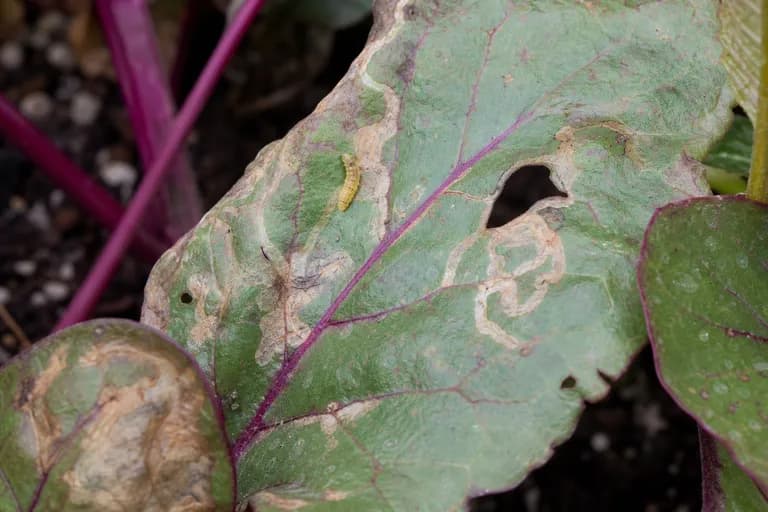
Leaf Miner
PestTan, papery, winding trails visible within leaves where fly larvae tunnel between leaf surfaces. Mined areas become translucent and papery. Heavy infestations make leaves unsightly and reduce photosynthetic capacity.
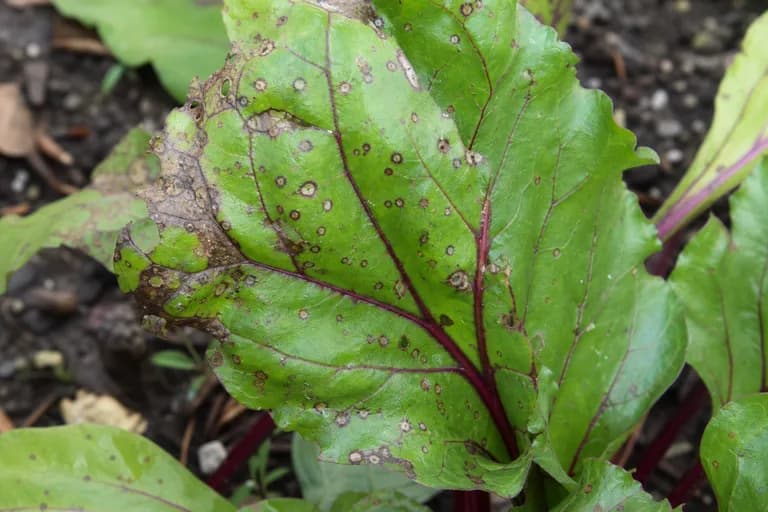
Cercospora Leaf Spot
DiseaseSmall, round spots with gray centers and dark purple-brown borders on leaves. Spots may merge, causing large dead areas. Severely infected leaves yellow and die prematurely. Most common in warm, humid weather.
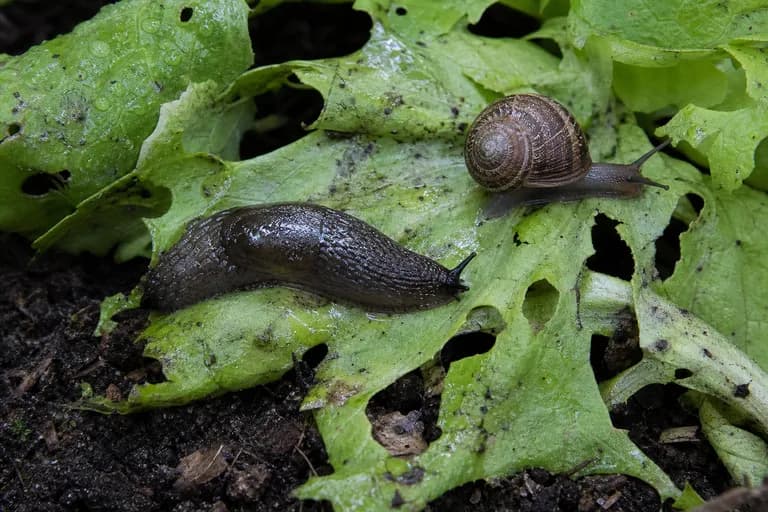
Slugs and Snails
PestIrregular holes in leaves, especially on young plants and new growth near the ground. Slime trails visible on soil and leaf surfaces in the morning. Seedlings can be completely consumed overnight.
Troubleshooting Common Problems
Yellowing lower leaves are normal on mature Swiss chard plants and can simply be removed — the plant continuously generates new inner leaves from the central growing point. Brown, crispy leaf edges typically indicate either drought stress, potassium deficiency, or boron deficiency. Ensure consistent watering of 2.5-4 cm per week and maintain an adequate fertilization schedule. Pale or stunted new growth usually signals nitrogen deficiency, which is corrected by side-dressing with blood meal or fish emulsion. Small, weak plants nearly always indicate overcrowding — thin to at least 25-30 cm spacing to allow proper air circulation and root development.
Unlike spinach, Swiss chard rarely bolts in hot weather, making it one of the most heat-tolerant leafy greens available. However, prolonged temperatures above 35°C (95°F) can slow growth considerably — provide afternoon shade with shade cloth or by interplanting with taller crops like tomatoes or corn in extremely hot climates. In its second year, overwintered chard will bolt as day length increases in spring — harvest aggressively in early spring before the flower stalk emerges, then pull the plant and replace with a fresh sowing. White or pale-stemmed varieties may show more insect damage than colorful types, as their lighter coloring provides less visual camouflage from pests.
Cercospora leaf spot is the most common disease affecting Swiss chard, appearing as small round spots with gray centers and dark purple-brown borders during warm, humid weather. Prevent it by spacing plants for good air circulation, avoiding overhead watering, and rotating chard and beet plantings on a 2-3 year cycle. Leaf miners are the most persistent pest — their tunneling larvae create tan, papery trails within leaves. Floating row covers installed at planting time are the most effective prevention, as they physically exclude the egg-laying flies. If leaf miners are already present, remove and destroy affected leaves promptly and avoid composting them.
Growing Tips
- Swiss chard is one of the most forgiving leafy greens for beginners. It tolerates partial shade (4-6 hours of sun), handles heat without bolting, survives light frost, and recovers quickly from neglect — making it an ideal first crop for new gardeners.
- Soak chard seeds in warm water for 24 hours before planting. Each seed cluster contains multiple embryos, so always thin to one seedling per station. Failure to thin is the most common beginner mistake and results in weak, overcrowded plants.
- Water consistently — 2.5-4 cm (1-1.5 inches) per week delivered at the soil level via drip irrigation or soaker hose. Overhead watering promotes Cercospora leaf spot, the most common chard disease. Mulch heavily to maintain even soil moisture.
- Feed every 3-4 weeks with a nitrogen-rich fertilizer like fish emulsion, blood meal, or compost tea. Chard is a heavy feeder that produces better with regular, moderate feeding rather than a single large application at planting.
- Harvest using the cut-and-come-again method: always take outer leaves first, cutting 3-5 cm above the soil line, and never remove more than one-third of the plant at once. This keeps the central growing point productive for months.
- Swiss chard is stunning in ornamental borders, containers, and edible landscapes. Bright Lights and Peppermint varieties rival many flowers for visual impact and can be planted among perennials and annuals for dual-purpose garden beds.
- For the longest harvest season, make two sowings — one in early spring and one in midsummer. The spring sowing produces through summer, while the fall crop produces the sweetest leaves and can overwinter in mild climates or under protection.
- Floating row covers installed at planting time are the single most effective defense against leaf miners, which are Swiss chard's most troublesome pest. The covers physically exclude the flies from laying eggs on the leaves without reducing light or airflow.
Grow your best Swiss Chard yet — and everything around it.
Start a free plan today. Lay out your beds, drop in your Swiss Chard, and let PlotMyGarden handle the timing, spacing, companions and reminders from seed to harvest basket.
Pick your Swiss Chard
Bright Lights
A stunning mix producing plants with stems in red, orange, yellow, pink, white, and gold. Excellent flavor with tender leaves and crunchy stems. 55 days. As ornamental as it is edible — perfect for edible landscaping.
Fordhook Giant
A classic heirloom with large, thick, white stems and dark green, heavily crinkled leaves. Very productive with outstanding heat and cold tolerance. 60 days. The standard for cooking chard.
Ruby Red (Rhubarb Chard)
Brilliant crimson-red stems with dark green leaves veined in deep red. Rich, slightly earthy flavor. 60 days. Beautiful in both gardens and on the plate. Good bolt resistance.
Peppermint
Distinctive white stems streaked with vivid pink and red, with green leaves. Mild flavor and tender texture. 60 days. Eye-catching ornamental variety that performs well in containers and borders.
A single packet of Swiss chard seeds ($2-4) grows 30-50 plants, each producing $8-15 worth of organic greens over the season. Just 4-6 plants provide a continuous supply of fresh greens for a family from late spring through fall — equivalent to buying $50-100 worth of organic chard at grocery prices of $3-5 per bunch. The ornamental value of rainbow varieties adds further value as edible landscaping.
Quick recipes
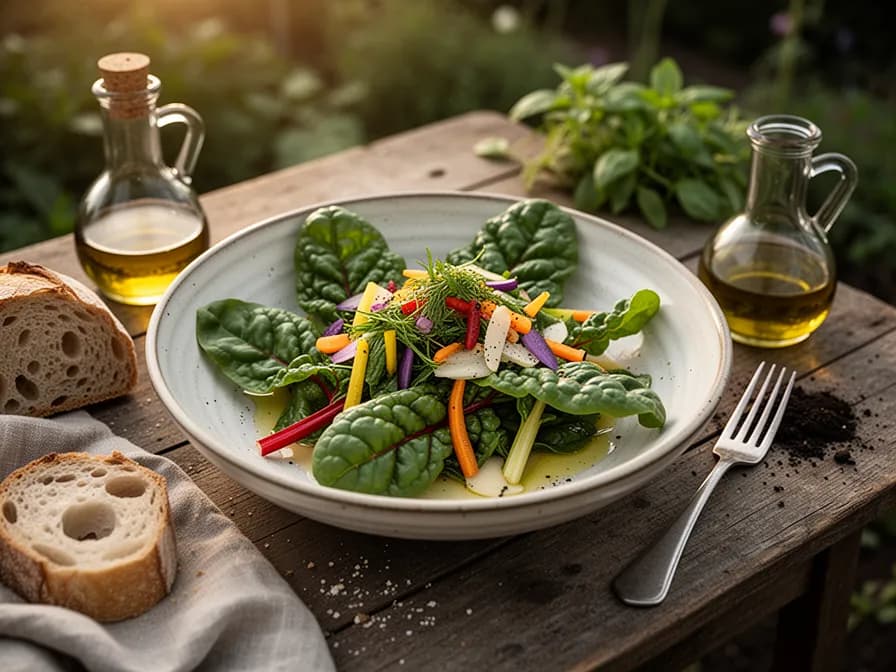
Garlic Sauteed Swiss Chard
10 minThe quintessential way to prepare Swiss chard — quick, simple, and utterly delicious. Vibrant stems and tender leaves sauteed with garlic, finished with a squeeze of lemon. Ready in minutes and pairs with virtually any main course.
7 ingredientsSwiss Chard and White Bean Soup
30 minA hearty, nourishing one-pot soup that makes the most of Swiss chard's earthy flavor. Tender white beans, aromatic vegetables, and ribbons of chard in a savory broth — comfort food that is as nutritious as it is satisfying.
8 ingredientsSwiss Chard Stem Pickles
20 minA stunning quick pickle that transforms colorful chard stems into a crunchy, tangy condiment. The stems retain their vibrant red, orange, and yellow hues in the brine, making them as beautiful as they are delicious on sandwiches and charcuterie boards.
8 ingredientsCulinary Uses
Swiss chard offers two vegetables in one — tender leaves and crunchy, colorful stems can be cooked separately or together, each with distinct textures and cooking times. Saute leaves with garlic and olive oil for a classic Mediterranean side dish ready in under five minutes, add to frittatas, quiches, lasagna, and pasta, or use raw baby leaves in salads and wraps. The stems, which take longer to cook than the leaves, can be braised, pickled, gratineed with cheese, or sauteed as a standalone vegetable with a flavor reminiscent of asparagus or celery.
Swiss chard is a staple in many world cuisines. In French cooking, the stems of Fordhook Giant are gratineed with bechamel sauce in a dish called gratin de blettes. Italian cuisine uses chard in savory tarts, stuffed pasta, and the Ligurian vegetable pie called torta pasqualina. Middle Eastern and North African dishes combine chard with chickpeas, lentils, lemon, and warm spices. In Turkish cuisine, chard leaves are used to wrap rice-and-herb fillings similar to stuffed grape leaves. The colorful stems of rainbow varieties make visually striking additions to stir-fries, crudite platters, and pickled vegetable assortments.
Chard pairs exceptionally well with garlic, olive oil, lemon juice, pine nuts, golden raisins, Parmesan cheese, nutmeg, cumin, and red pepper flakes. It is one of the most nutritious leafy greens available, providing exceptional amounts of vitamins A, C, and K, along with magnesium, potassium, iron, manganese, and the antioxidant pigments known as betalains — the same compounds responsible for the vivid colors of beet roots. The oxalic acid content is moderate, so those prone to kidney stones should cook chard rather than eating it raw, as cooking reduces oxalate levels significantly.
What's inside
Health Benefits
- Swiss chard is one of the top dietary sources of Vitamin K1, with a single cooked cup providing over 700% of the daily value — critical for proper blood clotting, bone metabolism, and cardiovascular health.
- Exceptionally rich in Vitamin A as beta-carotene, supporting healthy vision, robust immune function, and skin cell regeneration. One cup of cooked chard delivers over 200% of the daily recommended intake.
- Contains powerful betalain antioxidants — the same pigments that give beet roots their color — which research has linked to reduced inflammation, improved detoxification enzyme activity, and protection against oxidative stress.
- An excellent plant-based source of magnesium (29% DV per cooked cup), a mineral involved in over 300 enzymatic reactions including energy production, muscle relaxation, and nervous system regulation.
- Provides significant bioavailable iron (22% DV per cooked cup) alongside Vitamin C, which enhances non-heme iron absorption — making chard particularly valuable for vegetarians and vegans at risk of iron deficiency.
- Rich in dietary nitrates, which the body converts to nitric oxide — a molecule that helps relax blood vessels, improve blood flow, and may contribute to healthy blood pressure levels when consumed as part of a regular diet.
Where Swiss Chard comes from
Swiss chard traces its ancestry to the wild sea beet (Beta vulgaris subsp. maritima), a hardy coastal plant native to the shores of the Mediterranean Sea, Atlantic coast of Europe, and western Asia. Archaeological evidence suggests that humans first harvested wild sea beet leaves as a foraged green as early as 2,000 BCE in the eastern Mediterranean. Unlike the modern beet, which was selectively bred for its swollen root, chard was developed along a separate breeding line that favored large, tender leaves and thick, fleshy stalks. The ancient Greeks and Romans cultivated chard extensively — Aristotle described both light and dark varieties in the 4th century BCE, and the Roman naturalist Pliny the Elder recommended chard as a medicinal plant.
During the Middle Ages, chard remained an important garden vegetable across southern Europe, particularly in Italy, France, and Spain, where it featured prominently in peasant and monastic cooking. Arab traders and agriculturalists spread improved chard varieties eastward through North Africa and into the Middle East, where it became a staple in stews, savory pies, and stuffed dishes. The Swiss botanist Karl Heinrich Emil Koch gave the plant its common English name in the 19th century when he catalogued it to differentiate it from French spinach varieties — leading to the enduring misconception that the vegetable has Swiss origins.
Today, Swiss chard is grown worldwide in temperate and subtropical climates, valued both as a nutritious food crop and as an ornamental garden plant. The development of rainbow and multi-colored varieties like Bright Lights (which won the All-America Selections award in 1998) transformed chard from a humble cooking green into a star of edible landscaping. It is now widely used in farm-to-table cuisine, featured in seed catalogs as a dual-purpose ornamental-edible plant, and recognized as one of the most nutrient-dense vegetables available. Major production regions include Italy, the United States (particularly California), Turkey, and Egypt.
Swiss Chard: did you know?
Fascinating facts about Swiss Chard
Swiss chard is not actually from Switzerland — the name was coined by a 19th-century Swiss botanist named Karl Heinrich Emil Koch who catalogued the plant to distinguish it from French spinach varieties. The vegetable likely originated in the Mediterranean region.
Swiss Chard questions, answered
When should I plant Swiss Chard?
What are good companion plants for Swiss Chard?
What hardiness zones can Swiss Chard grow in?
How much sun does Swiss Chard need?
How far apart should I space Swiss Chard?
What pests and diseases affect Swiss Chard?
How do I store Swiss Chard after harvest?
What are the best Swiss Chard varieties to grow?
What soil does Swiss Chard need?
Is Swiss chard the same as silverbeet?
Can I eat Swiss chard raw?
Why is my Swiss chard bolting?
How do I grow Swiss chard in containers?
What is the difference between Swiss chard and spinach?
Can Swiss chard survive frost?
You just read the theory. Now grow it on autopilot.
Everything that makes Swiss Chard fiddly — the timing, the spacing, the companions, the harvest window — is exactly what PlotMyGarden handles for you, for every plant in your garden.
A plan that knows your weather
Set your location once. Get sow, feed and harvest dates built around your real last-frost date and live forecast — no more guessing from a generic seed packet.
From the “When to plant” sectionDrag-and-drop bed planner
Design beds on a grid. Every plant snaps to its proper spacing, and you can see your whole season laid out before you spend a cent on seed.
From the “Growing guide” sectionCompanion conflicts, caught early
200+ good-and-bad pairings checked live as you plant — so a season-wrecking mistake never makes it into the ground.
From the “Companions” sectionReminders you'll actually act on
“Water the beans.” “Pick today before it turns.” Timely, specific, and tied to the plants you're really growing.
From the “Harvest” sectionSuccession, scheduled
Want a harvest for six weeks, not six days? It spaces your sowings automatically and reminds you when each new block is due.
From the “When to plant” sectionA record that gets smarter
Every harvest you log teaches it your garden. Next year's plan starts from what actually worked in your soil, not a textbook's.
From the “Overview” sectionPlant these alongside Swiss Chard
More Leafy Greens
Keep Swiss Chard away from these
Garden plans featuring Swiss Chard
Grow your best Swiss Chard yet — and everything around it.
Start a free plan today. Lay out your beds, drop in your Swiss Chard, and let PlotMyGarden handle the timing, spacing, companions and reminders from seed to harvest basket.