Oak Leaf Lettuce
A loose-leaf lettuce with distinctively lobed leaves resembling oak tree foliage, available in green and red varieties.





On this pageOverview
Meet Oak Leaf Lettuce
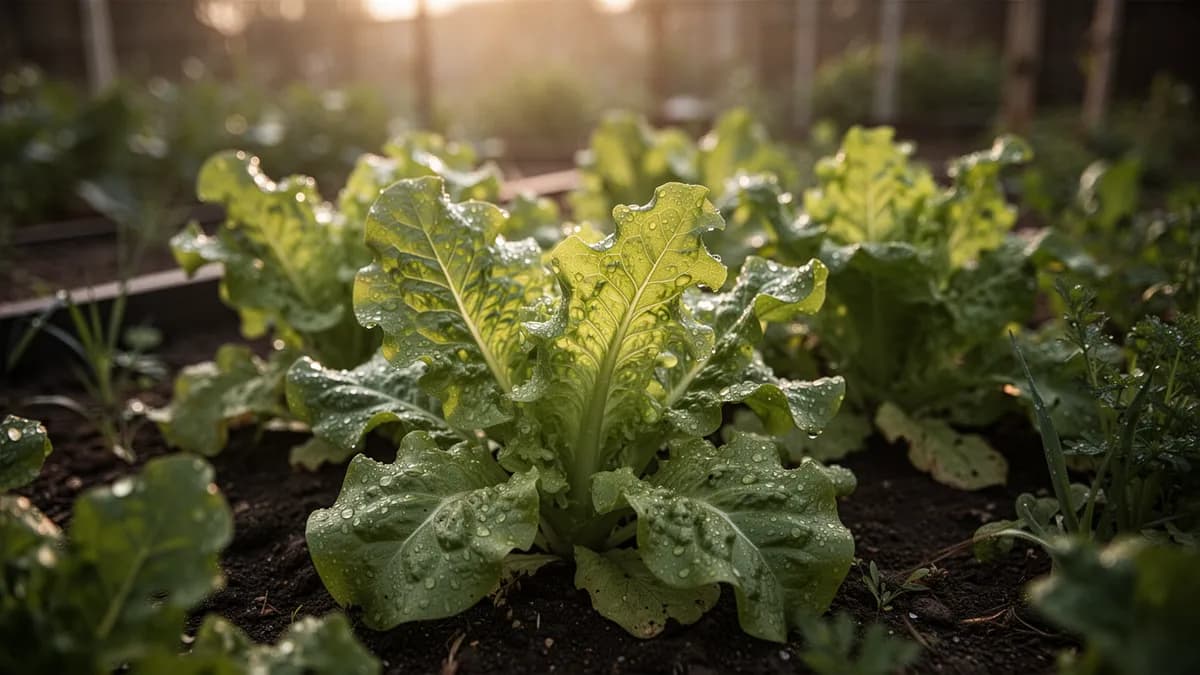
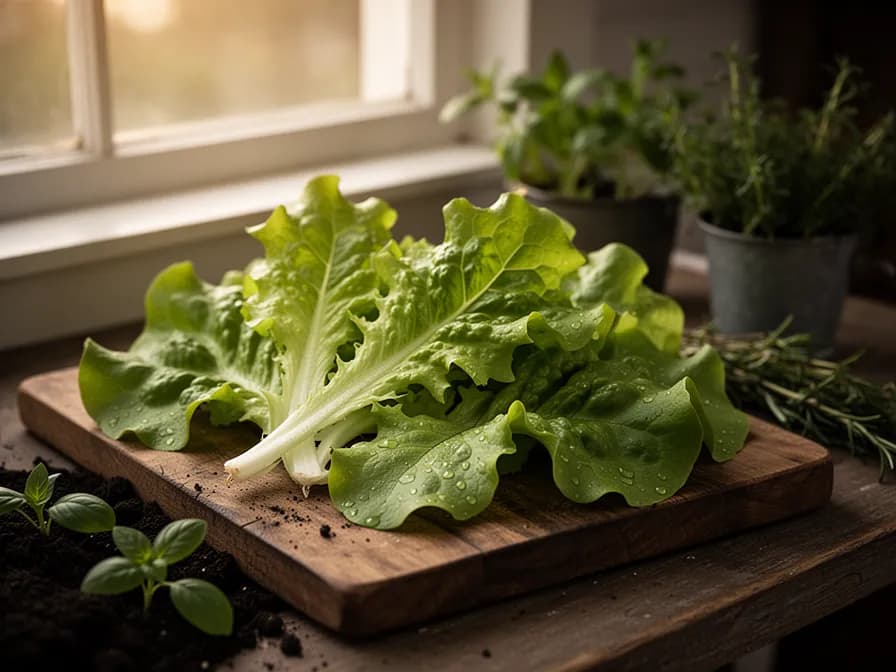
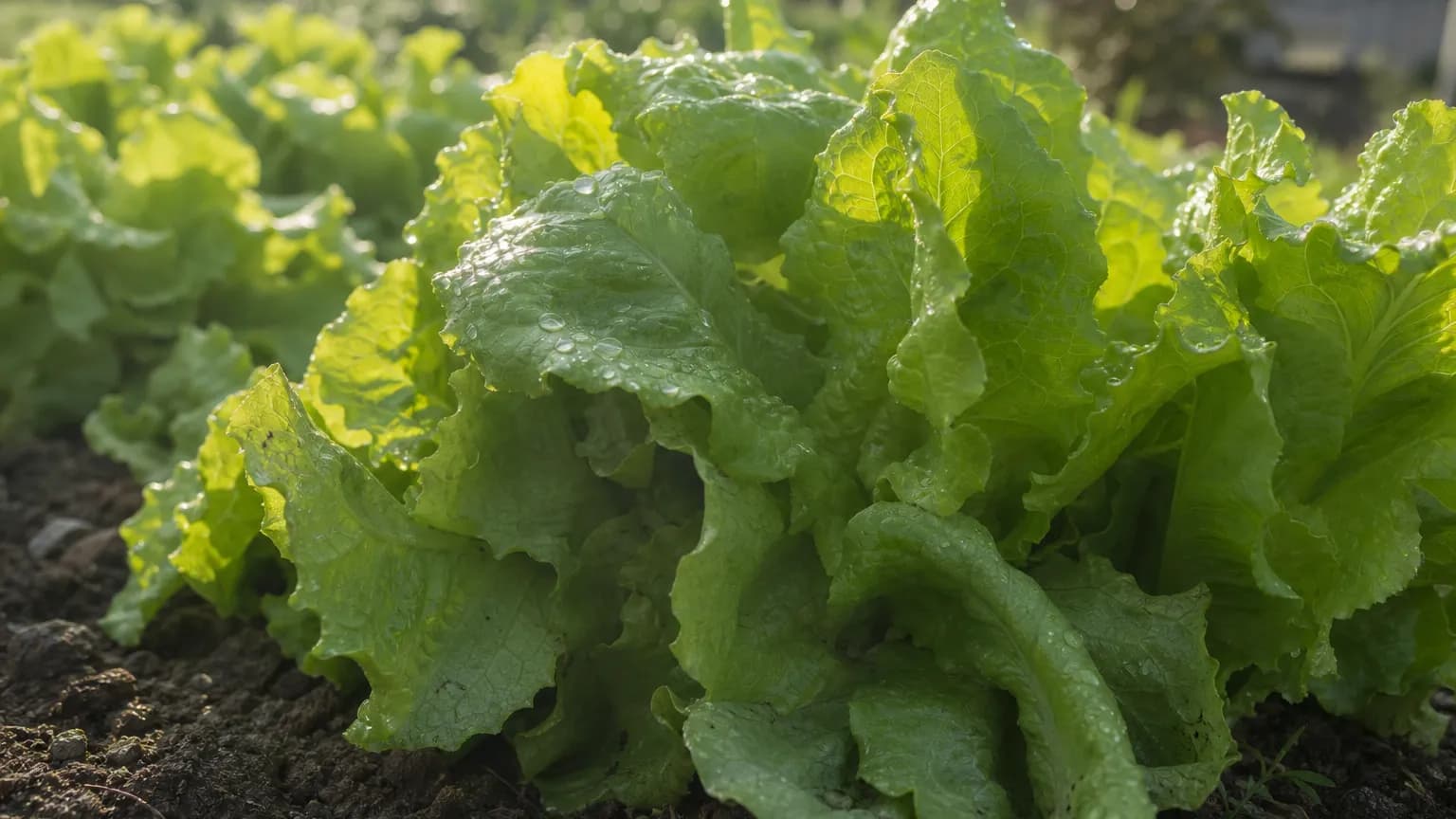
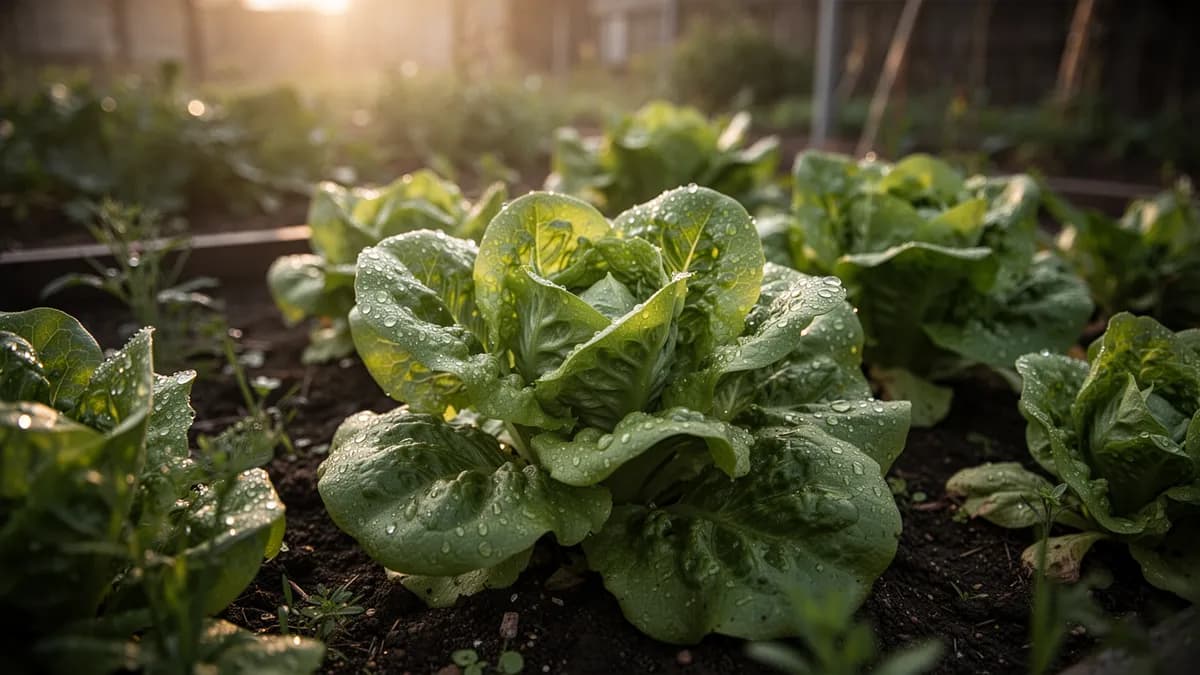
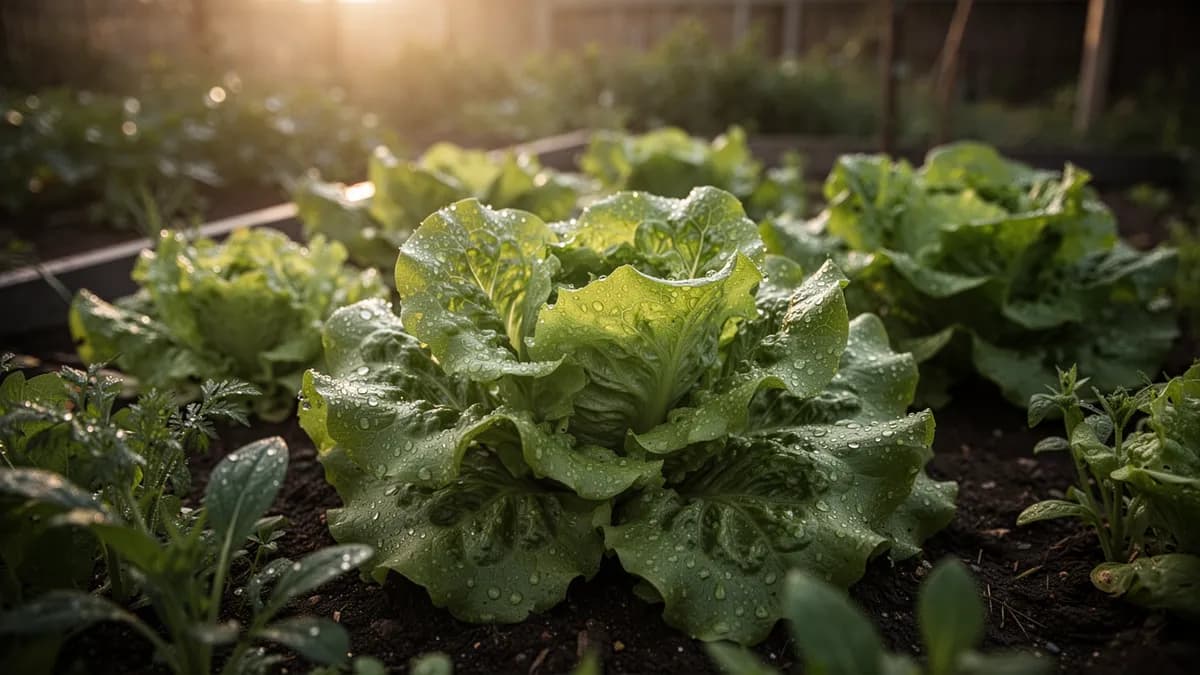
A loose-leaf lettuce with distinctively lobed leaves resembling oak tree foliage, available in green and red varieties. Oak leaf lettuce is one of the most heat-tolerant types and is slower to bolt than many other varieties. The tender leaves have a mild, nutty flavor that works well in mixed salads and as a garnish. Pick individual outer leaves for a long harvesting season from a single planting.
When to plant Oak Leaf Lettuce
Surface-sow seeds on moist soil, pressing lightly without covering. Seeds germinate in 4-7 days at 55-70°F. In warm weather, pre-chill seeds in the refrigerator for 24 hours to break heat-induced dormancy. Thin seedlings to 6-8 inches for full-sized plants or grow more densely for baby leaf harvest. Direct sowing is the easiest method for oak leaf varieties. Succession sow every 2-3 weeks. Seeds remain viable for 3-5 years when stored cool and dry.
Your Oak Leaf Lettuce Year
Composed for Zone 7 · typical seasons · frost passes Apr 2, returns Nov 1
Plant Oak Leaf Lettuce Mar – May, Aug – Sep, pick May – Jul, Oct – Nov. Check the planting methods below and set your climate to personalize these windows.
How to grow Oak Leaf Lettuce
Direct sow oak leaf lettuce seeds on the soil surface or barely covered, as seeds need light for germination. Scatter seeds thinly in rows 8-12 inches apart and thin to 6-8 inches apart as seedlings develop. Seeds germinate in 4-7 days at 55-70°F. Alternatively, start indoors 4 weeks before last frost for an early start.
Oak leaf lettuce is one of the easiest and most forgiving lettuce types to grow. It tolerates heat better than most varieties and is slower to bolt, making it ideal for beginning gardeners. Provide consistent moisture and partial shade in warmer weather. The loose-leaf growth habit means no need to wait for head formation; begin harvesting outer leaves as soon as they are large enough.
Succession sow every 2-3 weeks from early spring through fall for uninterrupted harvest. Oak leaf lettuce is an ideal cut-and-come-again crop, regrowing after cutting 2-3 times before quality declines. In mild winter climates, oak leaf can produce through the cool season with minimal protection. The decorative lobed leaves add visual interest to both the garden and the plate.
72 plants fit a 4 × 8 ft bed
Each Oak Leaf Lettuce wants 20 cm of elbow room. The planner keeps that spacing for you — every plant, every bed.
Oak Leaf Lettuce's best neighbours
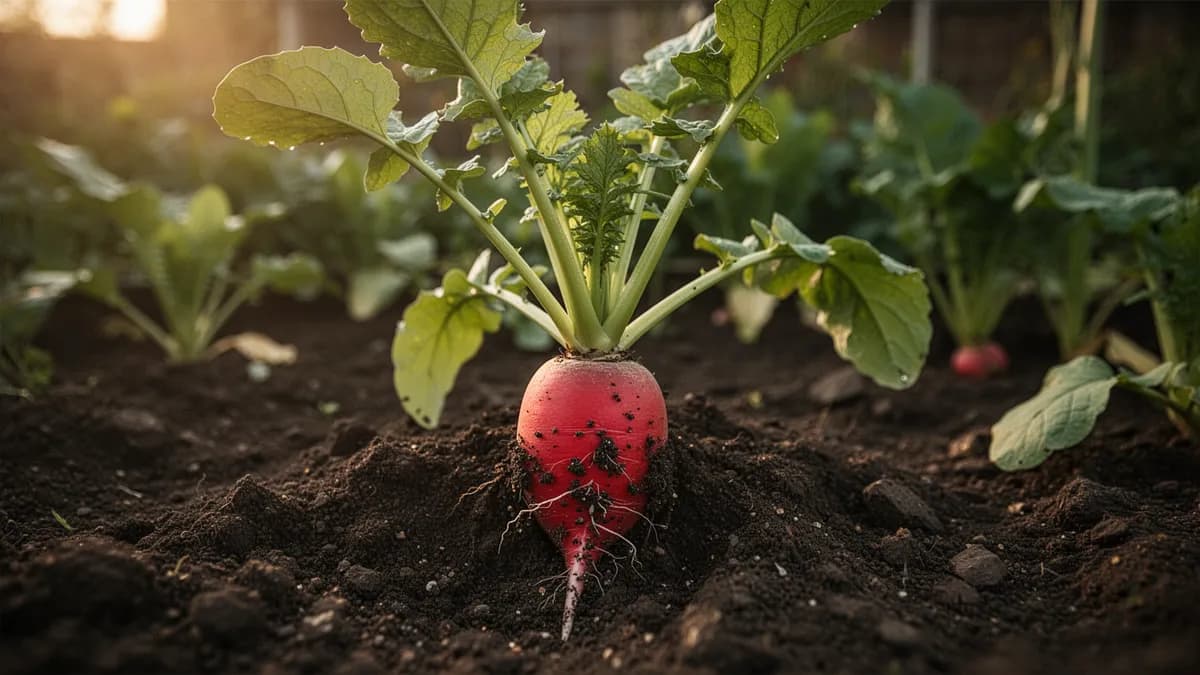
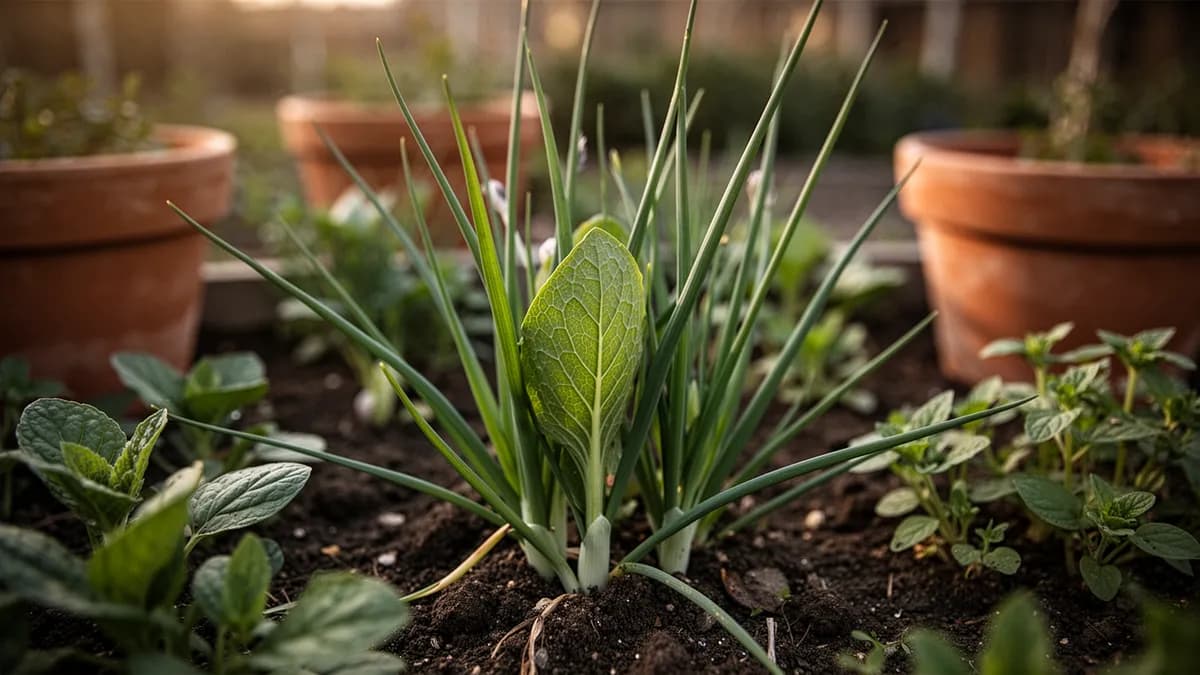
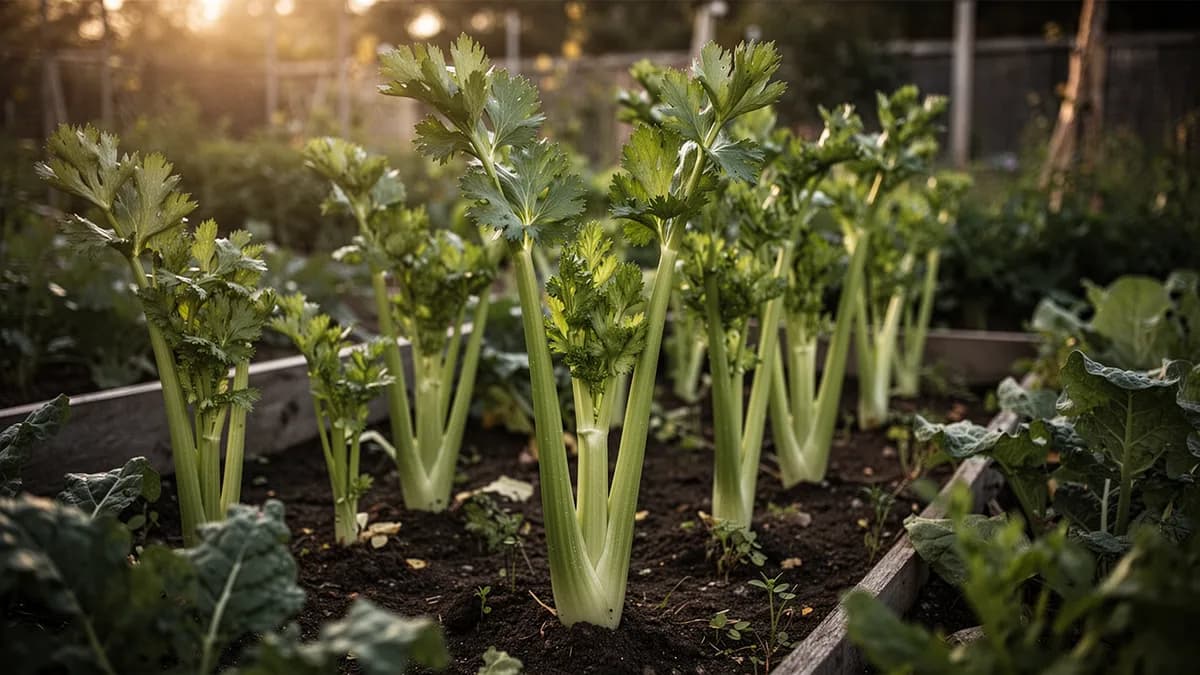
Oak leaf lettuce pairs well with carrots, radishes, chives, and herbs. Taller crops provide valuable shade in warm weather. Fast-growing radishes make excellent row markers between lettuce plantings. Avoid planting near celery. Basil, chives, and cilantro planted nearby help repel aphids and attract beneficial insects. Oak leaf lettuce works beautifully as an edible border plant or as an understory crop in mixed vegetable beds.
Carrot belongs beside it. Celery doesn't.
Old growers' knowledge, checked against Oak Leaf Lettuce's real companion table below — test any plant you're growing.
Try Oak Leaf Lettuce in a bed — right here
A real planner bed with Oak Leaf Lettuce already in it. Tap a companion to place it and watch the pairing checks answer — green for good neighbours, red for a clash.


Related growing guides

Feed it well
Oak leaf lettuce grows well in any fertile, well-drained soil with a pH of 6.0-7.0. Compost-amended soil provides ideal conditions. Apply a light balanced fertilizer at planting; additional feeding is rarely needed for this undemanding crop. Consistent surface moisture is key for tender leaves. Organic mulch helps maintain the cool, moist conditions lettuce prefers. In containers, use quality potting mix with good water retention.
Ideal Temperature
Hardiness Zone Compatibility
From seed to harvest, stage by stage
Germination
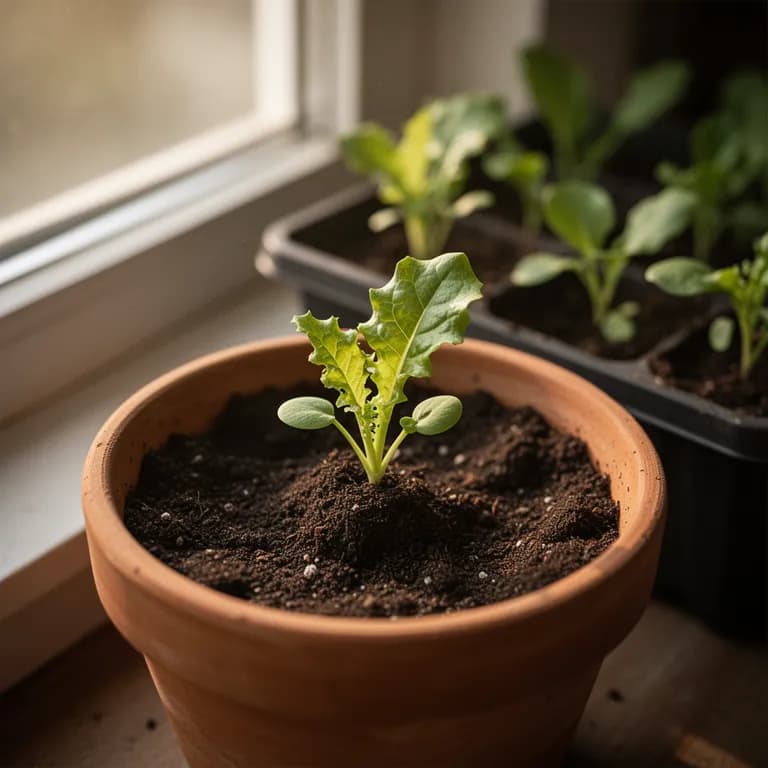
Tiny seeds germinate on or just below the soil surface within 4-7 days. Lettuce seeds require light to germinate, so they should not be buried. The first pale green seed leaves (cotyledons) emerge as a small pair of rounded leaves.
Seedling Development
The first true leaves appear with the distinctive oak-like lobed shape. Seedlings develop a shallow but spreading root system. Thin to 6-8 inches apart once true leaves are visible, or leave closer for baby leaf harvest.
Rosette Formation
The plant forms a loose, open rosette of deeply lobed leaves radiating from a central growing point. Leaves grow rapidly and begin to show variety-specific coloring — deep green, lime green, or burgundy-red depending on cultivar.
Full Maturity
The rosette reaches 8-12 inches across with numerous tender, deeply lobed leaves. This is peak harvest quality — leaves are tender, mild, and at their best flavor. The plant can sustain repeated outer-leaf harvests for 4-6 weeks.
Bolting
The central stem elongates rapidly as the plant transitions to flowering. Leaves become more pointed and increasingly bitter. Small yellow flower heads develop at the top of the stem, eventually producing dandelion-like seed puffs.
Keep the soil surface consistently moist with a fine mist sprayer. Ideal germination temperature is 55-70°F (13-21°C). In hot weather above 80°F, seeds may enter thermoinhibition — chill seeds in the refrigerator for 24 hours before sowing.
Caring for Oak Leaf Lettuce month by month
What to do each month for your Oak Leaf Lettuce
October
You are herePeak fall harvest season. Oak leaf lettuce improves in flavor as nights cool. Protect from early frost with row covers or cold frames. Continue harvesting outer leaves for extended production.
Know exactly what to do in your garden — every month
One email at the start of each month: what to sow, plant, and tackle right now — for your Oak Leaf Lettuce and everything growing around it. Plus a short starter course that helps you dodge the classic mistakes.
- What to do, right now
- Matched to your season
- Starter course included
Harvesting Oak Leaf Lettuce
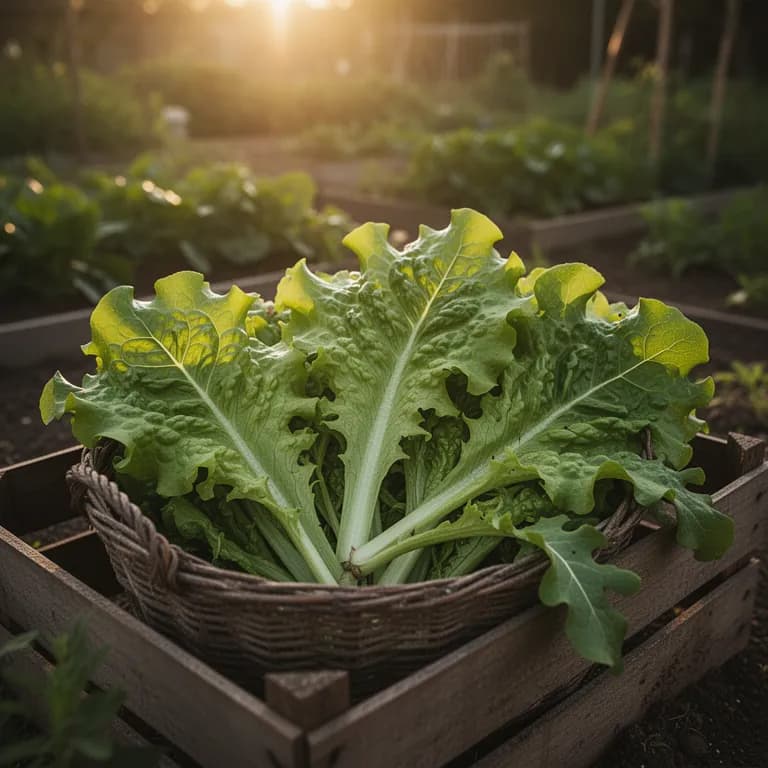
Begin harvesting oak leaf lettuce as baby greens at 25-30 days or full-sized leaves at 40-50 days. Pick individual outer leaves from the base, leaving the growing center intact for continued production. For cut-and-come-again harvest, cut the entire plant 1-2 inches above the soil and it will regrow. Harvest in the morning for crispest leaves. Red varieties develop their best color in cool weather with some sun exposure. A single planting can provide harvests for 4-6 weeks.
assuming you plant when the window opens — set your real date
Pick Oak Leaf Lettuce promptly and the plant keeps producing.
Storage & Preservation
Store unwashed leaves in a plastic bag with a paper towel in the refrigerator for 5-7 days. The tender leaves are more delicate than romaine and should be handled gently. Do not wash until ready to use. Lettuce does not freeze or dry well. For best quality, harvest and use the same day. Revive slightly wilted leaves by soaking in ice water for 10 minutes. Oak leaf lettuce makes attractive, long-lasting garnishes when kept cool and moist.
What goes wrong — and the fix
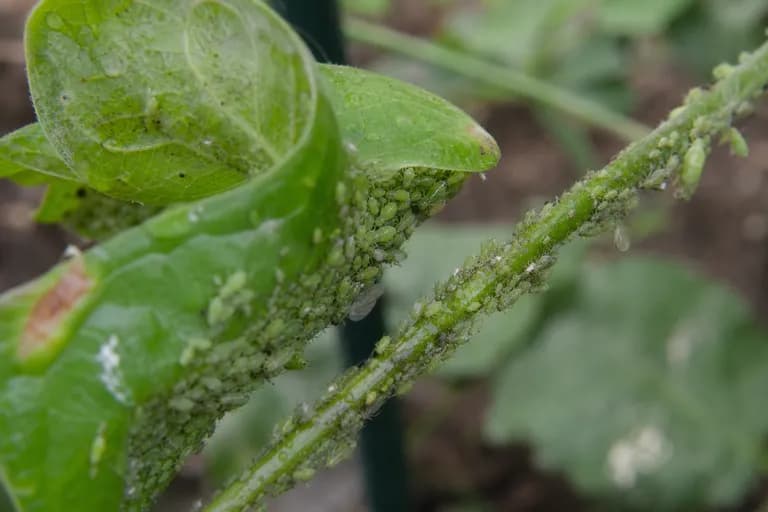
Aphids
PestSmall green or pink insects on young leaves, sticky honeydew, curled or distorted foliage.

Downy Mildew
DiseaseYellow spots on upper leaf surfaces with white fuzzy growth beneath, leaves brown and wilt.

Rabbits
PestClean-cut bites on leaves and stems, entire young plants consumed, droppings nearby.
Troubleshooting Common Problems
While more heat-tolerant than many lettuces, oak leaf will eventually bolt in sustained heat above 80°F. Provide shade and consistent moisture in warm weather. Bitter flavor develops from heat stress, water stress, or late harvest. Slug damage is common in moist conditions; use barriers and traps. Pale or leggy growth indicates too little light. Tip burn from calcium deficiency is less common in loose-leaf types than heading varieties.
Growing Tips
- Succession sow every 2-3 weeks from early spring through early fall for an uninterrupted supply of tender leaves. Oak leaf lettuce matures in just 40 days, so even short growing windows can produce a full harvest.
- Never bury lettuce seeds — they require light to germinate. Simply press them gently onto moist soil and keep the surface consistently damp with a fine mist sprayer until seedlings emerge in 4-7 days.
- Provide afternoon shade when temperatures exceed 24°C (75°F). A simple shade cloth (30-50%) or planting on the north side of taller crops like tomatoes or pole beans extends the harvest by weeks in warm weather.
- Use the cut-and-come-again method: harvest outer leaves at 3-4 inches tall, leaving the growing center intact. The plant will regrow 2-3 times, dramatically increasing total yield from each planting.
- Water in the morning at soil level rather than overhead to reduce the risk of downy mildew and bacterial leaf spot. Lettuce has shallow roots, so frequent light watering is better than infrequent deep soaking.
- Oak leaf lettuce is one of the best varieties for container growing. Use a wide, shallow pot (at least 6 inches deep) with quality potting mix. Plant densely for baby leaf production or space 6 inches apart for full-sized heads.
- Interplant with radishes as row markers — the fast-germinating radishes mark the row and are harvested before the lettuce needs the space, making efficient use of garden real estate.
- For the sweetest, crispest leaves, harvest in the early morning when the plants are fully turgid from overnight moisture uptake. Leaves harvested in afternoon heat will be limp and mildly bitter.
Grow your best Oak Leaf Lettuce yet — and everything around it.
Start a free plan today. Lay out your beds, drop in your Oak Leaf Lettuce, and let PlotMyGarden handle the timing, spacing, companions and reminders from seed to harvest basket.
Pick your Oak Leaf Lettuce
Red Salad Bowl
Deep burgundy-red lobed leaves with mild, sweet flavor. Beautiful in salads and as ornamental edging.
Green Salad Bowl
Light green version of the classic oak leaf. Extremely productive and slow to bolt.
Cocarde
French variety with bronze-red leaves and excellent heat tolerance. Maintains good flavor even in warm weather.
Red Sails
Award-winning red leaf variety with large, ruffled leaves. Very slow to bolt and bitter-free even in warm conditions.
A packet of oak leaf lettuce seeds costs $2-4 and contains 500-1,000 seeds — enough to grow salad greens for an entire season. A single head of organic lettuce at the grocery store costs $3-5, while a home-grown succession planting can yield the equivalent of 20-30 store-bought heads from one seed packet. Growing your own also eliminates plastic packaging and food miles, and you can harvest baby leaves at peak freshness — a premium product that costs $5-8 per small clamshell at farmers' markets.
Quick recipes

Oak Leaf Lettuce Wraps with Sesame Chicken
20 minCrisp oak leaf lettuce cups make the perfect low-carb wrapper for savory sesame chicken. The sturdy yet tender leaves hold the filling without tearing, and the mild nutty flavor complements the Asian-inspired seasoning beautifully.
8 ingredientsGarden Fresh Oak Leaf Salad with Herb Vinaigrette
10 minA simple salad that lets the delicate, nutty flavor of fresh-picked oak leaf lettuce shine. Tossed with a light herb vinaigrette and topped with shaved Parmesan and toasted walnuts for contrast.
8 ingredientsOak Leaf and Strawberry Spring Salad
10 minA seasonal salad combining tender red oak leaf lettuce with ripe strawberries, creamy goat cheese, and a balsamic drizzle. The mild bitterness of the lettuce balances the sweet berries perfectly.
7 ingredientsCulinary Uses
Oak leaf lettuce is ideal for mixed salad bowls where its decorative shape and mild nutty flavor complement other greens. Use as a bed for composed salads, cold meats, or cheeses. Layer in sandwiches for soft, delicate texture. Red varieties add stunning color contrast to green salads. Use whole leaves as garnish for plated dishes. The mild flavor pairs well with delicate vinaigrettes, fresh herbs, and fruit-based dressings.
What's inside
Health Benefits
- Exceptionally high in Vitamin A (as beta-carotene) — one cup provides nearly 150% of the daily value, supporting vision health, skin integrity, and immune system function.
- Rich in Vitamin K, essential for proper blood clotting and bone calcium metabolism. A single serving provides approximately 100% of the daily recommended intake.
- Red oak leaf varieties are rich in anthocyanins, potent antioxidants linked to reduced inflammation, improved cardiovascular health, and potential neuroprotective effects.
- Contains folate (Vitamin B9), which plays a critical role in DNA synthesis and cell division — particularly important during pregnancy for fetal neural tube development.
- High water content (approximately 95%) contributes to daily hydration, while the fiber content supports healthy digestion and gut microbiome diversity.
- Low in oxalates compared to spinach, making it a better choice for individuals prone to kidney stones who still want nutrient-dense leafy greens.
Where Oak Leaf Lettuce comes from
Lettuce (Lactuca sativa) traces its origins to the wild prickly lettuce (Lactuca serriola), a weedy plant native to the Mediterranean basin and the Near East. The ancient Egyptians were the first to cultivate lettuce around 2680 BCE, initially growing tall, romaine-like forms primarily for their oil-rich seeds rather than their leaves. Egyptian tomb paintings depict lettuce prominently, and the plant was associated with the fertility god Min.
From Egypt, cultivated lettuce spread to Greece and Rome, where it became a common salad vegetable. The Romans selected for less bitter, more tender forms and are credited with developing the practice of eating lettuce leaves as a salad course. The name 'lettuce' derives from the Latin 'lactuca,' referring to the milky sap exuded when stems are cut.
Loose-leaf varieties, including the oak leaf types, likely emerged during the medieval period in European monastery gardens, where monks carefully selected and maintained diverse vegetable cultivars. The distinctive oak-lobed leaf shape was documented in French seed catalogs by the 18th century. Oak leaf lettuce became particularly popular in France, where it remains a staple of mesclun salad mixes. Today, oak leaf lettuce is grown worldwide in home gardens, market gardens, and hydroponic systems, prized for its heat tolerance, ease of growth, and decorative appearance.
Oak Leaf Lettuce: did you know?
Fascinating facts about Oak Leaf Lettuce
Oak leaf lettuce gets its name from the distinctive deeply lobed leaf shape that closely resembles the foliage of oak trees — but the two plants are not related at all. Lettuce belongs to the daisy family (Asteraceae), the same family as sunflowers, dandelions, and chicory.
Oak Leaf Lettuce questions, answered
When should I plant Oak Leaf Lettuce?
What are good companion plants for Oak Leaf Lettuce?
What hardiness zones can Oak Leaf Lettuce grow in?
How much sun does Oak Leaf Lettuce need?
How far apart should I space Oak Leaf Lettuce?
What pests and diseases affect Oak Leaf Lettuce?
How do I store Oak Leaf Lettuce after harvest?
What are the best Oak Leaf Lettuce varieties to grow?
What soil does Oak Leaf Lettuce need?
Why did my oak leaf lettuce turn bitter?
Can I grow oak leaf lettuce indoors year-round?
What is the difference between green and red oak leaf lettuce?
How do I prevent slugs from eating my oak leaf lettuce?
How many times can I harvest from one oak leaf lettuce plant?
You just read the theory. Now grow it on autopilot.
Everything that makes Oak Leaf Lettuce fiddly — the timing, the spacing, the companions, the harvest window — is exactly what PlotMyGarden handles for you, for every plant in your garden.
A plan that knows your weather
Set your location once. Get sow, feed and harvest dates built around your real last-frost date and live forecast — no more guessing from a generic seed packet.
From the “When to plant” sectionDrag-and-drop bed planner
Design beds on a grid. Every plant snaps to its proper spacing, and you can see your whole season laid out before you spend a cent on seed.
From the “Growing guide” sectionCompanion conflicts, caught early
200+ good-and-bad pairings checked live as you plant — so a season-wrecking mistake never makes it into the ground.
From the “Companions” sectionReminders you'll actually act on
“Water the beans.” “Pick today before it turns.” Timely, specific, and tied to the plants you're really growing.
From the “Harvest” sectionSuccession, scheduled
Want a harvest for six weeks, not six days? It spaces your sowings automatically and reminds you when each new block is due.
From the “When to plant” sectionA record that gets smarter
Every harvest you log teaches it your garden. Next year's plan starts from what actually worked in your soil, not a textbook's.
From the “Overview” sectionPlant these alongside Oak Leaf Lettuce
More Leafy Greens
Keep Oak Leaf Lettuce away from these
Garden plans featuring Oak Leaf Lettuce
Grow your best Oak Leaf Lettuce yet — and everything around it.
Start a free plan today. Lay out your beds, drop in your Oak Leaf Lettuce, and let PlotMyGarden handle the timing, spacing, companions and reminders from seed to harvest basket.