Spinat
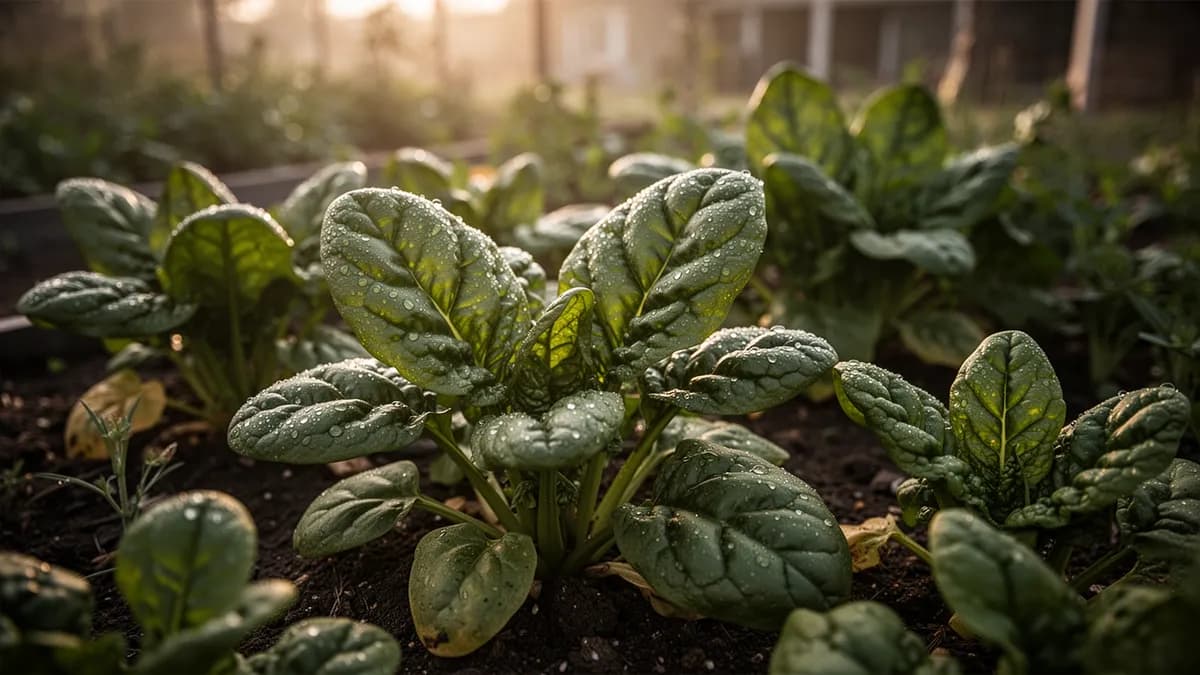
Ein nährstoffreiches Blattgemüse der kühlen Jahreszeit, das in fruchtbarem, gut durchlässigem Boden mit gleichmäßiger Feuchtigkeit hervorragend gedeiht.





Auf dieser SeiteÜberblick
Spinat im Überblick
Ein nährstoffreiches Blattgemüse der kühlen Jahreszeit, das in fruchtbarem, gut durchlässigem Boden mit gleichmäßiger Feuchtigkeit hervorragend gedeiht. Säen Sie im zeitigen Frühjahr oder Spätsommer für die Herbsternte, da Spinat schnell schosst, sobald die Tageslänge vierzehn Stunden überschreitet. Reich an Eisen, Vitamin A und C, ist Spinat sowohl roh in Salaten als auch leicht gegart zum Erhalt der Nährstoffe hervorragend geeignet. Mulchen Sie rund um die Pflanzen, um die Wurzeln kühl zu halten und das Erntefenster vor Einsetzen des warmen Wetters zu verlängern.
Wann Spinat pflanzen
Direktsaat ist für Spinat eindeutig zu bevorzugen, da er in kaltem Boden zuverlässig keimt und Frost verträgt — was ihn zu einer der allerersten Kulturen macht, die Sie im Frühjahr aussäen können. Säen Sie die Samen 1-2 cm tief, sobald der Boden bearbeitbar ist, typischerweise 4-6 Wochen vor dem letzten Frosttermin. Spinatsamen sind relativ groß und einfacher zu handhaben als Salat- oder Möhrensamen. Platzieren Sie die Samen im Abstand von 2-3 cm in Reihen mit 30 cm Abstand und vereinzeln Sie auf 10-15 cm, sobald die Sämlinge ihre ersten echten Blätter entwickelt haben. Die Keimung dauert 5-14 Tage bei Bodentemperaturen von 5-18 °C, wobei der optimale Bereich bei etwa 10 °C liegt.
Für die Herbstaussaat — die viele Gärtner als den besten Spinat des Jahres betrachten — säen Sie 6-8 Wochen vor dem ersten erwarteten Frost. Die kürzer werdenden Tage und sinkenden Temperaturen arbeiten zu Gunsten des Spinats und reduzieren die Schosstendenz, die Frühjahrsaussaaten plagt, dramatisch. Herbstspinat wächst stetig, während sich die Bedingungen abkühlen, und die kältebedingte Zuckerproduktion macht die Herbstblätter merklich süßer als Frühjahrsernte. In milden Klimazonen (Zone 6+) kann eine Spätherbstaussaat unter Vliesabdeckung überwintern und eine außergewöhnlich frühe Frühjahrsernte liefern.
Die Aussaat bei warmem Wetter erfordert eine Sonderbehandlung, da Spinatsamen über 27 °C in Keimruhe fallen — ein Überlebensmechanismus, der die Keimung unter Bedingungen verhindert, die für erfolgreiches Wachstum zu heiß sind. Weichen Sie die Samen 24 Stunden in kühlem Wasser ein, wickeln Sie sie dann in ein feuchtes Papiertuch und lagern Sie sie 5-7 Tage im Kühlschrank. Diese Kältestratifikation bricht die thermale Keimruhe und verbessert die Keimraten für Spätsommer-Herbstaussaaten dramatisch. Säen Sie abends, wenn der Boden am kühlsten ist, und gießen Sie das Beet sofort.
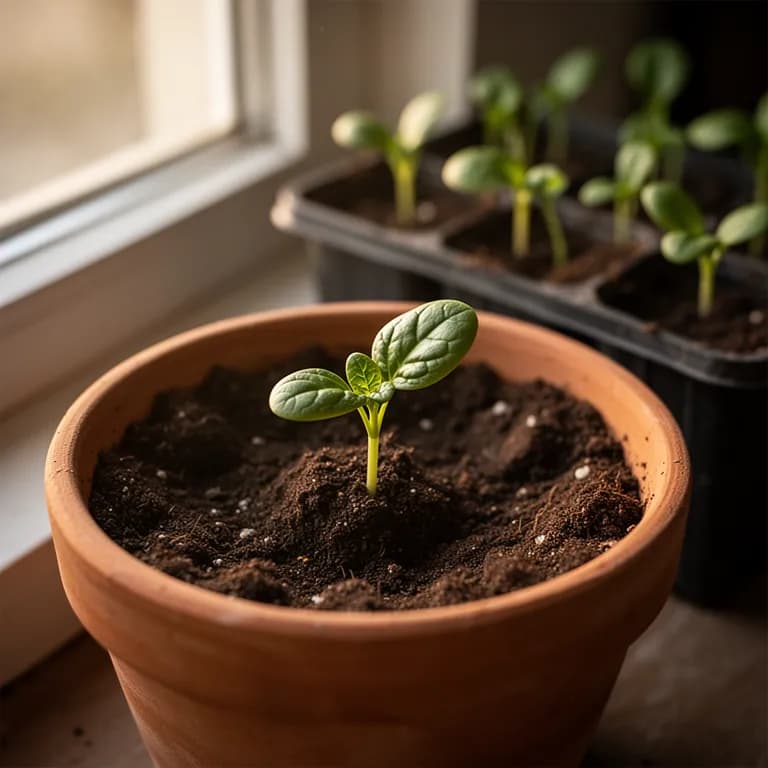
Für die Anzucht im Haus (nützlich in Regionen mit sehr kurzer Saison) säen Sie in tiefe Zelltöpfe oder kleine Töpfe, 4 Wochen vor dem Auspflanzen ins Freie. Halten Sie die Sämlinge kühl bei 10-15 °C — warme Zimmertemperaturen verursachen langbeinige, schwache Sämlinge, die zum Schossen neigen. Pflanzen Sie an einem bewölkten Tag mit minimaler Wurzelstörung um, da die Pfahlwurzel des Spinats Störungen übel nimmt. Härten Sie 3-5 Tage lang ab. Staffeln Sie alle 2-3 Wochen eine neue Reihe im Frühjahr und erneut vom Spätsommer bis Herbst, um eine kontinuierliche Versorgung mit zarten, frischen Blättern aufrechtzuerhalten.
Dein Spinat-Jahr
Abgestimmt auf Zone 7 · typische Saison · Frost geht um den 2. Apr. und kehrt um den 1. Nov. zurück
Spinat Feb – Apr, Sep – Okt pflanzen, Apr – Jun, Nov – Dez ernten. Beachte die Pflanzmethoden unten und wähle dein Klima für passende Zeiträume.
So baust du Spinat an
Spinat ist ein schnellwüchsiges, frostharte Blattgemüse, das in den kühlen Jahreszeiten Frühling und Herbst bestens gedeiht und damit zu den ersten und letzten Kulturen gehört, die jedes Jahr geerntet werden können. Säen Sie die Samen 4-6 Wochen vor dem letzten Frosttermin direkt ins Freiland, 1-2 cm tief in Reihen mit 30 cm Abstand. Die Keimung erfolgt innerhalb von 5-14 Tagen bei Bodentemperaturen von 5-18 °C, wobei sie in warmem Boden über 24 °C deutlich nachlässt. Vereinzeln Sie die Sämlinge auf 10-15 cm Abstand, sobald sich die ersten echten Blätter entwickelt haben.
Spinat reagiert extrem empfindlich auf Tageslänge und Temperatur und schosst rasch, wenn die Tageslänge 14 Stunden überschreitet oder die Temperaturen dauerhaft über 24 °C steigen. Um die Frühjahrsernte zu verlängern, wählen Sie schossresistente Sorten und bieten Sie Nachmittagsschatten durch Schattiergewebe oder höhere Begleitpflanzen. Für optimale Ergebnisse konzentrieren Sie die Hauptaussaaten auf das frühe Frühjahr (sobald der Boden bearbeitbar ist) sowie den Spätsommer für die Herbsternte, wenn kürzer werdende Tage und sinkende Temperaturen die süßesten und zartesten Blätter hervorbringen.
Halten Sie den Boden gleichmäßig feucht, aber gut durchlässig, und geben Sie etwa 2,5 cm Wasser pro Woche. Spinat hat flache Wurzeln, die schnell austrocknen — mulchen Sie daher mit einer dünnen Schicht Stroh oder Grasschnitt, um die Feuchtigkeit zu bewahren und die Bodentemperatur zu regulieren. Düngen Sie alle 2-3 Wochen leicht mit einem stickstoffreichen Dünger oder Komposttee, um ein schnelles, üppiges Blattwachstum zu fördern. Vermeiden Sie Überkopfbewässerung am Abend, um das Risiko von Pilzkrankheiten zu minimieren. In milden Klimazonen kann im Spätherbst unter Vliesabdeckung gesäter Spinat überwintern und eine besonders frühe Frühjahrsernte liefern.
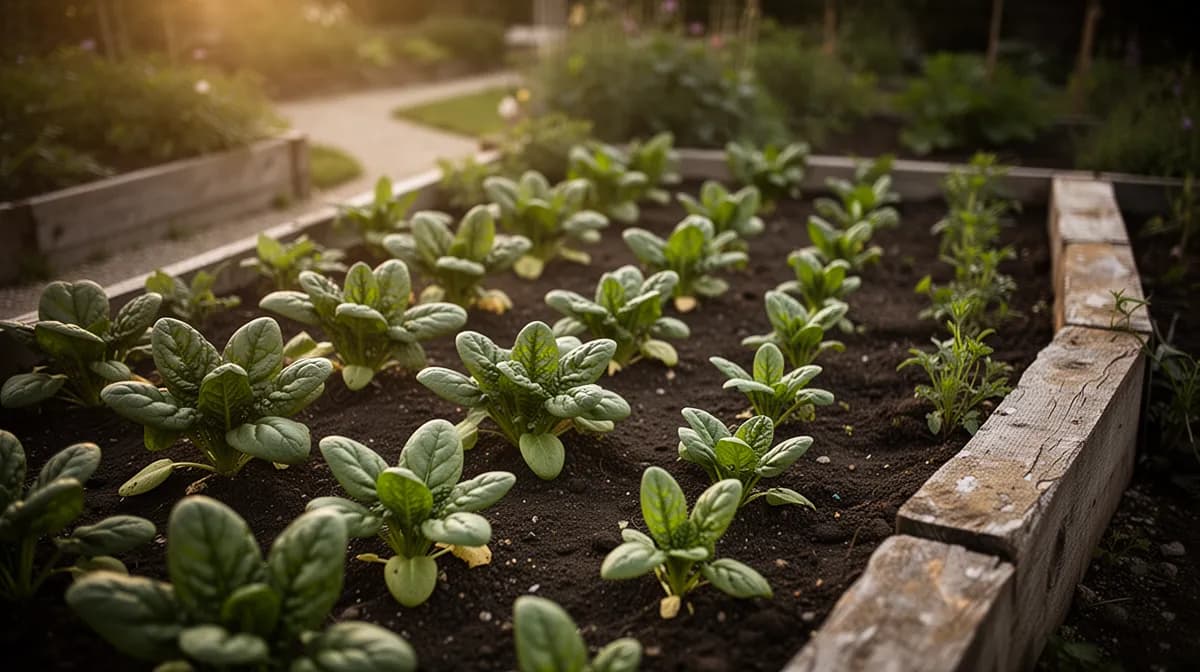
128 Pflanzen passen in ein Beet von 120 × 240 cm
Spinat braucht 15 cm Platz pro Pflanze. Der Planer hält diesen Abstand für dich ein — jede Pflanze, jedes Beet.
Die besten Nachbarn für Spinat
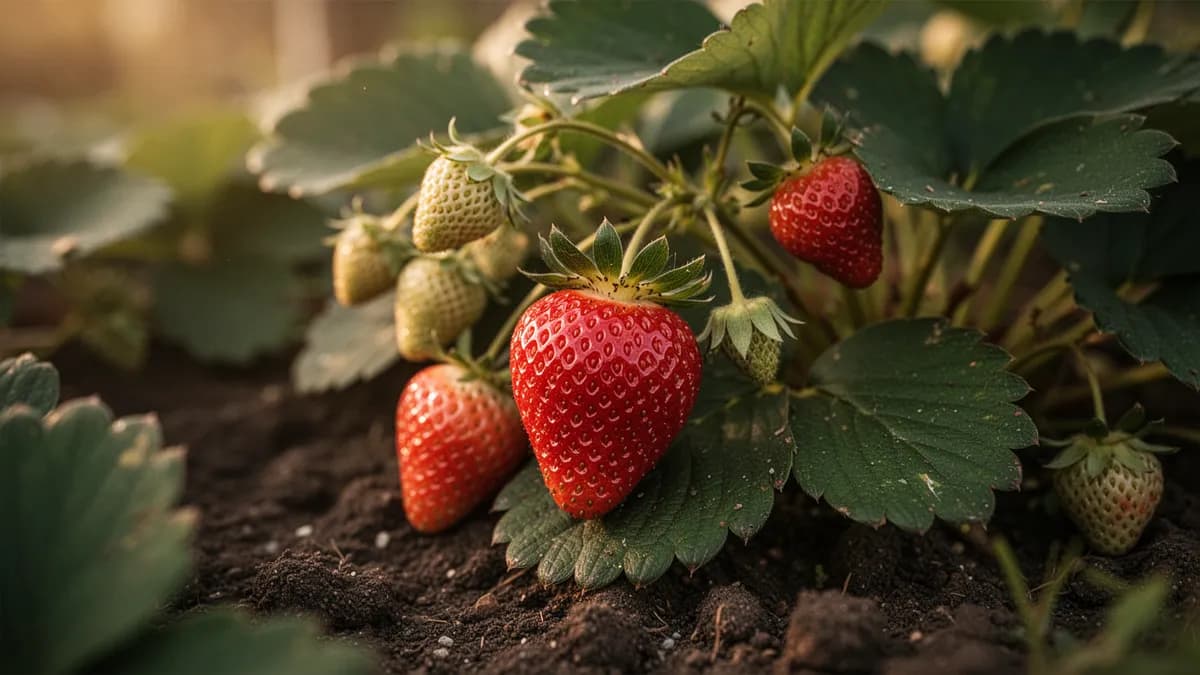
Erdbeeren und Spinat sind eine der effizientesten Mischkultur-Kombinationen im Garten — beide gedeihen unter den gleichen kühlen, feuchten, halbschattigen Bedingungen, und die niedrigen, dichten Rosetten des Spinats wirken als lebende Mulchschicht unter den höheren Erdbeerpflanzen, beschatten den Boden zur Feuchtigkeitsbewahrung und Unkrautunterdrückung. Beide Kulturen nutzen unterschiedliche Wurzelzonen (Spinat flach, Erdbeeren mittel), sodass sie nicht um Nährstoffe konkurrieren. Diese Kombination ist besonders effektiv in Hochbeeten, wo der Platz begrenzt ist.
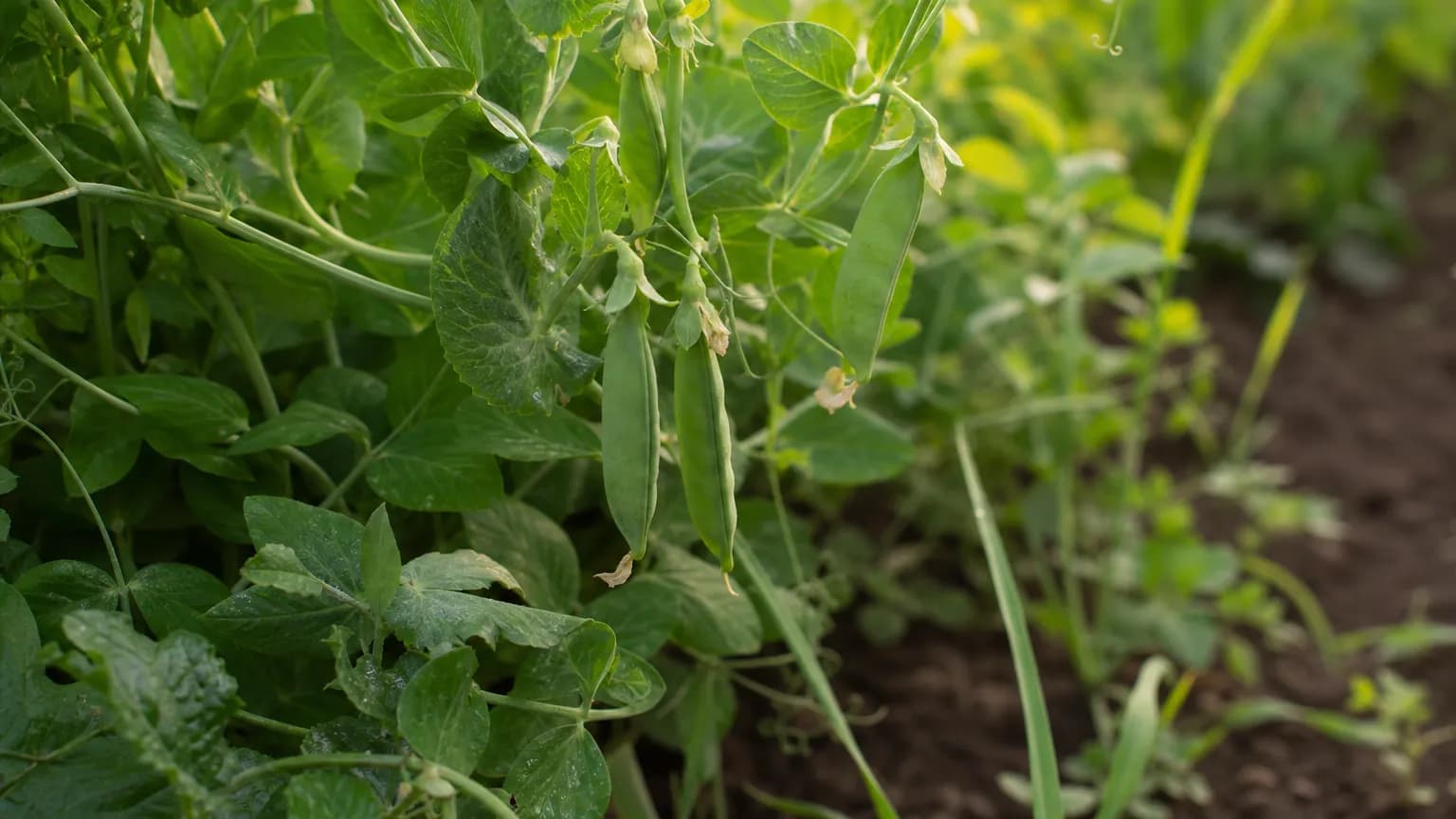
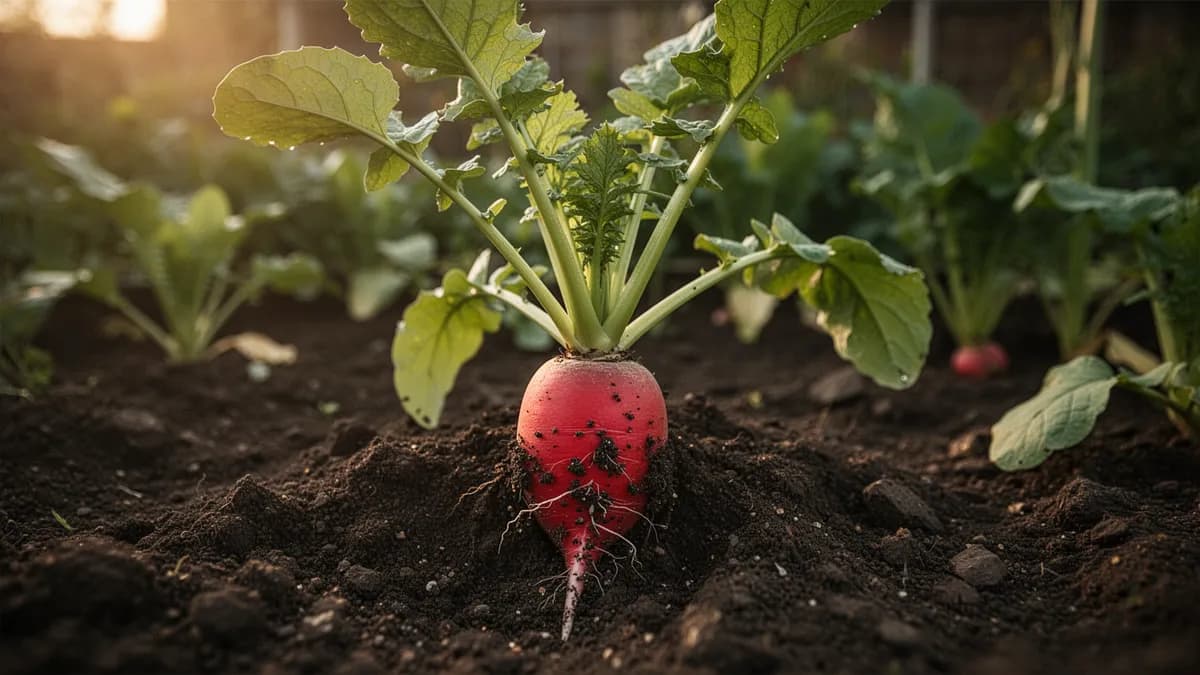
Erbsen und Bohnen sind ideale stickstofffixierende Begleiter für Spinat. Ihre Wurzelknöllchen beherbergen Rhizobium-Bakterien, die atmosphärischen Stickstoff in pflanzenverfügbare Formen umwandeln und so den natürlichen Stickstoffschub liefern, den Spinat für schnelle Blattproduktion benötigt. Pflanzen Sie Spinat im leichten Schatten von Erbsenspalieren — die Erbsen liefern sowohl Stickstoff als auch den Halbschatten, der die Frühlingsspinat-Saison um mehrere Wochen verlängert. Zwischengepflanzte Radieschen dienen mehreren Zwecken: Sie keimen in 3-5 Tagen (und markieren die langsamer auflaufenden Spinatreihen), ihr kräftiger Austrieb bricht die Bodenkruste auf, die zarte Spinatsämlinge einfangen kann, und sie werden innerhalb von 25-30 Tagen geerntet — lange bevor der Spinat den Platz benötigt.
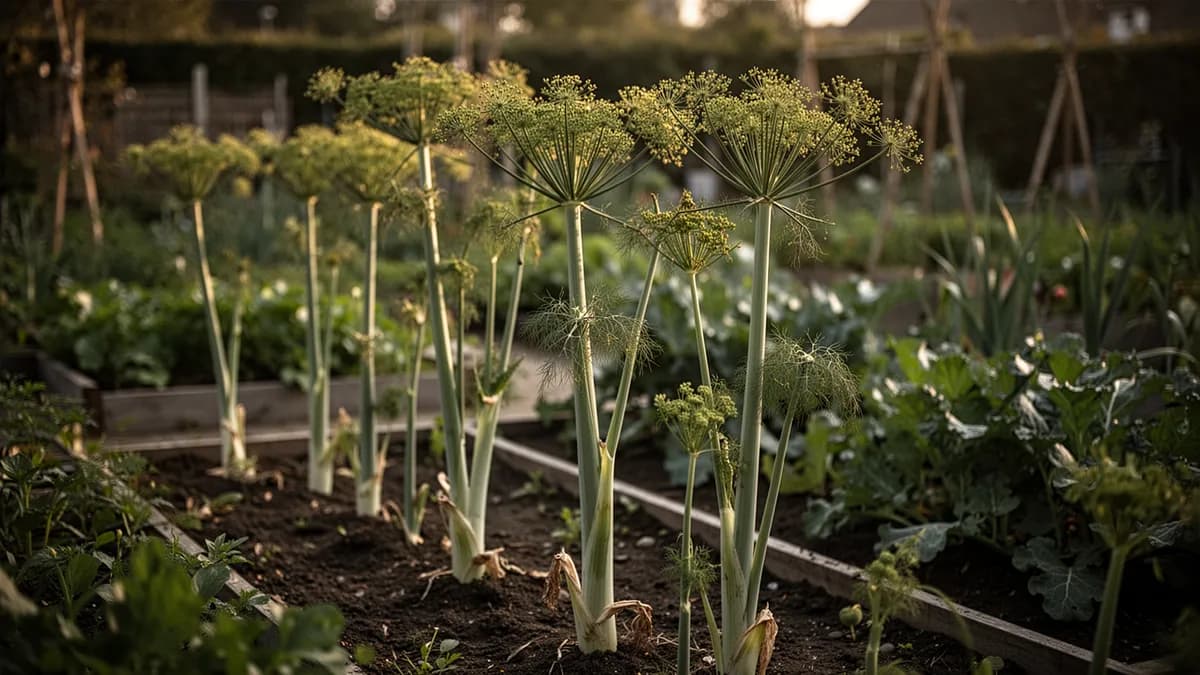
Hohe Kulturen wie Mais, Sonnenblumen und aufgeleitete Tomaten bieten den Nachmittagsschatten, der dem Spinat hilft, in wärmeres Wetter hinein zu überleben, wenn er sonst schossen würde. Positionieren Sie Spinat auf der Nord- oder Ostseite dieser höheren Kulturen, damit er Morgensonne erhält, aber während der heißesten Nachmittagsstunden beschattet ist. Vermeiden Sie die Pflanzung in der Nähe von Fenchel, der allelopathische Wurzelausscheidungen freisetzt, die das Wachstum der meisten Nachbarpflanzen einschließlich Spinat hemmen. Halten Sie Spinat auch von Roten Beten und Mangold fern — obwohl sie verwandt sind (alle gehören zu den Chenopodiaceae), teilen sie Schädlinge und Krankheiten und können sich gegenseitig bestäuben, wenn man sie blühen lässt.
Erdbeere gehört daneben. Fenchel nicht.
Altes Gärtnerwissen, geprüft an der echten Nachbartabelle von Spinat — teste jede Pflanze, die du anbaust.
Probiere Spinat direkt hier im Beet
Ein echtes Planer-Beet, Spinat steht schon drin. Tippe einen Begleiter an, platziere ihn und sieh, wie die Nachbarschaftsprüfung antwortet — grün für gute Nachbarn, rot bei Streit.


Passende Anbau-Ratgeber
Richtig düngen
Spinat hat spezifische Bodenansprüche, die ihn von den meisten Gartengemüsen abheben — er gedeiht am besten in reichem, gut durchlässigem Boden mit einem pH-Wert von 6,5-7,5 und bevorzugt damit deutlich leicht alkalische Bedingungen gegenüber den schwach sauren Böden, die die meisten Gemüse mögen. Wenn Ihr Boden einen pH-Wert unter 6,5 aufweist, bringen Sie einige Wochen vor der Pflanzung Gartenkalk oder Holzasche aus, um ihn in den optimalen Bereich für Spinat anzuheben. Arbeiten Sie 5-8 cm gereiften Kompost in die oberen 15-20 cm des Bodens ein und schaffen Sie so ein humusreiches, feuchtigkeitsspeicherndes Beet, das kühl bleibt — Spinatwurzeln sind flach und vertragen weder Staunässe noch Austrocknung.
Spinat ist ein mittlerer bis starker Zehrer mit einem besonderen Appetit auf Stickstoff, der die schnelle, üppige Blattproduktion antreibt, die Sie sich wünschen. Bringen Sie zum Pflanzzeitpunkt einen ausgewogenen organischen Dünger (10-10-10 oder ähnlich) aus und düngen Sie dann alle 2-3 Wochen mit stickstoffreichen Zusätzen nach: Blutmehl, Fischmehl-Emulsion oder Komposttee sind ausgezeichnete Optionen. Eine Blattspritzung mit verdünnter Fischmehl-Emulsion alle 10-14 Tage gibt einen schnellen Stickstoffschub, der merklich dunklere, kräftigere Blätter hervorbringt. Vermeiden Sie übermäßigen Phosphor, der Eisen im Boden binden und Chlorose verursachen kann (Vergilbung zwischen den Blattadern) — ein häufiges Problem in Böden, die stark mit Knochenmehl oder phosphorreichen Düngern angereichert wurden.
Mulchen Sie rund um die Pflanzen mit 5 cm Stroh, Grasschnitt oder gehäckseltem Laub, um Feuchtigkeit zu bewahren, die Bodentemperatur zu regulieren und Unkraut zu unterdrücken, das mit dem flachen Wurzelsystem des Spinats konkurriert. Der Mulch verhindert auch, dass Erde auf die gekräuselten Blätter der Savoy-Sorten spritzt, was die Waschzeit bei der Ernte reduziert. Bewässern Sie gleichmäßig mit 2,5 cm pro Woche durch Tropfbewässerung oder vorsichtiges Handgießen — Überkopfsprinkler benetzen das Laub und fördern Falschen Mehltau. In Gefäßen verwenden Sie eine reichhaltige Blumenerde mit zusätzlichem Kompost und düngen alle 10 Tage mit Flüssigdünger, da Spinat in Töpfen die Nährstoffe schneller erschöpft als im Freiland.
Ideale Temperatur
Winterhärtezone-Kompatibilität
Von der Saat zur Ernte, Schritt für Schritt
Keimung
Spinatsamen keimen je nach Bodentemperatur in 5-14 Tagen, wobei kühler Boden (10 °C) die zuverlässigsten Ergebnisse liefert. Die Samen sind relativ groß und leicht zu handhaben. Die Keimung verlangsamt sich über 24 °C dramatisch und setzt über 27 °C aufgrund thermaler Keimruhe ganz aus.
Sämlingsentwicklung
Sämlinge entwickeln ihre ersten echten Blätter jenseits der anfänglichen schmalen Keimblätter. Echte Spinatblätter sind breiter und können die Anfänge der Savoy-Textur zeigen. Das Wachstum ist bei kühlem Wetter mit ausreichend Stickstoff schnell.
Rosettenbildung
Die Pflanzen bilden ihre charakteristische, flache Blattrosette und wachsen eher in die Breite als in die Höhe. Die Blätter entwickeln sich unter idealen kühlen Bedingungen schnell, mit mehreren neuen Blättern pro Woche. Savoy-Sorten entwickeln in diesem Stadium ihre typische gekräuselte Textur.
Haupternte
Der Spinat erreicht seine maximale Blattproduktion und die beste Essqualität. Die Blätter sind am zartesten und aromatischsten. Die Pflanzen produzieren mehrere neue Blätter pro Woche. Dies ist das Zeitfenster für intensive Ernte — Frischverzehr, Einfrieren und Konservieren.
Schossen
Wenn die Tageslänge 14 Stunden überschreitet oder die Temperaturen über 24 °C klettern, schiebt der Spinat einen hohen zentralen Blütenstängel. Die Blätter werden rasch kleiner, zäher und zunehmend bitter. Die Pflanze verlagert alle Energie in die Samenproduktion und die Blattqualität sinkt schnell.
Säen Sie 1-2 cm tief und halten Sie den Boden gleichmäßig feucht. Für die Aussaat bei warmem Wetter weichen Sie die Samen 24 Stunden ein und lagern Sie sie 5-7 Tage in einem feuchten Papiertuch im Kühlschrank, um die Wärmeruhe zu brechen.
Spinat Monat für Monat pflegen
Was du jeden Monat für deine Spinat tun solltest
Oktober
Aktueller MonatHaupterntezeit im Herbst. Die Qualität des Spinats verbessert sich mit sinkenden Temperaturen — kühle Nächte regen die Zuckerproduktion an, die die Blätter merklich süßer macht. Regelmäßig ernten und Überschuss einfrieren. Pflanzen mit Vliesabdeckung vor den ersten leichten Frösten schützen.
Immer wissen, was jetzt im Garten zu tun ist
Eine E-Mail zum Monatsanfang: was du jetzt säen, pflanzen und anpacken solltest — für deine Spinat und alles, was drumherum wächst. Dazu ein kurzer Startkurs, der dich vor den klassischen Fehlern bewahrt.
- Was jetzt zu tun ist
- Passend zu deiner Saison
- Startkurs inklusive
Spinat ernten
Beginnen Sie mit der Ernte, sobald die Pflanzen mindestens 6 voll entwickelte Blätter haben, typischerweise 35-45 Tage nach der Aussaat für Babyspinat oder 45-55 Tage für ausgewachsene Blätter. Die Schnitt-und-Nachwuchs-Methode ist der produktivste Ansatz: Schneiden Sie mit einer Schere einzelne äußere Blätter 2,5 cm über dem Herz ab und lassen Sie den inneren Vegetationspunkt sowie die jüngsten Blätter intakt, damit die Pflanze weiter produziert. Eine gesunde Pflanze, die so bewirtschaftet wird, liefert 4-6 Wochen lang frische Blätter, bevor sie schließlich schosst. Alternativ können Sie ganze Rosetten auf Bodenhöhe abschneiden, wenn Sie auf einmal eine große Menge zum Kochen oder Einfrieren benötigen.
Ernten Sie stets in den kühlen frühen Morgenstunden, wenn die Blätter prall gefüllt, der Zuckergehalt am höchsten und die Bitterkeit am geringsten ist. Am Nachmittag geernteter Spinat kann merklich bitterer schmecken, besonders bei warmem Wetter. Behandeln Sie die Blätter schonend — Spinat quetscht leicht, und gequetschte Blätter verderben rasch bei der Lagerung. Verwenden Sie ein scharfes Messer oder eine Schere statt zu ziehen, da dies das flache Wurzelsystem entwurzeln und weitere Ernten von dieser Pflanze beenden kann.
Achten Sie genau auf die ersten Anzeichen des Schossens — das Zentrum der Rosette beginnt sich nach oben zu strecken und bildet einen spitzen Stängel, der schließlich winzige Blüten hervorbringt. Sobald das Schossen beginnt, ernten Sie sofort alle verbleibenden Blätter, da der Geschmack innerhalb weniger Tage bitter wird. Schossen wird durch Tageslängen über 14 Stunden und Temperaturen über 24 °C ausgelöst, sodass Frühlingsspinat immer gegen die Zeit läuft. Im Herbst geernteter Spinat ist oft deutlich süßer als Frühlingsspinat, da kühle Nächte unter 10 °C die Pflanze dazu anregen, als natürlichen Frostschutz Zucker zu produzieren — viele Gärtner betrachten die Herbsternte als die Premium-Ernte.
angenommen, du pflanzt zu Beginn des Zeitraums — trage dein tatsächliches Datum ein
Pflanzen haben mehr als 6 volle Blätter, bevor sich der Mittelstängel streckt.
Lagerung & Konservierung
Frischer Spinat ist sehr verderblich und verliert innerhalb weniger Stunden nach der Ernte sowohl Qualität als auch Nährstoffe, wenn er nicht richtig behandelt wird. Lagern Sie ungewaschene Blätter locker in einem Plastikbeutel oder Behälter mit einem trockenen Papiertuch zum Aufsaugen überschüssiger Feuchtigkeit im kältesten Teil des Kühlschranks (idealerweise 0-4 °C). Richtig gelagerter Spinat hält 5-7 Tage, wobei frisch geernteter Gartenspinat typischerweise mehrere Tage länger hält als gekaufter. Waschen Sie Spinat niemals vor der Lagerung — Oberflächenfeuchtigkeit ist die Hauptursache für schnellen Verderb. Waschen Sie ihn gründlich erst kurz vor der Verwendung, indem Sie ihn in mehreren Wasserwechseln schwenken, da bodennaher Spinat gerne Sandkörner birgt, besonders die gekräuselten Savoy-Sorten.
Einfrieren ist die beste Langzeit-Konservierungsmethode und bewahrt den größten Teil des bemerkenswerten Nährstoffprofils von Spinat. Blanchieren Sie ganze Blätter nur 1-2 Minuten in kochendem Wasser — längeres Kochen verursacht matschige Textur und Nährstoffverlust. Tauchen Sie sie sofort in Eiswasser und drücken Sie dann so viel Wasser wie möglich aus (eine Kartoffelpresse eignet sich hervorragend dafür). Portionieren Sie in abgemessene Mengen (200-250 g ist ideal für die meisten Rezepte) und frieren Sie flach in Beuteln ein, damit sie sich effizient stapeln lassen. Gefrorener Spinat hält 10-12 Monate und ist in gekochten Gerichten praktisch nicht von frischem zu unterscheiden — Suppen, Quiches, Pastasaucen und Dips gelingen alle wunderbar.
Für maximalen Komfort pürieren Sie rohen oder blanchierten Spinat mit einem Schuss Wasser und frieren Sie die Masse in Eiswürfelformen ein. Jeder Würfel liefert eine perfekt portionierte Nährstoff-Zugabe für Smoothies, Babynahrung, Pastasaucen, Suppen und Rührei. Sobald sie fest gefroren sind, lösen Sie die Würfel und füllen sie in beschriftete Gefrierbeutel um. Dies ist auch eine hervorragende Methode, um den letzten Schwall Frühlingsspinat zu konservieren, bevor das Schossen die Ernte bitter macht — Sie können an einem einzigen Nachmittag Spinatwürfel für eine ganze Saison einfrieren.
Das Dörren von Spinat erzeugt lagerfähige Flocken, die in Suppen, Saucen und Smoothies gebröselt werden können — trocknen Sie bei 52 °C für 6-8 Stunden, bis die Blätter leicht zerbröseln. Beachten Sie, dass Spinat beim Trocknen enorm an Volumen verliert (ein volles Sieb reduziert sich auf ein kleines Glas), daher eignet sich diese Methode am besten zur Ergänzung und nicht als Ersatz für frischen Spinat. Spinat kann aufgrund seines niedrigen Säuregehalts nicht sicher im Wasserbad eingekocht werden — Druckeinkochen bei 0,75 bar für 70-90 Minuten ist erforderlich, obwohl die meisten Gärtner feststellen, dass Einfrieren weit bessere Ergebnisse bei weniger Aufwand liefert.
Was schiefgeht — und die Lösung
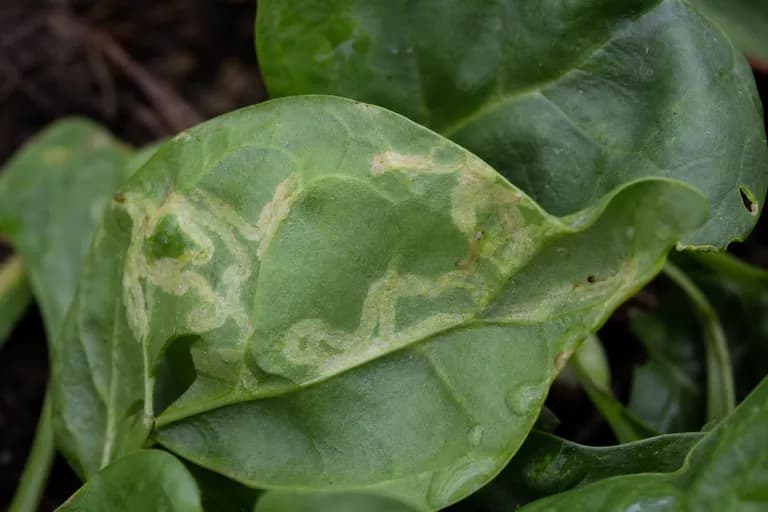
Blattminierer
SchädlingGewundene, blassbraune Tunnel oder Flecken im Blattgewebe, wo winzige Larven zwischen der oberen und unteren Blattoberfläche fressen. Befallene Blätter werden unansehnlich und ungenießbar. Auf den Blattunterseiten können kleine weiße Eier sichtbar sein.
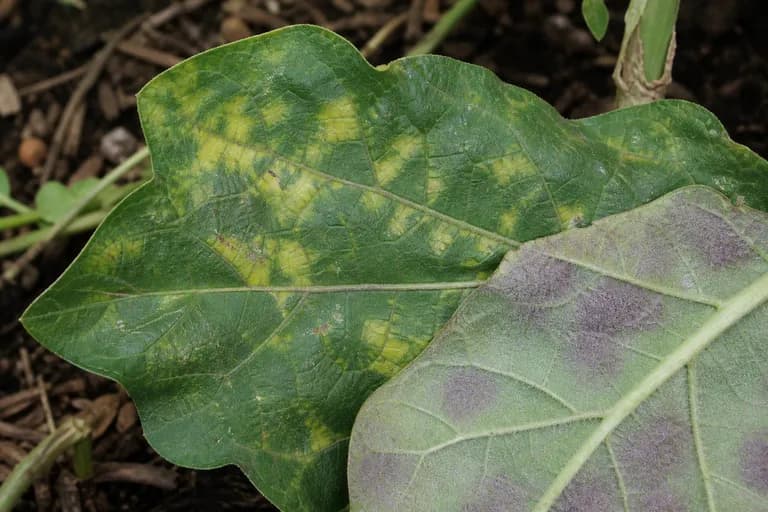
Falscher Mehltau
KrankheitGelbe oder blassgrüne Flecken auf den Blattoberseiten mit purpur-grauem, filzigem Schimmel auf den Unterseiten. Die befallenen Stellen vergrößern sich und verschmelzen, bis schließlich ganze Blätter absterben. Am stärksten bei kühlem, feuchtem Wetter mit schlechter Luftzirkulation.
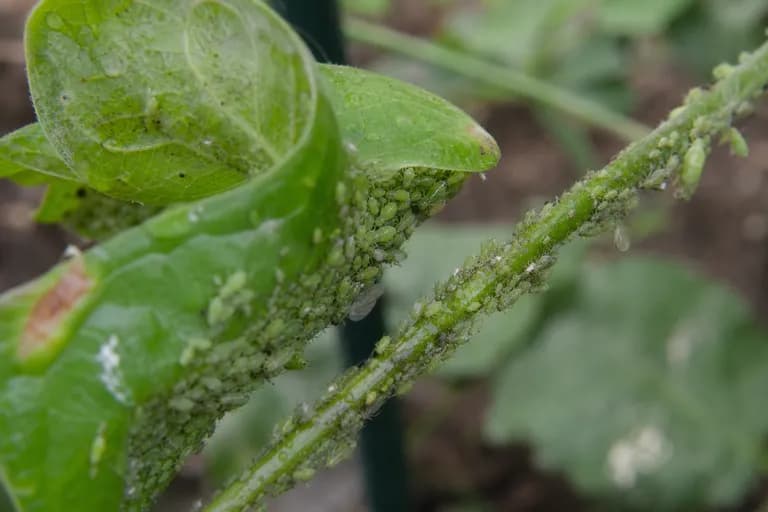
Blattläuse
SchädlingAnsammlungen kleiner grüner oder rosafarbener, weichhäutiger Insekten an Blattunterseiten und Wachstumsspitzen. Blätter kräuseln sich und werden deformiert. Honigtau-Ausscheidungen führen zu Rußtau-Bildung. Blattläuse können auch Viruskrankheiten auf Spinat übertragen.
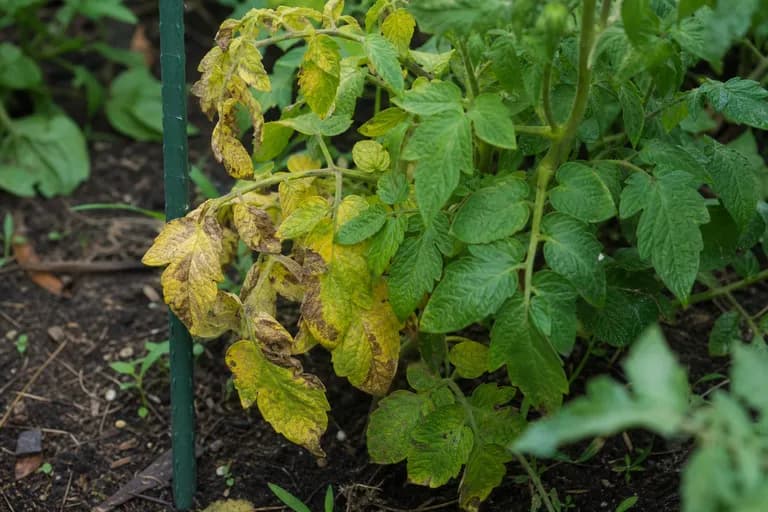
Fusarium-Welke
KrankheitPflanzen welken während der wärmsten Tageszeit und erholen sich schließlich nicht mehr. Untere Blätter vergilben zuerst, und das Gefäßgewebe im Inneren der Stängel zeigt beim Aufschneiden braune Verfärbungen. Der Pilz überdauert jahrelang im Boden.
Fehlerbehebung bei häufigen Problemen
Schossen (vorzeitige Blütenbildung) ist das frustrierendste Problem bei Spinat und der Grund, warum viele Gärtner bei dieser Kultur aufgeben. Spinat wird primär durch Tageslängen über 14 Stunden zum Schossen angeregt — nicht nur durch Hitze, wie viele glauben. Das bedeutet, dass Frühlingsspinat immer auf einem Countdown-Timer läuft, und sobald der zentrale Stängel beginnt, sich nach oben zu strecken, gibt es kein Aufhalten mehr. Hitze über 24 °C beschleunigt das Schossen dramatisch, und Wurzelstörungen durch grobes Vereinzeln oder Umpflanzen können es vorzeitig auslösen. Wählen Sie schossresistente Sorten wie 'Tyee', 'Space' oder 'Bloomsdale Long Standing', bieten Sie Nachmittagsschatten und konzentrieren Sie die Hauptaussaaten auf das frühe Frühjahr (säen Sie, sobald der Boden bearbeitbar ist) und den Spätsommer für die Herbsternte, wenn kürzer werdende Tage zu Ihren Gunsten arbeiten.
Vergilbende Blätter mit grünen Adern (Chlorose) deuten meist auf Stickstoffmangel hin — Spinat ist eine hungrige Kultur, die den Bodenstickstoff schnell erschöpft. Bringen Sie Fischmehl-Emulsion oder Blutmehl als schnell wirkenden Stickstoffschub aus und düngen Sie regelmäßig alle 2-3 Wochen. Gleichmäßig blassgelbe Blätter können auf Eisenmangel hinweisen, der oft durch phosphorreichen Boden verursacht wird, der Eisen bindet. Verkümmertes Wachstum mit purpurn verfärbten Blättern deutet auf Phosphormangel selbst oder auf kalten, staunassen Boden hin, der die Nährstoffaufnahme verhindert — verbessern Sie die Drainage und warten Sie auf wärmere Bedingungen.
Schlechte Keimung bei warmem Wetter wird durch die Samenruhe von Spinat über 27 °C verursacht — ein thermaler Ruhemechanismus ähnlich wie bei Salat. Für die Spätsommer-Herbstaussaat weichen Sie die Samen 24 Stunden ein und legen Sie sie dann in ein feuchtes Papiertuch im Kühlschrank für 5-7 Tage. Diese Kältebehandlung (Vernalisation) gaukelt den Samen vor, der Winter sei vorbei, und verbessert die Keimraten dramatisch. Säen Sie abends und gießen Sie das Saatbeet, um die Bodentemperatur zu senken.
Falscher Mehltau ist die schwerwiegendste Spinatkrankheit und zeigt sich als gelbe Flecken auf den Blattoberflächen mit purpur-grauem, filzigem Belag auf den Unterseiten. Ständig entstehen neue Stämme, die zuvor resistente Sorten überwinden — dies ist ein andauerndes Wettrüsten zwischen Züchtern und dem Erreger. Pflanzen Sie die neuesten resistenten Sorten, sorgen Sie für ausgezeichnete Luftzirkulation durch richtigen Abstand, gießen Sie nur auf Bodenebene und praktizieren Sie eine 2-3-jährige Fruchtfolge. Entfernen und vernichten Sie befallene Blätter sofort.
Blattminierer erzeugen charakteristische gewundene Tunnel im Blattgewebe, die die Blätter unansehnlich und unappetitlich machen. Die erwachsenen Fliegen legen Eier auf die Blattunterseiten, und die winzigen Larven fressen zwischen der oberen und unteren Blattoberfläche. Engmaschige Vliesabdeckungen, die sofort nach der Aussaat aufgelegt werden, sind die wirksamste Prävention — sie halten die erwachsenen Fliegen vollständig fern und lassen gleichzeitig Licht, Wasser und Luft durch. Entfernen und vernichten Sie befallene Blätter umgehend, um den Lebenszyklus zu unterbrechen.
Anbautipps
- Spinat gehört zu den ersten Kulturen, die Sie im Frühjahr aussäen können — pflanzen Sie, sobald der Boden bearbeitbar ist, auch wenn Schnee noch möglich ist. Er verträgt Frost bis -7 °C und wächst bei kühlen Bedingungen tatsächlich am besten.
- Für den süßesten Spinat des Jahres konzentrieren Sie sich auf die Herbstaussaat. Säen Sie 6-8 Wochen vor dem ersten Frost. Kürzer werdende Tage verhindern das Schossen, und kalte Nächte regen die Zuckerproduktion an, die Frühjahrsspinat nicht erreichen kann.
- Kühlen Sie Samen für die Sommeraussaat vor: 24 Stunden einweichen, in feuchtes Papiertuch wickeln, 5-7 Tage im Kühlschrank lagern. Dies bricht die thermale Keimruhe und verbessert die Keimung bei noch warmem Boden dramatisch.
- Säen Sie alle 2-3 Wochen gestaffelt im Frühjahr und erneut im Spätsommer für eine ununterbrochene Ernte. Dies verhindert den Überfluss-oder-Mangel-Zyklus, der viele Spinatanbauer frustriert.
- Bieten Sie im Frühjahr Nachmittagsschatten durch Schattiergewebe (40-50 %) oder indem Sie auf der Nordseite höherer Kulturen wie Erbsen pflanzen. Dies kann Ihre Frühjahrsernte um 2-3 Wochen verlängern, bevor das Schossen einsetzt.
- Nutzen Sie die Schnitt-und-Nachwuchs-Methode — schneiden Sie äußere Blätter 2,5 cm über dem Herz ab, und die Pflanze produziert wochenlang weiter. Dies verdreifacht effektiv Ihre Ernte im Vergleich zum Schneiden ganzer Pflanzen.
- Düngen Sie Spinat alle 2 Wochen mit stickstoffreichem Dünger (Fischmehl-Emulsion, Blutmehl oder Komposttee). Spinat ist ein starker Stickstoffverbraucher, und blasse Blätter weisen fast immer auf Stickstoffmangel hin.
- Mulchen Sie rund um die Pflanzen mit 5 cm Stroh oder Grasschnitt, um die Wurzeln kühl und feucht zu halten — das flache Wurzelsystem des Spinats trocknet in unbedecktem Boden schnell aus, was Stress und vorzeitiges Schossen auslöst.
- Überwinterung von Spinat in Zone 6+ liefert die frühestmögliche Frühjahrsernte. Pflanzen Sie im Spätherbst, schützen Sie mit Vliesabdeckung, und die ruhenden Pflanzen nehmen das Wachstum wieder auf, sobald die Tage im Februar-März länger werden.
- Bauen Sie Spinat in Gefäßen mit mindestens 15 cm Tiefe an. Stellen Sie Töpfe in die Morgensonne mit Nachmittagsschatten. Spinat in Töpfen trocknet schneller aus, daher täglich gießen und alle 10 Tage mit Flüssigdünger nachdüngen.
Bau deine beste Spinat an — und alles drumherum.
Starte heute kostenlos. Lege deine Beete an, setze deine Spinat ein und lass PlotMyGarden Timing, Abstände, Begleiter und Erinnerungen von der Saat bis zum Erntekorb übernehmen.
Finde deine Spinat
Bloomsdale Long Standing
Ein klassischer Traditionssorte mit stark gekräuselten (savoy), dunkelgrünen Blättern und ausgezeichnetem Geschmack. 48 Tage. Schosst langsamer als andere Savoy-Typen. Hervorragend für den Frischverzehr und zum Kochen.
Space
Eine glattblättrige Hybride mit aufrechtem Wuchs, die sauberer bleibt als flache Sorten. 40 Tage. Ausgezeichnete Krankheitsresistenz einschließlich Falschem Mehltau. Ideal für die Babyspinat-Ernte.
Tyee
Eine Halbsavoy-Hybride mit außergewöhnlicher Schossresistenz, ideal für die Frühjahrsaussaat in wärmeren Klimazonen. 45 Tage. Dunkelgrüne, dicke Blätter mit guter Krankheitsresistenz. Wüchsige Sorte.
Giant Winter
Eine extrem frostharte Sorte, perfekt für die Herbstaussaat und Überwinterung unter Vliesabdeckung. 45 Tage. Große, glatte, dunkelgrüne Blätter. Verträgt Frosttemperaturen gut und liefert besonders frühe Frühjahrsernten.
Red Kitten
Eine einzigartige Sorte mit tiefgrünen Blättern und attraktiven roten Adern und Stielen. 40 Tage. Babyblattyp, ideal für Salatmischungen. Bringt Farbe und milden, süßen Geschmack in frische Salate.
Ein Saatgutpäckchen für 2-3 € enthält Hunderte von Spinatsamen — genug für mehrere Staffelaussaaten über die Frühjahrs- und Herbstsaison. Eine 3-Meter-Reihe produziert 1-2 kg frischen Spinat im Wert von 8-15 € im Laden für Bio-Babyspinat. Mit Frühjahrs- und Herbstaussaaten plus Einfrieren des Überschusses kann ein kleines Gartenbeet jährlich Spinat im Wert von 40-80+ € produzieren — und gartenfrischer Spinat schmeckt dramatisch besser als die vorgewaschenen Beutel, die die Supermarktregale dominieren.
Schnelle Rezepte
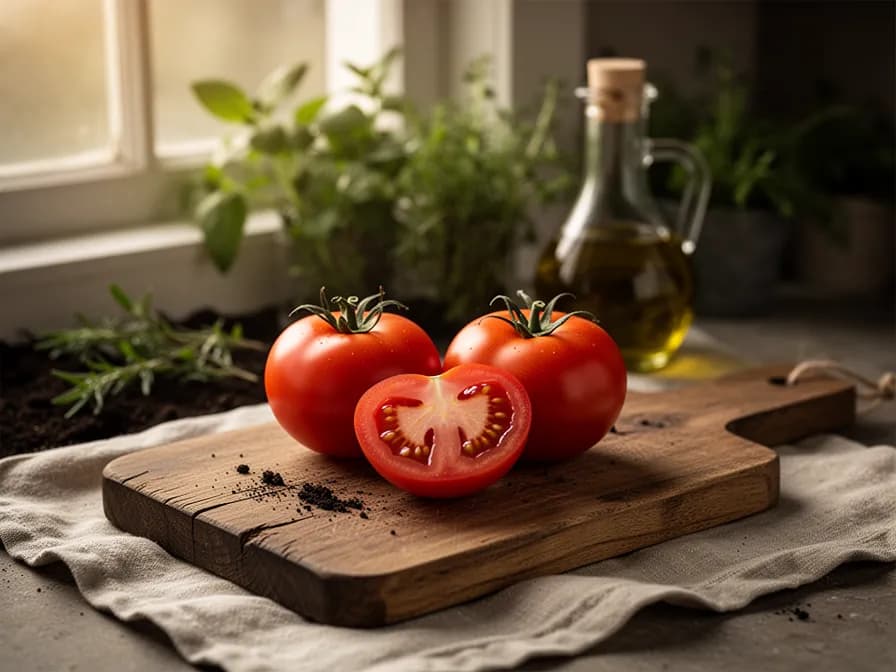
Knoblauch-Spinat aus der Pfanne
5 Min.Die schnellste und befriedigendste Art, Gartenspinat zu genießen — in Olivenöl mit Knoblauch gewelkt und mit einem Spritzer Zitrone abgeschmeckt. Ein gewaltiger Haufen frischer Spinat verwandelt sich in unter 3 Minuten in eine perfekte Beilage.
7 Zutaten
Spinat-Feta-Quiche
50 Min.Eine goldene, herzhafte Quiche mit Schichten von gewelktem Spinat, würzigem Feta und cremigem Eierguss in einem blättrigen Teigboden — perfekt zum Brunch, Mittagessen oder als leichtes Abendessen mit Salat.
8 ZutatenGrüner Power-Smoothie
5 Min.Ein lebhafter, energiespendender Smoothie voller rohem Spinat, Banane und Beeren — der Spinat bringt unglaubliche Nährstoffe mit praktisch keinem erkennbaren Gemüsegeschmack ein. Eine perfekte Art, überschüssigen Spinat zu verwerten.
6 ZutatenKulinarische Verwendung
Spinat ist eines der vielseitigsten Blattgemüse in der Küche, gleichermaßen köstlich roh und gekocht, und erscheint in Küchen rund um die Welt, von der italienischen über die indische bis zur japanischen. Roher Babyspinat bildet die Grundlage unzähliger Salate — sein milder, leicht süßer Geschmack harmoniert mit allem, von Erdbeeren und Ziegenkäse über Speck und Blauschimmelkäse bis hin zu warmen Kompositionen aus gerösteter Roter Bete und Walnüssen. Geben Sie Babyspinat in Smoothies für einen unsichtbaren Nährstoffschub, der keinen erkennbaren Gemüsegeschmack hinzufügt. Reife Spinatblätter sind kräftiger und besser für Kochanwendungen geeignet, da sie unter Hitze ihre Struktur besser behalten.
In Olivenöl mit Knoblauch angeschwenkter Spinat ist die klassische schnelle Beilage — ein gewaltiger Haufen roher Spinat fällt in nur 2-3 Minuten zu einer bescheidenen Portion zusammen. Die klassische Kombination von Spinat mit Eiern ist universell: Omeletts, Frittatas, Quiches, Shakshuka und Eier Florentiner zeigen diese Verbindung. Spinat ist die prägende Zutat in griechischer Spanakopita (Spinat und Feta in knusprigem Blätterteig), indischem Palak Paneer (Spinatsauce mit Käsewürfeln) und italienischen Malfatti (Spinat-Ricotta-Klößchen). Er fügt sich nahtlos in Sahnesaucen, Risotto und Pastagerichte ein und verleiht lebendige grüne Farbe und eine subtile erdige Süße. Rahmspinat bleibt eines der großen Steakhaus-Beilagengerichte.
Ernährungsphysiologisch ist Spinat ein Superfood-Kraftpaket — eines der nährstoffdichtesten Lebensmittel der Erde. Er ist außergewöhnlich reich an Vitaminen A, C, K und Folsäure sowie an Eisen, Kalzium, Magnesium und Kalium. Ein wichtiger kulinarischer Hinweis: Das Kochen von Spinat erhöht die Bioverfügbarkeit von Beta-Carotin, Eisen und Kalzium erheblich, indem es die Oxalsäure abbaut, die diese Mineralstoffe im Rohzustand bindet. Die Zugabe einer kleinen Menge Fett (Olivenöl, Butter) verbessert zusätzlich die Aufnahme fettlöslicher Vitamine. Die Kombination von Spinat mit Vitamin-C-reichen Lebensmitteln wie Zitronensaft steigert die Eisenaufnahme dramatisch — deshalb ist ein Spritzer Zitrone auf angeschwenktem Spinat nicht nur köstlich, sondern ernährungsphysiologisch strategisch.
Was drinsteckt
Gesundheitsvorteile
- Außergewöhnlicher Vitamin-A-Gehalt (188 % TW pro 100 g als Beta-Carotin) unterstützt gesundes Sehen, Immunfunktion und Hautzellenerneuerung — Spinat mit einer kleinen Menge Fett zu kochen verbessert die Aufnahme dramatisch
- Eines der vitamin-K-reichsten Lebensmittel überhaupt (460 % TW), unerlässlich für die ordnungsgemäße Blutgerinnung und den Kalziumstoffwechsel der Knochen — eine einzige Portion liefert den Bedarf mehrerer Tage dieses wichtigen Vitamins
- Reich an Folsäure (49 % TW), die für die DNA-Synthese, die Bildung roter Blutkörperchen und die Neuralrohrentwicklung während der Schwangerschaft entscheidend ist — was Spinat zu einem der wichtigsten Lebensmittel für Schwangere macht
- Enthält hohe Mengen an Lutein und Zeaxanthin, zwei Carotinoid-Antioxidantien, die sich in der Netzhaut anreichern und vor altersbedingter Makuladegeneration und grauem Star schützen
- Natürliche Nahrungsnitrate im Spinat werden im Körper in Stickstoffmonoxid umgewandelt, das Blutgefäße entspannt und den Blutdruck senkt — Studien zeigen, dass Spinatkonsum den Blutdruck innerhalb von Stunden reduziert
- Eisengehalt (2,7 mg pro 100 g) kombiniert mit Vitamin C unterstützt die Bildung roter Blutkörperchen — die Kombination von Spinat mit Zitrusfrüchten oder Zitronensaft steigert die Eisenaufnahme um das bis zu 6-Fache im Vergleich zum alleinigen Verzehr von Spinat
Woher Spinat stammt
Spinat (Spinacia oleracea) stammt aus dem antiken Persien (dem heutigen Iran), wo er als 'ispanaj' oder 'aspanakh' bekannt war. Die ersten schriftlichen Aufzeichnungen über den Spinatanbau datieren auf etwa 647 n. Chr., als er in chinesischen Texten als 'persisches Gemüse' beschrieben wurde, nachdem er über Nepal entlang der Seidenstraßen-Handelsrouten dorthin gelangt war. Arabische Händler und Armeen verbreiteten Spinat westwärts über Nordafrika und in das maurische Spanien bis zum 11. Jahrhundert.
Im mittelalterlichen Europa gewann Spinat schnell an Beliebtheit als Fastenspeise — sein frühes Frühjahrswachstum lieferte frisches Grün während der religiösen Fastenzeit, in der Fleisch und Milchprodukte verboten waren. Katharina von Medici aus Florenz war berühmt für ihre Hingabe an Spinat, und als sie 1533 den französischen König Heinrich II. heiratete, brachte sie eigene italienische Köche mit, die ihn richtig zubereiten sollten. Diese königliche Empfehlung ist der Grund, warum Gerichte auf einem Bett aus Spinat in der französischen Küche heute noch 'à la Florentine' heißen.
Spinat wurde 1929 zu einem weltweiten Phänomen, als die Zeichentrickfigur Popeye der Seemann begann, Dosenspinat für übermenschliche Kraft zu essen. Popeye steigerte den amerikanischen Spinatkonsum um geschätzt 33 %, und die Spinatbauern in Crystal City, Texas, errichteten eine Statue der Figur aus Dankbarkeit. Während der Zeichentrick die Kräfte von Spinat übertrieb, bestätigt die moderne Ernährungswissenschaft ihn als eines der nährstoffdichtesten Lebensmittel der Erde, vollgepackt mit den Vitaminen A, C, K, Folsäure, Eisen und Kalzium — obwohl der berühmte Eisengehalt historisch durch einen Dezimalfehler im Jahr 1870 übertrieben dargestellt wurde.
Spinat: Schon gewusst?
Faszinierende Fakten über Spinat
Spinat stammt ursprünglich aus dem antiken Persien (heutiger Iran) und wurde 'ispanaj' genannt — das Wort wanderte über das Arabische und wurde zu 'espinaca' im Spanischen, 'spinace' im Italienischen und schließlich 'Spinat' im Deutschen.
Spinat: Fragen & Antworten
Wann sollte ich Spinat pflanzen?
Was sind gute Begleitpflanzen für Spinat?
In welchen Winterhärtezonen kann Spinat wachsen?
Wie viel Sonne braucht Spinat?
Welchen Abstand sollte ich zwischen Spinat lassen?
Welche Schädlinge und Krankheiten befallen Spinat?
Wie lagere ich Spinat nach der Ernte?
Was sind die besten Spinat-Sorten zum Anbauen?
Welchen Boden braucht Spinat?
Warum schosst mein Spinat im Frühjahr so schnell?
Ist roher oder gekochter Spinat nährstoffreicher?
Wie verhindere ich Blattminierer in meinem Spinat?
Kann ich Spinat in heißen Klimazonen anbauen?
Warum werden meine Spinatblätter gelb?
Kann Spinat den Winter überleben?
Du hast die Theorie gelesen. Jetzt baue sie auf Autopilot an.
Alles, was Spinat knifflig macht — das Timing, die Abstände, die Begleiter, das Erntefenster — genau das übernimmt PlotMyGarden für dich, für jede Pflanze im Garten.
Ein Plan, der dein Wetter kennt
Standort einmal festlegen. Aussaat-, Dünge- und Erntedaten rund um deinen echten letzten Frosttermin und die Live-Vorhersage — kein Raten mehr nach Saattüte.
Aus dem Abschnitt „Pflanzzeit“Beetplaner per Drag & Drop
Beete auf einem Raster gestalten. Jede Pflanze rastet im richtigen Abstand ein, und du siehst die ganze Saison, bevor du einen Cent für Saatgut ausgibst.
Aus dem Abschnitt „Anbau“Begleiter-Konflikte früh erkannt
Über 200 gute und schlechte Kombinationen werden beim Pflanzen live geprüft — so landet ein saisonruinierender Fehler nie in der Erde.
Aus dem Abschnitt „Begleiter“Erinnerungen, nach denen du wirklich handelst
„Gieß die Bohnen.“ „Heute ernten, bevor's umschlägt.“ Pünktlich, konkret und auf deine echten Pflanzen bezogen.
Aus dem Abschnitt „Ernte“Staffel-Aussaat, geplant
Sechs Wochen ernten statt sechs Tage? Die App verteilt deine Aussaaten automatisch und erinnert dich, wenn der nächste Satz fällig ist.
Aus dem Abschnitt „Pflanzzeit“Ein Verlauf, der schlauer wird
Jede protokollierte Ernte bringt der App deinen Garten bei. Der Plan fürs nächste Jahr startet bei dem, was in deinem Boden wirklich funktioniert hat.
Aus dem Abschnitt „Überblick“Pflanze diese neben Spinat
Weitere Blattgemüse
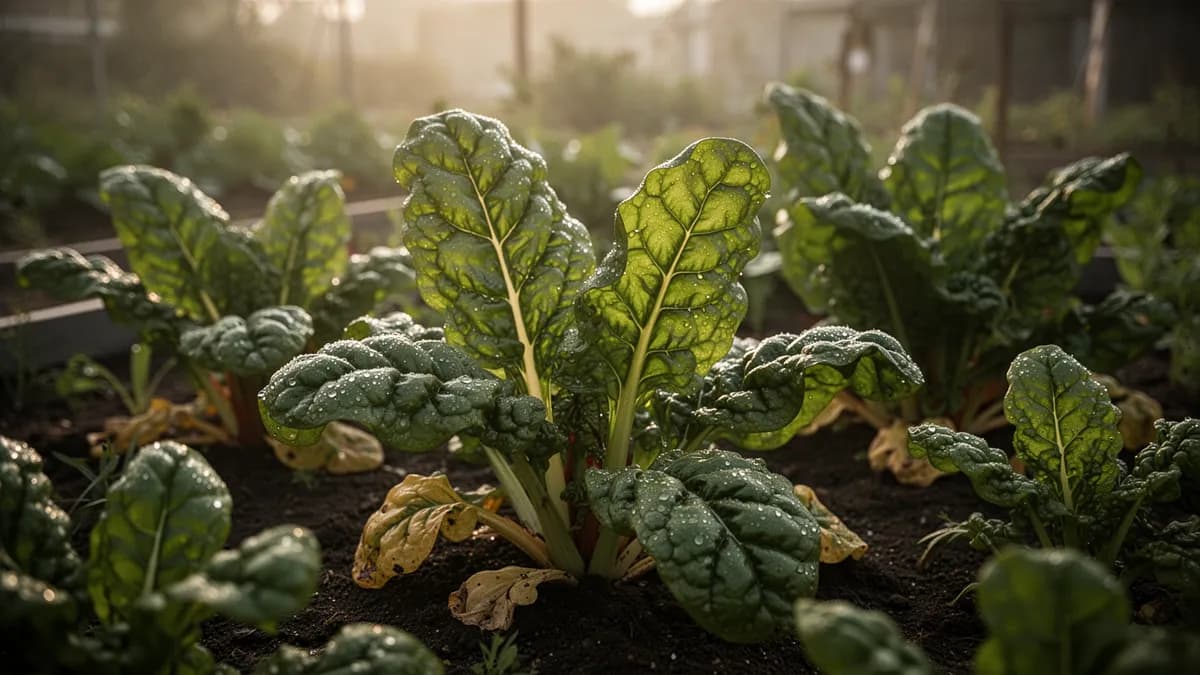
Halte Spinat von diesen fern
Gartenpläne mit Spinat
Bau deine beste Spinat an — und alles drumherum.
Starte heute kostenlos. Lege deine Beete an, setze deine Spinat ein und lass PlotMyGarden Timing, Abstände, Begleiter und Erinnerungen von der Saat bis zum Erntekorb übernehmen.