Butterhead Lettuce
A tender, silky-leaved lettuce forming loose, rosette-shaped heads with a buttery texture and mild, sweet flavor.





On this pageOverview
Meet Butterhead Lettuce
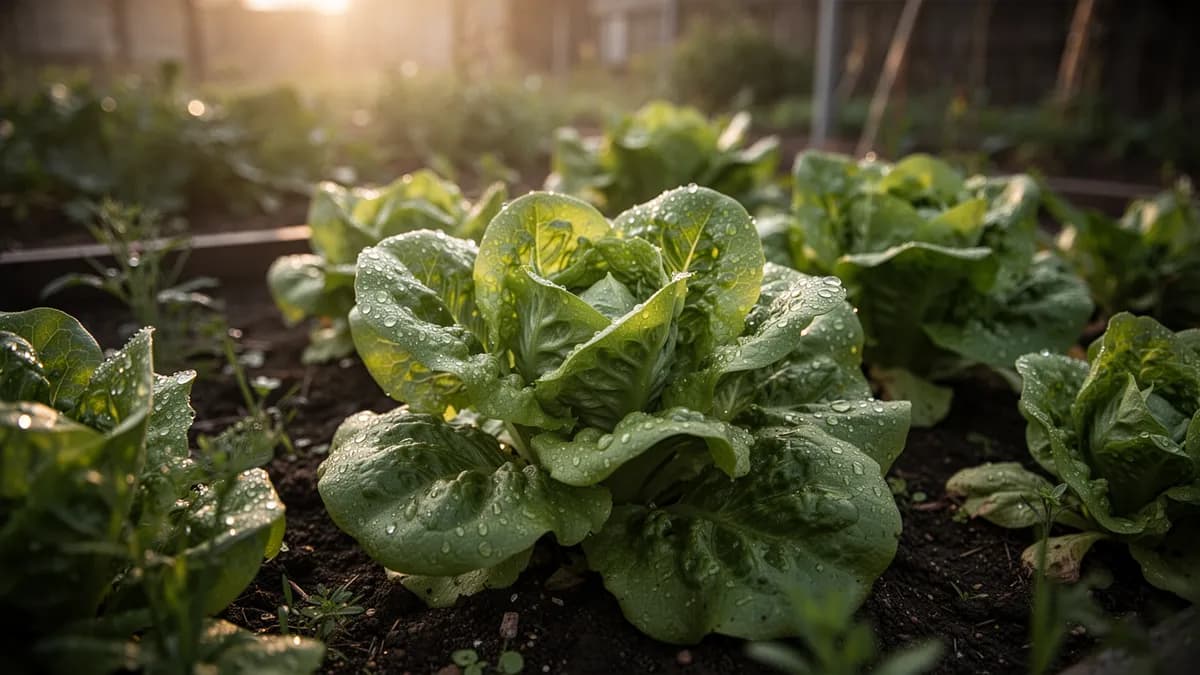
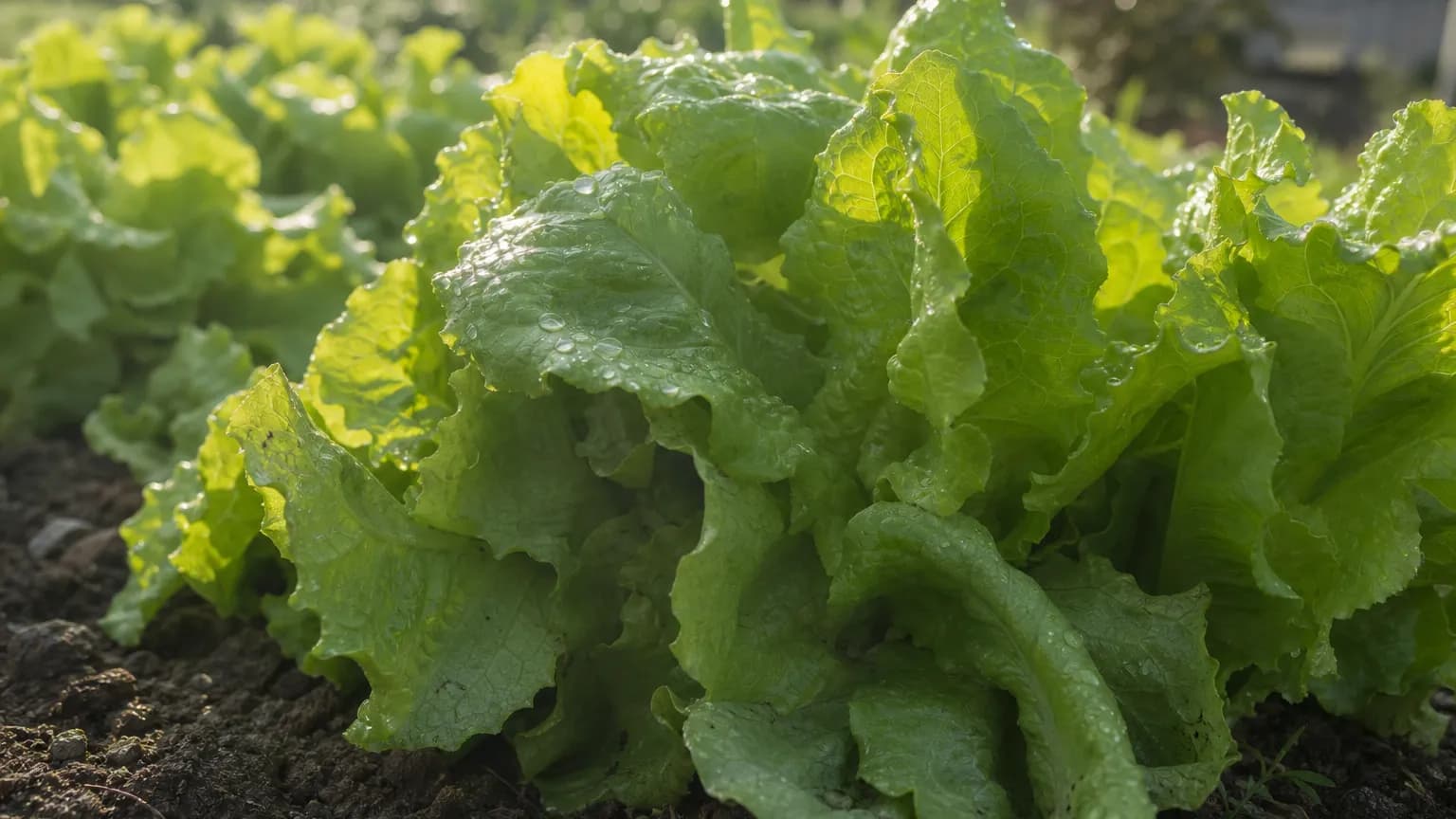
A tender, silky-leaved lettuce forming loose, rosette-shaped heads with a buttery texture and mild, sweet flavor. Butterhead varieties like Boston and Bibb are prized for their delicate leaves that are perfect for wraps and elegant salads. These lettuces do best in cool weather and need protection from intense afternoon sun. Harvest the whole head by cutting at the base, or pick outer leaves gradually for an extended harvest.
When to plant Butterhead Lettuce
Surface-sow seeds on moist seed-starting mix; do not cover as light aids germination. Seeds germinate in 4-8 days at 55-65°F. High temperatures (above 80°F) cause seed dormancy; refrigerate seeds 24 hours before warm-weather sowing. Thin or transplant when seedlings have 2-3 true leaves. For direct sowing, scatter seeds lightly and thin gradually to 8-10 inches apart. Succession sow every 2 weeks. Seeds remain viable for 3-5 years stored in cool, dry conditions.
Your Butterhead Lettuce Year
Composed for Zone 7 · typical seasons · frost passes Apr 2, returns Nov 1
Plant Butterhead Lettuce Mar – May, Aug – Sep, pick May – Jul, Oct – Nov. Check the planting methods below and set your climate to personalize these windows.
How to grow Butterhead Lettuce
Start butterhead lettuce seeds indoors 4-6 weeks before last frost, sowing on the surface of moist seed-starting mix. Seeds need light to germinate and sprout in 4-8 days at 55-65°F. Transplant seedlings 8-10 inches apart in rows 12 inches apart when they have 3-4 true leaves. Direct sowing works well in cool weather; scatter seeds and thin gradually.
Butterhead lettuce is sensitive to heat and performs best in temperatures between 50-65°F. Provide afternoon shade in warmer weather using shade cloth or taller companion plants. Water consistently at soil level to prevent splashing soil onto the delicate leaves. Mulch with straw or compost to maintain cool, moist soil conditions. Feed lightly with a balanced liquid fertilizer every 2-3 weeks.
Butterhead forms its characteristic loose rosette heads over 50-60 days. The outer leaves can be harvested earlier while inner leaves continue to develop. Succession plant every 2 weeks for continuous supply. For fall growing, start seeds in late summer when temperatures begin to cool. In mild climates (zones 8-11), butterhead lettuce overwinters with minimal frost protection.
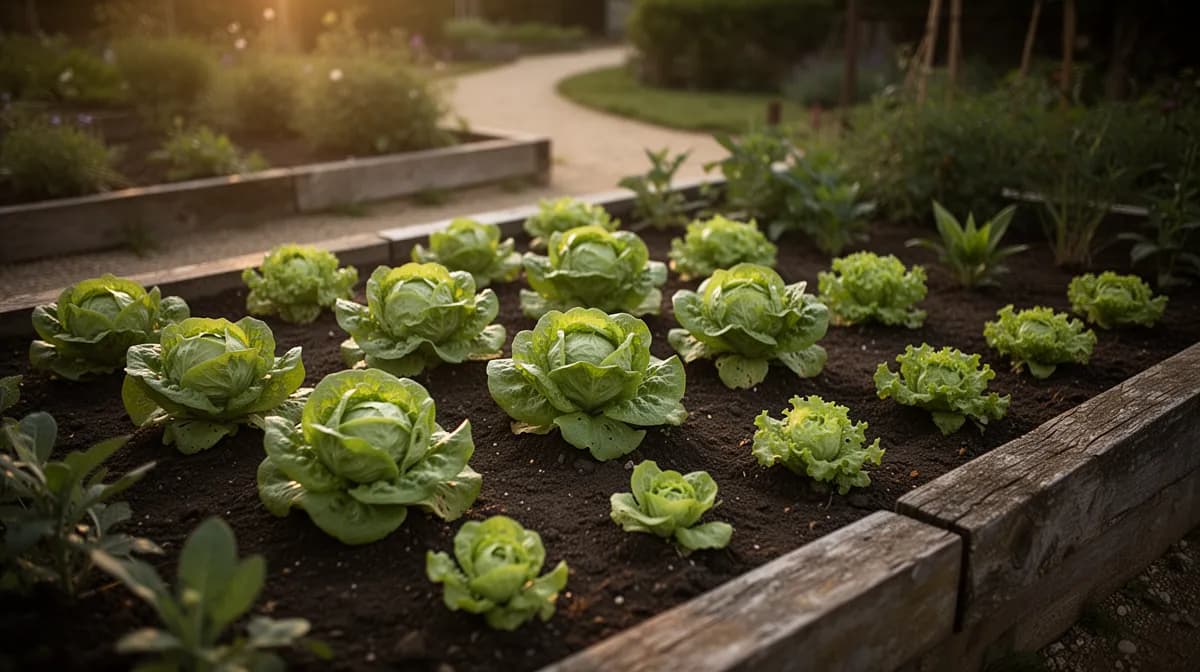
36 plants fit a 4 × 8 ft bed
Each Butterhead Lettuce wants 25 cm of elbow room. The planner keeps that spacing for you — every plant, every bed.
Butterhead Lettuce's best neighbours
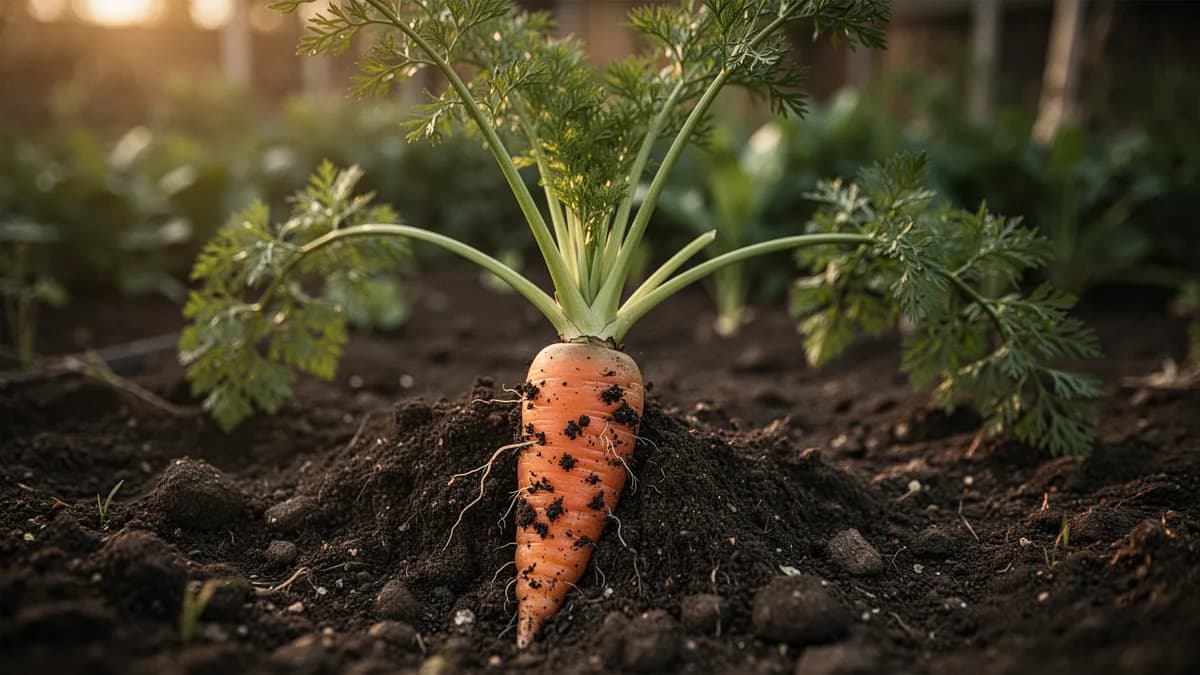
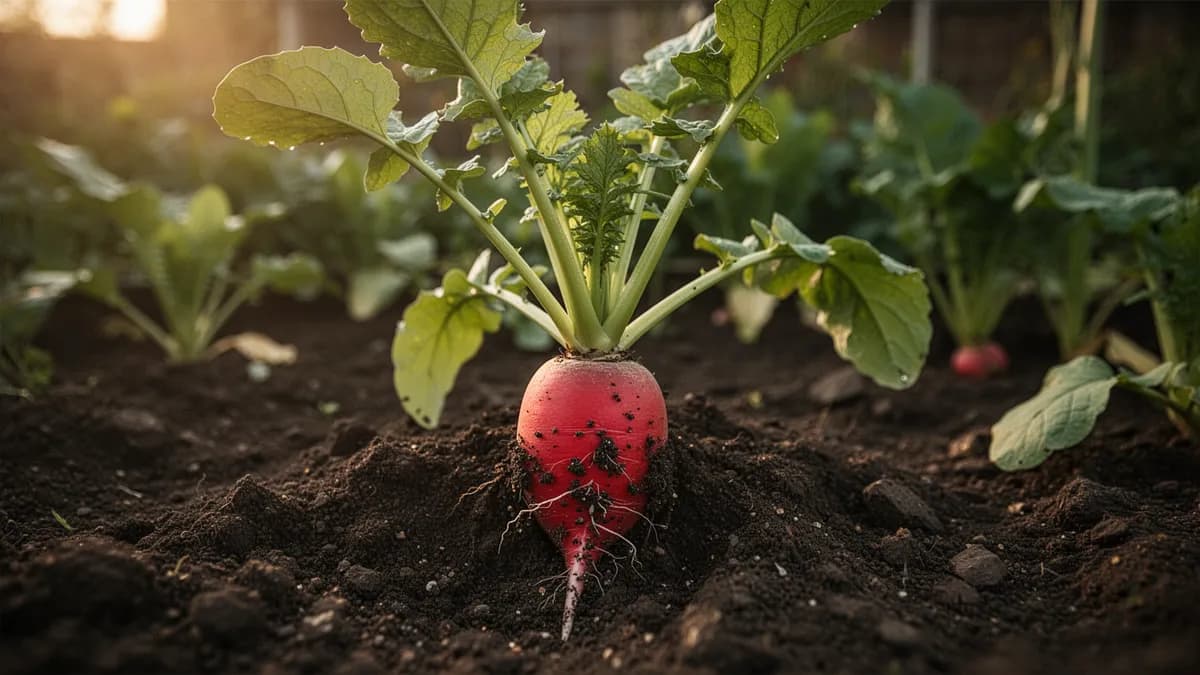
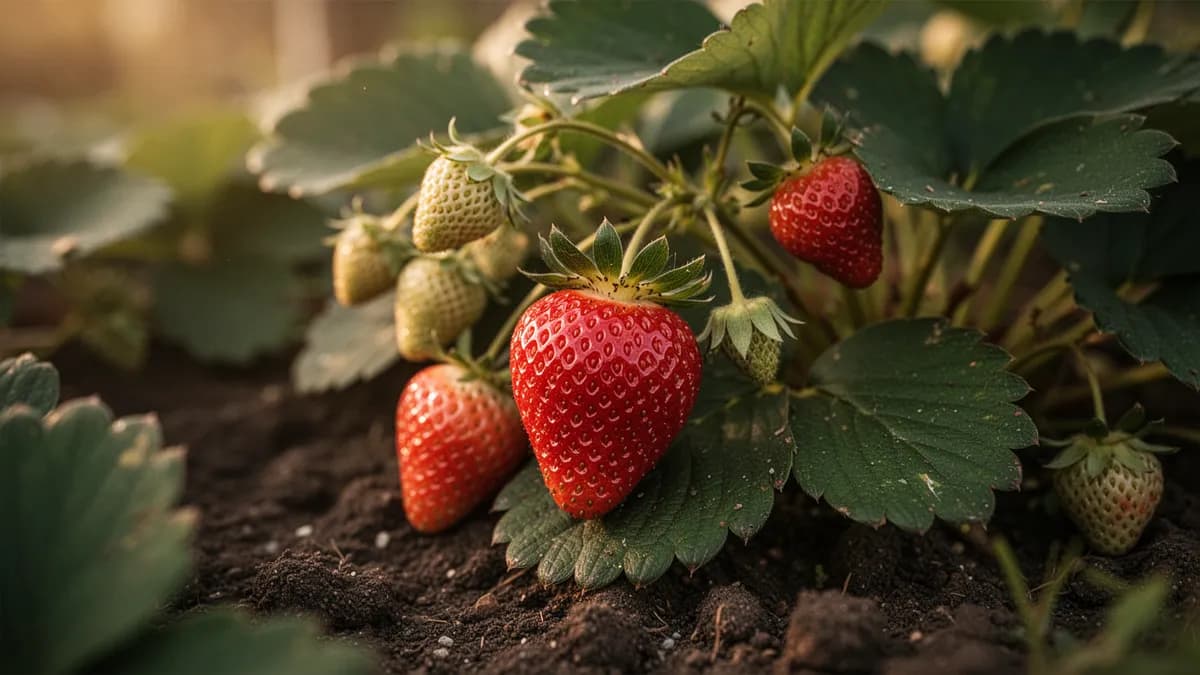
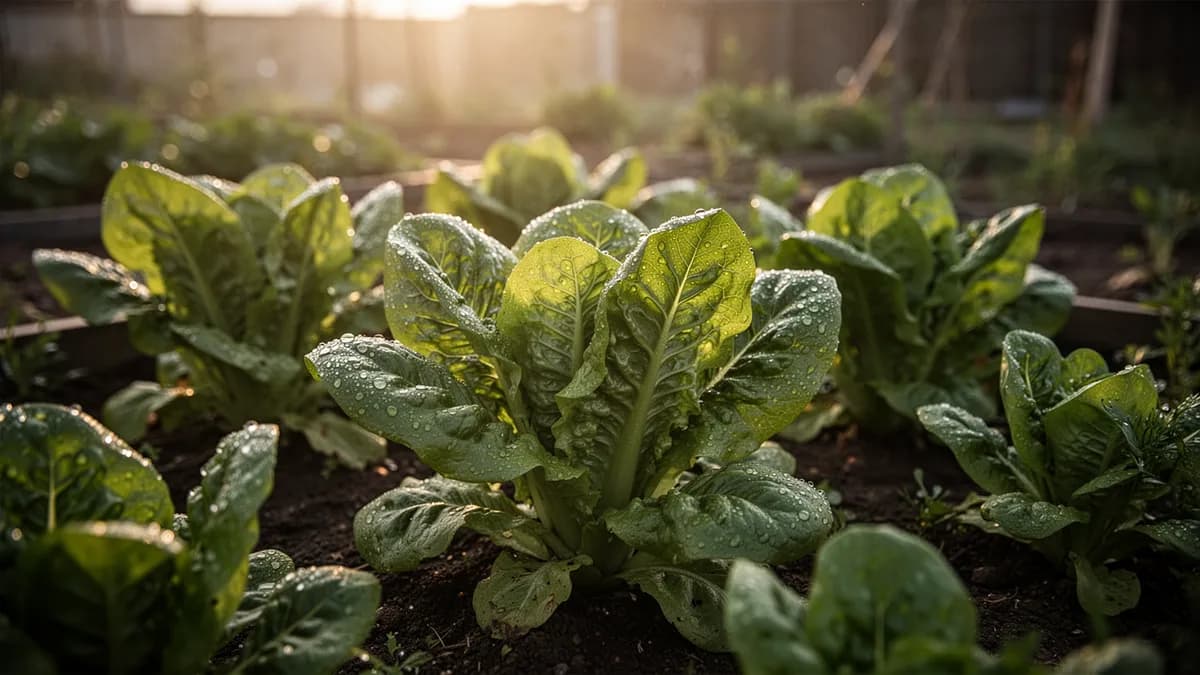
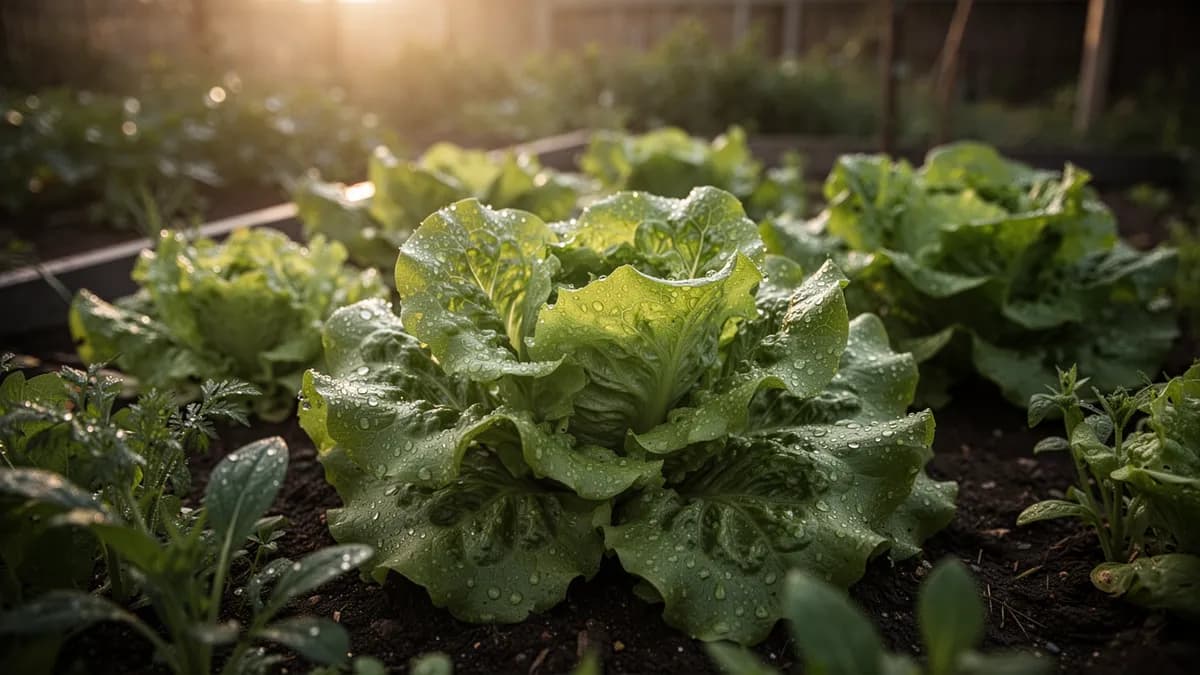
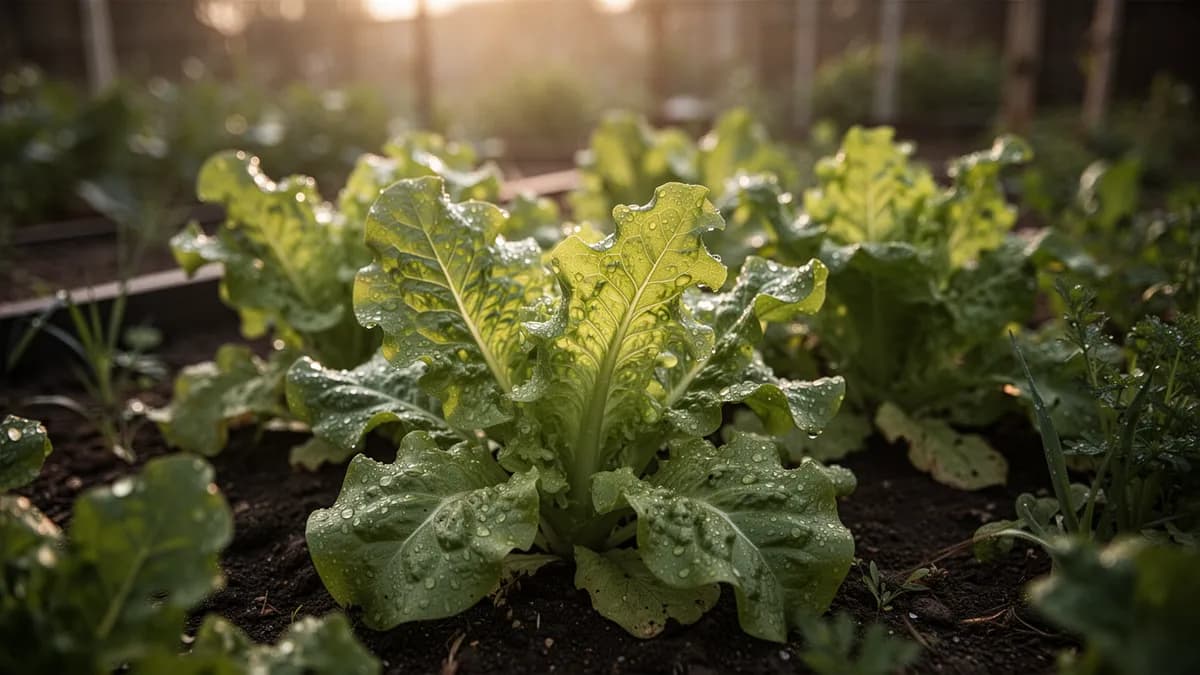
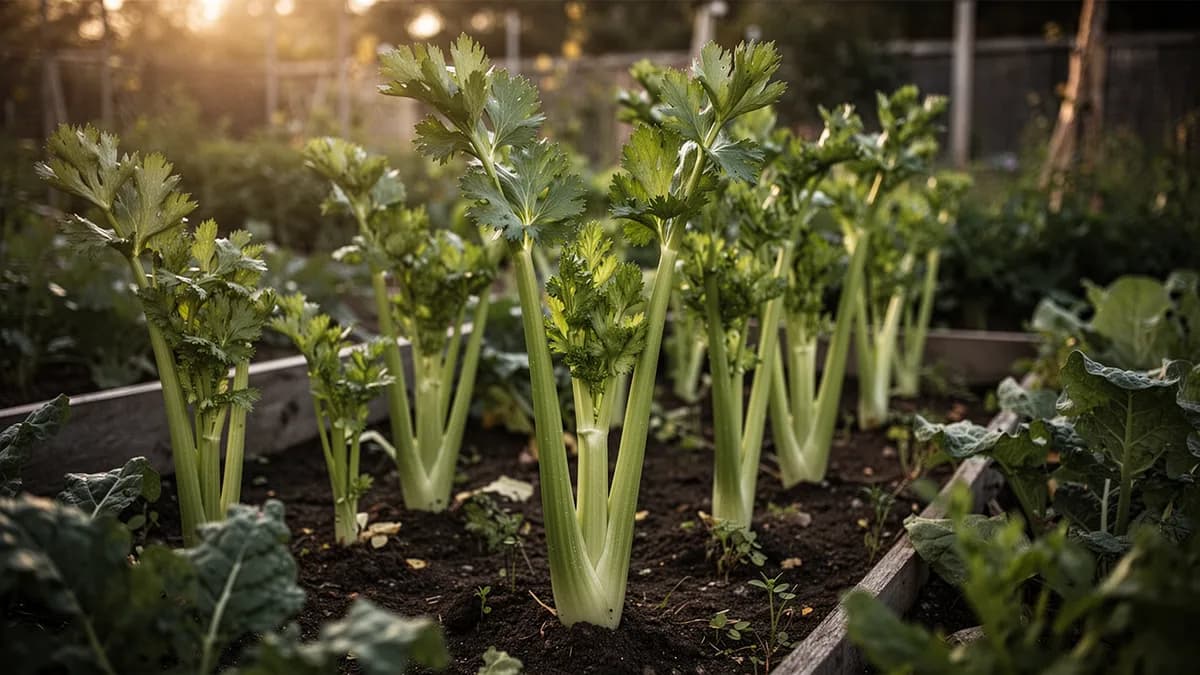
Plant butterhead lettuce with carrots, radishes, and strawberries for complementary growing habits. Taller plants like tomatoes, peppers, and trellised peas provide valuable afternoon shade. Quick-maturing radishes make excellent interplanting companions. Herbs like chives and basil deter aphids from nearby lettuce. Avoid celery as a companion. Butterhead works well as an understory crop in mixed beds, taking advantage of shade from taller vegetables.
Carrot belongs beside it. Celery doesn't.
Old growers' knowledge, checked against Butterhead Lettuce's real companion table below — test any plant you're growing.
Try Butterhead Lettuce in a bed — right here
A real planner bed with Butterhead Lettuce already in it. Tap a companion to place it and watch the pairing checks answer — green for good neighbours, red for a clash.


Related growing guides
Feed it well
Butterhead lettuce prefers rich, well-drained soil with a pH of 6.0-7.0. Incorporate compost before planting for both fertility and moisture retention. Apply a balanced liquid fertilizer every 2-3 weeks at half strength. The delicate root system benefits from consistent surface moisture rather than deep watering. Avoid heavy nitrogen that produces rank growth prone to disease. Organic mulch helps maintain ideal cool, moist growing conditions.
Ideal Temperature
Hardiness Zone Compatibility
From seed to harvest, stage by stage
Germination
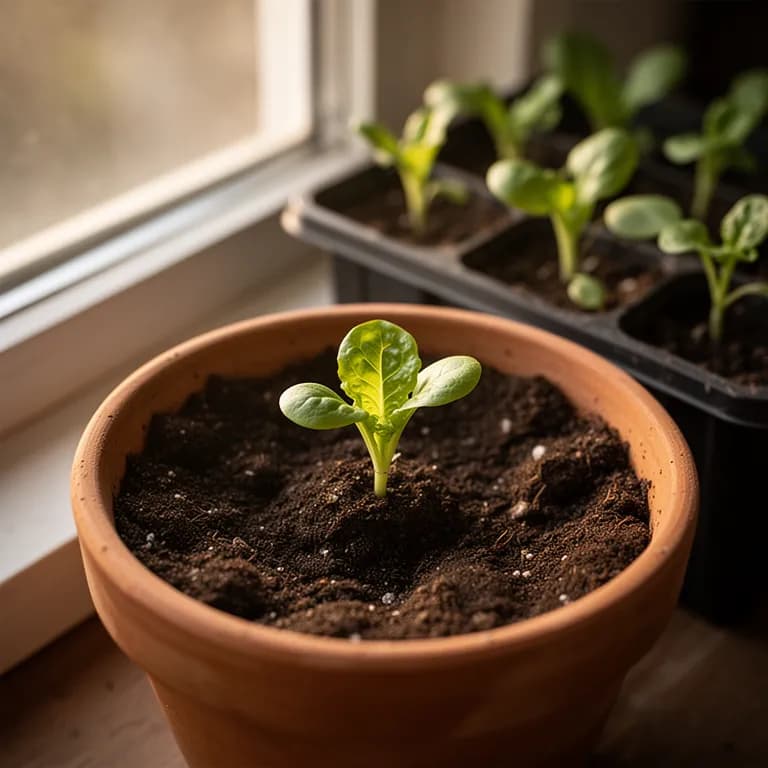
Tiny seeds sprout on the soil surface, needing light to trigger germination. Delicate white radicles emerge first, anchoring into the growing medium, followed by a pair of small, rounded cotyledons (seed leaves) that unfold to begin photosynthesis.
Seedling Development
The first true leaves appear with their characteristic rounded, slightly cupped shape. Seedlings develop a compact rosette of 3-5 leaves and begin to establish a shallow but spreading root system. Growth is steady in cool conditions.
Rosette Formation
The plant produces a spreading rosette of increasingly larger, softer leaves. Outer leaves grow wide and open while inner leaves begin cupping inward. The distinctive buttery texture becomes apparent as leaves thicken slightly and develop a smooth, almost oily feel.
Head Formation
Inner leaves fold loosely over the center, forming the soft, blanched heart that butterhead is prized for. The head never becomes fully tight like iceberg — it remains loose and pliable. Interior leaves turn pale yellow-green from self-blanching, developing the sweetest, most delicate flavor.
Harvest
The head feels full and the inner leaves are tender and blanched. The plant is at peak quality and flavor. Left too long, especially in warming weather, the center will begin to elongate as the plant initiates bolting, producing a seed stalk and causing leaves to turn bitter.
Keep soil surface consistently moist with a mist sprayer. Do not cover seeds — butterhead lettuce requires light for germination. Maintain temperatures between 13-18°C (55-65°F); above 27°C (80°F) seeds enter thermodormancy and will not sprout.
Caring for Butterhead Lettuce month by month
What to do each month for your Butterhead Lettuce
October
You are hereHarvest fall-planted heads as they mature. In mild climates, continue sowing for winter harvest. Apply row cover or cold frame protection for late-season plants. Butterhead tolerates light frost (down to -2°C / 28°F), which can actually improve sweetness.
Know exactly what to do in your garden — every month
One email at the start of each month: what to sow, plant, and tackle right now — for your Butterhead Lettuce and everything growing around it. Plus a short starter course that helps you dodge the classic mistakes.
- What to do, right now
- Matched to your season
- Starter course included
Harvesting Butterhead Lettuce
Harvest butterhead lettuce when the rosette head feels full and leaves are tender, typically 50-60 days from sowing. Cut the entire head at the base for a clean harvest, or pick outer leaves individually starting at 30 days for a longer harvest period. The center leaves are the most prized for their buttery texture. Harvest in the morning for maximum crispness. If the center begins to elongate, harvest immediately as bolting makes leaves bitter. Handle gently as butterhead bruises easily.
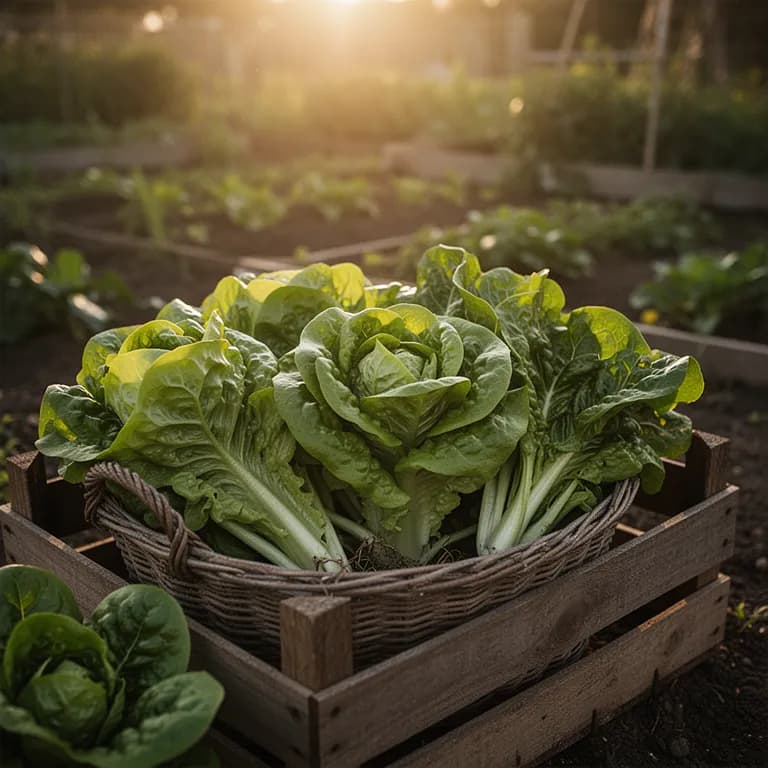
assuming you plant when the window opens — set your real date
Pick Butterhead Lettuce promptly and the plant keeps producing.
Storage & Preservation
Store whole butterhead heads unwashed in a plastic bag in the refrigerator for 5-7 days. The delicate leaves are more perishable than romaine or iceberg. Do not wash until ready to use, as moisture accelerates wilting. Wrap heads loosely in damp paper towels for extended freshness. Butterhead lettuce does not freeze or dry well. Revive slightly wilted leaves by soaking in cold water for 10-15 minutes. Best consumed within a few days of harvest for optimal texture.
What goes wrong — and the fix
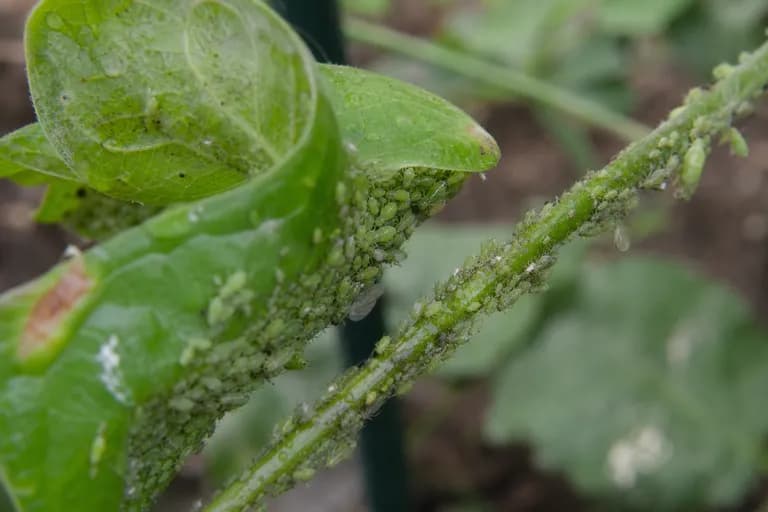
Aphids
PestSmall green or pink insects clustered in leaf folds and on undersides, sticky residue on leaves.
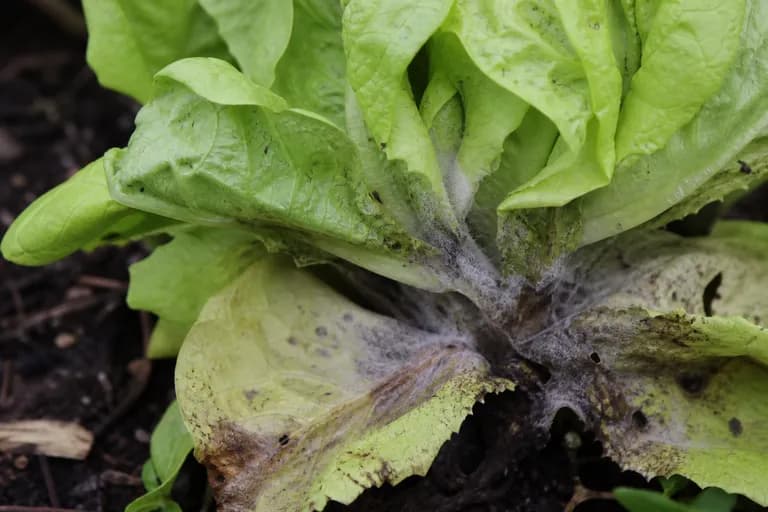
Gray Mold (Botrytis)
DiseaseFuzzy gray mold on lower leaves and stem base, especially in cool, humid conditions.
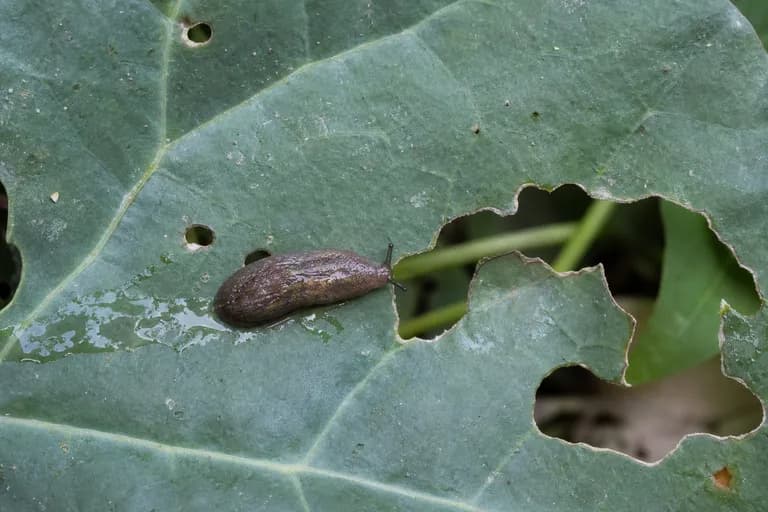
Slugs
PestIrregular holes in tender leaves, slimy trails visible on plants and soil, night feeding damage.
Troubleshooting Common Problems
Bolting is triggered by temperatures above 75°F or long days. Choose heat-tolerant varieties like Buttercrunch for warm-season planting. Tip burn on inner leaves results from calcium deficiency or erratic watering; maintain consistent moisture. Bitter flavor develops from heat stress. The soft leaves are particularly attractive to slugs; manage with barriers and traps. Brown edges indicate sunburn from excessive direct sun; provide shade. Soft rot develops in overly wet conditions.
Growing Tips
- Succession plant every 2 weeks from early spring through late spring, then again from late summer through fall. This single technique transforms butterhead from a one-time harvest into a continuous supply lasting 6-8 months in most climates.
- Light is essential for germination — never bury butterhead seeds. Scatter them on the surface of moist soil and press gently to ensure seed-to-soil contact. Covering with even 3mm of soil can reduce germination rates by 50% or more.
- In warm weather (above 27°C / 80°F), pre-chill seeds in the refrigerator for 24-48 hours before sowing. Butterhead lettuce seeds enter thermodormancy at high temperatures and simply will not germinate without this cold treatment.
- Provide afternoon shade in any climate where temperatures regularly exceed 21°C (70°F). Use 30-50% shade cloth, plant on the east side of taller crops, or use companion plants like trellised peas or pole beans as living shade structures.
- Water at soil level only — never overhead. Butterhead's cupped leaves trap water in the crown, creating ideal conditions for gray mold (Botrytis) and soft rot. Drip irrigation or careful hand-watering at the base is essential.
- Mulch with straw, shredded leaves, or compost to maintain cool, moist soil conditions. Butterhead's shallow root system (top 15 cm of soil) is highly sensitive to temperature fluctuations, and mulch buffers these swings effectively.
- Harvest the entire head by cutting at the base rather than pulling, which disturbs neighboring plants. Alternatively, pick outer leaves from 30 days onward for a prolonged harvest — the plant will continue producing new leaves from the center for weeks.
- For the sweetest flavor, grow butterhead in fall rather than spring. Cooling temperatures cause the plant to accumulate sugars as a natural antifreeze, producing heads that are noticeably sweeter and more tender than spring-grown lettuce.
Grow your best Butterhead Lettuce yet — and everything around it.
Start a free plan today. Lay out your beds, drop in your Butterhead Lettuce, and let PlotMyGarden handle the timing, spacing, companions and reminders from seed to harvest basket.
Pick your Butterhead Lettuce
Bibb
Classic small butterhead with dark green outer leaves and a golden heart. Exceptionally tender and sweet.
Boston
Larger butterhead forming soft, loose heads. Light green leaves with a mild, buttery flavor.
Tom Thumb
Miniature heirloom butterhead perfect for containers and small spaces. Tennis ball-sized heads mature in 48 days.
Buttercrunch
Award-winning variety with thick, juicy leaves and excellent heat tolerance. The most bolt-resistant butterhead.
Merveille des Quatre Saisons
Beautiful French heirloom with red-tinged leaves. Hardy and adaptable to multiple seasons as the name suggests.
A packet of butterhead lettuce seeds ($2-4) contains 500-1,000 seeds — enough to grow an entire season of salads through succession planting. A single mature organic butterhead head sells for $3-5 at farmers' markets and $2-4 at grocery stores. Growing just 20 heads over a season (easily achievable with succession planting) saves $40-80 compared to buying organic. The freshness and flavor difference between garden-harvested and store-bought butterhead, which wilts within days of harvest, is dramatic.
Quick recipes
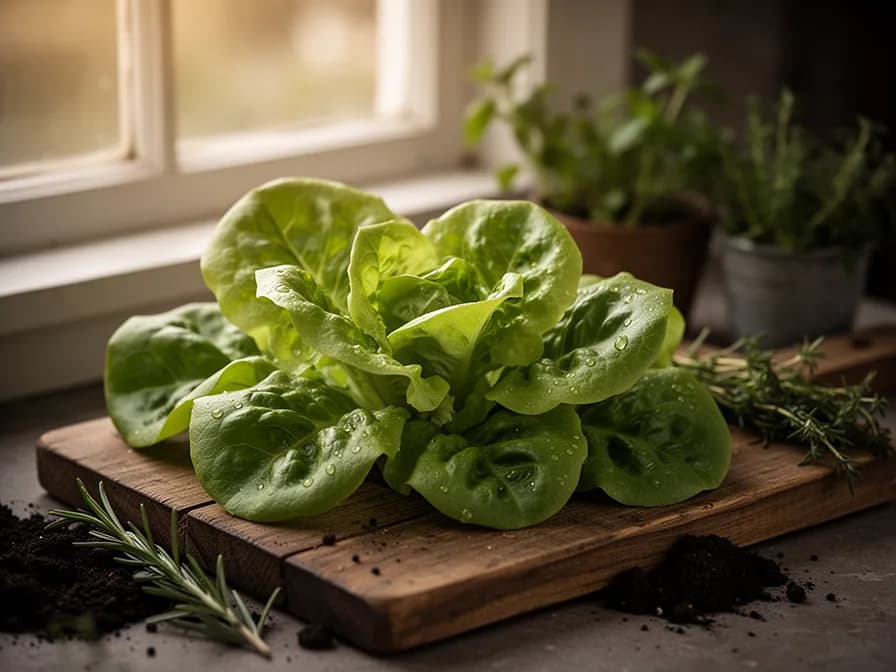
Classic Butterhead Lettuce Wraps
15 minWhole butterhead leaves make naturally perfect cups for savory fillings. Fill with seasoned ground chicken or tofu, crunchy vegetables, and a sweet-spicy sauce for an elegant, low-carb appetizer or light meal that highlights the leaf's tender, pliable texture.
9 ingredients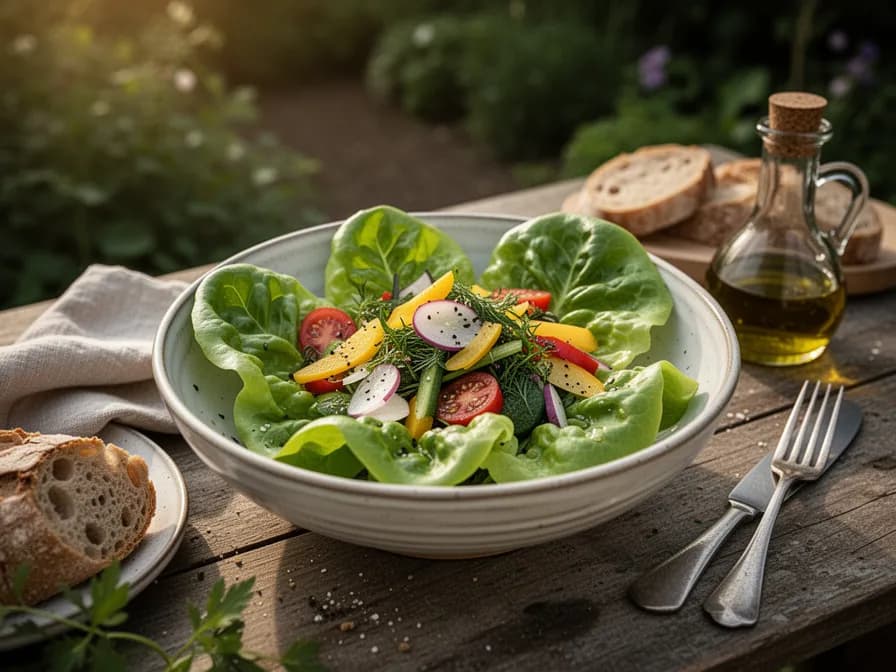
French Butterhead Salad with Dijon Vinaigrette
10 minA refined Parisian-style salad that lets the silky leaves take center stage. Whole butterhead leaves are gently dressed with a tangy Dijon mustard vinaigrette, topped with fresh herbs and shaved radishes. Simplicity at its most elegant.
8 ingredientsButterhead, Avocado and Citrus Salad
12 minA bright, refreshing salad that pairs the buttery softness of the lettuce with creamy avocado and juicy citrus segments. A light lemon-olive oil dressing ties everything together without masking the lettuce's delicate flavor.
8 ingredientsCulinary Uses
Butterhead lettuce is prized for elegant salads where its silky texture shines with light vinaigrettes. Use whole leaves as cups for Thai larb, chicken salad, or Asian lettuce wraps. Layer in sandwiches for a soft, buttery contrast. The delicate flavor pairs beautifully with fresh herbs, soft cheeses, and fruit. Use as a bed for composed salads. Avoid heavy, creamy dressings that overwhelm the subtle flavor.
What's inside
Health Benefits
- Exceptionally rich in Vitamin A as beta-carotene — a single head provides over 100% of daily needs, supporting vision health, skin cell renewal, and immune defense.
- High in Vitamin K (102 mcg per 100g), which plays a critical role in blood clotting and helps direct calcium into bones rather than arteries, supporting cardiovascular health.
- Contains folate (73 mcg per 100g), a B-vitamin essential for DNA synthesis and cell division, particularly important during pregnancy for preventing neural tube defects.
- The high water content (96%) combined with potassium (238mg per 100g) supports hydration and healthy blood pressure levels, making it an excellent food for cardiovascular health.
- Provides lactucarium compounds in its milky sap, which have mild sedative and analgesic properties — traditional herbalists have long used lettuce tea as a natural sleep aid.
- Low in oxalates compared to spinach and kale, making its iron and calcium more bioavailable and suitable for people prone to kidney stones.
Where Butterhead Lettuce comes from
Lettuce has one of the longest cultivation histories of any vegetable, with roots stretching back over 4,500 years. Wild lettuce (Lactuca serriola), the prickly ancestor of all cultivated lettuce, is native to the Mediterranean basin and the Middle East. The ancient Egyptians were the first to domesticate lettuce around 2680 BC, initially growing tall, bolt-prone plants for their oil-rich seeds rather than their leaves. Wall paintings in Egyptian tombs depict lettuce as a sacred plant associated with the fertility god Min.
The Greeks and Romans transformed lettuce into a leafy salad crop through centuries of selective breeding. The Romans favored soft-leaved heading types — the likely ancestors of modern butterhead varieties — and spread lettuce cultivation throughout their empire. The Latin name 'Lactuca' comes from 'lac' (milk), referring to the milky sap that oozes when stems are cut.
Butterhead lettuce as a distinct type emerged in European gardens during the 16th and 17th centuries, particularly in France, the Netherlands, and England, where gardeners selected for the softest, most tender heading varieties. France became the epicenter of butterhead breeding, producing dozens of named varieties by the 1800s. The variety 'Merveille des Quatre Saisons' (Marvel of Four Seasons), still grown today, dates to at least 1885. In America, the 'Bibb' variety bred in Kentucky in the 1860s became the standard for butterhead quality and remains widely grown. Today, butterhead lettuce is the most popular lettuce type in European markets, while it holds a growing niche in North America where crunchier romaine and iceberg have traditionally dominated.
Butterhead Lettuce: did you know?
Fascinating facts about Butterhead Lettuce
The name 'butterhead' comes from the texture, not the taste — the leaves have an almost oily, slippery smoothness that feels like butter between your fingers, caused by a thin layer of natural plant oils on the leaf surface.
Butterhead Lettuce questions, answered
When should I plant Butterhead Lettuce?
What are good companion plants for Butterhead Lettuce?
What hardiness zones can Butterhead Lettuce grow in?
How much sun does Butterhead Lettuce need?
How far apart should I space Butterhead Lettuce?
What pests and diseases affect Butterhead Lettuce?
How do I store Butterhead Lettuce after harvest?
What are the best Butterhead Lettuce varieties to grow?
What soil does Butterhead Lettuce need?
Why does my butterhead lettuce taste bitter?
Can I grow butterhead lettuce in containers?
How do I prevent my butterhead lettuce from bolting?
What is the difference between Bibb and Boston butterhead lettuce?
Is butterhead lettuce good for hydroponic growing?
How do I store butterhead lettuce to keep it fresh longest?
You just read the theory. Now grow it on autopilot.
Everything that makes Butterhead Lettuce fiddly — the timing, the spacing, the companions, the harvest window — is exactly what PlotMyGarden handles for you, for every plant in your garden.
A plan that knows your weather
Set your location once. Get sow, feed and harvest dates built around your real last-frost date and live forecast — no more guessing from a generic seed packet.
From the “When to plant” sectionDrag-and-drop bed planner
Design beds on a grid. Every plant snaps to its proper spacing, and you can see your whole season laid out before you spend a cent on seed.
From the “Growing guide” sectionCompanion conflicts, caught early
200+ good-and-bad pairings checked live as you plant — so a season-wrecking mistake never makes it into the ground.
From the “Companions” sectionReminders you'll actually act on
“Water the beans.” “Pick today before it turns.” Timely, specific, and tied to the plants you're really growing.
From the “Harvest” sectionSuccession, scheduled
Want a harvest for six weeks, not six days? It spaces your sowings automatically and reminds you when each new block is due.
From the “When to plant” sectionA record that gets smarter
Every harvest you log teaches it your garden. Next year's plan starts from what actually worked in your soil, not a textbook's.
From the “Overview” sectionPlant these alongside Butterhead Lettuce
More Leafy Greens
Keep Butterhead Lettuce away from these
Garden plans featuring Butterhead Lettuce
Grow your best Butterhead Lettuce yet — and everything around it.
Start a free plan today. Lay out your beds, drop in your Butterhead Lettuce, and let PlotMyGarden handle the timing, spacing, companions and reminders from seed to harvest basket.