Iceberg Lettuce
A crisp, crunchy heading lettuce that forms tight, pale green heads valued for their refreshing water content and mild taste.





On this pageOverview
Meet Iceberg Lettuce
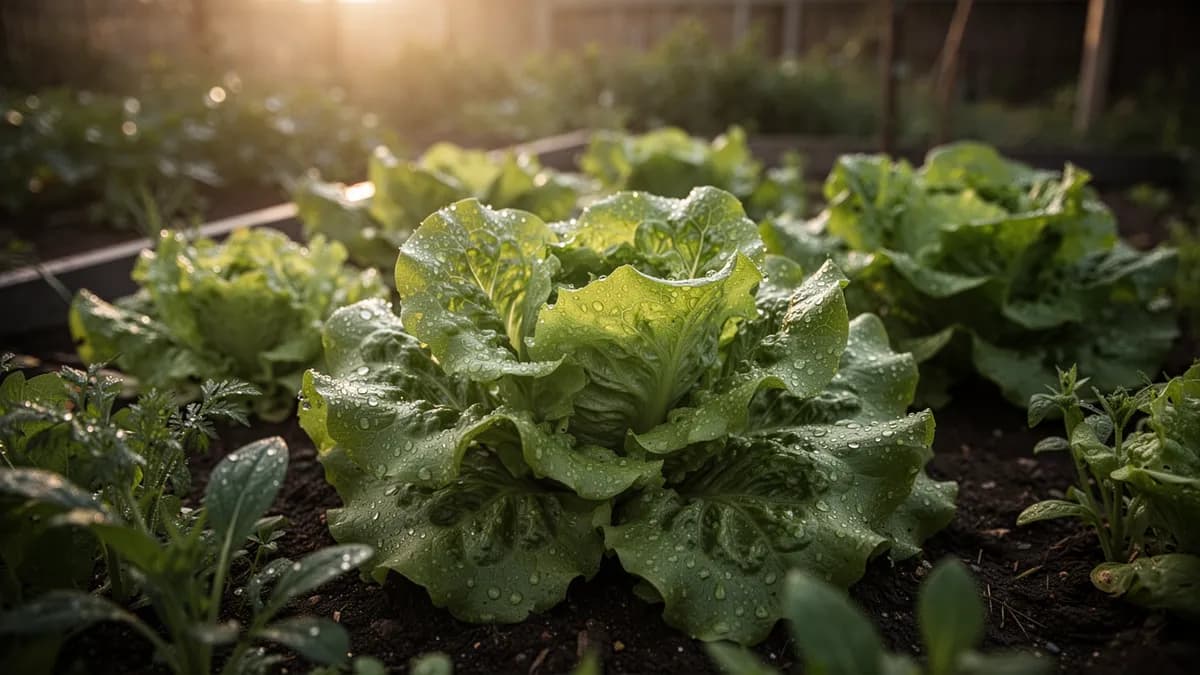
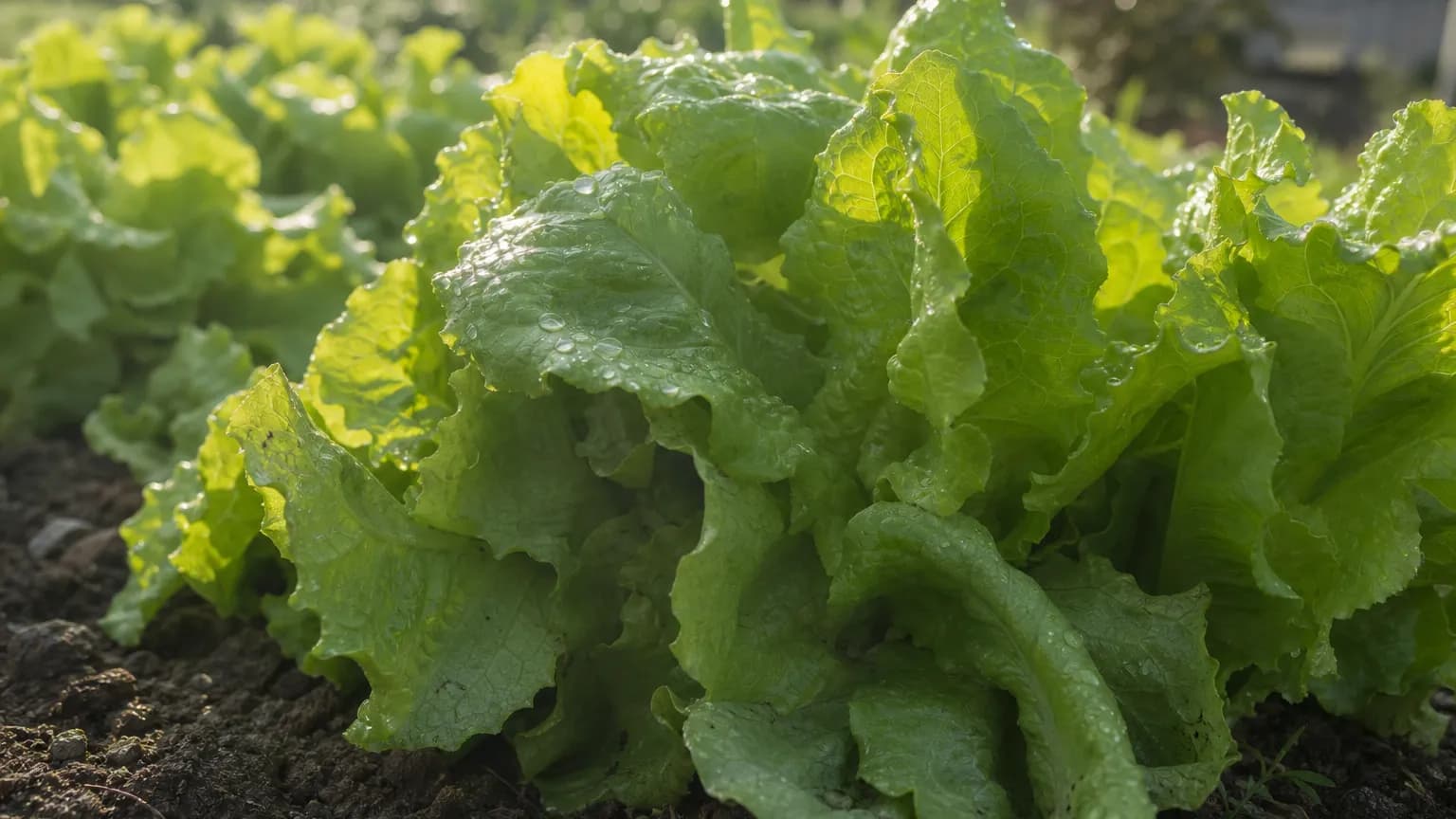
A crisp, crunchy heading lettuce that forms tight, pale green heads valued for their refreshing water content and mild taste. Iceberg lettuce needs consistent cool temperatures to form proper heads and is more challenging to grow than leaf types. Provide even moisture and avoid temperature extremes that can cause tip burn or premature bolting. Harvest when heads feel firm and solid, cutting at the base and removing outer wrapper leaves.
When to plant Iceberg Lettuce
Start seeds indoors 6-8 weeks before last frost for the longest cool growing window. Surface-sow on moist mix; do not cover seeds. Germinate at 55-65°F in 5-10 days. Hot temperatures above 80°F cause dormancy; pre-chill seeds in the refrigerator for 24 hours before sowing. Transplant at 4-5 true leaves, spacing 12-14 inches apart. Direct sowing is less reliable for iceberg than transplanting. Fall crops should be started in midsummer for transplanting in late summer.
Your Iceberg Lettuce Year
Composed for Zone 7 · typical seasons · frost passes Apr 2, returns Nov 1
Plant Iceberg Lettuce Mar – Apr, Aug – Sep, pick Jun – Jul, Oct – Nov. Check the planting methods below and set your climate to personalize these windows.
How to grow Iceberg Lettuce
Start iceberg lettuce seeds indoors 6-8 weeks before last frost, sowing on the soil surface as seeds need light to germinate. Seeds sprout in 5-10 days at 55-65°F. Transplant seedlings 12-14 inches apart in rows 18 inches apart. Iceberg is the most demanding lettuce type and requires consistently cool temperatures between 55-65°F for tight head formation.
Provide even, consistent moisture of 1-1.5 inches per week. Erratic watering causes tip burn, the most common issue with iceberg lettuce. Mulch around plants to maintain cool, moist soil. Afternoon shade is essential in all but the coolest climates. Feed with a balanced fertilizer every 3 weeks, but avoid excess nitrogen which produces loose heads.
Iceberg lettuce requires a long, cool growing season of 60-80 days. Time spring plantings to mature before summer heat, and fall plantings to develop during cooling weather. The inner leaves blanch naturally as the head tightens, producing the characteristic pale, crunchy interior. Once heads feel firm when gently squeezed, they are ready to harvest.
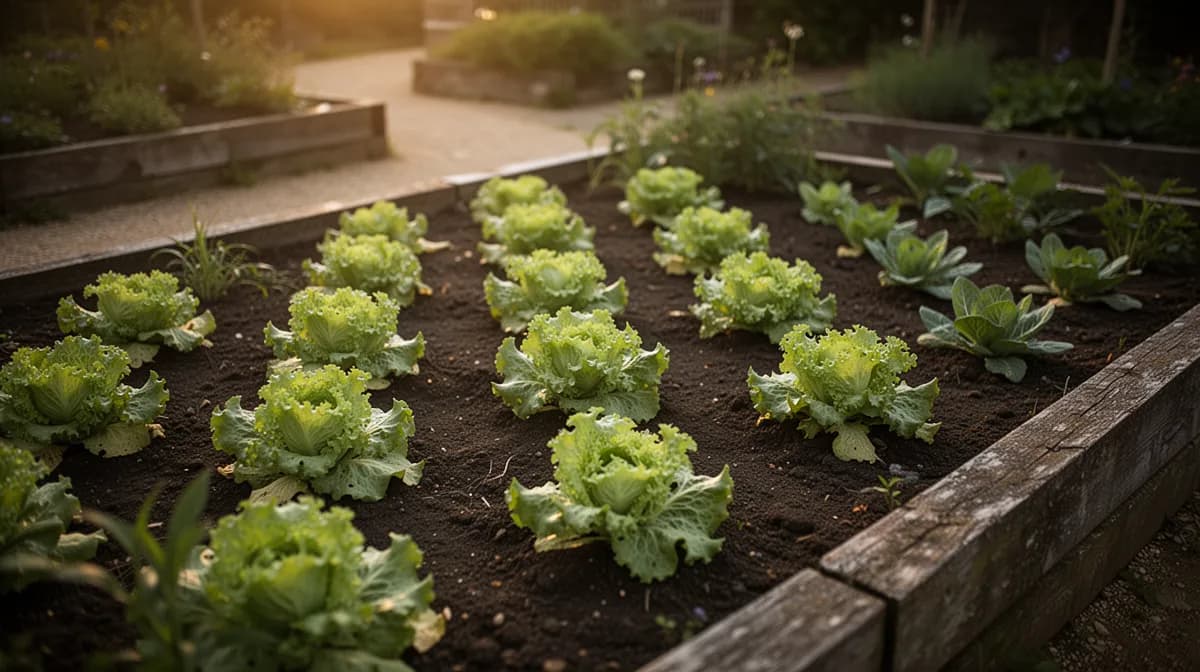
32 plants fit a 4 × 8 ft bed
Each Iceberg Lettuce wants 30 cm of elbow room. The planner keeps that spacing for you — every plant, every bed.
Iceberg Lettuce's best neighbours
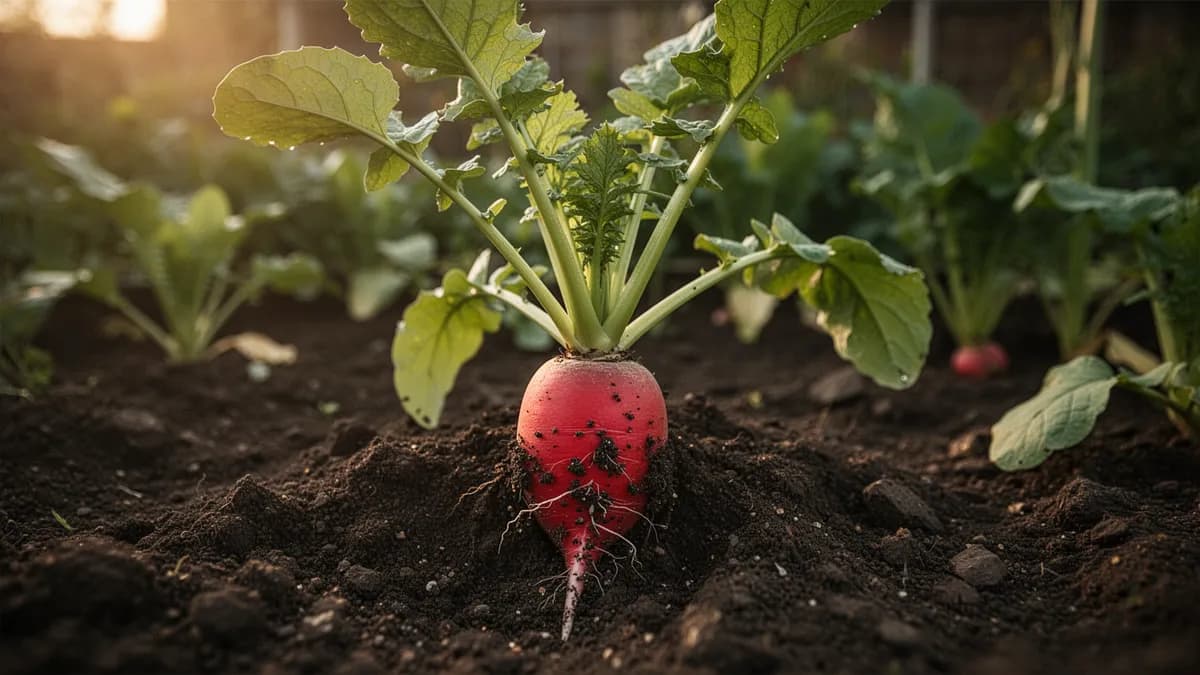
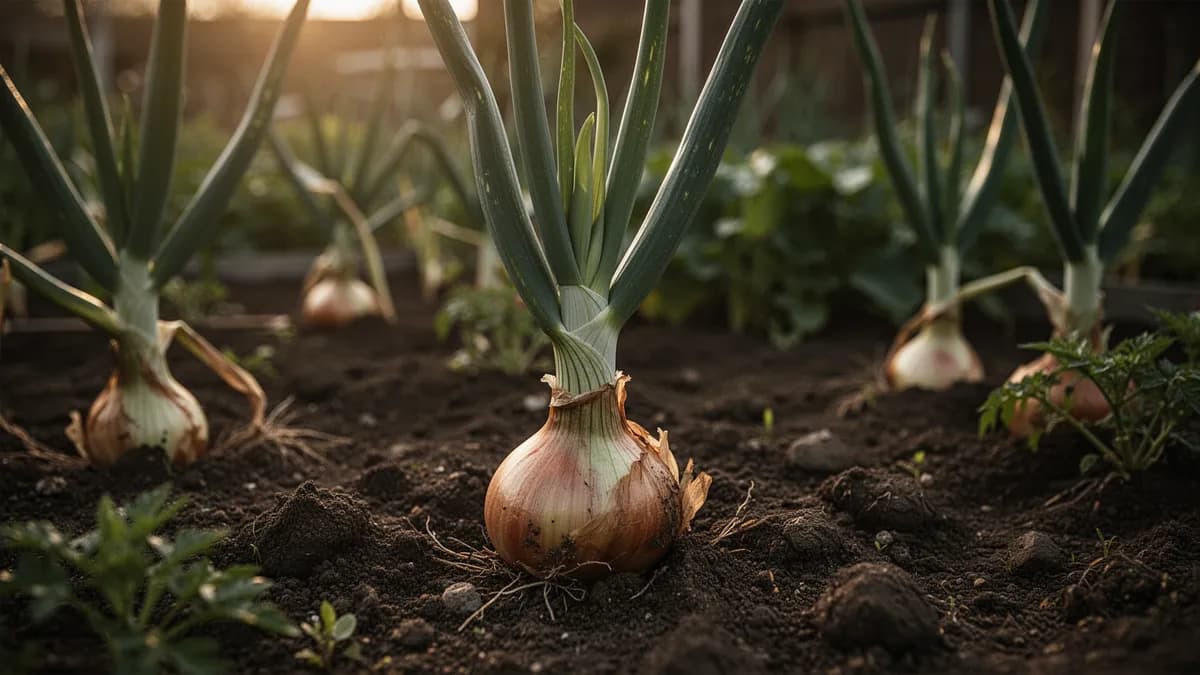
Plant iceberg lettuce with carrots, radishes, and onions, which grow at different depths and do not compete. Tall plants like corn, tomatoes, and trellised beans provide essential afternoon shade. Quick-growing radishes mark rows and are harvested before lettuce fills in. Avoid celery as a companion. Chives and garlic planted nearby help deter aphids. Iceberg benefits from wind protection provided by taller border plants.
Carrot belongs beside it. Celery doesn't.
Old growers' knowledge, checked against Iceberg Lettuce's real companion table below — test any plant you're growing.
Try Iceberg Lettuce in a bed — right here
A real planner bed with Iceberg Lettuce already in it. Tap a companion to place it and watch the pairing checks answer — green for good neighbours, red for a clash.


Related growing guides
Feed it well
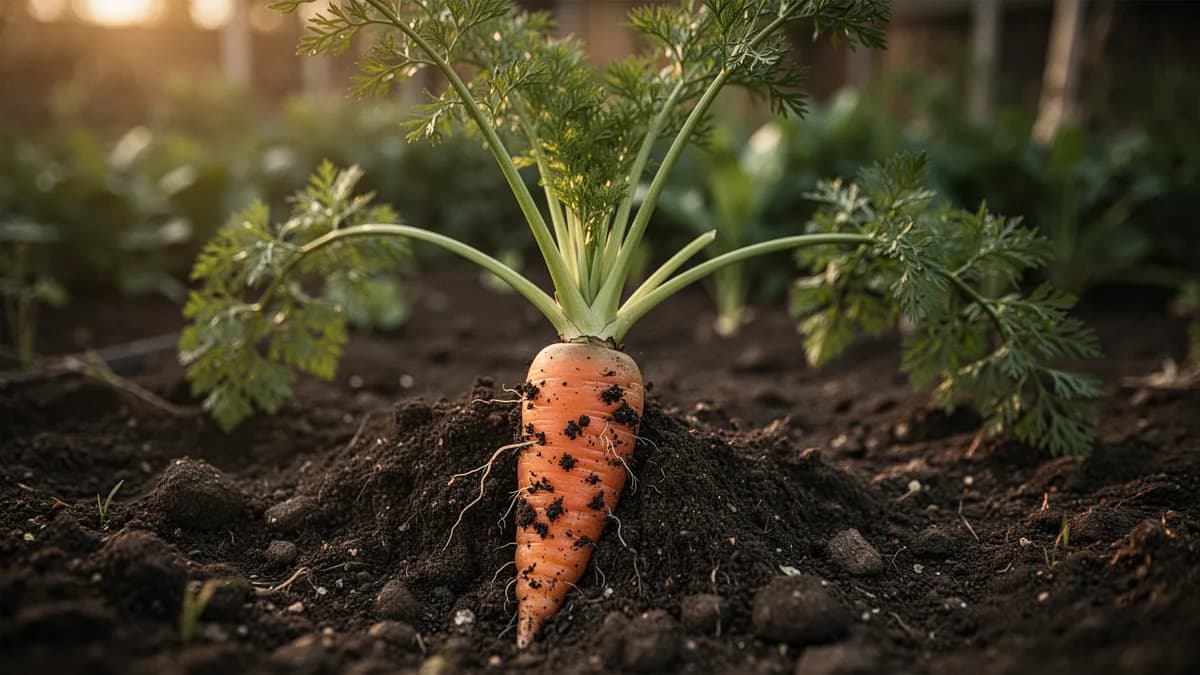
Iceberg lettuce needs rich, well-drained soil with a pH of 6.0-6.8. Amend with compost and ensure excellent drainage, as standing water promotes disease. Apply a balanced 10-10-10 fertilizer at planting and side-dress every 3 weeks. Calcium is critical for preventing tip burn; apply gypsum if calcium is deficient. Consistent soil moisture is essential for tight head formation. Avoid excessive nitrogen late in growth, which produces loose, poorly formed heads.
Ideal Temperature
Hardiness Zone Compatibility
From seed to harvest, stage by stage
Seed Germination
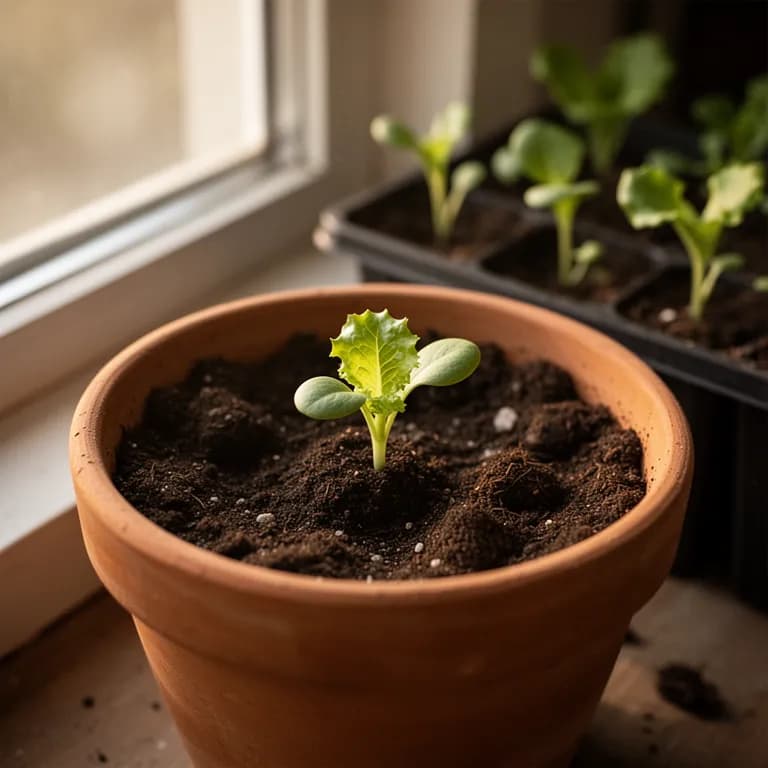
Tiny lettuce seeds germinate on the soil surface in 5-10 days at 55-65°F. Seeds require light for germination and should not be covered with soil. The first structures to appear are a pair of small, rounded cotyledon leaves.
Seedling Development
True leaves emerge with a rounded, slightly ruffled shape. The seedling develops a shallow root system and begins to establish. Growth is steady but slow compared to loose-leaf lettuce types.
Rosette Formation
The plant develops a broad, open rosette of medium-green outer leaves. The leaf count increases rapidly, with new leaves emerging from the central growing point. This stage establishes the framework that will eventually fold inward to form the head.
Head Formation
Inner leaves begin to cup inward and overlap, gradually forming the characteristic tight, round head. The outer wrapper leaves remain loose while the interior blanches to a pale yellow-white as light is excluded. This critical phase requires consistent cool temperatures.
Mature Head
The head reaches full size and density, feeling firm and solid when gently squeezed. A properly formed iceberg head weighs 400-800g and has a dense, tightly packed interior of crisp, pale leaves. The head should be harvested promptly at this stage.
Bolting (End of Life)
If not harvested, the central stem elongates rapidly, pushing through the head and producing a tall flower stalk with small yellow composite flowers. The leaves become increasingly bitter as the plant channels energy into reproduction. Bolting is accelerated by temperatures above 75°F and long day lengths.
Keep the soil surface consistently moist with a fine mist. If temperatures exceed 80°F, refrigerate seeds for 24 hours before sowing to break heat-induced dormancy.
Caring for Iceberg Lettuce month by month
What to do each month for your Iceberg Lettuce
October
You are hereHarvest fall iceberg heads as they reach maturity. Cover plants with row cover or cold frames during frost events. In mild climates (zones 8-10), continue planting for winter harvest. Properly formed heads tolerate light frost.
Know exactly what to do in your garden — every month
One email at the start of each month: what to sow, plant, and tackle right now — for your Iceberg Lettuce and everything growing around it. Plus a short starter course that helps you dodge the classic mistakes.
- What to do, right now
- Matched to your season
- Starter course included
Harvesting Iceberg Lettuce
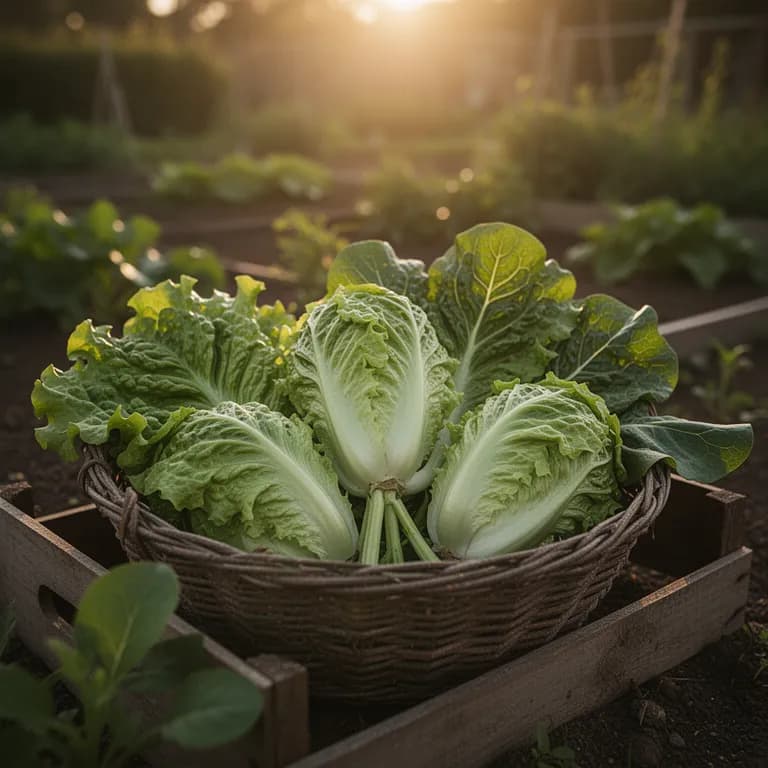
Harvest iceberg lettuce when heads feel firm and solid when squeezed, typically 60-80 days from transplant. Cut at the base with a sharp knife, leaving the stem behind. Remove loose outer wrapper leaves. Harvest in early morning when heads are coldest and crispest. If the head begins to elongate or feel soft at the top, harvest immediately before bolting makes it bitter. Properly formed heads should be dense and heavy for their size.
assuming you plant when the window opens — set your real date
Pick Iceberg Lettuce promptly and the plant keeps producing.
Storage & Preservation
Iceberg lettuce stores better than any other lettuce type. Keep unwashed whole heads in the refrigerator crisper for up to 2-3 weeks. Remove the core and wrap in paper towels inside a plastic bag for best results. Do not store near apples, bananas, or tomatoes, which emit ethylene gas that accelerates browning. Iceberg does not freeze or dry well. Cut or torn edges brown quickly; use a sharp knife rather than tearing for longer shelf life.
What goes wrong — and the fix
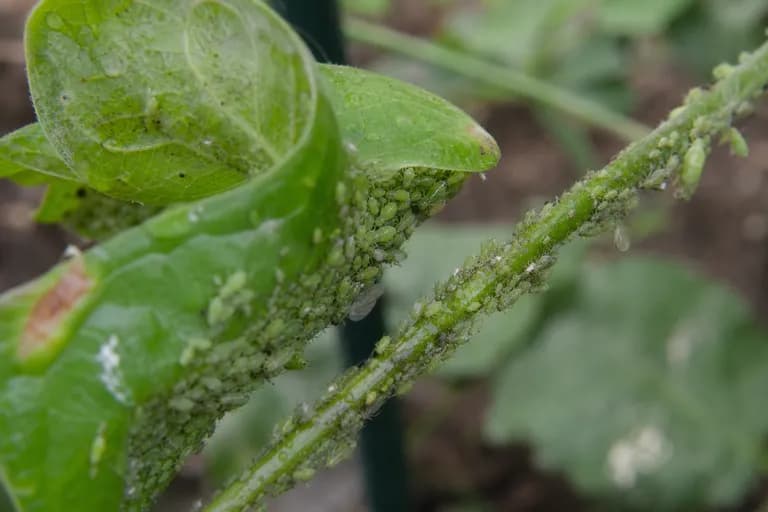
Aphids
PestSmall insects hidden in tight leaf folds, honeydew deposits, distorted inner leaves.
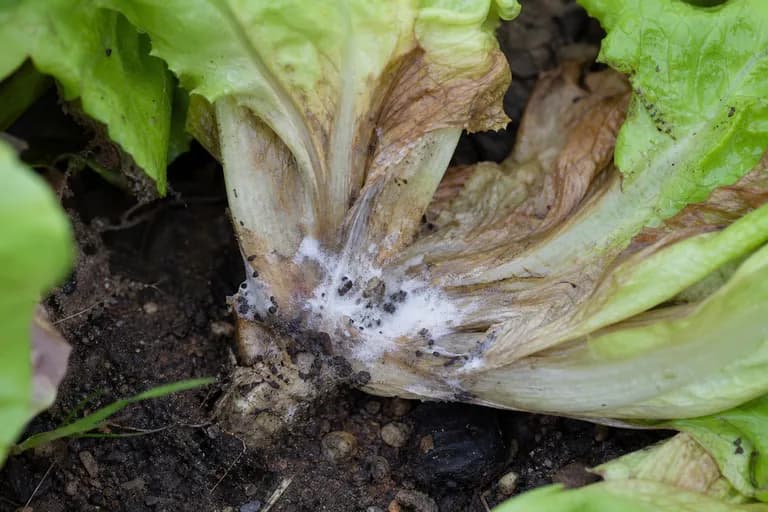
Lettuce Drop (Sclerotinia)
DiseaseSudden wilting and collapse of outer leaves, white cottony mold at base, hard black structures in tissue.

Thrips
PestSilvery streaks on leaves, tiny elongated insects visible with magnification, distorted leaf tips.
Troubleshooting Common Problems
Tip burn is the most common issue, caused by calcium deficiency, erratic watering, or high temperatures. Maintain consistent moisture and ensure adequate calcium. Loose, poorly formed heads result from high temperatures, excess nitrogen, or insufficient growing time in cool weather. Bolting occurs rapidly above 75°F. Brown rib occurs from physical damage or temperature fluctuations. Iceberg is more susceptible to disease than leaf lettuce due to the tight head trapping moisture.
Growing Tips
- Temperature control is everything with iceberg lettuce. Unlike leaf types that tolerate some warmth, iceberg requires a sustained period of 55-65°F weather to form tight heads. Time plantings so that the 30-day heading period falls entirely within cool weather.
- Consistent, even moisture is the single most important factor in preventing tip burn — the brown, papery edges on inner leaves that ruin otherwise perfect heads. Water deeply and regularly, never allowing the soil to dry out or become waterlogged.
- Apply calcium-rich amendments like gypsum or crushed eggshells at planting time. Tip burn is fundamentally a calcium transport issue: even in calcium-rich soil, rapid growth during warm spells can outpace the plant's ability to move calcium to inner leaf tips.
- Use shade cloth (30-50%) during warm periods to extend the growing season by 2-3 weeks in both spring and fall. Even a few degrees of cooling can make the difference between a tight head and a loose, bitter disappointment.
- Transplanting produces more reliable results than direct seeding for iceberg lettuce. Indoor-started seedlings with 4-5 true leaves establish faster and give you better control over spacing and timing than scattered direct-sown seed.
- Mulch heavily with straw or shredded leaves to keep soil temperatures cool and moisture consistent. Bare soil in spring sun can warm quickly and push lettuce into premature bolting even when air temperatures seem acceptable.
- Harvest in the early morning when heads are coldest and crispest. Cut at the soil line with a sharp knife and immediately place in shade or a cooler. Heads harvested in afternoon heat wilt faster and have a noticeably shorter shelf life.
- For the longest harvest window, plant 3-4 varieties with different maturity dates rather than one large planting of a single variety. Staggering 55-day, 65-day, and 75-day cultivars creates a natural succession without repeated sowing.
Grow your best Iceberg Lettuce yet — and everything around it.
Start a free plan today. Lay out your beds, drop in your Iceberg Lettuce, and let PlotMyGarden handle the timing, spacing, companions and reminders from seed to harvest basket.
Pick your Iceberg Lettuce
Great Lakes
Classic iceberg variety with large, firm heads and excellent crunch. Reliable performer in cool climates.
Ithaca
Heat-tolerant variety bred for extended growing seasons. Forms tight heads even in warmer conditions.
Salinas
Commercial standard with uniform, dense heads. Excellent tip burn resistance and solid shelf life.
Summertime
Bred specifically for warm-weather performance. Slow to bolt with good head formation in challenging conditions.
A packet of iceberg lettuce seeds costs $2-4 and contains 500-1000 seeds — enough for many seasons. At grocery prices of $1.50-3 per head (organic heads cost $3-5), growing 10-20 heads per season saves $15-60 or more. The real value of homegrown iceberg is freshness: a head harvested minutes before eating has a noticeably superior crunch and sweetness compared to heads that have traveled hundreds of miles and spent a week in cold storage. Home gardeners also get the nutritious outer wrapper leaves that commercial packers remove.
Quick recipes

Classic Wedge Salad with Blue Cheese
10 minThe quintessential iceberg lettuce dish — a cold, crisp quarter-head drizzled with creamy blue cheese dressing and topped with smoky bacon. Simple, retro, and utterly satisfying when made with a freshly harvested head.
8 ingredientsKorean Lettuce Wraps (Ssam)
15 minUse large, cupped iceberg leaves as crispy wraps for seasoned Korean-style beef or pork. The cold crunch of iceberg contrasts beautifully with the hot, savory filling — a lighter alternative to tortillas or bread.
8 ingredientsChopped Iceberg Salad with Ranch
10 minA crisp, refreshing chopped salad that showcases iceberg's clean crunch. Toss with homemade ranch dressing, crunchy vegetables, and your choice of protein for a satisfying meal.
8 ingredientsCulinary Uses
Iceberg is the classic lettuce for wedge salads topped with blue cheese dressing. Shred for tacos, burgers, and sandwiches where its crisp crunch is valued. Chop for tossed salads and chopped salads. Use large leaves as cups for ground meat fillings. The mild flavor and high water content make it refreshing in hot weather. Core and fill with dip for a party appetizer. Add to spring rolls for crunch.
What's inside
Health Benefits
- Extremely high water content (96%) makes iceberg lettuce an excellent hydrating food, contributing meaningfully to daily fluid intake especially during hot weather when dehydration risk is elevated.
- Provides vitamin K (24.1 mcg per 100g, 20% DV), which is essential for blood clotting and plays an increasingly recognized role in bone health and cardiovascular calcification prevention.
- Contains folate (73 mcg per 100g, 18% DV), a B vitamin critical for DNA synthesis, red blood cell formation, and neural tube development during early pregnancy.
- Very low calorie density (14 kcal per 100g) makes iceberg lettuce valuable for weight management, allowing large-volume eating with minimal caloric impact while providing fiber and satiety.
- Supplies small amounts of lactucarium, a natural compound with mild sedative and analgesic properties that may support relaxation and sleep when consumed in the evening.
- The crunch factor of iceberg lettuce promotes slower, more mindful eating and greater chewing, which research links to improved satiety signals and reduced overall calorie consumption at meals.
Where Iceberg Lettuce comes from
Lettuce (Lactuca sativa) was first cultivated by ancient Egyptians around 2680 BC, originally grown not for its leaves but for the oil-rich seeds and the milky latex (lactucarium) in its stems, which was valued for its mild sedative and medicinal properties. Egyptian tomb paintings depict tall, bolt-prone lettuce plants associated with the fertility god Min. From Egypt, lettuce cultivation spread to Greece and Rome, where selective breeding began transforming it from a weedy, bitter plant into the leafy salad vegetable we recognize today.
The Romans developed the first heading lettuces and are credited with many early cultivation techniques, including blanching inner leaves by tying outer leaves together. The Latin word 'lactuca' (from 'lac,' meaning milk, referring to the milky sap) gave us the English word 'lettuce.' After the fall of Rome, monasteries preserved lettuce cultivation throughout the Middle Ages, and by the 16th century, European herbalists described dozens of distinct varieties.
The modern iceberg type emerged in the late 1800s in the United States, where growers in California's cool coastal valleys developed firm-heading varieties that could withstand long-distance shipping. The name 'iceberg' originated in the 1920s when heads were packed in crushed ice for transcontinental rail transport. By the mid-20th century, iceberg had become synonymous with lettuce in America, dominating salad bars, fast food, and home kitchens. Though it faced criticism from the health food movement in the 1980s-90s, iceberg remains the world's most commercially important lettuce type, valued for its unmatched crunch, long shelf life, and versatility.
Iceberg Lettuce: did you know?
Fascinating facts about Iceberg Lettuce
Iceberg lettuce got its name in the 1920s when California growers shipped heads across the country packed in mountains of crushed ice to keep them crisp during the long train journey — recipients at Eastern markets reportedly exclaimed that the shipments looked like icebergs.
Iceberg Lettuce questions, answered
When should I plant Iceberg Lettuce?
What are good companion plants for Iceberg Lettuce?
What hardiness zones can Iceberg Lettuce grow in?
How much sun does Iceberg Lettuce need?
How far apart should I space Iceberg Lettuce?
What pests and diseases affect Iceberg Lettuce?
How do I store Iceberg Lettuce after harvest?
What are the best Iceberg Lettuce varieties to grow?
What soil does Iceberg Lettuce need?
Why won't my iceberg lettuce form tight heads?
What causes brown edges (tip burn) on the inner leaves of my iceberg lettuce?
Is iceberg lettuce really less nutritious than other lettuce types?
How can I grow iceberg lettuce in a warm climate?
Can I grow iceberg lettuce in containers?
Why did my iceberg lettuce suddenly shoot up a tall stalk?
You just read the theory. Now grow it on autopilot.
Everything that makes Iceberg Lettuce fiddly — the timing, the spacing, the companions, the harvest window — is exactly what PlotMyGarden handles for you, for every plant in your garden.
A plan that knows your weather
Set your location once. Get sow, feed and harvest dates built around your real last-frost date and live forecast — no more guessing from a generic seed packet.
From the “When to plant” sectionDrag-and-drop bed planner
Design beds on a grid. Every plant snaps to its proper spacing, and you can see your whole season laid out before you spend a cent on seed.
From the “Growing guide” sectionCompanion conflicts, caught early
200+ good-and-bad pairings checked live as you plant — so a season-wrecking mistake never makes it into the ground.
From the “Companions” sectionReminders you'll actually act on
“Water the beans.” “Pick today before it turns.” Timely, specific, and tied to the plants you're really growing.
From the “Harvest” sectionSuccession, scheduled
Want a harvest for six weeks, not six days? It spaces your sowings automatically and reminds you when each new block is due.
From the “When to plant” sectionA record that gets smarter
Every harvest you log teaches it your garden. Next year's plan starts from what actually worked in your soil, not a textbook's.
From the “Overview” sectionPlant these alongside Iceberg Lettuce
More Leafy Greens
Keep Iceberg Lettuce away from these
Grow your best Iceberg Lettuce yet — and everything around it.
Start a free plan today. Lay out your beds, drop in your Iceberg Lettuce, and let PlotMyGarden handle the timing, spacing, companions and reminders from seed to harvest basket.