USDA Hardiness Zones
Understand your local climate zone to choose plants that will thrive in your garden. The USDA Plant Hardiness Zone Map divides regions based on average annual minimum winter temperatures.
What Are Hardiness Zones?
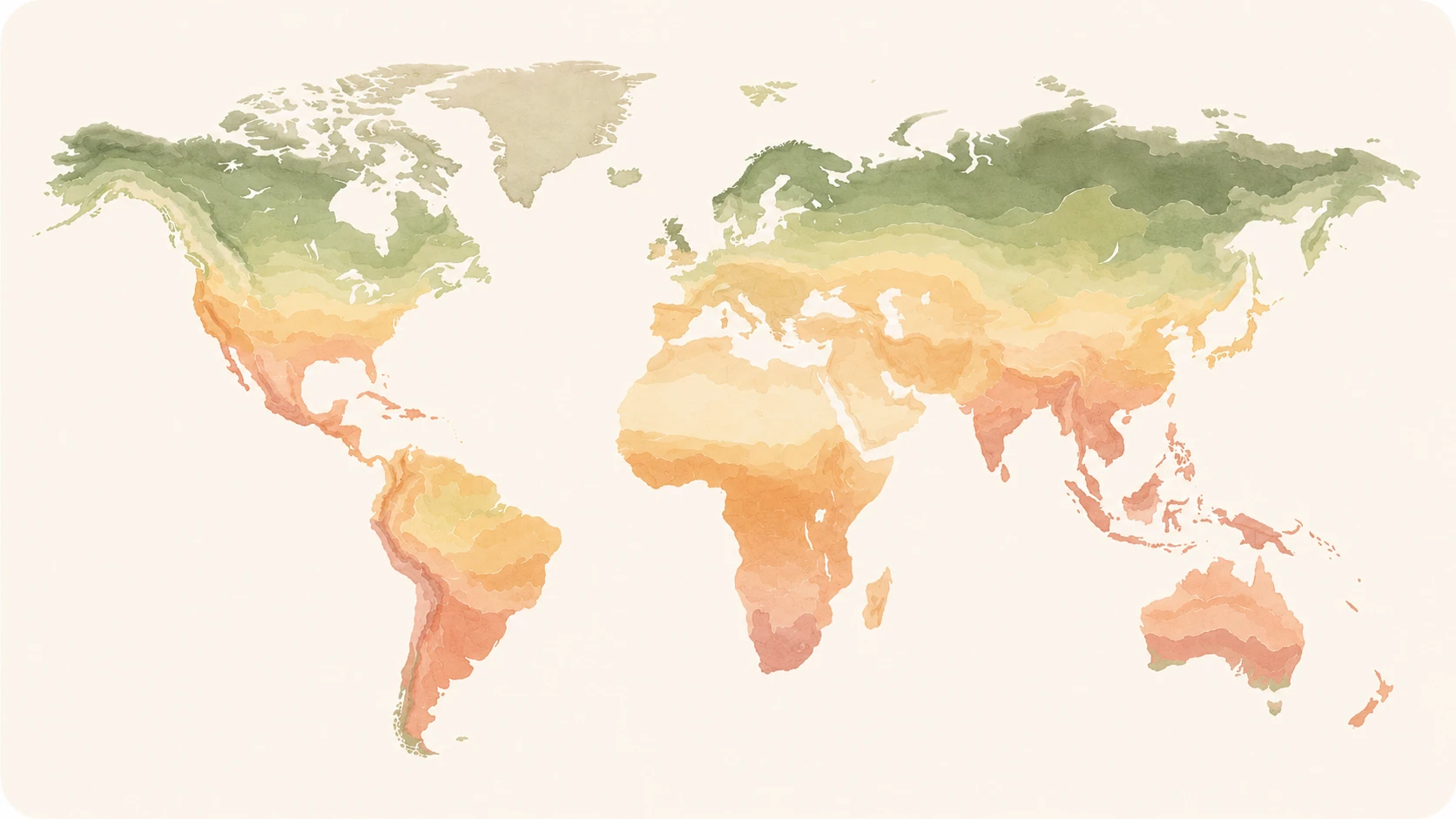
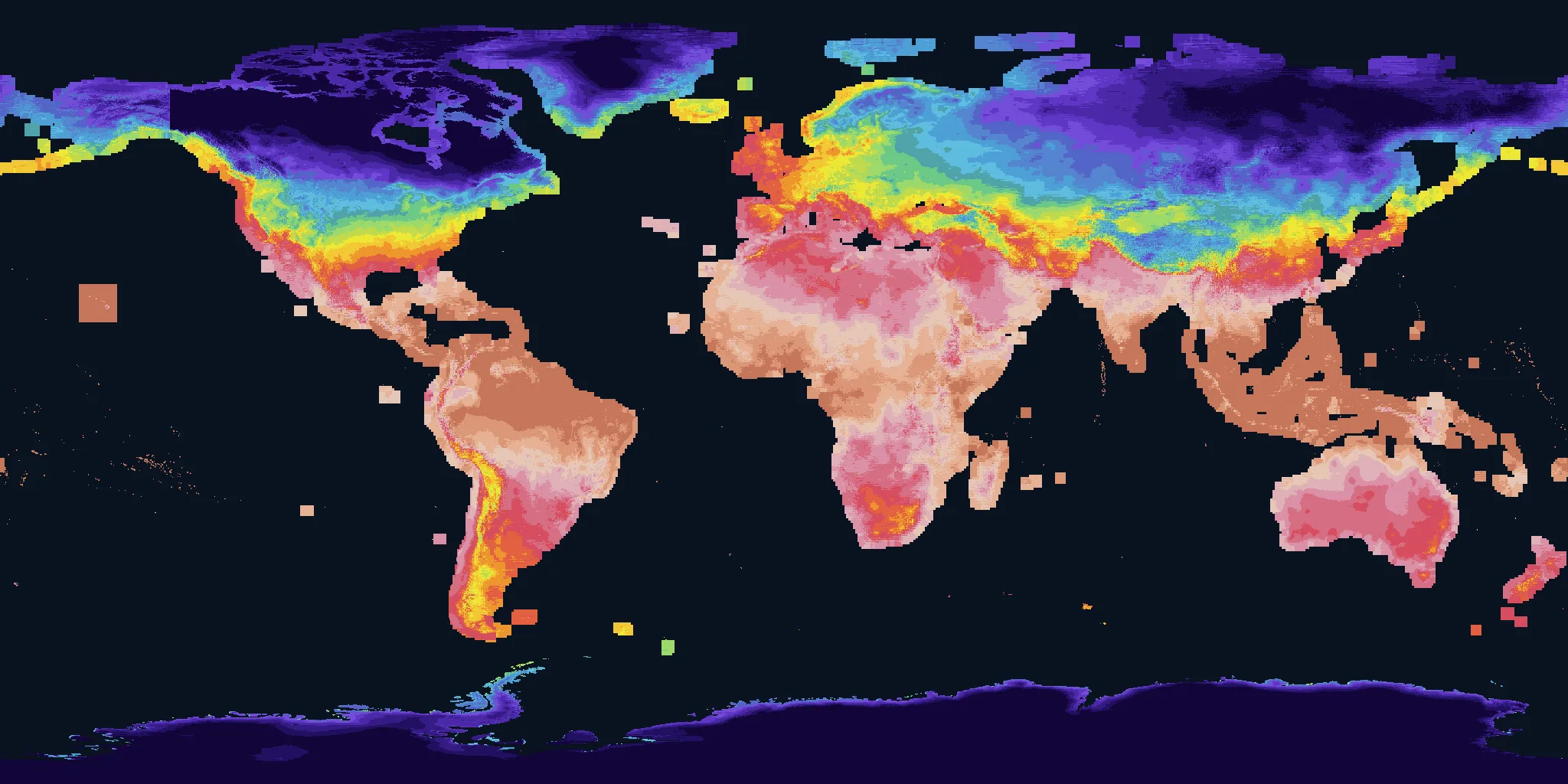
The USDA Plant Hardiness Zone Map is the standard used by gardeners and growers to determine which plants are most likely to thrive at a given location. The map divides North America (and can be applied globally) into 13 zones based on the average annual minimum winter temperature.
Each zone represents a 10-degree Fahrenheit (approximately 5.5-degree Celsius) range, further divided into "a" (colder half) and "b" (warmer half) sub-zones. Knowing your zone helps you select perennials, trees, and shrubs that can survive your winters, and plan annual planting schedules effectively.
While hardiness zones focus on cold tolerance, successful gardening also depends on heat tolerance, rainfall patterns, soil type, and microclimates within your property. Use zone data as a starting point, then adjust based on your local conditions.
Find Your Zone
Detect your hardiness zone automatically using your device location, or select a zone manually below.
Tips for Gardening in Any Zone
Understand Microclimates
Your garden may contain several microclimates within a small area. South-facing walls absorb and radiate heat, creating warmer pockets. Low-lying areas collect cold air and frost. Mapping these differences lets you push the boundaries of your official zone by placing tender plants in protected spots.
Extend Your Season
Cold frames, row covers, and cloches can effectively move your garden one full zone warmer. A simple cold frame over a raised bed can let you start planting weeks earlier in spring and harvest well into winter, even in zones 4 and 5.
Urban Heat Islands
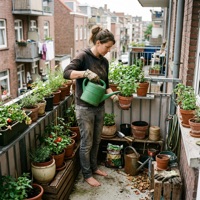
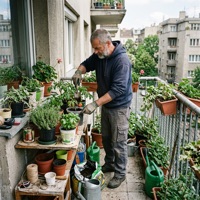
Cities are typically warmer than surrounding rural areas due to heat absorbed by concrete, asphalt, and buildings. Urban gardeners may find they can grow plants rated for one zone warmer than their official designation suggests.
Elevation Matters
Temperature drops roughly 1°C for every 150 meters of elevation gain. A garden on a hillside may be a full zone colder than one in the valley below, even if they share the same official zone designation on a broad-scale map.
All Zones at a Glance
Click any zone to see which plants from our database are suitable.