Planting Guide

Comprehensive growing information for 1015+ plants. Browse by category, search by name, and find the perfect plants for your garden.

Why Garden Planning Matters

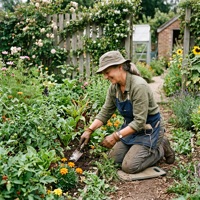
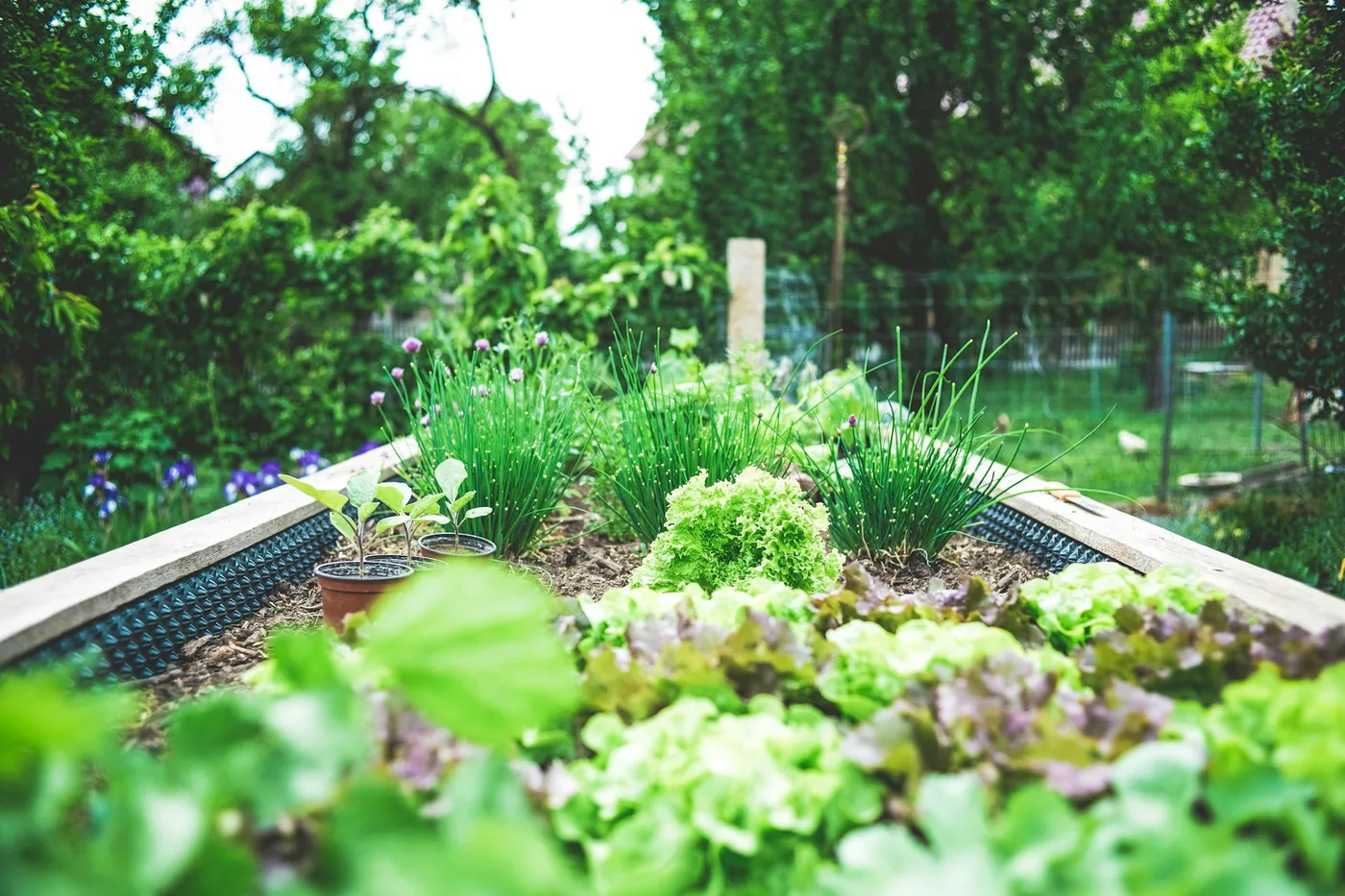
Successful gardening starts long before the first seed goes into the ground. Planning your garden layout helps you maximize limited space, ensure every plant receives the sunlight and airflow it needs, and avoid costly mistakes like planting incompatible neighbors side by side.

A well-planned garden also makes succession planting easier, ensuring a continuous harvest from spring through autumn rather than a single overwhelming glut. Understanding each plant's spacing requirements, days to maturity, and seasonal preferences lets you stagger plantings for a steady supply of fresh produce.

Whether you are growing vegetables for your family table, cultivating herbs for the kitchen, or designing a pollinator-friendly flower garden, our planting guide gives you the information you need to grow with confidence.

Tips for Beginner Gardeners

  • 1Start small. A 3m × 3m plot with five or six varieties is far more manageable than a sprawling garden that overwhelms you by midsummer.
  • 2Know your zone. Your USDA hardiness zone determines which perennials survive winter and when to sow annuals safely outdoors.
  • 3Test your soil. A simple pH test kit reveals whether you need lime or sulfur, saving you from mysterious plant failures later.
  • 4Plan for sunlight. Most vegetables need 6-8 hours of direct sun. Map sun exposure before you commit to a layout.
  • 5Water deeply, less often. Deep watering encourages roots to grow downward, making plants more drought-resistant and robust.
  • 6Keep a garden journal. Recording what you planted, when, and how it performed is the fastest way to improve year over year.

Winter Tips

1Plan next year’s garden layout and crop rotation
2Order seeds early for the best selection
3Maintain and sharpen garden tools
4Review what worked and what didn’t last season
5Start seeds indoors for early spring transplants

Showing 1015 of 1015 plants

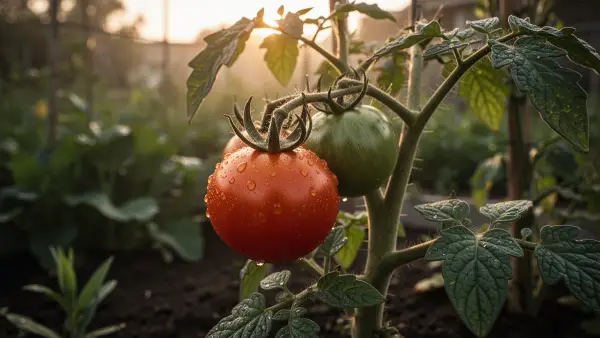
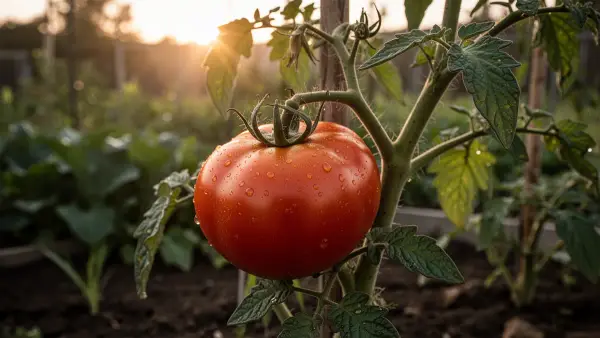
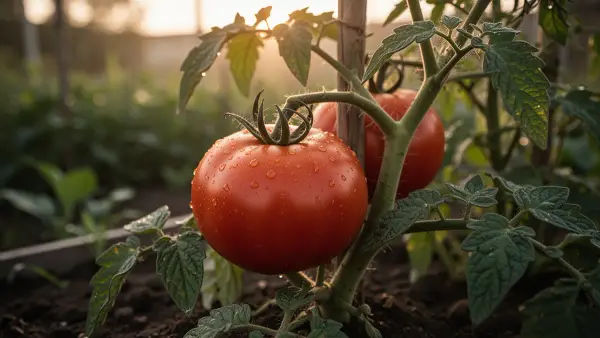
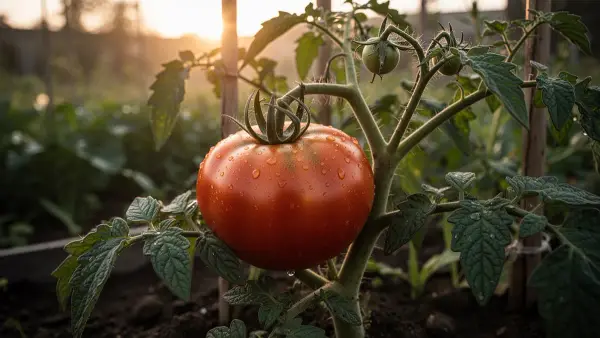
Tomato

Solanum lycopersicum

vegetablenightshade

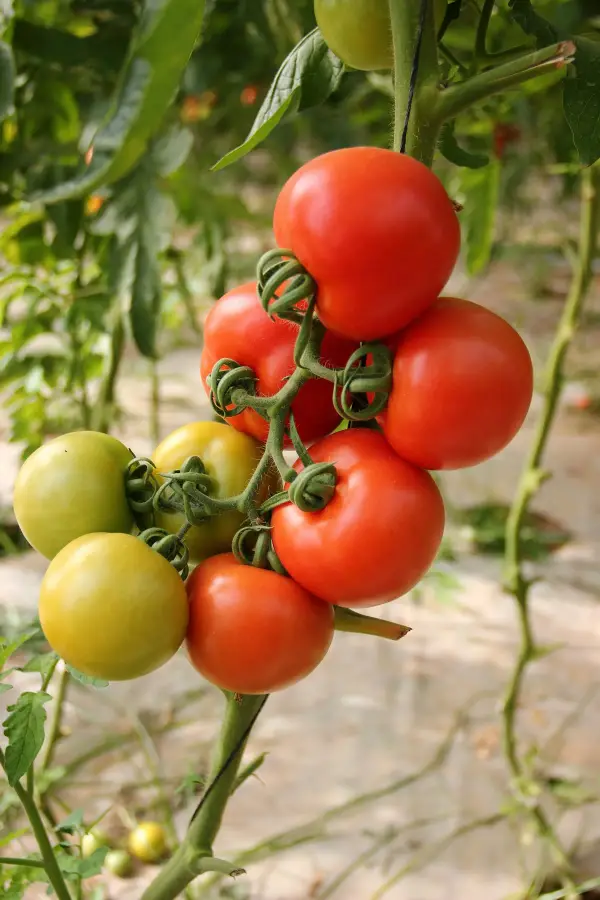
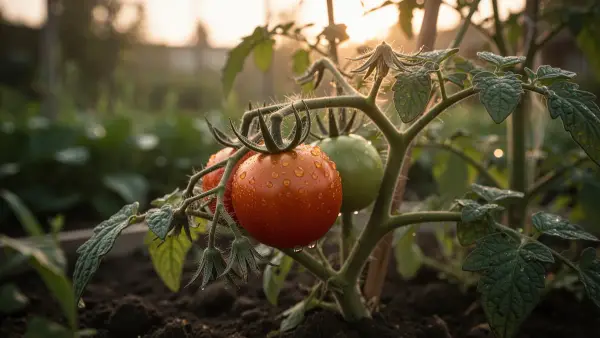
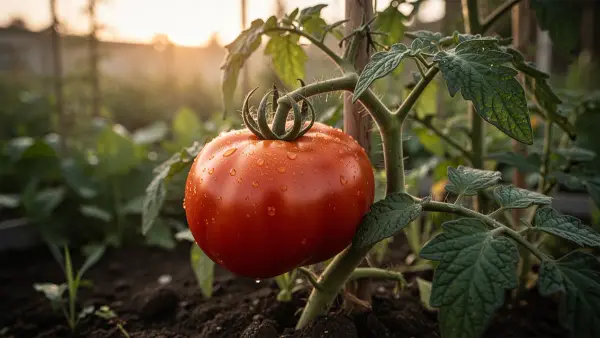
A warm-season staple prized for its versatile fruits, thriving in rich well-drained soil with consistent moisture. Stake or cage plants early to support heavy fruit clusters and remove lower suckers for better air circulation. Watch for hornworms, blossom end rot, and early blight, especially in humid climates. Harvest when fruits are fully colored and give slightly when pressed for peak flavor.

Plant
Jan
Feb
Mar
Apr
May
Jun
Jul
Aug
Sep
Oct
Nov
Dec
Harvest
Jan
Feb
Mar
Apr
May
Jun
Jul
Aug
Sep
Oct
Nov
Dec
full
medium
tender
60cm
75d
Zone3-11
Hydroponics

Companions

Basil
Carrot
Marigold
Parsley

Avoid

Cabbage
Fennel

Bell Pepper

Capsicum annuum

vegetablenightshade

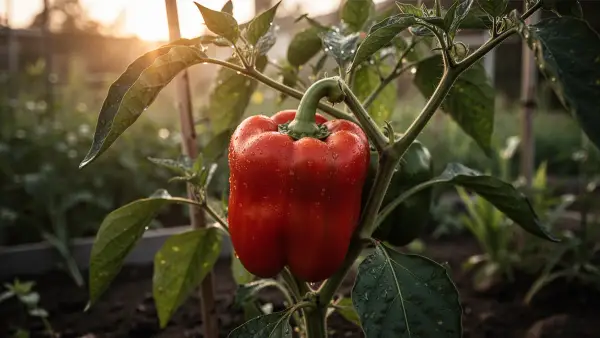
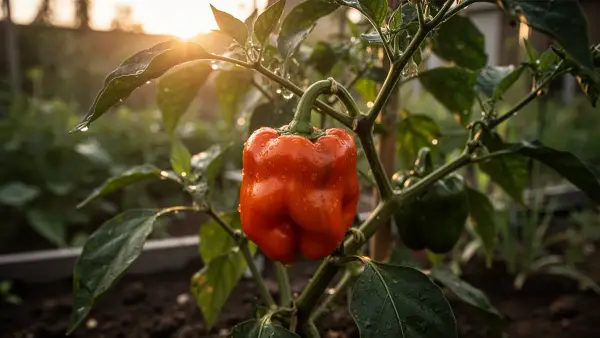
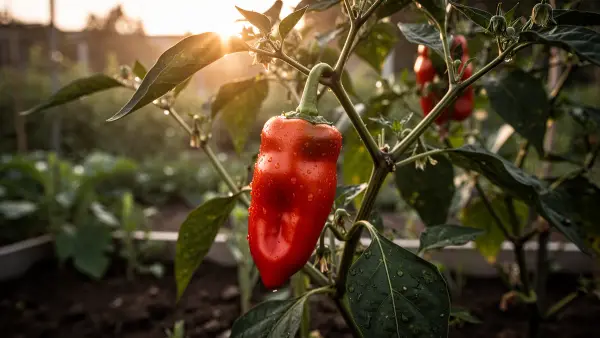
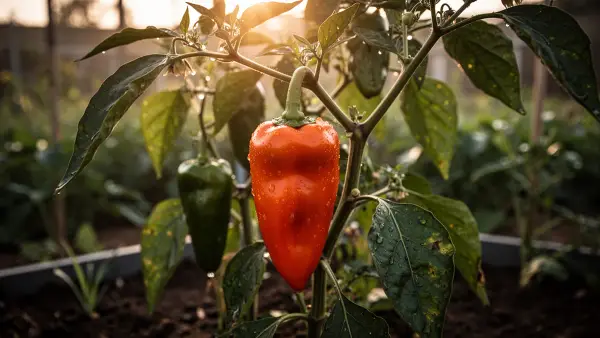
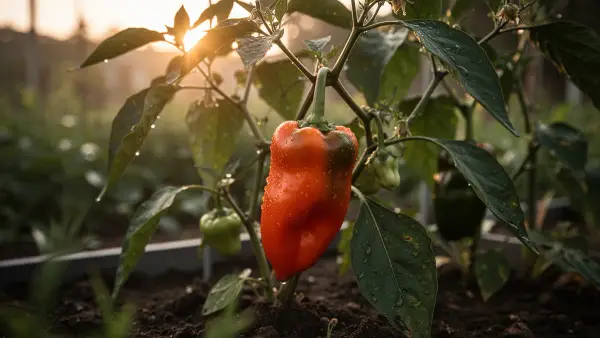
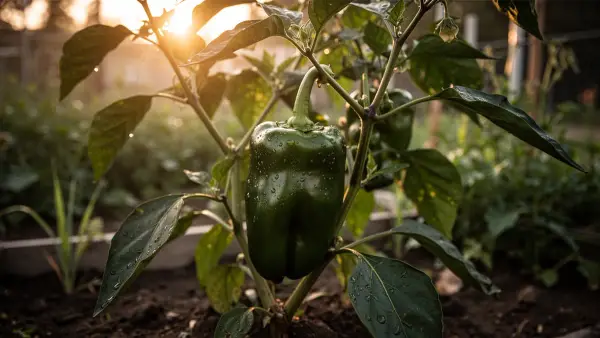
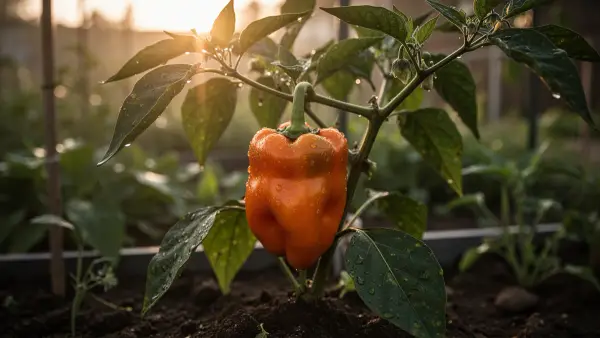
A warm-season crop producing sweet, crunchy fruits in a range of colors when fully ripe. Provide rich, well-drained soil and consistent watering to prevent blossom end rot and cracking during fruit development. Peppers benefit from warm nights above 55 degrees Fahrenheit and appreciate a side-dressing of compost at flowering time. Allow fruits to ripen fully on the plant for maximum sweetness and highest vitamin C content.

Plant
Jan
Feb
Mar
Apr
May
Jun
Jul
Aug
Sep
Oct
Nov
Dec
Harvest
Jan
Feb
Mar
Apr
May
Jun
Jul
Aug
Sep
Oct
Nov
Dec
full
medium
tender
45cm
70d
Zone4-12
Hydroponics

Companions

Tomato
Basil
Carrot

Avoid

Fennel
Kohlrabi

Cucumber

Cucumis sativus

vegetablecucurbit

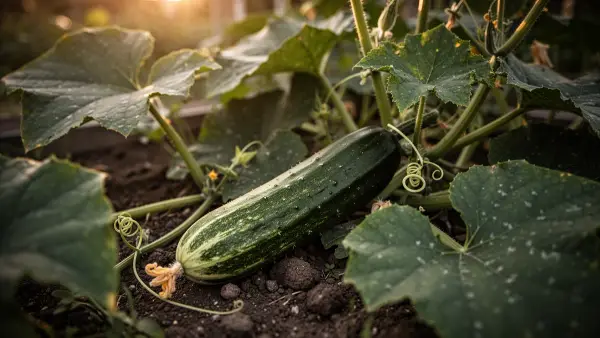
A vigorous vining plant that produces crisp, refreshing fruits ideal for fresh eating and pickling. Train vines onto a trellis to save space, improve air circulation, and keep fruits clean and straight. Provide deep, consistent watering since irregular moisture leads to bitter-tasting or misshapen fruits. Harvest frequently when fruits are young and firm to encourage continued production throughout the season.

Plant
Jan
Feb
Mar
Apr
May
Jun
Jul
Aug
Sep
Oct
Nov
Dec
Harvest
Jan
Feb
Mar
Apr
May
Jun
Jul
Aug
Sep
Oct
Nov
Dec
full
high
tender
60cm
60d
Zone4-12
Hydroponics

Companions

Peas
Lettuce
Dill
Sunflower

Avoid

Potato
Sage

Zucchini

Cucurbita pepo

vegetablecucurbit

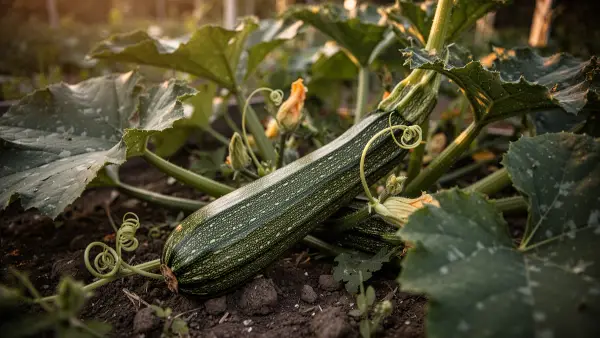
A prolific summer squash that produces abundantly and is best harvested young at six to eight inches for tender flesh. Plant in rich, well-drained soil amended with compost and water deeply at the base to avoid powdery mildew on the broad leaves. The large golden blossoms are edible and considered a delicacy when stuffed or battered and fried. Check plants daily during peak season as fruits can double in size overnight in warm weather.

Plant
Jan
Feb
Mar
Apr
May
Jun
Jul
Aug
Sep
Oct
Nov
Dec
Harvest
Jan
Feb
Mar
Apr
May
Jun
Jul
Aug
Sep
Oct
Nov
Dec
full
medium
tender
90cm
50d
Zone3-12

Companions

Corn
Peas
Radish

Avoid

Potato

Carrot

Daucus carota subsp. sativus

vegetableroot

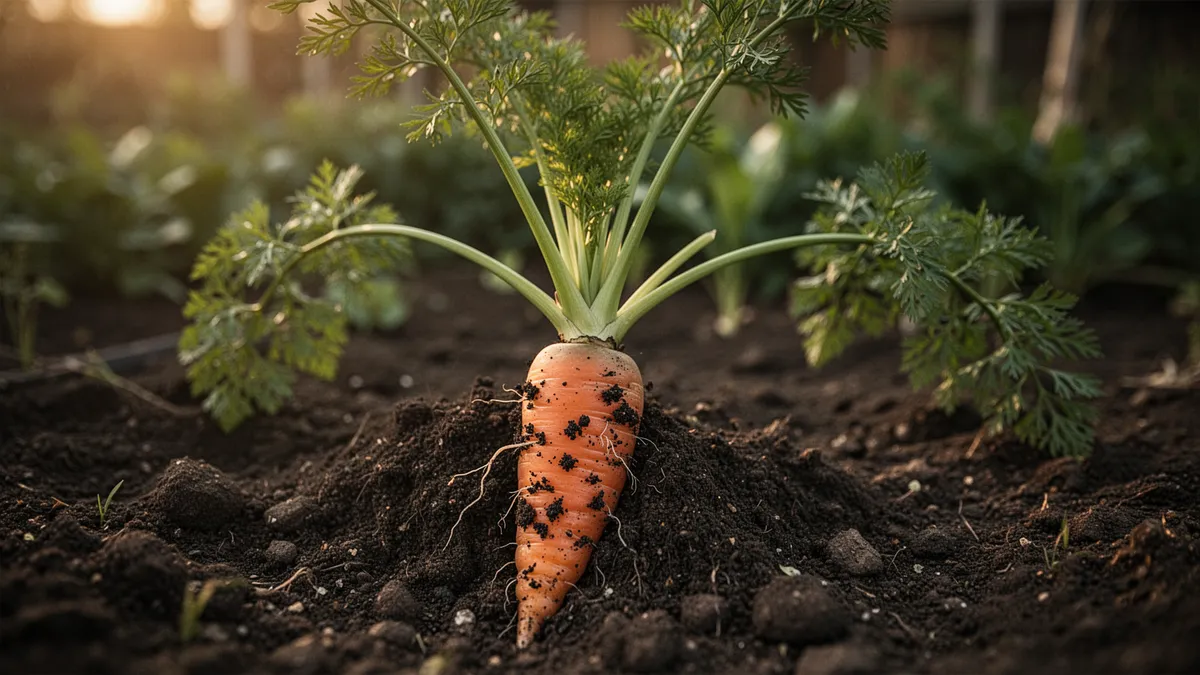
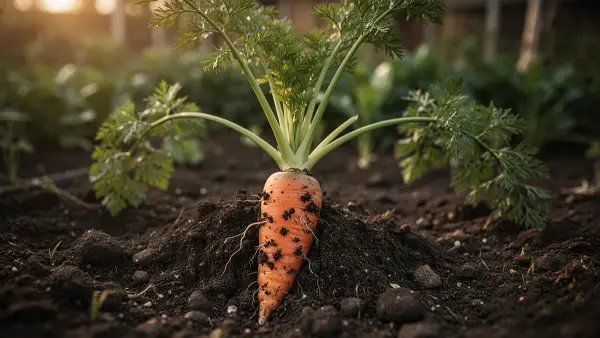
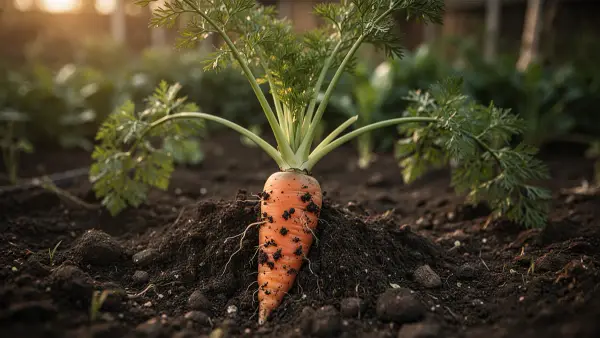
A cool-season root vegetable that develops sweet, tender roots in loose, sandy soil free of stones. Sow seeds directly in the garden as carrots do not transplant well due to their delicate taproot structure. Thin seedlings to proper spacing early to prevent forked or stunted roots. Flavor improves with light frost exposure in autumn, and roots can be left in the ground under mulch for extended winter harvest.

Plant
Jan
Feb
Mar
Apr
May
Jun
Jul
Aug
Sep
Oct
Nov
Dec
Harvest
Jan
Feb
Mar
Apr
May
Jun
Jul
Aug
Sep
Oct
Nov
Dec
full
medium
half-hardy
8cm
70d
Zone2-11

Companions

Tomato
Rosemary
Lettuce
Chives

Avoid

Dill

Lettuce

Lactuca sativa

vegetableleafy green

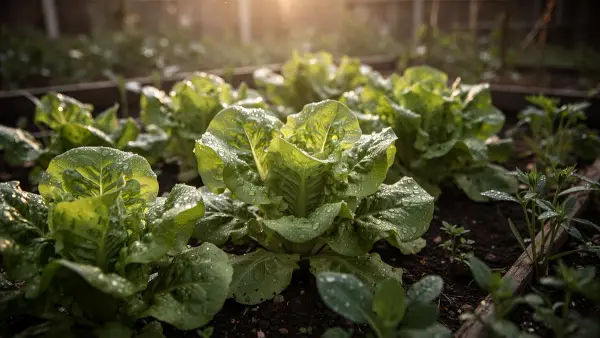
A fast-growing leafy green that prefers cooler temperatures and bolts quickly in summer heat. Succession sow every two to three weeks for a continuous supply of fresh leaves throughout the growing season. Provide afternoon shade in warmer months and keep soil evenly moist to delay bolting and prevent bitter-tasting leaves. Harvest outer leaves first or cut the whole head at the base for a possible second flush of growth.

Plant
Jan
Feb
Mar
Apr
May
Jun
Jul
Aug
Sep
Oct
Nov
Dec
Harvest
Jan
Feb
Mar
Apr
May
Jun
Jul
Aug
Sep
Oct
Nov
Dec
partial
medium
half-hardy
25cm
45d
Zone2-11
Hydroponics

Companions

Carrot
Radish
Chives
Strawberry

Avoid

Celery

Spinach

Spinacia oleracea

vegetableleafy green

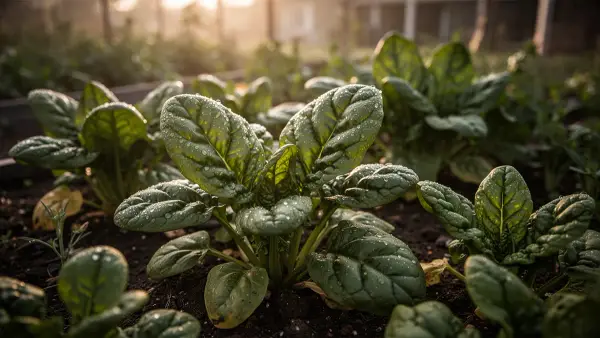
A nutrient-dense cool-season green that thrives in fertile, well-drained soil with consistent moisture. Sow in early spring or late summer for fall harvest, as spinach bolts rapidly once day length exceeds fourteen hours. Rich in iron, vitamins A and C, spinach is excellent raw in salads or lightly cooked to preserve nutrients. Mulch around plants to keep roots cool and extend the harvest window before the onset of warm weather.

Plant
Jan
Feb
Mar
Apr
May
Jun
Jul
Aug
Sep
Oct
Nov
Dec
Harvest
Jan
Feb
Mar
Apr
May
Jun
Jul
Aug
Sep
Oct
Nov
Dec
partial
medium
hardy
15cm
40d
Zone2-11
Hydroponics

Companions

Strawberry
Peas
Radish

Avoid

Fennel

Kale

Brassica oleracea var. sabellica

vegetablecruciferous

A hardy brassica with ruffled leaves that becomes sweeter after light frosts and produces well into winter. Grow in fertile soil with steady moisture and feed with a nitrogen-rich fertilizer to encourage lush leaf production. Aphids and cabbage worms are common pests that can be managed with row covers or organic sprays. Harvest outer leaves regularly while allowing the center to continue growing for a prolonged cut-and-come-again supply.

Plant
Jan
Feb
Mar
Apr
May
Jun
Jul
Aug
Sep
Oct
Nov
Dec
Harvest
Jan
Feb
Mar
Apr
May
Jun
Jul
Aug
Sep
Oct
Nov
Dec
full
medium
hardy
45cm
55d
Zone2-11
Hydroponics

Companions

Beet
Celery
Dill
Onion

Avoid

Strawberry
Tomato

Broccoli

Brassica oleracea var. italica

vegetablecruciferous

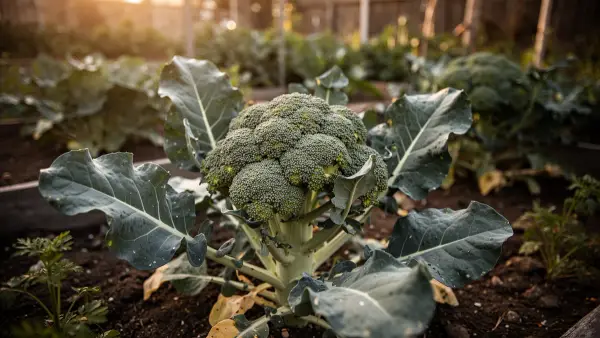
A cool-season brassica harvested for its dense cluster of immature flower buds before they open. Plant in fertile, well-drained soil enriched with compost and maintain consistent moisture for tight head formation. After cutting the main head, leave the plant in place as many varieties will produce smaller side shoots for weeks afterward. Watch for cabbage worms and aphids, and use floating row covers as an effective organic defense.

Plant
Jan
Feb
Mar
Apr
May
Jun
Jul
Aug
Sep
Oct
Nov
Dec
Harvest
Jan
Feb
Mar
Apr
May
Jun
Jul
Aug
Sep
Oct
Nov
Dec
full
medium
half-hardy
45cm
65d
Zone2-11

Companions

Onion
Celery
Chamomile
Dill

Avoid

Tomato
Strawberry

Cauliflower

Brassica oleracea var. botrytis

vegetablecruciferous

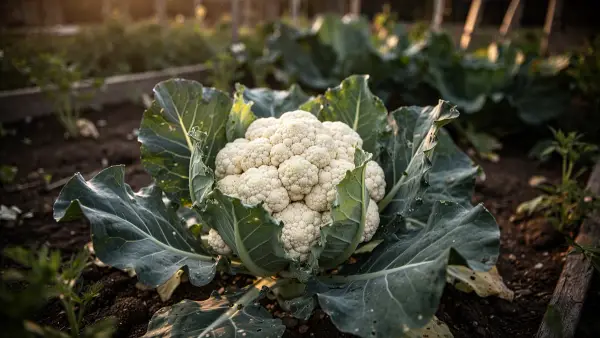
A demanding brassica that requires consistent cool temperatures and moisture to form tight, white curds. Blanch the developing head by folding outer leaves over the curd and securing them to prevent yellowing from sun exposure. Cauliflower is sensitive to temperature swings, which can cause the curd to become ricey or discolored. Harvest promptly when heads are firm and compact, before the florets begin to separate and loosen.

Plant
Jan
Feb
Mar
Apr
May
Jun
Jul
Aug
Sep
Oct
Nov
Dec
Harvest
Jan
Feb
Mar
Apr
May
Jun
Jul
Aug
Sep
Oct
Nov
Dec
full
medium
half-hardy
60cm
75d
Zone5-11

Companions

Celery
Spinach
Peas

Avoid

Tomato
Strawberry

Cabbage

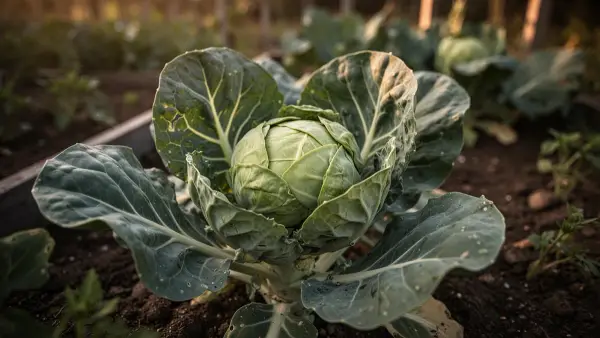
Brassica oleracea var. capitata

vegetablecruciferous

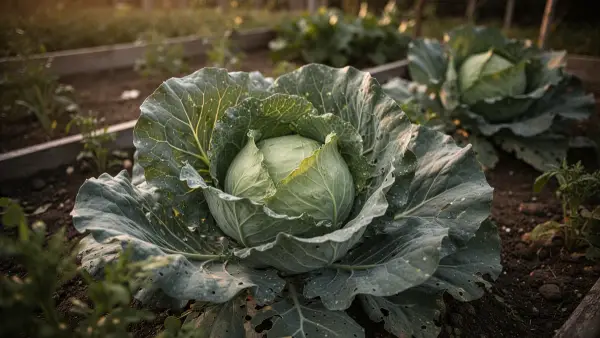
A sturdy brassica that forms dense, layered heads and stores well for extended periods after harvest. Provide consistent watering and rich soil to support steady growth, as drought stress can cause heads to split prematurely. Cabbage is susceptible to cabbage loopers and root maggots, so rotate planting locations annually and use collars around stems. Late-season varieties stored in a cool root cellar can last several months through winter.

Plant
Jan
Feb
Mar
Apr
May
Jun
Jul
Aug
Sep
Oct
Nov
Dec
Harvest
Jan
Feb
Mar
Apr
May
Jun
Jul
Aug
Sep
Oct
Nov
Dec
full
medium
hardy
50cm
70d
Zone2-11

Companions

Onion
Celery
Dill
Chamomile

Avoid

Tomato
Grape

Brussels Sprouts

Brassica oleracea var. gemmifera

vegetablecruciferous

A slow-growing brassica producing miniature cabbage-like sprouts along a tall central stalk. Start seeds indoors in spring for a fall or early winter harvest, as sprouts develop best in cool weather. Remove lower leaves as sprouts form and stake tall plants to prevent toppling in wind. Harvest from the bottom of the stalk upward once sprouts reach one to two inches in diameter for the best nutty, sweet flavor.

Plant
Jan
Feb
Mar
Apr
May
Jun
Jul
Aug
Sep
Oct
Nov
Dec
Harvest
Jan
Feb
Mar
Apr
May
Jun
Jul
Aug
Sep
Oct
Nov
Dec
full
medium
hardy
60cm
100d
Zone3-10

Companions

Onion
Sage
Thyme

Avoid

Tomato
Strawberry

Peas

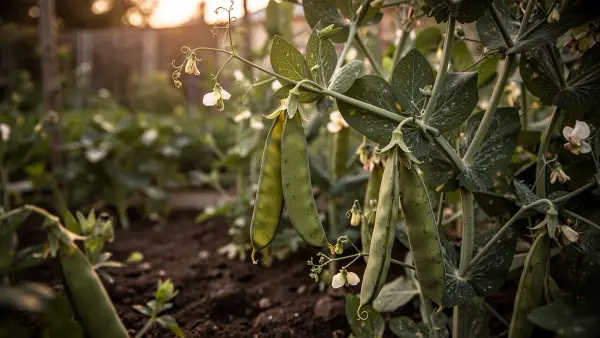
Pisum sativum

vegetablelegume

A cool-season legume that fixes nitrogen in the soil and produces sweet, tender pods on climbing vines. Provide a trellis, fence, or netting at planting time for climbing varieties to cling to with their tendrils. Sow seeds directly into the ground as soon as soil can be worked in early spring since peas tolerate light frost. Pick pods frequently when they are plump but still bright green to encourage continued production and prevent tough, starchy peas.

Plant
Jan
Feb
Mar
Apr
May
Jun
Jul
Aug
Sep
Oct
Nov
Dec
Harvest
Jan
Feb
Mar
Apr
May
Jun
Jul
Aug
Sep
Oct
Nov
Dec
full
medium
hardy
8cm
60d
Zone2-11

Companions

Carrot
Cucumber
Radish
Corn

Avoid

Onion
Garlic

Green Beans

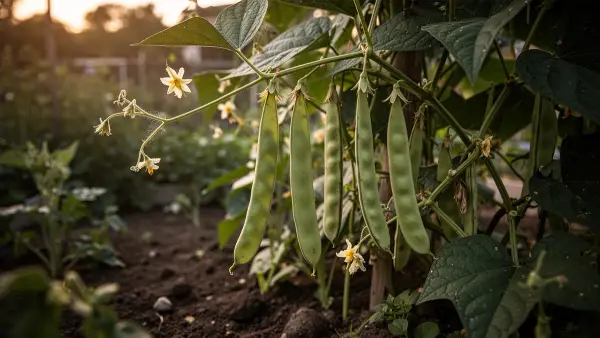
Phaseolus vulgaris

vegetablelegume

A warm-season legume available in bush and pole varieties, producing crisp pods over a long harvest period. Sow seeds directly after the last frost when soil has warmed to at least 60 degrees Fahrenheit for reliable germination. Bush types are compact and harvest all at once, while pole types need trellising but produce continuously for weeks. Pick beans when pods snap cleanly and before seeds visibly bulge to ensure the most tender and flavorful harvest.

Plant
Jan
Feb
Mar
Apr
May
Jun
Jul
Aug
Sep
Oct
Nov
Dec
Harvest
Jan
Feb
Mar
Apr
May
Jun
Jul
Aug
Sep
Oct
Nov
Dec
full
medium
tender
10cm
55d
Zone3-11

Companions

Corn
Cucumber
Celery
Potato

Avoid

Onion
Garlic

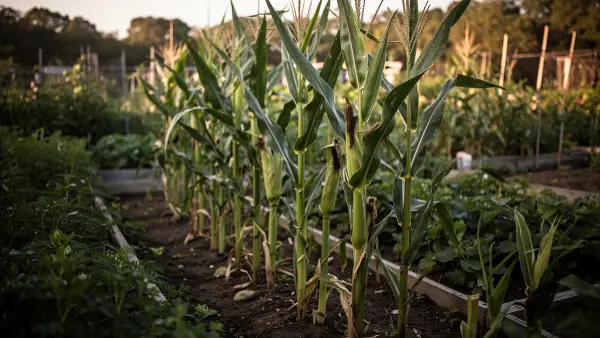
Corn

Zea mays

vegetablestalk

A tall, wind-pollinated grass best planted in blocks of at least four rows to ensure proper pollination and full ear development. Corn is a heavy feeder requiring nitrogen-rich soil and benefits from side-dressing with fertilizer when plants reach knee height. Water deeply during tasseling and silking stages, as drought stress at this time results in poorly filled ears. Harvest when silks turn brown and a punctured kernel releases milky rather than clear juice.

Plant
Jan
Feb
Mar
Apr
May
Jun
Jul
Aug
Sep
Oct
Nov
Dec
Harvest
Jan
Feb
Mar
Apr
May
Jun
Jul
Aug
Sep
Oct
Nov
Dec
full
high
tender
30cm
80d
Zone3-11

Companions

Green Beans
Pumpkin
Cucumber
Peas

Avoid

Tomato

Potato

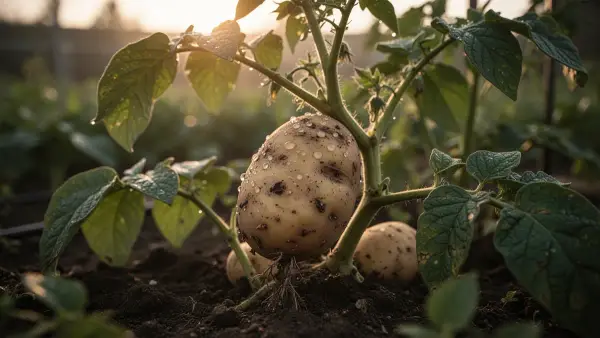
Solanum tuberosum

vegetablenightshade

A versatile tuber crop grown by hilling soil around the stems to encourage more tuber formation underground. Plant certified seed potatoes in trenches and mound soil progressively as shoots emerge to keep developing tubers shielded from light. Green-skinned tubers contain solanine and should not be eaten, so consistent hilling is essential throughout the season. Harvest new potatoes early for thin-skinned delicacies or wait until foliage dies back for mature storage potatoes.

Plant
Jan
Feb
Mar
Apr
May
Jun
Jul
Aug
Sep
Oct
Nov
Dec
Harvest
Jan
Feb
Mar
Apr
May
Jun
Jul
Aug
Sep
Oct
Nov
Dec
full
medium
half-hardy
30cm
90d
Zone3-10

Companions

Green Beans
Corn
Marigold
Garlic

Avoid

Tomato
Cucumber

Sweet Potato

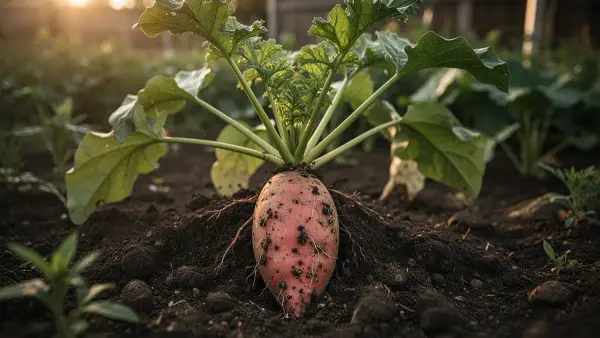
Ipomoea batatas

vegetableroot

A tropical vine producing sweet, starchy tubers that need a long warm season and loose soil to develop well. Start from slips rather than seeds, planting them in raised mounds or ridges to ensure excellent drainage and warm root zones. Reduce watering in the final weeks before harvest to concentrate sugars and prevent tubers from cracking. Cure harvested tubers in a warm, humid spot for ten days to toughen the skin and develop their full sweetness.

Plant
Jan
Feb
Mar
Apr
May
Jun
Jul
Aug
Sep
Oct
Nov
Dec
Harvest
Jan
Feb
Mar
Apr
May
Jun
Jul
Aug
Sep
Oct
Nov
Dec
full
medium
tender
40cm
100d
Zone9-12

Companions

Thyme
Oregano
Beet

Avoid

Tomato

Onion

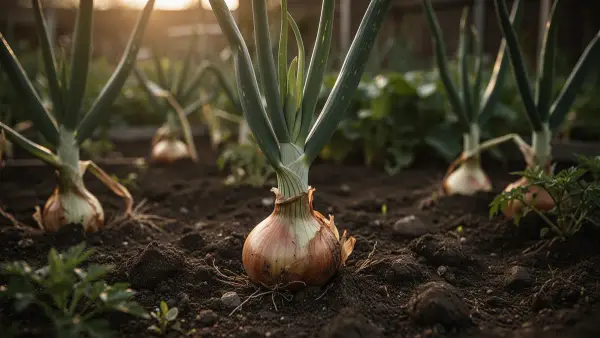
Allium cepa

vegetableallium

A pungent allium grown from sets or seed, with bulb formation triggered by day length and temperature. Choose short-day, intermediate, or long-day varieties based on your latitude to ensure proper bulbing in your region. Keep beds well weeded since onions have shallow roots and compete poorly against vigorous weeds. Harvest when tops begin to yellow and fall over, then cure bulbs in a warm, dry area for two weeks before storing.

Plant
Jan
Feb
Mar
Apr
May
Jun
Jul
Aug
Sep
Oct
Nov
Dec
Harvest
Jan
Feb
Mar
Apr
May
Jun
Jul
Aug
Sep
Oct
Nov
Dec
full
medium
hardy
15cm
100d
Zone3-9

Companions

Carrot
Lettuce
Beet
Cabbage

Avoid

Peas
Green Beans

Garlic

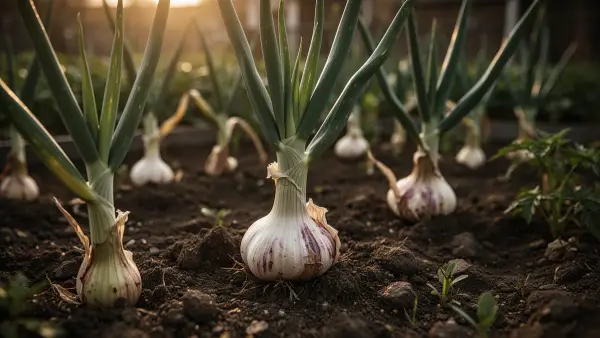
Allium sativum

vegetableallium

A cold-hardy allium planted in autumn and harvested the following summer, requiring a chilling period to form cloves. Choose hardneck varieties for cold climates and enjoy their bonus edible scapes in spring, or softneck types for milder regions and longer storage. Plant individual cloves pointed end up in well-drained soil mulched with straw to protect against winter heaving. Harvest when the lower third of leaves have browned, then cure in a dry, airy space for several weeks.

Plant
Jan
Feb
Mar
Apr
May
Jun
Jul
Aug
Sep
Oct
Nov
Dec
Harvest
Jan
Feb
Mar
Apr
May
Jun
Jul
Aug
Sep
Oct
Nov
Dec
full
low
hardy
15cm
240d
Zone3-9

Companions

Tomato
Rose
Carrot
Spinach

Avoid

Peas
Green Beans

Radish

Raphanus sativus

vegetableroot

One of the fastest-maturing vegetables, ready to harvest in as few as three weeks from sowing. Sow seeds directly in the garden every two weeks for a continuous supply and thin seedlings early to prevent crowded, misshapen roots. Radishes prefer cool weather and become woody and overly pungent when left in the ground too long or grown in hot conditions. Their rapid growth makes them ideal row markers when interplanted with slower-germinating crops like carrots and parsnips.

Plant
Jan
Feb
Mar
Apr
May
Jun
Jul
Aug
Sep
Oct
Nov
Dec
Harvest
Jan
Feb
Mar
Apr
May
Jun
Jul
Aug
Sep
Oct
Nov
Dec
full
medium
hardy
5cm
25d
Zone2-11
Hydroponics

Companions

Carrot
Peas
Lettuce
Cucumber

Avoid

Grape

Beet

Beta vulgaris

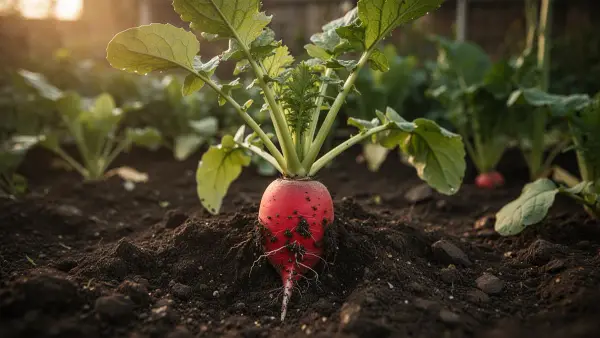
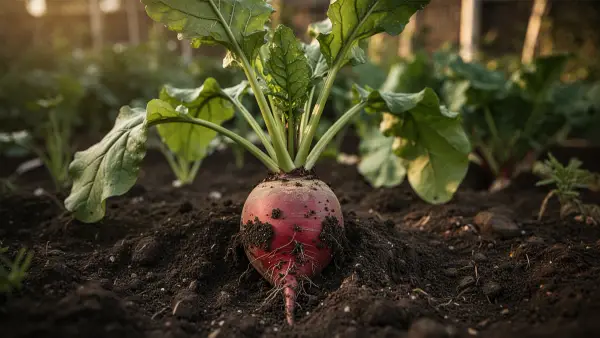
vegetableroot

A dual-purpose root crop providing both earthy, sweet roots and nutritious edible greens from the same plant. Sow seeds directly since each wrinkled seed cluster produces multiple seedlings that need thinning to avoid crowding. Beets prefer loose, slightly alkaline soil and consistent moisture to develop smooth, evenly shaped roots without zoning rings. Harvest roots at two to three inches in diameter for the most tender texture, and use the vitamin-rich greens in salads or sautees.

Plant
Jan
Feb
Mar
Apr
May
Jun
Jul
Aug
Sep
Oct
Nov
Dec
Harvest
Jan
Feb
Mar
Apr
May
Jun
Jul
Aug
Sep
Oct
Nov
Dec
full
medium
half-hardy
10cm
55d
Zone2-11

Companions

Onion
Lettuce
Cabbage
Garlic

Avoid

Corn

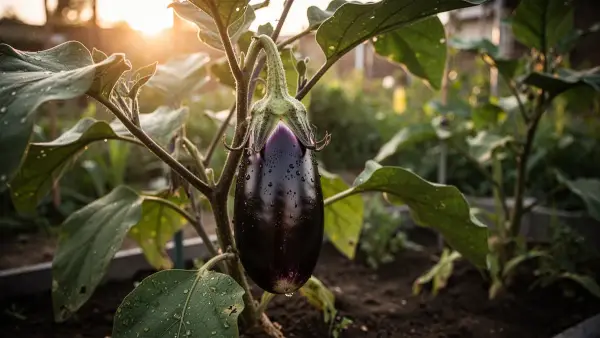
Eggplant

Solanum melongena

vegetablenightshade

A heat-loving nightshade producing glossy, purple fruits that require a long warm season to mature properly. Start seeds indoors eight to ten weeks before the last frost and transplant only when nighttime temperatures stay above 60 degrees Fahrenheit. Eggplant pairs beautifully with Mediterranean and Asian cuisines, and smaller varieties work especially well in containers. Harvest when skin is glossy and firm, pressing gently to check that flesh springs back rather than remaining indented.

Plant
Jan
Feb
Mar
Apr
May
Jun
Jul
Aug
Sep
Oct
Nov
Dec
Harvest
Jan
Feb
Mar
Apr
May
Jun
Jul
Aug
Sep
Oct
Nov
Dec
full
medium
tender
60cm
70d
Zone9-12
Hydroponics

Companions

Basil
Marigold
Thyme
Bell Pepper

Avoid

Fennel

Celery

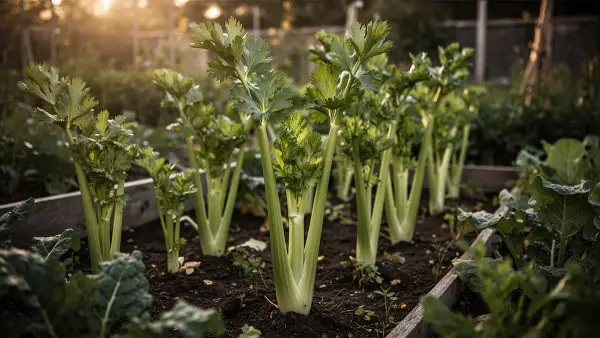
Apium graveolens

vegetablestalk

A moisture-demanding crop with a long growing season, producing crisp stalks when given consistent water. Start seeds indoors up to twelve weeks before the last frost since celery has a very slow germination rate. Blanch stalks by mounding soil or wrapping with cardboard to produce paler, milder-flavored stems. Celery is a heavy feeder that benefits from regular applications of compost tea or liquid fertilizer throughout the growing season.

Plant
Jan
Feb
Mar
Apr
May
Jun
Jul
Aug
Sep
Oct
Nov
Dec
Harvest
Jan
Feb
Mar
Apr
May
Jun
Jul
Aug
Sep
Oct
Nov
Dec
partial
high
half-hardy
25cm
85d
Zone5-11
Hydroponics

Companions

Tomato
Cabbage
Cauliflower
Leek

Avoid

Parsnip
Potato

Asparagus

Asparagus officinalis

vegetablestalk

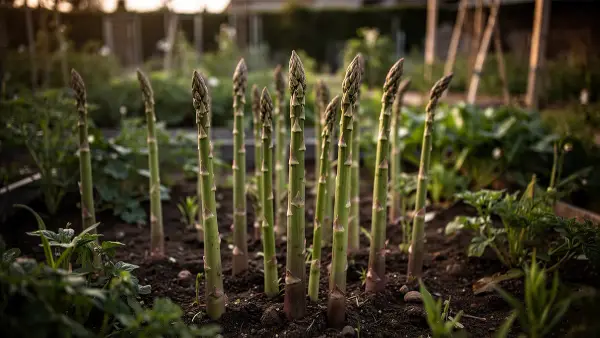
A long-lived perennial that produces tender spears each spring for up to twenty years once established. Plant crowns in deep trenches filled gradually with compost-rich soil and resist harvesting for the first two years to build strong root systems. Apply thick mulch annually to suppress weeds and maintain soil moisture around the shallow root network. Snap or cut spears at ground level when they reach six to eight inches tall and before the tips begin to open and fern out.

Plant
Jan
Feb
Mar
Apr
May
Jun
Jul
Aug
Sep
Oct
Nov
Dec
Harvest
Jan
Feb
Mar
Apr
May
Jun
Jul
Aug
Sep
Oct
Nov
Dec
full
medium
hardy
45cm
730d
Zone3-10

Companions

Tomato
Parsley
Basil

Avoid

Onion
Garlic

Artichoke

Cynara cardunculus var. scolymus

vegetablestalk

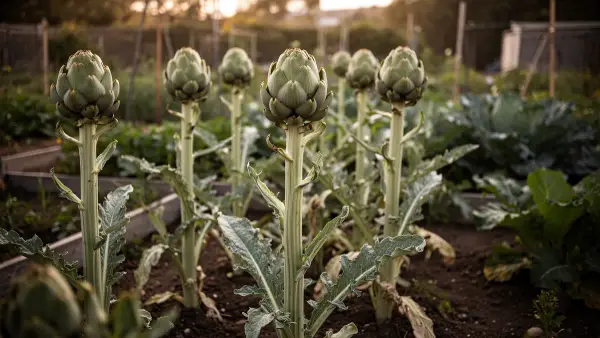
A striking thistle relative harvested for its immature flower buds, forming large architectural clumps in the garden. Plant in deep, fertile soil with excellent drainage and provide regular deep watering during bud development. In cooler climates, treat as an annual by vernalizing seedlings in the refrigerator to trigger first-year bud production. Cut buds before the scales begin to open and steam or grill them to enjoy the tender heart and fleshy bract bases.

Plant
Jan
Feb
Mar
Apr
May
Jun
Jul
Aug
Sep
Oct
Nov
Dec
Harvest
Jan
Feb
Mar
Apr
May
Jun
Jul
Aug
Sep
Oct
Nov
Dec
full
medium
half-hardy
120cm
150d
Zone5-11

Companions

Sunflower
Tarragon
Peas

Avoid

Fennel

Pumpkin

Cucurbita maxima

vegetablecucurbit

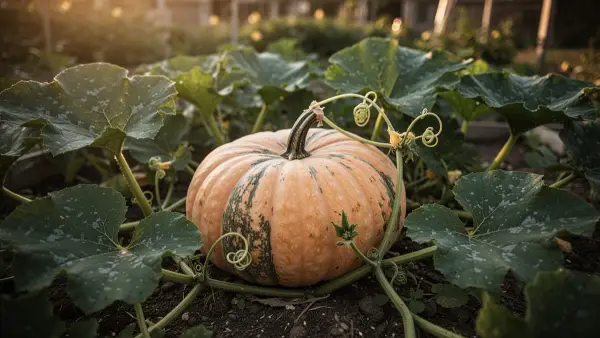
A sprawling vine requiring ample space and warm soil, producing large fruits that store well into winter. Direct sow seeds into hills of compost-enriched soil after all frost danger has passed and soil temperature reaches 70 degrees Fahrenheit. Limit each vine to two or three fruits for larger pumpkins, and slip a board under developing fruits to prevent rot from soil contact. Harvest after the rind hardens and resists puncture from a fingernail, leaving several inches of stem attached for longer storage.

Plant
Jan
Feb
Mar
Apr
May
Jun
Jul
Aug
Sep
Oct
Nov
Dec
Harvest
Jan
Feb
Mar
Apr
May
Jun
Jul
Aug
Sep
Oct
Nov
Dec
full
medium
tender
150cm
100d
Zone9-12

Companions

Corn
Green Beans
Marigold

Avoid

Potato

Butternut Squash

Cucurbita moschata

vegetablecucurbit

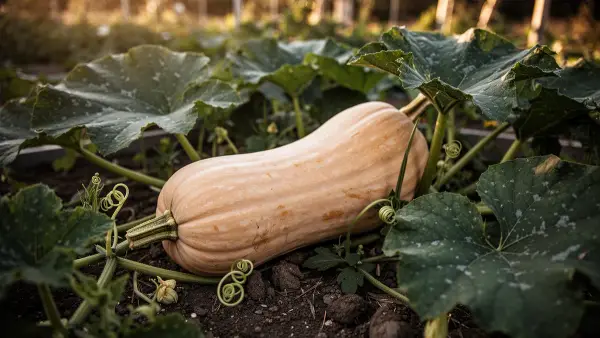
A winter squash with tan skin and rich orange flesh that sweetens during storage over several months. Grow on fertile, well-drained soil with plenty of room for vines to sprawl, or train them up a sturdy trellis with sling supports for the heavy fruits. The dense, nutty flesh is excellent roasted, pureed into soups, or used in baking as a nutritious alternative to canned pumpkin. Harvest after the stem dries and the skin resists scratching, then cure in a warm spot for ten days before cool storage.

Plant
Jan
Feb
Mar
Apr
May
Jun
Jul
Aug
Sep
Oct
Nov
Dec
Harvest
Jan
Feb
Mar
Apr
May
Jun
Jul
Aug
Sep
Oct
Nov
Dec
full
medium
tender
120cm
110d
Zone9-12

Companions

Corn
Marigold
Radish

Avoid

Potato

Leek

Allium ampeloprasum

vegetableallium

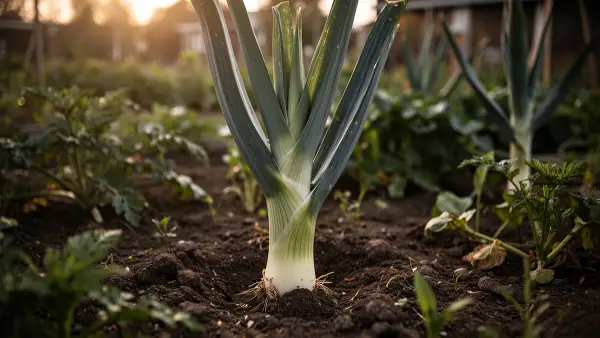
A mild-flavored allium grown for its blanched white stem, achieved by gradually hilling soil around the base throughout the season. Start seeds indoors in late winter and transplant into deep trenches that are filled in gradually as the plants grow. Leeks are remarkably cold-hardy and can be harvested well into winter, often improving in flavor after a frost. Their subtle onion taste is ideal for soups, quiches, and gratins, and they store well when kept in cool, moist conditions.

Plant
Jan
Feb
Mar
Apr
May
Jun
Jul
Aug
Sep
Oct
Nov
Dec
Harvest
Jan
Feb
Mar
Apr
May
Jun
Jul
Aug
Sep
Oct
Nov
Dec
full
medium
hardy
15cm
120d
Zone3-10

Companions

Carrot
Celery
Onion

Avoid

Green Beans
Peas

Turnip

Brassica rapa subsp. rapa

vegetableroot

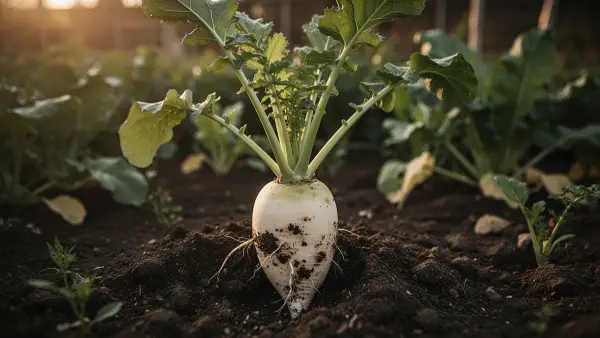
A fast-growing brassica root that produces tender globes and nutritious greens, thriving in cool weather. Sow seeds directly in the garden in early spring or late summer, as turnips mature quickly and become woody in hot conditions. Both the roots and the leafy tops are edible and highly nutritious, with the greens being especially rich in calcium and vitamins. Pull roots when they reach two to three inches across for the sweetest flavor, or grow larger storage varieties for winter keeping.

Plant
Jan
Feb
Mar
Apr
May
Jun
Jul
Aug
Sep
Oct
Nov
Dec
Harvest
Jan
Feb
Mar
Apr
May
Jun
Jul
Aug
Sep
Oct
Nov
Dec
full
medium
hardy
10cm
50d
Zone3-10

Companions

Peas
Onion
Garlic

Avoid

Potato

Parsnip

Pastinaca sativa

vegetableroot

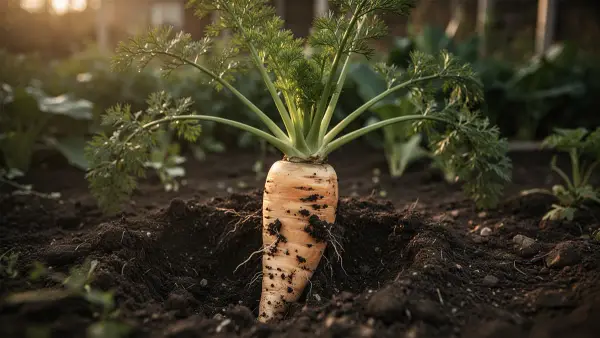
A sweet, nutty root vegetable that requires a long growing season and improves in flavor after autumn frosts. Sow fresh seed directly each year since parsnip seeds lose viability quickly and germination can take up to three weeks. Prepare deeply dug, stone-free beds to encourage straight, tapered roots that can grow over a foot long. Leave roots in the ground through winter under mulch for the sweetest harvest, as cold converts their starches into sugars.

Plant
Jan
Feb
Mar
Apr
May
Jun
Jul
Aug
Sep
Oct
Nov
Dec
Harvest
Jan
Feb
Mar
Apr
May
Jun
Jul
Aug
Sep
Oct
Nov
Dec
full
medium
hardy
10cm
120d
Zone3-10

Companions

Radish
Onion
Garlic

Avoid

Celery
Carrot

Swiss Chard

Beta vulgaris subsp. vulgaris

vegetableleafy green

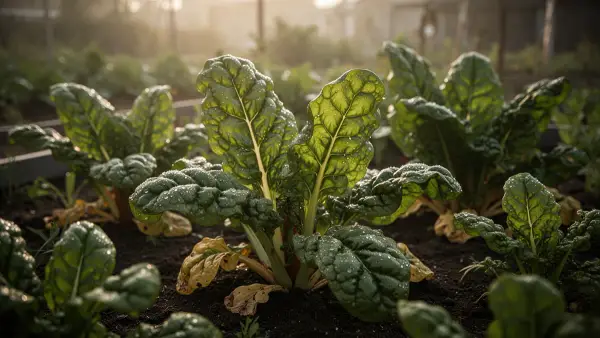
A colorful, heat-tolerant green with vibrant stems in red, yellow, orange, and white that can be continuously harvested by picking outer leaves. Unlike spinach, Swiss chard resists bolting in warm weather and produces reliably from late spring through the first hard frost. Grow in fertile, well-drained soil with consistent moisture and feed regularly to support vigorous leaf production. Use the tender young leaves raw in salads and cook mature leaves and thick stems as a nutritious side dish.

Plant
Jan
Feb
Mar
Apr
May
Jun
Jul
Aug
Sep
Oct
Nov
Dec
Harvest
Jan
Feb
Mar
Apr
May
Jun
Jul
Aug
Sep
Oct
Nov
Dec
partial
medium
half-hardy
30cm
50d
Zone5-11
Hydroponics

Companions

Lettuce
Onion
Cabbage
Tomato

Avoid

Corn

Okra

Abelmoschus esculentus

vegetablestalk

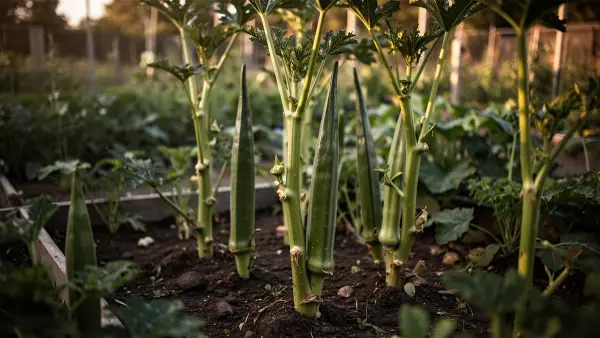
A heat-loving plant producing ribbed, edible pods that must be harvested young at two to three inches to remain tender and flavorful. Thriving in temperatures above 85 degrees Fahrenheit, okra is one of the most productive warm-season crops for hot, humid climates. Soak seeds overnight before planting to speed up germination, and space plants generously as they can grow quite tall. The mucilaginous quality of the pods acts as a natural thickener in gumbo and stews, or can be minimized by high-heat roasting.

Plant
Jan
Feb
Mar
Apr
May
Jun
Jul
Aug
Sep
Oct
Nov
Dec
Harvest
Jan
Feb
Mar
Apr
May
Jun
Jul
Aug
Sep
Oct
Nov
Dec
full
low
tender
45cm
55d
Zone9-12

Companions

Bell Pepper
Eggplant
Cucumber

Avoid

Sweet Potato

Kohlrabi

Brassica oleracea var. gongylodes

vegetablecruciferous

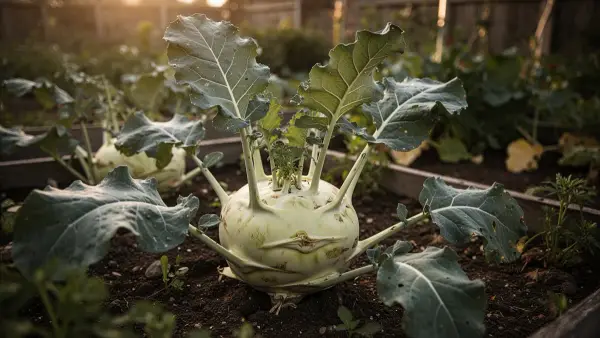
An unusual brassica forming a swollen stem above ground with a mild, crisp flavor similar to broccoli stems. Grow in cool weather with consistent moisture for the most tender bulbs, harvesting when they reach two to three inches in diameter. Both green and purple varieties exist, and the leaves are also edible and nutritious when cooked like collard greens. Kohlrabi is excellent eaten raw in slaws and salads, roasted, or added to stir-fries for a sweet, mild crunch.

Plant
Jan
Feb
Mar
Apr
May
Jun
Jul
Aug
Sep
Oct
Nov
Dec
Harvest
Jan
Feb
Mar
Apr
May
Jun
Jul
Aug
Sep
Oct
Nov
Dec
full
medium
half-hardy
20cm
50d
Zone5-11

Companions

Beet
Onion
Cucumber

Avoid

Tomato
Strawberry

Fennel

Foeniculum vulgare

vegetablestalk

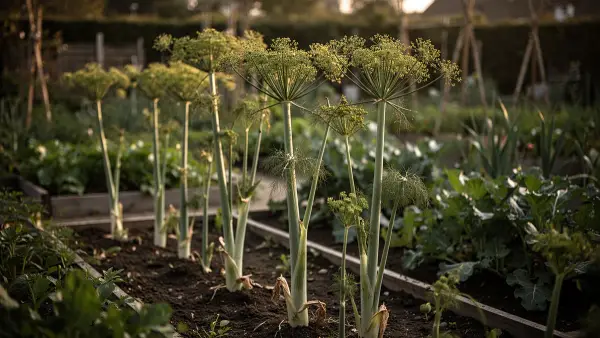
An aromatic plant with a swollen bulb base and feathery fronds, often allelopathic to many neighboring plants. Plant fennel away from most other garden crops since it can inhibit growth of tomatoes, peppers, beans, and other sensitive species. The crisp, anise-flavored bulb is excellent raw in salads, roasted, or braised, while the fronds make a lovely garnish. Harvest the bulb when it reaches the size of a tennis ball by cutting just above the root, which may resprout small shoots.

Plant
Jan
Feb
Mar
Apr
May
Jun
Jul
Aug
Sep
Oct
Nov
Dec
Harvest
Jan
Feb
Mar
Apr
May
Jun
Jul
Aug
Sep
Oct
Nov
Dec
full
medium
half-hardy
30cm
65d
Zone5-11

Companions

Dill
Sage

Avoid

Tomato
Bell Pepper

Rhubarb

Rheum rhabarbarum

vegetablestalk

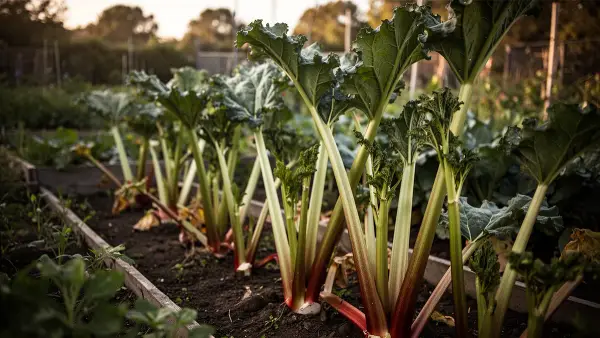
A hardy perennial grown for its tart, ruby-red stalks while the leaves contain toxic oxalic acid and should not be eaten. Plant crowns in rich, well-drained soil with plenty of compost and avoid harvesting for the first year to let the root system establish. Rhubarb prefers cold winters for proper dormancy and struggles in regions without a reliable chill period. Pull stalks by twisting them at the base rather than cutting, and pair the tangy flavor with strawberries for classic pies and preserves.

Plant
Jan
Feb
Mar
Apr
May
Jun
Jul
Aug
Sep
Oct
Nov
Dec
Harvest
Jan
Feb
Mar
Apr
May
Jun
Jul
Aug
Sep
Oct
Nov
Dec
partial
medium
hardy
90cm
365d
Zone3-10

Companions

Garlic
Onion
Cabbage

Avoid

Fennel

Cherry Tomato

Solanum lycopersicum var. cerasiforme

vegetablenightshade

A prolific producer of bite-sized fruits perfect for snacking, salads, and roasting whole on the vine. Cherry tomatoes are more forgiving than large-fruited types and resist cracking better in variable weather. Provide sturdy support as indeterminate varieties can grow very tall and heavy with fruit clusters. Harvest when fruits pull away easily from the stem with a gentle tug for the sweetest flavor.

Plant
Jan
Feb
Mar
Apr
May
Jun
Jul
Aug
Sep
Oct
Nov
Dec
Harvest
Jan
Feb
Mar
Apr
May
Jun
Jul
Aug
Sep
Oct
Nov
Dec
full
medium
tender
45cm
65d
Zone3-11
Hydroponics

Companions

Basil
Carrot
Marigold

Avoid

Cabbage
Fennel

Roma Tomato

Solanum lycopersicum

vegetablenightshade

A paste-type tomato with thick, meaty walls and few seeds, ideal for making sauces, pastes, and canning. Roma types are typically determinate, producing their crop over a concentrated period which is convenient for batch processing. The firm flesh holds up well when cooked down and develops a rich, concentrated flavor. Stake plants and allow fruits to ripen fully on the vine for the deepest red color and best cooking quality.

Plant
Jan
Feb
Mar
Apr
May
Jun
Jul
Aug
Sep
Oct
Nov
Dec
Harvest
Jan
Feb
Mar
Apr
May
Jun
Jul
Aug
Sep
Oct
Nov
Dec
full
medium
tender
60cm
75d
Zone3-11
Hydroponics

Companions

Basil
Parsley
Garlic

Avoid

Cabbage
Fennel

Beefsteak Tomato

Solanum lycopersicum

vegetablenightshade

The king of slicing tomatoes, producing enormous fruits that can weigh over a pound each with rich, complex flavor. These indeterminate vines need extra-sturdy cages or stakes and benefit from pruning to one or two main stems. Water consistently to avoid blossom end rot on the large fruits, and provide a calcium-rich soil amendment if needed. Beefsteaks take longer to mature but reward patience with unmatched flavor for sandwiches and fresh eating.

Plant
Jan
Feb
Mar
Apr
May
Jun
Jul
Aug
Sep
Oct
Nov
Dec
Harvest
Jan
Feb
Mar
Apr
May
Jun
Jul
Aug
Sep
Oct
Nov
Dec
full
medium
tender
75cm
85d
Zone3-11

Companions

Basil
Carrot
Marigold

Avoid

Cabbage
Fennel

Heirloom Tomato

Solanum lycopersicum

vegetablenightshade

Open-pollinated varieties passed down through generations, prized for exceptional flavor diversity and unusual colors. Heirloom tomatoes come in shades of red, pink, yellow, green, purple, and striped combinations. They are often less disease resistant than modern hybrids and may need extra attention to prevent common tomato diseases. Save seeds from your best fruits each year to continue these living pieces of agricultural heritage.

Plant
Jan
Feb
Mar
Apr
May
Jun
Jul
Aug
Sep
Oct
Nov
Dec
Harvest
Jan
Feb
Mar
Apr
May
Jun
Jul
Aug
Sep
Oct
Nov
Dec
full
medium
tender
75cm
80d
Zone3-11

Companions

Basil
Carrot
Marigold
Parsley

Avoid

Cabbage
Fennel

Grape Tomato

Solanum lycopersicum

vegetablenightshade

An oblong-shaped small tomato with thicker skin and meatier flesh than cherry types, making it excellent for lunchboxes and salads. Grape tomatoes resist cracking better than round cherry varieties and have a longer shelf life after picking. These vigorous plants produce heavy clusters and benefit from strong staking or caging. Harvest when fully colored for the best balance of sweetness and acidity.

Plant
Jan
Feb
Mar
Apr
May
Jun
Jul
Aug
Sep
Oct
Nov
Dec
Harvest
Jan
Feb
Mar
Apr
May
Jun
Jul
Aug
Sep
Oct
Nov
Dec
full
medium
tender
45cm
70d
Zone3-11
Hydroponics

Companions

Basil
Carrot
Parsley

Avoid

Cabbage
Fennel

San Marzano Tomato

Solanum lycopersicum

vegetablenightshade

The gold standard Italian paste tomato, producing elongated fruits with thick walls, low seed count, and intense sweet flavor. San Marzano types are indeterminate and need tall stakes or cages to support their vigorous growth through the season. The flesh breaks down into a velvety, rich sauce that is the foundation of authentic Italian cooking. Allow fruits to fully ripen on the vine and process in large batches for canning and freezing.

Plant
Jan
Feb
Mar
Apr
May
Jun
Jul
Aug
Sep
Oct
Nov
Dec
Harvest
Jan
Feb
Mar
Apr
May
Jun
Jul
Aug
Sep
Oct
Nov
Dec
full
medium
tender
60cm
80d
Zone3-11
Hydroponics

Companions

Basil
Garlic
Oregano

Avoid

Cabbage
Fennel

Jalapeno Pepper

Capsicum annuum

vegetablenightshade

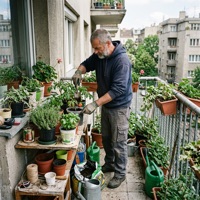
A popular medium-heat chile pepper producing thick-walled fruits that are excellent fresh, pickled, or smoked into chipotles. Plants are compact and productive, making them well-suited for container growing on patios and balconies. Harvest green for a fresh, bright heat or allow fruits to ripen to red for a sweeter, more complex spiciness. The characteristic corking lines on the skin indicate a mature, flavorful pepper.

Plant
Jan
Feb
Mar
Apr
May
Jun
Jul
Aug
Sep
Oct
Nov
Dec
Harvest
Jan
Feb
Mar
Apr
May
Jun
Jul
Aug
Sep
Oct
Nov
Dec
full
medium
tender
40cm
72d
Zone4-12
Hydroponics

Companions

Tomato
Basil
Carrot

Avoid

Fennel
Kohlrabi

Habanero Pepper

Capsicum chinense

vegetablenightshade

An intensely hot pepper with a fruity, tropical flavor profile that adds depth beyond pure heat to dishes. Habaneros require a long, warm growing season and benefit from starting seeds indoors ten to twelve weeks before transplanting. Wear gloves when handling mature fruits, as the capsaicin can cause skin and eye irritation. Plants are attractive and productive, yielding dozens of lantern-shaped fruits in colors from orange to red, chocolate, and white.

Plant
Jan
Feb
Mar
Apr
May
Jun
Jul
Aug
Sep
Oct
Nov
Dec
Harvest
Jan
Feb
Mar
Apr
May
Jun
Jul
Aug
Sep
Oct
Nov
Dec
full
medium
tender
45cm
90d
Zone4-12
Hydroponics

Companions

Tomato
Basil
Oregano

Avoid

Fennel

Cayenne Pepper

Capsicum annuum

vegetablenightshade

A slender, hot pepper widely used dried and ground into the spice that bears its name. Cayenne peppers are prolific producers on bushy plants and dry easily when strung up in warm, airy locations. The thin walls make them ideal for dehydrating, and they can also be used fresh in hot sauces and salsas. Harvest when fruits are bright red and fully mature for the highest capsaicin content and best drying results.

Plant
Jan
Feb
Mar
Apr
May
Jun
Jul
Aug
Sep
Oct
Nov
Dec
Harvest
Jan
Feb
Mar
Apr
May
Jun
Jul
Aug
Sep
Oct
Nov
Dec
full
medium
tender
40cm
72d
Zone4-12
Hydroponics

Companions

Tomato
Basil
Eggplant

Avoid

Fennel

Serrano Pepper

Capsicum annuum

vegetablenightshade

A small, bullet-shaped pepper that packs more heat than a jalapeno with a bright, crisp flavor ideal for fresh salsas. Serrano plants are prolific and compact, producing dozens of peppers that can be harvested green or allowed to ripen to red. The thin walls make them easy to slice and use raw, and they add clean heat without overwhelming other ingredients. These peppers are a staple in Mexican cuisine and are excellent in pico de gallo and guacamole.

Plant
Jan
Feb
Mar
Apr
May
Jun
Jul
Aug
Sep
Oct
Nov
Dec
Harvest
Jan
Feb
Mar
Apr
May
Jun
Jul
Aug
Sep
Oct
Nov
Dec
full
medium
tender
40cm
75d
Zone4-12
Hydroponics

Companions

Tomato
Basil
Carrot

Avoid

Fennel

Banana Pepper

Capsicum annuum

vegetablenightshade

A mild, sweet pepper with a distinctive elongated shape and pale yellow color that is perfect for pickling and sandwich toppings. Banana peppers are very productive and easy to grow, making them an excellent choice for beginning gardeners. The mild heat level makes them family-friendly, and they add tangy crunch to salads, pizzas, and antipasto platters. Harvest at any stage of ripeness from yellow-green to fully red for varying degrees of sweetness.

Plant
Jan
Feb
Mar
Apr
May
Jun
Jul
Aug
Sep
Oct
Nov
Dec
Harvest
Jan
Feb
Mar
Apr
May
Jun
Jul
Aug
Sep
Oct
Nov
Dec
full
medium
tender
40cm
70d
Zone4-12
Hydroponics

Companions

Tomato
Basil
Carrot

Avoid

Fennel

Poblano Pepper

Capsicum annuum

vegetablenightshade

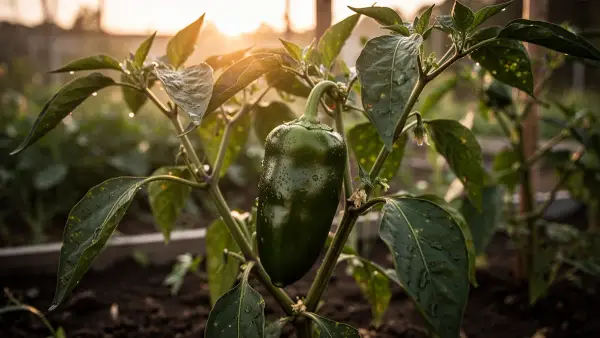
A large, mild chile pepper with rich, earthy flavor that is the foundation of chiles rellenos and other classic Mexican dishes. When dried, poblano peppers become ancho chiles, one of the most widely used dried peppers in mole sauces. Plants are sturdy and productive, yielding heart-shaped fruits with thick walls perfect for stuffing and roasting. Harvest when dark green and glossy, or allow to ripen to deep red for a sweeter, more complex taste.

Plant
Jan
Feb
Mar
Apr
May
Jun
Jul
Aug
Sep
Oct
Nov
Dec
Harvest
Jan
Feb
Mar
Apr
May
Jun
Jul
Aug
Sep
Oct
Nov
Dec
full
medium
tender
45cm
75d
Zone4-12

Companions

Tomato
Basil
Onion

Avoid

Fennel

Ghost Pepper

Capsicum chinense

vegetablenightshade

One of the hottest peppers in the world, measuring over one million Scoville heat units with a slow-building, intense burn. Ghost peppers require a very long warm growing season and should be started indoors twelve or more weeks before transplanting. Handle with extreme care using gloves and avoid touching your face when working with these fiery fruits. A single pepper can flavor an entire pot of chili, and they are excellent dried and ground into powder for controlled use.

Plant
Jan
Feb
Mar
Apr
May
Jun
Jul
Aug
Sep
Oct
Nov
Dec
Harvest
Jan
Feb
Mar
Apr
May
Jun
Jul
Aug
Sep
Oct
Nov
Dec
full
medium
tender
60cm
120d
Zone5-12
Hydroponics

Companions

Tomato
Basil

Avoid

Fennel

Thai Pepper

Capsicum annuum

vegetablenightshade

Small, upward-pointing peppers that deliver significant heat and are essential in Southeast Asian cooking. Thai pepper plants are compact and ornamental, with clusters of colorful fruits pointing skyward like tiny candles. The thin-walled peppers dry easily and retain their potent heat well in storage. Use fresh in stir-fries, curries, and dipping sauces, or dry them for year-round availability.

Plant
Jan
Feb
Mar
Apr
May
Jun
Jul
Aug
Sep
Oct
Nov
Dec
Harvest
Jan
Feb
Mar
Apr
May
Jun
Jul
Aug
Sep
Oct
Nov
Dec
full
medium
tender
35cm
70d
Zone4-12
Hydroponics

Companions

Basil
Tomato
Eggplant

Avoid

Fennel

Anaheim Pepper

Capsicum annuum

vegetablenightshade

A mild to medium-heat pepper popular for roasting, stuffing, and making green chile sauces. Anaheim peppers have thin walls that blister easily under a broiler, making the skin simple to peel for use in a variety of dishes. When dried, they become the California chile, used in red enchilada sauce and decorative ristras. Plants are productive and well-suited to hot, dry growing conditions found in the southwestern regions.

Plant
Jan
Feb
Mar
Apr
May
Jun
Jul
Aug
Sep
Oct
Nov
Dec
Harvest
Jan
Feb
Mar
Apr
May
Jun
Jul
Aug
Sep
Oct
Nov
Dec
full
medium
tender
45cm
75d
Zone4-12

Companions

Tomato
Basil
Onion

Avoid

Fennel

Shishito Pepper

Capsicum annuum

vegetablenightshade

A Japanese pepper variety that is mostly mild with the occasional surprise hot fruit, making them a fun appetizer blistered in a hot pan. Shishito peppers are incredibly prolific and produce continuously throughout the warm season with regular harvesting. The thin-walled, wrinkled fruits are best picked young at three to four inches long while still bright green. Simply blister in oil with a sprinkle of flaky salt for one of the simplest and most delicious pepper preparations.

Plant
Jan
Feb
Mar
Apr
May
Jun
Jul
Aug
Sep
Oct
Nov
Dec
Harvest
Jan
Feb
Mar
Apr
May
Jun
Jul
Aug
Sep
Oct
Nov
Dec
full
medium
tender
40cm
60d
Zone4-12
Hydroponics

Companions

Tomato
Basil
Eggplant

Avoid

Fennel

Japanese Eggplant

Solanum melongena

vegetablenightshade

A slender, thin-skinned eggplant with tender flesh that cooks quickly and absorbs flavors beautifully in stir-fries and grilling. Japanese eggplants have fewer seeds and less bitterness than globe types, rarely requiring salting before cooking. The narrow shape makes them ideal for slicing into uniform rounds or splitting for grilling and broiling. Plants are prolific and benefit from consistent harvesting to encourage continued fruit production throughout the season.

Plant
Jan
Feb
Mar
Apr
May
Jun
Jul
Aug
Sep
Oct
Nov
Dec
Harvest
Jan
Feb
Mar
Apr
May
Jun
Jul
Aug
Sep
Oct
Nov
Dec
full
medium
tender
50cm
65d
Zone5-12
Hydroponics

Companions

Basil
Marigold
Bell Pepper

Avoid

Fennel

Thai Eggplant

Solanum melongena

vegetablenightshade

Small, round eggplants in green and white stripes that hold their shape well in curries and stir-fries. Thai eggplants have a slightly bitter flavor and firm texture that is prized in Southeast Asian cuisine. Plants are compact and can be grown in large containers, making them suitable for small spaces. Harvest when fruits are golf-ball sized and still firm, before seeds begin to develop and flesh becomes spongy.

Plant
Jan
Feb
Mar
Apr
May
Jun
Jul
Aug
Sep
Oct
Nov
Dec
Harvest
Jan
Feb
Mar
Apr
May
Jun
Jul
Aug
Sep
Oct
Nov
Dec
full
medium
tender
50cm
70d
Zone5-12

Companions

Basil
Bell Pepper
Tomato

Avoid

Fennel

White Eggplant

Solanum melongena

vegetablenightshade

An eye-catching eggplant variety with creamy white skin and mild, sweet flesh that lacks the bitterness of purple types. White eggplants are the original reason for the name eggplant, as early varieties resembled small white eggs. The tender flesh cooks down to a creamy consistency that is wonderful in dips, gratins, and baked dishes. Harvest when skin is smooth and glossy, as overripe fruits develop tough skin and bitter seeds.

Plant
Jan
Feb
Mar
Apr
May
Jun
Jul
Aug
Sep
Oct
Nov
Dec
Harvest
Jan
Feb
Mar
Apr
May
Jun
Jul
Aug
Sep
Oct
Nov
Dec
full
medium
tender
55cm
70d
Zone5-12
Hydroponics

Companions

Basil
Thyme
Marigold

Avoid

Fennel

Graffiti Eggplant

Solanum melongena

vegetablenightshade

A stunning striped eggplant with purple and white variegated skin that adds visual appeal to any garden or plate. Graffiti eggplants have tender, creamy flesh with mild flavor and fewer seeds than traditional globe varieties. The stripes fade when cooked but the flesh remains delicate and sweet, requiring less cooking time than larger types. Excellent roasted, grilled, or sauteed, and the compact plants work well in containers and raised beds.

Plant
Jan
Feb
Mar
Apr
May
Jun
Jul
Aug
Sep
Oct
Nov
Dec
Harvest
Jan
Feb
Mar
Apr
May
Jun
Jul
Aug
Sep
Oct
Nov
Dec
full
medium
tender
55cm
65d
Zone5-12
Hydroponics

Companions

Basil
Marigold
Bell Pepper

Avoid

Fennel

Tomatillo

Physalis philadelphica

vegetablenightshade

A Mexican staple producing small, tangy green fruits enclosed in papery husks, essential for authentic salsa verde. Plant at least two tomatillo plants close together as they require cross-pollination to set fruit properly. The sprawling plants benefit from caging or staking and produce abundantly once they begin fruiting. Harvest when fruits fill out the husks and the papery covering begins to split open, revealing the firm, sticky fruit underneath.

Plant
Jan
Feb
Mar
Apr
May
Jun
Jul
Aug
Sep
Oct
Nov
Dec
Harvest
Jan
Feb
Mar
Apr
May
Jun
Jul
Aug
Sep
Oct
Nov
Dec
full
medium
tender
60cm
70d
Zone4-12

Companions

Basil
Parsley
Bell Pepper

Avoid

Fennel
Dill

Ground Cherry

Physalis pruinosa

vegetablenightshade

A unique nightshade producing sweet, tropical-flavored fruits inside papery husks that drop to the ground when ripe. Ground cherries have a pineapple-vanilla flavor that is excellent fresh, in pies, or made into preserves and jams. The sprawling plants benefit from mulching to keep fallen fruits clean, and a single plant can produce hundreds of small fruits. Start seeds early indoors as they need a long season, and harvest by collecting the fallen husked fruits regularly.

Plant
Jan
Feb
Mar
Apr
May
Jun
Jul
Aug
Sep
Oct
Nov
Dec
Harvest
Jan
Feb
Mar
Apr
May
Jun
Jul
Aug
Sep
Oct
Nov
Dec
full
medium
tender
60cm
75d
Zone4-11

Companions

Basil
Tomato
Parsley

Avoid

Fennel

Bok Choy

Brassica rapa subsp. chinensis

vegetablecruciferous

A fast-growing Chinese cabbage with crisp white stems and dark green leaves, perfect for stir-fries and soups. Bok choy prefers cool weather and bolts quickly in heat, so plant in early spring or late summer for best results. Baby bok choy varieties are ready in as few as thirty days and make excellent container plants. Provide consistent moisture and light afternoon shade in warmer climates to extend the harvest period.

Plant
Jan
Feb
Mar
Apr
May
Jun
Jul
Aug
Sep
Oct
Nov
Dec
Harvest
Jan
Feb
Mar
Apr
May
Jun
Jul
Aug
Sep
Oct
Nov
Dec
partial
medium
half-hardy
25cm
45d
Zone2-11
Hydroponics

Companions

Onion
Garlic
Celery

Avoid

Tomato
Strawberry

Napa Cabbage

Brassica rapa subsp. pekinensis

vegetablecruciferous

A tall, cylindrical Chinese cabbage with crinkled leaves and a mild, sweet flavor essential for kimchi and Asian salads. Napa cabbage forms a loose, upright head and grows best in cool conditions with consistent moisture. Fall plantings often produce the best heads, as the cooling temperatures help develop sweetness and firm texture. Wrap heads loosely with twine to encourage tight formation and harvest when the head feels firm when squeezed gently.

Plant
Jan
Feb
Mar
Apr
May
Jun
Jul
Aug
Sep
Oct
Nov
Dec
Harvest
Jan
Feb
Mar
Apr
May
Jun
Jul
Aug
Sep
Oct
Nov
Dec
full
medium
half-hardy
35cm
70d
Zone4-10

Companions

Onion
Garlic
Dill

Avoid

Tomato

Red Cabbage

Brassica oleracea var. capitata f. rubra

vegetablecruciferous

A beautiful purple-red cabbage rich in anthocyanins that adds vibrant color to salads, slaws, and braised dishes. Red cabbage takes slightly longer to mature than green varieties but stores exceptionally well through winter. The color deepens in acidic preparations and turns blue in alkaline conditions, making it a natural pH indicator. Grow in fertile, well-drained soil with consistent moisture and harvest when heads are firm and dense.

Plant
Jan
Feb
Mar
Apr
May
Jun
Jul
Aug
Sep
Oct
Nov
Dec
Harvest
Jan
Feb
Mar
Apr
May
Jun
Jul
Aug
Sep
Oct
Nov
Dec
full
medium
hardy
50cm
80d
Zone2-11

Companions

Onion
Celery
Dill

Avoid

Tomato

Savoy Cabbage

Brassica oleracea var. sabauda

vegetablecruciferous

An elegant cabbage with deeply crinkled, tender leaves that are milder and more delicate than smooth-leaved varieties. Savoy cabbage is exceptionally cold-hardy and its flavor sweetens significantly after exposure to frost. The textured leaves are perfect for wrapping fillings, as they are pliable yet hold their shape when cooked. Use in stuffed cabbage rolls, light stir-fries, or add raw to salads for a mild, sweet crunch.

Plant
Jan
Feb
Mar
Apr
May
Jun
Jul
Aug
Sep
Oct
Nov
Dec
Harvest
Jan
Feb
Mar
Apr
May
Jun
Jul
Aug
Sep
Oct
Nov
Dec
full
medium
hardy
50cm
85d
Zone2-10

Companions

Onion
Celery
Thyme

Avoid

Tomato
Strawberry

Chinese Broccoli

Brassica oleracea var. alboglabra

vegetablecruciferous

A leafy brassica with thick, tender stems and small florets, prized in Cantonese cuisine served simply with oyster sauce. Chinese broccoli grows quickly and can be succession planted every few weeks for a continuous supply. The entire plant is edible including leaves, stems, and flower buds, with the stems being the most prized part. Harvest when flower buds are just beginning to show but before they open for the most tender and sweet stalks.

Plant
Jan
Feb
Mar
Apr
May
Jun
Jul
Aug
Sep
Oct
Nov
Dec
Harvest
Jan
Feb
Mar
Apr
May
Jun
Jul
Aug
Sep
Oct
Nov
Dec
full
medium
half-hardy
25cm
55d
Zone3-11
Hydroponics

Companions

Onion
Garlic
Celery

Avoid

Tomato
Strawberry

Broccolini

Brassica oleracea italica x alboglabra

vegetablecruciferous

A hybrid cross between broccoli and Chinese broccoli, producing tender, long-stemmed florets with a mild, sweet flavor. Broccolini is less temperamental than regular broccoli and produces side shoots prolifically after the main harvest. The entire stem is edible and tender, requiring minimal trimming before cooking. Excellent roasted, grilled, or quickly sauteed with garlic, and its elegant appearance makes it a popular choice for restaurant-style home cooking.

Plant
Jan
Feb
Mar
Apr
May
Jun
Jul
Aug
Sep
Oct
Nov
Dec
Harvest
Jan
Feb
Mar
Apr
May
Jun
Jul
Aug
Sep
Oct
Nov
Dec
full
medium
half-hardy
30cm
60d
Zone3-11
Hydroponics

Companions

Onion
Celery
Dill

Avoid

Tomato
Strawberry

Romanesco

Brassica oleracea var. botrytis

vegetablecruciferous

A striking brassica with fractal-patterned, lime-green florets arranged in mesmerizing spiraling cones. Romanesco has a nuttier, more delicate flavor than cauliflower and a firmer texture that holds up well to roasting. Like cauliflower, it appreciates consistent cool temperatures and even moisture to develop its intricate heads properly. The spectacular appearance makes it a showpiece in the garden and on the plate, whether served roasted whole or broken into individual florets.

Plant
Jan
Feb
Mar
Apr
May
Jun
Jul
Aug
Sep
Oct
Nov
Dec
Harvest
Jan
Feb
Mar
Apr
May
Jun
Jul
Aug
Sep
Oct
Nov
Dec
full
medium
half-hardy
60cm
80d
Zone5-11

Companions

Celery
Spinach
Onion

Avoid

Tomato
Strawberry

Collard Greens

Brassica oleracea var. viridis

vegetablecruciferous

A heat-tolerant brassica with large, flat leaves that are a cornerstone of Southern American cuisine. Collard greens are among the most cold-hardy brassicas and their flavor sweetens dramatically after frost exposure. The large, sturdy leaves are ideal for wrapping as a grain-free alternative to tortillas or for traditional slow-cooked preparations. Harvest outer leaves regularly for continuous production from a single plant that can keep producing for months.

Plant
Jan
Feb
Mar
Apr
May
Jun
Jul
Aug
Sep
Oct
Nov
Dec
Harvest
Jan
Feb
Mar
Apr
May
Jun
Jul
Aug
Sep
Oct
Nov
Dec
full
medium
hardy
45cm
60d
Zone3-11

Companions

Onion
Garlic
Beet

Avoid

Tomato
Strawberry

Mustard Greens

Brassica juncea

vegetablecruciferous

A fast-growing, peppery green that adds a spicy kick to salads, stir-fries, and braised dishes. Mustard greens come in many varieties with different leaf shapes and heat levels, from mild to fiery. Young leaves are tender enough for raw salads while mature leaves develop stronger flavor and are best cooked. Sow seeds every few weeks for continuous harvest and pick outer leaves to keep plants producing over a long season.

Plant
Jan
Feb
Mar
Apr
May
Jun
Jul
Aug
Sep
Oct
Nov
Dec
Harvest
Jan
Feb
Mar
Apr
May
Jun
Jul
Aug
Sep
Oct
Nov
Dec
partial
medium
half-hardy
20cm
40d
Zone3-11
Hydroponics

Companions

Onion
Garlic
Lettuce

Avoid

Tomato

Watercress

Nasturtium officinale

vegetablecruciferous

A peppery aquatic green that thrives in shallow running water or consistently wet soil conditions. Watercress is one of the oldest known leaf vegetables consumed by humans and is exceptionally nutrient-dense. Grow in containers set in trays of water that are refreshed regularly, or along stream edges for a naturalized planting. Harvest by cutting stems above the waterline and the plants will regrow quickly for repeated cuttings throughout the cool season.

Plant
Jan
Feb
Mar
Apr
May
Jun
Jul
Aug
Sep
Oct
Nov
Dec
Harvest
Jan
Feb
Mar
Apr
May
Jun
Jul
Aug
Sep
Oct
Nov
Dec
partial
high
hardy
15cm
30d
Zone3-11
Hydroponics

Companions

Lettuce
Spinach
Mint

Arugula

Eruca vesicaria subsp. sativa

vegetablecruciferous

A peppery, nutty salad green that grows rapidly and adds bold flavor to mixed salads, pizzas, and pasta dishes. Arugula is one of the quickest crops from seed to harvest, ready in as little as three weeks for baby leaf picking. It bolts fast in warm weather, developing stronger flavor and small white flowers that are also edible. Succession sow every two weeks and provide afternoon shade in warmer months for a milder-tasting, longer-lasting crop.

Plant
Jan
Feb
Mar
Apr
May
Jun
Jul
Aug
Sep
Oct
Nov
Dec
Harvest
Jan
Feb
Mar
Apr
May
Jun
Jul
Aug
Sep
Oct
Nov
Dec
partial
medium
half-hardy
15cm
30d
Zone3-11
Hydroponics

Companions

Carrot
Lettuce
Spinach

Horseradish

Armoracia rusticana

vegetablecruciferous

A vigorous perennial grown for its pungent white root that is grated fresh for the fiery condiment. Horseradish spreads aggressively, so plant in a contained area or large pot to prevent it from taking over the garden. Dig roots in late fall after a frost for the strongest flavor, or harvest anytime from established plants. The fresh root provides a significantly more potent and complex heat than store-bought prepared versions, with a sinus-clearing punch.

Plant
Jan
Feb
Mar
Apr
May
Jun
Jul
Aug
Sep
Oct
Nov
Dec
Harvest
Jan
Feb
Mar
Apr
May
Jun
Jul
Aug
Sep
Oct
Nov
Dec
full
medium
hardy
45cm
150d
Zone3-9

Companions

Potato
Garlic

Daikon Radish

Raphanus sativus var. longipinnatus

vegetablecruciferous

A large, mild Asian radish that can grow over a foot long with a crisp, juicy texture. Daikon is best planted in late summer for fall harvest, as the cooling temperatures sweeten the root and reduce spiciness. The deep taproot breaks up compacted soil, making daikon an excellent cover crop for soil improvement. Use fresh in salads, pickle for condiments, or cook in soups and stir-fries where it absorbs flavors beautifully.

Plant
Jan
Feb
Mar
Apr
May
Jun
Jul
Aug
Sep
Oct
Nov
Dec
Harvest
Jan
Feb
Mar
Apr
May
Jun
Jul
Aug
Sep
Oct
Nov
Dec
full
medium
half-hardy
15cm
60d
Zone2-11

Companions

Carrot
Lettuce
Peas

Rutabaga

Brassica napus subsp. rapifera

vegetablecruciferous

A sweet, dense root vegetable that is a cross between cabbage and turnip, with yellow-orange flesh and excellent storage quality. Rutabagas take longer to mature than turnips but reward patience with a sweeter, nuttier flavor that improves after frost. Direct sow in early summer for fall harvest, as the roots need cool weather to develop their best flavor. Mash, roast, or add to stews and soups for a hearty, nutritious addition to autumn and winter meals.

Plant
Jan
Feb
Mar
Apr
May
Jun
Jul
Aug
Sep
Oct
Nov
Dec
Harvest
Jan
Feb
Mar
Apr
May
Jun
Jul
Aug
Sep
Oct
Nov
Dec
full
medium
hardy
20cm
90d
Zone2-9

Companions

Peas
Onion
Garlic

Avoid

Potato

Romaine Lettuce

Lactuca sativa var. longifolia

vegetableleafy green

A tall, upright lettuce with sturdy, crisp leaves and a mild, slightly sweet flavor that is the classic choice for Caesar salads. Romaine is more heat-tolerant than many lettuce types and forms a loose, elongated head over time. Harvest outer leaves for extended picking or cut the full head at the base when it feels firm. Provide consistent moisture and light shade in summer to delay bolting and maintain crisp texture.

Plant
Jan
Feb
Mar
Apr
May
Jun
Jul
Aug
Sep
Oct
Nov
Dec
Harvest
Jan
Feb
Mar
Apr
May
Jun
Jul
Aug
Sep
Oct
Nov
Dec
partial
medium
half-hardy
30cm
55d
Zone2-11
Hydroponics

Companions

Carrot
Radish
Chives

Avoid

Celery

Butterhead Lettuce

Lactuca sativa var. capitata

vegetableleafy green

A tender, silky-leaved lettuce forming loose, rosette-shaped heads with a buttery texture and mild, sweet flavor. Butterhead varieties like Boston and Bibb are prized for their delicate leaves that are perfect for wraps and elegant salads. These lettuces do best in cool weather and need protection from intense afternoon sun. Harvest the whole head by cutting at the base, or pick outer leaves gradually for an extended harvest.

Plant
Jan
Feb
Mar
Apr
May
Jun
Jul
Aug
Sep
Oct
Nov
Dec
Harvest
Jan
Feb
Mar
Apr
May
Jun
Jul
Aug
Sep
Oct
Nov
Dec
partial
medium
half-hardy
25cm
50d
Zone2-11
Hydroponics

Companions

Carrot
Radish
Strawberry

Avoid

Celery

Iceberg Lettuce

Lactuca sativa var. capitata

vegetableleafy green

A crisp, crunchy heading lettuce that forms tight, pale green heads valued for their refreshing water content and mild taste. Iceberg lettuce needs consistent cool temperatures to form proper heads and is more challenging to grow than leaf types. Provide even moisture and avoid temperature extremes that can cause tip burn or premature bolting. Harvest when heads feel firm and solid, cutting at the base and removing outer wrapper leaves.

Plant
Jan
Feb
Mar
Apr
May
Jun
Jul
Aug
Sep
Oct
Nov
Dec
Harvest
Jan
Feb
Mar
Apr
May
Jun
Jul
Aug
Sep
Oct
Nov
Dec
partial
medium
half-hardy
30cm
60d
Zone3-10

Companions

Carrot
Radish
Onion

Avoid

Celery

Oak Leaf Lettuce

Lactuca sativa

vegetableleafy green

A loose-leaf lettuce with distinctively lobed leaves resembling oak tree foliage, available in green and red varieties. Oak leaf lettuce is one of the most heat-tolerant types and is slower to bolt than many other varieties. The tender leaves have a mild, nutty flavor that works well in mixed salads and as a garnish. Pick individual outer leaves for a long harvesting season from a single planting.

Plant
Jan
Feb
Mar
Apr
May
Jun
Jul
Aug
Sep
Oct
Nov
Dec
Harvest
Jan
Feb
Mar
Apr
May
Jun
Jul
Aug
Sep
Oct
Nov
Dec
partial
medium
half-hardy
20cm
40d
Zone2-11
Hydroponics

Companions

Carrot
Radish
Chives

Avoid

Celery

Malabar Spinach

Basella alba

vegetableleafy green

A tropical vining green that thrives in hot weather when true spinach has long bolted, producing thick, succulent leaves. Malabar spinach is a vigorous climber that needs a trellis and can quickly cover a fence with attractive glossy foliage. The mucilaginous texture thickens when cooked, making it excellent in soups, stews, and curries. Plant after all danger of frost has passed and provide full sun and warm soil for best growth.

Plant
Jan
Feb
Mar
Apr
May
Jun
Jul
Aug
Sep
Oct
Nov
Dec
Harvest
Jan
Feb
Mar
Apr
May
Jun
Jul
Aug
Sep
Oct
Nov
Dec
full
medium
tender
30cm
55d
Zone7-12

Companions

Tomato
Corn
Basil

New Zealand Spinach

Tetragonia tetragonioides

vegetableleafy green

A heat-loving ground cover plant that produces small, thick, triangular leaves as a summer substitute for true spinach. Unlike regular spinach, this plant thrives in hot weather and does not bolt, providing greens all summer long. Soak the hard, spiky seeds overnight before planting to improve germination rates significantly. Pinch growing tips regularly to encourage bushy growth and harvest the tender tip growth for the mildest flavor.

Plant
Jan
Feb
Mar
Apr
May
Jun
Jul
Aug
Sep
Oct
Nov
Dec
Harvest
Jan
Feb
Mar
Apr
May
Jun
Jul
Aug
Sep
Oct
Nov
Dec
full
low
tender
40cm
60d
Zone5-12

Companions

Tomato
Corn
Basil

Endive

Cichorium endivia

vegetableleafy green

A slightly bitter salad green with curly, frilly leaves that adds complexity and texture to mixed salad bowls. Blanch the hearts by covering the center with a plate or tying the outer leaves to reduce bitterness and create pale, tender inner leaves. Endive is related to chicory and grows best in cool weather, bolting in summer heat. Harvest the full head or pick outer leaves, and combine with sweet dressings to balance the pleasant bitterness.

Plant
Jan
Feb
Mar
Apr
May
Jun
Jul
Aug
Sep
Oct
Nov
Dec
Harvest
Jan
Feb
Mar
Apr
May
Jun
Jul
Aug
Sep
Oct
Nov
Dec
partial
medium
half-hardy
30cm
50d
Zone3-10
Hydroponics

Companions

Carrot
Radish
Onion

Radicchio

Cichorium intybus var. foliosum

vegetableleafy green

A beautiful red-and-white Italian chicory that forms tight, round heads with a pleasantly bitter flavor. Radicchio develops its best color and flavor in cool autumn weather, and light frost sweetens the leaves noticeably. The bitter leaves are excellent grilled, which caramelizes the sugars and mellows the sharpness, or shredded raw in winter salads. Some varieties require cutting back in late summer to stimulate the formation of tight heading growth.

Plant
Jan
Feb
Mar
Apr
May
Jun
Jul
Aug
Sep
Oct
Nov
Dec
Harvest
Jan
Feb
Mar
Apr
May
Jun
Jul
Aug
Sep
Oct
Nov
Dec
full
medium
hardy
25cm
70d
Zone4-10

Companions

Carrot
Lettuce
Onion

Frisee

Cichorium endivia var. crispum

vegetableleafy green

A finely cut, curly endive with a pale heart and delicate bitter flavor that is a classic component of French bistro salads. Blanch the center by covering it to create the prized pale yellow inner leaves that are milder and more tender. Frisee adds wonderful texture to salads and pairs beautifully with warm vinaigrettes, poached eggs, and bacon. Grow in cool weather and harvest before the plant sends up its flowering stalk.

Plant
Jan
Feb
Mar
Apr
May
Jun
Jul
Aug
Sep
Oct
Nov
Dec
Harvest
Jan
Feb
Mar
Apr
May
Jun
Jul
Aug
Sep
Oct
Nov
Dec
partial
medium
half-hardy
25cm
45d
Zone3-10
Hydroponics

Companions

Carrot
Radish
Lettuce

Mizuna

Brassica rapa var. nipposinica

vegetableleafy green

A mild, feathery Japanese mustard green with deeply serrated leaves that adds a gentle peppery note to salads. Mizuna is extremely cold-hardy and can be harvested well into winter under row covers or cold frames. The fast-growing plants produce abundantly and regrow quickly after cutting, making them ideal for cut-and-come-again harvesting. Use in salads, stir-fries, or as a garnish, and appreciate its attractive, finely cut foliage in the garden.

Plant
Jan
Feb
Mar
Apr
May
Jun
Jul
Aug
Sep
Oct
Nov
Dec
Harvest
Jan
Feb
Mar
Apr
May
Jun
Jul
Aug
Sep
Oct
Nov
Dec
partial
medium
hardy
15cm
35d
Zone2-11
Hydroponics

Companions

Lettuce
Spinach
Radish

Tatsoi

Brassica rapa var. rosularis

vegetableleafy green

A rosette-forming Asian green with dark, spoon-shaped leaves and a mild, creamy flavor similar to spinach. Tatsoi is remarkably cold-hardy, surviving temperatures well below freezing and even producing under snow cover. The compact, flat rosettes are beautiful in the garden and make excellent baby greens when harvested young. Use raw in salads, add to soups, or lightly stir-fry to preserve the delicate flavor and crisp texture.

Plant
Jan
Feb
Mar
Apr
May
Jun
Jul
Aug
Sep
Oct
Nov
Dec
Harvest
Jan
Feb
Mar
Apr
May
Jun
Jul
Aug
Sep
Oct
Nov
Dec
partial
medium
hardy
15cm
40d
Zone2-11
Hydroponics

Companions

Lettuce
Spinach
Radish

Sorrel

Rumex acetosa

vegetableleafy green

A perennial green with a bright, lemony tang that makes it a distinctive ingredient in French soups, sauces, and salads. Sorrel is one of the first greens to emerge in spring and produces continuously from a single planting for many years. Remove flower stalks as they appear to keep the plant focused on producing tender, flavorful leaves. The high oxalic acid content provides its signature sour taste, so use in moderation and cook in non-reactive pans.

Plant
Jan
Feb
Mar
Apr
May
Jun
Jul
Aug
Sep
Oct
Nov
Dec
Harvest
Jan
Feb
Mar
Apr
May
Jun
Jul
Aug
Sep
Oct
Nov
Dec
partial
medium
hardy
25cm
45d
Zone3-9

Companions

Strawberry
Lettuce
Spinach

Purslane

Portulaca oleracea

vegetableleafy green

A succulent, ground-hugging green that is one of the richest plant sources of omega-3 fatty acids. Purslane has a mild, slightly lemony flavor with a pleasant crunch that works well in salads, sandwiches, and Mediterranean dishes. This heat-loving plant thrives in conditions that would stress most other greens, making it perfect for summer harvests. Cultivated varieties produce larger leaves and stems than the wild versions commonly found growing as a weed in gardens.

Plant
Jan
Feb
Mar
Apr
May
Jun
Jul
Aug
Sep
Oct
Nov
Dec
Harvest
Jan
Feb
Mar
Apr
May
Jun
Jul
Aug
Sep
Oct
Nov
Dec
full
low
tender
15cm
35d
Zone5-12

Companions

Tomato
Corn
Basil

Amaranth Greens

Amaranthus tricolor

vegetableleafy green

A heat-loving leaf vegetable with stunning red, green, and gold foliage that thrives in hot summer conditions when other greens struggle. Amaranth greens are a staple in many tropical cuisines and are packed with iron, calcium, and vitamins A and C. The young leaves and tender stems cook similarly to spinach but hold up better to heat without becoming slimy. Grow as a summer spinach substitute and harvest by cutting the top several inches of growth for continuous production.

Plant
Jan
Feb
Mar
Apr
May
Jun
Jul
Aug
Sep
Oct
Nov
Dec
Harvest
Jan
Feb
Mar
Apr
May
Jun
Jul
Aug
Sep
Oct
Nov
Dec
full
medium
tender
20cm
40d
Zone5-12

Companions

Corn
Tomato
Basil

Mache

Valerianella locusta

vegetableleafy green

A delicate, nutty-flavored salad green that thrives in cold weather when most other salad crops have finished for the season. Mache, also known as corn salad or lambs lettuce, forms small rosettes of soft, spoon-shaped leaves with a mild, slightly sweet flavor. Sow in early fall for winter and early spring harvests, as it tolerates freezing temperatures remarkably well. The small plants grow slowly but require very little attention and are virtually pest-free in cool weather.

Plant
Jan
Feb
Mar
Apr
May
Jun
Jul
Aug
Sep
Oct
Nov
Dec
Harvest
Jan
Feb
Mar
Apr
May
Jun
Jul
Aug
Sep
Oct
Nov
Dec
partial
medium
hardy
10cm
45d
Zone2-9
Hydroponics

Companions

Lettuce
Spinach
Radish

Escarole

Cichorium endivia var. latifolia

vegetableleafy green

A broad-leafed endive with a milder bitterness than its curly cousin, forming large, lettuce-like heads with pale, tender hearts. The outer leaves are slightly bitter and sturdy enough for cooking in soups, while the inner heart is mild enough for raw salads. Escarole is a classic ingredient in Italian wedding soup and pairs well with white beans and garlic. Blanch the center of the plant for milder-flavored hearts by tying outer leaves loosely together.

Plant
Jan
Feb
Mar
Apr
May
Jun
Jul
Aug
Sep
Oct
Nov
Dec
Harvest
Jan
Feb
Mar
Apr
May
Jun
Jul
Aug
Sep
Oct
Nov
Dec
partial
medium
half-hardy
30cm
55d
Zone3-10
Hydroponics

Companions

Carrot
Radish
Onion

Nantes Carrot

Daucus carota subsp. sativus

vegetableroot

A cylindrical, blunt-tipped carrot variety with exceptionally sweet flavor and crisp, almost coreless flesh. Nantes types are considered the gold standard for fresh eating and are a favorite among home gardeners for their reliable performance. They grow best in loose, sandy soil and are more tolerant of heavy soils than other carrot types. Harvest when the shoulder color shows at the soil surface and roots have reached about six inches in length.

Plant
Jan
Feb
Mar
Apr
May
Jun
Jul
Aug
Sep
Oct
Nov
Dec
Harvest
Jan
Feb
Mar
Apr
May
Jun
Jul
Aug
Sep
Oct
Nov
Dec
full
medium
half-hardy
8cm
65d
Zone2-11

Companions

Tomato
Rosemary
Lettuce

Avoid

Dill

Danvers Carrot

Daucus carota subsp. sativus

vegetableroot

A classic American carrot variety with a conical shape, broad shoulders, and excellent heat tolerance. Danvers carrots were bred to perform well in the heavy soils of Massachusetts and are more forgiving of less-than-ideal growing conditions. The tapered roots store exceptionally well and develop a rich, sweet flavor when left in the ground into fall. Use for canning, storage, and fresh eating, and appreciate their adaptability to a wide range of soil types.

Plant
Jan
Feb
Mar
Apr
May
Jun
Jul
Aug
Sep
Oct
Nov
Dec
Harvest
Jan
Feb
Mar
Apr
May
Jun
Jul
Aug
Sep
Oct
Nov
Dec
full
medium
half-hardy
8cm
75d
Zone2-11

Companions

Tomato
Rosemary
Lettuce

Avoid

Dill

Chantenay Carrot

Daucus carota subsp. sativus

vegetableroot

A short, stout carrot with broad shoulders and a blunt tip that performs well in shallow or heavy clay soils. Chantenay carrots are ideal for container growing due to their compact size, reaching only five to six inches in length. The wide core and dense flesh make them excellent for cooking and juicing, with a deep orange color indicating high beta-carotene content. These reliable producers are a good choice for gardens with less-than-perfect soil conditions.

Plant
Jan
Feb
Mar
Apr
May
Jun
Jul
Aug
Sep
Oct
Nov
Dec
Harvest
Jan
Feb
Mar
Apr
May
Jun
Jul
Aug
Sep
Oct
Nov
Dec
full
medium
half-hardy
8cm
70d
Zone2-11

Companions

Tomato
Rosemary
Lettuce

Avoid

Dill

Golden Beet

Beta vulgaris

vegetableroot

A beautiful golden-yellow beet variety that does not stain like red beets and has a milder, sweeter flavor. Golden beets are wonderful roasted to bring out their natural sweetness, and they add vibrant color to salads without bleeding onto other ingredients. They tend to germinate a bit more slowly than red varieties, so be patient with emergence. The greens are equally delicious and milder than red beet tops, making them pleasant raw in salads.

Plant
Jan
Feb
Mar
Apr
May
Jun
Jul
Aug
Sep
Oct
Nov
Dec
Harvest
Jan
Feb
Mar
Apr
May
Jun
Jul
Aug
Sep
Oct
Nov
Dec
full
medium
half-hardy
10cm
55d
Zone2-11

Companions

Onion
Lettuce
Garlic

Avoid

Corn

Chioggia Beet

Beta vulgaris

vegetableroot

An Italian heirloom beet with stunning concentric red and white rings when sliced, resembling a bullseye target. Chioggia beets have a milder, sweeter flavor than solid red types and are best enjoyed raw or lightly cooked to preserve the striking pattern. The rings fade to pink when cooked at high heat, so serve them thinly sliced and dressed with vinaigrette for the most dramatic visual effect. Grow just like standard beets with consistent moisture for even root development.

Plant
Jan
Feb
Mar
Apr
May
Jun
Jul
Aug
Sep
Oct
Nov
Dec
Harvest
Jan
Feb
Mar
Apr
May
Jun
Jul
Aug
Sep
Oct
Nov
Dec
full
medium
half-hardy
10cm
55d
Zone2-11

Companions

Onion
Lettuce
Garlic

Avoid

Corn

Black Radish

Raphanus sativus var. niger

vegetableroot

A large, winter storage radish with rough black skin and crisp, pungent white flesh that mellows with cooking. Black radishes are valued in Eastern European cuisine for their robust flavor and excellent keeping qualities through winter. They are much more intensely flavored than spring radishes and are traditionally used grated in salads or juiced for respiratory tonics. Plant in late summer for fall harvest and store in cool, humid conditions where they will keep for several months.

Plant
Jan
Feb
Mar
Apr
May
Jun
Jul
Aug
Sep
Oct
Nov
Dec
Harvest
Jan
Feb
Mar
Apr
May
Jun
Jul
Aug
Sep
Oct
Nov
Dec
full
medium
hardy
15cm
55d
Zone3-10

Companions

Carrot
Peas
Lettuce

Watermelon Radish

Raphanus sativus var. roseus

vegetableroot

A stunning radish with a green exterior that reveals brilliant magenta-pink flesh when sliced, resembling a watermelon. The mild, slightly sweet flavor and crisp texture make watermelon radishes a favorite for garnishing and adding visual pop to dishes. Best planted in late summer for fall harvest, as the cooler temperatures develop the best color and sweetest flavor. Slice thinly and serve raw on salads, tacos, or charcuterie boards for a beautiful, crunchy addition.

Plant
Jan
Feb
Mar
Apr
May
Jun
Jul
Aug
Sep
Oct
Nov
Dec
Harvest
Jan
Feb
Mar
Apr
May
Jun
Jul
Aug
Sep
Oct
Nov
Dec
full
medium
half-hardy
10cm
60d
Zone2-11

Companions

Carrot
Lettuce
Peas

French Breakfast Radish

Raphanus sativus

vegetableroot

An elegant elongated radish with a red top fading to white at the tip, traditionally served with butter and sea salt for a French breakfast. These radishes have a mild, crisp flavor with just a hint of peppery bite that is less intense than round red types. They mature quickly in cool weather and are perfect for succession sowing every two weeks for a continuous supply. Pull when about three inches long for the best texture and mildest flavor.

Plant
Jan
Feb
Mar
Apr
May
Jun
Jul
Aug
Sep
Oct
Nov
Dec
Harvest
Jan
Feb
Mar
Apr
May
Jun
Jul
Aug
Sep
Oct
Nov
Dec
full
medium
hardy
5cm
25d
Zone2-11
Hydroponics

Companions

Carrot
Peas
Lettuce

Japanese Sweet Potato

Ipomoea batatas

vegetableroot

A purple-skinned sweet potato with dry, starchy, chestnut-like white or yellow flesh that is popular in Japanese cuisine. Japanese sweet potatoes have a drier texture and nuttier flavor than orange-fleshed varieties, making them excellent roasted or baked. The dense flesh caramelizes beautifully when slow-roasted, developing an intensely sweet, almost candy-like flavor. Grow from slips in warm soil and allow a long warm season for the tubers to develop to a good size.

Plant
Jan
Feb
Mar
Apr
May
Jun
Jul
Aug
Sep
Oct
Nov
Dec
Harvest
Jan
Feb
Mar
Apr
May
Jun
Jul
Aug
Sep
Oct
Nov
Dec
full
medium
tender
40cm
110d
Zone9-12

Companions

Thyme
Oregano
Beet

Avoid

Tomato

Purple Sweet Potato

Ipomoea batatas

vegetableroot

A vividly purple-fleshed sweet potato loaded with anthocyanins and antioxidants that retains its striking color when cooked. The flavor is mildly sweet with a wine-like depth, and the flesh has a drier, starchier texture than orange varieties. Purple sweet potatoes are visually spectacular in baked goods, desserts, and pureed soups, adding natural color without artificial dyes. Grow from slips in well-drained, warm soil and cure after harvest for the best storage and flavor development.

Plant
Jan
Feb
Mar
Apr
May
Jun
Jul
Aug
Sep
Oct
Nov
Dec
Harvest
Jan
Feb
Mar
Apr
May
Jun
Jul
Aug
Sep
Oct
Nov
Dec
full
medium
tender
40cm
105d
Zone9-12

Companions

Thyme
Oregano
Beet

Avoid

Tomato

Celeriac

Apium graveolens var. rapaceum

vegetableroot

A knobby root vegetable with intense celery flavor that is a staple of European winter cooking. Celeriac has a very long growing season and should be started indoors early, as it is slow to germinate and develop. The root must be peeled before use, revealing creamy white flesh that is excellent pureed, roasted, or shredded raw in the classic French remoulade. Mulch heavily and keep soil consistently moist for the largest, smoothest roots with the fewest side rootlets.

Plant
Jan
Feb
Mar
Apr
May
Jun
Jul
Aug
Sep
Oct
Nov
Dec
Harvest
Jan
Feb
Mar
Apr
May
Jun
Jul
Aug
Sep
Oct
Nov
Dec
partial
high
half-hardy
30cm
120d
Zone3-10

Companions

Leek
Onion
Cabbage

Avoid

Parsnip

Jicama

Pachyrhizus erosus

vegetableroot

A crisp, sweet, starchy root vegetable with a flavor reminiscent of water chestnuts, popular in Mexican and Asian cuisines. Jicama needs a very long warm growing season of at least five months to form usable roots, making it challenging in short-season climates. Only the root is edible; the leaves, stems, and seeds contain rotenone and are toxic. Peel the papery brown skin to reveal the juicy white flesh, which is excellent raw in salads, slaws, and with chili-lime seasoning.

Plant
Jan
Feb
Mar
Apr
May
Jun
Jul
Aug
Sep
Oct
Nov
Dec
Harvest
Jan
Feb
Mar
Apr
May
Jun
Jul
Aug
Sep
Oct
Nov
Dec
full
medium
tender
45cm
150d
Zone9-12

Companions

Corn
Basil

Yam

Dioscorea alata

vegetableroot

A true tropical tuber distinct from sweet potatoes, producing large, starchy roots with white, yellow, or purple flesh. Yams are vigorous climbing vines that need trellising and a minimum of six months of warm weather to produce substantial tubers. The rough, bark-like skin must be peeled before cooking, and the starchy flesh is a staple carbohydrate in many tropical cultures. Plant from small tuber pieces or bulbils and provide rich, well-drained soil with regular moisture throughout the growing season.

Plant
Jan
Feb
Mar
Apr
May
Jun
Jul
Aug
Sep
Oct
Nov
Dec
Harvest
Jan
Feb
Mar
Apr
May
Jun
Jul
Aug
Sep
Oct
Nov
Dec
full
medium
tender
60cm
180d
Zone10-12

Companions

Corn
Basil

Taro

Colocasia esculenta

vegetableroot

A tropical root crop with large, dramatic heart-shaped leaves, grown for its starchy corm that must be cooked before eating. Taro thrives in wet, boggy conditions and can even be grown in standing water like rice paddies. The corms are rich in starch and fiber, with a nutty, slightly sweet flavor when boiled, steamed, or fried into chips. All parts contain calcium oxalate crystals that are destroyed by thorough cooking, so never eat taro raw.

Plant
Jan
Feb
Mar
Apr
May
Jun
Jul
Aug
Sep
Oct
Nov
Dec
Harvest
Jan
Feb
Mar
Apr
May
Jun
Jul
Aug
Sep
Oct
Nov
Dec
partial
high
tender
60cm
180d
Zone9-12

Companions

Ginger
Basil

Ginger

Zingiber officinale

vegetableroot

A tropical rhizome with pungent, spicy flavor that is essential in cuisines worldwide, from Asian stir-fries to baked goods. Plant fresh rhizome pieces with visible growth buds in rich, well-drained soil after all danger of frost has passed. Ginger prefers warm, humid conditions with filtered light and consistent moisture but not waterlogged soil. Harvest baby ginger after four months for a milder flavor, or wait eight months for more pungent mature ginger with a fibrous texture.

Plant
Jan
Feb
Mar
Apr
May
Jun
Jul
Aug
Sep
Oct
Nov
Dec
Harvest
Jan
Feb
Mar
Apr
May
Jun
Jul
Aug
Sep
Oct
Nov
Dec
partial
medium
tender
30cm
240d
Zone9-12

Companions

Turmeric
Basil

Turmeric

Curcuma longa

vegetableroot

A tropical rhizome related to ginger that produces bright orange-yellow flesh prized as both a spice and a natural dye. Turmeric needs a long warm growing season and thrives in rich, moist soil with partial shade and warm temperatures. The attractive tropical foliage makes it a beautiful container plant that can be brought indoors in cool climates. Harvest when leaves yellow and die back, then cure rhizomes before drying and grinding, or use fresh for the most vibrant flavor.

Plant
Jan
Feb
Mar
Apr
May
Jun
Jul
Aug
Sep
Oct
Nov
Dec
Harvest
Jan
Feb
Mar
Apr
May
Jun
Jul
Aug
Sep
Oct
Nov
Dec
partial
medium
tender
30cm
240d
Zone9-12

Companions

Ginger
Basil

Salsify

Tragopogon porrifolius

vegetableroot

A lesser-known root vegetable sometimes called the oyster plant for its subtle oyster-like flavor when cooked. Salsify produces slender, white taproots that require the same deep, stone-free soil conditions as carrots and parsnips. The roots are best harvested after frost, which sweetens the flavor, and can be left in the ground under mulch for winter digging. Peel and immediately place in acidulated water to prevent browning, then roast, saute, or use in creamy soups.

Plant
Jan
Feb
Mar
Apr
May
Jun
Jul
Aug
Sep
Oct
Nov
Dec
Harvest
Jan
Feb
Mar
Apr
May
Jun
Jul
Aug
Sep
Oct
Nov
Dec
full
medium
hardy
10cm
120d
Zone3-9

Companions

Carrot
Parsnip
Onion

Scorzonera

Scorzonera hispanica

vegetableroot

A black-skinned root vegetable also known as black salsify, with delicate, sweet white flesh and a subtle artichoke-like flavor. Scorzonera is a perennial that can be left in the ground to grow larger in subsequent years, unlike most root crops. The dark skin peels away to reveal tender white flesh that exudes a milky sap, so peel under water to prevent staining. Roast or saute the peeled roots for a nutty, delicate side dish that is highly prized in European winter cuisine.

Plant
Jan
Feb
Mar
Apr
May
Jun
Jul
Aug
Sep
Oct
Nov
Dec
Harvest
Jan
Feb
Mar
Apr
May
Jun
Jul
Aug
Sep
Oct
Nov
Dec
full
medium
hardy
10cm
120d
Zone3-9

Companions

Carrot
Parsnip
Onion

Jerusalem Artichoke

Helianthus tuberosus

vegetableroot

A sunflower relative producing knobby, edible tubers with a sweet, nutty flavor and crisp water chestnut-like texture. Jerusalem artichokes spread vigorously and can become invasive, so plant in a contained area or harvest thoroughly each year. The tubers are rich in inulin rather than starch, making them suitable for some diabetic diets but potentially causing digestive discomfort in large quantities. Harvest after frost for the sweetest flavor and enjoy raw in salads, roasted, or pureed into silky soups.

Plant
Jan
Feb
Mar
Apr
May
Jun
Jul
Aug
Sep
Oct
Nov
Dec
Harvest
Jan
Feb
Mar
Apr
May
Jun
Jul
Aug
Sep
Oct
Nov
Dec
full
medium
hardy
45cm
130d
Zone3-9

Companions

Corn
Sunflower

Lima Beans

Phaseolus lunatus

vegetablelegume

A warm-season legume producing large, flat, buttery beans that are nutritious fresh or dried for winter storage. Lima beans need warm soil of at least 65 degrees Fahrenheit for germination and are very frost-sensitive. Bush varieties produce a concentrated harvest while pole types yield over a longer period with proper trellising. Shell the beans when pods are plump but still green for the freshest flavor, or allow pods to dry on the vine for pantry storage.

Plant
Jan
Feb
Mar
Apr
May
Jun
Jul
Aug
Sep
Oct
Nov
Dec
Harvest
Jan
Feb
Mar
Apr
May
Jun
Jul
Aug
Sep
Oct
Nov
Dec
full
medium
tender
15cm
75d
Zone6-11

Companions

Corn
Cucumber
Carrot

Avoid

Onion
Garlic

Fava Beans

Vicia faba

vegetablelegume

A cold-hardy legume that can be planted earlier than most beans, producing thick pods filled with large, meaty beans. Fava beans are excellent nitrogen fixers and are often used as a cover crop to improve soil fertility. The sturdy plants need staking in windy areas and produce beautiful black-and-white flowers that attract pollinators. Double-peel the beans by removing both the pod and the thin skin around each bean for the creamiest, most delicate texture and flavor.

Plant
Jan
Feb
Mar
Apr
May
Jun
Jul
Aug
Sep
Oct
Nov
Dec
Harvest
Jan
Feb
Mar
Apr
May
Jun
Jul
Aug
Sep
Oct
Nov
Dec
full
medium
hardy
20cm
80d
Zone3-10

Companions

Potato
Corn
Lettuce

Avoid

Onion
Garlic

Edamame

Glycine max

vegetablelegume

A fresh green soybean that is boiled in the pod and served as a protein-rich snack or appetizer. Edamame needs warm soil and a relatively long growing season but is rewarding once pods fill out and turn plump. Plant after all frost danger has passed and inoculate seeds with rhizobium bacteria to enhance nitrogen fixation. Harvest when pods are bright green and beans are visibly plump, then blanch and freeze immediately for the freshest taste.

Plant
Jan
Feb
Mar
Apr
May
Jun
Jul
Aug
Sep
Oct
Nov
Dec
Harvest
Jan
Feb
Mar
Apr
May
Jun
Jul
Aug
Sep
Oct
Nov
Dec
full
medium
tender
15cm
85d
Zone4-11

Companions

Corn
Cucumber
Carrot

Avoid

Onion
Garlic

Chickpea

Cicer arietinum

vegetablelegume

A drought-tolerant legume producing small, inflated pods containing one or two round, nutty-flavored beans essential for hummus and falafel. Chickpeas prefer dry conditions and well-drained soil, and excessive moisture can cause root rot and reduce yields. The bushy plants are self-supporting and relatively pest-free, making them low-maintenance additions to the garden. Allow pods to dry completely on the plant before harvesting and threshing for dried storage beans.

Plant
Jan
Feb
Mar
Apr
May
Jun
Jul
Aug
Sep
Oct
Nov
Dec
Harvest
Jan
Feb
Mar
Apr
May
Jun
Jul
Aug
Sep
Oct
Nov
Dec
full
low
half-hardy
15cm
100d
Zone3-10

Companions

Corn
Cucumber
Lettuce

Avoid

Onion
Garlic

Lentil

Lens culinaris

vegetablelegume

A small, lens-shaped legume that is one of the oldest cultivated crops, prized for its quick cooking time and high protein content. Lentils prefer cool growing conditions with minimal rainfall during pod development to prevent disease issues. The low-growing plants fix atmospheric nitrogen and improve soil fertility, making them excellent in crop rotation. Harvest when the lower pods are dry and rattling, then thresh and winnow the seeds for pantry storage.

Plant
Jan
Feb
Mar
Apr
May
Jun
Jul
Aug
Sep
Oct
Nov
Dec
Harvest
Jan
Feb
Mar
Apr
May
Jun
Jul
Aug
Sep
Oct
Nov
Dec
full
low
half-hardy
8cm
90d
Zone3-9

Companions

Cucumber
Lettuce
Radish

Avoid

Onion
Garlic

Black Bean

Phaseolus vulgaris

vegetablelegume

A staple dried bean with a rich, earthy flavor that is fundamental to Latin American and Caribbean cooking. Black beans are typically grown as bush types that produce a concentrated harvest, making them easier to manage than pole beans. Allow pods to dry fully on the plant before picking, then shell and store in airtight containers for year-round use. These protein-rich beans are nitrogen fixers that improve soil health and pair well with corn in a traditional milpa planting.

Plant
Jan
Feb
Mar
Apr
May
Jun
Jul
Aug
Sep
Oct
Nov
Dec
Harvest
Jan
Feb
Mar
Apr
May
Jun
Jul
Aug
Sep
Oct
Nov
Dec
full
medium
tender
10cm
90d
Zone4-11

Companions

Corn
Cucumber
Potato

Avoid

Onion
Garlic

Kidney Bean

Phaseolus vulgaris

vegetablelegume

A large, kidney-shaped bean that is the foundation of chili, red beans and rice, and many hearty stews. Kidney beans must be thoroughly cooked, as raw or undercooked beans contain phytohemagglutinin which can cause digestive distress. Bush varieties are compact and produce their crop over a short period, ideal for a large batch harvest for drying. Plant in warm soil after the last frost and provide consistent moisture during flowering for the best pod set.

Plant
Jan
Feb
Mar
Apr
May
Jun
Jul
Aug
Sep
Oct
Nov
Dec
Harvest
Jan
Feb
Mar
Apr
May
Jun
Jul
Aug
Sep
Oct
Nov
Dec
full
medium
tender
10cm
95d
Zone4-11

Companions

Corn
Cucumber
Potato

Avoid

Onion
Garlic

Navy Bean

Phaseolus vulgaris

vegetablelegume

A small, white bean with a creamy texture that is the classic choice for baked beans and white bean soups. Navy beans cook relatively quickly compared to larger dried beans and have a mild flavor that absorbs seasonings well. The compact bush plants are easy to grow and produce heavily, making them practical for home gardeners who want to grow their own dried beans. Let pods dry completely on the plant, then harvest and thresh on a dry day.

Plant
Jan
Feb
Mar
Apr
May
Jun
Jul
Aug
Sep
Oct
Nov
Dec
Harvest
Jan
Feb
Mar
Apr
May
Jun
Jul
Aug
Sep
Oct
Nov
Dec
full
medium
tender
10cm
85d
Zone4-11

Companions

Corn
Cucumber
Carrot

Avoid

Onion
Garlic

Pinto Bean

Phaseolus vulgaris

vegetablelegume

The most popular bean in the United States, with speckled brown and beige markings that disappear into a uniform pink-brown when cooked. Pinto beans are the essential ingredient in refried beans and are delicious in burritos, chili, and as a simple side dish. Bush varieties are straightforward to grow and produce a heavy crop for drying and winter storage. Sow directly after the last frost in warm soil and keep well watered during flowering for maximum yields.

Plant
Jan
Feb
Mar
Apr
May
Jun
Jul
Aug
Sep
Oct
Nov
Dec
Harvest
Jan
Feb
Mar
Apr
May
Jun
Jul
Aug
Sep
Oct
Nov
Dec
full
medium
tender
10cm
90d
Zone4-11

Companions

Corn
Cucumber
Potato

Avoid

Onion
Garlic

Runner Bean

Phaseolus coccineus

vegetablelegume

A vigorous climbing bean with showy scarlet flowers that attract hummingbirds and produce large, flavorful pods. Runner beans prefer cooler conditions than other bean types and may stop setting pods in extreme heat. Provide tall poles, a teepee structure, or netting for the twining vines that can reach eight feet or more. Harvest young pods for snap beans or let them mature for shelling beans, and enjoy the ornamental value of the bright flowers.

Plant
Jan
Feb
Mar
Apr
May
Jun
Jul
Aug
Sep
Oct
Nov
Dec
Harvest
Jan
Feb
Mar
Apr
May
Jun
Jul
Aug
Sep
Oct
Nov
Dec
full
medium
tender
20cm
65d
Zone4-10

Companions

Corn
Lettuce
Radish

Avoid

Onion
Garlic

Yard-Long Bean

Vigna unguiculata subsp. sesquipedalis

vegetablelegume

A tropical climbing bean that produces remarkably long, slender pods up to two feet in length, popular in Asian cooking. Yard-long beans thrive in heat and humidity, performing best in conditions that would cause common beans to struggle. Provide sturdy, tall supports as the vigorous vines can reach ten feet or more in a single season. Harvest pods when pencil-thin and about eighteen inches long for the most tender texture, before seeds swell noticeably.

Plant
Jan
Feb
Mar
Apr
May
Jun
Jul
Aug
Sep
Oct
Nov
Dec
Harvest
Jan
Feb
Mar
Apr
May
Jun
Jul
Aug
Sep
Oct
Nov
Dec
full
medium
tender
20cm
60d
Zone7-12

Companions

Corn
Cucumber
Basil

Avoid

Onion
Garlic

Cowpea

Vigna unguiculata

vegetablelegume

A heat-loving and drought-tolerant legume that includes black-eyed peas and crowder peas, fundamental to Southern American cooking. Cowpeas thrive in poor, sandy soils where other beans struggle and are excellent nitrogen fixers for soil improvement. Plant after soil is thoroughly warm and enjoy the fact that these low-maintenance plants need minimal watering once established. Shell fresh peas for immediate cooking or allow pods to dry on the vine for storage and use throughout the year.

Plant
Jan
Feb
Mar
Apr
May
Jun
Jul
Aug
Sep
Oct
Nov
Dec
Harvest
Jan
Feb
Mar
Apr
May
Jun
Jul
Aug
Sep
Oct
Nov
Dec
full
low
tender
15cm
70d
Zone6-12

Companions

Corn
Cucumber
Basil

Avoid

Onion
Garlic

Pigeon Pea

Cajanus cajan

vegetablelegume

A perennial tropical legume that grows as a woody shrub, producing highly nutritious peas used in Caribbean and Indian cuisines. Pigeon peas are remarkably drought-tolerant and can grow in poor soils, making them important for food security in tropical regions. In frost-free climates the plants can persist for several years, becoming small trees that produce pods continuously. Harvest green peas for fresh use or allow them to dry on the plant for dal and other dried pea preparations.

Plant
Jan
Feb
Mar
Apr
May
Jun
Jul
Aug
Sep
Oct
Nov
Dec
Harvest
Jan
Feb
Mar
Apr
May
Jun
Jul
Aug
Sep
Oct
Nov
Dec
full
low
tender
60cm
150d
Zone9-12

Companions

Corn
Basil

Mung Bean

Vigna radiata

vegetablelegume

A small, green legume most commonly known as the source of bean sprouts, but also excellent as a cooked dried bean. Mung beans are fast-growing and heat-loving, producing small pods that are easy to harvest and shell. The beans cook quickly without soaking and are used in Asian desserts, savory dishes, and ground into flour for noodles. Sprout them indoors year-round for a crunchy, nutritious addition to salads and stir-fries in just four to five days.

Plant
Jan
Feb
Mar
Apr
May
Jun
Jul
Aug
Sep
Oct
Nov
Dec
Harvest
Jan
Feb
Mar
Apr
May
Jun
Jul
Aug
Sep
Oct
Nov
Dec
full
medium
tender
10cm
65d
Zone5-12

Companions

Corn
Cucumber

Avoid

Onion
Garlic

Snow Peas

Pisum sativum var. saccharatum

vegetablelegume

A flat-podded pea variety eaten whole, pod and all, before the peas inside develop fully. Snow peas are a staple in Asian stir-fries and have a delicate, sweet crunch when harvested young and tender. Like other peas, they prefer cool weather and should be sown as early as soil can be worked in spring. Provide a trellis for climbing varieties and pick pods frequently when they are flat and translucent to encourage continued production.

Plant
Jan
Feb
Mar
Apr
May
Jun
Jul
Aug
Sep
Oct
Nov
Dec
Harvest
Jan
Feb
Mar
Apr
May
Jun
Jul
Aug
Sep
Oct
Nov
Dec
full
medium
hardy
8cm
55d
Zone2-11

Companions

Carrot
Cucumber
Radish

Avoid

Onion
Garlic

Sugar Snap Peas

Pisum sativum var. macrocarpon

vegetablelegume

A sweet, plump pea variety with edible pods that combines the best qualities of snow peas and shell peas. Sugar snap peas are best eaten fresh from the vine when the pods are round and full with a satisfying crunch. Remove the string along the spine of the pod before eating for the best texture. These are one of the most rewarding garden crops for children, as the sweet pods can be picked and eaten directly in the garden.

Plant
Jan
Feb
Mar
Apr
May
Jun
Jul
Aug
Sep
Oct
Nov
Dec
Harvest
Jan
Feb
Mar
Apr
May
Jun
Jul
Aug
Sep
Oct
Nov
Dec
full
medium
hardy
8cm
60d
Zone2-11

Companions

Carrot
Cucumber
Radish

Avoid

Onion
Garlic

Pickling Cucumber

Cucumis sativus

vegetablecucurbit

A compact cucumber variety bred specifically for making pickles, producing short, bumpy fruits with thin skin that absorbs brine well. Pickling cucumbers tend to be more productive than slicing types and produce their crop over a concentrated period. Harvest at two to four inches for gherkins or up to six inches for dill pickles, checking plants daily during peak production. The blocky shape and firm flesh hold up well during the pickling process without becoming soft or hollow.

Plant
Jan
Feb
Mar
Apr
May
Jun
Jul
Aug
Sep
Oct
Nov
Dec
Harvest
Jan
Feb
Mar
Apr
May
Jun
Jul
Aug
Sep
Oct
Nov
Dec
full
high
tender
45cm
55d
Zone4-12
Hydroponics

Companions

Peas
Lettuce
Dill

Avoid

Potato
Sage

English Cucumber

Cucumis sativus

vegetablecucurbit

A long, slender, seedless cucumber with thin, tender skin that does not require peeling. English cucumbers are typically grown in greenhouses but can be trellised outdoors in warm climates for excellent results. The mild flavor and crisp texture make them ideal for fresh eating, tea sandwiches, and elegant salads. These parthenocarpic varieties set fruit without pollination, so they can be grown in enclosed spaces without bee access.

Plant
Jan
Feb
Mar
Apr
May
Jun
Jul
Aug
Sep
Oct
Nov
Dec
Harvest
Jan
Feb
Mar
Apr
May
Jun
Jul
Aug
Sep
Oct
Nov
Dec
full
high
tender
60cm
60d
Zone4-12
Hydroponics

Companions

Peas
Lettuce
Dill

Avoid

Potato
Sage

Lemon Cucumber

Cucumis sativus

vegetablecucurbit

A round, yellow cucumber resembling a lemon in shape and color, with a mild, sweet, never-bitter flavor. Lemon cucumbers are highly productive and make charming additions to salads, relish trays, and pickles. Harvest when the fruits are bright yellow and about the size of a tennis ball, before they become overly seedy. The thin skin is edible and the crisp flesh is excellent for those who find traditional cucumbers too strong or bitter.

Plant
Jan
Feb
Mar
Apr
May
Jun
Jul
Aug
Sep
Oct
Nov
Dec
Harvest
Jan
Feb
Mar
Apr
May
Jun
Jul
Aug
Sep
Oct
Nov
Dec
full
high
tender
60cm
65d
Zone4-12

Companions

Peas
Lettuce
Dill

Avoid

Potato
Sage

Armenian Cucumber

Cucumis melo var. flexuosus

vegetablecucurbit

Technically a melon rather than a true cucumber, this long, ribbed fruit has a mild, sweet flavor and never develops bitterness. Armenian cucumbers are extremely heat-tolerant and continue producing well in hot summers when regular cucumbers struggle. The thin, edible skin has attractive pale green ridges and the crisp flesh is excellent in salads and for fresh eating. Harvest at twelve to eighteen inches for the best texture, and trellis the vigorous vines to produce straighter fruits.

Plant
Jan
Feb
Mar
Apr
May
Jun
Jul
Aug
Sep
Oct
Nov
Dec
Harvest
Jan
Feb
Mar
Apr
May
Jun
Jul
Aug
Sep
Oct
Nov
Dec
full
high
tender
60cm
55d
Zone4-12

Companions

Peas
Lettuce
Dill

Avoid

Potato

Golden Zucchini

Cucurbita pepo

vegetablecucurbit

A bright yellow summer squash variety that adds cheerful color to the garden and plate while offering the same versatility as green zucchini. Golden zucchini is slightly sweeter and nuttier than green types, with a thinner, more tender skin. The bright yellow color makes it easy to spot fruits among the foliage, helping to prevent the oversized zucchini surprise. Harvest at six to eight inches for the best texture, and enjoy in everything from grilling to baking to spiralizing.

Plant
Jan
Feb
Mar
Apr
May
Jun
Jul
Aug
Sep
Oct
Nov
Dec
Harvest
Jan
Feb
Mar
Apr
May
Jun
Jul
Aug
Sep
Oct
Nov
Dec
full
medium
tender
90cm
50d
Zone3-12

Companions

Corn
Peas
Radish

Avoid

Potato

Yellow Squash

Cucurbita pepo

vegetablecucurbit

A classic summer squash with a distinctive crookneck or straightneck shape and buttery yellow skin. Yellow squash has a slightly sweeter, nuttier flavor than zucchini and a softer texture that works well in casseroles and sautees. Bush plants are compact and prolific, making them suitable for smaller gardens and containers with regular harvesting. Pick when the skin is still glossy and the squash is six to eight inches long for the most tender, seed-free flesh.

Plant
Jan
Feb
Mar
Apr
May
Jun
Jul
Aug
Sep
Oct
Nov
Dec
Harvest
Jan
Feb
Mar
Apr
May
Jun
Jul
Aug
Sep
Oct
Nov
Dec
full
medium
tender
90cm
50d
Zone3-12

Companions

Corn
Peas
Radish

Avoid

Potato

Acorn Squash

Cucurbita pepo

vegetablecucurbit

A small winter squash with distinctive ribbed, acorn-shaped fruits in dark green, often with an orange patch. Acorn squash has a sweet, nutty flavor and is perfect for stuffing and baking in individual serving-sized halves. The compact vines produce three to five fruits per plant and take less space than many winter squash varieties. Harvest when the skin is dull and hard with a dry, brown stem, and store in a cool, dry place for up to three months.

Plant
Jan
Feb
Mar
Apr
May
Jun
Jul
Aug
Sep
Oct
Nov
Dec
Harvest
Jan
Feb
Mar
Apr
May
Jun
Jul
Aug
Sep
Oct
Nov
Dec
full
medium
tender
100cm
85d
Zone3-11

Companions

Corn
Marigold
Radish

Avoid

Potato

Spaghetti Squash

Cucurbita pepo

vegetablecucurbit

A unique winter squash whose flesh separates into spaghetti-like strands when cooked, serving as a popular low-carb pasta alternative. The oblong, yellow fruits grow on vigorous vines and store well for several months after harvest. Bake or roast halved squash until tender, then scrape with a fork to release the distinctive stringy flesh. Each plant produces four to six fruits, and the mild flavor pairs well with virtually any pasta sauce.

Plant
Jan
Feb
Mar
Apr
May
Jun
Jul
Aug
Sep
Oct
Nov
Dec
Harvest
Jan
Feb
Mar
Apr
May
Jun
Jul
Aug
Sep
Oct
Nov
Dec
full
medium
tender
120cm
95d
Zone3-11

Companions

Corn
Marigold
Radish

Avoid

Potato

Delicata Squash

Cucurbita pepo

vegetablecucurbit

A small, oblong winter squash with cream-colored skin striped with green, and sweet, creamy orange flesh. Delicata squash is unique among winter squash because the thin skin is edible when cooked, eliminating the need for peeling. The sweet, brown-sugar-like flavor develops beautifully when roasted in half-rings and is excellent in fall salads. While delicata does not store as long as thicker-skinned winter squash, it keeps for two to three months in a cool spot.

Plant
Jan
Feb
Mar
Apr
May
Jun
Jul
Aug
Sep
Oct
Nov
Dec
Harvest
Jan
Feb
Mar
Apr
May
Jun
Jul
Aug
Sep
Oct
Nov
Dec
full
medium
tender
90cm
95d
Zone3-11

Companions

Corn
Marigold
Radish

Avoid

Potato

Hubbard Squash

Cucurbita maxima

vegetablecucurbit

A very large winter squash with a bumpy, hard shell and sweet, dense orange flesh that keeps for six months or more in storage. Hubbard squash can grow to impressive sizes, sometimes reaching twenty pounds or more per fruit. The extremely hard rind requires a heavy knife or dropping on a hard surface to crack open, but the payoff is some of the best-flavored squash available. Excellent for pies, soups, and roasting, with a rich, sweet flavor similar to the best pumpkin puree.

Plant
Jan
Feb
Mar
Apr
May
Jun
Jul
Aug
Sep
Oct
Nov
Dec
Harvest
Jan
Feb
Mar
Apr
May
Jun
Jul
Aug
Sep
Oct
Nov
Dec
full
medium
tender
150cm
110d
Zone3-11

Companions

Corn
Marigold
Radish

Avoid

Potato

Kabocha Squash

Cucurbita maxima

vegetablecucurbit

A Japanese winter squash with a squat, round shape and dark green, slightly bumpy skin hiding extremely sweet, dry, flaky flesh. Kabocha has a chestnut-like flavor and texture that makes it prized in Japanese tempura, soups, and stews. The dense flesh holds its shape well when cooked and caramelizes beautifully when roasted at high heat. Cure for two weeks after harvest for the best flavor development, then store in a cool place for several months.

Plant
Jan
Feb
Mar
Apr
May
Jun
Jul
Aug
Sep
Oct
Nov
Dec
Harvest
Jan
Feb
Mar
Apr
May
Jun
Jul
Aug
Sep
Oct
Nov
Dec
full
medium
tender
120cm
95d
Zone3-11

Companions

Corn
Marigold
Basil

Avoid

Potato

Patty Pan Squash

Cucurbita pepo

vegetablecucurbit

A charming, scallop-edged summer squash available in white, yellow, and green that is particularly attractive when harvested small. Patty pan squash has a slightly firmer texture than zucchini with a mild, buttery, slightly nutty flavor. Harvest when two to three inches across for the most tender eating, as larger fruits become tough and seedy. The flat shape with scalloped edges makes them perfect for stuffing, grilling whole, or slicing into decorative rounds.

Plant
Jan
Feb
Mar
Apr
May
Jun
Jul
Aug
Sep
Oct
Nov
Dec
Harvest
Jan
Feb
Mar
Apr
May
Jun
Jul
Aug
Sep
Oct
Nov
Dec
full
medium
tender
90cm
50d
Zone3-12

Companions

Corn
Peas
Radish

Avoid

Potato

Bitter Melon

Momordica charantia

vegetablecucurbit

A tropical vine producing bumpy, oblong fruits with a distinctively bitter flavor that is valued in Asian and Indian cuisines. Bitter melon requires heat and humidity to thrive and should be trellised for straight, clean fruits and easy harvesting. Harvest when fruits are light green and firm, before they ripen to orange and split open to reveal bright red seed coverings. The bitterness can be reduced by salting slices and soaking in water before cooking in stir-fries, curries, and stuffed preparations.

Plant
Jan
Feb
Mar
Apr
May
Jun
Jul
Aug
Sep
Oct
Nov
Dec
Harvest
Jan
Feb
Mar
Apr
May
Jun
Jul
Aug
Sep
Oct
Nov
Dec
full
medium
tender
60cm
60d
Zone9-12

Companions

Corn
Basil

Luffa

Luffa aegyptiaca

vegetablecucurbit

A dual-purpose cucurbit that produces edible young fruits similar to zucchini and mature fruits that dry into natural sponges. Luffa needs a very long, hot growing season of at least four months to mature fruits for sponge production. Harvest young fruits at six to eight inches for eating, or let them dry on the vine until the skin turns brown and papery for sponges. The vigorous vines need strong trellising and produce beautiful yellow flowers that attract pollinators to the garden.

Plant
Jan
Feb
Mar
Apr
May
Jun
Jul
Aug
Sep
Oct
Nov
Dec
Harvest
Jan
Feb
Mar
Apr
May
Jun
Jul
Aug
Sep
Oct
Nov
Dec
full
medium
tender
90cm
120d
Zone7-12

Companions

Corn
Basil

Chayote

Sechium edule

vegetablecucurbit

A vigorous tropical vine producing pear-shaped, mild-flavored fruits that can be eaten raw or cooked in a variety of ways. The entire chayote plant is edible, including the fruit, seed, shoots, leaves, and even the starchy tuberous root. Plant a whole sprouted fruit on its side with the stem end protruding slightly from the soil. In frost-free climates, a single vine can produce over one hundred fruits and will regrow from the perennial root system each year.

Plant
Jan
Feb
Mar
Apr
May
Jun
Jul
Aug
Sep
Oct
Nov
Dec
Harvest
Jan
Feb
Mar
Apr
May
Jun
Jul
Aug
Sep
Oct
Nov
Dec
full
medium
tender
150cm
150d
Zone8-12

Companions

Corn
Basil

Winter Melon

Benincasa hispida

vegetablecucurbit

A large, waxy-skinned gourd used extensively in Chinese and Southeast Asian soups and braised dishes. Winter melon can grow to enormous size but is typically harvested at ten to fifteen pounds for the best culinary quality. The mild, almost flavorless white flesh absorbs the flavors of broths and seasonings beautifully, making it a preferred soup ingredient. Despite the name, it is a warm-season crop that stores well through winter due to its thick, waxy rind.

Plant
Jan
Feb
Mar
Apr
May
Jun
Jul
Aug
Sep
Oct
Nov
Dec
Harvest
Jan
Feb
Mar
Apr
May
Jun
Jul
Aug
Sep
Oct
Nov
Dec
full
medium
tender
120cm
110d
Zone9-12

Companions

Corn
Basil

Sugar Baby Watermelon

Citrullus lanatus

vegetablecucurbit

A compact icebox watermelon perfect for small gardens, producing sweet, dark red flesh in a round fruit that fits in the refrigerator. Sugar Baby is one of the earliest-maturing watermelons at around eighty days, making it viable in shorter growing seasons. The dark green rind is thin, maximizing the ratio of sweet flesh to total fruit weight. Thump the melon and listen for a deep, hollow sound to check ripeness, or look for the ground spot turning from white to cream yellow.

Plant
Jan
Feb
Mar
Apr
May
Jun
Jul
Aug
Sep
Oct
Nov
Dec
Harvest
Jan
Feb
Mar
Apr
May
Jun
Jul
Aug
Sep
Oct
Nov
Dec
full
medium
tender
120cm
80d
Zone3-11

Companions

Corn
Marigold
Radish

Avoid

Potato

Seedless Watermelon

Citrullus lanatus

vegetablecucurbit

A triploid watermelon hybrid that produces virtually seedless fruits with sweet, crisp red flesh. Seedless watermelons require a regular seeded watermelon planted nearby as a pollinator to set fruit, so always include both types. The seeds are often slower to germinate and more sensitive to cold, so start them indoors in warm conditions. Though called seedless, they may contain small, soft, white, edible seed coats that are far less intrusive than black seeds.

Plant
Jan
Feb
Mar
Apr
May
Jun
Jul
Aug
Sep
Oct
Nov
Dec
Harvest
Jan
Feb
Mar
Apr
May
Jun
Jul
Aug
Sep
Oct
Nov
Dec
full
medium
tender
150cm
90d
Zone4-11

Companions

Corn
Marigold
Radish

Avoid

Potato

Sugar Pumpkin

Cucurbita pepo

vegetablecucurbit

A small, sweet pumpkin bred specifically for making pies, purees, and baked goods rather than carving. Sugar pumpkins produce denser, sweeter flesh than carving varieties, with less stringiness and a richer flavor. Each vine yields several three-to-five-pound pumpkins that are a manageable size for processing in the home kitchen. Roast halves cut-side down until tender, then scoop and puree the flesh for homemade pumpkin pie that far surpasses canned versions.

Plant
Jan
Feb
Mar
Apr
May
Jun
Jul
Aug
Sep
Oct
Nov
Dec
Harvest
Jan
Feb
Mar
Apr
May
Jun
Jul
Aug
Sep
Oct
Nov
Dec
full
medium
tender
120cm
95d
Zone3-11

Companions

Corn
Green Beans
Marigold

Avoid

Potato

Giant Pumpkin

Cucurbita maxima

vegetablecucurbit

A competition-grade pumpkin variety bred for maximum size, capable of reaching over a thousand pounds under expert care. Growing giant pumpkins requires enormous space, heavy feeding, and careful vine management to direct energy into a single fruit. Bury vine nodes along the ground to develop supplemental root systems and provide shade for the developing fruit to prevent sunscald. While not the best for eating, the challenge and spectacle of growing massive pumpkins is a beloved autumn tradition.

Plant
Jan
Feb
Mar
Apr
May
Jun
Jul
Aug
Sep
Oct
Nov
Dec
Harvest
Jan
Feb
Mar
Apr
May
Jun
Jul
Aug
Sep
Oct
Nov
Dec
full
high
tender
300cm
120d
Zone3-11

Companions

Corn
Marigold

Avoid

Potato

Jack-o-Lantern Pumpkin

Cucurbita pepo

vegetablecucurbit

A classic orange carving pumpkin bred for smooth, round shape and a flat bottom that sits upright on a porch. Jack-o-lantern pumpkins have thinner walls and more fibrous flesh than sugar pumpkins, making them easier to carve but less ideal for cooking. Plant in late spring to have pumpkins ready by early October, and avoid letting vines dry out during fruit development. Handle harvested pumpkins carefully to avoid bruising that leads to premature rotting before the holiday season arrives.

Plant
Jan
Feb
Mar
Apr
May
Jun
Jul
Aug
Sep
Oct
Nov
Dec
Harvest
Jan
Feb
Mar
Apr
May
Jun
Jul
Aug
Sep
Oct
Nov
Dec
full
medium
tender
150cm
100d
Zone3-11

Companions

Corn
Green Beans
Marigold

Avoid

Potato

Ancho Pepper

Capsicum annuum

vegetablenightshade

A mild dried pepper essential in Mexican cuisine, harvested green as poblano or left to ripen to deep red for drying. Plants are sturdy and productive in warm climates with consistent moisture. Provide rich soil amended with compost and stake plants once fruit sets heavily. Harvest when fruits turn dark red and slightly wrinkled for the sweetest dried flavor.

Plant
Jan
Feb
Mar
Apr
May
Jun
Jul
Aug
Sep
Oct
Nov
Dec
Harvest
Jan
Feb
Mar
Apr
May
Jun
Jul
Aug
Sep
Oct
Nov
Dec
full
medium
tender
45cm
75d
Zone5-12
Hydroponics

Companions

Tomato
Basil
Carrot

Avoid

Fennel

Cherry Pepper

Capsicum annuum

vegetablenightshade

A compact, round pepper with mild to moderate heat, perfect for stuffing and pickling. Plants are prolific producers and adapt well to containers, making them ideal for patio gardens. Water consistently and fertilize every two weeks during fruiting for best yields. Pick fruits when they turn bright red for maximum sweetness.

Plant
Jan
Feb
Mar
Apr
May
Jun
Jul
Aug
Sep
Oct
Nov
Dec
Harvest
Jan
Feb
Mar
Apr
May
Jun
Jul
Aug
Sep
Oct
Nov
Dec
full
medium
tender
40cm
65d
Zone4-12
Hydroponics

Companions

Tomato
Basil
Onion

Avoid

Fennel

Datil Pepper

Capsicum chinense

vegetablenightshade

A fiery heirloom pepper from St. Augustine, Florida, with fruity, sweet heat comparable to habaneros. Plants thrive in hot, humid climates and need a long growing season of at least 90 days. Start seeds indoors 8 to 10 weeks before last frost and transplant into rich, well-drained soil. Fruits ripen from green to golden yellow and are excellent in hot sauces and jellies.

Plant
Jan
Feb
Mar
Apr
May
Jun
Jul
Aug
Sep
Oct
Nov
Dec
Harvest
Jan
Feb
Mar
Apr
May
Jun
Jul
Aug
Sep
Oct
Nov
Dec
full
medium
tender
45cm
90d
Zone8-12

Companions

Tomato
Basil
Marigold

Avoid

Fennel

Hungarian Wax Pepper

Capsicum annuum

vegetablenightshade

A waxy, tapered pepper that ripens from pale yellow to orange-red with medium heat. Plants are vigorous and produce heavily in warm weather with full sun exposure. Excellent for pickling, frying, and adding to salads when harvested young and mild. Allow fruits to fully ripen on the plant for more intense heat and deeper flavor.

Plant
Jan
Feb
Mar
Apr
May
Jun
Jul
Aug
Sep
Oct
Nov
Dec
Harvest
Jan
Feb
Mar
Apr
May
Jun
Jul
Aug
Sep
Oct
Nov
Dec
full
medium
tender
45cm
65d
Zone4-11
Hydroponics

Companions

Tomato
Carrot
Basil

Avoid

Fennel
Kohlrabi

Padron Pepper

Capsicum annuum

vegetablenightshade

A small Spanish tapas pepper, mostly mild with the occasional fiery surprise. Harvest fruits young at two to three inches long for blistering in olive oil and finishing with sea salt. Plants are compact and highly productive, setting fruit continuously through warm summer months. Water stress and maturity increase the likelihood of hot peppers in any given batch.

Plant
Jan
Feb
Mar
Apr
May
Jun
Jul
Aug
Sep
Oct
Nov
Dec
Harvest
Jan
Feb
Mar
Apr
May
Jun
Jul
Aug
Sep
Oct
Nov
Dec
full
medium
tender
40cm
60d
Zone5-11
Hydroponics

Companions

Tomato
Basil
Onion

Avoid

Fennel

Rocoto Pepper

Capsicum pubescens

vegetablenightshade

A thick-walled South American pepper with distinctive black seeds and tolerance for cooler mountain climates. Unlike most peppers, rocoto plants prefer temperatures between 60 and 70 degrees and can survive light frost. Plants grow into large shrubs and require a long growing season, often becoming perennial in mild climates. The apple-shaped fruits deliver intense heat and a fruity flavor ideal for stuffing and fresh salsas.

Plant
Jan
Feb
Mar
Apr
May
Jun
Jul
Aug
Sep
Oct
Nov
Dec
Harvest
Jan
Feb
Mar
Apr
May
Jun
Jul
Aug
Sep
Oct
Nov
Dec
full
medium
half-hardy
60cm
120d
Zone7-11

Companions

Tomato
Basil
Carrot

Avoid

Fennel

Scotch Bonnet Pepper

Capsicum chinense

vegetablenightshade

A Caribbean staple with intense heat and distinctive fruity, slightly sweet flavor essential in jerk seasoning. Plants need consistent warmth and benefit from starting seeds indoors 10 weeks before transplanting outdoors. Provide fertile, well-drained soil and avoid overwatering to prevent root rot. Fruits ripen from green to yellow, orange, or red depending on variety.

Plant
Jan
Feb
Mar
Apr
May
Jun
Jul
Aug
Sep
Oct
Nov
Dec
Harvest
Jan
Feb
Mar
Apr
May
Jun
Jul
Aug
Sep
Oct
Nov
Dec
full
medium
tender
50cm
100d
Zone9-12

Companions

Tomato
Basil
Marigold

Avoid

Fennel

Tabasco Pepper

Capsicum frutescens

vegetablenightshade

The classic hot sauce pepper, producing upright clusters of small, juicy fruits that ripen from yellow-green to bright red. Plants are bushy and ornamental, making excellent container specimens for sunny patios. Harvest fruits when fully red for maximum heat and flavor in homemade hot sauces and vinegar infusions. Plants may overwinter indoors in bright light and can become perennial in frost-free zones.

Plant
Jan
Feb
Mar
Apr
May
Jun
Jul
Aug
Sep
Oct
Nov
Dec
Harvest
Jan
Feb
Mar
Apr
May
Jun
Jul
Aug
Sep
Oct
Nov
Dec
full
medium
tender
45cm
80d
Zone8-12

Companions

Tomato
Basil
Onion

Avoid

Fennel

Brandywine Tomato

Solanum lycopersicum

vegetablenightshade

An Amish heirloom prized for its rich, complex flavor often considered the benchmark for tomato taste. Plants produce large, pinkish-red beefsteak fruits with potato-leaf foliage and indeterminate growth habit. Requires sturdy staking or caging as vines can reach six feet or more and fruits can weigh over a pound. Yields are moderate but the exceptional flavor makes every harvest worthwhile.

Plant
Jan
Feb
Mar
Apr
May
Jun
Jul
Aug
Sep
Oct
Nov
Dec
Harvest
Jan
Feb
Mar
Apr
May
Jun
Jul
Aug
Sep
Oct
Nov
Dec
full
medium
tender
75cm
90d
Zone3-11
Hydroponics

Companions

Basil
Carrot
Marigold

Avoid

Cabbage
Fennel

Campari Tomato

Solanum lycopersicum

vegetablenightshade

A cocktail-sized tomato with exceptionally high sugar content and low acidity, perfect for snacking fresh off the vine. Fruits are larger than cherry tomatoes but smaller than standard varieties, typically golf-ball sized. Plants produce heavily on indeterminate vines and benefit from consistent watering to maintain their signature sweetness. Well-suited to greenhouse and hydroponic growing for year-round production.

Plant
Jan
Feb
Mar
Apr
May
Jun
Jul
Aug
Sep
Oct
Nov
Dec
Harvest
Jan
Feb
Mar
Apr
May
Jun
Jul
Aug
Sep
Oct
Nov
Dec
full
medium
tender
60cm
70d
Zone4-11
Hydroponics

Companions

Basil
Parsley
Marigold

Avoid

Cabbage
Fennel

Green Zebra Tomato

Solanum lycopersicum

vegetablenightshade

A visually striking tomato with green and yellow striped skin and tangy, complex flavor. Fruits are ripe when the green darkens and yellow stripes appear, with a slight give when gently squeezed. Excellent for salads, fried green tomato dishes, and adding visual interest to tomato platters. Indeterminate vines produce steadily through summer and need reliable staking support.

Plant
Jan
Feb
Mar
Apr
May
Jun
Jul
Aug
Sep
Oct
Nov
Dec
Harvest
Jan
Feb
Mar
Apr
May
Jun
Jul
Aug
Sep
Oct
Nov
Dec
full
medium
tender
60cm
78d
Zone3-11
Hydroponics

Companions

Basil
Carrot
Marigold

Avoid

Cabbage
Fennel

Indigo Rose Tomato

Solanum lycopersicum

vegetablenightshade

A unique tomato variety with deep purple-black skin rich in anthocyanin antioxidants, developed at Oregon State University. The underside of fruit stays red or orange where shaded from sunlight, creating a two-toned appearance. Flavor is mildly sweet with a pleasant acidic bite when fully ripe. Check ripeness by feeling for softness at the bottom since the dark skin color does not change during ripening.

Plant
Jan
Feb
Mar
Apr
May
Jun
Jul
Aug
Sep
Oct
Nov
Dec
Harvest
Jan
Feb
Mar
Apr
May
Jun
Jul
Aug
Sep
Oct
Nov
Dec
full
medium
tender
60cm
75d
Zone3-11
Hydroponics

Companions

Basil
Carrot
Marigold

Avoid

Cabbage
Fennel

Kumato Tomato

Solanum lycopersicum

vegetablenightshade

A brown-skinned tomato with exceptionally sweet, intense flavor and firm texture that holds up well in salads. Originally bred from wild Galapagos tomato genetics, fruits darken from green to deep reddish-brown when ripe. Plants are vigorous indeterminate growers that benefit from consistent fertilizing throughout the season. The unique color and sweetness make these a standout at farmers markets.

Plant
Jan
Feb
Mar
Apr
May
Jun
Jul
Aug
Sep
Oct
Nov
Dec
Harvest
Jan
Feb
Mar
Apr
May
Jun
Jul
Aug
Sep
Oct
Nov
Dec
full
medium
tender
60cm
70d
Zone4-11
Hydroponics

Companions

Basil
Carrot
Parsley

Avoid

Cabbage
Fennel

Mortgage Lifter Tomato

Solanum lycopersicum

vegetablenightshade

A legendary heirloom that can produce fruits weighing over two pounds with meaty, almost seedless flesh. Developed in the 1930s by radiator repairman Radiator Charlie, who cross-bred four large varieties to create this giant. Plants need very sturdy support and wide spacing to accommodate their vigorous growth and enormous fruit. Flavor is mild, sweet, and low-acid, making these ideal for sandwiches and fresh eating.

Plant
Jan
Feb
Mar
Apr
May
Jun
Jul
Aug
Sep
Oct
Nov
Dec
Harvest
Jan
Feb
Mar
Apr
May
Jun
Jul
Aug
Sep
Oct
Nov
Dec
full
medium
tender
75cm
85d
Zone3-11

Companions

Basil
Carrot
Marigold

Avoid

Cabbage
Fennel

Oxheart Tomato

Solanum lycopersicum

vegetablenightshade

A large, heart-shaped heirloom tomato with dense, meaty flesh and very few seed cavities. Fruits can weigh up to a pound and are excellent for slicing and making thick tomato sauces. Plants are indeterminate and need strong staking or caging due to the heavy fruit load. Provide consistent deep watering to prevent cracking as these large fruits develop.

Plant
Jan
Feb
Mar
Apr
May
Jun
Jul
Aug
Sep
Oct
Nov
Dec
Harvest
Jan
Feb
Mar
Apr
May
Jun
Jul
Aug
Sep
Oct
Nov
Dec
full
medium
tender
70cm
85d
Zone3-11

Companions

Basil
Carrot
Marigold

Avoid

Cabbage
Fennel

Plum Tomato

Solanum lycopersicum

vegetablenightshade

An oval, thick-walled tomato bred for paste-making, canning, and sun-drying due to its low moisture content. Plants produce clusters of uniform, medium-sized fruits that are easy to process in large batches. Determinate varieties are available that ripen most fruit at once for efficient canning operations. Provide calcium-rich soil to prevent blossom end rot on the elongated fruits.

Plant
Jan
Feb
Mar
Apr
May
Jun
Jul
Aug
Sep
Oct
Nov
Dec
Harvest
Jan
Feb
Mar
Apr
May
Jun
Jul
Aug
Sep
Oct
Nov
Dec
full
medium
tender
60cm
75d
Zone3-11
Hydroponics

Companions

Basil
Carrot
Parsley

Avoid

Cabbage
Fennel

Yellow Pear Tomato

Solanum lycopersicum

vegetablenightshade

A prolific heirloom cherry tomato producing hundreds of small, pear-shaped yellow fruits with mild, sweet flavor. Indeterminate vines grow vigorously and can reach eight feet or more, requiring tall stakes or a strong trellis. Plants are remarkably disease-resistant and produce continuously until frost, making them a reliable garden workhorse. The bright yellow color and unique shape add visual appeal to salads and appetizer platters.

Plant
Jan
Feb
Mar
Apr
May
Jun
Jul
Aug
Sep
Oct
Nov
Dec
Harvest
Jan
Feb
Mar
Apr
May
Jun
Jul
Aug
Sep
Oct
Nov
Dec
full
medium
tender
60cm
70d
Zone3-11
Hydroponics

Companions

Basil
Carrot
Marigold

Avoid

Cabbage
Fennel

Cape Gooseberry

Physalis peruviana

vegetablenightshade

A South American relative of the ground cherry producing golden berries enclosed in papery husks with a sweet-tart tropical flavor. Plants grow three to four feet tall and wide, benefiting from staking or caging to keep fruit off the ground. Start seeds indoors 6 to 8 weeks early as they need a long warm season to produce ripe fruit. Harvest when husks turn papery brown and fruits drop naturally for peak sweetness.

Plant
Jan
Feb
Mar
Apr
May
Jun
Jul
Aug
Sep
Oct
Nov
Dec
Harvest
Jan
Feb
Mar
Apr
May
Jun
Jul
Aug
Sep
Oct
Nov
Dec
full
medium
tender
60cm
90d
Zone8-11

Companions

Tomato
Basil

Avoid

Fennel

Naranjilla

Solanum quitoense

vegetablenightshade

A tropical Andean fruit also known as lulo, producing orange-skinned fruits with tangy green pulp used in juice and desserts. Plants prefer partial shade and cool tropical conditions between 60 and 75 degrees Fahrenheit, mimicking cloud forest habitats. The large fuzzy leaves are ornamental but armed with small spines. In temperate zones, grow in a greenhouse or as a seasonal container plant brought indoors before frost.

Plant
Jan
Feb
Mar
Apr
May
Jun
Jul
Aug
Sep
Oct
Nov
Dec
Harvest
Jan
Feb
Mar
Apr
May
Jun
Jul
Aug
Sep
Oct
Nov
Dec
partial
high
tender
120cm
180d
Zone10-12

Companions

Basil

Avoid

Fennel

Pepino Melon

Solanum muricatum

vegetablenightshade

A South American nightshade producing striped, melon-like fruits with sweet, mild cucumber-honeydew flavor. Plants are sprawling subshrubs that benefit from staking and pinching to concentrate energy into fewer, larger fruits. Provide well-drained soil and moderate water, reducing irrigation as fruits approach ripeness to intensify sweetness. Can be grown as a perennial in frost-free areas or overwintered indoors.

Plant
Jan
Feb
Mar
Apr
May
Jun
Jul
Aug
Sep
Oct
Nov
Dec
Harvest
Jan
Feb
Mar
Apr
May
Jun
Jul
Aug
Sep
Oct
Nov
Dec
full
medium
tender
60cm
80d
Zone9-12

Companions

Tomato
Basil

Avoid

Fennel

Tamarillo

Solanum betaceum

vegetablenightshade

A fast-growing tree tomato from South America producing egg-shaped fruits with tangy, tomato-like flavor used in sauces and chutneys. Trees reach 10 to 15 feet in tropical climates and begin fruiting within 18 months of planting. Shallow roots make the tree susceptible to wind damage, so plant in a sheltered location. In cooler zones, grow in large containers and bring indoors during winter.

Plant
Jan
Feb
Mar
Apr
May
Jun
Jul
Aug
Sep
Oct
Nov
Dec
Harvest
Jan
Feb
Mar
Apr
May
Jun
Jul
Aug
Sep
Oct
Nov
Dec
full
medium
tender
150cm
365d
Zone9-12

Companions

Basil

Avoid

Fennel

Purple Cauliflower

Brassica oleracea var. botrytis

vegetablecruciferous

A striking cauliflower variety with deep purple curds rich in anthocyanin antioxidants that retain their color when roasted. Plants need similar growing conditions to white cauliflower but are generally more cold-tolerant and easier to grow. No blanching or head-covering is needed since the colored curds do not require protection from sunlight. Harvest when heads are firm and compact before florets begin to separate.

Plant
Jan
Feb
Mar
Apr
May
Jun
Jul
Aug
Sep
Oct
Nov
Dec
Harvest
Jan
Feb
Mar
Apr
May
Jun
Jul
Aug
Sep
Oct
Nov
Dec
full
medium
hardy
60cm
80d
Zone2-10

Companions

Celery
Onion
Dill

Avoid

Tomato
Strawberry

Red Brussels Sprouts

Brassica oleracea var. gemmifera

vegetablecruciferous

A colorful twist on traditional Brussels sprouts with ruby-red miniature cabbages that intensify in color after frost exposure. Plants grow on tall stalks and benefit from removing lower leaves as sprouts develop to improve air circulation. Flavor is sweeter and nuttier than green varieties, especially after a few hard frosts convert starches to sugars. Harvest from the bottom of the stalk upward as lower sprouts mature first.

Plant
Jan
Feb
Mar
Apr
May
Jun
Jul
Aug
Sep
Oct
Nov
Dec
Harvest
Jan
Feb
Mar
Apr
May
Jun
Jul
Aug
Sep
Oct
Nov
Dec
full
medium
hardy
60cm
130d
Zone2-9

Companions

Carrot
Celery
Dill

Avoid

Tomato
Strawberry

Walking Stick Cabbage

Brassica oleracea var. longata

vegetablecruciferous

An extraordinary heirloom cabbage from the Channel Islands that grows on woody stalks up to ten feet tall. The thick stems are traditionally dried and lacquered to make walking sticks, while the leafy top is edible like regular cabbage. Plant in deep, rich soil with heavy nitrogen fertilization and stake plants as they grow taller. A dramatic conversation piece for the ornamental vegetable garden.

Plant
Jan
Feb
Mar
Apr
May
Jun
Jul
Aug
Sep
Oct
Nov
Dec
Harvest
Jan
Feb
Mar
Apr
May
Jun
Jul
Aug
Sep
Oct
Nov
Dec
full
medium
hardy
60cm
150d
Zone5-10

Companions

Celery
Onion

Avoid

Tomato
Strawberry

Green Cauliflower

Brassica oleracea var. botrytis

vegetablecruciferous

A naturally green cauliflower variety with a milder, slightly sweeter flavor than white cauliflower and higher nutritional content. The green color comes from chlorophyll in the curds and does not require blanching to develop. Plants are vigorous growers that tolerate a wider range of temperatures than white varieties. Harvest when heads are tight and firm for the best texture and flavor.

Plant
Jan
Feb
Mar
Apr
May
Jun
Jul
Aug
Sep
Oct
Nov
Dec
Harvest
Jan
Feb
Mar
Apr
May
Jun
Jul
Aug
Sep
Oct
Nov
Dec
full
medium
hardy
60cm
75d
Zone2-10

Companions

Celery
Onion
Dill

Avoid

Tomato
Strawberry

Kai-lan

Brassica oleracea var. alboglabra

vegetablecruciferous

A popular Cantonese vegetable also known as Chinese kale, prized for its thick, crisp stems and glossy blue-green leaves. The flavor is similar to broccoli but with a slightly bitter, earthy edge that pairs well with oyster sauce. Harvest the entire plant or cut flowering stems just as buds begin to appear for the most tender texture. Succession plant every three weeks for continuous harvest through cool seasons.

Plant
Jan
Feb
Mar
Apr
May
Jun
Jul
Aug
Sep
Oct
Nov
Dec
Harvest
Jan
Feb
Mar
Apr
May
Jun
Jul
Aug
Sep
Oct
Nov
Dec
full
medium
half-hardy
25cm
55d
Zone3-10
Hydroponics

Companions

Celery
Onion
Garlic

Avoid

Tomato
Strawberry

Kalette

Brassica oleracea

vegetablecruciferous

A cross between kale and Brussels sprouts producing open, frilly rosettes on a tall stalk with a sweet, nutty flavor. Plants grow similarly to Brussels sprouts but the loose rosettes are easier to clean and prepare than tight sprouts. Flavor improves dramatically after frost exposure, so delay harvest until after several cold nights. Excellent sauteed, roasted, or added raw to salads for texture and color.

Plant
Jan
Feb
Mar
Apr
May
Jun
Jul
Aug
Sep
Oct
Nov
Dec
Harvest
Jan
Feb
Mar
Apr
May
Jun
Jul
Aug
Sep
Oct
Nov
Dec
full
medium
hardy
60cm
120d
Zone3-9

Companions

Celery
Onion
Carrot

Avoid

Tomato
Strawberry

Giant Kohlrabi

Brassica oleracea var. gongylodes

vegetablecruciferous

A supersized kohlrabi variety that can grow to the size of a basketball without becoming woody or fibrous. Unlike standard kohlrabi, giant varieties maintain their tender, crisp texture even at large sizes. Provide rich, consistently moist soil and steady fertilization for even growth without cracking. Excellent for slaws, stir-fries, and soups where the mild, sweet flavor adds substance.

Plant
Jan
Feb
Mar
Apr
May
Jun
Jul
Aug
Sep
Oct
Nov
Dec
Harvest
Jan
Feb
Mar
Apr
May
Jun
Jul
Aug
Sep
Oct
Nov
Dec
full
medium
hardy
45cm
80d
Zone2-10

Companions

Beet
Onion
Celery

Avoid

Tomato
Strawberry
Jalapeno Pepper

Red Mizuna

Brassica rapa var. nipposinica

vegetablecruciferous

A beautiful purple-red variety of Japanese mustard green with deeply serrated leaves and a peppery, slightly sweet flavor. Grows quickly in cool weather and can be harvested as baby greens in just three weeks or left to mature. Plants form attractive rosettes that add color to salad mixes and garden beds alike. Tolerates light frost well and actually tastes sweeter after cold exposure.

Plant
Jan
Feb
Mar
Apr
May
Jun
Jul
Aug
Sep
Oct
Nov
Dec
Harvest
Jan
Feb
Mar
Apr
May
Jun
Jul
Aug
Sep
Oct
Nov
Dec
partial
medium
hardy
20cm
40d
Zone2-10
Hydroponics

Companions

Carrot
Onion
Garlic

Avoid

Strawberry

Tokyo Turnip

Brassica rapa var. rapa

vegetablecruciferous

A Japanese salad turnip with pure white skin and sweet, crisp flesh that can be eaten raw like an apple. Harvest at golf-ball size for the most delicate texture and mildest flavor before roots become pithy. One of the fastest vegetables to mature, making it perfect for succession planting and filling gaps in the garden. Both roots and tender greens are edible, making this a doubly productive crop.

Plant
Jan
Feb
Mar
Apr
May
Jun
Jul
Aug
Sep
Oct
Nov
Dec
Harvest
Jan
Feb
Mar
Apr
May
Jun
Jul
Aug
Sep
Oct
Nov
Dec
full
medium
hardy
15cm
35d
Zone2-10
Hydroponics

Companions

Peas
Onion
Garlic

Avoid

Potato

Yu Choy

Brassica rapa var. parachinensis

vegetablecruciferous

A popular Chinese flowering vegetable with tender stems and small yellow flowers that are all edible. The flavor is mild and slightly sweet, similar to choy sum, and excellent stir-fried with garlic and oyster sauce. Plants bolt quickly in warm weather, so time plantings for cool spring and fall seasons. Harvest when flower buds are just beginning to show but before they fully open for the best flavor.

Plant
Jan
Feb
Mar
Apr
May
Jun
Jul
Aug
Sep
Oct
Nov
Dec
Harvest
Jan
Feb
Mar
Apr
May
Jun
Jul
Aug
Sep
Oct
Nov
Dec
full
medium
half-hardy
20cm
45d
Zone3-10
Hydroponics

Companions

Garlic
Onion
Carrot

Avoid

Tomato
Strawberry

Red Amaranth

Amaranthus tricolor

vegetableleafy green

A brilliant red-leaved variety of edible amaranth that doubles as an ornamental and a nutritious cooking green. Young leaves are tender with a mild spinach-like flavor and can be harvested continuously by cutting outer leaves. Plants are heat-loving and drought-tolerant, thriving in conditions that cause lettuce and spinach to bolt. The vibrant red color adds visual drama to both the garden and the plate.

Plant
Jan
Feb
Mar
Apr
May
Jun
Jul
Aug
Sep
Oct
Nov
Dec
Harvest
Jan
Feb
Mar
Apr
May
Jun
Jul
Aug
Sep
Oct
Nov
Dec
full
low
tender
25cm
40d
Zone4-11
Hydroponics

Companions

Corn
Tomato

Baby Spinach

Spinacia oleracea

vegetableleafy green

A fast-maturing spinach harvested at the small, tender leaf stage for fresh salads and smoothies. Dense planting at close spacing maximizes yields of baby-sized leaves with sweet, delicate flavor. Sow seeds every two weeks for continuous harvest and provide afternoon shade in warm weather to delay bolting. One of the quickest crops from seed to salad bowl, ready in just three to four weeks.

Plant
Jan
Feb
Mar
Apr
May
Jun
Jul
Aug
Sep
Oct
Nov
Dec
Harvest
Jan
Feb
Mar
Apr
May
Jun
Jul
Aug
Sep
Oct
Nov
Dec
partial
medium
hardy
10cm
25d
Zone2-9
Hydroponics

Companions

Peas
Strawberry
Radish

Butter Lettuce

Lactuca sativa var. capitata

vegetableleafy green

A soft-headed lettuce with velvety, buttery leaves that form loose, tender heads perfect for wraps and salads. The delicate texture and sweet, mild flavor make this a premium salad green prized by chefs. Provide consistent moisture and partial shade in warm weather to maintain tenderness and prevent bitter flavor. Harvest by cutting the entire head at the base or pick outer leaves individually for extended production.

Plant
Jan
Feb
Mar
Apr
May
Jun
Jul
Aug
Sep
Oct
Nov
Dec
Harvest
Jan
Feb
Mar
Apr
May
Jun
Jul
Aug
Sep
Oct
Nov
Dec
partial
medium
half-hardy
25cm
55d
Zone2-10
Hydroponics

Companions

Carrot
Radish
Chinese Chives

Callaloo

Amaranthus viridis

vegetableleafy green

A Caribbean staple green used in the signature stew of the same name, with large, nutritious leaves rich in iron and calcium. Plants grow quickly in warm weather and can reach five feet tall if left to mature. Harvest young leaves and tender stem tips regularly to encourage bushy growth and delay flowering. Flavor is similar to spinach but heartier, and leaves hold up well in soups and stews.

Plant
Jan
Feb
Mar
Apr
May
Jun
Jul
Aug
Sep
Oct
Nov
Dec
Harvest
Jan
Feb
Mar
Apr
May
Jun
Jul
Aug
Sep
Oct
Nov
Dec
full
medium
tender
30cm
45d
Zone8-12

Companions

Corn
Okra

Celtuce

Lactuca sativa var. angustana

vegetableleafy green

A dual-purpose lettuce variety grown primarily for its thick, crispy stem that tastes like a cross between celery and lettuce. Young leaves are edible as salad greens, while the peeled stem is sliced for stir-fries and salads in Chinese cuisine. Allow plants to bolt naturally as the thick stem is the main harvest, unlike other lettuce varieties. Peel the fibrous outer layer to reveal the crisp, jade-green interior.

Plant
Jan
Feb
Mar
Apr
May
Jun
Jul
Aug
Sep
Oct
Nov
Dec
Harvest
Jan
Feb
Mar
Apr
May
Jun
Jul
Aug
Sep
Oct
Nov
Dec
full
medium
half-hardy
30cm
70d
Zone3-10
Hydroponics

Companions

Carrot
Radish
Onion

Chrysanthemum Greens

Glebionis coronaria

vegetableleafy green

An aromatic Asian green also known as shungiku or garland chrysanthemum, with distinctively fragrant, serrated leaves. Young leaves have a mild, herbal flavor while mature leaves become more pungent and slightly bitter. Essential in Japanese sukiyaki hot pot and Korean namul side dishes. Harvest frequently by cutting stems above the lowest leaves to encourage regrowth and delay flowering.

Plant
Jan
Feb
Mar
Apr
May
Jun
Jul
Aug
Sep
Oct
Nov
Dec
Harvest
Jan
Feb
Mar
Apr
May
Jun
Jul
Aug
Sep
Oct
Nov
Dec
full
medium
half-hardy
20cm
40d
Zone3-10
Hydroponics

Companions

Carrot
Onion

Claytonia

Claytonia perfoliata

vegetableleafy green

A cold-hardy winter salad green also known as miners lettuce, with round, succulent leaves surrounding the stem like a disc. Plants thrive in cool, moist conditions and can be grown through winter under row cover or in an unheated greenhouse. The mild, slightly sweet flavor and unique leaf shape make it a gourmet salad ingredient. Self-seeds readily and naturalizes in shady garden areas.

Plant
Jan
Feb
Mar
Apr
May
Jun
Jul
Aug
Sep
Oct
Nov
Dec
Harvest
Jan
Feb
Mar
Apr
May
Jun
Jul
Aug
Sep
Oct
Nov
Dec
partial
medium
hardy
15cm
35d
Zone3-9
Hydroponics

Companions

Carrot
Radish

Garden Cress

Lepidium sativum

vegetableleafy green

One of the fastest-growing vegetables, ready to harvest as microgreens in just 7 days or as full-sized leaves in two weeks. Leaves have a peppery, tangy flavor reminiscent of mustard and watercress, excellent as a garnish or sandwich green. Can be grown on a windowsill on damp paper towels without soil for the simplest possible indoor garden. Succession sow every week for a continuous supply of fresh, zesty greens.

Plant
Jan
Feb
Mar
Apr
May
Jun
Jul
Aug
Sep
Oct
Nov
Dec
Harvest
Jan
Feb
Mar
Apr
May
Jun
Jul
Aug
Sep
Oct
Nov
Dec
partial
high
hardy
10cm
14d
Zone2-10
Hydroponics

Companions

Radish
Lettuce

Dandelion Greens

Taraxacum officinale

vegetableleafy green

Cultivated dandelion varieties produce larger, more tender leaves than wild plants, with a pleasantly bitter flavor rich in vitamins A, C, and K. Harvest young leaves in spring before flowers appear for the mildest taste, or blanch plants under a pot for sweeter, pale leaves. Deep taproots make established plants extremely drought-tolerant and virtually indestructible. The entire plant is edible including roots, which can be roasted as a coffee substitute.

Plant
Jan
Feb
Mar
Apr
May
Jun
Jul
Aug
Sep
Oct
Nov
Dec
Harvest
Jan
Feb
Mar
Apr
May
Jun
Jul
Aug
Sep
Oct
Nov
Dec
full
low
hardy
20cm
45d
Zone2-11

Companions

Lettuce
Spinach

Good King Henry

Blitum bonus-henricus

vegetableleafy green

A perennial spinach substitute cultivated in European gardens since medieval times, producing arrow-shaped leaves and asparagus-like shoots. Once established, plants return year after year and tolerate poor soil and partial shade. Young spring shoots can be harvested like asparagus, while leaves are cooked like spinach throughout the growing season. An excellent low-maintenance crop for permaculture and perennial vegetable gardens.

Plant
Jan
Feb
Mar
Apr
May
Jun
Jul
Aug
Sep
Oct
Nov
Dec
Harvest
Jan
Feb
Mar
Apr
May
Jun
Jul
Aug
Sep
Oct
Nov
Dec
partial
medium
hardy
30cm
60d
Zone3-9

Companions

Lettuce
Spinach

Ice Plant

Mesembryanthemum crystallinum

vegetableleafy green

A succulent edible plant with sparkling, crystal-like bladder cells on its leaves that create a unique crunchy, salty texture. Popular in high-end restaurants for its briny flavor and striking appearance as a salad green or garnish. Plants are extremely drought-tolerant and salt-tolerant, thriving in sandy, well-drained soil. Harvest outer leaves and stem tips regularly to encourage continued production of tender new growth.

Plant
Jan
Feb
Mar
Apr
May
Jun
Jul
Aug
Sep
Oct
Nov
Dec
Harvest
Jan
Feb
Mar
Apr
May
Jun
Jul
Aug
Sep
Oct
Nov
Dec
full
low
tender
30cm
50d
Zone9-12
Hydroponics

Companions

Tomato

Komatsuna

Brassica rapa var. perviridis

vegetableleafy green

A versatile Japanese mustard spinach with glossy, dark green leaves that can be eaten raw or cooked. Flavor is mild and slightly sweet compared to other brassica greens, making it a good substitute for spinach in any recipe. Plants are remarkably adaptable, tolerating both heat and cold better than most leafy greens. Harvest at any size from microgreen to full maturity for different culinary applications.

Plant
Jan
Feb
Mar
Apr
May
Jun
Jul
Aug
Sep
Oct
Nov
Dec
Harvest
Jan
Feb
Mar
Apr
May
Jun
Jul
Aug
Sep
Oct
Nov
Dec
partial
medium
hardy
20cm
35d
Zone2-10
Hydroponics

Companions

Garlic
Onion
Carrot

Avoid

Strawberry

Little Gem Lettuce

Lactuca sativa

vegetableleafy green

A compact miniature romaine forming tight, sweet heads about six inches tall, perfect for individual serving-sized salads. Combines the crunch of romaine with a sweeter, more buttery flavor in a space-efficient package. Excellent for container gardening and close-spaced intensive beds. More bolt-resistant than standard romaine, extending the harvest season into warmer weather.

Plant
Jan
Feb
Mar
Apr
May
Jun
Jul
Aug
Sep
Oct
Nov
Dec
Harvest
Jan
Feb
Mar
Apr
May
Jun
Jul
Aug
Sep
Oct
Nov
Dec
partial
medium
half-hardy
20cm
50d
Zone2-10
Hydroponics

Companions

Carrot
Radish
Onion

Lollo Rossa Lettuce

Lactuca sativa

vegetableleafy green

An Italian loose-leaf lettuce with frilly, deeply ruffled leaves that transition from green at the base to deep burgundy at the tips. The curled leaf edges create a beautiful rosette shape ideal for garnishing platters and adding texture to salads. Flavor is mild and slightly nutty with a tender yet crisp texture. Harvest outer leaves continuously or cut the entire head for a stunning presentation.

Plant
Jan
Feb
Mar
Apr
May
Jun
Jul
Aug
Sep
Oct
Nov
Dec
Harvest
Jan
Feb
Mar
Apr
May
Jun
Jul
Aug
Sep
Oct
Nov
Dec
partial
medium
half-hardy
25cm
50d
Zone2-10
Hydroponics

Companions

Carrot
Radish
Onion

Miner's Lettuce

Claytonia perfoliata

vegetableleafy green

A native North American green eaten by Gold Rush miners to prevent scurvy, producing round leaves and tiny white flowers. Plants prefer cool, moist shade and naturalize easily in Pacific Northwest and similar maritime climates. One of the best winter salad greens for mild climates, staying productive from fall through spring. Slightly succulent leaves have a mild, clean flavor excellent in fresh salads.

Plant
Jan
Feb
Mar
Apr
May
Jun
Jul
Aug
Sep
Oct
Nov
Dec
Harvest
Jan
Feb
Mar
Apr
May
Jun
Jul
Aug
Sep
Oct
Nov
Dec
partial
medium
hardy
15cm
30d
Zone4-9
Hydroponics

Companions

Radish
Carrot

Red Giant Mustard

Brassica juncea

vegetableleafy green

A bold, spicy mustard green with large, deep purple-red leaves that add heat and color to salads and stir-fries. Young leaves are milder and excellent in mesclun mixes, while mature leaves pack serious horseradish-like kick. Plants are vigorous growers that tolerate cold weather and light frost, which sweetens the flavor. An excellent dual-purpose plant for both edible gardens and ornamental borders.

Plant
Jan
Feb
Mar
Apr
May
Jun
Jul
Aug
Sep
Oct
Nov
Dec
Harvest
Jan
Feb
Mar
Apr
May
Jun
Jul
Aug
Sep
Oct
Nov
Dec
full
medium
hardy
30cm
45d
Zone2-10
Hydroponics

Companions

Onion
Garlic
Peas

Avoid

Strawberry

Orach

Atriplex hortensis

vegetableleafy green

An ancient spinach substitute also known as mountain spinach, available in red, gold, and green varieties that can grow six feet tall. More heat-tolerant than spinach and slower to bolt, making it a superior summer green in warm climates. Young leaves are mild and tender for salads, while larger leaves are best cooked like spinach. Red varieties hold their color when cooked, adding visual appeal to dishes.

Plant
Jan
Feb
Mar
Apr
May
Jun
Jul
Aug
Sep
Oct
Nov
Dec
Harvest
Jan
Feb
Mar
Apr
May
Jun
Jul
Aug
Sep
Oct
Nov
Dec
full
low
half-hardy
30cm
40d
Zone3-10

Companions

Tomato
Corn

Baby Pak Choi

Brassica rapa var. chinensis

vegetableleafy green

A miniature variety of pak choi harvested at four to six inches tall, prized for its tender stems and mild flavor. Faster-maturing than full-sized bok choy, these tiny heads are perfect for stir-frying whole or halved. Dense planting produces uniform small heads ideal for single-serving portions in restaurants. Succession sow every two weeks for continuous harvest of the most tender, sweet greens.

Plant
Jan
Feb
Mar
Apr
May
Jun
Jul
Aug
Sep
Oct
Nov
Dec
Harvest
Jan
Feb
Mar
Apr
May
Jun
Jul
Aug
Sep
Oct
Nov
Dec
partial
medium
half-hardy
15cm
30d
Zone3-10
Hydroponics

Companions

Garlic
Onion
Carrot

Avoid

Tomato
Strawberry

Pea Shoots

Pisum sativum

vegetableleafy green

Tender young pea tendrils harvested as a gourmet salad green with sweet, fresh pea flavor and delicate curling tendrils. Sow pea seeds thickly in trays or garden beds and harvest when shoots are four to six inches tall. Plants can be cut and will regrow one or two more harvests before replanting is needed. An excellent cool-season crop for indoor growing year-round on a sunny windowsill.

Plant
Jan
Feb
Mar
Apr
May
Jun
Jul
Aug
Sep
Oct
Nov
Dec
Harvest
Jan
Feb
Mar
Apr
May
Jun
Jul
Aug
Sep
Oct
Nov
Dec
partial
medium
hardy
5cm
14d
Zone2-10
Hydroponics

Companions

Carrot
Radish

Avoid

Garlic
Onion

Wild Rocket

Diplotaxis tenuifolia

vegetableleafy green

A perennial form of arugula with more deeply lobed leaves and a stronger, more peppery flavor than cultivated rocket. Plants are slower-growing but much more bolt-resistant, producing harvests over a longer season. Cut-and-come-again harvesting keeps plants productive for months, and established clumps return each spring. The intense flavor means a little goes a long way in salads, pizzas, and pesto.

Plant
Jan
Feb
Mar
Apr
May
Jun
Jul
Aug
Sep
Oct
Nov
Dec
Harvest
Jan
Feb
Mar
Apr
May
Jun
Jul
Aug
Sep
Oct
Nov
Dec
partial
medium
hardy
15cm
40d
Zone4-10
Hydroponics

Companions

Tomato
Lettuce

Samphire

Salicornia europaea

vegetableleafy green

A succulent coastal plant with crisp, salty, jointed stems that taste like the sea and are a delicacy in European cuisine. Also known as sea beans or glasswort, samphire thrives in salty or brackish conditions that kill most other crops. Plants can be grown in regular garden soil watered with dilute salt solution to mimic coastal conditions. Best served blanched briefly or sauteed in butter as a side dish for seafood.

Plant
Jan
Feb
Mar
Apr
May
Jun
Jul
Aug
Sep
Oct
Nov
Dec
Harvest
Jan
Feb
Mar
Apr
May
Jun
Jul
Aug
Sep
Oct
Nov
Dec
full
high
half-hardy
15cm
60d
Zone5-10
Hydroponics

Salad Burnet

Sanguisorba minor

vegetableleafy green

A perennial salad herb with delicate, cucumber-flavored leaves arranged in attractive rosettes of small, round leaflets. Young leaves are tender and add a refreshing cucumber taste to salads, drinks, and compound butters. Plants are evergreen in mild climates, providing fresh greens even in winter when other salad crops are dormant. Remove flower stalks promptly to encourage continued production of tender new leaves.

Plant
Jan
Feb
Mar
Apr
May
Jun
Jul
Aug
Sep
Oct
Nov
Dec
Harvest
Jan
Feb
Mar
Apr
May
Jun
Jul
Aug
Sep
Oct
Nov
Dec
partial
low
hardy
25cm
60d
Zone3-9

Companions

Lettuce
Spinach

Shungiku

Glebionis coronaria

vegetableleafy green

A Japanese variety of edible chrysanthemum with broad, flat leaves and a milder flavor than serrated-leaf types. Essential for sukiyaki, shabu-shabu, and other Japanese hot pot dishes where the aromatic leaves cook briefly in broth. Plants grow quickly in cool weather and should be harvested before flower buds form for the sweetest taste. Pinch stem tips regularly to keep plants bushy and delay bolting.

Plant
Jan
Feb
Mar
Apr
May
Jun
Jul
Aug
Sep
Oct
Nov
Dec
Harvest
Jan
Feb
Mar
Apr
May
Jun
Jul
Aug
Sep
Oct
Nov
Dec
partial
medium
half-hardy
20cm
35d
Zone3-10
Hydroponics

Companions

Carrot
Radish

Ruby Swiss Chard

Beta vulgaris var. cicla

vegetableleafy green

A stunning chard variety with deep crimson stalks and dark green leaves veined with red, as ornamental as it is edible. Flavor is slightly sweeter than white-stemmed chard, with tender leaves and crisp, celery-like stems that cook separately. Plants are productive from spring through fall, tolerating both light frost and moderate heat. Harvest outer leaves regularly to encourage continuous production of fresh, colorful growth.

Plant
Jan
Feb
Mar
Apr
May
Jun
Jul
Aug
Sep
Oct
Nov
Dec
Harvest
Jan
Feb
Mar
Apr
May
Jun
Jul
Aug
Sep
Oct
Nov
Dec
full
medium
half-hardy
30cm
55d
Zone3-10
Hydroponics

Companions

Onion
Lettuce
Carrot

Avoid

Corn

Winter Purslane

Claytonia perfoliata

vegetableleafy green

A hardy winter green that fills the gap when summer salad crops have finished, producing succulent, disc-shaped leaves through cold months. Plants tolerate temperatures down to 10 degrees Fahrenheit and stay productive under cloches or in cold frames all winter. The mild, slightly sweet flavor pairs well with winter citrus and nuts in seasonal salads. Self-seeds readily, often returning each fall without replanting.

Plant
Jan
Feb
Mar
Apr
May
Jun
Jul
Aug
Sep
Oct
Nov
Dec
Harvest
Jan
Feb
Mar
Apr
May
Jun
Jul
Aug
Sep
Oct
Nov
Dec
partial
medium
hardy
15cm
40d
Zone3-9
Hydroponics

Companions

Radish
Carrot

Detroit Dark Red Beet

Beta vulgaris

vegetableroot

The quintessential beet variety since 1892, producing uniformly round roots with deep crimson flesh and excellent sweet flavor. Tops are edible and nutritious, making this a dual-purpose crop for both roots and greens. Direct sow seeds as soon as soil can be worked in spring and thin seedlings to prevent crowding. Consistent moisture prevents woody, fibrous texture and zoning rings in the flesh.

Plant
Jan
Feb
Mar
Apr
May
Jun
Jul
Aug
Sep
Oct
Nov
Dec
Harvest
Jan
Feb
Mar
Apr
May
Jun
Jul
Aug
Sep
Oct
Nov
Dec
full
medium
hardy
10cm
60d
Zone2-10

Companions

Onion
Lettuce
Garlic

Avoid

Runner Bean

Cylindra Beet

Beta vulgaris

vegetableroot

A Danish heirloom beet with an elongated cylindrical shape that produces uniform slices, minimizing waste in the kitchen. The long roots grow partially above ground and are easier to harvest than round varieties. Flesh is dark red with a sweet, earthy flavor and smooth texture excellent for pickling and roasting. Yields more usable beet per row foot than round varieties due to the efficient shape.

Plant
Jan
Feb
Mar
Apr
May
Jun
Jul
Aug
Sep
Oct
Nov
Dec
Harvest
Jan
Feb
Mar
Apr
May
Jun
Jul
Aug
Sep
Oct
Nov
Dec
full
medium
hardy
10cm
60d
Zone2-10

Companions

Onion
Lettuce
Garlic

Avoid

Runner Bean

Cosmic Purple Carrot

Daucus carota subsp. sativus

vegetableroot

A striking carrot with deep purple skin and bright orange interior that creates a dramatic two-toned effect when sliced. The purple color comes from anthocyanin antioxidants concentrated in the outer layers. Flavor is exceptionally sweet with mild spiciness, and the color intensifies when grown in cooler weather. Adds visual excitement to raw vegetable platters and salads where the color contrast is most visible.

Plant
Jan
Feb
Mar
Apr
May
Jun
Jul
Aug
Sep
Oct
Nov
Dec
Harvest
Jan
Feb
Mar
Apr
May
Jun
Jul
Aug
Sep
Oct
Nov
Dec
full
medium
hardy
8cm
70d
Zone2-10

Companions

Peas
Lettuce
Onion

Avoid

Dill

Kuroda Carrot

Daucus carota subsp. sativus

vegetableroot

A Japanese carrot variety with broad shoulders tapering to a pointed tip, adapted to grow well in heavy clay and tropical soils. The deep orange roots are exceptionally heat-tolerant and resist cracking in warm, humid conditions. Flavor is sweet and rich with a smooth, coreless texture preferred in Asian cuisine. One of the best carrot types for challenging soil conditions where other varieties struggle.

Plant
Jan
Feb
Mar
Apr
May
Jun
Jul
Aug
Sep
Oct
Nov
Dec
Harvest
Jan
Feb
Mar
Apr
May
Jun
Jul
Aug
Sep
Oct
Nov
Dec
full
medium
half-hardy
8cm
75d
Zone3-11

Companions

Peas
Lettuce
Onion

Avoid

Dill

Oxheart Carrot

Daucus carota subsp. sativus

vegetableroot

A short, thick heirloom carrot shaped like a fat cone, ideal for heavy clay soils where long varieties cannot penetrate. Roots are only four to six inches long but can weigh up to a pound with a broad, stocky shape. The flesh is sweet, tender, and almost coreless, excellent for juicing and cooking. Best grown in raised beds or loosened soil for the smoothest roots.

Plant
Jan
Feb
Mar
Apr
May
Jun
Jul
Aug
Sep
Oct
Nov
Dec
Harvest
Jan
Feb
Mar
Apr
May
Jun
Jul
Aug
Sep
Oct
Nov
Dec
full
medium
hardy
10cm
80d
Zone2-10

Companions

Peas
Lettuce
Onion

Avoid

Dill

Sweet Cassava

Manihot esculenta

vegetableroot

A tropical staple crop producing large, starchy roots that are a primary carbohydrate source for millions worldwide. Sweet varieties have lower cyanogenic glucoside content and can be simply peeled and boiled, unlike bitter cassava. Plants grow from stem cuttings and tolerate poor soil, drought, and neglect once established. In subtropical zones, grow as an annual and harvest before first frost.

Plant
Jan
Feb
Mar
Apr
May
Jun
Jul
Aug
Sep
Oct
Nov
Dec
Harvest
Jan
Feb
Mar
Apr
May
Jun
Jul
Aug
Sep
Oct
Nov
Dec
full
low
tender
100cm
240d
Zone9-12

Companions

Corn
Peas

Watermelon Radish

Raphanus sativus var. longipinnatus

vegetableroot

A stunning Chinese daikon variety with green and white skin concealing brilliant pink-magenta flesh that looks like watermelon when sliced. Best grown as a fall crop since spring plantings tend to bolt and produce pithy roots. Flavor is mild and slightly sweet, becoming more peppery toward the skin. Thin slices are a beautiful raw garnish, and the color holds well when pickled.

Plant
Jan
Feb
Mar
Apr
May
Jun
Jul
Aug
Sep
Oct
Nov
Dec
Harvest
Jan
Feb
Mar
Apr
May
Jun
Jul
Aug
Sep
Oct
Nov
Dec
full
medium
hardy
15cm
60d
Zone3-10

Companions

Peas
Lettuce

Galangal

Alpinia galanga

vegetableroot

A rhizomatous relative of ginger essential in Thai and Indonesian cuisine, with a sharper, more piney flavor than common ginger. Plants grow three to five feet tall with elegant, glossy leaves and benefit from rich, moist soil and partial shade. Rhizomes take a full season to develop and are harvested when leaves begin to yellow in autumn. In cool climates, grow in large pots and overwinter indoors in a warm, humid location.

Plant
Jan
Feb
Mar
Apr
May
Jun
Jul
Aug
Sep
Oct
Nov
Dec
Harvest
Jan
Feb
Mar
Apr
May
Jun
Jul
Aug
Sep
Oct
Nov
Dec
partial
high
tender
45cm
200d
Zone9-12

Companions

Ginger
Turmeric

Yellow Ginger

Zingiber officinale

vegetableroot

A premium culinary ginger variety with golden-yellow flesh and intense, spicy-sweet flavor favored in Asian and Caribbean cooking. Plant rhizome pieces with visible growth buds in rich, well-drained soil with consistent moisture and warmth. Harvest baby ginger after four months for mild, tender roots or wait eight months for mature, fibrous, more pungent ginger. Grows well in containers where it can be moved to follow seasonal warmth.

Plant
Jan
Feb
Mar
Apr
May
Jun
Jul
Aug
Sep
Oct
Nov
Dec
Harvest
Jan
Feb
Mar
Apr
May
Jun
Jul
Aug
Sep
Oct
Nov
Dec
partial
high
tender
30cm
240d
Zone8-12

Companions

Turmeric
Galangal

Lotus Root

Nelumbo nucifera

vegetableroot

An aquatic vegetable producing hollow, lace-patterned rhizomes that are a staple in Asian cuisine for stir-fries, soups, and tempura. Plants require standing water at least six inches deep in a pond, large tub, or flooded bed. The dramatic circular leaves and stunning pink flowers make lotus an ornamental water garden feature as well. Harvest rhizomes in fall after leaves die back, being careful not to damage the segmented roots.

Plant
Jan
Feb
Mar
Apr
May
Jun
Jul
Aug
Sep
Oct
Nov
Dec
Harvest
Jan
Feb
Mar
Apr
May
Jun
Jul
Aug
Sep
Oct
Nov
Dec
full
high
half-hardy
120cm
180d
Zone4-11

Malanga

Xanthosoma sagittifolium

vegetableroot

A tropical tuber related to taro with arrow-shaped leaves and starchy corms popular in Caribbean and Latin American cuisine. Corms have a nutty, earthy flavor and creamy texture when cooked, and must always be thoroughly cooked before eating. Plants grow large with dramatic foliage and need consistently moist, rich soil and warm temperatures above 60 degrees. Harvest when lower leaves begin to yellow, typically nine months after planting.

Plant
Jan
Feb
Mar
Apr
May
Jun
Jul
Aug
Sep
Oct
Nov
Dec
Harvest
Jan
Feb
Mar
Apr
May
Jun
Jul
Aug
Sep
Oct
Nov
Dec
partial
high
tender
90cm
270d
Zone9-12

Companions

Taro

Hollow Crown Parsnip

Pastinaca sativa

vegetableroot

The classic parsnip variety producing long, wedge-shaped white roots with sweet, nutty flavor that intensifies after frost exposure. Plants need deeply worked, stone-free soil to produce straight, smooth roots up to 12 inches long. Use fresh seed each year as parsnip seeds lose viability quickly and germination is slow, taking two to three weeks. Leave roots in the ground through winter and harvest as needed, as cold converts starches to sugars.

Plant
Jan
Feb
Mar
Apr
May
Jun
Jul
Aug
Sep
Oct
Nov
Dec
Harvest
Jan
Feb
Mar
Apr
May
Jun
Jul
Aug
Sep
Oct
Nov
Dec
full
medium
hardy
10cm
120d
Zone2-9

Companions

Peas
Lettuce
Onion

Avoid

Carrot
Celery

Cherry Belle Radish

Raphanus sativus

vegetableroot

One of the fastest vegetables to harvest, producing perfectly round, cherry-red roots with crisp white flesh in just three weeks. The mild, slightly peppery flavor makes this a great starter vegetable for children and beginning gardeners. Interplant with slower crops like carrots to mark rows and make efficient use of space. Sow every week for continuous harvests, and pull promptly before roots become pithy and hot.

Plant
Jan
Feb
Mar
Apr
May
Jun
Jul
Aug
Sep
Oct
Nov
Dec
Harvest
Jan
Feb
Mar
Apr
May
Jun
Jul
Aug
Sep
Oct
Nov
Dec
full
medium
hardy
5cm
22d
Zone2-10
Hydroponics

Companions

Peas
Lettuce
Carrot

Easter Egg Radish

Raphanus sativus

vegetableroot

A colorful radish mix producing round roots in red, pink, purple, white, and violet from a single seed packet. All colors have the same mild, crisp flavor and mature at the same rate for a rainbow harvest. Perfect for introducing children to gardening with the surprise of discovering different colored roots at harvest time. Quick-growing and reliable, these make an attractive addition to crudite platters.

Plant
Jan
Feb
Mar
Apr
May
Jun
Jul
Aug
Sep
Oct
Nov
Dec
Harvest
Jan
Feb
Mar
Apr
May
Jun
Jul
Aug
Sep
Oct
Nov
Dec
full
medium
hardy
5cm
25d
Zone2-10
Hydroponics

Companions

Peas
Lettuce
Carrot

American Purple Top Rutabaga

Brassica napus var. napobrassica

vegetableroot

The classic American rutabaga with purple-topped, yellow-fleshed roots that are sweeter and larger than turnips. Best planted in midsummer for fall harvest, as cool weather and light frost dramatically improve the sweet, buttery flavor. Roots can grow to softball size without becoming woody, and store for months in a cool root cellar. Excellent roasted, mashed, or added to stews as a nutritious, low-calorie potato alternative.

Plant
Jan
Feb
Mar
Apr
May
Jun
Jul
Aug
Sep
Oct
Nov
Dec
Harvest
Jan
Feb
Mar
Apr
May
Jun
Jul
Aug
Sep
Oct
Nov
Dec
full
medium
hardy
20cm
90d
Zone2-9

Companions

Peas
Onion

Avoid

Potato

Black Salsify

Scorzonera hispanica

vegetableroot

A gourmet root vegetable with black-skinned, white-fleshed roots that taste like a cross between artichoke hearts and oysters. Also called viper grass, the slender roots reach 12 inches long and need deeply worked, sandy soil for straight growth. Peel roots immediately before cooking as they oxidize quickly, or hold in acidulated water. One of the finest-flavored root vegetables and a prized ingredient in European winter cuisine.

Plant
Jan
Feb
Mar
Apr
May
Jun
Jul
Aug
Sep
Oct
Nov
Dec
Harvest
Jan
Feb
Mar
Apr
May
Jun
Jul
Aug
Sep
Oct
Nov
Dec
full
medium
hardy
10cm
150d
Zone3-9

Companions

Carrot
Onion

Beauregard Sweet Potato

Ipomoea batatas

vegetableroot

The most widely grown sweet potato variety in the United States, producing copper-skinned, deep orange-fleshed roots with excellent yield reliability. Developed by Louisiana State University, Beauregard is disease-resistant and matures faster than many heritage varieties. Plant slips after soil temperatures reach 65 degrees and avoid overwatering once vines are established. Cure harvested roots in a warm, humid area for 10 days before storage to develop maximum sweetness.

Plant
Jan
Feb
Mar
Apr
May
Jun
Jul
Aug
Sep
Oct
Nov
Dec
Harvest
Jan
Feb
Mar
Apr
May
Jun
Jul
Aug
Sep
Oct
Nov
Dec
full
medium
tender
45cm
100d
Zone5-11

Companions

Corn
Green Beans

Garnet Sweet Potato

Ipomoea batatas

vegetableroot

A dark red-skinned sweet potato with vivid orange, moist flesh that becomes very creamy and sweet when baked. Commonly mislabeled as a yam in American grocery stores, Garnet is actually a soft-fleshed sweet potato variety. Plants produce vigorous vines that can be used as ornamental ground cover in the landscape. The high beta-carotene content gives the flesh its intense orange color and boosts nutritional value.

Plant
Jan
Feb
Mar
Apr
May
Jun
Jul
Aug
Sep
Oct
Nov
Dec
Harvest
Jan
Feb
Mar
Apr
May
Jun
Jul
Aug
Sep
Oct
Nov
Dec
full
medium
tender
45cm
110d
Zone5-11

Companions

Corn
Green Beans

Purple Top Turnip

Brassica rapa var. rapa

vegetableroot

The most popular turnip variety in North America since the 1880s, with white roots blushed purple above the soil line. Flavor is mild and sweet when harvested young at tennis-ball size, becoming stronger and more fibrous if left too long. Greens are also highly nutritious and can be harvested separately or along with the roots. A fast-maturing cool-season crop that tolerates light frost and stores well in cold conditions.

Plant
Jan
Feb
Mar
Apr
May
Jun
Jul
Aug
Sep
Oct
Nov
Dec
Harvest
Jan
Feb
Mar
Apr
May
Jun
Jul
Aug
Sep
Oct
Nov
Dec
full
medium
hardy
12cm
50d
Zone2-10

Companions

Peas
Onion

Avoid

Potato

Yuca

Manihot esculenta

vegetableroot

A dense, starchy tropical tuber that is a dietary staple across Latin America, Africa, and Southeast Asia. Plants grow from stem cuttings stuck directly into the ground and are remarkably drought-tolerant once established. Roots must be peeled and cooked thoroughly before eating to remove naturally occurring compounds. The processed root produces tapioca starch and can be fried, boiled, or mashed as a versatile carbohydrate base.

Plant
Jan
Feb
Mar
Apr
May
Jun
Jul
Aug
Sep
Oct
Nov
Dec
Harvest
Jan
Feb
Mar
Apr
May
Jun
Jul
Aug
Sep
Oct
Nov
Dec
full
low
tender
100cm
270d
Zone9-12

Companions

Corn
Peas

Adzuki Bean

Vigna angularis

vegetablelegume

A small red bean essential in Japanese and East Asian cuisine, used to make sweet red bean paste for desserts and filling. Plants are compact bush types that tolerate heat well and produce pods that dry on the vine for easy harvest. Rich in protein, fiber, and folate, adzuki beans are among the most digestible of all dried beans. Sow after soil warms to 60 degrees and harvest when pods are dry and rattling.

Plant
Jan
Feb
Mar
Apr
May
Jun
Jul
Aug
Sep
Oct
Nov
Dec
Harvest
Jan
Feb
Mar
Apr
May
Jun
Jul
Aug
Sep
Oct
Nov
Dec
full
medium
tender
15cm
90d
Zone4-10

Companions

Corn
Cucumber

Avoid

Onion
Garlic

Asparagus Bean

Vigna unguiculata subsp. sesquipedalis

vegetablelegume

An extremely long bean that can grow up to three feet in a single pod, also known as snake bean or Chinese long bean. Vigorous climbing vines need a tall trellis or pole and warm temperatures above 70 degrees to produce well. Harvest pods at 12 to 18 inches before seeds fully develop for the most tender, asparagus-like texture. Plants are heat-loving and produce prolifically in hot summers where standard green beans struggle.

Plant
Jan
Feb
Mar
Apr
May
Jun
Jul
Aug
Sep
Oct
Nov
Dec
Harvest
Jan
Feb
Mar
Apr
May
Jun
Jul
Aug
Sep
Oct
Nov
Dec
full
medium
tender
30cm
70d
Zone7-12

Companions

Corn
Cucumber

Avoid

Onion
Garlic

Butter Bean

Phaseolus lunatus

vegetablelegume

A large, flat lima bean variety with creamy, buttery texture and mild flavor that is a Southern United States staple. Both bush and pole varieties are available, with pole types producing larger yields over a longer season. Plants need warm soil above 65 degrees for germination and consistent moisture during pod fill. Harvest for fresh shell beans when pods are plump but still green, or allow to dry on the vine for storage.

Plant
Jan
Feb
Mar
Apr
May
Jun
Jul
Aug
Sep
Oct
Nov
Dec
Harvest
Jan
Feb
Mar
Apr
May
Jun
Jul
Aug
Sep
Oct
Nov
Dec
full
medium
tender
20cm
85d
Zone5-11

Companions

Corn
Cucumber
Celery

Avoid

Onion
Garlic

Cannellini Bean

Phaseolus vulgaris

vegetablelegume

An Italian white kidney bean with a smooth, creamy texture and mild, nutty flavor that is a staple in Tuscan soups and salads. Bush-type plants produce heavily and are well-suited to home gardens with moderate space. Beans can be harvested as fresh shell beans or dried on the vine for long-term storage. Rich in protein and iron, these are among the most versatile dried beans for everyday cooking.

Plant
Jan
Feb
Mar
Apr
May
Jun
Jul
Aug
Sep
Oct
Nov
Dec
Harvest
Jan
Feb
Mar
Apr
May
Jun
Jul
Aug
Sep
Oct
Nov
Dec
full
medium
tender
15cm
80d
Zone4-10

Companions

Corn
Cucumber
Tomato

Avoid

Onion
Garlic

Cranberry Bean

Phaseolus vulgaris

vegetablelegume

A beautiful Italian heirloom also called borlotti bean, with cream-colored pods and beans splashed with cranberry-red streaks. The colorful markings fade when cooked, but the rich, chestnut-like flavor intensifies. Best as a fresh shell bean harvested when pods are fully colored but not yet dry. A key ingredient in Italian minestrone and pasta e fagioli, where the creamy texture thickens broth naturally.

Plant
Jan
Feb
Mar
Apr
May
Jun
Jul
Aug
Sep
Oct
Nov
Dec
Harvest
Jan
Feb
Mar
Apr
May
Jun
Jul
Aug
Sep
Oct
Nov
Dec
full
medium
tender
15cm
75d
Zone4-10

Companions

Corn
Cucumber
Celery

Avoid

Onion
Garlic

Eye of Goat Bean

Phaseolus vulgaris

vegetablelegume

An heirloom Italian shell bean with distinctive cream-colored seeds marked with a dark brown ring resembling a goat eye. The beans have a rich, creamy texture when cooked and hold their shape well in soups and stews. Bush-type plants produce sturdy, compact growth and heavy yields without needing support. Allow pods to dry on the vine before harvesting and storing in a cool, dry place for winter use.

Plant
Jan
Feb
Mar
Apr
May
Jun
Jul
Aug
Sep
Oct
Nov
Dec
Harvest
Jan
Feb
Mar
Apr
May
Jun
Jul
Aug
Sep
Oct
Nov
Dec
full
medium
tender
15cm
85d
Zone4-10

Companions

Corn
Cucumber

Avoid

Onion
Garlic

Flageolet Bean

Phaseolus vulgaris

vegetablelegume

A prized French shell bean with small, pale green seeds and a delicate, creamy flavor considered the finest accompaniment to lamb. Traditionally harvested as fresh shell beans before fully drying, which preserves the subtle green color and tender texture. Plants are bush types that benefit from rich soil and consistent watering during pod development. One of the most expensive dried beans in the market, making home growing exceptionally rewarding.

Plant
Jan
Feb
Mar
Apr
May
Jun
Jul
Aug
Sep
Oct
Nov
Dec
Harvest
Jan
Feb
Mar
Apr
May
Jun
Jul
Aug
Sep
Oct
Nov
Dec
full
medium
tender
15cm
90d
Zone4-10

Companions

Corn
Tomato

Avoid

Onion
Garlic

Hyacinth Bean

Lablab purpureus

vegetablelegume

A stunning ornamental and edible vine producing purple flowers and glossy purple pods on vigorous twining stems. Young pods are edible when cooked, but mature dried beans require thorough soaking and boiling to remove anti-nutritional compounds. Plants can climb 15 feet or more and make an excellent living screen or arbor cover in summer. The combination of purple stems, pink flowers, and magenta pods creates a dramatic garden display.

Plant
Jan
Feb
Mar
Apr
May
Jun
Jul
Aug
Sep
Oct
Nov
Dec
Harvest
Jan
Feb
Mar
Apr
May
Jun
Jul
Aug
Sep
Oct
Nov
Dec
full
medium
tender
30cm
90d
Zone7-12

Companions

Corn

Avoid

Onion

Lablab Bean

Lablab purpureus

vegetablelegume

A versatile tropical legume used extensively in Indian, African, and Southeast Asian cuisines for both green pods and dried seeds. The green-podded culinary varieties have a rich, slightly sweet flavor when young pods are harvested and cooked. Plants are nitrogen-fixing and improve soil fertility, making them valuable in crop rotation systems. In tropical climates, lablab grows as a perennial and can be managed as a long-term food and cover crop.

Plant
Jan
Feb
Mar
Apr
May
Jun
Jul
Aug
Sep
Oct
Nov
Dec
Harvest
Jan
Feb
Mar
Apr
May
Jun
Jul
Aug
Sep
Oct
Nov
Dec
full
medium
tender
30cm
90d
Zone8-12

Companions

Corn
Cucumber

Avoid

Onion

Moth Bean

Vigna aconitifolia

vegetablelegume

One of the most drought-tolerant legumes, thriving in hot, arid conditions where other beans fail. Small, yellowish-brown seeds are a staple in Indian cuisine, used in dal, curry, and sprouted for salads. Low-growing, mat-forming plants serve as excellent ground cover and green manure in dry climates. Harvest dried pods when they turn brown and crisp, and thresh to release the small, flavorful beans.

Plant
Jan
Feb
Mar
Apr
May
Jun
Jul
Aug
Sep
Oct
Nov
Dec
Harvest
Jan
Feb
Mar
Apr
May
Jun
Jul
Aug
Sep
Oct
Nov
Dec
full
low
tender
15cm
75d
Zone8-12

Companions

Corn

Avoid

Onion
Garlic

Garden Soybean

Glycine max

vegetablelegume

A garden-scale soybean variety bred for fresh eating as edamame rather than industrial processing. Compact bush plants produce clusters of fuzzy pods that are harvested green when beans are plump and bright green. Boil or steam pods for five minutes and sprinkle with salt for a protein-rich, addictive snack. Plants fix nitrogen in the soil and make an excellent rotation crop for heavy-feeding vegetables.

Plant
Jan
Feb
Mar
Apr
May
Jun
Jul
Aug
Sep
Oct
Nov
Dec
Harvest
Jan
Feb
Mar
Apr
May
Jun
Jul
Aug
Sep
Oct
Nov
Dec
full
medium
tender
15cm
80d
Zone3-10

Companions

Corn
Cucumber

Avoid

Onion
Garlic

Sword Bean

Canavalia gladiata

vegetablelegume

A tropical climbing bean producing enormous sword-shaped pods up to 14 inches long that are eaten young as a green vegetable. Vigorous vines need a sturdy trellis and warm conditions to produce well, thriving in heat that wilts other beans. Young pods are sliced and cooked like green beans, with a slightly sweet, starchy flavor. Mature seeds must be cooked thoroughly and the cooking water discarded before eating.

Plant
Jan
Feb
Mar
Apr
May
Jun
Jul
Aug
Sep
Oct
Nov
Dec
Harvest
Jan
Feb
Mar
Apr
May
Jun
Jul
Aug
Sep
Oct
Nov
Dec
full
medium
tender
45cm
120d
Zone8-12

Companions

Corn

Avoid

Onion

Tepary Bean

Phaseolus acutifolius

vegetablelegume

An ancient desert bean cultivated by Native peoples of the American Southwest for thousands of years, thriving on minimal water. Plants are remarkably drought-adapted, producing a crop with as little as three inches of rainfall during the growing season. Small beans come in white, brown, and speckled varieties with a rich, sweet flavor and very high protein content. One of the most climate-resilient crops available for arid and semi-arid gardens.

Plant
Jan
Feb
Mar
Apr
May
Jun
Jul
Aug
Sep
Oct
Nov
Dec
Harvest
Jan
Feb
Mar
Apr
May
Jun
Jul
Aug
Sep
Oct
Nov
Dec
full
low
tender
15cm
60d
Zone6-12

Companions

Corn

Avoid

Onion

Urad Dal

Vigna mungo

vegetablelegume

A small black bean essential in Indian cuisine, used whole or split to make rich, creamy dal dishes and fermented batters for dosa and idli. Plants are compact, upright growers that produce small hairy pods filled with tiny black seeds. Well-adapted to warm, humid conditions and fixes nitrogen efficiently to improve soil fertility. Harvest when pods are dry and papery, and thresh to collect the small, protein-rich beans.

Plant
Jan
Feb
Mar
Apr
May
Jun
Jul
Aug
Sep
Oct
Nov
Dec
Harvest
Jan
Feb
Mar
Apr
May
Jun
Jul
Aug
Sep
Oct
Nov
Dec
full
medium
tender
15cm
80d
Zone8-12

Companions

Corn

Avoid

Onion
Garlic

Velvet Bean

Mucuna pruriens

vegetablelegume

A tropical legume used as both a food crop and cover crop, with velvety pods containing seeds that require careful preparation. Young pods and mature seeds must be boiled and the water changed multiple times to remove irritating compounds before eating. Plants are vigorous climbers that smother weeds and fix large amounts of nitrogen in the soil. Increasingly recognized as a sustainable cover crop for tropical agriculture and soil restoration.

Plant
Jan
Feb
Mar
Apr
May
Jun
Jul
Aug
Sep
Oct
Nov
Dec
Harvest
Jan
Feb
Mar
Apr
May
Jun
Jul
Aug
Sep
Oct
Nov
Dec
full
medium
tender
45cm
120d
Zone9-12

Companions

Corn

Winged Bean

Psophocarpus tetragonolobus

vegetablelegume

An extraordinary tropical legume where every part of the plant is edible, from the four-winged pods to the leaves, flowers, and tuberous roots. Young pods have a flavor reminiscent of asparagus and green beans, and the frilly wings add a unique texture to stir-fries. Plants are vigorous climbers that need short day length to flower in temperate zones, often not producing pods until late summer. In tropical climates, tubers can also be harvested and cooked like potatoes for a complete food source.

Plant
Jan
Feb
Mar
Apr
May
Jun
Jul
Aug
Sep
Oct
Nov
Dec
Harvest
Jan
Feb
Mar
Apr
May
Jun
Jul
Aug
Sep
Oct
Nov
Dec
full
medium
tender
30cm
80d
Zone9-12

Companions

Corn
Cucumber

Avoid

Onion

Ash Gourd

Benincasa hispida

vegetablecucurbit

A large Asian gourd that develops a distinctive white, waxy coating on its green skin as it matures, also known as wax gourd. Fruits can grow to 30 pounds and store for months in cool conditions thanks to the protective waxy bloom. Mild, white flesh is used in Indian, Chinese, and Southeast Asian soups, curries, and sweets. Vigorous vines need ample space and a strong trellis, or can be grown along the ground.

Plant
Jan
Feb
Mar
Apr
May
Jun
Jul
Aug
Sep
Oct
Nov
Dec
Harvest
Jan
Feb
Mar
Apr
May
Jun
Jul
Aug
Sep
Oct
Nov
Dec
full
medium
tender
120cm
90d
Zone8-12

Companions

Corn
Marigold

Avoid

Potato

Bottle Gourd

Lagenaria siceraria

vegetablecucurbit

One of the oldest cultivated plants, grown for both its edible young fruit and its dried shell used as containers and musical instruments. Young fruits with soft flesh are harvested for cooking in Indian and Asian cuisine, where they are sliced into curries and stir-fries. Mature dried gourds are extremely hard and waterproof, traditionally used as water bottles, bowls, and birdhouses. Provide a strong overhead trellis for straight fruits or grow on the ground for natural curved shapes.

Plant
Jan
Feb
Mar
Apr
May
Jun
Jul
Aug
Sep
Oct
Nov
Dec
Harvest
Jan
Feb
Mar
Apr
May
Jun
Jul
Aug
Sep
Oct
Nov
Dec
full
medium
tender
120cm
80d
Zone8-12

Companions

Corn
Marigold

Avoid

Potato

Crookneck Squash

Cucurbita moschata

vegetablecucurbit

A classic Southern summer squash with a curved neck, bright yellow warty skin, and buttery, tender flesh. Harvest at six to eight inches for the most delicate texture and sweetest flavor before the skin toughens and seeds enlarge. Plants are compact bush types that produce prolifically through hot summer months. Excellent sauteed, grilled, or battered and fried as a traditional Southern side dish.

Plant
Jan
Feb
Mar
Apr
May
Jun
Jul
Aug
Sep
Oct
Nov
Dec
Harvest
Jan
Feb
Mar
Apr
May
Jun
Jul
Aug
Sep
Oct
Nov
Dec
full
medium
tender
90cm
50d
Zone3-11

Companions

Corn
Green Beans
Marigold

Avoid

Potato

Persian Cucumber

Cucumis sativus

vegetablecucurbit

A small, thin-skinned, seedless cucumber variety prized for its crisp texture and sweet, never-bitter flavor. Fruits are harvested at five to six inches long and can be eaten whole without peeling or seeding. Plants are highly productive and benefit from trellising to keep fruits straight and clean. The thin skin means these cucumbers have a shorter shelf life than slicing types but superior fresh-eating quality.

Plant
Jan
Feb
Mar
Apr
May
Jun
Jul
Aug
Sep
Oct
Nov
Dec
Harvest
Jan
Feb
Mar
Apr
May
Jun
Jul
Aug
Sep
Oct
Nov
Dec
full
high
tender
45cm
55d
Zone4-11
Hydroponics

Companions

Peas
Lettuce
Dill

Avoid

Potato
Sage

Gac Fruit

Momordica cochinchinensis

vegetablecucurbit

A Southeast Asian vine producing spiny, bright red fruits with extraordinarily high levels of lycopene and beta-carotene. The red seed membrane is used to color and flavor glutinous rice in traditional Vietnamese New Year celebrations. Male and female plants are needed for pollination, or hand-pollinate flowers for reliable fruit set. In temperate zones, grow on a warm south-facing wall or in a greenhouse with a long growing season.

Plant
Jan
Feb
Mar
Apr
May
Jun
Jul
Aug
Sep
Oct
Nov
Dec
Harvest
Jan
Feb
Mar
Apr
May
Jun
Jul
Aug
Sep
Oct
Nov
Dec
full
medium
tender
150cm
150d
Zone9-12

Gem Squash

Cucurbita pepo

vegetablecucurbit

A small, round squash popular in South African cuisine, with dark green skin and sweet, golden flesh the size of a softball. Each fruit is a perfect single serving, typically halved and filled with butter, cheese, or savory stuffing. The hard skin allows storage for several months and develops a sweeter flavor over time. Plants are semi-bush types that produce six to eight fruits per vine.

Plant
Jan
Feb
Mar
Apr
May
Jun
Jul
Aug
Sep
Oct
Nov
Dec
Harvest
Jan
Feb
Mar
Apr
May
Jun
Jul
Aug
Sep
Oct
Nov
Dec
full
medium
tender
60cm
75d
Zone4-11

Companions

Corn
Green Beans

Avoid

Potato

Ghost Pumpkin

Cucurbita maxima

vegetablecucurbit

A striking white-skinned pumpkin variety also known as Lumina, producing smooth, ghostly pale fruits perfect for autumn decoration. The flesh is bright orange despite the white exterior and makes excellent pies, soups, and purees. Fruits weigh 10 to 15 pounds and store well in a cool, dry location for several months. The stark white surface also makes an ideal canvas for painting or carving unique Halloween displays.

Plant
Jan
Feb
Mar
Apr
May
Jun
Jul
Aug
Sep
Oct
Nov
Dec
Harvest
Jan
Feb
Mar
Apr
May
Jun
Jul
Aug
Sep
Oct
Nov
Dec
full
medium
tender
120cm
110d
Zone3-10

Companions

Corn
Green Beans

Avoid

Potato

Red Kabocha Squash

Cucurbita maxima

vegetablecucurbit

A vibrant red-orange variety of Japanese pumpkin with dense, sweet flesh prized in Asian cuisine for tempura, soups, and roasting. The skin is thinner than green kabocha and edible when cooked, adding a pleasant texture and extra nutrition. Fruits weigh four to six pounds and have an intensely sweet, chestnut-like flavor that deepens during storage. Cure harvested fruits in a warm area for two weeks before storing in a cool, dry place.

Plant
Jan
Feb
Mar
Apr
May
Jun
Jul
Aug
Sep
Oct
Nov
Dec
Harvest
Jan
Feb
Mar
Apr
May
Jun
Jul
Aug
Sep
Oct
Nov
Dec
full
medium
tender
120cm
95d
Zone3-10

Companions

Corn
Green Beans

Avoid

Potato

Kiwano

Cucumis metuliferus

vegetablecucurbit

An African horned melon with dramatic spiky orange skin and lime-green, jelly-like flesh with a mild, banana-cucumber flavor. The bizarre appearance makes this a conversation-starting garnish and cocktail ingredient. Plants are vigorous climbers related to cucumbers and grow similarly on trellises in warm summer gardens. Harvest when fruits turn fully orange for the sweetest flavor and most dramatic visual presentation.

Plant
Jan
Feb
Mar
Apr
May
Jun
Jul
Aug
Sep
Oct
Nov
Dec
Harvest
Jan
Feb
Mar
Apr
May
Jun
Jul
Aug
Sep
Oct
Nov
Dec
full
medium
tender
60cm
80d
Zone7-12

Companions

Corn
Marigold

Avoid

Potato

Korean Melon

Cucumis melo var. makuwa

vegetablecucurbit

A small, yellow-striped melon with crisp, white flesh and mild, refreshing sweetness popular as a Korean summer snack. Unlike most melons, the thin rind and seeds are edible, and the entire fruit can be sliced and eaten like an apple. Fruits are typically softball-sized and plants produce heavily in warm conditions. Harvest when the fruit develops deep yellow color and the white stripes become prominent.

Plant
Jan
Feb
Mar
Apr
May
Jun
Jul
Aug
Sep
Oct
Nov
Dec
Harvest
Jan
Feb
Mar
Apr
May
Jun
Jul
Aug
Sep
Oct
Nov
Dec
full
medium
tender
60cm
75d
Zone5-11

Companions

Corn
Marigold

Avoid

Potato

Smooth Loofah

Luffa aegyptiaca

vegetablecucurbit

A dual-purpose vine producing smooth-skinned gourds that are eaten as a vegetable when young or dried for natural bath sponges when mature. Young fruits under eight inches have tender, zucchini-like flesh excellent in Asian stir-fries and soups. For sponge production, leave fruits on the vine until the skin dries and peels easily to reveal the fibrous interior. Plants need a long, warm growing season and strong trellis support for the heavy fruits.

Plant
Jan
Feb
Mar
Apr
May
Jun
Jul
Aug
Sep
Oct
Nov
Dec
Harvest
Jan
Feb
Mar
Apr
May
Jun
Jul
Aug
Sep
Oct
Nov
Dec
full
medium
tender
60cm
60d
Zone7-12

Companions

Corn
Marigold

Avoid

Potato

Mini Watermelon

Citrullus lanatus

vegetablecucurbit

A personal-sized watermelon variety producing sweet, crisp fruits weighing three to seven pounds that fit easily in a refrigerator. Thin rinds and seedless or near-seedless flesh maximize the edible portion compared to full-sized watermelons. Compact vines take up less garden space and produce two to four fruits per plant. Tap the melon and listen for a hollow sound to determine ripeness, and check for a yellow ground spot.

Plant
Jan
Feb
Mar
Apr
May
Jun
Jul
Aug
Sep
Oct
Nov
Dec
Harvest
Jan
Feb
Mar
Apr
May
Jun
Jul
Aug
Sep
Oct
Nov
Dec
full
high
tender
90cm
75d
Zone4-11

Companions

Corn
Marigold

Avoid

Potato

Musk Melon

Cucumis melo var. reticulatus

vegetablecucurbit

A heavily netted cantaloupe-type melon with intensely fragrant, orange flesh and rich, sweet flavor. The name comes from the strong musky aroma released when perfectly ripe, signaling peak sweetness and ready harvest. Plants need warm soil, full sun, and reduced watering as fruits approach maturity to concentrate sugars. Fruits slip naturally from the vine when ripe, a reliable indicator called full-slip harvest readiness.

Plant
Jan
Feb
Mar
Apr
May
Jun
Jul
Aug
Sep
Oct
Nov
Dec
Harvest
Jan
Feb
Mar
Apr
May
Jun
Jul
Aug
Sep
Oct
Nov
Dec
full
medium
tender
90cm
85d
Zone4-11

Companions

Corn
Marigold

Avoid

Potato

Persian Melon

Cucumis melo var. inodorus

vegetablecucurbit

A large, oval melon with smooth green skin and thick, salmon-colored flesh that is sweeter and more aromatic than standard cantaloupe. Fruits can weigh up to 10 pounds and have a longer shelf life than netted melon varieties. Plants need a long, hot growing season and perform best in arid climates with dry summers. The thick, dense flesh holds up well in fruit salads and can be wrapped with prosciutto for an elegant appetizer.

Plant
Jan
Feb
Mar
Apr
May
Jun
Jul
Aug
Sep
Oct
Nov
Dec
Harvest
Jan
Feb
Mar
Apr
May
Jun
Jul
Aug
Sep
Oct
Nov
Dec
full
medium
tender
90cm
90d
Zone5-11

Companions

Corn
Marigold

Avoid

Potato

Pie Pumpkin

Cucurbita pepo

vegetablecucurbit

A small, dense-fleshed pumpkin bred specifically for cooking rather than carving, with sweet, smooth, less fibrous flesh than decorative varieties. Fruits weigh four to eight pounds with thick walls and a small seed cavity that maximizes the amount of usable puree. One pie pumpkin yields enough filling for two standard pies and the flavor far surpasses canned pumpkin. Cure harvested fruits in the sun for a week to develop the fullest sweetness before processing.

Plant
Jan
Feb
Mar
Apr
May
Jun
Jul
Aug
Sep
Oct
Nov
Dec
Harvest
Jan
Feb
Mar
Apr
May
Jun
Jul
Aug
Sep
Oct
Nov
Dec
full
medium
tender
120cm
100d
Zone3-10

Companions

Corn
Green Beans
Marigold

Avoid

Potato

Ridged Gourd

Luffa acutangula

vegetablecucurbit

An angular luffa with prominent ridges running lengthwise, popular in Indian and Asian cooking for its mild, spongy flesh. Harvest at six to eight inches when skin is still tender and ridges are not yet fibrous. The dark green skin is peeled along the ridges before cooking, revealing the soft white interior used in curries and stir-fries. Plants are vigorous night-blooming climbers that need a strong trellis and warm temperatures.

Plant
Jan
Feb
Mar
Apr
May
Jun
Jul
Aug
Sep
Oct
Nov
Dec
Harvest
Jan
Feb
Mar
Apr
May
Jun
Jul
Aug
Sep
Oct
Nov
Dec
full
medium
tender
60cm
60d
Zone8-12

Companions

Corn
Marigold

Avoid

Potato

Snake Gourd

Trichosanthes cucumerina

vegetablecucurbit

An extraordinary vine producing curving, snake-like fruits that can reach five feet long, traditionally grown on overhead trellises in India. Young fruits under 18 inches have mild, slightly bitter flesh used in curries, soups, and chutneys. A small weight is sometimes tied to the fruit tip to encourage straight growth for market sale. The ornamental white flowers with fringed petals open at night and are pollinated by moths.

Plant
Jan
Feb
Mar
Apr
May
Jun
Jul
Aug
Sep
Oct
Nov
Dec
Harvest
Jan
Feb
Mar
Apr
May
Jun
Jul
Aug
Sep
Oct
Nov
Dec
full
medium
tender
90cm
75d
Zone8-12

Companions

Corn

Avoid

Potato

Striped Zucchini

Cucurbita pepo

vegetablecucurbit

An Italian heirloom zucchini also known as Costata Romanesco, with distinctive ribbed, striped skin and exceptional nutty flavor. The pronounced ribs create a beautiful star-shaped cross-section when sliced, making it a visual standout in cooking. Flavor is richer and nuttier than smooth zucchini varieties, with a firmer, less watery texture. Harvest at eight to ten inches for the best eating quality, though larger fruits still maintain good flavor.

Plant
Jan
Feb
Mar
Apr
May
Jun
Jul
Aug
Sep
Oct
Nov
Dec
Harvest
Jan
Feb
Mar
Apr
May
Jun
Jul
Aug
Sep
Oct
Nov
Dec
full
medium
tender
90cm
50d
Zone3-11

Companions

Corn
Peas
Radish

Avoid

Potato

Cousa Squash

Cucurbita pepo

vegetablecucurbit

A Middle Eastern summer squash with a short, barrel shape and dense, firm flesh that is the traditional choice for stuffed squash dishes. The compact shape and hollow center make it ideal for coring and filling with rice, meat, and herb mixtures. Flavor is slightly sweeter and nuttier than standard zucchini with less moisture content. Harvest at three to five inches long for stuffing or let grow larger for grilling and sauteing.

Plant
Jan
Feb
Mar
Apr
May
Jun
Jul
Aug
Sep
Oct
Nov
Dec
Harvest
Jan
Feb
Mar
Apr
May
Jun
Jul
Aug
Sep
Oct
Nov
Dec
full
medium
tender
90cm
45d
Zone4-11

Companions

Corn
Green Beans

Avoid

Potato

Turban Squash

Cucurbita maxima

vegetablecucurbit

A dramatic ornamental-edible squash with a colorful cap protruding from the top in shades of orange, green, and white. The turban-like shape makes these popular autumn decorations, but the flesh is also sweet and suitable for baking and soups. Fruits weigh three to five pounds and store well for several months in a cool, dry location. The cap can be sliced off to create a natural bowl for serving soups and stews.

Plant
Jan
Feb
Mar
Apr
May
Jun
Jul
Aug
Sep
Oct
Nov
Dec
Harvest
Jan
Feb
Mar
Apr
May
Jun
Jul
Aug
Sep
Oct
Nov
Dec
full
medium
tender
120cm
100d
Zone3-10

Companions

Corn
Green Beans

Avoid

Potato

Wax Gourd

Benincasa hispida

vegetablecucurbit

A massive gourd that can reach 50 pounds or more, covered in a powdery white waxy coating that enables storage for up to a year. The mild, absorbent flesh is widely used in Chinese and Indian cuisine for soups, stews, and candied sweets. Vines are extremely vigorous and need ample room to spread across the ground or a very strong structure. Cut sections from a large fruit as needed while the rest continues to store well.

Plant
Jan
Feb
Mar
Apr
May
Jun
Jul
Aug
Sep
Oct
Nov
Dec
Harvest
Jan
Feb
Mar
Apr
May
Jun
Jul
Aug
Sep
Oct
Nov
Dec
full
medium
tender
150cm
100d
Zone8-12

Companions

Corn

Avoid

Potato

White Pumpkin

Cucurbita maxima

vegetablecucurbit

A large, creamy white pumpkin variety that creates an elegant alternative to traditional orange pumpkins for fall displays. The thick, sweet orange flesh inside makes excellent pies, breads, and soups despite the pale exterior. Fruits weigh 10 to 20 pounds and have strong handles for decorative displays. Plant in full sun with ample compost and water deeply during fruit development for the largest, most uniform fruits.

Plant
Jan
Feb
Mar
Apr
May
Jun
Jul
Aug
Sep
Oct
Nov
Dec
Harvest
Jan
Feb
Mar
Apr
May
Jun
Jul
Aug
Sep
Oct
Nov
Dec
full
medium
tender
150cm
105d
Zone3-10

Companions

Corn
Green Beans

Avoid

Potato

Round Zucchini

Cucurbita pepo

vegetablecucurbit

A French heirloom zucchini producing perfectly round, green fruits ideal for stuffing whole with rice, cheese, and herb mixtures. Plants are as productive as standard zucchini, with compact bush habit and continuous summer harvest. Harvest at tennis-ball to softball size for the most tender flesh and best proportion of filling to squash. The globe shape makes for an impressive presentation when served as individual stuffed portions.

Plant
Jan
Feb
Mar
Apr
May
Jun
Jul
Aug
Sep
Oct
Nov
Dec
Harvest
Jan
Feb
Mar
Apr
May
Jun
Jul
Aug
Sep
Oct
Nov
Dec
full
medium
tender
90cm
50d
Zone3-11

Companions

Corn
Peas
Radish

Avoid

Potato

Bunching Onion

Allium fistulosum

vegetableallium

A perennial scallion-type onion that produces clumps of slender green stalks without forming a bulb. Plants multiply by dividing at the base, creating ever-expanding bunches that can be harvested year-round in mild climates. More cold-hardy and disease-resistant than common scallions, with a milder, sweeter flavor. Divide and replant clumps every two to three years to maintain vigor and prevent overcrowding.

Plant
Jan
Feb
Mar
Apr
May
Jun
Jul
Aug
Sep
Oct
Nov
Dec
Harvest
Jan
Feb
Mar
Apr
May
Jun
Jul
Aug
Sep
Oct
Nov
Dec
full
medium
hardy
10cm
60d
Zone3-10
Hydroponics

Companions

Carrot
Lettuce
Tomato

Avoid

Peas
Green Beans

Chinese Chives

Allium tuberosum

vegetableallium

A garlic-flavored chive with flat, broad leaves essential in Chinese and Korean cooking for dumplings, stir-fries, and pancakes. Unlike common chives, these have a distinct garlic flavor rather than onion taste. Plants produce attractive white flower clusters that are also edible and make excellent garnishes. Cut leaves regularly to promote tender new growth and blanch plants under a pot for yellow, extra-tender garlic chives.

Plant
Jan
Feb
Mar
Apr
May
Jun
Jul
Aug
Sep
Oct
Nov
Dec
Harvest
Jan
Feb
Mar
Apr
May
Jun
Jul
Aug
Sep
Oct
Nov
Dec
full
medium
hardy
15cm
50d
Zone3-10
Hydroponics

Companions

Carrot
Tomato
Lettuce

Avoid

Peas
Green Beans

Egyptian Walking Onion

Allium x proliferum

vegetableallium

A fascinating perennial onion that produces clusters of small bulbils at the top of its stalks, which bend over and root where they touch ground. This walking habit allows the plant to slowly migrate across the garden over the years. The top-set bulbils, green stalks, and underground bulbs are all edible with a strong, pungent onion flavor. Extremely cold-hardy and virtually maintenance-free once established in the perennial garden.

Plant
Jan
Feb
Mar
Apr
May
Jun
Jul
Aug
Sep
Oct
Nov
Dec
Harvest
Jan
Feb
Mar
Apr
May
Jun
Jul
Aug
Sep
Oct
Nov
Dec
full
medium
hardy
20cm
90d
Zone3-9

Companions

Carrot
Tomato

Avoid

Peas
Green Beans

Black Garlic

Allium sativum

vegetableallium

A specially fermented garlic made by aging whole bulbs at controlled temperature and humidity for several weeks until cloves turn jet black. The fermentation process transforms raw garlic into a sweet, umami-rich ingredient with a soft, date-like texture. Grow standard hardneck garlic varieties, then process harvested bulbs in a dedicated fermenter at 140 degrees for three to four weeks. The resulting black garlic has no harsh bite and adds complex savory depth to sauces and dressings.

Plant
Jan
Feb
Mar
Apr
May
Jun
Jul
Aug
Sep
Oct
Nov
Dec
Harvest
Jan
Feb
Mar
Apr
May
Jun
Jul
Aug
Sep
Oct
Nov
Dec
full
medium
hardy
15cm
240d
Zone3-9

Companions

Tomato
Lettuce
Carrot

Avoid

Peas
Green Beans

Green Garlic

Allium sativum

vegetableallium

Immature garlic harvested in spring before bulbs have divided into cloves, resembling thick green onions with a mild garlic flavor. Plant cloves densely in fall for spring harvest when the entire plant is pulled and used whole. The flavor is gentler and fresher than cured garlic, perfect for spring soups, pesto, and sauteing. A great way to thin garlic patches while enjoying a seasonal delicacy that rarely appears in stores.

Plant
Jan
Feb
Mar
Apr
May
Jun
Jul
Aug
Sep
Oct
Nov
Dec
Harvest
Jan
Feb
Mar
Apr
May
Jun
Jul
Aug
Sep
Oct
Nov
Dec
full
medium
hardy
8cm
120d
Zone3-9
Hydroponics

Companions

Tomato
Lettuce
Carrot

Avoid

Peas
Green Beans

Solo Garlic

Allium sativum

vegetableallium

A single-clove garlic variety that forms one large, round bulb instead of dividing into multiple cloves. The absence of individual cloves makes peeling effortless, a huge advantage in commercial kitchens and for lazy cooks. Flavor is milder and slightly sweeter than multi-clove garlic, with the same aromatic qualities when cooked. Plant in fall like regular garlic and harvest when lower leaves begin to brown in early summer.

Plant
Jan
Feb
Mar
Apr
May
Jun
Jul
Aug
Sep
Oct
Nov
Dec
Harvest
Jan
Feb
Mar
Apr
May
Jun
Jul
Aug
Sep
Oct
Nov
Dec
full
medium
hardy
15cm
240d
Zone3-9

Companions

Tomato
Carrot
Lettuce

Avoid

Peas
Green Beans

Baby Leek

Allium ampeloprasum

vegetableallium

Tender young leeks harvested at pencil thickness for their delicate, sweet onion flavor, popular in French cuisine. Densely planted and harvested before reaching full size, baby leeks are more tender and mild than mature specimens. Excellent grilled whole, braised in wine, or added to spring vegetable dishes. The fast turnaround time allows two to three crops per season in cool climates.

Plant
Jan
Feb
Mar
Apr
May
Jun
Jul
Aug
Sep
Oct
Nov
Dec
Harvest
Jan
Feb
Mar
Apr
May
Jun
Jul
Aug
Sep
Oct
Nov
Dec
full
medium
hardy
8cm
50d
Zone3-10
Hydroponics

Companions

Carrot
Celery

Avoid

Peas
Green Beans

Torpedo Onion

Allium cepa

vegetableallium

An Italian heirloom also called Rossa di Tropea, with an elongated torpedo shape and gorgeous magenta-pink skin. The flesh is incredibly sweet and mild, making this one of the best onions for eating raw in salads and sandwiches. The elongated shape produces uniform slices ideal for grilling and caramelizing. Plants need a long growing season and long day length to size up properly in northern latitudes.

Plant
Jan
Feb
Mar
Apr
May
Jun
Jul
Aug
Sep
Oct
Nov
Dec
Harvest
Jan
Feb
Mar
Apr
May
Jun
Jul
Aug
Sep
Oct
Nov
Dec
full
medium
half-hardy
15cm
110d
Zone4-10

Companions

Carrot
Lettuce
Tomato

Avoid

Peas
Green Beans

Gold Pearl Onion

Allium cepa

vegetableallium

Tiny golden onions about one inch in diameter, grown densely and harvested for pickling, roasting, and adding whole to stews and braises. Plant sets or seeds very closely together to restrict bulb growth and produce marble-sized onions. The sweet, mild flavor intensifies beautifully when caramelized or roasted whole with root vegetables. A classic ingredient in coq au vin, beef bourguignon, and holiday creamed onion dishes.

Plant
Jan
Feb
Mar
Apr
May
Jun
Jul
Aug
Sep
Oct
Nov
Dec
Harvest
Jan
Feb
Mar
Apr
May
Jun
Jul
Aug
Sep
Oct
Nov
Dec
full
medium
half-hardy
5cm
80d
Zone3-10

Companions

Carrot
Lettuce

Avoid

Peas
Green Beans

Potato Onion

Allium cepa var. aggregatum

vegetableallium

A multiplier onion that reproduces by dividing underground like a potato, producing a cluster of bulbs from each planted set. Plants are extremely cold-hardy and virtually disease-free, having been grown in homestead gardens for centuries before modern varieties. Each planted bulb produces five to eight offspring of varying sizes. Save the largest bulbs for eating and replant the smallest for next year's crop in a self-sustaining cycle.

Plant
Jan
Feb
Mar
Apr
May
Jun
Jul
Aug
Sep
Oct
Nov
Dec
Harvest
Jan
Feb
Mar
Apr
May
Jun
Jul
Aug
Sep
Oct
Nov
Dec
full
medium
hardy
20cm
100d
Zone3-9

Companions

Carrot
Lettuce

Avoid

Peas
Green Beans

Rocambole Garlic

Allium sativum var. ophioscorodon

vegetableallium

A hardneck garlic variety considered by connoisseurs to have the finest, most complex flavor of all garlic types. The loose, easy-to-peel skin makes rocambole a chef favorite despite its shorter storage life compared to softneck varieties. Scapes coil into distinctive double loops before straightening and should be harvested for cooking. Plant cloves in fall for the best-tasting garlic you can grow, with rich, robust flavor that mellows when roasted.

Plant
Jan
Feb
Mar
Apr
May
Jun
Jul
Aug
Sep
Oct
Nov
Dec
Harvest
Jan
Feb
Mar
Apr
May
Jun
Jul
Aug
Sep
Oct
Nov
Dec
full
medium
hardy
15cm
240d
Zone3-8

Companions

Tomato
Carrot
Lettuce

Avoid

Peas
Green Beans

French Shallot

Allium cepa var. aggregatum

vegetableallium

A gourmet allium prized in French cuisine for its complex, sweet, wine-like flavor that is more refined than common onions. Each planted bulb divides into a cluster of elongated, copper-skinned shallots with purple-streaked white flesh. Essential for vinaigrettes, bearnaise sauce, and classic French pan sauces where the subtle flavor shines. Cure harvested bulbs in a warm, dry area for two weeks before storing in mesh bags.

Plant
Jan
Feb
Mar
Apr
May
Jun
Jul
Aug
Sep
Oct
Nov
Dec
Harvest
Jan
Feb
Mar
Apr
May
Jun
Jul
Aug
Sep
Oct
Nov
Dec
full
medium
hardy
15cm
90d
Zone3-10

Companions

Carrot
Lettuce
Tomato

Avoid

Peas
Green Beans

Red Spring Onion

Allium cepa

vegetableallium

A colorful scallion variety with vivid crimson stalks that add color and mild, sweet onion flavor to salads and garnishes. The red color runs from the base up through the lower portion of the green top, creating a striking two-toned effect. Flavor is milder and sweeter than white scallions, excellent for raw applications where the color shows. Succession sow every three weeks for continuous harvest of these beautiful salad onions.

Plant
Jan
Feb
Mar
Apr
May
Jun
Jul
Aug
Sep
Oct
Nov
Dec
Harvest
Jan
Feb
Mar
Apr
May
Jun
Jul
Aug
Sep
Oct
Nov
Dec
full
medium
half-hardy
8cm
55d
Zone3-10
Hydroponics

Companions

Carrot
Lettuce
Tomato

Avoid

Peas
Green Beans

Tree Onion

Allium x proliferum

vegetableallium

A unique perennial onion that grows small bulbils in aerial clusters at the top of hollow green stalks. The topset bulbs can develop secondary stalks that produce another tier of bulbils, creating a multi-story effect. All parts are edible including the green stalks, underground bulb, and aerial bulbils, each with a strong onion flavor. Extremely low-maintenance and can provide onion harvests for decades from a single planting.

Plant
Jan
Feb
Mar
Apr
May
Jun
Jul
Aug
Sep
Oct
Nov
Dec
Harvest
Jan
Feb
Mar
Apr
May
Jun
Jul
Aug
Sep
Oct
Nov
Dec
full
medium
hardy
20cm
90d
Zone3-9

Companions

Carrot
Tomato

Avoid

Peas
Green Beans

Wild Garlic

Allium ursinum

vegetableallium

A shade-loving woodland perennial also known as ramsons, producing broad, lily-like leaves with intense garlic flavor in early spring. One of the first wild greens to emerge in late winter, carpeting forest floors with pungent, garlicky leaves before trees leaf out. Leaves, flowers, and bulbs are all edible and make exceptional pesto, compound butter, and soup. Plant bulbs in autumn in moist, shaded areas that mimic the woodland understory habitat.

Plant
Jan
Feb
Mar
Apr
May
Jun
Jul
Aug
Sep
Oct
Nov
Dec
Harvest
Jan
Feb
Mar
Apr
May
Jun
Jul
Aug
Sep
Oct
Nov
Dec
partial
medium
hardy
15cm
150d
Zone3-9

Spanish Cardoon

Cynara cardunculus

vegetablestalk

A dramatic relative of the artichoke grown for its thick, celery-like stalks rather than its flower buds. Stalks must be blanched by wrapping in cardboard or burlap for three to four weeks before harvest to reduce bitterness and tenderize the flesh. The resulting pale, tender stalks are braised, gratineed, or battered and fried in Mediterranean cuisine. Plants grow four to six feet tall with silvery, spiny leaves that make an impressive architectural garden feature.

Plant
Jan
Feb
Mar
Apr
May
Jun
Jul
Aug
Sep
Oct
Nov
Dec
Harvest
Jan
Feb
Mar
Apr
May
Jun
Jul
Aug
Sep
Oct
Nov
Dec
full
medium
half-hardy
90cm
120d
Zone6-10

Companions

Artichoke

Chinese Celery

Apium graveolens var. secalinum

vegetablestalk

A thin-stemmed, intensely flavored variety of celery used extensively in Chinese and Southeast Asian stir-fries and soups. Stalks are much more slender and hollow than Western celery, with a stronger, more pungent celery flavor. Plants are easier to grow than Western celery, tolerating a wider range of conditions and maturing faster. Use both stems and aromatic leaves as a fresh herb for garnishing congee, noodle soups, and stir-fried dishes.

Plant
Jan
Feb
Mar
Apr
May
Jun
Jul
Aug
Sep
Oct
Nov
Dec
Harvest
Jan
Feb
Mar
Apr
May
Jun
Jul
Aug
Sep
Oct
Nov
Dec
partial
high
half-hardy
20cm
60d
Zone3-10
Hydroponics

Companions

Tomato
Leek
Onion

Avoid

Parsnip

Ostrich Fiddlehead Fern

Matteuccia struthiopteris

vegetablestalk

The tightly coiled emerging fronds of the ostrich fern, harvested in early spring as one of the first wild vegetables of the year. Only the ostrich fern species is recommended for eating, and fiddleheads must always be thoroughly cooked before consuming. Perennial plants need moist, shaded conditions and take two to three years to establish before sustainable harvesting can begin. Harvest no more than half the emerging fronds per crown to ensure the plant remains healthy and productive.

Plant
Jan
Feb
Mar
Apr
May
Jun
Jul
Aug
Sep
Oct
Nov
Dec
Harvest
Jan
Feb
Mar
Apr
May
Jun
Jul
Aug
Sep
Oct
Nov
Dec
partial
high
hardy
60cm
365d
Zone2-8

Hop Shoots

Humulus lupulus

vegetablestalk

The tender spring shoots of hop plants, considered one of the most expensive vegetables in the world when commercially harvested. Young shoots six to eight inches long are snapped off in early spring and sauteed in butter or used in omelets and risotto. Flavor is delicate and asparagus-like with a subtle bitterness. Perennial hop plants are vigorous growers and provide a brief but luxurious harvest window before the vines climb to their full 20-foot height.

Plant
Jan
Feb
Mar
Apr
May
Jun
Jul
Aug
Sep
Oct
Nov
Dec
Harvest
Jan
Feb
Mar
Apr
May
Jun
Jul
Aug
Sep
Oct
Nov
Dec
full
medium
hardy
90cm
365d
Zone3-9

Japanese Knotweed

Reynoutria japonica

vegetablestalk

An invasive plant whose young spring shoots are edible and taste like tart rhubarb, best harvested when under 12 inches tall. Where this aggressive spreader has already established, harvesting shoots for food is an excellent control strategy. Young stalks can be used in jams, pies, and chutneys as a rhubarb substitute. Do not plant intentionally as it is classified as an invasive species in most regions and extremely difficult to eradicate once established.

Plant
Jan
Feb
Mar
Apr
May
Jun
Jul
Aug
Sep
Oct
Nov
Dec
Harvest
Jan
Feb
Mar
Apr
May
Jun
Jul
Aug
Sep
Oct
Nov
Dec
full
medium
hardy
60cm
14d
Zone3-10

Lemongrass

Cymbopogon citratus

vegetablestalk

A tropical grass producing thick, aromatic stalks essential in Thai, Vietnamese, and Indonesian cuisine. The white, fleshy base of the stalk is bruised and added to curries, soups, and teas for its bright citrus flavor. Plants form large clumps of graceful, arching leaves that also make an attractive ornamental grass. In frost-prone areas, grow in containers and bring indoors in winter, or harvest stalks and freeze for year-round use.

Plant
Jan
Feb
Mar
Apr
May
Jun
Jul
Aug
Sep
Oct
Nov
Dec
Harvest
Jan
Feb
Mar
Apr
May
Jun
Jul
Aug
Sep
Oct
Nov
Dec
full
medium
tender
60cm
75d
Zone8-12

Companions

Tomato

Heart of Palm

Bactris gasipaes

vegetablestalk

The tender inner core of certain palm species, harvested as a delicacy with a flavor resembling artichoke hearts and white asparagus. The peach palm is preferred for commercial production because it produces multiple trunks, allowing sustainable harvest without killing the plant. Only viable in tropical climates where palms can grow year-round. Fresh hearts of palm have a superior texture and flavor compared to the canned product commonly found in stores.

Plant
Jan
Feb
Mar
Apr
May
Jun
Jul
Aug
Sep
Oct
Nov
Dec
Harvest
Jan
Feb
Mar
Apr
May
Jun
Jul
Aug
Sep
Oct
Nov
Dec
full
high
tender
300cm
730d
Zone10-12

Edible Papyrus

Cyperus papyrus

vegetablestalk

The ancient Egyptian papyrus plant has edible young shoots and white pithy interior of the stalks that taste mildly sweet. Young shoots can be peeled and eaten raw or cooked, with a flavor similar to water chestnuts. Plants need boggy, waterlogged conditions and warm temperatures to thrive. Primarily grown as an ornamental water garden plant, but the edible uses are gaining interest among foraging enthusiasts.

Plant
Jan
Feb
Mar
Apr
May
Jun
Jul
Aug
Sep
Oct
Nov
Dec
Harvest
Jan
Feb
Mar
Apr
May
Jun
Jul
Aug
Sep
Oct
Nov
Dec
full
high
tender
60cm
90d
Zone9-12

Sea Asparagus

Salicornia europaea

vegetablestalk

A salt-tolerant coastal plant with crisp, succulent stalks that have a naturally salty, briny flavor perfect as a seafood accompaniment. Also known as glasswort or pickleweed, plants grow in salt marshes and can be cultivated in saline conditions. The tender green tips are harvested in summer and served blanched, pickled, or raw as a crunchy salad ingredient. An excellent crop for salt-affected soils where conventional vegetables cannot grow.

Plant
Jan
Feb
Mar
Apr
May
Jun
Jul
Aug
Sep
Oct
Nov
Dec
Harvest
Jan
Feb
Mar
Apr
May
Jun
Jul
Aug
Sep
Oct
Nov
Dec
full
high
half-hardy
15cm
60d
Zone4-10
Hydroponics

Sea Kale

Crambe maritima

vegetablestalk

A beautiful perennial coastal plant grown for its blanched spring shoots that taste like a cross between asparagus and hazelnuts. Plants produce handsome, blue-gray wavy leaves and white flower clusters throughout summer. Force shoots in late winter by covering crowns with a large pot to produce pale, tender stems with delicate flavor. Sea kale was a popular Victorian delicacy and is experiencing a revival among gourmet vegetable growers.

Plant
Jan
Feb
Mar
Apr
May
Jun
Jul
Aug
Sep
Oct
Nov
Dec
Harvest
Jan
Feb
Mar
Apr
May
Jun
Jul
Aug
Sep
Oct
Nov
Dec
full
low
hardy
60cm
365d
Zone4-9

Lily Stems

Lilium lancifolium

vegetablestalk

The dried flower stems and bulbs of tiger lilies are a traditional ingredient in Chinese soups and stir-fries, adding a sweet, floral crunch. Fresh lily bulbs are peeled into petals and blanched for an elegant vegetable with a clean, slightly sweet taste. Plants are easy to grow as ornamentals and the edible bulbs are harvested from mature clumps in fall. Only certain lily species are edible, so verify the variety before consuming any part of the plant.

Plant
Jan
Feb
Mar
Apr
May
Jun
Jul
Aug
Sep
Oct
Nov
Dec
Harvest
Jan
Feb
Mar
Apr
May
Jun
Jul
Aug
Sep
Oct
Nov
Dec
partial
medium
hardy
25cm
90d
Zone3-9

Water Celery

Oenanthe javanica

vegetablestalk

A semi-aquatic herb used in Korean and Japanese cuisine with hollow, celery-like stalks and a fresh, parsley-like flavor. Plants spread rapidly by runners in boggy soil or shallow water, making them ideal for rain gardens and pond edges. Young stems and leaves are used in Korean namul side dishes, tempura, and garnishes. Grow in consistently wet soil or in containers sitting in saucers of water for the most lush growth.

Plant
Jan
Feb
Mar
Apr
May
Jun
Jul
Aug
Sep
Oct
Nov
Dec
Harvest
Jan
Feb
Mar
Apr
May
Jun
Jul
Aug
Sep
Oct
Nov
Dec
partial
high
half-hardy
20cm
45d
Zone5-10
Hydroponics

Companions

Watercress

Wild Asparagus

Asparagus acutifolius

vegetablestalk

A Mediterranean wild asparagus species producing thin, intensely flavored spears that are a prized springtime delicacy. Spears are thinner and more pungent than cultivated asparagus, with a slightly bitter, more complex flavor. Plants are spiny, evergreen shrubs that tolerate drought and poor soil once established. Allow two to three years for crowns to establish before beginning light harvests, and never pick more than a third of emerging spears.

Plant
Jan
Feb
Mar
Apr
May
Jun
Jul
Aug
Sep
Oct
Nov
Dec
Harvest
Jan
Feb
Mar
Apr
May
Jun
Jul
Aug
Sep
Oct
Nov
Dec
full
low
half-hardy
45cm
730d
Zone7-11

Companions

Tomato
Parsley

Cubanelle Pepper

Capsicum annuum

vegetablenightshade

A sweet Italian frying pepper with thin, waxy walls that blister beautifully when sauteed in olive oil. Fruits are light yellow-green, elongated, and mildly sweet with no heat, making them a family-friendly choice. Plants are prolific producers in warm weather and benefit from regular picking to encourage continued fruit set. The thin walls cook quickly and develop a smoky, caramelized sweetness that thick-walled peppers cannot match.

Plant
Jan
Feb
Mar
Apr
May
Jun
Jul
Aug
Sep
Oct
Nov
Dec
Harvest
Jan
Feb
Mar
Apr
May
Jun
Jul
Aug
Sep
Oct
Nov
Dec
full
medium
tender
45cm
65d
Zone4-11
Hydroponics

Companions

Tomato
Basil
Onion

Avoid

Fennel

Sun Gold Tomato

Solanum lycopersicum

vegetablenightshade

Widely considered the sweetest cherry tomato available, producing cascading clusters of bright orange fruits with tropical, fruity sweetness. Indeterminate vines are extremely vigorous and prolific, often producing hundreds of fruits per plant through the season. Fruits tend to crack easily in rain, so harvest frequently and before heavy downpours. The addictive flavor means most of the harvest is eaten straight off the vine before reaching the kitchen.

Plant
Jan
Feb
Mar
Apr
May
Jun
Jul
Aug
Sep
Oct
Nov
Dec
Harvest
Jan
Feb
Mar
Apr
May
Jun
Jul
Aug
Sep
Oct
Nov
Dec
full
medium
tender
60cm
65d
Zone3-11
Hydroponics

Companions

Basil
Carrot
Marigold

Avoid

Cabbage
Fennel

Sprouting Broccoli

Brassica oleracea var. italica

vegetablecruciferous

An overwintering broccoli that produces numerous small, tender florets on branching stems in late winter and early spring. Unlike heading broccoli, sprouting types produce a continuous harvest of tender purple or white shoots over several weeks. Plants must overwinter in the ground and benefit from cold temperatures to trigger spring flowering. One of the most valuable winter garden crops, providing fresh greens when little else is available.

Plant
Jan
Feb
Mar
Apr
May
Jun
Jul
Aug
Sep
Oct
Nov
Dec
Harvest
Jan
Feb
Mar
Apr
May
Jun
Jul
Aug
Sep
Oct
Nov
Dec
full
medium
hardy
60cm
180d
Zone5-9

Companions

Celery
Onion
Dill

Avoid

Tomato
Strawberry

Mini Savoy Cabbage

Brassica oleracea var. sabauda

vegetablecruciferous

A compact savoy cabbage producing softball-sized heads with beautifully crinkled, tender leaves in a fraction of the space. The smaller heads are perfect for two-person households and reduce waste compared to full-sized varieties. Crinkled leaves are more tender than smooth cabbage and work exceptionally well in slaws and stuffed cabbage dishes. Plants mature faster than standard cabbage, allowing succession planting for extended harvest.

Plant
Jan
Feb
Mar
Apr
May
Jun
Jul
Aug
Sep
Oct
Nov
Dec
Harvest
Jan
Feb
Mar
Apr
May
Jun
Jul
Aug
Sep
Oct
Nov
Dec
full
medium
hardy
35cm
65d
Zone2-10

Companions

Celery
Onion
Dill

Avoid

Tomato
Strawberry

Lamb's Lettuce

Valerianella locusta

vegetableleafy green

A cold-hardy European salad green forming tiny rosettes of round, spoon-shaped leaves with a sweet, nutty flavor. One of the most frost-tolerant salad greens, growing through winter even in cold climates with minimal protection. The delicate, mild flavor pairs beautifully with beets, walnuts, and vinaigrette in classic French salads. Sow thickly in fall for dense mats of baby greens that can be harvested all winter.

Plant
Jan
Feb
Mar
Apr
May
Jun
Jul
Aug
Sep
Oct
Nov
Dec
Harvest
Jan
Feb
Mar
Apr
May
Jun
Jul
Aug
Sep
Oct
Nov
Dec
partial
medium
hardy
10cm
45d
Zone2-9
Hydroponics

Companions

Carrot
Radish

Land Cress

Barbarea verna

vegetableleafy green

A peppery, watercress-flavored green that grows in regular garden soil without the running water that true watercress requires. The sharp, spicy bite is similar to watercress but slightly more intense, excellent in sandwiches and salads. Extremely cold-hardy plants produce through winter and are among the first greens to regrow in early spring. An easy-to-grow substitute for gardeners who want watercress flavor without a water feature.

Plant
Jan
Feb
Mar
Apr
May
Jun
Jul
Aug
Sep
Oct
Nov
Dec
Harvest
Jan
Feb
Mar
Apr
May
Jun
Jul
Aug
Sep
Oct
Nov
Dec
partial
medium
hardy
15cm
40d
Zone3-9
Hydroponics

Companions

Radish
Lettuce

Japanese Daikon

Raphanus sativus var. longipinnatus

vegetableroot

A classic white Japanese radish that can grow over a foot long with mild, crisp flesh used raw, pickled, and in soups. Best grown as a fall crop for the sweetest flavor and longest, straightest roots. The large taproots help break up compacted soil, earning daikon a role as a biological tillage crop in no-till farming. Grate fresh for a cooling condiment with sashimi and tempura, or pickle for traditional takuan.

Plant
Jan
Feb
Mar
Apr
May
Jun
Jul
Aug
Sep
Oct
Nov
Dec
Harvest
Jan
Feb
Mar
Apr
May
Jun
Jul
Aug
Sep
Oct
Nov
Dec
full
medium
hardy
15cm
55d
Zone2-10

Companions

Peas
Lettuce

Hamburg Parsley

Petroselinum crispum var. tuberosum

vegetableroot

A dual-purpose parsley variety grown primarily for its thick, parsnip-like root that adds intense parsley flavor to soups and stews. Both the root and the flat-leaf tops are edible, providing two harvests from one plant. The white, carrot-shaped roots have a concentrated, celery-parsley flavor that intensifies when cooked. An essential ingredient in Central and Eastern European cuisine, especially in chicken soup and root vegetable mashes.

Plant
Jan
Feb
Mar
Apr
May
Jun
Jul
Aug
Sep
Oct
Nov
Dec
Harvest
Jan
Feb
Mar
Apr
May
Jun
Jul
Aug
Sep
Oct
Nov
Dec
full
medium
hardy
15cm
90d
Zone3-9

Companions

Tomato
Carrot

Black-Eyed Pea

Vigna unguiculata

vegetablelegume

A Southern United States staple and traditional New Year good luck food, with cream-colored beans marked by a distinctive black eye. Plants are heat-loving and drought-tolerant, thriving in hot summer conditions that stress other bean varieties. Both fresh green shell beans and dried beans are delicious, with the fresh version having a lighter, more delicate flavor. An excellent nitrogen-fixing cover crop that improves soil while producing food.

Plant
Jan
Feb
Mar
Apr
May
Jun
Jul
Aug
Sep
Oct
Nov
Dec
Harvest
Jan
Feb
Mar
Apr
May
Jun
Jul
Aug
Sep
Oct
Nov
Dec
full
low
tender
15cm
70d
Zone5-12

Companions

Corn
Cucumber

Avoid

Onion
Garlic

Dragon Tongue Bean

Phaseolus vulgaris

vegetablelegume

A stunning Dutch heirloom bean with creamy yellow pods streaked with purple that sadly disappear when cooked. Pods are tender and flavorful when harvested young as snap beans, or can be left to mature for shell bean use. Bush-type plants are compact and produce heavily without needing support. The striking colors make these a farmers market favorite, but get them to the table raw to enjoy the show.

Plant
Jan
Feb
Mar
Apr
May
Jun
Jul
Aug
Sep
Oct
Nov
Dec
Harvest
Jan
Feb
Mar
Apr
May
Jun
Jul
Aug
Sep
Oct
Nov
Dec
full
medium
tender
15cm
60d
Zone3-10

Companions

Corn
Cucumber
Carrot

Avoid

Onion
Garlic

Honeynut Squash

Cucurbita moschata

vegetablecucurbit

A miniature butternut squash developed by Dan Barber and Cornell University, about the size of an acorn squash with sweeter, deeper orange flesh. The concentrated sweetness and smaller seed cavity yield more edible flesh per pound than standard butternut. Each fruit is a perfect single serving, eliminating leftovers and waste in the kitchen. Plants produce more fruits per vine than full-sized butternut and develop better flavor in shorter seasons.

Plant
Jan
Feb
Mar
Apr
May
Jun
Jul
Aug
Sep
Oct
Nov
Dec
Harvest
Jan
Feb
Mar
Apr
May
Jun
Jul
Aug
Sep
Oct
Nov
Dec
full
medium
tender
90cm
95d
Zone3-11

Companions

Corn
Green Beans
Marigold

Avoid

Potato

Tromboncino Squash

Cucurbita moschata

vegetablecucurbit

An Italian climbing squash with long, curved trombone-shaped fruits that are eaten young like zucchini or left to mature as a winter squash. Vigorous vines produce prolifically when grown on a sturdy trellis, which also keeps the long fruits straight. Young fruits have a sweet, nutty flavor superior to standard zucchini and are virtually immune to squash vine borer. Mature fruits develop a hard tan shell and dense orange flesh similar to butternut squash.

Plant
Jan
Feb
Mar
Apr
May
Jun
Jul
Aug
Sep
Oct
Nov
Dec
Harvest
Jan
Feb
Mar
Apr
May
Jun
Jul
Aug
Sep
Oct
Nov
Dec
full
medium
tender
120cm
60d
Zone4-11

Companions

Corn
Green Beans

Avoid

Potato

Ramp

Allium tricoccum

vegetableallium

A wild Appalachian leek with broad, lily-of-the-valley-like leaves and a pungent garlic-onion flavor prized by chefs as a spring delicacy. Plants grow in rich, moist woodland soil and emerge in early spring before the tree canopy fills in. Harvest sustainably by taking only one leaf per plant or thinning small bulbs from established patches. Ramps are slow-growing and overharvesting has depleted wild populations, making home cultivation increasingly important.

Plant
Jan
Feb
Mar
Apr
May
Jun
Jul
Aug
Sep
Oct
Nov
Dec
Harvest
Jan
Feb
Mar
Apr
May
Jun
Jul
Aug
Sep
Oct
Nov
Dec
partial
medium
hardy
10cm
365d
Zone3-7

Nopal Cactus

Opuntia ficus-indica

vegetablestalk

The tender young pads of prickly pear cactus are a staple vegetable in Mexican cuisine, with a flavor similar to green beans and a slightly mucilaginous texture. Harvest pads when young and bright green, about the size of a hand, and scrape off spines and glochids before cooking. Plants are extremely drought-tolerant and thrive in poor, sandy soil with minimal care. Grill, saute, or dice nopales for tacos, scrambled eggs, and salads throughout the warm season.

Plant
Jan
Feb
Mar
Apr
May
Jun
Jul
Aug
Sep
Oct
Nov
Dec
Harvest
Jan
Feb
Mar
Apr
May
Jun
Jul
Aug
Sep
Oct
Nov
Dec
full
low
half-hardy
90cm
365d
Zone8-12

Basil

Ocimum basilicum

herbculinary

An aromatic annual herb essential to Mediterranean and Asian cuisines, with dozens of cultivars offering unique flavor profiles from sweet to spicy. Pinch flower buds regularly to encourage bushy growth and prolong the harvest season throughout summer. Basil is highly sensitive to cold and should only be planted outdoors after all danger of frost has passed. Harvest leaves in the morning when essential oils are most concentrated for maximum aroma and flavor.

Plant
Jan
Feb
Mar
Apr
May
Jun
Jul
Aug
Sep
Oct
Nov
Dec
Harvest
Jan
Feb
Mar
Apr
May
Jun
Jul
Aug
Sep
Oct
Nov
Dec
full
medium
tender
25cm
30d
Zone4-12
Hydroponics

Companions

Tomato
Bell Pepper
Oregano

Avoid

Sage
Rosemary

Rosemary

Salvia rosmarinus

herbculinary

A woody perennial Mediterranean herb with needle-like leaves and excellent drought tolerance once established. Plant in well-drained, sandy or gravelly soil and avoid overwatering, which can cause root rot in this low-moisture species. Rosemary can be shaped into hedges, topiaries, or grown in containers and brought indoors in cold climates where it is not winter-hardy. Its robust, piney flavor pairs beautifully with roasted meats, potatoes, and breads, and it retains its aroma well when dried.

Plant
Jan
Feb
Mar
Apr
May
Jun
Jul
Aug
Sep
Oct
Nov
Dec
Harvest
Jan
Feb
Mar
Apr
May
Jun
Jul
Aug
Sep
Oct
Nov
Dec
full
low
half-hardy
60cm
90d
Zone7-11
Hydroponics

Companions

Sage
Thyme
Carrot
Cabbage

Avoid

Basil

Thyme

Thymus vulgaris

herbculinary

A low-growing perennial herb with tiny aromatic leaves, ideal as a ground cover and culinary staple. Thyme thrives in lean, well-drained soil and full sun, and benefits from a light shearing after flowering to keep plants compact and vigorous. Dozens of varieties exist, from classic English thyme to lemon, caraway, and creeping ornamental types. Harvest sprigs any time during the growing season and use fresh or dried in soups, stews, and roasted dishes for warm, earthy flavor.

Plant
Jan
Feb
Mar
Apr
May
Jun
Jul
Aug
Sep
Oct
Nov
Dec
Harvest
Jan
Feb
Mar
Apr
May
Jun
Jul
Aug
Sep
Oct
Nov
Dec
full
low
hardy
30cm
90d
Zone4-10
Hydroponics

Companions

Rosemary
Cabbage
Eggplant
Strawberry

Avoid

Basil

Oregano

Origanum vulgare

herbculinary

A robust perennial herb with pungent leaves that intensify in flavor when the plant is grown in lean, dry soil. Cut stems back by one-third in early spring to promote fresh growth and prevent the plant from becoming leggy and woody. Oregano dries exceptionally well and actually becomes more potent in flavor when dried compared to fresh. Its bold, slightly peppery taste is indispensable in pizza, pasta sauces, Greek salads, and many Mexican dishes.

Plant
Jan
Feb
Mar
Apr
May
Jun
Jul
Aug
Sep
Oct
Nov
Dec
Harvest
Jan
Feb
Mar
Apr
May
Jun
Jul
Aug
Sep
Oct
Nov
Dec
full
low
hardy
30cm
80d
Zone4-10
Hydroponics

Companions

Basil
Bell Pepper
Tomato

Avoid

Mint

Mint

Mentha spicata

herbtea

A vigorous spreading herb best grown in containers to prevent its aggressive runners from overtaking the garden. Mint tolerates partial shade and consistently moist soil better than most herbs, making it ideal for damp, shaded areas. Dozens of varieties are available including spearmint, peppermint, chocolate mint, and apple mint, each with distinct flavor nuances. Harvest frequently by cutting stems just above a leaf node to encourage bushy regrowth and use fresh in teas, cocktails, and salads.

Plant
Jan
Feb
Mar
Apr
May
Jun
Jul
Aug
Sep
Oct
Nov
Dec
Harvest
Jan
Feb
Mar
Apr
May
Jun
Jul
Aug
Sep
Oct
Nov
Dec
partial
high
hardy
45cm
30d
Zone3-10
Hydroponics

Companions

Tomato
Cabbage
Peas

Avoid

Parsley
Chamomile

Cilantro

Coriandrum sativum

herbculinary

A fast-bolting annual producing flavorful leaves and seeds, best succession-sown every two to three weeks for continuous harvest. Cilantro prefers cool weather and will bolt rapidly in heat, so plant in partial shade during warmer months or choose slow-bolt cultivars. Once the plant flowers, allow it to set seed to harvest coriander, which has a warm, citrusy flavor used in many world cuisines. Both the fresh leaves and dried seeds are culinary essentials in Mexican, Indian, Thai, and Middle Eastern cooking.

Plant
Jan
Feb
Mar
Apr
May
Jun
Jul
Aug
Sep
Oct
Nov
Dec
Harvest
Jan
Feb
Mar
Apr
May
Jun
Jul
Aug
Sep
Oct
Nov
Dec
partial
medium
half-hardy
15cm
45d
Zone3-11
Hydroponics

Companions

Spinach
Peas
Lettuce
Tomato

Avoid

Fennel

Parsley

Petroselinum crispum

herbculinary

A biennial herb commonly grown as an annual, producing flat or curly vitamin-rich leaves throughout the season. Soak seeds overnight before planting to speed up germination, which can otherwise take three to four weeks. Flat-leaf Italian varieties offer stronger flavor for cooking, while curly types make attractive garnishes and edging plants. Parsley is rich in vitamins A, C, and K, and can be harvested continuously by cutting outer stems at the base of the plant.

Plant
Jan
Feb
Mar
Apr
May
Jun
Jul
Aug
Sep
Oct
Nov
Dec
Harvest
Jan
Feb
Mar
Apr
May
Jun
Jul
Aug
Sep
Oct
Nov
Dec
partial
medium
half-hardy
20cm
70d
Zone3-11
Hydroponics

Companions

Tomato
Asparagus
Carrot
Chives

Avoid

Lettuce
Mint

Dill

Anethum graveolens

herbculinary

A tall annual herb with feathery fronds and flavorful seeds, attracting beneficial insects like ladybugs and lacewings to the garden. Sow directly in the ground as dill develops a deep taproot and does not transplant well once established. The fresh fronds are classic with fish, potatoes, and yogurt sauces, while the dried seeds flavor pickles, breads, and spice blends. Allow some plants to flower and self-sow for volunteer dill seedlings that return each year with minimal effort.

Plant
Jan
Feb
Mar
Apr
May
Jun
Jul
Aug
Sep
Oct
Nov
Dec
Harvest
Jan
Feb
Mar
Apr
May
Jun
Jul
Aug
Sep
Oct
Nov
Dec
full
medium
half-hardy
25cm
40d
Zone3-11
Hydroponics

Companions

Cucumber
Cabbage
Lettuce
Onion

Avoid

Carrot
Tomato

Sage

Salvia officinalis

herbculinary

A woody perennial with velvety grey-green leaves prized for its warm, earthy flavor in autumn dishes. Plant in well-drained soil and full sun, and prune hard in spring to prevent the plant from becoming overly woody and unproductive. Sage is highly drought-tolerant once established and its beautiful purple flower spikes attract bees and other pollinators in early summer. The leaves are best harvested before flowering and pair classically with poultry, stuffing, sausage, and brown butter sauces.

Plant
Jan
Feb
Mar
Apr
May
Jun
Jul
Aug
Sep
Oct
Nov
Dec
Harvest
Jan
Feb
Mar
Apr
May
Jun
Jul
Aug
Sep
Oct
Nov
Dec
full
low
hardy
60cm
75d
Zone4-10
Hydroponics

Companions

Rosemary
Cabbage
Carrot
Thyme

Avoid

Basil
Cucumber

Chives

Allium schoenoprasum

herbculinary

A clump-forming perennial allium with mild onion-flavored hollow leaves and edible purple flowers that brighten garden borders. Divide clumps every three to four years in spring to maintain vigor and prevent overcrowding in the bed. Chives are among the easiest herbs to grow and tolerate a wide range of conditions, including containers on windowsills for year-round snipping. Use the fresh-cut leaves as a finishing garnish on soups, eggs, potatoes, and cream cheese for a gentle onion kick.

Plant
Jan
Feb
Mar
Apr
May
Jun
Jul
Aug
Sep
Oct
Nov
Dec
Harvest
Jan
Feb
Mar
Apr
May
Jun
Jul
Aug
Sep
Oct
Nov
Dec
full
medium
hardy
15cm
60d
Zone3-10
Hydroponics

Companions

Carrot
Tomato
Rose
Parsley

Avoid

Peas
Green Beans

Lavender

Lavandula angustifolia

herbaromatic

A fragrant Mediterranean shrub with silvery foliage and purple flower spikes, thriving in poor, alkaline soil with excellent drainage. Avoid heavy clay or waterlogged conditions, which will quickly kill the roots, and provide full sun for the strongest fragrance and most abundant blooms. Harvest flower stems just as the buds begin to open for the most intense essential oil concentration. Dried lavender is widely used in sachets, culinary recipes, herbal teas, and homemade body care products.

Plant
Jan
Feb
Mar
Apr
May
Jun
Jul
Aug
Sep
Oct
Nov
Dec
Harvest
Jan
Feb
Mar
Apr
May
Jun
Jul
Aug
Sep
Oct
Nov
Dec
full
low
half-hardy
45cm
90d
Zone5-9

Companions

Rosemary
Thyme
Sage
Rose

Avoid

Mint

Tarragon

Artemisia dracunculus

herbculinary

A perennial herb with slender, aromatic leaves offering a distinctive anise-like flavor essential to French cuisine. Choose French tarragon propagated by cuttings or division, as it does not set viable seed and is far superior in flavor to Russian tarragon. Grow in well-drained soil and moderate sunlight, and divide plants every few years to maintain vigor and prevent the center from dying out. The leaves are best used fresh in bearnaise sauce, chicken dishes, vinaigrettes, and compound butters.

Plant
Jan
Feb
Mar
Apr
May
Jun
Jul
Aug
Sep
Oct
Nov
Dec
Harvest
Jan
Feb
Mar
Apr
May
Jun
Jul
Aug
Sep
Oct
Nov
Dec
full
low
half-hardy
45cm
60d
Zone5-11
Hydroponics

Companions

Eggplant
Bell Pepper
Tomato

Avoid

Fennel

Lemongrass

Cymbopogon citratus

herbaromatic

A tropical grass forming dense clumps of lemony-scented stalks widely used in Asian cooking and as a natural insect repellent. In cooler climates, grow lemongrass in large containers that can be moved indoors before the first frost for overwintering. Provide rich, moist soil and full sun for the most vigorous growth, and divide clumps regularly to prevent overcrowding. Harvest stalks by cutting or twisting them at the base when they reach about half an inch thick, using the tender white inner core for cooking.

Plant
Jan
Feb
Mar
Apr
May
Jun
Jul
Aug
Sep
Oct
Nov
Dec
Harvest
Jan
Feb
Mar
Apr
May
Jun
Jul
Aug
Sep
Oct
Nov
Dec
full
medium
tender
60cm
75d
Zone9-12

Companions

Cilantro
Basil
Mint

Avoid

Fennel

Chamomile

Matricaria chamomilla

herbtea

A gentle annual with daisy-like flowers used for soothing tea, also known to improve the health of nearby plants. Chamomile thrives in poor to average soil and needs little fertilization, producing abundant blooms from early to midsummer. Harvest flowers when petals are fully open and the yellow centers are bright, then dry them thoroughly for a calming herbal tea. The plant self-sows freely, so expect volunteer seedlings to appear each spring once a patch is established in the garden.

Plant
Jan
Feb
Mar
Apr
May
Jun
Jul
Aug
Sep
Oct
Nov
Dec
Harvest
Jan
Feb
Mar
Apr
May
Jun
Jul
Aug
Sep
Oct
Nov
Dec
full
low
hardy
20cm
60d
Zone3-10
Hydroponics

Companions

Cabbage
Onion
Broccoli
Cauliflower

Avoid

Mint

Bay Laurel

Laurus nobilis

herbculinary

An evergreen shrub or small tree producing aromatic leaves essential for soups and stews, slow-growing but long-lived. Bay laurel is excellent in containers, which helps control its size and allows moving it indoors in regions with harsh winters. Provide well-drained soil and protect from cold winds, as sustained freezes below 20 degrees Fahrenheit can damage or kill the plant. Harvest individual leaves as needed and dry them for a more concentrated flavor that intensifies over the first few weeks of storage.

Plant
Jan
Feb
Mar
Apr
May
Jun
Jul
Aug
Sep
Oct
Nov
Dec
Harvest
Jan
Feb
Mar
Apr
May
Jun
Jul
Aug
Sep
Oct
Nov
Dec
partial
low
half-hardy
120cm
365d
Zone5-11

Companions

Rosemary
Sage
Thyme

Avoid

Fennel

Marjoram

Origanum majorana

herbculinary

A tender perennial closely related to oregano but with a sweeter, more delicate flavor profile suited to gentle cooking. Grow in well-drained soil with full sun, and in cold climates treat it as an annual or bring containers indoors before frost. Harvest leaves just before the plant flowers for peak essential oil content, and add them at the end of cooking to preserve their subtle flavor. Marjoram pairs beautifully with vegetables, eggs, poultry, and mild cheeses where oregano would be overpowering.

Plant
Jan
Feb
Mar
Apr
May
Jun
Jul
Aug
Sep
Oct
Nov
Dec
Harvest
Jan
Feb
Mar
Apr
May
Jun
Jul
Aug
Sep
Oct
Nov
Dec
full
low
tender
25cm
60d
Zone9-12
Hydroponics

Companions

Oregano
Basil
Bell Pepper

Avoid

Mint

Savory

Satureja hortensis

herbculinary

An annual herb known as the bean herb for its traditional pairing with legumes and its peppery, thyme-like flavor. Summer savory is the milder annual form, while winter savory is a stronger-flavored perennial that stays green year-round in mild climates. Grow in well-drained soil with full sun and minimal fertilizer, as rich soil can diminish the concentration of essential oils. Harvest sprigs before or during flowering and use fresh or dried to season beans, lentils, sausages, and hearty stews.

Plant
Jan
Feb
Mar
Apr
May
Jun
Jul
Aug
Sep
Oct
Nov
Dec
Harvest
Jan
Feb
Mar
Apr
May
Jun
Jul
Aug
Sep
Oct
Nov
Dec
full
low
half-hardy
25cm
60d
Zone5-11
Hydroponics

Companions

Green Beans
Onion
Garlic

Avoid

Mint

Stevia

Stevia rebaudiana

herbtea

A subtropical herb with intensely sweet leaves used as a natural calorie-free sweetener in beverages and baking. Grow in warm, humid conditions with rich, well-drained soil and consistent moisture, treating it as an annual in climates with frost. Pinch growing tips regularly to encourage branching and delay flowering, which reduces the sweetness of the leaves. Harvest leaves before the plant blooms, then dry and crush them into a fine powder that is up to 300 times sweeter than sugar.

Plant
Jan
Feb
Mar
Apr
May
Jun
Jul
Aug
Sep
Oct
Nov
Dec
Harvest
Jan
Feb
Mar
Apr
May
Jun
Jul
Aug
Sep
Oct
Nov
Dec
full
medium
tender
30cm
60d
Zone9-12
Hydroponics

Companions

Basil
Oregano
Marjoram

Avoid

Fennel

Lemon Balm

Melissa officinalis

herbtea

A lemon-scented mint relative that self-sows readily and attracts pollinators with its small white flowers. Like mint, lemon balm can spread aggressively, so consider planting in containers or removing flower heads before seeds set. The bright, citrusy leaves make a refreshing herbal tea known for its calming properties and are also excellent in salads, desserts, and cold drinks. Grow in partial shade with moist soil and cut plants back hard in midsummer to encourage a flush of tender new growth.

Plant
Jan
Feb
Mar
Apr
May
Jun
Jul
Aug
Sep
Oct
Nov
Dec
Harvest
Jan
Feb
Mar
Apr
May
Jun
Jul
Aug
Sep
Oct
Nov
Dec
partial
medium
hardy
30cm
70d
Zone3-10
Hydroponics

Companions

Basil
Oregano
Tomato

Avoid

Fennel

Borage

Borago officinalis

herbmedicinal

An annual herb with star-shaped blue flowers and cucumber-flavored leaves that is an exceptional pollinator attractor. Sow seeds directly in the garden as borage develops a deep taproot and does not transplant well once established. The edible flowers make a stunning garnish for salads, cocktails, and desserts, and can be frozen in ice cubes for summer drinks. Borage self-seeds prolifically, so a single planting often provides years of volunteer plants with minimal additional effort.

Plant
Jan
Feb
Mar
Apr
May
Jun
Jul
Aug
Sep
Oct
Nov
Dec
Harvest
Jan
Feb
Mar
Apr
May
Jun
Jul
Aug
Sep
Oct
Nov
Dec
full
medium
half-hardy
30cm
50d
Zone5-11

Companions

Tomato
Strawberry
Zucchini

Avoid

Fennel

Thai Basil

Ocimum basilicum var. thyrsiflora

herbculinary

A distinctively flavored basil variety with purple stems and anise-clove notes essential to Southeast Asian cooking. Unlike sweet basil, Thai basil holds its flavor well during cooking and can be added earlier in the process. Grow in full sun with consistent moisture and pinch flowers to prolong leaf production.

Plant
Jan
Feb
Mar
Apr
May
Jun
Jul
Aug
Sep
Oct
Nov
Dec
Harvest
Jan
Feb
Mar
Apr
May
Jun
Jul
Aug
Sep
Oct
Nov
Dec
full
medium
tender
25cm
35d
Zone4-12
Hydroponics

Companions

Tomato
Bell Pepper
Lemongrass

Avoid

Sage
Rosemary

Purple Basil

Ocimum basilicum var. purpurascens

herbculinary

A striking ornamental basil with deep purple-burgundy leaves that add both flavor and visual drama to dishes. The flavor is slightly more peppery and less sweet than green basil, making it ideal for salads and vinegars. Grow identically to sweet basil but note it may revert to green if not given sufficient sunlight.

Plant
Jan
Feb
Mar
Apr
May
Jun
Jul
Aug
Sep
Oct
Nov
Dec
Harvest
Jan
Feb
Mar
Apr
May
Jun
Jul
Aug
Sep
Oct
Nov
Dec
full
medium
tender
25cm
35d
Zone4-12
Hydroponics

Companions

Tomato
Bell Pepper
Oregano

Avoid

Sage
Rosemary

Lemon Basil

Ocimum x africanum

herbculinary

A basil hybrid with a bright citrus aroma and flavor, popular in Indonesian and Thai cuisine. The compact plants produce smaller leaves than sweet basil with a distinctive lemon-lime fragrance. Excellent for teas, fish dishes, and desserts where a citrusy herbal note is desired.

Plant
Jan
Feb
Mar
Apr
May
Jun
Jul
Aug
Sep
Oct
Nov
Dec
Harvest
Jan
Feb
Mar
Apr
May
Jun
Jul
Aug
Sep
Oct
Nov
Dec
full
medium
tender
25cm
30d
Zone4-12
Hydroponics

Companions

Tomato
Cilantro
Lemongrass

Avoid

Sage

Cinnamon Basil

Ocimum basilicum 'Cinnamon'

herbculinary

A warm-spiced basil variety with cinnamon-scented leaves and attractive purple flower spikes. Its unique flavor profile makes it excellent for fruit salads, baked goods, and herbal teas. Grow like standard basil in full sun and well-drained soil, pinching flowers to maintain leaf production.

Plant
Jan
Feb
Mar
Apr
May
Jun
Jul
Aug
Sep
Oct
Nov
Dec
Harvest
Jan
Feb
Mar
Apr
May
Jun
Jul
Aug
Sep
Oct
Nov
Dec
full
medium
tender
25cm
32d
Zone4-12
Hydroponics

Companions

Tomato
Bell Pepper
Oregano

Avoid

Sage
Rosemary

Holy Basil

Ocimum tenuiflorum

herbculinary

Also known as tulsi in Ayurvedic tradition, this peppery and clove-scented basil is sacred in Hindu culture and widely used in Thai stir-fries. Holy basil is more heat-tolerant than sweet basil and produces a complex, spicy flavor when cooked. Grow in warm conditions with regular watering and harvest leaves frequently for the best flavor.

Plant
Jan
Feb
Mar
Apr
May
Jun
Jul
Aug
Sep
Oct
Nov
Dec
Harvest
Jan
Feb
Mar
Apr
May
Jun
Jul
Aug
Sep
Oct
Nov
Dec
full
medium
tender
30cm
40d
Zone4-12
Hydroponics

Companions

Tomato
Lemongrass
Cilantro

Avoid

Sage

Genovese Basil

Ocimum basilicum 'Genovese'

herbculinary

The classic Italian basil variety prized for making authentic pesto, with large, cupped, intensely aromatic leaves. Genovese produces larger leaves than common sweet basil and has a sweeter, less peppery flavor profile. Plant after last frost and pinch growing tips every two weeks to encourage bushy, productive plants.

Plant
Jan
Feb
Mar
Apr
May
Jun
Jul
Aug
Sep
Oct
Nov
Dec
Harvest
Jan
Feb
Mar
Apr
May
Jun
Jul
Aug
Sep
Oct
Nov
Dec
full
medium
tender
25cm
30d
Zone4-12
Hydroponics

Companions

Tomato
Bell Pepper
Oregano

Avoid

Sage
Rosemary

Trailing Rosemary

Salvia rosmarinus 'Prostratus'

herbculinary

A prostrate rosemary variety that cascades beautifully over walls, raised beds, and hanging baskets. It shares the same piney flavor as upright rosemary but grows only 6-12 inches tall while spreading up to 4 feet wide. Excellent for ground cover in Mediterranean-style gardens with well-drained, rocky soil.

Plant
Jan
Feb
Mar
Apr
May
Jun
Jul
Aug
Sep
Oct
Nov
Dec
Harvest
Jan
Feb
Mar
Apr
May
Jun
Jul
Aug
Sep
Oct
Nov
Dec
full
low
half-hardy
60cm
90d
Zone8-11

Companions

Sage
Thyme
Lavender

Avoid

Basil

Tuscan Blue Rosemary

Salvia rosmarinus 'Tuscan Blue'

herbculinary

A tall, upright rosemary cultivar reaching 5-6 feet with deep blue flowers and exceptionally aromatic dark green needles. Tuscan Blue is one of the best culinary varieties due to its high essential oil content and robust flavor. Ideal as a hedge or specimen plant in warm climates with excellent drainage.

Plant
Jan
Feb
Mar
Apr
May
Jun
Jul
Aug
Sep
Oct
Nov
Dec
Harvest
Jan
Feb
Mar
Apr
May
Jun
Jul
Aug
Sep
Oct
Nov
Dec
full
low
half-hardy
75cm
90d
Zone7-11

Companions

Sage
Thyme
Carrot

Avoid

Basil

Lemon Thyme

Thymus citriodorus

herbculinary

A citrus-scented thyme variety with a bright lemon flavor that pairs beautifully with fish, poultry, and vegetables. The small variegated leaves have golden edges that make it an attractive edging plant in herb gardens. Grow in lean, well-drained soil with full sun and shear after flowering to keep plants compact.

Plant
Jan
Feb
Mar
Apr
May
Jun
Jul
Aug
Sep
Oct
Nov
Dec
Harvest
Jan
Feb
Mar
Apr
May
Jun
Jul
Aug
Sep
Oct
Nov
Dec
full
low
hardy
25cm
85d
Zone5-9
Hydroponics

Companions

Rosemary
Lavender
Sage

Avoid

Basil

Creeping Thyme

Thymus serpyllum

herbculinary

A mat-forming ground cover thyme that grows only 2-3 inches tall, producing masses of tiny pink-purple flowers in summer. Ideal for planting between stepping stones, along pathways, or as a lawn substitute in dry areas. While mildly flavored for culinary use, it releases a pleasant fragrance when walked upon.

Plant
Jan
Feb
Mar
Apr
May
Jun
Jul
Aug
Sep
Oct
Nov
Dec
Harvest
Jan
Feb
Mar
Apr
May
Jun
Jul
Aug
Sep
Oct
Nov
Dec
full
low
hardy
30cm
90d
Zone4-9

Companions

Rosemary
Sage
Lavender

Avoid

Basil

French Thyme

Thymus vulgaris 'French'

herbculinary

The preferred culinary thyme with narrow grey-green leaves and a sweeter, more refined flavor than English thyme. French thyme is slightly less cold-hardy but produces superior flavor for bouquet garni, soups, and sauces. Provide excellent drainage and avoid overwatering to prevent root rot in this Mediterranean native.

Plant
Jan
Feb
Mar
Apr
May
Jun
Jul
Aug
Sep
Oct
Nov
Dec
Harvest
Jan
Feb
Mar
Apr
May
Jun
Jul
Aug
Sep
Oct
Nov
Dec
full
low
hardy
25cm
85d
Zone5-10
Hydroponics

Companions

Rosemary
Bay Laurel
Sage

Avoid

Basil

Woolly Thyme

Thymus pseudolanuginosus

herbculinary

A densely fuzzy ground-hugging thyme variety prized primarily as an ornamental ground cover with soft silvery foliage. The tight mat of woolly leaves rarely flowers and is less flavorful than culinary varieties. Valued for rock gardens and edging where its unique texture provides visual interest and drought tolerance.

Plant
Jan
Feb
Mar
Apr
May
Jun
Jul
Aug
Sep
Oct
Nov
Dec
Harvest
Jan
Feb
Mar
Apr
May
Jun
Jul
Aug
Sep
Oct
Nov
Dec
full
low
hardy
30cm
90d
Zone5-9

Companions

Rosemary
Lavender
Sage

Avoid

Basil

Greek Oregano

Origanum vulgare subsp. hirtum

herbculinary

Considered the most flavorful oregano for Mediterranean cooking, with intensely aromatic white-flowered plants. Greek oregano is spicier and more pungent than common oregano, making it the gold standard for pizza and grilled meats. Grow in hot, dry conditions with poor soil for the most concentrated essential oils.

Plant
Jan
Feb
Mar
Apr
May
Jun
Jul
Aug
Sep
Oct
Nov
Dec
Harvest
Jan
Feb
Mar
Apr
May
Jun
Jul
Aug
Sep
Oct
Nov
Dec
full
low
hardy
30cm
80d
Zone5-10
Hydroponics

Companions

Basil
Tomato
Bell Pepper

Avoid

Mint

Italian Oregano

Origanum x majoricum

herbculinary

A hybrid between oregano and marjoram offering a milder, sweeter flavor ideal for Italian tomato sauces and pasta dishes. Italian oregano is less hardy than Greek oregano but produces larger, softer leaves with a balanced herbal flavor. Propagate by cuttings as the hybrid does not produce viable seed.

Plant
Jan
Feb
Mar
Apr
May
Jun
Jul
Aug
Sep
Oct
Nov
Dec
Harvest
Jan
Feb
Mar
Apr
May
Jun
Jul
Aug
Sep
Oct
Nov
Dec
full
low
half-hardy
30cm
75d
Zone6-10
Hydroponics

Companions

Basil
Tomato
Marjoram

Avoid

Mint

Cuban Oregano

Coleus amboinicus

herbculinary

Not a true oregano but a succulent-leaved tropical plant with a strong oregano-thyme flavor used in Caribbean and Asian cuisines. The thick, fuzzy leaves store water well, making it surprisingly drought-tolerant for a tropical herb. Grow as a houseplant or annual in temperate climates, as it cannot tolerate any frost.

Plant
Jan
Feb
Mar
Apr
May
Jun
Jul
Aug
Sep
Oct
Nov
Dec
Harvest
Jan
Feb
Mar
Apr
May
Jun
Jul
Aug
Sep
Oct
Nov
Dec
partial
medium
tender
30cm
45d
Zone10-12
Hydroponics

Companions

Thai Basil
Lemongrass
Cilantro

Avoid

Mint

Flat-Leaf Parsley

Petroselinum crispum var. neapolitanum

herbculinary

The preferred culinary parsley with flat, deeply lobed leaves offering significantly more flavor than curly varieties. Italian flat-leaf parsley is essential in tabbouleh, chimichurri, gremolata, and as a finishing herb in countless dishes. Soak seeds before planting and be patient, as germination can take up to four weeks.

Plant
Jan
Feb
Mar
Apr
May
Jun
Jul
Aug
Sep
Oct
Nov
Dec
Harvest
Jan
Feb
Mar
Apr
May
Jun
Jul
Aug
Sep
Oct
Nov
Dec
partial
medium
half-hardy
20cm
70d
Zone3-11
Hydroponics

Companions

Tomato
Asparagus
Carrot

Avoid

Lettuce
Mint

Curly Parsley

Petroselinum crispum var. crispum

herbculinary

A decorative parsley with tightly ruffled leaves that makes an excellent garnish and attractive garden border plant. While milder in flavor than flat-leaf parsley, curly parsley adds a fresh, clean taste and appealing texture to dishes. It holds up better in cold weather than flat-leaf varieties and is easier to chop finely.

Plant
Jan
Feb
Mar
Apr
May
Jun
Jul
Aug
Sep
Oct
Nov
Dec
Harvest
Jan
Feb
Mar
Apr
May
Jun
Jul
Aug
Sep
Oct
Nov
Dec
partial
medium
half-hardy
20cm
70d
Zone3-11
Hydroponics

Companions

Tomato
Asparagus
Chives

Avoid

Lettuce
Mint

Bouquet Dill

Anethum graveolens 'Bouquet'

herbculinary

A compact dill variety bred for abundant seed head production, making it the best choice for pickling and seed harvest. Bouquet dill reaches 2-3 feet tall and produces large, flat flower umbels perfect for dill pickles. Direct sow after last frost and succession plant for a continuous supply of both fronds and seeds.

Plant
Jan
Feb
Mar
Apr
May
Jun
Jul
Aug
Sep
Oct
Nov
Dec
Harvest
Jan
Feb
Mar
Apr
May
Jun
Jul
Aug
Sep
Oct
Nov
Dec
full
medium
half-hardy
25cm
40d
Zone3-11
Hydroponics

Companions

Cucumber
Cabbage
Lettuce

Avoid

Carrot
Tomato

Fernleaf Dill

Anethum graveolens 'Fernleaf'

herbculinary

An award-winning dwarf dill cultivar that stays compact at 18 inches tall, perfect for containers and small gardens. Fernleaf is slower to bolt than standard dill, providing a longer harvest of feathery, flavorful fronds. Its manageable size makes it excellent for windowsill growing and interplanting in raised beds.

Plant
Jan
Feb
Mar
Apr
May
Jun
Jul
Aug
Sep
Oct
Nov
Dec
Harvest
Jan
Feb
Mar
Apr
May
Jun
Jul
Aug
Sep
Oct
Nov
Dec
full
medium
half-hardy
20cm
45d
Zone3-11
Hydroponics

Companions

Cucumber
Lettuce
Onion

Avoid

Carrot
Tomato

Slow-Bolt Cilantro

Coriandrum sativum 'Slow Bolt'

herbculinary

A cilantro cultivar specifically bred to resist bolting in warm weather, extending the leaf harvest by several weeks. Slow-bolt varieties produce more foliage before flowering, giving gardeners in hot climates a reliable cilantro supply. Still prefers cool conditions but tolerates heat much better than standard cilantro varieties.

Plant
Jan
Feb
Mar
Apr
May
Jun
Jul
Aug
Sep
Oct
Nov
Dec
Harvest
Jan
Feb
Mar
Apr
May
Jun
Jul
Aug
Sep
Oct
Nov
Dec
partial
medium
half-hardy
15cm
50d
Zone3-11
Hydroponics

Companions

Spinach
Peas
Lettuce

Avoid

Fennel

Pineapple Sage

Salvia elegans

herbculinary

A fruity sage variety with leaves that smell and taste like pineapple, topped with brilliant red tubular flowers in late summer. The scarlet blooms attract hummingbirds and butterflies, making it both ornamental and edible. Use fresh leaves in fruit salads, drinks, and desserts for a tropical twist on sage flavor.

Plant
Jan
Feb
Mar
Apr
May
Jun
Jul
Aug
Sep
Oct
Nov
Dec
Harvest
Jan
Feb
Mar
Apr
May
Jun
Jul
Aug
Sep
Oct
Nov
Dec
full
medium
tender
45cm
70d
Zone8-11

Companions

Rosemary
Thyme
Lavender

Avoid

Basil

Purple Sage

Salvia officinalis 'Purpurascens'

herbculinary

An ornamental sage cultivar with striking purple-flushed foliage that retains the same culinary value as common sage. The dusky purple-grey leaves add visual interest to herb gardens while providing warm, savory flavor. Slightly less hardy than green sage, so provide winter protection in colder zones.

Plant
Jan
Feb
Mar
Apr
May
Jun
Jul
Aug
Sep
Oct
Nov
Dec
Harvest
Jan
Feb
Mar
Apr
May
Jun
Jul
Aug
Sep
Oct
Nov
Dec
full
low
hardy
55cm
75d
Zone5-10
Hydroponics

Companions

Rosemary
Thyme
Cabbage

Avoid

Basil
Cucumber

Golden Sage

Salvia officinalis 'Icterina'

herbculinary

A variegated sage with green and gold splashed leaves that brightens up herb gardens while providing mild sage flavor. Golden sage is slightly less vigorous and less cold-hardy than common sage but makes an excellent container plant. Use the colorful leaves as a garnish or in lighter dishes where bold sage flavor would overpower.

Plant
Jan
Feb
Mar
Apr
May
Jun
Jul
Aug
Sep
Oct
Nov
Dec
Harvest
Jan
Feb
Mar
Apr
May
Jun
Jul
Aug
Sep
Oct
Nov
Dec
full
low
half-hardy
55cm
75d
Zone6-10
Hydroponics

Companions

Rosemary
Thyme
Carrot

Avoid

Basil
Cucumber

Garlic Chives

Allium tuberosum

herbculinary

Flat-leaved chives with a distinct garlic flavor and white star-shaped flowers that bloom in late summer. Garlic chives are more vigorous than regular chives and can self-seed aggressively if flower heads are not removed. Use the flat leaves in Asian stir-fries, dumplings, and egg dishes for mild garlic seasoning.

Plant
Jan
Feb
Mar
Apr
May
Jun
Jul
Aug
Sep
Oct
Nov
Dec
Harvest
Jan
Feb
Mar
Apr
May
Jun
Jul
Aug
Sep
Oct
Nov
Dec
full
medium
hardy
15cm
60d
Zone3-10
Hydroponics

Companions

Carrot
Tomato
Rose

Avoid

Peas
Green Beans

Chervil

Anthriscus cerefolium

herbculinary

A delicate French herb with lacy leaves and a subtle anise-parsley flavor, one of the four fines herbes of classic French cuisine. Chervil prefers cool conditions and partial shade, bolting quickly in summer heat. Sow directly where it will grow, as it resents transplanting, and use the leaves fresh since they lose flavor rapidly when dried.

Plant
Jan
Feb
Mar
Apr
May
Jun
Jul
Aug
Sep
Oct
Nov
Dec
Harvest
Jan
Feb
Mar
Apr
May
Jun
Jul
Aug
Sep
Oct
Nov
Dec
partial
medium
half-hardy
15cm
40d
Zone3-9
Hydroponics

Companions

Parsley
Tarragon
Chives

Avoid

Sage

Curry Leaf

Murraya koenigii

herbculinary

A tropical tree producing highly aromatic compound leaves essential to South Indian and Sri Lankan cooking. Curry leaves have a unique nutty, citrusy flavor completely different from curry powder that cannot be substituted. Grow as a container plant in temperate climates, bringing indoors before temperatures drop below 40 degrees Fahrenheit.

Plant
Jan
Feb
Mar
Apr
May
Jun
Jul
Aug
Sep
Oct
Nov
Dec
Harvest
Jan
Feb
Mar
Apr
May
Jun
Jul
Aug
Sep
Oct
Nov
Dec
full
medium
tender
90cm
180d
Zone9-12

Companions

Lemongrass
Thai Basil
Cilantro

Epazote

Dysphania ambrosioides

herbculinary

A pungent Mexican herb traditionally added to black beans to reduce gas and add a bold, medicinal-herbal flavor. Epazote has a strong, acquired taste and should be used sparingly in cooking. The plant self-seeds aggressively and can become weedy, so harvest before seed set or grow in containers.

Plant
Jan
Feb
Mar
Apr
May
Jun
Jul
Aug
Sep
Oct
Nov
Dec
Harvest
Jan
Feb
Mar
Apr
May
Jun
Jul
Aug
Sep
Oct
Nov
Dec
full
low
tender
30cm
45d
Zone6-11

Companions

Cilantro
Tomato
Bell Pepper

Shiso

Perilla frutescens var. crispa

herbculinary

A Japanese herb with ruffled, aromatic leaves in green or purple varieties used in sushi, rice dishes, and tempura. Shiso has a complex flavor combining mint, basil, cinnamon, and citrus that is unique in the culinary world. Green shiso is used fresh as a wrap or garnish, while red shiso colors and flavors umeboshi plums and pickled ginger.

Plant
Jan
Feb
Mar
Apr
May
Jun
Jul
Aug
Sep
Oct
Nov
Dec
Harvest
Jan
Feb
Mar
Apr
May
Jun
Jul
Aug
Sep
Oct
Nov
Dec
partial
medium
tender
25cm
40d
Zone4-11
Hydroponics

Companions

Thai Basil
Cilantro
Lemongrass

Perilla

Perilla frutescens

herbculinary

The Korean variety of the perilla family with larger, less ruffled leaves used to wrap grilled meats and rice. Perilla leaves have a distinct sesame-like flavor with minty undertones and are a staple of Korean table settings. Grow in partial shade with rich, moist soil and harvest outer leaves regularly to encourage continued production.

Plant
Jan
Feb
Mar
Apr
May
Jun
Jul
Aug
Sep
Oct
Nov
Dec
Harvest
Jan
Feb
Mar
Apr
May
Jun
Jul
Aug
Sep
Oct
Nov
Dec
partial
medium
tender
25cm
40d
Zone4-11
Hydroponics

Companions

Thai Basil
Cilantro
Garlic Chives

Culantro

Eryngium foetidum

herbculinary

A tropical herb with long, serrated leaves that taste like cilantro but ten times stronger and does not bolt in heat. Culantro is widely used in Caribbean, Central American, and Southeast Asian cuisines where cilantro flavor is desired year-round. Prefers shade and moisture, making it an excellent understory herb in tropical gardens.

Plant
Jan
Feb
Mar
Apr
May
Jun
Jul
Aug
Sep
Oct
Nov
Dec
Harvest
Jan
Feb
Mar
Apr
May
Jun
Jul
Aug
Sep
Oct
Nov
Dec
partial
high
tender
20cm
50d
Zone9-12
Hydroponics

Companions

Cilantro
Lemongrass
Thai Basil

Avoid

Fennel

Papalo

Porophyllum ruderale

herbculinary

A bold Mexican herb used as a cilantro substitute in hot climates where cilantro bolts too quickly, with an intense, polarizing flavor. Papalo has a complex taste combining cilantro, arugula, and rue that becomes stronger in hot weather. Use sparingly in tacos, salsas, and tortas, and grow in the hottest part of the garden.

Plant
Jan
Feb
Mar
Apr
May
Jun
Jul
Aug
Sep
Oct
Nov
Dec
Harvest
Jan
Feb
Mar
Apr
May
Jun
Jul
Aug
Sep
Oct
Nov
Dec
full
low
tender
30cm
40d
Zone8-12

Companions

Cilantro
Tomato
Bell Pepper

Summer Savory

Satureja hortensis

herbculinary

The milder annual cousin of winter savory with a delicate peppery flavor that pairs naturally with fresh summer beans. Summer savory grows quickly to 18 inches and produces small white to lavender flowers attractive to bees. Harvest sprigs before flowering for the best flavor and use fresh in salads, bean dishes, and light summer recipes.

Plant
Jan
Feb
Mar
Apr
May
Jun
Jul
Aug
Sep
Oct
Nov
Dec
Harvest
Jan
Feb
Mar
Apr
May
Jun
Jul
Aug
Sep
Oct
Nov
Dec
full
low
half-hardy
25cm
55d
Zone4-11
Hydroponics

Companions

Green Beans
Onion
Garlic

Avoid

Mint

Winter Savory

Satureja montana

herbculinary

A woody perennial savory with a stronger, more resinous flavor than summer savory, staying evergreen in mild climates. Winter savory forms a compact, bushy sub-shrub ideal for low hedges and edging in herb gardens. Its robust flavor stands up to long cooking in stews, braises, and dried bean dishes throughout the colder months.

Plant
Jan
Feb
Mar
Apr
May
Jun
Jul
Aug
Sep
Oct
Nov
Dec
Harvest
Jan
Feb
Mar
Apr
May
Jun
Jul
Aug
Sep
Oct
Nov
Dec
full
low
hardy
30cm
80d
Zone5-10
Hydroponics

Companions

Green Beans
Rosemary
Thyme

Avoid

Mint

Lovage

Levisticum officinale

herbculinary

A towering perennial herb reaching 6 feet with an intense celery-like flavor used in soups, stocks, and salads. Lovage is one of the most productive herbs per plant, with every part being edible from leaves and stems to seeds and roots. One or two plants provide enough for most households, as the flavor is very concentrated.

Plant
Jan
Feb
Mar
Apr
May
Jun
Jul
Aug
Sep
Oct
Nov
Dec
Harvest
Jan
Feb
Mar
Apr
May
Jun
Jul
Aug
Sep
Oct
Nov
Dec
partial
medium
hardy
60cm
70d
Zone3-9

Companions

Parsley
Chives
Thyme

Angelica

Angelica archangelica

herbculinary

A dramatic biennial herb growing up to 8 feet with large compound leaves and round flower umbels, prized in Scandinavian cuisine. The hollow stems are traditionally candied for cake decorations, and the leaves flavor fish, rhubarb, and liqueurs. Grow in moist, fertile soil with partial shade and allow plants to self-sow for continuous production.

Plant
Jan
Feb
Mar
Apr
May
Jun
Jul
Aug
Sep
Oct
Nov
Dec
Harvest
Jan
Feb
Mar
Apr
May
Jun
Jul
Aug
Sep
Oct
Nov
Dec
partial
high
hardy
60cm
365d
Zone4-9

Companions

Lovage
Parsley
Chervil

Caraway

Carum carvi

herbculinary

A biennial herb grown primarily for its aromatic crescent-shaped seeds used in rye bread, sauerkraut, and European cheeses. The feathery leaves are edible and taste like mild dill, while the taproot can be cooked like parsnip. Seeds are harvested in the second year when they turn brown, by cutting the seed heads and drying them inverted.

Plant
Jan
Feb
Mar
Apr
May
Jun
Jul
Aug
Sep
Oct
Nov
Dec
Harvest
Jan
Feb
Mar
Apr
May
Jun
Jul
Aug
Sep
Oct
Nov
Dec
full
medium
hardy
20cm
365d
Zone3-10

Companions

Dill
Parsley
Peas

Avoid

Fennel

Cumin

Cuminum cyminum

herbculinary

An annual herb grown for its distinctive warm, earthy seeds that are a cornerstone of Indian, Mexican, and Middle Eastern spice blends. Cumin requires a long, hot growing season of 3-4 months and does best in regions with warm nights. Harvest when seed heads turn brown and dry on the plant, then thresh to separate the aromatic seeds.

Plant
Jan
Feb
Mar
Apr
May
Jun
Jul
Aug
Sep
Oct
Nov
Dec
Harvest
Jan
Feb
Mar
Apr
May
Jun
Jul
Aug
Sep
Oct
Nov
Dec
full
low
tender
15cm
120d
Zone5-12

Companions

Cilantro
Basil
Oregano

Avoid

Fennel

Coriander (Seed)

Coriandrum sativum

herbculinary

The same plant as cilantro but grown specifically for its round, citrusy seeds used as a spice in curries, pickles, and baking. Allow cilantro to bolt freely and form seed heads, then harvest when seeds turn tan and begin to drop. The dried seeds have a warm, lemony flavor distinct from the fresh leaves and are best toasted before grinding.

Plant
Jan
Feb
Mar
Apr
May
Jun
Jul
Aug
Sep
Oct
Nov
Dec
Harvest
Jan
Feb
Mar
Apr
May
Jun
Jul
Aug
Sep
Oct
Nov
Dec
full
medium
half-hardy
15cm
90d
Zone3-11

Companions

Cilantro
Cumin
Dill

Avoid

Fennel

Fenugreek

Trigonella foenum-graecum

herbculinary

A leguminous annual whose maple-scented seeds and bitter fresh leaves are used extensively in Indian and Ethiopian cuisine. The fresh leaves, called methi, are cooked as a vegetable or added to flatbreads, while the seeds flavor curries and spice blends. Fenugreek also fixes nitrogen in the soil, making it a beneficial cover crop between plantings.

Plant
Jan
Feb
Mar
Apr
May
Jun
Jul
Aug
Sep
Oct
Nov
Dec
Harvest
Jan
Feb
Mar
Apr
May
Jun
Jul
Aug
Sep
Oct
Nov
Dec
full
medium
half-hardy
15cm
60d
Zone4-11
Hydroponics

Companions

Cilantro
Cumin
Basil

Annatto

Bixa orellana

herbculinary

A tropical shrub whose bright red seeds are the source of a natural food coloring and mild peppery seasoning used in Latin American and Filipino cooking. Annatto paste and powder color rice, cheeses, and stews with a golden-orange hue. Grow in frost-free climates or as a large container specimen brought indoors in winter.

Plant
Jan
Feb
Mar
Apr
May
Jun
Jul
Aug
Sep
Oct
Nov
Dec
Harvest
Jan
Feb
Mar
Apr
May
Jun
Jul
Aug
Sep
Oct
Nov
Dec
full
medium
tender
120cm
365d
Zone10-12

Companions

Lemongrass
Thai Basil

West Indian Bay

Pimenta racemosa

herbculinary

A tropical tree whose aromatic leaves produce the essential oil used in bay rum cologne and Caribbean cuisine. Not to be confused with Mediterranean bay laurel, the leaves have a spicy, clove-like fragrance. Grow only in frost-free tropical climates or as a container specimen in temperate regions.

Plant
Jan
Feb
Mar
Apr
May
Jun
Jul
Aug
Sep
Oct
Nov
Dec
Harvest
Jan
Feb
Mar
Apr
May
Jun
Jul
Aug
Sep
Oct
Nov
Dec
full
medium
tender
150cm
365d
Zone10-12

Companions

Lemongrass
Thai Basil

Vietnamese Coriander

Persicaria odorata

herbculinary

A tropical trailing herb with pointed leaves bearing a distinctive chevron pattern, tasting like cilantro with citrus and pepper notes. Vietnamese coriander thrives in wet, shaded conditions and does not bolt in heat, making it a reliable cilantro substitute in hot climates. Propagate easily from stem cuttings placed in water or moist soil.

Plant
Jan
Feb
Mar
Apr
May
Jun
Jul
Aug
Sep
Oct
Nov
Dec
Harvest
Jan
Feb
Mar
Apr
May
Jun
Jul
Aug
Sep
Oct
Nov
Dec
partial
high
tender
25cm
30d
Zone9-12
Hydroponics

Companions

Thai Basil
Lemongrass
Mint

Rau Ram

Persicaria odorata

herbculinary

The Vietnamese name for laksa leaf, essential in pho, spring rolls, and laksa soup throughout Southeast Asia. This sprawling herb roots readily at stem nodes and can be grown in shallow water or very moist soil. Pinch stem tips regularly to encourage branching and prevent the plant from becoming leggy and sparse.

Plant
Jan
Feb
Mar
Apr
May
Jun
Jul
Aug
Sep
Oct
Nov
Dec
Harvest
Jan
Feb
Mar
Apr
May
Jun
Jul
Aug
Sep
Oct
Nov
Dec
partial
high
tender
25cm
30d
Zone9-12
Hydroponics

Companions

Thai Basil
Lemongrass
Mint

Mexican Oregano

Lippia graveolens

herbculinary

Not related to Mediterranean oregano, this New World shrub has a brighter, more citrusy flavor essential to authentic Mexican and Tex-Mex cuisine. Mexican oregano pairs better with cumin, chili peppers, and lime than its European counterpart. Grow in hot, dry conditions and bring containers indoors before frost in temperate climates.

Plant
Jan
Feb
Mar
Apr
May
Jun
Jul
Aug
Sep
Oct
Nov
Dec
Harvest
Jan
Feb
Mar
Apr
May
Jun
Jul
Aug
Sep
Oct
Nov
Dec
full
low
tender
45cm
70d
Zone9-12

Companions

Cilantro
Tomato
Bell Pepper

Za'atar

Origanum syriacum

herbculinary

The authentic herb behind the famous Middle Eastern spice blend, with a flavor combining oregano, thyme, and marjoram. Biblical hyssop is believed to be this species, which grows wild throughout the Levant region. Grow in full sun with excellent drainage and harvest leaves for drying to blend with sumac and sesame seeds.

Plant
Jan
Feb
Mar
Apr
May
Jun
Jul
Aug
Sep
Oct
Nov
Dec
Harvest
Jan
Feb
Mar
Apr
May
Jun
Jul
Aug
Sep
Oct
Nov
Dec
full
low
half-hardy
30cm
75d
Zone6-10
Hydroponics

Companions

Thyme
Oregano
Sage

Avoid

Mint

Hyssop

Hyssopus officinalis

herbculinary

A semi-evergreen sub-shrub with spikes of blue, pink, or white flowers and a bitter, minty-camphor flavor used in liqueurs and stuffings. Hyssop is an excellent bee plant and makes an attractive low hedge in herb garden borders. Use fresh or dried leaves sparingly in rich fatty dishes, soups, and herb-infused honeys.

Plant
Jan
Feb
Mar
Apr
May
Jun
Jul
Aug
Sep
Oct
Nov
Dec
Harvest
Jan
Feb
Mar
Apr
May
Jun
Jul
Aug
Sep
Oct
Nov
Dec
full
low
hardy
30cm
75d
Zone3-10

Companions

Lavender
Rosemary
Cabbage

Echinacea

Echinacea purpurea

herbmedicinal

A native North American prairie flower widely used in herbal medicine for immune system support and cold prevention. The roots and flower heads are harvested for tinctures and teas after the plant has grown for at least three years. Echinacea is extremely drought-tolerant once established and its striking purple coneflowers attract butterflies.

Plant
Jan
Feb
Mar
Apr
May
Jun
Jul
Aug
Sep
Oct
Nov
Dec
Harvest
Jan
Feb
Mar
Apr
May
Jun
Jul
Aug
Sep
Oct
Nov
Dec
full
low
hardy
45cm
120d
Zone3-9

Companions

Lavender

Valerian

Valeriana officinalis

herbmedicinal

A tall perennial with sweetly scented white to pink flower clusters, prized for its root which is used as a natural sleep aid. Valerian roots are harvested in the second year, dried, and used in teas and tinctures for relaxation. The plant grows 3-5 feet tall and attracts cats with a scent similar to catnip.

Plant
Jan
Feb
Mar
Apr
May
Jun
Jul
Aug
Sep
Oct
Nov
Dec
Harvest
Jan
Feb
Mar
Apr
May
Jun
Jul
Aug
Sep
Oct
Nov
Dec
partial
medium
hardy
45cm
365d
Zone4-9

Companions

Chamomile
Lemon Balm
Echinacea

Ginseng

Panax ginseng

herbmedicinal

A slow-growing woodland plant whose forked root is one of the most valued medicinal herbs in traditional Chinese and Korean medicine. Ginseng requires deep shade, well-drained forest soil, and at least 5 years of growth before roots reach harvestable size. Grow under hardwood canopy or 80 percent shade cloth in rich, loamy soil with consistent moisture.

Plant
Jan
Feb
Mar
Apr
May
Jun
Jul
Aug
Sep
Oct
Nov
Dec
Harvest
Jan
Feb
Mar
Apr
May
Jun
Jul
Aug
Sep
Oct
Nov
Dec
shade
medium
hardy
20cm
1825d
Zone3-7

Ashwagandha

Withania somnifera

herbmedicinal

An Ayurvedic adaptogenic herb whose roots are dried and powdered for stress relief and energy support. Ashwagandha grows as a small shrub with yellow-green flowers and red berries enclosed in papery lantern-shaped husks. It thrives in dry, sandy soil with full sun and is grown as an annual in temperate climates, harvesting roots after about 150 days.

Plant
Jan
Feb
Mar
Apr
May
Jun
Jul
Aug
Sep
Oct
Nov
Dec
Harvest
Jan
Feb
Mar
Apr
May
Jun
Jul
Aug
Sep
Oct
Nov
Dec
full
low
tender
45cm
150d
Zone8-12

Companions

Holy Basil
Lemongrass

Napoletano Basil

Ocimum basilicum 'Napoletano'

herbculinary

An Italian heirloom basil with exceptionally large, crinkled lettuce-like leaves that can reach 4 inches across. Napoletano is prized for wrapping around fresh mozzarella in caprese and for making large-batch pesto. Grow in full sun with consistent moisture and pinch flowers early to keep the oversized foliage tender and productive.

Plant
Jan
Feb
Mar
Apr
May
Jun
Jul
Aug
Sep
Oct
Nov
Dec
Harvest
Jan
Feb
Mar
Apr
May
Jun
Jul
Aug
Sep
Oct
Nov
Dec
full
medium
tender
30cm
32d
Zone4-12
Hydroponics

Companions

Tomato
Bell Pepper
Oregano

Avoid

Sage
Rosemary

French Chervil

Anthriscus cerefolium 'Brussels Winter'

herbculinary

A cold-hardy French selection of chervil bred for slower bolting and larger, more finely cut leaves. This cultivar extends the harvest window in cool climates and is indispensable in fines herbes blends. Sow directly in partial shade and use leaves fresh, as the delicate anise-parsley flavor diminishes rapidly with drying or cooking.

Plant
Jan
Feb
Mar
Apr
May
Jun
Jul
Aug
Sep
Oct
Nov
Dec
Harvest
Jan
Feb
Mar
Apr
May
Jun
Jul
Aug
Sep
Oct
Nov
Dec
partial
medium
half-hardy
15cm
42d
Zone3-9
Hydroponics

Companions

Parsley
Tarragon
Chives

Avoid

Sage

Siberian Chive

Allium schoenoprasum var. sibiricum

herbculinary

A robust chive variety with thicker, coarser hollow leaves and a stronger onion flavor than common chives. Siberian chives are extremely cold-hardy, surviving temperatures well below minus 40 degrees. They produce large pink-purple flower heads that are especially attractive to pollinators in early summer.

Plant
Jan
Feb
Mar
Apr
May
Jun
Jul
Aug
Sep
Oct
Nov
Dec
Harvest
Jan
Feb
Mar
Apr
May
Jun
Jul
Aug
Sep
Oct
Nov
Dec
full
medium
hardy
20cm
60d
Zone2-9
Hydroponics

Companions

Carrot
Tomato
Rose

Avoid

Peas
Green Beans

Calypso Cilantro

Coriandrum sativum 'Calypso'

herbculinary

One of the slowest-bolting cilantro cultivars available, bred for maximum leaf production over an extended season. Calypso produces bushy plants with abundant dark green foliage and resists bolting several weeks longer than standard varieties. Ideal for warm-climate gardeners who struggle to keep cilantro in leaf through spring and early summer.

Plant
Jan
Feb
Mar
Apr
May
Jun
Jul
Aug
Sep
Oct
Nov
Dec
Harvest
Jan
Feb
Mar
Apr
May
Jun
Jul
Aug
Sep
Oct
Nov
Dec
partial
medium
half-hardy
15cm
50d
Zone3-11
Hydroponics

Companions

Spinach
Peas
Lettuce

Avoid

Fennel

Leisure Coriander

Coriandrum sativum 'Leisure'

herbculinary

A dual-purpose coriander cultivar selected for both abundant leaf production and high-quality seed harvest. Leisure holds its basal leaves longer than most varieties before bolting, then produces large, well-flavored seeds. Succession sow every three weeks for a continuous supply of fresh leaves through the cooler months.

Plant
Jan
Feb
Mar
Apr
May
Jun
Jul
Aug
Sep
Oct
Nov
Dec
Harvest
Jan
Feb
Mar
Apr
May
Jun
Jul
Aug
Sep
Oct
Nov
Dec
partial
medium
half-hardy
15cm
50d
Zone3-11
Hydroponics

Companions

Spinach
Lettuce
Tomato

Avoid

Fennel

Cumin Herb

Cuminum cyminum

herbculinary

A slender annual with thread-like leaves grown for its aromatic seeds, one of the world's most widely used spices. Cumin needs four months of consistently hot weather with warm nights to set seed properly. Sow densely and allow seed heads to dry on the plant before cutting and threshing the fragrant seeds.

Plant
Jan
Feb
Mar
Apr
May
Jun
Jul
Aug
Sep
Oct
Nov
Dec
Harvest
Jan
Feb
Mar
Apr
May
Jun
Jul
Aug
Sep
Oct
Nov
Dec
full
low
tender
15cm
120d
Zone5-12

Companions

Cilantro
Basil
Oregano

Avoid

Fennel

Mammoth Dill

Anethum graveolens 'Mammoth'

herbculinary

The tallest dill variety, reaching 4 to 5 feet with enormous seed heads perfect for making dill pickles at scale. Mammoth dill is the classic pickling variety, producing umbrella-sized flower heads that fit perfectly in wide-mouth canning jars. Stake plants or grow alongside tall crops for support in windy locations.

Plant
Jan
Feb
Mar
Apr
May
Jun
Jul
Aug
Sep
Oct
Nov
Dec
Harvest
Jan
Feb
Mar
Apr
May
Jun
Jul
Aug
Sep
Oct
Nov
Dec
full
medium
half-hardy
30cm
40d
Zone3-11
Hydroponics

Companions

Cucumber
Cabbage
Lettuce

Avoid

Carrot
Tomato

Bronze Fennel

Foeniculum vulgare 'Purpureum'

herbculinary

An ornamental fennel with stunning copper-bronze feathery foliage that adds dramatic color to herb borders. The fronds have the same anise flavor as green fennel and can be used identically in cooking. Bronze fennel attracts swallowtail butterflies as a larval host plant and self-seeds freely in the garden.

Plant
Jan
Feb
Mar
Apr
May
Jun
Jul
Aug
Sep
Oct
Nov
Dec
Harvest
Jan
Feb
Mar
Apr
May
Jun
Jul
Aug
Sep
Oct
Nov
Dec
full
medium
half-hardy
45cm
65d
Zone4-10

Companions

Dill
Chamomile

Avoid

Tomato
Cilantro
Caraway

Florence Fennel

Foeniculum vulgare var. azoricum

herbculinary

A bulbing fennel variety grown for its crisp, sweet, anise-flavored bulb used raw in salads or braised as a vegetable. Hill soil around the developing bulb to blanch it white and mellow the flavor. Florence fennel bolts easily in heat, so plant in early spring or late summer for the best-quality bulbs.

Plant
Jan
Feb
Mar
Apr
May
Jun
Jul
Aug
Sep
Oct
Nov
Dec
Harvest
Jan
Feb
Mar
Apr
May
Jun
Jul
Aug
Sep
Oct
Nov
Dec
full
medium
half-hardy
30cm
80d
Zone4-10

Companions

Dill
Chamomile

Avoid

Tomato
Cilantro
Caraway

Korean Garlic Chive

Allium tuberosum 'Korean'

herbculinary

A wider-leaved selection of garlic chives especially popular in Korean cuisine for making buchu kimchi and savory pancakes. The broad, flat leaves have a pronounced garlic flavor and are more substantial than standard garlic chives. Cut frequently at 2 inches above the crown to encourage continuous flushes of tender new growth.

Plant
Jan
Feb
Mar
Apr
May
Jun
Jul
Aug
Sep
Oct
Nov
Dec
Harvest
Jan
Feb
Mar
Apr
May
Jun
Jul
Aug
Sep
Oct
Nov
Dec
full
medium
hardy
15cm
60d
Zone3-10
Hydroponics

Companions

Carrot
Tomato
Cucumber

Avoid

Peas
Green Beans

Horseradish

Armoracia rusticana

herbculinary

A vigorous perennial grown for its pungent, sinus-clearing root used to make the classic condiment. Plant horseradish in a contained area or bottomless bucket sunk into the ground, as any root fragment left behind will regrow. Harvest roots in late autumn after frost intensifies their heat, then grate and mix with vinegar immediately.

Plant
Jan
Feb
Mar
Apr
May
Jun
Jul
Aug
Sep
Oct
Nov
Dec
Harvest
Jan
Feb
Mar
Apr
May
Jun
Jul
Aug
Sep
Oct
Nov
Dec
full
medium
hardy
60cm
150d
Zone3-9

Companions

Potato
Garlic

Garden Lovage

Levisticum officinale 'Magna'

herbculinary

A selected garden form of lovage bred for particularly large, flavorful leaves with an intense celery taste. This cultivar grows vigorously to 6 feet and produces abundant foliage ideal for soups, stocks, and Bloody Marys. Plant in rich, moist soil and cut back flowering stems to redirect energy into leaf production.

Plant
Jan
Feb
Mar
Apr
May
Jun
Jul
Aug
Sep
Oct
Nov
Dec
Harvest
Jan
Feb
Mar
Apr
May
Jun
Jul
Aug
Sep
Oct
Nov
Dec
partial
medium
hardy
60cm
75d
Zone3-9

Companions

Parsley
Chives
Thyme

Sweet Marjoram

Origanum majorana 'Sweet'

herbculinary

The sweetest and most delicately flavored marjoram, with small rounded leaves and tiny knot-like flower buds. Sweet marjoram is less pungent than oregano and best added at the end of cooking to preserve its gentle warmth. Grow as an annual in cold climates and harvest just before the small white flowers open.

Plant
Jan
Feb
Mar
Apr
May
Jun
Jul
Aug
Sep
Oct
Nov
Dec
Harvest
Jan
Feb
Mar
Apr
May
Jun
Jul
Aug
Sep
Oct
Nov
Dec
full
low
tender
25cm
60d
Zone9-12
Hydroponics

Companions

Oregano
Basil
Thyme

Avoid

Mint

Chocolate Mint

Mentha x piperita 'Chocolate'

herbculinary

A peppermint cultivar with brown-tinged stems and a distinctive chocolate-mint aroma reminiscent of after-dinner mints. The dark green leaves with brownish undersides make excellent dessert garnishes, ice cream infusions, and hot chocolate additions. Contain in pots to prevent aggressive spreading, as it shares mint's vigorous runner habit.

Plant
Jan
Feb
Mar
Apr
May
Jun
Jul
Aug
Sep
Oct
Nov
Dec
Harvest
Jan
Feb
Mar
Apr
May
Jun
Jul
Aug
Sep
Oct
Nov
Dec
partial
high
hardy
45cm
30d
Zone3-10
Hydroponics

Companions

Tomato
Cabbage

Avoid

Parsley
Chamomile

Julep Mint

Mentha spicata 'Kentucky Colonel'

herbculinary

The preferred spearmint variety for making classic Kentucky Derby mint juleps, with large, crinkled, intensely flavored leaves. Kentucky Colonel produces rounder, broader leaves than standard spearmint with a sweeter, less sharp taste. Grow in moist soil with partial shade and harvest generously, as frequent cutting encourages fresh tender growth.

Plant
Jan
Feb
Mar
Apr
May
Jun
Jul
Aug
Sep
Oct
Nov
Dec
Harvest
Jan
Feb
Mar
Apr
May
Jun
Jul
Aug
Sep
Oct
Nov
Dec
partial
high
hardy
45cm
30d
Zone3-10
Hydroponics

Companions

Tomato
Cabbage
Peas

Avoid

Parsley
Chamomile

Pineapple Mint

Mentha suaveolens 'Variegata'

herbculinary

A variegated apple mint with cream-and-green splashed leaves and a fruity pineapple-mint scent. The attractive foliage makes it one of the most ornamental mints, suitable for border edging when contained. Use fresh leaves in fruit salads, tropical drinks, and garnishes where a mild fruity mint flavor is desired.

Plant
Jan
Feb
Mar
Apr
May
Jun
Jul
Aug
Sep
Oct
Nov
Dec
Harvest
Jan
Feb
Mar
Apr
May
Jun
Jul
Aug
Sep
Oct
Nov
Dec
partial
high
hardy
45cm
30d
Zone3-10
Hydroponics

Companions

Tomato
Cabbage

Avoid

Parsley
Chamomile

Golden Oregano

Origanum vulgare 'Aureum'

herbculinary

A decorative oregano cultivar with bright chartreuse-gold foliage that illuminates shady corners of herb gardens. Golden oregano has a milder flavor than Greek or Italian types but is still useful in cooking. Provide afternoon shade in hot climates to prevent leaf scorch on the bright golden foliage.

Plant
Jan
Feb
Mar
Apr
May
Jun
Jul
Aug
Sep
Oct
Nov
Dec
Harvest
Jan
Feb
Mar
Apr
May
Jun
Jul
Aug
Sep
Oct
Nov
Dec
partial
low
hardy
30cm
80d
Zone4-10
Hydroponics

Companions

Basil
Tomato
Bell Pepper

Avoid

Mint

Hot and Spicy Oregano

Origanum vulgare 'Hot & Spicy'

herbculinary

An intensely pungent oregano variety with a spicy kick that stands up to bold dishes like chili, barbecue rubs, and Cajun seasoning. The compact plants produce dense clusters of small, highly aromatic leaves with noticeably more heat than standard oregano. Grow in full sun with lean, well-drained soil for maximum essential oil concentration.

Plant
Jan
Feb
Mar
Apr
May
Jun
Jul
Aug
Sep
Oct
Nov
Dec
Harvest
Jan
Feb
Mar
Apr
May
Jun
Jul
Aug
Sep
Oct
Nov
Dec
full
low
hardy
30cm
75d
Zone4-10
Hydroponics

Companions

Basil
Tomato
Bell Pepper

Avoid

Mint

Hamburg Parsley

Petroselinum crispum var. tuberosum

herbculinary

A dual-purpose parsley grown for both its flat leaves and its thick, parsnip-like root with concentrated parsley-celery flavor. The roots are used in Central European soups, stews, and vegetable broths as a foundational flavoring. Harvest roots in late autumn after frost sweetens them, while using the tops as standard flat-leaf parsley throughout the season.

Plant
Jan
Feb
Mar
Apr
May
Jun
Jul
Aug
Sep
Oct
Nov
Dec
Harvest
Jan
Feb
Mar
Apr
May
Jun
Jul
Aug
Sep
Oct
Nov
Dec
partial
medium
half-hardy
20cm
90d
Zone3-10

Companions

Tomato
Asparagus
Carrot

Avoid

Lettuce
Mint

Moss Curled Parsley

Petroselinum crispum 'Moss Curled'

herbculinary

An extremely tightly curled parsley variety with dense, mossy foliage that makes the most decorative garnish of all parsley types. The compact plants form neat mounds ideal for container growing and kitchen windowsills. While flavor is milder than flat-leaf types, the attractive texture and long vase life make it a restaurant favorite.

Plant
Jan
Feb
Mar
Apr
May
Jun
Jul
Aug
Sep
Oct
Nov
Dec
Harvest
Jan
Feb
Mar
Apr
May
Jun
Jul
Aug
Sep
Oct
Nov
Dec
partial
medium
half-hardy
20cm
70d
Zone3-11
Hydroponics

Companions

Tomato
Asparagus
Chives

Avoid

Lettuce
Mint

Green Perilla

Perilla frutescens var. frutescens

herbculinary

The green-leaved form of perilla used extensively in Japanese cuisine as shiso, with a refreshing minty-basil flavor. Green perilla leaves are used to wrap sushi, garnish sashimi, and flavor tempura batter. Grow in partial shade with moist soil and harvest young leaves regularly for the mildest, most aromatic flavor.

Plant
Jan
Feb
Mar
Apr
May
Jun
Jul
Aug
Sep
Oct
Nov
Dec
Harvest
Jan
Feb
Mar
Apr
May
Jun
Jul
Aug
Sep
Oct
Nov
Dec
partial
medium
tender
25cm
40d
Zone4-11
Hydroponics

Companions

Thai Basil
Cilantro
Garlic Chives

Arp Rosemary

Salvia rosmarinus 'Arp'

herbculinary

The most cold-hardy rosemary cultivar available, surviving winters down to minus 10 degrees Fahrenheit with proper drainage. Discovered in Arp, Texas, this variety has grey-green leaves with good culinary flavor and light blue flowers. Essential for gardeners in zones 6 and 7 who want to grow rosemary as a perennial outdoors.

Plant
Jan
Feb
Mar
Apr
May
Jun
Jul
Aug
Sep
Oct
Nov
Dec
Harvest
Jan
Feb
Mar
Apr
May
Jun
Jul
Aug
Sep
Oct
Nov
Dec
full
low
hardy
75cm
90d
Zone6-11

Companions

Sage
Thyme
Lavender

Avoid

Basil

Prostrate Rosemary

Salvia rosmarinus 'Prostratus'

herbculinary

A ground-hugging rosemary that grows only 6 inches tall but spreads to 4 feet wide, ideal for cascading over walls and raised beds. The trailing branches produce pale blue flowers in spring and have the same piney culinary flavor as upright varieties. Use in rock gardens, as ground cover on slopes, or in hanging baskets for a Mediterranean effect.

Plant
Jan
Feb
Mar
Apr
May
Jun
Jul
Aug
Sep
Oct
Nov
Dec
Harvest
Jan
Feb
Mar
Apr
May
Jun
Jul
Aug
Sep
Oct
Nov
Dec
full
low
half-hardy
60cm
90d
Zone8-11

Companions

Sage
Thyme
Lavender

Avoid

Basil

Berggarten Sage

Salvia officinalis 'Berggarten'

herbculinary

A German sage cultivar with extra-large, rounded silvery leaves and a compact growth habit that rarely flowers. Berggarten produces the biggest leaves of any culinary sage, making it efficient to harvest and beautiful in the garden. The non-flowering habit means plants stay compact and leafy without the legginess that follows blooming.

Plant
Jan
Feb
Mar
Apr
May
Jun
Jul
Aug
Sep
Oct
Nov
Dec
Harvest
Jan
Feb
Mar
Apr
May
Jun
Jul
Aug
Sep
Oct
Nov
Dec
full
low
hardy
55cm
75d
Zone4-10
Hydroponics

Companions

Rosemary
Thyme
Cabbage

Avoid

Basil
Cucumber

Tricolor Sage

Salvia officinalis 'Tricolor'

herbculinary

The most colorful sage variety with leaves splashed in green, white, and pink-purple that intensify in cool weather. Tricolor sage is less vigorous and less cold-hardy than common sage but makes a stunning ornamental-edible specimen. Use the flavorful leaves in cooking just like regular sage while enjoying the decorative foliage display.

Plant
Jan
Feb
Mar
Apr
May
Jun
Jul
Aug
Sep
Oct
Nov
Dec
Harvest
Jan
Feb
Mar
Apr
May
Jun
Jul
Aug
Sep
Oct
Nov
Dec
full
low
half-hardy
50cm
75d
Zone6-10
Hydroponics

Companions

Rosemary
Thyme
Lavender

Avoid

Basil
Cucumber

Salt Bush

Atriplex halimus

herbculinary

A silvery-leaved Mediterranean shrub whose naturally salty leaves are used as a seasoning and salad green. Salt bush thrives in coastal gardens, alkaline soils, and drought conditions where few other herbs survive. The mineral-rich leaves can replace salt in cooking and add a savory crunch when used fresh in salads.

Plant
Jan
Feb
Mar
Apr
May
Jun
Jul
Aug
Sep
Oct
Nov
Dec
Harvest
Jan
Feb
Mar
Apr
May
Jun
Jul
Aug
Sep
Oct
Nov
Dec
full
low
half-hardy
90cm
90d
Zone7-11

Companions

Rosemary
Thyme
Lavender

Creeping Savory

Satureja spicigera

herbculinary

A low-growing, mat-forming perennial savory that spreads to create a fragrant ground cover with white flowers. Creeping savory has a flavor between summer and winter savory and works well planted along path edges where foot traffic releases its aroma. It is hardier than winter savory and makes an excellent rock garden or container plant.

Plant
Jan
Feb
Mar
Apr
May
Jun
Jul
Aug
Sep
Oct
Nov
Dec
Harvest
Jan
Feb
Mar
Apr
May
Jun
Jul
Aug
Sep
Oct
Nov
Dec
full
low
hardy
30cm
70d
Zone4-10

Companions

Green Beans
Rosemary
Thyme

Avoid

Mint

French Sorrel

Rumex scutatus

herbculinary

A perennial salad herb with small, shield-shaped leaves and a bright lemony tang from oxalic acid. French sorrel is milder and less bitter than common sorrel, making it better suited for raw salads and delicate sauces. Cut flower stalks promptly to maintain leaf production throughout the growing season.

Plant
Jan
Feb
Mar
Apr
May
Jun
Jul
Aug
Sep
Oct
Nov
Dec
Harvest
Jan
Feb
Mar
Apr
May
Jun
Jul
Aug
Sep
Oct
Nov
Dec
partial
medium
hardy
30cm
60d
Zone4-9
Hydroponics

Companions

Strawberry
Lettuce
Spinach

Red-Veined Sorrel

Rumex sanguineus

herbculinary

A strikingly ornamental sorrel with green leaves laced with dramatic deep red veins that intensify in cool weather. The mild, slightly tangy leaves add color and gentle lemony flavor to salads and garnishes. Grow in partial shade for the best color contrast and remove flower spikes to prolong the ornamental leaf display.

Plant
Jan
Feb
Mar
Apr
May
Jun
Jul
Aug
Sep
Oct
Nov
Dec
Harvest
Jan
Feb
Mar
Apr
May
Jun
Jul
Aug
Sep
Oct
Nov
Dec
partial
medium
hardy
25cm
55d
Zone4-9
Hydroponics

Companions

Strawberry
Lettuce
Spinach

Sweet Cicely

Myrrhis odorata

herbculinary

A shade-loving perennial with fern-like leaves that taste like sweet anise, traditionally used to reduce sugar in fruit desserts. All parts of sweet cicely are edible, from the fresh leaves and unripe green seeds to the large taproots. Seeds require cold stratification to germinate, so sow in autumn for spring emergence.

Plant
Jan
Feb
Mar
Apr
May
Jun
Jul
Aug
Sep
Oct
Nov
Dec
Harvest
Jan
Feb
Mar
Apr
May
Jun
Jul
Aug
Sep
Oct
Nov
Dec
partial
medium
hardy
60cm
90d
Zone3-8

Companions

Lovage
Chervil
Parsley

Mexican Tarragon

Tagetes lucida

herbculinary

A marigold relative with leaves that taste remarkably like French tarragon, thriving in hot climates where true tarragon fails. Mexican tarragon produces small golden flowers in late summer and tolerates heat and humidity that would kill French tarragon. Use the anise-flavored leaves identically to French tarragon in sauces, vinegars, and poultry dishes.

Plant
Jan
Feb
Mar
Apr
May
Jun
Jul
Aug
Sep
Oct
Nov
Dec
Harvest
Jan
Feb
Mar
Apr
May
Jun
Jul
Aug
Sep
Oct
Nov
Dec
full
medium
tender
30cm
60d
Zone8-12
Hydroponics

Companions

Tomato
Bell Pepper
Cilantro

Russian Tarragon

Artemisia dracunculoides

herbculinary

A hardier but less flavorful cousin of French tarragon that can be grown from seed and tolerates harsh winters. Russian tarragon has a milder, more bitter taste and coarser texture than the French variety. Best used in cooked dishes where its subtler flavor is enhanced, or as a reliable alternative where French tarragon cannot survive.

Plant
Jan
Feb
Mar
Apr
May
Jun
Jul
Aug
Sep
Oct
Nov
Dec
Harvest
Jan
Feb
Mar
Apr
May
Jun
Jul
Aug
Sep
Oct
Nov
Dec
full
low
hardy
45cm
60d
Zone3-10
Hydroponics

Companions

Eggplant
Bell Pepper

Avoid

Fennel

Caraway Thyme

Thymus herba-barona

herbculinary

A low-growing thyme species with a distinct caraway seed aroma, historically used to season beef roasts in Corsica and Sardinia. The tiny dark leaves form dense mats and produce pink flowers in early summer. Use as a ground cover between stepping stones or in rock gardens where its caraway scent is released when bruised.

Plant
Jan
Feb
Mar
Apr
May
Jun
Jul
Aug
Sep
Oct
Nov
Dec
Harvest
Jan
Feb
Mar
Apr
May
Jun
Jul
Aug
Sep
Oct
Nov
Dec
full
low
hardy
25cm
85d
Zone4-9

Companions

Rosemary
Sage
Lavender

Avoid

Basil

English Thyme

Thymus vulgaris 'English'

herbculinary

The standard culinary thyme with broader, darker green leaves and a more robust flavor than French thyme. English thyme is more cold-hardy and vigorous, making it the better choice for northern gardens. Its stronger flavor holds up well in long-cooked dishes like stews, braises, and roasted meats.

Plant
Jan
Feb
Mar
Apr
May
Jun
Jul
Aug
Sep
Oct
Nov
Dec
Harvest
Jan
Feb
Mar
Apr
May
Jun
Jul
Aug
Sep
Oct
Nov
Dec
full
low
hardy
30cm
85d
Zone4-10
Hydroponics

Companions

Rosemary
Sage
Bay Laurel

Avoid

Basil

Orange Thyme

Thymus fragrantissimus 'Orange'

herbculinary

A fragrant thyme variety with a distinctive orange-citrus scent that makes it exceptional for fish, poultry, and desserts. The compact grey-green plants produce pale lavender flowers and thrive in lean, well-drained soil. Use fresh sprigs to infuse cream sauces, custards, and summer cocktails with subtle orange-herbal notes.

Plant
Jan
Feb
Mar
Apr
May
Jun
Jul
Aug
Sep
Oct
Nov
Dec
Harvest
Jan
Feb
Mar
Apr
May
Jun
Jul
Aug
Sep
Oct
Nov
Dec
full
low
hardy
25cm
85d
Zone5-9
Hydroponics

Companions

Rosemary
Lavender
Sage

Avoid

Basil

Toothache Plant

Acmella oleracea

herbculinary

A unique tropical herb whose yellow and red button flowers produce a tingling, numbing sensation used in avant-garde cocktails and cuisine. The buzzy, electric flavor comes from the compound spilanthol, which has been used traditionally as a toothache remedy. Grow as an annual in temperate climates in rich, moist soil with full sun.

Plant
Jan
Feb
Mar
Apr
May
Jun
Jul
Aug
Sep
Oct
Nov
Dec
Harvest
Jan
Feb
Mar
Apr
May
Jun
Jul
Aug
Sep
Oct
Nov
Dec
full
medium
tender
25cm
60d
Zone9-12
Hydroponics

Companions

Basil
Cilantro

Wasabi

Eutrema japonicum

herbculinary

The famously difficult-to-grow Japanese rhizome with a complex, fiery heat entirely different from horseradish-based imitations. Real wasabi requires cool, constantly moist conditions with shade and temperatures between 45 and 70 degrees Fahrenheit. The rhizome takes two years to reach harvestable size and must be freshly grated for authentic flavor.

Plant
Jan
Feb
Mar
Apr
May
Jun
Jul
Aug
Sep
Oct
Nov
Dec
Harvest
Jan
Feb
Mar
Apr
May
Jun
Jul
Aug
Sep
Oct
Nov
Dec
shade
high
half-hardy
30cm
730d
Zone7-10
Hydroponics

Watercress

Nasturtium officinale

herbculinary

A semi-aquatic herb with peppery, nutrient-dense leaves prized in salads, sandwiches, and soups since ancient times. Watercress thrives in cool, running water or consistently wet soil and is one of the best herbs for hydroponic growing. Harvest by snipping stems above the waterline and the plants will regrow rapidly for multiple cuts.

Plant
Jan
Feb
Mar
Apr
May
Jun
Jul
Aug
Sep
Oct
Nov
Dec
Harvest
Jan
Feb
Mar
Apr
May
Jun
Jul
Aug
Sep
Oct
Nov
Dec
partial
high
hardy
15cm
30d
Zone3-10
Hydroponics

Companions

Mint
Parsley

Sweet Woodruff

Galium odoratum

herbculinary

A shade-loving ground cover herb with whorled leaves and tiny white flowers, traditionally used to flavor German May wine. The dried leaves develop a sweet vanilla-like coumarin scent used in potpourris and beverages. Sweet woodruff is one of the few herbs that thrives in deep shade, making it ideal under trees and shrubs.

Plant
Jan
Feb
Mar
Apr
May
Jun
Jul
Aug
Sep
Oct
Nov
Dec
Harvest
Jan
Feb
Mar
Apr
May
Jun
Jul
Aug
Sep
Oct
Nov
Dec
shade
medium
hardy
20cm
90d
Zone4-8

Companions

Chamomile
Lemon Balm

Agrimony

Agrimonia eupatoria

herbmedicinal

A graceful perennial with spikes of small yellow flowers used in traditional herbal medicine for digestive and skin ailments. Agrimony grows 2 to 3 feet tall along woodland edges and hedgerows and produces hooked seed burrs that cling to clothing. Harvest the flowering tops in midsummer and dry for use in soothing herbal teas.

Plant
Jan
Feb
Mar
Apr
May
Jun
Jul
Aug
Sep
Oct
Nov
Dec
Harvest
Jan
Feb
Mar
Apr
May
Jun
Jul
Aug
Sep
Oct
Nov
Dec
partial
medium
hardy
30cm
120d
Zone3-9

Companions

Chamomile

Angelica (Medicinal)

Angelica archangelica

herbmedicinal

A stately biennial used medicinally as a digestive tonic and for respiratory support in Northern European herbal traditions. The roots, stems, leaves, and seeds all contain aromatic compounds used in teas, tinctures, and the liqueur Chartreuse. Plant in moist, rich soil with partial shade and allow it to self-sow for continuous production.

Plant
Jan
Feb
Mar
Apr
May
Jun
Jul
Aug
Sep
Oct
Nov
Dec
Harvest
Jan
Feb
Mar
Apr
May
Jun
Jul
Aug
Sep
Oct
Nov
Dec
partial
high
hardy
60cm
365d
Zone4-9

Companions

Lovage
Valerian

Arnica

Arnica montana

herbmedicinal

A mountain wildflower with bright yellow daisy-like blooms used externally in salves and creams for bruises and muscle pain. Arnica requires acidic, well-drained alpine conditions and is notoriously difficult to cultivate in lowland gardens. Harvest flowers at full bloom and dry promptly for use in topical preparations only, as internal use is not recommended.

Plant
Jan
Feb
Mar
Apr
May
Jun
Jul
Aug
Sep
Oct
Nov
Dec
Harvest
Jan
Feb
Mar
Apr
May
Jun
Jul
Aug
Sep
Oct
Nov
Dec
full
low
hardy
30cm
120d
Zone3-8

Companions

Echinacea
Chamomile

Astragalus

Astragalus membranaceus

herbmedicinal

A leguminous perennial whose roots are a cornerstone of traditional Chinese medicine for immune support and vitality. Astragalus roots are harvested after four years of growth, sliced, and dried for use in soups, teas, and tinctures. The plant grows 2 to 4 feet tall with pinnate leaves and small yellow flowers, fixing nitrogen in the soil.

Plant
Jan
Feb
Mar
Apr
May
Jun
Jul
Aug
Sep
Oct
Nov
Dec
Harvest
Jan
Feb
Mar
Apr
May
Jun
Jul
Aug
Sep
Oct
Nov
Dec
full
low
hardy
40cm
730d
Zone4-9

Companions

Echinacea
Ginseng

Black Cohosh

Actaea racemosa

herbmedicinal

A tall woodland perennial with dramatic white candle-like flower spikes, traditionally used by Native Americans for women's health. The rhizomes are harvested after several years of growth for use in tinctures and capsules. Grow in deep shade with rich, moist, humus-heavy soil mimicking its native forest floor habitat.

Plant
Jan
Feb
Mar
Apr
May
Jun
Jul
Aug
Sep
Oct
Nov
Dec
Harvest
Jan
Feb
Mar
Apr
May
Jun
Jul
Aug
Sep
Oct
Nov
Dec
shade
medium
hardy
60cm
730d
Zone3-8

Companions

Ginseng

Bloodroot

Sanguinaria canadensis

herbmedicinal

A spring ephemeral wildflower with pure white blooms and orange-red rhizome sap used historically in traditional remedies. Bloodroot emerges early in spring before tree canopy fills in, producing a single lobed leaf that wraps around the flower stalk. Plant in rich woodland soil with fall-planted rhizomes and allow colonies to spread naturally.

Plant
Jan
Feb
Mar
Apr
May
Jun
Jul
Aug
Sep
Oct
Nov
Dec
Harvest
Jan
Feb
Mar
Apr
May
Jun
Jul
Aug
Sep
Oct
Nov
Dec
shade
medium
hardy
20cm
365d
Zone3-8

Companions

Ginseng
Black Cohosh

Boneset

Eupatorium perfoliatum

herbmedicinal

A native wetland perennial with distinctive perfoliate leaves through which the stem appears to grow, used traditionally for fever and flu. Boneset produces flat clusters of white flowers attractive to butterflies and beneficial insects in late summer. Grow in moist to wet soil in rain gardens or along pond edges where it naturalizes readily.

Plant
Jan
Feb
Mar
Apr
May
Jun
Jul
Aug
Sep
Oct
Nov
Dec
Harvest
Jan
Feb
Mar
Apr
May
Jun
Jul
Aug
Sep
Oct
Nov
Dec
partial
high
hardy
45cm
120d
Zone3-8

Companions

Echinacea

Burdock

Arctium lappa

herbmedicinal

A biennial with massive rhubarb-like leaves and a deep taproot used in herbal medicine for blood purification and skin health. The first-year roots are also a prized vegetable called gobo in Japanese cuisine, sliced thin for stir-fries and kinpira. Grow in deep, loose soil and harvest roots before the plant flowers in the second year.

Plant
Jan
Feb
Mar
Apr
May
Jun
Jul
Aug
Sep
Oct
Nov
Dec
Harvest
Jan
Feb
Mar
Apr
May
Jun
Jul
Aug
Sep
Oct
Nov
Dec
partial
medium
hardy
45cm
150d
Zone3-10

Companions

Echinacea
Stinging Nettle

Calamus

Acorus calamus

herbmedicinal

A semi-aquatic iris-like plant with sweetly aromatic rhizomes historically used in traditional medicine and as a flavoring. Sweet flag grows along pond margins and in boggy soil, spreading by creeping rhizomes to form fragrant colonies. The dried root was historically chewed as a stimulant and digestive aid on long journeys.

Plant
Jan
Feb
Mar
Apr
May
Jun
Jul
Aug
Sep
Oct
Nov
Dec
Harvest
Jan
Feb
Mar
Apr
May
Jun
Jul
Aug
Sep
Oct
Nov
Dec
partial
high
hardy
30cm
365d
Zone3-10

Companions

Watercress
Mint

Cat's Claw

Uncaria tomentosa

herbmedicinal

A tropical woody vine from the Amazon rainforest with hooked thorns and bark used in South American herbal medicine for inflammation and immune support. Cat's claw can only be grown outdoors in frost-free tropical climates or in a warm conservatory. The inner bark is harvested from mature vines and dried for use in teas and capsules.

Plant
Jan
Feb
Mar
Apr
May
Jun
Jul
Aug
Sep
Oct
Nov
Dec
Harvest
Jan
Feb
Mar
Apr
May
Jun
Jul
Aug
Sep
Oct
Nov
Dec
partial
medium
tender
120cm
730d
Zone10-12

Cleavers

Galium aparine

herbmedicinal

A scrambling annual with tiny hook-covered leaves and stems that cling to everything, used herbally as a lymphatic tonic. Cleavers is best used fresh in spring juices and teas when the young growth is most potent and least fibrous. The plant grows rapidly in cool weather and can be succession harvested before it becomes tough and stringy.

Plant
Jan
Feb
Mar
Apr
May
Jun
Jul
Aug
Sep
Oct
Nov
Dec
Harvest
Jan
Feb
Mar
Apr
May
Jun
Jul
Aug
Sep
Oct
Nov
Dec
partial
medium
hardy
20cm
60d
Zone3-10

Companions

Stinging Nettle
Chamomile

Coltsfoot

Tussilago farfara

herbmedicinal

One of the earliest spring flowers, with dandelion-like yellow blooms appearing before the large hoof-shaped leaves emerge. Coltsfoot has been used for centuries in European herbal medicine for respiratory complaints and coughs. Plant in contained areas as it spreads aggressively by rhizomes and can become invasive in moist, disturbed soils.

Plant
Jan
Feb
Mar
Apr
May
Jun
Jul
Aug
Sep
Oct
Nov
Dec
Harvest
Jan
Feb
Mar
Apr
May
Jun
Jul
Aug
Sep
Oct
Nov
Dec
partial
medium
hardy
30cm
90d
Zone3-9

Companions

Chamomile
Lemon Balm

Cramp Bark

Viburnum opulus

herbmedicinal

A deciduous shrub with maple-like leaves and clusters of white flowers, whose bark is harvested for use as a muscle relaxant in herbal medicine. The bright red berries are ornamental but extremely tart, while the bark is stripped from young branches in spring. Grow in moist soil with partial shade for this easy-care native shrub.

Plant
Jan
Feb
Mar
Apr
May
Jun
Jul
Aug
Sep
Oct
Nov
Dec
Harvest
Jan
Feb
Mar
Apr
May
Jun
Jul
Aug
Sep
Oct
Nov
Dec
partial
medium
hardy
150cm
730d
Zone3-8

Companions

Valerian
Chamomile

Damiana

Turnera diffusa

herbmedicinal

A small aromatic shrub native to Mexico with fragrant leaves used in traditional herbal medicine as a tonic and mood enhancer. Damiana produces small yellow flowers and thrives in hot, dry conditions with well-drained sandy soil. Harvest leaves during flowering for the highest concentration of aromatic compounds and dry for use in teas.

Plant
Jan
Feb
Mar
Apr
May
Jun
Jul
Aug
Sep
Oct
Nov
Dec
Harvest
Jan
Feb
Mar
Apr
May
Jun
Jul
Aug
Sep
Oct
Nov
Dec
full
low
tender
45cm
120d
Zone9-12

Companions

Ashwagandha
Holy Basil

Dong Quai

Angelica sinensis

herbmedicinal

The Chinese angelica whose aromatic root is one of the most important herbs in traditional Chinese medicine, often called female ginseng. Dong quai grows in cool, moist mountain conditions and requires partial shade with rich, humus-heavy soil. Roots are harvested in autumn of the second or third year, sliced, and dried for decoctions and soups.

Plant
Jan
Feb
Mar
Apr
May
Jun
Jul
Aug
Sep
Oct
Nov
Dec
Harvest
Jan
Feb
Mar
Apr
May
Jun
Jul
Aug
Sep
Oct
Nov
Dec
partial
medium
hardy
45cm
365d
Zone4-9

Companions

Astragalus
Ginseng

Elecampane

Inula helenium

herbmedicinal

A towering perennial reaching 6 feet with large fuzzy leaves and sunny yellow flowers, grown for its aromatic root used in respiratory herbal preparations. Elecampane root contains inulin and has a warm, camphor-like fragrance used in traditional cough remedies. Harvest roots in the second autumn and dry slowly to preserve the volatile oils.

Plant
Jan
Feb
Mar
Apr
May
Jun
Jul
Aug
Sep
Oct
Nov
Dec
Harvest
Jan
Feb
Mar
Apr
May
Jun
Jul
Aug
Sep
Oct
Nov
Dec
partial
medium
hardy
60cm
365d
Zone3-8

Companions

Echinacea
Valerian

Eyebright

Euphrasia officinalis

herbmedicinal

A tiny semi-parasitic annual with delicate white and purple flowers, traditionally used in European herbal medicine for eye health. Eyebright is challenging to cultivate because it requires grass host plants to parasitize for nutrients. Sow seeds mixed with grass seed in a meadow setting for the best results and harvest the flowering tops in summer.

Plant
Jan
Feb
Mar
Apr
May
Jun
Jul
Aug
Sep
Oct
Nov
Dec
Harvest
Jan
Feb
Mar
Apr
May
Jun
Jul
Aug
Sep
Oct
Nov
Dec
full
medium
hardy
15cm
90d
Zone4-9

Companions

Chamomile

Gentian

Gentiana lutea

herbmedicinal

A long-lived alpine perennial with bold yellow flower spikes, whose intensely bitter root is used in digestive bitters and aperitifs. Gentian root is one of the most bitter substances in the plant kingdom and is a key ingredient in many European liqueurs. The plant requires several years of growth before roots reach harvestable size in cool, moist mountain conditions.

Plant
Jan
Feb
Mar
Apr
May
Jun
Jul
Aug
Sep
Oct
Nov
Dec
Harvest
Jan
Feb
Mar
Apr
May
Jun
Jul
Aug
Sep
Oct
Nov
Dec
partial
medium
hardy
45cm
1460d
Zone3-7

Companions

Arnica
Valerian

Gravel Root

Eutrema purpureum

herbmedicinal

A majestic native perennial reaching 7 feet with large clusters of dusty pink flowers, used in traditional herbal medicine for urinary health. Also called Joe Pye weed, this plant is a pollinator magnet that adds dramatic height to rain gardens and moist meadow plantings. Grow in rich, moist to wet soil where its vanilla-scented flowers will attract butterflies all summer.

Plant
Jan
Feb
Mar
Apr
May
Jun
Jul
Aug
Sep
Oct
Nov
Dec
Harvest
Jan
Feb
Mar
Apr
May
Jun
Jul
Aug
Sep
Oct
Nov
Dec
partial
high
hardy
60cm
365d
Zone3-9

Companions

Boneset
Echinacea

Hawthorn

Crataegus monogyna

herbmedicinal

A thorny tree or large shrub whose berries, leaves, and flowers are among the most well-researched herbs for cardiovascular support. Hawthorn berries ripen in autumn and are made into jams, wines, and medicinal preparations. The spring blossoms are also medicinal and produce a distinctive musky fragrance that attracts a wide range of pollinators.

Plant
Jan
Feb
Mar
Apr
May
Jun
Jul
Aug
Sep
Oct
Nov
Dec
Harvest
Jan
Feb
Mar
Apr
May
Jun
Jul
Aug
Sep
Oct
Nov
Dec
full
medium
hardy
180cm
1095d
Zone3-8

Horehound

Marrubium vulgare

herbmedicinal

A woolly-leaved perennial with a strongly bitter taste, historically used in cough drops and lozenges for respiratory relief. Horehound thrives in poor, dry soil and full sun, tolerating drought and neglect once established. The wrinkled, grey-green leaves are harvested before flowering and used in syrups, candies, and bitter herbal teas.

Plant
Jan
Feb
Mar
Apr
May
Jun
Jul
Aug
Sep
Oct
Nov
Dec
Harvest
Jan
Feb
Mar
Apr
May
Jun
Jul
Aug
Sep
Oct
Nov
Dec
full
low
hardy
30cm
75d
Zone3-10

Companions

Thyme
Sage

Medicinal Hyssop

Hyssopus officinalis

herbmedicinal

An ancient biblical herb valued in traditional medicine for respiratory and digestive complaints, with vivid blue flower spikes. Medicinal hyssop contains volatile oils with antiseptic properties and is used in teas, syrups, and steam inhalations. Grow in full sun with well-drained alkaline soil and prune after flowering to maintain compact, bushy growth.

Plant
Jan
Feb
Mar
Apr
May
Jun
Jul
Aug
Sep
Oct
Nov
Dec
Harvest
Jan
Feb
Mar
Apr
May
Jun
Jul
Aug
Sep
Oct
Nov
Dec
full
low
hardy
30cm
75d
Zone3-10

Companions

Lavender
Rosemary

Indian Snakeroot

Rauvolfia serpentina

herbmedicinal

A tropical shrub with small white flowers whose root was the original source of the alkaloid reserpine, historically used in Ayurvedic medicine. Indian snakeroot has been used for centuries in traditional practices and is now a rare and protected species in the wild. Grow in tropical conditions with partial shade, rich soil, and consistent moisture.

Plant
Jan
Feb
Mar
Apr
May
Jun
Jul
Aug
Sep
Oct
Nov
Dec
Harvest
Jan
Feb
Mar
Apr
May
Jun
Jul
Aug
Sep
Oct
Nov
Dec
partial
medium
tender
45cm
730d
Zone10-12

Companions

Ashwagandha
Holy Basil

Lobelia

Lobelia inflata

herbmedicinal

An annual native wildflower with small blue flowers and inflated seed pods, used in traditional Appalachian herbal medicine for respiratory support. Lobelia is a powerful herb that should only be used under professional guidance due to its potent alkaloid content. Grow in partial shade with moist soil and harvest the above-ground parts during flowering.

Plant
Jan
Feb
Mar
Apr
May
Jun
Jul
Aug
Sep
Oct
Nov
Dec
Harvest
Jan
Feb
Mar
Apr
May
Jun
Jul
Aug
Sep
Oct
Nov
Dec
partial
medium
half-hardy
25cm
90d
Zone4-9

Companions

Echinacea
Chamomile

Meadowsweet

Filipendula ulmaria

herbmedicinal

A graceful wetland perennial with clouds of sweet-scented cream flowers, historically the source of salicylic acid that inspired aspirin. Meadowsweet thrives in moist meadows, stream banks, and rain gardens where its almond-honey fragrance perfumes the summer air. Harvest flowering tops for teas used traditionally to support digestive and joint health.

Plant
Jan
Feb
Mar
Apr
May
Jun
Jul
Aug
Sep
Oct
Nov
Dec
Harvest
Jan
Feb
Mar
Apr
May
Jun
Jul
Aug
Sep
Oct
Nov
Dec
partial
high
hardy
45cm
120d
Zone3-8

Companions

Valerian
Boneset

Motherwort

Leonurus cardiaca

herbmedicinal

A mint-family perennial with deeply lobed leaves and whorls of small pink flowers, used in women's herbal medicine for centuries. Motherwort is extremely easy to grow and will self-sow freely if flower heads are not removed before seed set. Harvest the flowering tops and use fresh in tinctures for the most potent preparations.

Plant
Jan
Feb
Mar
Apr
May
Jun
Jul
Aug
Sep
Oct
Nov
Dec
Harvest
Jan
Feb
Mar
Apr
May
Jun
Jul
Aug
Sep
Oct
Nov
Dec
partial
medium
hardy
30cm
90d
Zone3-9

Companions

Valerian
Lemon Balm

Mugwort

Artemisia vulgaris

herbmedicinal

A vigorous aromatic perennial with silver-backed leaves used in East Asian medicine for moxibustion and as a bitter digestive herb. Mugwort spreads aggressively by underground runners and should be planted in contained areas or bottomless pots sunk into the ground. The dried leaves are also used to stuff dream pillows and as a traditional flavoring for rice cakes.

Plant
Jan
Feb
Mar
Apr
May
Jun
Jul
Aug
Sep
Oct
Nov
Dec
Harvest
Jan
Feb
Mar
Apr
May
Jun
Jul
Aug
Sep
Oct
Nov
Dec
full
low
hardy
60cm
90d
Zone3-10

Companions

Wormwood
Sage

Stinging Nettle

Urtica dioica

herbmedicinal

A highly nutritious wild herb whose young shoots are packed with iron, calcium, and vitamins when cooked or dried to neutralize the sting. Nettle is used in herbal medicine for allergy support, as a nourishing tonic tea, and as an excellent garden fertilizer. Wear gloves when harvesting and cook or dry before eating to deactivate the formic acid in the stinging hairs.

Plant
Jan
Feb
Mar
Apr
May
Jun
Jul
Aug
Sep
Oct
Nov
Dec
Harvest
Jan
Feb
Mar
Apr
May
Jun
Jul
Aug
Sep
Oct
Nov
Dec
partial
medium
hardy
30cm
80d
Zone2-10

Companions

Chamomile
Mint

Osha Root

Ligusticum porteri

herbmedicinal

A high-altitude Rocky Mountain herb with celery-like leaves and aromatic roots used by Native Americans for respiratory support. Osha is extremely difficult to cultivate outside its native subalpine habitat and resists all attempts at commercial farming. It requires cool summers, well-drained rocky soil, and specific mycorrhizal associations found only in mountain meadows.

Plant
Jan
Feb
Mar
Apr
May
Jun
Jul
Aug
Sep
Oct
Nov
Dec
Harvest
Jan
Feb
Mar
Apr
May
Jun
Jul
Aug
Sep
Oct
Nov
Dec
partial
medium
hardy
30cm
730d
Zone3-7

Companions

Echinacea

Pennyroyal

Mentha pulegium

herbmedicinal

A low-growing, creeping mint with a powerful medicinal scent historically used as an insect repellent and strewing herb. Pennyroyal forms a dense ground cover with small lilac flowers and is best used externally or as a pest-deterrent companion plant. Grow in moist soil with partial shade and contain its spreading habit like other mints.

Plant
Jan
Feb
Mar
Apr
May
Jun
Jul
Aug
Sep
Oct
Nov
Dec
Harvest
Jan
Feb
Mar
Apr
May
Jun
Jul
Aug
Sep
Oct
Nov
Dec
partial
medium
half-hardy
30cm
60d
Zone5-10

Companions

Mint
Lemon Balm

Lance-Leaf Plantain

Plantago lanceolata

herbmedicinal

A common lawn weed that is actually a powerful herbal first aid plant, with ribbed leaves used as a poultice for insect bites and stings. Plantain leaves contain allantoin and are chewed or crushed and applied directly to skin irritations for immediate soothing relief. Grow intentionally in a medicinal herb garden or simply identify and harvest from chemical-free lawns.

Plant
Jan
Feb
Mar
Apr
May
Jun
Jul
Aug
Sep
Oct
Nov
Dec
Harvest
Jan
Feb
Mar
Apr
May
Jun
Jul
Aug
Sep
Oct
Nov
Dec
full
medium
hardy
20cm
60d
Zone3-10

Companions

Chamomile

Self-Heal

Prunella vulgaris

herbmedicinal

A low-growing mint family member with purple flower spikes, used in traditional herbal medicine as an all-purpose healing herb. Self-heal makes an excellent ground cover in shaded areas and is one of the most commonly found medicinal plants worldwide. Harvest the flowering tops for teas and topical preparations used for minor wound care.

Plant
Jan
Feb
Mar
Apr
May
Jun
Jul
Aug
Sep
Oct
Nov
Dec
Harvest
Jan
Feb
Mar
Apr
May
Jun
Jul
Aug
Sep
Oct
Nov
Dec
partial
medium
hardy
20cm
90d
Zone3-10

Companions

Chamomile
Cleavers

Skullcap

Scutellaria lateriflora

herbmedicinal

A native perennial with small blue hooded flowers used in herbal medicine as a calming nervine for stress and sleep support. American skullcap grows naturally along stream banks and in moist meadows and is best harvested just as flowers begin to open. Grow in moist soil with partial shade and use fresh in tinctures for the strongest preparations.

Plant
Jan
Feb
Mar
Apr
May
Jun
Jul
Aug
Sep
Oct
Nov
Dec
Harvest
Jan
Feb
Mar
Apr
May
Jun
Jul
Aug
Sep
Oct
Nov
Dec
partial
medium
hardy
30cm
120d
Zone3-9

Companions

Valerian
Lemon Balm
Chamomile

Slippery Elm

Ulmus rubra

herbmedicinal

A native deciduous tree whose inner bark produces a mucilaginous gel used in herbal medicine for soothing digestive and throat irritation. Slippery elm bark is harvested sustainably from pruned branches in spring when the sap is flowing. The powdered bark is mixed with water to create a soothing gruel or added to lozenges and teas.

Plant
Jan
Feb
Mar
Apr
May
Jun
Jul
Aug
Sep
Oct
Nov
Dec
Harvest
Jan
Feb
Mar
Apr
May
Jun
Jul
Aug
Sep
Oct
Nov
Dec
partial
medium
hardy
300cm
3650d
Zone3-9

Wood Betony

Stachys officinalis

herbmedicinal

A charming perennial with rosettes of scalloped leaves and spikes of magenta flowers, prized in European herbal medicine for headache relief. Wood betony was considered a cure-all in medieval monasteries and remains valued in modern herbalism for nervous system support. Grow in partial shade with well-drained soil and divide clumps every few years to maintain vigor.

Plant
Jan
Feb
Mar
Apr
May
Jun
Jul
Aug
Sep
Oct
Nov
Dec
Harvest
Jan
Feb
Mar
Apr
May
Jun
Jul
Aug
Sep
Oct
Nov
Dec
partial
medium
hardy
30cm
120d
Zone4-9

Companions

Chamomile
Self-Heal

Anise Hyssop

Agastache foeniculum

herbaromatic

A stunning native perennial with lavender-blue flower spikes and licorice-scented leaves that attract bees and butterflies en masse. The fragrant foliage makes excellent tea and the edible flowers add sweet anise flavor to salads and desserts. Grow in full sun with lean, well-drained soil for the most prolific flowering and strongest fragrance.

Plant
Jan
Feb
Mar
Apr
May
Jun
Jul
Aug
Sep
Oct
Nov
Dec
Harvest
Jan
Feb
Mar
Apr
May
Jun
Jul
Aug
Sep
Oct
Nov
Dec
full
low
hardy
30cm
75d
Zone3-9

Companions

Lavender
Echinacea

Bay Rum

Pimenta racemosa

herbaromatic

A tropical tree whose spicy, clove-scented leaves are distilled to produce bay rum essential oil used in traditional men's cologne. The aromatic leaves can be dried for potpourris and sachets that evoke classic barbershop fragrance. Grow only in frost-free tropical climates or as a conservatory specimen in temperate zones.

Plant
Jan
Feb
Mar
Apr
May
Jun
Jul
Aug
Sep
Oct
Nov
Dec
Harvest
Jan
Feb
Mar
Apr
May
Jun
Jul
Aug
Sep
Oct
Nov
Dec
full
medium
tender
150cm
365d
Zone10-12

Companions

Lemongrass

Bergamot (Bee Balm)

Monarda didyma

herbaromatic

A showy native perennial with whorled scarlet flowers that are irresistible to hummingbirds and bees, also known as Oswego tea. The minty-citrus leaves were used by Native Americans for tea and the bright petals make stunning edible garnishes. Choose mildew-resistant cultivars and provide good air circulation in moist, rich soil for the healthiest plants.

Plant
Jan
Feb
Mar
Apr
May
Jun
Jul
Aug
Sep
Oct
Nov
Dec
Harvest
Jan
Feb
Mar
Apr
May
Jun
Jul
Aug
Sep
Oct
Nov
Dec
full
medium
hardy
45cm
90d
Zone3-9

Companions

Echinacea
Lavender
Tomato

Catnip

Nepeta cataria

herbaromatic

The famous cat-attracting herb with grey-green leaves and white flower spikes, also used as a calming tea for humans. Nepetalactone, the compound that drives cats wild, is also an effective mosquito repellent. Protect young plants from cats until established, as they may roll on and destroy seedlings in their enthusiasm.

Plant
Jan
Feb
Mar
Apr
May
Jun
Jul
Aug
Sep
Oct
Nov
Dec
Harvest
Jan
Feb
Mar
Apr
May
Jun
Jul
Aug
Sep
Oct
Nov
Dec
full
low
hardy
45cm
75d
Zone3-9

Companions

Rosemary
Lavender

Catmint

Nepeta x faassenii

herbaromatic

A billowy ornamental herb with clouds of lavender-blue flowers, more compact and garden-worthy than true catnip. Catmint is a superb companion for roses and a drought-tolerant border plant that blooms for months when sheared after first flush. Less attractive to cats than true catnip, making it easier to maintain in the landscape.

Plant
Jan
Feb
Mar
Apr
May
Jun
Jul
Aug
Sep
Oct
Nov
Dec
Harvest
Jan
Feb
Mar
Apr
May
Jun
Jul
Aug
Sep
Oct
Nov
Dec
full
low
hardy
45cm
60d
Zone3-9

Companions

Lavender
Rosemary
Rose

Clary Sage

Salvia sclarea

herbaromatic

A dramatic biennial with large fuzzy leaves and tall spikes of pink-blue flowers prized in aromatherapy and perfumery. Clary sage essential oil is one of the most valued in natural perfume making for its warm, musky, wine-like scent. Grow in full sun with excellent drainage and allow it to self-sow for a continuous supply of plants.

Plant
Jan
Feb
Mar
Apr
May
Jun
Jul
Aug
Sep
Oct
Nov
Dec
Harvest
Jan
Feb
Mar
Apr
May
Jun
Jul
Aug
Sep
Oct
Nov
Dec
full
low
half-hardy
45cm
365d
Zone4-9

Companions

Lavender
Rosemary
Sage

Costmary

Tanacetum balsamita

herbaromatic

An old-fashioned cottage garden herb with long, balsam-scented leaves once used as bookmarks in Bibles, earning the name Bible leaf. Costmary has a pleasant mint-balsam fragrance that was historically used in brewing ale before hops became standard. Grow in full sun with average soil and divide clumps every few years to maintain vigor.

Plant
Jan
Feb
Mar
Apr
May
Jun
Jul
Aug
Sep
Oct
Nov
Dec
Harvest
Jan
Feb
Mar
Apr
May
Jun
Jul
Aug
Sep
Oct
Nov
Dec
full
medium
hardy
45cm
90d
Zone4-9

Companions

Lavender
Tansy

Curry Plant

Helichrysum italicum

herbaromatic

A silvery Mediterranean shrub with a powerful curry-like aroma, though it is not related to actual curry spices. The aromatic leaves can be used briefly in cooking to impart a mild curry scent, but should be removed before eating. Grow in hot, dry conditions with excellent drainage and prune after flowering to keep the silver mounds compact.

Plant
Jan
Feb
Mar
Apr
May
Jun
Jul
Aug
Sep
Oct
Nov
Dec
Harvest
Jan
Feb
Mar
Apr
May
Jun
Jul
Aug
Sep
Oct
Nov
Dec
full
low
half-hardy
40cm
90d
Zone7-11

Companions

Lavender
Rosemary
Sage

Dittany of Crete

Origanum dictamnus

herbaromatic

A rare and prized oregano relative from Crete with round, woolly grey leaves and cascading pink flower bracts. Dittany of Crete was considered magical in ancient Greek mythology and produces a highly aromatic essential oil. Grow in containers with gritty, alkaline soil and excellent drainage, as it is sensitive to overwatering and winter wet.

Plant
Jan
Feb
Mar
Apr
May
Jun
Jul
Aug
Sep
Oct
Nov
Dec
Harvest
Jan
Feb
Mar
Apr
May
Jun
Jul
Aug
Sep
Oct
Nov
Dec
full
low
half-hardy
25cm
90d
Zone8-11

Companions

Lavender
Oregano

Rose Geranium

Pelargonium graveolens

herbaromatic

A tender perennial with deeply lobed, rose-scented leaves used in potpourris, baking, and aromatherapy products. Rose geranium leaves can be placed in cake pans before baking to infuse a subtle rose flavor into sponge cakes. Grow in containers that can be brought indoors before frost and pinch regularly for bushy, fragrant growth.

Plant
Jan
Feb
Mar
Apr
May
Jun
Jul
Aug
Sep
Oct
Nov
Dec
Harvest
Jan
Feb
Mar
Apr
May
Jun
Jul
Aug
Sep
Oct
Nov
Dec
full
low
tender
45cm
90d
Zone9-12

Companions

Lavender
Rosemary

Lemon Geranium

Pelargonium crispum

herbaromatic

A compact scented geranium with small, crinkled leaves releasing a bright lemon fragrance when touched or brushed. Lemon geranium is an excellent windowsill herb and natural insect repellent for kitchens and patios. Use the leaves to make lemon-scented sugar, infuse syrups, or add to finger bowls for a refreshing citrus note.

Plant
Jan
Feb
Mar
Apr
May
Jun
Jul
Aug
Sep
Oct
Nov
Dec
Harvest
Jan
Feb
Mar
Apr
May
Jun
Jul
Aug
Sep
Oct
Nov
Dec
full
low
tender
40cm
90d
Zone9-12

Companions

Lavender
Rosemary

Peppermint Geranium

Pelargonium tomentosum

herbaromatic

The largest-leaved scented geranium with soft, velvety foliage that releases a cooling peppermint fragrance. Peppermint geranium is a vigorous spreader that makes an excellent trailing plant for large containers and hanging baskets. The large leaves are perfect for making chocolate-mint brownies by lining the baking pan before pouring the batter.

Plant
Jan
Feb
Mar
Apr
May
Jun
Jul
Aug
Sep
Oct
Nov
Dec
Harvest
Jan
Feb
Mar
Apr
May
Jun
Jul
Aug
Sep
Oct
Nov
Dec
partial
medium
tender
60cm
90d
Zone9-12

Companions

Rose Geranium
Lemon Geranium

Helichrysum

Helichrysum italicum

herbaromatic

Also known as immortelle or everlasting flower, this silvery Mediterranean sub-shrub produces yellow button flowers prized in aromatherapy. Helichrysum essential oil is one of the most expensive and sought-after for skin care preparations and emotional aromatherapy. Grow in full sun with lean, well-drained soil and harvest flower buds just before they fully open.

Plant
Jan
Feb
Mar
Apr
May
Jun
Jul
Aug
Sep
Oct
Nov
Dec
Harvest
Jan
Feb
Mar
Apr
May
Jun
Jul
Aug
Sep
Oct
Nov
Dec
full
low
half-hardy
40cm
120d
Zone7-11

Companions

Lavender
Rosemary

Incense Plant

Calomeria amaranthoides

herbaromatic

A spectacular biennial from Australia that grows to 8 feet with cascading plumes of coral-pink flowers exuding a strong incense-like fragrance. The entire plant emits a resinous, church-incense aroma that perfumes the surrounding garden area. Grow in rich soil with consistent moisture and protect from frost, as it is hardy only in mild climates.

Plant
Jan
Feb
Mar
Apr
May
Jun
Jul
Aug
Sep
Oct
Nov
Dec
Harvest
Jan
Feb
Mar
Apr
May
Jun
Jul
Aug
Sep
Oct
Nov
Dec
full
medium
tender
60cm
365d
Zone9-12

Aromatic Lemon Thyme

Thymus citriodorus 'Fragrantissimus'

herbaromatic

A particularly fragrant lemon thyme selection bred for the strongest citrus aroma among thyme varieties. The grey-green leaves release an intense lemon scent when brushed and are used in potpourris, sachets, and bath products. Plant along walkways where foot traffic will release the fragrance and enjoy both the aroma and culinary uses.

Plant
Jan
Feb
Mar
Apr
May
Jun
Jul
Aug
Sep
Oct
Nov
Dec
Harvest
Jan
Feb
Mar
Apr
May
Jun
Jul
Aug
Sep
Oct
Nov
Dec
full
low
hardy
25cm
85d
Zone5-9
Hydroponics

Companions

Lavender
Rosemary

Avoid

Basil

Eau de Cologne Mint

Mentha x piperita 'Citrata'

herbaromatic

A distinctive mint variety with bronze-tinged leaves and a complex citrus-floral fragrance resembling classic cologne. The highly aromatic leaves are dried for potpourris and bath sachets rather than culinary use, though they make an interesting tea. Contain in pots like all mints and harvest frequently to encourage fresh, fragrant new growth.

Plant
Jan
Feb
Mar
Apr
May
Jun
Jul
Aug
Sep
Oct
Nov
Dec
Harvest
Jan
Feb
Mar
Apr
May
Jun
Jul
Aug
Sep
Oct
Nov
Dec
partial
high
hardy
45cm
30d
Zone3-10
Hydroponics

Companions

Tomato
Cabbage

Avoid

Parsley

Myrtle

Myrtus communis

herbaromatic

An ancient Mediterranean evergreen shrub with fragrant white flowers and aromatic dark berries used in perfumery and Mediterranean cooking. Myrtle leaves have a resinous, juniper-like scent and are used to flavor roast meats, especially in Sardinian cuisine. Grow in full sun with well-drained soil and prune to shape as a formal hedge or topiary.

Plant
Jan
Feb
Mar
Apr
May
Jun
Jul
Aug
Sep
Oct
Nov
Dec
Harvest
Jan
Feb
Mar
Apr
May
Jun
Jul
Aug
Sep
Oct
Nov
Dec
full
low
half-hardy
90cm
365d
Zone8-11

Companions

Lavender
Rosemary

Nepeta

Nepeta racemosa

herbaromatic

A prolific-blooming perennial catmint with dense spikes of violet-blue flowers and a minty-herbal fragrance throughout summer. Nepeta is one of the most reliable low-maintenance perennials for dry gardens and pairs beautifully with ornamental grasses and roses. Shear plants by one-third after the first bloom flush for a strong repeat performance.

Plant
Jan
Feb
Mar
Apr
May
Jun
Jul
Aug
Sep
Oct
Nov
Dec
Harvest
Jan
Feb
Mar
Apr
May
Jun
Jul
Aug
Sep
Oct
Nov
Dec
full
low
hardy
40cm
60d
Zone3-9

Companions

Lavender
Rosemary
Rose

Patchouli

Pogostemon cablin

herbaromatic

A tropical herb with large, fragrant leaves that produce the iconic musky-earthy essential oil used in perfumery and incense. Patchouli leaves become more fragrant as they dry and age, with the scent deepening over months of storage. Grow in warm, humid conditions with rich soil and partial shade, bringing containers indoors before temperatures drop below 60 degrees.

Plant
Jan
Feb
Mar
Apr
May
Jun
Jul
Aug
Sep
Oct
Nov
Dec
Harvest
Jan
Feb
Mar
Apr
May
Jun
Jul
Aug
Sep
Oct
Nov
Dec
partial
high
tender
45cm
120d
Zone10-12
Hydroponics

Companions

Thai Basil
Lemongrass

Oak-Leaf Geranium

Pelargonium quercifolium

herbaromatic

A scented geranium with deeply lobed, oak-shaped leaves that release a spicy-balsamic fragrance when brushed or crushed. The dark green leaves are marked with a distinctive dark zone and produce small pink-purple flowers in spring. Use dried leaves in sachets and potpourris for a warm, resinous scent that lasts for months.

Plant
Jan
Feb
Mar
Apr
May
Jun
Jul
Aug
Sep
Oct
Nov
Dec
Harvest
Jan
Feb
Mar
Apr
May
Jun
Jul
Aug
Sep
Oct
Nov
Dec
full
low
tender
45cm
90d
Zone9-12

Companions

Rose Geranium
Lavender

Santolina

Santolina chamaecyparissus

herbaromatic

A compact Mediterranean sub-shrub with silvery, coral-like foliage and bright yellow button flowers, traditionally used as a moth repellent. Santolina is drought-tolerant and makes an excellent low hedge or edging plant in formal herb gardens. Clip hard in spring to maintain tight mounds of aromatic silver foliage and remove spent flowers promptly.

Plant
Jan
Feb
Mar
Apr
May
Jun
Jul
Aug
Sep
Oct
Nov
Dec
Harvest
Jan
Feb
Mar
Apr
May
Jun
Jul
Aug
Sep
Oct
Nov
Dec
full
low
half-hardy
45cm
120d
Zone6-10

Companions

Lavender
Rosemary
Sage

Scented Mayweed

Matricaria suaveolens

herbaromatic

A pineapple-scented annual with cone-shaped green flower heads lacking white petals, used in herbal teas and as a strewing herb. The crushed flowers release a sweet pineapple fragrance that makes a pleasant, mild-flavored tea. This low-growing herb often appears as a cheerful weed in garden paths and compacted soils where it self-sows freely.

Plant
Jan
Feb
Mar
Apr
May
Jun
Jul
Aug
Sep
Oct
Nov
Dec
Harvest
Jan
Feb
Mar
Apr
May
Jun
Jul
Aug
Sep
Oct
Nov
Dec
full
low
hardy
20cm
60d
Zone3-10

Companions

Chamomile
Lavender

Southernwood

Artemisia abrotanum

herbaromatic

A feathery-leaved artemisia with a sweet, camphor-lemon scent, once planted near doorways to repel insects and moths. Southernwood forms a woody shrub to 4 feet with finely divided grey-green foliage that releases fragrance on warm days. Prune hard in spring to maintain a compact shape and hang dried branches in closets as a natural moth deterrent.

Plant
Jan
Feb
Mar
Apr
May
Jun
Jul
Aug
Sep
Oct
Nov
Dec
Harvest
Jan
Feb
Mar
Apr
May
Jun
Jul
Aug
Sep
Oct
Nov
Dec
full
low
hardy
60cm
90d
Zone4-10

Companions

Lavender
Rosemary

Sweet Fern

Comptonia peregrina

herbaromatic

Not a true fern but a deciduous shrub with deeply lobed, fern-like leaves that release a spicy-sweet fragrance when crushed. Native Americans used sweet fern leaves for tea and as a natural insect repellent and poultice for skin irritations. Grow in sandy, acidic soil in full sun where it fixes nitrogen and naturalizes on poor, dry banks.

Plant
Jan
Feb
Mar
Apr
May
Jun
Jul
Aug
Sep
Oct
Nov
Dec
Harvest
Jan
Feb
Mar
Apr
May
Jun
Jul
Aug
Sep
Oct
Nov
Dec
full
low
hardy
60cm
365d
Zone2-7

Sweet Grass

Hierochloe odorata

herbaromatic

A sacred Native American grass with a sweet vanilla-like fragrance when dried, traditionally braided and used in ceremony and smudging. Sweet grass spreads by rhizomes and forms lush green patches in moist meadows and along waterways. Harvest long blades in midsummer and braid while still pliable for the sweetest-scented dried braids.

Plant
Jan
Feb
Mar
Apr
May
Jun
Jul
Aug
Sep
Oct
Nov
Dec
Harvest
Jan
Feb
Mar
Apr
May
Jun
Jul
Aug
Sep
Oct
Nov
Dec
partial
medium
hardy
30cm
120d
Zone2-8

Tansy

Tanacetum vulgare

herbaromatic

A vigorous perennial with ferny foliage and clusters of yellow button flowers, historically used as a strewing herb and insect repellent. Tansy can become invasive due to its aggressive rhizome spreading, so plant in contained areas or remove runners regularly. The strong camphor-like scent repels ants, flies, and other insects when dried bundles are hung indoors.

Plant
Jan
Feb
Mar
Apr
May
Jun
Jul
Aug
Sep
Oct
Nov
Dec
Harvest
Jan
Feb
Mar
Apr
May
Jun
Jul
Aug
Sep
Oct
Nov
Dec
full
low
hardy
45cm
90d
Zone3-9

Companions

Rose
Raspberry

Vetiver

Chrysopogon zizanioides

herbaromatic

A tropical grass with deeply aromatic roots used in high-end perfumery for their earthy, woody, smoky base notes. Vetiver roots are harvested after 18 to 24 months and steam-distilled for essential oil or woven into fragrant fans and screens. The dense root system also prevents soil erosion, making it a valuable tropical conservation plant.

Plant
Jan
Feb
Mar
Apr
May
Jun
Jul
Aug
Sep
Oct
Nov
Dec
Harvest
Jan
Feb
Mar
Apr
May
Jun
Jul
Aug
Sep
Oct
Nov
Dec
full
medium
tender
45cm
365d
Zone9-12

Companions

Lemongrass

White Sage

Salvia apiana

herbaromatic

A strikingly beautiful California native with large, white-felted leaves producing an intensely aromatic resinous fragrance. White sage is traditionally used in Native American smudging ceremonies and the dried leaves burn with a distinctive cleansing smoke. Grow in full sun with excellent drainage and minimal water once established, as it is extremely drought-tolerant.

Plant
Jan
Feb
Mar
Apr
May
Jun
Jul
Aug
Sep
Oct
Nov
Dec
Harvest
Jan
Feb
Mar
Apr
May
Jun
Jul
Aug
Sep
Oct
Nov
Dec
full
low
half-hardy
60cm
180d
Zone7-11

Companions

Lavender
Rosemary

Wormwood

Artemisia absinthium

herbaromatic

A silvery-grey artemisia with an intensely bitter, sage-like aroma, historically the key ingredient in the spirit absinthe. Wormwood produces allelopathic compounds that inhibit the growth of nearby plants, so give it space in the garden. The dried herb is used in sachets as a moth repellent and was traditionally hung in doorways to ward off insects.

Plant
Jan
Feb
Mar
Apr
May
Jun
Jul
Aug
Sep
Oct
Nov
Dec
Harvest
Jan
Feb
Mar
Apr
May
Jun
Jul
Aug
Sep
Oct
Nov
Dec
full
low
hardy
60cm
90d
Zone3-10

Companions

Rosemary
Sage

Avoid

Fennel
Basil

Ylang-Ylang

Cananga odorata

herbaromatic

A tropical tree producing cascading yellow-green flowers with one of the most intoxicating fragrances in the perfume world. Ylang-ylang flowers are steam-distilled for essential oil that is a key ingredient in Chanel No. 5 and many luxury perfumes. Grow only in tropical climates or heated conservatories, as it requires year-round warmth above 60 degrees Fahrenheit.

Plant
Jan
Feb
Mar
Apr
May
Jun
Jul
Aug
Sep
Oct
Nov
Dec
Harvest
Jan
Feb
Mar
Apr
May
Jun
Jul
Aug
Sep
Oct
Nov
Dec
full
medium
tender
300cm
1095d
Zone10-12

Anise

Pimpinella anisum

herbtea

An annual herb grown for its licorice-flavored seeds used in teas, baking, and the liqueurs anisette and ouzo. Anise requires a long warm growing season and direct sowing, as it does not transplant well due to its fragile taproot. Harvest seed heads when they turn grey-brown and dry upside down in paper bags to catch the aromatic seeds.

Plant
Jan
Feb
Mar
Apr
May
Jun
Jul
Aug
Sep
Oct
Nov
Dec
Harvest
Jan
Feb
Mar
Apr
May
Jun
Jul
Aug
Sep
Oct
Nov
Dec
full
medium
tender
20cm
120d
Zone4-11

Companions

Coriander (Seed)
Dill

Avoid

Carrot

Butterfly Pea

Clitoria ternatea

herbtea

A tropical vine producing vivid cobalt-blue flowers that create a stunning color-changing tea, turning purple with lemon juice. Butterfly pea flower tea is caffeine-free and rich in antioxidants, popular in Southeast Asian beverages and cocktails. Grow as an annual vine on a trellis in warm climates, harvesting flowers daily for drying.

Plant
Jan
Feb
Mar
Apr
May
Jun
Jul
Aug
Sep
Oct
Nov
Dec
Harvest
Jan
Feb
Mar
Apr
May
Jun
Jul
Aug
Sep
Oct
Nov
Dec
full
medium
tender
30cm
60d
Zone9-12
Hydroponics

Companions

Lemongrass
Thai Basil

Tea Plant

Camellia sinensis

herbtea

The actual tea plant from which all true tea types (green, black, white, oolong) are produced, an evergreen shrub with glossy leaves. Home-grown tea is surprisingly easy in acidic, well-drained soil with partial shade and regular moisture. Pluck the top two leaves and bud for the finest tea and process by steaming for green tea or fermenting for black tea.

Plant
Jan
Feb
Mar
Apr
May
Jun
Jul
Aug
Sep
Oct
Nov
Dec
Harvest
Jan
Feb
Mar
Apr
May
Jun
Jul
Aug
Sep
Oct
Nov
Dec
partial
medium
half-hardy
90cm
1095d
Zone7-10

Cardamom

Elettaria cardamomum

herbtea

A tropical relative of ginger producing aromatic green pods that are the world's third most expensive spice, prized in chai tea and Indian sweets. Cardamom grows as a clumping rhizomatous plant with tall reed-like stems and requires warm, humid shade. In temperate climates, grow in a heated greenhouse with high humidity and rich, acidic soil.

Plant
Jan
Feb
Mar
Apr
May
Jun
Jul
Aug
Sep
Oct
Nov
Dec
Harvest
Jan
Feb
Mar
Apr
May
Jun
Jul
Aug
Sep
Oct
Nov
Dec
partial
high
tender
90cm
1095d
Zone10-12

Companions

Ginger (Tea)
Lemongrass

Chrysanthemum (Tea)

Chrysanthemum morifolium

herbtea

A variety of chrysanthemum specifically selected for making the popular Chinese herbal tea known for its cooling, floral properties. The small, fragrant flowers are harvested in autumn and dried for a sweet, honey-like tea traditionally served in dim sum restaurants. Grow in full sun with rich soil and pinch stems in summer to encourage more flower buds.

Plant
Jan
Feb
Mar
Apr
May
Jun
Jul
Aug
Sep
Oct
Nov
Dec
Harvest
Jan
Feb
Mar
Apr
May
Jun
Jul
Aug
Sep
Oct
Nov
Dec
full
medium
half-hardy
30cm
150d
Zone5-10
Hydroponics

Companions

Chamomile

Cinnamon

Cinnamomum verum

herbtea

The tropical tree whose aromatic inner bark is one of the world's most beloved spices, essential in chai tea and baked goods. True Ceylon cinnamon is milder and more complex than cassia cinnamon sold in most supermarkets. Grow in tropical climates or heated conservatories with rich, moist soil and harvest bark from coppiced two-year-old stems.

Plant
Jan
Feb
Mar
Apr
May
Jun
Jul
Aug
Sep
Oct
Nov
Dec
Harvest
Jan
Feb
Mar
Apr
May
Jun
Jul
Aug
Sep
Oct
Nov
Dec
partial
medium
tender
180cm
1095d
Zone10-12

Companions

Cardamom
Ginger (Tea)

Ginger (Tea)

Zingiber officinale

herbtea

The warming tropical rhizome used fresh or dried in teas for digestive comfort and cold relief around the world. Fresh ginger tea is made by simmering sliced rhizome in water and sweetening with honey and lemon. Plant rhizome pieces in spring in rich, moist soil with partial shade and harvest when leaves begin to yellow in autumn.

Plant
Jan
Feb
Mar
Apr
May
Jun
Jul
Aug
Sep
Oct
Nov
Dec
Harvest
Jan
Feb
Mar
Apr
May
Jun
Jul
Aug
Sep
Oct
Nov
Dec
partial
high
tender
30cm
240d
Zone9-12
Hydroponics

Companions

Lemongrass
Thai Basil

American Ginseng

Panax quinquefolius

herbtea

The American cousin of Asian ginseng, with a milder, cooler energy profile prized in traditional Chinese medicine. American ginseng roots are sliced and brewed as a calming adaptogenic tea. Grow under 80 percent shade in well-drained forest soil and wait at least five years before harvesting the prized roots.

Plant
Jan
Feb
Mar
Apr
May
Jun
Jul
Aug
Sep
Oct
Nov
Dec
Harvest
Jan
Feb
Mar
Apr
May
Jun
Jul
Aug
Sep
Oct
Nov
Dec
shade
medium
hardy
20cm
1825d
Zone3-7

Companions

Ginseng

Gotu Kola

Centella asiatica

herbtea

A creeping tropical herb with kidney-shaped leaves used in Ayurvedic medicine as a brain tonic and longevity herb. Gotu kola tea is widely consumed in Sri Lanka and India for cognitive support and stress reduction. Grow in moist, shaded conditions and harvest young leaves regularly, as the plant spreads by runners like strawberries.

Plant
Jan
Feb
Mar
Apr
May
Jun
Jul
Aug
Sep
Oct
Nov
Dec
Harvest
Jan
Feb
Mar
Apr
May
Jun
Jul
Aug
Sep
Oct
Nov
Dec
partial
high
tender
20cm
60d
Zone9-12
Hydroponics

Companions

Lemon Balm
Mint

Guayusa

Ilex guayusa

herbtea

An Amazonian holly tree whose caffeinated leaves are brewed into a smooth, non-bitter energy tea by indigenous Kichwa people. Guayusa contains as much caffeine as coffee but with a clean, gentle lift and no jitters due to its L-theanine content. Grow only in tropical conditions with rich soil, high humidity, and year-round warmth.

Plant
Jan
Feb
Mar
Apr
May
Jun
Jul
Aug
Sep
Oct
Nov
Dec
Harvest
Jan
Feb
Mar
Apr
May
Jun
Jul
Aug
Sep
Oct
Nov
Dec
partial
high
tender
120cm
730d
Zone10-12

Honeybush

Cyclopia intermedia

herbtea

A South African fynbos shrub producing naturally sweet, honey-flavored caffeine-free herbal tea related to rooibos. Honeybush tea has a smoother, sweeter flavor than rooibos with notes of honey, caramel, and dried fruit. Grow in acidic, well-drained sandy soil with full sun, mimicking its native South African coastal habitat.

Plant
Jan
Feb
Mar
Apr
May
Jun
Jul
Aug
Sep
Oct
Nov
Dec
Harvest
Jan
Feb
Mar
Apr
May
Jun
Jul
Aug
Sep
Oct
Nov
Dec
full
low
half-hardy
90cm
730d
Zone9-11

Companions

Rooibos

Jiaogulan

Gynostemma pentaphyllum

herbtea

A climbing vine from southern China called the herb of immortality, containing compounds similar to those found in ginseng. Jiaogulan tea has a slightly sweet, grass-like flavor and is consumed daily in regions of China known for longevity. Grow on a trellis in partial shade with moist soil and harvest young leaves for the mildest, sweetest tea.

Plant
Jan
Feb
Mar
Apr
May
Jun
Jul
Aug
Sep
Oct
Nov
Dec
Harvest
Jan
Feb
Mar
Apr
May
Jun
Jul
Aug
Sep
Oct
Nov
Dec
partial
medium
half-hardy
30cm
90d
Zone7-10
Hydroponics

Companions

Ginseng
Astragalus

Kudzu

Pueraria montana

herbtea

A vigorous vine whose roots, flowers, and leaves are used in traditional Chinese and Japanese medicine as a tea for hangover relief and general wellness. Kudzu root starch is also used in Asian cuisine as a thickener for soups and sauces. Grow only in strictly contained areas, as this famously invasive vine can grow a foot per day in warm climates.

Plant
Jan
Feb
Mar
Apr
May
Jun
Jul
Aug
Sep
Oct
Nov
Dec
Harvest
Jan
Feb
Mar
Apr
May
Jun
Jul
Aug
Sep
Oct
Nov
Dec
full
medium
hardy
120cm
365d
Zone5-10

Lemon Myrtle

Backhousia citriodora

herbtea

An Australian rainforest tree with the highest citral content of any plant, producing an intensely lemony tea and culinary flavoring. Lemon myrtle leaves make a caffeine-free tea with a clean, powerful lemon flavor far surpassing lemongrass or lemon verbena. Grow in frost-free climates or as a container plant brought indoors in winter.

Plant
Jan
Feb
Mar
Apr
May
Jun
Jul
Aug
Sep
Oct
Nov
Dec
Harvest
Jan
Feb
Mar
Apr
May
Jun
Jul
Aug
Sep
Oct
Nov
Dec
full
medium
half-hardy
90cm
730d
Zone9-12

Lemon Verbena

Aloysia citrodora

herbtea

A deciduous shrub from South America with the finest lemon fragrance of any herb, making the most exquisite lemon-scented tea. The narrow pointed leaves retain their intense lemon aroma for years when dried, making it ideal for potpourris and tea blends. Grow in a sunny, sheltered spot and bring containers indoors before frost, as it drops all leaves in winter.

Plant
Jan
Feb
Mar
Apr
May
Jun
Jul
Aug
Sep
Oct
Nov
Dec
Harvest
Jan
Feb
Mar
Apr
May
Jun
Jul
Aug
Sep
Oct
Nov
Dec
full
medium
tender
60cm
90d
Zone8-11

Companions

Lemongrass
Lemon Balm

Licorice Root

Glycyrrhiza glabra

herbtea

A leguminous perennial whose sweet roots are 50 times sweeter than sugar, used in herbal tea blends for flavor and soothing properties. Licorice root tea is one of the most popular herbal beverages worldwide for throat comfort and digestive support. Harvest roots after three to four years of growth, slicing and drying them for tea infusions.

Plant
Jan
Feb
Mar
Apr
May
Jun
Jul
Aug
Sep
Oct
Nov
Dec
Harvest
Jan
Feb
Mar
Apr
May
Jun
Jul
Aug
Sep
Oct
Nov
Dec
full
medium
hardy
45cm
1095d
Zone5-10

Companions

Chamomile
Mint

Marshmallow Root

Althaea officinalis

herbtea

A tall perennial with soft, velvety leaves and pale pink flowers whose mucilaginous root was the original ingredient in marshmallow candy. The dried root makes a soothing, slightly sweet tea traditionally used for throat and digestive comfort. Grow in moist, rich soil and harvest roots in autumn of the second year when mucilage content is highest.

Plant
Jan
Feb
Mar
Apr
May
Jun
Jul
Aug
Sep
Oct
Nov
Dec
Harvest
Jan
Feb
Mar
Apr
May
Jun
Jul
Aug
Sep
Oct
Nov
Dec
full
medium
hardy
45cm
365d
Zone3-9

Companions

Chamomile
Lemon Balm

Moringa

Moringa oleifera

herbtea

A fast-growing tropical tree called the miracle tree for its exceptionally nutrient-dense leaves used in teas, smoothies, and cooking. Moringa leaves contain more vitamin C than oranges, more calcium than milk, and more iron than spinach by weight. Grow in warm climates with full sun and well-drained soil, pruning hard to maintain harvestable height.

Plant
Jan
Feb
Mar
Apr
May
Jun
Jul
Aug
Sep
Oct
Nov
Dec
Harvest
Jan
Feb
Mar
Apr
May
Jun
Jul
Aug
Sep
Oct
Nov
Dec
full
low
tender
120cm
180d
Zone9-12

Olive Leaf

Olea europaea

herbtea

The evergreen Mediterranean tree whose silvery leaves are brewed into a mildly bitter tea rich in the antioxidant oleuropein. Olive leaf tea has been consumed around the Mediterranean for centuries for general wellness and immune support. Harvest leaves year-round from established trees and dry them for a caffeine-free herbal tea with subtle earthy-green flavor.

Plant
Jan
Feb
Mar
Apr
May
Jun
Jul
Aug
Sep
Oct
Nov
Dec
Harvest
Jan
Feb
Mar
Apr
May
Jun
Jul
Aug
Sep
Oct
Nov
Dec
full
low
half-hardy
180cm
730d
Zone7-11

Companions

Lavender
Rosemary

Passionflower

Passiflora incarnata

herbtea

A vigorous native vine with spectacular fringed flowers, whose leaves and stems are brewed into a popular calming bedtime tea. Passionflower tea is one of the most commonly used natural sleep aids and is widely available in commercial tea blends. Grow on a sturdy trellis in full sun and harvest the above-ground parts during flowering for the most potent preparations.

Plant
Jan
Feb
Mar
Apr
May
Jun
Jul
Aug
Sep
Oct
Nov
Dec
Harvest
Jan
Feb
Mar
Apr
May
Jun
Jul
Aug
Sep
Oct
Nov
Dec
full
medium
half-hardy
90cm
365d
Zone5-10

Companions

Valerian
Chamomile

Rooibos

Aspalathus linearis

herbtea

The famous South African bush tea plant producing a naturally caffeine-free, antioxidant-rich reddish tea with a sweet, nutty flavor. Rooibos grows only in the Cederberg mountain region's unique acidic, sandy soil and is extremely difficult to cultivate elsewhere. Attempt growing in acidic, well-drained sandy soil with Mediterranean climate conditions for the best chance of success.

Plant
Jan
Feb
Mar
Apr
May
Jun
Jul
Aug
Sep
Oct
Nov
Dec
Harvest
Jan
Feb
Mar
Apr
May
Jun
Jul
Aug
Sep
Oct
Nov
Dec
full
low
half-hardy
60cm
545d
Zone9-11

Companions

Honeybush

Schisandra

Schisandra chinensis

herbtea

A deciduous climbing vine producing clusters of red berries known as five-flavor fruit for their complex sweet, sour, salty, bitter, and pungent taste. Schisandra berries are dried and brewed as an adaptogenic tea prized in traditional Chinese medicine for vitality. Grow on a trellis in partial shade with moist, well-drained soil and plant both male and female vines for fruit production.

Plant
Jan
Feb
Mar
Apr
May
Jun
Jul
Aug
Sep
Oct
Nov
Dec
Harvest
Jan
Feb
Mar
Apr
May
Jun
Jul
Aug
Sep
Oct
Nov
Dec
partial
medium
hardy
60cm
1095d
Zone4-8

Companions

Ginseng

Spearmint

Mentha spicata

herbtea

The classic mint for tea with a sweeter, less menthol-intense flavor than peppermint, essential for Moroccan mint tea and Middle Eastern cuisine. Spearmint's gentle flavor makes it the preferred variety for culinary use in sauces, salads, and fresh spring rolls. Contain in pots and harvest frequently, as the vigorous runners will colonize any available ground.

Plant
Jan
Feb
Mar
Apr
May
Jun
Jul
Aug
Sep
Oct
Nov
Dec
Harvest
Jan
Feb
Mar
Apr
May
Jun
Jul
Aug
Sep
Oct
Nov
Dec
partial
high
hardy
45cm
30d
Zone3-10
Hydroponics

Companions

Tomato
Cabbage
Peas

Avoid

Parsley
Chamomile

Stevia rebaudiana

Stevia rebaudiana

herbtea

The original sweet leaf plant from Paraguay whose dried leaves are added to herbal tea blends as a natural zero-calorie sweetener. A single leaf can sweeten an entire cup of tea, making it invaluable for gardeners who want to reduce sugar intake. Grow in warm conditions and harvest leaves before the plant flowers, when sweetness is at its peak.

Plant
Jan
Feb
Mar
Apr
May
Jun
Jul
Aug
Sep
Oct
Nov
Dec
Harvest
Jan
Feb
Mar
Apr
May
Jun
Jul
Aug
Sep
Oct
Nov
Dec
full
medium
tender
30cm
60d
Zone9-12
Hydroponics

Companions

Basil
Oregano

Tulsi (Holy Basil Tea)

Ocimum tenuiflorum

herbtea

The sacred Indian basil brewed as a warming, spicy-sweet tea called tulsi chai, revered in Ayurveda as an adaptogenic herb for stress relief. Three varieties exist: Rama (green), Krishna (purple), and Vana (wild), each with slightly different flavor profiles for tea. Grow in warm conditions with regular moisture and harvest leaves and flower spikes for fresh or dried tea throughout the season.

Plant
Jan
Feb
Mar
Apr
May
Jun
Jul
Aug
Sep
Oct
Nov
Dec
Harvest
Jan
Feb
Mar
Apr
May
Jun
Jul
Aug
Sep
Oct
Nov
Dec
full
medium
tender
30cm
42d
Zone9-12
Hydroponics

Companions

Lemongrass
Ginger (Tea)

Strawberry

Fragaria x ananassa

fruitberry

A low-growing perennial producing sweet red fruits, spreading by runners and thriving in slightly acidic soil. Choose June-bearing varieties for a single large harvest or everbearing types for smaller pickings throughout the season. Mulch with straw to keep fruits clean, suppress weeds, and retain soil moisture during the fruiting period. Renovate beds after harvest by trimming foliage and thinning runners to maintain vigor and maximize production in subsequent years.

Plant
Jan
Feb
Mar
Apr
May
Jun
Jul
Aug
Sep
Oct
Nov
Dec
Harvest
Jan
Feb
Mar
Apr
May
Jun
Jul
Aug
Sep
Oct
Nov
Dec
full
medium
half-hardy
30cm
60d
Zone3-10
Hydroponics

Companions

Lettuce
Spinach
Thyme
Borage

Avoid

Cabbage
Broccoli

Blueberry

Vaccinium corymbosum

fruitberry

An acid-loving shrub requiring soil pH between 4.5 and 5.5, producing antioxidant-rich berries in midsummer. Amend planting holes with peat moss or sulfur to achieve the required acidity, and mulch heavily with pine needles or wood chips. Plant at least two different varieties for cross-pollination, which significantly improves berry size and overall yield. Protect ripening fruit with bird netting and prune out the oldest canes each winter to encourage productive new growth.

Plant
Jan
Feb
Mar
Apr
May
Jun
Jul
Aug
Sep
Oct
Nov
Dec
Harvest
Jan
Feb
Mar
Apr
May
Jun
Jul
Aug
Sep
Oct
Nov
Dec
full
medium
hardy
120cm
730d
Zone3-8

Companions

Strawberry
Raspberry
Lavender

Avoid

Walnut Tree

Raspberry

Rubus idaeus

fruitberry

A thorny cane fruit producing delicate berries on biennial canes, requiring support and annual pruning. Summer-bearing varieties fruit on second-year canes called floricanes, while everbearing types also produce a fall crop on first-year primocanes. Train canes along a post-and-wire trellis system and remove spent floricanes immediately after harvest to improve air circulation. Raspberries prefer rich, well-drained soil and consistent moisture, and the delicate berries should be picked every day or two when ripe.

Plant
Jan
Feb
Mar
Apr
May
Jun
Jul
Aug
Sep
Oct
Nov
Dec
Harvest
Jan
Feb
Mar
Apr
May
Jun
Jul
Aug
Sep
Oct
Nov
Dec
full
medium
hardy
60cm
365d
Zone3-9

Companions

Garlic
Marigold
Chives

Avoid

Blackberry
Potato

Blackberry

Rubus fruticosus

fruitberry

A vigorous bramble producing large, dark fruits on arching canes that can become invasive without management. Provide a sturdy trellis to support the heavy, arching canes and prune spent fruiting wood to the ground each year after harvest. Thornless cultivars are available and much easier to manage during pruning and picking without sacrificing fruit quality. Berries are ripe when they turn fully black and detach easily from the plant, offering peak sweetness for fresh eating, jams, and baking.

Plant
Jan
Feb
Mar
Apr
May
Jun
Jul
Aug
Sep
Oct
Nov
Dec
Harvest
Jan
Feb
Mar
Apr
May
Jun
Jul
Aug
Sep
Oct
Nov
Dec
full
medium
hardy
90cm
365d
Zone3-10

Companions

Thyme
Borage
Mint

Avoid

Raspberry

Grape

Vitis vinifera

fruitvine fruit

A woody vine requiring strong trellising and careful pruning to produce quality fruit clusters for eating or wine. Annual winter pruning is essential to control vigor, shape the vine, and direct energy into fruit production rather than excessive leaf growth. Good air circulation through proper canopy management reduces the risk of fungal diseases like powdery mildew, downy mildew, and botrytis. Grapes need a long, warm growing season to ripen fully, and flavor develops best when vines are slightly stressed for water.

Plant
Jan
Feb
Mar
Apr
May
Jun
Jul
Aug
Sep
Oct
Nov
Dec
Harvest
Jan
Feb
Mar
Apr
May
Jun
Jul
Aug
Sep
Oct
Nov
Dec
full
low
half-hardy
180cm
730d
Zone5-10

Companions

Basil
Oregano
Chives

Avoid

Cabbage
Radish

Watermelon

Citrullus lanatus

fruittropical

A sprawling vine requiring hot conditions and ample space to produce large, juicy fruits throughout the summer. Start seeds indoors in warm climates or direct sow after soil temperatures reach 70 degrees Fahrenheit for reliable germination. Reduce watering as fruits approach maturity to concentrate sugars and improve flavor intensity. Test ripeness by checking that the tendril nearest the fruit has dried, the bottom spot has turned creamy yellow, and the rind sounds hollow when tapped.

Plant
Jan
Feb
Mar
Apr
May
Jun
Jul
Aug
Sep
Oct
Nov
Dec
Harvest
Jan
Feb
Mar
Apr
May
Jun
Jul
Aug
Sep
Oct
Nov
Dec
full
high
tender
180cm
85d
Zone9-12

Companions

Corn
Sunflower
Radish

Avoid

Potato

Cantaloupe

Cucumis melo var. cantalupensis

fruittropical

A warm-season melon with netted skin and fragrant orange flesh, ready to harvest when the stem slips easily from the fruit. Grow on black plastic mulch or in raised beds to warm the soil and improve drainage, which melons require for healthy root development. Limit each vine to three or four fruits and provide consistent water until fruits begin to ripen, then reduce irrigation to intensify sweetness. A strong, sweet fragrance at the blossom end and a slight softening of the rind are additional indicators of perfect ripeness.

Plant
Jan
Feb
Mar
Apr
May
Jun
Jul
Aug
Sep
Oct
Nov
Dec
Harvest
Jan
Feb
Mar
Apr
May
Jun
Jul
Aug
Sep
Oct
Nov
Dec
full
medium
tender
90cm
80d
Zone9-12

Companions

Corn
Sunflower
Lettuce

Avoid

Potato
Cucumber

Fig

Ficus carica

fruittropical

An ancient fruit tree producing sweet, soft fruits without need for cross-pollination in most cultivated varieties. Figs thrive in warm, sheltered locations and can be grown in large containers in cooler climates where winter protection is necessary. Prune minimally, mainly to remove dead wood and control size, as figs fruit on both old and new wood depending on the variety. Harvest when fruits droop on their stems, feel soft to the touch, and develop small cracks near the base indicating peak sweetness.

Plant
Jan
Feb
Mar
Apr
May
Jun
Jul
Aug
Sep
Oct
Nov
Dec
Harvest
Jan
Feb
Mar
Apr
May
Jun
Jul
Aug
Sep
Oct
Nov
Dec
full
low
half-hardy
300cm
730d
Zone7-11

Companions

Mint
Marigold
Lavender

Avoid

Walnut Tree

Apple (Dwarf)

Malus domestica

fruitpome

A dwarf fruiting tree suitable for smaller gardens, requiring a pollination partner of a compatible variety for proper fruit set. Prune annually in late winter to maintain an open vase or central leader shape that allows light and air to reach all branches. Thin fruitlets in early summer to one apple per cluster to improve size, flavor, and prevent biennial bearing habits. Watch for common issues like apple scab, codling moth, and fire blight, and apply dormant oil sprays as a preventive measure.

Plant
Jan
Feb
Mar
Apr
May
Jun
Jul
Aug
Sep
Oct
Nov
Dec
Harvest
Jan
Feb
Mar
Apr
May
Jun
Jul
Aug
Sep
Oct
Nov
Dec
full
medium
hardy
300cm
730d
Zone3-8

Companions

Chives
Garlic
Marigold
Dill

Avoid

Walnut Tree

Pear (Dwarf)

Pyrus communis

fruitpome

A dwarf fruiting tree producing sweet, buttery fruits that ripen best when picked slightly immature off the tree. Most pear varieties require a compatible cross-pollinator planted nearby, so plan for at least two different cultivars in the garden. Prune to an open center shape in winter to allow sunlight penetration and good air circulation, which helps prevent fire blight. Store harvested pears in a cool location and bring them to room temperature to finish ripening for the smoothest, most flavorful texture.

Plant
Jan
Feb
Mar
Apr
May
Jun
Jul
Aug
Sep
Oct
Nov
Dec
Harvest
Jan
Feb
Mar
Apr
May
Jun
Jul
Aug
Sep
Oct
Nov
Dec
full
medium
hardy
300cm
730d
Zone4-8

Companions

Garlic
Chives
Marigold

Avoid

Walnut Tree

Cherry (Dwarf)

Prunus avium

fruitstone fruit

A dwarf fruiting tree prized for its spring blossoms and summer fruit, requiring netting to protect from birds. Sweet cherries generally need a cross-pollinator, while most sour cherry varieties are self-fertile and better suited to cooking and preserves. Protect blossoms from late spring frosts with horticultural fleece and ensure consistent watering during fruit development to prevent splitting. Harvest cherries with their stems attached when fully colored for the longest shelf life and best flavor.

Plant
Jan
Feb
Mar
Apr
May
Jun
Jul
Aug
Sep
Oct
Nov
Dec
Harvest
Jan
Feb
Mar
Apr
May
Jun
Jul
Aug
Sep
Oct
Nov
Dec
full
medium
hardy
300cm
730d
Zone4-8

Companions

Garlic
Chives
Marigold

Avoid

Walnut Tree

Plum

Prunus domestica

fruitstone fruit

A productive stone fruit tree that often requires thinning of fruitlets to prevent branch breakage from heavy crops. European plums are generally self-fertile, while Japanese varieties typically need a compatible pollinator nearby for reliable fruit set. Prune in summer rather than winter to reduce the risk of silver leaf disease, a common fungal problem in plum trees. Harvest when fruits develop a slight softness and a powdery bloom on the skin, and enjoy them fresh, dried as prunes, or made into jams.

Plant
Jan
Feb
Mar
Apr
May
Jun
Jul
Aug
Sep
Oct
Nov
Dec
Harvest
Jan
Feb
Mar
Apr
May
Jun
Jul
Aug
Sep
Oct
Nov
Dec
full
medium
hardy
300cm
730d
Zone4-9

Companions

Garlic
Marigold
Chives

Avoid

Walnut Tree

Peach

Prunus persica

fruitstone fruit

A self-fertile stone fruit tree requiring winter chill hours and good airflow to avoid fungal leaf curl. Apply a copper-based fungicide at leaf fall and again at bud swell to prevent peach leaf curl, the most common disease affecting this species. Thin fruits aggressively in early summer to six inches apart for larger, sweeter peaches that ripen evenly on the branch. Harvest when the background color changes from green to yellow and the fruit gives slightly near the stem when gently squeezed.

Plant
Jan
Feb
Mar
Apr
May
Jun
Jul
Aug
Sep
Oct
Nov
Dec
Harvest
Jan
Feb
Mar
Apr
May
Jun
Jul
Aug
Sep
Oct
Nov
Dec
full
medium
half-hardy
300cm
730d
Zone5-9

Companions

Garlic
Basil
Marigold
Chives

Avoid

Walnut Tree

Lemon

Citrus limon

fruitcitrus

A frost-sensitive citrus tree that produces fruit year-round in warm climates and grows well in containers that can be moved indoors during winter. Provide rich, well-drained acidic soil and regular feeding with a citrus-specific fertilizer high in nitrogen and micronutrients. Lemons are self-pollinating and produce fragrant blossoms that can appear simultaneously with developing and ripe fruit on the same tree. Harvest lemons when they turn fully yellow and feel heavy for their size, or pick them green for a more tart, zesty flavor.

Plant
Jan
Feb
Mar
Apr
May
Jun
Jul
Aug
Sep
Oct
Nov
Dec
Harvest
Jan
Feb
Mar
Apr
May
Jun
Jul
Aug
Sep
Oct
Nov
Dec
full
medium
tender
300cm
365d
Zone9-12

Companions

Basil
Lavender
Marigold

Avoid

Walnut Tree

Orange

Citrus sinensis

fruitcitrus

A subtropical citrus tree producing sweet, vitamin-rich fruits that require consistent warmth to develop full flavor. Orange trees need protection from temperatures below 28 degrees Fahrenheit and benefit from a sheltered, south-facing planting location. Feed regularly with citrus fertilizer and water deeply but infrequently, allowing the top few inches of soil to dry between waterings. Fruits can remain on the tree for weeks after ripening without loss of quality, effectively using the tree as living storage.

Plant
Jan
Feb
Mar
Apr
May
Jun
Jul
Aug
Sep
Oct
Nov
Dec
Harvest
Jan
Feb
Mar
Apr
May
Jun
Jul
Aug
Sep
Oct
Nov
Dec
full
medium
tender
360cm
365d
Zone9-12

Companions

Basil
Lavender
Marigold

Avoid

Walnut Tree

Kiwi

Actinidia deliciosa

fruitvine fruit

A vigorous deciduous vine requiring both male and female plants for pollination and a strong trellis for support. One male plant can pollinate up to eight females, so plan your planting layout accordingly to maximize fruit production. Kiwi vines need heavy annual pruning in winter to control their rampant growth and encourage fruiting on short lateral branches. Hardy kiwi varieties with smooth, grape-sized fruits are available for colder climates and can tolerate temperatures well below zero.

Plant
Jan
Feb
Mar
Apr
May
Jun
Jul
Aug
Sep
Oct
Nov
Dec
Harvest
Jan
Feb
Mar
Apr
May
Jun
Jul
Aug
Sep
Oct
Nov
Dec
full
medium
half-hardy
300cm
730d
Zone5-11

Companions

Lavender
Marigold
Grape

Avoid

Walnut Tree

Gooseberry

Ribes uva-crispa

fruitberry

A thorny, shade-tolerant bush producing tart berries excellent for preserves and pies when cooked with sugar. Gooseberries thrive in cool climates and actually prefer some afternoon shade, making them ideal for partially shaded garden spots. Prune to an open goblet shape each winter, removing old wood to encourage young fruiting branches and improve air circulation. Harvest berries slightly underripe for cooking and jam-making, or leave them to fully ripen on the bush for sweet fresh eating.

Plant
Jan
Feb
Mar
Apr
May
Jun
Jul
Aug
Sep
Oct
Nov
Dec
Harvest
Jan
Feb
Mar
Apr
May
Jun
Jul
Aug
Sep
Oct
Nov
Dec
partial
medium
hardy
120cm
365d
Zone3-10

Companions

Chives
Garlic
Marigold

Avoid

Fennel

Currant

Ribes rubrum

fruitberry

A compact deciduous shrub bearing clusters of jewel-toned berries rich in vitamin C and pectin for preserves. Red, white, and black varieties are available, each with distinct flavor profiles ranging from tart and bright to deep and musky. Prune annually by removing the oldest branches at ground level to keep the bush productive with a mix of one, two, and three-year-old wood. The high pectin content makes currants perfect for jelly, while black currants are also prized for cordials and liqueurs.

Plant
Jan
Feb
Mar
Apr
May
Jun
Jul
Aug
Sep
Oct
Nov
Dec
Harvest
Jan
Feb
Mar
Apr
May
Jun
Jul
Aug
Sep
Oct
Nov
Dec
partial
medium
hardy
120cm
365d
Zone3-10

Companions

Chives
Garlic
Marigold

Avoid

Fennel

Passion Fruit

Passiflora edulis

fruittropical

A tropical climbing vine with exotic flowers and aromatic pulpy fruits, needing frost protection in cooler regions. Provide a strong trellis or fence for the vigorous tendrils to climb, and plant in rich, well-drained soil with regular feeding during the growing season. Most varieties benefit from hand pollination in areas lacking native carpenter bees, which are the primary natural pollinators. Harvest fruits when the skin wrinkles and the fruit falls from the vine, then scoop out the tangy, seed-filled pulp for juices and desserts.

Plant
Jan
Feb
Mar
Apr
May
Jun
Jul
Aug
Sep
Oct
Nov
Dec
Harvest
Jan
Feb
Mar
Apr
May
Jun
Jul
Aug
Sep
Oct
Nov
Dec
full
medium
tender
300cm
365d
Zone9-12

Companions

Sunflower
Marigold
Basil

Avoid

Walnut Tree

Pomegranate

Punica granatum

fruittropical

A drought-tolerant deciduous shrub or small tree producing ruby-red arils inside a tough, leathery rind. Pomegranates thrive in hot, dry summers and tolerate poor soil, making them excellent choices for xeriscaped gardens and Mediterranean-style landscapes. Provide full sun and good drainage, and prune to a multi-trunk form for best fruit production and ornamental appeal. Harvest when fruits develop deep color and make a metallic sound when tapped, and score the rind to separate the jewel-like arils for fresh eating or juicing.

Plant
Jan
Feb
Mar
Apr
May
Jun
Jul
Aug
Sep
Oct
Nov
Dec
Harvest
Jan
Feb
Mar
Apr
May
Jun
Jul
Aug
Sep
Oct
Nov
Dec
full
low
half-hardy
300cm
730d
Zone5-11

Companions

Lavender
Basil
Marigold

Avoid

Walnut Tree

Alpine Strawberry

Fragaria vesca

fruitberry

A compact, clump-forming strawberry producing tiny, intensely flavored fruits continuously from late spring through fall. Unlike garden strawberries, alpine types do not send out runners, making them ideal edging plants for borders and containers. They tolerate partial shade better than most fruit plants and self-seed readily in favorable conditions.

Plant
Jan
Feb
Mar
Apr
May
Jun
Jul
Aug
Sep
Oct
Nov
Dec
Harvest
Jan
Feb
Mar
Apr
May
Jun
Jul
Aug
Sep
Oct
Nov
Dec
partial
medium
hardy
25cm
90d
Zone3-10
Hydroponics

Companions

Lettuce
Spinach
Thyme

Avoid

Cabbage

Everbearing Strawberry

Fragaria x ananassa (everbearing)

fruitberry

An everbearing variety that produces two to three flushes of fruit per season, providing a longer harvest window than June-bearing types. Plants are vigorous and send out moderate runners for natural propagation. Feed regularly and remove the first flush of flowers to encourage stronger root establishment and heavier later harvests.

Plant
Jan
Feb
Mar
Apr
May
Jun
Jul
Aug
Sep
Oct
Nov
Dec
Harvest
Jan
Feb
Mar
Apr
May
Jun
Jul
Aug
Sep
Oct
Nov
Dec
full
medium
half-hardy
30cm
60d
Zone3-10
Hydroponics

Companions

Lettuce
Spinach
Borage

Avoid

Cabbage
Broccoli

Day-Neutral Strawberry

Fragaria x ananassa (day-neutral)

fruitberry

A day-neutral strawberry that flowers and fruits regardless of day length, producing berries continuously through the growing season. These cultivars are especially productive in cooler summers and work exceptionally well in raised beds and container gardens. Pinch off runners to direct energy into fruit production for a steady supply of medium-sized, flavorful berries.

Plant
Jan
Feb
Mar
Apr
May
Jun
Jul
Aug
Sep
Oct
Nov
Dec
Harvest
Jan
Feb
Mar
Apr
May
Jun
Jul
Aug
Sep
Oct
Nov
Dec
full
medium
half-hardy
30cm
55d
Zone4-9
Hydroponics

Companions

Lettuce
Thyme
Borage

Avoid

Cabbage
Broccoli

Highbush Blueberry

Vaccinium corymbosum

fruitberry

The most commonly cultivated blueberry type, growing four to six feet tall and producing large, sweet berries in midsummer. Requires strongly acidic soil with a pH of 4.5 to 5.5 and benefits from pine bark mulch to maintain acidity. Plant at least two varieties for cross-pollination to significantly improve fruit size and yield.

Plant
Jan
Feb
Mar
Apr
May
Jun
Jul
Aug
Sep
Oct
Nov
Dec
Harvest
Jan
Feb
Mar
Apr
May
Jun
Jul
Aug
Sep
Oct
Nov
Dec
full
medium
hardy
150cm
730d
Zone4-7

Companions

Strawberry
Raspberry
Lavender

Avoid

Walnut Tree

Lowbush Blueberry

Vaccinium angustifolium

fruitberry

A low-growing, spreading blueberry species reaching only one to two feet tall, native to northeastern North America. Produces small, intensely flavored berries prized for baking and preserves. Excellent as a ground cover in acidic soils and tolerates harsh winters down to zone 2.

Plant
Jan
Feb
Mar
Apr
May
Jun
Jul
Aug
Sep
Oct
Nov
Dec
Harvest
Jan
Feb
Mar
Apr
May
Jun
Jul
Aug
Sep
Oct
Nov
Dec
full
medium
hardy
60cm
730d
Zone2-6

Companions

Strawberry
Raspberry

Avoid

Walnut Tree

Rabbiteye Blueberry

Vaccinium virgatum

fruitberry

A heat-tolerant blueberry species native to the southeastern United States, growing up to ten feet tall. Rabbiteye varieties are more drought-resistant than highbush types and thrive in hot summers with less supplemental irrigation. Requires a second rabbiteye cultivar for cross-pollination and produces firm berries that ship and store well.

Plant
Jan
Feb
Mar
Apr
May
Jun
Jul
Aug
Sep
Oct
Nov
Dec
Harvest
Jan
Feb
Mar
Apr
May
Jun
Jul
Aug
Sep
Oct
Nov
Dec
full
medium
half-hardy
180cm
730d
Zone7-9

Companions

Strawberry
Lavender

Avoid

Walnut Tree

Golden Raspberry

Rubus idaeus (golden)

fruitberry

A beautiful amber-colored raspberry variant with a mild, sweet flavor less acidic than red varieties. Golden raspberries are typically everbearing, producing fruit on first-year canes in late summer and fall. They are less attractive to birds due to their color, reducing the need for netting.

Plant
Jan
Feb
Mar
Apr
May
Jun
Jul
Aug
Sep
Oct
Nov
Dec
Harvest
Jan
Feb
Mar
Apr
May
Jun
Jul
Aug
Sep
Oct
Nov
Dec
full
medium
hardy
60cm
365d
Zone3-9

Companions

Garlic
Marigold
Chives

Avoid

Blackberry
Potato

Black Raspberry

Rubus occidentalis

fruitberry

A native North American bramble producing small, dark berries with a rich, distinctive flavor often used in jams and ice cream. Black raspberries propagate by tip-layering rather than suckering, making them easier to contain than red varieties. Keep them separated from other Rubus species to prevent disease transmission.

Plant
Jan
Feb
Mar
Apr
May
Jun
Jul
Aug
Sep
Oct
Nov
Dec
Harvest
Jan
Feb
Mar
Apr
May
Jun
Jul
Aug
Sep
Oct
Nov
Dec
full
medium
hardy
75cm
365d
Zone4-8

Companions

Garlic
Marigold

Avoid

Blackberry
Potato
Raspberry

Heritage Raspberry

Rubus idaeus 'Heritage'

fruitberry

One of the most popular everbearing raspberry cultivars, producing a summer crop on floricanes and a fall crop on primocanes. Heritage is prized for its reliability, disease resistance, and firm berries that hold up well after picking. Cut all canes to the ground in late winter for a single abundant fall harvest or selectively prune for two crops.

Plant
Jan
Feb
Mar
Apr
May
Jun
Jul
Aug
Sep
Oct
Nov
Dec
Harvest
Jan
Feb
Mar
Apr
May
Jun
Jul
Aug
Sep
Oct
Nov
Dec
full
medium
hardy
60cm
365d
Zone4-8

Companions

Garlic
Marigold
Chives

Avoid

Blackberry
Potato

Thornless Blackberry

Rubus fruticosus (thornless)

fruitberry

A thornless blackberry cultivar that makes harvesting and pruning much more pleasant while producing equally large, sweet berries. Semi-erect canes benefit from trellising and can grow up to fifteen feet if left unpruned. Thornless varieties are generally slightly less cold-hardy than thorny types, so mulch the crowns well in northern gardens.

Plant
Jan
Feb
Mar
Apr
May
Jun
Jul
Aug
Sep
Oct
Nov
Dec
Harvest
Jan
Feb
Mar
Apr
May
Jun
Jul
Aug
Sep
Oct
Nov
Dec
full
medium
half-hardy
120cm
365d
Zone5-10

Companions

Thyme
Borage
Mint

Avoid

Raspberry

Trailing Blackberry

Rubus ursinus

fruitberry

A trailing-type blackberry with long, flexible canes that require a trellis or training system for best production. Trailing blackberries generally produce the most flavorful berries of any blackberry type, with complex wine-like notes. They are the parent species of many hybrid berries including marionberries and boysenberries.

Plant
Jan
Feb
Mar
Apr
May
Jun
Jul
Aug
Sep
Oct
Nov
Dec
Harvest
Jan
Feb
Mar
Apr
May
Jun
Jul
Aug
Sep
Oct
Nov
Dec
full
medium
half-hardy
150cm
365d
Zone6-10

Companions

Thyme
Borage

Avoid

Raspberry

American Gooseberry

Ribes hirtellum

fruitberry

A native North American gooseberry species with smaller but more disease-resistant fruits than European types. American gooseberries are particularly resistant to powdery mildew, which plagues European cultivars. The berries are sweeter and can be eaten fresh off the bush, while also making excellent pies and preserves.

Plant
Jan
Feb
Mar
Apr
May
Jun
Jul
Aug
Sep
Oct
Nov
Dec
Harvest
Jan
Feb
Mar
Apr
May
Jun
Jul
Aug
Sep
Oct
Nov
Dec
partial
medium
hardy
120cm
365d
Zone3-8

Companions

Chives
Garlic
Marigold

Avoid

Fennel

European Gooseberry

Ribes uva-crispa var. sativa

fruitberry

A larger-fruited gooseberry variety prized in British and European cuisine for desserts, sauces, and wine. European types produce berries up to the size of small plums in a range of colors from green to red to golden. They require good air circulation and mildew-resistant cultivar selection in humid climates.

Plant
Jan
Feb
Mar
Apr
May
Jun
Jul
Aug
Sep
Oct
Nov
Dec
Harvest
Jan
Feb
Mar
Apr
May
Jun
Jul
Aug
Sep
Oct
Nov
Dec
partial
medium
hardy
150cm
365d
Zone3-8

Companions

Chives
Garlic
Marigold

Avoid

Fennel

Black Currant

Ribes nigrum

fruitberry

A vigorous shrub producing clusters of deep purple-black berries with an intense, musky flavor beloved in European cooking. Black currants are exceptionally rich in vitamin C and anthocyanins, making them a superfood favorite. Choose modern disease-resistant cultivars and prune annually to maintain productive new wood.

Plant
Jan
Feb
Mar
Apr
May
Jun
Jul
Aug
Sep
Oct
Nov
Dec
Harvest
Jan
Feb
Mar
Apr
May
Jun
Jul
Aug
Sep
Oct
Nov
Dec
partial
medium
hardy
150cm
365d
Zone3-8

Companions

Chives
Garlic

Avoid

Fennel

White Currant

Ribes rubrum (white)

fruitberry

A translucent, golden-white variant of the red currant with a sweeter, milder flavor suitable for fresh eating. White currants are the least acidic of all currant types and make beautiful garnishes and elegant preserves. They require the same care as red currants and are equally cold-hardy and productive.

Plant
Jan
Feb
Mar
Apr
May
Jun
Jul
Aug
Sep
Oct
Nov
Dec
Harvest
Jan
Feb
Mar
Apr
May
Jun
Jul
Aug
Sep
Oct
Nov
Dec
partial
medium
hardy
120cm
365d
Zone3-8

Companions

Chives
Garlic
Marigold

Avoid

Fennel

Cranberry

Vaccinium macrocarpon

fruitberry

A low-growing, trailing evergreen shrub native to acidic bogs, producing tart red berries harvested in autumn. Cranberries require consistently moist, acidic soil and can be grown in garden beds lined with pond liner to retain moisture. Home growers do not need to flood their cranberry beds as is done commercially; simply maintain wet soil conditions.

Plant
Jan
Feb
Mar
Apr
May
Jun
Jul
Aug
Sep
Oct
Nov
Dec
Harvest
Jan
Feb
Mar
Apr
May
Jun
Jul
Aug
Sep
Oct
Nov
Dec
full
high
hardy
30cm
365d
Zone2-7

Companions

Blueberry

Lingonberry

Vaccinium vitis-idaea

fruitberry

A compact, evergreen ground cover native to Scandinavian forests, producing small, tart red berries essential to Nordic cuisine. Lingonberries thrive in acidic soil and partial shade, making them excellent companions under blueberry bushes. They typically produce two crops per year and spread slowly by underground runners.

Plant
Jan
Feb
Mar
Apr
May
Jun
Jul
Aug
Sep
Oct
Nov
Dec
Harvest
Jan
Feb
Mar
Apr
May
Jun
Jul
Aug
Sep
Oct
Nov
Dec
partial
medium
hardy
30cm
365d
Zone2-7

Companions

Blueberry
Cranberry

Elderberry

Sambucus nigra

fruitberry

A fast-growing native shrub producing flat clusters of tiny berries used for syrups, wines, and immune-boosting remedies. Raw elderberries must be cooked before consumption to neutralize mildly toxic compounds present in unripe fruit and stems. Plant two or more varieties for cross-pollination and prune hard each spring to maintain vigorous new growth.

Plant
Jan
Feb
Mar
Apr
May
Jun
Jul
Aug
Sep
Oct
Nov
Dec
Harvest
Jan
Feb
Mar
Apr
May
Jun
Jul
Aug
Sep
Oct
Nov
Dec
full
medium
hardy
240cm
730d
Zone3-9

Companions

Garlic
Chives

Mulberry

Morus nigra

fruitberry

A prolific fruiting tree producing elongated berries that resemble blackberries, ripening over several weeks in early summer. Mulberries stain heavily so avoid planting near walkways, driveways, or laundry lines. Dwarf varieties are available for smaller spaces and container growing, making the abundant harvest more manageable.

Plant
Jan
Feb
Mar
Apr
May
Jun
Jul
Aug
Sep
Oct
Nov
Dec
Harvest
Jan
Feb
Mar
Apr
May
Jun
Jul
Aug
Sep
Oct
Nov
Dec
full
medium
hardy
300cm
730d
Zone4-9

Companions

Garlic
Marigold

Boysenberry

Rubus ursinus x idaeus

fruitberry

A complex hybrid berry crossing raspberry, blackberry, and loganberry, producing large, dark, aromatic fruits with exceptional flavor. Boysenberries have trailing canes that require a sturdy trellis and are less cold-hardy than their parent species. The soft, juicy berries do not ship well but are superb fresh, in pies, and as preserves.

Plant
Jan
Feb
Mar
Apr
May
Jun
Jul
Aug
Sep
Oct
Nov
Dec
Harvest
Jan
Feb
Mar
Apr
May
Jun
Jul
Aug
Sep
Oct
Nov
Dec
full
medium
half-hardy
150cm
365d
Zone6-10

Companions

Thyme
Borage

Avoid

Raspberry

Loganberry

Rubus x loganobaccus

fruitberry

A raspberry-blackberry hybrid producing elongated, dark red berries with a sharp, tangy flavor perfect for cooking and preserving. Loganberry canes are vigorous and thorny, requiring a strong trellis and careful handling during pruning. The tart flavor mellows beautifully when cooked with sugar for jams, pies, and wine.

Plant
Jan
Feb
Mar
Apr
May
Jun
Jul
Aug
Sep
Oct
Nov
Dec
Harvest
Jan
Feb
Mar
Apr
May
Jun
Jul
Aug
Sep
Oct
Nov
Dec
full
medium
half-hardy
150cm
365d
Zone6-10

Companions

Thyme
Borage

Avoid

Raspberry

Marionberry

Rubus 'Marion'

fruitberry

Oregon's signature berry, a trailing blackberry cross prized for its complex flavor combining sweetness with earthy, wine-like notes. Marionberries are the most commercially important trailing blackberry cultivar, producing medium-sized berries with small seeds. Train canes on a two-wire trellis and protect crowns with mulch in zones below 7.

Plant
Jan
Feb
Mar
Apr
May
Jun
Jul
Aug
Sep
Oct
Nov
Dec
Harvest
Jan
Feb
Mar
Apr
May
Jun
Jul
Aug
Sep
Oct
Nov
Dec
full
medium
half-hardy
150cm
365d
Zone6-9

Companions

Thyme
Borage
Mint

Avoid

Raspberry

Tayberry

Rubus 'Tayberry'

fruitberry

A raspberry-blackberry cross developed in Scotland, producing large, conical, dark red fruits with a sweet-tart aromatic flavor. Tayberries are larger than loganberries and sweeter, making them excellent for fresh eating as well as cooking. The thorny canes are vigorous and need a strong trellis or post-and-wire support system.

Plant
Jan
Feb
Mar
Apr
May
Jun
Jul
Aug
Sep
Oct
Nov
Dec
Harvest
Jan
Feb
Mar
Apr
May
Jun
Jul
Aug
Sep
Oct
Nov
Dec
full
medium
half-hardy
150cm
365d
Zone5-9

Companions

Thyme
Borage

Avoid

Raspberry

Honeyberry

Lonicera caerulea

fruitberry

An extremely cold-hardy shrub producing elongated blue berries with a flavor reminiscent of blueberry and raspberry. Honeyberries are among the earliest fruits to ripen in spring and can tolerate winter temperatures to minus 50 degrees Fahrenheit. Plant at least two different cultivars for pollination as they are not self-fertile.

Plant
Jan
Feb
Mar
Apr
May
Jun
Jul
Aug
Sep
Oct
Nov
Dec
Harvest
Jan
Feb
Mar
Apr
May
Jun
Jul
Aug
Sep
Oct
Nov
Dec
full
medium
hardy
120cm
365d
Zone2-7

Companions

Blueberry
Strawberry

Jostaberry

Ribes x nidigrolaria

fruitberry

A thornless hybrid cross between black currant and gooseberry, producing marble-sized dark berries with a unique flavor. Jostaberries combine disease resistance from gooseberry with the rich flavor of black currants in a vigorous, easy-care bush. The plants are self-fertile and highly productive, requiring only basic annual pruning.

Plant
Jan
Feb
Mar
Apr
May
Jun
Jul
Aug
Sep
Oct
Nov
Dec
Harvest
Jan
Feb
Mar
Apr
May
Jun
Jul
Aug
Sep
Oct
Nov
Dec
partial
medium
hardy
150cm
365d
Zone3-8

Companions

Chives
Garlic

Avoid

Fennel

Serviceberry

Amelanchier alnifolia

fruitberry

A multi-stemmed native shrub producing sweet, blueberry-like fruits in early summer, with beautiful white spring blossoms and fall color. Serviceberries are low-maintenance, cold-hardy, and adaptable to a wide range of soils. Birds love the berries, so harvest promptly or use netting for a guaranteed supply.

Plant
Jan
Feb
Mar
Apr
May
Jun
Jul
Aug
Sep
Oct
Nov
Dec
Harvest
Jan
Feb
Mar
Apr
May
Jun
Jul
Aug
Sep
Oct
Nov
Dec
full
medium
hardy
180cm
730d
Zone2-9

Companions

Blueberry
Strawberry

Goji Berry

Lycium barbarum

fruitberry

A deciduous shrub producing small, bright red-orange berries celebrated as a superfood, rich in antioxidants and vitamins. Goji plants are remarkably drought-tolerant and adaptable, thriving in poor, alkaline soils where many other fruits fail. Harvest the delicate berries by shaking branches over a tarp, as they bruise easily when picked by hand.

Plant
Jan
Feb
Mar
Apr
May
Jun
Jul
Aug
Sep
Oct
Nov
Dec
Harvest
Jan
Feb
Mar
Apr
May
Jun
Jul
Aug
Sep
Oct
Nov
Dec
full
low
hardy
150cm
730d
Zone3-10

Companions

Lavender
Rosemary

Acai Berry

Euterpe oleracea

fruitberry

A tropical palm tree producing clusters of small, dark purple berries prized for their antioxidant content and use in smoothie bowls. Acai palms require tropical conditions with high humidity and consistent warmth, making them suitable only for frost-free zones or heated greenhouses. The berries must be processed within 24 hours of harvest as they deteriorate rapidly.

Plant
Jan
Feb
Mar
Apr
May
Jun
Jul
Aug
Sep
Oct
Nov
Dec
Harvest
Jan
Feb
Mar
Apr
May
Jun
Jul
Aug
Sep
Oct
Nov
Dec
full
high
tender
300cm
1460d
Zone10-12

Companions

Banana

Aronia Chokeberry

Aronia melanocarpa

fruitberry

A native North American shrub producing extremely astringent dark berries that are among the highest in antioxidants of any fruit. Aronia is incredibly easy to grow, tolerating wet soils, drought, and extreme cold with virtually no pest or disease problems. The berries are best used dried, juiced, or in jams where added sugar balances the intense tannins.

Plant
Jan
Feb
Mar
Apr
May
Jun
Jul
Aug
Sep
Oct
Nov
Dec
Harvest
Jan
Feb
Mar
Apr
May
Jun
Jul
Aug
Sep
Oct
Nov
Dec
full
medium
hardy
120cm
365d
Zone3-8

Companions

Blueberry
Elderberry

Huckleberry

Vaccinium membranaceum

fruitberry

A wild-type berry native to western North America, highly prized for its intense, complex flavor superior to cultivated blueberries. Huckleberries are notoriously difficult to cultivate commercially, growing best in acidic forest soils with dappled shade. They are slow to establish but long-lived, eventually producing generous harvests of small, deeply flavored berries.

Plant
Jan
Feb
Mar
Apr
May
Jun
Jul
Aug
Sep
Oct
Nov
Dec
Harvest
Jan
Feb
Mar
Apr
May
Jun
Jul
Aug
Sep
Oct
Nov
Dec
partial
medium
hardy
90cm
730d
Zone3-8

Companions

Blueberry
Strawberry

Meyer Lemon

Citrus x meyeri

fruitcitrus

A cold-hardier lemon hybrid thought to be a cross between a lemon and mandarin orange, with sweeter, less acidic juice. Meyer lemons are the most popular container citrus due to their compact size and prolific fruiting indoors. The thin-skinned, deep yellow fruits are prized by chefs for their floral aroma and balanced flavor.

Plant
Jan
Feb
Mar
Apr
May
Jun
Jul
Aug
Sep
Oct
Nov
Dec
Harvest
Jan
Feb
Mar
Apr
May
Jun
Jul
Aug
Sep
Oct
Nov
Dec
full
medium
half-hardy
240cm
365d
Zone8-11

Companions

Basil
Lavender
Marigold

Avoid

Walnut Tree

Eureka Lemon

Citrus limon 'Eureka'

fruitcitrus

The classic grocery store lemon variety, producing medium-sized fruits with bright yellow skin and high juice content year-round. Eureka lemons have fewer thorns than Lisbon types and maintain a more compact, open growth habit. They produce the heaviest crop in winter and spring but bear some fruit in all seasons.

Plant
Jan
Feb
Mar
Apr
May
Jun
Jul
Aug
Sep
Oct
Nov
Dec
Harvest
Jan
Feb
Mar
Apr
May
Jun
Jul
Aug
Sep
Oct
Nov
Dec
full
medium
tender
300cm
365d
Zone9-12

Companions

Basil
Lavender
Marigold

Avoid

Walnut Tree

Lisbon Lemon

Citrus limon 'Lisbon'

fruitcitrus

A vigorous, thorny lemon variety considered slightly more cold-tolerant and heat-tolerant than the Eureka. Lisbon lemons produce their main crop in winter and are often grown in areas with hotter summers. The fruits are virtually identical to Eureka in flavor and appearance, with high acid content ideal for culinary use.

Plant
Jan
Feb
Mar
Apr
May
Jun
Jul
Aug
Sep
Oct
Nov
Dec
Harvest
Jan
Feb
Mar
Apr
May
Jun
Jul
Aug
Sep
Oct
Nov
Dec
full
medium
tender
300cm
365d
Zone9-12

Companions

Basil
Lavender

Avoid

Walnut Tree

Lime

Citrus aurantiifolia

fruitcitrus

A tropical citrus tree producing small, aromatic green fruits essential in Southeast Asian and Latin American cuisines. Limes are the most cold-sensitive of the common citrus and need protection below 50 degrees Fahrenheit. Harvest when fruits are fully sized and bright green for maximum acidity and aromatic punch.

Plant
Jan
Feb
Mar
Apr
May
Jun
Jul
Aug
Sep
Oct
Nov
Dec
Harvest
Jan
Feb
Mar
Apr
May
Jun
Jul
Aug
Sep
Oct
Nov
Dec
full
medium
tender
300cm
365d
Zone10-12

Companions

Basil
Lavender
Marigold

Avoid

Walnut Tree

Key Lime

Citrus aurantiifolia

fruitcitrus

A small, thorny citrus tree producing golf ball-sized limes with a distinctive floral aroma crucial to authentic key lime pie. Key limes are more aromatic and complex in flavor than Persian limes but have more seeds and thinner skin. These tropical trees can be grown in containers and brought indoors during winter in cooler climates.

Plant
Jan
Feb
Mar
Apr
May
Jun
Jul
Aug
Sep
Oct
Nov
Dec
Harvest
Jan
Feb
Mar
Apr
May
Jun
Jul
Aug
Sep
Oct
Nov
Dec
full
medium
tender
240cm
365d
Zone10-12

Companions

Basil
Lavender

Avoid

Walnut Tree

Persian Lime

Citrus x latifolia

fruitcitrus

The standard grocery store lime, larger and seedless compared to key limes, with thick green skin and juicy, acidic pulp. Persian limes are the most widely grown lime commercially due to their seedlessness and longer shelf life. They are nearly thornless, making harvesting easier, and produce fruit year-round in warm climates.

Plant
Jan
Feb
Mar
Apr
May
Jun
Jul
Aug
Sep
Oct
Nov
Dec
Harvest
Jan
Feb
Mar
Apr
May
Jun
Jul
Aug
Sep
Oct
Nov
Dec
full
medium
tender
300cm
365d
Zone9-12

Companions

Basil
Lavender
Marigold

Avoid

Walnut Tree

Kaffir Lime

Citrus hystrix

fruitcitrus

A thorny citrus grown primarily for its intensely aromatic double-lobed leaves used in Thai and Southeast Asian cooking. The bumpy, knobby fruits produce a fragrant zest, though the juice is minimal and very sour. Grow as a container plant in cooler climates, as even the leaves harvested regularly from a small tree provide ample supply for cooking.

Plant
Jan
Feb
Mar
Apr
May
Jun
Jul
Aug
Sep
Oct
Nov
Dec
Harvest
Jan
Feb
Mar
Apr
May
Jun
Jul
Aug
Sep
Oct
Nov
Dec
full
medium
tender
240cm
365d
Zone10-12

Companions

Basil
Lemongrass

Avoid

Walnut Tree

Navel Orange

Citrus sinensis 'Washington'

fruitcitrus

The most popular eating orange, recognized by the characteristic navel-like formation at the blossom end. Navel oranges are seedless, easy to peel, and have a sweet, low-acid flavor ideal for fresh consumption. They do not juice well for storage as the juice turns bitter within hours due to a compound called limonin.

Plant
Jan
Feb
Mar
Apr
May
Jun
Jul
Aug
Sep
Oct
Nov
Dec
Harvest
Jan
Feb
Mar
Apr
May
Jun
Jul
Aug
Sep
Oct
Nov
Dec
full
medium
tender
360cm
365d
Zone9-11

Companions

Basil
Lavender
Marigold

Avoid

Walnut Tree

Blood Orange

Citrus sinensis (blood)

fruitcitrus

A striking citrus variety with deep crimson flesh caused by anthocyanin pigments that develop during cool nights. Blood oranges have a distinctive raspberry-citrus flavor unlike any other orange variety. The Moro, Tarocco, and Sanguinello cultivars each offer different levels of color intensity and sweetness.

Plant
Jan
Feb
Mar
Apr
May
Jun
Jul
Aug
Sep
Oct
Nov
Dec
Harvest
Jan
Feb
Mar
Apr
May
Jun
Jul
Aug
Sep
Oct
Nov
Dec
full
medium
tender
300cm
365d
Zone9-11

Companions

Basil
Lavender

Avoid

Walnut Tree

Valencia Orange

Citrus sinensis 'Valencia'

fruitcitrus

The premier juicing orange, producing sweet, thin-skinned fruits that ripen in spring and summer, complementing winter navel oranges. Valencia oranges have few seeds and high juice content that does not turn bitter, making them ideal for freshly squeezed juice. The fruits can stay on the tree for months without losing quality.

Plant
Jan
Feb
Mar
Apr
May
Jun
Jul
Aug
Sep
Oct
Nov
Dec
Harvest
Jan
Feb
Mar
Apr
May
Jun
Jul
Aug
Sep
Oct
Nov
Dec
full
medium
tender
360cm
365d
Zone9-12

Companions

Basil
Lavender
Marigold

Avoid

Walnut Tree

Mandarin Orange

Citrus reticulata

fruitcitrus

A loose-skinned citrus that peels easily, with sweet, aromatic segments perfect for snacking and lunchboxes. Mandarin oranges are among the more cold-tolerant citrus types and can withstand brief freezes better than other oranges. Many cultivars are available including Owari satsuma, Clementine, and Dancy tangerine.

Plant
Jan
Feb
Mar
Apr
May
Jun
Jul
Aug
Sep
Oct
Nov
Dec
Harvest
Jan
Feb
Mar
Apr
May
Jun
Jul
Aug
Sep
Oct
Nov
Dec
full
medium
half-hardy
300cm
365d
Zone8-11

Companions

Basil
Lavender

Avoid

Walnut Tree

Tangerine

Citrus tangerina

fruitcitrus

A deep orange-red citrus with a richer, more intense flavor than standard mandarins and a slightly more pebbly skin. Tangerines have a short harvest window but produce abundantly during their peak season. The compact trees work well in containers and can be grown on patios in warmer climates.

Plant
Jan
Feb
Mar
Apr
May
Jun
Jul
Aug
Sep
Oct
Nov
Dec
Harvest
Jan
Feb
Mar
Apr
May
Jun
Jul
Aug
Sep
Oct
Nov
Dec
full
medium
half-hardy
300cm
365d
Zone9-11

Companions

Basil
Lavender
Marigold

Avoid

Walnut Tree

Clementine

Citrus clementina

fruitcitrus

A small, seedless mandarin variety prized for its exceptional sweetness and easy-to-peel, glossy orange skin. Clementines are self-fertile but produce larger fruit when cross-pollinated, though this introduces seeds into the otherwise seedless fruit. They ripen earlier than most citrus, providing fruit from November through January.

Plant
Jan
Feb
Mar
Apr
May
Jun
Jul
Aug
Sep
Oct
Nov
Dec
Harvest
Jan
Feb
Mar
Apr
May
Jun
Jul
Aug
Sep
Oct
Nov
Dec
full
medium
half-hardy
300cm
365d
Zone9-11

Companions

Basil
Lavender

Avoid

Walnut Tree

Grapefruit

Citrus x paradisi

fruitcitrus

A large citrus tree producing bitter-sweet fruits that grow in clusters like grapes, hence the name. Grapefruit requires the most heat of any common citrus to develop sweet flavor, needing long hot summers for best results. Note that grapefruit interacts with many prescription medications, so consult your doctor about consumption.

Plant
Jan
Feb
Mar
Apr
May
Jun
Jul
Aug
Sep
Oct
Nov
Dec
Harvest
Jan
Feb
Mar
Apr
May
Jun
Jul
Aug
Sep
Oct
Nov
Dec
full
medium
tender
360cm
365d
Zone9-12

Companions

Basil
Lavender

Avoid

Walnut Tree

Ruby Red Grapefruit

Citrus x paradisi 'Ruby Red'

fruitcitrus

A popular grapefruit cultivar with deep pink-red flesh that is significantly sweeter and less bitter than white varieties. Ruby Red grapefruit was discovered as a bud sport in Texas and is the state fruit of Texas. The pigment comes from lycopene, the same antioxidant found in tomatoes.

Plant
Jan
Feb
Mar
Apr
May
Jun
Jul
Aug
Sep
Oct
Nov
Dec
Harvest
Jan
Feb
Mar
Apr
May
Jun
Jul
Aug
Sep
Oct
Nov
Dec
full
medium
tender
360cm
365d
Zone9-12

Companions

Basil
Lavender

Avoid

Walnut Tree

Kumquat

Citrus japonica

fruitcitrus

A diminutive citrus producing tiny, olive-sized fruits eaten whole, including the sweet edible skin and tart inner flesh. Kumquats are the most cold-hardy true citrus, tolerating temperatures into the low twenties Fahrenheit. Their compact size makes them excellent container plants for patios and conservatories.

Plant
Jan
Feb
Mar
Apr
May
Jun
Jul
Aug
Sep
Oct
Nov
Dec
Harvest
Jan
Feb
Mar
Apr
May
Jun
Jul
Aug
Sep
Oct
Nov
Dec
full
medium
half-hardy
180cm
365d
Zone8-11

Companions

Basil
Lavender

Avoid

Walnut Tree

Calamansi

Citrus x microcarpa

fruitcitrus

A small citrus tree essential to Filipino cuisine, producing tiny orange-fleshed fruits with a tart, floral flavor. Calamansi bears fruit prolifically year-round and makes an excellent houseplant in bright indoor conditions. Use the juice as a versatile condiment for seafood, soups, and beverages.

Plant
Jan
Feb
Mar
Apr
May
Jun
Jul
Aug
Sep
Oct
Nov
Dec
Harvest
Jan
Feb
Mar
Apr
May
Jun
Jul
Aug
Sep
Oct
Nov
Dec
full
medium
tender
240cm
365d
Zone9-12

Companions

Basil
Lavender

Avoid

Walnut Tree

Yuzu

Citrus junos

fruitcitrus

A highly aromatic Japanese citrus prized for its complex zest that combines lemon, mandarin, and grapefruit flavors. Yuzu is one of the most cold-hardy citrus species, tolerating temperatures down to 15 degrees Fahrenheit once established. The bumpy, yellow-green fruits are rarely eaten fresh but their zest and juice are indispensable in Japanese cuisine.

Plant
Jan
Feb
Mar
Apr
May
Jun
Jul
Aug
Sep
Oct
Nov
Dec
Harvest
Jan
Feb
Mar
Apr
May
Jun
Jul
Aug
Sep
Oct
Nov
Dec
full
medium
half-hardy
300cm
730d
Zone7-10

Companions

Basil
Lavender

Avoid

Walnut Tree

Bergamot Orange

Citrus bergamia

fruitcitrus

The citrus responsible for the distinctive flavor of Earl Grey tea, grown primarily for its intensely fragrant rind oil. Bergamot oranges are not eaten fresh due to their bitter, sour flesh, but the essential oil is prized in perfumery and culinary applications. They grow best in the specific microclimate of Calabria, Italy, but can be container-grown elsewhere.

Plant
Jan
Feb
Mar
Apr
May
Jun
Jul
Aug
Sep
Oct
Nov
Dec
Harvest
Jan
Feb
Mar
Apr
May
Jun
Jul
Aug
Sep
Oct
Nov
Dec
full
medium
tender
300cm
365d
Zone9-11

Companions

Basil
Lavender

Avoid

Walnut Tree

Citron

Citrus medica

fruitcitrus

One of the original ancestral citrus species, producing large, thick-rinded fruits with very little juice but intensely aromatic peel. The Buddha's Hand variety has spectacular finger-like segments and is entirely rind with no pulp. Citron peel is candied for baking and used in religious ceremonies across many cultures.

Plant
Jan
Feb
Mar
Apr
May
Jun
Jul
Aug
Sep
Oct
Nov
Dec
Harvest
Jan
Feb
Mar
Apr
May
Jun
Jul
Aug
Sep
Oct
Nov
Dec
full
medium
tender
300cm
365d
Zone10-12

Companions

Basil
Lavender

Avoid

Walnut Tree

Pomelo

Citrus maxima

fruitcitrus

The largest of all citrus fruits, producing softball-sized or larger fruits with thick, pithy rind and sweet, mild flesh. Pomelos are a parent species of the grapefruit but lack the bitterness, with juicy segments that separate cleanly. They are widely grown in Southeast Asia and make impressive ornamental trees with their large, fragrant flowers.

Plant
Jan
Feb
Mar
Apr
May
Jun
Jul
Aug
Sep
Oct
Nov
Dec
Harvest
Jan
Feb
Mar
Apr
May
Jun
Jul
Aug
Sep
Oct
Nov
Dec
full
medium
tender
360cm
365d
Zone9-12

Companions

Basil
Lavender

Avoid

Walnut Tree

Tangelo

Citrus x tangelo

fruitcitrus

A tangerine-grapefruit hybrid recognized by its distinctive nipple-shaped stem end and juicy, sweet-tart flavor. The Minneola tangelo is the most popular cultivar, with deep reddish-orange skin and few seeds. Tangelos require a mandarin or tangerine pollinator nearby for best fruit set.

Plant
Jan
Feb
Mar
Apr
May
Jun
Jul
Aug
Sep
Oct
Nov
Dec
Harvest
Jan
Feb
Mar
Apr
May
Jun
Jul
Aug
Sep
Oct
Nov
Dec
full
medium
tender
360cm
365d
Zone9-11

Companions

Basil
Lavender

Avoid

Walnut Tree

Ugli Fruit

Citrus reticulata x paradisi

fruitcitrus

A Jamaican citrus hybrid with an unattractive, loose, wrinkled rind that belies its exceptionally sweet, juicy interior. Despite its rough appearance, the flesh is a delicious combination of tangerine sweetness and grapefruit tang without the bitterness. Ugli fruit peels easily and has very few seeds, making it an excellent fresh-eating citrus.

Plant
Jan
Feb
Mar
Apr
May
Jun
Jul
Aug
Sep
Oct
Nov
Dec
Harvest
Jan
Feb
Mar
Apr
May
Jun
Jul
Aug
Sep
Oct
Nov
Dec
full
medium
tender
360cm
365d
Zone9-12

Companions

Basil
Lavender

Avoid

Walnut Tree

Satsuma

Citrus unshiu

fruitcitrus

The most cold-hardy mandarin variety, capable of surviving brief dips to 15 degrees Fahrenheit, making it popular in the Gulf Coast region. Satsumas are seedless, easy to peel, and ripen early in the citrus season from October to December. The tender, juicy segments have a delicate sweetness that is best enjoyed fresh as the fruit does not store as long as other citrus.

Plant
Jan
Feb
Mar
Apr
May
Jun
Jul
Aug
Sep
Oct
Nov
Dec
Harvest
Jan
Feb
Mar
Apr
May
Jun
Jul
Aug
Sep
Oct
Nov
Dec
full
medium
half-hardy
300cm
365d
Zone8-11

Companions

Basil
Lavender

Avoid

Walnut Tree

White Peach

Prunus persica (white)

fruitstone fruit

A peach variety with white flesh that is sweeter and less acidic than yellow peaches, with a delicate, floral flavor. White peaches bruise more easily and have a shorter shelf life, so handle them gently and enjoy them soon after picking. They require the same chill hours and care as yellow peach varieties.

Plant
Jan
Feb
Mar
Apr
May
Jun
Jul
Aug
Sep
Oct
Nov
Dec
Harvest
Jan
Feb
Mar
Apr
May
Jun
Jul
Aug
Sep
Oct
Nov
Dec
full
medium
half-hardy
300cm
730d
Zone5-9

Companions

Garlic
Basil
Marigold

Avoid

Walnut Tree

Donut Peach

Prunus persica var. platycarpa

fruitstone fruit

A flat, disc-shaped peach variety also known as Saturn peach, with white flesh and an exceptionally sweet, almond-like flavor. The unique shape makes the small pit easy to remove and the fruits fun for children to eat. Donut peaches require fewer chill hours than standard peaches, making them suitable for milder winter climates.

Plant
Jan
Feb
Mar
Apr
May
Jun
Jul
Aug
Sep
Oct
Nov
Dec
Harvest
Jan
Feb
Mar
Apr
May
Jun
Jul
Aug
Sep
Oct
Nov
Dec
full
medium
half-hardy
300cm
730d
Zone5-9

Companions

Garlic
Basil
Marigold

Avoid

Walnut Tree

Nectarine

Prunus persica var. nucipersica

fruitstone fruit

Genetically identical to a peach except for a single gene that produces smooth skin instead of fuzz, giving a firmer texture. Nectarines are more susceptible to brown rot and bacterial spot than peaches due to their thin skin lacking protective fuzz. Choose disease-resistant varieties and maintain good air circulation through proper pruning for best results.

Plant
Jan
Feb
Mar
Apr
May
Jun
Jul
Aug
Sep
Oct
Nov
Dec
Harvest
Jan
Feb
Mar
Apr
May
Jun
Jul
Aug
Sep
Oct
Nov
Dec
full
medium
half-hardy
300cm
730d
Zone5-9

Companions

Garlic
Basil
Marigold
Chives

Avoid

Walnut Tree

White Nectarine

Prunus persica var. nucipersica (white)

fruitstone fruit

A smooth-skinned nectarine with white flesh combining the sweetness of white peaches with the firm, fuzzless skin of nectarines. White nectarines have a more sub-acid, aromatic flavor profile that many consider superior to yellow varieties. Handle carefully as the thin skin and soft flesh bruise very easily.

Plant
Jan
Feb
Mar
Apr
May
Jun
Jul
Aug
Sep
Oct
Nov
Dec
Harvest
Jan
Feb
Mar
Apr
May
Jun
Jul
Aug
Sep
Oct
Nov
Dec
full
medium
half-hardy
300cm
730d
Zone5-9

Companions

Garlic
Basil
Marigold

Avoid

Walnut Tree

Japanese Plum

Prunus salicina

fruitstone fruit

A round, juicy plum type that blooms earlier than European varieties and requires a compatible Japanese plum for cross-pollination. Japanese plums are larger and juicier than European types, with a sweeter flavor ideal for fresh eating. They need fewer chill hours but are more susceptible to late frost damage due to early blooming.

Plant
Jan
Feb
Mar
Apr
May
Jun
Jul
Aug
Sep
Oct
Nov
Dec
Harvest
Jan
Feb
Mar
Apr
May
Jun
Jul
Aug
Sep
Oct
Nov
Dec
full
medium
half-hardy
300cm
730d
Zone5-9

Companions

Garlic
Marigold

Avoid

Walnut Tree

Damson Plum

Prunus domestica subsp. insititia

fruitstone fruit

A small, oval, astringent plum primarily used for making jams, damson gin, and cheese due to its intense, tart flavor when raw. Damsons are self-fertile, extremely hardy, and disease-resistant, making them one of the easiest stone fruits to grow. The trees are often found in old hedgerows and cottage gardens across Britain and Europe.

Plant
Jan
Feb
Mar
Apr
May
Jun
Jul
Aug
Sep
Oct
Nov
Dec
Harvest
Jan
Feb
Mar
Apr
May
Jun
Jul
Aug
Sep
Oct
Nov
Dec
full
medium
hardy
300cm
730d
Zone4-8

Companions

Garlic
Marigold

Avoid

Walnut Tree

Greengage Plum

Prunus domestica subsp. italica

fruitstone fruit

Widely regarded as the finest-flavored of all plums, producing small, round, green to golden fruits with honeyed sweetness. Greengages are more challenging to grow than other plums, producing smaller crops and being more susceptible to disease. The exquisite flavor when tree-ripened makes the extra effort worthwhile for discerning fruit growers.

Plant
Jan
Feb
Mar
Apr
May
Jun
Jul
Aug
Sep
Oct
Nov
Dec
Harvest
Jan
Feb
Mar
Apr
May
Jun
Jul
Aug
Sep
Oct
Nov
Dec
full
medium
hardy
300cm
730d
Zone5-8

Companions

Garlic
Marigold
Chives

Avoid

Walnut Tree

Sweet Cherry

Prunus avium

fruitstone fruit

A full-sized sweet cherry tree producing plump, dark fruits for fresh eating, requiring a compatible pollinator variety nearby. Sweet cherries need well-drained soil and consistent spring moisture to prevent fruit cracking during the ripening period. Net trees as soon as fruit begins to color, as birds will strip a tree of ripe cherries within hours.

Plant
Jan
Feb
Mar
Apr
May
Jun
Jul
Aug
Sep
Oct
Nov
Dec
Harvest
Jan
Feb
Mar
Apr
May
Jun
Jul
Aug
Sep
Oct
Nov
Dec
full
medium
hardy
360cm
730d
Zone4-8

Companions

Garlic
Chives
Marigold

Avoid

Walnut Tree

Sour Cherry

Prunus cerasus

fruitstone fruit

A self-fertile cherry species producing tart fruits perfect for pies, preserves, and cooking. Sour cherries are smaller and hardier trees than sweet cherries, and their self-fertility means you only need one tree. The Montmorency variety is the industry standard for pies, while Morello types have darker juice and richer flavor.

Plant
Jan
Feb
Mar
Apr
May
Jun
Jul
Aug
Sep
Oct
Nov
Dec
Harvest
Jan
Feb
Mar
Apr
May
Jun
Jul
Aug
Sep
Oct
Nov
Dec
full
medium
hardy
300cm
730d
Zone3-8

Companions

Garlic
Chives

Avoid

Walnut Tree

Rainier Cherry

Prunus avium 'Rainier'

fruitstone fruit

A premium yellow-red sweet cherry with creamy flesh, considered the most delicious cherry variety but also the most finicky to grow. Rainier cherries are extremely susceptible to rain cracking and bird damage, requiring both covers and netting during the fruiting period. The reward is an extraordinarily sweet, complex flavor that commands premium prices at farmers markets.

Plant
Jan
Feb
Mar
Apr
May
Jun
Jul
Aug
Sep
Oct
Nov
Dec
Harvest
Jan
Feb
Mar
Apr
May
Jun
Jul
Aug
Sep
Oct
Nov
Dec
full
medium
hardy
360cm
730d
Zone5-8

Companions

Garlic
Chives
Marigold

Avoid

Walnut Tree

Apricot

Prunus armeniaca

fruitstone fruit

A beautiful, early-blooming stone fruit tree producing golden, velvety fruits with a rich, sweet flavor. Apricots bloom very early and are highly susceptible to late frost damage, so choose a sheltered, south-facing location or grow as an espalier against a warm wall. Most varieties are self-fertile but set heavier crops with a pollinator present.

Plant
Jan
Feb
Mar
Apr
May
Jun
Jul
Aug
Sep
Oct
Nov
Dec
Harvest
Jan
Feb
Mar
Apr
May
Jun
Jul
Aug
Sep
Oct
Nov
Dec
full
medium
half-hardy
300cm
730d
Zone5-9

Companions

Garlic
Basil
Marigold

Avoid

Walnut Tree

Manchurian Apricot

Prunus mandshurica

fruitstone fruit

An extremely cold-hardy apricot species surviving temperatures to minus 40 degrees, making it the best choice for northern climates. The fruits are smaller and less sweet than standard apricots but excellent for jam and drying. Manchurian apricots also serve as rootstock for grafting tender apricot varieties in cold regions.

Plant
Jan
Feb
Mar
Apr
May
Jun
Jul
Aug
Sep
Oct
Nov
Dec
Harvest
Jan
Feb
Mar
Apr
May
Jun
Jul
Aug
Sep
Oct
Nov
Dec
full
low
hardy
300cm
730d
Zone3-7

Companions

Garlic
Marigold

Avoid

Walnut Tree

Pluot

Prunus (plum x apricot hybrid)

fruitstone fruit

A plum-apricot hybrid with predominantly plum characteristics, featuring smooth skin and extremely sweet, complex flesh. Pluots have a higher sugar content than either parent fruit, with Brix readings often exceeding 20 degrees. Require a Japanese plum pollinator and are best grown in Mediterranean-style climates with dry summers.

Plant
Jan
Feb
Mar
Apr
May
Jun
Jul
Aug
Sep
Oct
Nov
Dec
Harvest
Jan
Feb
Mar
Apr
May
Jun
Jul
Aug
Sep
Oct
Nov
Dec
full
medium
half-hardy
300cm
730d
Zone5-9

Companions

Garlic
Marigold

Avoid

Walnut Tree

Plumcot

Prunus (plum x apricot 50/50)

fruitstone fruit

A true fifty-fifty hybrid between plum and apricot, with characteristics evenly split between both parents. Plumcots have slightly fuzzy skin like an apricot with the juiciness and sweetness of a plum. They are generally easier to find at nurseries than pluots and make excellent dual-purpose fresh eating and cooking fruits.

Plant
Jan
Feb
Mar
Apr
May
Jun
Jul
Aug
Sep
Oct
Nov
Dec
Harvest
Jan
Feb
Mar
Apr
May
Jun
Jul
Aug
Sep
Oct
Nov
Dec
full
medium
half-hardy
300cm
730d
Zone5-9

Companions

Garlic
Marigold

Avoid

Walnut Tree

Almond (Fruit)

Prunus dulcis

fruitstone fruit

Botanically a stone fruit closely related to peaches, producing a dry, inedible outer hull surrounding the familiar edible nut. Almond trees bloom very early and are highly susceptible to spring frost damage, requiring a warm, dry Mediterranean climate. Plant two compatible varieties for cross-pollination and harvest when the outer hulls split open and dry on the tree.

Plant
Jan
Feb
Mar
Apr
May
Jun
Jul
Aug
Sep
Oct
Nov
Dec
Harvest
Jan
Feb
Mar
Apr
May
Jun
Jul
Aug
Sep
Oct
Nov
Dec
full
low
half-hardy
360cm
730d
Zone7-9

Companions

Lavender
Rosemary

Avoid

Walnut Tree

Concord Grape

Vitis labrusca 'Concord'

fruitvine fruit

The classic American grape with a bold, foxy flavor that defines grape jelly, juice, and Concord wine. Concord grapes are extremely cold-hardy and disease-resistant, making them reliable producers in regions too harsh for European varieties. The slip-skin berries detach easily from the thick skin, which is typically discarded in cooking.

Plant
Jan
Feb
Mar
Apr
May
Jun
Jul
Aug
Sep
Oct
Nov
Dec
Harvest
Jan
Feb
Mar
Apr
May
Jun
Jul
Aug
Sep
Oct
Nov
Dec
full
medium
hardy
240cm
730d
Zone4-9

Companions

Basil
Oregano
Chives

Avoid

Cabbage
Radish

Thompson Seedless Grape

Vitis vinifera 'Thompson Seedless'

fruitvine fruit

The world's most widely planted grape variety, used for table grapes, raisins, and wine. Thompson Seedless grapes are green, sweet, and seedless, requiring hot, dry summers to produce their best fruit. They are vigorous growers that need strong trellising and aggressive winter pruning to control vigor.

Plant
Jan
Feb
Mar
Apr
May
Jun
Jul
Aug
Sep
Oct
Nov
Dec
Harvest
Jan
Feb
Mar
Apr
May
Jun
Jul
Aug
Sep
Oct
Nov
Dec
full
low
half-hardy
240cm
730d
Zone6-10

Companions

Basil
Oregano

Avoid

Cabbage
Radish

Muscadine Grape

Vitis rotundifolia

fruitvine fruit

A native southeastern grape species producing large, thick-skinned berries with a musky, honey-sweet flavor. Muscadines are highly disease-resistant and thrive in hot, humid conditions where other grapes struggle with fungal problems. Most varieties require a pollinator, so plant both self-fertile and female cultivars for maximum yield.

Plant
Jan
Feb
Mar
Apr
May
Jun
Jul
Aug
Sep
Oct
Nov
Dec
Harvest
Jan
Feb
Mar
Apr
May
Jun
Jul
Aug
Sep
Oct
Nov
Dec
full
medium
half-hardy
360cm
730d
Zone7-10

Companions

Basil
Oregano

Avoid

Cabbage

Table Grape

Vitis vinifera (table)

fruitvine fruit

A European grape cultivar bred specifically for fresh eating, with large, crisp berries and thin skins. Table grapes are bred for eye appeal, flavor, and texture rather than sugar content for wine production. Popular seedless varieties include Flame, Crimson, and Fantasy, each offering different flavor profiles and harvest times.

Plant
Jan
Feb
Mar
Apr
May
Jun
Jul
Aug
Sep
Oct
Nov
Dec
Harvest
Jan
Feb
Mar
Apr
May
Jun
Jul
Aug
Sep
Oct
Nov
Dec
full
low
half-hardy
240cm
730d
Zone6-10

Companions

Basil
Oregano
Chives

Avoid

Cabbage
Radish

Hardy Kiwi

Actinidia arguta

fruitvine fruit

A cold-hardy kiwi species producing grape-sized, smooth-skinned fruits eaten whole without peeling. Hardy kiwi tolerates temperatures to minus 25 degrees Fahrenheit and is one of the few fruiting vines for cold climates. The vigorous vines require extremely strong support structures and both male and female plants for pollination.

Plant
Jan
Feb
Mar
Apr
May
Jun
Jul
Aug
Sep
Oct
Nov
Dec
Harvest
Jan
Feb
Mar
Apr
May
Jun
Jul
Aug
Sep
Oct
Nov
Dec
full
medium
hardy
300cm
730d
Zone3-8

Companions

Lavender
Marigold
Grape

Avoid

Walnut Tree

Arctic Kiwi

Actinidia kolomikta

fruitvine fruit

The most cold-hardy of all kiwi species, surviving minus 40 degrees and producing small, sweet fruits the size of large grapes. The ornamental foliage features stunning pink and white variegation on male plants, adding decorative value to the garden. Arctic kiwi is less vigorous than other species, making it more manageable on smaller structures.

Plant
Jan
Feb
Mar
Apr
May
Jun
Jul
Aug
Sep
Oct
Nov
Dec
Harvest
Jan
Feb
Mar
Apr
May
Jun
Jul
Aug
Sep
Oct
Nov
Dec
partial
medium
hardy
240cm
730d
Zone3-7

Companions

Lavender
Grape

Avoid

Walnut Tree

Purple Passion Fruit

Passiflora edulis (purple)

fruitvine fruit

The most widely grown passion fruit variety with dark purple skin and intensely aromatic, sweet-tart orange pulp. Purple passion fruit is self-fertile and produces more reliably than yellow varieties in cooler subtropical conditions. The fruits drop to the ground when ripe, so harvest daily during peak season.

Plant
Jan
Feb
Mar
Apr
May
Jun
Jul
Aug
Sep
Oct
Nov
Dec
Harvest
Jan
Feb
Mar
Apr
May
Jun
Jul
Aug
Sep
Oct
Nov
Dec
full
medium
tender
300cm
365d
Zone9-12

Companions

Sunflower
Marigold

Avoid

Walnut Tree

Yellow Passion Fruit

Passiflora edulis f. flavicarpa

fruitvine fruit

A larger, more acidic passion fruit variety with yellow skin, favored for juice production in tropical regions. Yellow passion fruit requires cross-pollination and is more vigorous and heat-loving than the purple form. The tart, aromatic pulp is the primary variety used in commercial passion fruit juice and concentrates.

Plant
Jan
Feb
Mar
Apr
May
Jun
Jul
Aug
Sep
Oct
Nov
Dec
Harvest
Jan
Feb
Mar
Apr
May
Jun
Jul
Aug
Sep
Oct
Nov
Dec
full
medium
tender
300cm
365d
Zone10-12

Companions

Sunflower
Marigold

Avoid

Walnut Tree

Hardy Passion Fruit

Passiflora incarnata

fruitvine fruit

A native North American passion vine, also known as maypop, that dies back to the ground in winter and regrows from hardy roots. Hardy passion fruit tolerates temperatures to minus 10 degrees Fahrenheit and produces small, yellow-green fruits with sweet, tropical-flavored pulp. The beautiful purple and white flowers are a major attraction for pollinators, especially carpenter bees.

Plant
Jan
Feb
Mar
Apr
May
Jun
Jul
Aug
Sep
Oct
Nov
Dec
Harvest
Jan
Feb
Mar
Apr
May
Jun
Jul
Aug
Sep
Oct
Nov
Dec
full
medium
half-hardy
240cm
365d
Zone6-10

Companions

Sunflower
Marigold

Hops

Humulus lupulus

fruitvine fruit

A vigorous perennial vine growing up to 25 feet per season, producing the cone-shaped flowers essential for brewing beer. Hops require tall, strong support structures and full sun to produce well. Only female plants produce the aromatic cones; remove any male plants that appear to prevent seeded, less aromatic cones.

Plant
Jan
Feb
Mar
Apr
May
Jun
Jul
Aug
Sep
Oct
Nov
Dec
Harvest
Jan
Feb
Mar
Apr
May
Jun
Jul
Aug
Sep
Oct
Nov
Dec
full
medium
hardy
90cm
365d
Zone3-8

Companions

Garlic
Chives

Chocolate Vine (Akebia)

Akebia quinata

fruitvine fruit

An unusual semi-evergreen vine producing chocolate-scented purple flowers followed by sausage-shaped fruits with sweet, translucent pulp. The mild, gelatinous flesh has a subtle melon-like flavor and is eaten fresh in Japan and Korea. Plant two different clones for cross-pollination and be aware it can become invasive in mild climates.

Plant
Jan
Feb
Mar
Apr
May
Jun
Jul
Aug
Sep
Oct
Nov
Dec
Harvest
Jan
Feb
Mar
Apr
May
Jun
Jul
Aug
Sep
Oct
Nov
Dec
partial
medium
half-hardy
240cm
365d
Zone5-9

Companions

Lavender

Mango

Mangifera indica

fruittropical

The king of tropical fruits, producing aromatic, fiber-rich fruits in a stunning range of colors from green to red to golden. Mango trees can grow very large but dwarf varieties are available for container growing in greenhouses. They require a distinct dry season to trigger flowering and fruit set.

Plant
Jan
Feb
Mar
Apr
May
Jun
Jul
Aug
Sep
Oct
Nov
Dec
Harvest
Jan
Feb
Mar
Apr
May
Jun
Jul
Aug
Sep
Oct
Nov
Dec
full
medium
tender
600cm
1095d
Zone10-12

Companions

Banana
Basil

Papaya

Carica papaya

fruittropical

A fast-growing, palm-like tropical plant that can produce fruit within nine months from seed in optimal conditions. Papayas are technically large herbs, not trees, and contain papain enzyme useful as a meat tenderizer. Plant several seedlings to ensure both male and female plants, or choose self-fertile bisexual varieties.

Plant
Jan
Feb
Mar
Apr
May
Jun
Jul
Aug
Sep
Oct
Nov
Dec
Harvest
Jan
Feb
Mar
Apr
May
Jun
Jul
Aug
Sep
Oct
Nov
Dec
full
high
tender
300cm
270d
Zone10-12

Companions

Banana

Guava

Psidium guajava

fruittropical

A tropical evergreen tree producing intensely fragrant fruits with pink or white flesh, rich in vitamin C. Guavas are among the easier tropical fruits to grow and can tolerate brief light frosts once established. The trees fruit prolifically and may need thinning to prevent overbearing and maintain fruit size.

Plant
Jan
Feb
Mar
Apr
May
Jun
Jul
Aug
Sep
Oct
Nov
Dec
Harvest
Jan
Feb
Mar
Apr
May
Jun
Jul
Aug
Sep
Oct
Nov
Dec
full
medium
tender
360cm
730d
Zone9-12

Companions

Banana
Basil

Strawberry Guava

Psidium cattleianum

fruittropical

A smaller, hardier guava species producing cherry-sized fruits with a strawberry-guava flavor and deep red skin. More cold-tolerant than common guava, surviving brief freezes to 25 degrees Fahrenheit. Note that this species is invasive in Hawaii and some tropical regions, so check local regulations before planting.

Plant
Jan
Feb
Mar
Apr
May
Jun
Jul
Aug
Sep
Oct
Nov
Dec
Harvest
Jan
Feb
Mar
Apr
May
Jun
Jul
Aug
Sep
Oct
Nov
Dec
full
medium
half-hardy
300cm
730d
Zone9-11

Companions

Banana
Basil

Dragon Fruit

Hylocereus undatus

fruittropical

A climbing cactus producing spectacular nighttime flowers followed by vibrant pink-skinned fruits with white or magenta speckled flesh. Dragon fruit requires a sturdy support structure and prefers warm, dry conditions typical of its desert origins. Most varieties need cross-pollination from a different cultivar and the large flowers must be hand-pollinated in areas without nocturnal pollinators.

Plant
Jan
Feb
Mar
Apr
May
Jun
Jul
Aug
Sep
Oct
Nov
Dec
Harvest
Jan
Feb
Mar
Apr
May
Jun
Jul
Aug
Sep
Oct
Nov
Dec
full
low
tender
300cm
365d
Zone10-12

Yellow Dragon Fruit

Selenicereus megalanthus

fruittropical

Considered the sweetest and most flavorful dragon fruit species, with a knobby yellow exterior and white flesh dotted with tiny edible seeds. Yellow dragon fruit is self-fertile, unlike most pink varieties, making it easier to grow with a single plant. It is slower growing and more spiny than pink types but commands premium prices.

Plant
Jan
Feb
Mar
Apr
May
Jun
Jul
Aug
Sep
Oct
Nov
Dec
Harvest
Jan
Feb
Mar
Apr
May
Jun
Jul
Aug
Sep
Oct
Nov
Dec
full
low
tender
300cm
365d
Zone10-12

Banana

Musa acuminata

fruittropical

A giant herbaceous plant, not a true tree, producing familiar curved yellow fruits from a single massive flower stalk. Each banana plant fruits only once, then dies back while producing pups that become the next generation. Feed heavily with potassium-rich fertilizer and provide wind protection for the broad, easily shredded leaves.

Plant
Jan
Feb
Mar
Apr
May
Jun
Jul
Aug
Sep
Oct
Nov
Dec
Harvest
Jan
Feb
Mar
Apr
May
Jun
Jul
Aug
Sep
Oct
Nov
Dec
full
high
tender
300cm
365d
Zone9-12

Companions

Sweet Potato

Dwarf Banana

Musa acuminata 'Dwarf Cavendish'

fruittropical

A compact banana variety reaching only six to eight feet tall, making it suitable for container growing and greenhouse cultivation. Dwarf Cavendish produces the same sweet, familiar bananas as its full-sized counterpart in a much more manageable package. Provide bright light, high humidity, and warm temperatures for successful indoor fruiting.

Plant
Jan
Feb
Mar
Apr
May
Jun
Jul
Aug
Sep
Oct
Nov
Dec
Harvest
Jan
Feb
Mar
Apr
May
Jun
Jul
Aug
Sep
Oct
Nov
Dec
full
high
tender
240cm
365d
Zone9-12

Companions

Sweet Potato

Pineapple

Ananas comosus

fruittropical

A terrestrial bromeliad that produces a single fruit from the center of a rosette of spiky leaves over 18 to 24 months. Pineapples can be started from the leafy crown of a store-bought fruit, rooted in water and then planted. They are surprisingly drought-tolerant and make excellent container plants in bright, warm indoor spaces.

Plant
Jan
Feb
Mar
Apr
May
Jun
Jul
Aug
Sep
Oct
Nov
Dec
Harvest
Jan
Feb
Mar
Apr
May
Jun
Jul
Aug
Sep
Oct
Nov
Dec
full
low
tender
60cm
730d
Zone10-12

Coconut Palm

Cocos nucifera

fruittropical

An iconic tropical palm producing versatile fruits used for water, milk, oil, and dried flesh. Coconut palms require consistently warm temperatures above 70 degrees Fahrenheit and cannot tolerate any frost. They take six to ten years to begin fruiting but then produce continuously for decades.

Plant
Jan
Feb
Mar
Apr
May
Jun
Jul
Aug
Sep
Oct
Nov
Dec
Harvest
Jan
Feb
Mar
Apr
May
Jun
Jul
Aug
Sep
Oct
Nov
Dec
full
medium
tender
900cm
2190d
Zone10-12

Lychee

Litchi chinensis

fruittropical

An evergreen subtropical tree producing clusters of bumpy red-skinned fruits with translucent, fragrant, juicy flesh. Lychees require a cool, dry winter period to initiate flowering, followed by warm, humid conditions for fruit development. They are slow to establish and may take five or more years to produce their first crop.

Plant
Jan
Feb
Mar
Apr
May
Jun
Jul
Aug
Sep
Oct
Nov
Dec
Harvest
Jan
Feb
Mar
Apr
May
Jun
Jul
Aug
Sep
Oct
Nov
Dec
full
high
tender
600cm
1825d
Zone10-12

Longan

Dimocarpus longan

fruittropical

A close relative of the lychee producing smaller, smooth-skinned fruits with sweet, musky flesh often described as dragon eye fruit. Longans are slightly more cold-tolerant than lychees and can withstand brief freezes once mature. The fruits hang in large clusters and ripen over several weeks, providing an extended harvest period.

Plant
Jan
Feb
Mar
Apr
May
Jun
Jul
Aug
Sep
Oct
Nov
Dec
Harvest
Jan
Feb
Mar
Apr
May
Jun
Jul
Aug
Sep
Oct
Nov
Dec
full
medium
tender
600cm
1825d
Zone9-12

Companions

Lychee

Rambutan

Nephelium lappaceum

fruittropical

A tropical tree producing hairy, red-skinned fruits with translucent, sweet flesh similar to lychee but milder. Rambutan requires consistent tropical heat and humidity with no tolerance for temperatures below 50 degrees Fahrenheit. The name comes from the Malay word for hair, referring to the soft spines covering the fruit.

Plant
Jan
Feb
Mar
Apr
May
Jun
Jul
Aug
Sep
Oct
Nov
Dec
Harvest
Jan
Feb
Mar
Apr
May
Jun
Jul
Aug
Sep
Oct
Nov
Dec
full
high
tender
600cm
1825d
Zone11-12

Companions

Lychee
Longan

Jackfruit

Artocarpus heterophyllus

fruittropical

The largest tree-borne fruit in the world, with individual fruits weighing up to 80 pounds and containing sweet, aromatic pods. Young, unripe jackfruit has a meat-like texture that has made it popular as a vegan meat substitute. The trees grow quickly in tropical conditions and begin fruiting within three to four years.

Plant
Jan
Feb
Mar
Apr
May
Jun
Jul
Aug
Sep
Oct
Nov
Dec
Harvest
Jan
Feb
Mar
Apr
May
Jun
Jul
Aug
Sep
Oct
Nov
Dec
full
medium
tender
900cm
1095d
Zone10-12

Durian

Durio zibethinus

fruittropical

Known as the king of fruits in Southeast Asia, famous for its custard-like flesh and notoriously pungent aroma that bans it from many hotels. Durian trees require equatorial conditions with high humidity and no dry season. They take seven or more years to fruit from seed and produce massive, spiky fruits that fall when ripe.

Plant
Jan
Feb
Mar
Apr
May
Jun
Jul
Aug
Sep
Oct
Nov
Dec
Harvest
Jan
Feb
Mar
Apr
May
Jun
Jul
Aug
Sep
Oct
Nov
Dec
full
high
tender
900cm
2555d
Zone11-12

Breadfruit

Artocarpus altilis

fruittropical

A starchy tropical fruit that is roasted, baked, or fried as a carbohydrate staple throughout the Pacific Islands. When cooked, the flesh has a bread-like texture and mild flavor similar to potato or fresh bread. Breadfruit trees are highly productive and can feed a family year-round in tropical climates.

Plant
Jan
Feb
Mar
Apr
May
Jun
Jul
Aug
Sep
Oct
Nov
Dec
Harvest
Jan
Feb
Mar
Apr
May
Jun
Jul
Aug
Sep
Oct
Nov
Dec
full
medium
tender
900cm
1095d
Zone10-12

Starfruit

Averrhoa carambola

fruittropical

A tropical tree producing waxy, star-shaped fruits when sliced crosswise, with a crisp, juicy texture and sweet-tart flavor. Starfruit trees are compact and prolific, bearing fruit twice a year with proper care. Note that starfruit contains oxalic acid and should not be consumed by people with kidney problems.

Plant
Jan
Feb
Mar
Apr
May
Jun
Jul
Aug
Sep
Oct
Nov
Dec
Harvest
Jan
Feb
Mar
Apr
May
Jun
Jul
Aug
Sep
Oct
Nov
Dec
full
medium
tender
360cm
730d
Zone10-12

Soursop

Annona muricata

fruittropical

A tropical tree producing large, spiny green fruits with white, creamy, aromatic flesh used in beverages, ice cream, and desserts. Soursop has a complex flavor combining strawberry, pineapple, and citrus notes with a creamy coconut undertone. Hand-pollination may be necessary as the natural pollinators are specific beetle species not found everywhere.

Plant
Jan
Feb
Mar
Apr
May
Jun
Jul
Aug
Sep
Oct
Nov
Dec
Harvest
Jan
Feb
Mar
Apr
May
Jun
Jul
Aug
Sep
Oct
Nov
Dec
full
medium
tender
360cm
1095d
Zone10-12

Cherimoya

Annona cherimola

fruittropical

Often called the ice cream fruit for its creamy, custard-like texture and sweet flavor blending banana, pineapple, and vanilla. Cherimoya is more cold-tolerant than most tropical fruits, surviving brief freezes to 25 degrees Fahrenheit once established. Hand-pollination is essential in most growing regions as the natural pollinating beetles are not present outside South America.

Plant
Jan
Feb
Mar
Apr
May
Jun
Jul
Aug
Sep
Oct
Nov
Dec
Harvest
Jan
Feb
Mar
Apr
May
Jun
Jul
Aug
Sep
Oct
Nov
Dec
full
medium
half-hardy
360cm
1095d
Zone9-11

Custard Apple

Annona reticulata

fruittropical

A tropical Annona species with reddish-brown skin and sweet, granular white flesh with a mild, pleasant custard flavor. Custard apples are less flavorful than cherimoya but easier to grow in fully tropical conditions. The trees are drought-tolerant once established and generally require less maintenance than other Annona species.

Plant
Jan
Feb
Mar
Apr
May
Jun
Jul
Aug
Sep
Oct
Nov
Dec
Harvest
Jan
Feb
Mar
Apr
May
Jun
Jul
Aug
Sep
Oct
Nov
Dec
full
medium
tender
360cm
1095d
Zone10-12

Sapodilla

Manilkara zapota

fruittropical

A tropical evergreen tree producing egg-sized brown fruits with exceptionally sweet, malty flesh tasting of brown sugar and pear. The sapodilla tree is also the original source of natural chicle used to make chewing gum. Trees are slow to fruit from seed but grafted varieties can produce within three to four years.

Plant
Jan
Feb
Mar
Apr
May
Jun
Jul
Aug
Sep
Oct
Nov
Dec
Harvest
Jan
Feb
Mar
Apr
May
Jun
Jul
Aug
Sep
Oct
Nov
Dec
full
low
tender
600cm
1825d
Zone10-12

Persimmon

Diospyros kaki

fruittropical

An Asian fruit tree producing brilliant orange fruits that hang decoratively on bare branches in autumn. Astringent varieties like Hachiya must be completely soft and jelly-like before eating, while non-astringent Fuyu types can be eaten firm like an apple. Persimmon trees are remarkably trouble-free with few pest or disease issues.

Plant
Jan
Feb
Mar
Apr
May
Jun
Jul
Aug
Sep
Oct
Nov
Dec
Harvest
Jan
Feb
Mar
Apr
May
Jun
Jul
Aug
Sep
Oct
Nov
Dec
full
medium
half-hardy
360cm
730d
Zone7-10

Companions

Garlic
Marigold

American Persimmon

Diospyros virginiana

fruittropical

A native North American persimmon producing smaller, more intensely flavored fruits than Asian varieties, often after the first hard frost. American persimmons are extremely cold-hardy and make beautiful landscape trees with attractive bark and fall color. The fruits are astringent until fully soft and are best used in baking, puddings, and preserves.

Plant
Jan
Feb
Mar
Apr
May
Jun
Jul
Aug
Sep
Oct
Nov
Dec
Harvest
Jan
Feb
Mar
Apr
May
Jun
Jul
Aug
Sep
Oct
Nov
Dec
full
medium
hardy
360cm
730d
Zone4-9

Companions

Garlic
Marigold

Tamarind

Tamarindus indica

fruittropical

A tropical tree producing brown, bean-like pods containing a sticky, sweet-sour pulp essential to Indian, Thai, and Latin American cuisines. Tamarind is drought-tolerant once established and can grow into a massive, attractive shade tree. The tangy pulp is used in chutneys, sauces, beverages, and as a souring agent in cooking.

Plant
Jan
Feb
Mar
Apr
May
Jun
Jul
Aug
Sep
Oct
Nov
Dec
Harvest
Jan
Feb
Mar
Apr
May
Jun
Jul
Aug
Sep
Oct
Nov
Dec
full
low
tender
600cm
2190d
Zone10-12

Plantain

Musa x paradisiaca

fruittropical

A starchy cooking banana that must be cooked before eating, serving as a staple carbohydrate throughout tropical regions. Plantains are larger and thicker-skinned than dessert bananas and are fried, boiled, or roasted at various stages of ripeness. They require the same growing conditions as bananas but tend to be slightly more vigorous.

Plant
Jan
Feb
Mar
Apr
May
Jun
Jul
Aug
Sep
Oct
Nov
Dec
Harvest
Jan
Feb
Mar
Apr
May
Jun
Jul
Aug
Sep
Oct
Nov
Dec
full
high
tender
300cm
365d
Zone9-12

Companions

Sweet Potato

Avocado

Persea americana

fruittropical

A subtropical evergreen tree producing creamy, nutrient-dense fruits high in healthy monounsaturated fats. Avocados uniquely ripen only after picking and never while still on the tree, allowing extended harvest windows. They need a pollinator partner from a different flowering type (A or B) for best fruit set.

Plant
Jan
Feb
Mar
Apr
May
Jun
Jul
Aug
Sep
Oct
Nov
Dec
Harvest
Jan
Feb
Mar
Apr
May
Jun
Jul
Aug
Sep
Oct
Nov
Dec
full
medium
tender
600cm
1460d
Zone9-12

Companions

Basil
Lavender

Hass Avocado

Persea americana 'Hass'

fruittropical

The world's most popular avocado variety, accounting for 80 percent of global production, with pebbly dark skin that turns nearly black when ripe. Hass avocados have a rich, buttery flavor and high oil content that makes them the gold standard for guacamole. The trees are A-type flowers and benefit from a B-type pollinator such as Fuerte or Bacon nearby.

Plant
Jan
Feb
Mar
Apr
May
Jun
Jul
Aug
Sep
Oct
Nov
Dec
Harvest
Jan
Feb
Mar
Apr
May
Jun
Jul
Aug
Sep
Oct
Nov
Dec
full
medium
tender
600cm
1460d
Zone9-12

Companions

Basil
Lavender

Jaboticaba

Plinia cauliflora

fruittropical

A Brazilian tree that produces grape-like fruits directly on its trunk and branches in a striking cauliflorous display. Jaboticaba fruits taste like a combination of grape and lychee with a thick, astringent skin and sweet, gelatinous flesh. The trees are slow-growing but long-lived and surprisingly cold-tolerant for a tropical species, handling brief freezes.

Plant
Jan
Feb
Mar
Apr
May
Jun
Jul
Aug
Sep
Oct
Nov
Dec
Harvest
Jan
Feb
Mar
Apr
May
Jun
Jul
Aug
Sep
Oct
Nov
Dec
full
medium
half-hardy
300cm
2190d
Zone9-12

Feijoa

Acca sellowiana

fruittropical

Also known as pineapple guava, this attractive evergreen shrub produces egg-shaped fruits with sweet, aromatic flesh tasting of pineapple and mint. Feijoa is one of the most cold-hardy subtropical fruits, tolerating temperatures down to 12 degrees Fahrenheit once established. The edible flower petals are sweet and make a beautiful, unusual garnish for salads.

Plant
Jan
Feb
Mar
Apr
May
Jun
Jul
Aug
Sep
Oct
Nov
Dec
Harvest
Jan
Feb
Mar
Apr
May
Jun
Jul
Aug
Sep
Oct
Nov
Dec
full
medium
half-hardy
240cm
730d
Zone8-11

Companions

Lavender
Rosemary

Pawpaw

Asimina triloba

fruittropical

The largest edible fruit native to North America, with custardy, tropical-flavored flesh despite growing in cold temperate climates. Pawpaw trees require cross-pollination and are pollinated by flies and beetles, not bees, so some growers hang rotting meat near the flowers. The fruits are extremely perishable and must be eaten within days of harvest, explaining their absence from grocery stores.

Plant
Jan
Feb
Mar
Apr
May
Jun
Jul
Aug
Sep
Oct
Nov
Dec
Harvest
Jan
Feb
Mar
Apr
May
Jun
Jul
Aug
Sep
Oct
Nov
Dec
partial
medium
hardy
300cm
1460d
Zone5-9

Cacao

Theobroma cacao

fruittropical

The source of chocolate, producing large colorful pods directly on the trunk containing sweet pulp and bitter seeds that become cocoa beans. Cacao requires constant warmth, humidity, and shade from taller canopy trees to thrive. Each tree produces 20 to 30 pods per year, and it takes about 400 beans to make one pound of chocolate.

Plant
Jan
Feb
Mar
Apr
May
Jun
Jul
Aug
Sep
Oct
Nov
Dec
Harvest
Jan
Feb
Mar
Apr
May
Jun
Jul
Aug
Sep
Oct
Nov
Dec
partial
high
tender
300cm
1095d
Zone11-12

Companions

Banana

Gala Apple

Malus domestica 'Gala'

fruitpome

One of the world's most popular apple varieties, producing sweet, aromatic, mildly flavored fruits with distinctive red-orange striping. Gala apples ripen early in the season and are excellent for fresh eating, though less suited to baking due to their soft texture. They are reliable annual bearers that produce well even for beginning orchardists.

Plant
Jan
Feb
Mar
Apr
May
Jun
Jul
Aug
Sep
Oct
Nov
Dec
Harvest
Jan
Feb
Mar
Apr
May
Jun
Jul
Aug
Sep
Oct
Nov
Dec
full
medium
hardy
300cm
730d
Zone4-8

Companions

Chives
Garlic
Marigold

Avoid

Walnut Tree

Fuji Apple

Malus domestica 'Fuji'

fruitpome

A Japanese-bred apple known for its exceptional sweetness, dense crunch, and long storage life of up to a year in cold storage. Fuji apples need a long growing season with plenty of heat units to develop their full sugar content. They require a pollinator and tend toward biennial bearing without aggressive thinning of fruitlets.

Plant
Jan
Feb
Mar
Apr
May
Jun
Jul
Aug
Sep
Oct
Nov
Dec
Harvest
Jan
Feb
Mar
Apr
May
Jun
Jul
Aug
Sep
Oct
Nov
Dec
full
medium
hardy
300cm
730d
Zone5-9

Companions

Chives
Garlic
Marigold

Avoid

Walnut Tree

Granny Smith Apple

Malus domestica 'Granny Smith'

fruitpome

The classic green apple with a tart, crisp flavor that makes it the gold standard for pies and baking. Granny Smith apples require a very long growing season and are among the last varieties to ripen in autumn. They store extremely well and maintain their firm texture and tartness through months of cold storage.

Plant
Jan
Feb
Mar
Apr
May
Jun
Jul
Aug
Sep
Oct
Nov
Dec
Harvest
Jan
Feb
Mar
Apr
May
Jun
Jul
Aug
Sep
Oct
Nov
Dec
full
medium
hardy
300cm
730d
Zone5-9

Companions

Chives
Garlic
Marigold

Avoid

Walnut Tree

Honeycrisp Apple

Malus domestica 'Honeycrisp'

fruitpome

A modern apple sensation from the University of Minnesota breeding program, prized for its explosive crunch and balanced sweet-tart flavor. Honeycrisp trees can be challenging to grow, with susceptibility to bitter pit and a tendency toward biennial bearing. The large cells in the flesh create a uniquely juicy, snapping texture that has made it a premium variety.

Plant
Jan
Feb
Mar
Apr
May
Jun
Jul
Aug
Sep
Oct
Nov
Dec
Harvest
Jan
Feb
Mar
Apr
May
Jun
Jul
Aug
Sep
Oct
Nov
Dec
full
medium
hardy
300cm
730d
Zone3-8

Companions

Chives
Garlic
Marigold
Dill

Avoid

Walnut Tree

McIntosh Apple

Malus domestica 'McIntosh'

fruitpome

A classic heritage apple discovered in Ontario, Canada, with tender, aromatic white flesh and a distinctive vinous flavor. McIntosh apples are the gold standard for applesauce due to their soft texture that breaks down beautifully when cooked. The trees are extremely cold-hardy but ripen quickly and do not store as long as modern varieties.

Plant
Jan
Feb
Mar
Apr
May
Jun
Jul
Aug
Sep
Oct
Nov
Dec
Harvest
Jan
Feb
Mar
Apr
May
Jun
Jul
Aug
Sep
Oct
Nov
Dec
full
medium
hardy
300cm
730d
Zone3-7

Companions

Chives
Garlic
Marigold

Avoid

Walnut Tree

Pink Lady Apple

Malus domestica 'Cripps Pink'

fruitpome

A late-season Australian apple with a distinctive pink blush and a perfect balance of sweetness and acidity. Pink Lady requires one of the longest growing seasons of any apple variety and needs warm climates to develop its signature color. The firm, fine-grained flesh is excellent for both fresh eating and cooking.

Plant
Jan
Feb
Mar
Apr
May
Jun
Jul
Aug
Sep
Oct
Nov
Dec
Harvest
Jan
Feb
Mar
Apr
May
Jun
Jul
Aug
Sep
Oct
Nov
Dec
full
medium
half-hardy
300cm
730d
Zone6-9

Companions

Chives
Garlic
Marigold

Avoid

Walnut Tree

Braeburn Apple

Malus domestica 'Braeburn'

fruitpome

A New Zealand variety with complex, spicy-sweet flavor and excellent storage qualities lasting several months. Braeburn apples are firm and aromatic with a good balance of sugar and acid that intensifies in storage. The trees are vigorous and productive but can be prone to bitter pit in dry conditions.

Plant
Jan
Feb
Mar
Apr
May
Jun
Jul
Aug
Sep
Oct
Nov
Dec
Harvest
Jan
Feb
Mar
Apr
May
Jun
Jul
Aug
Sep
Oct
Nov
Dec
full
medium
hardy
300cm
730d
Zone5-9

Companions

Chives
Garlic
Marigold

Avoid

Walnut Tree

Golden Delicious Apple

Malus domestica 'Golden Delicious'

fruitpome

A versatile golden-yellow apple that is one of the most important commercial varieties and a universal pollinator for other apple trees. Golden Delicious has sweet, mild flesh that works well for both fresh eating and cooking, especially in salads where it resists browning. The trees are reliable producers and self-fertile, though yields improve with cross-pollination.

Plant
Jan
Feb
Mar
Apr
May
Jun
Jul
Aug
Sep
Oct
Nov
Dec
Harvest
Jan
Feb
Mar
Apr
May
Jun
Jul
Aug
Sep
Oct
Nov
Dec
full
medium
hardy
300cm
730d
Zone4-8

Companions

Chives
Garlic
Marigold

Avoid

Walnut Tree

Red Delicious Apple

Malus domestica 'Red Delicious'

fruitpome

The iconic dark red apple with five prominent bumps at the base, once the world's most popular variety. Red Delicious is best for fresh eating with its mild, sweet flavor but becomes mealy when cooked. Choose newer strains that have better flavor and texture than the overly selected commercial types.

Plant
Jan
Feb
Mar
Apr
May
Jun
Jul
Aug
Sep
Oct
Nov
Dec
Harvest
Jan
Feb
Mar
Apr
May
Jun
Jul
Aug
Sep
Oct
Nov
Dec
full
medium
hardy
300cm
730d
Zone4-8

Companions

Chives
Garlic
Marigold

Avoid

Walnut Tree

Crabapple

Malus sylvestris

fruitpome

A small-fruited apple species that is invaluable as a pollinator for other apple varieties and for making high-pectin jelly. Crabapples also serve as stunning ornamental trees with profuse spring blossoms in white, pink, or red. The tart fruits are too astringent for fresh eating but make excellent preserves, cider additions, and wildlife food.

Plant
Jan
Feb
Mar
Apr
May
Jun
Jul
Aug
Sep
Oct
Nov
Dec
Harvest
Jan
Feb
Mar
Apr
May
Jun
Jul
Aug
Sep
Oct
Nov
Dec
full
medium
hardy
300cm
730d
Zone3-9

Companions

Chives
Garlic

Avoid

Walnut Tree

Bartlett Pear

Pyrus communis 'Bartlett'

fruitpome

The most widely grown pear variety in North America, known for its classic pear shape, smooth texture, and sweet, musky flavor. Bartlett pears turn from green to golden yellow as they ripen and are the standard variety for canning. Pick them when still firm and ripen at room temperature for the best smooth, buttery texture.

Plant
Jan
Feb
Mar
Apr
May
Jun
Jul
Aug
Sep
Oct
Nov
Dec
Harvest
Jan
Feb
Mar
Apr
May
Jun
Jul
Aug
Sep
Oct
Nov
Dec
full
medium
hardy
300cm
730d
Zone4-8

Companions

Garlic
Chives
Marigold

Avoid

Walnut Tree

Bosc Pear

Pyrus communis 'Bosc'

fruitpome

A distinctive pear with long, tapered neck, russeted brown skin, and dense, honey-sweet flesh that holds its shape when cooked. Bosc pears are the best choice for poaching and baking because they maintain their firm texture under heat. They ripen later than Bartlett and store well for several months in cold conditions.

Plant
Jan
Feb
Mar
Apr
May
Jun
Jul
Aug
Sep
Oct
Nov
Dec
Harvest
Jan
Feb
Mar
Apr
May
Jun
Jul
Aug
Sep
Oct
Nov
Dec
full
medium
hardy
300cm
730d
Zone4-8

Companions

Garlic
Chives
Marigold

Avoid

Walnut Tree

Anjou Pear

Pyrus communis 'Anjou'

fruitpome

A versatile, egg-shaped pear with firm, creamy flesh and a subtle, refreshing sweetness when ripe. Anjou pears are available in both green and red varieties and have the longest storage life of common pear cultivars. They do not change color when ripe, so test by pressing gently near the stem for a slight give.

Plant
Jan
Feb
Mar
Apr
May
Jun
Jul
Aug
Sep
Oct
Nov
Dec
Harvest
Jan
Feb
Mar
Apr
May
Jun
Jul
Aug
Sep
Oct
Nov
Dec
full
medium
hardy
300cm
730d
Zone4-8

Companions

Garlic
Chives
Marigold

Avoid

Walnut Tree

Asian Pear

Pyrus pyrifolia

fruitpome

A round, apple-shaped pear with crisp, juicy flesh that stays crunchy even when fully ripe, unlike European pears. Asian pears ripen on the tree and should be picked when ready, not stored to soften like Western varieties. The refreshing, mildly sweet fruits are delicious in salads and slaws, and the trees tend to be very productive.

Plant
Jan
Feb
Mar
Apr
May
Jun
Jul
Aug
Sep
Oct
Nov
Dec
Harvest
Jan
Feb
Mar
Apr
May
Jun
Jul
Aug
Sep
Oct
Nov
Dec
full
medium
hardy
300cm
730d
Zone4-9

Companions

Garlic
Chives

Avoid

Walnut Tree

Comice Pear

Pyrus communis 'Comice'

fruitpome

Often called the Christmas pear, considered by many to be the finest-flavored pear variety with incredibly sweet, buttery, melt-in-your-mouth flesh. Comice pears are traditionally paired with cheese and are the variety used in luxury fruit gift boxes. The trees are less vigorous and productive than other varieties but the superior fruit quality is worth the wait.

Plant
Jan
Feb
Mar
Apr
May
Jun
Jul
Aug
Sep
Oct
Nov
Dec
Harvest
Jan
Feb
Mar
Apr
May
Jun
Jul
Aug
Sep
Oct
Nov
Dec
full
medium
hardy
300cm
730d
Zone4-8

Companions

Garlic
Chives
Marigold

Avoid

Walnut Tree

Seckel Pear

Pyrus communis 'Seckel'

fruitpome

A tiny, bite-sized pear variety with intensely sweet, spicy flesh and exceptional fire blight resistance. Seckel pears are ideal for canning whole, pickling, and children's snacks due to their small size and concentrated sweetness. The compact trees are among the most disease-resistant of all pear varieties.

Plant
Jan
Feb
Mar
Apr
May
Jun
Jul
Aug
Sep
Oct
Nov
Dec
Harvest
Jan
Feb
Mar
Apr
May
Jun
Jul
Aug
Sep
Oct
Nov
Dec
full
medium
hardy
240cm
730d
Zone4-8

Companions

Garlic
Chives

Avoid

Walnut Tree

Quince

Cydonia oblonga

fruitpome

An ancient fruit tree producing large, aromatic, golden-yellow fruits that are hard and astringent when raw but transform into a deep rose-red, fragrant delicacy when cooked. Quince is the secret ingredient in authentic membrillo paste served with Manchego cheese. The trees are tough, self-fertile, and largely disease-free, making them excellent low-maintenance additions to the orchard.

Plant
Jan
Feb
Mar
Apr
May
Jun
Jul
Aug
Sep
Oct
Nov
Dec
Harvest
Jan
Feb
Mar
Apr
May
Jun
Jul
Aug
Sep
Oct
Nov
Dec
full
medium
hardy
300cm
730d
Zone5-9

Companions

Garlic
Chives

Flowering Quince

Chaenomeles speciosa

fruitpome

An ornamental thorny shrub producing brilliant red, pink, or white spring flowers followed by small, hard, aromatic fruits. While primarily grown for its flowers, the tart fruits are rich in pectin and make excellent jelly and preserves when cooked with sugar. Extremely hardy and drought-tolerant once established.

Plant
Jan
Feb
Mar
Apr
May
Jun
Jul
Aug
Sep
Oct
Nov
Dec
Harvest
Jan
Feb
Mar
Apr
May
Jun
Jul
Aug
Sep
Oct
Nov
Dec
full
low
hardy
180cm
365d
Zone4-9

Medlar

Mespilus germanica

fruitpome

A medieval fruit tree producing unusual open-ended fruits that must undergo bletting, a controlled decomposition process, before eating. After frost, the hard fruits are stored indoors until the flesh turns brown and soft with a flavor like spiced applesauce. Medlars are attractive ornamental trees with large white flowers and spectacular autumn color.

Plant
Jan
Feb
Mar
Apr
May
Jun
Jul
Aug
Sep
Oct
Nov
Dec
Harvest
Jan
Feb
Mar
Apr
May
Jun
Jul
Aug
Sep
Oct
Nov
Dec
full
medium
hardy
300cm
730d
Zone4-8

Companions

Garlic

Loquat

Eriobotrya japonica

fruitpome

An evergreen tree that flowers in autumn and produces clusters of sweet, apricot-flavored fruits in early spring. Loquats are one of the few fruit trees that ripen during the typically fruitless late winter and spring months. The attractive, large-leaved trees also serve as handsome landscape specimens in mild climates.

Plant
Jan
Feb
Mar
Apr
May
Jun
Jul
Aug
Sep
Oct
Nov
Dec
Harvest
Jan
Feb
Mar
Apr
May
Jun
Jul
Aug
Sep
Oct
Nov
Dec
full
medium
half-hardy
360cm
730d
Zone8-11

Companions

Basil
Marigold

Hawthorn Berry

Crataegus monogyna

fruitpome

A thorny native tree producing clusters of small red berries used in herbal medicine for cardiovascular health and in jelly making. Hawthorn is extremely hardy and adaptable, thriving in poor soils and exposed sites where other fruit trees fail. The dense, thorny growth makes it an excellent hedging plant and wildlife habitat.

Plant
Jan
Feb
Mar
Apr
May
Jun
Jul
Aug
Sep
Oct
Nov
Dec
Harvest
Jan
Feb
Mar
Apr
May
Jun
Jul
Aug
Sep
Oct
Nov
Dec
full
low
hardy
300cm
730d
Zone3-8

Rowan Berry

Sorbus aucuparia

fruitpome

A graceful tree bearing large clusters of bright orange-red berries that are too astringent to eat raw but make a distinctive jelly. Rowan berry jelly is a traditional Scottish accompaniment to game meats and rich dishes. The trees are extremely hardy and decorative, with ferny foliage and brilliant autumn berry displays.

Plant
Jan
Feb
Mar
Apr
May
Jun
Jul
Aug
Sep
Oct
Nov
Dec
Harvest
Jan
Feb
Mar
Apr
May
Jun
Jul
Aug
Sep
Oct
Nov
Dec
full
medium
hardy
300cm
730d
Zone2-7

Thimbleberry

Rubus parviflorus

fruitberry

A thornless native shrub producing flat, velvety red berries with a delicate, sweet flavor that does not ship well. Thimbleberries thrive at woodland edges and in dappled shade, spreading by rhizomes to form attractive colonies. The large maple-shaped leaves make this an ornamental as well as edible addition to the landscape.

Plant
Jan
Feb
Mar
Apr
May
Jun
Jul
Aug
Sep
Oct
Nov
Dec
Harvest
Jan
Feb
Mar
Apr
May
Jun
Jul
Aug
Sep
Oct
Nov
Dec
partial
medium
hardy
90cm
365d
Zone3-8

Companions

Raspberry
Elderberry

Salmonberry

Rubus spectabilis

fruitberry

A Pacific Northwest native producing salmon-pink to deep red berries on arching canes with showy magenta flowers in early spring. Salmonberries prefer moist, shaded sites and are excellent for rain gardens or stream-side plantings. The berries are mild and juicy, best eaten fresh or in preserves shortly after picking.

Plant
Jan
Feb
Mar
Apr
May
Jun
Jul
Aug
Sep
Oct
Nov
Dec
Harvest
Jan
Feb
Mar
Apr
May
Jun
Jul
Aug
Sep
Oct
Nov
Dec
partial
high
hardy
100cm
365d
Zone5-9

Companions

Elderberry
Currant

Dewberry

Rubus flagellaris

fruitberry

A low-growing trailing bramble producing glossy black berries earlier than most blackberries, with an intense sweet-tart flavor. Dewberries sprawl along the ground and benefit from a low trellis or straw mulch to keep fruit clean. They tolerate sandy soils well and are often found growing wild in meadows and along roadsides.

Plant
Jan
Feb
Mar
Apr
May
Jun
Jul
Aug
Sep
Oct
Nov
Dec
Harvest
Jan
Feb
Mar
Apr
May
Jun
Jul
Aug
Sep
Oct
Nov
Dec
full
medium
hardy
90cm
365d
Zone5-9

Companions

Thyme
Marigold

Avoid

Raspberry

Wineberry

Rubus phoenicolasius

fruitberry

An Asian species with distinctive red-bristled canes producing translucent ruby berries with a sweet-tart, wine-like flavor. Wineberries are vigorous growers that can become invasive in some regions, so check local regulations before planting. The berries ripen over several weeks, providing an extended harvest window for fresh eating and preserves.

Plant
Jan
Feb
Mar
Apr
May
Jun
Jul
Aug
Sep
Oct
Nov
Dec
Harvest
Jan
Feb
Mar
Apr
May
Jun
Jul
Aug
Sep
Oct
Nov
Dec
partial
medium
hardy
90cm
365d
Zone4-8

Companions

Garlic
Chives

Cloudberry

Rubus chamaemorus

fruitberry

A prized arctic berry growing in boggy, acidic soils and producing golden-amber fruits with a rich, complex flavor. Cloudberries are extremely cold-hardy but demanding to cultivate, requiring consistently moist, peaty soil and cool summers. They are a Scandinavian delicacy, traditionally used in jams, liqueurs, and as a topping for cream desserts.

Plant
Jan
Feb
Mar
Apr
May
Jun
Jul
Aug
Sep
Oct
Nov
Dec
Harvest
Jan
Feb
Mar
Apr
May
Jun
Jul
Aug
Sep
Oct
Nov
Dec
partial
high
hardy
30cm
730d
Zone2-6

Companions

Lingonberry
Blueberry

Edible Barberry

Berberis vulgaris

fruitberry

A thorny deciduous shrub bearing clusters of tart, bright red berries widely used in Persian cuisine as zereshk. The berries are rich in vitamin C and dry well for long-term storage. Barberry is extremely drought-tolerant once established and makes an effective barrier hedge, though some regions restrict planting due to wheat rust concerns.

Plant
Jan
Feb
Mar
Apr
May
Jun
Jul
Aug
Sep
Oct
Nov
Dec
Harvest
Jan
Feb
Mar
Apr
May
Jun
Jul
Aug
Sep
Oct
Nov
Dec
full
low
hardy
150cm
730d
Zone3-8

Buffaloberry

Shepherdia argentea

fruitberry

A tough native North American shrub with silvery foliage producing small red or yellow berries that become sweet after frost. Buffaloberry is a nitrogen-fixing plant, improving soil for surrounding plants, and is exceptionally drought-tolerant. The berries were traditionally whipped into a frothy dessert called Indian ice cream and are excellent in sauces and jellies.

Plant
Jan
Feb
Mar
Apr
May
Jun
Jul
Aug
Sep
Oct
Nov
Dec
Harvest
Jan
Feb
Mar
Apr
May
Jun
Jul
Aug
Sep
Oct
Nov
Dec
full
low
hardy
200cm
730d
Zone2-7

Beautyberry

Callicarpa americana

fruitberry

A striking ornamental shrub with clusters of vivid magenta-purple berries that encircle the stems in autumn. While mildly astringent raw, beautyberries make a delicate, rose-colored jelly with a mild, pleasant flavor. The plant is easy to grow in partial shade, tolerates poor soils, and provides excellent wildlife value.

Plant
Jan
Feb
Mar
Apr
May
Jun
Jul
Aug
Sep
Oct
Nov
Dec
Harvest
Jan
Feb
Mar
Apr
May
Jun
Jul
Aug
Sep
Oct
Nov
Dec
partial
medium
half-hardy
150cm
365d
Zone6-10

Sea Buckthorn

Hippophae rhamnoides

fruitberry

A thorny, nitrogen-fixing shrub producing dense clusters of bright orange berries exceptionally rich in vitamins C and E, omega fatty acids, and antioxidants. Plant both male and female plants for fruit production, at a ratio of about one male per six females. Sea buckthorn thrives in poor, sandy soils and coastal conditions where few other fruits survive.

Plant
Jan
Feb
Mar
Apr
May
Jun
Jul
Aug
Sep
Oct
Nov
Dec
Harvest
Jan
Feb
Mar
Apr
May
Jun
Jul
Aug
Sep
Oct
Nov
Dec
full
low
hardy
150cm
1095d
Zone3-8

Schisandra Berry

Schisandra chinensis

fruitberry

A deciduous woody vine known as the five-flavor berry, exhibiting sweet, sour, salty, bitter, and pungent tastes simultaneously. Schisandra is highly valued in traditional Chinese medicine as an adaptogenic tonic. The vine needs a sturdy trellis and prefers rich, moist, well-drained soil in partial shade, producing hanging clusters of red berries in autumn.

Plant
Jan
Feb
Mar
Apr
May
Jun
Jul
Aug
Sep
Oct
Nov
Dec
Harvest
Jan
Feb
Mar
Apr
May
Jun
Jul
Aug
Sep
Oct
Nov
Dec
partial
medium
hardy
120cm
1095d
Zone4-8

Cape Gooseberry

Physalis peruviana

fruitberry

A tropical perennial grown as an annual in cooler climates, producing golden berries enclosed in papery husks with a sweet-tart, tropical flavor. Cape gooseberries are related to tomatillos and grow similarly, benefiting from staking as the plants become heavy with fruit. Start seeds indoors 6-8 weeks before the last frost for best results.

Plant
Jan
Feb
Mar
Apr
May
Jun
Jul
Aug
Sep
Oct
Nov
Dec
Harvest
Jan
Feb
Mar
Apr
May
Jun
Jul
Aug
Sep
Oct
Nov
Dec
full
medium
tender
60cm
90d
Zone8-11
Hydroponics

Companions

Basil
Marigold

Avoid

Fennel

Ground Cherry

Physalis pruinosa

fruitberry

A compact, sprawling annual producing marble-sized golden fruits in papery husks with a flavor reminiscent of pineapple and vanilla. Fruits drop to the ground when ripe and can be harvested by collecting them from under the plant. Ground cherries self-seed readily and store well in their husks at room temperature for weeks.

Plant
Jan
Feb
Mar
Apr
May
Jun
Jul
Aug
Sep
Oct
Nov
Dec
Harvest
Jan
Feb
Mar
Apr
May
Jun
Jul
Aug
Sep
Oct
Nov
Dec
full
medium
tender
60cm
75d
Zone4-10
Hydroponics

Companions

Basil
Parsley

Avoid

Fennel

Juneberry

Amelanchier alnifolia

fruitberry

A multi-stemmed shrub or small tree producing sweet, blueberry-like fruits in early summer with a mild almond undertone. Juneberries are closely related to serviceberries and offer stunning white spring blossoms followed by brilliant fall foliage. They are extremely cold-hardy and adaptable, requiring minimal care once established.

Plant
Jan
Feb
Mar
Apr
May
Jun
Jul
Aug
Sep
Oct
Nov
Dec
Harvest
Jan
Feb
Mar
Apr
May
Jun
Jul
Aug
Sep
Oct
Nov
Dec
full
medium
hardy
180cm
730d
Zone2-7

Companions

Blueberry
Elderberry

Finger Lime

Citrus australasica

fruitcitrus

An Australian native citrus producing elongated fruits filled with tiny, caviar-like juice vesicles that burst with intense lime flavor. Finger limes are thorny, slow-growing trees that do well in containers in cooler climates. The pearled pulp comes in colors ranging from green to pink to red, making it a prized garnish in fine dining.

Plant
Jan
Feb
Mar
Apr
May
Jun
Jul
Aug
Sep
Oct
Nov
Dec
Harvest
Jan
Feb
Mar
Apr
May
Jun
Jul
Aug
Sep
Oct
Nov
Dec
full
medium
tender
200cm
1095d
Zone9-11

Companions

Lemon
Lime

Makrut Lime

Citrus hystrix

fruitcitrus

A Southeast Asian citrus prized primarily for its intensely aromatic double-lobed leaves used in Thai and Indonesian cooking. The bumpy, wrinkled fruits yield a potent zest and juice used sparingly in curry pastes and soups. Makrut lime grows well in containers and can be overwintered indoors in cold climates with bright light.

Plant
Jan
Feb
Mar
Apr
May
Jun
Jul
Aug
Sep
Oct
Nov
Dec
Harvest
Jan
Feb
Mar
Apr
May
Jun
Jul
Aug
Sep
Oct
Nov
Dec
full
medium
tender
200cm
1095d
Zone9-11

Companions

Lemongrass
Basil

Rangpur Lime

Citrus x limonia

fruitcitrus

A mandarin-lemon hybrid with orange-red skin and highly acidic juice, widely used as a lime substitute in Indian cuisine and in craft cocktails. Rangpur limes are more cold-tolerant than true limes and produce prolifically once established. The aromatic fruits are excellent for marmalade, chutneys, and as a souring agent in curries.

Plant
Jan
Feb
Mar
Apr
May
Jun
Jul
Aug
Sep
Oct
Nov
Dec
Harvest
Jan
Feb
Mar
Apr
May
Jun
Jul
Aug
Sep
Oct
Nov
Dec
full
medium
half-hardy
250cm
1095d
Zone8-11

Companions

Lemon
Orange

Sudachi

Citrus sudachi

fruitcitrus

A small Japanese citrus traditionally squeezed over grilled fish, soba noodles, and matsutake mushrooms, prized for its bright, complex acidity. Sudachi fruits are harvested green and are about the size of a golf ball. The tree is relatively compact and slightly more cold-tolerant than lemons, making it suitable for container growing.

Plant
Jan
Feb
Mar
Apr
May
Jun
Jul
Aug
Sep
Oct
Nov
Dec
Harvest
Jan
Feb
Mar
Apr
May
Jun
Jul
Aug
Sep
Oct
Nov
Dec
full
medium
half-hardy
200cm
1095d
Zone8-11

Companions

Yuzu

Kabosu

Citrus sphaerocarpa

fruitcitrus

A Japanese citrus larger than sudachi, with a mellow, less acidic juice used as a ponzu ingredient and as a vinegar substitute. Kabosu is the signature citrus of Oita Prefecture and is used in everything from sashimi to cocktails. The tree grows vigorously and produces heavy crops once mature.

Plant
Jan
Feb
Mar
Apr
May
Jun
Jul
Aug
Sep
Oct
Nov
Dec
Harvest
Jan
Feb
Mar
Apr
May
Jun
Jul
Aug
Sep
Oct
Nov
Dec
full
medium
half-hardy
200cm
1095d
Zone8-11

Companions

Yuzu
Sudachi

Etrog

Citrus medica

fruitcitrus

A large, thick-skinned citrus fruit with minimal juice but an intensely fragrant rind, used ceremonially during the Jewish holiday of Sukkot. The massive pith is candied into succade, a traditional confection in Mediterranean cuisine. Etrog trees are thorny and sensitive to cold, requiring protected growing conditions or container culture.

Plant
Jan
Feb
Mar
Apr
May
Jun
Jul
Aug
Sep
Oct
Nov
Dec
Harvest
Jan
Feb
Mar
Apr
May
Jun
Jul
Aug
Sep
Oct
Nov
Dec
full
medium
tender
250cm
1095d
Zone9-11

Companions

Lemon

Buddha's Hand Citron

Citrus medica var. sarcodactylis

fruitcitrus

A spectacular citrus variety with finger-like segments radiating from the base, containing only fragrant rind and pith with no juice or pulp. The intensely aromatic zest is used in baking, vodka infusions, and as a natural air freshener. Buddha's hand makes an excellent container plant and produces fruit reliably in warm, frost-free conditions.

Plant
Jan
Feb
Mar
Apr
May
Jun
Jul
Aug
Sep
Oct
Nov
Dec
Harvest
Jan
Feb
Mar
Apr
May
Jun
Jul
Aug
Sep
Oct
Nov
Dec
full
medium
tender
250cm
1095d
Zone9-11

Companions

Lemon
Lime

Oro Blanco

Citrus grandis x paradisi

fruitcitrus

A pomelo-grapefruit hybrid producing large, seedless fruits with sweet, mild flesh that lacks the bitterness of traditional grapefruit. Oro Blanco is an excellent choice for gardeners who find grapefruit too tart. The tree is moderately vigorous and slightly more cold-tolerant than grapefruit.

Plant
Jan
Feb
Mar
Apr
May
Jun
Jul
Aug
Sep
Oct
Nov
Dec
Harvest
Jan
Feb
Mar
Apr
May
Jun
Jul
Aug
Sep
Oct
Nov
Dec
full
medium
half-hardy
350cm
1095d
Zone9-11

Companions

Grapefruit
Orange

Meiwa Kumquat

Fortunella crassifolia

fruitcitrus

Considered the sweetest kumquat variety, producing round fruits with thick, sugary rind and mild, nearly seedless flesh meant to be eaten whole. Meiwa kumquats are compact, ornamental trees ideal for container growing and patio gardens. They are among the most cold-hardy citrus, tolerating brief dips into the mid-twenties Fahrenheit.

Plant
Jan
Feb
Mar
Apr
May
Jun
Jul
Aug
Sep
Oct
Nov
Dec
Harvest
Jan
Feb
Mar
Apr
May
Jun
Jul
Aug
Sep
Oct
Nov
Dec
full
medium
half-hardy
150cm
730d
Zone8-11

Companions

Kumquat

Nagami Kumquat

Fortunella margarita

fruitcitrus

The most commonly grown kumquat, producing oval fruits with sweet rind and tart flesh that provide a delightful contrast when eaten whole. Nagami kumquats are prolific bearers and make excellent marmalade, candied peel, and kumquat liqueur. The compact, evergreen trees are highly ornamental and well-suited to container culture.

Plant
Jan
Feb
Mar
Apr
May
Jun
Jul
Aug
Sep
Oct
Nov
Dec
Harvest
Jan
Feb
Mar
Apr
May
Jun
Jul
Aug
Sep
Oct
Nov
Dec
full
medium
half-hardy
150cm
730d
Zone8-11

Companions

Kumquat

Limequat

Citrus x floridana

fruitcitrus

A key lime and kumquat hybrid producing small, oval, yellowish-green fruits that can be eaten whole or juiced as a lime substitute. Limequats are more cold-hardy than true limes, making them practical for borderline citrus climates. The compact, productive trees are well-suited to container growing and dooryard gardens.

Plant
Jan
Feb
Mar
Apr
May
Jun
Jul
Aug
Sep
Oct
Nov
Dec
Harvest
Jan
Feb
Mar
Apr
May
Jun
Jul
Aug
Sep
Oct
Nov
Dec
full
medium
half-hardy
180cm
730d
Zone8-11

Companions

Lime
Kumquat

Orangequat

Citrus x sinensis x Fortunella

fruitcitrus

A satsuma mandarin and kumquat cross producing sweet, bell-shaped fruits with edible rind that can be eaten fresh or used in marmalade. Orangequats combine the sweetness of oranges with the cold-hardiness and compact habit of kumquats. They make attractive container specimens with fragrant blossoms and abundant winter fruit.

Plant
Jan
Feb
Mar
Apr
May
Jun
Jul
Aug
Sep
Oct
Nov
Dec
Harvest
Jan
Feb
Mar
Apr
May
Jun
Jul
Aug
Sep
Oct
Nov
Dec
full
medium
half-hardy
180cm
730d
Zone8-11

Companions

Orange
Kumquat

Bing Cherry

Prunus avium 'Bing'

fruitstone fruit

The classic dark-red sweet cherry variety, producing large, firm, deeply flavored fruits that are the standard for fresh eating. Bing cherries require a compatible pollinizer variety nearby such as Rainier or Lapins for fruit set. The trees need 700-800 chill hours and well-drained soil, and benefit from rain covers during ripening to prevent splitting.

Plant
Jan
Feb
Mar
Apr
May
Jun
Jul
Aug
Sep
Oct
Nov
Dec
Harvest
Jan
Feb
Mar
Apr
May
Jun
Jul
Aug
Sep
Oct
Nov
Dec
full
medium
hardy
500cm
1460d
Zone5-8

Companions

Chives
Garlic
Marigold

Avoid

Walnut Tree

Lapins Cherry

Prunus avium 'Lapins'

fruitstone fruit

A self-fertile sweet cherry producing large, dark red fruits with excellent flavor and crack resistance, making it ideal for home gardens. Lapins ripens about two weeks after Bing and is one of the most reliable self-pollinating cherry varieties. The tree is vigorous and productive, performing well on dwarfing rootstocks for smaller spaces.

Plant
Jan
Feb
Mar
Apr
May
Jun
Jul
Aug
Sep
Oct
Nov
Dec
Harvest
Jan
Feb
Mar
Apr
May
Jun
Jul
Aug
Sep
Oct
Nov
Dec
full
medium
hardy
500cm
1460d
Zone5-8

Companions

Chives
Garlic

Avoid

Walnut Tree

Elberta Peach

Prunus persica 'Elberta'

fruitstone fruit

A classic heirloom freestone peach introduced in 1875, still prized for its large, golden-yellow fruits with red blush and rich, aromatic flavor. Elberta is self-fertile and requires about 800 chill hours, making it well-suited to temperate climates. The fruits are excellent for canning, freezing, and fresh eating.

Plant
Jan
Feb
Mar
Apr
May
Jun
Jul
Aug
Sep
Oct
Nov
Dec
Harvest
Jan
Feb
Mar
Apr
May
Jun
Jul
Aug
Sep
Oct
Nov
Dec
full
medium
hardy
400cm
1095d
Zone5-9

Companions

Garlic
Chives

Avoid

Walnut Tree

Georgia Belle Peach

Prunus persica 'Georgia Belle'

fruitstone fruit

A beloved Southern heirloom white-fleshed freestone peach with exceptionally sweet, aromatic flavor and low acidity. Georgia Belle is self-fertile and ripens in mid-to-late season, requiring about 850 chill hours. The delicate white flesh bruises easily, making this a true dooryard peach best enjoyed straight from the tree.

Plant
Jan
Feb
Mar
Apr
May
Jun
Jul
Aug
Sep
Oct
Nov
Dec
Harvest
Jan
Feb
Mar
Apr
May
Jun
Jul
Aug
Sep
Oct
Nov
Dec
full
medium
hardy
400cm
1095d
Zone5-8

Companions

Garlic
Chives

Avoid

Walnut Tree

Fantasia Nectarine

Prunus persica var. nucipersica 'Fantasia'

fruitstone fruit

A large, freestone nectarine with bright red skin over yellow flesh, producing exceptionally flavorful fruits for fresh eating and baking. Fantasia is self-fertile and one of the most reliable nectarine varieties, requiring about 500 chill hours. Thin fruits to 6 inches apart for optimal size and to prevent branch breakage.

Plant
Jan
Feb
Mar
Apr
May
Jun
Jul
Aug
Sep
Oct
Nov
Dec
Harvest
Jan
Feb
Mar
Apr
May
Jun
Jul
Aug
Sep
Oct
Nov
Dec
full
medium
hardy
400cm
1095d
Zone5-9

Companions

Garlic
Chives

Avoid

Walnut Tree

Santa Rosa Plum

Prunus salicina 'Santa Rosa'

fruitstone fruit

Luther Burbank's masterpiece Japanese plum, producing medium-large fruits with crimson skin, amber flesh tinged with red, and a rich, tangy-sweet flavor. Santa Rosa is partially self-fertile but produces better crops with a pollinizer like Beauty or Satsuma plum nearby. One of the most widely planted plum varieties worldwide.

Plant
Jan
Feb
Mar
Apr
May
Jun
Jul
Aug
Sep
Oct
Nov
Dec
Harvest
Jan
Feb
Mar
Apr
May
Jun
Jul
Aug
Sep
Oct
Nov
Dec
full
medium
hardy
400cm
1095d
Zone5-9

Companions

Garlic
Marigold

Avoid

Walnut Tree

Stanley Plum

Prunus domestica 'Stanley'

fruitstone fruit

The standard European prune plum, producing medium-sized, dark blue freestone fruits with firm, sweet, golden-green flesh perfect for drying into prunes. Stanley is self-fertile, reliably productive, and requires about 800 chill hours. The dense flesh holds up well in baking, canning, and making traditional plum brandy.

Plant
Jan
Feb
Mar
Apr
May
Jun
Jul
Aug
Sep
Oct
Nov
Dec
Harvest
Jan
Feb
Mar
Apr
May
Jun
Jul
Aug
Sep
Oct
Nov
Dec
full
medium
hardy
400cm
1095d
Zone5-8

Companions

Garlic
Chives

Avoid

Walnut Tree

Blenheim Apricot

Prunus armeniaca 'Blenheim'

fruitstone fruit

Widely considered the finest-flavored apricot, producing medium-sized, pale orange fruits with aromatic, sweet flesh that is superb fresh, dried, or in preserves. Blenheim is self-fertile and requires about 500 chill hours, blooming early and needing frost protection in marginal areas. This heirloom variety was the foundation of California's dried apricot industry.

Plant
Jan
Feb
Mar
Apr
May
Jun
Jul
Aug
Sep
Oct
Nov
Dec
Harvest
Jan
Feb
Mar
Apr
May
Jun
Jul
Aug
Sep
Oct
Nov
Dec
full
medium
hardy
400cm
1095d
Zone7-9

Companions

Garlic
Chives

Avoid

Walnut Tree

Moorpark Apricot

Prunus armeniaca 'Moorpark'

fruitstone fruit

An English heirloom apricot dating to the 1760s, producing large, richly flavored freestone fruits with deep orange flesh and a distinctive musky sweetness. Moorpark is self-fertile and widely adapted, requiring about 600 chill hours. The fruits are among the largest of any apricot variety and excel in jams, tarts, and fresh eating.

Plant
Jan
Feb
Mar
Apr
May
Jun
Jul
Aug
Sep
Oct
Nov
Dec
Harvest
Jan
Feb
Mar
Apr
May
Jun
Jul
Aug
Sep
Oct
Nov
Dec
full
medium
hardy
400cm
1095d
Zone5-8

Companions

Garlic
Chives

Avoid

Walnut Tree

Nonpareil Almond

Prunus dulcis 'Nonpareil'

fruitstone fruit

The most widely planted almond variety in the world, producing thin-shelled, sweet kernels with a smooth, light color prized for confections and snacking. Nonpareil requires a pollinizer variety and blooms very early, making it frost-sensitive in spring. Trees thrive in hot, dry summers with well-drained soil and minimal summer rainfall.

Plant
Jan
Feb
Mar
Apr
May
Jun
Jul
Aug
Sep
Oct
Nov
Dec
Harvest
Jan
Feb
Mar
Apr
May
Jun
Jul
Aug
Sep
Oct
Nov
Dec
full
low
half-hardy
500cm
1460d
Zone7-9

Avoid

Walnut Tree

Mirabelle Plum

Prunus domestica subsp. syriaca

fruitstone fruit

A small, golden-yellow plum with a honeyed sweetness that is the pride of the Lorraine region in France, used in tarts, jams, and the famous eau-de-vie. Mirabelle plums are self-fertile and incredibly productive, with the tiny fruits ripening in late summer. The trees are hardy, disease-resistant, and well-adapted to European and northeastern North American climates.

Plant
Jan
Feb
Mar
Apr
May
Jun
Jul
Aug
Sep
Oct
Nov
Dec
Harvest
Jan
Feb
Mar
Apr
May
Jun
Jul
Aug
Sep
Oct
Nov
Dec
full
medium
hardy
400cm
1095d
Zone5-8

Companions

Garlic
Chives

Avoid

Walnut Tree

Morello Cherry

Prunus cerasus 'Morello'

fruitstone fruit

The classic sour cherry for cooking, producing dark-skinned, deep red-fleshed fruits with intense acidity perfect for pies, preserves, and cherry liqueur. Morello is self-fertile and one of the few fruit trees that performs well on a north-facing wall. The compact trees are easier to net against birds than sweet cherry varieties.

Plant
Jan
Feb
Mar
Apr
May
Jun
Jul
Aug
Sep
Oct
Nov
Dec
Harvest
Jan
Feb
Mar
Apr
May
Jun
Jul
Aug
Sep
Oct
Nov
Dec
partial
medium
hardy
400cm
1095d
Zone4-8

Companions

Garlic
Chives

Avoid

Walnut Tree

Pinot Noir Grape

Vitis vinifera 'Pinot Noir'

fruitvine fruit

The noble thin-skinned grape of Burgundy, producing small, tightly packed clusters that make some of the world's finest red wines. Pinot Noir is notoriously challenging to grow, demanding cool climates, excellent air circulation, and meticulous canopy management to prevent disease. The delicate skins and early ripening make site selection critical.

Plant
Jan
Feb
Mar
Apr
May
Jun
Jul
Aug
Sep
Oct
Nov
Dec
Harvest
Jan
Feb
Mar
Apr
May
Jun
Jul
Aug
Sep
Oct
Nov
Dec
full
medium
hardy
180cm
1095d
Zone4-8

Companions

Hyssop
Chives

Cabernet Sauvignon Grape

Vitis vinifera 'Cabernet Sauvignon'

fruitvine fruit

The king of red wine grapes, producing small, thick-skinned berries with deep color and concentrated flavors of blackcurrant and cedar. Cabernet Sauvignon is a late-ripening variety that requires a long, warm growing season to fully mature. The vines are vigorous and disease-resistant, making them more forgiving than many other wine grapes.

Plant
Jan
Feb
Mar
Apr
May
Jun
Jul
Aug
Sep
Oct
Nov
Dec
Harvest
Jan
Feb
Mar
Apr
May
Jun
Jul
Aug
Sep
Oct
Nov
Dec
full
low
hardy
180cm
1095d
Zone6-9

Companions

Hyssop
Lavender

Zinfandel Grape

Vitis vinifera 'Zinfandel'

fruitvine fruit

A versatile grape producing large, unevenly ripening clusters that can yield anything from blush wine to bold, jammy reds. Zinfandel thrives in California's warm, dry climate and is genetically identical to the Italian Primitivo and Croatian Crljenak. The vines are vigorous and can produce extremely high sugar levels if left to hang.

Plant
Jan
Feb
Mar
Apr
May
Jun
Jul
Aug
Sep
Oct
Nov
Dec
Harvest
Jan
Feb
Mar
Apr
May
Jun
Jul
Aug
Sep
Oct
Nov
Dec
full
low
half-hardy
180cm
1095d
Zone7-10

Companions

Hyssop
Rosemary

Riesling Grape

Vitis vinifera 'Riesling'

fruitvine fruit

A noble white wine grape from Germany's Rhine region, prized for its ability to express terroir and produce wines ranging from bone-dry to lusciously sweet. Riesling is one of the most cold-hardy premium wine grapes, making it suitable for cooler climates. The late-ripening clusters develop complex floral and mineral aromatics on steep, well-drained slopes.

Plant
Jan
Feb
Mar
Apr
May
Jun
Jul
Aug
Sep
Oct
Nov
Dec
Harvest
Jan
Feb
Mar
Apr
May
Jun
Jul
Aug
Sep
Oct
Nov
Dec
full
medium
hardy
180cm
1095d
Zone4-8

Companions

Hyssop
Chives

Syrah Grape

Vitis vinifera 'Syrah'

fruitvine fruit

A robust red wine grape from the northern Rhone Valley, producing deeply colored wines with peppery, smoky, and dark fruit flavors. Syrah vines are vigorous and upright, performing best in warm climates with moderate water stress. The thick-skinned berries are highly pigmented and rich in tannins, yielding wines that age exceptionally well.

Plant
Jan
Feb
Mar
Apr
May
Jun
Jul
Aug
Sep
Oct
Nov
Dec
Harvest
Jan
Feb
Mar
Apr
May
Jun
Jul
Aug
Sep
Oct
Nov
Dec
full
low
half-hardy
180cm
1095d
Zone6-9

Companions

Lavender
Rosemary

Golden Kiwi

Actinidia chinensis

fruitvine fruit

A smooth-skinned kiwi variety with golden-yellow flesh that is sweeter and less tangy than the common green kiwi, with a tropical flavor reminiscent of mango. Golden kiwis require a male pollinizer vine and a sturdy T-bar or pergola trellis system. They are slightly less cold-hardy than green kiwi and need protection from late spring frosts.

Plant
Jan
Feb
Mar
Apr
May
Jun
Jul
Aug
Sep
Oct
Nov
Dec
Harvest
Jan
Feb
Mar
Apr
May
Jun
Jul
Aug
Sep
Oct
Nov
Dec
full
medium
half-hardy
300cm
1095d
Zone7-9

Companions

Lavender

Banana Passion Fruit

Passiflora tarminiana

fruitvine fruit

An Andean passion fruit species producing elongated, banana-shaped yellow fruits with sweet, aromatic orange pulp. The vigorous vine bears beautiful pendulous pink flowers and is more cold-tolerant than common passion fruit, surviving brief frosts. In some regions it can become invasive, so check local guidelines before planting.

Plant
Jan
Feb
Mar
Apr
May
Jun
Jul
Aug
Sep
Oct
Nov
Dec
Harvest
Jan
Feb
Mar
Apr
May
Jun
Jul
Aug
Sep
Oct
Nov
Dec
full
medium
half-hardy
250cm
365d
Zone8-11

Companions

Passion Fruit

Maypop

Passiflora incarnata

fruitvine fruit

The hardiest passion fruit species, native to the southeastern United States and producing egg-sized yellow-green fruits with sweet, aromatic pulp. Maypop is herbaceous, dying back to the ground each winter and re-emerging in late spring from spreading underground roots. The spectacular fringed purple-and-white flowers are among the most ornamental of any fruiting vine.

Plant
Jan
Feb
Mar
Apr
May
Jun
Jul
Aug
Sep
Oct
Nov
Dec
Harvest
Jan
Feb
Mar
Apr
May
Jun
Jul
Aug
Sep
Oct
Nov
Dec
full
medium
hardy
200cm
365d
Zone5-9

Companions

Passion Fruit

White Sapote

Casimiroa edulis

fruittropical

A subtropical evergreen tree producing round, green-skinned fruits with creamy white flesh tasting like vanilla custard with hints of banana and peach. White sapote is more cold-tolerant than many tropical fruits, surviving brief dips to the mid-twenties Fahrenheit once mature. The fruits ripen off the tree and should be picked when slightly soft.

Plant
Jan
Feb
Mar
Apr
May
Jun
Jul
Aug
Sep
Oct
Nov
Dec
Harvest
Jan
Feb
Mar
Apr
May
Jun
Jul
Aug
Sep
Oct
Nov
Dec
full
medium
half-hardy
500cm
1460d
Zone9-11

Black Sapote

Diospyros nigra

fruittropical

Known as the chocolate pudding fruit, this tropical persimmon relative produces green-skinned fruits with dark brown, chocolate-flavored flesh when fully ripe. Black sapote is strictly tropical and cannot tolerate any frost. The unripe fruits are astringent and inedible; patience is required to allow them to fully soften before enjoying.

Plant
Jan
Feb
Mar
Apr
May
Jun
Jul
Aug
Sep
Oct
Nov
Dec
Harvest
Jan
Feb
Mar
Apr
May
Jun
Jul
Aug
Sep
Oct
Nov
Dec
full
medium
tender
500cm
1460d
Zone10-12

Mamey Sapote

Pouteria sapota

fruittropical

A large tropical tree producing football-shaped fruits with rough brown skin and vibrant salmon-orange flesh that tastes like sweet potato, pumpkin pie, and almond combined. Mamey sapote is beloved in Cuban and Mexican cuisine for batidos and ice cream. The trees are slow to bear but incredibly productive once mature.

Plant
Jan
Feb
Mar
Apr
May
Jun
Jul
Aug
Sep
Oct
Nov
Dec
Harvest
Jan
Feb
Mar
Apr
May
Jun
Jul
Aug
Sep
Oct
Nov
Dec
full
medium
tender
600cm
2190d
Zone10-12

Sugar Apple

Annona squamosa

fruittropical

A small tropical tree producing knobby, segmented fruits with sweet, creamy white flesh tasting like vanilla custard with a granular texture. Sugar apples are closely related to cherimoya but prefer hotter, more humid conditions. Hand pollination often increases fruit set dramatically, as the natural pollinators may be absent outside the native range.

Plant
Jan
Feb
Mar
Apr
May
Jun
Jul
Aug
Sep
Oct
Nov
Dec
Harvest
Jan
Feb
Mar
Apr
May
Jun
Jul
Aug
Sep
Oct
Nov
Dec
full
medium
tender
400cm
1095d
Zone10-12

Atemoya

Annona squamosa x cherimola

fruittropical

A hybrid between sugar apple and cherimoya, combining the best qualities of both parents: creamy, custard-like flesh with tropical sweetness and better cold tolerance. Atemoya fruits have a smoother skin than sugar apple and do not fall apart when ripe. Hand pollination is usually necessary for good fruit set in home gardens.

Plant
Jan
Feb
Mar
Apr
May
Jun
Jul
Aug
Sep
Oct
Nov
Dec
Harvest
Jan
Feb
Mar
Apr
May
Jun
Jul
Aug
Sep
Oct
Nov
Dec
full
medium
half-hardy
450cm
1095d
Zone9-11

Companions

Cherimoya

Jabuticaba

Plinia cauliflora

fruittropical

A remarkable Brazilian tree that produces grape-like dark purple fruits directly on its trunk and branches in a phenomenon called cauliflory. The sweet, musky-flavored flesh surrounds one to four seeds and must be eaten within days of harvest as the fruits ferment rapidly. Jabuticaba is slow-growing but can fruit multiple times per year in tropical climates.

Plant
Jan
Feb
Mar
Apr
May
Jun
Jul
Aug
Sep
Oct
Nov
Dec
Harvest
Jan
Feb
Mar
Apr
May
Jun
Jul
Aug
Sep
Oct
Nov
Dec
full
medium
half-hardy
400cm
2920d
Zone9-11

Carambola

Averrhoa carambola

fruittropical

A tropical tree producing distinctive five-ridged fruits that form perfect star shapes when sliced crosswise, with crisp, juicy flesh ranging from tart to sweet depending on variety. Sweet varieties like Arkin or Kary are best for fresh eating, while tart types excel in cooking and garnishing. The trees fruit heavily and can produce two or more crops per year.

Plant
Jan
Feb
Mar
Apr
May
Jun
Jul
Aug
Sep
Oct
Nov
Dec
Harvest
Jan
Feb
Mar
Apr
May
Jun
Jul
Aug
Sep
Oct
Nov
Dec
full
medium
tender
400cm
1095d
Zone10-12

Langsat

Lansium parasiticum

fruittropical

A Southeast Asian tree producing clusters of translucent, grape-sized fruits with sweet-tart flesh reminiscent of a blend of grapefruit and lychee. Langsat requires consistently warm, humid conditions and cannot tolerate any cold or drought. The fruits are borne in heavy hanging clusters and are popular across Southeast Asia as a fresh snack.

Plant
Jan
Feb
Mar
Apr
May
Jun
Jul
Aug
Sep
Oct
Nov
Dec
Harvest
Jan
Feb
Mar
Apr
May
Jun
Jul
Aug
Sep
Oct
Nov
Dec
partial
high
tender
500cm
2190d
Zone11-12

Mangosteen

Garcinia mangostana

fruittropical

Often called the queen of fruits, mangosteen produces thick, purple-skinned fruits with snow-white, segmented flesh of sublime sweetness and delicate floral flavor. This is one of the most demanding tropical fruits to cultivate, requiring consistently warm temperatures, high humidity, and deep, rich soil. Trees are notoriously slow to bear, often taking 8-10 years from seed.

Plant
Jan
Feb
Mar
Apr
May
Jun
Jul
Aug
Sep
Oct
Nov
Dec
Harvest
Jan
Feb
Mar
Apr
May
Jun
Jul
Aug
Sep
Oct
Nov
Dec
partial
high
tender
600cm
3650d
Zone11-12

Santol

Sandoricum koetjape

fruittropical

A large tropical tree from Southeast Asia producing round, velvety fruits with sweet-sour, cotton-textured flesh surrounding large seeds that should not be swallowed. The sweet yellow-fleshed varieties are preferred for fresh eating, while sour types are used in Filipino cooking, particularly in sinigang soup. Santol is a fast-growing, attractive shade tree.

Plant
Jan
Feb
Mar
Apr
May
Jun
Jul
Aug
Sep
Oct
Nov
Dec
Harvest
Jan
Feb
Mar
Apr
May
Jun
Jul
Aug
Sep
Oct
Nov
Dec
full
medium
tender
600cm
1825d
Zone10-12

Canistel

Pouteria campechiana

fruittropical

Known as the egg fruit for its rich, dry, egg-yolk-like flesh, canistel produces bright yellow-orange fruits with a sweet, custardy flavor used in smoothies, ice cream, and baking. The tree is more cold-tolerant than many tropical fruits, surviving brief light frosts when mature. Fruits must be ripened off the tree at room temperature until soft.

Plant
Jan
Feb
Mar
Apr
May
Jun
Jul
Aug
Sep
Oct
Nov
Dec
Harvest
Jan
Feb
Mar
Apr
May
Jun
Jul
Aug
Sep
Oct
Nov
Dec
full
medium
half-hardy
500cm
1095d
Zone9-11

Lucuma

Pouteria lucuma

fruittropical

A prized Andean fruit known as the gold of the Incas, with dry, starchy flesh tasting of maple syrup, sweet potato, and butterscotch. Lucuma is Peru's most popular ice cream flavor and the powdered fruit is increasingly used as a natural sweetener in smoothies and desserts. The tree is subtropical and tolerates light frosts once established.

Plant
Jan
Feb
Mar
Apr
May
Jun
Jul
Aug
Sep
Oct
Nov
Dec
Harvest
Jan
Feb
Mar
Apr
May
Jun
Jul
Aug
Sep
Oct
Nov
Dec
full
medium
half-hardy
500cm
1825d
Zone9-11

Red Dragon Fruit

Hylocereus costaricensis

fruittropical

A climbing cactus producing vivid magenta-skinned fruits with deep red-purple flesh that stains dramatically and has a sweeter, more intense flavor than white-fleshed varieties. Red dragon fruit is self-sterile and requires cross-pollination with a different species or variety for fruit set. The large nocturnal flowers open for a single night and may need hand pollination.

Plant
Jan
Feb
Mar
Apr
May
Jun
Jul
Aug
Sep
Oct
Nov
Dec
Harvest
Jan
Feb
Mar
Apr
May
Jun
Jul
Aug
Sep
Oct
Nov
Dec
full
low
tender
250cm
730d
Zone10-12

Companions

Dragon Fruit

Winesap Apple

Malus domestica 'Winesap'

fruitpome

A classic American heritage apple with deep red skin and firm, spicy-tart flesh with wine-like undertones that makes outstanding cider and pies. Winesap is a triploid variety requiring two other apple varieties for pollination, and it cannot pollinate others in return. The fruits store exceptionally well, improving in flavor over several months in cold storage.

Plant
Jan
Feb
Mar
Apr
May
Jun
Jul
Aug
Sep
Oct
Nov
Dec
Harvest
Jan
Feb
Mar
Apr
May
Jun
Jul
Aug
Sep
Oct
Nov
Dec
full
medium
hardy
400cm
1460d
Zone5-8

Companions

Chives
Garlic

Avoid

Walnut Tree

Liberty Apple

Malus domestica 'Liberty'

fruitpome

One of the most disease-resistant apple varieties ever developed, with immunity to apple scab and strong resistance to fire blight, cedar apple rust, and powdery mildew. Liberty produces crisp, juicy, sweet-tart red fruits excellent for fresh eating and cider. It is an ideal choice for organic orchards where fungicide sprays are not desired.

Plant
Jan
Feb
Mar
Apr
May
Jun
Jul
Aug
Sep
Oct
Nov
Dec
Harvest
Jan
Feb
Mar
Apr
May
Jun
Jul
Aug
Sep
Oct
Nov
Dec
full
medium
hardy
350cm
1095d
Zone4-8

Companions

Chives
Garlic

Avoid

Walnut Tree

Cortland Apple

Malus domestica 'Cortland'

fruitpome

A McIntosh-descended apple with snow-white flesh that resists browning, making it the premier choice for fresh fruit salads and cheese platters. Cortland has a mildly sweet, slightly tart flavor and tender texture. The trees are reliably productive and cold-hardy, performing well in northern climates where many other varieties struggle.

Plant
Jan
Feb
Mar
Apr
May
Jun
Jul
Aug
Sep
Oct
Nov
Dec
Harvest
Jan
Feb
Mar
Apr
May
Jun
Jul
Aug
Sep
Oct
Nov
Dec
full
medium
hardy
400cm
1095d
Zone3-7

Companions

Chives
Garlic

Avoid

Walnut Tree

Jonagold Apple

Malus domestica 'Jonagold'

fruitpome

A superb Jonathan and Golden Delicious cross producing large, attractive fruits with yellow-green skin blushed with red and a perfectly balanced honey-sweet, tangy flavor. Jonagold is a triploid that requires two other apple varieties for pollination. The fruits are outstanding for both fresh eating and baking, with flesh that holds its shape when cooked.

Plant
Jan
Feb
Mar
Apr
May
Jun
Jul
Aug
Sep
Oct
Nov
Dec
Harvest
Jan
Feb
Mar
Apr
May
Jun
Jul
Aug
Sep
Oct
Nov
Dec
full
medium
hardy
400cm
1095d
Zone5-8

Companions

Chives
Garlic

Avoid

Walnut Tree

Conference Pear

Pyrus communis 'Conference'

fruitpome

The most popular commercial pear in Europe, producing elongated, russeted fruits with sweet, juicy, melting flesh and excellent keeping qualities. Conference is partially self-fertile and one of the most reliable pear varieties, cropping well even without a pollinizer. The trees are compact and upright, well-suited to espalier training along walls and fences.

Plant
Jan
Feb
Mar
Apr
May
Jun
Jul
Aug
Sep
Oct
Nov
Dec
Harvest
Jan
Feb
Mar
Apr
May
Jun
Jul
Aug
Sep
Oct
Nov
Dec
full
medium
hardy
350cm
1460d
Zone4-8

Companions

Chives
Garlic

Avoid

Walnut Tree

Forelle Pear

Pyrus communis 'Forelle'

fruitpome

A beautiful German heirloom pear named for its distinctive red-speckled skin resembling trout spots, with sweet, slightly spicy flesh and a crisp texture. Forelle is one of the most visually striking pear varieties, making it popular for gift baskets and fresh eating. The small to medium fruits store well and develop their best flavor after a few weeks of cold storage.

Plant
Jan
Feb
Mar
Apr
May
Jun
Jul
Aug
Sep
Oct
Nov
Dec
Harvest
Jan
Feb
Mar
Apr
May
Jun
Jul
Aug
Sep
Oct
Nov
Dec
full
medium
hardy
350cm
1460d
Zone5-8

Companions

Chives
Garlic

Avoid

Walnut Tree

Starkrimson Pear

Pyrus communis 'Starkrimson'

fruitpome

A striking crimson-skinned sport of Clapp's Favorite, producing medium to large fruits with smooth, juicy white flesh and a sweet, aromatic flavor. Starkrimson is one of the earliest-ripening pear varieties and must be picked while still firm, as the flesh quickly becomes mealy if left on the tree too long. The vivid red color develops best in full sun.

Plant
Jan
Feb
Mar
Apr
May
Jun
Jul
Aug
Sep
Oct
Nov
Dec
Harvest
Jan
Feb
Mar
Apr
May
Jun
Jul
Aug
Sep
Oct
Nov
Dec
full
medium
hardy
350cm
1460d
Zone5-8

Companions

Chives
Garlic

Avoid

Walnut Tree

Champion Quince

Cydonia oblonga 'Champion'

fruitpome

A self-fertile quince variety producing large, pear-shaped fruits with intense fragrance and tender flesh that cooks to a beautiful deep rose color. Champion is one of the most tender-fleshed quinces and can occasionally be eaten raw when fully tree-ripened in warm climates. The fruits make exquisite membrillo paste, jelly, and poached desserts.

Plant
Jan
Feb
Mar
Apr
May
Jun
Jul
Aug
Sep
Oct
Nov
Dec
Harvest
Jan
Feb
Mar
Apr
May
Jun
Jul
Aug
Sep
Oct
Nov
Dec
full
medium
hardy
350cm
1095d
Zone5-9

Orange Quince

Cydonia oblonga 'Orange'

fruitpome

An heirloom quince variety prized for its round, apple-shaped fruits that cook to a deep orange color with exceptionally rich, aromatic flavor. Orange quince is self-fertile and one of the most productive varieties, bearing heavily even on young trees. The intensely fragrant fruits can perfume an entire room and make superb preserves and liqueurs.

Plant
Jan
Feb
Mar
Apr
May
Jun
Jul
Aug
Sep
Oct
Nov
Dec
Harvest
Jan
Feb
Mar
Apr
May
Jun
Jul
Aug
Sep
Oct
Nov
Dec
full
medium
hardy
350cm
1095d
Zone5-9

Dolgo Crabapple

Malus 'Dolgo'

fruitpome

A Russian crabapple producing large, bright red fruits that make a crystal-clear, ruby-red jelly considered among the finest of any apple variety. Dolgo is also an excellent universal pollinizer for other apple varieties, blooming heavily over a long period. The tree is extremely cold-hardy and disease-resistant, with profuse white spring blossoms.

Plant
Jan
Feb
Mar
Apr
May
Jun
Jul
Aug
Sep
Oct
Nov
Dec
Harvest
Jan
Feb
Mar
Apr
May
Jun
Jul
Aug
Sep
Oct
Nov
Dec
full
medium
hardy
400cm
1095d
Zone3-8

Companions

Gala Apple
Honeycrisp Apple

Mayhaw

Crataegus aestivalis

fruitpome

A native Southern hawthorn producing small, cranberry-like fruits in spring that make a prized, tart-sweet jelly that is a Gulf Coast culinary tradition. Mayhaws naturally grow in swampy, poorly drained soils where few other fruit trees survive, though improved varieties also perform well on regular garden soil. Plant at least two varieties for best cross-pollination.

Plant
Jan
Feb
Mar
Apr
May
Jun
Jul
Aug
Sep
Oct
Nov
Dec
Harvest
Jan
Feb
Mar
Apr
May
Jun
Jul
Aug
Sep
Oct
Nov
Dec
full
high
hardy
400cm
1095d
Zone6-9

Sunflower

Helianthus annuus

flowerannual

A towering annual with large flower heads that track the sun and produce nutritious seeds for birds and humans. Sow directly in the garden after frost in rich, well-drained soil and provide support stakes for tall varieties that can exceed ten feet. Sunflowers are remarkably tolerant of heat and drought once established, though consistent watering during flowering improves seed fill. Plant in blocks or rows as windbreaks and pollinator corridors, and leave spent heads on stalks in autumn to feed visiting songbirds.

Plant
Jan
Feb
Mar
Apr
May
Jun
Jul
Aug
Sep
Oct
Nov
Dec
Harvest
Jan
Feb
Mar
Apr
May
Jun
Jul
Aug
Sep
Oct
Nov
Dec
full
low
half-hardy
45cm
70d
Zone2-11

Companions

Cucumber
Corn
Lettuce
Tomato

Avoid

Potato

Marigold

Tagetes patula

flowerannual

A cheerful annual whose roots exude compounds that suppress nematodes, making it a superb companion plant for vegetable gardens. Marigolds are exceptionally easy to grow from seed, tolerating heat, drought, and poor soil once established in full sun. Deadhead spent flowers regularly to promote continuous blooming from late spring through the first hard frost. French marigolds stay compact for borders and containers, while African types grow tall with large pompom blooms ideal for cutting gardens.

Plant
Jan
Feb
Mar
Apr
May
Jun
Jul
Aug
Sep
Oct
Nov
Dec
Harvest
Jan
Feb
Mar
Apr
May
Jun
Jul
Aug
Sep
Oct
Nov
Dec
full
low
half-hardy
25cm
50d
Zone2-11

Companions

Tomato
Bell Pepper
Cucumber
Potato

Avoid

Cabbage

Zinnia

Zinnia elegans

flowerannual

A heat-loving annual available in a vast range of colors and forms, excellent as a cut flower and butterfly magnet. Zinnias thrive in hot weather and actually perform poorly in cool, damp conditions where powdery mildew can become problematic. Space plants adequately for air circulation, water at the base rather than overhead, and deadhead spent blooms to encourage prolific reblooming. Cut stems for bouquets when flowers are just opening, and they will last a week or more in a vase.

Plant
Jan
Feb
Mar
Apr
May
Jun
Jul
Aug
Sep
Oct
Nov
Dec
Harvest
Jan
Feb
Mar
Apr
May
Jun
Jul
Aug
Sep
Oct
Nov
Dec
full
low
tender
25cm
60d
Zone9-12

Companions

Tomato
Cucumber
Basil

Avoid

Fennel

Dahlia

Dahlia pinnata

flowerbulb

A tuberous perennial producing spectacular blooms from midsummer to frost, with tubers stored over winter in cold climates. Plant tubers after the last frost in rich, well-drained soil and stake tall dinner-plate varieties early to support their heavy flower heads. Pinch the central growing tip when plants reach about a foot tall to encourage branching and more abundant blooms. Dig tubers after the first frost blackens the foliage, divide clumps, and store in peat moss in a cool, frost-free location.

Plant
Jan
Feb
Mar
Apr
May
Jun
Jul
Aug
Sep
Oct
Nov
Dec
Harvest
Jan
Feb
Mar
Apr
May
Jun
Jul
Aug
Sep
Oct
Nov
Dec
full
medium
tender
60cm
90d
Zone7-11

Companions

Marigold
Zinnia
Sunflower

Avoid

Fennel

Rose

Rosa spp.

flowercut flower

The classic garden shrub offering fragrant blooms in countless varieties, requiring regular pruning and feeding. Prune hybrid tea and floribunda types hard in late winter, cutting to outward-facing buds to create an open vase shape for airflow. Roses are heavy feeders that benefit from regular applications of balanced fertilizer and a thick mulch layer to retain moisture. Watch for black spot, aphids, and Japanese beetles, and choose disease-resistant cultivars when possible to reduce maintenance needs.

Plant
Jan
Feb
Mar
Apr
May
Jun
Jul
Aug
Sep
Oct
Nov
Dec
Harvest
Jan
Feb
Mar
Apr
May
Jun
Jul
Aug
Sep
Oct
Nov
Dec
full
medium
hardy
90cm
365d
Zone3-10

Companions

Lavender
Garlic
Chives
Geranium

Avoid

Fennel

Peony

Paeonia lactiflora

flowerperennial

A long-lived perennial producing large, fragrant blooms each spring, thriving for decades once properly sited in full sun. Plant the tuberous roots with eyes no more than two inches below the soil surface, as planting too deeply is the most common reason peonies fail to bloom. Support the heavy double-flowered varieties with peony rings installed in early spring before foliage emerges. Ants often visit peony buds to feed on the sugary nectar and are harmless, so there is no need to treat for them.

Plant
Jan
Feb
Mar
Apr
May
Jun
Jul
Aug
Sep
Oct
Nov
Dec
Harvest
Jan
Feb
Mar
Apr
May
Jun
Jul
Aug
Sep
Oct
Nov
Dec
full
medium
hardy
90cm
365d
Zone3-10

Companions

Rose
Lavender
Daffodil

Avoid

Fennel

Chrysanthemum

Chrysanthemum morifolium

flowerperennial

A fall-blooming perennial with daisy-like flowers in warm tones that provides late-season color when other flowers fade. Pinch stems back by half in early summer to promote bushier growth and more abundant blooms in autumn. Garden mums are hardy perennials when planted in spring and given time to establish roots before winter, unlike florist mums sold in fall. Provide well-drained soil and good air circulation to prevent foliar diseases, and divide clumps every two to three years to maintain vigor.

Plant
Jan
Feb
Mar
Apr
May
Jun
Jul
Aug
Sep
Oct
Nov
Dec
Harvest
Jan
Feb
Mar
Apr
May
Jun
Jul
Aug
Sep
Oct
Nov
Dec
full
medium
half-hardy
45cm
90d
Zone5-9

Companions

Marigold
Aster
Salvia

Avoid

Fennel

Tulip

Tulipa gesneriana

flowerbulb

A classic spring bulb producing elegant cup-shaped flowers, requiring autumn planting and winter chill to bloom. Plant bulbs pointed end up at a depth of about three times the bulb height in well-drained soil for best results. Tulips come in virtually every color and form, from simple singles to fringed, parrot, and double varieties for dramatic seasonal displays. Allow foliage to yellow and die back naturally after flowering to replenish the bulb, and lift and divide crowded clumps every few years.

Plant
Jan
Feb
Mar
Apr
May
Jun
Jul
Aug
Sep
Oct
Nov
Dec
Harvest
Jan
Feb
Mar
Apr
May
Jun
Jul
Aug
Sep
Oct
Nov
Dec
full
low
hardy
12cm
180d
Zone3-8

Companions

Daffodil
Pansy
Lily

Avoid

Fennel

Daffodil

Narcissus pseudonarcissus

flowerbulb

A reliable spring bulb with trumpet-shaped flowers that naturalizes well and is deer-resistant due to its toxic alkaloids. Plant bulbs in autumn at a depth of about six inches in well-drained soil, and they will multiply and spread year after year with minimal care. Daffodils are among the easiest bulbs to grow and are virtually pest-free, making them an ideal choice for beginning gardeners. After blooming, leave the foliage intact for at least six weeks to feed the bulb for next season's flowers.

Plant
Jan
Feb
Mar
Apr
May
Jun
Jul
Aug
Sep
Oct
Nov
Dec
Harvest
Jan
Feb
Mar
Apr
May
Jun
Jul
Aug
Sep
Oct
Nov
Dec
full
low
hardy
15cm
180d
Zone3-10

Companions

Tulip
Peony
Lily

Avoid

Fennel

Lily

Lilium spp.

flowerbulb

An elegant bulb with large, often fragrant flowers on tall stems, preferring its roots in cool shade and blooms in sun. Plant bulbs in autumn or early spring at a depth of three times the bulb diameter in rich, well-drained soil. Asiatic lilies bloom first in early summer and are unscented, while Oriental varieties follow later with intensely fragrant, larger flowers. Stake tall varieties to prevent wind damage and remove spent flowers promptly, but leave the stem and foliage to nourish the bulb for next year.

Plant
Jan
Feb
Mar
Apr
May
Jun
Jul
Aug
Sep
Oct
Nov
Dec
Harvest
Jan
Feb
Mar
Apr
May
Jun
Jul
Aug
Sep
Oct
Nov
Dec
full
medium
half-hardy
30cm
90d
Zone5-11

Companions

Tulip
Daffodil
Peony

Avoid

Fennel

Petunia

Petunia x hybrida

flowerannual

A prolific annual bedding plant with trumpet-shaped flowers in nearly every color, perfect for containers and borders. Petunias prefer full sun and well-drained soil, and benefit from regular feeding with a balanced liquid fertilizer every two weeks during the growing season. Deadhead spent blooms and cut back leggy stems by half in midsummer to stimulate a fresh flush of flowers. Spreading and trailing types are excellent for hanging baskets and window boxes, while grandiflora varieties produce the largest individual blooms.

Plant
Jan
Feb
Mar
Apr
May
Jun
Jul
Aug
Sep
Oct
Nov
Dec
Harvest
Jan
Feb
Mar
Apr
May
Jun
Jul
Aug
Sep
Oct
Nov
Dec
full
medium
tender
30cm
60d
Zone9-12

Companions

Marigold
Zinnia
Geranium

Avoid

Fennel

Geranium

Pelargonium x hortorum

flowerannual

A popular container plant with rounded clusters of bright flowers and scented foliage that repels certain pests including mosquitoes and deer. Geraniums prefer full sun, well-drained soil, and moderate watering, tolerating dry spells better than most bedding plants. Deadhead regularly to encourage continuous blooming and pinch growing tips to promote bushy, compact growth. In cold climates, bring plants indoors before frost or take cuttings in late summer to overwinter on a sunny windowsill for next season.

Plant
Jan
Feb
Mar
Apr
May
Jun
Jul
Aug
Sep
Oct
Nov
Dec
Harvest
Jan
Feb
Mar
Apr
May
Jun
Jul
Aug
Sep
Oct
Nov
Dec
full
low
tender
30cm
75d
Zone9-12

Companions

Rose
Petunia
Marigold

Avoid

Fennel

Begonia

Begonia x semperflorens

flowerannual

A shade-tolerant annual with waxy leaves and continuous blooms, ideal for brightening dim garden spots and containers. Begonias thrive in rich, moist soil with good drainage and prefer morning sun with afternoon shade to prevent leaf scorch. Wax begonias are the most commonly grown type, but tuberous varieties offer larger, showier flowers in a wider color range. Avoid overhead watering to prevent powdery mildew and remove spent blooms occasionally, though many modern varieties are self-cleaning.

Plant
Jan
Feb
Mar
Apr
May
Jun
Jul
Aug
Sep
Oct
Nov
Dec
Harvest
Jan
Feb
Mar
Apr
May
Jun
Jul
Aug
Sep
Oct
Nov
Dec
shade
medium
tender
25cm
60d
Zone9-12

Companions

Pansy
Petunia
Geranium

Avoid

Fennel

Pansy

Viola x wittrockiana

flowerannual

A cool-season annual with distinctive face-like markings, thriving in early spring and late autumn temperatures. Pansies tolerate light frost and can be planted outdoors weeks before the last spring frost or in fall for winter color in mild climates. Provide rich, moist soil and regular feeding to support continuous flower production throughout the cooler months. Deadhead spent blooms faithfully to prevent seed set and keep plants flowering vigorously, and replace them when summer heat causes stretching and decline.

Plant
Jan
Feb
Mar
Apr
May
Jun
Jul
Aug
Sep
Oct
Nov
Dec
Harvest
Jan
Feb
Mar
Apr
May
Jun
Jul
Aug
Sep
Oct
Nov
Dec
partial
medium
hardy
20cm
70d
Zone3-10

Companions

Tulip
Begonia
Snapdragon

Avoid

Fennel

Snapdragon

Antirrhinum majus

flowerannual

A charming cool-season annual with stacked, two-lipped flowers that children love to squeeze open like tiny mouths. Snapdragons perform best in cooler weather and make excellent spring and fall bedding plants in most climates. Available in dwarf, intermediate, and tall varieties, they are superb cut flowers and add vertical interest to garden borders. Pinch seedlings early to encourage branching, deadhead spent spikes to promote reblooming, and watch for rust disease in humid conditions.

Plant
Jan
Feb
Mar
Apr
May
Jun
Jul
Aug
Sep
Oct
Nov
Dec
Harvest
Jan
Feb
Mar
Apr
May
Jun
Jul
Aug
Sep
Oct
Nov
Dec
full
medium
half-hardy
25cm
60d
Zone5-11

Companions

Pansy
Petunia
Marigold

Avoid

Fennel

Aster

Symphyotrichum novae-angliae

flowerperennial

A native perennial that provides critical late-season nectar for pollinators with its abundant daisy-like flowers in purple, blue, pink, and white. Plant in full sun with well-drained soil and divide clumps every three to four years to maintain plant vigor and prevent overcrowding. Pinch stems back by one-third in early summer to reduce height, prevent flopping, and increase the number of flower buds. Leave spent flower heads standing through winter to provide seeds for birds and add structural interest to the dormant garden.

Plant
Jan
Feb
Mar
Apr
May
Jun
Jul
Aug
Sep
Oct
Nov
Dec
Harvest
Jan
Feb
Mar
Apr
May
Jun
Jul
Aug
Sep
Oct
Nov
Dec
full
medium
hardy
45cm
90d
Zone3-10

Companions

Chrysanthemum
Black-eyed Susan
Coneflower

Avoid

Fennel

Cosmos

Cosmos bipinnatus

flowerannual

A tall, airy annual with ferny foliage and delicate flowers that thrives in poor soil and self-sows generously. Avoid rich soil and heavy fertilization, which produces lush foliage at the expense of flowers and causes plants to become floppy. Cosmos is one of the easiest annuals to grow from seed, germinating quickly and blooming within two months of sowing. The long-stemmed flowers in white, pink, and magenta are excellent for cutting and attract butterflies and beneficial insects throughout the season.

Plant
Jan
Feb
Mar
Apr
May
Jun
Jul
Aug
Sep
Oct
Nov
Dec
Harvest
Jan
Feb
Mar
Apr
May
Jun
Jul
Aug
Sep
Oct
Nov
Dec
full
low
half-hardy
30cm
60d
Zone5-11

Companions

Zinnia
Marigold
Sunflower

Avoid

Fennel

Coneflower

Echinacea purpurea

flowerperennial

A tough native perennial with prominent cone-shaped centers, valued for both garden beauty and herbal medicinal uses. Coneflowers are extremely drought-tolerant and low-maintenance once established, requiring only well-drained soil and full sun to thrive. Deadhead spent blooms to extend flowering, or leave the distinctive seed cones standing in fall and winter to feed goldfinches and other songbirds. Divide clumps every four to five years in spring to rejuvenate plantings, and watch for aster yellows disease which causes distorted green flowers.

Plant
Jan
Feb
Mar
Apr
May
Jun
Jul
Aug
Sep
Oct
Nov
Dec
Harvest
Jan
Feb
Mar
Apr
May
Jun
Jul
Aug
Sep
Oct
Nov
Dec
full
low
hardy
45cm
90d
Zone3-10

Companions

Black-eyed Susan
Aster
Salvia

Avoid

Fennel

Black-eyed Susan

Rudbeckia hirta

flowerwildflower

A cheerful prairie wildflower with golden petals surrounding a dark central cone, drought-tolerant once established. Black-eyed Susans thrive in poor to average soil and full sun, spreading gradually by self-seeding and rhizomes to form impressive drifts. They bloom reliably from midsummer through early fall and combine beautifully with ornamental grasses, asters, and other native perennials in meadow-style plantings. Cut spent flowers to promote reblooming or leave seed heads for winter interest and to attract seed-eating birds to the garden.

Plant
Jan
Feb
Mar
Apr
May
Jun
Jul
Aug
Sep
Oct
Nov
Dec
Harvest
Jan
Feb
Mar
Apr
May
Jun
Jul
Aug
Sep
Oct
Nov
Dec
full
low
hardy
45cm
90d
Zone3-10

Companions

Coneflower
Aster
Cosmos

Avoid

Fennel

Salvia

Salvia splendens

flowerannual

A vivid annual or perennial with spiky flower clusters that are magnets for hummingbirds and butterflies. Annual bedding salvias provide instant color in red, purple, white, and coral, while perennial species offer long-lived garden structure and wildlife value. Plant in full sun with well-drained soil and deadhead regularly to encourage continuous bloom production throughout the season. Salvias are generally deer-resistant and pest-free, making them a low-maintenance choice for borders, mass plantings, and container gardens.

Plant
Jan
Feb
Mar
Apr
May
Jun
Jul
Aug
Sep
Oct
Nov
Dec
Harvest
Jan
Feb
Mar
Apr
May
Jun
Jul
Aug
Sep
Oct
Nov
Dec
full
medium
half-hardy
30cm
60d
Zone5-11

Companions

Marigold
Zinnia
Coneflower

Avoid

Fennel

African Marigold

Tagetes erecta

flowerannual

A tall marigold variety producing large, globular pom-pom blooms in shades of yellow and orange. African marigolds can reach three feet tall and are excellent for back-of-border plantings and cutting gardens. They are heat-loving and drought-tolerant once established, though they benefit from deadheading to prolong blooming.

Plant
Jan
Feb
Mar
Apr
May
Jun
Jul
Aug
Sep
Oct
Nov
Dec
Harvest
Jan
Feb
Mar
Apr
May
Jun
Jul
Aug
Sep
Oct
Nov
Dec
full
low
half-hardy
35cm
60d
Zone2-11

Companions

Tomato
Marigold
Zinnia

Avoid

Cabbage

Signet Marigold

Tagetes tenuifolia

flowerannual

A dainty marigold with lacy foliage and small, edible flowers in yellow and orange. Signet marigolds have a citrusy flavor that makes them popular for garnishing salads and desserts. They form compact mounds ideal for edging and containers and require virtually no maintenance beyond occasional watering.

Plant
Jan
Feb
Mar
Apr
May
Jun
Jul
Aug
Sep
Oct
Nov
Dec
Harvest
Jan
Feb
Mar
Apr
May
Jun
Jul
Aug
Sep
Oct
Nov
Dec
full
low
half-hardy
20cm
50d
Zone2-11

Companions

Tomato
Basil
Marigold

Avoid

Cabbage

Giant Zinnia

Zinnia elegans 'Benary's Giant'

flowerannual

A towering zinnia cultivar reaching four feet with massive dahlia-like blooms prized by cut-flower growers. Giant zinnias produce long, sturdy stems and double flowers up to six inches across in a wide range of vivid colors. Sow directly after frost and provide good air circulation to minimize powdery mildew.

Plant
Jan
Feb
Mar
Apr
May
Jun
Jul
Aug
Sep
Oct
Nov
Dec
Harvest
Jan
Feb
Mar
Apr
May
Jun
Jul
Aug
Sep
Oct
Nov
Dec
full
low
tender
30cm
75d
Zone9-12

Companions

Sunflower
Cosmos
Zinnia

Avoid

Fennel

Profusion Zinnia

Zinnia marylandica 'Profusion'

flowerannual

A compact, disease-resistant zinnia that blooms prolifically without deadheading in mounds of single and semi-double flowers. Profusion zinnias resist powdery mildew far better than traditional varieties, making them ideal for humid climates. They excel in borders, mass plantings, and containers with minimal care required.

Plant
Jan
Feb
Mar
Apr
May
Jun
Jul
Aug
Sep
Oct
Nov
Dec
Harvest
Jan
Feb
Mar
Apr
May
Jun
Jul
Aug
Sep
Oct
Nov
Dec
full
low
tender
25cm
45d
Zone9-12

Companions

Marigold
Zinnia
Petunia

Avoid

Fennel

Wave Petunia

Petunia x hybrida 'Wave'

flowerannual

A vigorous spreading petunia that cascades beautifully from hanging baskets and covers ground rapidly without pinching. Wave petunias can spread up to four feet wide from a single plant and bloom non-stop from spring to frost. Feed heavily with liquid fertilizer every week for the best performance in containers.

Plant
Jan
Feb
Mar
Apr
May
Jun
Jul
Aug
Sep
Oct
Nov
Dec
Harvest
Jan
Feb
Mar
Apr
May
Jun
Jul
Aug
Sep
Oct
Nov
Dec
full
medium
tender
45cm
55d
Zone9-12

Companions

Petunia
Geranium
Marigold

Avoid

Fennel

Supertunia

Petunia x hybrida 'Supertunia'

flowerannual

A self-cleaning trailing petunia that never needs deadheading and produces masses of blooms all season long. Supertunias are vigorous growers perfect for containers, window boxes, and hanging baskets. Provide full sun and consistent moisture with weekly liquid feeding for peak performance.

Plant
Jan
Feb
Mar
Apr
May
Jun
Jul
Aug
Sep
Oct
Nov
Dec
Harvest
Jan
Feb
Mar
Apr
May
Jun
Jul
Aug
Sep
Oct
Nov
Dec
full
medium
tender
35cm
55d
Zone9-12

Companions

Petunia
Calibrachoa
Verbena

Avoid

Fennel

Impatiens

Impatiens walleriana

flowerannual

The quintessential shade annual producing non-stop blooms in bright colors all summer without deadheading. Impatiens require consistent moisture and will wilt dramatically when dry, though they recover quickly with watering. Avoid planting in areas with downy mildew history and choose resistant New Guinea types for sunnier spots.

Plant
Jan
Feb
Mar
Apr
May
Jun
Jul
Aug
Sep
Oct
Nov
Dec
Harvest
Jan
Feb
Mar
Apr
May
Jun
Jul
Aug
Sep
Oct
Nov
Dec
shade
high
tender
25cm
50d
Zone10-12

Companions

Begonia
Pansy
Coleus

Vinca

Catharanthus roseus

flowerannual

An extremely heat and drought tolerant annual with glossy dark green foliage and cheerful five-petaled flowers. Vinca thrives in the hottest conditions where other annuals struggle, making it perfect for sunny containers and beds. Wait until soil is thoroughly warm before planting, as cold wet conditions cause root rot.

Plant
Jan
Feb
Mar
Apr
May
Jun
Jul
Aug
Sep
Oct
Nov
Dec
Harvest
Jan
Feb
Mar
Apr
May
Jun
Jul
Aug
Sep
Oct
Nov
Dec
full
low
tender
25cm
60d
Zone10-12

Companions

Marigold
Zinnia
Salvia

Portulaca

Portulaca grandiflora

flowerannual

A low-growing succulent annual with brilliant rose-like flowers that open in full sun and close on cloudy days. Portulaca thrives in hot, dry conditions and poor sandy soil where few other plants survive. It makes an excellent ground cover for dry slopes, rock gardens, and gaps between pavers.

Plant
Jan
Feb
Mar
Apr
May
Jun
Jul
Aug
Sep
Oct
Nov
Dec
Harvest
Jan
Feb
Mar
Apr
May
Jun
Jul
Aug
Sep
Oct
Nov
Dec
full
low
tender
15cm
45d
Zone10-12

Companions

Marigold
Zinnia
Vinca

Sweet Alyssum

Lobularia maritima

flowerannual

A fragrant, low-growing annual that forms a carpet of tiny honey-scented white, pink, or purple flowers. Alyssum is ideal for edging beds, filling containers, and attracting beneficial insects like hoverflies and parasitic wasps. It tolerates light frost and often self-sows, returning year after year in mild climates.

Plant
Jan
Feb
Mar
Apr
May
Jun
Jul
Aug
Sep
Oct
Nov
Dec
Harvest
Jan
Feb
Mar
Apr
May
Jun
Jul
Aug
Sep
Oct
Nov
Dec
full
low
half-hardy
15cm
40d
Zone5-11

Companions

Pansy
Petunia
Lobelia

Lobelia

Lobelia erinus

flowerannual

A delicate trailing annual with masses of tiny blue, purple, or white flowers ideal for baskets and container edges. Lobelia prefers cool weather and may pause blooming in midsummer heat, but rebounds beautifully in autumn. Shear plants back by half during hot spells to encourage a fresh flush of fall flowers.

Plant
Jan
Feb
Mar
Apr
May
Jun
Jul
Aug
Sep
Oct
Nov
Dec
Harvest
Jan
Feb
Mar
Apr
May
Jun
Jul
Aug
Sep
Oct
Nov
Dec
partial
medium
half-hardy
15cm
55d
Zone9-12

Companions

Sweet Alyssum
Petunia
Pansy

Verbena

Verbena x hybrida

flowerannual

A heat-loving annual with clusters of small flowers in vivid colors that attract butterflies and bloom all season. Verbena is drought-tolerant once established and performs best in well-drained soil with good air circulation. Trailing varieties are superb in hanging baskets and window boxes, while upright forms work well in borders.

Plant
Jan
Feb
Mar
Apr
May
Jun
Jul
Aug
Sep
Oct
Nov
Dec
Harvest
Jan
Feb
Mar
Apr
May
Jun
Jul
Aug
Sep
Oct
Nov
Dec
full
low
half-hardy
30cm
60d
Zone7-11

Companions

Petunia
Lantana
Calibrachoa

Celosia

Celosia argentea

flowerannual

A tropical annual with dramatic plume, crest, or spike-shaped flower heads in fiery shades of red, orange, and gold. Celosia thrives in hot weather and makes a striking addition to borders, containers, and dried flower arrangements. Harvest stems for drying when flowers are fully colored but before seeds begin to shed.

Plant
Jan
Feb
Mar
Apr
May
Jun
Jul
Aug
Sep
Oct
Nov
Dec
Harvest
Jan
Feb
Mar
Apr
May
Jun
Jul
Aug
Sep
Oct
Nov
Dec
full
medium
tender
25cm
65d
Zone10-12

Companions

Zinnia
Marigold
Sunflower

Annual Dianthus

Dianthus chinensis

flowerannual

A compact annual with fringed, spicy-scented flowers in shades of pink, red, and white, often with contrasting eye zones. Annual dianthus thrives in cool weather and slightly alkaline soil, blooming heavily in spring and fall. Deadhead regularly and shear plants back after the first flush to encourage repeat blooming.

Plant
Jan
Feb
Mar
Apr
May
Jun
Jul
Aug
Sep
Oct
Nov
Dec
Harvest
Jan
Feb
Mar
Apr
May
Jun
Jul
Aug
Sep
Oct
Nov
Dec
full
low
half-hardy
20cm
50d
Zone5-11

Companions

Pansy
Sweet Alyssum
Snapdragon

Flowering Tobacco

Nicotiana alata

flowerannual

A fragrant annual with tubular flowers that release a sweet perfume in the evening, attracting hawk moths and hummingbirds. Nicotiana grows well in partial shade and tolerates a range of soil types with consistent moisture. Taller varieties add graceful height to borders while dwarf types are suitable for containers.

Plant
Jan
Feb
Mar
Apr
May
Jun
Jul
Aug
Sep
Oct
Nov
Dec
Harvest
Jan
Feb
Mar
Apr
May
Jun
Jul
Aug
Sep
Oct
Nov
Dec
partial
medium
tender
30cm
65d
Zone9-12

Companions

Petunia
Begonia
Impatiens

Cleome

Cleome hassleriana

flowerannual

A tall, dramatic annual with spidery flower clusters atop sturdy stems, self-sowing reliably in the garden. Cleome can reach five feet and provides excellent back-of-border height with airy blooms in pink, purple, and white. It is drought-tolerant and deer-resistant, requiring minimal care once established.

Plant
Jan
Feb
Mar
Apr
May
Jun
Jul
Aug
Sep
Oct
Nov
Dec
Harvest
Jan
Feb
Mar
Apr
May
Jun
Jul
Aug
Sep
Oct
Nov
Dec
full
low
half-hardy
45cm
70d
Zone5-11

Companions

Cosmos
Sunflower
Giant Zinnia

Larkspur

Consolida ajacis

flowerannual

A tall, elegant annual resembling delphinium with spires of spurred flowers in blue, pink, purple, and white. Larkspur prefers cool weather and should be direct-sown in autumn or very early spring, as it does not transplant well. The flowers are excellent for cutting and drying, providing vertical accents in cottage-style gardens.

Plant
Jan
Feb
Mar
Apr
May
Jun
Jul
Aug
Sep
Oct
Nov
Dec
Harvest
Jan
Feb
Mar
Apr
May
Jun
Jul
Aug
Sep
Oct
Nov
Dec
full
medium
hardy
25cm
75d
Zone3-10

Companions

Snapdragon
Cosmos
Pansy

Bachelor's Button

Centaurea cyanus

flowerannual

A charming cottage-garden annual with fringed button-like flowers in intense blue, pink, white, and purple. Bachelor's buttons are easy to grow from direct-sown seed and self-sow freely in the garden. They make lovely cut flowers and attract pollinators while tolerating poor soil and drought.

Plant
Jan
Feb
Mar
Apr
May
Jun
Jul
Aug
Sep
Oct
Nov
Dec
Harvest
Jan
Feb
Mar
Apr
May
Jun
Jul
Aug
Sep
Oct
Nov
Dec
full
low
hardy
20cm
55d
Zone2-11

Companions

Cosmos
Larkspur
Sunflower

Four O'Clock

Mirabilis jalapa

flowerannual

A bushy annual with fragrant trumpet flowers that open in late afternoon and close the following morning, available in many colors. Four o'clocks form tuberous roots and self-sow readily, often behaving as perennials in warm climates. They are easy to grow, drought-tolerant, and attract hawk moths with their evening fragrance.

Plant
Jan
Feb
Mar
Apr
May
Jun
Jul
Aug
Sep
Oct
Nov
Dec
Harvest
Jan
Feb
Mar
Apr
May
Jun
Jul
Aug
Sep
Oct
Nov
Dec
full
low
tender
45cm
60d
Zone7-11

Companions

Moonflower
Flowering Tobacco
Sunflower

Morning Glory (Annual)

Ipomoea purpurea

flowerannual

A fast-growing annual vine with trumpet-shaped flowers in blue, purple, pink, and white that open each morning. Morning glories can cover a fence or trellis in a single season and self-sow enthusiastically. Nick or soak the hard seeds before planting and provide support for the twining vines.

Plant
Jan
Feb
Mar
Apr
May
Jun
Jul
Aug
Sep
Oct
Nov
Dec
Harvest
Jan
Feb
Mar
Apr
May
Jun
Jul
Aug
Sep
Oct
Nov
Dec
full
low
tender
30cm
60d
Zone2-11

Companions

Sunflower
Moonflower

Moonflower

Ipomoea alba

flowerannual

A vigorous tropical vine with large, fragrant white flowers that unfurl at dusk and glow in moonlight. Moonflowers are the night-blooming counterpart to morning glories and attract nocturnal pollinators like hawk moths. Nick or scarify the hard seeds before planting and provide a sturdy trellis for the fast-growing vines.

Plant
Jan
Feb
Mar
Apr
May
Jun
Jul
Aug
Sep
Oct
Nov
Dec
Harvest
Jan
Feb
Mar
Apr
May
Jun
Jul
Aug
Sep
Oct
Nov
Dec
full
medium
tender
30cm
65d
Zone9-12

Companions

Morning Glory (Annual)
Four O'Clock
Flowering Tobacco

Stock

Matthiola incana

flowerannual

A fragrant cool-season annual with dense spikes of double flowers in pastel shades that perfume the spring garden. Stock is one of the most strongly scented garden flowers and is prized by cut-flower growers for its long vase life. Plant in autumn or early spring in mild climates for blooms before summer heat arrives.

Plant
Jan
Feb
Mar
Apr
May
Jun
Jul
Aug
Sep
Oct
Nov
Dec
Harvest
Jan
Feb
Mar
Apr
May
Jun
Jul
Aug
Sep
Oct
Nov
Dec
full
medium
half-hardy
25cm
60d
Zone5-10

Companions

Snapdragon
Pansy
Larkspur

Statice

Limonium sinuatum

flowerannual

An everlasting flower with papery blooms in purple, blue, pink, and white that retain their color perfectly when dried. Statice is drought-tolerant and thrives in full sun with well-drained soil, making it a low-maintenance border plant. Harvest stems when most flowers on the spike have opened for the best dried arrangements.

Plant
Jan
Feb
Mar
Apr
May
Jun
Jul
Aug
Sep
Oct
Nov
Dec
Harvest
Jan
Feb
Mar
Apr
May
Jun
Jul
Aug
Sep
Oct
Nov
Dec
full
low
half-hardy
30cm
80d
Zone5-11

Companions

Strawflower
Dusty Miller
Bachelor's Button

Strawflower

Xerochrysum bracteatum

flowerannual

An Australian native with crisp, daisy-like flowers surrounded by stiff, colorful bracts that feel like straw when dry. Strawflowers come in a wide range of warm colors and are the ultimate everlasting flower for dried bouquets. Harvest when buds are just beginning to open for the tightest, longest-lasting dried blooms.

Plant
Jan
Feb
Mar
Apr
May
Jun
Jul
Aug
Sep
Oct
Nov
Dec
Harvest
Jan
Feb
Mar
Apr
May
Jun
Jul
Aug
Sep
Oct
Nov
Dec
full
low
half-hardy
25cm
60d
Zone8-12

Companions

Statice
Celosia
Zinnia

Gazania

Gazania rigens

flowerannual

A South African daisy with large, boldly striped flowers that open in sunshine and close on cloudy days and at night. Gazanias are extremely drought-tolerant and thrive in hot, dry conditions with sandy or poor soil. They make excellent ground covers for sunny slopes and are ideal for coastal gardens.

Plant
Jan
Feb
Mar
Apr
May
Jun
Jul
Aug
Sep
Oct
Nov
Dec
Harvest
Jan
Feb
Mar
Apr
May
Jun
Jul
Aug
Sep
Oct
Nov
Dec
full
low
tender
25cm
55d
Zone9-12

Companions

Portulaca
Vinca
Marigold

African Daisy

Osteospermum ecklonis

flowerannual

A showy daisy with spoon-shaped petals in purple, pink, yellow, and white, blooming most heavily in cool weather. African daisies prefer moderate temperatures and may slow blooming during intense summer heat. They are excellent for containers, borders, and mass plantings in mild-winter regions.

Plant
Jan
Feb
Mar
Apr
May
Jun
Jul
Aug
Sep
Oct
Nov
Dec
Harvest
Jan
Feb
Mar
Apr
May
Jun
Jul
Aug
Sep
Oct
Nov
Dec
full
low
half-hardy
30cm
55d
Zone9-12

Companions

Gazania
Petunia
Verbena

Nemesia

Nemesia strumosa

flowerannual

A South African annual with sweetly scented, snapdragon-like flowers in bicolor combinations of yellow, orange, pink, and purple. Nemesia performs best in cool weather and is ideal for spring and fall plantings in containers and borders. Cut back after the first bloom flush to encourage reblooming when temperatures cool.

Plant
Jan
Feb
Mar
Apr
May
Jun
Jul
Aug
Sep
Oct
Nov
Dec
Harvest
Jan
Feb
Mar
Apr
May
Jun
Jul
Aug
Sep
Oct
Nov
Dec
full
medium
half-hardy
20cm
50d
Zone9-12

Companions

Pansy
Sweet Alyssum
Lobelia

Calibrachoa

Calibrachoa x hybrida

flowerannual

A miniature petunia relative with masses of small, bell-shaped flowers that cascade beautifully from containers and baskets. Calibrachoa is self-cleaning and blooms prolifically without deadheading in a wide array of colors. Use acidic potting mix and iron-containing fertilizer to prevent yellowing foliage.

Plant
Jan
Feb
Mar
Apr
May
Jun
Jul
Aug
Sep
Oct
Nov
Dec
Harvest
Jan
Feb
Mar
Apr
May
Jun
Jul
Aug
Sep
Oct
Nov
Dec
full
medium
tender
25cm
50d
Zone9-12

Companions

Petunia
Verbena
Lobelia

Torenia

Torenia fournieri

flowerannual

A shade-loving annual with trumpet-shaped bicolor flowers resembling tiny snapdragons in blue, purple, pink, and yellow. Torenia fills the same garden niche as impatiens with better disease resistance and blooms all summer in moist shade. It trails attractively from containers and works well as a ground cover beneath taller shade plants.

Plant
Jan
Feb
Mar
Apr
May
Jun
Jul
Aug
Sep
Oct
Nov
Dec
Harvest
Jan
Feb
Mar
Apr
May
Jun
Jul
Aug
Sep
Oct
Nov
Dec
shade
medium
tender
20cm
55d
Zone10-12

Companions

Impatiens
Begonia
Coleus

Lantana

Lantana camara

flowerannual

A heat-loving annual with multicolored flower clusters that change color as they age, attracting butterflies by the dozen. Lantana is one of the toughest annuals for hot, dry conditions and blooms non-stop until frost. The berries are toxic if ingested, so site away from areas where children play.

Plant
Jan
Feb
Mar
Apr
May
Jun
Jul
Aug
Sep
Oct
Nov
Dec
Harvest
Jan
Feb
Mar
Apr
May
Jun
Jul
Aug
Sep
Oct
Nov
Dec
full
low
tender
45cm
50d
Zone8-11

Companions

Verbena
Vinca
Salvia

Dusty Miller

Jacobaea maritima

flowerannual

A silvery-white foliage plant grown for its deeply lobed, felt-textured leaves that provide elegant contrast in flower beds. Dusty miller is drought-tolerant and heat-resistant, making it an ideal edging plant for sunny borders and containers. Remove any yellow flowers that appear to keep plants compact and maintain the best foliage display.

Plant
Jan
Feb
Mar
Apr
May
Jun
Jul
Aug
Sep
Oct
Nov
Dec
Harvest
Jan
Feb
Mar
Apr
May
Jun
Jul
Aug
Sep
Oct
Nov
Dec
full
low
half-hardy
25cm
60d
Zone7-11

Companions

Petunia
Salvia
Marigold

Coleus

Plectranthus scutellarioides

flowerannual

A foliage plant with brilliantly colored leaves in endless combinations of red, green, yellow, orange, and purple patterns. Modern sun-tolerant coleus varieties thrive in both sun and shade, making them incredibly versatile for any garden situation. Pinch flower spikes to keep plants bushy and take cuttings easily in water for propagation.

Plant
Jan
Feb
Mar
Apr
May
Jun
Jul
Aug
Sep
Oct
Nov
Dec
Harvest
Jan
Feb
Mar
Apr
May
Jun
Jul
Aug
Sep
Oct
Nov
Dec
shade
medium
tender
30cm
50d
Zone10-12
Hydroponics

Companions

Begonia
Impatiens
Torenia

Caladium

Caladium bicolor

flowerannual

A tropical foliage plant with large, heart-shaped leaves in spectacular combinations of red, pink, white, and green. Caladiums thrive in warm shade with consistent moisture and add dramatic color to areas where flowers struggle. Dig tubers before frost in cold climates and store them in a warm, dry place over winter.

Plant
Jan
Feb
Mar
Apr
May
Jun
Jul
Aug
Sep
Oct
Nov
Dec
Harvest
Jan
Feb
Mar
Apr
May
Jun
Jul
Aug
Sep
Oct
Nov
Dec
shade
high
tender
30cm
60d
Zone9-12

Companions

Begonia
Impatiens
Coleus

Daylily

Hemerocallis spp.

flowerperennial

An exceptionally tough perennial with strap-like foliage and lily-shaped blooms, each lasting just one day but produced in abundance. Daylilies are virtually indestructible, tolerating drought, poor soil, and neglect while still flowering reliably. Divide overcrowded clumps every few years in spring or fall to rejuvenate blooming and share with fellow gardeners.

Plant
Jan
Feb
Mar
Apr
May
Jun
Jul
Aug
Sep
Oct
Nov
Dec
Harvest
Jan
Feb
Mar
Apr
May
Jun
Jul
Aug
Sep
Oct
Nov
Dec
full
medium
hardy
45cm
365d
Zone3-10

Companions

Coneflower
Black-eyed Susan
Perennial Salvia

Hosta

Hosta spp.

flowerperennial

The premier shade perennial with bold, textured foliage in shades of green, blue, gold, and variegated patterns. Hostas are easy to grow and long-lived, requiring only shade, moisture, and slug protection to thrive. Divide clumps every few years in spring for more plants and apply slug barriers to protect emerging foliage.

Plant
Jan
Feb
Mar
Apr
May
Jun
Jul
Aug
Sep
Oct
Nov
Dec
Harvest
Jan
Feb
Mar
Apr
May
Jun
Jul
Aug
Sep
Oct
Nov
Dec
shade
medium
hardy
60cm
365d
Zone3-9

Companions

Astilbe
Bleeding Heart
Coral Bells

Garden Phlox

Phlox paniculata

flowerperennial

A classic perennial with large, fragrant flower clusters in pink, purple, white, and red that bloom in midsummer. Garden phlox requires good air circulation to prevent powdery mildew, so thin stems and space plants adequately. Choose mildew-resistant cultivars and deadhead spent flower heads to prevent self-sowing of inferior seedlings.

Plant
Jan
Feb
Mar
Apr
May
Jun
Jul
Aug
Sep
Oct
Nov
Dec
Harvest
Jan
Feb
Mar
Apr
May
Jun
Jul
Aug
Sep
Oct
Nov
Dec
full
medium
hardy
45cm
365d
Zone4-8

Companions

Coneflower
Daylily
Bee Balm

Delphinium

Delphinium elatum

flowerperennial

A stately perennial with towering spires of blue, purple, or white flowers that are the hallmark of English cottage gardens. Delphiniums require staking, rich soil, and consistent moisture to produce their best spikes. Cut back spent flower stalks to the ground after blooming to encourage a second, smaller flush in late summer.

Plant
Jan
Feb
Mar
Apr
May
Jun
Jul
Aug
Sep
Oct
Nov
Dec
Harvest
Jan
Feb
Mar
Apr
May
Jun
Jul
Aug
Sep
Oct
Nov
Dec
full
medium
hardy
45cm
365d
Zone3-7

Companions

Rose
Peony
Lily

Foxglove

Digitalis purpurea

flowerperennial

A dramatic biennial or short-lived perennial with tall spires of bell-shaped, spotted flowers beloved by bumblebees. All parts of foxglove are highly toxic if ingested, so site carefully away from children and pets. They self-sow readily in partly shaded woodland gardens and provide striking vertical accents in cottage borders.

Plant
Jan
Feb
Mar
Apr
May
Jun
Jul
Aug
Sep
Oct
Nov
Dec
Harvest
Jan
Feb
Mar
Apr
May
Jun
Jul
Aug
Sep
Oct
Nov
Dec
partial
medium
hardy
45cm
365d
Zone4-9

Companions

Hosta
Astilbe
Bleeding Heart

Hollyhock

Alcea rosea

flowerperennial

A quintessential cottage garden biennial or short-lived perennial with tall spikes of large, ruffled flowers up to eight feet. Hollyhocks are susceptible to rust disease, so remove affected leaves promptly and plant where air circulates freely. They self-sow generously and look best planted against walls, fences, or at the back of deep borders.

Plant
Jan
Feb
Mar
Apr
May
Jun
Jul
Aug
Sep
Oct
Nov
Dec
Harvest
Jan
Feb
Mar
Apr
May
Jun
Jul
Aug
Sep
Oct
Nov
Dec
full
medium
hardy
45cm
365d
Zone3-9

Companions

Foxglove
Delphinium
Rose

Lupine

Lupinus polyphyllus

flowerperennial

A striking perennial with dense, colorful spikes of pea-like flowers in blue, pink, purple, red, yellow, and bicolors. Lupines are nitrogen fixers that improve soil fertility and prefer cool climates with well-drained, slightly acidic soil. They are short-lived perennials that self-sow readily, so allow some seed pods to mature for replacement plants.

Plant
Jan
Feb
Mar
Apr
May
Jun
Jul
Aug
Sep
Oct
Nov
Dec
Harvest
Jan
Feb
Mar
Apr
May
Jun
Jul
Aug
Sep
Oct
Nov
Dec
full
medium
hardy
45cm
365d
Zone3-7

Companions

Delphinium
Foxglove
Hollyhock

Perennial Dianthus

Dianthus gratianopolitanus

flowerperennial

A compact, mat-forming perennial with fragrant, fringed flowers in pink, red, and white above blue-gray grass-like foliage. Perennial dianthus thrives in well-drained, alkaline soil and is excellent for rock gardens, edging, and container plantings. Shear back after the first bloom to encourage a second flush and maintain a tidy habit.

Plant
Jan
Feb
Mar
Apr
May
Jun
Jul
Aug
Sep
Oct
Nov
Dec
Harvest
Jan
Feb
Mar
Apr
May
Jun
Jul
Aug
Sep
Oct
Nov
Dec
full
low
hardy
25cm
365d
Zone3-9

Companions

Lavender
Sweet Alyssum
Annual Dianthus

Bleeding Heart

Lamprocapnos spectabilis

flowerperennial

A beloved shade perennial with arching sprays of heart-shaped pink or white flowers that bloom in spring. Bleeding hearts go dormant in summer heat, so plant with hostas or ferns that will fill the gap left by their disappearing foliage. They prefer cool, moist, humus-rich soil and are long-lived once established.

Plant
Jan
Feb
Mar
Apr
May
Jun
Jul
Aug
Sep
Oct
Nov
Dec
Harvest
Jan
Feb
Mar
Apr
May
Jun
Jul
Aug
Sep
Oct
Nov
Dec
shade
medium
hardy
60cm
365d
Zone3-9

Companions

Hosta
Foxglove
Astilbe

Astilbe

Astilbe x arendsii

flowerperennial

A shade-loving perennial with feathery plume-like flower sprays in pink, red, purple, and white above fern-like foliage. Astilbe requires consistently moist soil and struggles in dry conditions or intense heat. Leave spent flower plumes standing for winter interest and divide clumps every three to four years to maintain vigor.

Plant
Jan
Feb
Mar
Apr
May
Jun
Jul
Aug
Sep
Oct
Nov
Dec
Harvest
Jan
Feb
Mar
Apr
May
Jun
Jul
Aug
Sep
Oct
Nov
Dec
shade
high
hardy
45cm
365d
Zone3-8

Companions

Hosta
Bleeding Heart
Coral Bells

Coral Bells

Heuchera spp.

flowerperennial

A versatile perennial grown primarily for its colorful foliage in shades of purple, lime, caramel, and silver with delicate flower sprays. Coral bells thrive in partial shade with well-drained soil and make excellent edging and container plants. Crown rot can occur in heavy, wet soils, so ensure good drainage and mulch to protect the shallow roots.

Plant
Jan
Feb
Mar
Apr
May
Jun
Jul
Aug
Sep
Oct
Nov
Dec
Harvest
Jan
Feb
Mar
Apr
May
Jun
Jul
Aug
Sep
Oct
Nov
Dec
partial
medium
hardy
35cm
365d
Zone4-9

Companions

Hosta
Astilbe
Bleeding Heart

Sedum

Hylotelephium spectabile

flowerperennial

A succulent perennial with thick, fleshy leaves and flat flower heads that attract butterflies in late summer and fall. Sedum is one of the most drought-tolerant perennials, thriving in poor, dry soil and requiring almost no maintenance. Leave the attractive seed heads standing through winter for architectural interest and cut back in early spring.

Plant
Jan
Feb
Mar
Apr
May
Jun
Jul
Aug
Sep
Oct
Nov
Dec
Harvest
Jan
Feb
Mar
Apr
May
Jun
Jul
Aug
Sep
Oct
Nov
Dec
full
low
hardy
45cm
365d
Zone3-10

Companions

Coneflower
Black-eyed Susan
Aster

Catmint

Nepeta x faassenii

flowerperennial

A long-blooming perennial with aromatic gray-green foliage and spikes of lavender-blue flowers that attract bees and butterflies. Catmint is drought-tolerant, deer-resistant, and requires minimal care beyond shearing back after the first bloom flush. It makes an excellent edging plant alongside roses and pathways.

Plant
Jan
Feb
Mar
Apr
May
Jun
Jul
Aug
Sep
Oct
Nov
Dec
Harvest
Jan
Feb
Mar
Apr
May
Jun
Jul
Aug
Sep
Oct
Nov
Dec
full
low
hardy
45cm
365d
Zone3-8

Companions

Rose
Lavender
Perennial Salvia

Russian Sage

Salvia yangii

flowerperennial

A tall, airy perennial with silvery foliage and clouds of tiny lavender-blue flowers that create a hazy effect in the garden. Russian sage is extremely drought-tolerant and heat-resistant, thriving in poor, dry soil where many plants struggle. Cut stems back hard in spring to encourage strong, upright growth and prevent the plant from becoming leggy.

Plant
Jan
Feb
Mar
Apr
May
Jun
Jul
Aug
Sep
Oct
Nov
Dec
Harvest
Jan
Feb
Mar
Apr
May
Jun
Jul
Aug
Sep
Oct
Nov
Dec
full
low
hardy
60cm
365d
Zone4-9

Companions

Coneflower
Black-eyed Susan
Sedum

Bee Balm

Monarda didyma

flowerperennial

A showy native perennial with whorled, tubular flowers in red, pink, and purple that are irresistible to hummingbirds. Bee balm spreads by runners and benefits from division every few years to control spread and prevent powdery mildew. Choose mildew-resistant cultivars and provide good air circulation for the healthiest plants.

Plant
Jan
Feb
Mar
Apr
May
Jun
Jul
Aug
Sep
Oct
Nov
Dec
Harvest
Jan
Feb
Mar
Apr
May
Jun
Jul
Aug
Sep
Oct
Nov
Dec
full
medium
hardy
45cm
365d
Zone3-9

Companions

Coneflower
Garden Phlox
Daylily

Wild Bergamot

Monarda fistulosa

flowerperennial

A native wildflower with lavender-pink tubular flowers that support native bees, butterflies, and hummingbirds. Wild bergamot is more drought-tolerant and mildew-resistant than its cultivated cousin bee balm. The aromatic leaves can be dried for tea and the plant naturalizes beautifully in meadow gardens.

Plant
Jan
Feb
Mar
Apr
May
Jun
Jul
Aug
Sep
Oct
Nov
Dec
Harvest
Jan
Feb
Mar
Apr
May
Jun
Jul
Aug
Sep
Oct
Nov
Dec
full
low
hardy
45cm
365d
Zone3-9

Companions

Bee Balm
Coneflower
Black-eyed Susan

Agapanthus

Agapanthus africanus

flowerperennial

A South African perennial producing globe-shaped clusters of blue or white trumpet flowers on tall, naked stems. Agapanthus thrives in containers where root restriction actually promotes more prolific flowering. In cold climates, grow in pots and overwinter in a frost-free location or choose the hardier deciduous varieties.

Plant
Jan
Feb
Mar
Apr
May
Jun
Jul
Aug
Sep
Oct
Nov
Dec
Harvest
Jan
Feb
Mar
Apr
May
Jun
Jul
Aug
Sep
Oct
Nov
Dec
full
medium
half-hardy
45cm
365d
Zone7-11

Companions

Daylily
Perennial Salvia
Lavender

Japanese Anemone

Anemone x hybrida

flowerperennial

A graceful fall-blooming perennial with elegant cup-shaped flowers in pink or white on wiry stems above a mound of dark green foliage. Japanese anemones take a year or two to establish but then spread steadily by underground runners. They are invaluable for late-season color in partially shaded borders and woodland edges.

Plant
Jan
Feb
Mar
Apr
May
Jun
Jul
Aug
Sep
Oct
Nov
Dec
Harvest
Jan
Feb
Mar
Apr
May
Jun
Jul
Aug
Sep
Oct
Nov
Dec
partial
medium
hardy
45cm
365d
Zone4-8

Companions

Aster
Chrysanthemum
Hosta

Hellebore

Helleborus orientalis

flowerperennial

A treasured shade perennial that blooms in late winter when little else is in flower, with nodding cup-shaped blooms in white, pink, purple, and green. Hellebores are deer-resistant, drought-tolerant once established, and virtually maintenance-free. Remove old foliage in late winter to showcase the emerging flowers and prevent leaf spot diseases.

Plant
Jan
Feb
Mar
Apr
May
Jun
Jul
Aug
Sep
Oct
Nov
Dec
Harvest
Jan
Feb
Mar
Apr
May
Jun
Jul
Aug
Sep
Oct
Nov
Dec
shade
medium
hardy
45cm
365d
Zone4-9

Companions

Daffodil
Hosta

Primrose

Primula vulgaris

flowerperennial

A cheerful spring perennial with clusters of colorful flowers in virtually every shade, perfect for brightening shady borders. Primroses thrive in cool, moist conditions and may struggle in hot, dry summers without adequate shade and irrigation. Divide overcrowded clumps after flowering to maintain vigor and increase your stock.

Plant
Jan
Feb
Mar
Apr
May
Jun
Jul
Aug
Sep
Oct
Nov
Dec
Harvest
Jan
Feb
Mar
Apr
May
Jun
Jul
Aug
Sep
Oct
Nov
Dec
partial
medium
hardy
20cm
365d
Zone4-8

Companions

Pansy
Hellebore
Daffodil

Perennial Viola

Viola cornuta

flowerperennial

A small but floriferous perennial viola with dainty flowers in blue, purple, yellow, and white that bloom in cool weather. Perennial violas are more heat-tolerant than pansies and often bloom from spring through fall with a midsummer break. They self-sow gently and make charming ground covers and edging plants.

Plant
Jan
Feb
Mar
Apr
May
Jun
Jul
Aug
Sep
Oct
Nov
Dec
Harvest
Jan
Feb
Mar
Apr
May
Jun
Jul
Aug
Sep
Oct
Nov
Dec
partial
medium
hardy
20cm
365d
Zone4-9

Companions

Pansy
Primrose
Sweet Alyssum

Shasta Daisy

Leucanthemum x superbum

flowerperennial

A classic white daisy perennial with sunny yellow centers, providing cheerful summer blooms in borders and meadow gardens. Shasta daisies are easy to grow, reliable bloomers that benefit from deadheading and division every few years. They make excellent, long-lasting cut flowers and combine well with nearly every other garden perennial.

Plant
Jan
Feb
Mar
Apr
May
Jun
Jul
Aug
Sep
Oct
Nov
Dec
Harvest
Jan
Feb
Mar
Apr
May
Jun
Jul
Aug
Sep
Oct
Nov
Dec
full
medium
hardy
45cm
365d
Zone4-9

Companions

Coneflower
Black-eyed Susan
Daylily

Blanket Flower

Gaillardia x grandiflora

flowerperennial

A cheerful, heat-loving perennial with red and yellow pinwheel flowers that bloom non-stop from early summer to frost. Blanket flowers thrive in poor, dry soil and are extremely drought-tolerant once established. Avoid rich soil and overwatering, which can cause floppy growth and shortened lifespan.

Plant
Jan
Feb
Mar
Apr
May
Jun
Jul
Aug
Sep
Oct
Nov
Dec
Harvest
Jan
Feb
Mar
Apr
May
Jun
Jul
Aug
Sep
Oct
Nov
Dec
full
low
hardy
30cm
365d
Zone3-10

Companions

Coneflower
Black-eyed Susan
Salvia

Perennial Salvia

Salvia nemorosa

flowerperennial

A long-blooming perennial with dense spikes of violet-blue flowers that attract bees and hummingbirds all season. Perennial salvia is drought-tolerant, deer-resistant, and requires almost no maintenance beyond cutting back spent flower stalks. It makes an excellent companion for roses and pairs beautifully with yellow and orange flowers.

Plant
Jan
Feb
Mar
Apr
May
Jun
Jul
Aug
Sep
Oct
Nov
Dec
Harvest
Jan
Feb
Mar
Apr
May
Jun
Jul
Aug
Sep
Oct
Nov
Dec
full
low
hardy
35cm
365d
Zone4-9

Companions

Rose
Catmint
Coneflower

Speedwell

Veronica spicata

flowerperennial

A reliable perennial with slender spikes of blue, pink, or white flowers that add vertical accent to borders and rock gardens. Speedwell is easy to grow in average, well-drained soil and blooms for several weeks in early to midsummer. Deadhead spent spikes to encourage reblooming and divide clumps every few years.

Plant
Jan
Feb
Mar
Apr
May
Jun
Jul
Aug
Sep
Oct
Nov
Dec
Harvest
Jan
Feb
Mar
Apr
May
Jun
Jul
Aug
Sep
Oct
Nov
Dec
full
medium
hardy
35cm
365d
Zone3-8

Companions

Shasta Daisy
Coneflower
Daylily

Red Hot Poker

Kniphofia uvaria

flowerperennial

A dramatic perennial with tall, torch-like flower spikes in fiery shades of red, orange, and yellow that attract hummingbirds. Red hot pokers demand excellent drainage and will rot in waterlogged soil, especially during winter. They are drought-tolerant once established and create bold architectural statements in sunny borders.

Plant
Jan
Feb
Mar
Apr
May
Jun
Jul
Aug
Sep
Oct
Nov
Dec
Harvest
Jan
Feb
Mar
Apr
May
Jun
Jul
Aug
Sep
Oct
Nov
Dec
full
low
half-hardy
60cm
365d
Zone5-9

Companions

Agapanthus
Daylily
Coneflower

Crocosmia

Crocosmia x crocosmiiflora

flowerperennial

A graceful perennial with arching sprays of tubular orange, red, or yellow flowers on sword-like foliage. Crocosmia multiplies rapidly from corms and naturalizes well in mild climates, creating impressive drifts of color. Provide winter mulch in colder zones and divide congested clumps every few years to maintain flowering.

Plant
Jan
Feb
Mar
Apr
May
Jun
Jul
Aug
Sep
Oct
Nov
Dec
Harvest
Jan
Feb
Mar
Apr
May
Jun
Jul
Aug
Sep
Oct
Nov
Dec
full
medium
half-hardy
20cm
365d
Zone5-9

Companions

Red Hot Poker
Daylily
Agapanthus

Yarrow

Achillea millefolium

flowerperennial

A tough, drought-tolerant perennial with flat-topped flower clusters in yellow, red, pink, and white above ferny, aromatic foliage. Yarrow thrives in poor, dry soil and is excellent for attracting beneficial insects like ladybugs and parasitic wasps. Deadhead spent flowers for reblooming and divide spreading clumps every few years to keep them in bounds.

Plant
Jan
Feb
Mar
Apr
May
Jun
Jul
Aug
Sep
Oct
Nov
Dec
Harvest
Jan
Feb
Mar
Apr
May
Jun
Jul
Aug
Sep
Oct
Nov
Dec
full
low
hardy
45cm
365d
Zone3-9

Companions

Coneflower
Black-eyed Susan
Perennial Salvia

Ox-Eye Daisy

Leucanthemum vulgare

flowerperennial

A classic meadow perennial with simple white ray flowers and golden centers that naturalize freely in wildflower gardens. Ox-eye daisies are incredibly easy to grow and self-sow prolifically in sunny, well-drained areas. They make excellent cut flowers and combine naturally with grasses and other wildflowers.

Plant
Jan
Feb
Mar
Apr
May
Jun
Jul
Aug
Sep
Oct
Nov
Dec
Harvest
Jan
Feb
Mar
Apr
May
Jun
Jul
Aug
Sep
Oct
Nov
Dec
full
low
hardy
30cm
365d
Zone3-8

Companions

Coneflower
Black-eyed Susan
Yarrow

Perennial Rudbeckia

Rudbeckia fulgida

flowerperennial

A reliable, clump-forming perennial with golden daisy flowers and dark brown cone centers that bloom for months in late summer. Goldsturm is the most popular cultivar, forming tidy mounds that spread gradually without becoming aggressive. Leave seed heads standing for winter interest and bird food, and divide every few years.

Plant
Jan
Feb
Mar
Apr
May
Jun
Jul
Aug
Sep
Oct
Nov
Dec
Harvest
Jan
Feb
Mar
Apr
May
Jun
Jul
Aug
Sep
Oct
Nov
Dec
full
low
hardy
45cm
365d
Zone3-9

Companions

Coneflower
Aster
Sedum

Blazing Star

Liatris spicata

flowerperennial

A native prairie perennial with fuzzy purple or white flower spikes that uniquely open from the top down, attracting monarchs and other butterflies. Blazing star grows from a corm and prefers lean, well-drained soil in full sun. It is drought-tolerant and an excellent cut flower, adding vertical interest to meadow and border plantings.

Plant
Jan
Feb
Mar
Apr
May
Jun
Jul
Aug
Sep
Oct
Nov
Dec
Harvest
Jan
Feb
Mar
Apr
May
Jun
Jul
Aug
Sep
Oct
Nov
Dec
full
low
hardy
30cm
365d
Zone3-9

Companions

Coneflower
Black-eyed Susan
Yarrow

Bergenia

Bergenia cordifolia

flowerperennial

A tough, evergreen perennial with large, leathery leaves that turn bronze-red in winter and clusters of pink or white spring flowers. Bergenia makes an excellent ground cover in shade or sun and tolerates a wide range of soil conditions. Remove tattered leaves in spring and divide overcrowded clumps to maintain neat growth.

Plant
Jan
Feb
Mar
Apr
May
Jun
Jul
Aug
Sep
Oct
Nov
Dec
Harvest
Jan
Feb
Mar
Apr
May
Jun
Jul
Aug
Sep
Oct
Nov
Dec
partial
medium
hardy
35cm
365d
Zone3-8

Companions

Hellebore
Hosta
Coral Bells

Lamb's Ear

Stachys byzantina

flowerperennial

A soft, fuzzy perennial ground cover with silvery-white woolly leaves that children love to touch. Lamb's ear is drought-tolerant and deer-resistant, making it an ideal low-maintenance edging plant for sunny borders. Remove flower stalks as they appear to keep the foliage carpet neat, or leave them for the small purple blooms bees enjoy.

Plant
Jan
Feb
Mar
Apr
May
Jun
Jul
Aug
Sep
Oct
Nov
Dec
Harvest
Jan
Feb
Mar
Apr
May
Jun
Jul
Aug
Sep
Oct
Nov
Dec
full
low
hardy
30cm
365d
Zone4-8

Companions

Rose
Lavender
Perennial Dianthus

Dinner Plate Dahlia

Dahlia 'Cafe au Lait'

flowerbulb

A showstopping dahlia producing enormous blooms up to twelve inches across in creamy blush tones. Dinner plate dahlias need sturdy stakes and rich, well-drained soil with regular feeding to support their massive flowers. Pinch the center shoot and disbud side shoots to encourage fewer but larger blooms.

Plant
Jan
Feb
Mar
Apr
May
Jun
Jul
Aug
Sep
Oct
Nov
Dec
Harvest
Jan
Feb
Mar
Apr
May
Jun
Jul
Aug
Sep
Oct
Nov
Dec
full
medium
tender
75cm
100d
Zone7-11

Companions

Dahlia
Giant Zinnia
Sunflower

Pompon Dahlia

Dahlia 'Franz Kafka'

flowerbulb

A delightful dahlia form with perfectly round, fully double flowers under two inches across resembling tiny pompoms. Pompon dahlias produce abundant blooms on compact plants ideal for borders and cutting gardens. They are among the longest-lasting dahlias in a vase, holding their tight ball shape for over a week.

Plant
Jan
Feb
Mar
Apr
May
Jun
Jul
Aug
Sep
Oct
Nov
Dec
Harvest
Jan
Feb
Mar
Apr
May
Jun
Jul
Aug
Sep
Oct
Nov
Dec
full
medium
tender
50cm
90d
Zone7-11

Companions

Dahlia
Marigold
Zinnia

Cactus Dahlia

Dahlia 'Nuit d'Ete'

flowerbulb

A dramatic dahlia with long, narrow, pointed petals that roll backward giving flowers a spiky, cactus-like appearance. Cactus dahlias come in vivid colors and make striking cut flowers with their unusual architectural form. Stake plants early and provide rich soil with consistent moisture for the most impressive blooms.

Plant
Jan
Feb
Mar
Apr
May
Jun
Jul
Aug
Sep
Oct
Nov
Dec
Harvest
Jan
Feb
Mar
Apr
May
Jun
Jul
Aug
Sep
Oct
Nov
Dec
full
medium
tender
60cm
95d
Zone7-11

Companions

Dahlia
Dinner Plate Dahlia
Giant Zinnia

Parrot Tulip

Tulipa 'Rococo'

flowerbulb

An exotic tulip variety with ruffled, feathered petals in dramatic color combinations that resemble tropical bird plumage. Parrot tulips bloom in late spring and produce the most flamboyant flowers of any tulip class. The heavy blooms may need support in windy locations, and they are best treated as annuals for the most reliable display.

Plant
Jan
Feb
Mar
Apr
May
Jun
Jul
Aug
Sep
Oct
Nov
Dec
Harvest
Jan
Feb
Mar
Apr
May
Jun
Jul
Aug
Sep
Oct
Nov
Dec
full
low
hardy
12cm
180d
Zone3-8

Companions

Tulip
Daffodil
Pansy

Fringed Tulip

Tulipa 'Fancy Frills'

flowerbulb

An elegant tulip with crystalline fringed edges on its petals that catch the light beautifully in spring gardens. Fringed tulips bloom in mid to late spring and add texture and sophistication to borders and cutting gardens. Plant bulbs in fall at least six inches deep for the best perennialization.

Plant
Jan
Feb
Mar
Apr
May
Jun
Jul
Aug
Sep
Oct
Nov
Dec
Harvest
Jan
Feb
Mar
Apr
May
Jun
Jul
Aug
Sep
Oct
Nov
Dec
full
low
hardy
12cm
180d
Zone3-8

Companions

Tulip
Parrot Tulip
Daffodil

Darwin Hybrid Tulip

Tulipa 'Apeldoorn'

flowerbulb

The most reliable perennial tulips with large, classic egg-shaped blooms on sturdy stems that return year after year. Darwin hybrids are the best choice for gardeners who want tulips that naturalize and increase over time. Plant deeply in well-drained soil and allow foliage to ripen fully for strong return blooms.

Plant
Jan
Feb
Mar
Apr
May
Jun
Jul
Aug
Sep
Oct
Nov
Dec
Harvest
Jan
Feb
Mar
Apr
May
Jun
Jul
Aug
Sep
Oct
Nov
Dec
full
low
hardy
12cm
180d
Zone3-8

Companions

Tulip
Daffodil
Pansy

Miniature Daffodil

Narcissus 'Tete-a-Tete'

flowerbulb

A charming dwarf daffodil growing just six inches tall with proportionally small golden flowers that bloom very early in spring. Miniature daffodils are perfect for rock gardens, containers, and naturalizing in lawns where they multiply freely. They are among the first bulbs to bloom and pair beautifully with crocuses and snowdrops.

Plant
Jan
Feb
Mar
Apr
May
Jun
Jul
Aug
Sep
Oct
Nov
Dec
Harvest
Jan
Feb
Mar
Apr
May
Jun
Jul
Aug
Sep
Oct
Nov
Dec
full
low
hardy
10cm
150d
Zone3-9

Companions

Daffodil
Crocus

Double Daffodil

Narcissus 'Cheerfulness'

flowerbulb

A fragrant daffodil variety with ruffled, fully double flowers that resemble small roses, blooming in mid to late spring. Double daffodils produce multiple flowers per stem and are excellent for cutting with their sweet perfume. They naturalize well and the heavy blooms may need shelter from strong spring winds.

Plant
Jan
Feb
Mar
Apr
May
Jun
Jul
Aug
Sep
Oct
Nov
Dec
Harvest
Jan
Feb
Mar
Apr
May
Jun
Jul
Aug
Sep
Oct
Nov
Dec
full
low
hardy
15cm
180d
Zone3-9

Companions

Daffodil
Tulip
Hyacinth

Asiatic Lily

Lilium asiatica

flowerbulb

The earliest blooming lily group with upward-facing flowers in bold colors including red, orange, yellow, pink, and white. Asiatic lilies are unscented but multiply rapidly from bulbils and are among the hardiest and easiest lilies to grow. Plant in well-drained soil enriched with organic matter and mulch to keep the roots cool.

Plant
Jan
Feb
Mar
Apr
May
Jun
Jul
Aug
Sep
Oct
Nov
Dec
Harvest
Jan
Feb
Mar
Apr
May
Jun
Jul
Aug
Sep
Oct
Nov
Dec
full
medium
hardy
30cm
85d
Zone3-9

Companions

Lily
Oriental Lily
Daylily

Oriental Lily

Lilium orientalis

flowerbulb

A late-summer lily with enormous, outward-facing or pendulous flowers in pink, white, and crimson with an intoxicating fragrance. Oriental lilies prefer slightly acidic soil and afternoon shade in hot climates to prevent flower bleaching. Stake tall varieties and plant near seating areas where their powerful perfume can be enjoyed.

Plant
Jan
Feb
Mar
Apr
May
Jun
Jul
Aug
Sep
Oct
Nov
Dec
Harvest
Jan
Feb
Mar
Apr
May
Jun
Jul
Aug
Sep
Oct
Nov
Dec
full
medium
half-hardy
30cm
100d
Zone4-9

Companions

Lily
Asiatic Lily
Trumpet Lily

Trumpet Lily

Lilium regale

flowerbulb

A majestic lily with large trumpet-shaped flowers that flare outward, combining the hardiness of Asiatics with the fragrance of Orientals. Trumpet lilies can reach six feet tall and produce multiple fragrant blooms per stem in white, yellow, and pink. They are excellent garden plants that increase well in rich, well-drained soil.

Plant
Jan
Feb
Mar
Apr
May
Jun
Jul
Aug
Sep
Oct
Nov
Dec
Harvest
Jan
Feb
Mar
Apr
May
Jun
Jul
Aug
Sep
Oct
Nov
Dec
full
medium
hardy
30cm
95d
Zone4-9

Companions

Lily
Oriental Lily
Asiatic Lily

Gladiolus

Gladiolus x gandavensis

flowerbulb

A dramatic summer-flowering corm producing tall spikes of funnel-shaped flowers in nearly every color imaginable. Plant gladiolus corms in successive batches every two weeks from spring through early summer for continuous blooms. Dig corms after frost in cold climates and store in a cool, dry place over winter.

Plant
Jan
Feb
Mar
Apr
May
Jun
Jul
Aug
Sep
Oct
Nov
Dec
Harvest
Jan
Feb
Mar
Apr
May
Jun
Jul
Aug
Sep
Oct
Nov
Dec
full
medium
tender
15cm
80d
Zone7-11

Companions

Dahlia
Lily
Giant Zinnia

Crocus

Crocus vernus

flowerbulb

One of the earliest spring bulbs with chalice-shaped flowers in purple, yellow, white, and striped varieties that herald the end of winter. Crocuses naturalize beautifully in lawns and under deciduous trees, multiplying into impressive drifts over time. Plant corms just three inches deep in autumn and protect from squirrels with wire mesh if needed.

Plant
Jan
Feb
Mar
Apr
May
Jun
Jul
Aug
Sep
Oct
Nov
Dec
Harvest
Jan
Feb
Mar
Apr
May
Jun
Jul
Aug
Sep
Oct
Nov
Dec
full
low
hardy
8cm
150d
Zone3-8

Companions

Miniature Daffodil
Tulip

Hyacinth

Hyacinthus orientalis

flowerbulb

A spring bulb prized for its intensely fragrant, densely packed flower spikes in blue, pink, white, and purple. Hyacinths are perfect for forcing indoors in winter and create stunning mass plantings in spring gardens. Wear gloves when handling bulbs as they can cause skin irritation, and plant six inches deep in fall.

Plant
Jan
Feb
Mar
Apr
May
Jun
Jul
Aug
Sep
Oct
Nov
Dec
Harvest
Jan
Feb
Mar
Apr
May
Jun
Jul
Aug
Sep
Oct
Nov
Dec
full
medium
hardy
12cm
160d
Zone4-8
Hydroponics

Companions

Tulip
Daffodil
Crocus

Ornamental Allium

Allium giganteum

flowerbulb

A spectacular ornamental onion with large purple globe-shaped flower heads on tall, leafless stems that dry beautifully. Giant alliums create dramatic focal points in borders and the dried seed heads remain attractive for months. Interplant with perennials that will hide the yellowing foliage as it dies back after flowering.

Plant
Jan
Feb
Mar
Apr
May
Jun
Jul
Aug
Sep
Oct
Nov
Dec
Harvest
Jan
Feb
Mar
Apr
May
Jun
Jul
Aug
Sep
Oct
Nov
Dec
full
low
hardy
20cm
240d
Zone4-8

Companions

Tulip
Rose
Lavender

Ranunculus

Ranunculus asiaticus

flowerbulb

A Persian buttercup with tissue-paper thin petals layered into rose-like blooms in every color of the rainbow. Ranunculus is a favorite of florists for its incredible vase life lasting up to two weeks when cut. Soak the claw-like tubers overnight before planting and provide cool growing conditions for the best blooms.

Plant
Jan
Feb
Mar
Apr
May
Jun
Jul
Aug
Sep
Oct
Nov
Dec
Harvest
Jan
Feb
Mar
Apr
May
Jun
Jul
Aug
Sep
Oct
Nov
Dec
full
medium
half-hardy
15cm
90d
Zone7-11

Companions

Anemone (De Caen)
Tulip
Daffodil

Anemone (De Caen)

Anemone coronaria

flowerbulb

A charming bulb with poppy-like flowers in vivid jewel tones of red, blue, purple, and white with dark contrasting centers. Anemones are excellent cut flowers and bloom prolifically in cool spring weather. Soak the hard corms overnight before planting and protect with mulch in areas with harsh winters.

Plant
Jan
Feb
Mar
Apr
May
Jun
Jul
Aug
Sep
Oct
Nov
Dec
Harvest
Jan
Feb
Mar
Apr
May
Jun
Jul
Aug
Sep
Oct
Nov
Dec
full
medium
half-hardy
10cm
85d
Zone6-10

Companions

Ranunculus
Tulip
Daffodil

Freesia

Freesia x hybrida

flowerbulb

A South African corm with deliciously fragrant, one-sided flower sprays in a rainbow of colors including white, yellow, pink, and red. Freesias are treasured for their sweet perfume and make outstanding cut flowers lasting over a week in water. They are tender and best grown in pots in cold climates, brought indoors for winter.

Plant
Jan
Feb
Mar
Apr
May
Jun
Jul
Aug
Sep
Oct
Nov
Dec
Harvest
Jan
Feb
Mar
Apr
May
Jun
Jul
Aug
Sep
Oct
Nov
Dec
full
medium
tender
8cm
120d
Zone9-11

Companions

Ranunculus
Anemone (De Caen)
Tulip

Grape Hyacinth

Muscari armeniacum

flowerbulb

A tiny bulb producing dense spikes of cobalt-blue flowers that resemble miniature bunches of grapes in early spring. Grape hyacinths naturalize aggressively and can create stunning rivers of blue under trees and along pathways. Plant generously in drifts for the best effect and accept that they will spread enthusiastically.

Plant
Jan
Feb
Mar
Apr
May
Jun
Jul
Aug
Sep
Oct
Nov
Dec
Harvest
Jan
Feb
Mar
Apr
May
Jun
Jul
Aug
Sep
Oct
Nov
Dec
full
low
hardy
8cm
150d
Zone3-9

Companions

Crocus
Miniature Daffodil
Tulip

Ageratum

Ageratum houstonianum

flowerannual

A compact annual producing fuzzy clusters of blue, pink, or white flowers that bloom continuously throughout summer. Ageratum thrives in full sun to partial shade and benefits from regular deadheading to maintain tidy mounds. It makes an excellent edging plant and pairs well with other bedding annuals in borders and containers.

Plant
Jan
Feb
Mar
Apr
May
Jun
Jul
Aug
Sep
Oct
Nov
Dec
Harvest
Jan
Feb
Mar
Apr
May
Jun
Jul
Aug
Sep
Oct
Nov
Dec
full
medium
tender
20cm
60d
Zone2-11

Companions

Marigold
Petunia
Sweet Alyssum

Annual Phlox

Phlox drummondii

flowerannual

A Texas native annual with vibrant star-shaped flowers in shades of pink, red, purple, and white that bloom profusely in cool to warm weather. Annual phlox prefers well-drained soil and good air circulation to prevent powdery mildew. Sow seed directly in early spring for months of colorful blooms that attract butterflies.

Plant
Jan
Feb
Mar
Apr
May
Jun
Jul
Aug
Sep
Oct
Nov
Dec
Harvest
Jan
Feb
Mar
Apr
May
Jun
Jul
Aug
Sep
Oct
Nov
Dec
full
medium
half-hardy
25cm
55d
Zone2-11

Companions

Sweet Alyssum
Lobelia
Verbena

Annual Rudbeckia

Rudbeckia hirta

flowerannual

A cheerful annual with golden-yellow daisy-like flowers and dark chocolate centers that bloom from midsummer until frost. Annual rudbeckia is drought-tolerant and thrives in poor to average soil, making it ideal for low-maintenance gardens. Deadhead regularly to extend the long blooming season and attract pollinators.

Plant
Jan
Feb
Mar
Apr
May
Jun
Jul
Aug
Sep
Oct
Nov
Dec
Harvest
Jan
Feb
Mar
Apr
May
Jun
Jul
Aug
Sep
Oct
Nov
Dec
full
low
half-hardy
30cm
65d
Zone3-10

Companions

Coneflower
Black-eyed Susan
Cosmos

Blue Bachelor's Button

Centaurea cyanus

flowerannual

A true-blue cultivar of the classic cornflower with intense sapphire blooms on wiry stems that are perfect for cutting. Bachelor's buttons self-sow readily and thrive in lean soil with minimal care. Sow seed in autumn or early spring for the longest blooming period.

Plant
Jan
Feb
Mar
Apr
May
Jun
Jul
Aug
Sep
Oct
Nov
Dec
Harvest
Jan
Feb
Mar
Apr
May
Jun
Jul
Aug
Sep
Oct
Nov
Dec
full
low
hardy
20cm
50d
Zone2-11

Companions

Bachelor's Button
Larkspur
Cosmos

Bells of Ireland

Moluccella laevis

flowerannual

A striking annual with tall spikes of shell-shaped green calyces that surround tiny white flowers, prized by floral designers. Seeds require cold stratification and can be slow to germinate, so start early indoors or direct sow after last frost. The dramatic vertical stems dry beautifully and add architectural interest to arrangements.

Plant
Jan
Feb
Mar
Apr
May
Jun
Jul
Aug
Sep
Oct
Nov
Dec
Harvest
Jan
Feb
Mar
Apr
May
Jun
Jul
Aug
Sep
Oct
Nov
Dec
full
medium
half-hardy
30cm
90d
Zone2-11

Companions

Zinnia
Snapdragon
Larkspur

China Aster

Callistephus chinensis

flowerannual

An elegant annual producing large, fully double blooms in shades of purple, pink, blue, and white that rival chrysanthemums in beauty. China asters are susceptible to aster yellows disease, so rotate planting sites annually and control leafhopper populations. They make superb cut flowers lasting up to two weeks in water.

Plant
Jan
Feb
Mar
Apr
May
Jun
Jul
Aug
Sep
Oct
Nov
Dec
Harvest
Jan
Feb
Mar
Apr
May
Jun
Jul
Aug
Sep
Oct
Nov
Dec
full
medium
half-hardy
25cm
75d
Zone2-11

Companions

Snapdragon
Zinnia
Marigold

Sulphur Cosmos

Cosmos sulphureus

flowerannual

A heat-loving annual with semi-double flowers in vibrant shades of orange, yellow, and red on compact bushy plants. Sulphur cosmos thrives in hot weather and poor soil where other flowers struggle, blooming prolifically without deadheading. Direct sow after all danger of frost for a carefree summer display that attracts butterflies.

Plant
Jan
Feb
Mar
Apr
May
Jun
Jul
Aug
Sep
Oct
Nov
Dec
Harvest
Jan
Feb
Mar
Apr
May
Jun
Jul
Aug
Sep
Oct
Nov
Dec
full
low
tender
30cm
50d
Zone2-11

Companions

Cosmos
Zinnia
Marigold

Globe Amaranth

Gomphrena globosa

flowerannual

A tough, drought-tolerant annual bearing clover-like globes of papery bracts in magenta, purple, pink, and white that never seem to fade. Globe amaranth is one of the best everlasting flowers, drying perfectly for wreaths and arrangements. Plants bloom continuously in heat and humidity with virtually no pest or disease problems.

Plant
Jan
Feb
Mar
Apr
May
Jun
Jul
Aug
Sep
Oct
Nov
Dec
Harvest
Jan
Feb
Mar
Apr
May
Jun
Jul
Aug
Sep
Oct
Nov
Dec
full
low
tender
25cm
60d
Zone2-11

Companions

Zinnia
Celosia
Marigold

Lisianthus

Eustoma grandiflorum

flowerannual

A premium cut flower with ruffled, rose-like blooms in pastel shades of purple, pink, white, and green that last exceptionally long in vases. Lisianthus requires a long growing season with seeds started very early indoors under lights. Despite being challenging to grow, the exquisite blooms rival roses in beauty at a fraction of the cost.

Plant
Jan
Feb
Mar
Apr
May
Jun
Jul
Aug
Sep
Oct
Nov
Dec
Harvest
Jan
Feb
Mar
Apr
May
Jun
Jul
Aug
Sep
Oct
Nov
Dec
full
medium
tender
20cm
140d
Zone8-11
Hydroponics

Companions

Snapdragon
Stock
Zinnia

Love-Lies-Bleeding

Amaranthus caudatus

flowerannual

A dramatic annual with long, cascading tassels of deep crimson flowers that drape gracefully from tall, sturdy plants. Love-lies-bleeding is heat and drought tolerant once established, thriving in average to poor soil with minimal fuss. The striking rope-like flower clusters are stunning in fresh or dried arrangements.

Plant
Jan
Feb
Mar
Apr
May
Jun
Jul
Aug
Sep
Oct
Nov
Dec
Harvest
Jan
Feb
Mar
Apr
May
Jun
Jul
Aug
Sep
Oct
Nov
Dec
full
low
tender
45cm
70d
Zone2-11

Companions

Sunflower
Zinnia
Cosmos

Mignonette

Reseda odorata

flowerannual

An old-fashioned cottage garden annual prized not for its modest appearance but for its intensely sweet, raspberry-like fragrance. Mignonette prefers cool conditions and may stop blooming in extreme heat, so plant early and provide afternoon shade in hot climates. Place near windows, patios, or along pathways where its delightful scent can be appreciated.

Plant
Jan
Feb
Mar
Apr
May
Jun
Jul
Aug
Sep
Oct
Nov
Dec
Harvest
Jan
Feb
Mar
Apr
May
Jun
Jul
Aug
Sep
Oct
Nov
Dec
partial
medium
half-hardy
20cm
50d
Zone2-11

Companions

Sweet Alyssum
Lobelia
Stock

Million Bells

Calibrachoa hybrid

flowerannual

A prolific trailing annual smothered in miniature petunia-like flowers in an incredible range of colors including bicolors and doubles. Million bells are perfect for hanging baskets and containers, cascading beautifully over edges with minimal maintenance. Feed regularly with acidic fertilizer to prevent iron chlorosis and maintain vigorous blooming all season.

Plant
Jan
Feb
Mar
Apr
May
Jun
Jul
Aug
Sep
Oct
Nov
Dec
Harvest
Jan
Feb
Mar
Apr
May
Jun
Jul
Aug
Sep
Oct
Nov
Dec
full
medium
tender
25cm
45d
Zone9-11
Hydroponics

Companions

Petunia
Verbena
Lobelia

Monkey Flower

Mimulus × hybridus

flowerannual

A cheerful shade-loving annual with speckled, trumpet-shaped flowers that resemble grinning monkey faces in shades of yellow, orange, and red. Monkey flowers thrive in cool, moist conditions and make excellent choices for shady borders, boggy areas, and container gardens. They bloom best in spring and early summer before heat sets in.

Plant
Jan
Feb
Mar
Apr
May
Jun
Jul
Aug
Sep
Oct
Nov
Dec
Harvest
Jan
Feb
Mar
Apr
May
Jun
Jul
Aug
Sep
Oct
Nov
Dec
partial
high
half-hardy
20cm
55d
Zone7-11
Hydroponics

Companions

Lobelia
Impatiens
Begonia

Painted Tongue

Salpiglossis sinuata

flowerannual

An exotic annual with velvety, petunia-like flowers veined in contrasting colors of gold, purple, chocolate, and crimson that look almost hand-painted. Painted tongue prefers cool temperatures and struggles in extreme heat, so it performs best in spring and fall plantings. Stake taller varieties and provide rich, well-drained soil for best results.

Plant
Jan
Feb
Mar
Apr
May
Jun
Jul
Aug
Sep
Oct
Nov
Dec
Harvest
Jan
Feb
Mar
Apr
May
Jun
Jul
Aug
Sep
Oct
Nov
Dec
full
medium
half-hardy
25cm
70d
Zone2-11

Companions

Snapdragon
Stock
Flowering Tobacco

Annual Pincushion Flower

Scabiosa atropurpurea

flowerannual

A cottage garden classic with domed, frilly flower heads in deep purple, pink, white, and lavender that attract a constant parade of butterflies. Annual pincushion flowers bloom prolifically when deadheaded regularly and make charming, long-lasting cut flowers. They prefer cool to moderate temperatures and may decline in extreme summer heat.

Plant
Jan
Feb
Mar
Apr
May
Jun
Jul
Aug
Sep
Oct
Nov
Dec
Harvest
Jan
Feb
Mar
Apr
May
Jun
Jul
Aug
Sep
Oct
Nov
Dec
full
medium
half-hardy
25cm
65d
Zone2-11

Companions

Cosmos
Larkspur
Bachelor's Button

Poor Man's Orchid

Schizanthus pinnatus

flowerannual

A stunning annual producing masses of orchid-like flowers in intricate patterns of pink, purple, yellow, and white on ferny foliage. Poor man's orchid prefers cool conditions and performs best in spring before summer heat arrives. It is ideal for cool greenhouse displays, sheltered patios, and partial shade gardens.

Plant
Jan
Feb
Mar
Apr
May
Jun
Jul
Aug
Sep
Oct
Nov
Dec
Harvest
Jan
Feb
Mar
Apr
May
Jun
Jul
Aug
Sep
Oct
Nov
Dec
partial
medium
half-hardy
25cm
60d
Zone2-11
Hydroponics

Companions

Lobelia
Nemesia
Torenia

Annual Scabiosa

Scabiosa stellata

flowerannual

A unique annual grown primarily for its ornamental drumstick-shaped seed heads that dry beautifully for everlasting arrangements. The pale blue flowers are attractive to pollinators but the real show comes when the papery, bronze-tinted seed pods develop. Grow in well-drained soil in full sun for the best seed head production.

Plant
Jan
Feb
Mar
Apr
May
Jun
Jul
Aug
Sep
Oct
Nov
Dec
Harvest
Jan
Feb
Mar
Apr
May
Jun
Jul
Aug
Sep
Oct
Nov
Dec
full
medium
half-hardy
25cm
60d
Zone2-11

Companions

Cosmos
Bachelor's Button
Larkspur

Spider Flower

Cleome hassleriana

flowerannual

A tall, dramatic annual with airy clusters of spidery flowers in pink, purple, and white atop thorny stems that provide bold architectural presence. Spider flowers self-sow prolifically and thrive in heat and drought once established. Plant at the back of borders where their height and slightly wild character can shine.

Plant
Jan
Feb
Mar
Apr
May
Jun
Jul
Aug
Sep
Oct
Nov
Dec
Harvest
Jan
Feb
Mar
Apr
May
Jun
Jul
Aug
Sep
Oct
Nov
Dec
full
low
tender
45cm
55d
Zone2-11

Companions

Cosmos
Zinnia
Sunflower

Sweet Sultan

Amberboa moschata

flowerannual

A fragrant, old-fashioned annual with fluffy, thistle-like flowers in soft pink, purple, white, and yellow that have a sweet, musky scent. Sweet sultan prefers cool weather and direct sowing in spring for blooms that make excellent, long-lasting cut flowers. It is easy to grow in lean, well-drained soil with full sun.

Plant
Jan
Feb
Mar
Apr
May
Jun
Jul
Aug
Sep
Oct
Nov
Dec
Harvest
Jan
Feb
Mar
Apr
May
Jun
Jul
Aug
Sep
Oct
Nov
Dec
full
low
half-hardy
25cm
55d
Zone2-11

Companions

Bachelor's Button
Cosmos
Larkspur

Mexican Sunflower

Tithonia rotundifolia

flowerannual

A bold, heat-loving annual producing vivid orange-red daisy flowers on tall, sturdy plants that are irresistible to butterflies and hummingbirds. Mexican sunflower thrives in hot, dry conditions and poor soil, growing rapidly to six feet or more. Plant at the back of borders and handle cut stems carefully as they are hollow and fragile.

Plant
Jan
Feb
Mar
Apr
May
Jun
Jul
Aug
Sep
Oct
Nov
Dec
Harvest
Jan
Feb
Mar
Apr
May
Jun
Jul
Aug
Sep
Oct
Nov
Dec
full
low
tender
60cm
65d
Zone2-11

Companions

Sunflower
Cosmos
Zinnia

Sea Thrift

Armeria maritima

flowerperennial

A compact, evergreen perennial forming dense tufts of grass-like foliage topped by round, pink flower heads on slender stems. Sea thrift is extremely salt and wind tolerant, making it ideal for coastal gardens, rock gardens, and edging. It prefers lean, sandy soil and will rot in heavy, wet clay.

Plant
Jan
Feb
Mar
Apr
May
Jun
Jul
Aug
Sep
Oct
Nov
Dec
Harvest
Jan
Feb
Mar
Apr
May
Jun
Jul
Aug
Sep
Oct
Nov
Dec
full
low
hardy
25cm
365d
Zone3-9

Companions

Sedum
Perennial Dianthus
Yarrow

False Indigo

Baptisia australis

flowerperennial

A stately native perennial with tall spikes of indigo-blue pea flowers followed by ornamental dark seed pods that rattle in the wind. Baptisia is deep-rooted and extremely long-lived once established, but slow to reach maturity over its first two to three years. It fixes nitrogen in the soil and requires no fertilizer, staking, or division.

Plant
Jan
Feb
Mar
Apr
May
Jun
Jul
Aug
Sep
Oct
Nov
Dec
Harvest
Jan
Feb
Mar
Apr
May
Jun
Jul
Aug
Sep
Oct
Nov
Dec
full
low
hardy
90cm
730d
Zone3-9

Companions

Coneflower
Black-eyed Susan
Yarrow

Siberian Bugloss

Brunnera macrophylla

flowerperennial

A shade-loving perennial with delicate sprays of tiny blue forget-me-not flowers above large, heart-shaped silver-variegated leaves. Brunnera is invaluable for brightening shady corners where its foliage remains attractive all season long. It prefers consistently moist, humus-rich soil and protection from hot afternoon sun.

Plant
Jan
Feb
Mar
Apr
May
Jun
Jul
Aug
Sep
Oct
Nov
Dec
Harvest
Jan
Feb
Mar
Apr
May
Jun
Jul
Aug
Sep
Oct
Nov
Dec
partial
medium
hardy
45cm
365d
Zone3-8

Companions

Hosta
Astilbe
Bleeding Heart

Cupid's Dart

Catananche caerulea

flowerperennial

A Mediterranean perennial with papery, cornflower-blue blooms on wiry stems that dry beautifully for everlasting arrangements. Cupid's dart thrives in hot, dry conditions and well-drained soil, making it ideal for gravel gardens and sunny borders. It is short-lived but self-sows gently in favorable conditions.

Plant
Jan
Feb
Mar
Apr
May
Jun
Jul
Aug
Sep
Oct
Nov
Dec
Harvest
Jan
Feb
Mar
Apr
May
Jun
Jul
Aug
Sep
Oct
Nov
Dec
full
low
hardy
30cm
365d
Zone4-9

Companions

Yarrow
Perennial Salvia
Speedwell

Red Valerian

Centranthus ruber

flowerperennial

A tough, drought-tolerant perennial producing dense clusters of small rosy-red, pink, or white flowers over a very long season. Red valerian self-sows freely and thrives in alkaline, rocky, and poor soils where it often colonizes old walls and stony banks. Cut back hard after the first flush to encourage a strong repeat bloom.

Plant
Jan
Feb
Mar
Apr
May
Jun
Jul
Aug
Sep
Oct
Nov
Dec
Harvest
Jan
Feb
Mar
Apr
May
Jun
Jul
Aug
Sep
Oct
Nov
Dec
full
low
hardy
45cm
365d
Zone5-9

Companions

Yarrow
Perennial Salvia
Russian Sage

Turtlehead

Chelone lyonii

flowerperennial

A native perennial with unique hooded flowers resembling turtle heads in shades of pink and white that bloom in late summer when many other perennials are fading. Turtlehead thrives in moist to wet soil and is perfect for rain gardens, stream banks, and boggy areas. It is deer resistant and an important host plant for Baltimore checkerspot butterflies.

Plant
Jan
Feb
Mar
Apr
May
Jun
Jul
Aug
Sep
Oct
Nov
Dec
Harvest
Jan
Feb
Mar
Apr
May
Jun
Jul
Aug
Sep
Oct
Nov
Dec
partial
high
hardy
45cm
365d
Zone3-8

Companions

Astilbe
Hosta
Bee Balm

Old-Fashioned Bleeding Heart

Lamprocapnos spectabilis

flowerperennial

A beloved shade perennial with arching stems dripping with heart-shaped pink and white locket flowers in spring. The plant may go dormant in summer heat, so pair with hostas or ferns to fill the gap. It thrives in cool, humus-rich soil with consistent moisture and dappled light.

Plant
Jan
Feb
Mar
Apr
May
Jun
Jul
Aug
Sep
Oct
Nov
Dec
Harvest
Jan
Feb
Mar
Apr
May
Jun
Jul
Aug
Sep
Oct
Nov
Dec
partial
medium
hardy
60cm
365d
Zone3-9

Companions

Hosta
Siberian Bugloss
Astilbe

Barrenwort

Epimedium × rubrum

flowerperennial

A tough, elegant groundcover with dainty spider-like flowers in red, yellow, pink, or white that dance above heart-shaped leaves in spring. Epimedium tolerates dry shade under trees where few other plants survive, making it invaluable for difficult spots. Cut back old foliage in late winter to reveal the delicate flower sprays.

Plant
Jan
Feb
Mar
Apr
May
Jun
Jul
Aug
Sep
Oct
Nov
Dec
Harvest
Jan
Feb
Mar
Apr
May
Jun
Jul
Aug
Sep
Oct
Nov
Dec
partial
low
hardy
30cm
365d
Zone4-8

Companions

Hosta
Siberian Bugloss
Hellebore

Meadowsweet

Filipendula rubra

flowerperennial

A majestic native perennial with large, fluffy plumes of cotton-candy pink flowers atop tall stems with deeply cut foliage. Meadowsweet thrives in consistently moist to wet soil and is ideal for rain gardens, pond margins, and naturalistic plantings. It spreads by rhizomes and can form impressive colonies in favorable conditions.

Plant
Jan
Feb
Mar
Apr
May
Jun
Jul
Aug
Sep
Oct
Nov
Dec
Harvest
Jan
Feb
Mar
Apr
May
Jun
Jul
Aug
Sep
Oct
Nov
Dec
partial
high
hardy
60cm
365d
Zone3-9

Companions

Astilbe
Turtlehead
Bee Balm

Gaura

Oenothera lindheimeri

flowerperennial

A graceful perennial with airy wands of butterfly-like white or pink flowers that sway in the slightest breeze all season long. Gaura is extremely heat and drought tolerant, thriving in full sun and well-drained soil with minimal care. It is short-lived but self-sows modestly, and newer compact cultivars stay tidy in borders.

Plant
Jan
Feb
Mar
Apr
May
Jun
Jul
Aug
Sep
Oct
Nov
Dec
Harvest
Jan
Feb
Mar
Apr
May
Jun
Jul
Aug
Sep
Oct
Nov
Dec
full
low
hardy
45cm
365d
Zone5-10

Companions

Russian Sage
Perennial Salvia
Yarrow

Hardy Geranium

Geranium × magnificum

flowerperennial

A versatile, long-blooming perennial with saucer-shaped flowers in violet-blue above mounds of deeply lobed foliage that colors well in autumn. Hardy geraniums are workhorses of the perennial border, thriving in sun or partial shade with average soil. Shear back after the first flush for a tidy mound and repeat bloom.

Plant
Jan
Feb
Mar
Apr
May
Jun
Jul
Aug
Sep
Oct
Nov
Dec
Harvest
Jan
Feb
Mar
Apr
May
Jun
Jul
Aug
Sep
Oct
Nov
Dec
partial
medium
hardy
45cm
365d
Zone4-8

Companions

Hosta
Astilbe
Coral Bells

Japanese Anemone

Anemone × hybrida

flowerperennial

An elegant late-season perennial with silky pink or white cup-shaped flowers on tall, wiry stems that bring grace to autumn gardens. Japanese anemones are slow to establish but once settled spread by runners to form beautiful colonies. They prefer humus-rich, moist soil with protection from strong winds that can topple the flower stems.

Plant
Jan
Feb
Mar
Apr
May
Jun
Jul
Aug
Sep
Oct
Nov
Dec
Harvest
Jan
Feb
Mar
Apr
May
Jun
Jul
Aug
Sep
Oct
Nov
Dec
partial
medium
hardy
60cm
365d
Zone4-8

Companions

Astilbe
Hosta
Coral Bells

Macedonian Scabious

Knautia macedonica

flowerperennial

A cottage garden perennial with deep crimson pincushion flowers on wiry stems that bloom for months and attract bees and butterflies. Knautia is easy to grow in average, well-drained soil and self-sows pleasantly without becoming invasive. Deadhead regularly or let some seed heads stand for winter interest and self-sowing.

Plant
Jan
Feb
Mar
Apr
May
Jun
Jul
Aug
Sep
Oct
Nov
Dec
Harvest
Jan
Feb
Mar
Apr
May
Jun
Jul
Aug
Sep
Oct
Nov
Dec
full
low
hardy
45cm
365d
Zone4-9

Companions

Yarrow
Perennial Salvia
Speedwell

Ligularia

Ligularia dentata

flowerperennial

A bold, moisture-loving perennial with large, rounded, dark-burgundy leaves and tall spikes of bright orange daisy flowers. Ligularia wilts dramatically in sun and heat but recovers quickly when watered, performing best in consistently moist shade. It makes a stunning architectural statement beside ponds and in rain gardens.

Plant
Jan
Feb
Mar
Apr
May
Jun
Jul
Aug
Sep
Oct
Nov
Dec
Harvest
Jan
Feb
Mar
Apr
May
Jun
Jul
Aug
Sep
Oct
Nov
Dec
partial
high
hardy
60cm
365d
Zone4-8

Companions

Astilbe
Hosta
Turtlehead

Lilyturf

Liriope muscari

flowerperennial

A tough, grass-like evergreen perennial with spikes of violet-purple flowers followed by shiny black berries in autumn. Lilyturf is virtually indestructible, tolerating drought, shade, poor soil, and foot traffic with minimal care. It makes an excellent edging plant, groundcover, or border accent and requires only an annual trim in late winter.

Plant
Jan
Feb
Mar
Apr
May
Jun
Jul
Aug
Sep
Oct
Nov
Dec
Harvest
Jan
Feb
Mar
Apr
May
Jun
Jul
Aug
Sep
Oct
Nov
Dec
partial
low
hardy
30cm
365d
Zone5-10

Companions

Hosta
Coral Bells
Hellebore

Catmint

Nepeta × faassenii

flowerperennial

A reliable, long-blooming perennial with billowing mounds of aromatic grey-green foliage smothered in lavender-blue flower spikes. Catmint is drought and deer resistant, making it the perfect low-maintenance partner for roses and along pathways. Shear back by one-third after the first bloom for a strong repeat flowering through fall.

Plant
Jan
Feb
Mar
Apr
May
Jun
Jul
Aug
Sep
Oct
Nov
Dec
Harvest
Jan
Feb
Mar
Apr
May
Jun
Jul
Aug
Sep
Oct
Nov
Dec
full
low
hardy
45cm
365d
Zone3-9

Companions

Rose
Perennial Salvia
Yarrow

Evening Primrose

Oenothera speciosa

flowerperennial

A charming, drought-tolerant perennial with large, cup-shaped pink or white flowers that open in the evening and remain into morning. Evening primrose spreads vigorously by underground runners and is best used in informal settings where it can naturalize freely. It thrives in poor, dry soil and full sun with zero maintenance.

Plant
Jan
Feb
Mar
Apr
May
Jun
Jul
Aug
Sep
Oct
Nov
Dec
Harvest
Jan
Feb
Mar
Apr
May
Jun
Jul
Aug
Sep
Oct
Nov
Dec
full
low
hardy
45cm
365d
Zone4-9

Companions

Coneflower
Black-eyed Susan
Blanket Flower

Beardtongue

Penstemon digitalis

flowerperennial

A native perennial with tall spikes of tubular white flowers tinged with purple that are magnets for hummingbirds and native bees. Beardtongue thrives in lean, well-drained soil and actually performs poorly in rich, moist conditions where it may flop. The cultivar 'Husker Red' offers stunning dark burgundy foliage as a bonus.

Plant
Jan
Feb
Mar
Apr
May
Jun
Jul
Aug
Sep
Oct
Nov
Dec
Harvest
Jan
Feb
Mar
Apr
May
Jun
Jul
Aug
Sep
Oct
Nov
Dec
full
low
hardy
35cm
365d
Zone3-8

Companions

Coneflower
Black-eyed Susan
False Indigo

Obedient Plant

Physostegia virginiana

flowerperennial

A vigorous native perennial with spikes of snapdragon-like pink, purple, or white flowers whose individual blooms stay in place when pushed to the side. Obedient plant spreads enthusiastically by runners and is best used in informal meadow-style plantings or contained beds. It blooms in late summer to fall when fresh color is most welcome.

Plant
Jan
Feb
Mar
Apr
May
Jun
Jul
Aug
Sep
Oct
Nov
Dec
Harvest
Jan
Feb
Mar
Apr
May
Jun
Jul
Aug
Sep
Oct
Nov
Dec
full
medium
hardy
45cm
365d
Zone3-9

Companions

Coneflower
Bee Balm
Black-eyed Susan

Balloon Flower

Platycodon grandiflorus

flowerperennial

A charming perennial named for its inflated balloon-like buds that pop open into star-shaped blue, pink, or white bell flowers. Balloon flower is late to emerge in spring so mark its location carefully to avoid accidental digging. Once established, it is long-lived, deer resistant, and trouble-free in well-drained soil.

Plant
Jan
Feb
Mar
Apr
May
Jun
Jul
Aug
Sep
Oct
Nov
Dec
Harvest
Jan
Feb
Mar
Apr
May
Jun
Jul
Aug
Sep
Oct
Nov
Dec
full
medium
hardy
30cm
365d
Zone3-9

Companions

Shasta Daisy
Speedwell
Yarrow

Peacock Orchid

Gladiolus murielae

flowerbulb

A graceful bulb with nodding, fragrant white flowers marked by deep maroon-purple blotches at the center, blooming in late summer. Peacock orchid thrives in warm, sheltered spots and must be lifted and stored over winter in cold climates. Plant in groups of ten or more for a stunning, sweet-scented display.

Plant
Jan
Feb
Mar
Apr
May
Jun
Jul
Aug
Sep
Oct
Nov
Dec
Harvest
Jan
Feb
Mar
Apr
May
Jun
Jul
Aug
Sep
Oct
Nov
Dec
full
medium
tender
12cm
90d
Zone7-11

Companions

Gladiolus
Dahlia
Oriental Lily

Brodiaea

Brodiaea elegans

flowerbulb

A California native corm producing open clusters of violet-blue tubular flowers on slender stems in late spring. Brodiaea prefers dry summers and well-drained soil, perfectly adapted to Mediterranean climate gardens. Plant in sunny rock gardens or grasslands where bulbs can bake dormant through summer.

Plant
Jan
Feb
Mar
Apr
May
Jun
Jul
Aug
Sep
Oct
Nov
Dec
Harvest
Jan
Feb
Mar
Apr
May
Jun
Jul
Aug
Sep
Oct
Nov
Dec
full
low
half-hardy
10cm
180d
Zone6-10

Companions

Ornamental Allium
Grape Hyacinth
Crocus

Camassia

Camassia leichtlinii

flowerbulb

A stately North American bulb with tall spikes of starry blue, purple, or white flowers that thrive in moist meadows and clay soils where other bulbs fail. Camassia is one of the best bulbs for naturalizing in damp grasslands and rain gardens. Plant in generous drifts for a breathtaking late-spring display.

Plant
Jan
Feb
Mar
Apr
May
Jun
Jul
Aug
Sep
Oct
Nov
Dec
Harvest
Jan
Feb
Mar
Apr
May
Jun
Jul
Aug
Sep
Oct
Nov
Dec
full
high
hardy
15cm
180d
Zone3-8

Companions

Daffodil
Tulip
Grape Hyacinth

Glory-of-the-Snow

Chionodoxa luciliae

flowerbulb

A tiny, early-blooming bulb with star-shaped blue flowers sporting white centers that appear just as the snow melts. Glory-of-the-snow naturalizes beautifully under deciduous trees and in rock gardens, creating carpets of blue in early spring. Plant generously as individual bulbs are small but multiply rapidly over the years.

Plant
Jan
Feb
Mar
Apr
May
Jun
Jul
Aug
Sep
Oct
Nov
Dec
Harvest
Jan
Feb
Mar
Apr
May
Jun
Jul
Aug
Sep
Oct
Nov
Dec
full
medium
hardy
8cm
150d
Zone3-8

Companions

Crocus
Grape Hyacinth
Giant Snowdrop

Autumn Crocus

Colchicum autumnale

flowerbulb

A surprising bulb that sends up large, goblet-shaped pink or white flowers without any foliage in autumn, earning it the name 'naked lady.' The broad leaves appear the following spring and die back by summer. All parts are highly toxic, so handle with gloves and keep away from children and pets.

Plant
Jan
Feb
Mar
Apr
May
Jun
Jul
Aug
Sep
Oct
Nov
Dec
Harvest
Jan
Feb
Mar
Apr
May
Jun
Jul
Aug
Sep
Oct
Nov
Dec
partial
medium
hardy
15cm
60d
Zone4-9

Companions

Crocus
Hellebore

Lily of the Valley

Convallaria majalis

flowerbulb

A beloved woodland groundcover with arching stems of intensely fragrant, tiny white bell flowers above pairs of smooth green leaves. Lily of the valley spreads aggressively by rhizomes and is best planted where it can naturalize freely in shade. All parts are poisonous, but the heavenly spring scent makes it a timeless garden classic.

Plant
Jan
Feb
Mar
Apr
May
Jun
Jul
Aug
Sep
Oct
Nov
Dec
Harvest
Jan
Feb
Mar
Apr
May
Jun
Jul
Aug
Sep
Oct
Nov
Dec
partial
medium
hardy
15cm
365d
Zone2-9

Companions

Hosta
Siberian Bugloss
Hellebore

Winter Aconite

Eranthis hyemalis

flowerbulb

One of the earliest bulbs to flower, producing bright yellow buttercup-like blooms surrounded by a ruff of green leaves as early as February. Winter aconites thrive in humus-rich soil under deciduous trees and naturalize to form golden carpets. Soak the dried tubers overnight before planting to improve establishment rates.

Plant
Jan
Feb
Mar
Apr
May
Jun
Jul
Aug
Sep
Oct
Nov
Dec
Harvest
Jan
Feb
Mar
Apr
May
Jun
Jul
Aug
Sep
Oct
Nov
Dec
partial
medium
hardy
8cm
120d
Zone3-8

Companions

Giant Snowdrop
Crocus
Glory-of-the-Snow

Foxtail Lily

Eremurus stenophyllus

flowerbulb

A spectacular bulb sending up towering spires of starry yellow, orange, pink, or white flowers that can reach six feet or more. Foxtail lilies require excellent drainage and a dry summer dormancy, making them ideal for gravel gardens and raised beds. Plant the octopus-like tuberous roots carefully on a mound of grit to prevent crown rot.

Plant
Jan
Feb
Mar
Apr
May
Jun
Jul
Aug
Sep
Oct
Nov
Dec
Harvest
Jan
Feb
Mar
Apr
May
Jun
Jul
Aug
Sep
Oct
Nov
Dec
full
low
hardy
60cm
365d
Zone5-8

Companions

Ornamental Allium
Red Hot Poker
Yarrow

Pineapple Lily

Eucomis comosa

flowerbulb

An exotic South African bulb with dense spikes of star-shaped flowers topped by a rosette of leaves, resembling a pineapple. Pineapple lily is surprisingly hardy in well-drained soil with a thick winter mulch, and makes a striking container plant. The unusual flower spikes last for weeks and are excellent conversation starters in the garden.

Plant
Jan
Feb
Mar
Apr
May
Jun
Jul
Aug
Sep
Oct
Nov
Dec
Harvest
Jan
Feb
Mar
Apr
May
Jun
Jul
Aug
Sep
Oct
Nov
Dec
full
medium
half-hardy
25cm
90d
Zone6-10

Companions

Dahlia
Gladiolus
Agapanthus

Giant Snowdrop

Galanthus elwesii

flowerbulb

A robust snowdrop species with larger flowers and broader grey-green leaves than the common snowdrop, blooming bravely through the coldest months. Giant snowdrops are among the first flowers of the year and bring hope to winter-weary gardeners. Plant in the green immediately after flowering for best establishment.

Plant
Jan
Feb
Mar
Apr
May
Jun
Jul
Aug
Sep
Oct
Nov
Dec
Harvest
Jan
Feb
Mar
Apr
May
Jun
Jul
Aug
Sep
Oct
Nov
Dec
partial
medium
hardy
8cm
120d
Zone3-8

Companions

Winter Aconite
Crocus
Glory-of-the-Snow

Spring Starflower

Ipheion uniflorum

flowerbulb

A dainty bulb producing sweetly scented, pale blue star-shaped flowers above grassy, garlic-scented foliage in spring. Spring starflower multiplies rapidly and is perfect for naturalizing in sunny borders, rock gardens, and under deciduous shrubs. It requires well-drained soil and a dry summer rest period.

Plant
Jan
Feb
Mar
Apr
May
Jun
Jul
Aug
Sep
Oct
Nov
Dec
Harvest
Jan
Feb
Mar
Apr
May
Jun
Jul
Aug
Sep
Oct
Nov
Dec
full
low
half-hardy
8cm
150d
Zone5-9

Companions

Grape Hyacinth
Crocus
Glory-of-the-Snow

Corn Lily

Ixia viridiflora

flowerbulb

A South African corm with wiry stems bearing star-shaped flowers in remarkable shades of turquoise, green, pink, and orange with dark centers. Corn lilies need excellent drainage and a warm, dry summer dormancy, thriving in Mediterranean and coastal climates. Plant in groups for a dazzling spring display of jewel-toned flowers.

Plant
Jan
Feb
Mar
Apr
May
Jun
Jul
Aug
Sep
Oct
Nov
Dec
Harvest
Jan
Feb
Mar
Apr
May
Jun
Jul
Aug
Sep
Oct
Nov
Dec
full
low
half-hardy
10cm
150d
Zone7-10

Companions

Harlequin Flower
Freesia
Ranunculus

Cape Cowslip

Lachenalia aloides

flowerbulb

A compact South African bulb with tubular flowers in striking combinations of coral, yellow, and green on spotted or banded leaves. Cape cowslip is tender and best grown in containers in a cool greenhouse or on a bright windowsill in cold climates. It blooms during winter months when color is most welcome.

Plant
Jan
Feb
Mar
Apr
May
Jun
Jul
Aug
Sep
Oct
Nov
Dec
Harvest
Jan
Feb
Mar
Apr
May
Jun
Jul
Aug
Sep
Oct
Nov
Dec
full
medium
tender
10cm
120d
Zone9-11
Hydroponics

Companions

Freesia
Corn Lily
Harlequin Flower

Summer Snowflake

Leucojum aestivum

flowerbulb

A graceful bulb with nodding white bell-shaped flowers tipped with green spots on tall, slender stems above strap-like foliage. Summer snowflake thrives in moist, even boggy soil and is one of the best bulbs for planting along streams and pond edges. It naturalizes well and is long-lived with minimal care.

Plant
Jan
Feb
Mar
Apr
May
Jun
Jul
Aug
Sep
Oct
Nov
Dec
Harvest
Jan
Feb
Mar
Apr
May
Jun
Jul
Aug
Sep
Oct
Nov
Dec
partial
high
hardy
15cm
180d
Zone4-9

Companions

Daffodil
Camassia
Grape Hyacinth

Nerine

Nerine bowdenii

flowerbulb

A South African bulb producing elegant umbels of glistening pink flowers with curled, spider-like petals that sparkle in autumn sunshine. Nerine blooms best when crowded and baked against a sunny wall, and resents being disturbed once established. The flowers appear on bare stems before the leaves and are outstanding for cutting.

Plant
Jan
Feb
Mar
Apr
May
Jun
Jul
Aug
Sep
Oct
Nov
Dec
Harvest
Jan
Feb
Mar
Apr
May
Jun
Jul
Aug
Sep
Oct
Nov
Dec
full
low
half-hardy
15cm
180d
Zone7-10

Companions

Agapanthus
Crocosmia
Dahlia

Star of Bethlehem

Ornithogalum umbellatum

flowerbulb

A charming spring bulb with clusters of white star-shaped flowers with green-striped backs that open in sunshine and close on cloudy days. Star of Bethlehem naturalizes vigorously and can spread into lawns and meadows, so site carefully in the garden. It thrives in average, well-drained soil with minimal care.

Plant
Jan
Feb
Mar
Apr
May
Jun
Jul
Aug
Sep
Oct
Nov
Dec
Harvest
Jan
Feb
Mar
Apr
May
Jun
Jul
Aug
Sep
Oct
Nov
Dec
full
low
hardy
10cm
180d
Zone4-9

Companions

Grape Hyacinth
Crocus
Tulip

Striped Squill

Puschkinia scilloides

flowerbulb

A diminutive spring bulb with dense spikes of pale blue flowers, each petal marked with a darker blue central stripe. Striped squill is perfect for rock gardens, alpine troughs, and naturalizing under trees where it multiplies steadily. It is completely hardy and requires no summer watering during dormancy.

Plant
Jan
Feb
Mar
Apr
May
Jun
Jul
Aug
Sep
Oct
Nov
Dec
Harvest
Jan
Feb
Mar
Apr
May
Jun
Jul
Aug
Sep
Oct
Nov
Dec
full
medium
hardy
8cm
150d
Zone3-9

Companions

Crocus
Grape Hyacinth
Glory-of-the-Snow

Siberian Squill

Scilla siberica

flowerbulb

A brilliant early spring bulb with nodding, intensely blue bell-shaped flowers that create rivers of electric blue under trees and along woodland paths. Siberian squill is one of the most reliable naturalizing bulbs, self-sowing and spreading to form extensive colonies. Plant hundreds for maximum impact in early spring.

Plant
Jan
Feb
Mar
Apr
May
Jun
Jul
Aug
Sep
Oct
Nov
Dec
Harvest
Jan
Feb
Mar
Apr
May
Jun
Jul
Aug
Sep
Oct
Nov
Dec
partial
medium
hardy
8cm
150d
Zone2-8

Companions

Crocus
Grape Hyacinth
Giant Snowdrop

Harlequin Flower

Sparaxis tricolor

flowerbulb

A South African corm with vivid, brightly patterned flowers in combinations of red, orange, yellow, and purple with contrasting dark centers. Harlequin flowers thrive in well-drained soil with dry summer dormancy and are ideal for Mediterranean and coastal gardens. Plant in sheltered, sunny spots and lift corms in cold climates.

Plant
Jan
Feb
Mar
Apr
May
Jun
Jul
Aug
Sep
Oct
Nov
Dec
Harvest
Jan
Feb
Mar
Apr
May
Jun
Jul
Aug
Sep
Oct
Nov
Dec
full
low
half-hardy
10cm
150d
Zone8-10

Companions

Corn Lily
Freesia
Ranunculus

Tritonia

Tritonia crocata

flowerbulb

A South African corm producing graceful sprays of cup-shaped orange, salmon, or pink flowers on wiry stems in late spring. Tritonia is closely related to freesia and crocosmia and shares their preference for well-drained soil and dry summer dormancy. It naturalizes well in mild climates and is excellent for cutting.

Plant
Jan
Feb
Mar
Apr
May
Jun
Jul
Aug
Sep
Oct
Nov
Dec
Harvest
Jan
Feb
Mar
Apr
May
Jun
Jul
Aug
Sep
Oct
Nov
Dec
full
low
half-hardy
10cm
150d
Zone7-10

Companions

Corn Lily
Harlequin Flower
Freesia

Ornamental Kiwi Vine

Actinidia kolomikta

flowerclimbing

A vigorous deciduous climber prized for its heart-shaped leaves splashed with pink and white variegation rather than its small white flowers. Ornamental kiwi vine provides spectacular foliage color on walls, fences, and pergolas from spring through fall. Male plants show the best leaf coloring and require a sturdy support structure.

Plant
Jan
Feb
Mar
Apr
May
Jun
Jul
Aug
Sep
Oct
Nov
Dec
Harvest
Jan
Feb
Mar
Apr
May
Jun
Jul
Aug
Sep
Oct
Nov
Dec
partial
medium
hardy
300cm
730d
Zone3-8

Companions

Climbing Hydrangea

Chocolate Vine

Akebia quinata

flowerclimbing

A semi-evergreen twining vine with clusters of chocolate-scented, dusky purple flowers in spring above attractive five-lobed leaves. Chocolate vine can be vigorous to aggressive in mild climates and benefits from regular pruning to keep it in bounds. It produces unusual sausage-shaped fruit when cross-pollinated by a second plant.

Plant
Jan
Feb
Mar
Apr
May
Jun
Jul
Aug
Sep
Oct
Nov
Dec
Harvest
Jan
Feb
Mar
Apr
May
Jun
Jul
Aug
Sep
Oct
Nov
Dec
partial
medium
hardy
250cm
730d
Zone4-9

Companions

Climbing Hydrangea

Trumpet Vine

Campsis radicans

flowerclimbing

A vigorous native climber with large, trumpet-shaped orange-red flowers that are irresistible to hummingbirds throughout summer. Trumpet vine attaches by aerial rootlets and can damage wood siding, so plant on sturdy masonry walls, fences, or arbors. It is aggressive and spreads by root suckers, requiring firm management to prevent takeover.

Plant
Jan
Feb
Mar
Apr
May
Jun
Jul
Aug
Sep
Oct
Nov
Dec
Harvest
Jan
Feb
Mar
Apr
May
Jun
Jul
Aug
Sep
Oct
Nov
Dec
full
low
hardy
300cm
730d
Zone4-9

Companions

Coral Honeysuckle

Three-Leaf Akebia

Akebia trifoliata

flowerclimbing

A deciduous twining vine with three-lobed leaves and pendulous clusters of dark purple, chocolate-scented flowers in spring. Three-leaf akebia is less vigorous than its five-leaf cousin and easier to manage in smaller gardens. It prefers moist, well-drained soil in partial shade and makes an attractive screen on trellises and fences.

Plant
Jan
Feb
Mar
Apr
May
Jun
Jul
Aug
Sep
Oct
Nov
Dec
Harvest
Jan
Feb
Mar
Apr
May
Jun
Jul
Aug
Sep
Oct
Nov
Dec
partial
medium
hardy
250cm
730d
Zone5-9

Companions

Chocolate Vine

Coral Honeysuckle

Lonicera sempervirens

flowerclimbing

A well-behaved native twining vine with whorls of tubular coral-red flowers that bloom from spring through fall, beloved by hummingbirds. Unlike invasive Japanese honeysuckle, coral honeysuckle is non-aggressive and semi-evergreen in mild climates. It thrives in sun to partial shade and produces attractive red berries that feed songbirds in autumn.

Plant
Jan
Feb
Mar
Apr
May
Jun
Jul
Aug
Sep
Oct
Nov
Dec
Harvest
Jan
Feb
Mar
Apr
May
Jun
Jul
Aug
Sep
Oct
Nov
Dec
full
medium
hardy
200cm
365d
Zone4-9

Companions

Trumpet Vine

Cross Vine

Bignonia capreolata

flowerclimbing

A native evergreen vine with clusters of trumpet-shaped flowers in orange-red that attract hummingbirds and butterflies in spring. Cross vine gets its name from the cross-shaped pattern visible when stems are cut. It climbs by tendrils and is less aggressive than trumpet vine, making it a better choice for residential gardens.

Plant
Jan
Feb
Mar
Apr
May
Jun
Jul
Aug
Sep
Oct
Nov
Dec
Harvest
Jan
Feb
Mar
Apr
May
Jun
Jul
Aug
Sep
Oct
Nov
Dec
full
medium
hardy
250cm
730d
Zone5-9

Companions

Trumpet Vine
Coral Honeysuckle

Hardy Kiwi

Actinidia arguta

flowerclimbing

A vigorous deciduous climber with small, fragrant white flowers followed by smooth, grape-sized sweet fruits if both male and female plants are grown. Hardy kiwi requires a very sturdy arbor or pergola as mature vines become extremely heavy. It needs several years to begin fruiting but is worth the wait for its delicious harvest.

Plant
Jan
Feb
Mar
Apr
May
Jun
Jul
Aug
Sep
Oct
Nov
Dec
Harvest
Jan
Feb
Mar
Apr
May
Jun
Jul
Aug
Sep
Oct
Nov
Dec
full
medium
hardy
300cm
1095d
Zone3-8

Companions

Ornamental Kiwi Vine

Climbing Hydrangea

Hydrangea anomala petiolaris

flowerclimbing

A magnificent self-clinging vine with large, flat lacecap clusters of creamy white flowers and attractive exfoliating bark in winter. Climbing hydrangea is slow to establish but becomes a stunning feature on north-facing walls, tree trunks, and stone structures. It tolerates deep shade and provides year-round interest with flowers, foliage, and bark.

Plant
Jan
Feb
Mar
Apr
May
Jun
Jul
Aug
Sep
Oct
Nov
Dec
Harvest
Jan
Feb
Mar
Apr
May
Jun
Jul
Aug
Sep
Oct
Nov
Dec
partial
medium
hardy
300cm
1095d
Zone4-8

Companions

Japanese Hydrangea Vine

Boston Ivy

Parthenocissus tricuspidata

flowerclimbing

A vigorous self-clinging vine with glossy, three-lobed leaves that turn brilliant shades of scarlet and crimson in autumn. Boston ivy is the classic vine for covering large masonry walls, as seen on ivy-covered university buildings. Tiny flowers produce blue-black berries that are valuable food for birds.

Plant
Jan
Feb
Mar
Apr
May
Jun
Jul
Aug
Sep
Oct
Nov
Dec
Harvest
Jan
Feb
Mar
Apr
May
Jun
Jul
Aug
Sep
Oct
Nov
Dec
partial
medium
hardy
300cm
730d
Zone4-8

Companions

Engelman's Ivy
Virginia Creeper

Virginia Creeper

Parthenocissus quinquefolia

flowerclimbing

A native deciduous vine with five-lobed leaves that provide one of the most spectacular autumn color shows in brilliant reds and purples. Virginia creeper is extremely adaptable, thriving in sun or shade, wet or dry soil, and tolerating urban pollution. It provides food and shelter for wildlife but can be aggressive on structures.

Plant
Jan
Feb
Mar
Apr
May
Jun
Jul
Aug
Sep
Oct
Nov
Dec
Harvest
Jan
Feb
Mar
Apr
May
Jun
Jul
Aug
Sep
Oct
Nov
Dec
partial
low
hardy
300cm
365d
Zone3-9

Companions

Boston Ivy
Trumpet Vine

Japanese Hydrangea Vine

Schizophragma hydrangeoides

flowerclimbing

An elegant self-clinging vine closely related to climbing hydrangea but with showier single-bract flowers that dangle like tiny white hearts. Japanese hydrangea vine is slower and less vigorous than climbing hydrangea, making it more suitable for smaller spaces. The cultivar 'Moonlight' offers silvered foliage that glows in shaded settings.

Plant
Jan
Feb
Mar
Apr
May
Jun
Jul
Aug
Sep
Oct
Nov
Dec
Harvest
Jan
Feb
Mar
Apr
May
Jun
Jul
Aug
Sep
Oct
Nov
Dec
partial
medium
hardy
250cm
1095d
Zone5-9

Companions

Climbing Hydrangea

Potato Vine

Solanum laxum

flowerclimbing

A fast-growing, semi-evergreen vine with abundant clusters of starry white flowers that bloom profusely from spring through fall. Potato vine is not frost hardy but recovers quickly from light freezes and grows rapidly in warm climates. It is excellent for quickly covering trellises, arbors, and fences with a cloud of delicate bloom.

Plant
Jan
Feb
Mar
Apr
May
Jun
Jul
Aug
Sep
Oct
Nov
Dec
Harvest
Jan
Feb
Mar
Apr
May
Jun
Jul
Aug
Sep
Oct
Nov
Dec
full
medium
half-hardy
200cm
365d
Zone8-11

Companions

Star Jasmine
Black-Eyed Susan Vine

Black-Eyed Susan Vine

Thunbergia alata

flowerclimbing

A cheerful annual vine with bright orange, yellow, or white flowers featuring distinctive dark chocolate centers that twine happily up trellises and spill from containers. Black-eyed Susan vine blooms continuously in warm weather and is perfect for adding vertical interest to patios and balconies. Start seeds indoors early for the longest bloom season.

Plant
Jan
Feb
Mar
Apr
May
Jun
Jul
Aug
Sep
Oct
Nov
Dec
Harvest
Jan
Feb
Mar
Apr
May
Jun
Jul
Aug
Sep
Oct
Nov
Dec
full
medium
tender
45cm
60d
Zone10-11

Companions

Morning Glory (Annual)
Moonflower

Star Jasmine

Trachelospermum jasminoides

flowerclimbing

An evergreen twining vine with intensely fragrant, pinwheel-shaped white flowers that perfume the garden in late spring and summer. Star jasmine is versatile and can be trained on walls, used as a groundcover, or grown in containers with regular pruning. It performs best in warm, sheltered locations with protection from harsh winter winds.

Plant
Jan
Feb
Mar
Apr
May
Jun
Jul
Aug
Sep
Oct
Nov
Dec
Harvest
Jan
Feb
Mar
Apr
May
Jun
Jul
Aug
Sep
Oct
Nov
Dec
full
medium
half-hardy
200cm
730d
Zone7-10

Companions

Potato Vine
Coral Honeysuckle

Engelman's Ivy

Parthenocissus quinquefolia var. engelmannii

flowerclimbing

A refined variety of Virginia creeper with smaller leaves and better self-clinging ability that adheres closely to walls and stonework. Engelman's ivy turns vivid scarlet in autumn and produces small blue-black berries that are an important food source for birds. It is more compact than the species and better suited for smaller gardens and refined wall coverage.

Plant
Jan
Feb
Mar
Apr
May
Jun
Jul
Aug
Sep
Oct
Nov
Dec
Harvest
Jan
Feb
Mar
Apr
May
Jun
Jul
Aug
Sep
Oct
Nov
Dec
partial
low
hardy
250cm
365d
Zone3-9

Companions

Virginia Creeper
Boston Ivy

Wild Blanket Flower

Gaillardia pulchella

flowerwildflower

A native annual wildflower with vivid red and yellow bicolor daisy flowers that bloom profusely in hot, dry prairie conditions. Wild blanket flower thrives in sandy, poor soils and is an excellent choice for meadow plantings and roadside beautification. It self-sows reliably and attracts butterflies and native pollinators.

Plant
Jan
Feb
Mar
Apr
May
Jun
Jul
Aug
Sep
Oct
Nov
Dec
Harvest
Jan
Feb
Mar
Apr
May
Jun
Jul
Aug
Sep
Oct
Nov
Dec
full
low
half-hardy
30cm
60d
Zone3-10

Companions

Coneflower
Black-eyed Susan
Blanket Flower

Butterfly Weed

Asclepias tuberosa

flowerwildflower

A critical native wildflower and host plant for monarch butterflies, producing flat clusters of brilliant orange flowers on sturdy stems. Butterfly weed has a deep taproot that makes it extremely drought tolerant but difficult to transplant, so direct sow or use young seedlings. It is slow to emerge in spring but rewards patience with weeks of vivid color.

Plant
Jan
Feb
Mar
Apr
May
Jun
Jul
Aug
Sep
Oct
Nov
Dec
Harvest
Jan
Feb
Mar
Apr
May
Jun
Jul
Aug
Sep
Oct
Nov
Dec
full
low
hardy
45cm
730d
Zone3-9

Companions

Coneflower
Black-eyed Susan
Blazing Star

Indian Blanket

Gaillardia aristata

flowerwildflower

A hardy perennial wildflower with large, daisy-like flowers in warm tones of red, orange, and yellow that thrive in prairies and dry meadows. Indian blanket tolerates poor soil, drought, and heat, making it a cornerstone of low-water native plantings. It blooms the first year from seed and self-sows to maintain its presence.

Plant
Jan
Feb
Mar
Apr
May
Jun
Jul
Aug
Sep
Oct
Nov
Dec
Harvest
Jan
Feb
Mar
Apr
May
Jun
Jul
Aug
Sep
Oct
Nov
Dec
full
low
hardy
35cm
365d
Zone3-10

Companions

Coneflower
Black-eyed Susan
Wild Blanket Flower

Ironweed

Vernonia noveboracensis

flowerwildflower

A tall, stately native wildflower with vivid clusters of deep purple flowers that appear in late summer when the meadow garden needs fresh color most. Ironweed thrives in moist to average soil in full sun and provides essential late-season nectar for butterflies and bees. It pairs beautifully with goldenrod and native grasses in naturalistic plantings.

Plant
Jan
Feb
Mar
Apr
May
Jun
Jul
Aug
Sep
Oct
Nov
Dec
Harvest
Jan
Feb
Mar
Apr
May
Jun
Jul
Aug
Sep
Oct
Nov
Dec
full
medium
hardy
60cm
365d
Zone4-9

Companions

Coneflower
Bee Balm
Blazing Star

Meadow Sage

Salvia pratensis

flowerwildflower

A European wildflower with tall spikes of violet-blue hooded flowers that bloom in early summer meadows and attract bumblebees. Meadow sage is drought tolerant and thrives in lean, well-drained grassland soils where it can naturalize beautifully. Cut back after flowering to encourage a second flush of blooms in early autumn.

Plant
Jan
Feb
Mar
Apr
May
Jun
Jul
Aug
Sep
Oct
Nov
Dec
Harvest
Jan
Feb
Mar
Apr
May
Jun
Jul
Aug
Sep
Oct
Nov
Dec
full
low
hardy
35cm
365d
Zone3-9

Companions

Yarrow
Coneflower
Indian Blanket

Wild Bergamot

Monarda fistulosa

flowerwildflower

A native wildflower with globes of lavender-pink tubular flowers that attract hummingbirds, butterflies, and native bees in abundance. Wild bergamot is more drought tolerant and mildew resistant than garden bee balm varieties, thriving in dry prairies and meadows. The aromatic leaves make a pleasant herbal tea and the dried seed heads provide winter interest.

Plant
Jan
Feb
Mar
Apr
May
Jun
Jul
Aug
Sep
Oct
Nov
Dec
Harvest
Jan
Feb
Mar
Apr
May
Jun
Jul
Aug
Sep
Oct
Nov
Dec
full
low
hardy
45cm
365d
Zone3-9

Companions

Coneflower
Black-eyed Susan
Blazing Star

Common Evening Primrose

Oenothera biennis

flowerwildflower

A tall biennial wildflower with bright yellow flowers that open dramatically at dusk and are pollinated by moths and nocturnal insects. Common evening primrose self-sows freely in disturbed soils and is an important food source for goldfinches who eat the tiny seeds. All parts of the plant are edible, and the oil extracted from its seeds is commercially valuable.

Plant
Jan
Feb
Mar
Apr
May
Jun
Jul
Aug
Sep
Oct
Nov
Dec
Harvest
Jan
Feb
Mar
Apr
May
Jun
Jul
Aug
Sep
Oct
Nov
Dec
full
low
hardy
45cm
365d
Zone3-10

Companions

Coneflower
Black-eyed Susan
Wild Blanket Flower

Queen Anne's Lace

Daucus carota

flowerwildflower

A graceful biennial wildflower with flat, lacy umbels of tiny white flowers that resemble delicate doilies, common in meadows and roadsides. Queen Anne's lace is the wild ancestor of the garden carrot and an important host plant for swallowtail butterfly larvae. It self-sows readily and adds an airy, natural charm to wildflower meadows.

Plant
Jan
Feb
Mar
Apr
May
Jun
Jul
Aug
Sep
Oct
Nov
Dec
Harvest
Jan
Feb
Mar
Apr
May
Jun
Jul
Aug
Sep
Oct
Nov
Dec
full
low
hardy
30cm
365d
Zone3-10

Companions

Bachelor's Button
Cosmos
Coneflower

Flowering Switchgrass

Panicum virgatum

flowerwildflower

A native warm-season grass with airy, cloud-like flower panicles that shimmer above upright blue-green foliage turning golden in autumn. Switchgrass provides essential wildlife habitat, winter interest, and erosion control in naturalistic prairie-style plantings. Cultivars like 'Shenandoah' offer burgundy foliage that makes a stunning ornamental accent.

Plant
Jan
Feb
Mar
Apr
May
Jun
Jul
Aug
Sep
Oct
Nov
Dec
Harvest
Jan
Feb
Mar
Apr
May
Jun
Jul
Aug
Sep
Oct
Nov
Dec
full
low
hardy
60cm
365d
Zone3-9

Companions

Coneflower
Black-eyed Susan
Ironweed

Wild Columbine

Aquilegia canadensis

flowerwildflower

A delicate native wildflower with distinctive red and yellow spurred flowers that nod gracefully and are perfectly shaped for hummingbird pollination. Wild columbine thrives in rocky, well-drained woodland soils and partial shade, self-sowing gently to form natural-looking drifts. It is one of the first flowers to bloom in spring woodland gardens.

Plant
Jan
Feb
Mar
Apr
May
Jun
Jul
Aug
Sep
Oct
Nov
Dec
Harvest
Jan
Feb
Mar
Apr
May
Jun
Jul
Aug
Sep
Oct
Nov
Dec
partial
medium
hardy
30cm
365d
Zone3-8

Companions

Bleeding Heart
Hellebore
Siberian Bugloss

Peruvian Lily

Alstroemeria aurea

flowercut flower

A tuberous perennial producing exotic lily-like flowers in vibrant yellows, oranges, pinks, and bicolors that last up to two weeks as cut flowers. Alstroemeria stems should be pulled rather than cut from the base to stimulate new growth. Mulch heavily in winter to protect the shallow tubers from frost in colder zones.

Plant
Jan
Feb
Mar
Apr
May
Jun
Jul
Aug
Sep
Oct
Nov
Dec
Harvest
Jan
Feb
Mar
Apr
May
Jun
Jul
Aug
Sep
Oct
Nov
Dec
full
medium
half-hardy
30cm
365d
Zone7-10
Hydroponics

Companions

Dahlia
Rose
Snapdragon

Celosia Flamingo Feather

Celosia spicata

flowercut flower

A specialty cut flower variety with elegant, slender pink plumes that fade to silvery-white, adding movement and texture to fresh and dried arrangements. Celosia Flamingo Feather thrives in heat and produces prolifically when succession planted every two to three weeks. Harvest when the plumes are half-open for the longest vase life.

Plant
Jan
Feb
Mar
Apr
May
Jun
Jul
Aug
Sep
Oct
Nov
Dec
Harvest
Jan
Feb
Mar
Apr
May
Jun
Jul
Aug
Sep
Oct
Nov
Dec
full
medium
tender
20cm
65d
Zone2-11

Companions

Zinnia
Celosia
Globe Amaranth

Ball Dahlia

Dahlia × hortensis

flowercut flower

A premium cut flower dahlia with perfectly round, tightly quilled blooms in rich pinks, purples, reds, and whites that make geometric focal points in arrangements. Ball dahlias produce abundant stems when pinched early and disbudded to channel energy into fewer, larger blooms. Lift tubers after the first frost and store in a cool, dry place over winter.

Plant
Jan
Feb
Mar
Apr
May
Jun
Jul
Aug
Sep
Oct
Nov
Dec
Harvest
Jan
Feb
Mar
Apr
May
Jun
Jul
Aug
Sep
Oct
Nov
Dec
full
medium
tender
60cm
90d
Zone8-11

Companions

Dahlia
Zinnia
Cosmos

Avoid

Fennel

Gerbera Daisy

Gerbera jamesonii

flowercut flower

A beloved cut flower with large, perfectly formed daisy blooms in vivid reds, oranges, pinks, yellows, and whites on long, clean stems. Gerbera daisies require excellent drainage and crown exposure to prevent rot, and benefit from being planted slightly high. They can last over a week in a vase with proper conditioning and shallow water.

Plant
Jan
Feb
Mar
Apr
May
Jun
Jul
Aug
Sep
Oct
Nov
Dec
Harvest
Jan
Feb
Mar
Apr
May
Jun
Jul
Aug
Sep
Oct
Nov
Dec
full
medium
tender
30cm
120d
Zone8-11
Hydroponics

Companions

Peruvian Lily
Snapdragon
Rose

Liatris Blazing Star

Liatris spicata

flowercut flower

A top-tier cut flower with tall, dense spikes of fluffy purple-pink flowers that uniquely open from the top down, providing extended vase life. Liatris grows from corms and is remarkably easy and drought tolerant in well-drained soil. Harvest when the top quarter of the spike is open for maximum longevity in arrangements.

Plant
Jan
Feb
Mar
Apr
May
Jun
Jul
Aug
Sep
Oct
Nov
Dec
Harvest
Jan
Feb
Mar
Apr
May
Jun
Jul
Aug
Sep
Oct
Nov
Dec
full
low
hardy
30cm
365d
Zone3-9

Companions

Coneflower
Black-eyed Susan
Blazing Star

Oriental Lily

Lilium orientalis

flowercut flower

A premium cut flower with enormous, intensely fragrant blooms in white, pink, and crimson, often spotted or edged in contrasting colors. Oriental lilies produce fewer but much larger flowers per stem than Asiatic types and bloom later in summer. Remove anthers immediately when cutting to prevent pollen stains on clothing and furniture.

Plant
Jan
Feb
Mar
Apr
May
Jun
Jul
Aug
Sep
Oct
Nov
Dec
Harvest
Jan
Feb
Mar
Apr
May
Jun
Jul
Aug
Sep
Oct
Nov
Dec
full
medium
hardy
30cm
120d
Zone4-9

Companions

Oriental Lily
Asiatic Lily
Dahlia

Coral Charm Peony

Paeonia lactiflora

flowercut flower

A highly sought-after peony cultivar with semi-double coral blooms that fade to soft peach and ivory as they mature, creating a stunning color shift. Coral Charm is one of the best peonies for cutting, with strong stems that rarely need staking. Plant the eyes no more than two inches below the soil surface in fall for blooms within two to three years.

Plant
Jan
Feb
Mar
Apr
May
Jun
Jul
Aug
Sep
Oct
Nov
Dec
Harvest
Jan
Feb
Mar
Apr
May
Jun
Jul
Aug
Sep
Oct
Nov
Dec
full
medium
hardy
90cm
730d
Zone3-8

Companions

Peony
Rose
Delphinium

David Austin Rose

Rosa × hybrida

flowercut flower

An English shrub rose combining old-fashioned, fully petaled, rosette-shaped blooms with modern repeat-flowering habit and disease resistance. David Austin roses are prized for cutting, offering incredible fragrance in categories from fruity to myrrh to old rose. Feed generously, deadhead regularly, and prune in late winter for the best display.

Plant
Jan
Feb
Mar
Apr
May
Jun
Jul
Aug
Sep
Oct
Nov
Dec
Harvest
Jan
Feb
Mar
Apr
May
Jun
Jul
Aug
Sep
Oct
Nov
Dec
full
medium
hardy
90cm
365d
Zone5-9

Companions

Catmint
Yarrow
Perennial Salvia

Rocket Snapdragon

Antirrhinum majus

flowercut flower

A tall, professional-grade cut flower snapdragon producing long, dense spikes of closely packed florets in a wide range of colors. Rocket series snapdragons are the industry standard for florist-quality stems, growing three to four feet tall. Start seeds very early indoors as they need a long, cool growing period for maximum stem length.

Plant
Jan
Feb
Mar
Apr
May
Jun
Jul
Aug
Sep
Oct
Nov
Dec
Harvest
Jan
Feb
Mar
Apr
May
Jun
Jul
Aug
Sep
Oct
Nov
Dec
full
medium
half-hardy
25cm
70d
Zone7-11
Hydroponics

Companions

Snapdragon
Stock
Larkspur

Column Stock

Matthiola incana

flowercut flower

A fragrant cool-season cut flower with a single, unbranched spike densely packed with double flowers in soft pastels of purple, pink, cream, and white. Column stocks are prized by florists for their intense clove-like fragrance that fills a room. They prefer cool growing conditions and will bolt quickly in heat, so plant early for best results.

Plant
Jan
Feb
Mar
Apr
May
Jun
Jul
Aug
Sep
Oct
Nov
Dec
Harvest
Jan
Feb
Mar
Apr
May
Jun
Jul
Aug
Sep
Oct
Nov
Dec
full
medium
half-hardy
20cm
75d
Zone7-10
Hydroponics

Companions

Stock
Rocket Snapdragon
Larkspur

Apple Tree

Malus domestica

treefruit tree

A deciduous fruit tree requiring cross-pollination from a compatible variety and annual pruning for best production. Train young trees to an open center or modified central leader shape to allow sunlight and air into the canopy for optimal fruit quality. Apple trees benefit from winter dormant sprays and summer fruit thinning to prevent biennial bearing and improve individual apple size. Watch for fire blight, apple scab, and codling moth, which are the most common challenges for backyard apple growers.

Plant
Jan
Feb
Mar
Apr
May
Jun
Jul
Aug
Sep
Oct
Nov
Dec
Harvest
Jan
Feb
Mar
Apr
May
Jun
Jul
Aug
Sep
Oct
Nov
Dec
full
medium
hardy
600cm
1095d
Zone3-8

Companions

Chives
Garlic
Marigold
Dill

Avoid

Walnut Tree

Pear Tree

Pyrus communis

treefruit tree

A long-lived deciduous tree with upright growth habit, producing buttery fruits that ripen best off the tree after being picked firm. Most pear varieties need a cross-pollinator, so plant at least two compatible cultivars within proximity for reliable fruiting. Pear trees are less prone to pests than apples but should be monitored closely for fire blight, which can kill entire branches rapidly. Prune lightly compared to apples, as pear wood is naturally more upright and heavy pruning stimulates excessive vegetative growth.

Plant
Jan
Feb
Mar
Apr
May
Jun
Jul
Aug
Sep
Oct
Nov
Dec
Harvest
Jan
Feb
Mar
Apr
May
Jun
Jul
Aug
Sep
Oct
Nov
Dec
full
medium
hardy
600cm
1095d
Zone4-8

Companions

Garlic
Chives
Marigold

Avoid

Walnut Tree

Cherry Tree

Prunus avium

treefruit tree

An ornamental and fruiting tree valued for stunning spring blossoms and summer harvests, best protected with bird netting as fruit ripens. Sweet cherry varieties typically require a compatible cross-pollinator, while sour cherries are usually self-fertile and better suited for pies and preserves. Prune cherry trees in midsummer after harvest to minimize the risk of bacterial canker and silver leaf disease, which enter through winter pruning wounds. Provide well-drained soil and avoid heavy clay, as cherry trees are particularly sensitive to waterlogged root conditions.

Plant
Jan
Feb
Mar
Apr
May
Jun
Jul
Aug
Sep
Oct
Nov
Dec
Harvest
Jan
Feb
Mar
Apr
May
Jun
Jul
Aug
Sep
Oct
Nov
Dec
full
medium
hardy
500cm
1095d
Zone4-8

Companions

Garlic
Chives
Marigold

Avoid

Walnut Tree

Olive Tree

Olea europaea

treefruit tree

An ancient Mediterranean evergreen that can live for centuries, producing oil-rich fruits in hot, dry climates. Olive trees are extremely drought-tolerant once established and thrive in poor, rocky soil with excellent drainage. In cooler climates, grow in large containers and bring indoors during winter, or choose cold-hardy cultivars that can withstand brief freezes. Harvest green olives in autumn for brining or let them ripen to black on the tree for pressing into oil, though home curing requires patience.

Plant
Jan
Feb
Mar
Apr
May
Jun
Jul
Aug
Sep
Oct
Nov
Dec
Harvest
Jan
Feb
Mar
Apr
May
Jun
Jul
Aug
Sep
Oct
Nov
Dec
full
low
half-hardy
600cm
1825d
Zone5-11

Companions

Lavender
Rosemary
Thyme

Avoid

Walnut Tree

Fig Tree

Ficus carica

treefruit tree

A deciduous tree with large lobed leaves, producing two crops of honey-sweet fruits in warm climates annually. The early breba crop forms on previous year's wood in early summer, while the main crop develops on new growth in late summer and fall. Prune fig trees lightly to maintain shape and remove dead wood, as heavy pruning reduces fruiting potential in the following season. In marginal climates, plant against a south-facing wall for reflected warmth and wrap the tree with insulation for winter protection.

Plant
Jan
Feb
Mar
Apr
May
Jun
Jul
Aug
Sep
Oct
Nov
Dec
Harvest
Jan
Feb
Mar
Apr
May
Jun
Jul
Aug
Sep
Oct
Nov
Dec
full
low
half-hardy
500cm
730d
Zone7-11

Companions

Lavender
Mint
Marigold

Avoid

Walnut Tree

Lemon Tree

Citrus limon

treefruit tree

An evergreen citrus tree with fragrant blossoms and acidic yellow fruits, sensitive to frost and best in warm zones. Provide full sun, well-drained slightly acidic soil, and regular feeding with citrus-specific fertilizer to support year-round fruit and flower production. Lemon trees can simultaneously carry flowers, unripe green fruit, and ripe yellow fruit, making them both productive and ornamental. Protect from freezing temperatures below 29 degrees Fahrenheit and watch for scale insects, citrus leaf miner, and nutrient deficiencies indicated by yellowing leaves.

Plant
Jan
Feb
Mar
Apr
May
Jun
Jul
Aug
Sep
Oct
Nov
Dec
Harvest
Jan
Feb
Mar
Apr
May
Jun
Jul
Aug
Sep
Oct
Nov
Dec
full
medium
tender
500cm
730d
Zone9-12

Companions

Basil
Lavender
Marigold

Avoid

Walnut Tree

Peach Tree

Prunus persica

treefruit tree

A self-fertile stone fruit tree that produces juicy, fragrant fruits in summer. Peach trees require heavy annual pruning to an open vase shape for good air circulation and sunlight penetration. They need adequate winter chill hours to break dormancy and set fruit properly. Watch for peach leaf curl, which can be prevented with a dormant copper spray applied before bud swell in late winter.

Plant
Jan
Feb
Mar
Apr
May
Jun
Jul
Aug
Sep
Oct
Nov
Dec
Harvest
Jan
Feb
Mar
Apr
May
Jun
Jul
Aug
Sep
Oct
Nov
Dec
full
medium
half-hardy
500cm
1095d
Zone5-9

Companions

Garlic
Basil
Marigold

Avoid

Walnut Tree

Nectarine Tree

Prunus persica var. nucipersica

treefruit tree

A smooth-skinned relative of the peach with identical growing requirements but slightly more susceptible to brown rot due to its lack of fuzz. Prune annually to an open center to maximize air flow and reduce fungal disease pressure. Nectarines benefit from fruit thinning when fruitlets are marble-sized, leaving one fruit every six inches along each branch for optimal size and sweetness.

Plant
Jan
Feb
Mar
Apr
May
Jun
Jul
Aug
Sep
Oct
Nov
Dec
Harvest
Jan
Feb
Mar
Apr
May
Jun
Jul
Aug
Sep
Oct
Nov
Dec
full
medium
half-hardy
500cm
1095d
Zone5-9

Companions

Garlic
Chives
Marigold

Avoid

Walnut Tree

Plum Tree

Prunus domestica

treefruit tree

A productive stone fruit tree available in European and Japanese varieties, with European types being best for drying into prunes. Many plum varieties require a cross-pollinator, so check compatibility before purchasing. Thin fruit clusters in early summer to prevent branch breakage and improve fruit size. Plum trees are relatively low-maintenance compared to other stone fruits but should be monitored for plum curculio and black knot fungus.

Plant
Jan
Feb
Mar
Apr
May
Jun
Jul
Aug
Sep
Oct
Nov
Dec
Harvest
Jan
Feb
Mar
Apr
May
Jun
Jul
Aug
Sep
Oct
Nov
Dec
full
medium
hardy
500cm
1095d
Zone4-9

Companions

Garlic
Chives
Marigold

Avoid

Walnut Tree

Apricot Tree

Prunus armeniaca

treefruit tree

An early-blooming stone fruit tree whose flowers are vulnerable to late spring frosts in cooler climates. Plant on a north-facing slope to delay bloom and reduce frost damage risk, or choose late-blooming cultivars. Apricots are mostly self-fertile and produce best with annual pruning to maintain an open canopy. The fruit is excellent fresh, dried, or preserved and ripens quickly once ready.

Plant
Jan
Feb
Mar
Apr
May
Jun
Jul
Aug
Sep
Oct
Nov
Dec
Harvest
Jan
Feb
Mar
Apr
May
Jun
Jul
Aug
Sep
Oct
Nov
Dec
full
medium
half-hardy
500cm
1095d
Zone5-9

Companions

Garlic
Basil
Marigold

Avoid

Walnut Tree

Persimmon Tree

Diospyros kaki

treefruit tree

A beautiful ornamental and fruiting tree producing bright orange autumn fruits with rich, honey-like sweetness when fully ripe. Choose between astringent varieties that must soften completely before eating and non-astringent types that can be eaten firm like an apple. Persimmon trees require minimal pruning and are relatively pest-free, making them an excellent low-maintenance fruit tree choice. They develop a deep taproot and resent transplanting, so choose the planting site carefully.

Plant
Jan
Feb
Mar
Apr
May
Jun
Jul
Aug
Sep
Oct
Nov
Dec
Harvest
Jan
Feb
Mar
Apr
May
Jun
Jul
Aug
Sep
Oct
Nov
Dec
full
medium
half-hardy
600cm
1460d
Zone7-10

Companions

Marigold

Avoid

Walnut Tree

Pomegranate Tree

Punica granatum

treefruit tree

A drought-tolerant multi-stemmed tree or large shrub producing jewel-toned fruits filled with juicy seed arils. Pomegranates thrive in hot, dry summers and can tolerate poor alkaline soil, making them ideal for Mediterranean and arid climates. Train to a single trunk or allow natural bushy growth for an attractive hedge. Fruits are ready to harvest when the skin develops deep color and makes a metallic sound when tapped.

Plant
Jan
Feb
Mar
Apr
May
Jun
Jul
Aug
Sep
Oct
Nov
Dec
Harvest
Jan
Feb
Mar
Apr
May
Jun
Jul
Aug
Sep
Oct
Nov
Dec
full
low
half-hardy
500cm
1095d
Zone7-11

Companions

Lavender
Rosemary
Marigold

Avoid

Walnut Tree

Avocado Tree

Persea americana

treefruit tree

A subtropical evergreen tree that can grow quite large and produces creamy, nutrient-rich fruits over many months. Avocados have Type A and Type B flowering patterns, and planting one of each type nearby improves cross-pollination and fruit set. They require excellent drainage and are highly sensitive to root rot in waterlogged soil. In marginal climates, choose cold-hardy varieties like Mexicola or Bacon that tolerate brief frosts down to the low twenties.

Plant
Jan
Feb
Mar
Apr
May
Jun
Jul
Aug
Sep
Oct
Nov
Dec
Harvest
Jan
Feb
Mar
Apr
May
Jun
Jul
Aug
Sep
Oct
Nov
Dec
full
medium
tender
800cm
1825d
Zone9-12

Companions

Lavender
Basil
Marigold

Avoid

Walnut Tree

Mango Tree

Mangifera indica

treefruit tree

A tropical evergreen tree that develops into a magnificent specimen with dense, rounded canopy and produces one of the world's most popular fruits. Mangos require warm temperatures year-round and cannot tolerate any frost, making them suitable only for tropical and subtropical regions. Choose dwarf or semi-dwarf varieties for smaller spaces and easier harvesting. Reduce watering for two months before expected bloom to stress the tree into flowering, then resume regular irrigation after fruit set.

Plant
Jan
Feb
Mar
Apr
May
Jun
Jul
Aug
Sep
Oct
Nov
Dec
Harvest
Jan
Feb
Mar
Apr
May
Jun
Jul
Aug
Sep
Oct
Nov
Dec
full
medium
tender
900cm
1825d
Zone10-12

Companions

Basil
Marigold

Avoid

Walnut Tree

Orange Tree

Citrus sinensis

treefruit tree

A classic evergreen citrus tree producing sweet, juicy fruits that hang on the tree for months after ripening without losing quality. Orange trees need consistent watering, full sun, and regular citrus fertilizer applications throughout the growing season. They are self-fertile but produce more heavily with warm days and cool nights during fruit development. Protect from hard freezes and watch for citrus greening disease, which is spread by the Asian citrus psyllid.

Plant
Jan
Feb
Mar
Apr
May
Jun
Jul
Aug
Sep
Oct
Nov
Dec
Harvest
Jan
Feb
Mar
Apr
May
Jun
Jul
Aug
Sep
Oct
Nov
Dec
full
medium
tender
600cm
1095d
Zone9-12

Companions

Basil
Lavender
Marigold

Avoid

Walnut Tree

Lime Tree

Citrus aurantiifolia

treefruit tree

A compact evergreen citrus tree that produces tart, aromatic fruits year-round in warm climates. Key limes are smaller and more flavorful while Persian limes are larger and seedless, both thriving in the same conditions. Lime trees are among the most cold-sensitive citrus and should be container-grown in any area with frost risk. Feed regularly with high-nitrogen citrus fertilizer and maintain consistent moisture for continuous fruit production.

Plant
Jan
Feb
Mar
Apr
May
Jun
Jul
Aug
Sep
Oct
Nov
Dec
Harvest
Jan
Feb
Mar
Apr
May
Jun
Jul
Aug
Sep
Oct
Nov
Dec
full
medium
tender
500cm
730d
Zone9-12

Companions

Basil
Lavender
Marigold

Avoid

Walnut Tree

Grapefruit Tree

Citrus paradisi

treefruit tree

A large evergreen citrus tree that needs considerable heat to develop sweet fruit, making it ideal for the hottest citrus-growing regions. Grapefruit takes longer to mature on the tree than other citrus, often requiring twelve months or more, and fruit sweetens further the longer it hangs. The trees are vigorous growers that need ample space and produce heavily once established. Ruby red and pink varieties tend to be sweeter and more popular than white grapefruit for fresh eating.

Plant
Jan
Feb
Mar
Apr
May
Jun
Jul
Aug
Sep
Oct
Nov
Dec
Harvest
Jan
Feb
Mar
Apr
May
Jun
Jul
Aug
Sep
Oct
Nov
Dec
full
medium
tender
700cm
1460d
Zone9-12

Companions

Basil
Lavender
Marigold

Avoid

Walnut Tree

Kumquat Tree

Citrus japonica

treefruit tree

The most cold-hardy of the citrus family, this compact tree produces small oval fruits eaten whole, skin and all. Kumquats have a unique flavor profile with sweet edible rind and tart interior flesh. Their small size makes them excellent container plants for patios and indoor growing in bright sunlight. They bloom later than other citrus, which helps them avoid late spring frost damage on flowers.

Plant
Jan
Feb
Mar
Apr
May
Jun
Jul
Aug
Sep
Oct
Nov
Dec
Harvest
Jan
Feb
Mar
Apr
May
Jun
Jul
Aug
Sep
Oct
Nov
Dec
full
medium
half-hardy
400cm
730d
Zone8-11

Companions

Basil
Lavender
Marigold

Avoid

Walnut Tree

Tangerine Tree

Citrus reticulata

treefruit tree

A moderately sized citrus tree producing easy-to-peel, sweet fruits that are a favorite for fresh eating. Tangerines ripen earlier than most oranges, providing fruit from late fall through winter. They tend to bear heavily in alternate years, so thin fruit in heavy-set years to maintain consistent annual production. Satsuma types are among the most cold-tolerant mandarins and a good choice for borderline citrus climates.

Plant
Jan
Feb
Mar
Apr
May
Jun
Jul
Aug
Sep
Oct
Nov
Dec
Harvest
Jan
Feb
Mar
Apr
May
Jun
Jul
Aug
Sep
Oct
Nov
Dec
full
medium
tender
500cm
1095d
Zone9-12

Companions

Basil
Lavender
Marigold

Avoid

Walnut Tree

Guava Tree

Psidium guajava

treefruit tree

A fast-growing tropical tree that begins producing aromatic, vitamin-C-rich fruits within two years of planting. Guava trees are adaptable to various soil types but require frost-free conditions and regular watering during fruit development. Prune to maintain a manageable height and open canopy shape for easier harvesting. The fruits can be eaten fresh, made into paste, or used for juice and are best harvested when they yield slightly to gentle pressure.

Plant
Jan
Feb
Mar
Apr
May
Jun
Jul
Aug
Sep
Oct
Nov
Dec
Harvest
Jan
Feb
Mar
Apr
May
Jun
Jul
Aug
Sep
Oct
Nov
Dec
full
medium
tender
500cm
730d
Zone9-12

Companions

Basil
Marigold

Avoid

Walnut Tree

Papaya Tree

Carica papaya

treefruit tree

A fast-growing tropical tree-like plant that can bear fruit within nine to twelve months from seed, making it one of the quickest fruit producers. Papayas are technically giant herbs rather than true trees and have a single trunk topped with large palmate leaves. They need rich, well-drained soil and consistent warmth, as even brief cold snaps below 32 degrees will kill the plant. Plant three seedlings together and thin to the best female or bisexual plant once flowers appear for guaranteed fruit production.

Plant
Jan
Feb
Mar
Apr
May
Jun
Jul
Aug
Sep
Oct
Nov
Dec
Harvest
Jan
Feb
Mar
Apr
May
Jun
Jul
Aug
Sep
Oct
Nov
Dec
full
high
tender
400cm
365d
Zone10-12

Companions

Basil
Marigold

Avoid

Walnut Tree

Banana Tree

Musa acuminata

treefruit tree

A large tropical herbaceous plant that produces fruit from a pseudostem made of tightly wrapped leaf bases rather than true woody tissue. Bananas require rich soil, abundant water, and consistent warmth to fruit within nine to fifteen months. After fruiting, cut the spent pseudostem to the ground and allow one sucker to replace it for the next crop cycle. In subtropical areas, cold-hardy varieties like Ice Cream and Goldfinger can survive mild winters with heavy mulching of the root zone.

Plant
Jan
Feb
Mar
Apr
May
Jun
Jul
Aug
Sep
Oct
Nov
Dec
Harvest
Jan
Feb
Mar
Apr
May
Jun
Jul
Aug
Sep
Oct
Nov
Dec
full
high
tender
400cm
365d
Zone9-12

Companions

Sweet Potato
Basil
Marigold

Avoid

Walnut Tree

Mulberry Tree

Morus nigra

treefruit tree

A vigorous and adaptable tree that produces abundant dark berries beloved by birds and humans alike. Mulberries ripen over several weeks and stain everything they touch, so plant away from walkways and laundry lines. The trees grow fast, tolerate poor soil, and begin bearing within a few years. Black mulberries have the richest flavor, while white and red types are hardier and more widely adapted.

Plant
Jan
Feb
Mar
Apr
May
Jun
Jul
Aug
Sep
Oct
Nov
Dec
Harvest
Jan
Feb
Mar
Apr
May
Jun
Jul
Aug
Sep
Oct
Nov
Dec
full
medium
hardy
700cm
1095d
Zone4-9

Companions

Marigold

Avoid

Walnut Tree

Pawpaw Tree

Asimina triloba

treefruit tree

North America's largest native fruit tree, producing tropical-flavored custard-like fruits in temperate climates. Pawpaws grow naturally as understory trees and tolerate partial shade, though they fruit better with more sun once established. Plant at least two genetically different trees for cross-pollination, as individual trees are self-incompatible. The fruits have a very short shelf life and bruise easily, which is why they are rarely found in grocery stores despite their exceptional flavor.

Plant
Jan
Feb
Mar
Apr
May
Jun
Jul
Aug
Sep
Oct
Nov
Dec
Harvest
Jan
Feb
Mar
Apr
May
Jun
Jul
Aug
Sep
Oct
Nov
Dec
partial
medium
hardy
500cm
1825d
Zone5-9

Companions

Marigold

Avoid

Walnut Tree

Medlar Tree

Mespilus germanica

treefruit tree

An ancient fruit tree with attractive spreading form and large white spring blossoms, producing apple-shaped fruits that require bletting after harvest. Pick medlars after the first frost and store them stem-down in a cool place until the flesh softens and turns brown, which develops the rich, date-like flavor. Medlar trees are self-fertile, low-maintenance, and virtually pest-free, making them an excellent choice for heritage orchards. They grow well in any reasonable garden soil and rarely need pruning beyond shaping.

Plant
Jan
Feb
Mar
Apr
May
Jun
Jul
Aug
Sep
Oct
Nov
Dec
Harvest
Jan
Feb
Mar
Apr
May
Jun
Jul
Aug
Sep
Oct
Nov
Dec
full
medium
hardy
500cm
1095d
Zone4-8

Companions

Garlic
Marigold

Avoid

Walnut Tree

Quince Tree

Cydonia oblonga

treefruit tree

A small, ornamental fruit tree with beautiful pink-tinged spring blossoms and aromatic golden fruits used for cooking, preserves, and membrillo paste. Quince fruits are too hard and astringent to eat raw but transform into a beautiful rosy-pink color when slowly cooked with sugar. The trees are self-fertile, relatively pest-resistant, and tolerant of wet soil conditions that would harm other fruit trees. Prune to an open goblet shape for best fruit production and airflow.

Plant
Jan
Feb
Mar
Apr
May
Jun
Jul
Aug
Sep
Oct
Nov
Dec
Harvest
Jan
Feb
Mar
Apr
May
Jun
Jul
Aug
Sep
Oct
Nov
Dec
full
medium
hardy
500cm
1095d
Zone4-9

Companions

Garlic
Chives
Marigold

Avoid

Walnut Tree

Loquat Tree

Eriobotrya japonica

treefruit tree

An evergreen subtropical tree with large, textured leaves and clusters of small, tangy-sweet fruits that ripen in late winter to spring. Loquats bloom in autumn and set fruit through winter, making them vulnerable to hard freezes in borderline climates. They are attractive ornamental trees even where fruit production is inconsistent due to their bold tropical foliage. Thin fruit clusters to four or five fruits per cluster for larger individual fruits and better flavor development.

Plant
Jan
Feb
Mar
Apr
May
Jun
Jul
Aug
Sep
Oct
Nov
Dec
Harvest
Jan
Feb
Mar
Apr
May
Jun
Jul
Aug
Sep
Oct
Nov
Dec
full
medium
half-hardy
500cm
1095d
Zone8-11

Companions

Lavender
Marigold

Avoid

Walnut Tree

Crabapple Tree

Malus sylvestris

treefruit tree

A compact ornamental tree prized for profuse spring blossoms and small colorful fruits that are excellent for jelly, cider, and wildlife. Crabapples serve as superb pollinators for standard apple trees and should be planted nearby if you grow apples. Choose disease-resistant varieties to avoid problems with apple scab and cedar-apple rust that plague older cultivars. The persistent fruits on many varieties provide winter food for birds and visual interest in the dormant garden.

Plant
Jan
Feb
Mar
Apr
May
Jun
Jul
Aug
Sep
Oct
Nov
Dec
Harvest
Jan
Feb
Mar
Apr
May
Jun
Jul
Aug
Sep
Oct
Nov
Dec
full
medium
hardy
500cm
1095d
Zone3-8

Companions

Chives
Garlic
Marigold

Avoid

Walnut Tree

Walnut Tree

Juglans regia

treenut tree

A large deciduous tree producing edible nuts, but its roots release juglone which inhibits many nearby plants including tomatoes, apples, and blueberries. Plant walnut trees well away from vegetable gardens and sensitive ornamentals, giving them the wide spacing their massive mature canopy requires. Trees take seven to ten years to begin bearing, but once productive they can yield over a hundred pounds of nuts annually for decades. Harvest walnuts when the green husks begin to split and dry the shelled nuts thoroughly before storage to prevent mold.

Plant
Jan
Feb
Mar
Apr
May
Jun
Jul
Aug
Sep
Oct
Nov
Dec
Harvest
Jan
Feb
Mar
Apr
May
Jun
Jul
Aug
Sep
Oct
Nov
Dec
full
medium
hardy
900cm
2555d
Zone3-10

Companions

Black-eyed Susan
Coneflower

Avoid

Tomato
Apple Tree

Pecan Tree

Carya illinoinensis

treenut tree

A massive native North American tree that can reach over one hundred feet tall and produce nuts for generations. Pecans require a very long, hot growing season to fill their shells properly, making them best suited for southern climates. Plant two different varieties for cross-pollination, choosing Type I and Type II cultivars that shed and receive pollen at complementary times. Deep, well-drained alluvial soil and regular zinc fertilization are essential for healthy pecan production.

Plant
Jan
Feb
Mar
Apr
May
Jun
Jul
Aug
Sep
Oct
Nov
Dec
Harvest
Jan
Feb
Mar
Apr
May
Jun
Jul
Aug
Sep
Oct
Nov
Dec
full
medium
hardy
1200cm
2920d
Zone5-10

Avoid

Walnut Tree

Almond Tree

Prunus dulcis

treenut tree

A close relative of the peach that produces edible seeds inside a leathery hull and hard shell. Almond trees bloom very early in spring, making them susceptible to late frost damage in cooler climates. They thrive in hot, dry summers with Mediterranean-type conditions and need well-drained soil. Most varieties require cross-pollination with a compatible partner, so plant at least two different cultivars together.

Plant
Jan
Feb
Mar
Apr
May
Jun
Jul
Aug
Sep
Oct
Nov
Dec
Harvest
Jan
Feb
Mar
Apr
May
Jun
Jul
Aug
Sep
Oct
Nov
Dec
full
low
half-hardy
600cm
1460d
Zone6-9

Companions

Lavender
Rosemary
Marigold

Avoid

Walnut Tree

Chestnut Tree

Castanea sativa

treenut tree

A large, handsome deciduous tree that produces sweet, starchy nuts prized for roasting, purees, and flour. Chestnuts need acidic, well-drained soil and cannot tolerate alkaline or waterlogged conditions. Plant at least two different varieties for cross-pollination, as chestnuts are self-sterile. Chinese-American hybrid cultivars offer the best combination of blight resistance and nut quality for home growers.

Plant
Jan
Feb
Mar
Apr
May
Jun
Jul
Aug
Sep
Oct
Nov
Dec
Harvest
Jan
Feb
Mar
Apr
May
Jun
Jul
Aug
Sep
Oct
Nov
Dec
full
medium
hardy
900cm
1825d
Zone4-9

Avoid

Walnut Tree

Hazelnut Tree

Corylus avellana

treenut tree

A multi-stemmed shrubby tree that produces delicious nuts in attractive husked clusters in late summer and autumn. Hazelnuts are wind-pollinated and need a compatible pollinator variety nearby, so plant at least two different cultivars. They thrive in moderate climates and tolerate partial shade better than most nut trees. Eastern filbert blight is the primary concern for growers east of the Rockies, so choose resistant varieties when available.

Plant
Jan
Feb
Mar
Apr
May
Jun
Jul
Aug
Sep
Oct
Nov
Dec
Harvest
Jan
Feb
Mar
Apr
May
Jun
Jul
Aug
Sep
Oct
Nov
Dec
full
medium
hardy
500cm
1460d
Zone4-8

Companions

Marigold

Avoid

Walnut Tree

Pistachio Tree

Pistacia vera

treenut tree

A desert-adapted tree that requires long, hot summers and cold winters to produce its prized green nuts. Pistachios are dioecious, meaning you need both a male and female tree for nut production, with one male sufficient for up to ten females. They are extremely drought-tolerant once established and thrive in alkaline soil that would challenge most other trees. Trees take five to seven years to begin bearing but remain productive for over a century.

Plant
Jan
Feb
Mar
Apr
May
Jun
Jul
Aug
Sep
Oct
Nov
Dec
Harvest
Jan
Feb
Mar
Apr
May
Jun
Jul
Aug
Sep
Oct
Nov
Dec
full
low
half-hardy
600cm
2555d
Zone7-11

Companions

Lavender
Rosemary

Avoid

Walnut Tree

Macadamia Tree

Macadamia integrifolia

treenut tree

A subtropical evergreen tree producing the world's most expensive nut, with a buttery, rich flavor prized in baking and confections. Macadamias are slow to begin bearing and take seven or more years to produce a worthwhile crop. They need frost-free conditions, consistent rainfall or irrigation, and protection from strong winds that can snap brittle branches. Harvest nuts after they fall naturally from the tree, which indicates full maturity and maximum oil content.

Plant
Jan
Feb
Mar
Apr
May
Jun
Jul
Aug
Sep
Oct
Nov
Dec
Harvest
Jan
Feb
Mar
Apr
May
Jun
Jul
Aug
Sep
Oct
Nov
Dec
full
medium
tender
800cm
2555d
Zone9-12

Companions

Basil
Marigold

Avoid

Walnut Tree

Pine Nut Tree

Pinus pinea

treenut tree

An iconic Mediterranean pine with a distinctive umbrella-shaped canopy that produces edible seeds inside its large cones. Pine nut trees are extremely slow to begin producing, often taking ten or more years, but then bear for many decades. They thrive in poor, sandy, well-drained soil and full sun with minimal water once established. Harvest cones in autumn before they open fully, then dry them to release the small, high-value seeds used in pesto and Mediterranean cuisine.

Plant
Jan
Feb
Mar
Apr
May
Jun
Jul
Aug
Sep
Oct
Nov
Dec
Harvest
Jan
Feb
Mar
Apr
May
Jun
Jul
Aug
Sep
Oct
Nov
Dec
full
low
hardy
800cm
3650d
Zone7-11

Companions

Lavender
Rosemary

Hickory Tree

Carya ovata

treenut tree

A stately native hardwood tree with distinctive shaggy bark that produces richly flavored nuts and some of the best firewood and smoking wood available. Shagbark hickory nuts taste similar to pecans and are a prized wild harvest. Trees grow slowly and develop a deep taproot that makes transplanting difficult, so plant young saplings in their permanent location. Hickories provide spectacular golden-yellow fall color and exceptionally strong, flexible wood.

Plant
Jan
Feb
Mar
Apr
May
Jun
Jul
Aug
Sep
Oct
Nov
Dec
Harvest
Jan
Feb
Mar
Apr
May
Jun
Jul
Aug
Sep
Oct
Nov
Dec
full
medium
hardy
1000cm
3650d
Zone4-8

Avoid

Walnut Tree

Butternut Tree

Juglans cinerea

treenut tree

A cold-hardy relative of the walnut producing oily, richly flavored nuts in sticky green husks. Butternuts are native to eastern North America and are more cold-tolerant than English walnuts, thriving in northern climates. Like black walnuts, they produce juglone that can inhibit sensitive nearby plants. The species is threatened by butternut canker disease, so seek out canker-resistant hybrids for long-term planting success.

Plant
Jan
Feb
Mar
Apr
May
Jun
Jul
Aug
Sep
Oct
Nov
Dec
Harvest
Jan
Feb
Mar
Apr
May
Jun
Jul
Aug
Sep
Oct
Nov
Dec
full
medium
hardy
900cm
2555d
Zone3-7

Avoid

Tomato
Apple Tree

Brazil Nut Tree

Bertholletia excelsa

treenut tree

One of the tallest trees in the Amazon rainforest, reaching over 150 feet and producing large woody pods containing the familiar crescent-shaped nuts. Brazil nut trees require tropical rainforest conditions with high humidity and consistent warmth, making them impractical for most home gardeners outside the tropics. They depend on specific large-bodied bees for pollination and take decades to begin bearing. These trees are almost exclusively wild-harvested and serve as a compelling argument for rainforest conservation.

Plant
Jan
Feb
Mar
Apr
May
Jun
Jul
Aug
Sep
Oct
Nov
Dec
Harvest
Jan
Feb
Mar
Apr
May
Jun
Jul
Aug
Sep
Oct
Nov
Dec
full
high
tender
1200cm
3650d
Zone11-12

Cashew Tree

Anacardium occidentale

treenut tree

A tropical evergreen tree that produces nuts attached to the bottom of a fleshy false fruit called the cashew apple. The raw nut shell contains caustic oil related to poison ivy and must be carefully roasted before the kernel can be safely extracted. Cashew trees are drought-tolerant once established and grow well in sandy, well-drained tropical soils. They begin bearing within three years and are surprisingly low-maintenance in suitable climates.

Plant
Jan
Feb
Mar
Apr
May
Jun
Jul
Aug
Sep
Oct
Nov
Dec
Harvest
Jan
Feb
Mar
Apr
May
Jun
Jul
Aug
Sep
Oct
Nov
Dec
full
low
tender
900cm
1095d
Zone10-12

Companions

Basil
Marigold

Maple

Acer saccharum

treeshade tree

A stately shade tree renowned for spectacular autumn foliage and the ability to produce maple syrup from its sap. Sugar maples grow best in deep, well-drained soil with consistent moisture and prefer some protection from harsh winds and road salt. Tap trees for sap in late winter when daytime temperatures rise above freezing while nights remain cold, then boil the sap down to make syrup. Maples have shallow root systems that can make growing lawn grass difficult beneath their dense canopy, so consider shade-tolerant groundcovers instead.

Plant
Jan
Feb
Mar
Apr
May
Jun
Jul
Aug
Sep
Oct
Nov
Dec
Harvest
Jan
Feb
Mar
Apr
May
Jun
Jul
Aug
Sep
Oct
Nov
Dec
full
medium
hardy
900cm
3650d
Zone3-10

Companions

Daffodil
Tulip
Pansy

Avoid

Walnut Tree

Birch

Betula pendula

treeshade tree

An elegant deciduous tree with distinctive white bark that peels in papery layers and a graceful weeping habit. Birch trees prefer moist, cool soil and benefit from a thick layer of mulch over their shallow root zone to retain moisture and moderate soil temperature. They are relatively short-lived compared to oaks and maples but grow quickly and provide beautiful dappled shade with their light, airy canopy. Watch for bronze birch borer, the most serious pest, which targets stressed trees, and keep birches well-watered during hot dry spells.

Plant
Jan
Feb
Mar
Apr
May
Jun
Jul
Aug
Sep
Oct
Nov
Dec
Harvest
Jan
Feb
Mar
Apr
May
Jun
Jul
Aug
Sep
Oct
Nov
Dec
full
medium
hardy
600cm
1825d
Zone3-10

Companions

Daffodil
Tulip
Begonia

Avoid

Walnut Tree

Oak

Quercus robur

treeshade tree

A majestic, long-lived hardwood tree that supports hundreds of wildlife species and can endure for many centuries. Oaks grow slowly but develop massive, spreading canopies that provide unmatched shade and habitat for birds, insects, and mammals. Plant in deep, well-drained soil with full sun and give the tree ample space to reach its impressive mature size without competition. Oaks produce acorns that feed squirrels, deer, and jays, and their dense wood is highly valued for furniture, flooring, and barrel-making.

Plant
Jan
Feb
Mar
Apr
May
Jun
Jul
Aug
Sep
Oct
Nov
Dec
Harvest
Jan
Feb
Mar
Apr
May
Jun
Jul
Aug
Sep
Oct
Nov
Dec
full
low
hardy
1200cm
3650d
Zone3-10

Companions

Daffodil
Blueberry
Begonia

Avoid

Walnut Tree

Elm Tree

Ulmus americana

treeshade tree

A classic American shade tree with a graceful vase-shaped canopy that once lined streets across the continent before Dutch elm disease devastated the population. Modern disease-resistant cultivars have restored the elm as a viable landscape choice, so always select resistant varieties when planting. Elms are fast-growing and tolerant of urban conditions including compacted soil and air pollution. They provide dense shade and beautiful golden-yellow fall color.

Plant
Jan
Feb
Mar
Apr
May
Jun
Jul
Aug
Sep
Oct
Nov
Dec
Harvest
Jan
Feb
Mar
Apr
May
Jun
Jul
Aug
Sep
Oct
Nov
Dec
full
medium
hardy
1000cm
3650d
Zone3-9

Companions

Daffodil
Tulip

Avoid

Walnut Tree

Beech Tree

Fagus sylvatica

treeshade tree

A magnificent specimen tree with smooth gray bark and dense, low-branching canopy that casts deep shade and retains coppery leaves through winter. Beech trees prefer moist, well-drained acidic soil and do not tolerate compaction or grade changes around their shallow root systems. They are slow-growing but extremely long-lived and produce small edible nuts in spiny husks that wildlife eagerly consumes. Copper and purple-leaved varieties provide dramatic year-round color in the landscape.

Plant
Jan
Feb
Mar
Apr
May
Jun
Jul
Aug
Sep
Oct
Nov
Dec
Harvest
Jan
Feb
Mar
Apr
May
Jun
Jul
Aug
Sep
Oct
Nov
Dec
full
medium
hardy
1000cm
3650d
Zone4-7

Companions

Daffodil
Blueberry

Avoid

Walnut Tree

Ash Tree

Fraxinus excelsior

treeshade tree

A fast-growing hardwood tree with compound leaves and a broad, rounded canopy providing excellent filtered shade. The emerald ash borer has devastated ash populations across North America, so new plantings should be carefully considered and monitored. Ash wood is prized for tool handles, baseball bats, and furniture due to its flexibility and shock resistance. The trees tolerate a wide range of soil conditions and produce winged seeds called samaras that spin as they fall.

Plant
Jan
Feb
Mar
Apr
May
Jun
Jul
Aug
Sep
Oct
Nov
Dec
Harvest
Jan
Feb
Mar
Apr
May
Jun
Jul
Aug
Sep
Oct
Nov
Dec
full
medium
hardy
900cm
3650d
Zone3-9

Companions

Daffodil
Tulip

Avoid

Walnut Tree

Willow Tree

Salix alba

treeshade tree

A fast-growing moisture-loving tree ideal for planting near ponds, streams, and wet areas where other trees struggle. Willows have aggressive, water-seeking root systems that should be kept well away from sewer lines, septic systems, and building foundations. They grow extremely quickly but are relatively short-lived and prone to storm damage from brittle wood. The bark contains salicin, a natural precursor to aspirin, and willow branches are traditional materials for basket weaving.

Plant
Jan
Feb
Mar
Apr
May
Jun
Jul
Aug
Sep
Oct
Nov
Dec
Harvest
Jan
Feb
Mar
Apr
May
Jun
Jul
Aug
Sep
Oct
Nov
Dec
full
high
hardy
900cm
1825d
Zone4-9

Companions

Daffodil

Avoid

Walnut Tree

Weeping Willow

Salix babylonica

treeshade tree

An iconic ornamental shade tree with long, cascading branches that sweep the ground and sway gracefully in the breeze. Weeping willows are among the fastest-growing shade trees but need ample space and a reliable water source, making them ideal for lakeside or riverside planting. Their invasive root systems can damage underground pipes and foundations, so plant at least fifty feet from structures. Despite their short lifespan of thirty to fifty years, they create an unmatched romantic atmosphere in the landscape.

Plant
Jan
Feb
Mar
Apr
May
Jun
Jul
Aug
Sep
Oct
Nov
Dec
Harvest
Jan
Feb
Mar
Apr
May
Jun
Jul
Aug
Sep
Oct
Nov
Dec
full
high
hardy
1000cm
1460d
Zone4-9

Companions

Daffodil

Avoid

Walnut Tree

Poplar Tree

Populus nigra

treeshade tree

One of the fastest-growing shade trees, capable of adding six to eight feet of height per year in optimal conditions. Poplars are excellent for quick windbreaks and privacy screens but have aggressive surface roots and weak wood prone to breakage. They thrive in moist soil and full sun and are often used for biomass production and short-rotation forestry. Choose male cultivars to avoid the copious cottony seeds that female trees produce in late spring.

Plant
Jan
Feb
Mar
Apr
May
Jun
Jul
Aug
Sep
Oct
Nov
Dec
Harvest
Jan
Feb
Mar
Apr
May
Jun
Jul
Aug
Sep
Oct
Nov
Dec
full
medium
hardy
800cm
1460d
Zone3-9

Companions

Daffodil

Avoid

Walnut Tree

Sycamore Tree

Platanus occidentalis

treeshade tree

A massive native shade tree with striking mottled bark that exfoliates to reveal white, cream, and green patches on the trunk and branches. Sycamores can grow to enormous proportions and are among the largest hardwood trees in eastern North America. They are tolerant of wet soil, urban pollution, and compacted ground, making them excellent street and park trees. The large leaves can create a messy autumn cleanup but the dramatic winter bark display is worth the effort.

Plant
Jan
Feb
Mar
Apr
May
Jun
Jul
Aug
Sep
Oct
Nov
Dec
Harvest
Jan
Feb
Mar
Apr
May
Jun
Jul
Aug
Sep
Oct
Nov
Dec
full
medium
hardy
1000cm
3650d
Zone4-9

Companions

Daffodil
Tulip

Avoid

Walnut Tree

Sweetgum Tree

Liquidambar styraciflua

treeshade tree

A large pyramidal shade tree famous for its star-shaped leaves that turn brilliant shades of red, orange, yellow, and purple in autumn. The spiky gumball seed pods are the main drawback, as they litter the ground and are painful to step on barefoot. Choose fruitless cultivars like Rotundiloba to enjoy the fall color without the mess. Sweetgums tolerate wet soil and are good choices for low-lying areas where drainage is poor.

Plant
Jan
Feb
Mar
Apr
May
Jun
Jul
Aug
Sep
Oct
Nov
Dec
Harvest
Jan
Feb
Mar
Apr
May
Jun
Jul
Aug
Sep
Oct
Nov
Dec
full
medium
hardy
900cm
3650d
Zone5-9

Companions

Daffodil
Tulip

Avoid

Walnut Tree

Tulip Tree

Liriodendron tulipifera

treeshade tree

One of the tallest and most stately eastern North American native trees, producing distinctive tulip-shaped flowers high in the canopy in late spring. Tulip trees grow remarkably fast for a hardwood and develop a straight, tall trunk ideal for lumber production. They prefer deep, moist, well-drained soil and struggle in drought conditions, often dropping leaves early in dry summers. The unique leaf shape and golden-yellow fall color make them outstanding specimen trees for large properties.

Plant
Jan
Feb
Mar
Apr
May
Jun
Jul
Aug
Sep
Oct
Nov
Dec
Harvest
Jan
Feb
Mar
Apr
May
Jun
Jul
Aug
Sep
Oct
Nov
Dec
full
medium
hardy
1000cm
3650d
Zone4-9

Companions

Daffodil
Tulip

Avoid

Walnut Tree

Hackberry Tree

Celtis occidentalis

treeshade tree

An extremely tough and adaptable shade tree that thrives where other trees fail, tolerating drought, wind, poor soil, and urban pollution. Hackberries produce small sweet berries in autumn that are eaten by dozens of bird species, making them excellent wildlife trees. The bark develops distinctive corky warts that give it a unique character. They are increasingly recommended as elm replacements due to their similar form, adaptability, and disease resistance.

Plant
Jan
Feb
Mar
Apr
May
Jun
Jul
Aug
Sep
Oct
Nov
Dec
Harvest
Jan
Feb
Mar
Apr
May
Jun
Jul
Aug
Sep
Oct
Nov
Dec
full
low
hardy
900cm
3650d
Zone3-9

Companions

Daffodil

Avoid

Walnut Tree

Linden Tree

Tilia cordata

treeshade tree

An elegant shade tree with a dense, symmetrical canopy and intensely fragrant small flowers in midsummer that attract countless bees and are harvested for linden flower tea. Lindens are excellent formal landscape trees and have been planted along European boulevards for centuries. They tolerate moderate urban conditions and pruning well, responding with dense regrowth. Japanese beetles and aphids can be problematic, with aphids producing honeydew that drips onto surfaces beneath the canopy.

Plant
Jan
Feb
Mar
Apr
May
Jun
Jul
Aug
Sep
Oct
Nov
Dec
Harvest
Jan
Feb
Mar
Apr
May
Jun
Jul
Aug
Sep
Oct
Nov
Dec
full
medium
hardy
800cm
3650d
Zone3-7

Companions

Daffodil
Tulip
Pansy

Avoid

Walnut Tree

Catalpa Tree

Catalpa bignonioides

treeshade tree

A bold, tropical-looking shade tree with enormous heart-shaped leaves, showy clusters of white orchid-like flowers, and long dangling seed pods. Catalpas are fast-growing and incredibly tough, tolerating poor soil, drought, and neglect once established. The catalpa worm, a large caterpillar that feeds on the leaves, is prized as fish bait by anglers. These trees create heavy shade with their large leaves but can be messy with dropped flowers, pods, and leaves throughout the seasons.

Plant
Jan
Feb
Mar
Apr
May
Jun
Jul
Aug
Sep
Oct
Nov
Dec
Harvest
Jan
Feb
Mar
Apr
May
Jun
Jul
Aug
Sep
Oct
Nov
Dec
full
medium
hardy
900cm
1825d
Zone4-9

Companions

Daffodil

Avoid

Walnut Tree

Honey Locust

Gleditsia triacanthos

treeshade tree

A graceful shade tree with fine, feathery compound leaves that cast light, dappled shade allowing grass and flowers to grow beneath the canopy. Thornless and podless cultivars have made honey locusts popular street and lawn trees, eliminating the dangerous thorns and messy seed pods of wild trees. They are extremely tolerant of drought, salt, alkaline soil, and urban conditions. The small leaflets decompose quickly in autumn and rarely require raking, unlike most other shade trees.

Plant
Jan
Feb
Mar
Apr
May
Jun
Jul
Aug
Sep
Oct
Nov
Dec
Harvest
Jan
Feb
Mar
Apr
May
Jun
Jul
Aug
Sep
Oct
Nov
Dec
full
low
hardy
900cm
2555d
Zone3-9

Companions

Daffodil
Tulip
Pansy

Avoid

Walnut Tree

Bald Cypress

Taxodium distichum

treeshade tree

A deciduous conifer native to swamps and floodplains, with feathery foliage that turns russet-bronze before dropping in autumn. Bald cypress develops distinctive knobby root projections called knees when grown near water, though it also thrives surprisingly well in normal garden soil. It is one of the most flood-tolerant and hurricane-resistant trees available, with a buttressed trunk that provides exceptional stability. The species is remarkably long-lived, with some specimens exceeding a thousand years in age.

Plant
Jan
Feb
Mar
Apr
May
Jun
Jul
Aug
Sep
Oct
Nov
Dec
Harvest
Jan
Feb
Mar
Apr
May
Jun
Jul
Aug
Sep
Oct
Nov
Dec
full
high
hardy
900cm
3650d
Zone4-10

Companions

Daffodil

Ginkgo Tree

Ginkgo biloba

treeshade tree

A living fossil and the last surviving member of an ancient plant family, with distinctive fan-shaped leaves that turn brilliant gold in autumn. Always plant male cultivars, as female trees produce foul-smelling fleshy seeds that create a slippery, malodorous mess on walkways. Ginkgos are virtually pest and disease free and extremely tolerant of urban pollution, compacted soil, and salt spray. They are slow to establish but ultimately form handsome shade trees that can live for hundreds of years.

Plant
Jan
Feb
Mar
Apr
May
Jun
Jul
Aug
Sep
Oct
Nov
Dec
Harvest
Jan
Feb
Mar
Apr
May
Jun
Jul
Aug
Sep
Oct
Nov
Dec
full
low
hardy
800cm
3650d
Zone3-9

Companions

Daffodil
Tulip

Zelkova Tree

Zelkova serrata

treeshade tree

A vase-shaped shade tree widely planted as a replacement for American elms due to its similar form and superior disease resistance. Zelkovas develop beautiful mottled bark with age and provide reliable orange-red to bronze-burgundy fall color. They are tough, adaptable trees that tolerate drought, wind, and urban conditions once established. The clean branching structure requires minimal pruning and the small leaves decompose quickly in autumn.

Plant
Jan
Feb
Mar
Apr
May
Jun
Jul
Aug
Sep
Oct
Nov
Dec
Harvest
Jan
Feb
Mar
Apr
May
Jun
Jul
Aug
Sep
Oct
Nov
Dec
full
medium
hardy
800cm
3650d
Zone5-8

Companions

Daffodil
Tulip

Avoid

Walnut Tree

Red Maple

Acer rubrum

treeshade tree

One of the most widely adapted and colorful native shade trees, with red flowers in early spring, red-tinged summer samaras, and brilliant scarlet fall foliage. Red maples tolerate wet soil better than sugar maples and grow faster, making them popular residential shade trees. Choose named cultivars like October Glory or Red Sunset for the most reliable and intense autumn color. They develop surface roots that can lift sidewalks, so plant at least ten feet from paved areas.

Plant
Jan
Feb
Mar
Apr
May
Jun
Jul
Aug
Sep
Oct
Nov
Dec
Harvest
Jan
Feb
Mar
Apr
May
Jun
Jul
Aug
Sep
Oct
Nov
Dec
full
medium
hardy
900cm
3650d
Zone3-9

Companions

Daffodil
Tulip
Pansy

Avoid

Walnut Tree

Silver Maple

Acer saccharinum

treeshade tree

The fastest-growing maple species, providing shade more quickly than any of its relatives but with weaker wood prone to storm breakage. The deeply cut leaves have silvery undersides that flash attractively in the wind and turn pale yellow in autumn. Silver maples have aggressive surface roots that can damage foundations and sewer lines, so plant well away from structures. They tolerate wet soil and occasional flooding better than most shade trees, making them useful for low-lying areas.

Plant
Jan
Feb
Mar
Apr
May
Jun
Jul
Aug
Sep
Oct
Nov
Dec
Harvest
Jan
Feb
Mar
Apr
May
Jun
Jul
Aug
Sep
Oct
Nov
Dec
full
medium
hardy
1000cm
2555d
Zone3-9

Companions

Daffodil
Tulip

Avoid

Walnut Tree

London Plane Tree

Platanus x acerifolia

treeshade tree

The quintessential urban street tree, with camouflage-patterned exfoliating bark and remarkable tolerance for pollution, compacted soil, and root restriction. London planes are hybrids of the American sycamore and Oriental plane, combining the best urban tolerance of both parents. They withstand heavy pruning and pollarding and are the tree of choice for city landscapes worldwide. The large maple-like leaves and dangling seed balls are messy but the tree's toughness and elegance compensate for the cleanup.

Plant
Jan
Feb
Mar
Apr
May
Jun
Jul
Aug
Sep
Oct
Nov
Dec
Harvest
Jan
Feb
Mar
Apr
May
Jun
Jul
Aug
Sep
Oct
Nov
Dec
full
medium
hardy
1000cm
3650d
Zone5-9

Companions

Daffodil
Tulip

Avoid

Walnut Tree

Black Walnut Tree

Juglans nigra

treeshade tree

A valuable native timber and nut tree whose dark, richly flavored nuts and stunning chocolate-brown wood make it one of the most prized hardwoods in North America. Black walnuts produce high concentrations of juglone that suppress or kill many nearby plants in a wide radius around the trunk. The nuts are difficult to crack and stain everything they contact, but the intense flavor is unmatched for baking and ice cream. Plant in deep, fertile soil with ample space, away from gardens and sensitive landscape plants.

Plant
Jan
Feb
Mar
Apr
May
Jun
Jul
Aug
Sep
Oct
Nov
Dec
Harvest
Jan
Feb
Mar
Apr
May
Jun
Jul
Aug
Sep
Oct
Nov
Dec
full
medium
hardy
1200cm
3650d
Zone4-9

Companions

Black-eyed Susan

Avoid

Tomato
Apple Tree
Blueberry

Pine Tree

Pinus sylvestris

treeevergreen

A versatile evergreen conifer group offering year-round screening, windbreak protection, and wildlife habitat. Pines prefer well-drained, acidic soil and full sun and are generally drought-tolerant once established. Their fallen needles create an acidic mulch layer that suppresses weeds and benefits acid-loving companion plants. Most pines grow rapidly when young and can provide a functional privacy screen within five to ten years of planting.

Plant
Jan
Feb
Mar
Apr
May
Jun
Jul
Aug
Sep
Oct
Nov
Dec
Harvest
Jan
Feb
Mar
Apr
May
Jun
Jul
Aug
Sep
Oct
Nov
Dec
full
low
hardy
800cm
3650d
Zone2-9

Companions

Blueberry

Spruce Tree

Picea abies

treeevergreen

A classic pyramidal evergreen with dense branching that provides excellent wind protection and year-round visual screening. Spruces prefer cool, moist climates and struggle in hot, dry conditions where spider mites become a persistent problem. Norway spruce is the fastest-growing species, while Colorado blue spruce offers striking silvery-blue foliage. Plant in well-drained soil and avoid low spots where cold air and standing water collect around the root zone.

Plant
Jan
Feb
Mar
Apr
May
Jun
Jul
Aug
Sep
Oct
Nov
Dec
Harvest
Jan
Feb
Mar
Apr
May
Jun
Jul
Aug
Sep
Oct
Nov
Dec
full
medium
hardy
800cm
3650d
Zone2-7

Companions

Blueberry

Cedar Tree

Cedrus deodara

treeevergreen

A majestic evergreen with graceful drooping branch tips and a stately pyramidal form that becomes broadly spreading with age. Deodar cedars are more heat-tolerant than most conifers and thrive in Mediterranean and mild temperate climates. They need well-drained soil and cannot tolerate wet feet, which causes root rot and rapid decline. The aromatic wood is naturally resistant to decay and insects, which is why cedar has been prized for building for thousands of years.

Plant
Jan
Feb
Mar
Apr
May
Jun
Jul
Aug
Sep
Oct
Nov
Dec
Harvest
Jan
Feb
Mar
Apr
May
Jun
Jul
Aug
Sep
Oct
Nov
Dec
full
low
half-hardy
900cm
3650d
Zone7-9

Companions

Lavender
Rosemary

Fir Tree

Abies balsamea

treeevergreen

A symmetrical conifer with soft, fragrant needles and upright purple cones that disintegrate on the branch rather than falling whole. Firs prefer cool, moist mountain conditions and suffer in hot, dry lowland climates with high humidity. Balsam fir is the traditional Christmas tree species, valued for its fragrance and needle retention. Plant in acidic, well-drained soil with consistent moisture and protection from drying winter winds.

Plant
Jan
Feb
Mar
Apr
May
Jun
Jul
Aug
Sep
Oct
Nov
Dec
Harvest
Jan
Feb
Mar
Apr
May
Jun
Jul
Aug
Sep
Oct
Nov
Dec
partial
medium
hardy
700cm
3650d
Zone3-6

Companions

Blueberry

Holly Tree

Ilex aquifolium

treeevergreen

A dense evergreen tree or large shrub with glossy, spiny leaves and bright red berries that provide winter color and bird food. Holly is dioecious, so you need both male and female plants to produce the ornamental berries, with one male sufficient for several females. They tolerate heavy pruning and shearing, making them excellent hedges and topiary subjects. Holly prefers acidic, well-drained soil and benefits from a sheltered location protected from desiccating winter winds.

Plant
Jan
Feb
Mar
Apr
May
Jun
Jul
Aug
Sep
Oct
Nov
Dec
Harvest
Jan
Feb
Mar
Apr
May
Jun
Jul
Aug
Sep
Oct
Nov
Dec
partial
medium
hardy
500cm
1825d
Zone6-9

Companions

Daffodil
Pansy

Juniper Tree

Juniperus communis

treeevergreen

An extremely versatile evergreen ranging from ground-hugging spreaders to upright columnar trees, all remarkably drought and cold tolerant. Junipers thrive in poor, rocky, alkaline soil where other plants struggle and need minimal maintenance once established. The aromatic berry-like cones are used to flavor gin and various culinary preparations. Avoid planting near apple trees, as junipers are alternate hosts for cedar-apple rust disease.

Plant
Jan
Feb
Mar
Apr
May
Jun
Jul
Aug
Sep
Oct
Nov
Dec
Harvest
Jan
Feb
Mar
Apr
May
Jun
Jul
Aug
Sep
Oct
Nov
Dec
full
low
hardy
500cm
1825d
Zone2-8

Companions

Lavender
Rosemary

Arborvitae

Thuja occidentalis

treeevergreen

The most popular evergreen for privacy hedges, forming a dense column of flat, scale-like foliage that screens views year-round. Arborvitae are easy to grow in moist, well-drained soil and tolerate moderate shearing to maintain formal hedge shapes. They are susceptible to deer browsing and heavy snow or ice can splay open multi-stemmed specimens, so wrap loosely with burlap in heavy snow regions. The Emerald Green cultivar is the most widely planted for its compact columnar form and excellent winter color retention.

Plant
Jan
Feb
Mar
Apr
May
Jun
Jul
Aug
Sep
Oct
Nov
Dec
Harvest
Jan
Feb
Mar
Apr
May
Jun
Jul
Aug
Sep
Oct
Nov
Dec
full
medium
hardy
400cm
1825d
Zone3-7

Companions

Daffodil
Pansy

Yew Tree

Taxus baccata

treeevergreen

An ancient, long-lived evergreen with dense, dark green needles that tolerates heavy shade and aggressive pruning better than almost any other conifer. Yews are premier hedge and topiary plants and can be cut back to bare wood and will regenerate, unlike most conifers. All parts of the plant except the fleshy red aril are highly toxic to humans and livestock, so plant with caution around children and animals. They demand excellent drainage and will die quickly in waterlogged soil, making raised beds beneficial in heavy clay areas.

Plant
Jan
Feb
Mar
Apr
May
Jun
Jul
Aug
Sep
Oct
Nov
Dec
Harvest
Jan
Feb
Mar
Apr
May
Jun
Jul
Aug
Sep
Oct
Nov
Dec
partial
medium
hardy
500cm
3650d
Zone5-8

Companions

Daffodil
Pansy

Cypress Tree

Cupressus sempervirens

treeevergreen

An iconic Mediterranean evergreen with a narrow, columnar silhouette that evokes Tuscan landscapes and formal garden design. Italian cypress is remarkably drought-tolerant and thrives in hot, dry summers with mild winters. They make striking vertical accents flanking doorways, driveways, or garden paths and can serve as a narrow privacy screen in tight spaces. Plant in well-drained soil, as root rot from excessive moisture is their primary vulnerability.

Plant
Jan
Feb
Mar
Apr
May
Jun
Jul
Aug
Sep
Oct
Nov
Dec
Harvest
Jan
Feb
Mar
Apr
May
Jun
Jul
Aug
Sep
Oct
Nov
Dec
full
low
half-hardy
500cm
3650d
Zone7-11

Companions

Lavender
Rosemary

Hemlock Tree

Tsuga canadensis

treeevergreen

One of the few large evergreen conifers that thrives in deep shade, making it invaluable for screening and hedging in woodland settings. Hemlocks have graceful, drooping branch tips with small, soft needles and produce tiny, elegant cones. They are highly susceptible to the hemlock woolly adelgid, an invasive pest that has devastated native populations across eastern North America. Plant in cool, moist, acidic soil with protection from hot afternoon sun and drying winds.

Plant
Jan
Feb
Mar
Apr
May
Jun
Jul
Aug
Sep
Oct
Nov
Dec
Harvest
Jan
Feb
Mar
Apr
May
Jun
Jul
Aug
Sep
Oct
Nov
Dec
shade
medium
hardy
700cm
3650d
Zone3-7

Companions

Blueberry

Redwood Tree

Sequoia sempervirens

treeevergreen

The tallest tree species on Earth, coast redwoods can exceed 350 feet in their native fog-belt habitat along the Pacific coast. In garden settings they still grow vigorously, adding three to five feet per year, and develop a beautiful fibrous cinnamon-red bark. They prefer cool, humid conditions and will not thrive in hot, dry inland climates without supplemental irrigation. Redwoods sprout readily from the base if cut or damaged, making them one of the few conifers that can regenerate vegetatively.

Plant
Jan
Feb
Mar
Apr
May
Jun
Jul
Aug
Sep
Oct
Nov
Dec
Harvest
Jan
Feb
Mar
Apr
May
Jun
Jul
Aug
Sep
Oct
Nov
Dec
full
medium
half-hardy
1200cm
3650d
Zone7-10

Giant Sequoia

Sequoiadendron giganteum

treeevergreen

The most massive living organism by volume, giant sequoias are remarkably adaptable garden trees far outside their native Sierra Nevada range. They grow moderately fast, adding two to three feet per year, and develop the characteristic thick, spongy cinnamon bark within a few decades. Giant sequoias are surprisingly cold-hardy and grow successfully in much of the temperate world with adequate moisture. Give them ample space, as even garden specimens can reach impressive proportions within a human lifetime.

Plant
Jan
Feb
Mar
Apr
May
Jun
Jul
Aug
Sep
Oct
Nov
Dec
Harvest
Jan
Feb
Mar
Apr
May
Jun
Jul
Aug
Sep
Oct
Nov
Dec
full
medium
hardy
1200cm
3650d
Zone6-9

Cryptomeria

Cryptomeria japonica

treeevergreen

Japan's national tree, a stately conifer with soft, spirally arranged needles and attractive reddish-brown shredding bark. Cryptomeria grows quickly into an elegant pyramidal specimen that can serve as a screen or focal point in the landscape. The foliage may bronze in cold winters, which some find attractive and others dislike, so choose bronze-resistant cultivars for consistently green winter color. Plant in moist, acidic, well-drained soil with protection from harsh winter winds.

Plant
Jan
Feb
Mar
Apr
May
Jun
Jul
Aug
Sep
Oct
Nov
Dec
Harvest
Jan
Feb
Mar
Apr
May
Jun
Jul
Aug
Sep
Oct
Nov
Dec
full
medium
half-hardy
600cm
3650d
Zone5-9

Camellia Tree

Camellia japonica

treeevergreen

An elegant broadleaf evergreen prized for spectacular rose-like flowers in late winter and early spring when little else is blooming. Camellias demand acidic, well-drained soil enriched with organic matter and consistent moisture, especially during bud development in summer and fall. Plant in dappled shade or morning sun with afternoon protection, as hot afternoon sun can bleach flowers and scorch leaves. They are relatively slow-growing but long-lived, and mature specimens covered in hundreds of blooms are among the most stunning sights in the winter garden.

Plant
Jan
Feb
Mar
Apr
May
Jun
Jul
Aug
Sep
Oct
Nov
Dec
Harvest
Jan
Feb
Mar
Apr
May
Jun
Jul
Aug
Sep
Oct
Nov
Dec
partial
medium
half-hardy
400cm
1825d
Zone7-9

Companions

Daffodil

Boxwood Tree

Buxus sempervirens

treeevergreen

The quintessential formal garden evergreen, boxwood has been shaped into hedges, borders, and topiary for centuries in European and American gardens. It tolerates heavy pruning and shearing better than almost any other broadleaf evergreen and maintains a tight, dense form year-round. Boxwood blight is an increasingly serious fungal disease, so choose resistant varieties and maintain good air circulation. Plant in well-drained soil with consistent moisture and protect from desiccating winter sun and wind in cold climates.

Plant
Jan
Feb
Mar
Apr
May
Jun
Jul
Aug
Sep
Oct
Nov
Dec
Harvest
Jan
Feb
Mar
Apr
May
Jun
Jul
Aug
Sep
Oct
Nov
Dec
partial
medium
hardy
300cm
1825d
Zone5-9

Companions

Daffodil
Tulip
Pansy

Laurel Tree

Laurus nobilis

treeevergreen

The true bay laurel, source of the culinary bay leaves essential in Mediterranean cooking, soups, stews, and bouquet garni. Bay laurel grows into a dense, aromatic evergreen tree in warm climates or can be maintained as a container topiary in cooler regions. It tolerates clipping well and is traditionally shaped into pyramids, standards, and formal shapes. Bring container specimens indoors before frost and place in a bright, cool location for the winter months.

Plant
Jan
Feb
Mar
Apr
May
Jun
Jul
Aug
Sep
Oct
Nov
Dec
Harvest
Jan
Feb
Mar
Apr
May
Jun
Jul
Aug
Sep
Oct
Nov
Dec
full
medium
half-hardy
500cm
1460d
Zone8-11

Companions

Rosemary
Lavender
Thyme

Eucalyptus Tree

Eucalyptus globulus

treeevergreen

A fast-growing Australian evergreen with aromatic, silvery-blue foliage and distinctive peeling bark that reveals smooth, colorful trunk beneath. Eucalyptus trees grow remarkably fast, sometimes adding six to ten feet per year, but develop brittle wood prone to dropping branches. They are highly flammable and should not be planted near structures in fire-prone areas. Many species produce allelopathic oils that suppress growth of nearby plants, so underplanting is generally unsuccessful.

Plant
Jan
Feb
Mar
Apr
May
Jun
Jul
Aug
Sep
Oct
Nov
Dec
Harvest
Jan
Feb
Mar
Apr
May
Jun
Jul
Aug
Sep
Oct
Nov
Dec
full
low
half-hardy
900cm
1825d
Zone8-11

Southern Magnolia

Magnolia grandiflora

treeevergreen

A grand evergreen tree bearing huge, creamy-white, intensely fragrant flowers against a backdrop of large, glossy, dark green leaves with felted brown undersides. Southern magnolias are iconic trees of the American South but modern compact cultivars like Little Gem and Teddy Bear have extended their range northward and into smaller gardens. They have dense, shallow root systems that create heavy shade beneath which little will grow. The large, leathery leaves drop year-round and decompose slowly, so expect ongoing leaf cleanup.

Plant
Jan
Feb
Mar
Apr
May
Jun
Jul
Aug
Sep
Oct
Nov
Dec
Harvest
Jan
Feb
Mar
Apr
May
Jun
Jul
Aug
Sep
Oct
Nov
Dec
full
medium
half-hardy
800cm
2555d
Zone7-10

Companions

Daffodil
Pansy

Avoid

Walnut Tree

Dogwood Tree

Cornus florida

treeornamental tree

A beloved native understory tree with showy white or pink bracts surrounding tiny flowers in spring, followed by bright red berries and burgundy fall foliage. Flowering dogwoods prefer dappled shade with some morning sun and consistently moist, acidic, well-drained soil rich in organic matter. They are susceptible to dogwood anthracnose, especially in shaded, humid locations, so provide good air circulation and avoid overhead irrigation. The layered, horizontal branching pattern creates a graceful silhouette visible even in winter.

Plant
Jan
Feb
Mar
Apr
May
Jun
Jul
Aug
Sep
Oct
Nov
Dec
Harvest
Jan
Feb
Mar
Apr
May
Jun
Jul
Aug
Sep
Oct
Nov
Dec
partial
medium
hardy
500cm
1825d
Zone5-9

Companions

Daffodil
Tulip
Pansy

Avoid

Walnut Tree

Redbud Tree

Cercis canadensis

treeornamental tree

One of the first trees to bloom in spring, covering its bare branches with clusters of vivid pink-purple pea-like flowers before the leaves emerge. Redbud is a small, often multi-stemmed tree that fits well in residential landscapes and woodland gardens. The heart-shaped leaves emerge reddish-purple on many cultivars before turning green, then yellow in autumn. They are nitrogen-fixing legumes that improve soil fertility and tolerate dry periods once established, though they struggle in poorly drained clay.

Plant
Jan
Feb
Mar
Apr
May
Jun
Jul
Aug
Sep
Oct
Nov
Dec
Harvest
Jan
Feb
Mar
Apr
May
Jun
Jul
Aug
Sep
Oct
Nov
Dec
partial
medium
hardy
500cm
1460d
Zone4-9

Companions

Daffodil
Tulip
Pansy

Avoid

Walnut Tree

Magnolia Tree

Magnolia x soulangeana

treeornamental tree

A spectacular deciduous flowering tree producing large, chalice-shaped blooms in shades of pink, white, and purple before the leaves emerge in early spring. Saucer magnolias bloom early enough that late frosts frequently damage the flowers in colder regions, so plant in a sheltered location or choose later-blooming varieties. The large, fleshy roots are easily damaged during transplanting, so handle rootballs carefully and avoid root disturbance after planting. Magnolias rarely need pruning and should be left to develop their natural rounded form.

Plant
Jan
Feb
Mar
Apr
May
Jun
Jul
Aug
Sep
Oct
Nov
Dec
Harvest
Jan
Feb
Mar
Apr
May
Jun
Jul
Aug
Sep
Oct
Nov
Dec
full
medium
half-hardy
600cm
1825d
Zone5-9

Companions

Daffodil
Tulip
Pansy

Avoid

Walnut Tree

Crape Myrtle

Lagerstroemia indica

treeornamental tree

A multi-season ornamental tree featuring crinkled crepe-paper flowers in summer, colorful fall foliage, and attractive peeling bark for winter interest. Crape myrtles bloom on new wood, so prune in late winter to encourage vigorous flowering shoots, but avoid the common mistake of severe topping cuts. They thrive in heat and tolerate drought once established, making them ideal for hot, sunny locations. Choose mildew-resistant cultivars and provide full sun with good air circulation to prevent powdery mildew.

Plant
Jan
Feb
Mar
Apr
May
Jun
Jul
Aug
Sep
Oct
Nov
Dec
Harvest
Jan
Feb
Mar
Apr
May
Jun
Jul
Aug
Sep
Oct
Nov
Dec
full
low
half-hardy
500cm
1095d
Zone7-10

Companions

Lavender
Marigold

Japanese Maple

Acer palmatum

treeornamental tree

The most refined and elegant small ornamental tree, available in hundreds of cultivars with deeply dissected leaves in greens, reds, purples, and variegated patterns. Japanese maples prefer dappled shade protected from hot afternoon sun and wind, which can scorch their delicate foliage. They grow slowly into graceful, layered specimens that are perfect for Asian-inspired gardens, courtyards, and container growing. Provide moist, well-drained acidic soil and a thick mulch layer to protect their shallow root systems.

Plant
Jan
Feb
Mar
Apr
May
Jun
Jul
Aug
Sep
Oct
Nov
Dec
Harvest
Jan
Feb
Mar
Apr
May
Jun
Jul
Aug
Sep
Oct
Nov
Dec
partial
medium
half-hardy
400cm
1825d
Zone5-8

Companions

Pansy
Begonia

Avoid

Walnut Tree

Flowering Cherry

Prunus serrulata

treeornamental tree

The iconic tree of Japanese hanami festivals, erupting in clouds of pink or white blossoms for a brief, glorious period each spring. Flowering cherries are grown purely for their spectacular bloom display and do not produce edible fruit. They prefer well-drained soil and full sun but are relatively short-lived, typically declining after twenty to thirty years. Avoid heavy pruning, as cherries are susceptible to bacterial canker entering through wounds, and let the tree develop its natural vase-shaped or weeping form.

Plant
Jan
Feb
Mar
Apr
May
Jun
Jul
Aug
Sep
Oct
Nov
Dec
Harvest
Jan
Feb
Mar
Apr
May
Jun
Jul
Aug
Sep
Oct
Nov
Dec
full
medium
hardy
600cm
1460d
Zone5-8

Companions

Daffodil
Tulip
Pansy

Avoid

Walnut Tree

Flowering Plum

Prunus cerasifera

treeornamental tree

A compact ornamental tree with deep purple foliage that maintains its dramatic color throughout the growing season, complemented by pink spring blossoms. Purple-leaf plums provide striking color contrast in mixed borders and are among the first trees to bloom in late winter to early spring. They are relatively short-lived and prone to several fungal diseases, but their intense foliage color is hard to match with any other small tree. Prune after flowering to maintain shape and remove crossing branches.

Plant
Jan
Feb
Mar
Apr
May
Jun
Jul
Aug
Sep
Oct
Nov
Dec
Harvest
Jan
Feb
Mar
Apr
May
Jun
Jul
Aug
Sep
Oct
Nov
Dec
full
medium
hardy
500cm
1460d
Zone4-9

Companions

Daffodil
Tulip
Marigold

Avoid

Walnut Tree

Weeping Cherry

Prunus pendula

treeornamental tree

A breathtaking specimen tree with cascading branches that form a curtain of pink or white blossoms each spring, creating a romantic, waterfall-like effect. Weeping cherries are typically grafted, so remove any upright shoots that emerge from below the graft union to maintain the weeping habit. They make stunning focal points near ponds, patios, or at the end of garden paths where their arching form can be fully appreciated. Provide full sun and well-drained soil, and prune minimally to preserve the natural cascade of branches.

Plant
Jan
Feb
Mar
Apr
May
Jun
Jul
Aug
Sep
Oct
Nov
Dec
Harvest
Jan
Feb
Mar
Apr
May
Jun
Jul
Aug
Sep
Oct
Nov
Dec
full
medium
hardy
500cm
1460d
Zone5-8

Companions

Daffodil
Tulip
Pansy

Avoid

Walnut Tree

Smoke Tree

Cotinus coggygria

treeornamental tree

A unique ornamental tree or large shrub that produces billowy, hair-like flower clusters resembling puffs of smoke hovering over the foliage in summer. Purple-leaved varieties like Royal Purple and Grace provide dramatic contrast throughout the growing season with deep burgundy foliage. Smoke trees thrive in poor, dry soil and actually produce the best color under lean conditions, as rich soil promotes green growth. They can be hard pruned to the ground annually for the largest, most colorful leaves, though this sacrifices the smoke-like flowers.

Plant
Jan
Feb
Mar
Apr
May
Jun
Jul
Aug
Sep
Oct
Nov
Dec
Harvest
Jan
Feb
Mar
Apr
May
Jun
Jul
Aug
Sep
Oct
Nov
Dec
full
low
hardy
500cm
1095d
Zone4-9

Companions

Lavender
Rosemary
Marigold

Witch Hazel

Hamamelis virginiana

treeornamental tree

One of the last plants to bloom in autumn and among the first in late winter, witch hazel produces spidery, fragrant yellow, orange, or red flowers on bare branches when the garden is otherwise dormant. The bark and leaves have been used for centuries in traditional medicine and commercial astringent products. Witch hazels are graceful, vase-shaped understory trees that prefer woodland conditions with dappled shade and acidic, organic-rich soil. They require virtually no pruning and are resistant to most pests and diseases.

Plant
Jan
Feb
Mar
Apr
May
Jun
Jul
Aug
Sep
Oct
Nov
Dec
Harvest
Jan
Feb
Mar
Apr
May
Jun
Jul
Aug
Sep
Oct
Nov
Dec
partial
medium
hardy
500cm
1825d
Zone3-8

Companions

Daffodil
Pansy

Serviceberry Tree

Amelanchier canadensis

treeornamental tree

A four-season native tree offering delicate white spring flowers, edible blueberry-like summer fruits, brilliant orange-red fall color, and attractive smooth gray bark in winter. Serviceberries are among the most versatile small landscape trees, thriving in both sun and partial shade with minimal care. The sweet, mild fruits ripen in June and are excellent fresh, in pies, or made into jam, though birds compete aggressively for the harvest. They are adaptable to most soil types and rarely troubled by serious pests or diseases.

Plant
Jan
Feb
Mar
Apr
May
Jun
Jul
Aug
Sep
Oct
Nov
Dec
Harvest
Jan
Feb
Mar
Apr
May
Jun
Jul
Aug
Sep
Oct
Nov
Dec
partial
medium
hardy
500cm
1095d
Zone3-8

Companions

Daffodil
Blueberry
Pansy

Avoid

Walnut Tree

Stewartia Tree

Stewartia pseudocamellia

treeornamental tree

A connoisseur's tree offering camellia-like white flowers in midsummer, spectacular red-orange-purple fall foliage, and stunning mottled exfoliating bark that provides year-round beauty. Stewartias are slow-growing and somewhat difficult to establish, requiring acidic, moist, well-drained soil and protection from afternoon sun and wind. Once established, they are remarkably trouble-free and become more beautiful with each passing year as the bark develops its characteristic patchwork pattern. They resent transplanting, so choose the planting site carefully and avoid disturbing the roots.

Plant
Jan
Feb
Mar
Apr
May
Jun
Jul
Aug
Sep
Oct
Nov
Dec
Harvest
Jan
Feb
Mar
Apr
May
Jun
Jul
Aug
Sep
Oct
Nov
Dec
partial
medium
hardy
500cm
2555d
Zone5-8

Companions

Daffodil

Kousa Dogwood

Cornus kousa

treeornamental tree

An Asian dogwood species that blooms later than the native flowering dogwood, avoiding late frost damage, with pointed white bracts that cover the tree in early summer. Kousa dogwoods produce raspberry-like red fruits in autumn that are edible and attractive, and the bark develops an exfoliating camouflage pattern with age. They are significantly more resistant to dogwood anthracnose than the native species, making them a safer choice in areas where the disease is prevalent. Plant in well-drained, acidic soil with some afternoon shade in hot climates.

Plant
Jan
Feb
Mar
Apr
May
Jun
Jul
Aug
Sep
Oct
Nov
Dec
Harvest
Jan
Feb
Mar
Apr
May
Jun
Jul
Aug
Sep
Oct
Nov
Dec
partial
medium
hardy
500cm
1825d
Zone5-8

Companions

Daffodil
Tulip
Pansy

Avoid

Walnut Tree