Mischkultur-Tabelle
Entdecken Sie, welche Pflanzen am besten zusammen wachsen — natürliche Schädlingsabwehr, Kombinationen für Bestäuber und Nährstoffaustausch sowie Pflanzen, die man besser trennt — für über 1.000 Gemüse, Kräuter und Blumen.





Wie Mischkultur funktioniert
Natürliche Schädlingsbekämpfung
Bestimmte Pflanzen vertreiben Schädlinge oder locken Nützlinge an, die Gartenschädlinge fressen. In der Nähe gepflanzt, schützen sie empfindliche Kulturen ohne Chemie.
Verbesserte Bestäubung
Blühende Begleitpflanzen locken Bienen, Schmetterlinge und andere Bestäuber in Ihren Garten und steigern Fruchtansatz und Ertrag benachbarter Kulturen.
Nährstoffteilung
Stickstoffbindende Pflanzen wie Erbsen und Bohnen reichern den Boden für Starkzehrer an. Tiefwurzler bringen Mineralien an die Oberfläche für Flachwurzler.
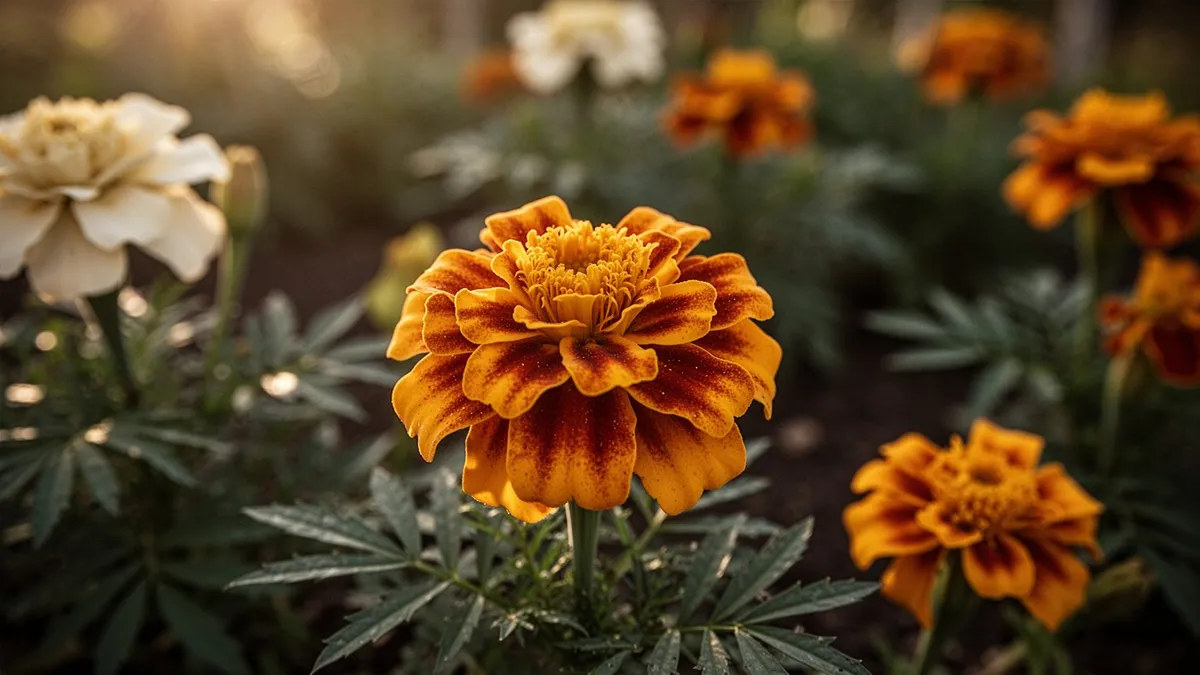
Mischkultur basiert auf jahrhundertealter Gartentradition und wird zunehmend von der modernen Agrarwissenschaft unterstützt. Die Mechanismen hinter erfolgreichen Pflanzenpartnerschaften umfassen Allelopathie, bei der bestimmte Pflanzen chemische Verbindungen aus ihren Wurzeln oder Blättern abgeben, die Unkraut unterdrücken oder Insekten abwehren. Tagetes zum Beispiel setzen Alpha-Terthienyl aus ihren Wurzeln frei, das Wurzelgallennematoden im umliegenden Boden unterdrückt.
Fangpflanzen sind eine weitere wirkungsvolle Technik: Kapuzinerkresse, neben Kürbisgewächsen gepflanzt, zieht Blattläuse von der Hauptkultur weg und opfert sich, um Ihre Ernte zu schützen. Gleichzeitig wandelt die Stickstofffixierung durch Hülsenfrüchte wie Erbsen und Bohnen atmosphärischen Stickstoff in pflanzenverfügbare Formen im Boden um, was direkt starkzehrenden Nachbarn wie Mais, Tomaten und Kürbis zugutekommt.
Auch physische Beziehungen spielen eine Rolle. Hohe Pflanzen wie Sonnenblumen und Mais können natürlichen Schatten für hitzeempfindliche Kulturen wie Salat und Spinat spenden, während niedrig wachsende Bodendecker Unkraut unterdrücken und Bodenfeuchtigkeit bewahren. Die klassische "Drei-Schwestern"-Pflanzung von Mais, Bohnen und Kürbis demonstriert mehrere Begleitpflanzenmechanismen, die in einem einzigen Beet zusammenwirken.
Pflanzen-Suche
Suchen Sie eine Pflanze, um ihre Begleitpflanzen und unverträglichen Nachbarn zu sehen.
Beliebte Pflanzpaare
Diese klassischen Kombinationen basieren auf generationenlanger Gartenerfahrung und können einen echten Unterschied in Ihrem Garten machen.


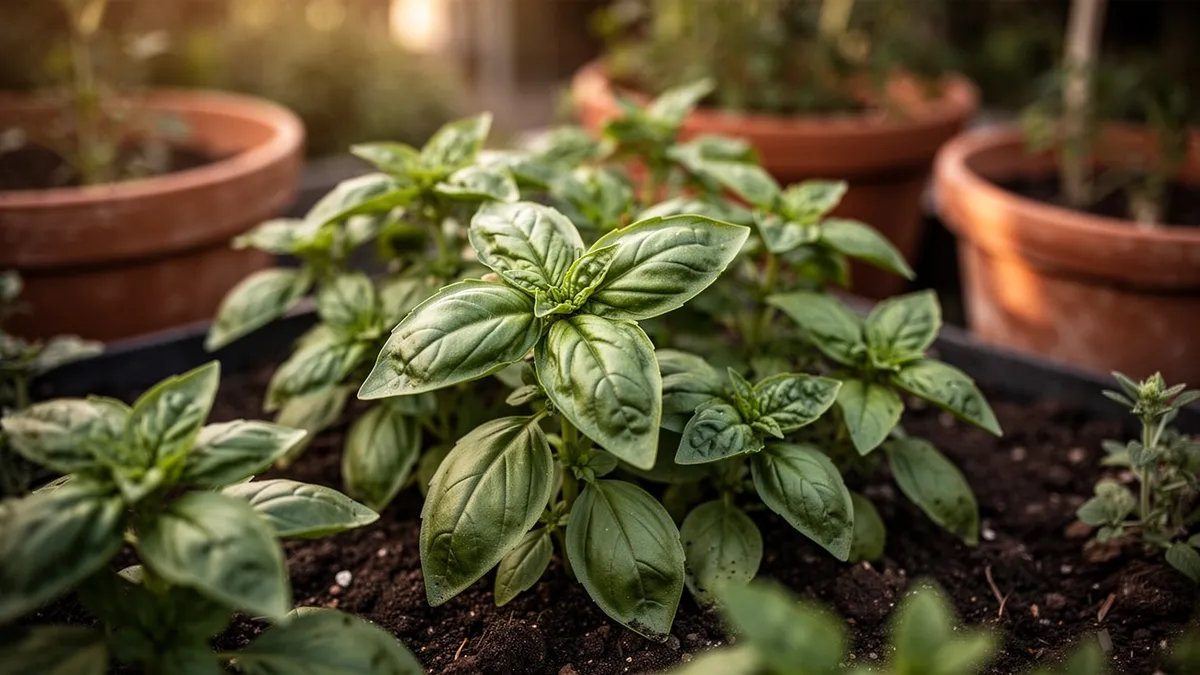
Tomate & Basilikum
Basilikum vertreibt Blattläuse und Weiße Fliegen, kann den Tomatengeschmack verbessern


Karotte & Zwiebel
Zwiebeln schrecken die Möhrenfliege mit ihrem starken Geruch ab


Gurke & Dill
Dill lockt Nützlinge an, die Gurken schützen


Mais & Erbsen
Erbsen fixieren Stickstoff, den Mais als Starkzehrer benötigt


Kopfsalat & Schnittlauch
Schnittlauch vertreibt Blattläuse, die häufig Salat befallen


Kartoffel & Meerrettich
Meerrettich erhöht die Krankheitsresistenz von Kartoffeln


Erdbeere & Borretsch
Borretsch lockt Bestäuber an und verbessert den Erdbeerertrag

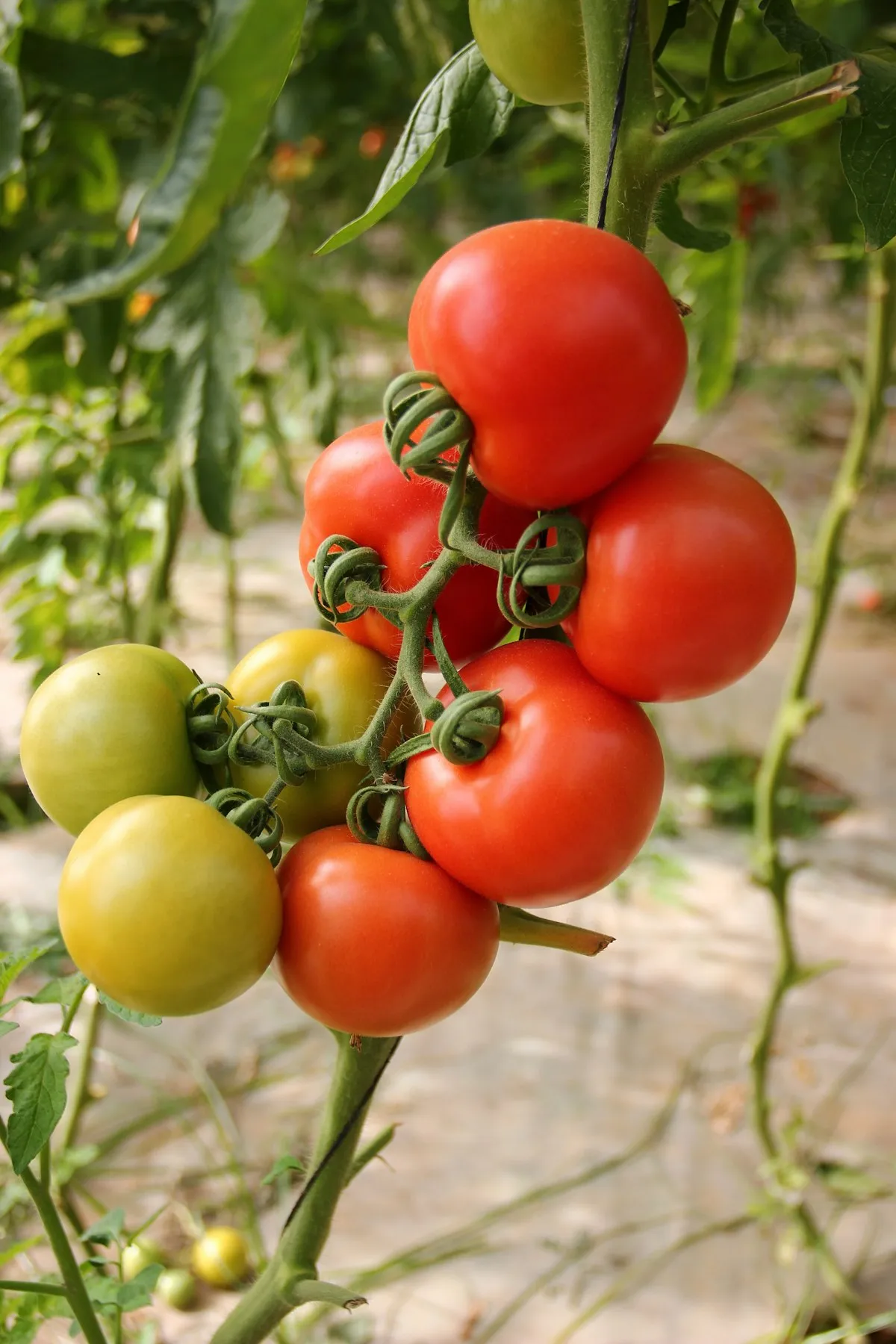
Tomate & Studentenblume
Tagetes vertreiben Nematoden und viele häufige Gartenschädlinge


Zucchini & Radieschen
Radieschen locken Erdflöhe von jungen Zucchiniblättern weg

Paprika & Basilikum
Basilikum fördert das Paprikawachstum und vertreibt häufige Schädlinge
Vollständige Kompatibilitätsübersicht
Alle Begleit- und Unverträglichkeitsbeziehungen für jede Pflanze, nach Kategorie geordnet.
Gemüse
- Tomate
Begleitpflanze: Basilikum, Karotte, Studentenblume, Petersilie
- Paprika
- Gurke
Begleitpflanze: Erbsen, Kopfsalat, Dill, Sonnenblume
- Zucchini
Begleitpflanze: Mais, Erbsen, Radieschen
Unverträglich: Kartoffel
- Karotte
Begleitpflanze: Tomate, Rosmarin, Kopfsalat, Schnittlauch
Unverträglich: Dill
- Kopfsalat
Begleitpflanze: Karotte, Radieschen, Schnittlauch, Erdbeere
Unverträglich: Sellerie
- Spinat
Begleitpflanze: Erdbeere, Erbsen, Radieschen
Unverträglich: Fenchel
- Grünkohl
- Brokkoli
- Blumenkohl
- Kohl
Begleitpflanze: Zwiebel, Sellerie, Dill, Kamille
Unverträglich: Tomate, Weintraube
- Rosenkohl
- Erbsen
Begleitpflanze: Karotte, Gurke, Radieschen, Mais
- Grüne Bohnen
- Mais
Begleitpflanze: Grüne Bohnen, Kürbis, Gurke, Erbsen
Unverträglich: Tomate
- Kartoffel
Begleitpflanze: Grüne Bohnen, Mais, Studentenblume, Knoblauch
- Süßkartoffel
Begleitpflanze: Thymian, Oregano, Rote Bete
Unverträglich: Tomate
- Zwiebel
Begleitpflanze: Karotte, Kopfsalat, Rote Bete, Kohl
Unverträglich: Erbsen, Grüne Bohnen
- Knoblauch
Begleitpflanze: Tomate, Rose, Karotte, Spinat
Unverträglich: Erbsen, Grüne Bohnen
- Radieschen
Begleitpflanze: Karotte, Erbsen, Kopfsalat, Gurke
Unverträglich: Weintraube
- Rote Bete
Begleitpflanze: Zwiebel, Kopfsalat, Kohl, Knoblauch
Unverträglich: Mais
- Aubergine
Begleitpflanze: Basilikum, Studentenblume, Thymian, Paprika
Unverträglich: Fenchel
- Sellerie
Begleitpflanze: Tomate, Kohl, Blumenkohl, Lauch
- Spargel
Begleitpflanze: Tomate, Petersilie, Basilikum
- Artischocke
Begleitpflanze: Sonnenblume, Estragon, Erbsen
Unverträglich: Fenchel
- Kürbis
Begleitpflanze: Mais, Grüne Bohnen, Studentenblume
Unverträglich: Kartoffel
- Butternut-Kürbis
Begleitpflanze: Mais, Studentenblume, Radieschen
Unverträglich: Kartoffel
- Lauch
Begleitpflanze: Karotte, Sellerie, Zwiebel
Unverträglich: Grüne Bohnen, Erbsen
- Steckrübe
Begleitpflanze: Erbsen, Zwiebel, Knoblauch
Unverträglich: Kartoffel
- Pastinake
Begleitpflanze: Radieschen, Zwiebel, Knoblauch
- Mangold
Begleitpflanze: Kopfsalat, Zwiebel, Kohl, Tomate
Unverträglich: Mais
- Okra
Begleitpflanze: Paprika, Aubergine, Gurke
Unverträglich: Süßkartoffel
- Kohlrabi
- Fenchel
- Rhabarber
Begleitpflanze: Knoblauch, Zwiebel, Kohl
Unverträglich: Fenchel
- Cherrytomate
Begleitpflanze: Basilikum, Karotte, Studentenblume
- Roma-Tomate
Begleitpflanze: Basilikum, Petersilie, Knoblauch
- Fleischtomate
Begleitpflanze: Basilikum, Karotte, Studentenblume
- Erbstück-Tomate
Begleitpflanze: Basilikum, Karotte, Studentenblume, Petersilie
- Traubentomate
Begleitpflanze: Basilikum, Karotte, Petersilie
- San-Marzano-Tomate
- Jalapeño-Paprika
- Habanero
Begleitpflanze: Tomate, Basilikum, Oregano
Unverträglich: Fenchel
- Cayennepfeffer
Begleitpflanze: Tomate, Basilikum, Aubergine
Unverträglich: Fenchel
- Serrano-Chili
Begleitpflanze: Tomate, Basilikum, Karotte
Unverträglich: Fenchel
- Bananenpaprika
Begleitpflanze: Tomate, Basilikum, Karotte
Unverträglich: Fenchel
- Poblano-Chili
Begleitpflanze: Tomate, Basilikum, Zwiebel
Unverträglich: Fenchel
- Geisterchili
Begleitpflanze: Tomate, Basilikum
Unverträglich: Fenchel
- Thai-Chili
Begleitpflanze: Basilikum, Tomate, Aubergine
Unverträglich: Fenchel
- Anaheim-Chili
Begleitpflanze: Tomate, Basilikum, Zwiebel
Unverträglich: Fenchel
- Shishito-Pfeffer
Begleitpflanze: Tomate, Basilikum, Aubergine
Unverträglich: Fenchel
- Japanische Aubergine
Begleitpflanze: Basilikum, Studentenblume, Paprika
Unverträglich: Fenchel
- Thai-Aubergine
Begleitpflanze: Basilikum, Paprika, Tomate
Unverträglich: Fenchel
- Weiße Aubergine
Begleitpflanze: Basilikum, Thymian, Studentenblume
Unverträglich: Fenchel
- Graffiti-Aubergine
Begleitpflanze: Basilikum, Studentenblume, Paprika
Unverträglich: Fenchel
- Tomatillo
Begleitpflanze: Basilikum, Petersilie, Paprika
- Ananaskirsche
Begleitpflanze: Basilikum, Tomate, Petersilie
Unverträglich: Fenchel
- Pak Choi
- Chinakohl
Begleitpflanze: Zwiebel, Knoblauch, Dill
Unverträglich: Tomate
- Rotkohl
Begleitpflanze: Zwiebel, Sellerie, Dill
Unverträglich: Tomate
- Wirsing
- Chinesischer Brokkoli
- Brokkolini
- Romanesco
- Blätterkohl
- Senfblätter
Begleitpflanze: Zwiebel, Knoblauch, Kopfsalat
Unverträglich: Tomate
- Brunnenkresse
- Rucola
- Meerrettich
- Daikon-Rettich
- Kohlrübe
Begleitpflanze: Erbsen, Zwiebel, Knoblauch
Unverträglich: Kartoffel
- Römersalat
Begleitpflanze: Karotte, Radieschen, Schnittlauch
Unverträglich: Sellerie
- Kopfsalat (Butterhead)
Begleitpflanze: Karotte, Radieschen, Erdbeere
Unverträglich: Sellerie
- Eissalat
Begleitpflanze: Karotte, Radieschen, Zwiebel
Unverträglich: Sellerie
- Eichenblattsalat
Begleitpflanze: Karotte, Radieschen, Schnittlauch
Unverträglich: Sellerie
- Malabarspinat
- Neuseeland-Spinat
- Endivie
Begleitpflanze: Karotte, Radieschen, Zwiebel
- Radicchio
- Frisée-Salat
Begleitpflanze: Karotte, Radieschen, Kopfsalat
- Mizuna
Begleitpflanze: Kopfsalat, Spinat, Radieschen
- Tatsoi
Begleitpflanze: Kopfsalat, Spinat, Radieschen
- Sauerampfer
- Portulak (Sommerportulak)
- Amaranthgrün
- Eskariol (Glatte Endivie)
Begleitpflanze: Karotte, Radieschen, Zwiebel
- Nantes-Karotte
Begleitpflanze: Tomate, Rosmarin, Kopfsalat
Unverträglich: Dill
- Danvers-Möhre
Begleitpflanze: Tomate, Rosmarin, Kopfsalat
Unverträglich: Dill
- Chantenay-Karotte
Begleitpflanze: Tomate, Rosmarin, Kopfsalat
Unverträglich: Dill
- Goldene Rote Bete
Begleitpflanze: Zwiebel, Kopfsalat, Knoblauch
Unverträglich: Mais
- Chioggia Rote Bete
Begleitpflanze: Zwiebel, Kopfsalat, Knoblauch
Unverträglich: Mais
- Schwarzer Rettich
- Wassermelonen-Radieschen
- French-Breakfast-Radieschen
- Japanische Süßkartoffel
Begleitpflanze: Thymian, Oregano, Rote Bete
Unverträglich: Tomate
- Lila Süßkartoffel
Begleitpflanze: Thymian, Oregano, Rote Bete
Unverträglich: Tomate
- Knollensellerie
Begleitpflanze: Lauch, Zwiebel, Kohl
Unverträglich: Pastinake
- Jicama
- Yamswurzel
- Taro
- Ingwer
Begleitpflanze: Kurkuma (Gelbwurz), Basilikum
- Kurkuma (Gelbwurz)
- Haferwurzel
- Schwarzwurzel
- Topinambur (Erdbirne)
Begleitpflanze: Mais, Sonnenblume
- Limabohnen
- Dicke Bohne (Ackerbohne)
- Edamame
- Kichererbse
- Linse
Begleitpflanze: Gurke, Kopfsalat, Radieschen
- Schwarze Bohne
- Kidneybohne
- Weiße Bohne (Navy Bean)
- Pintobohne
- Feuerbohne
Begleitpflanze: Mais, Kopfsalat, Radieschen
- Meterbohne
- Augenbohne
- Straucherbse
- Mungbohne
- Zuckererbsen
Begleitpflanze: Karotte, Gurke, Radieschen
- Zuckererbse
Begleitpflanze: Karotte, Gurke, Radieschen
- Einlegegurke
- Englische Gurke
- Zitronengurke
- Armenische Gurke
Begleitpflanze: Erbsen, Kopfsalat, Dill
Unverträglich: Kartoffel
- Goldene Zucchini
Begleitpflanze: Mais, Erbsen, Radieschen
Unverträglich: Kartoffel
- Gelber Kürbis
Begleitpflanze: Mais, Erbsen, Radieschen
Unverträglich: Kartoffel
- Eichelkürbis
Begleitpflanze: Mais, Studentenblume, Radieschen
Unverträglich: Kartoffel
- Spaghettikürbis
Begleitpflanze: Mais, Studentenblume, Radieschen
Unverträglich: Kartoffel
- Delicata-Kürbis
Begleitpflanze: Mais, Studentenblume, Radieschen
Unverträglich: Kartoffel
- Hubbard-Kürbis
Begleitpflanze: Mais, Studentenblume, Radieschen
Unverträglich: Kartoffel
- Kabocha-Kürbis
Begleitpflanze: Mais, Studentenblume, Basilikum
Unverträglich: Kartoffel
- Patisson-Kürbis
Begleitpflanze: Mais, Erbsen, Radieschen
Unverträglich: Kartoffel
- Bittermelone
- Luffa
- Chayote
- Wintermelone
- Sugar Baby Wassermelone
Begleitpflanze: Mais, Studentenblume, Radieschen
Unverträglich: Kartoffel
- Kernlose Wassermelone
Begleitpflanze: Mais, Studentenblume, Radieschen
Unverträglich: Kartoffel
- Zuckerkürbis
Begleitpflanze: Mais, Grüne Bohnen, Studentenblume
Unverträglich: Kartoffel
- Riesenkürbis
Begleitpflanze: Mais, Studentenblume
Unverträglich: Kartoffel
- Jack-o-Lantern Kürbis
Begleitpflanze: Mais, Grüne Bohnen, Studentenblume
Unverträglich: Kartoffel
- Ancho-Paprika
Begleitpflanze: Tomate, Basilikum, Karotte
Unverträglich: Fenchel
- Kirschpaprika
Begleitpflanze: Tomate, Basilikum, Zwiebel
Unverträglich: Fenchel
- Datil-Paprika
Begleitpflanze: Tomate, Basilikum, Studentenblume
Unverträglich: Fenchel
- Ungarischer Wachspaprika
- Padrón-Paprika
Begleitpflanze: Tomate, Basilikum, Zwiebel
Unverträglich: Fenchel
- Rocoto-Paprika
Begleitpflanze: Tomate, Basilikum, Karotte
Unverträglich: Fenchel
- Scotch Bonnet Paprika
Begleitpflanze: Tomate, Basilikum, Studentenblume
Unverträglich: Fenchel
- Tabasco-Paprika
Begleitpflanze: Tomate, Basilikum, Zwiebel
Unverträglich: Fenchel
- Brandywine-Tomate
Begleitpflanze: Basilikum, Karotte, Studentenblume
- Campari-Tomate
Begleitpflanze: Basilikum, Petersilie, Studentenblume
- Green Zebra Tomate
Begleitpflanze: Basilikum, Karotte, Studentenblume
- Indigo Rose Tomate
Begleitpflanze: Basilikum, Karotte, Studentenblume
- Kumato-Tomate
Begleitpflanze: Basilikum, Karotte, Petersilie
- Mortgage Lifter Tomate
Begleitpflanze: Basilikum, Karotte, Studentenblume
- Ochsenherz-Tomate
Begleitpflanze: Basilikum, Karotte, Studentenblume
- Pflaumentomate
Begleitpflanze: Basilikum, Karotte, Petersilie
- Gelbe Birnentomate
Begleitpflanze: Basilikum, Karotte, Studentenblume
- Kapstachelbeere
Begleitpflanze: Tomate, Basilikum
Unverträglich: Fenchel
- Naranjilla
Begleitpflanze: Basilikum
Unverträglich: Fenchel
- Pepino-Melone
Begleitpflanze: Tomate, Basilikum
Unverträglich: Fenchel
- Tamarillo
Begleitpflanze: Basilikum
Unverträglich: Fenchel
- Lila Blumenkohl
- Rote Rosenkohl
- Spazierstockkohl
- Grüner Blumenkohl
- Kai-lan
- Kalette
- Riesenkohlrabi
Begleitpflanze: Rote Bete, Zwiebel, Sellerie
Unverträglich: Tomate, Erdbeere, Jalapeño-Paprika
- Roter Mizuna
Begleitpflanze: Karotte, Zwiebel, Knoblauch
Unverträglich: Erdbeere
- Tokyoer Mairübe
Begleitpflanze: Erbsen, Zwiebel, Knoblauch
Unverträglich: Kartoffel
- Yu Choy
- Roter Amaranth
- Baby-Spinat
Begleitpflanze: Erbsen, Erdbeere, Radieschen
- Kopfsalat (Buttersalat)
Begleitpflanze: Karotte, Radieschen, Chinesischer Schnittlauch
- Callaloo
- Celtuce (Spargelsalat)
Begleitpflanze: Karotte, Radieschen, Zwiebel
- Chrysanthemum-Blattgemüse
- Tellerkraut
Begleitpflanze: Karotte, Radieschen
- Gartenkresse
Begleitpflanze: Radieschen, Kopfsalat
- Löwenzahnblätter
- Guter Heinrich
- Eiskraut
Begleitpflanze: Tomate
- Komatsuna
Begleitpflanze: Knoblauch, Zwiebel, Karotte
Unverträglich: Erdbeere
- Little Gem Salat
Begleitpflanze: Karotte, Radieschen, Zwiebel
- Lollo Rossa Salat
Begleitpflanze: Karotte, Radieschen, Zwiebel
- Tellerkraut
Begleitpflanze: Radieschen, Karotte
- Riesensenfblatt Rot
Begleitpflanze: Zwiebel, Knoblauch, Erbsen
Unverträglich: Erdbeere
- Gartenmelde
- Baby Pak Choi
- Erbsensprossen
Begleitpflanze: Karotte, Radieschen
- Wilde Rauke
- Pimpinelle
- Shungiku
Begleitpflanze: Karotte, Radieschen
- Roter Mangold
Begleitpflanze: Zwiebel, Kopfsalat, Karotte
Unverträglich: Mais
- Winterportulak
Begleitpflanze: Radieschen, Karotte
- Detroit Dunkelrote Rübe
Begleitpflanze: Zwiebel, Kopfsalat, Knoblauch
Unverträglich: Feuerbohne
- Cylindra-Rote Bete
Begleitpflanze: Zwiebel, Kopfsalat, Knoblauch
Unverträglich: Feuerbohne
- Cosmic Purple Karotte
Begleitpflanze: Erbsen, Kopfsalat, Zwiebel
Unverträglich: Dill
- Kuroda-Karotte
Begleitpflanze: Erbsen, Kopfsalat, Zwiebel
Unverträglich: Dill
- Ochsenherzkarotte
Begleitpflanze: Erbsen, Kopfsalat, Zwiebel
Unverträglich: Dill
- Süße Maniok
- Wassermelonen-Rettich
- Galgant
Begleitpflanze: Ingwer, Kurkuma (Gelbwurz)
- Gelber Ingwer
Begleitpflanze: Kurkuma (Gelbwurz), Galgant
- Malanga
Begleitpflanze: Taro
- Hollow Crown Pastinake
- Cherry Belle Radieschen
- Osterei-Radieschen
- Amerikanische Steckrübe Purple Top
Begleitpflanze: Erbsen, Zwiebel
Unverträglich: Kartoffel
- Schwarzwurzel
- Beauregard Süßkartoffel
Begleitpflanze: Mais, Grüne Bohnen
- Garnet Süßkartoffel
Begleitpflanze: Mais, Grüne Bohnen
- Herbstrübe Purple Top
Begleitpflanze: Erbsen, Zwiebel
Unverträglich: Kartoffel
- Yuca
- Adzukibohne
- Spargelbohne
- Butterbohne
- Cannellini-Bohne
- Borlottibohne
- Ziegenaugenbohne
- Flageolet-Bohne
- Helmbohne
Unverträglich: Zwiebel
- Mottenbohne
Begleitpflanze: Mais
- Garten-Sojabohne
- Schwertbohne
Begleitpflanze: Mais
Unverträglich: Zwiebel
- Teparybohne
Unverträglich: Zwiebel
- Urad Dal
Begleitpflanze: Mais
- Samtbohne
Begleitpflanze: Mais
- Flügelbohne
Unverträglich: Zwiebel
- Wachskürbis
Begleitpflanze: Mais, Studentenblume
Unverträglich: Kartoffel
- Flaschenkürbis
Begleitpflanze: Mais, Studentenblume
Unverträglich: Kartoffel
- Krummhalskürbis
Begleitpflanze: Mais, Grüne Bohnen, Studentenblume
Unverträglich: Kartoffel
- Persische Gurke
- Gem-Kürbis
Begleitpflanze: Mais, Grüne Bohnen
Unverträglich: Kartoffel
- Geisterkürbis
Begleitpflanze: Mais, Grüne Bohnen
Unverträglich: Kartoffel
- Roter Kabocha-Kürbis
Begleitpflanze: Mais, Grüne Bohnen
Unverträglich: Kartoffel
- Kiwano
Begleitpflanze: Mais, Studentenblume
Unverträglich: Kartoffel
- Koreanische Melone
Begleitpflanze: Mais, Studentenblume
Unverträglich: Kartoffel
- Glatter Luffa
Begleitpflanze: Mais, Studentenblume
Unverträglich: Kartoffel
- Mini-Wassermelone
Begleitpflanze: Mais, Studentenblume
Unverträglich: Kartoffel
- Moschusmelone
Begleitpflanze: Mais, Studentenblume
Unverträglich: Kartoffel
- Persische Melone
Begleitpflanze: Mais, Studentenblume
Unverträglich: Kartoffel
- Kuchenkürbis
Begleitpflanze: Mais, Grüne Bohnen, Studentenblume
Unverträglich: Kartoffel
- Gerippter Schwammkürbis
Begleitpflanze: Mais, Studentenblume
Unverträglich: Kartoffel
- Schlangenkürbis
Begleitpflanze: Mais
Unverträglich: Kartoffel
- Gestreifte Zucchini
Begleitpflanze: Mais, Erbsen, Radieschen
Unverträglich: Kartoffel
- Cousa-Kürbis
Begleitpflanze: Mais, Grüne Bohnen
Unverträglich: Kartoffel
- Turbankürbis
Begleitpflanze: Mais, Grüne Bohnen
Unverträglich: Kartoffel
- Wachskürbis
Begleitpflanze: Mais
Unverträglich: Kartoffel
- Weißer Kürbis
Begleitpflanze: Mais, Grüne Bohnen
Unverträglich: Kartoffel
- Runde Zucchini
Begleitpflanze: Mais, Erbsen, Radieschen
Unverträglich: Kartoffel
- Winterheckenzwiebel
Begleitpflanze: Karotte, Kopfsalat, Tomate
Unverträglich: Erbsen, Grüne Bohnen
- Chinesischer Schnittlauch
Begleitpflanze: Karotte, Tomate, Kopfsalat
Unverträglich: Erbsen, Grüne Bohnen
- Ägyptische Wanderzwiebel
Begleitpflanze: Karotte, Tomate
Unverträglich: Erbsen, Grüne Bohnen
- Schwarzer Knoblauch
Begleitpflanze: Tomate, Kopfsalat, Karotte
Unverträglich: Erbsen, Grüne Bohnen
- Grüner Knoblauch
Begleitpflanze: Tomate, Kopfsalat, Karotte
Unverträglich: Erbsen, Grüne Bohnen
- Solo-Knoblauch
Begleitpflanze: Tomate, Karotte, Kopfsalat
Unverträglich: Erbsen, Grüne Bohnen
- Baby-Lauch
Begleitpflanze: Karotte, Sellerie
Unverträglich: Erbsen, Grüne Bohnen
- Torpedozwiebel
Begleitpflanze: Karotte, Kopfsalat, Tomate
Unverträglich: Erbsen, Grüne Bohnen
- Goldene Perlzwiebel
Begleitpflanze: Karotte, Kopfsalat
Unverträglich: Erbsen, Grüne Bohnen
- Kartoffelzwiebel
Begleitpflanze: Karotte, Kopfsalat
Unverträglich: Erbsen, Grüne Bohnen
- Rocambole-Knoblauch
Begleitpflanze: Tomate, Karotte, Kopfsalat
Unverträglich: Erbsen, Grüne Bohnen
- Französische Schalotte
Begleitpflanze: Karotte, Kopfsalat, Tomate
Unverträglich: Erbsen, Grüne Bohnen
- Rote Frühlingszwiebel
Begleitpflanze: Karotte, Kopfsalat, Tomate
Unverträglich: Erbsen, Grüne Bohnen
- Etagenzwiebel
Begleitpflanze: Karotte, Tomate
Unverträglich: Erbsen, Grüne Bohnen
- Spanische Karde
Begleitpflanze: Artischocke
- Chinesischer Sellerie
Begleitpflanze: Tomate, Lauch, Zwiebel
Unverträglich: Pastinake
- Zitronengras
Begleitpflanze: Tomate
- Wassersellerie
Begleitpflanze: Brunnenkresse
- Wilder Spargel
Begleitpflanze: Tomate, Petersilie
- Cubanelle-Paprika
Begleitpflanze: Tomate, Basilikum, Zwiebel
Unverträglich: Fenchel
- Sun Gold Tomate
Begleitpflanze: Basilikum, Karotte, Studentenblume
- Sprouting-Brokkoli
- Mini-Wirsing
- Feldsalat
Begleitpflanze: Karotte, Radieschen, Kopfsalat, Spinat
- Winterkresse
Begleitpflanze: Radieschen, Kopfsalat
- Japanischer Daikon
- Wurzelpetersilie
- Kuhbohne
- Drachenzunge-Bohne
- Honeynut-Kürbis
Begleitpflanze: Mais, Grüne Bohnen, Studentenblume
Unverträglich: Kartoffel
- Tromboncino-Kürbis
Begleitpflanze: Mais, Grüne Bohnen
Unverträglich: Kartoffel
- Black-Krim-Tomate
Begleitpflanze: Basilikum, Karotte, Studentenblume, Petersilie
- Celebrity-Tomate
Begleitpflanze: Basilikum, Karotte, Studentenblume, Petersilie
- Early-Girl-Tomate
Begleitpflanze: Basilikum, Karotte, Studentenblume, Petersilie
- Cherokee-Purple-Tomate
Begleitpflanze: Basilikum, Karotte, Studentenblume, Petersilie
- Pineapple-Tomate
Begleitpflanze: Basilikum, Karotte, Studentenblume, Petersilie
- Principe-Borghese-Tomate
Begleitpflanze: Basilikum, Karotte, Studentenblume, Petersilie
- Costoluto-Fiorentino-Tomate
Begleitpflanze: Basilikum, Karotte, Studentenblume, Petersilie
- Striped-German-Tomate
Begleitpflanze: Basilikum, Karotte, Studentenblume, Petersilie
- Aunt-Ruby's-German-Green-Tomate
Begleitpflanze: Basilikum, Karotte, Studentenblume, Petersilie
- Super-Sweet-100-Tomate
Begleitpflanze: Basilikum, Karotte, Studentenblume, Petersilie
- Ivuntian-Giant-Tomate
Begleitpflanze: Basilikum, Karotte, Studentenblume, Petersilie
- Sunrise-Bumble-Bee-Tomate
Begleitpflanze: Basilikum, Karotte, Studentenblume, Petersilie
- Buchweizen
Begleitpflanze: Kartoffel, Erdbeere, Himbeere, Kürbis, Gurke
Unverträglich: Kopfsalat
- Mexikanische Minigurke
Begleitpflanze: Mais, Grüne Bohnen, Sonnenblume
- Mesclun
Begleitpflanze: Kopfsalat, Radieschen, Spinat, Karotte
Unverträglich: Sellerie
- Pepperoncini
Begleitpflanze: Basilikum, Tomate, Zwiebel, Petersilie
Unverträglich: Fenchel
Kräuter
- Basilikum
- Rosmarin
Begleitpflanze: Salbei, Thymian, Karotte, Kohl
Unverträglich: Basilikum
- Thymian
Begleitpflanze: Rosmarin, Kohl, Aubergine, Erdbeere
Unverträglich: Basilikum
- Oregano
Begleitpflanze: Basilikum, Paprika, Tomate
Unverträglich: Minze
- Minze
Begleitpflanze: Tomate, Kohl, Erbsen
Unverträglich: Petersilie, Kamille
- Koriander
Begleitpflanze: Spinat, Erbsen, Kopfsalat, Tomate
Unverträglich: Fenchel
- Petersilie
Begleitpflanze: Tomate, Spargel, Karotte, Schnittlauch
- Dill
- Salbei
- Schnittlauch
Begleitpflanze: Karotte, Tomate, Rose, Petersilie
Unverträglich: Erbsen, Grüne Bohnen
- Lavendel
Begleitpflanze: Rosmarin, Thymian, Salbei, Rose
Unverträglich: Minze
- Estragon
Begleitpflanze: Aubergine, Paprika, Tomate
Unverträglich: Fenchel
- Zitronengras
Begleitpflanze: Koriander, Basilikum, Minze
Unverträglich: Fenchel
- Kamille
Begleitpflanze: Kohl, Zwiebel, Brokkoli, Blumenkohl
Unverträglich: Minze
- Echter Lorbeer
Begleitpflanze: Rosmarin, Salbei, Thymian
Unverträglich: Fenchel
- Majoran
Begleitpflanze: Oregano, Basilikum, Paprika
Unverträglich: Minze
- Bohnenkraut
Begleitpflanze: Grüne Bohnen, Zwiebel, Knoblauch
Unverträglich: Minze
- Zitronenmelisse
Begleitpflanze: Basilikum, Oregano, Tomate
Unverträglich: Fenchel
- Borretsch
Begleitpflanze: Tomate, Erdbeere, Zucchini
Unverträglich: Fenchel
- Thailändisches Basilikum
Begleitpflanze: Tomate, Paprika, Zitronengras
- Purpurbasilikum
- Zitronenbasilikum
Begleitpflanze: Tomate, Koriander, Zitronengras
Unverträglich: Salbei
- Zimtbasilikum
- Heiliges Basilikum
Begleitpflanze: Tomate, Zitronengras, Koriander
Unverträglich: Salbei
- Genovese-Basilikum
- Toskanischer Blauer Rosmarin
Begleitpflanze: Salbei, Thymian, Karotte
Unverträglich: Basilikum
- Zitronenthymian
Begleitpflanze: Rosmarin, Lavendel, Salbei
Unverträglich: Basilikum
- Kriechender Thymian
Begleitpflanze: Rosmarin, Salbei, Lavendel
Unverträglich: Basilikum
- Französischer Thymian
Begleitpflanze: Rosmarin, Echter Lorbeer, Salbei
Unverträglich: Basilikum
- Wolliger Thymian
Begleitpflanze: Rosmarin, Lavendel, Salbei
Unverträglich: Basilikum
- Griechischer Oregano
Begleitpflanze: Basilikum, Tomate, Paprika
Unverträglich: Minze
- Italienischer Oregano
Begleitpflanze: Basilikum, Tomate, Majoran
Unverträglich: Minze
- Kubanischer Oregano
Begleitpflanze: Thailändisches Basilikum, Zitronengras, Koriander
Unverträglich: Minze
- Glattblättrige Petersilie
- Krause Petersilie
Begleitpflanze: Tomate, Spargel, Schnittlauch
- Bouquet-Dill
- Fernleaf-Dill
- Slow-Bolt-Koriander
Begleitpflanze: Spinat, Erbsen, Kopfsalat
Unverträglich: Fenchel
- Ananas-Salbei
Begleitpflanze: Rosmarin, Thymian, Lavendel
Unverträglich: Basilikum
- Purpursalbei
- Goldener Salbei
- Knoblauchschnittlauch
Begleitpflanze: Karotte, Tomate, Rose
Unverträglich: Erbsen, Grüne Bohnen
- Kerbel
Begleitpflanze: Petersilie, Estragon, Schnittlauch
Unverträglich: Salbei
- Curryblatt
Begleitpflanze: Zitronengras, Thailändisches Basilikum, Koriander
- Epazote
- Shiso
Begleitpflanze: Thailändisches Basilikum, Koriander, Zitronengras
- Perilla
Begleitpflanze: Thailändisches Basilikum, Koriander, Knoblauchschnittlauch
- Culantro
Begleitpflanze: Koriander, Zitronengras, Thailändisches Basilikum
Unverträglich: Fenchel
- Papalo
- Sommerbohnenkraut
Begleitpflanze: Grüne Bohnen, Zwiebel, Knoblauch
Unverträglich: Minze
- Winterbohnenkraut
Begleitpflanze: Grüne Bohnen, Rosmarin, Thymian
Unverträglich: Minze
- Liebstöckel
Begleitpflanze: Petersilie, Schnittlauch, Thymian
- Engelwurz
Begleitpflanze: Liebstöckel, Petersilie, Kerbel
- Kümmel
Begleitpflanze: Dill, Petersilie, Erbsen
Unverträglich: Fenchel
- Kreuzkümmel
Begleitpflanze: Koriander, Basilikum, Oregano
Unverträglich: Fenchel
- Koriander (Samen)
Begleitpflanze: Koriander, Kreuzkümmel, Dill
Unverträglich: Fenchel
- Bockshornklee
Begleitpflanze: Koriander, Kreuzkümmel, Basilikum
- Annatto
Begleitpflanze: Zitronengras, Thailändisches Basilikum
- Westindischer Lorbeer
Begleitpflanze: Zitronengras, Thailändisches Basilikum
- Vietnamesischer Koriander
Begleitpflanze: Thailändisches Basilikum, Zitronengras, Minze
- Rau Ram
Begleitpflanze: Thailändisches Basilikum, Zitronengras, Minze
- Mexikanischer Oregano
- Za'atar
Begleitpflanze: Thymian, Oregano, Salbei
Unverträglich: Minze
- Ysop
- Sonnenhut
Begleitpflanze: Lavendel, Goldmelisse, Schafgarbe
- Baldrian
Begleitpflanze: Kamille, Zitronenmelisse, Sonnenhut
- Ashwagandha
Begleitpflanze: Heiliges Basilikum, Zitronengras
- Napoletano-Basilikum
- Französischer Kerbel
Begleitpflanze: Petersilie, Estragon, Schnittlauch
Unverträglich: Salbei
- Sibirischer Schnittlauch
Begleitpflanze: Karotte, Tomate, Rose
Unverträglich: Erbsen, Grüne Bohnen
- Calypso Koriander
Begleitpflanze: Spinat, Erbsen, Kopfsalat
Unverträglich: Fenchel
- Leisure Koriander
Begleitpflanze: Spinat, Kopfsalat, Tomate
Unverträglich: Fenchel
- Mammut-Dill
- Bronzefenchel
- Knollenfenchel
- Koreanischer Knoblauchschnittlauch
Begleitpflanze: Karotte, Tomate, Gurke
Unverträglich: Erbsen, Grüne Bohnen
- Meerrettich
- Gartenliebstöckel
Begleitpflanze: Petersilie, Schnittlauch, Thymian
- Süßer Majoran
Begleitpflanze: Oregano, Basilikum, Thymian
Unverträglich: Minze
- Schoko-Minze
Unverträglich: Petersilie, Kamille
- Julep-Minze
Begleitpflanze: Tomate, Kohl, Erbsen
Unverträglich: Petersilie, Kamille
- Ananasminze
Unverträglich: Petersilie, Kamille
- Goldener Oregano
Begleitpflanze: Basilikum, Tomate, Paprika
Unverträglich: Minze
- Scharfer und Würziger Oregano
Begleitpflanze: Basilikum, Tomate, Paprika
Unverträglich: Minze
- Wurzelpetersilie
- Mooskrause Petersilie
Begleitpflanze: Tomate, Spargel, Schnittlauch
- Grüne Perilla
Begleitpflanze: Thailändisches Basilikum, Koriander, Knoblauchschnittlauch
- Arp-Rosmarin
Begleitpflanze: Salbei, Thymian, Lavendel
Unverträglich: Basilikum
- Kriechender Rosmarin
Begleitpflanze: Salbei, Thymian, Lavendel
Unverträglich: Basilikum
- Berggarten-Salbei
- Dreifarbiger Salbei
- Salzstrauch
- Kriechender Bohnenkraut
Begleitpflanze: Grüne Bohnen, Rosmarin, Thymian
Unverträglich: Minze
- Französischer Sauerampfer
- Rotgeäderter Sauerampfer
- Süßdolde
Begleitpflanze: Liebstöckel, Kerbel, Petersilie
- Mexikanischer Estragon
- Russischer Estragon
Begleitpflanze: Aubergine, Paprika
Unverträglich: Fenchel
- Kümmelthymian
Begleitpflanze: Rosmarin, Salbei, Lavendel
Unverträglich: Basilikum
- Englischer Thymian
Begleitpflanze: Rosmarin, Salbei, Echter Lorbeer
Unverträglich: Basilikum
- Orangenthymian
Begleitpflanze: Rosmarin, Lavendel, Salbei
Unverträglich: Basilikum
- Parakresse
- Brunnenkresse
Begleitpflanze: Minze, Petersilie
- Waldmeister
Begleitpflanze: Kamille, Zitronenmelisse
- Odermennig
Begleitpflanze: Kamille, Schafgarbe
- Angelika (Heilpflanze)
Begleitpflanze: Liebstöckel, Baldrian
- Arnika
- Astragalus
- Schwarze Schlangenwurzel
Begleitpflanze: Ginseng
- Blutwurz
Begleitpflanze: Ginseng, Schwarze Schlangenwurzel
- Wasserdost
Begleitpflanze: Sonnenhut, Goldmelisse
- Klette
Begleitpflanze: Sonnenhut, Brennnessel
- Kalmus
Begleitpflanze: Brunnenkresse, Minze
- Klebkraut
Begleitpflanze: Brennnessel, Kamille
- Huflattich
Begleitpflanze: Kamille, Zitronenmelisse
- Gemeiner Schneeball
- Damiana
Begleitpflanze: Ashwagandha, Heiliges Basilikum
- Dong Quai
Begleitpflanze: Astragalus, Ginseng
- Alant
- Augentrost
Begleitpflanze: Kamille
- Enzian
- Wasserhanf
Begleitpflanze: Wasserdost, Sonnenhut
- Andorn
- Medizinischer Ysop
- Indische Schlangenwurzel
Begleitpflanze: Ashwagandha, Heiliges Basilikum
- Lobelie
- Mädesüß
Begleitpflanze: Baldrian, Wasserdost
- Herzgespann
Begleitpflanze: Baldrian, Zitronenmelisse
- Beifuß
- Brennnessel
- Osha-Wurzel
Begleitpflanze: Sonnenhut
- Poleiminze
Begleitpflanze: Minze, Zitronenmelisse
- Spitzwegerich
Begleitpflanze: Kamille, Schafgarbe
- Kleine Braunelle
- Helmkraut
Begleitpflanze: Baldrian, Zitronenmelisse, Kamille
- Heilziest
Begleitpflanze: Kamille, Kleine Braunelle
- Anis-Ysop
Begleitpflanze: Lavendel, Sonnenhut, Goldmelisse
- Bay Rum
Begleitpflanze: Zitronengras
- Bergamotte (Indianernessel)
- Echte Katzenminze
- Katzenminze
- Muskatellersalbei
- Marienblatt
- Currypflanze
- Diptam von Kreta
- Rosengeranie
- Zitronengeranie
- Pfefferminz-Geranie
Begleitpflanze: Rosengeranie, Zitronengeranie
- Strohblume
- Aromatischer Zitronenthymian
Begleitpflanze: Lavendel, Rosmarin
Unverträglich: Basilikum
- Eau de Cologne Minze
Unverträglich: Petersilie
- Myrte
- Nepeta
- Patschuli
Begleitpflanze: Thailändisches Basilikum, Zitronengras
- Eichenblatt-Geranie
Begleitpflanze: Rosengeranie, Lavendel
- Santolina
- Duftende Kamille
- Eberraute
- Rainfarn
- Vetiver
Begleitpflanze: Zitronengras
- Weißer Salbei
- Wermut
- Anis
Begleitpflanze: Koriander (Samen), Dill
Unverträglich: Karotte
- Blaue Klitorie
Begleitpflanze: Zitronengras, Thailändisches Basilikum
- Kardamom
Begleitpflanze: Ingwer (Tee), Zitronengras
- Chrysantheme (Tee)
Begleitpflanze: Kamille
- Zimtbaum
Begleitpflanze: Kardamom, Ingwer (Tee)
- Ingwer (Tee)
Begleitpflanze: Zitronengras, Thailändisches Basilikum
- Amerikanischer Ginseng
Begleitpflanze: Ginseng
- Gotu Kola
Begleitpflanze: Zitronenmelisse, Minze
- Honigbusch
Begleitpflanze: Rooibos
- Jiaogulan
Begleitpflanze: Ginseng, Astragalus
- Zitronenverbene
Begleitpflanze: Zitronengras, Zitronenmelisse
- Süßholzwurzel
- Eibischwurzel
Begleitpflanze: Kamille, Zitronenmelisse
- Olivenblatt
- Passionsblume
- Rooibos
Begleitpflanze: Honigbusch
- Schisandra
Begleitpflanze: Ginseng
- Grüne Minze
Begleitpflanze: Tomate, Kohl, Erbsen
Unverträglich: Petersilie, Kamille
- Stevia
Begleitpflanze: Basilikum, Oregano, Majoran
Unverträglich: Fenchel
- Tulsi (Heiliges Basilikum-Tee)
Begleitpflanze: Zitronengras, Ingwer (Tee)
- Beinwell
- Gelbsenf
Begleitpflanze: Erbsen, Zwiebel, Minze, Zitronenmelisse, Thymian
Obst
- Erdbeere
- Heidelbeere
Begleitpflanze: Erdbeere, Himbeere, Lavendel
Unverträglich: Walnussbaum
- Himbeere
Begleitpflanze: Knoblauch, Studentenblume, Schnittlauch
- Brombeere
Begleitpflanze: Thymian, Borretsch, Minze
Unverträglich: Himbeere
- Weintraube
Begleitpflanze: Basilikum, Oregano, Schnittlauch
Unverträglich: Kohl, Radieschen
- Wassermelone
Begleitpflanze: Mais, Sonnenblume, Radieschen
Unverträglich: Kartoffel
- Cantaloupe
Begleitpflanze: Mais, Sonnenblume, Kopfsalat
- Feige
Begleitpflanze: Minze, Studentenblume, Lavendel
Unverträglich: Walnussbaum
- Apfel (Zwerg)
Begleitpflanze: Schnittlauch, Knoblauch, Studentenblume, Dill
Unverträglich: Walnussbaum
- Birne (Zwerg)
Begleitpflanze: Knoblauch, Schnittlauch, Studentenblume
Unverträglich: Walnussbaum
- Kirsche (Zwerg)
Begleitpflanze: Knoblauch, Schnittlauch, Studentenblume
Unverträglich: Walnussbaum
- Pflaume
Begleitpflanze: Knoblauch, Studentenblume, Schnittlauch
Unverträglich: Walnussbaum
- Pfirsich
Begleitpflanze: Knoblauch, Basilikum, Studentenblume, Schnittlauch
Unverträglich: Walnussbaum
- Zitrone
Begleitpflanze: Basilikum, Lavendel, Studentenblume
Unverträglich: Walnussbaum
- Orange
Begleitpflanze: Basilikum, Lavendel, Studentenblume
Unverträglich: Walnussbaum
- Kiwi
Begleitpflanze: Lavendel, Studentenblume, Weintraube
Unverträglich: Walnussbaum
- Stachelbeere
Begleitpflanze: Schnittlauch, Knoblauch, Studentenblume
Unverträglich: Fenchel
- Johannisbeere
Begleitpflanze: Schnittlauch, Knoblauch, Studentenblume
Unverträglich: Fenchel
- Passionsfrucht
Begleitpflanze: Sonnenblume, Studentenblume, Basilikum
Unverträglich: Walnussbaum
- Granatapfel
Begleitpflanze: Lavendel, Basilikum, Studentenblume
Unverträglich: Walnussbaum
- Alpen-Erdbeere
Begleitpflanze: Kopfsalat, Spinat, Thymian
Unverträglich: Kohl
- Remontierende Erdbeere
- Tagneutrale Erdbeere
- Kulturheidelbeere
Begleitpflanze: Erdbeere, Himbeere, Lavendel
Unverträglich: Walnussbaum
- Niedrige Heidelbeere
Begleitpflanze: Erdbeere, Himbeere
Unverträglich: Walnussbaum
- Kaninchenaugen-Heidelbeere
Begleitpflanze: Erdbeere, Lavendel
Unverträglich: Walnussbaum
- Goldene Himbeere
Begleitpflanze: Knoblauch, Studentenblume, Schnittlauch
- Schwarze Himbeere
Begleitpflanze: Knoblauch, Studentenblume
- Heritage-Himbeere
Begleitpflanze: Knoblauch, Studentenblume, Schnittlauch
- Stachelloser Brombeere
Begleitpflanze: Thymian, Borretsch, Minze
Unverträglich: Himbeere
- Kriechende Brombeere
Begleitpflanze: Thymian, Borretsch
Unverträglich: Himbeere
- Amerikanische Stachelbeere
Begleitpflanze: Schnittlauch, Knoblauch, Studentenblume
Unverträglich: Fenchel
- Europäische Stachelbeere
Begleitpflanze: Schnittlauch, Knoblauch, Studentenblume
Unverträglich: Fenchel
- Schwarze Johannisbeere
Begleitpflanze: Schnittlauch, Knoblauch
Unverträglich: Fenchel
- Weiße Johannisbeere
Begleitpflanze: Schnittlauch, Knoblauch, Studentenblume
Unverträglich: Fenchel
- Cranberry
Begleitpflanze: Heidelbeere
- Preiselbeere
Begleitpflanze: Heidelbeere, Cranberry
- Holunder
Begleitpflanze: Knoblauch, Schnittlauch
- Maulbeere
Begleitpflanze: Knoblauch, Studentenblume
- Boysenbeere
Begleitpflanze: Thymian, Borretsch
Unverträglich: Himbeere
- Loganbeere
Begleitpflanze: Thymian, Borretsch
Unverträglich: Himbeere
- Marionbeere
Begleitpflanze: Thymian, Borretsch, Minze
Unverträglich: Himbeere
- Taybeere
Begleitpflanze: Thymian, Borretsch
Unverträglich: Himbeere
- Maibeere
Begleitpflanze: Heidelbeere, Erdbeere
- Jostabeere
Begleitpflanze: Schnittlauch, Knoblauch
Unverträglich: Fenchel
- Felsenbirne
Begleitpflanze: Heidelbeere, Erdbeere
- Gojibeere
- Açaí-Beere
Begleitpflanze: Banane
- Aronia Apfelbeere
Begleitpflanze: Heidelbeere, Holunder
- Heidelbeere (Wild)
Begleitpflanze: Heidelbeere, Erdbeere
- Meyer-Zitrone
Begleitpflanze: Basilikum, Lavendel, Studentenblume
Unverträglich: Walnussbaum
- Eureka-Zitrone
Begleitpflanze: Basilikum, Lavendel, Studentenblume
Unverträglich: Walnussbaum
- Lissabon-Zitrone
Begleitpflanze: Basilikum, Lavendel
Unverträglich: Walnussbaum
- Limette
Begleitpflanze: Basilikum, Lavendel, Studentenblume
Unverträglich: Walnussbaum
- Key-Limette
Begleitpflanze: Basilikum, Lavendel
Unverträglich: Walnussbaum
- Persische Limette
Begleitpflanze: Basilikum, Lavendel, Studentenblume
Unverträglich: Walnussbaum
- Kaffir-Limette
Begleitpflanze: Basilikum, Zitronengras
Unverträglich: Walnussbaum
- Navel-Orange
Begleitpflanze: Basilikum, Lavendel, Studentenblume
Unverträglich: Walnussbaum
- Blutorange
Begleitpflanze: Basilikum, Lavendel
Unverträglich: Walnussbaum
- Valencia-Orange
Begleitpflanze: Basilikum, Lavendel, Studentenblume
Unverträglich: Walnussbaum
- Mandarine
Begleitpflanze: Basilikum, Lavendel
Unverträglich: Walnussbaum
- Tangerine
Begleitpflanze: Basilikum, Lavendel, Studentenblume
Unverträglich: Walnussbaum
- Clementine
Begleitpflanze: Basilikum, Lavendel
Unverträglich: Walnussbaum
- Grapefruit
Begleitpflanze: Basilikum, Lavendel
Unverträglich: Walnussbaum
- Ruby Red Grapefruit
Begleitpflanze: Basilikum, Lavendel
Unverträglich: Walnussbaum
- Kumquat
Begleitpflanze: Basilikum, Lavendel
Unverträglich: Walnussbaum
- Calamansi
Begleitpflanze: Basilikum, Lavendel
Unverträglich: Walnussbaum
- Yuzu
Begleitpflanze: Basilikum, Lavendel
Unverträglich: Walnussbaum
- Bergamotte
Begleitpflanze: Basilikum, Lavendel
Unverträglich: Walnussbaum
- Zitronatzitrone
Begleitpflanze: Basilikum, Lavendel
Unverträglich: Walnussbaum
- Pomelo
Begleitpflanze: Basilikum, Lavendel
Unverträglich: Walnussbaum
- Tangelo
Begleitpflanze: Basilikum, Lavendel
Unverträglich: Walnussbaum
- Ugli-Frucht
Begleitpflanze: Basilikum, Lavendel
Unverträglich: Walnussbaum
- Satsuma
Begleitpflanze: Basilikum, Lavendel
Unverträglich: Walnussbaum
- Weißer Pfirsich
Begleitpflanze: Knoblauch, Basilikum, Studentenblume
Unverträglich: Walnussbaum
- Donut-Pfirsich
Begleitpflanze: Knoblauch, Basilikum, Studentenblume
Unverträglich: Walnussbaum
- Nektarine
Begleitpflanze: Knoblauch, Basilikum, Studentenblume, Schnittlauch
Unverträglich: Walnussbaum
- Weiße Nektarine
Begleitpflanze: Knoblauch, Basilikum, Studentenblume
Unverträglich: Walnussbaum
- Japanische Pflaume
Begleitpflanze: Knoblauch, Studentenblume
Unverträglich: Walnussbaum
- Haferpflaume
Begleitpflanze: Knoblauch, Studentenblume
Unverträglich: Walnussbaum
- Reneklode
Begleitpflanze: Knoblauch, Studentenblume, Schnittlauch
Unverträglich: Walnussbaum
- Süßkirsche
Begleitpflanze: Knoblauch, Schnittlauch, Studentenblume
Unverträglich: Walnussbaum
- Sauerkirsche
Begleitpflanze: Knoblauch, Schnittlauch
Unverträglich: Walnussbaum
- Rainier-Kirsche
Begleitpflanze: Knoblauch, Schnittlauch, Studentenblume
Unverträglich: Walnussbaum
- Aprikose
Begleitpflanze: Knoblauch, Basilikum, Studentenblume
Unverträglich: Walnussbaum
- Mandschurische Aprikose
Begleitpflanze: Knoblauch, Studentenblume
Unverträglich: Walnussbaum
- Pluot
Begleitpflanze: Knoblauch, Studentenblume
Unverträglich: Walnussbaum
- Plumcot
Begleitpflanze: Knoblauch, Studentenblume
Unverträglich: Walnussbaum
- Mandel (Frucht)
Begleitpflanze: Lavendel, Rosmarin
Unverträglich: Walnussbaum
- Concord-Traube
Begleitpflanze: Basilikum, Oregano, Schnittlauch
Unverträglich: Kohl, Radieschen
- Thompson-Seedless-Traube
Begleitpflanze: Basilikum, Oregano
Unverträglich: Kohl, Radieschen
- Muscadine-Traube
Begleitpflanze: Basilikum, Oregano
Unverträglich: Kohl
- Tafeltraube
Begleitpflanze: Basilikum, Oregano, Schnittlauch
Unverträglich: Kohl, Radieschen
- Winterharte Kiwi
Begleitpflanze: Lavendel, Studentenblume, Weintraube
Unverträglich: Walnussbaum
- Arktische Kiwi
Begleitpflanze: Lavendel, Weintraube
Unverträglich: Walnussbaum
- Lila Passionsfrucht
Begleitpflanze: Sonnenblume, Studentenblume
Unverträglich: Walnussbaum
- Gelbe Passionsfrucht
Begleitpflanze: Sonnenblume, Studentenblume
Unverträglich: Walnussbaum
- Winterharte Passionsfrucht
Begleitpflanze: Sonnenblume, Studentenblume
- Hopfen
Begleitpflanze: Knoblauch, Schnittlauch
- Schokoladenrebe (Akebia)
Begleitpflanze: Lavendel
- Mango
- Papaya
Begleitpflanze: Banane
- Guave
- Erdbeer-Guave
- Banane
Begleitpflanze: Süßkartoffel
- Zwergbanane
Begleitpflanze: Süßkartoffel
- Longan
Begleitpflanze: Litschi
- Rambutan
- Kaki
Begleitpflanze: Knoblauch, Studentenblume
- Amerikanische Kaki
Begleitpflanze: Knoblauch, Studentenblume
- Wegerich
Begleitpflanze: Süßkartoffel
- Avocado
- Hass-Avocado
- Feijoa
- Kakao
Begleitpflanze: Banane
- Gala-Apfel
Begleitpflanze: Schnittlauch, Knoblauch, Studentenblume
Unverträglich: Walnussbaum
- Fuji-Apfel
Begleitpflanze: Schnittlauch, Knoblauch, Studentenblume
Unverträglich: Walnussbaum
- Granny-Smith-Apfel
Begleitpflanze: Schnittlauch, Knoblauch, Studentenblume
Unverträglich: Walnussbaum
- Honeycrisp-Apfel
Begleitpflanze: Schnittlauch, Knoblauch, Studentenblume, Dill
Unverträglich: Walnussbaum
- McIntosh-Apfel
Begleitpflanze: Schnittlauch, Knoblauch, Studentenblume
Unverträglich: Walnussbaum
- Pink Lady Apfel
Begleitpflanze: Schnittlauch, Knoblauch, Studentenblume
Unverträglich: Walnussbaum
- Braeburn-Apfel
Begleitpflanze: Schnittlauch, Knoblauch, Studentenblume
Unverträglich: Walnussbaum
- Golden Delicious Apfel
Begleitpflanze: Schnittlauch, Knoblauch, Studentenblume
Unverträglich: Walnussbaum
- Red Delicious Apfel
Begleitpflanze: Schnittlauch, Knoblauch, Studentenblume
Unverträglich: Walnussbaum
- Holzapfel
Begleitpflanze: Schnittlauch, Knoblauch
Unverträglich: Walnussbaum
- Bartlett-Birne
Begleitpflanze: Knoblauch, Schnittlauch, Studentenblume
Unverträglich: Walnussbaum
- Bosc-Birne
Begleitpflanze: Knoblauch, Schnittlauch, Studentenblume
Unverträglich: Walnussbaum
- Anjou-Birne
Begleitpflanze: Knoblauch, Schnittlauch, Studentenblume
Unverträglich: Walnussbaum
- Asiatische Birne
Begleitpflanze: Knoblauch, Schnittlauch
Unverträglich: Walnussbaum
- Comice-Birne
Begleitpflanze: Knoblauch, Schnittlauch, Studentenblume
Unverträglich: Walnussbaum
- Seckel-Birne
Begleitpflanze: Knoblauch, Schnittlauch
Unverträglich: Walnussbaum
- Quitte
Begleitpflanze: Knoblauch, Schnittlauch
- Mispel
Begleitpflanze: Knoblauch
- Japanische Wollmispel
Begleitpflanze: Basilikum, Studentenblume, Lavendel
Unverträglich: Walnussbaum
- Zimthimbeere
- Lachsbeere
Begleitpflanze: Holunder, Johannisbeere
- Taubeere
Begleitpflanze: Thymian, Studentenblume
Unverträglich: Himbeere
- Weinbeere
Begleitpflanze: Knoblauch, Schnittlauch
- Moltebeere
Begleitpflanze: Preiselbeere, Heidelbeere
- Kapstachelbeere
Begleitpflanze: Basilikum, Studentenblume
Unverträglich: Fenchel
- Ananaskirsche
Begleitpflanze: Basilikum, Petersilie
Unverträglich: Fenchel
- Felsenbirne
Begleitpflanze: Heidelbeere, Holunder
- Fingerlimette
- Makrut-Limette
Begleitpflanze: Zitronengras, Basilikum
- Rangpur-Limette
- Sudachi
Begleitpflanze: Yuzu
- Kabosu
- Etrog
Begleitpflanze: Zitrone
- Buddhas Hand Zitrone
- Oro Blanco
Begleitpflanze: Grapefruit, Orange
- Meiwa-Kumquat
Begleitpflanze: Kumquat
- Nagami-Kumquat
Begleitpflanze: Kumquat
- Limequat
- Orangequat
- Bing-Kirsche
Begleitpflanze: Schnittlauch, Knoblauch, Studentenblume
Unverträglich: Walnussbaum
- Lapins-Kirsche
Begleitpflanze: Schnittlauch, Knoblauch
Unverträglich: Walnussbaum
- Elberta Pfirsich
Begleitpflanze: Knoblauch, Rainfarn, Schnittlauch
Unverträglich: Walnussbaum
- Georgia Belle Pfirsich
Begleitpflanze: Knoblauch, Schnittlauch
Unverträglich: Walnussbaum
- Fantasia Nektarine
Begleitpflanze: Knoblauch, Schnittlauch
Unverträglich: Walnussbaum
- Santa-Rosa-Pflaume
Begleitpflanze: Knoblauch, Studentenblume
Unverträglich: Walnussbaum
- Stanley-Pflaume
Begleitpflanze: Knoblauch, Schnittlauch
Unverträglich: Walnussbaum
- Blenheim-Aprikose
Begleitpflanze: Knoblauch, Schnittlauch
Unverträglich: Walnussbaum
- Moorpark-Aprikose
Begleitpflanze: Knoblauch, Schnittlauch
Unverträglich: Walnussbaum
- Nonpareil-Mandel
Unverträglich: Walnussbaum
- Mirabelle
Begleitpflanze: Knoblauch, Schnittlauch
Unverträglich: Walnussbaum
- Sauerkirsche Morello
Begleitpflanze: Knoblauch, Schnittlauch
Unverträglich: Walnussbaum
- Pinot Noir Traube
Begleitpflanze: Ysop, Schnittlauch
- Cabernet Sauvignon Traube
- Zinfandel-Traube
- Riesling-Traube
Begleitpflanze: Ysop, Schnittlauch
- Syrah-Traube
- Goldene Kiwi
Begleitpflanze: Lavendel
- Bananen-Passionsfrucht
Begleitpflanze: Passionsfrucht
- Maypop
Begleitpflanze: Passionsfrucht
- Atemoya
Begleitpflanze: Cherimoya
- Rote Drachenfrucht
Begleitpflanze: Drachenfrucht
- Winesap-Apfel
Begleitpflanze: Schnittlauch, Knoblauch
Unverträglich: Walnussbaum
- Liberty-Apfel
Begleitpflanze: Schnittlauch, Knoblauch
Unverträglich: Walnussbaum
- Cortland-Apfel
Begleitpflanze: Schnittlauch, Knoblauch
Unverträglich: Walnussbaum
- Jonagold-Apfel
Begleitpflanze: Schnittlauch, Knoblauch
Unverträglich: Walnussbaum
- Konferenzbirne
Begleitpflanze: Schnittlauch, Knoblauch
Unverträglich: Walnussbaum
- Forelle-Birne
Begleitpflanze: Schnittlauch, Knoblauch
Unverträglich: Walnussbaum
- Starkrimson Birne
Begleitpflanze: Schnittlauch, Knoblauch
Unverträglich: Walnussbaum
- Dolgo-Zierapfel
Begleitpflanze: Gala-Apfel, Honeycrisp-Apfel
- Kaffee
Blumen
- Sonnenblume
Begleitpflanze: Gurke, Mais, Kopfsalat, Tomate
Unverträglich: Kartoffel
- Studentenblume
Begleitpflanze: Tomate, Paprika, Gurke, Kartoffel
Unverträglich: Kohl
- Zinnie
Begleitpflanze: Tomate, Gurke, Basilikum
Unverträglich: Fenchel
- Dahlie
Begleitpflanze: Studentenblume, Zinnie, Sonnenblume
Unverträglich: Fenchel
- Rose
Begleitpflanze: Lavendel, Knoblauch, Schnittlauch, Geranie
Unverträglich: Fenchel
- Pfingstrose
Begleitpflanze: Rose, Lavendel, Narzisse
Unverträglich: Fenchel
- Chrysantheme
Begleitpflanze: Studentenblume, Aster, Ziersalbei
Unverträglich: Fenchel
- Tulpe
Begleitpflanze: Narzisse, Stiefmütterchen, Lilie
Unverträglich: Fenchel
- Narzisse
Begleitpflanze: Tulpe, Pfingstrose, Lilie
Unverträglich: Fenchel
- Lilie
Begleitpflanze: Tulpe, Narzisse, Pfingstrose
Unverträglich: Fenchel
- Petunie
Begleitpflanze: Studentenblume, Zinnie, Geranie
Unverträglich: Fenchel
- Geranie
Begleitpflanze: Rose, Petunie, Studentenblume
Unverträglich: Fenchel
- Begonie
Begleitpflanze: Stiefmütterchen, Petunie, Geranie
Unverträglich: Fenchel
- Stiefmütterchen
Begleitpflanze: Tulpe, Begonie, Löwenmäulchen
Unverträglich: Fenchel
- Löwenmäulchen
Begleitpflanze: Stiefmütterchen, Petunie, Studentenblume
Unverträglich: Fenchel
- Aster
Begleitpflanze: Chrysantheme, Gewöhnlicher Sonnenhut, Sonnenhut
Unverträglich: Fenchel
- Cosmos
Begleitpflanze: Zinnie, Studentenblume, Sonnenblume
Unverträglich: Fenchel
- Sonnenhut
Begleitpflanze: Gewöhnlicher Sonnenhut, Aster, Ziersalbei
Unverträglich: Fenchel
- Gewöhnlicher Sonnenhut
Begleitpflanze: Sonnenhut, Aster, Cosmos
Unverträglich: Fenchel
- Ziersalbei
Begleitpflanze: Studentenblume, Zinnie, Sonnenhut
Unverträglich: Fenchel
- Afrikanische Tagetes
Begleitpflanze: Tomate, Studentenblume, Zinnie
Unverträglich: Kohl
- Gewürztagetes
Begleitpflanze: Tomate, Basilikum, Studentenblume
Unverträglich: Kohl
- Riesen-Zinnie
Begleitpflanze: Sonnenblume, Cosmos, Zinnie
Unverträglich: Fenchel
- Profusion-Zinnie
Begleitpflanze: Studentenblume, Zinnie, Petunie
Unverträglich: Fenchel
- Wellen-Petunie
Begleitpflanze: Petunie, Geranie, Studentenblume
Unverträglich: Fenchel
- Supertunia
Begleitpflanze: Petunie, Calibrachoa, Eisenkraut
Unverträglich: Fenchel
- Fleißiges Lieschen
Begleitpflanze: Begonie, Stiefmütterchen, Buntnessel
- Vinca
Begleitpflanze: Studentenblume, Zinnie, Ziersalbei
- Portulakröschen
Begleitpflanze: Studentenblume, Zinnie, Vinca
- Strandkresse
Begleitpflanze: Stiefmütterchen, Petunie, Lobelie
- Lobelie
Begleitpflanze: Strandkresse, Petunie, Stiefmütterchen
- Eisenkraut
Begleitpflanze: Petunie, Lantane (Einjährig), Calibrachoa
- Celosie
Begleitpflanze: Zinnie, Studentenblume, Sonnenblume
- Einjährige Nelke
Begleitpflanze: Stiefmütterchen, Strandkresse, Löwenmäulchen
- Ziertabak
Begleitpflanze: Petunie, Begonie, Fleißiges Lieschen
- Cleome
Begleitpflanze: Cosmos, Sonnenblume, Riesen-Zinnie
- Rittersporn (einjährig)
Begleitpflanze: Löwenmäulchen, Cosmos, Stiefmütterchen
- Kornblume
Begleitpflanze: Cosmos, Rittersporn (einjährig), Sonnenblume
- Wunderblume
Begleitpflanze: Mondwinde, Ziertabak, Sonnenblume
- Prunkwinde (Einjährig)
Begleitpflanze: Sonnenblume, Mondwinde
- Mondwinde
Begleitpflanze: Prunkwinde (Einjährig), Wunderblume, Ziertabak
- Levkoje
Begleitpflanze: Löwenmäulchen, Stiefmütterchen, Rittersporn (einjährig)
- Statice
Begleitpflanze: Strohblume, Silberblatt, Kornblume
- Strohblume
- Gazanie
Begleitpflanze: Portulakröschen, Vinca, Studentenblume
- Kapmargerite
Begleitpflanze: Gazanie, Petunie, Eisenkraut
- Nemesie
Begleitpflanze: Stiefmütterchen, Strandkresse, Lobelie
- Calibrachoa
Begleitpflanze: Petunie, Eisenkraut, Lobelie
- Torenie
Begleitpflanze: Fleißiges Lieschen, Begonie, Buntnessel
- Lantane (Einjährig)
Begleitpflanze: Eisenkraut, Vinca, Ziersalbei
- Silberblatt
Begleitpflanze: Petunie, Ziersalbei, Studentenblume
- Buntnessel
Begleitpflanze: Begonie, Fleißiges Lieschen, Torenie
- Caladium
Begleitpflanze: Begonie, Fleißiges Lieschen, Buntnessel
- Taglilie
Begleitpflanze: Sonnenhut, Gewöhnlicher Sonnenhut, Staudensalbei
- Funkie
Begleitpflanze: Astilbe, Tränendes Herz, Purpurglöckchen
- Garten-Phlox
Begleitpflanze: Sonnenhut, Taglilie, Goldmelisse
- Rittersporn
Begleitpflanze: Rose, Pfingstrose, Lilie
- Fingerhut
Begleitpflanze: Funkie, Astilbe, Tränendes Herz
- Stockrose
Begleitpflanze: Fingerhut, Rittersporn, Rose
- Lupine
Begleitpflanze: Rittersporn, Fingerhut, Stockrose
- Stauden-Nelke
Begleitpflanze: Lavendel, Strandkresse, Einjährige Nelke
- Tränendes Herz
Begleitpflanze: Funkie, Fingerhut, Astilbe, Kaukasisches Vergissmeinnicht
- Astilbe
Begleitpflanze: Funkie, Tränendes Herz, Purpurglöckchen
- Purpurglöckchen
Begleitpflanze: Funkie, Astilbe, Tränendes Herz
- Fetthenne (Sedum)
Begleitpflanze: Sonnenhut, Gewöhnlicher Sonnenhut, Aster
- Katzenminze
Begleitpflanze: Rose, Lavendel, Staudensalbei, Schafgarbe
- Russischer Salbei
Begleitpflanze: Sonnenhut, Gewöhnlicher Sonnenhut, Fetthenne (Sedum)
- Goldmelisse
Begleitpflanze: Sonnenhut, Garten-Phlox, Taglilie
- Wilde Bergamotte
Begleitpflanze: Goldmelisse, Sonnenhut, Gewöhnlicher Sonnenhut, Prachtscharte
- Agapanthus
Begleitpflanze: Taglilie, Staudensalbei, Lavendel
- Japanische Anemone
Begleitpflanze: Aster, Chrysantheme, Funkie, Astilbe, Purpurglöckchen
- Christrose
Begleitpflanze: Großes Schneeglöckchen, Narzisse, Funkie
- Primel
Begleitpflanze: Stiefmütterchen, Christrose, Narzisse
- Mehrjähriges Veilchen
Begleitpflanze: Stiefmütterchen, Primel, Strandkresse
- Margerite
Begleitpflanze: Sonnenhut, Gewöhnlicher Sonnenhut, Taglilie
- Kokardenblume
Begleitpflanze: Sonnenhut, Gewöhnlicher Sonnenhut, Ziersalbei
- Staudensalbei
Begleitpflanze: Rose, Katzenminze, Sonnenhut
- Ehrenpreis
- Fackellilie
Begleitpflanze: Agapanthus, Taglilie, Sonnenhut
- Crocosmia
Begleitpflanze: Fackellilie, Taglilie, Agapanthus
- Schafgarbe
Begleitpflanze: Sonnenhut, Gewöhnlicher Sonnenhut, Staudensalbei
- Wiesen-Margerite
Begleitpflanze: Sonnenhut, Gewöhnlicher Sonnenhut, Schafgarbe
- Stauden-Rudbeckie
Begleitpflanze: Sonnenhut, Aster, Fetthenne (Sedum)
- Prachtscharte
Begleitpflanze: Sonnenhut, Gewöhnlicher Sonnenhut, Schafgarbe
- Bergenie
Begleitpflanze: Christrose, Funkie, Purpurglöckchen
- Wollziest (Lammohren)
Begleitpflanze: Rose, Lavendel, Stauden-Nelke
- Tellerdahlie
Begleitpflanze: Dahlie, Riesen-Zinnie, Sonnenblume
- Pompon-Dahlie
Begleitpflanze: Dahlie, Studentenblume, Zinnie
- Kaktusdahlie
Begleitpflanze: Dahlie, Tellerdahlie, Riesen-Zinnie
- Papageientulpe
Begleitpflanze: Tulpe, Narzisse, Stiefmütterchen
- Gefranste Tulpe
Begleitpflanze: Tulpe, Papageientulpe, Narzisse
- Darwin-Hybrid-Tulpe
Begleitpflanze: Tulpe, Narzisse, Stiefmütterchen
- Miniatur-Narzisse
Begleitpflanze: Narzisse, Krokus, Großes Schneeglöckchen
- Gefüllte Narzisse
- Asiatische Lilie
Begleitpflanze: Lilie, Orientalische Lilie, Taglilie
- Orientalische Lilie
Begleitpflanze: Lilie, Asiatische Lilie, Trompetenlilie, Dahlie
- Trompetenlilie
Begleitpflanze: Lilie, Orientalische Lilie, Asiatische Lilie
- Gladiole
Begleitpflanze: Dahlie, Lilie, Riesen-Zinnie
- Krokus
Begleitpflanze: Großes Schneeglöckchen, Miniatur-Narzisse, Tulpe
- Hyazinthe
- Zierlauch
- Ranunkel
Begleitpflanze: Anemone (De Caen), Tulpe, Narzisse
- Anemone (De Caen)
- Freesie
Begleitpflanze: Ranunkel, Anemone (De Caen), Tulpe
- Traubenhyazinthe
Begleitpflanze: Krokus, Miniatur-Narzisse, Tulpe
- Ageratum
Begleitpflanze: Studentenblume, Petunie, Strandkresse
- Einjähriger Phlox
Begleitpflanze: Strandkresse, Lobelie, Eisenkraut
- Einjährige Rudbeckie
Begleitpflanze: Sonnenhut, Gewöhnlicher Sonnenhut, Cosmos
- Blaue Kornblume
Begleitpflanze: Kornblume, Rittersporn (einjährig), Cosmos
- Irische Glocken
Begleitpflanze: Zinnie, Löwenmäulchen, Rittersporn (einjährig)
- Sommeraster
Begleitpflanze: Löwenmäulchen, Zinnie, Studentenblume
- Schwefelkosmos
Begleitpflanze: Cosmos, Zinnie, Studentenblume
- Kugelamaranth
Begleitpflanze: Zinnie, Celosie, Studentenblume
- Lisianthus
Begleitpflanze: Löwenmäulchen, Levkoje, Zinnie
- Fuchsschwanz (Garten-Fuchsschwanz)
Begleitpflanze: Sonnenblume, Zinnie, Cosmos
- Reseda
Begleitpflanze: Strandkresse, Lobelie, Levkoje
- Gauklerblume
Begleitpflanze: Lobelie, Fleißiges Lieschen, Begonie
- Trompetenzunge
Begleitpflanze: Löwenmäulchen, Levkoje, Ziertabak
- Samt-Skabiose
Begleitpflanze: Cosmos, Rittersporn (einjährig), Kornblume
- Bauernorchidee
- Einjährige Skabiose
Begleitpflanze: Cosmos, Kornblume, Rittersporn (einjährig)
- Spinnenblume
Begleitpflanze: Cosmos, Zinnie, Sonnenblume
- Sultanblume
Begleitpflanze: Kornblume, Cosmos, Rittersporn (einjährig)
- Mexikanische Sonnenblume
Begleitpflanze: Sonnenblume, Cosmos, Zinnie
- Grasnelke
Begleitpflanze: Fetthenne (Sedum), Stauden-Nelke, Schafgarbe
- Blauer Falscher Indigo
Begleitpflanze: Sonnenhut, Gewöhnlicher Sonnenhut, Schafgarbe
- Kaukasisches Vergissmeinnicht
Begleitpflanze: Funkie, Astilbe, Tränendes Herz
- Rasselblume
Begleitpflanze: Schafgarbe, Staudensalbei, Ehrenpreis
- Rote Spornblume
Begleitpflanze: Schafgarbe, Staudensalbei, Russischer Salbei
- Schildkrötenkopf
Begleitpflanze: Astilbe, Funkie, Goldmelisse
- Elfenblume
Begleitpflanze: Funkie, Kaukasisches Vergissmeinnicht, Christrose
- Mädesüß
Begleitpflanze: Astilbe, Schildkrötenkopf, Goldmelisse
- Prachtkerze
Begleitpflanze: Russischer Salbei, Staudensalbei, Schafgarbe
- Winterharter Storchschnabel
Begleitpflanze: Funkie, Astilbe, Purpurglöckchen
- Mazedonische Witwenblume
Begleitpflanze: Schafgarbe, Staudensalbei, Ehrenpreis
- Ligularia
Begleitpflanze: Astilbe, Funkie, Schildkrötenkopf
- Lilientraube
Begleitpflanze: Funkie, Purpurglöckchen, Christrose
- Nachtkerze
Begleitpflanze: Sonnenhut, Gewöhnlicher Sonnenhut, Kokardenblume
- Bartfaden
Begleitpflanze: Sonnenhut, Gewöhnlicher Sonnenhut, Blauer Falscher Indigo
- Gelenkblume
Begleitpflanze: Sonnenhut, Goldmelisse, Gewöhnlicher Sonnenhut
- Ballonblume
Begleitpflanze: Margerite, Ehrenpreis, Schafgarbe
- Pfauenorchidee
Begleitpflanze: Gladiole, Dahlie, Orientalische Lilie
- Brodiaea
Begleitpflanze: Zierlauch, Traubenhyazinthe, Krokus
- Camassia
Begleitpflanze: Narzisse, Tulpe, Traubenhyazinthe
- Schneestolz
Begleitpflanze: Krokus, Traubenhyazinthe, Großes Schneeglöckchen
- Herbstzeitlose
Begleitpflanze: Krokus, Christrose
- Maiglöckchen
Begleitpflanze: Funkie, Kaukasisches Vergissmeinnicht, Christrose
- Winterling
Begleitpflanze: Großes Schneeglöckchen, Krokus, Schneestolz
- Steppenkerze
Begleitpflanze: Zierlauch, Fackellilie, Schafgarbe
- Schopflilie
Begleitpflanze: Dahlie, Gladiole, Agapanthus
- Großes Schneeglöckchen
Begleitpflanze: Winterling, Krokus, Schneestolz
- Frühlingssternblume
Begleitpflanze: Traubenhyazinthe, Krokus, Schneestolz
- Sternblume
Begleitpflanze: Harlekinblume, Freesie, Ranunkel
- Kap-Schlüsselblume
Begleitpflanze: Freesie, Sternblume, Harlekinblume
- Sommer-Knotenblume
Begleitpflanze: Narzisse, Camassia, Traubenhyazinthe
- Nerine
Begleitpflanze: Agapanthus, Crocosmia, Dahlie
- Stern von Bethlehem
Begleitpflanze: Traubenhyazinthe, Krokus, Tulpe
- Puschkinie
Begleitpflanze: Krokus, Traubenhyazinthe, Schneestolz
- Sibirischer Blaustern
Begleitpflanze: Krokus, Traubenhyazinthe, Großes Schneeglöckchen
- Harlekinblume
Begleitpflanze: Sternblume, Freesie, Ranunkel
- Tritonie
Begleitpflanze: Sternblume, Harlekinblume, Freesie
- Zierkiwi-Kletterpflanze
Begleitpflanze: Kletterhortensie
- Schokoladenrebe
Begleitpflanze: Kletterhortensie
- Trompetenblume
Begleitpflanze: Korallen-Geißblatt
- Dreiblättrige Akebie
Begleitpflanze: Schokoladenrebe
- Korallen-Geißblatt
Begleitpflanze: Trompetenblume
- Kreuzwein
Begleitpflanze: Trompetenblume, Korallen-Geißblatt
- Mini-Kiwi
Begleitpflanze: Zierkiwi-Kletterpflanze
- Kletterhortensie
Begleitpflanze: Japanische Hortensienrebe
- Wilder Wein (Boston-Efeu)
Begleitpflanze: Engelmanns Efeu, Wilder Wein
- Wilder Wein
Begleitpflanze: Wilder Wein (Boston-Efeu), Trompetenblume
- Japanische Hortensienrebe
Begleitpflanze: Kletterhortensie
- Kartoffelwein
Begleitpflanze: Sternjasmin, Schwarzäugige Susanne
- Schwarzäugige Susanne
Begleitpflanze: Prunkwinde (Einjährig), Mondwinde
- Sternjasmin
Begleitpflanze: Kartoffelwein, Korallen-Geißblatt
- Engelmanns Efeu
Begleitpflanze: Wilder Wein, Wilder Wein (Boston-Efeu)
- Einjährige Kokardenblume
Begleitpflanze: Sonnenhut, Gewöhnlicher Sonnenhut, Kokardenblume
- Schmetterlingskraut
Begleitpflanze: Sonnenhut, Gewöhnlicher Sonnenhut, Prachtscharte
- Wilde Kokardenblume
Begleitpflanze: Sonnenhut, Gewöhnlicher Sonnenhut, Einjährige Kokardenblume
- Scheinaster
Begleitpflanze: Sonnenhut, Goldmelisse, Prachtscharte
- Wiesensalbei
Begleitpflanze: Schafgarbe, Sonnenhut, Wilde Kokardenblume
- Gewöhnliche Nachtkerze
Begleitpflanze: Sonnenhut, Gewöhnlicher Sonnenhut, Einjährige Kokardenblume
- Wilde Möhre
- Blühendes Rutenhirse
Begleitpflanze: Sonnenhut, Gewöhnlicher Sonnenhut, Scheinaster
- Wilde Akelei
Begleitpflanze: Tränendes Herz, Christrose, Kaukasisches Vergissmeinnicht
- Peruanische Lilie
Begleitpflanze: Dahlie, Rose, Löwenmäulchen
- Celosia Flamingo Feather
Begleitpflanze: Zinnie, Celosie, Kugelamaranth
- Ball-Dahlie
Begleitpflanze: Dahlie, Zinnie, Cosmos
Unverträglich: Fenchel
- Gerbera-Schnittblume
Begleitpflanze: Peruanische Lilie, Löwenmäulchen, Rose
- Liatris Prachtscharte
Begleitpflanze: Sonnenhut, Gewöhnlicher Sonnenhut, Prachtscharte
- Coral Charm Pfingstrose
Begleitpflanze: Pfingstrose, Rose, Rittersporn
- David Austin Rose
Begleitpflanze: Katzenminze, Schafgarbe, Staudensalbei
- Raketen-Löwenmaul
Begleitpflanze: Löwenmäulchen, Levkoje, Rittersporn (einjährig)
- Säulenlevkoje
Begleitpflanze: Levkoje, Raketen-Löwenmaul, Rittersporn (einjährig)
- Goldgelbe Zizie (Golden Alexander)
Begleitpflanze: Gewöhnlicher Sonnenhut, Sonnenhut, Wilde Bergamotte, Schafgarbe, Aster
- Kanada-Anemone
Begleitpflanze: Goldmelisse, Funkie, Astilbe
- Mädchenauge
Begleitpflanze: Sonnenhut, Gewöhnlicher Sonnenhut, Ziersalbei
Unverträglich: Fenchel
- Chinesisches Vergissmeinnicht
Begleitpflanze: Fingerhut, Löwenmäulchen, Rittersporn (einjährig)
- Goldrute
Begleitpflanze: Aster, Scheinaster, Blühendes Rutenhirse, Prachtscharte
- Arabischer Jasmin
Begleitpflanze: Sternjasmin, Rose, Zitronengras, Zitrone
- Bechermalve
Begleitpflanze: Cosmos, Zinnie, Sonnenblume
Unverträglich: Fenchel
- Gewöhnliche Seidenpflanze
Begleitpflanze: Schmetterlingskraut, Sonnenhut, Prachtscharte, Aster, Gewöhnlicher Sonnenhut, Wilde Bergamotte
- Polster-Phlox
Begleitpflanze: Fetthenne (Sedum), Strandkresse, Stauden-Nelke
- Kapuzinerkresse
Begleitpflanze: Tomate, Gurke, Zucchini, Radieschen, Kohl, Grüne Bohnen
- Phazelie
Begleitpflanze: Borretsch, Sonnenblume, Cosmos, Studentenblume, Zinnie
Unverträglich: Fenchel
- Japan-Segge
Begleitpflanze: Funkie, Purpurglöckchen, Astilbe
- Wachsblume
Begleitpflanze: Sternjasmin, Kartoffelwein, Korallen-Geißblatt
- Blauregen (Glyzinie)
Begleitpflanze: Kletterhortensie
Unverträglich: Trompetenblume
Bäume
- Apfelbaum
Begleitpflanze: Schnittlauch, Knoblauch, Studentenblume, Dill
Unverträglich: Walnussbaum
- Birnbaum
Begleitpflanze: Knoblauch, Schnittlauch, Studentenblume
Unverträglich: Walnussbaum
- Kirschbaum
Begleitpflanze: Knoblauch, Schnittlauch, Studentenblume
Unverträglich: Walnussbaum
- Olivenbaum
Begleitpflanze: Lavendel, Rosmarin, Thymian
Unverträglich: Walnussbaum
- Feigenbaum
Begleitpflanze: Lavendel, Minze, Studentenblume
Unverträglich: Walnussbaum
- Zitronenbaum
Begleitpflanze: Basilikum, Lavendel, Studentenblume
Unverträglich: Walnussbaum
- Pfirsichbaum
Begleitpflanze: Knoblauch, Basilikum, Studentenblume
Unverträglich: Walnussbaum
- Nektarinenbaum
Begleitpflanze: Knoblauch, Schnittlauch, Studentenblume
Unverträglich: Walnussbaum
- Pflaumenbaum
Begleitpflanze: Knoblauch, Schnittlauch, Studentenblume
Unverträglich: Walnussbaum
- Aprikosenbaum
Begleitpflanze: Knoblauch, Basilikum, Studentenblume
Unverträglich: Walnussbaum
- Kakibaum
Begleitpflanze: Studentenblume
Unverträglich: Walnussbaum
- Granatapfelbaum
Begleitpflanze: Lavendel, Rosmarin, Studentenblume
Unverträglich: Walnussbaum
- Avocadobaum
Begleitpflanze: Lavendel, Basilikum, Studentenblume
Unverträglich: Walnussbaum
- Mangobaum
Begleitpflanze: Basilikum, Studentenblume
Unverträglich: Walnussbaum
- Orangenbaum
Begleitpflanze: Basilikum, Lavendel, Studentenblume
Unverträglich: Walnussbaum
- Lindenbaum (Limette)
Begleitpflanze: Basilikum, Lavendel, Studentenblume
Unverträglich: Walnussbaum
- Grapefruitbaum
Begleitpflanze: Basilikum, Lavendel, Studentenblume
Unverträglich: Walnussbaum
- Kumquatbaum
Begleitpflanze: Basilikum, Lavendel, Studentenblume
Unverträglich: Walnussbaum
- Mandarinenbaum
Begleitpflanze: Basilikum, Lavendel, Studentenblume
Unverträglich: Walnussbaum
- Guavenbaum
Begleitpflanze: Basilikum, Studentenblume
Unverträglich: Walnussbaum
- Papayabaum
Begleitpflanze: Basilikum, Studentenblume
Unverträglich: Walnussbaum
- Bananenbaum
Begleitpflanze: Süßkartoffel, Basilikum, Studentenblume
Unverträglich: Walnussbaum
- Maulbeerbaum
Begleitpflanze: Studentenblume
Unverträglich: Walnussbaum
- Papau-Baum
Begleitpflanze: Studentenblume
Unverträglich: Walnussbaum
- Mispelbaum
Begleitpflanze: Knoblauch, Studentenblume
Unverträglich: Walnussbaum
- Quittenbaum
Begleitpflanze: Knoblauch, Schnittlauch, Studentenblume
Unverträglich: Walnussbaum
- Zierapfelbaum
Begleitpflanze: Schnittlauch, Knoblauch, Studentenblume
Unverträglich: Walnussbaum
- Walnussbaum
Begleitpflanze: Gewöhnlicher Sonnenhut, Sonnenhut
- Pekannussbaum
Unverträglich: Walnussbaum
- Mandelbaum
Begleitpflanze: Lavendel, Rosmarin, Studentenblume
Unverträglich: Walnussbaum
- Kastanienbaum
Unverträglich: Walnussbaum
- Haselnussbaum
Begleitpflanze: Studentenblume
Unverträglich: Walnussbaum
- Pistazienbaum
Begleitpflanze: Lavendel, Rosmarin
Unverträglich: Walnussbaum
- Macadamiabaum
Begleitpflanze: Basilikum, Studentenblume
Unverträglich: Walnussbaum
- Pinienkernbaum
- Hickorybaum
Unverträglich: Walnussbaum
- Butternus-Baum
- Cashewbaum
Begleitpflanze: Basilikum, Studentenblume
- Ahorn
Begleitpflanze: Narzisse, Tulpe, Stiefmütterchen
Unverträglich: Walnussbaum
- Birke
Begleitpflanze: Narzisse, Tulpe, Begonie
Unverträglich: Walnussbaum
- Eiche
Begleitpflanze: Narzisse, Heidelbeere, Begonie
Unverträglich: Walnussbaum
- Ulme
Begleitpflanze: Narzisse, Tulpe
Unverträglich: Walnussbaum
- Rotbuche
Begleitpflanze: Narzisse, Heidelbeere
Unverträglich: Walnussbaum
- Esche
Begleitpflanze: Narzisse, Tulpe
Unverträglich: Walnussbaum
- Weide
Begleitpflanze: Narzisse
Unverträglich: Walnussbaum
- Trauerweide
Begleitpflanze: Narzisse
Unverträglich: Walnussbaum
- Pappel
Begleitpflanze: Narzisse
Unverträglich: Walnussbaum
- Platane
Begleitpflanze: Narzisse, Tulpe
Unverträglich: Walnussbaum
- Amberbaum
Begleitpflanze: Narzisse, Tulpe
Unverträglich: Walnussbaum
- Tulpenbaum
Begleitpflanze: Narzisse, Tulpe
Unverträglich: Walnussbaum
- Zürgelbaum
Begleitpflanze: Narzisse
Unverträglich: Walnussbaum
- Lindenbaum
Begleitpflanze: Narzisse, Tulpe, Stiefmütterchen
Unverträglich: Walnussbaum
- Trompetenbaum
Begleitpflanze: Narzisse
Unverträglich: Walnussbaum
- Gleditschie
Begleitpflanze: Narzisse, Tulpe, Stiefmütterchen
Unverträglich: Walnussbaum
- Urweltmammutbaum-Zypresse
Begleitpflanze: Narzisse
- Ginkgobaum
- Zelkovenbaum
Begleitpflanze: Narzisse, Tulpe
Unverträglich: Walnussbaum
- Rotahorn
Begleitpflanze: Narzisse, Tulpe, Stiefmütterchen
Unverträglich: Walnussbaum
- Silber-Ahorn
Begleitpflanze: Narzisse, Tulpe
Unverträglich: Walnussbaum
- Londoner Platane
Begleitpflanze: Narzisse, Tulpe
Unverträglich: Walnussbaum
- Schwarznussbaum
Begleitpflanze: Gewöhnlicher Sonnenhut
Unverträglich: Tomate, Apfelbaum, Heidelbeere
- Kiefer
Begleitpflanze: Heidelbeere
- Fichte
Begleitpflanze: Heidelbeere
- Zedernbaum
- Tannenbaum
Begleitpflanze: Heidelbeere
- Stechpalme
Begleitpflanze: Narzisse, Stiefmütterchen
- Wacholderbaum
- Lebensbaum
Begleitpflanze: Narzisse, Stiefmütterchen
- Eibe
Begleitpflanze: Narzisse, Stiefmütterchen
- Zypresse
- Schierlingstanne
Begleitpflanze: Heidelbeere
- Kamelienbaum
Begleitpflanze: Narzisse
- Buchsbaum
Begleitpflanze: Narzisse, Tulpe, Stiefmütterchen
- Lorbeerbaum
- Immergrüne Magnolie
Begleitpflanze: Narzisse, Stiefmütterchen
Unverträglich: Walnussbaum
- Blumenhartriegel
Begleitpflanze: Narzisse, Tulpe, Stiefmütterchen
Unverträglich: Walnussbaum
- Judasbaum
Begleitpflanze: Narzisse, Tulpe, Stiefmütterchen
Unverträglich: Walnussbaum
- Magnolienbaum
Begleitpflanze: Narzisse, Tulpe, Stiefmütterchen
Unverträglich: Walnussbaum
- Kreppmyrte
Begleitpflanze: Lavendel, Studentenblume
- Japanischer Ahorn
Begleitpflanze: Stiefmütterchen, Begonie
Unverträglich: Walnussbaum
- Zierkirsche
Begleitpflanze: Narzisse, Tulpe, Stiefmütterchen
Unverträglich: Walnussbaum
- Zierkirschpflaume
Begleitpflanze: Narzisse, Tulpe, Studentenblume
Unverträglich: Walnussbaum
- Hänge-Zierkirsche
Begleitpflanze: Narzisse, Tulpe, Stiefmütterchen
Unverträglich: Walnussbaum
- Perückenstrauch
Begleitpflanze: Lavendel, Rosmarin, Studentenblume
- Zaubernuss
Begleitpflanze: Narzisse, Stiefmütterchen
- Felsenbirnenbaum
Begleitpflanze: Narzisse, Heidelbeere, Stiefmütterchen
Unverträglich: Walnussbaum
- Scheinkamelie
Begleitpflanze: Narzisse
- Kousa-Hartriegel
Begleitpflanze: Narzisse, Tulpe, Stiefmütterchen
Unverträglich: Walnussbaum
- Erlenblättrige Felsenbirne (Saskatoon-Beere)
Begleitpflanze: Felsenbirne, Holunder, Schwarze Johannisbeere, Maibeere, Schafgarbe, Wilde Bergamotte
- Seidenbaum
Begleitpflanze: Funkie, Taglilie, Lilientraube
- Bambus
Begleitpflanze: Funkie, Japanischer Ahorn, Purpurglöckchen, Astilbe
Sträucher
- Azalee
Begleitpflanze: Kamelienbaum, Kletterhortensie, Purpurglöckchen, Funkie, Astilbe
- Sommerflieder
Begleitpflanze: Sonnenhut, Ziersalbei, Russischer Salbei, Lavendel
- Zimterle
Begleitpflanze: Funkie, Astilbe, Kletterhortensie, Purpurglöckchen
- Garten-Eibisch
Begleitpflanze: Russischer Salbei, Kreppmyrte, Rose
- New-Jersey-Tee
Begleitpflanze: Schmetterlingskraut, Sonnenhut, Gewöhnlicher Sonnenhut
- Glanzmispel
Begleitpflanze: Lorbeerbaum, Stechpalme, Lebensbaum
- Fieberstrauch
Begleitpflanze: Blumenhartriegel, Judasbaum, Felsenbirnenbaum
Häufig gestellte Fragen
Was ist Mischkultur?
Mischkultur bedeutet, bestimmte Pflanzen zusammen anzubauen, weil sie sich gegenseitig helfen – durch natürliche Schädlingsabwehr, bessere Bestäubung, klügere Nährstoffnutzung und Platzersparnis. Basilikum neben Tomaten etwa hält Blattläuse fern und soll den Geschmack verbessern.
Welche Pflanzen sollte man nie zusammen anbauen?
Typische Konflikte: Tomaten mit Fenchel oder Kohlgewächsen; Kartoffeln mit Tomaten, Kürbis oder Gurken; Zwiebeln mit Bohnen oder Erbsen; und Dill neben Möhren. Sie konkurrieren um Nährstoffe, teilen Schädlinge oder hemmen sich chemisch.
Was ist die Drei-Schwestern-Methode?
Ein traditionelles indianisches Trio aus Mais, Bohnen und Kürbis. Mais ist lebende Rankhilfe für die Bohnen, die Bohnen binden Stickstoff für den Mais, und der wuchernde Kürbis beschattet den Boden, hält Feuchtigkeit und unterdrückt Unkraut – drei Vorteile auf einmal.
Helfen Tagetes wirklich dem Gemüse?
Ja. Studentenblumen (Tagetes) geben Stoffe ab, die Wurzelgallennematoden unterdrücken, und ihr starker Duft vertreibt Weiße Fliegen und Blattläuse. Sie zählen zu den zuverlässigsten Partnern im Gemüsebeet.

Vladimir Kusnezow
Gärtner und Softwareentwickler
Zone 6b Gärtner. Seit 6 Jahren Anbau von Gemüse und Obst in Erde und Hydroponik. Ich habe PlotMyGarden entwickelt, um meine eigenen Gärten zu planen.
Neu in Pro · Gartenerstellung
Plane gute Nachbarn in deinem Garten.
Übernimm deine Pflanzenauswahl in eine geführte Planung für Fläche und Haushalt. Prüfe die Aufteilung und Sages Empfehlungen und gestalte den Garten anschließend im Editor weiter.
Meinen Garten mit Pro erstellenMit dem Garten-Autopilot durch die Saison
Wechsle beim Säen oder Pflanzen vom Planen ins Anbauen. Autopilot begleitet dokumentierte Fortschritte mit Pflegeprioritäten, Wetterhinweisen und der kommenden Woche – bis zur Ernte und Nachsaat.
So funktioniert der AutopilotDie automatische Gartenplanung und der vollständige Garten-Autopilot sind Pro-Funktionen.