Celery
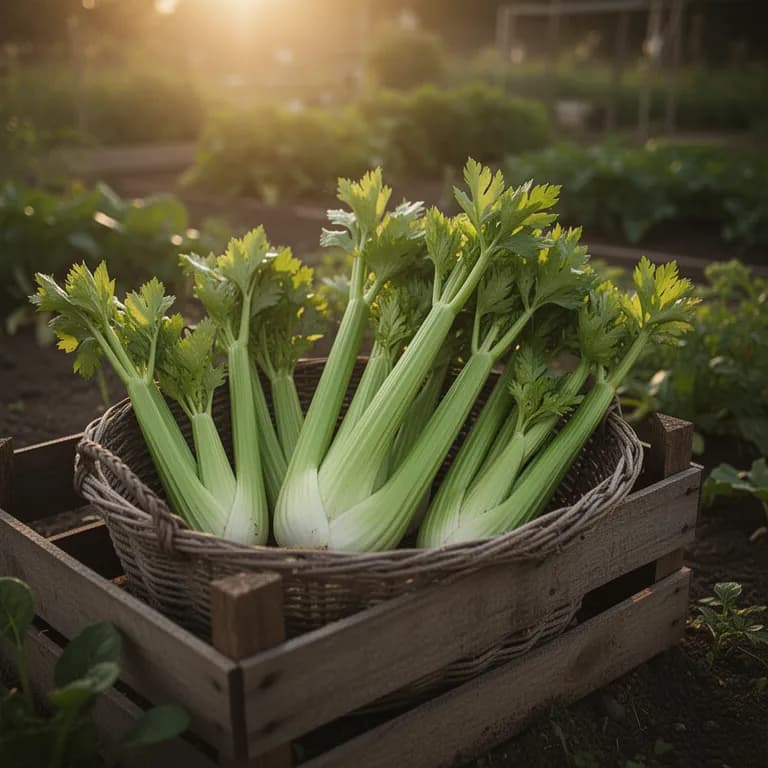
A moisture-demanding crop with a long growing season, producing crisp stalks when given consistent water.





On this pageOverview
Meet Celery
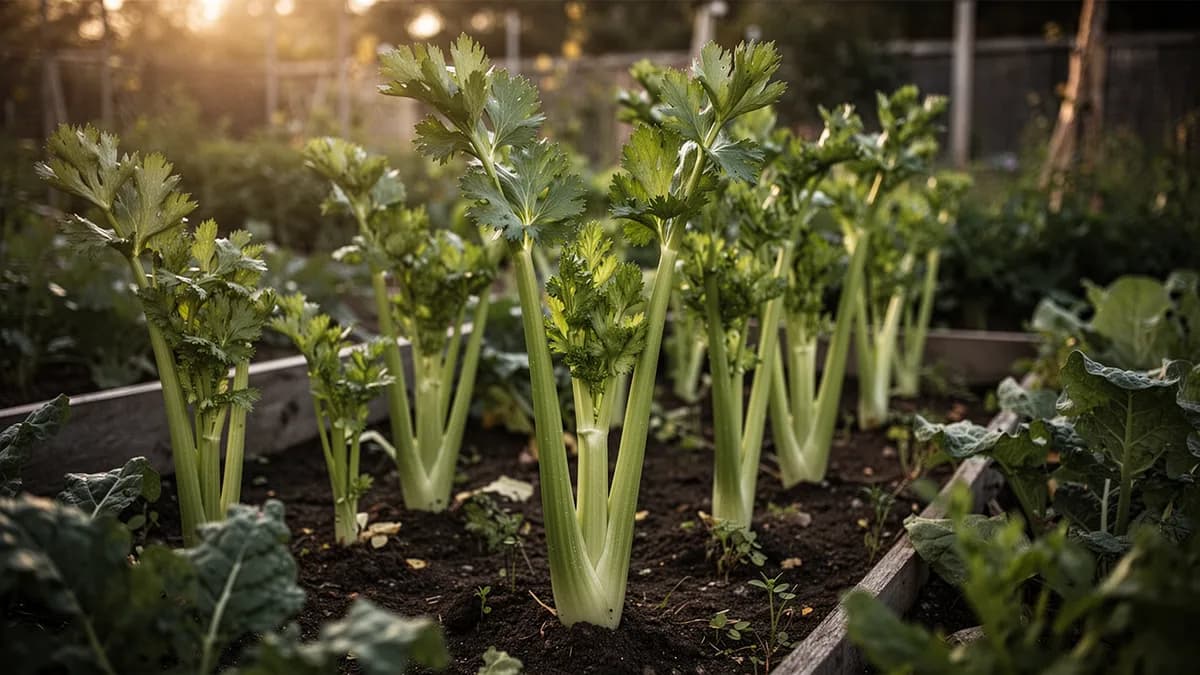
A moisture-demanding crop with a long growing season, producing crisp stalks when given consistent water. Start seeds indoors up to twelve weeks before the last frost since celery has a very slow germination rate. Blanch stalks by mounding soil or wrapping with cardboard to produce paler, milder-flavored stems. Celery is a heavy feeder that benefits from regular applications of compost tea or liquid fertilizer throughout the growing season.
When to plant Celery
Start celery seeds indoors 10-12 weeks before the last frost — this is one of the longest indoor seed-starting periods of any vegetable. Sow the tiny seeds on the surface of moist, sterile seed-starting mix and press them lightly into the surface without covering, as celery requires light for germination. Mist the surface gently with a spray bottle rather than watering from above, which can wash the lightweight seeds into crevices. Cover trays with clear plastic wrap or a humidity dome and keep at 18-21°C (65-70°F). Germination is slow and erratic, typically taking 14-21 days.
Once seedlings emerge, remove the humidity dome and provide 14-16 hours of bright light daily — a south-facing window is usually insufficient, so use grow lights positioned 5-8 cm above the seedlings. Keep the soil surface consistently moist but not waterlogged, as celery seedlings are very sensitive to both drought and damping off. When seedlings develop 2-3 true leaves, transplant them into individual cells or small pots, handling them carefully by the leaves rather than the delicate stems.
Begin hardening off gradually 7-10 days before your planned transplant date by placing seedlings outdoors in a sheltered, shaded location for 1-2 hours initially, increasing exposure daily. Transplant outdoors when nighttime temperatures consistently stay above 10°C (50°F). Be very cautious about cold exposure — celery seedlings subjected to temperatures below 7°C (45°F) for more than 10 consecutive days may be vernalized and bolt prematurely once warm weather arrives, ruining the crop. If a late cold snap threatens, protect transplants with row covers or cloches.
Your Celery Year
Composed for Zone 7 · typical seasons · frost passes Apr 2, returns Nov 1
Plant Celery Mar – May, pick Jul – Oct. Check the planting methods below and set your climate to personalize these windows.
How to grow Celery
Celery is one of the more demanding vegetables to grow, requiring a long cool growing season, abundant water, and rich soil. It has an extremely long germination period and growing cycle — start seeds indoors 10-12 weeks before the last frost date. Sow the tiny seeds on the surface of moist seed-starting mix and press lightly without covering, as they need light to germinate. Keep at 18-21°C (65-70°F) and be patient — germination takes 14-21 days. Mist regularly to prevent the surface from drying out.
Transplant hardened-off seedlings outdoors after the last frost when nighttime temperatures stay above 10°C (50°F), spacing them 20-25 cm apart in rich, deeply prepared beds. Celery has a shallow, fibrous root system that demands consistent moisture — even brief drought stress causes stringy, bitter, hollow stalks. Apply 5-8 cm of mulch and water deeply with 4-5 cm per week, ideally using drip irrigation. The ideal growing temperature is 15-21°C (60-70°F) — heat above 27°C (80°F) causes bolting and tough stalks.
Feed heavily every 2-3 weeks with liquid fish emulsion, compost tea, or a balanced water-soluble fertilizer — celery is among the most nutrient-hungry vegetables. For milder, pale stalks, blanch by wrapping lower stems with newspaper or brown paper bags 2-3 weeks before harvest, or grow self-blanching varieties that produce lighter stalks naturally. Side-dress with compost monthly to maintain consistent fertility throughout the long growing season.
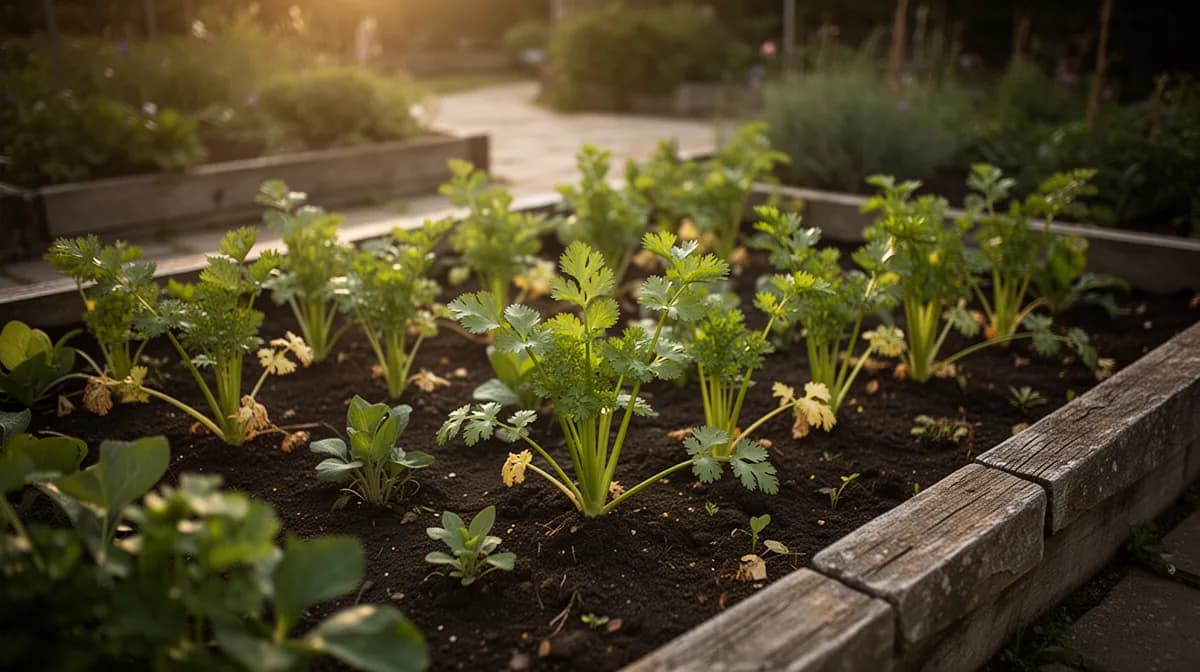
36 plants fit a 4 × 8 ft bed
Each Celery wants 25 cm of elbow room. The planner keeps that spacing for you — every plant, every bed.
Celery's best neighbours
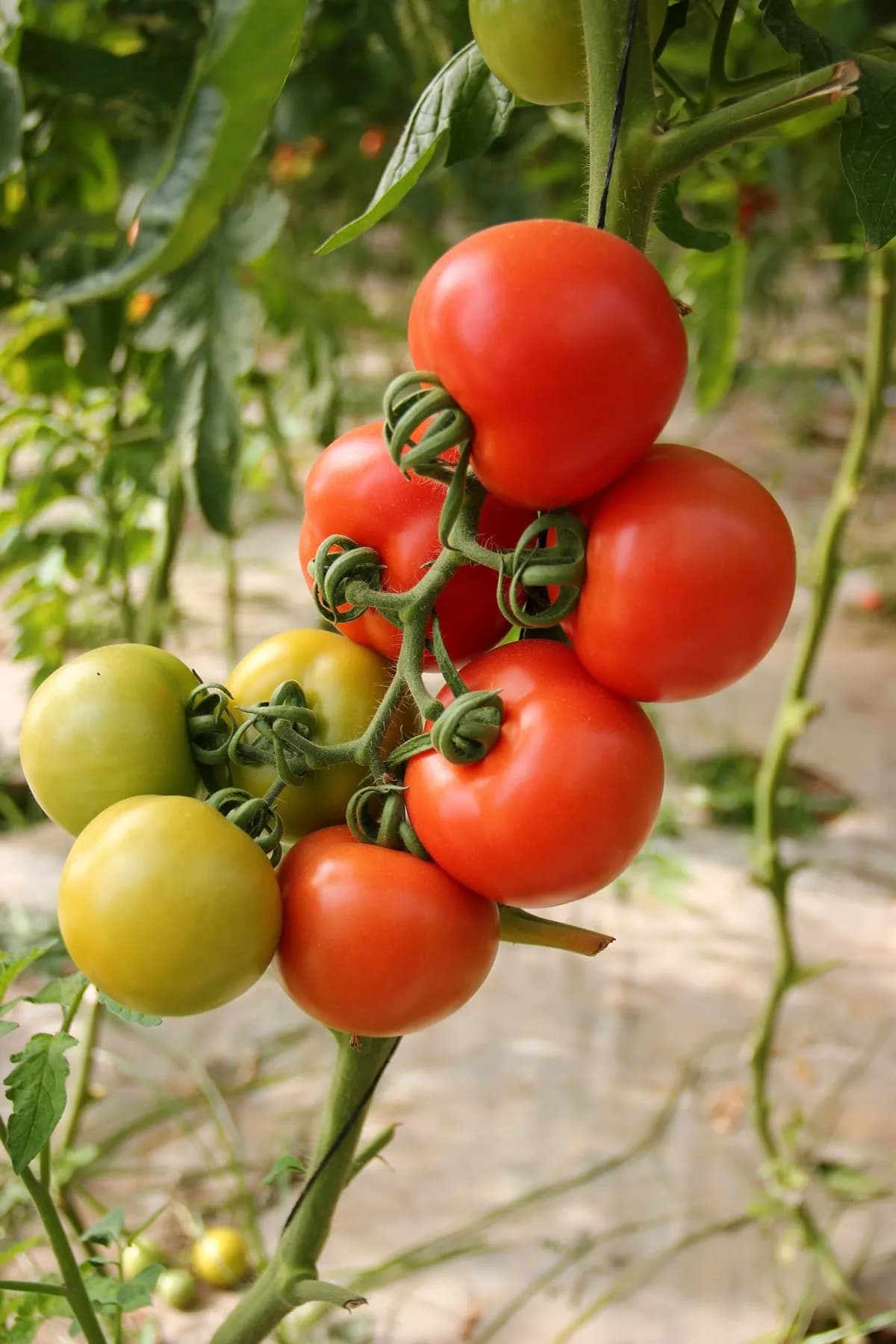
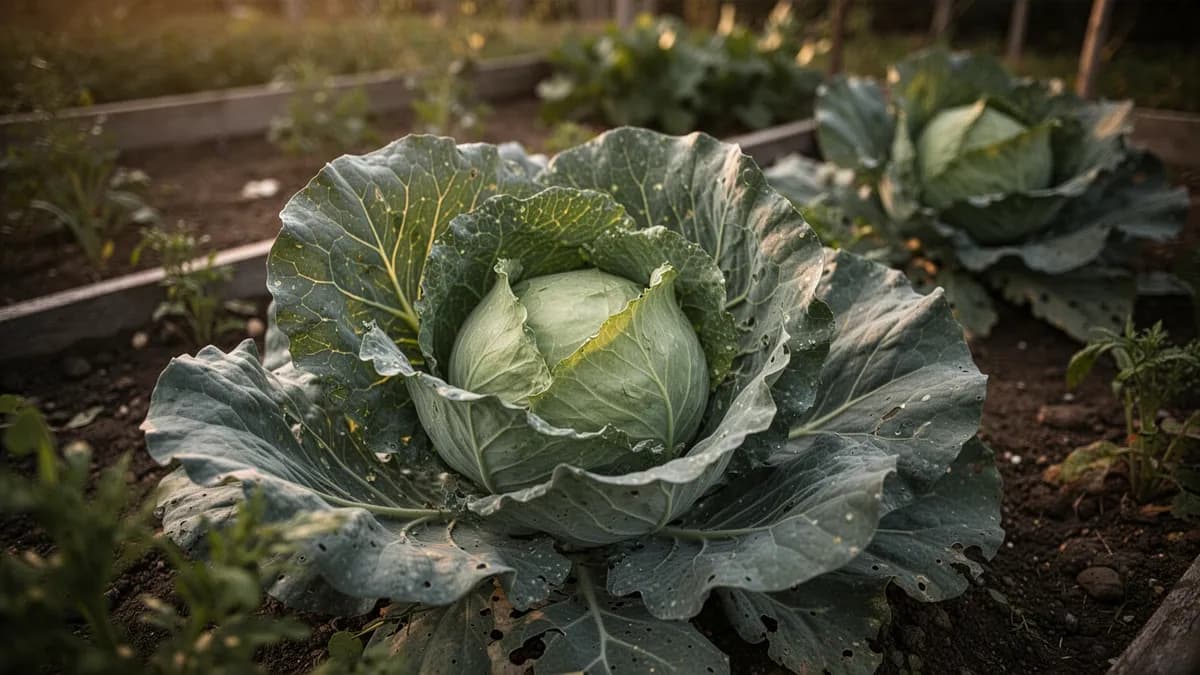
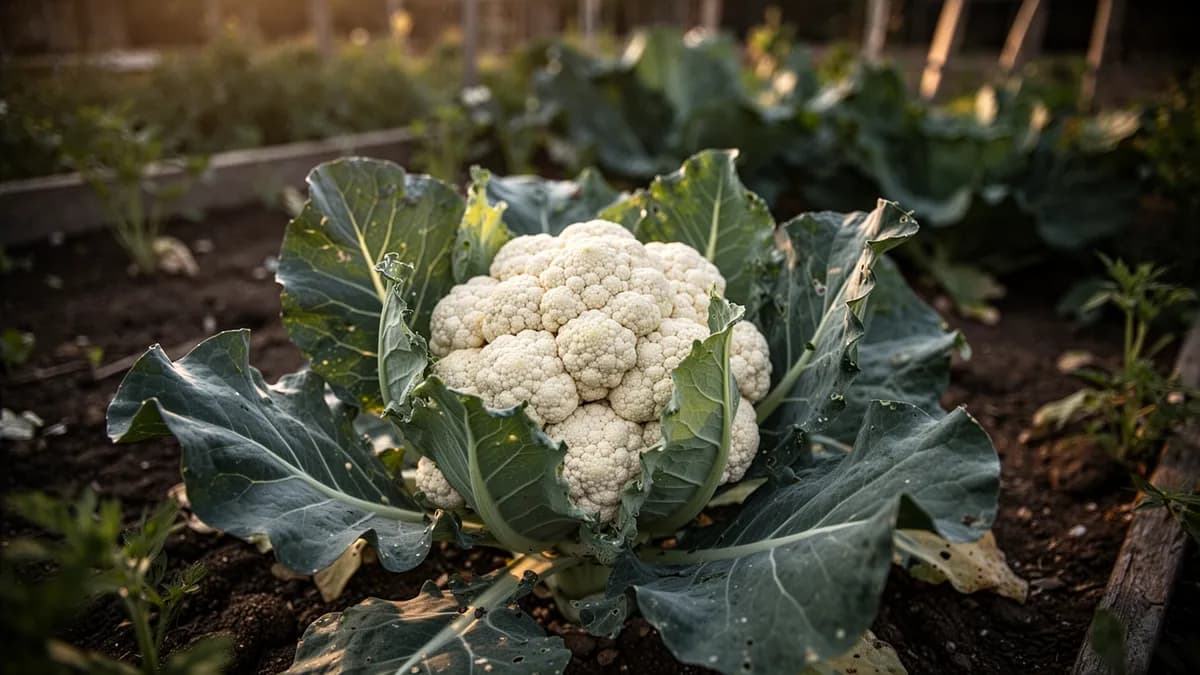
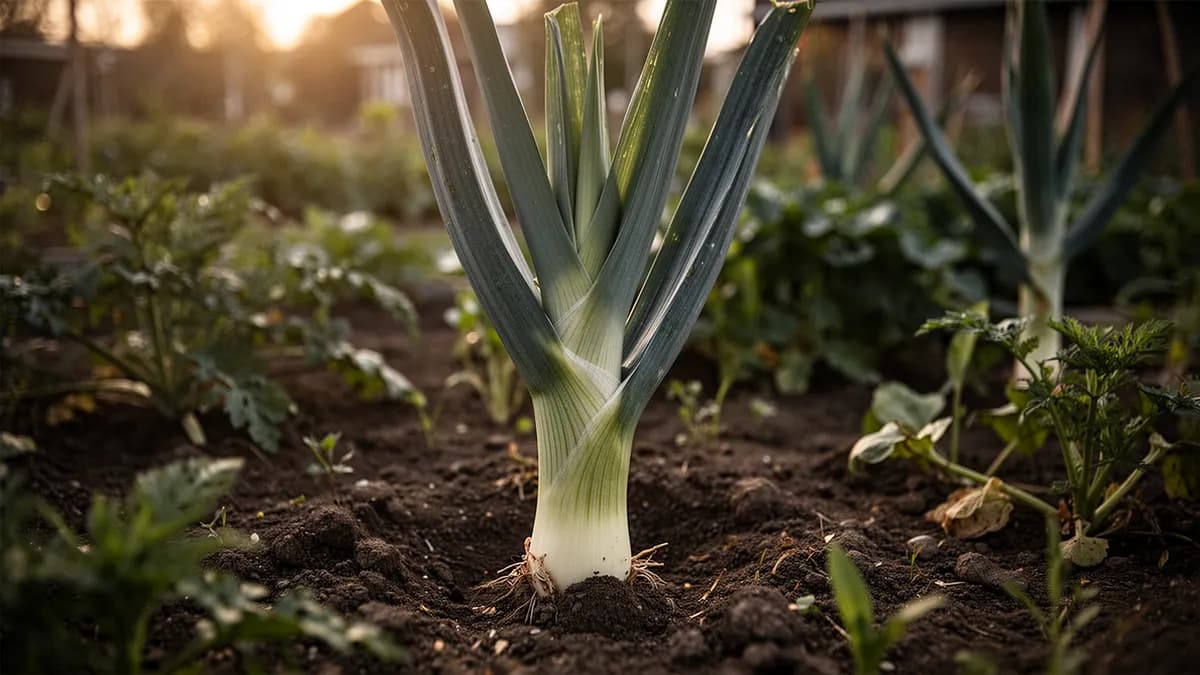
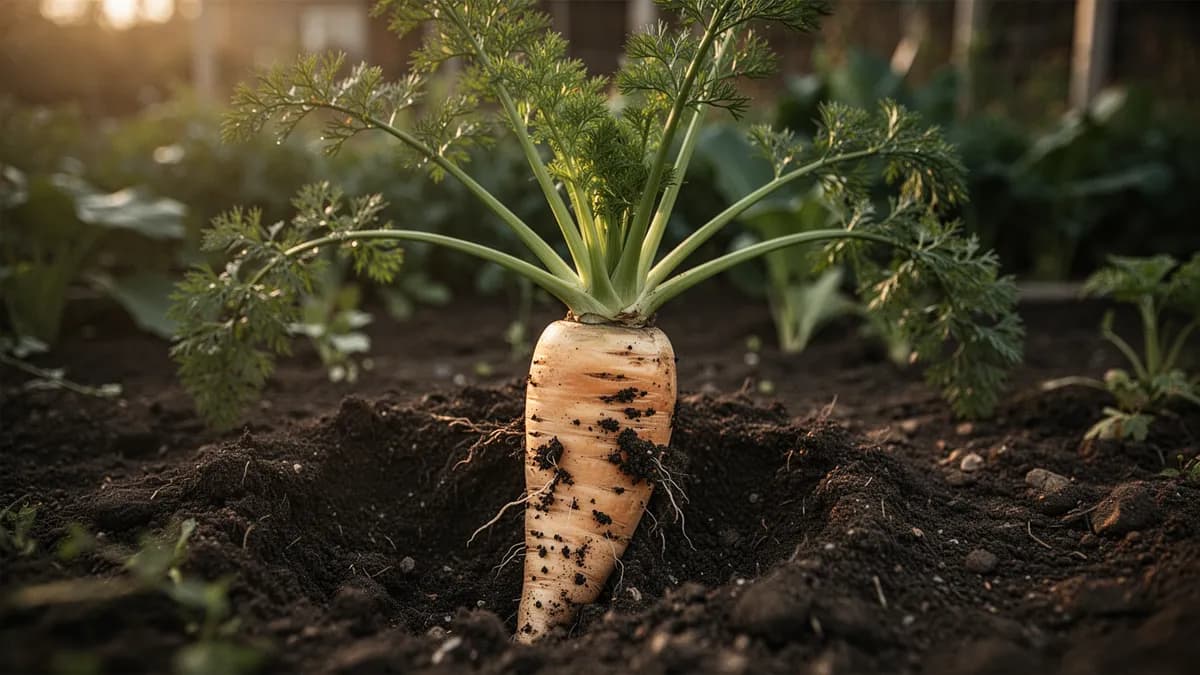
Tomatoes and celery are excellent companions — tomatoes provide partial shade that celery appreciates during warm weather, while celery's strong scent may help repel tomato hornworms. Cabbage family crops benefit from celery's aromatic oils which confuse cabbage butterflies and aphids. Leeks and celery share similar moisture requirements and grow well together without competing. Avoid planting near parsnips and carrots, which are in the same family and share pests like carrot rust fly — grouping them concentrates pest pressure.
Tomato belongs beside it. Parsnip doesn't.
Old growers' knowledge, checked against Celery's real companion table below — test any plant you're growing.
Try Celery in a bed — right here
A real planner bed with Celery already in it. Tap a companion to place it and watch the pairing checks answer — green for good neighbours, red for a clash.


Related growing guides
Feed it well
Celery requires exceptionally rich, moisture-retentive soil with a pH of 6.0-7.0. Prepare beds by working in 10-15 cm of compost or well-rotted manure — celery is one of the heaviest feeders in the garden. The soil should hold moisture without becoming waterlogged, so heavy clay soils benefit from compost to improve structure, while sandy soils need generous organic matter additions to boost water retention. If your soil is particularly sandy, consider growing celery in a slightly sunken bed or trench to help retain water around the shallow root system.
Apply a balanced granular fertilizer (10-10-10) at planting at a rate of about 100g per square meter, then begin side-dressing every 2-3 weeks with liquid fish emulsion, compost tea, or a water-soluble balanced fertilizer once plants are established. Celery is a particularly heavy nitrogen feeder — pale or yellowing leaves and thin stalks are signs of insufficient fertility. Calcium is critical to prevent blackheart (a disorder causing inner stalks to turn brown or black), and consistent watering is the key to ensuring steady calcium uptake rather than adding calcium amendments to the soil.
Mulch heavily with 5-8 cm of straw, shredded leaves, or grass clippings to retain the constant soil moisture celery demands. The mulch also keeps roots cool during warm spells and gradually adds organic matter as it decomposes. A mid-season top-dressing of compost around the plants provides a slow-release nutrient boost and improves soil structure over time. Boron is another micronutrient celery needs in small amounts — if you notice cracking stalks or brown internal discoloration, apply borax at 1 tablespoon per 30 square meters of bed area before the next planting cycle.
Ideal Temperature
Hardiness Zone Compatibility
From seed to harvest, stage by stage
Seed Starting
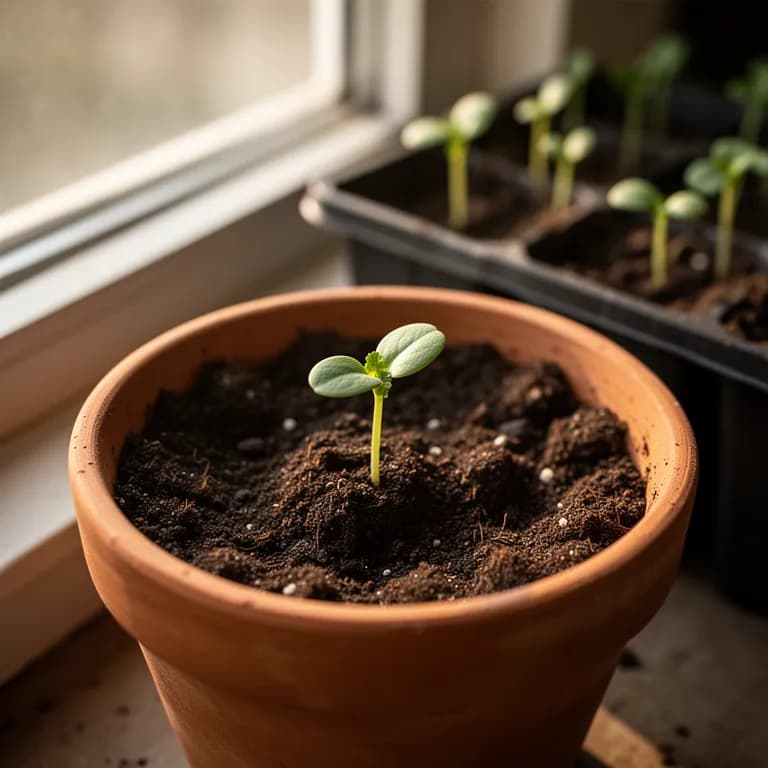
Tiny celery seeds are surface-sown on moist seed-starting mix and pressed lightly without covering, as they require light to germinate. Germination is slow, taking 14-21 days. First visible growth is a pair of tiny, round cotyledons emerging from the soil surface.
Seedling Growth
True leaves appear with the characteristic celery leaf shape — compound with serrated edges. Seedlings grow slowly, reaching 5-10 cm tall. The root system is shallow and fibrous, developing gradually in the starter container.
Transplanting
Hardened-off seedlings are moved outdoors into rich, deeply prepared beds with 20-25 cm spacing. Plants establish slowly for the first 1-2 weeks as the root system adapts to the garden environment. Growth appears to stall initially but accelerates once roots are established.
Vegetative Growth
Plants enter a period of rapid growth, producing new stalks from the center of the crown. Stalks elongate and thicken progressively, and the leaf canopy expands to shade the root zone. This is the period of highest water and nutrient demand.
Stalk Maturation
Stalks reach full size and develop their characteristic crisp texture and aromatic flavor. Inner stalks remain pale and tender while outer stalks become darker green and more fibrous. The celery heart — the compact cluster of inner stalks — is the most prized portion.
Harvest
The entire plant can be cut at the base, or outer stalks harvested individually while inner stalks continue growing. Celery harvested in cool fall weather has the sweetest, mildest flavor. Plants left too long in warm weather may bolt and become bitter.
Maintain 18-21°C (65-70°F) and consistent surface moisture with a humidity dome. Provide 14-16 hours of grow light daily once seedlings emerge. Mist gently rather than watering from above.
Caring for Celery month by month
What to do each month for your Celery
October
You are hereContinue harvesting — celery tolerates light frost and cool weather improves flavor. For root cellar storage, pull entire plants with roots and replant in moist sand at 0-2°C. Process any surplus by freezing, dehydrating, or making celery powder.
Know exactly what to do in your garden — every month
One email at the start of each month: what to sow, plant, and tackle right now — for your Celery and everything growing around it. Plus a short starter course that helps you dodge the classic mistakes.
- What to do, right now
- Matched to your season
- Starter course included
Harvesting Celery
Celery can be harvested in several ways: cut the entire plant at the base when it reaches full size (85-120 days after transplanting), or harvest individual outer stalks as needed throughout the season, allowing inner stalks to continue growing — this cut-and-come-again approach extends the harvest for weeks. Stalks are ready when they are firm, crisp, and at least 20 cm long. Harvest in the morning when stalks are most hydrated and crisp. For the mildest flavor, harvest blanched celery when the inner stalks are pale yellow-green. A light frost actually improves celery's flavor by concentrating sugars, making fall the ideal harvest season.
To harvest the whole plant, use a sharp knife to cut just below the soil line, keeping the base intact so the root mass holds all the stalks together. Shake off loose soil and remove any damaged, discolored, or very thin outer stalks. If you prefer the cut-and-come-again method, twist or snap outer stalks from the base when they reach full size, always leaving at least four to five inner stalks so the plant continues producing. This selective harvesting can extend your celery season by an additional four to six weeks beyond a single whole-plant harvest.
For blanched celery, begin the blanching process two to three weeks before your planned harvest date by wrapping stalks with newspaper, brown paper bags, or cardboard tubes — this excludes light and produces tender, pale stalks with a sweeter, less bitter flavor. Self-blanching varieties like 'Golden Self-Blanching' require less effort but still benefit from close planting to shade each other's stalks. After harvest, rinse stalks in cool water, trim the leafy tops (save them for cooking), and stand them upright in a container of cold water to restore full crispness if they have wilted during picking.
assuming you plant when the window opens — set your real date
Pick Celery promptly and the plant keeps producing.
Storage & Preservation
Wrap harvested celery stalks in aluminum foil (not plastic wrap) and store in the refrigerator crisper for 2-4 weeks — the foil allows ethylene gas to escape while retaining moisture, keeping stalks crisp far longer than plastic. For root cellar storage, pull entire plants with roots attached and replant in boxes of moist sand at 0-2°C (32-35°F) and 95% humidity — celery can keep for 2-3 months this way, making it one of the best fresh vegetables for long-term cold storage. Store celery away from ethylene-producing fruits like apples and pears, which accelerate deterioration.
For freezing, chop stalks into the sizes you typically use for cooking and blanch for 3 minutes in boiling water, then cool immediately in ice water and drain thoroughly. Spread pieces in a single layer on a parchment-lined baking sheet and freeze until solid before transferring to freezer bags — this prevents the pieces from clumping into a solid block. Frozen celery keeps for up to 12 months and is ideal for soups, stews, and stocks, though it loses its crisp texture and is not suitable for raw eating after thawing.
Dehydrate chopped celery at 52°C (125°F) for 6-10 hours until completely brittle, then grind into homemade celery powder — a versatile seasoning for rubs, soups, and spice blends. Celery leaves can be dried separately and used as an aromatic herb in cooking, or frozen in ice cube trays with olive oil for quick flavor additions. For a traditional preservation method, celery can be fermented in a salt brine to make a tangy, probiotic-rich condiment that pairs well with charcuterie and salads.
What goes wrong — and the fix
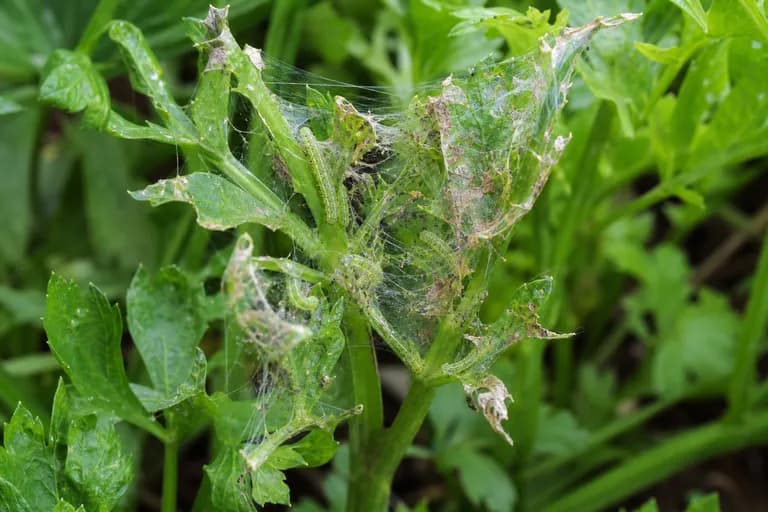
Celery Leaf Tier
PestSmall green caterpillars spin webs tying leaves together and feeding on inner foliage. Damaged leaves become skeletonized and brown within the webbing. Multiple generations can occur per season.
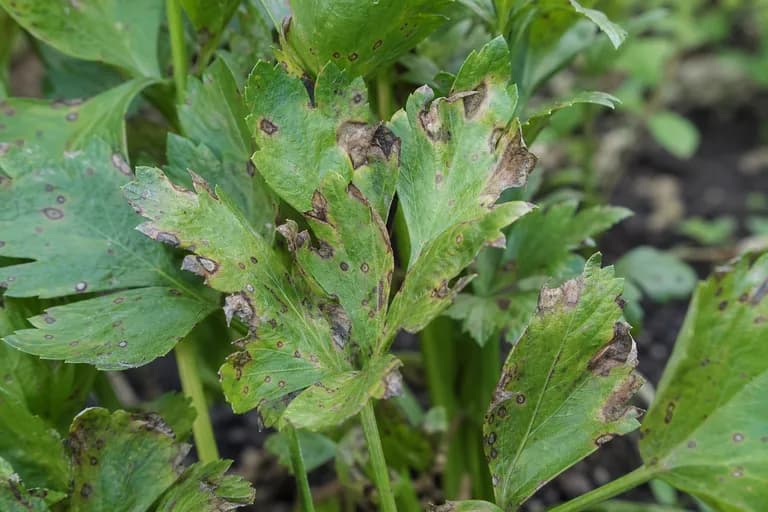
Early Blight (Cercospora Leaf Spot)
DiseaseSmall, yellow spots on older leaves that enlarge into brown, papery lesions with defined margins. Severe infections cause extensive leaf death, reducing plant vigor and stalk quality.
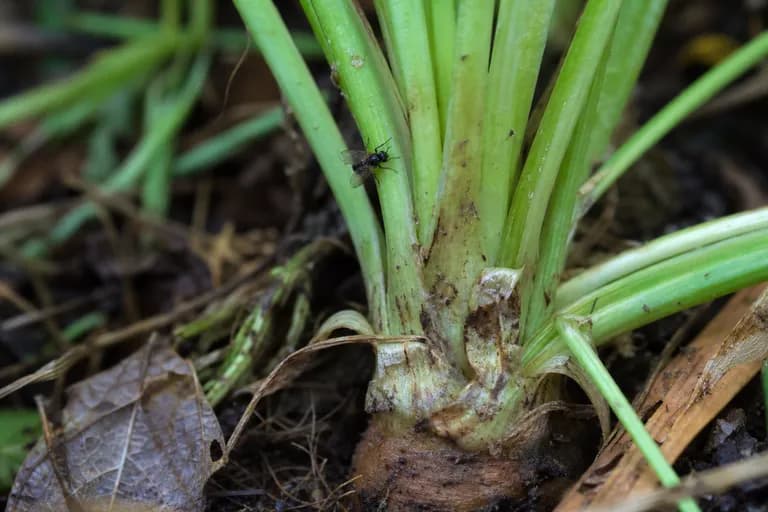
Carrot Rust Fly
PestSmall maggots tunnel into the root crown and lower stalks, causing rusty-brown tunnels and rot. Above-ground symptoms include wilting and stunted growth. Celery is in the same family as carrots and is susceptible to the same fly.
Fusarium Yellows
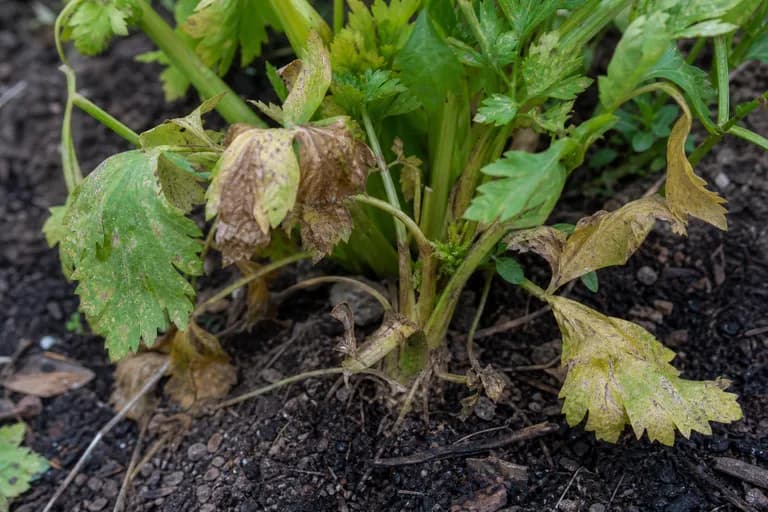
DiseaseLower leaves turn yellow, then brown, often on one side of the plant. Growth is stunted, stalks are thin and bitter. Internal vascular tissue shows reddish-brown discoloration.
Troubleshooting Common Problems
Stringy, tough stalks are the most common complaint and are caused by drought stress, heat, or insufficient fertility. Maintain consistent moisture and feed regularly to prevent this issue. If stalks are already stringy, they can still be used for stocks, soups, and juicing where texture is less important. Hollow, pithy stalks indicate boron deficiency — apply borax at 1 tablespoon per 30 square meters before planting and ensure soil pH stays in the 6.0-7.0 range for optimal boron availability.
Blackheart (brown or black discoloration of inner stalks and growing tips) is caused by calcium deficiency, usually from irregular watering that disrupts calcium uptake rather than a lack of soil calcium. Establish a consistent watering schedule using drip irrigation or soaker hoses to maintain even soil moisture. In severe cases, a foliar calcium spray can provide a short-term fix, but address the watering issue as the root cause. Bolting (premature flowering) occurs when young plants experience prolonged cold below 10°C (50°F) for more than 10 days followed by warming — avoid transplanting too early in spring and use row covers during unexpected cold snaps.
Bitter flavor is another frequent problem and typically develops from heat stress, water stress, or both. During hot spells above 27°C (80°F), provide afternoon shade with shade cloth (50-70% density) and increase watering frequency. Slow or stunted growth is normal in the early weeks after transplanting — celery is notoriously slow to establish — but persistent poor growth may indicate compacted soil, root damage from pests, or insufficient nutrition. Inspect roots for carrot rust fly damage if growth stalls despite adequate water and fertility.
Growing Tips
- Celery demands patience — it has one of the longest seed-to-harvest timelines of any vegetable (130-180 days total). Start seeds indoors 10-12 weeks before last frost, and plan for an additional 85-120 days in the garden after transplanting.
- Water is the single most important factor for celery success. The shallow root system cannot access deep soil moisture, so drip irrigation or soaker hoses on a timer are essential. Aim for 4-5 cm (1.5-2 inches) of water per week, and never let the soil dry out.
- Celery prefers cool weather — the ideal growing temperature range is just 15-21°C (60-70°F). In hot climates, grow celery as a fall crop by transplanting in late summer, or provide 50-70% shade cloth during heat waves to prevent bolting and bitterness.
- Feed celery more than you think is necessary. It is one of the heaviest feeders in the garden. Side-dress with liquid fish emulsion or compost tea every 2-3 weeks from transplanting through harvest. Pale leaves mean more nitrogen is needed.
- Blanching produces milder, more tender celery. Wrap stalks with newspaper, paper bags, or cardboard tubes 2-3 weeks before harvest to exclude light. Alternatively, plant self-blanching varieties or space plants closely so they shade each other.
- Protect young transplants from cold snaps — celery exposed to temperatures below 7°C (45°F) for more than 10 consecutive days can bolt prematurely, ruining the crop. Use row covers or cloches during unexpected cold spells in spring.
- Harvest outer stalks first using the cut-and-come-again method to extend your harvest by 4-6 weeks. Always leave at least 4-5 inner stalks so the plant continues producing new growth from the center.
- Save and use celery leaves — they are packed with flavor and make an excellent herb for soups, salads, and garnishes. Dry them for a concentrated celery seasoning, or freeze them in ice cube trays with olive oil for convenient cooking additions.
Grow your best Celery yet — and everything around it.
Start a free plan today. Lay out your beds, drop in your Celery, and let PlotMyGarden handle the timing, spacing, companions and reminders from seed to harvest basket.
Pick your Celery
Tall Utah 52-70R Improved
The standard green celery for home gardens with crisp, thick, dark-green stalks and excellent flavor. Disease-resistant and widely adapted. 100 days from transplant. Good for fresh eating and cooking.
Golden Self-Blanching
An heirloom French variety that naturally produces pale yellow-green stalks without wrapping or hilling. Compact, tender plants with mild, sweet flavor. 85 days. Easier to grow than green types.
Tango
A hybrid with extra-thick, smooth stalks and outstanding crisp texture. Dark green with excellent disease resistance. 80-85 days. Performs well in a wide range of climates and resists bolting.
Redventure
A striking variety with deep red stalks that retain color when cooked. Adds visual appeal to gardens and plates. Slightly more peppery flavor than green types. 85-90 days. Good disease tolerance.
A single celery plant grown from a $2-3 seed packet (which contains hundreds of seeds) produces the equivalent of 1-2 store-bought bunches worth $2-4 each at conventional prices, or $4-6 at organic prices. A modest 10-plant row can yield the equivalent of $40-60 worth of organic celery over the season. Homegrown celery also offers dramatically superior flavor and crispness compared to grocery store celery that may have traveled for days.
Quick recipes
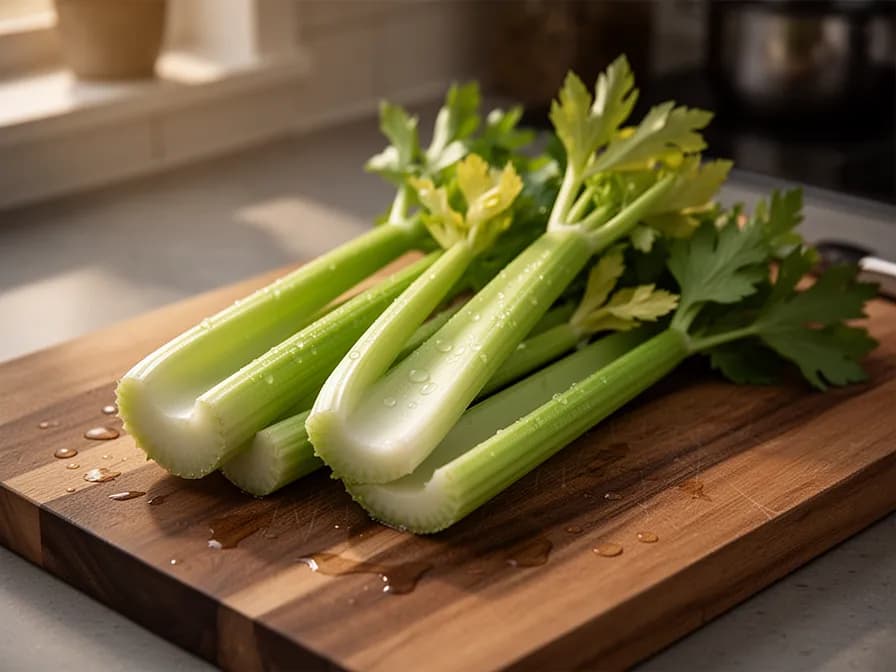
Classic Waldorf Salad
15 minA timeless salad combining crisp celery with sweet apple, crunchy walnuts, and creamy dressing. Invented at the Waldorf-Astoria hotel in the 1890s, this elegant dish showcases celery as a star ingredient rather than a supporting player.
7 ingredients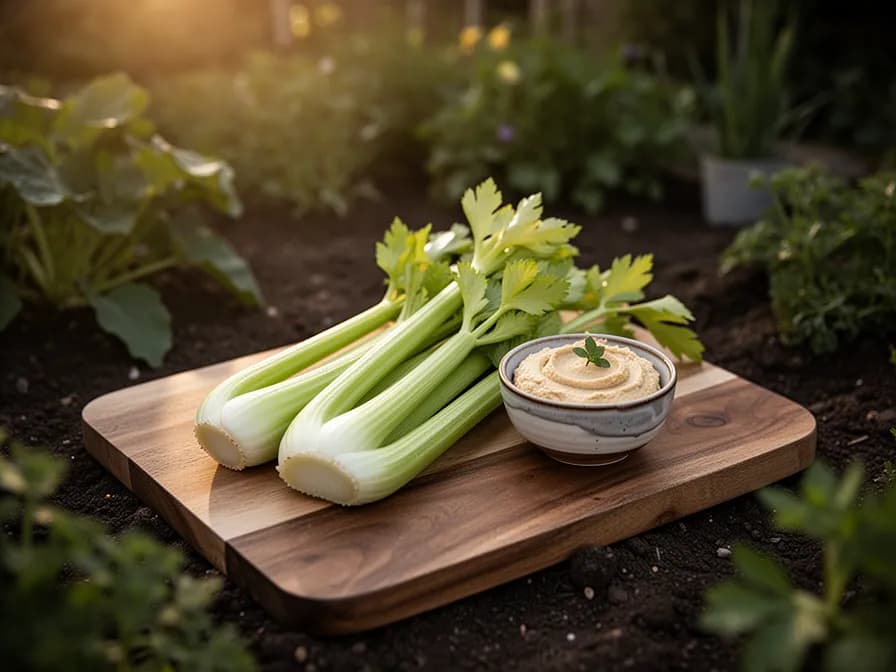
Cream of Celery Soup
40 minA velvety, comforting soup that transforms humble celery into a silky, elegant first course. The delicate celery flavor is enhanced by a base of onion and potato, then pureed until smooth. Perfect for using an entire head of garden celery.
7 ingredientsAnts on a Log
5 minThe beloved childhood snack that never gets old — crisp celery sticks filled with creamy peanut butter and topped with sweet raisins. A perfect after-school snack that balances protein, fiber, and natural sweetness, and a wonderful way to introduce kids to garden vegetables.
4 ingredientsCulinary Uses
Celery is a kitchen essential — the base of the classic French mirepoix (celery, onion, carrot) used in stocks, soups, stews, and sauces across Western cuisine. Eat stalks raw with dips, peanut butter, cream cheese, or hummus for a satisfying low-calorie snack. Add crisp celery to salads like Waldorf salad (celery, apple, walnut, and mayonnaise), chicken salad, and tuna salad for crunch and freshness. Celery is indispensable in Bloody Marys, green juices, and smoothies.
Braised celery hearts are an underappreciated side dish — halve hearts lengthwise, brown in butter, then braise in chicken stock until tender and caramelized for an elegant accompaniment to roasted meats. Celery also shines in stir-fries, fried rice, and Asian soups. The leaves are a flavorful herb in their own right — chop and use them as you would flat-leaf parsley for garnishing soups, salads, and grain bowls, or dry them and grind into celery leaf seasoning.
Celery pairs beautifully with cream cheese, blue cheese, walnuts, apples, citrus, and fennel. It is remarkably low in calories (just 6 calories per stalk) while providing meaningful amounts of fiber, vitamin K, folate, potassium, and vitamin A. The compound apigenin found in celery has been studied for its anti-inflammatory and antioxidant properties, making celery not just a culinary staple but a nutritionally valuable vegetable worth growing in any garden.
What's inside
Health Benefits
- Extremely low calorie density — at only 6 calories per stalk, celery is one of the best snacking vegetables for weight management while providing satisfying crunch and hydration.
- Rich in Vitamin K — one cup of chopped celery provides about 30% of daily needs, essential for proper blood clotting and supporting long-term bone health.
- Contains the flavonoid apigenin, which has been studied for anti-inflammatory properties and may help reduce oxidative stress in the body.
- Good source of folate (vitamin B9), which is critical for DNA synthesis, cell division, and is especially important during pregnancy for preventing neural tube defects.
- Provides natural electrolytes — celery contains both potassium and small amounts of sodium, supporting healthy fluid balance and blood pressure regulation.
- High water content (95%) makes celery an excellent hydrating food, contributing to daily fluid intake while providing fiber that supports digestive regularity.
Where Celery comes from
Celery's ancestor, wild celery or smallage (Apium graveolens var. graveolens), grew in salty marshes and wetlands across Europe, the Mediterranean, and western Asia for millennia. Ancient civilizations valued it primarily for medicinal and ceremonial purposes rather than food. The ancient Egyptians placed celery garlands in tombs, the Greeks awarded celery wreaths to athletic champions at the Nemean Games (predating the tradition of laurel wreaths), and the Romans wore celery during feasts, believing it would counteract the effects of excessive wine.
The transformation from bitter medicinal plant to palatable food vegetable began in Italy and France during the 16th and 17th centuries. Italian gardeners in the marshes of Lombardy developed sweeter, milder strains through generations of selective breeding, eventually producing the blanched, tender-stalked celery recognizable today. By the 1700s, celery had spread throughout European cuisine, and French chefs established it as a foundational ingredient in mirepoix — the aromatic base of countless classical sauces and soups.
Celery arrived in North America with European settlers in the early 1800s and quickly found favor in American cuisine. Kalamazoo, Michigan became known as 'Celery City' in the late 19th century, producing vast quantities in its muck soils. The Dutch and German immigrants who pioneered commercial celery farming there helped establish it as the everyday kitchen staple we know today, a far cry from the bitter marsh weed that grew wild across ancient Mediterranean coastlines.
Celery: did you know?
Fascinating facts about Celery
Celery was originally used as a medicine in ancient Egypt, Greece, and Rome — it was prescribed for ailments ranging from hangovers to insomnia. It did not become a common food crop until the 17th century in Italy and France.
Celery questions, answered
When should I plant Celery?
What are good companion plants for Celery?
What hardiness zones can Celery grow in?
How much sun does Celery need?
How far apart should I space Celery?
What pests and diseases affect Celery?
How do I store Celery after harvest?
What are the best Celery varieties to grow?
What soil does Celery need?
Why is my celery stringy and tough?
How do I blanch celery and is it necessary?
Can I regrow celery from a store-bought base?
Why did my celery bolt and go to seed?
Can I grow celery in containers?
What is the best variety for beginners?
You just read the theory. Now grow it on autopilot.
Everything that makes Celery fiddly — the timing, the spacing, the companions, the harvest window — is exactly what PlotMyGarden handles for you, for every plant in your garden.
A plan that knows your weather
Set your location once. Get sow, feed and harvest dates built around your real last-frost date and live forecast — no more guessing from a generic seed packet.
From the “When to plant” sectionDrag-and-drop bed planner
Design beds on a grid. Every plant snaps to its proper spacing, and you can see your whole season laid out before you spend a cent on seed.
From the “Growing guide” sectionCompanion conflicts, caught early
200+ good-and-bad pairings checked live as you plant — so a season-wrecking mistake never makes it into the ground.
From the “Companions” sectionReminders you'll actually act on
“Water the beans.” “Pick today before it turns.” Timely, specific, and tied to the plants you're really growing.
From the “Harvest” sectionSuccession, scheduled
Want a harvest for six weeks, not six days? It spaces your sowings automatically and reminds you when each new block is due.
From the “When to plant” sectionA record that gets smarter
Every harvest you log teaches it your garden. Next year's plan starts from what actually worked in your soil, not a textbook's.
From the “Overview” sectionPlant these alongside Celery
More Stalks & Stems
Keep Celery away from these
Garden plans featuring Celery
Grow your best Celery yet — and everything around it.
Start a free plan today. Lay out your beds, drop in your Celery, and let PlotMyGarden handle the timing, spacing, companions and reminders from seed to harvest basket.