Okra
A heat-loving plant producing ribbed, edible pods that must be harvested young at two to three inches to remain tender and flavorful.





On this pageOverview
Meet Okra
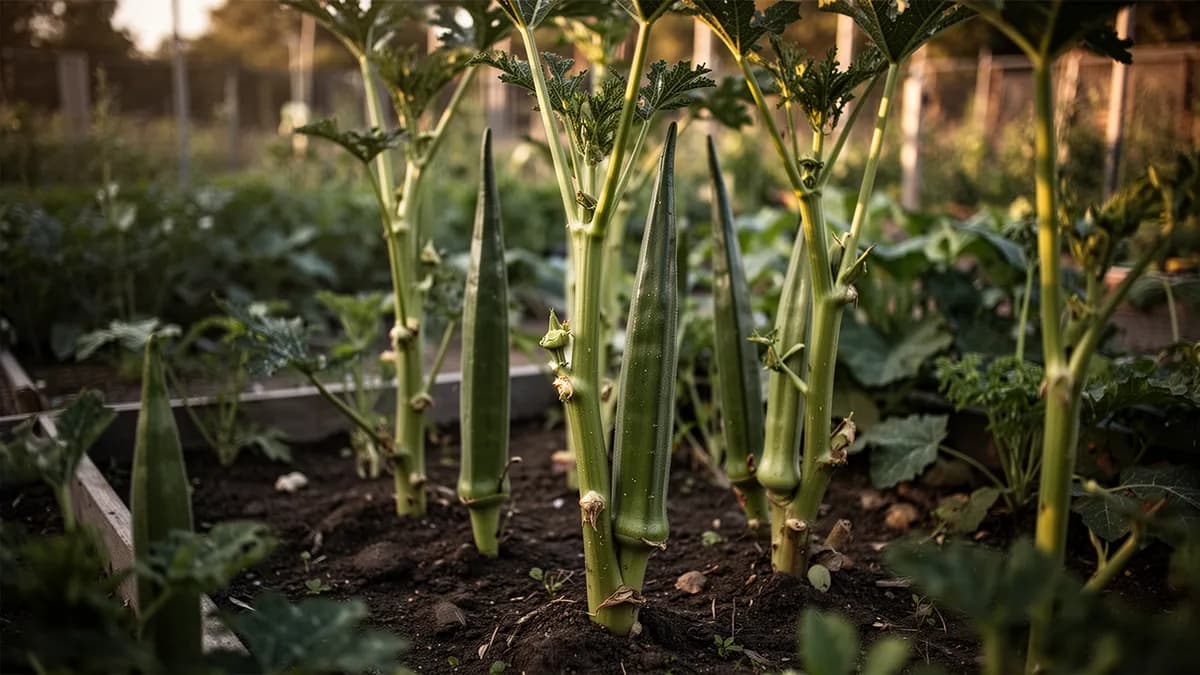
A heat-loving plant producing ribbed, edible pods that must be harvested young at two to three inches to remain tender and flavorful. Thriving in temperatures above 85 degrees Fahrenheit, okra is one of the most productive warm-season crops for hot, humid climates. Soak seeds overnight before planting to speed up germination, and space plants generously as they can grow quite tall. The mucilaginous quality of the pods acts as a natural thickener in gumbo and stews, or can be minimized by high-heat roasting.
When to plant Okra
Okra can be direct-sown or started indoors, though direct sowing is the preferred method in regions with long, hot summers. For direct sowing, wait until soil temperatures reach at least 18°C (65°F), and preferably 24°C (75°F) for fastest germination. The single most important step for successful okra germination is soaking seeds in warm water for 12-24 hours before planting to soften the extremely hard seed coat. Without this treatment, germination is slow, erratic, and often fails entirely. Alternatively, carefully nick the seed coat with a file or sandpaper — just enough to expose the lighter-colored interior without damaging the embryo. Sow seeds 2 cm (3/4 inch) deep and 15-20 cm apart in rows spaced 60-90 cm apart, then thin to the strongest seedling at each station once plants are 10 cm tall.
For indoor starting in areas with shorter growing seasons, begin seeds 4-6 weeks before the last expected frost date in large, deep biodegradable pots (at least 10 cm diameter) to minimize root disturbance at transplanting. Okra develops a strong, sensitive taproot early in life that does not recover well from disturbance — never start okra in shallow cell trays or try to bare-root transplant seedlings. Use a heat mat to maintain soil temperature at 27°C (80°F), which produces germination in 5-7 days. Provide 14-16 hours of strong light from grow lights once seedlings emerge. Feed with quarter-strength liquid fertilizer weekly from the two-leaf stage.
Begin hardening off indoor-started seedlings 7-10 days before your planned transplant date by gradually exposing them to outdoor conditions — start with 2 hours of sheltered shade and increase daily. Transplant only after nighttime temperatures reliably exceed 15°C (60°F) and soil has warmed thoroughly. Plant at the same depth as in the pot, water deeply with a dilute fish emulsion solution, and protect young transplants from wind for the first week. Whether direct-sown or transplanted, okra germinates and grows slowly in its first few weeks before accelerating dramatically once summer heat arrives — do not be discouraged by the initially slow pace. Once temperatures soar above 30°C (85°F), okra becomes one of the fastest-growing plants in the garden.
Your Okra Year
Composed for Zone 7 · typical seasons · frost passes Apr 2, returns Nov 1
Plant Okra May – Jun, pick Jul – Oct. Check the planting methods below and set your climate to personalize these windows.
How to grow Okra
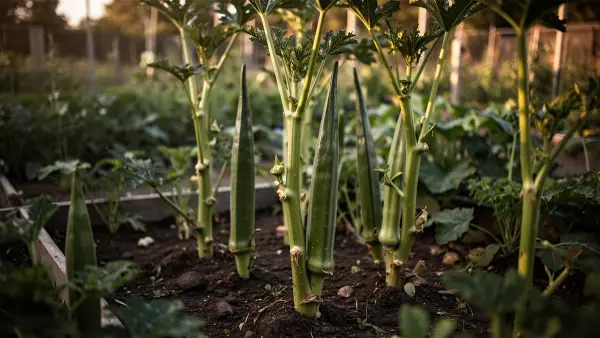
Okra is a tropical mallow family plant that thrives in extreme heat where many other vegetables struggle — it is one of the few crops that actually produces better when temperatures soar above 30°C (85°F). Related to hibiscus, okra produces beautiful yellow flowers with dark centers before each pod develops. It requires at least 55-65 frost-free days and grows best in the hottest, most humid conditions your garden can offer.
Soak seeds in warm water for 12-24 hours before planting to soften the hard seed coat and speed germination — without soaking, germination is slow and erratic. Alternatively, nick the seed coat with a file. Sow seeds 2 cm (3/4 inch) deep and 15-20 cm apart in rows spaced 60-90 cm apart, or plant in hills with 3-4 seeds thinned to the strongest plant. Wait until soil temperatures reach 18°C (65°F) minimum, preferably 24°C (75°F) or warmer — okra seeds rot in cold, wet soil.
Once established, okra is remarkably drought-tolerant but produces best with consistent moisture of 2.5 cm per week. Feed at planting with a balanced fertilizer and side-dress monthly during the growing season. The plants can reach 120-240 cm tall depending on variety, so provide adequate spacing and consider staking in windy locations. Mulch after soil has thoroughly warmed to conserve moisture and suppress weeds. Harvest pods every 1-2 days when they are 5-8 cm long — pods left on the plant become woody within days and signal the plant to slow production.
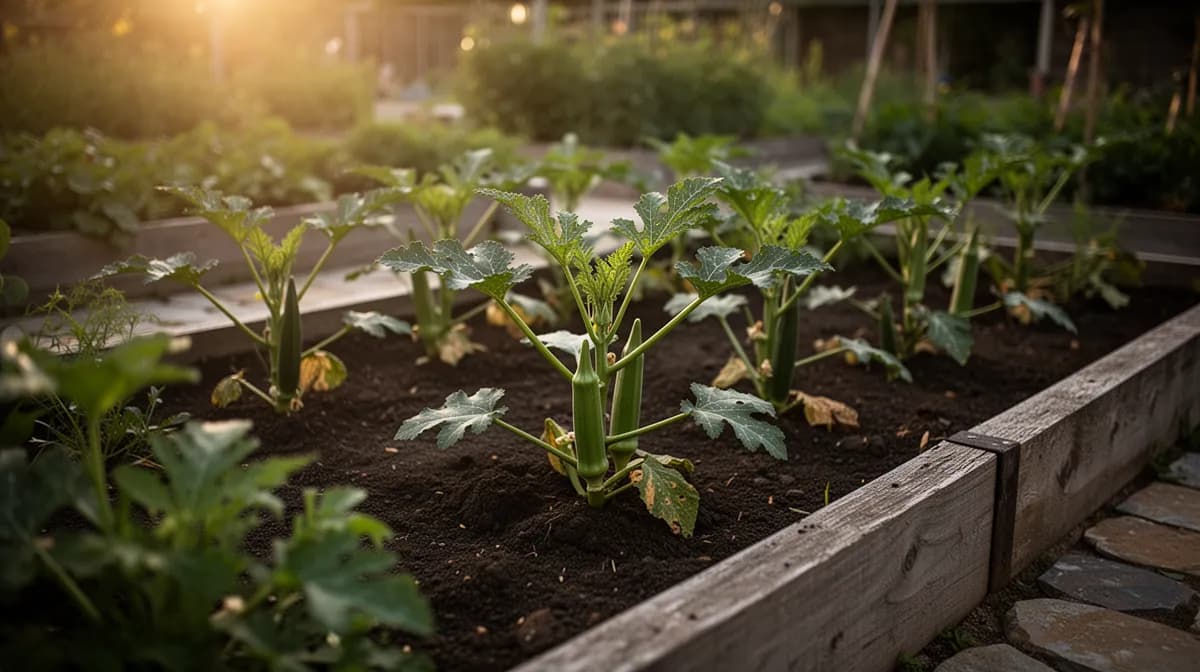
10 plants fit a 4 × 8 ft bed
Each Okra wants 45 cm of elbow room. The planner keeps that spacing for you — every plant, every bed.
Okra's best neighbours
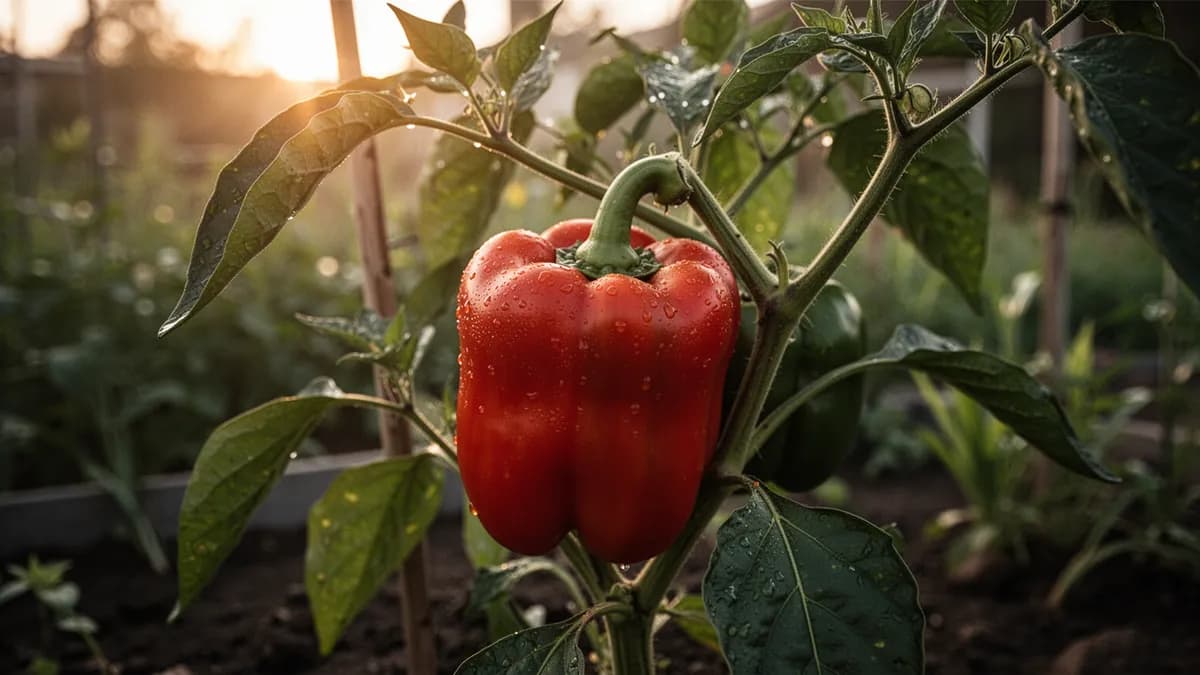
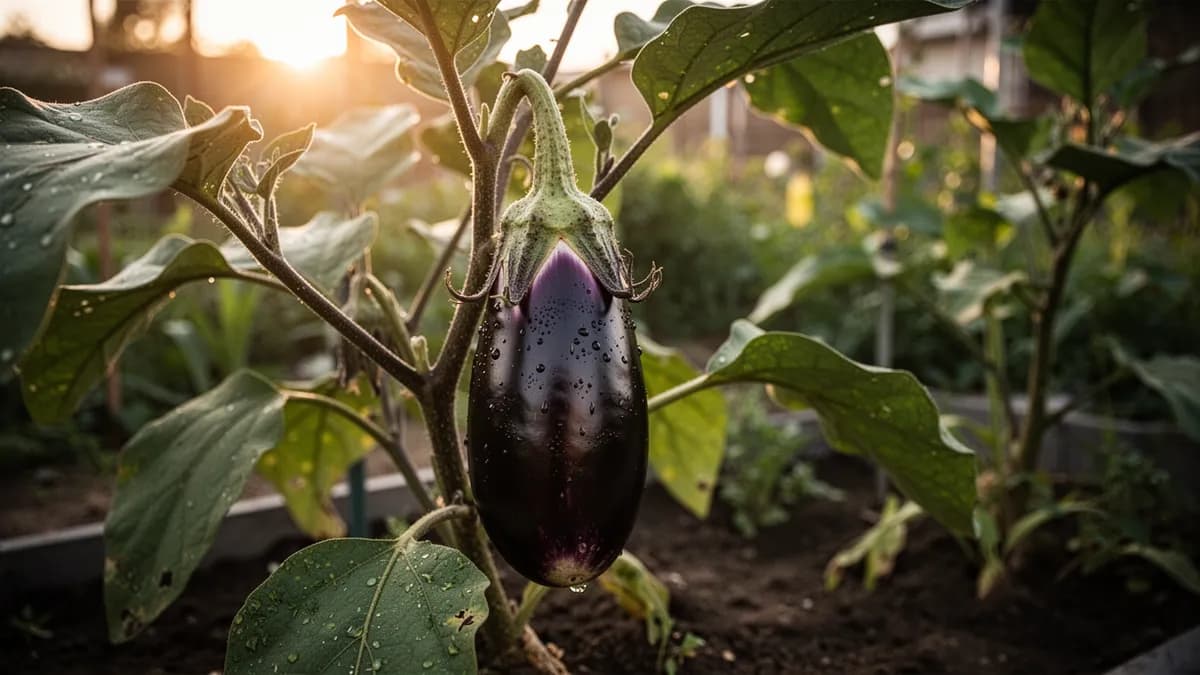
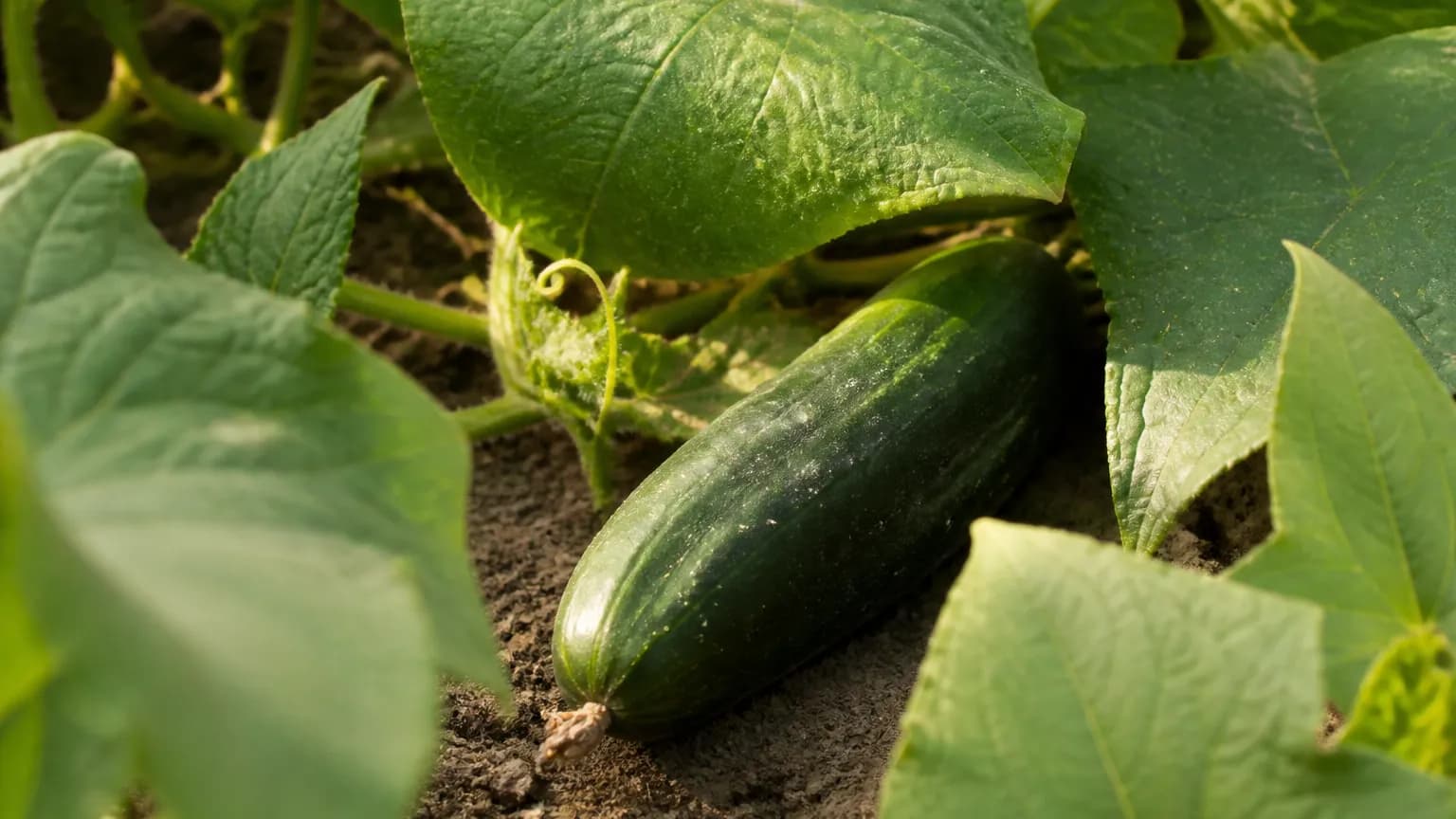
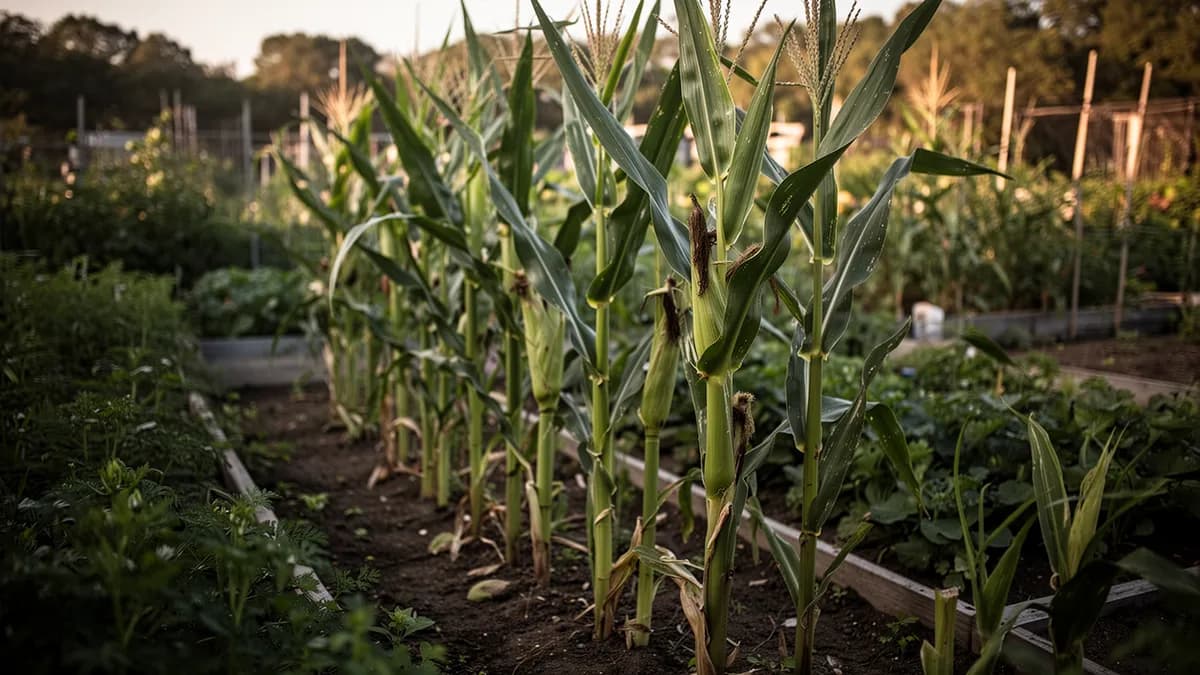
Bell peppers and eggplant are excellent okra companions since all three thrive in the same hot conditions and have compatible water and nutrient needs. Cucumbers benefit from the partial afternoon shade that tall okra plants can provide during the hottest weather. Basil and marigolds planted near okra repel aphids and other common pests with their aromatic oils. Avoid planting near sweet potatoes, as both are susceptible to root-knot nematodes and planting them together concentrates nematode populations in the soil, worsening damage to both crops.
Bell Pepper belongs beside it. Sweet Potato doesn't.
Old growers' knowledge, checked against Okra's real companion table below — test any plant you're growing.
Try Okra in a bed — right here
A real planner bed with Okra already in it. Tap a companion to place it and watch the pairing checks answer — green for good neighbours, red for a clash.


Related growing guides
Feed it well
Okra grows best in fertile, well-drained soil with a pH of 6.0-6.8 that warms quickly in spring. Sandy loam is ideal because it provides the excellent drainage and rapid soil warming that okra demands, but any well-drained soil generously amended with compost will produce good results. Heavy clay soils are problematic — they stay cold and wet in spring, which rots seeds and stunts young plants. If your garden has clay soil, build raised beds at least 20 cm high and amend heavily with compost, coarse sand, and aged bark to improve drainage and aeration. Black plastic mulch laid over beds 2-3 weeks before planting warms the soil significantly faster and gives okra the head start it craves.
Before planting, work 5-8 cm of aged compost and a balanced granular fertilizer (10-10-10) into the top 20 cm of soil. Okra is a moderate feeder that benefits from consistent but not excessive nutrition throughout the growing season. Side-dress with a balanced fertilizer or ring of compost around each plant every 4-6 weeks during active growth. When plants begin flowering, switch to a phosphorus-rich fertilizer or add bone meal to encourage prolific pod production rather than vegetative growth. Avoid excessive nitrogen, which promotes tall, leafy plants that channel energy into foliage at the expense of pods — a classic mistake with okra.
Okra's deep taproot system makes it surprisingly drought-tolerant once established, but consistent moisture during flowering and pod development produces significantly higher yields. Apply organic mulch (straw, wood chips, or shredded leaves) once the soil has thoroughly warmed to at least 21°C (70°F) — mulching too early keeps the soil cool and defeats the purpose. Potassium is important for overall plant vigor and pod quality, so a mid-season application of wood ash or potassium sulfate benefits production. In acidic soils below pH 6.0, apply dolomitic lime several weeks before planting to raise the pH and supply magnesium and calcium that support strong cell walls and healthy pod development.
Ideal Temperature
Hardiness Zone Compatibility
From seed to harvest, stage by stage
Seed Starting
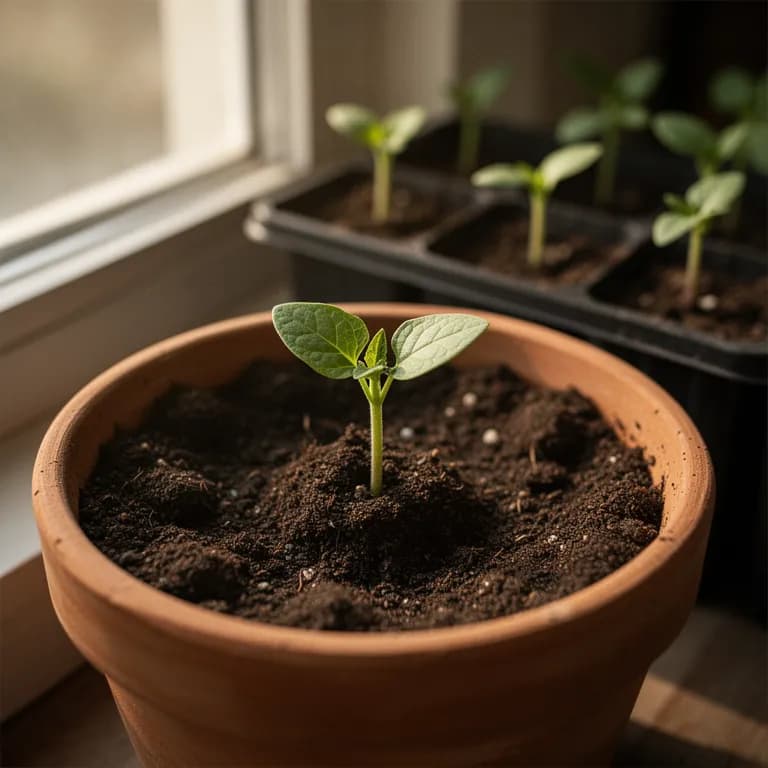
Seeds germinate in warm soil after soaking overnight to soften the hard seed coat. A white radicle root emerges first, followed by rounded cotyledon leaves pushing through the surface. Germination requires soil temperatures of at least 18°C (65°F) and takes 7-14 days.
Seedling Growth
True leaves develop with the characteristic lobed, maple-like shape. The stem thickens and the deep taproot system establishes rapidly. Seedlings grow slowly at first but accelerate as temperatures rise above 27°C (80°F).
Vegetative Growth
Plants grow rapidly in hot weather, developing a sturdy central stem with large, deeply lobed leaves. The plant can add 5-10 cm of height per week during peak summer heat. Lower leaves may be removed to improve air circulation.
Flowering
Stunning creamy-yellow flowers with dark burgundy centers appear in the leaf axils — each flower resembles a small hibiscus and opens for just a single day. Flowers are self-pollinating but benefit from bee visits for improved pod set.
Pod Development
Pods develop rapidly from spent flowers, growing upright along the main stem. In hot weather, pods can grow 2-3 cm per day and reach harvestable size (5-8 cm) within 3-5 days of flowering. The plant continues producing new flowers and pods simultaneously.
Peak Harvest
The plant enters sustained production mode, simultaneously flowering and fruiting for 8-12 weeks. A single healthy plant can produce 2-4 pods per day during the hottest weather. Production slows as night temperatures drop below 15°C (60°F) in autumn.
Soak seeds in warm water for 12-24 hours before planting — this is critical for reliable germination. Maintain soil temperature at 24-27°C (75-80°F) using a heat mat if starting indoors.
Caring for Okra month by month
What to do each month for your Okra
October
You are hereFinal harvests in most zones as nighttime temperatures drop below 15°C (60°F). Collect dried seed pods for next year. Pull spent plants and compost healthy material. Note variety performance for planning.
Know exactly what to do in your garden — every month
One email at the start of each month: what to sow, plant, and tackle right now — for your Okra and everything growing around it. Plus a short starter course that helps you dodge the classic mistakes.
- What to do, right now
- Matched to your season
- Starter course included
Harvesting Okra
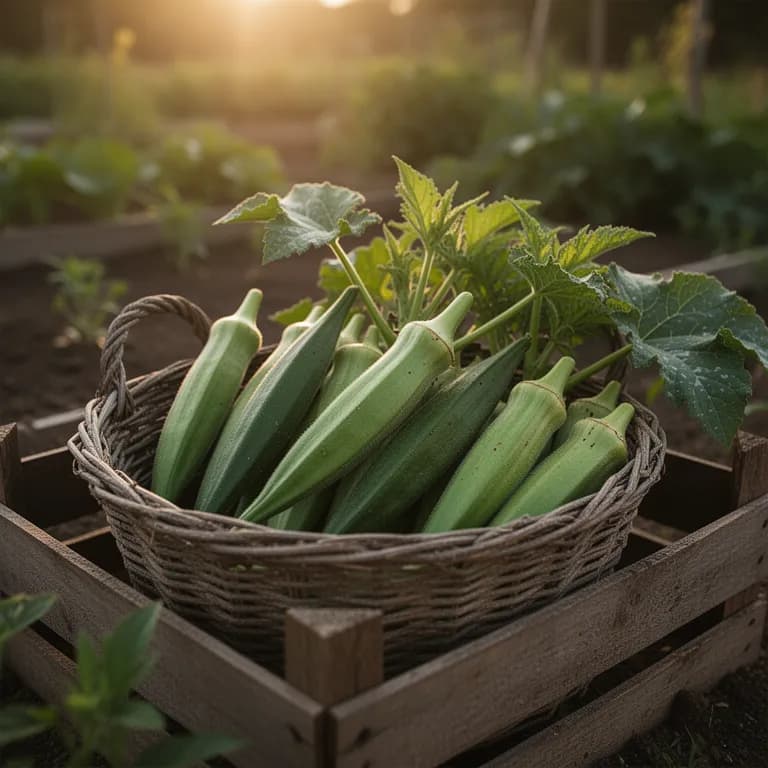
Harvest okra pods when they are 5-8 cm (2-3 inches) long — at this size they are tender, flavorful, and have the best texture for eating. Pods grow astonishingly fast in hot weather, sometimes gaining 2-3 cm in a single day, so check plants daily or every other day during peak production. Use sharp pruning shears or a clean knife to cut pods from the stem, leaving a short 1 cm stub — the stems are extremely tough and fibrous, and attempting to snap or pull pods by hand often damages the branch. Peak production occurs during the hottest weeks of summer when temperatures consistently exceed 30°C (85°F), and a single healthy plant can produce 2-4 pods per day under ideal conditions.
Wear gloves and long sleeves when harvesting, as the tiny spines (trichomes) on okra leaves, stems, and pods cause significant skin irritation and itching in most people. Some gardeners find that harvesting in the morning when dew is still present reduces the irritation compared to dry afternoon harvesting. Spineless varieties like Clemson Spineless have reduced but not eliminated spines, so hand protection is still recommended. Carry a bucket or basket to collect pods as you move through the row, and inspect both sides of each stem since pods can be hidden behind the large, lobed leaves.
If you miss a pod and it becomes large and woody — typically anything over 10-12 cm — remove it anyway even though it is no longer edible. Leaving overmature pods on the plant signals it to slow production and redirect energy toward seed development rather than new flowering. Consistent removal of all pods, whether edible or not, keeps the plant in full production mode for 8-12 weeks. As the season winds down and cooler nights arrive, pod growth slows but flavor actually improves. At the end of the season, allow a few final pods to mature fully on the plant for seed saving — dried okra pods split open naturally to reveal rows of round, dark seeds that remain viable for 2-3 years when stored in a cool, dry location.
assuming you plant when the window opens — set your real date
Pick Okra promptly and the plant keeps producing.
Storage & Preservation
Fresh okra is fragile and best used within 2-3 days of harvest — it deteriorates faster than most garden vegetables. Store unwashed pods in a paper bag or wrapped in a dry paper towel inside the refrigerator crisper drawer at 7-10°C (45-50°F). Avoid plastic bags, which trap moisture and cause slimy decay within a day or two. Do not wash pods before storing, as moisture accelerates spoilage. Okra is sensitive to chilling injury below 7°C (45°F), which causes pitting, discoloration, and a waterlogged texture, so keep it in the warmest part of the refrigerator rather than the coldest back section.
Freezing is the best method for long-term preservation of larger harvests. Blanch whole small pods (under 8 cm) for 3 minutes or sliced pods for 2 minutes in boiling water, then plunge immediately into ice water for the same duration to halt cooking. Drain thoroughly, spread in a single layer on parchment-lined baking sheets, and flash-freeze for 2 hours before transferring to labeled freezer bags with the air pressed out. Properly blanched and frozen okra keeps for 10-12 months and goes directly into soups, stews, and gumbo without thawing. For breaded frozen okra, slice pods, toss in seasoned cornmeal, spread on sheets and freeze — this gives you restaurant-quality fried okra ready in minutes any time of year.
Pickled okra is a beloved Southern tradition that preserves the pod's distinctive crunch beautifully. Pack small whole pods vertically into sterilized jars with garlic cloves, dill heads, and a pinch of red pepper flakes, then pour over a hot vinegar-salt brine and process in a boiling water bath for 10 minutes. Pickled okra keeps for 12-18 months and makes an excellent cocktail garnish, snack, or addition to relish trays. Dehydrating is another excellent option — slice pods into 6mm rounds and dry at 52°C (125°F) for 8-12 hours until crisp. Dried okra rehydrates quickly in soups and stews, or can be ground into a powder that serves as a natural thickener for gumbo and sauces, mimicking okra's traditional mucilaginous role without the fresh pod.
What goes wrong — and the fix
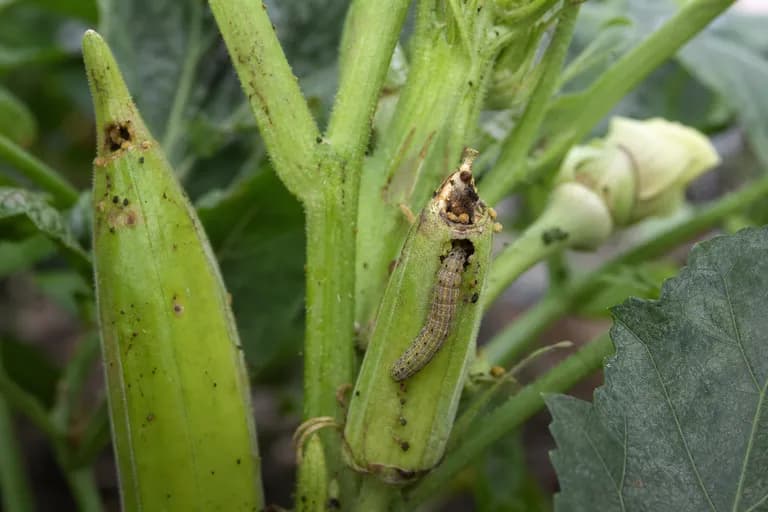
Corn Earworm (Fruit Worm)
PestGreen, brown, or tan caterpillars bore into developing pods, feeding inside and leaving frass. Entry holes visible at the tip or side of pods. Damaged pods are unsalvageable and may develop secondary rot.
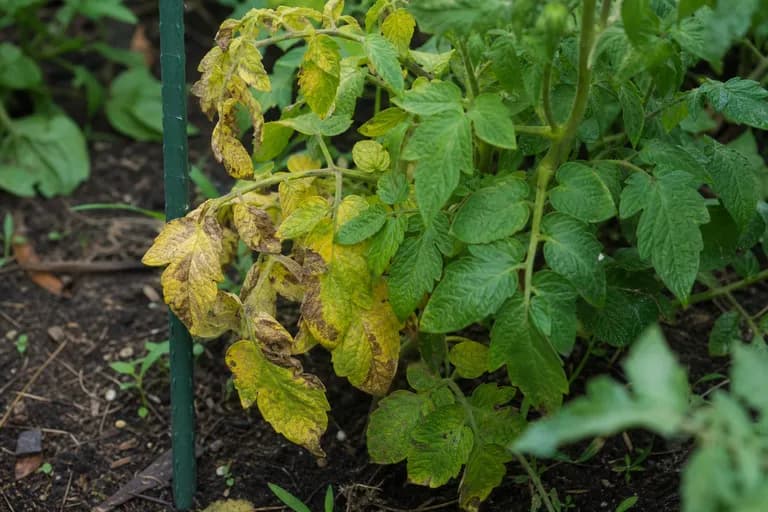
Fusarium Wilt
DiseaseLower leaves yellow and wilt, often on one side of the plant. Stems show brown internal discoloration when cut lengthwise. Plants gradually decline and die. Soil-borne fungus thrives in warm soils.
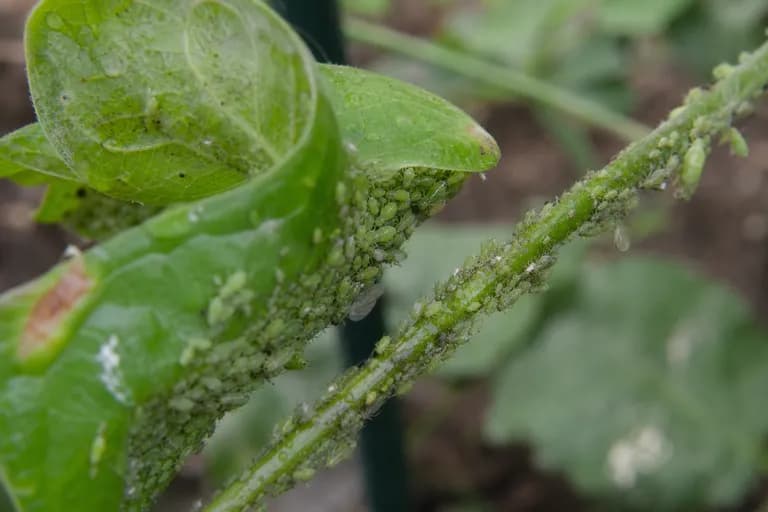
Aphids
PestClusters of small soft-bodied insects on young shoots, leaf undersides, and developing pods. Leaves curl, plants become stunted, and sticky honeydew promotes sooty mold growth.
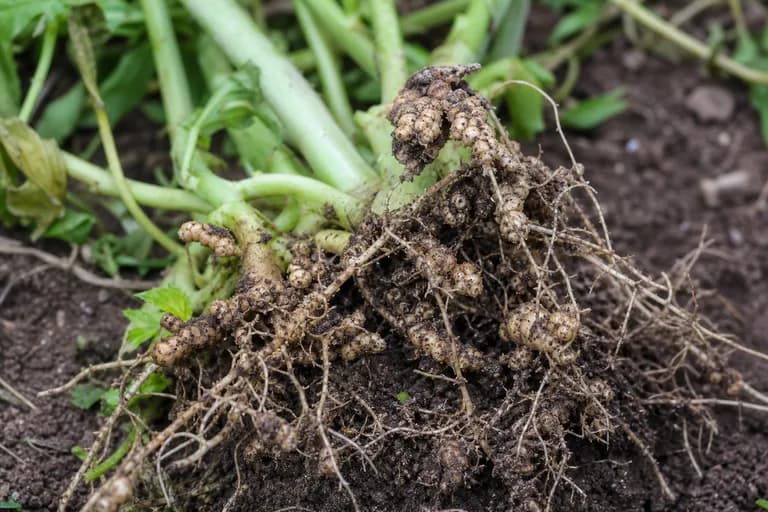
Root-Knot Nematode
PestMicroscopic soil-dwelling worms cause distinctive swollen galls on roots, disrupting water and nutrient uptake. Above-ground symptoms include stunted growth, yellowing, and wilting despite adequate moisture.
Troubleshooting Common Problems
Poor germination is the most common issue with okra and is almost always caused by planting too early in cold, wet soil. Okra seeds have a hard, impervious seed coat that resists water absorption, and in soil below 18°C (65°F) they simply rot before germinating. Always soak seeds in warm water for 12-24 hours before planting, or nick the seed coat with a file to allow moisture penetration. Wait until soil temperatures reach at least 21°C (70°F) — patience here is the difference between a failed crop and a productive one. Even with soaking, germination takes 7-14 days, so do not give up and replant too soon.
Tall, lanky plants with abundant foliage but few pods are a sign of excessive nitrogen fertilization or insufficient sunlight. Okra requires full sun — a minimum of 6-8 hours of direct sunlight daily — and moderate, balanced fertilization. Switch to a low-nitrogen, high-phosphorus fertilizer once flowering begins to redirect the plant's energy toward pod production. Pods becoming tough and woody within 1-2 days of reaching harvestable size is completely normal in hot weather and not a defect — it is simply the plant's rapid growth rate. The only solution is disciplined daily harvesting during peak production. Flowers dropping without setting pods can occur during extreme heat waves above 40°C (105°F), which temporarily sterilizes pollen and prevents fertilization — production resumes naturally when temperatures moderate.
Root-knot nematodes are a serious and often invisible problem in warm-climate gardens, causing stunted growth, yellowing, and wilting despite adequate water. Pull up a struggling plant and examine the roots — swollen, knotty galls confirm nematode damage. Rotate okra with non-susceptible crops like grasses and brassicas, and plant French marigolds (Tagetes patula) as a cover crop between okra seasons to suppress nematode populations. Fusarium wilt causes progressive yellowing and death starting from the lower leaves, with brown discoloration visible inside the stem when cut lengthwise. There is no cure — remove infected plants immediately, improve soil health with compost, and plant resistant varieties. Some gardeners experience significant skin irritation from okra's tiny trichomes (spines) on leaves and pods — long sleeves, gloves, and morning harvesting when dew softens the spines all help reduce discomfort.
Growing Tips
- Soaking seeds is non-negotiable. Okra has one of the hardest seed coats of any garden vegetable. Soak in warm water for 12-24 hours or nick with a file — without this step, germination rates plummet to 30-40%.
- Do not rush planting. Okra planted in cold soil will rot, not grow. Wait until soil temperatures are genuinely warm — at least 18°C (65°F), and ideally 24°C (75°F). Use black plastic mulch to warm beds 2-3 weeks early.
- Full sun is absolutely essential — a minimum of 8 hours of direct sunlight daily. Okra planted in partial shade produces tall, spindly plants with few pods and is more prone to disease.
- Water deeply but infrequently once plants are established. Okra's deep taproot makes it surprisingly drought-tolerant, but consistent moisture of 2.5 cm per week during flowering and pod production maximizes yields.
- Harvest daily during peak production without exception. Pods can grow from harvestable to woody in 24-48 hours during hot weather. A pod that is tender at breakfast may be tough by dinner.
- Remove all overgrown woody pods from the plant even though they are no longer edible. Pods left to mature signal the plant to stop flowering and shift energy to seed production, dramatically reducing your harvest.
- Cut back the main stem by one-third in late summer if your growing season is long enough. This forces new side branching and a second flush of pods in early autumn, extending your harvest by several weeks.
- Wear gloves and long sleeves when working with okra. The tiny spines (trichomes) on leaves, stems, and pods cause irritating skin rashes in most people. Morning harvesting when dew is present helps soften the spines.
Grow your best Okra yet — and everything around it.
Start a free plan today. Lay out your beds, drop in your Okra, and let PlotMyGarden handle the timing, spacing, companions and reminders from seed to harvest basket.
Pick your Okra
Clemson Spineless
The most widely grown okra variety, producing uniform, slightly ridged, spineless green pods on plants reaching 120-150 cm. 56 days. Reliable yields with good disease resistance. The standard by which other okra is judged.
Burgundy
A striking variety with deep red-burgundy pods, stems, and leaf veins. The color fades to green when cooked but adds drama to the garden. 60 days. Slightly more tender than green types. Good ornamental-edible.
Emerald
A smooth, round-podded variety without ridges, producing dark green, exceptionally tender pods. Plants reach 180 cm. 58 days. Pods remain tender at slightly larger sizes. Excellent for freezing.
Jambalaya
A compact, early-maturing variety ideal for smaller gardens and containers. Dense plants reach only 90-120 cm while producing abundant spineless pods. 50 days. Developed for shorter growing seasons.
Star of David
An Israeli heirloom with fat, stubby, rounded pods that have a distinct star shape when cross-sectioned. Very mild, tender pods that stay edible at larger sizes. 60 days. Excellent flavor for fresh eating and pickling.
A single okra plant costing $2-4 (or just pennies if grown from seed) can produce 50-100 pods over a season, with fresh okra selling for $4-8 per pound at grocery stores and farmers markets. Growing just 4-6 plants can save $40-80 per season on fresh okra alone. The savings multiply dramatically if you factor in the cost of specialty items like pickled okra ($6-10 per jar) or frozen breaded okra ($4-6 per bag) — all easily made from your home harvest.
Quick recipes
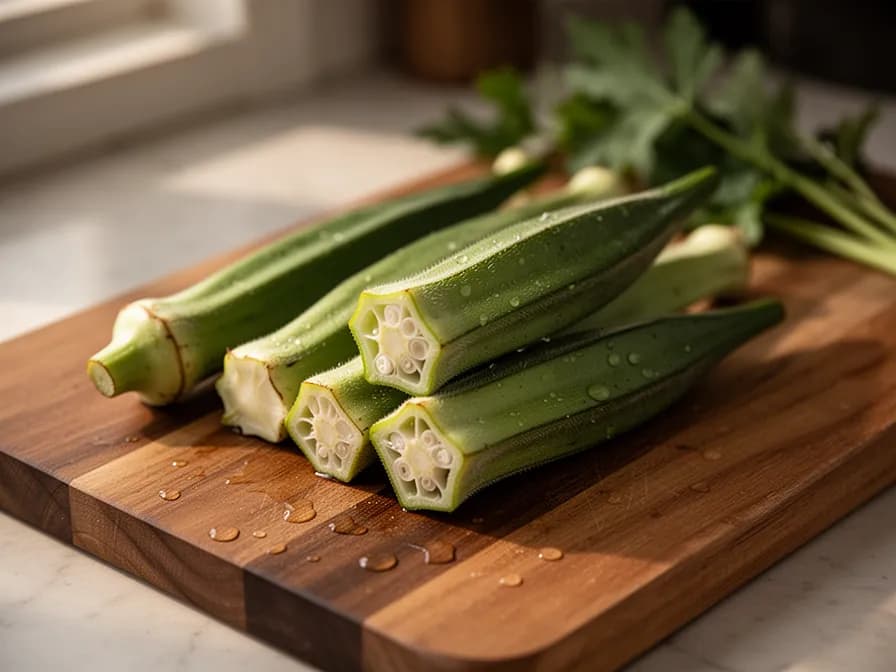
Southern Fried Okra
20 minThe quintessential Southern side dish — tender okra slices coated in seasoned cornmeal and fried to golden, crunchy perfection. High-heat frying eliminates any sliminess and creates an irresistibly crispy coating.
7 ingredientsClassic Chicken and Okra Gumbo
60 minA rich, deeply flavored Louisiana stew where okra serves as both vegetable and natural thickener. The holy trinity of onion, celery, and bell pepper forms the aromatic base for this iconic comfort dish.
10 ingredientsRoasted Okra with Lemon and Garlic
25 minWhole okra pods roasted at high heat until slightly charred and tender — the simplest way to enjoy okra with zero sliminess. A squeeze of lemon and a sprinkle of flaky salt make this an addictive side dish.
7 ingredientsCulinary Uses
Okra is essential in Southern and Creole cuisine — gumbo would not exist without it, as okra's natural mucilage thickens the stew beautifully while adding a subtle earthy flavor. The mucilaginous quality that defines okra is actually a soluble fiber called pectin and can be either embraced or minimized depending on the cooking method. To maximize the thickening effect for soups and stews, slice pods crosswise and cook slowly in liquid. To minimize sliminess for other preparations, cook whole pods quickly at high heat — roasting at 220°C (425°F), deep-frying, grilling, or stir-frying all produce crispy, non-slimy results. Adding acid from tomatoes, lemon juice, or vinegar also reduces the mucilaginous texture.
Fried okra is a beloved Southern staple — slice pods into rounds, dredge in seasoned cornmeal or a buttermilk-flour batter, and fry in hot oil until golden and crispy. Roasted whole okra tossed with olive oil, salt, and a squeeze of lemon at high heat produces tender, slightly charred pods with no sliminess. Pickled okra is a tangy, crunchy snack that has gained popularity well beyond the American South. In Indian cuisine, okra (known as bhindi) is a starring ingredient in bhindi masala, a dry-fried spiced preparation, and in Middle Eastern cooking it is stewed with tomatoes, garlic, and coriander. West African and Caribbean cuisines rely on okra as a soup and stew thickener, reflecting its deep roots in African culinary traditions brought to the Americas during the slave trade.
Okra pairs naturally with tomatoes, corn, peppers, onions, cumin, garlic, and cornmeal — the classic flavor profile of the American South. It also works beautifully with curry spices, coconut milk, and tamarind in South Asian preparations. Nutritionally, okra provides an impressive array of nutrients including vitamin C, vitamin K, folate, magnesium, and B vitamins. Its soluble fiber content supports digestive health and may help regulate blood sugar levels. Grilled whole okra pods make an excellent summer side dish, and raw young pods can be sliced thinly and added to salads for a mild, fresh crunch.
What's inside
Health Benefits
- Okra's soluble fiber (mucilage) forms a gel in the digestive tract that slows sugar absorption, helping to regulate blood glucose levels — studies suggest regular okra consumption may benefit people with type 2 diabetes.
- Rich in vitamin C, providing 26% of the daily value per 100g, supporting immune function, wound healing, and collagen synthesis for healthy skin.
- Excellent source of vitamin K, providing about 40% of the daily value per 100g — essential for proper blood clotting and bone metabolism.
- Contains folate (B9), critical for DNA synthesis and cell division, making okra particularly important during pregnancy for preventing neural tube defects.
- The antioxidants in okra, including polyphenols, flavonoids, and vitamins A and C, help combat oxidative stress and may reduce the risk of chronic inflammatory conditions.
- High fiber content (3.2g per 100g) supports digestive health by promoting regular bowel movements, feeding beneficial gut bacteria, and supporting a healthy microbiome.
Where Okra comes from
Okra (Abelmoschus esculentus) is believed to have originated in the Ethiopian highlands of East Africa, though some botanists place its origin in West Africa or South Asia. Wild relatives of okra still grow in parts of Ethiopia, Eritrea, and Sudan. The plant was cultivated in ancient Egypt by at least the 12th century, where it was prized for its ability to thrive in extreme heat and its value as a food, fiber, and medicinal plant. Arab traders spread okra along trade routes through North Africa and into the Middle East, where it became a staple ingredient in stews and soups.
Okra arrived in the Americas through the transatlantic slave trade in the 1600s and 1700s, carried by enslaved West Africans who brought seeds of familiar food plants to the New World. The plant became deeply embedded in the cuisines of the American South, the Caribbean, and Brazil — regions where the hot, humid climate was ideal for its cultivation. Gumbo, the iconic dish of Louisiana Creole cuisine, takes its name from 'ki ngombo,' the Bantu word for okra, and the dish itself evolved from West African okra-based stews. Okra became one of the most important culinary links connecting African, Caribbean, and Southern American food traditions.
Today, okra is grown commercially across tropical and subtropical regions worldwide. India is by far the largest producer, growing over 6 million tonnes annually — roughly 60% of the global supply — followed by Nigeria, Sudan, and other West African nations. In the United States, okra cultivation is concentrated in the southeastern states from Texas to the Carolinas, where hot summers provide ideal growing conditions. Modern breeding programs have developed spineless varieties, compact cultivars for small gardens, and red-podded ornamental types, but the fundamental character of this heat-loving, prolific producer remains unchanged from its African origins.
Okra: did you know?
Fascinating facts about Okra
Okra is a member of the mallow family (Malvaceae) and is closely related to hibiscus, cotton, and cocoa — its stunning yellow flowers with dark centers are unmistakably hibiscus-like and each bloom opens for just a single day.
Okra questions, answered
When should I plant Okra?
What are good companion plants for Okra?
What hardiness zones can Okra grow in?
How much sun does Okra need?
How far apart should I space Okra?
What pests and diseases affect Okra?
How do I store Okra after harvest?
What are the best Okra varieties to grow?
What soil does Okra need?
Why are my okra seeds not germinating?
How do I reduce okra's slimy texture when cooking?
Why is my okra plant tall but producing few pods?
Can I grow okra in containers?
When should I pick okra pods — how big is too big?
Does okra come back every year or do I need to replant?
You just read the theory. Now grow it on autopilot.
Everything that makes Okra fiddly — the timing, the spacing, the companions, the harvest window — is exactly what PlotMyGarden handles for you, for every plant in your garden.
A plan that knows your weather
Set your location once. Get sow, feed and harvest dates built around your real last-frost date and live forecast — no more guessing from a generic seed packet.
From the “When to plant” sectionDrag-and-drop bed planner
Design beds on a grid. Every plant snaps to its proper spacing, and you can see your whole season laid out before you spend a cent on seed.
From the “Growing guide” sectionCompanion conflicts, caught early
200+ good-and-bad pairings checked live as you plant — so a season-wrecking mistake never makes it into the ground.
From the “Companions” sectionReminders you'll actually act on
“Water the beans.” “Pick today before it turns.” Timely, specific, and tied to the plants you're really growing.
From the “Harvest” sectionSuccession, scheduled
Want a harvest for six weeks, not six days? It spaces your sowings automatically and reminds you when each new block is due.
From the “When to plant” sectionA record that gets smarter
Every harvest you log teaches it your garden. Next year's plan starts from what actually worked in your soil, not a textbook's.
From the “Overview” sectionPlant these alongside Okra
More Stalks & Stems
Keep Okra away from these
Garden plans featuring Okra
Grow your best Okra yet — and everything around it.
Start a free plan today. Lay out your beds, drop in your Okra, and let PlotMyGarden handle the timing, spacing, companions and reminders from seed to harvest basket.