Berenjena
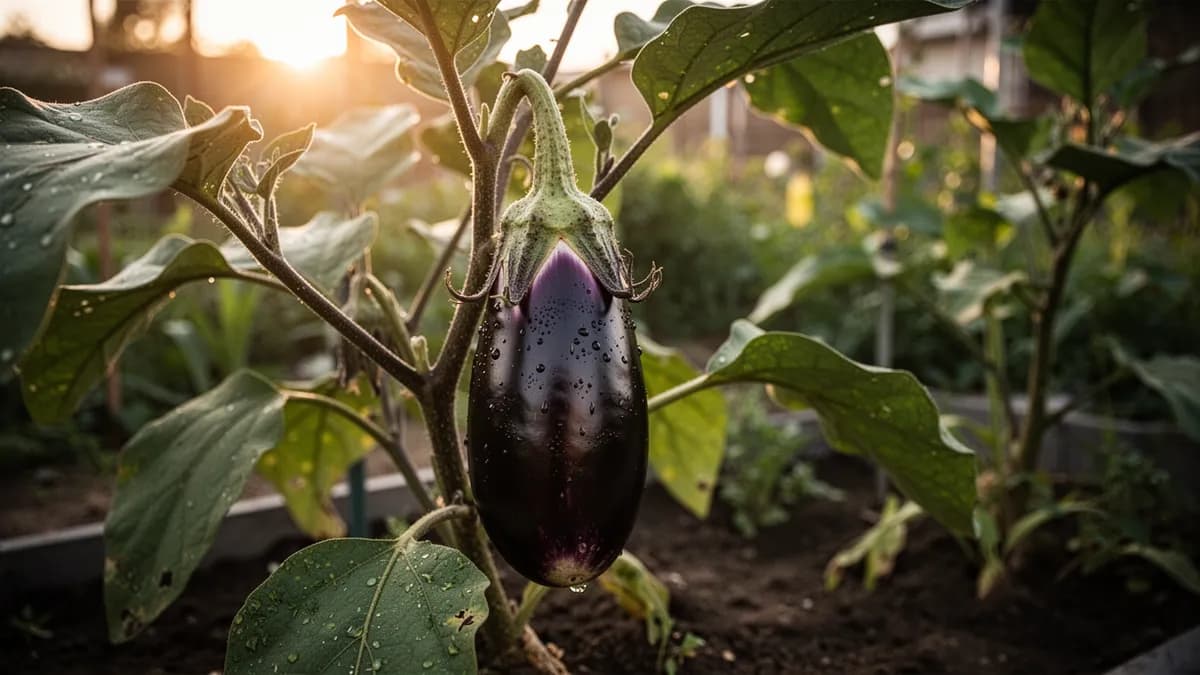
Un cultivo de temporada cálida con frutos brillantes y morados.





En esta páginaResumen
Conoce Berenjena
Un cultivo de temporada cálida con frutos brillantes y morados. Las berenjenas necesitan calor y una larga temporada de crecimiento.
Cuándo plantar Berenjena
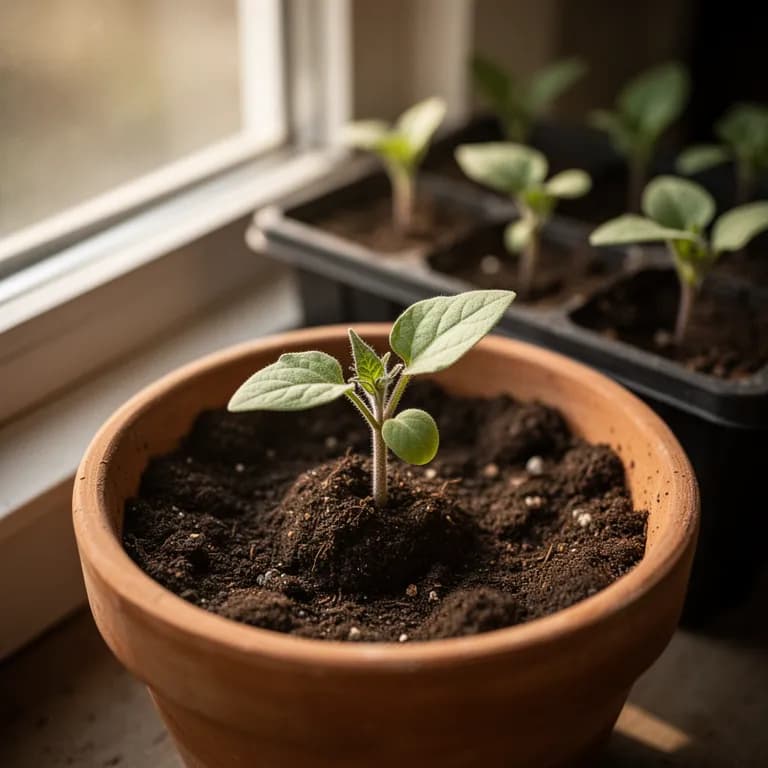
Siembre en interiores 8-10 semanas antes de la última helada. Mantenga caliente para buena germinación.
Tu año de Berenjena
Ajustado a Zona 7 · temporada típica · la helada se va hacia el 2 abr y vuelve hacia el 1 nov
Planta Berenjena Feb – Jun y cosecha Jul – Sep. Consulta los métodos de plantación y elige tu clima para adaptar los periodos.
Cómo cultivar Berenjena
Siembre berenjenas en interiores 8-10 semanas antes de la última helada. Trasplante al exterior después de la última helada cuando las temperaturas nocturnas estén sobre 15°C.
Tutora plantas para soportar frutos pesados. Mantenga humedad constante.
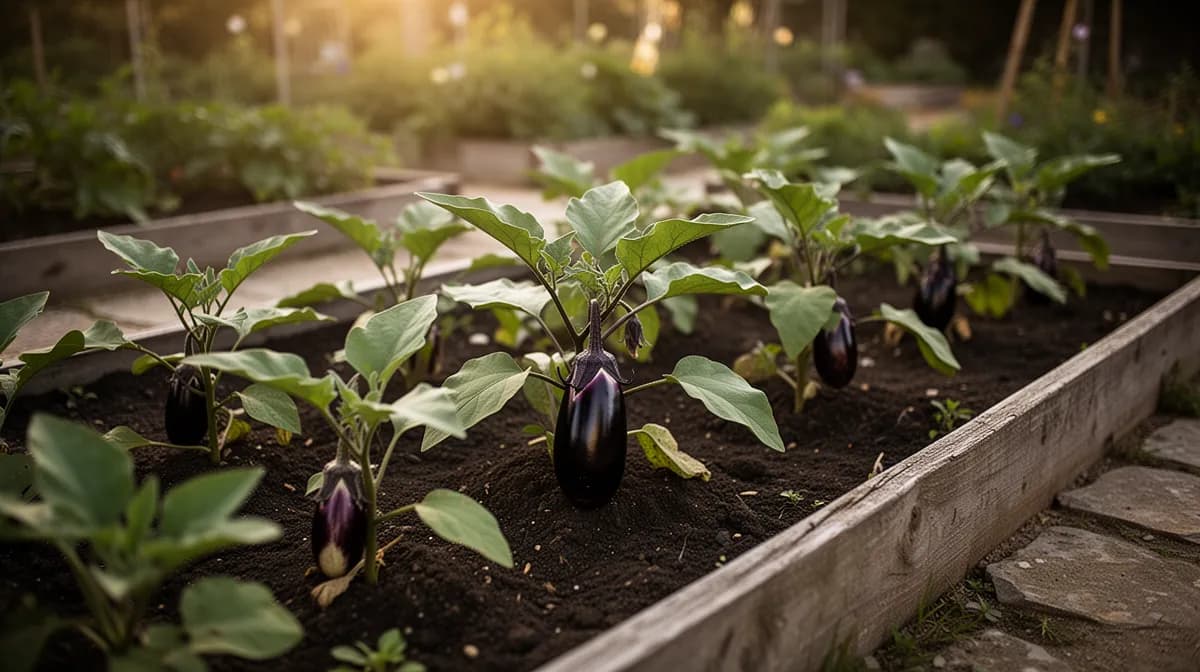
8 plantas caben en un bancal de 120 × 240 cm
Cada Berenjena pide 60 cm de margen. El planificador guarda ese marco por ti — cada planta, cada bancal.
Los mejores vecinos de Berenjena
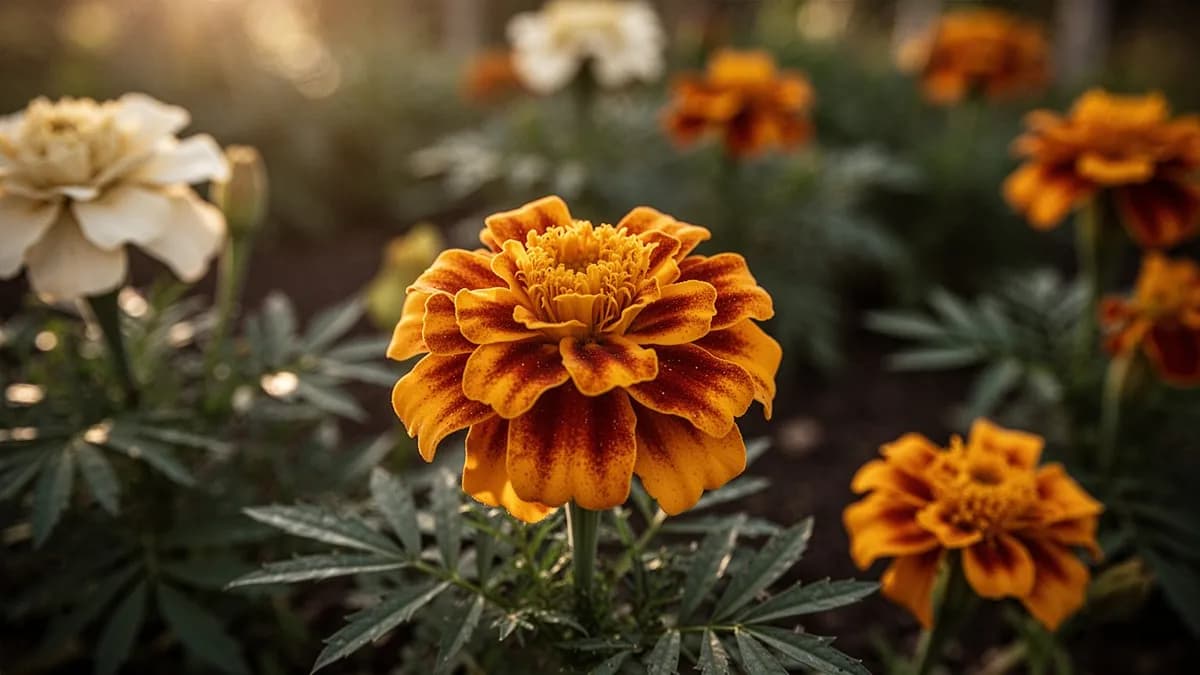
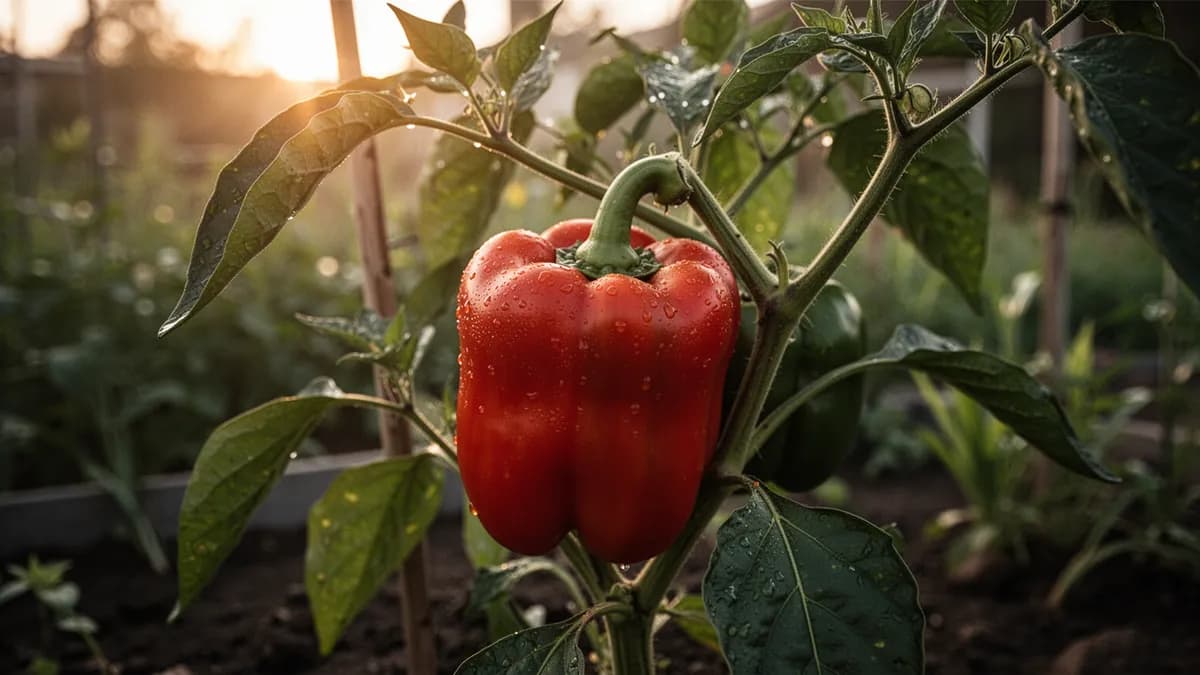
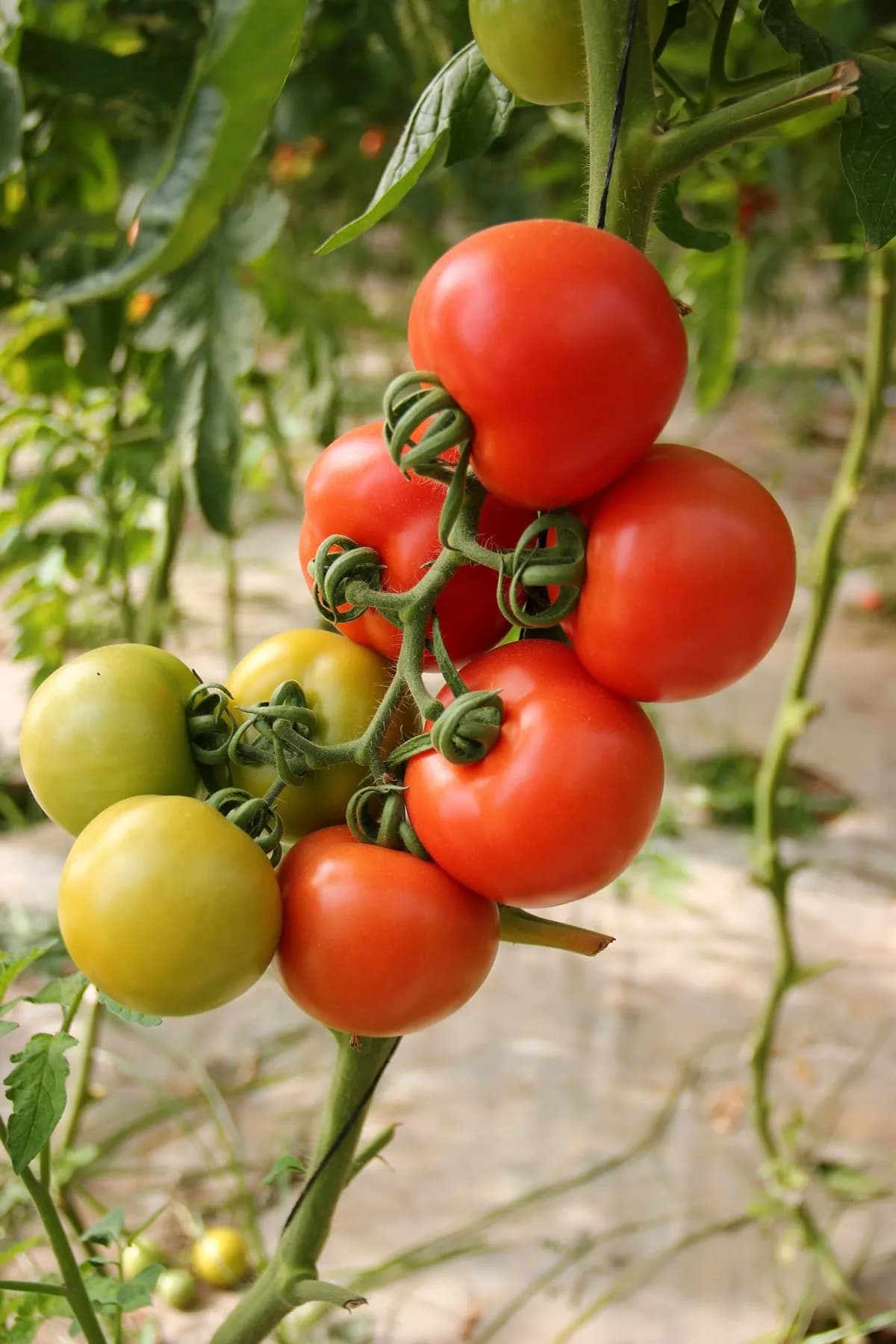
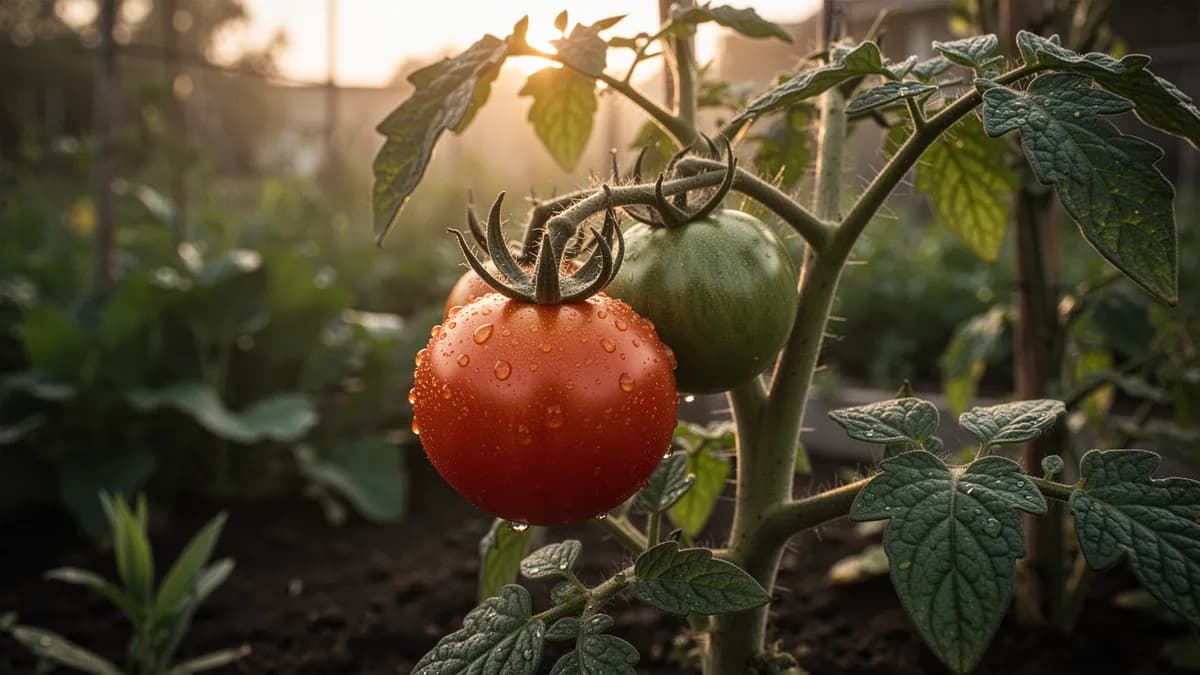
Tomates y pimientos son buenos compañeros. Los frijoles ayudan con nitrógeno.
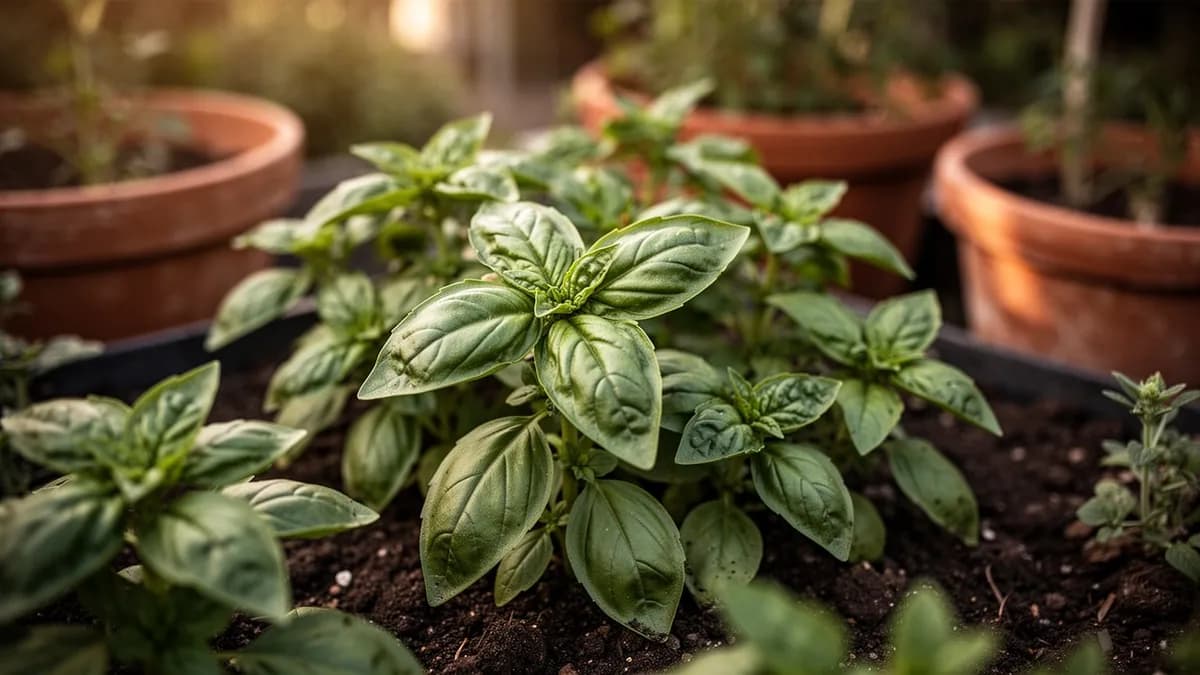
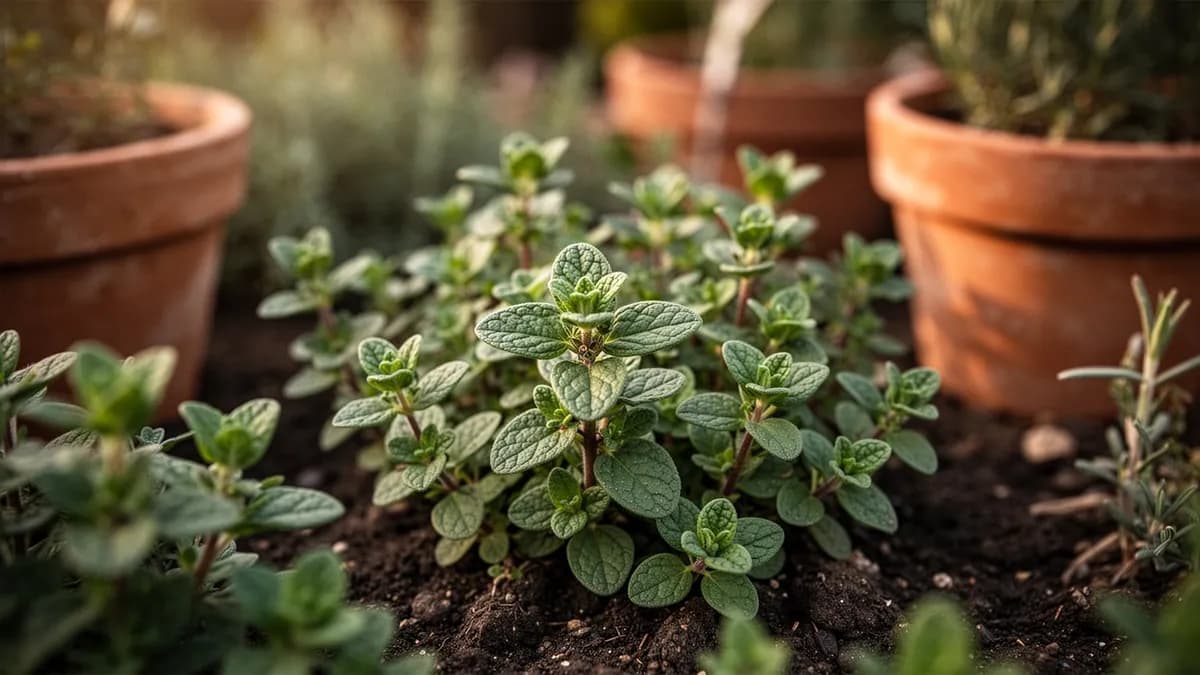
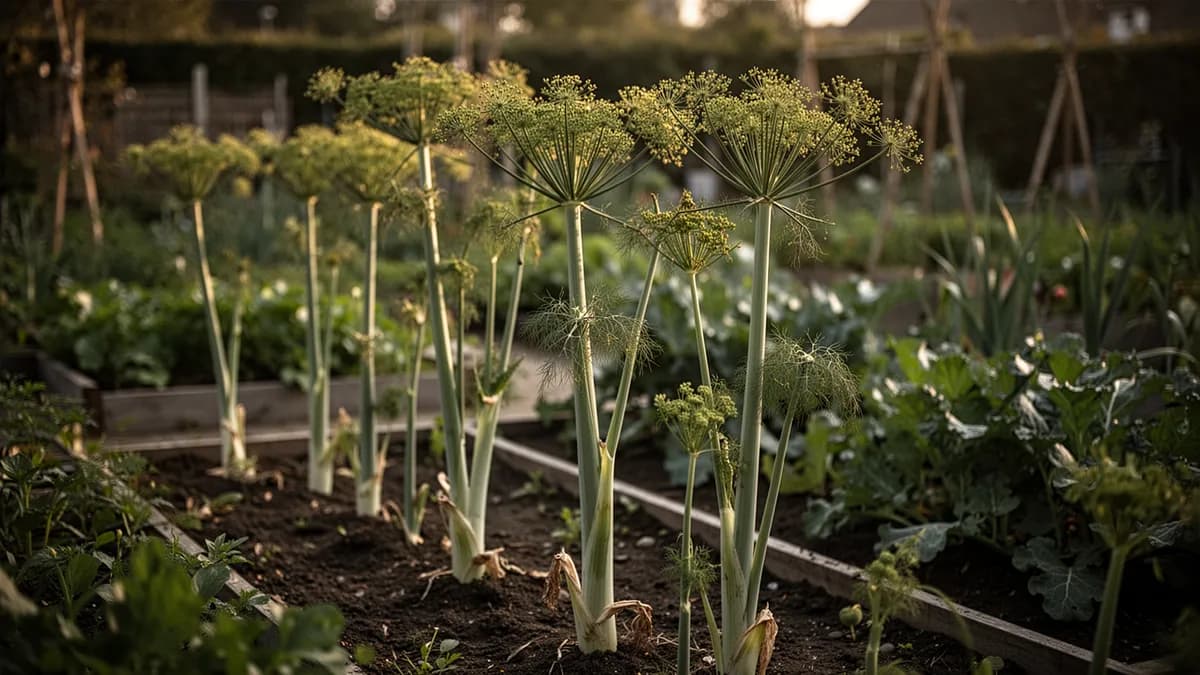
Albahaca va a su lado. Hinojo no.
Saber de huerto de siempre, cotejado con la tabla real de Berenjena — prueba cualquier planta que cultives.
Prueba Berenjena en un bancal, aquí mismo
Un bancal real del planificador con Berenjena ya plantado. Toca una planta compañera para colocarla y mira cómo responde la comprobación de vecinos: verde para buenos vecinos, rojo si hay conflicto.


Guías de cultivo relacionadas
Abónalo bien
Suelo rico en nutrientes con pH 6,0-7,0. Incorpore compost.
Temperatura ideal
Compatibilidad de zonas de rusticidad
De la semilla a la cosecha, etapa por etapa
Germinación
Las semillas germinan lentamente bajo condiciones cálidas y húmedas. Primero emerge una pequeña radícula blanca, seguida por un par de cotiledones redondos que atraviesan la superficie. La germinación de la berenjena es más lenta y errática que la del tomate o el pimiento.
Crecimiento de plántula
Las hojas verdaderas emergen con una textura suave y ligeramente aterciopelada. El tallo se engrosa y puede adquirir un tinte violeta. Las plántulas crecen lentamente comparadas con otras solanáceas, alcanzando 10-15 cm de alto con 4-6 hojas verdaderas antes del trasplante.
Trasplante
Las plantas se trasladan a su ubicación definitiva en el exterior una vez pasado todo riesgo de heladas y con el suelo a al menos 21°C. La berenjena es la solanácea más sensible al frío y debe endurecerse con especial cuidado.
Floración
Aparecen preciosas flores lavanda en forma de estrella con estambres amarillos prominentes en los entrenudos. Cada flor es autofértil pero necesita vibración para liberar eficazmente el polen. Las flores se caen si las temperaturas nocturnas bajan de 15°C.
Fructificación
Pequeños frutos verdes se forman tras una polinización exitosa y engordan rápidamente con el calor. El color púrpura característico se desarrolla a medida que los frutos maduran. Las plantas dirigen mucha energía al desarrollo de los frutos — tutora las ramas para que no se rompan bajo el peso.
Cosecha
Los frutos alcanzan su tamaño completo y desarrollan un brillo profundo y satinado que indica el punto óptimo de madurez. La pulpa es firme y cremosa con pequeñas semillas pálidas. La cosecha regular anima a la planta a seguir produciendo nuevas flores y frutos.
Mantén 27-32°C con una estera térmica — la germinación es muy pobre por debajo de 24°C. Cubre las bandejas con una cúpula de humedad hasta que emerjan los brotes. Ofrece 14-16 horas de luz de cultivo en cuanto aparezcan.
Cuidar Berenjena mes a mes
Qué hacer cada mes para tu Berenjena
Octubre
Mes actualHarvest all remaining fruits before the first hard frost. Green or immature fruits can be used in stir-fries or pickled. Pull spent plants and compost healthy material. Note which varieties performed best.
Ten claro qué hacer en tu huerto, cada mes
Un correo al empezar cada mes: qué sembrar, plantar y hacer ahora mismo — para tu Berenjena y todo lo que crece alrededor. Más un breve curso inicial para esquivar los errores clásicos.
- Qué hacer ahora mismo
- Ajustado a tu temporada
- Curso inicial incluido
Cosechar Berenjena
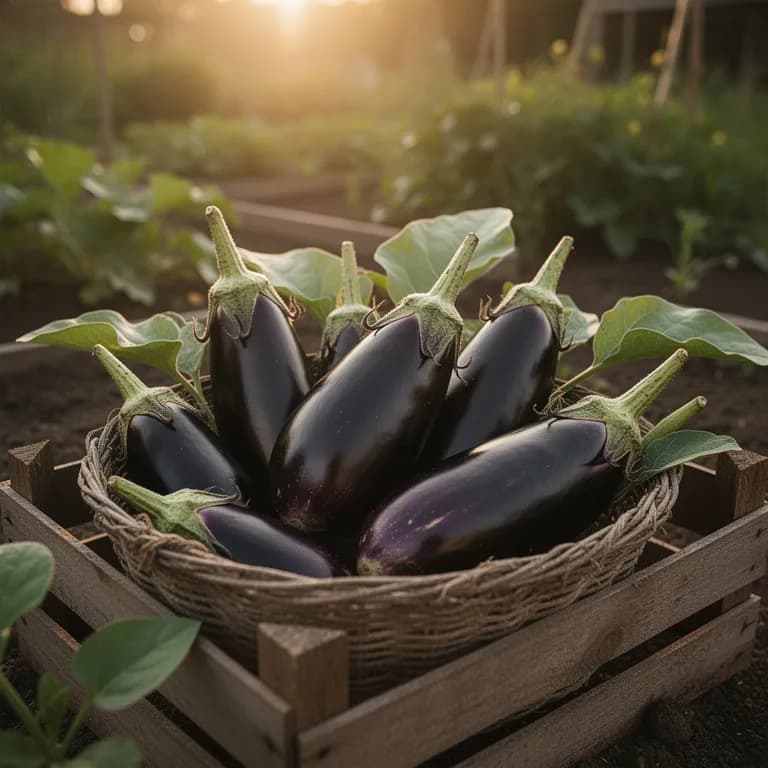
Coseche berenjenas cuando los frutos están brillantes y firmes pero ceden a presión ligera. No deje madurar demasiado.
se supone que plantas al comenzar el periodo — indica tu fecha real
La piel está profundamente brillante y recupera la forma bajo una presión suave del pulgar.
Almacenamiento y conservación
Duran aproximadamente 1 semana en refrigerador. Puede congelarse después de escaldar.
Qué falla — y cómo solucionarlo
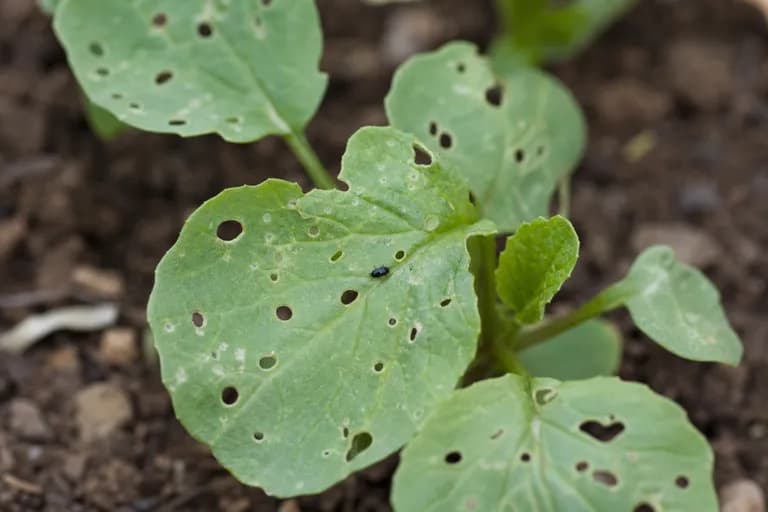
Escarabajo de la papa
PlagaEscarabajos y larvas comen hojas.
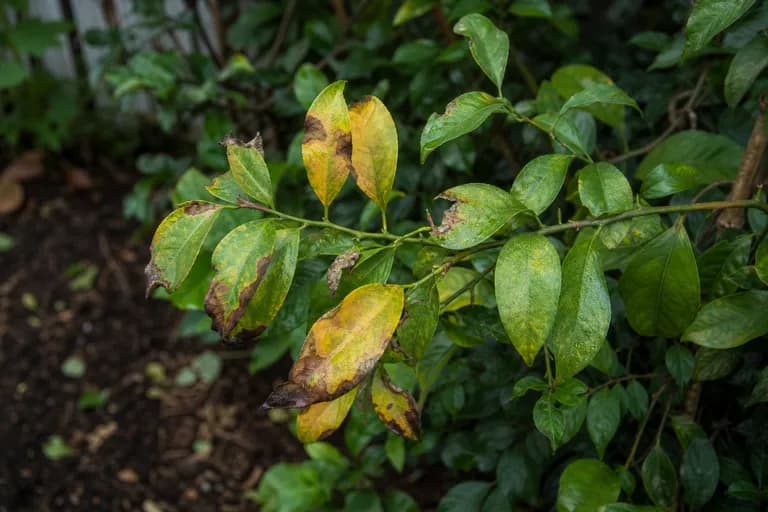
Pulgones
PlagaColonias en hojas y brotes.
Solución de problemas comunes
Mala fructificación por temperaturas frescas. Sabor amargo por estrés de sequía.
Consejos de cultivo
- Eggplant needs more heat than any other common garden vegetable. Do not rush transplanting — wait until nighttime temperatures reliably stay above 15°C (60°F) and soil has reached at least 21°C (70°F). Cold soil and cool nights permanently stunt growth.
- Black plastic mulch is the eggplant grower's secret weapon. It warms the soil 3-5°C above ambient temperature, conserves moisture, and suppresses weeds. Lay it two weeks before transplanting to pre-warm beds, especially in cooler climates.
- Full sun is absolutely essential — 8 or more hours of direct, unfiltered sunlight daily. Southern exposure against a heat-reflecting wall or fence is ideal. Eggplant grown in partial shade produces few if any fruits.
- Water deeply and consistently with 2.5-5 cm (1-2 inches) per week using drip irrigation. Eggplant is particularly sensitive to water stress during flowering and fruit set — inconsistent moisture causes blossom drop and bitter, pithy fruits.
- Stake or cage every plant at transplanting time, before it needs support. Eggplant branches are brittle and snap easily under the weight of large fruits. Use soft ties to attach main stems and fruit-laden branches to supports.
- Flea beetles are eggplant enemy number one. Install lightweight floating row covers immediately after transplanting and leave them in place until plants begin flowering. This single measure prevents more damage than any spray.
- Pinch off the first two or three flowers on newly transplanted eggplant. This feels counterintuitive, but it redirects the plant's energy into root and stem development, resulting in a stronger plant that ultimately produces more and larger fruits.
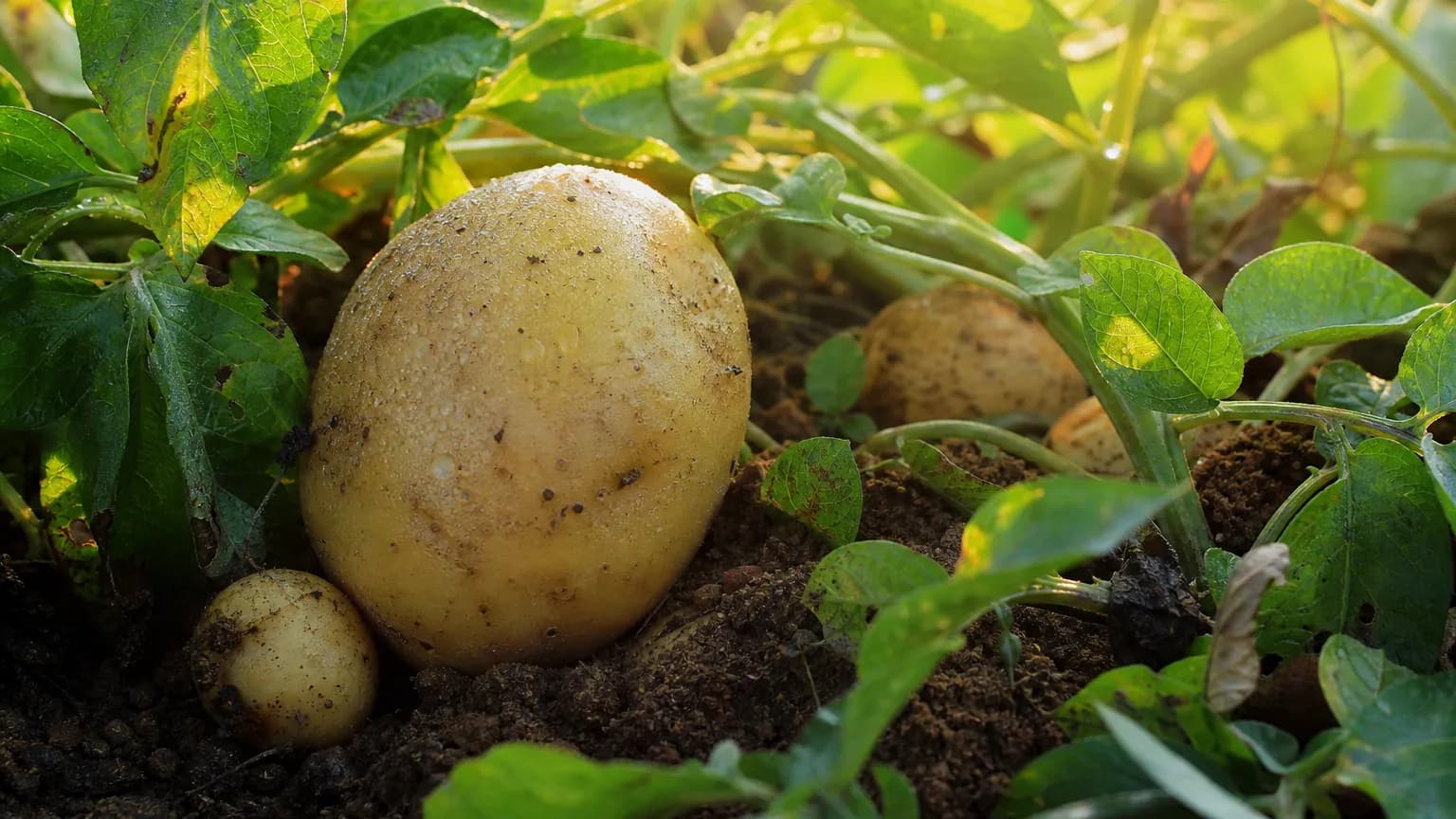
- Rotate eggplant away from all nightshade family crops (tomatoes, peppers, potatoes) on a 3-4 year cycle. These crops share diseases like Verticillium wilt and Phytophthora that persist in the soil for years. Never plant eggplant where any nightshade grew in the previous three seasons.
Cultiva tu mejor Berenjena — y todo lo que la rodea.
Empieza un plan gratis hoy. Diseña tus bancales, coloca tu Berenjena y deja que PlotMyGarden gestione el momento, el espaciado, las asociaciones y los recordatorios de la semilla a la cesta.
Elige tu Berenjena
Black Beauty
Variedad morada clásica con frutos grandes. 75 días.
Ichiban
Variedad japonesa con frutos largos y delgados. 60 días.
A single eggplant transplant costing $3-5 can produce $15-30 worth of organic eggplant over a season. Specialty varieties like Rosa Bianca or Japanese types that command $4-6 per pound at farmers markets offer especially strong returns. A small planting of 3-4 plants provides more than enough eggplant for a family, with surplus for grilling, freezing, and sharing with neighbors.
Recetas rápidas
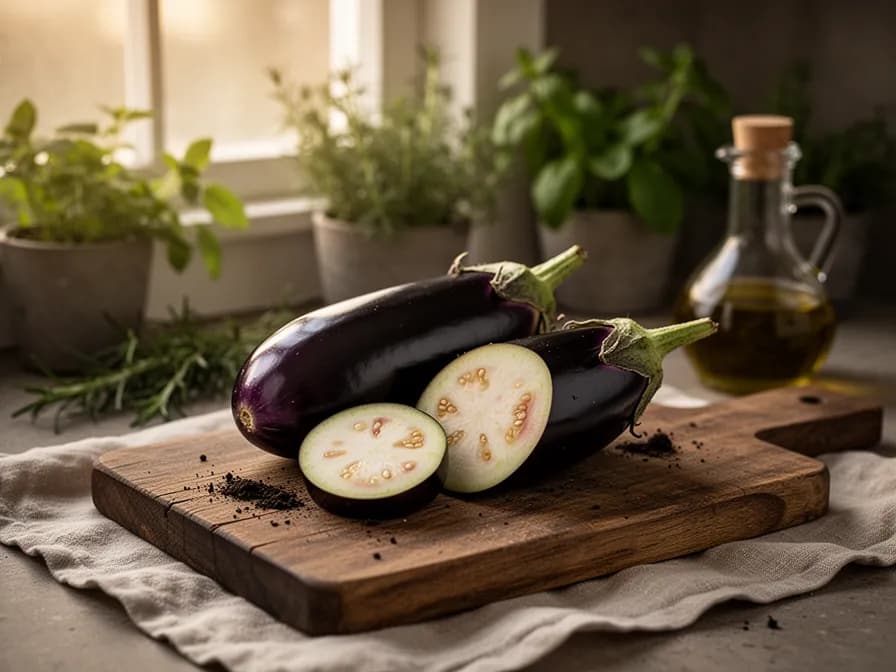
Classic Baba Ghanoush
30 minThe quintessential eggplant dip from the Middle East. Whole eggplant is charred over an open flame or under a broiler until the flesh is completely soft and smoky, then blended with tahini, lemon, and garlic into a silky, addictive spread.
7 ingredientes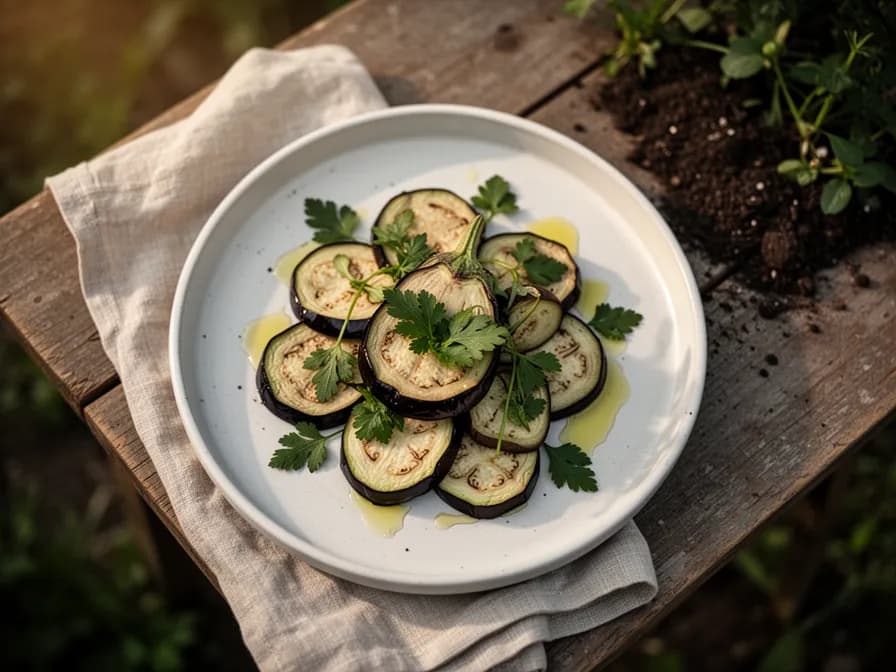
Grilled Eggplant Steaks
20 minThick eggplant slices brushed with a garlic-herb marinade and grilled until tender with beautiful char marks. A satisfying vegetarian main that holds its own alongside any grilled meat. Best with eggplant freshly picked from the garden.
7 ingredientesJapanese Miso-Glazed Eggplant (Nasu Dengaku)
25 minHalved eggplant scored in a crosshatch pattern, pan-fried until golden, then topped with a sweet white miso glaze and broiled until bubbling and caramelized. A beloved Japanese side dish that showcases eggplant at its silky best.
7 ingredientesUsos culinarios
Asada, a la parrilla, en gratinados o como puré.
Qué contiene
Beneficios para la salud
- Nasunin, the anthocyanin pigment in eggplant skin, is a potent antioxidant that research suggests may help protect brain cell membranes from lipid peroxidation and free radical damage.
- High in dietary fiber (3g per 100g) which supports digestive health, promotes regularity, feeds beneficial gut bacteria, and may help lower LDL cholesterol levels.
- Contains chlorogenic acid, one of the most abundant and potent antioxidant compounds found in plant tissue, with demonstrated anti-inflammatory, antimicrobial, and anti-diabetic properties in laboratory studies.
- Very low calorie density (only 25 calories per 100g) and high water content (92%) make eggplant an excellent food for weight management and satiety without caloric excess.
- Good source of potassium (229mg per 100g), an essential mineral that helps regulate blood pressure, supports proper muscle contraction, and maintains fluid balance in the body.
- Provides manganese, copper, and B vitamins including folate and thiamine, which collectively support bone health, energy metabolism, red blood cell formation, and nervous system function.
De dónde viene Berenjena
Eggplant has one of the longest and most fascinating domestication stories among common vegetables. Wild eggplant species originated in Africa, but the plant was first cultivated in the Indian subcontinent over 4,000 years ago, where it was prized in Ayurvedic medicine and developed into the diverse range of shapes and colors seen today. Ancient Sanskrit texts reference eggplant cultivation, and archaeological evidence from Indian sites confirms its importance as a food crop long before recorded history. From India, eggplant spread eastward along trade routes to China by the 5th century CE, where it became a staple vegetable and was further bred into the long, slender varieties characteristic of East Asian cuisine.
Arab traders and merchants carried eggplant westward across the Islamic world during the 7th and 8th centuries, introducing it to Persia, North Africa, and eventually the Iberian Peninsula. The Moors brought eggplant to Spain during their occupation, and from there it spread throughout the Mediterranean. However, European acceptance was slow and suspicious — the plant's membership in the nightshade family led many to believe it was poisonous or caused madness. Italian names like 'mala insana' (mad apple) and 'melanzana' reflect this deep mistrust that persisted for centuries.
It was not until the 18th and 19th centuries that eggplant gained widespread culinary acceptance in Europe, eventually becoming a cornerstone ingredient in Mediterranean cooking. Dishes like moussaka in Greece, ratatouille in France, parmigiana di melanzane in Italy, and escalivada in Spain all emerged during this period. Thomas Jefferson grew eggplant as an ornamental at Monticello in 1806, though Americans would not widely embrace it as food until the 20th century with the influx of Mediterranean and Asian immigrants who brought their recipes and food traditions.
Berenjena: ¿sabías que?
Datos fascinantes sobre Berenjena
Eggplant gets its English name from early European varieties that produced small, white, egg-shaped fruits — they literally looked like eggs hanging from the plant before the large purple cultivars became dominant.
Berenjena: preguntas frecuentes
¿Cuándo debo plantar Berenjena?
¿Cuáles son buenas plantas acompañantes para Berenjena?
¿En qué zonas de rusticidad puede crecer Berenjena?
¿Cuánto sol necesita Berenjena?
¿A qué distancia debo espaciar Berenjena?
¿Qué plagas y enfermedades afectan a Berenjena?
¿Cómo almaceno Berenjena después de la cosecha?
¿Cuáles son las mejores variedades de Berenjena para cultivar?
¿Qué suelo necesita Berenjena?
Why are my eggplant flowers falling off without producing fruit?
Do I need to salt eggplant before cooking?
Can I grow eggplant in containers?
How do I know when an eggplant is overripe?
What causes small, misshapen eggplant fruits?
How long does it take for eggplant to produce fruit from transplanting?
Acabas de leer la teoría. Ahora cultívala en piloto automático.
Todo lo que hace que Berenjena sea delicado — el momento, el espaciado, las asociaciones, la ventana de cosecha — es justo lo que PlotMyGarden resuelve por ti, para cada planta de tu huerto.
Un plan que conoce tu clima
Indica tu ubicación una vez. Recibe fechas de siembra, abonado y cosecha basadas en tu última helada real y el pronóstico en vivo — sin adivinar con un sobre genérico.
De la sección “Cuándo plantar”Planificador de bancales de arrastrar y soltar
Diseña bancales sobre una cuadrícula. Cada planta encaja con su espaciado correcto y ves toda la temporada antes de gastar un céntimo en semillas.
De la sección “Cultivo”Conflictos de asociación, detectados a tiempo
Más de 200 buenas y malas combinaciones comprobadas en vivo mientras plantas — para que un error que arruine la temporada nunca llegue a la tierra.
De la sección “Asociaciones”Recordatorios que sí vas a seguir
“Riega las judías.” “Recoge hoy antes de que se pase.” Oportunos, concretos y ligados a las plantas que de verdad cultivas.
De la sección “Cosecha”Escalonado, programado
¿Quieres cosechar seis semanas en vez de seis días? Reparte tus siembras automáticamente y te avisa cuando toca el siguiente lote.
De la sección “Cuándo plantar”Un registro que se vuelve más listo
Cada cosecha que registras le enseña tu huerto. El plan del año que viene parte de lo que de verdad funcionó en tu suelo, no en un manual.
De la sección “Resumen”Planta estos junto a Berenjena
Más Solanáceas
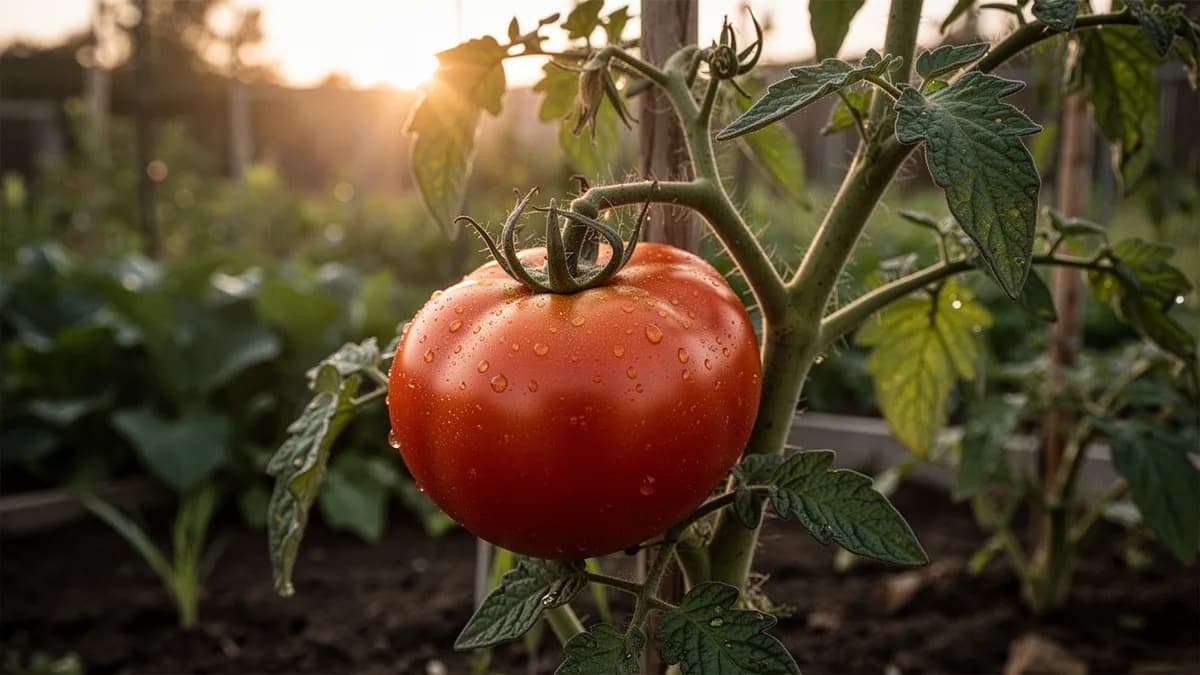
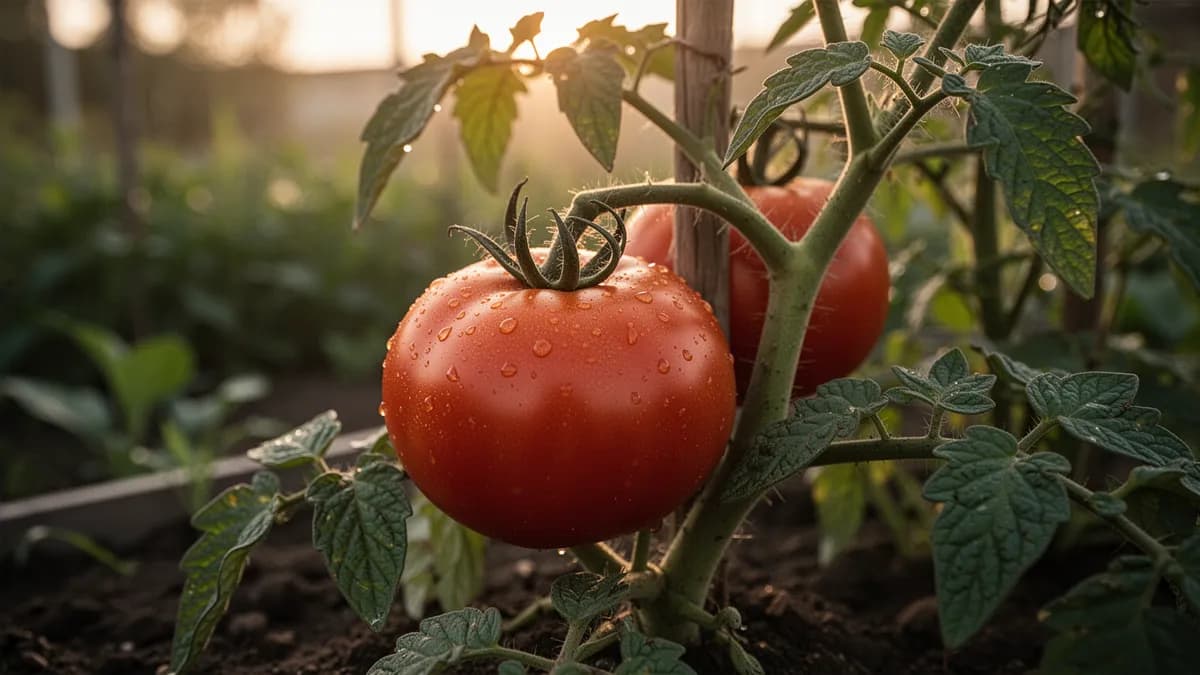
Mantén Berenjena lejos de estos
Diseños de jardín con Berenjena
Cultiva tu mejor Berenjena — y todo lo que la rodea.
Empieza un plan gratis hoy. Diseña tus bancales, coloca tu Berenjena y deja que PlotMyGarden gestione el momento, el espaciado, las asociaciones y los recordatorios de la semilla a la cesta.