Hinojo
Una verdura aromática con sabor a anís.





En esta páginaResumen
Conoce Hinojo
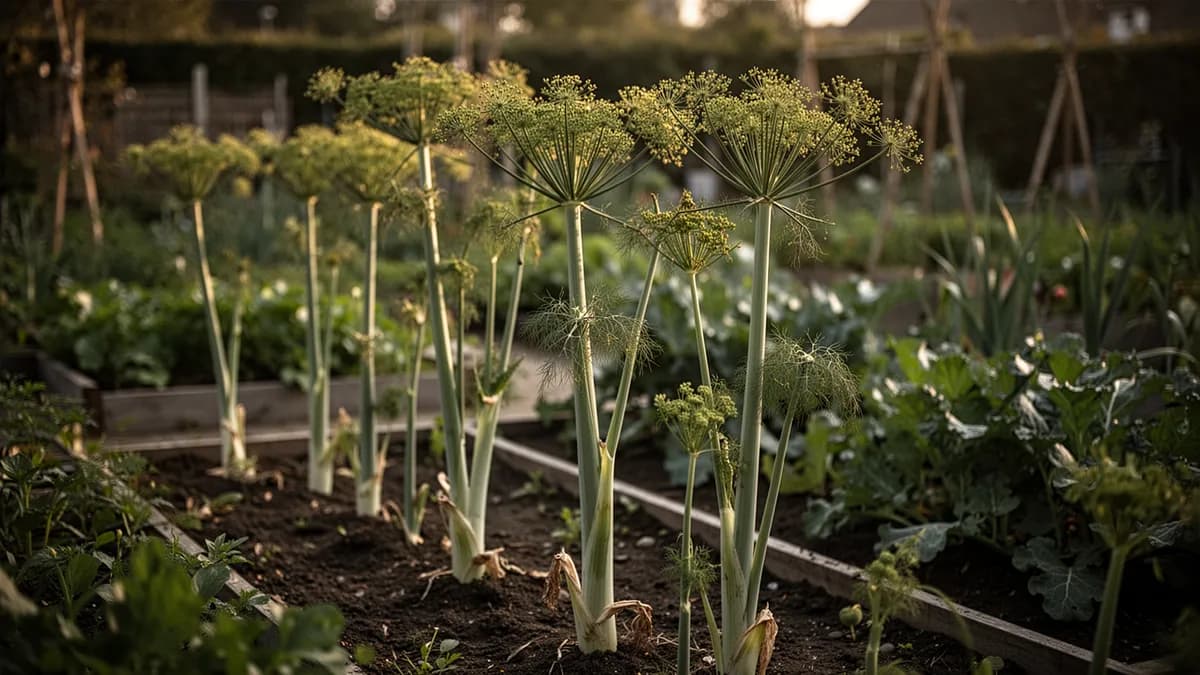
Una verdura aromática con sabor a anís. El bulbo y las hojas son comestibles.
Cuándo plantar Hinojo
Siembre en verano para cosecha de otoño.
Tu año de Hinojo
Ajustado a Zona 7 · temporada típica · la helada se va hacia el 2 abr y vuelve hacia el 1 nov
Planta Hinojo Abr – May, Ago – Sep y cosecha Jul – Ago, Nov – Dic. Consulta los métodos de plantación y elige tu clima para adaptar los periodos.
Cómo cultivar Hinojo
El hinojo prefiere clima fresco. Siembre en verano para cosecha de otoño.
El aporque promueve bulbos blanqueados y tiernos.
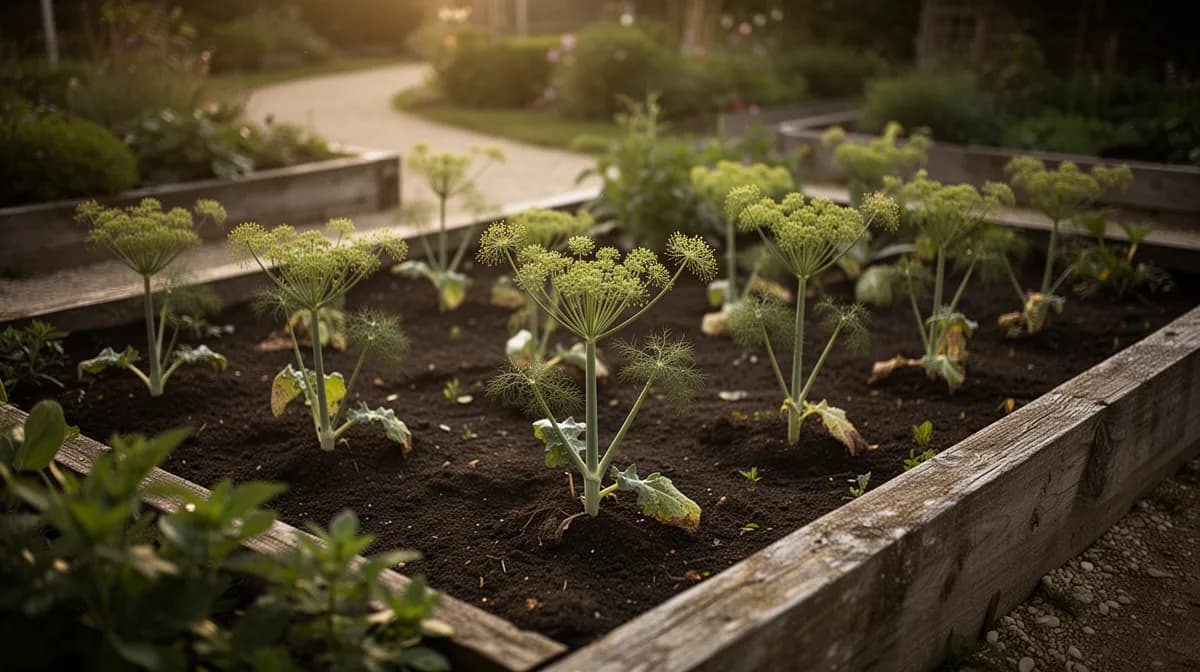
32 plantas caben en un bancal de 120 × 240 cm
Cada Hinojo pide 30 cm de margen. El planificador guarda ese marco por ti — cada planta, cada bancal.
Los mejores vecinos de Hinojo
No plante cerca de eneldo.
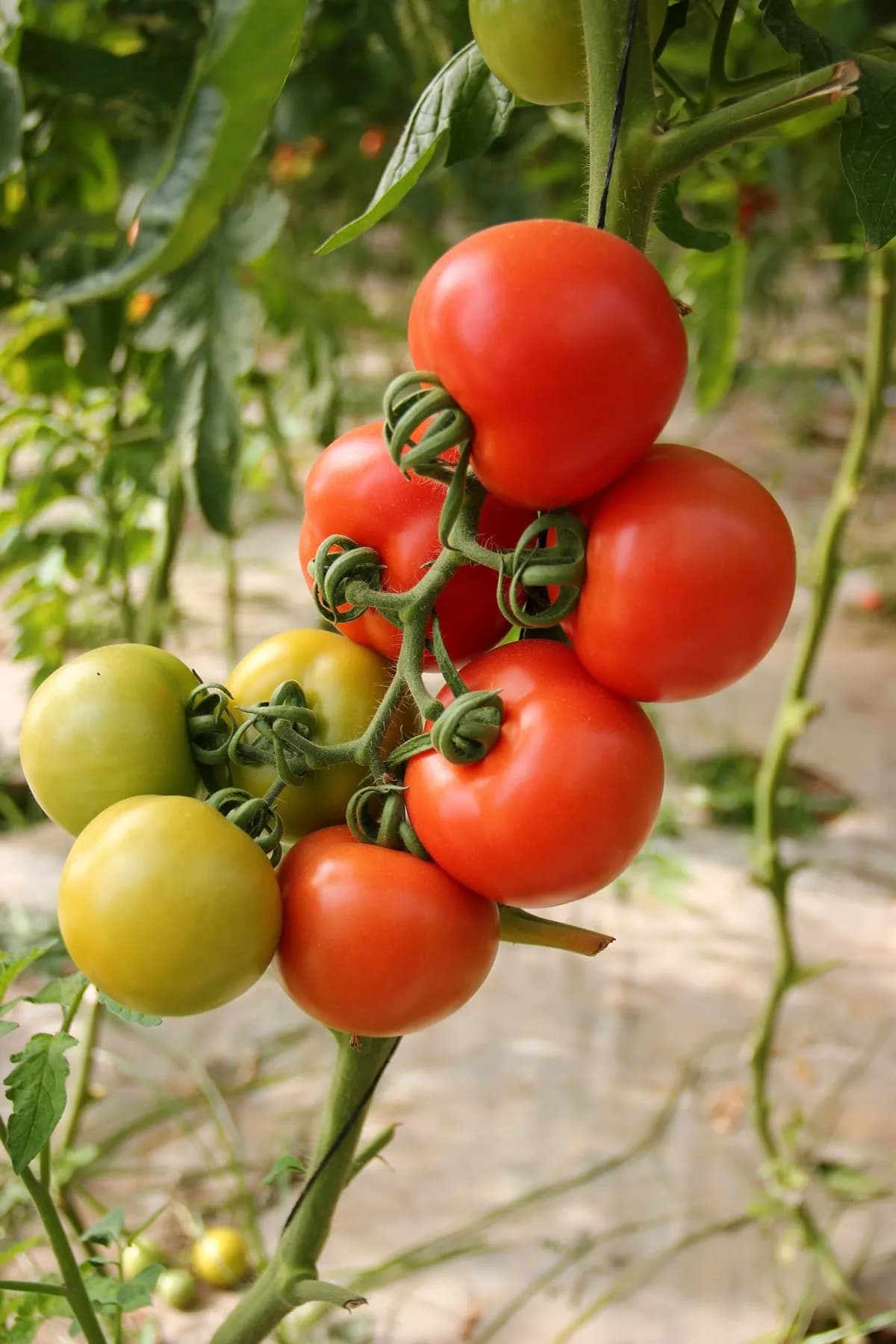
Eneldo va a su lado. Tomate no.
Saber de huerto de siempre, cotejado con la tabla real de Hinojo — prueba cualquier planta que cultives.
Prueba Hinojo en un bancal, aquí mismo
Un bancal real del planificador con Hinojo ya plantado. Toca una planta compañera para colocarla y mira cómo responde la comprobación de vecinos: verde para buenos vecinos, rojo si hay conflicto.


Guías de cultivo relacionadas
Abónalo bien
Rico en nutrientes, pH 5,5-6,8.
Temperatura ideal
Compatibilidad de zonas de rusticidad
De la semilla a la cosecha, etapa por etapa
Germinación
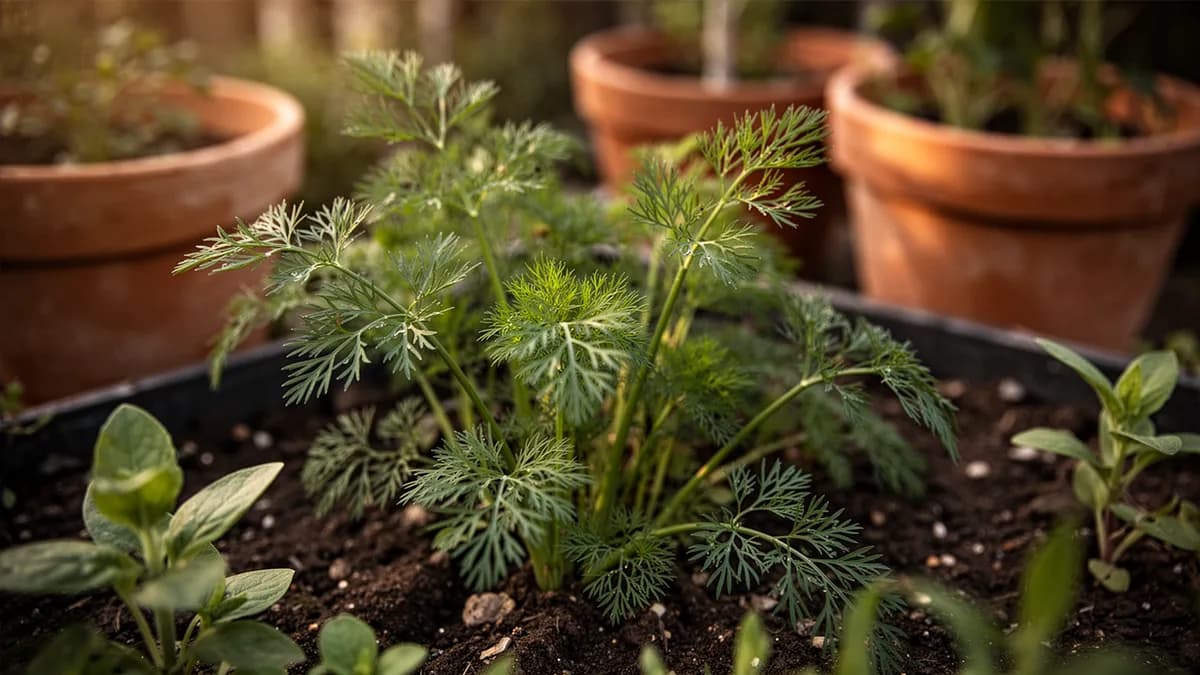
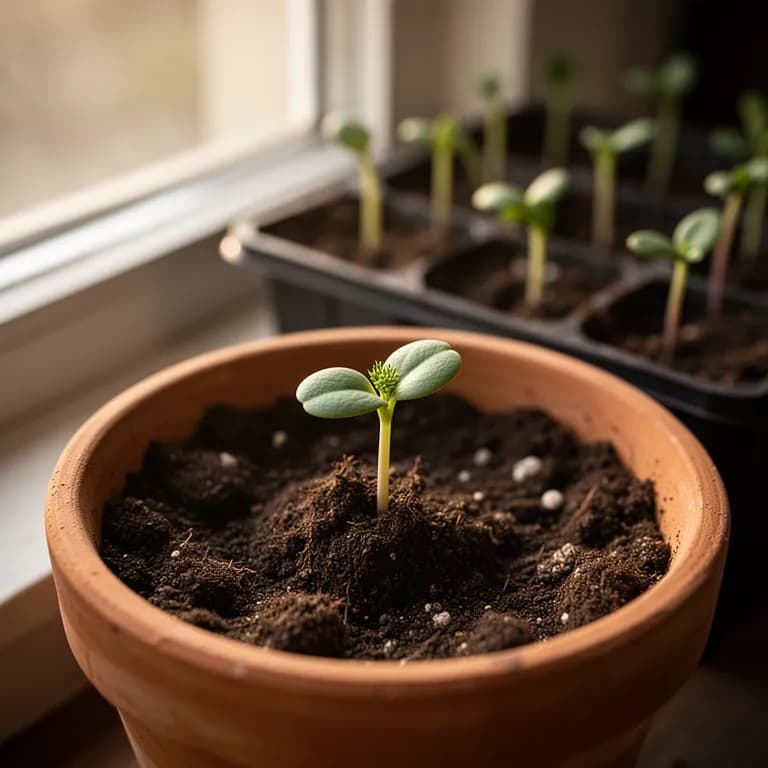
Las semillas de hinojo se siembran a 6 mm de profundidad en suelo húmedo. La germinación tarda 7-14 días a 15-21 °C. Las primeras estructuras que aparecen son un par de cotiledones estrechos, parecidos a hierba, que no se parecen en nada al follaje plumoso de la planta adulta.
Desarrollo de plántula
Aparecen las hojas verdaderas con los característicos segmentos finos y plumosos. La plántula desarrolla una raíz pivotante delgada y al principio crece despacio. Al final de esta etapa, las plantas tienen 4-6 grupos de hojas verdaderas y miden 10-15 cm.
Crecimiento vegetativo
La planta crece rápidamente sobre el suelo, produciendo tallos altos y huecos rematados por frondas plumosas cada vez más densas. La base del tallo empieza a engrosarse ligeramente mientras la planta acumula reservas de energía para la formación del bulbo.
Formación del bulbo
Las bases de las hojas en la parte inferior del tallo se hinchan y se superponen para formar el característico bulbo en capas. Esta es la fase crítica: el bulbo se expande rápidamente desde el tamaño de un huevo hasta el de una pelota de tenis en 2-3 semanas. Los días más cortos y las temperaturas frescas favorecen el mejor desarrollo del bulbo.
Listo para cosechar
Los bulbos alcanzan 7-10 cm de diámetro y se sienten firmes y pesados. Las vainas exteriores están bien apretadas y son blancas a verde pálido. Las frondas están llenas y son aromáticas. Esta es la ventana óptima de cosecha; si se retrasa, el bulbo se endurece y puede espigarse.
Floración y formación de semillas
Si no se cosecha, o si la planta espiga, aparece un tallo floral alto con flores amarillas en umbela y copa plana. Estas atraen a una amplia variedad de insectos benéficos, incluidas moscas sírfidas, avispas parasitoides y polinizadores. Las semillas se forman y maduran durante varias semanas.
Mantén el suelo uniformemente húmedo, pero no encharcado, durante la germinación. No se necesita luz hasta que emerjan las plántulas. Evita mover la superficie del suelo, porque las semillas de hinojo son pequeñas y se siembran superficialmente.
Cuidar Hinojo mes a mes
Qué hacer cada mes para tu Hinojo
Octubre
Mes actualFall fennel bulbs are forming and swelling. Hill soil around bulb bases for blanching. Monitor for downy mildew in cool, humid weather. Begin harvesting bulbs as they reach 7-10 cm in diameter. Harvest fronds for fresh use or freezing.
Ten claro qué hacer en tu huerto, cada mes
Un correo al empezar cada mes: qué sembrar, plantar y hacer ahora mismo — para tu Hinojo y todo lo que crece alrededor. Más un breve curso inicial para esquivar los errores clásicos.
- Qué hacer ahora mismo
- Ajustado a tu temporada
- Curso inicial incluido
Cosechar Hinojo
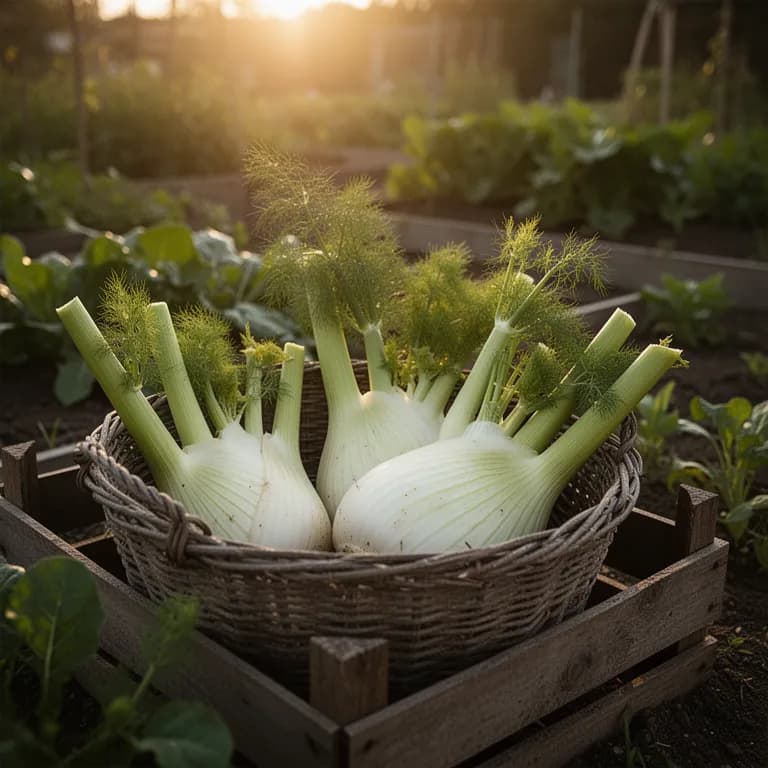
Coseche cuando los bulbos tienen 7-10 cm de ancho.
se supone que plantas al comenzar el periodo — indica tu fecha real
Cuando los bulbos alcancen 7-10 cm de diámetro y se sientan firmes y pesados.
Almacenamiento y conservación
En refrigerador 1-2 semanas.
Qué falla — y cómo solucionarlo
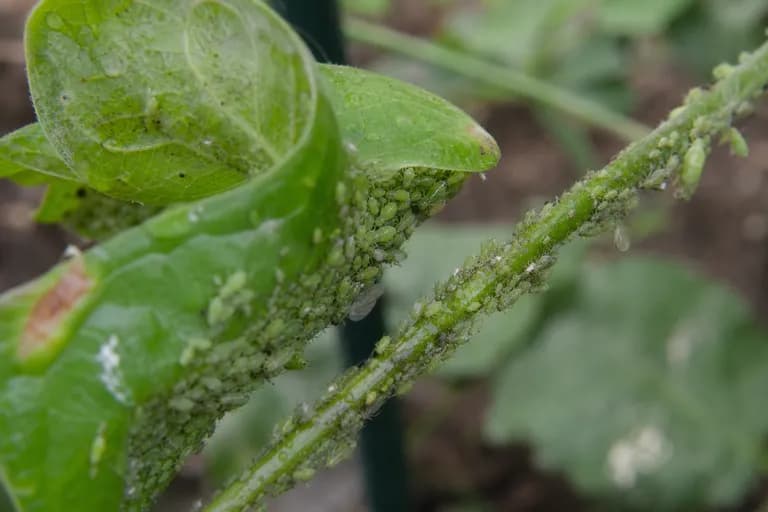
Gorgojo del hinojo
PlagaLarvas en tallos.
Solución de problemas comunes
Espigado con calor y días largos.
Consejos de cultivo
- Fall planting is the single most important tip for fennel success. Shortening days and cooling temperatures promote bulb formation instead of bolting, which is the opposite of spring planting where lengthening days fight against you. Direct-sow 8-10 weeks before first frost for the most reliable bulbs.
- Fennel develops a deep, sensitive taproot. If starting indoors, use deep pots (at least 10 cm) or soil blocks rather than shallow cell trays. Transplant with minimal root disturbance — even slight damage to the taproot can trigger bolting.
- Space plants 25-30 cm apart in full sun. Fennel needs at least 6 hours of direct sunlight daily for proper bulb development. Crowded plants produce small, elongated bulbs rather than the desired round, plump shape.
- Water consistently — about 2.5 cm (1 inch) per week. Drought stress is one of the primary triggers for premature bolting and produces tough, fibrous bulbs. Drip irrigation is ideal for maintaining even soil moisture without wetting the foliage.
- Hill soil around the bulb base when it begins to swell (typically egg-sized). This blanches the outer sheaths white, producing a milder, more tender bulb with less bitterness — a traditional technique used by Italian market gardeners.
- Isolate fennel from other garden crops. Fennel is allelopathic and releases root exudates that inhibit the growth of tomatoes, peppers, beans, and brassicas. Plant it in its own dedicated bed, at the garden edge, or in large containers.
- Choose bolt-resistant varieties for spring planting. Orion F1, Preludio, and Finale are bred for improved bolt resistance. Even so, spring fennel is less reliable than fall fennel in most climates and requires close monitoring.
- Allow a few plants to flower intentionally. The yellow umbel flowers are magnets for beneficial insects including syrphid flies, parasitic wasps, ladybugs, and pollinators that provide natural pest control for your entire garden.
Cultiva tu mejor Hinojo — y todo lo que la rodea.
Empieza un plan gratis hoy. Diseña tus bancales, coloca tu Hinojo y deja que PlotMyGarden gestione el momento, el espaciado, las asociaciones y los recordatorios de la semilla a la cesta.
Elige tu Hinojo
Florence
Buena formación de bulbos. 90 días.
Zefa Fino
Resistente a espigar. 80 días.
Fennel bulbs at the grocery store typically cost $2-4 each, and organic fennel can run $4-6 per bulb. A single packet of fennel seeds ($2-4) can produce 20-30 bulbs, representing a potential savings of $50-100 per season. Beyond the bulbs, home gardeners get fronds (often sold as a separate herb at $2-3 per bunch), stalks for stock-making, and fennel seeds worth $5-8 per jar — parts that commercial growers typically discard. The flavor of freshly harvested fennel, still crisp from the garden, is noticeably superior to store-bought bulbs that may have traveled thousands of kilometers.
Recetas rápidas
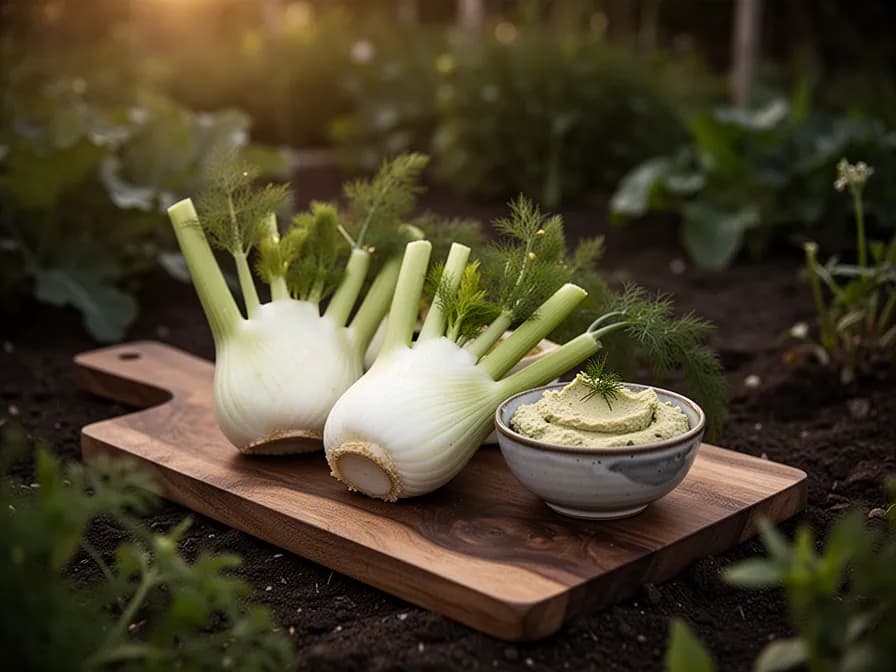
Shaved Fennel and Citrus Salad
15 minA bright, refreshing Italian salad that showcases raw fennel at its best. Paper-thin slices of crisp fennel paired with juicy citrus segments, peppery arugula, and shaved Parmesan, finished with a simple lemon vinaigrette.
7 ingredientesRoasted Fennel with Parmesan
35 minHigh-heat roasting transforms fennel into a caramelized, meltingly sweet side dish. The edges turn golden and crispy while the interior becomes tender and almost buttery — a revelation for anyone unfamiliar with cooked fennel.
7 ingredientesBraised Fennel in White Wine
45 minA classic French preparation where fennel is slowly braised until silky and tender in a bath of white wine, butter, and broth. The long, gentle cooking mellows the anise flavor into something sweet and deeply savory.
7 ingredientesUsos culinarios
Crudo en ensaladas, asado, al vapor o en sopas.
Qué contiene
Beneficios para la salud
- Rich in dietary fiber (3.1g per 100g) that supports digestive health, promotes regularity, and feeds beneficial gut bacteria. Fennel has been traditionally used for centuries as a digestive aid, and modern research supports its carminative properties.
- Contains anethole, the primary aromatic compound responsible for fennel's anise flavor, which has demonstrated anti-inflammatory, antioxidant, and antimicrobial effects in clinical studies.
- Excellent source of potassium (414mg per 100g / 12% DV), which helps regulate blood pressure, supports cardiovascular health, and maintains proper fluid balance in the body.
- Provides vitamin C (12mg per 100g), manganese, folate, and calcium — a combination that supports immune function, bone health, and healthy cell division during pregnancy.
- Fennel tea made from crushed seeds is one of the most widely used herbal remedies for infant colic, bloating, and gas. The volatile oils relax smooth muscle in the digestive tract, easing cramping and discomfort.
- Low in calories (31 per 100g) with high water content (90%), making fennel an excellent food for weight management and hydration while still providing meaningful amounts of essential vitamins and minerals.
De dónde viene Hinojo
Fennel (Foeniculum vulgare) is native to the shores of the Mediterranean, where it has grown wild along coastal cliffs, roadsides, and dry hillsides for millennia. It is one of the oldest cultivated plants in the world, with records of its use dating back to ancient Egypt, where fennel was valued both as a food and a medicine. The ancient Greeks knew it as 'marathon' — the famous plain where the decisive battle against Persia was fought in 490 BC was named for the wild fennel that carpeted its fields. Greek physicians including Hippocrates and Dioscorides prescribed fennel for a wide range of ailments from digestive troubles to eye complaints.
The Romans spread fennel cultivation throughout their empire, carrying it to Britain and northern Europe where it became a staple of monastery herb gardens in the Middle Ages. Roman soldiers chewed fennel seeds during long marches, believing it improved endurance and suppressed hunger. In medieval Europe, fennel was one of the nine sacred herbs listed in the Anglo-Saxon 'Nine Herbs Charm' and was widely used in folk medicine, cooking, and even as a ward against witchcraft. Italian gardeners eventually developed the bulbing form known as Florence fennel (Foeniculum vulgare var. azoricum), selecting for the swollen, layered stem base that is the prized vegetable we grow today.
Florence fennel became a cornerstone of Italian cuisine, particularly in southern Italy and Sicily where it appears in salads, pastas, and as a braised or roasted side dish. Italian immigrants brought their love of fennel to the Americas in the 19th and early 20th centuries, where it gradually gained popularity beyond Italian communities. Today fennel is cultivated worldwide, with India producing the majority of fennel seed and Italy, Spain, and the United States leading bulb fennel production. Wild fennel has naturalized extensively in California, Australia, and other Mediterranean-climate regions, where it is sometimes considered invasive due to its vigorous self-seeding habit.
Hinojo: ¿sabías que?
Datos fascinantes sobre Hinojo
Ancient Greek marathon runners believed fennel improved stamina and endurance. The Greek word for fennel is 'marathon' — the famous Battle of Marathon in 490 BC was fought on a field of wild fennel, giving the long-distance race its name.
Hinojo: preguntas frecuentes
¿Cuándo debo plantar Hinojo?
¿Cuáles son buenas plantas acompañantes para Hinojo?
¿En qué zonas de rusticidad puede crecer Hinojo?
¿Cuánto sol necesita Hinojo?
¿A qué distancia debo espaciar Hinojo?
¿Qué plagas y enfermedades afectan a Hinojo?
¿Cómo almaceno Hinojo después de la cosecha?
¿Cuáles son las mejores variedades de Hinojo para cultivar?
¿Qué suelo necesita Hinojo?
Why does my fennel keep bolting before forming a bulb?
What is the difference between Florence fennel and herb fennel?
Can I grow fennel near my tomatoes and peppers?
Can I eat the fronds, stalks, and flowers of fennel?
How do I save fennel seeds for next year?
Is fennel a perennial or annual?
Acabas de leer la teoría. Ahora cultívala en piloto automático.
Todo lo que hace que Hinojo sea delicado — el momento, el espaciado, las asociaciones, la ventana de cosecha — es justo lo que PlotMyGarden resuelve por ti, para cada planta de tu huerto.
Un plan que conoce tu clima
Indica tu ubicación una vez. Recibe fechas de siembra, abonado y cosecha basadas en tu última helada real y el pronóstico en vivo — sin adivinar con un sobre genérico.
De la sección “Cuándo plantar”Planificador de bancales de arrastrar y soltar
Diseña bancales sobre una cuadrícula. Cada planta encaja con su espaciado correcto y ves toda la temporada antes de gastar un céntimo en semillas.
De la sección “Cultivo”Conflictos de asociación, detectados a tiempo
Más de 200 buenas y malas combinaciones comprobadas en vivo mientras plantas — para que un error que arruine la temporada nunca llegue a la tierra.
De la sección “Asociaciones”Recordatorios que sí vas a seguir
“Riega las judías.” “Recoge hoy antes de que se pase.” Oportunos, concretos y ligados a las plantas que de verdad cultivas.
De la sección “Cosecha”Escalonado, programado
¿Quieres cosechar seis semanas en vez de seis días? Reparte tus siembras automáticamente y te avisa cuando toca el siguiente lote.
De la sección “Cuándo plantar”Un registro que se vuelve más listo
Cada cosecha que registras le enseña tu huerto. El plan del año que viene parte de lo que de verdad funcionó en tu suelo, no en un manual.
De la sección “Resumen”Planta estos junto a Hinojo
Más Tallos y brotes
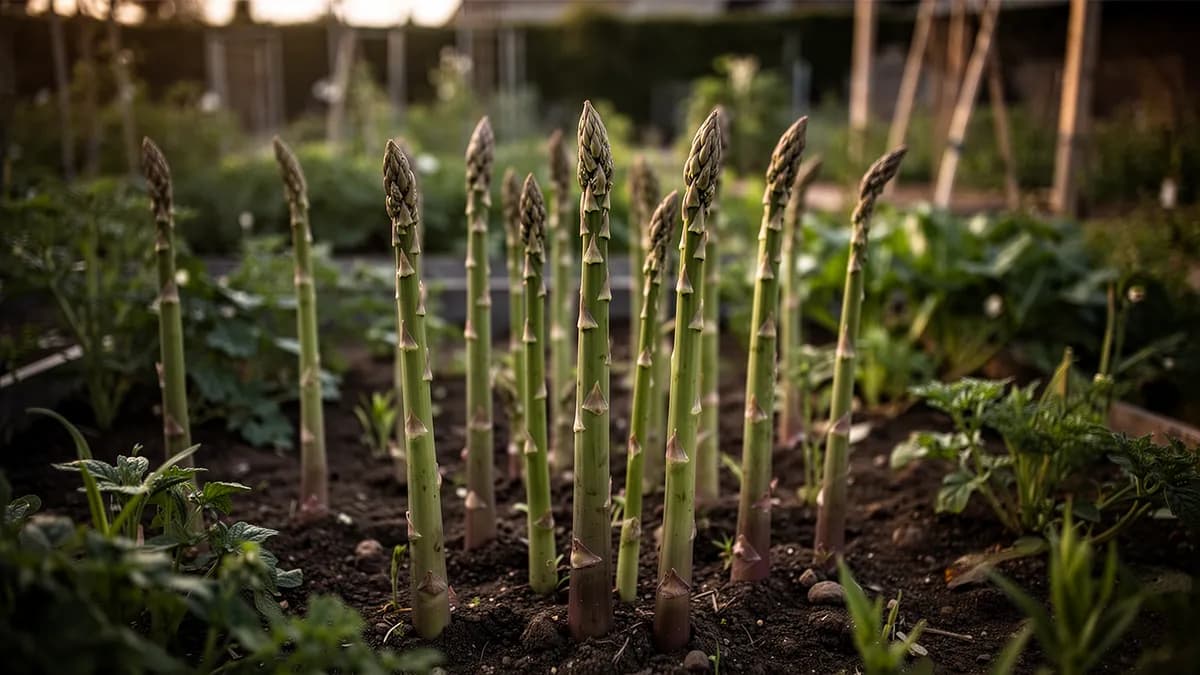
Mantén Hinojo lejos de estos
Cultiva tu mejor Hinojo — y todo lo que la rodea.
Empieza un plan gratis hoy. Diseña tus bancales, coloca tu Hinojo y deja que PlotMyGarden gestione el momento, el espaciado, las asociaciones y los recordatorios de la semilla a la cesta.