Sage
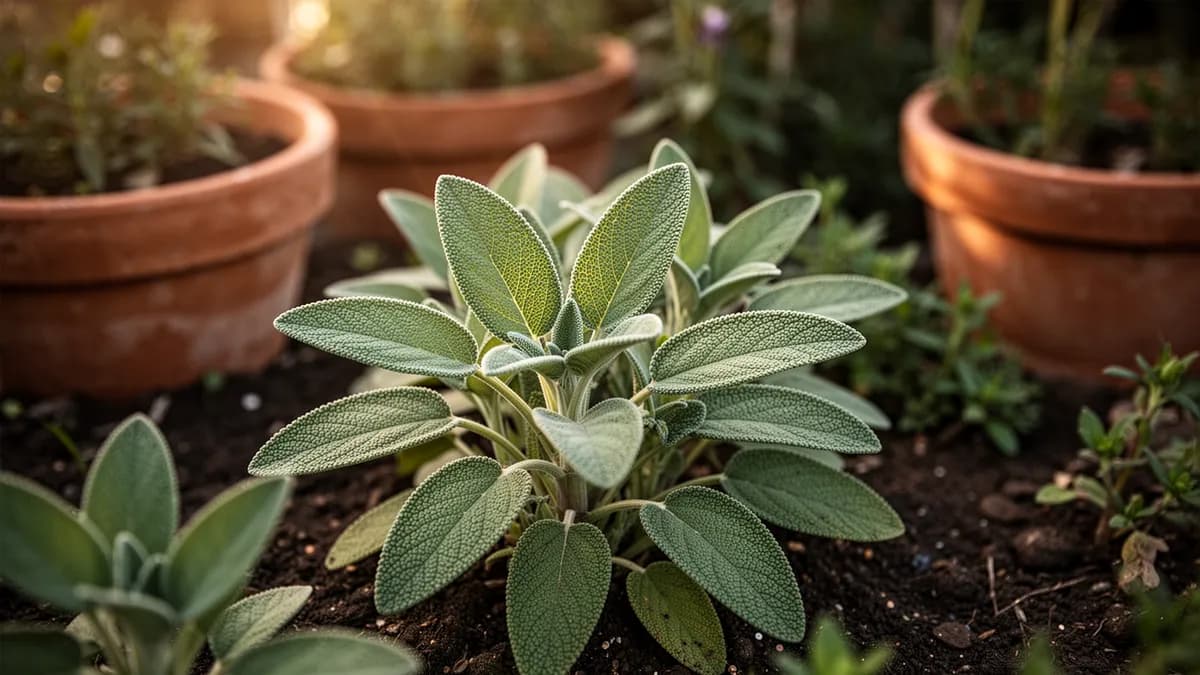
A woody perennial with velvety grey-green leaves prized for its warm, earthy flavor in autumn dishes.





On this pageOverview
Meet Sage
A woody perennial with velvety grey-green leaves prized for its warm, earthy flavor in autumn dishes. Plant in well-drained soil and full sun, and prune hard in spring to prevent the plant from becoming overly woody and unproductive. Sage is highly drought-tolerant once established and its beautiful purple flower spikes attract bees and other pollinators in early summer. The leaves are best harvested before flowering and pair classically with poultry, stuffing, sausage, and brown butter sauces.
When to plant Sage
Sow sage seeds indoors 6-8 weeks before the last frost. Plant seeds 1/8 inch deep in moist seed-starting mix. Germination is slow and irregular, taking 10-21 days at 65-70°F. Keep soil consistently moist but not wet. Provide strong light once seedlings emerge. Sage grows slowly from seed; expect small plants in the first year with full production beginning in the second season. For faster results, take 4-inch stem cuttings from new growth in spring, root in a perlite-peat mix, and transplant once well-rooted in 4-6 weeks.
Your Sage Year
Composed for Zone 7 · typical seasons · frost passes Apr 2, returns Nov 1
Plant Sage Mar – May, pick Jan – Dec. Check the planting methods below and set your climate to personalize these windows.
How to grow Sage
Start sage from nursery transplants or stem cuttings for fastest results, as seed germination is slow and somewhat unreliable. If starting from seed, sow indoors 6-8 weeks before the last frost, barely covering seeds with fine vermiculite. Germination takes 10-21 days at 65-70°F. Transplant outdoors after the last frost into full sun with well-drained soil.
Prepare the planting site by amending heavy soils with sand and gravel to ensure sharp drainage. Sage demands well-drained soil and will rot in wet winter conditions. Space plants 18-24 inches apart. A slightly alkaline pH of 6.5-7.5 is ideal. Raised beds or sloped sites provide the drainage sage needs to thrive long-term.
Prune sage hard in early spring, cutting back by one-third to one-half to remove woody dead growth and stimulate vigorous new shoots. Without annual pruning, sage becomes leggy, woody, and unproductive within a few years. Water sparingly once established, as sage is highly drought-tolerant and prone to root diseases in wet soil. Replace plants every 4-5 years when they become overly woody and production declines despite pruning.
8 plants fit a 4 × 8 ft bed
Each Sage wants 60 cm of elbow room. The planner keeps that spacing for you — every plant, every bed.
Sage's best neighbours
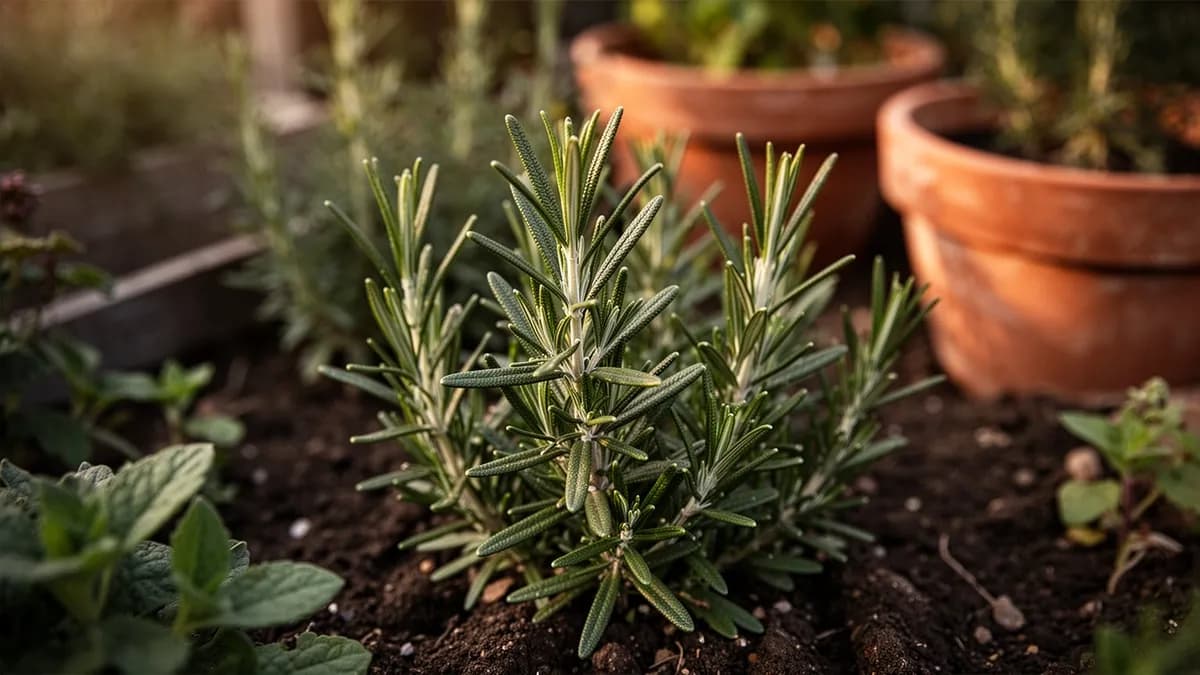
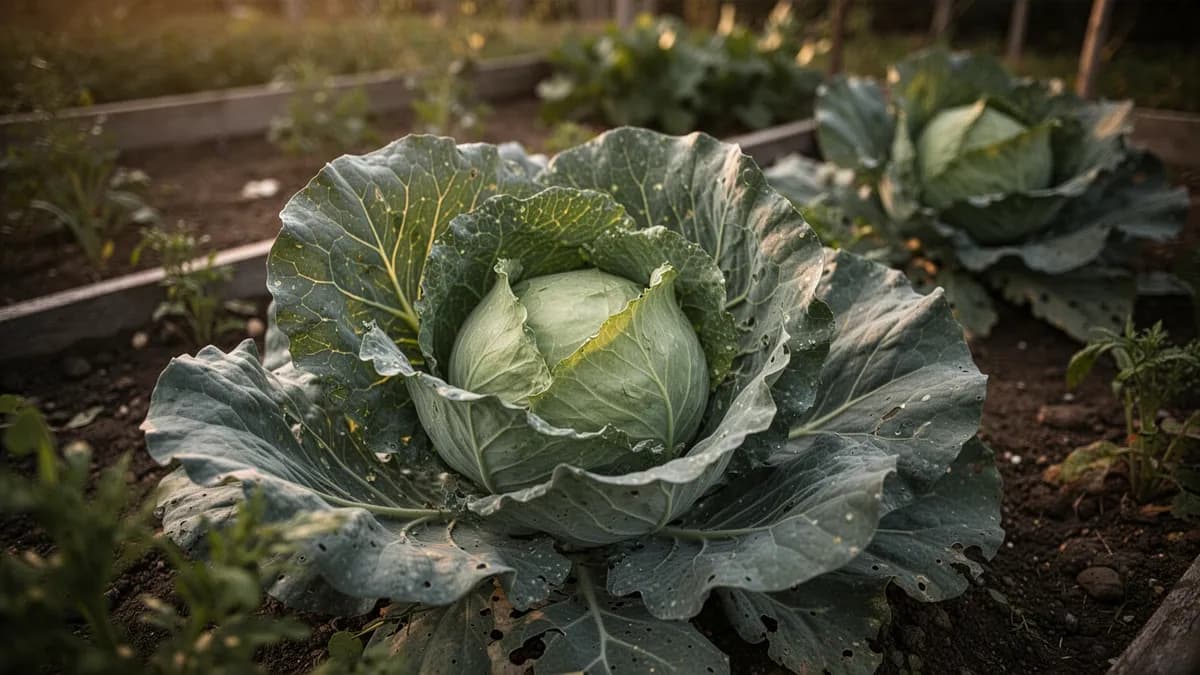
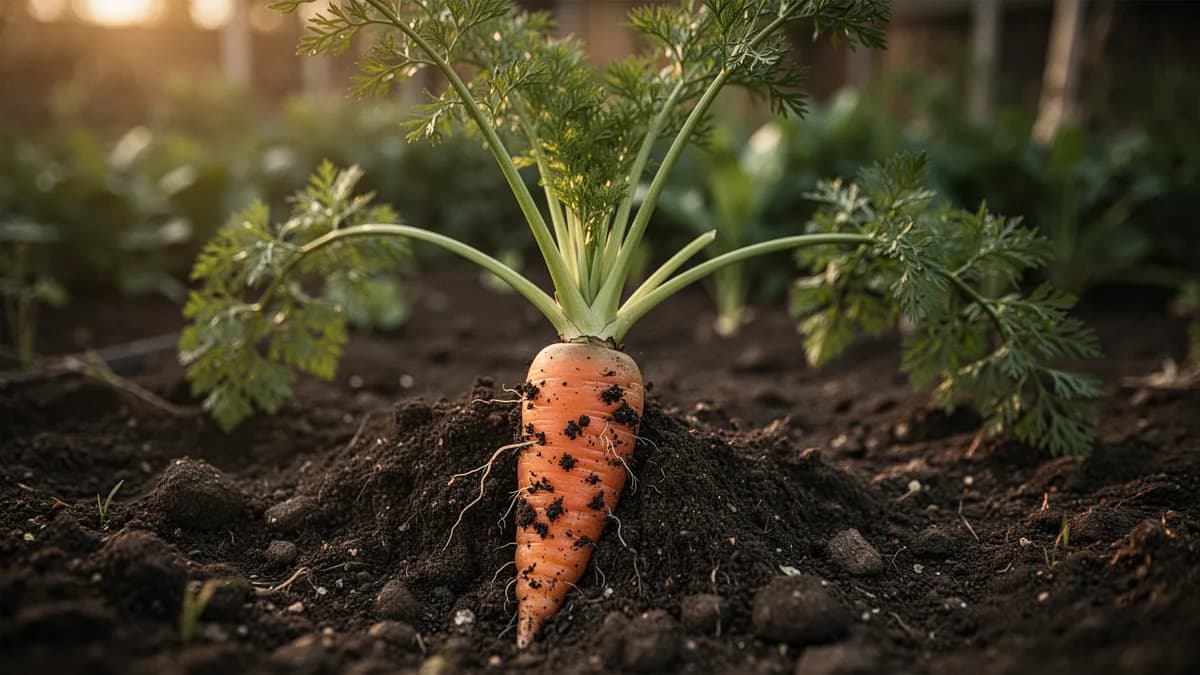
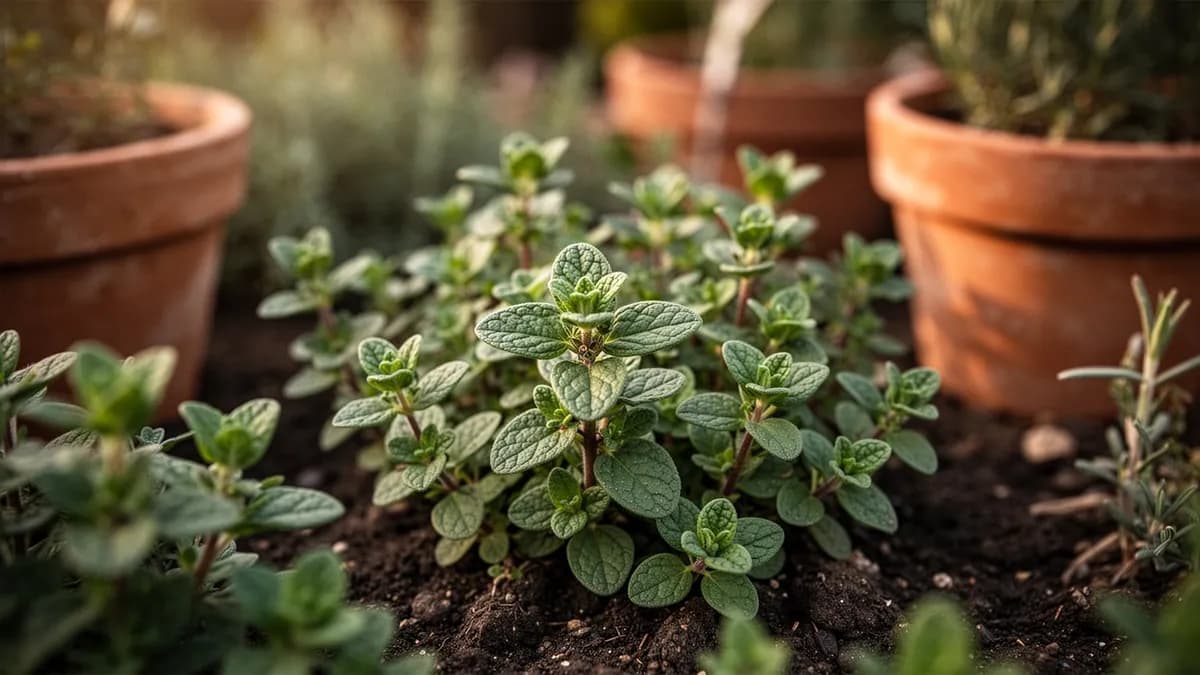
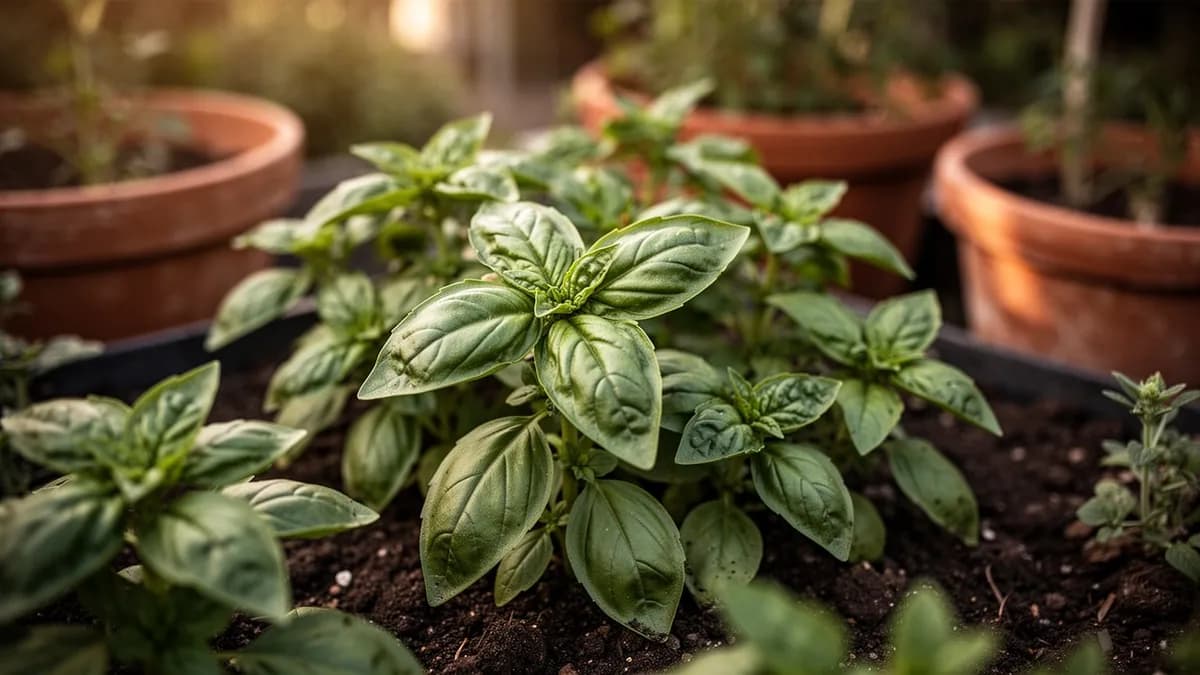
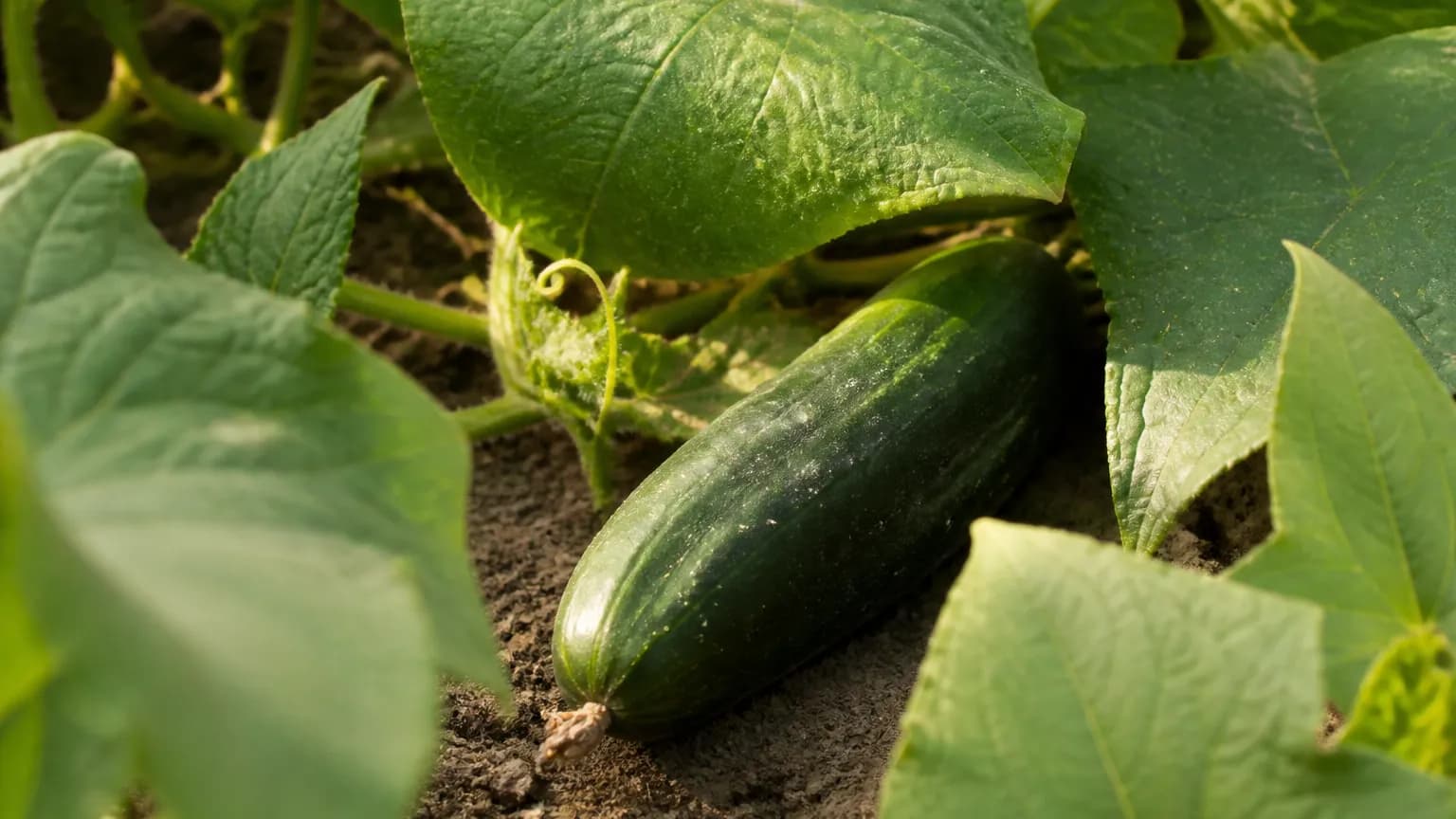
Sage repels cabbage moths, carrot flies, and several beetle species through its potent aromatic oils, making it a valuable companion near brassicas, carrots, and strawberries. It shares growing requirements with other Mediterranean herbs like rosemary, thyme, and lavender, and they make natural garden groupings. Sage flowers attract numerous bee species, improving pollination throughout the garden. Avoid planting sage near basil and cucumbers, as sage's preference for dry conditions conflicts with their moisture needs.
Rosemary belongs beside it. Basil doesn't.
Old growers' knowledge, checked against Sage's real companion table below — test any plant you're growing.
Try Sage in a bed — right here
A real planner bed with Sage already in it. Tap a companion to place it and watch the pairing checks answer — green for good neighbours, red for a clash.


Related growing guides
Feed it well
Sage thrives in lean, well-drained, slightly alkaline soil with a pH of 6.5-7.5. Sandy or gravelly soils are ideal. Avoid rich, heavily composted soil, which promotes soft, disease-prone growth with diminished flavor. A thin layer of compost in spring is sufficient fertilization for most established plants. In poor sandy soils, apply a light balanced fertilizer once in early spring. Over-fertilizing reduces essential oil concentration and makes plants more susceptible to winter damage. Mulch with gravel rather than organic materials to keep crowns dry.
Ideal Temperature
Hardiness Zone Compatibility
From seed to harvest, stage by stage
Seed Germination
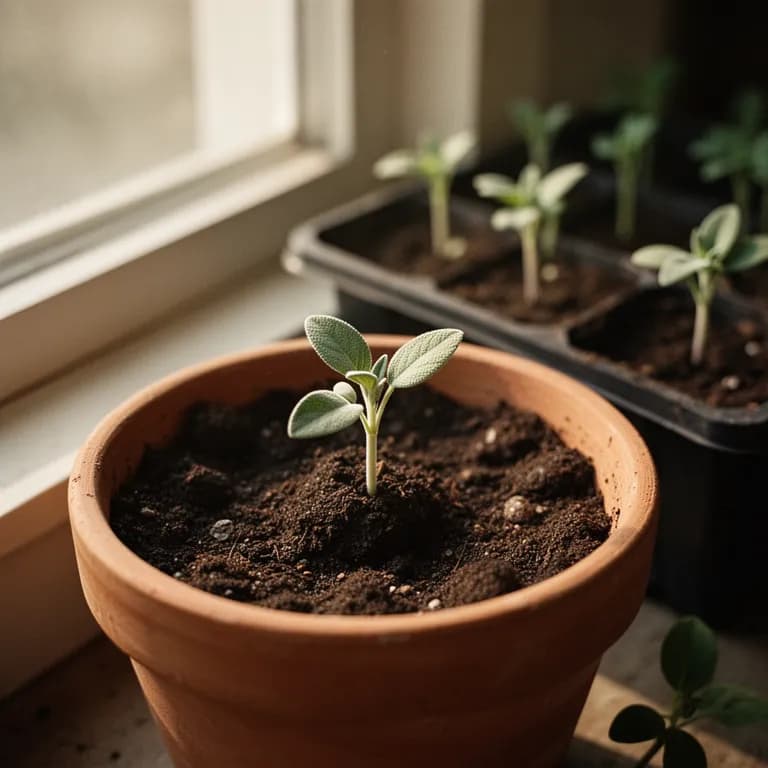
Sage seeds are slow and somewhat erratic germinators. Sow seeds 3mm deep in moist seed-starting mix at 15-21°C. Germination typically takes 14-21 days, and rates can be as low as 50%, so sow generously.
Seedling Development
Seedlings develop their first true leaves, which already show the characteristic pebbly texture. Growth is slow during this phase as the plant establishes its root system. Thin seedlings to 45-60cm apart once they have two sets of true leaves.
Vegetative Growth
The sage plant enters a vigorous growth phase, developing its woody base and branching structure. Leaves become larger and more aromatic as essential oil production increases. The plant forms a bushy mound 30-60cm wide.
Flowering
In its second year and beyond, sage produces tall spikes of tubular flowers in shades of purple, blue, pink, or white depending on the variety. The flowers are highly attractive to bees, butterflies, and hummingbirds.
Mature Perennial
Established sage plants become semi-woody sub-shrubs that can live for 4-5 years or longer with proper care. The plant reaches its full size of 60-90cm tall and produces the most flavorful leaves during this stage.
Winter Dormancy
In temperate climates sage enters semi-dormancy during winter, retaining its evergreen leaves in mild zones but slowing growth considerably. In colder regions the top growth may die back while the root crown survives underground.
Keep the soil consistently moist but not waterlogged. A humidity dome or plastic wrap helps maintain even moisture. Bottom heat from a seedling mat speeds germination significantly.
Caring for Sage month by month
What to do each month for your Sage
October
You are hereApply a layer of compost as a top dressing before winter. Move container plants to sheltered locations. Stop harvesting to allow the plant to harden off before cold weather arrives.
Know exactly what to do in your garden — every month
One email at the start of each month: what to sow, plant, and tackle right now — for your Sage and everything growing around it. Plus a short starter course that helps you dodge the classic mistakes.
- What to do, right now
- Matched to your season
- Starter course included
Harvesting Sage
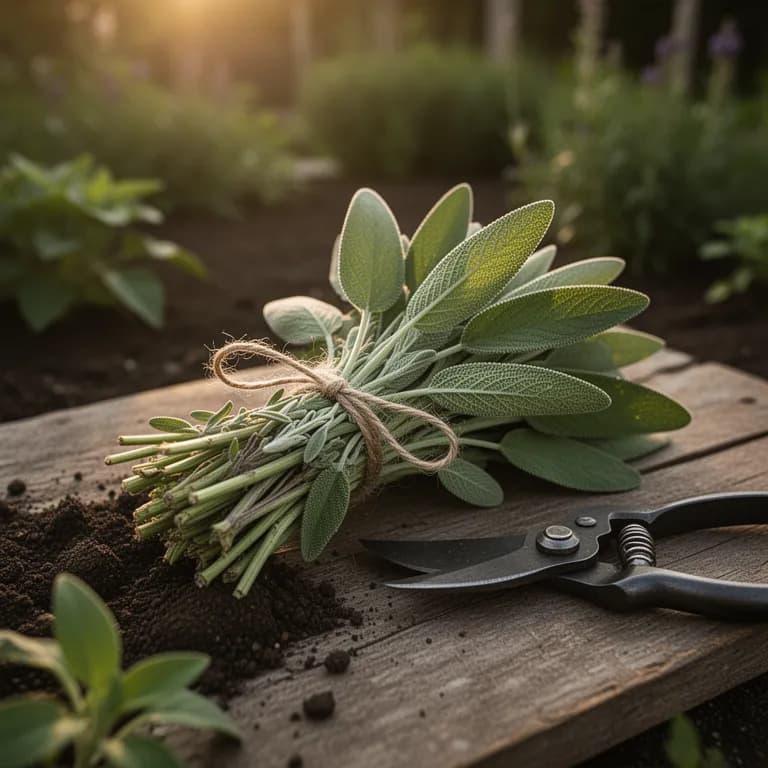
Harvest sage leaves lightly in the first year to allow plants to establish strong root systems. From the second year onward, cut stems freely throughout the growing season. The best flavor comes from harvesting just before flowering, when essential oil concentration is highest. Cut 6-8 inch stems and strip leaves, or pick individual leaves as needed. Avoid harvesting heavily after midsummer to allow plants to harden off before winter. Sage can be harvested lightly through winter in mild climates.
assuming you plant when the window opens — set your real date
Harvest lightly in the first year so the plant can establish strong roots. From the second year onward, harvest freely throughout the growing season; flavor is best just before flowering, when essential oil concentration is highest.
Storage & Preservation
Fresh sage keeps for about a week in the refrigerator wrapped in a slightly damp paper towel inside a sealed bag. Sage dries exceptionally well and retains its flavor for up to a year. Bundle 4-5 stems together and hang upside down in a warm, dark, well-ventilated location for 1-2 weeks. Strip dried leaves and store whole in airtight jars for the best flavor retention. Sage can also be frozen in olive oil in ice cube trays or infused into butter for convenient cooking portions. Sage butter freezes well for up to 6 months.
What goes wrong — and the fix
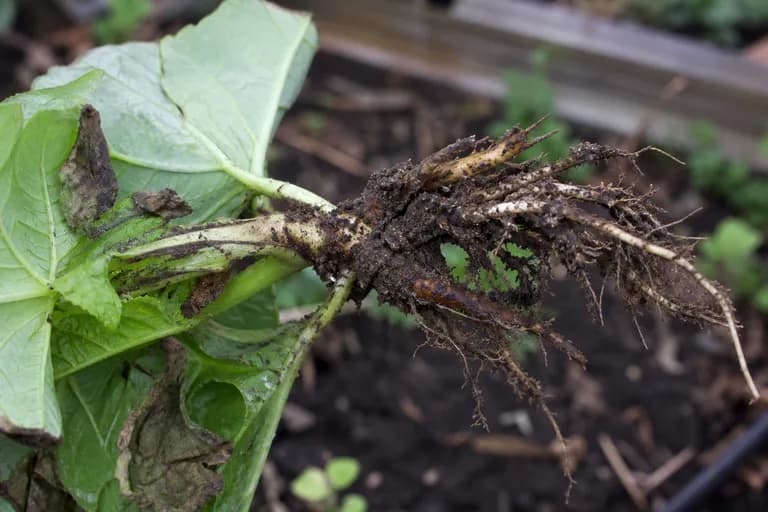
Root Rot
DiseaseWilting despite adequate moisture, yellowing foliage, brown mushy roots, plant collapse.
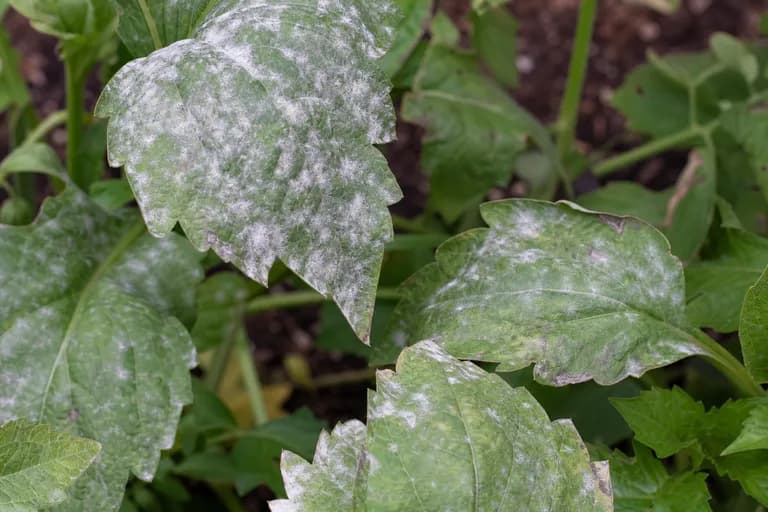
Powdery Mildew
DiseaseWhite powdery patches on leaf surfaces, distorted growth, reduced vigor in humid conditions.
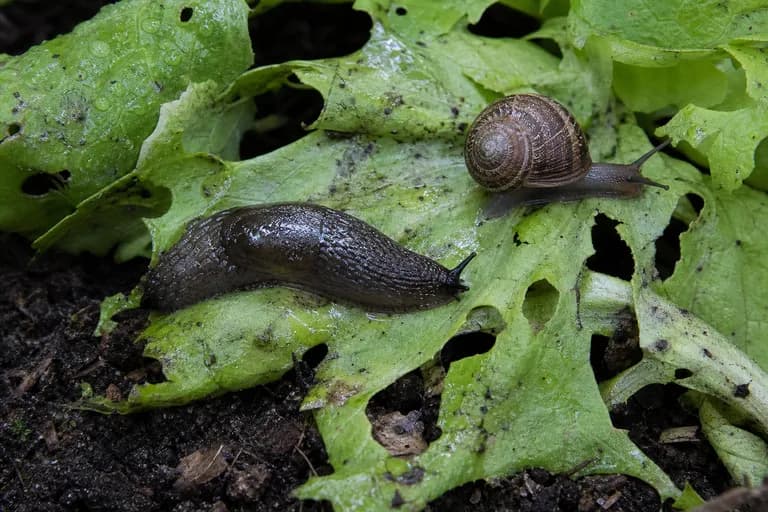
Slugs and Snails
PestIrregular holes in leaves, slime trails on foliage and soil, damage worst in damp conditions overnight.
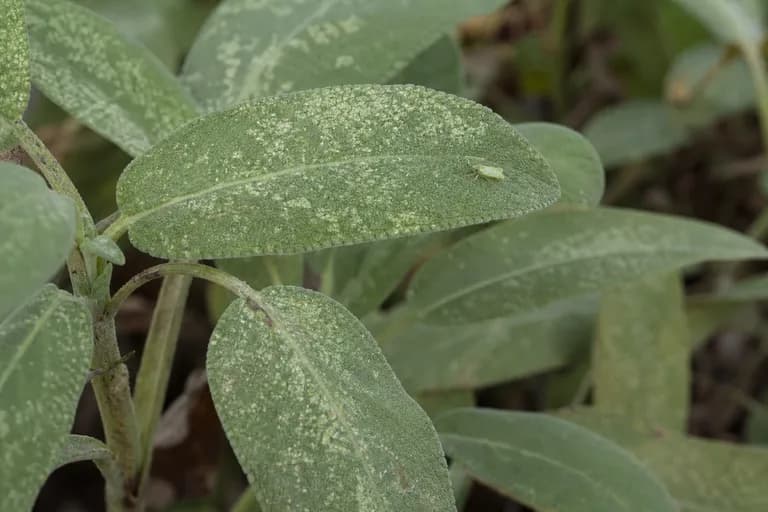
Sage Leafhopper
PestWhite stippling on leaf surfaces, tiny wedge-shaped jumping insects on undersides, reduced plant vigor.
Troubleshooting Common Problems
Woody, unproductive growth is the most common issue with sage, caused by failure to prune hard in early spring. Replace plants every 4-5 years when they become excessively woody. Root rot from wet winter conditions kills more sage plants than cold temperatures; excellent drainage is essential. Leggy, sparse growth indicates insufficient sunlight. Tender variegated varieties like Tricolor may not survive harsh winters and need protection or container growing. Sage plants should not be harvested heavily in late fall, as new growth needs time to harden before frost.
Growing Tips
- Plant sage in full sun with at least 6-8 hours of direct sunlight daily. In hot climates with temperatures regularly above 35°C, provide light afternoon shade to prevent leaf scorching and bolting.
- Well-drained soil is absolutely essential for sage. Amend heavy clay soil with coarse sand, perlite, or gravel to improve drainage. Sage planted in waterlogged soil will quickly develop root rot and die.
- Water established sage deeply but infrequently, allowing the soil to dry out between waterings. Sage is drought-tolerant once established and actually produces more flavorful, aromatic leaves when slightly stressed for water.
- Avoid over-fertilizing sage. Too much nitrogen produces lush, rapid growth with reduced essential oil content and diminished flavor. A single light application of balanced compost in spring is sufficient for the entire year.
- Propagate sage from stem cuttings in spring or late summer for plants identical to the parent. Take 8-10cm cuttings from non-flowering stems, strip the lower leaves, dip in rooting hormone, and plant in moist perlite or vermiculite.
- Prune sage plants hard in early spring, cutting back the previous year's growth by one-third to one-half. Always cut above a visible leaf node or bud. Never cut into old bare wood, as sage may not regenerate from woody stems.
- Harvest sage leaves in the morning after the dew has dried but before the heat of the day. This is when the concentration of essential oils in the leaves is at its peak, resulting in the most flavorful harvest.
- Grow sage in containers at least 30cm deep with excellent drainage holes. Use a gritty, well-draining potting mix such as a blend of regular potting soil with 30-40% perlite or coarse sand to mimic its native Mediterranean habitat.
- Companion plant sage near brassicas like cabbage, broccoli, and cauliflower. Sage's strong aroma helps repel cabbage moths, carrot flies, and flea beetles, making it a valuable integrated pest management tool in the vegetable garden.
- Replace sage plants every 4-5 years as they become increasingly woody and less productive with age. Start new plants from cuttings of your best performers a year before you plan to remove the old ones to ensure continuous supply.
Grow your best Sage yet — and everything around it.
Start a free plan today. Lay out your beds, drop in your Sage, and let PlotMyGarden handle the timing, spacing, companions and reminders from seed to harvest basket.
Pick your Sage
Common Sage (Garden Sage)
The standard culinary variety with grey-green velvety leaves and strong, classic sage flavor. Hardy and reliable, growing 2-3 feet tall with attractive purple flowers.
Purple Sage
Ornamental variety with deep purple-grey leaves that provide stunning garden color. Slightly milder flavor than common sage, excellent in both cooking and borders.
Tricolor Sage
Beautiful variegated leaves in green, white, and purple-pink. Less hardy than common sage but a striking ornamental with usable culinary flavor.
Berggarten
A non-flowering variety with large, rounded leaves and excellent flavor. Stays compact and does not bolt, making it ideal for sustained culinary harvests.
Pineapple Sage
A tender perennial with bright red tubular flowers and a fruity pineapple scent. Loved by hummingbirds, used in desserts and fruit salads.
A single sage plant costs around $3-5 and can produce fresh leaves for 4-5 years with minimal care. Fresh sage sells for $2-4 per small bunch at grocery stores, and dried sage costs $4-8 per jar. One mature plant yields the equivalent of 15-20 fresh bunches or 4-6 jars of dried sage per year, saving $30-80 annually. Since sage is a hardy perennial that requires little water or fertilizer once established, the ongoing maintenance cost is essentially zero, making it one of the most cost-effective herbs to grow at home.
Quick recipes
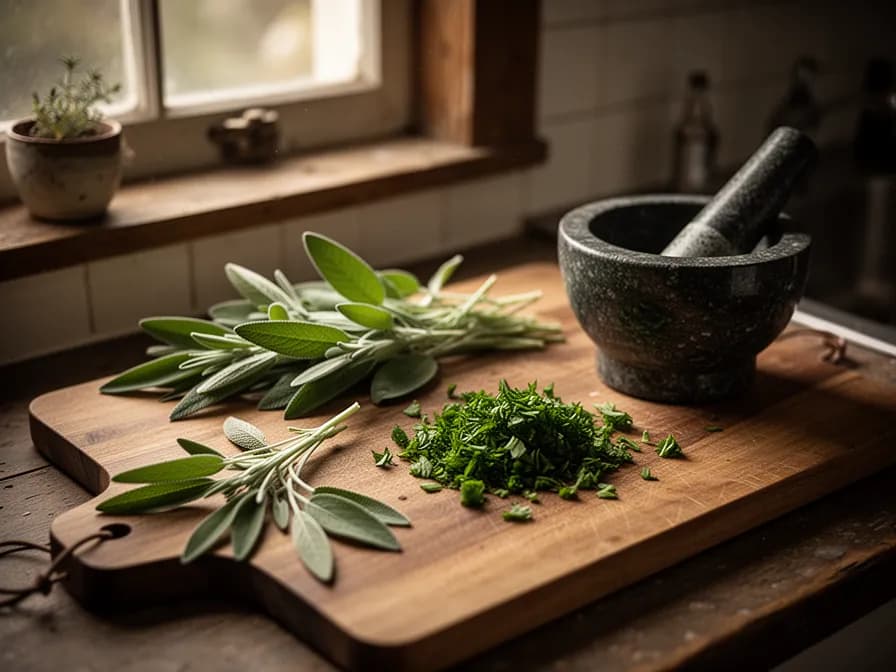
Brown Butter and Crispy Sage Pasta
15 minutesA classic Italian preparation where fresh sage leaves are fried until crispy in nutty brown butter, then tossed with hot pasta and finished with Parmesan cheese. The sage becomes delicately crunchy with an intensified earthy flavor that perfectly complements the toasted butter.
5 ingredientsSage and Lemon Roasted Chicken Thighs
45 minutesBone-in chicken thighs are rubbed with a fragrant mixture of fresh sage, garlic, and lemon zest, then roasted until the skin is golden and crispy. The sage infuses the meat with its warm, earthy aroma while the lemon adds a bright counterpoint.
6 ingredients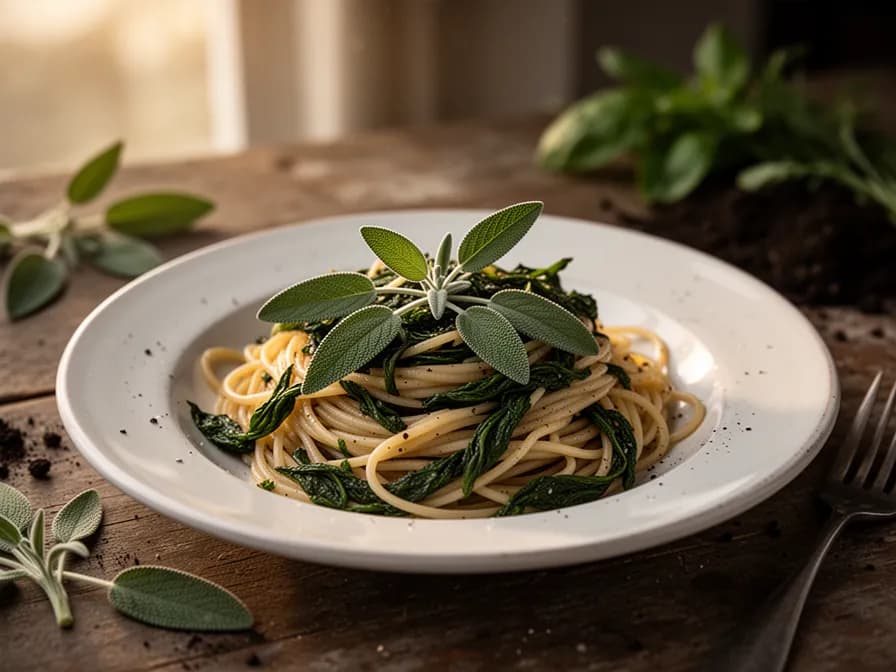
Sage and Honey Herbal Tea
10 minutesA soothing herbal infusion made from fresh sage leaves, traditionally used to ease sore throats and support digestion. The earthy, slightly peppery sage is balanced by the sweetness of raw honey and a squeeze of lemon for a comforting warm beverage.
5 ingredientsCulinary Uses
Sage is the quintessential autumn herb, essential in Thanksgiving stuffing, sausage seasoning, and brown butter sauces. Its warm, slightly peppery, earthy flavor pairs beautifully with poultry, pork, winter squash, and white beans. Use sage in saltimbocca, ravioli filling, and gnocchi with browned butter. A little goes a long way, as sage has a powerful flavor that can overpower delicate dishes. Fry whole leaves in butter until crisp for an elegant garnish on pasta and risotto.
What's inside
Health Benefits
- Contains rosmarinic acid, a powerful anti-inflammatory compound that may help reduce swelling and irritation in conditions such as arthritis and asthma
- Studies suggest sage extract may improve memory and cognitive function, with research showing potential benefits for Alzheimer's disease symptom management
- Traditional use as a gargle for sore throats and mouth ulcers is supported by modern research confirming sage's antimicrobial and antiseptic properties
- May help regulate blood sugar levels by enhancing insulin sensitivity, with some studies showing effects comparable to mild anti-diabetic medications
- Contains camphor, borneol, and cineole, which have been shown to support respiratory health and help clear congestion when used in steam inhalations
- Rich in antioxidants that help protect cells from free radical damage, potentially reducing the risk of chronic diseases and supporting overall immune function
Where Sage comes from
Sage (Salvia officinalis) is native to the Mediterranean region, particularly the coastal areas of the northern Mediterranean basin spanning from Spain through southern France, Italy, and into the Balkans. The plant has thrived in the rocky, well-drained limestone soils and warm, dry climates of this region for millennia, evolving its characteristic aromatic oils partly as a defense against herbivores and drought.
The ancient Egyptians used sage as a fertility medicine, while Greek and Roman physicians including Dioscorides and Pliny the Elder documented its extensive medicinal properties. The Romans likely introduced sage throughout their empire, spreading its cultivation across Europe. The Latin species name 'officinalis' indicates its established role in apothecary medicine, as the officina was the storeroom of a monastery where medicines were kept.
During the Middle Ages, sage became one of the most important herbs grown in monastic gardens across Europe. Charlemagne ordered its cultivation in imperial gardens around 812 AD, and it was a staple of the influential physic gardens at monasteries like St. Gall in Switzerland. Medieval herbalists prescribed sage for ailments ranging from digestive complaints to memory loss, and it was considered essential during plague outbreaks.
Sage arrived in North America with early European colonists in the 17th century and quickly became a kitchen garden staple. The Shakers cultivated sage commercially, and it became deeply embedded in American culinary tradition, especially in poultry seasoning and Thanksgiving stuffing. Today sage is cultivated worldwide, with major commercial production in Albania, Turkey, and the Dalmatian coast of Croatia, where the wild-harvested Dalmatian sage is considered the finest quality available for culinary and essential oil purposes.
Sage: did you know?
Fascinating facts about Sage
The genus name Salvia comes from the Latin 'salvere' meaning 'to be saved' or 'to heal,' reflecting the herb's ancient reputation as a cure-all medicinal plant.
Sage questions, answered
When should I plant Sage?
What are good companion plants for Sage?
What hardiness zones can Sage grow in?
How much sun does Sage need?
How far apart should I space Sage?
What pests and diseases affect Sage?
How do I store Sage after harvest?
What are the best Sage varieties to grow?
What soil does Sage need?
Can I grow sage indoors year-round?
Why are my sage leaves turning yellow?
When is the best time to harvest sage for drying?
Is sage safe to consume in large quantities?
How do I prevent my sage from becoming too woody?
What are the best sage varieties for cooking?
You just read the theory. Now grow it on autopilot.
Everything that makes Sage fiddly — the timing, the spacing, the companions, the harvest window — is exactly what PlotMyGarden handles for you, for every plant in your garden.
A plan that knows your weather
Set your location once. Get sow, feed and harvest dates built around your real last-frost date and live forecast — no more guessing from a generic seed packet.
From the “When to plant” sectionDrag-and-drop bed planner
Design beds on a grid. Every plant snaps to its proper spacing, and you can see your whole season laid out before you spend a cent on seed.
From the “Growing guide” sectionCompanion conflicts, caught early
200+ good-and-bad pairings checked live as you plant — so a season-wrecking mistake never makes it into the ground.
From the “Companions” sectionReminders you'll actually act on
“Water the beans.” “Pick today before it turns.” Timely, specific, and tied to the plants you're really growing.
From the “Harvest” sectionSuccession, scheduled
Want a harvest for six weeks, not six days? It spaces your sowings automatically and reminds you when each new block is due.
From the “When to plant” sectionA record that gets smarter
Every harvest you log teaches it your garden. Next year's plan starts from what actually worked in your soil, not a textbook's.
From the “Overview” sectionPlant these alongside Sage
More Culinary Herbs
Keep Sage away from these
Garden plans featuring Sage
Grow your best Sage yet — and everything around it.
Start a free plan today. Lay out your beds, drop in your Sage, and let PlotMyGarden handle the timing, spacing, companions and reminders from seed to harvest basket.