Apio
Una verdura de clima fresco con tallos crujientes.





En esta páginaResumen
Conoce Apio
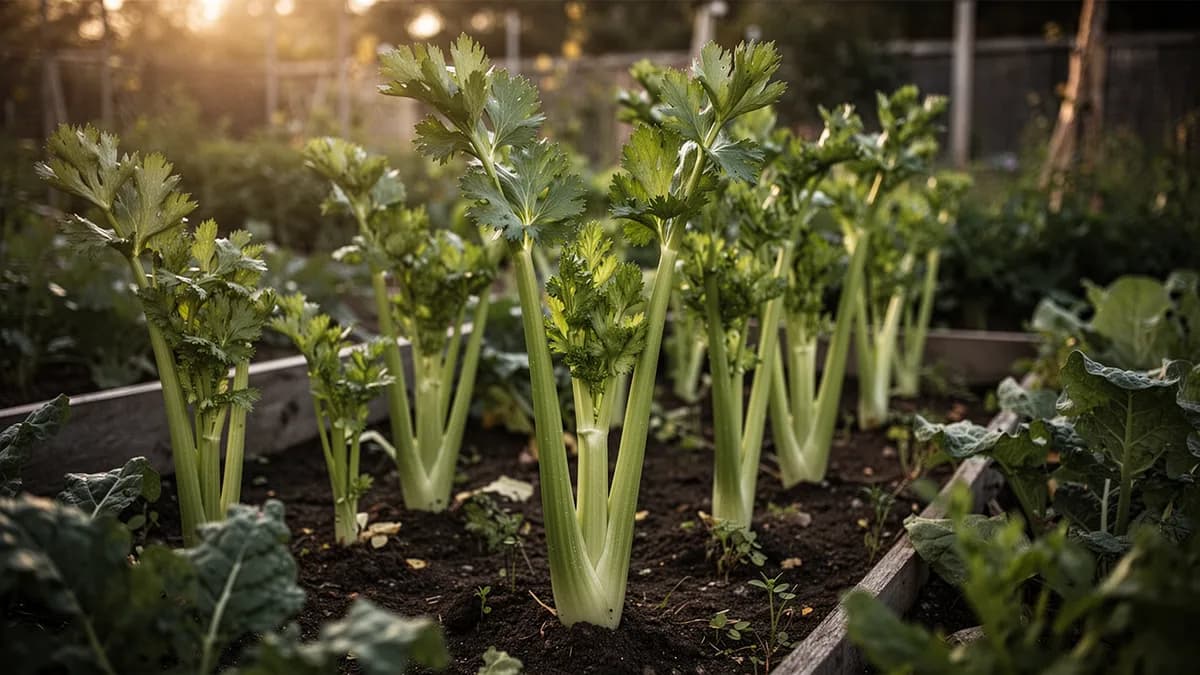
Una verdura de clima fresco con tallos crujientes. El apio necesita humedad constante y una larga temporada de crecimiento.
Cuándo plantar Apio
Siembre semillas en la superficie, no cubra. Mantenga húmedo.
Tu año de Apio
Ajustado a Zona 7 · temporada típica · la helada se va hacia el 2 abr y vuelve hacia el 1 nov
Planta Apio Mar – May y cosecha Jul – Oct. Consulta los métodos de plantación y elige tu clima para adaptar los periodos.
Cómo cultivar Apio
Siembre apio en interiores 10-12 semanas antes de la última helada. Las semillas son diminutas y necesitan luz para germinar.
El apio necesita suelo constantemente húmedo. En sequía los tallos se vuelven fibrosos. El blanqueo mejora el sabor.
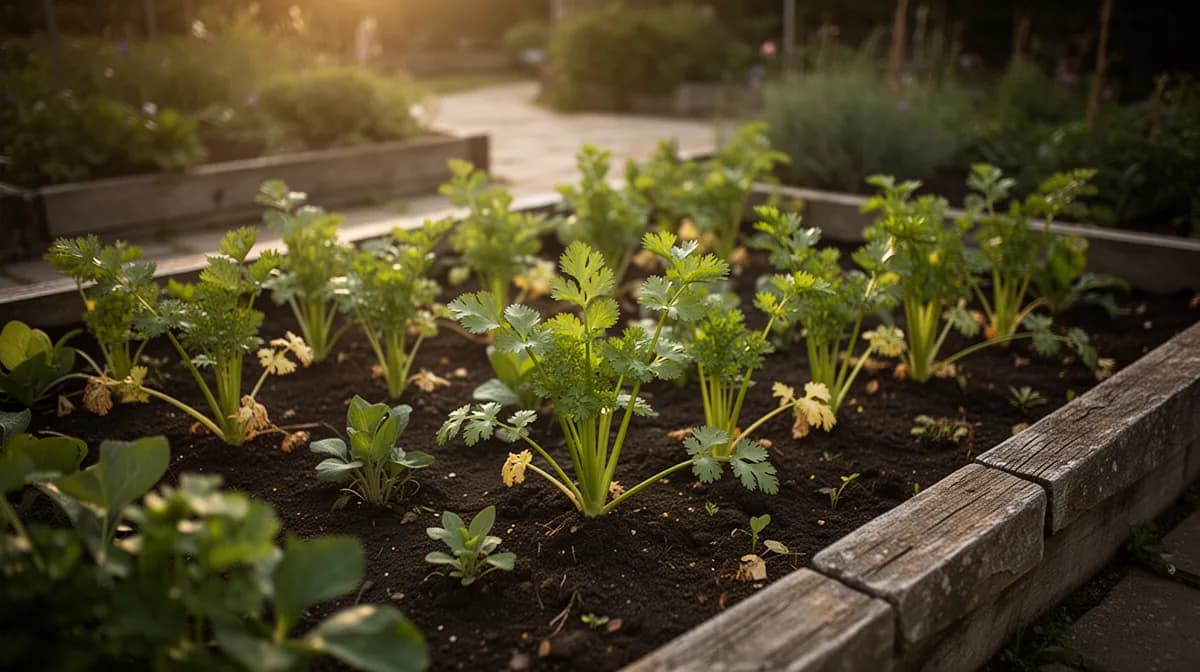
36 plantas caben en un bancal de 120 × 240 cm
Cada Apio pide 25 cm de margen. El planificador guarda ese marco por ti — cada planta, cada bancal.
Los mejores vecinos de Apio
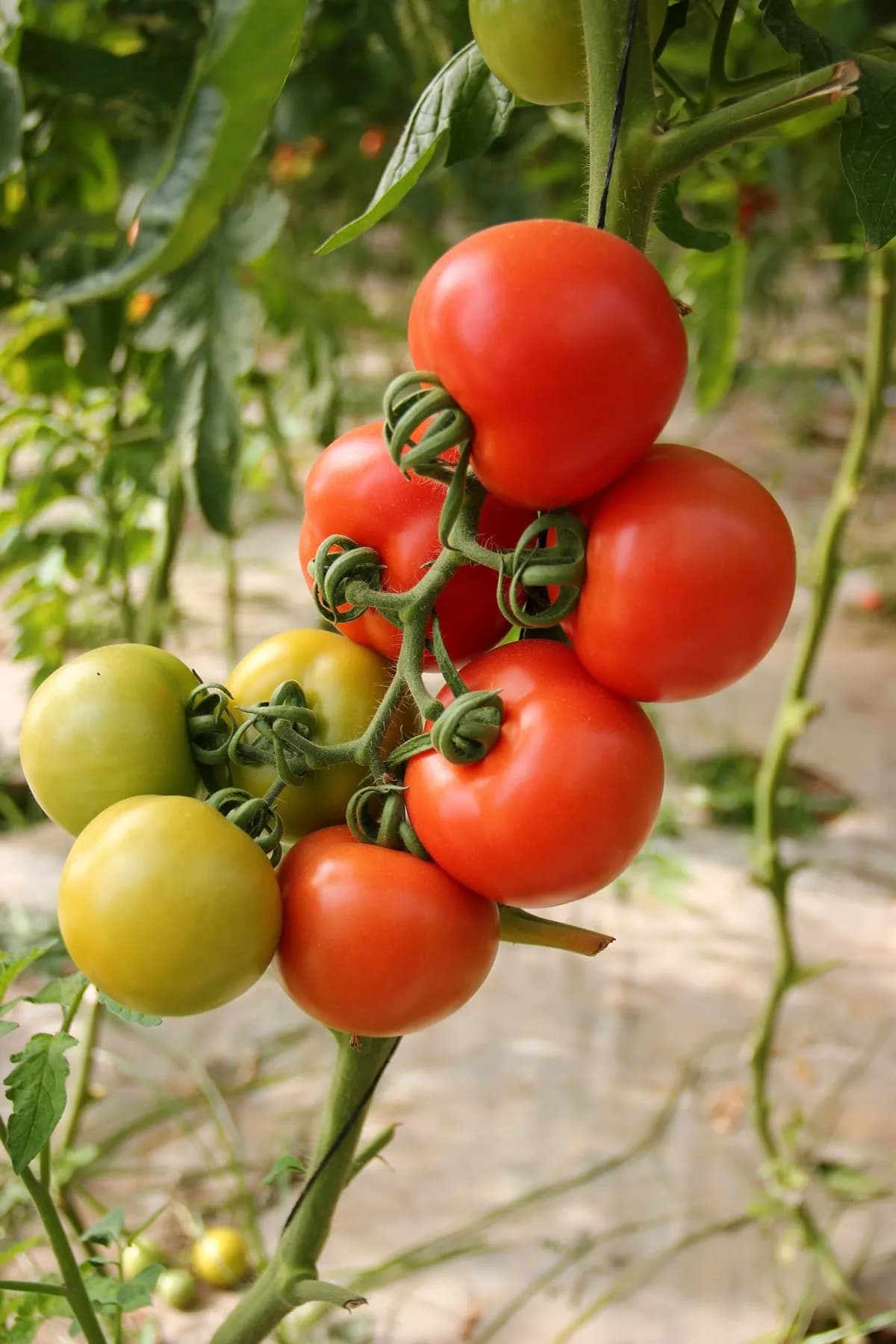
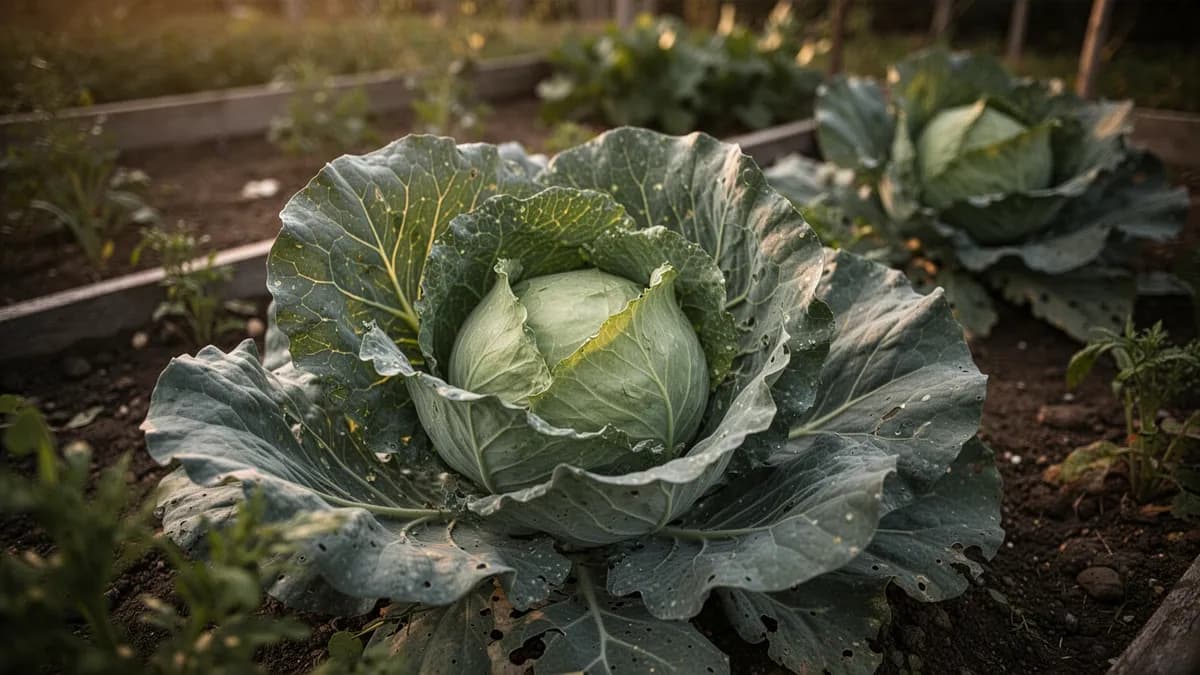
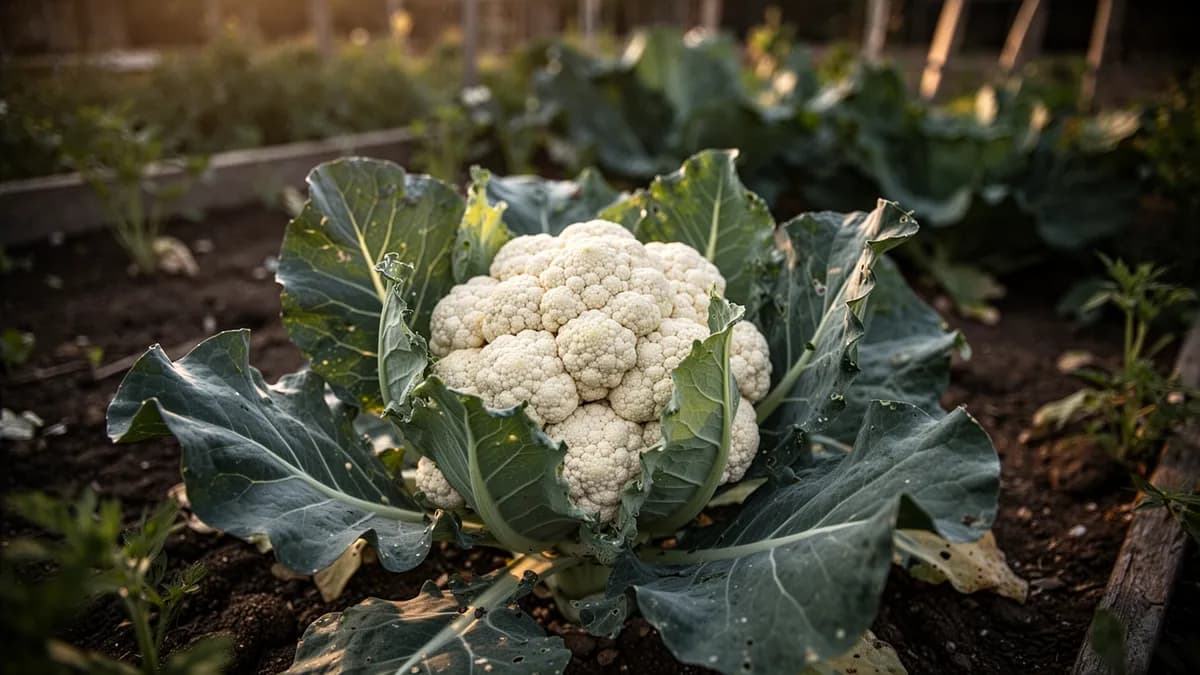
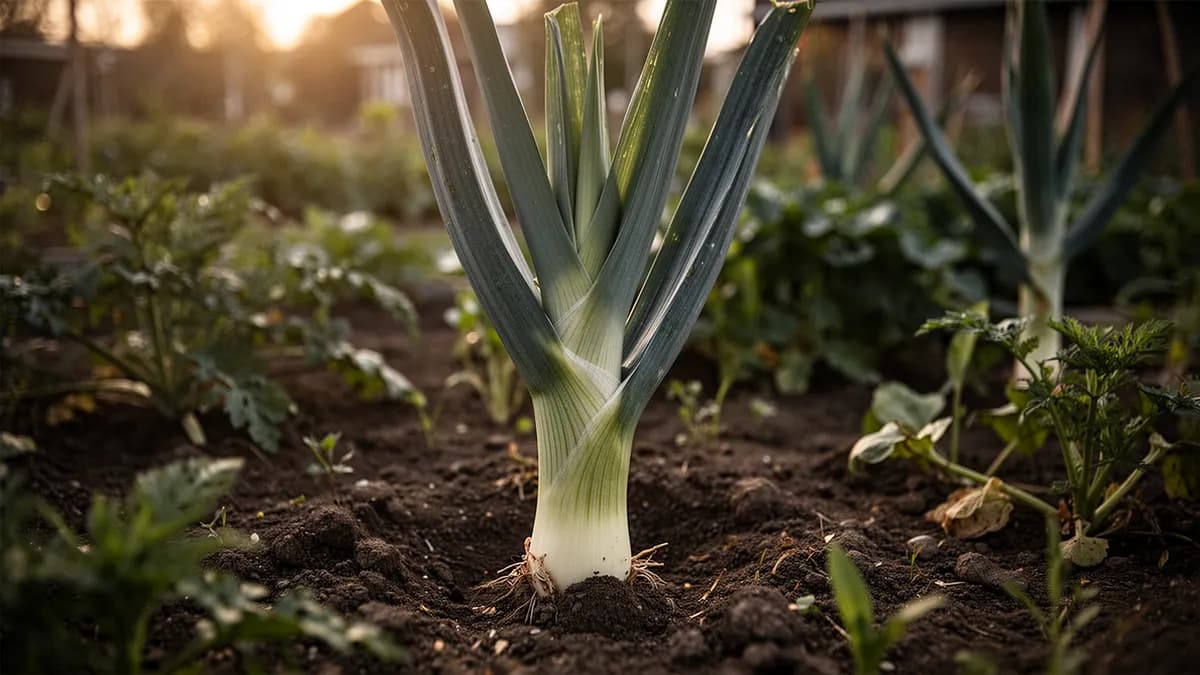
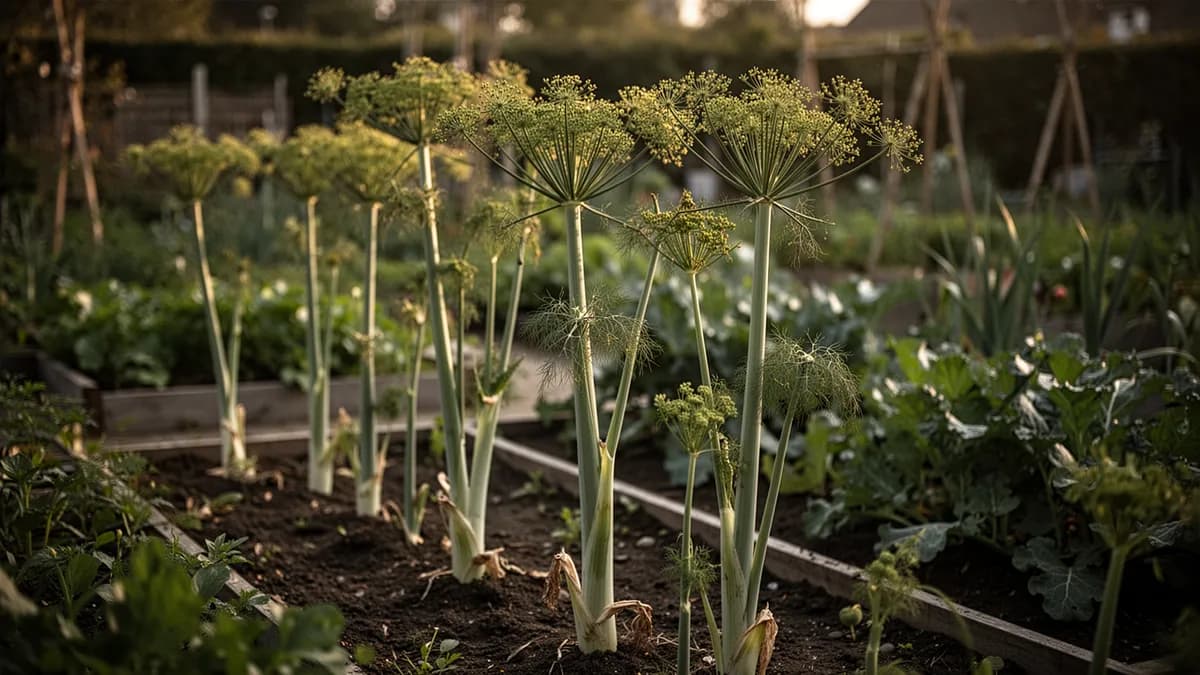
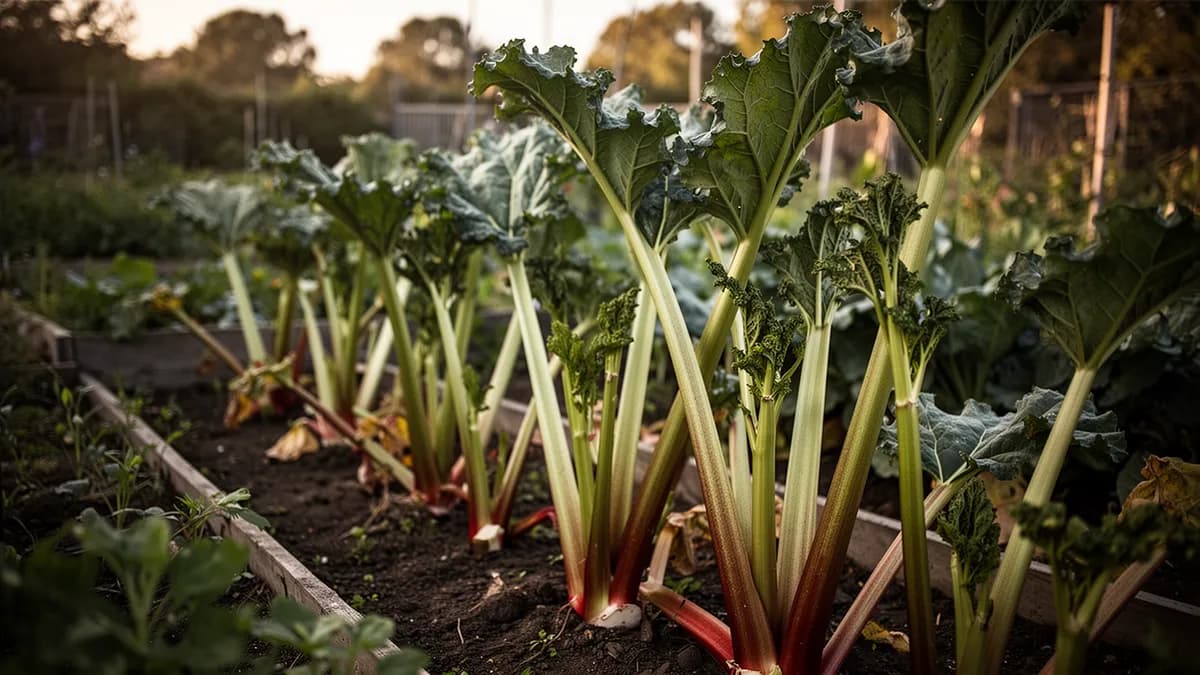
Col, puerro y tomates son buenos compañeros.
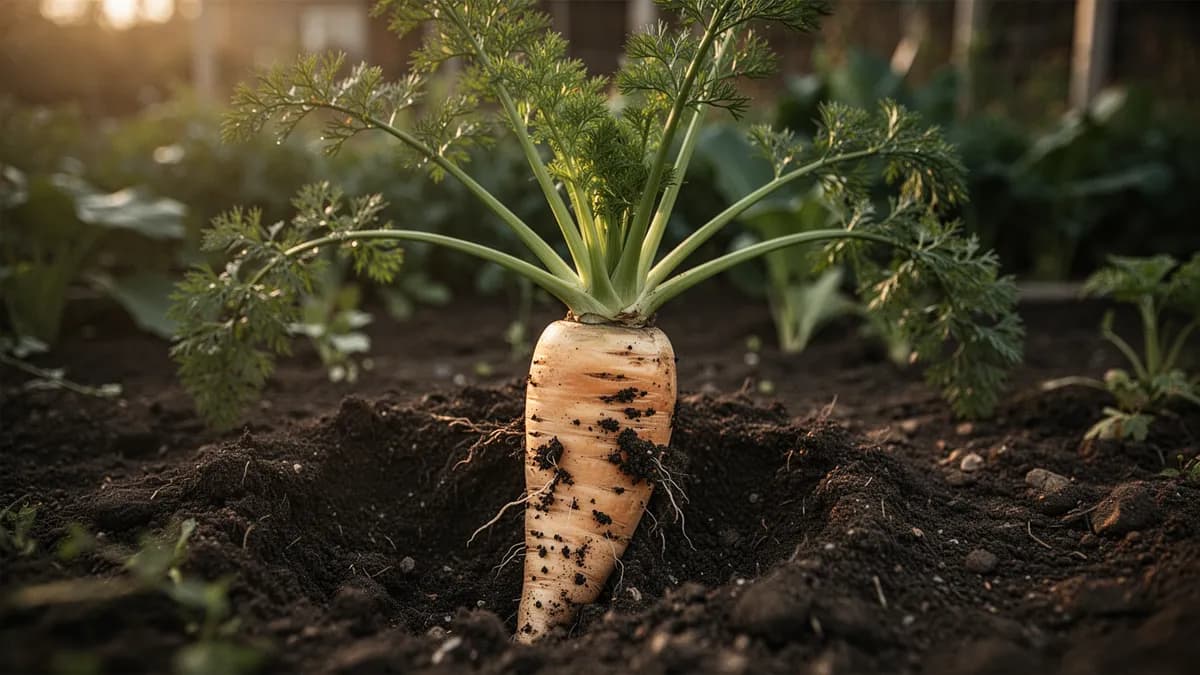
Tomate va a su lado. Chirivía no.
Saber de huerto de siempre, cotejado con la tabla real de Apio — prueba cualquier planta que cultives.
Prueba Apio en un bancal, aquí mismo
Un bancal real del planificador con Apio ya plantado. Toca una planta compañera para colocarla y mira cómo responde la comprobación de vecinos: verde para buenos vecinos, rojo si hay conflicto.


Guías de cultivo relacionadas
Abónalo bien
Suelo rico en nutrientes con pH 6,0-7,0. Incorpore compost y fertilizante orgánico.
Temperatura ideal
Compatibilidad de zonas de rusticidad
De la semilla a la cosecha, etapa por etapa
Siembra inicial
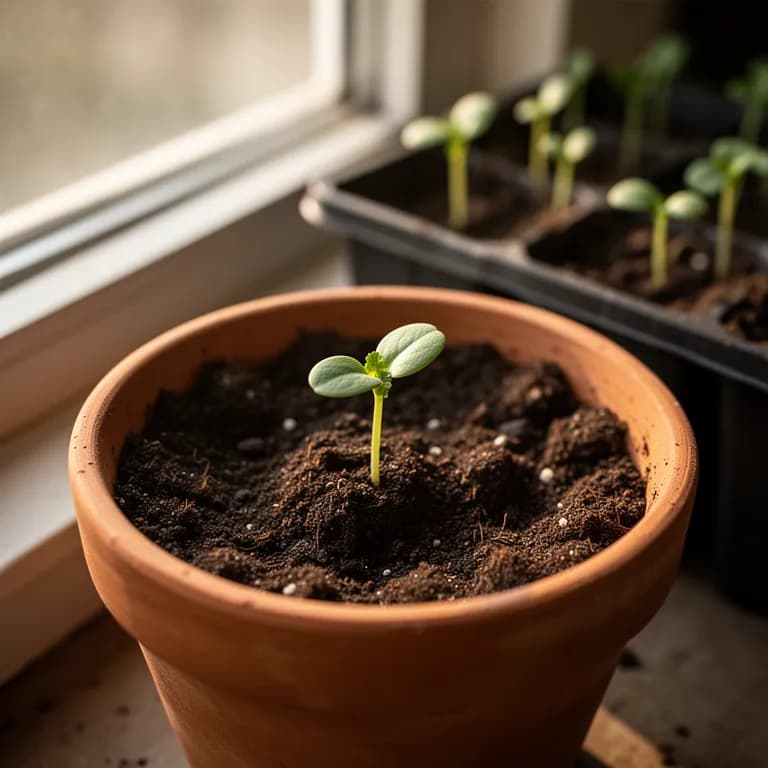
Las diminutas semillas de apio se siembran en la superficie de un sustrato húmedo para semilleros y se presionan ligeramente sin cubrirlas, ya que necesitan luz para germinar. La germinación es lenta y tarda 14-21 días. El primer crecimiento visible son dos cotiledones pequeños y redondos que emergen de la superficie.
Crecimiento de plántulas
Aparecen las hojas verdaderas con la forma característica del apio: compuestas y con bordes dentados. Las plántulas crecen lentamente y alcanzan 5-10 cm de altura. El sistema radicular es poco profundo y fibroso, y se desarrolla gradualmente en el recipiente de arranque.
Trasplante
Las plántulas aclimatadas se trasladan al exterior a camas ricas y profundamente preparadas, con una separación de 20-25 cm. Las plantas se establecen lentamente durante las primeras 1-2 semanas mientras el sistema radicular se adapta al entorno del jardín. Al principio el crecimiento parece detenerse, pero se acelera una vez que las raíces se han establecido.
Crecimiento vegetativo
Las plantas entran en una etapa de crecimiento rápido y producen nuevos tallos desde el centro de la corona. Los tallos se alargan y engrosan progresivamente, y el follaje se expande para sombrear la zona radicular. Es el periodo de mayor demanda de agua y nutrientes.
Maduración de los tallos
Los tallos alcanzan su tamaño completo y desarrollan su textura crujiente característica y su aroma. Los tallos internos permanecen pálidos y tiernos, mientras que los externos se vuelven más verdes y fibrosos. El corazón del apio —el conjunto compacto de tallos internos— es la parte más apreciada.
Cosecha
Se puede cortar toda la planta por la base o cosechar los tallos exteriores individualmente mientras los internos siguen creciendo. El apio cosechado en un otoño fresco tiene el sabor más dulce y suave. Las plantas que permanecen demasiado tiempo en clima cálido pueden espigarse y volverse amargas.
Mantén 18-21°C y humedad constante en la superficie con una tapa de humedad. Una vez que emerjan las plántulas, proporciona 14-16 horas diarias de luz de cultivo. Pulveriza con suavidad en lugar de regar desde arriba.
Cuidar Apio mes a mes
Qué hacer cada mes para tu Apio
Octubre
Mes actualContinue harvesting — celery tolerates light frost and cool weather improves flavor. For root cellar storage, pull entire plants with roots and replant in moist sand at 0-2°C. Process any surplus by freezing, dehydrating, or making celery powder.
Ten claro qué hacer en tu huerto, cada mes
Un correo al empezar cada mes: qué sembrar, plantar y hacer ahora mismo — para tu Apio y todo lo que crece alrededor. Más un breve curso inicial para esquivar los errores clásicos.
- Qué hacer ahora mismo
- Ajustado a tu temporada
- Curso inicial incluido
Cosechar Apio
Coseche tallos exteriores cuando desee o corte toda la planta.
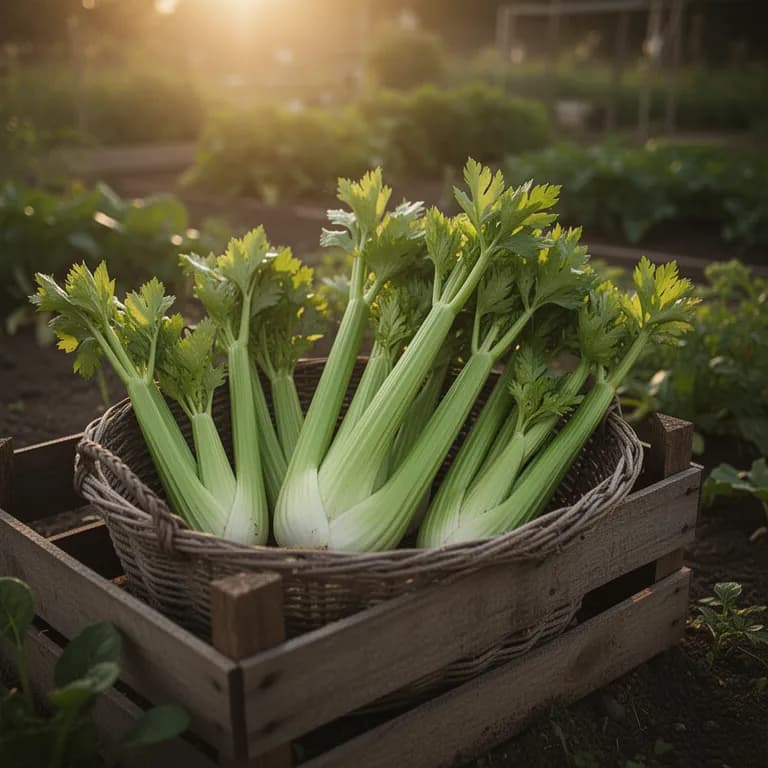
se supone que plantas al comenzar el periodo — indica tu fecha real
Cuando los tallos estén firmes, crujientes y midan al menos 20 cm; la cosecha de planta completa suele hacerse 85-120 días después del trasplante.
Almacenamiento y conservación
Dura 1-2 semanas en refrigerador. Puede congelarse.
Qué falla — y cómo solucionarlo
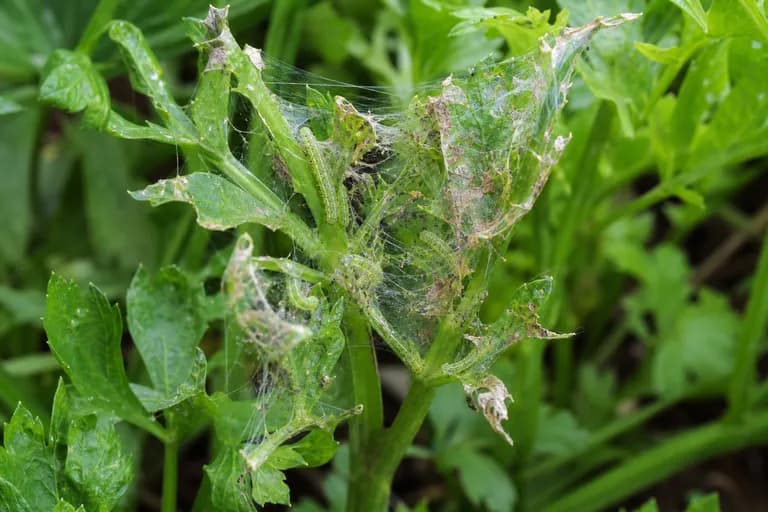
Mosca del apio
PlagaLarvas en tallos.
Solución de problemas comunes
Tallos fibrosos por riego irregular.
Consejos de cultivo
- Celery demands patience — it has one of the longest seed-to-harvest timelines of any vegetable (130-180 days total). Start seeds indoors 10-12 weeks before last frost, and plan for an additional 85-120 days in the garden after transplanting.
- Water is the single most important factor for celery success. The shallow root system cannot access deep soil moisture, so drip irrigation or soaker hoses on a timer are essential. Aim for 4-5 cm (1.5-2 inches) of water per week, and never let the soil dry out.
- Celery prefers cool weather — the ideal growing temperature range is just 15-21°C (60-70°F). In hot climates, grow celery as a fall crop by transplanting in late summer, or provide 50-70% shade cloth during heat waves to prevent bolting and bitterness.
- Feed celery more than you think is necessary. It is one of the heaviest feeders in the garden. Side-dress with liquid fish emulsion or compost tea every 2-3 weeks from transplanting through harvest. Pale leaves mean more nitrogen is needed.
- Blanching produces milder, more tender celery. Wrap stalks with newspaper, paper bags, or cardboard tubes 2-3 weeks before harvest to exclude light. Alternatively, plant self-blanching varieties or space plants closely so they shade each other.
- Protect young transplants from cold snaps — celery exposed to temperatures below 7°C (45°F) for more than 10 consecutive days can bolt prematurely, ruining the crop. Use row covers or cloches during unexpected cold spells in spring.
- Harvest outer stalks first using the cut-and-come-again method to extend your harvest by 4-6 weeks. Always leave at least 4-5 inner stalks so the plant continues producing new growth from the center.
- Save and use celery leaves — they are packed with flavor and make an excellent herb for soups, salads, and garnishes. Dry them for a concentrated celery seasoning, or freeze them in ice cube trays with olive oil for convenient cooking additions.
Cultiva tu mejor Apio — y todo lo que la rodea.
Empieza un plan gratis hoy. Diseña tus bancales, coloca tu Apio y deja que PlotMyGarden gestione el momento, el espaciado, las asociaciones y los recordatorios de la semilla a la cesta.
Elige tu Apio
Tall Utah
Variedad clásica con tallos largos y crujientes. 100 días.
A single celery plant grown from a $2-3 seed packet (which contains hundreds of seeds) produces the equivalent of 1-2 store-bought bunches worth $2-4 each at conventional prices, or $4-6 at organic prices. A modest 10-plant row can yield the equivalent of $40-60 worth of organic celery over the season. Homegrown celery also offers dramatically superior flavor and crispness compared to grocery store celery that may have traveled for days.
Recetas rápidas
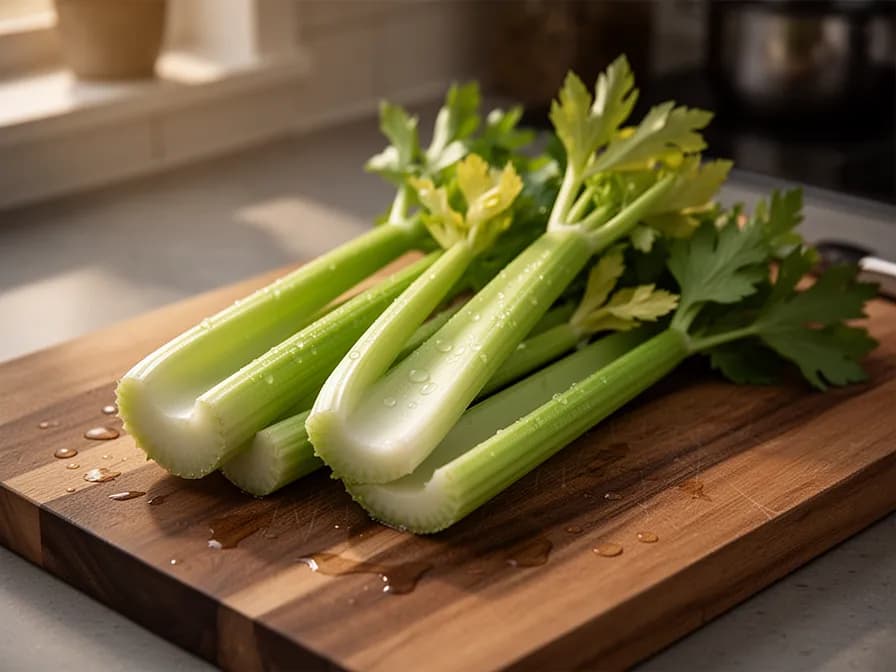
Classic Waldorf Salad
15 minA timeless salad combining crisp celery with sweet apple, crunchy walnuts, and creamy dressing. Invented at the Waldorf-Astoria hotel in the 1890s, this elegant dish showcases celery as a star ingredient rather than a supporting player.
7 ingredientes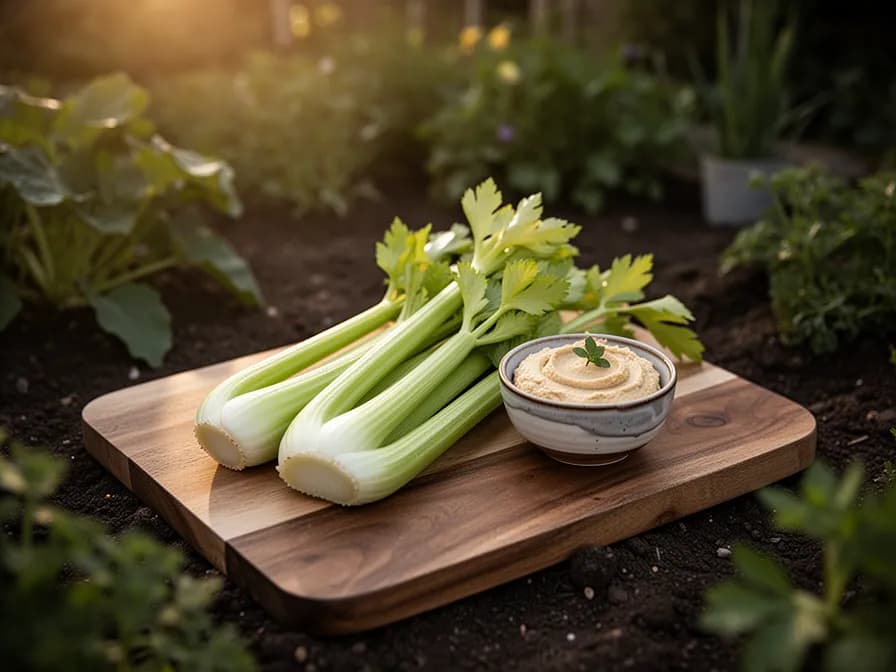
Cream of Celery Soup
40 minA velvety, comforting soup that transforms humble celery into a silky, elegant first course. The delicate celery flavor is enhanced by a base of onion and potato, then pureed until smooth. Perfect for using an entire head of garden celery.
7 ingredientesAnts on a Log
5 minThe beloved childhood snack that never gets old — crisp celery sticks filled with creamy peanut butter and topped with sweet raisins. A perfect after-school snack that balances protein, fiber, and natural sweetness, and a wonderful way to introduce kids to garden vegetables.
4 ingredientesUsos culinarios
Crudo como botana, en ensaladas, sopas o salsas.
Qué contiene
Beneficios para la salud
- Extremely low calorie density — at only 6 calories per stalk, celery is one of the best snacking vegetables for weight management while providing satisfying crunch and hydration.
- Rich in Vitamin K — one cup of chopped celery provides about 30% of daily needs, essential for proper blood clotting and supporting long-term bone health.
- Contains the flavonoid apigenin, which has been studied for anti-inflammatory properties and may help reduce oxidative stress in the body.
- Good source of folate (vitamin B9), which is critical for DNA synthesis, cell division, and is especially important during pregnancy for preventing neural tube defects.
- Provides natural electrolytes — celery contains both potassium and small amounts of sodium, supporting healthy fluid balance and blood pressure regulation.
- High water content (95%) makes celery an excellent hydrating food, contributing to daily fluid intake while providing fiber that supports digestive regularity.
De dónde viene Apio
Celery's ancestor, wild celery or smallage (Apium graveolens var. graveolens), grew in salty marshes and wetlands across Europe, the Mediterranean, and western Asia for millennia. Ancient civilizations valued it primarily for medicinal and ceremonial purposes rather than food. The ancient Egyptians placed celery garlands in tombs, the Greeks awarded celery wreaths to athletic champions at the Nemean Games (predating the tradition of laurel wreaths), and the Romans wore celery during feasts, believing it would counteract the effects of excessive wine.
The transformation from bitter medicinal plant to palatable food vegetable began in Italy and France during the 16th and 17th centuries. Italian gardeners in the marshes of Lombardy developed sweeter, milder strains through generations of selective breeding, eventually producing the blanched, tender-stalked celery recognizable today. By the 1700s, celery had spread throughout European cuisine, and French chefs established it as a foundational ingredient in mirepoix — the aromatic base of countless classical sauces and soups.
Celery arrived in North America with European settlers in the early 1800s and quickly found favor in American cuisine. Kalamazoo, Michigan became known as 'Celery City' in the late 19th century, producing vast quantities in its muck soils. The Dutch and German immigrants who pioneered commercial celery farming there helped establish it as the everyday kitchen staple we know today, a far cry from the bitter marsh weed that grew wild across ancient Mediterranean coastlines.
Apio: ¿sabías que?
Datos fascinantes sobre Apio
Celery was originally used as a medicine in ancient Egypt, Greece, and Rome — it was prescribed for ailments ranging from hangovers to insomnia. It did not become a common food crop until the 17th century in Italy and France.
Apio: preguntas frecuentes
¿Cuándo debo plantar Apio?
¿Cuáles son buenas plantas acompañantes para Apio?
¿En qué zonas de rusticidad puede crecer Apio?
¿Cuánto sol necesita Apio?
¿A qué distancia debo espaciar Apio?
¿Qué plagas y enfermedades afectan a Apio?
¿Cómo almaceno Apio después de la cosecha?
¿Cuáles son las mejores variedades de Apio para cultivar?
¿Qué suelo necesita Apio?
Why is my celery stringy and tough?
How do I blanch celery and is it necessary?
Can I regrow celery from a store-bought base?
Why did my celery bolt and go to seed?
Can I grow celery in containers?
What is the best variety for beginners?
Acabas de leer la teoría. Ahora cultívala en piloto automático.
Todo lo que hace que Apio sea delicado — el momento, el espaciado, las asociaciones, la ventana de cosecha — es justo lo que PlotMyGarden resuelve por ti, para cada planta de tu huerto.
Un plan que conoce tu clima
Indica tu ubicación una vez. Recibe fechas de siembra, abonado y cosecha basadas en tu última helada real y el pronóstico en vivo — sin adivinar con un sobre genérico.
De la sección “Cuándo plantar”Planificador de bancales de arrastrar y soltar
Diseña bancales sobre una cuadrícula. Cada planta encaja con su espaciado correcto y ves toda la temporada antes de gastar un céntimo en semillas.
De la sección “Cultivo”Conflictos de asociación, detectados a tiempo
Más de 200 buenas y malas combinaciones comprobadas en vivo mientras plantas — para que un error que arruine la temporada nunca llegue a la tierra.
De la sección “Asociaciones”Recordatorios que sí vas a seguir
“Riega las judías.” “Recoge hoy antes de que se pase.” Oportunos, concretos y ligados a las plantas que de verdad cultivas.
De la sección “Cosecha”Escalonado, programado
¿Quieres cosechar seis semanas en vez de seis días? Reparte tus siembras automáticamente y te avisa cuando toca el siguiente lote.
De la sección “Cuándo plantar”Un registro que se vuelve más listo
Cada cosecha que registras le enseña tu huerto. El plan del año que viene parte de lo que de verdad funcionó en tu suelo, no en un manual.
De la sección “Resumen”Planta estos junto a Apio
Más Tallos y brotes
Mantén Apio lejos de estos
Diseños de jardín con Apio
Cultiva tu mejor Apio — y todo lo que la rodea.
Empieza un plan gratis hoy. Diseña tus bancales, coloca tu Apio y deja que PlotMyGarden gestione el momento, el espaciado, las asociaciones y los recordatorios de la semilla a la cesta.