Alcachofa
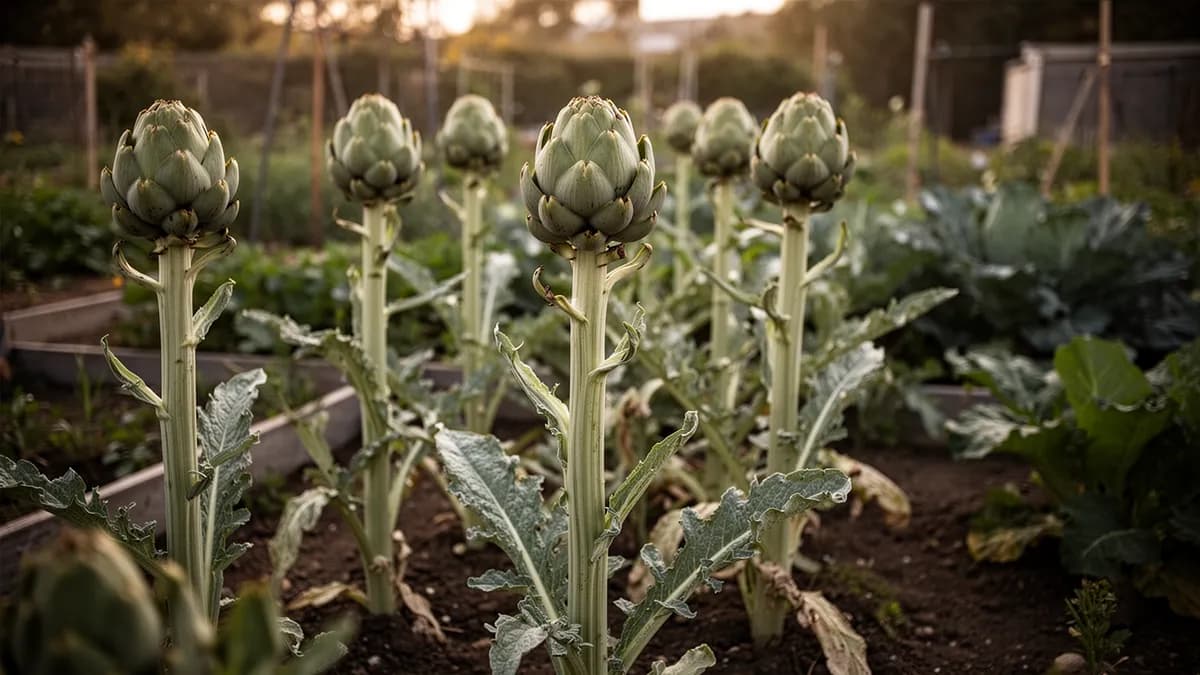
Una verdura perenne con grandes capullos florales comestibles.





En esta páginaResumen
Conoce Alcachofa
Una verdura perenne con grandes capullos florales comestibles. Impresionante planta ornamental.
Cuándo plantar Alcachofa
Siembre en interiores 8-10 semanas antes de heladas.
Tu año de Alcachofa
Ajustado a Zona 7 · temporada típica · la helada se va hacia el 2 abr y vuelve hacia el 1 nov
Planta Alcachofa Mar – Abr y cosecha Jun – Ago. Consulta los métodos de plantación y elige tu clima para adaptar los periodos.
Cómo cultivar Alcachofa
Prefiere pleno sol con suelo bien drenado. Plante 90 cm aparte.
No coseche el primer año. Recorte en otoño y acolche.
2 plantas caben en un bancal de 120 × 240 cm
Cada Alcachofa pide 120 cm de margen. El planificador guarda ese marco por ti — cada planta, cada bancal.
Los mejores vecinos de Alcachofa
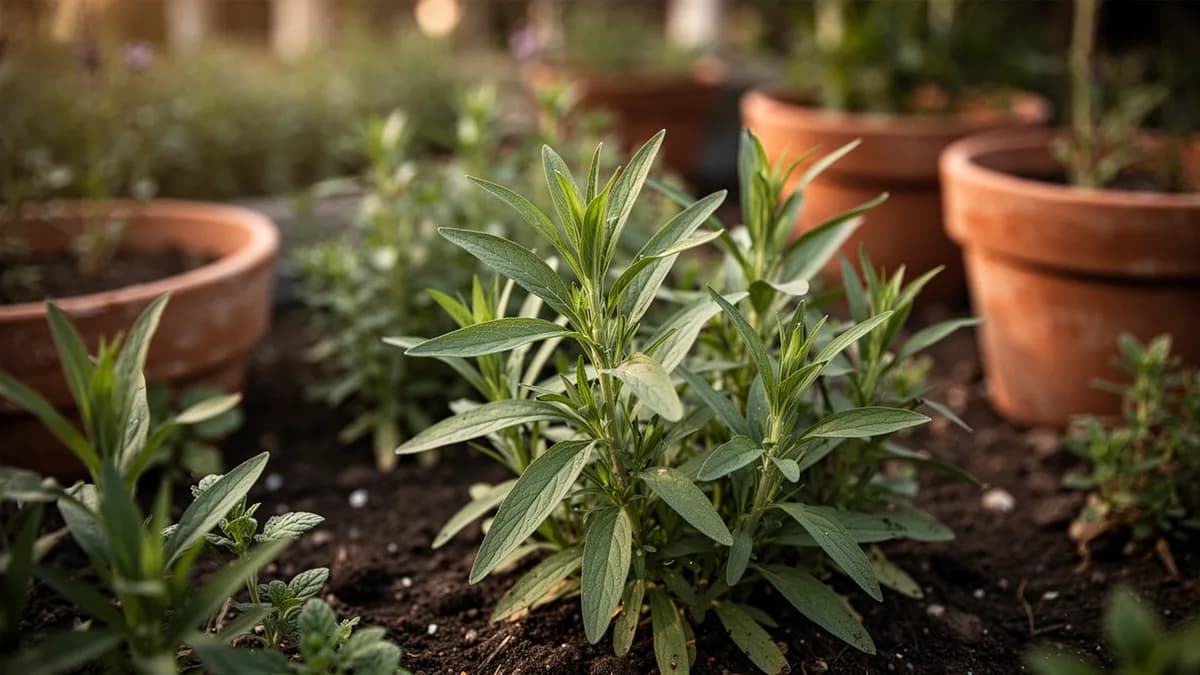
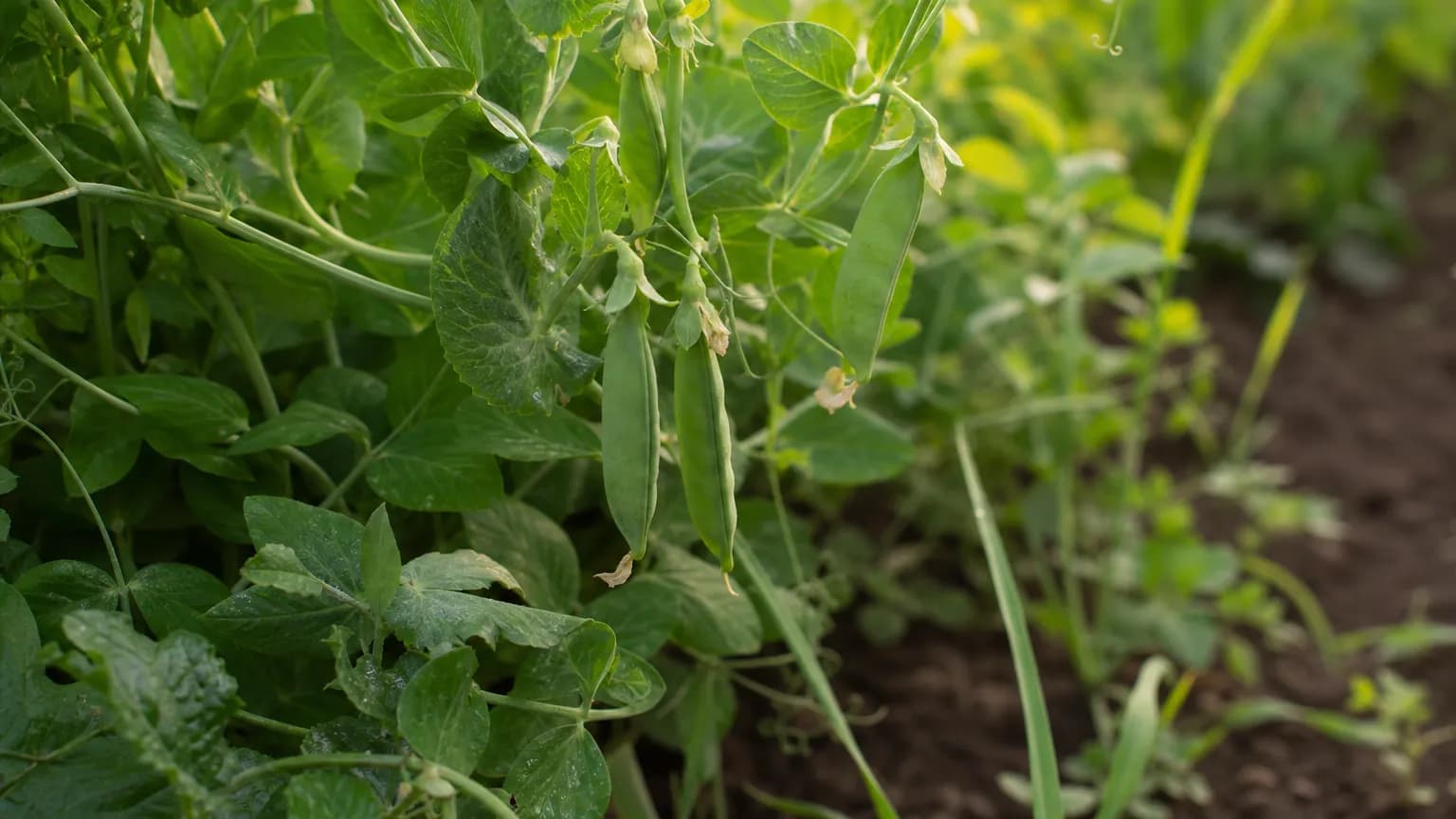
Guisantes y frijoles.
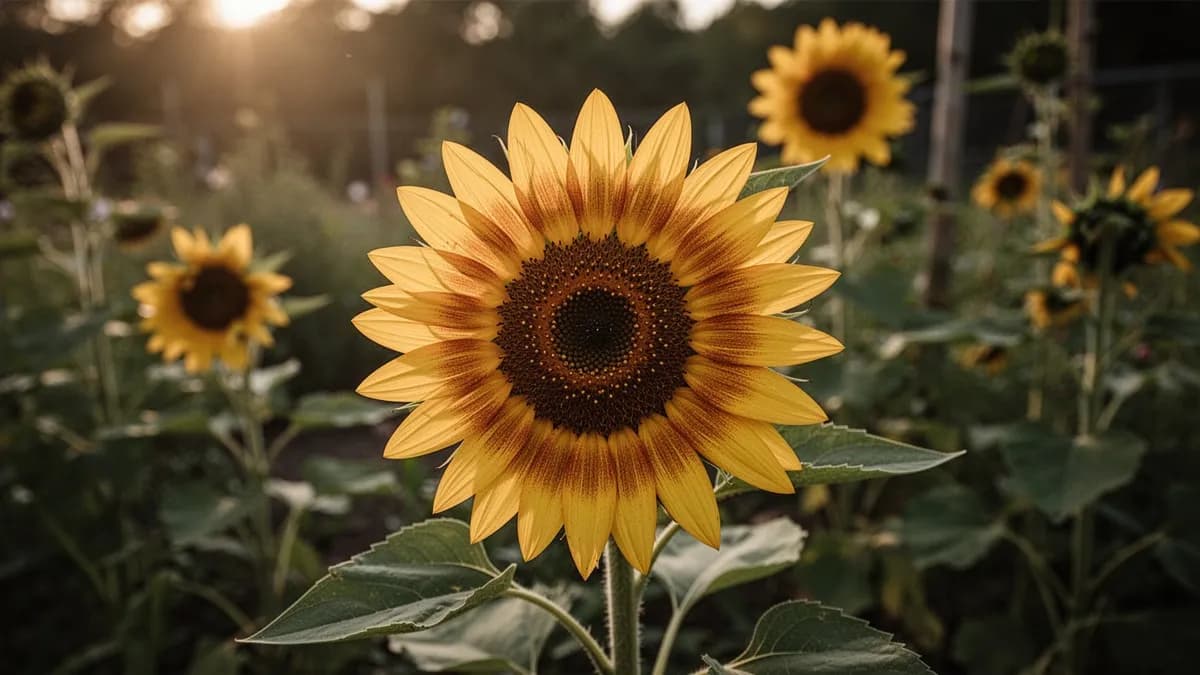
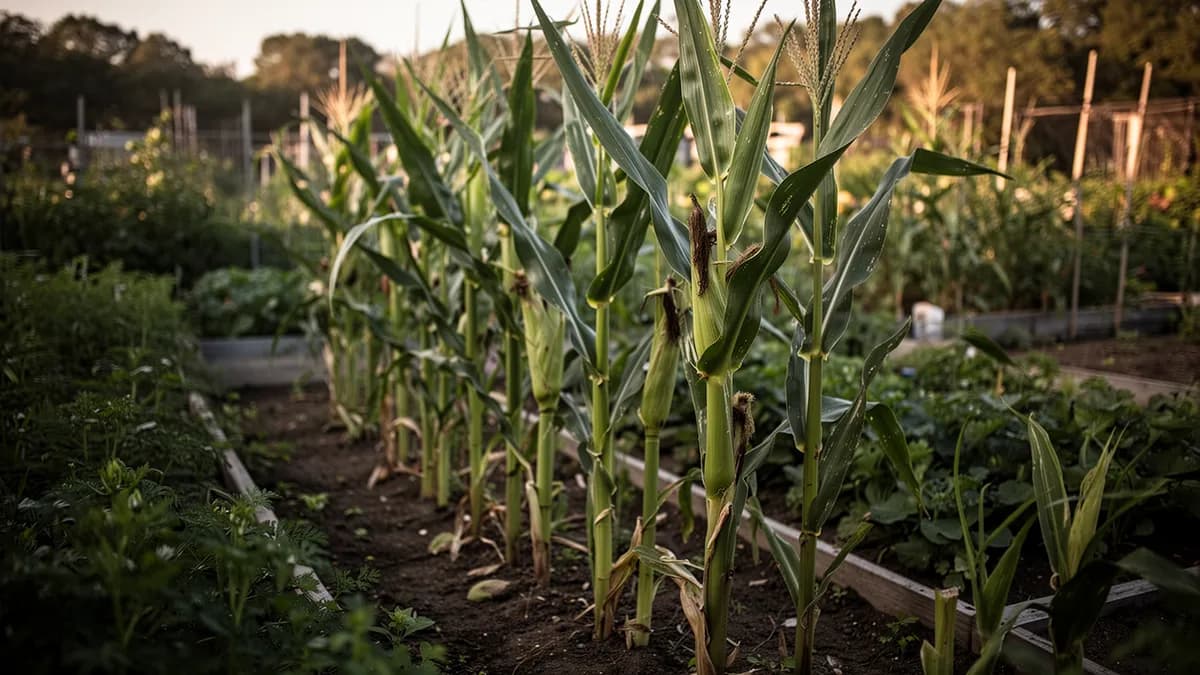
Girasol va a su lado. Hinojo no.
Saber de huerto de siempre, cotejado con la tabla real de Alcachofa — prueba cualquier planta que cultives.
Prueba Alcachofa en un bancal, aquí mismo
Un bancal real del planificador con Alcachofa ya plantado. Toca una planta compañera para colocarla y mira cómo responde la comprobación de vecinos: verde para buenos vecinos, rojo si hay conflicto.


Guías de cultivo relacionadas
Abónalo bien
Rico en nutrientes, pH 6,5-7,5.
Temperatura ideal
Compatibilidad de zonas de rusticidad
De la semilla a la cosecha, etapa por etapa
Siembra
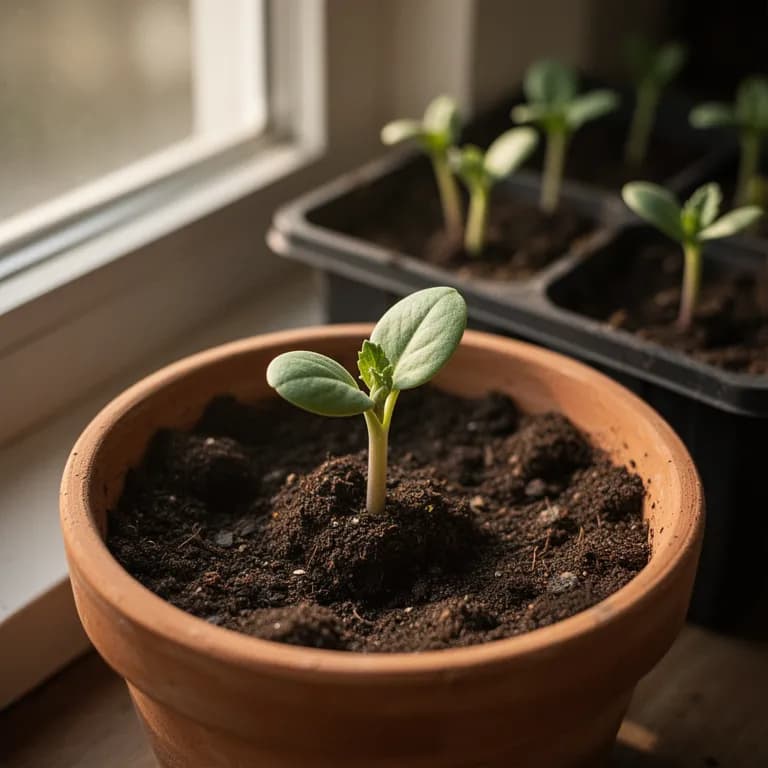
Las semillas germinan lentamente en 10-21 días en condiciones cálidas y húmedas. Primero aparecen dos cotiledones pequeños y redondeados, seguidos de las primeras hojas verdaderas, que ya muestran el color verde plateado y la forma lobulada característicos de la planta adulta.
Plántula y vernalización
Las plántulas desarrollan 2-3 pares de hojas verdaderas profundamente lobuladas y luego se exponen a temperaturas frías (2-10°C) durante 10-14 días para inducir la producción de yemas. Este período de vernalización simula el invierno y es esencial para obtener cosecha el primer año en climas fríos.
Trasplante y establecimiento
Después de la vernalización y del endurecimiento, las plantas se trasplantan al jardín. Allí establecen su sistema radicular y comienzan a producir las grandes hojas arqueadas, verde plateado, que dan a las alcachofas su presencia arquitectónica tan llamativa.
Crecimiento de roseta
La planta forma una enorme roseta de hojas profundamente recortadas y plateadas que alcanza 90-120cm. El sistema radicular extenso penetra profundamente en el suelo y la corona almacena energía para la producción de yemas.
Formación de yemas
De la roseta emergen tallos florales gruesos, coronados por las apreciadas yemas comestibles. La yema central del tallo principal se desarrolla primero y alcanza el mayor tamaño, seguida de yemas secundarias más pequeñas en las ramas laterales.
Cosecha y producción continua
Las yemas se cosechan cuando están firmes, compactas y bien cerradas. Después de cortar la yema central, los brotes laterales producen otras yemas más pequeñas durante las semanas siguientes. Una planta bien cuidada puede producir 6-12 yemas por temporada.
Mantén 21-24°C (70-75°F) con una estera térmica. Remoja las semillas durante 24 horas antes de sembrar para mejorar la germinación. Mantén el sustrato húmedo pero no empapado. Proporciona 14-16 horas de luz de cultivo una vez que emerjan las plántulas.
Cuidar Alcachofa mes a mes
Qué hacer cada mes para tu Alcachofa
Octubre
Mes actualAfter the first frost kills foliage, cut plants back to 25-30 cm above the crown. In zones 5-7, begin building winter mulch protection — pile 15-20 cm of dry straw or leaves over the crown.
Ten claro qué hacer en tu huerto, cada mes
Un correo al empezar cada mes: qué sembrar, plantar y hacer ahora mismo — para tu Alcachofa y todo lo que crece alrededor. Más un breve curso inicial para esquivar los errores clásicos.
- Qué hacer ahora mismo
- Ajustado a tu temporada
- Curso inicial incluido
Cosechar Alcachofa
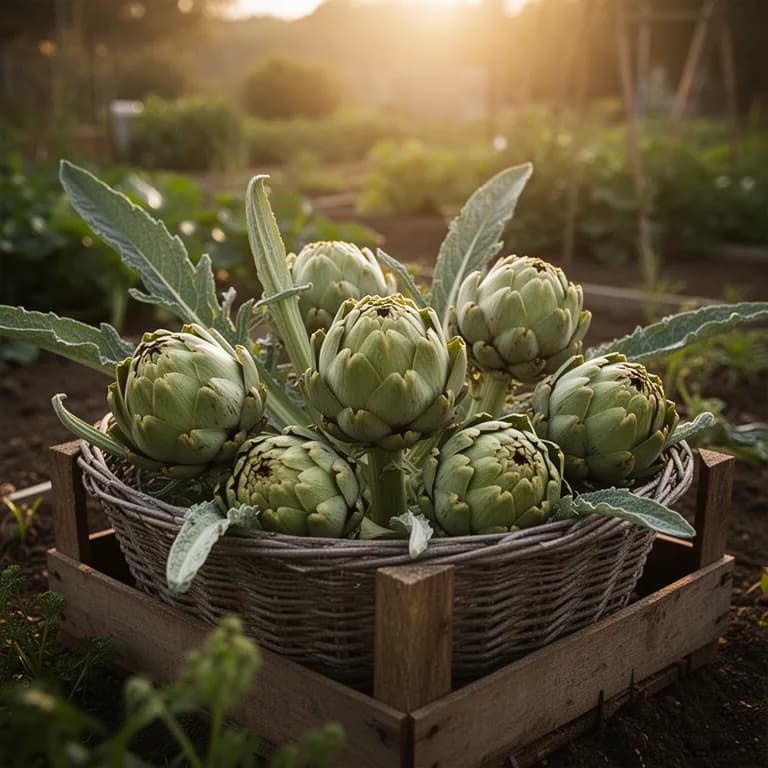
Coseche capullos antes de que se abran.
se supone que plantas al comenzar el periodo — indica tu fecha real
Cosecha cuando las yemas estén firmes, compactas y bien cerradas, normalmente cuando la yema central alcanza 8-13 cm de diámetro.
Almacenamiento y conservación
Hasta 1 semana en refrigerador.
Qué falla — y cómo solucionarlo
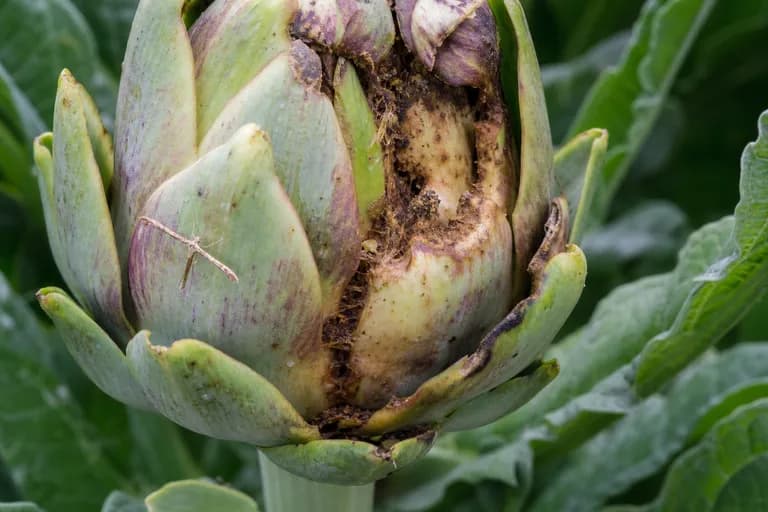
Pulgones
PlagaEn hojas.
Solución de problemas comunes
Sin flores el primer año.
Consejos de cultivo
- Vernalization is the key to first-year bud production in cold climates (zones 5-7). Without 10-14 days of cold exposure at 2-10°C (35-50°F), seed-grown artichokes produce only foliage the first year. Vernalize after 2-3 true leaves develop.
- Give artichokes serious space — each plant grows 120-150 cm tall and equally wide. Crowded plants have poor air circulation leading to botrytis and aphid problems. A minimum of 90 cm between plants is essential.
- Deep soil preparation pays enormous dividends. Double-dig to at least 45 cm and work in generous compost. Artichokes develop deep root systems that access moisture and nutrients far below the surface.
- Water deeply and consistently during bud development — this is the single most important factor for producing large, tender buds. Drought-stressed artichokes produce small, tough, bitter buds. Drip irrigation is ideal.
- In perennial zones (7-11), divide clumps every 3-4 years in early spring to maintain vigor. Separate rooted offshoots and replant the strongest divisions in freshly amended soil.
- Harvest timing is everything — check buds every 2-3 days during production. A perfect bud is firm, heavy, and squeaks when squeezed. Once bracts begin to loosen, quality drops rapidly.
- Mulch is critical for artichoke success. In summer, 10-15 cm conserves moisture and keeps roots cool. In winter (zones 6-7), pile 15-20 cm of dry mulch over the crown after the first hard frost.
- Feed artichokes like the heavy feeders they are — monthly balanced fertilizer or compost tea during the growing season, plus bone meal when flower stalks emerge for phosphorus.
Cultiva tu mejor Alcachofa — y todo lo que la rodea.
Empieza un plan gratis hoy. Diseña tus bancales, coloca tu Alcachofa y deja que PlotMyGarden gestione el momento, el espaciado, las asociaciones y los recordatorios de la semilla a la cesta.
Elige tu Alcachofa
Green Globe
Capullos grandes. 120 días.
A single artichoke plant costing -6 as a transplant can produce -50 worth of artichokes per season at grocery store prices of -4 per artichoke. In perennial zones (7-11), one plant produces for 5-7 years without replacement, compounding savings dramatically. A small patch of 3-4 plants provides a steady supply from late spring through summer.
Recetas rápidas
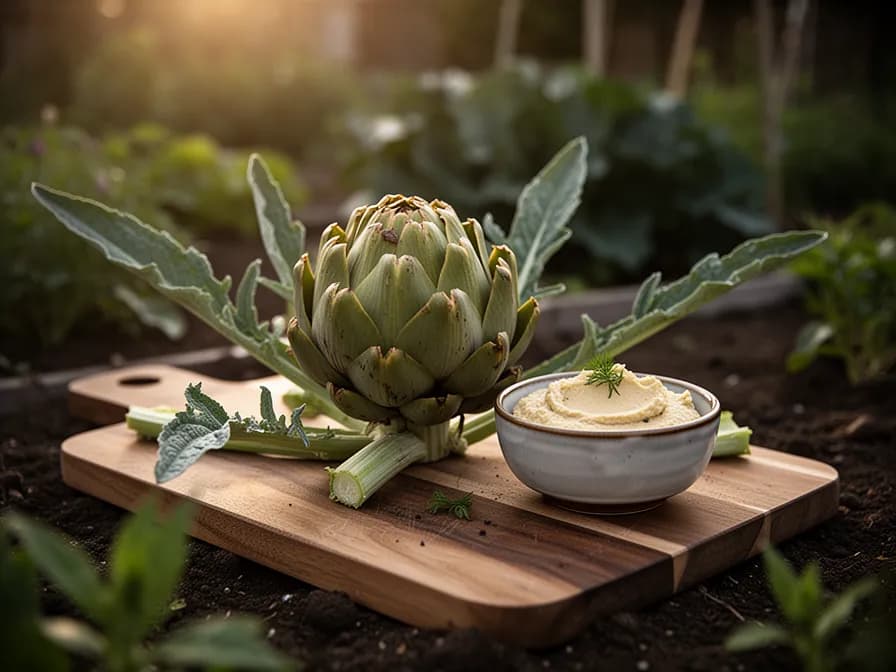
Steamed Artichoke with Lemon-Garlic Aioli
45 minThe classic way to enjoy a fresh artichoke. Steamed until tender, served with a garlicky, lemony dipping sauce that complements the sweet, nutty flavor of the bract bases and heart.
8 ingredientesGrilled Artichoke Halves
35 minPre-boiled artichoke halves finished on the grill for irresistible smoky char. The high heat caramelizes the edges of the bracts and adds a depth of flavor that steaming alone cannot achieve.
7 ingredientesBraised Baby Artichokes with White Wine
30 minTender baby artichokes braised until silky in white wine, garlic, and fresh herbs. Baby artichokes have no fuzzy choke and can be eaten whole, making preparation simple.
8 ingredientesUsos culinarios
Al vapor, hervido o a la parrilla.
Qué contiene
Beneficios para la salud
- Artichokes rank among the top vegetables for total antioxidant capacity, containing cynarin and silymarin — compounds studied for their liver-protective properties and support of healthy bile production and detoxification.
- Exceptionally high in dietary fiber — a single medium artichoke provides about 7g of fiber (28% DV), supporting healthy digestion, promoting satiety, and helping regulate blood sugar levels after meals.
- Rich in prebiotic inulin fiber that feeds beneficial Bifidobacteria and Lactobacilli in the gut, supporting a diverse and healthy microbiome associated with improved immune function.
- Excellent source of folate (68mcg per medium artichoke, 17% DV), crucial for DNA synthesis and cell division, and especially important for pregnant women to support healthy fetal development.
- Contains significant potassium (370mg, 11% DV) and magnesium (60mg, 15% DV), essential minerals that support healthy blood pressure, heart rhythm, and neuromuscular function.
- Low glycemic index food with only 47 calories per medium artichoke — the combination of high fiber, complex carbohydrates, and low sugar makes artichokes ideal for blood sugar management.
De dónde viene Alcachofa
The globe artichoke descends from wild cardoons (Cynara cardunculus) native to the western and central Mediterranean region, particularly North Africa and southern Europe. Archaeological evidence suggests artichokes were cultivated by the ancient Greeks and Romans, who prized them as a luxury food. The ancient Greeks called them 'kaktos' and believed they were created when Zeus turned a beautiful young woman named Cynara into a thistle after she angered him. Romans preserved them in vinegar and honey, and Pliny the Elder wrote about their cultivation and high market value in the first century AD.
After the fall of Rome, artichoke cultivation persisted in the Arab world and was refined by Moorish gardeners in North Africa and Spain. The modern globe artichoke was developed through selective breeding in the gardens of Naples and Florence during the 15th century, where Italian horticulturists transformed the thorny, small-budded wild plant into the large, meaty variety we know today. Catherine de Medici, who reportedly adored artichokes, helped introduce them to French cuisine when she married King Henry II of France in 1533. From France, artichokes spread to England and eventually to the Americas.
Spanish and French settlers brought artichokes to California in the 1800s, where the mild coastal climate proved ideal for year-round production. Italian immigrants in the early 1900s established large artichoke farms around Castroville in Monterey County, creating the commercial artichoke industry that thrives today. While Mediterranean countries — Italy, Spain, France, and Egypt — remain the largest global producers, California's unique microclimate allows harvest nearly every month of the year, making artichokes available far beyond their traditional spring season.
Alcachofa: ¿sabías que?
Datos fascinantes sobre Alcachofa
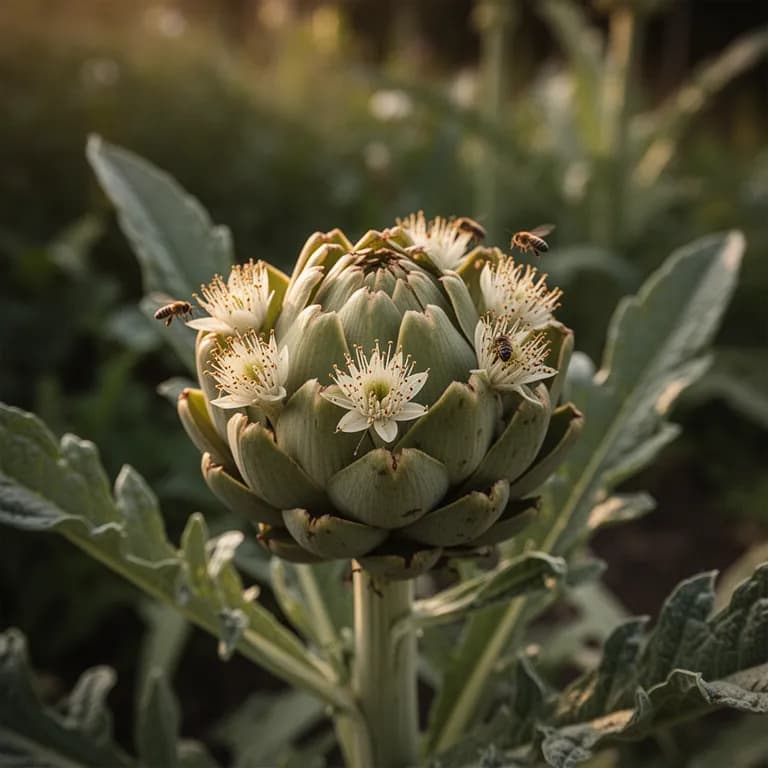
Artichokes are actually the immature flower buds of a giant thistle — if left unharvested, they open into spectacular violet-blue flowers up to 18 cm across that are magnets for bees and butterflies.
Alcachofa: preguntas frecuentes
¿Cuándo debo plantar Alcachofa?
¿Cuáles son buenas plantas acompañantes para Alcachofa?
¿En qué zonas de rusticidad puede crecer Alcachofa?
¿Cuánto sol necesita Alcachofa?
¿A qué distancia debo espaciar Alcachofa?
¿Qué plagas y enfermedades afectan a Alcachofa?
¿Cómo almaceno Alcachofa después de la cosecha?
¿Cuáles son las mejores variedades de Alcachofa para cultivar?
¿Qué suelo necesita Alcachofa?
Can I grow artichokes as annuals in cold climates?
Why is my artichoke producing only leaves and no buds?
How do I prepare artichokes for winter in cold zones?
How do I know when an artichoke is ready to harvest?
Can I eat the entire artichoke or just the heart?
Should I grow artichokes from seed or transplants?
Acabas de leer la teoría. Ahora cultívala en piloto automático.
Todo lo que hace que Alcachofa sea delicado — el momento, el espaciado, las asociaciones, la ventana de cosecha — es justo lo que PlotMyGarden resuelve por ti, para cada planta de tu huerto.
Un plan que conoce tu clima
Indica tu ubicación una vez. Recibe fechas de siembra, abonado y cosecha basadas en tu última helada real y el pronóstico en vivo — sin adivinar con un sobre genérico.
De la sección “Cuándo plantar”Planificador de bancales de arrastrar y soltar
Diseña bancales sobre una cuadrícula. Cada planta encaja con su espaciado correcto y ves toda la temporada antes de gastar un céntimo en semillas.
De la sección “Cultivo”Conflictos de asociación, detectados a tiempo
Más de 200 buenas y malas combinaciones comprobadas en vivo mientras plantas — para que un error que arruine la temporada nunca llegue a la tierra.
De la sección “Asociaciones”Recordatorios que sí vas a seguir
“Riega las judías.” “Recoge hoy antes de que se pase.” Oportunos, concretos y ligados a las plantas que de verdad cultivas.
De la sección “Cosecha”Escalonado, programado
¿Quieres cosechar seis semanas en vez de seis días? Reparte tus siembras automáticamente y te avisa cuando toca el siguiente lote.
De la sección “Cuándo plantar”Un registro que se vuelve más listo
Cada cosecha que registras le enseña tu huerto. El plan del año que viene parte de lo que de verdad funcionó en tu suelo, no en un manual.
De la sección “Resumen”Planta estos junto a Alcachofa
Más Tallos y brotes
Mantén Alcachofa lejos de estos
Diseños de jardín con Alcachofa
Cultiva tu mejor Alcachofa — y todo lo que la rodea.
Empieza un plan gratis hoy. Diseña tus bancales, coloca tu Alcachofa y deja que PlotMyGarden gestione el momento, el espaciado, las asociaciones y los recordatorios de la semilla a la cesta.