Kohl
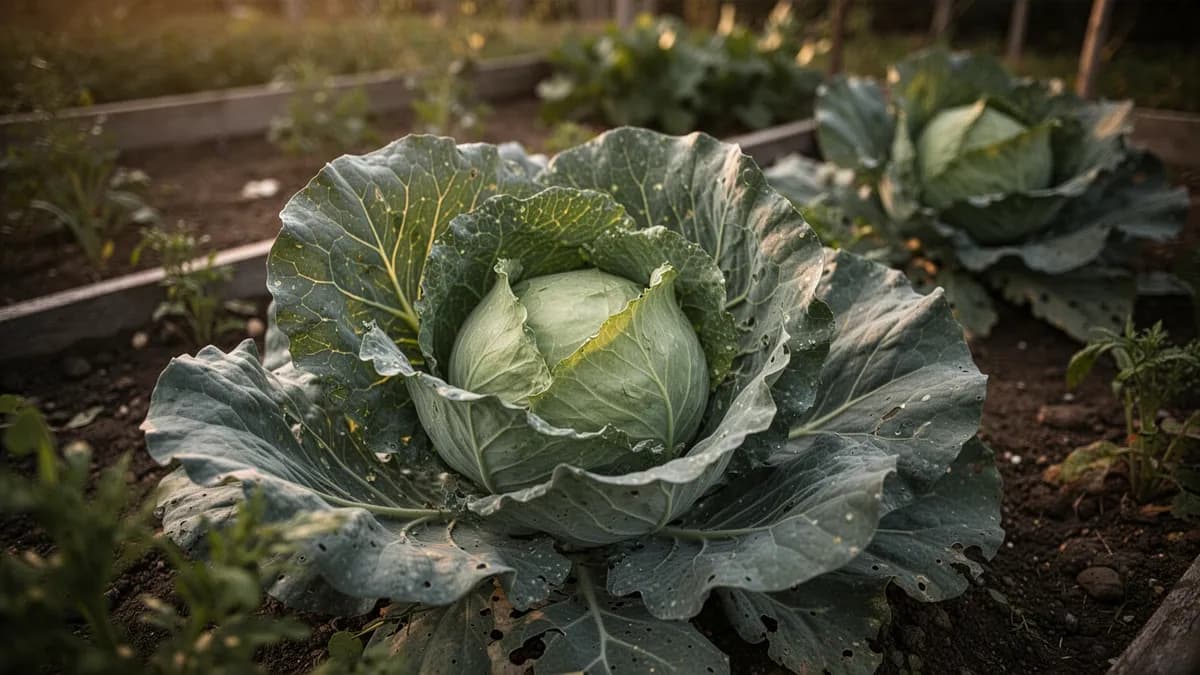
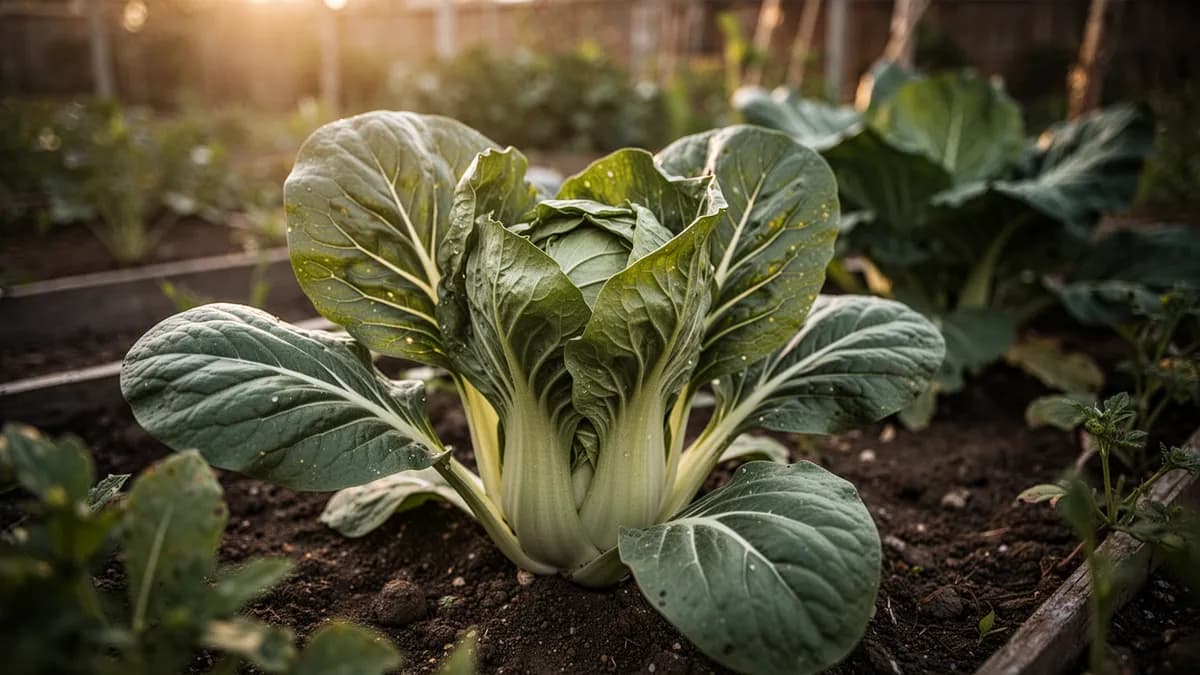
Ein robustes Kohlgewächs, das dichte, geschichtete Köpfe bildet und sich nach der Ernte über längere Zeiträume gut lagern lässt.





Auf dieser SeiteÜberblick
Kohl im Überblick
Ein robustes Kohlgewächs, das dichte, geschichtete Köpfe bildet und sich nach der Ernte über längere Zeiträume gut lagern lässt. Sorgen Sie für gleichmäßige Bewässerung und nährstoffreichen Boden, um ein stetiges Wachstum zu unterstützen, da Trockenstress dazu führen kann, dass die Köpfe vorzeitig aufplatzen. Kohl ist anfällig für Kohleulenraupen und Kohlfliegen, daher sollten Sie die Pflanzstandorte jährlich wechseln und Kragen um die Stängel anbringen. Spätreifende Sorten, die in einem kühlen Erdkeller gelagert werden, halten sich mehrere Monate über den Winter.
Wann Kohl pflanzen
Beginnen Sie mit der Aussaat von Kohlsamen im Haus 6-8 Wochen vor dem letzten Frosttermin für die Frühjahrsernte oder 10-12 Wochen vor dem ersten Herbstfrost für Herbst- und Lagersorten. Verwenden Sie Zellschalen oder kleine Töpfe, gefüllt mit steriler, gut drainierender Anzuchterde. Säen Sie die Samen 6 mm tief und drücken Sie die Oberfläche leicht an. Halten Sie die Bodentemperatur bei 18-24°C für optimale Keimung, die typischerweise in 5-10 Tagen erfolgt. Kohlsamen sind im Vergleich zu anderen Kohlgewächs-Kulturen relativ groß und leicht zu handhaben.
Bewegen Sie die Sämlinge nach der Keimung an einen kühleren Standort — 15-18°C tagsüber und 10-13°C nachts — für gedrungenes, kompaktes Wachstum, das sich gut verpflanzen lässt. Vergeilte Sämlinge aus warmen, dunklen Bedingungen produzieren kleinere, später reifende Köpfe. Sorgen Sie täglich für 12-14 Stunden helles Licht mit Pflanzenlampen, die 5-8 cm über dem Laub positioniert werden. Düngen Sie wöchentlich mit viertelfacher Konzentration eines ausgewogenen Flüssigdüngers, sobald die ersten echten Blätter erscheinen. Pikieren Sie die Sämlinge in einzelne 8-cm-Töpfe, wenn sie 2-3 echte Blätter haben.
Härten Sie die Pflanzen über 7-10 Tage schrittweise ab, beginnend mit 2 Stunden im Freien im Halbschatten und bis zur ganztägigen Sonnenexposition steigernd. Kohl gehört zu den kältetoleranteren Setzlingen — abgehärtete Sämlinge vertragen leichten Frost ohne Schaden und können zu den ersten Kulturen gehören, die im Frühling ins Freie gesetzt werden. Vermeiden Sie jedoch eine längere Exposition gegenüber Temperaturen unter 5°C für mehr als 10-14 Tage, da diese Kälteperiode gefolgt von Erwärmung vorzeitiges Schossen (Blütenbildung statt Kopfbildung) auslösen kann.
Direktaussaat ist für schnell reifende Sorten möglich — säen Sie 3-4 Wochen vor dem letzten Frost, verteilen Sie die Samen mit 2-3 cm Abstand in Reihen und vereinzeln Sie dann auf 45-60 cm. Direkt gesäte Pflanzen entwickeln stärkere Pfahlwurzeln und kommen besser mit Trockenheit zurecht als Setzlinge, reifen aber später und verpassen den Vorteil eines Vorsprungs im Haus. Für Herbst- und Lagerkohl starten Sie die Samen im Hochsommer drinnen und pflanzen Sie Ende Sommer um, wenn die Abendtemperaturen zu sinken beginnen.
Dein Kohl-Jahr
Abgestimmt auf Zone 7 · typische Saison · Frost geht um den 2. Apr. und kehrt um den 1. Nov. zurück
Kohl Mär – Apr, Jul – Aug pflanzen, Jun – Jul, Okt – Nov ernten. Beachte die Pflanzmethoden unten und wähle dein Klima für passende Zeiträume.
So baust du Kohl an
Kohl ist eine zuverlässige, lohnende Kultur der kühlen Jahreszeit, die dichte, schwere Köpfe hervorbringt, die sich zum Frischverzehr, Kochen und zur Langzeitlagerung eignen. Beginnen Sie mit der Aussaat im Haus 6-8 Wochen vor dem letzten Frosttermin, säen Sie 6 mm tief bei 18-24°C. Setzen Sie abgehärtete Setzlinge 2-4 Wochen vor dem letzten Frost ins Freie, mit einem Pflanzabstand von 45-60 cm in Reihen mit 60-90 cm Abstand. Kohlsetzlinge vertragen leichten Frost und können zu den ersten Pflanzungen im Frühjahrsgarten gehören.
Wählen Sie einen Standort mit voller Sonne (6-8 Stunden täglich) und nährstoffreichem, feuchtigkeitsspeicherndem Boden, der großzügig mit Kompost angereichert wurde. Kohl ist ein Starkzehrer, der eine konstante Nährstoffversorgung für stetiges, ununterbrochenes Wachstum benötigt — gestresste Pflanzen bilden lockere, unterentwickelte Köpfe. Bringen Sie bei der Pflanzung Pappe- oder Kunststoffkragen um jeden Stängel an, um Kohlfliegen abzuschrecken. Für spätreifenden Lagerkohl pflanzen Sie im Hochsommer und planen Sie die Ernte nach den ersten leichten Frösten, die den Geschmack verbessern.
Gießen Sie tief und gleichmäßig und stellen Sie 2,5-4 cm Wasser pro Woche bereit. Gleichmäßige Feuchtigkeit ist entscheidend, um das Aufplatzen der Köpfe zu verhindern, das auftritt, wenn starker Regen nach einer Trockenperiode fällt und eine schnelle innere Ausdehnung die äußeren Blätter aufsprengt. Mulchen Sie mit 5-8 cm Stroh, um die Bodenfeuchtigkeit zu stabilisieren und Unkraut zu unterdrücken. Düngen Sie alle 3 Wochen mit einem stickstoffreichen Dünger nach, bis die Köpfe sich zu festigen beginnen. Sobald die Köpfe an Größe zunehmen, reduzieren Sie den Stickstoff, um übermäßig weiche Außenblätter zu vermeiden, die anfällig für Krankheiten sind.
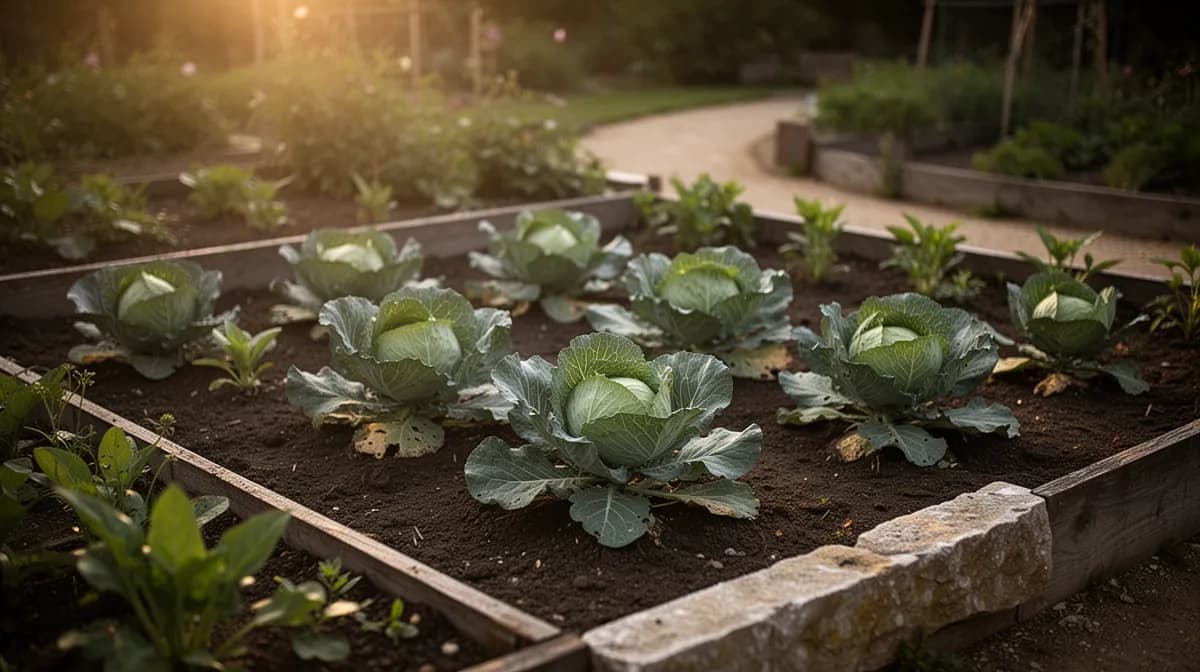
8 Pflanzen passen in ein Beet von 120 × 240 cm
Kohl braucht 50 cm Platz pro Pflanze. Der Planer hält diesen Abstand für dich ein — jede Pflanze, jedes Beet.
Die besten Nachbarn für Kohl
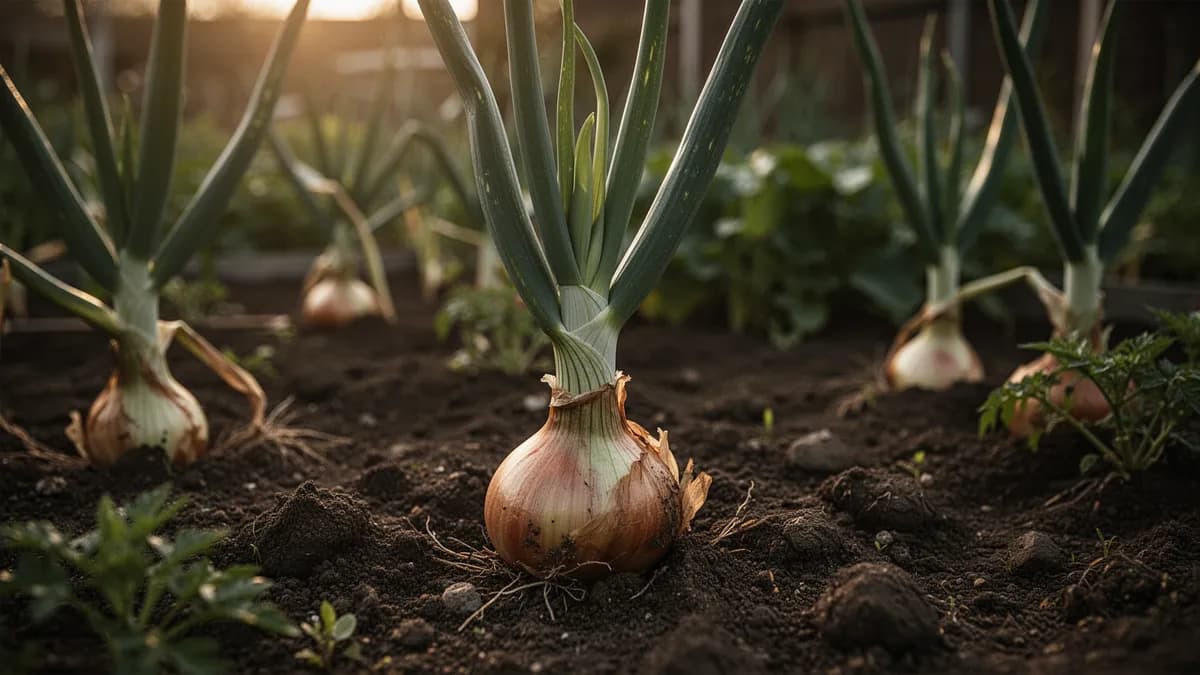
Zwiebeln, Knoblauch und andere Lauchgewächse, die in der Nähe von Kohl gepflanzt werden, bieten einen der wirksamsten biologischen Schädlingsabwehrmittel für Kohlgewächse. Ihre starken Schwefelverbindungen überdecken den Duft des Kohls vor Schadinsekten — insbesondere Kohlfliegen und Erdflöhen — die ihre Wirtspflanzen über den Geruch finden. Setzen Sie Steckzwiebeln zwischen die Kohlpflanzen oder umranden Sie das Kohlbeet mit einer dichten Reihe Knoblauch für maximalen Schutz. Lauch und Schnittlauch bieten ähnliche Vorteile und sind hinsichtlich Wasser- und Nährstoffbedarf kompatibel.
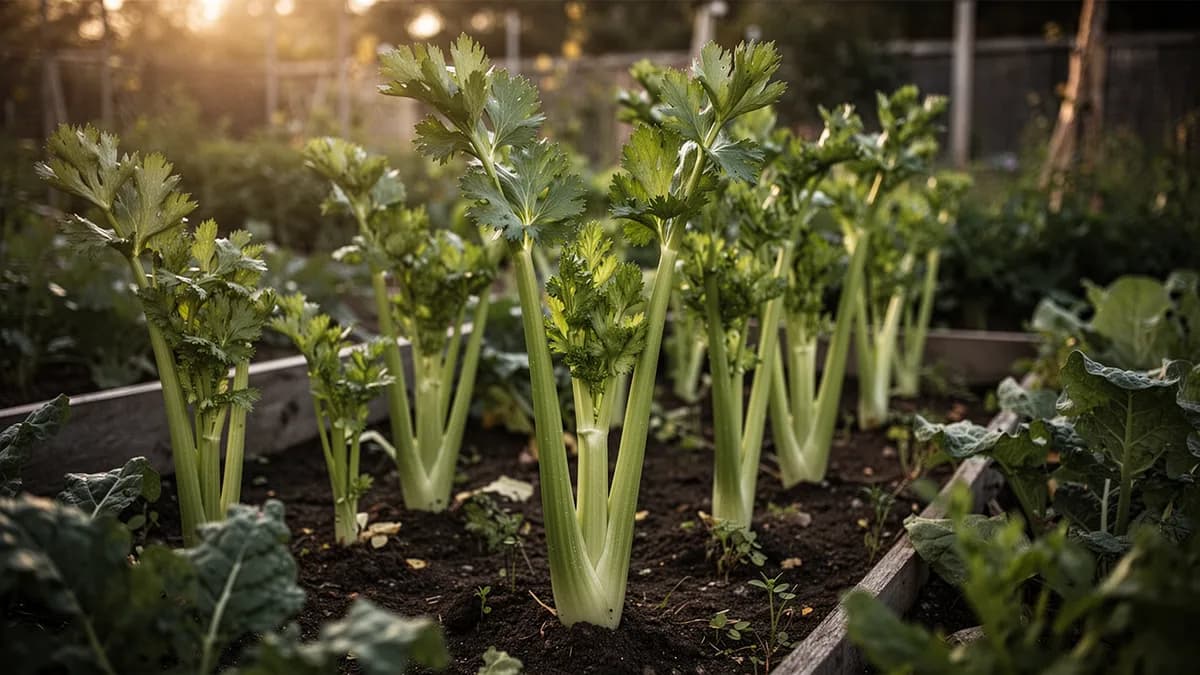
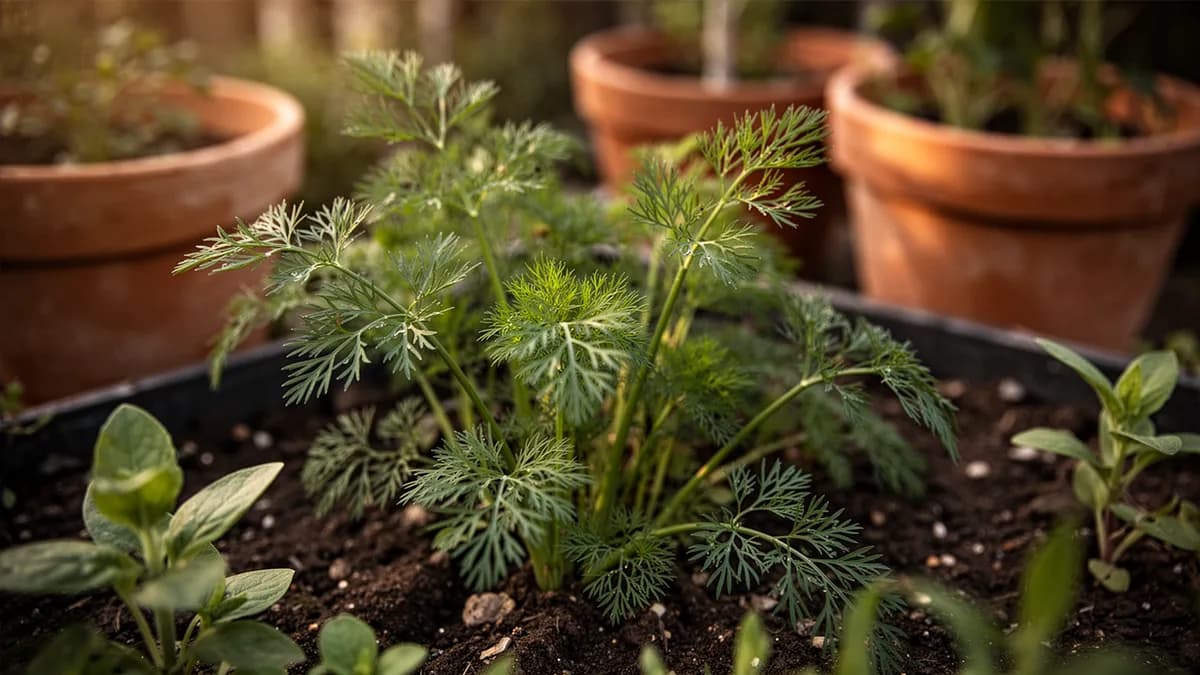
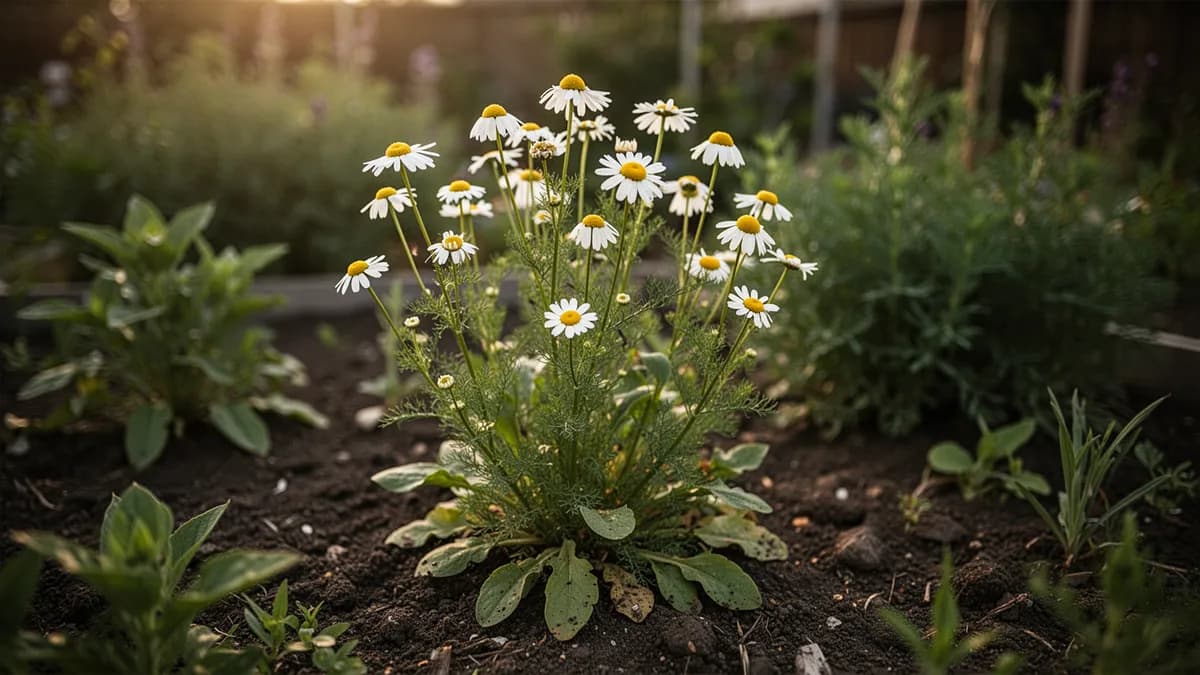
Das beständig aromatische Laub des Selleries hilft, Kohl vor dem Kohlweißling (Pieris rapae) zu tarnen, dessen Raupen zu den zerstörerischsten Kohlgewächs-Schädlingen gehören. Pflanzen Sie Sellerie in abwechselnden Reihen mit Kohl für die besten Ergebnisse. Dill und Fenchel ziehen Schlupfwespen (Trichogramma- und Cotesia-Arten) an, die ihre Eier in Schädlingsraupen ablegen und so eine wirksame biologische Bekämpfung ermöglichen. Kapuzinerkresse, die in der Nähe gepflanzt wird, dient als Fangpflanze und zieht Blattläuse vom Kohl auf ihre eigenen Blätter. Kamille, als Randbepflanzung gesetzt, soll traditionell die Vitalität und den Geschmack des Kohls verbessern — der Mechanismus ist nicht vollständig geklärt, könnte aber mit nützlichen Wurzelausscheidungen zusammenhängen.
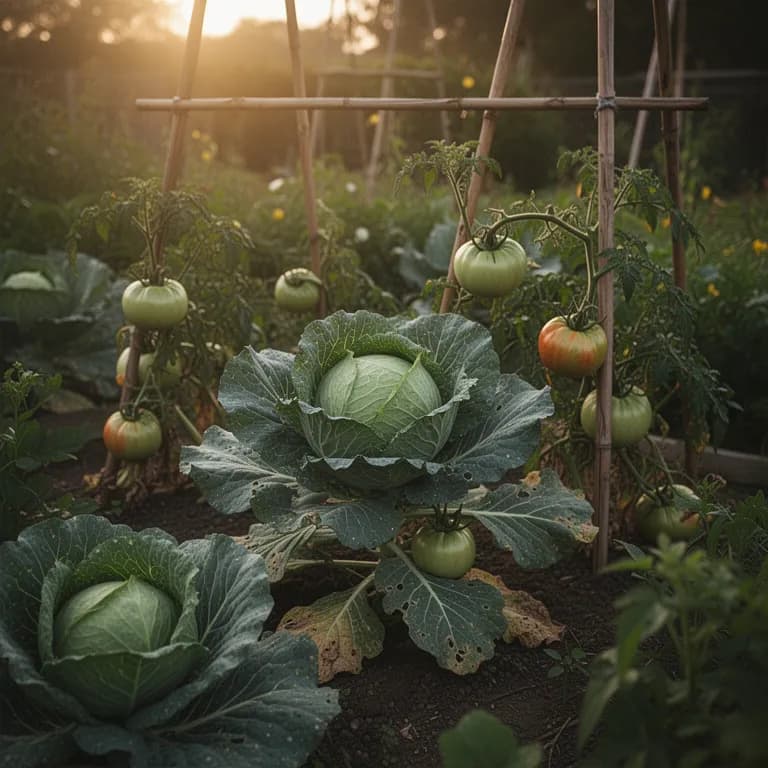
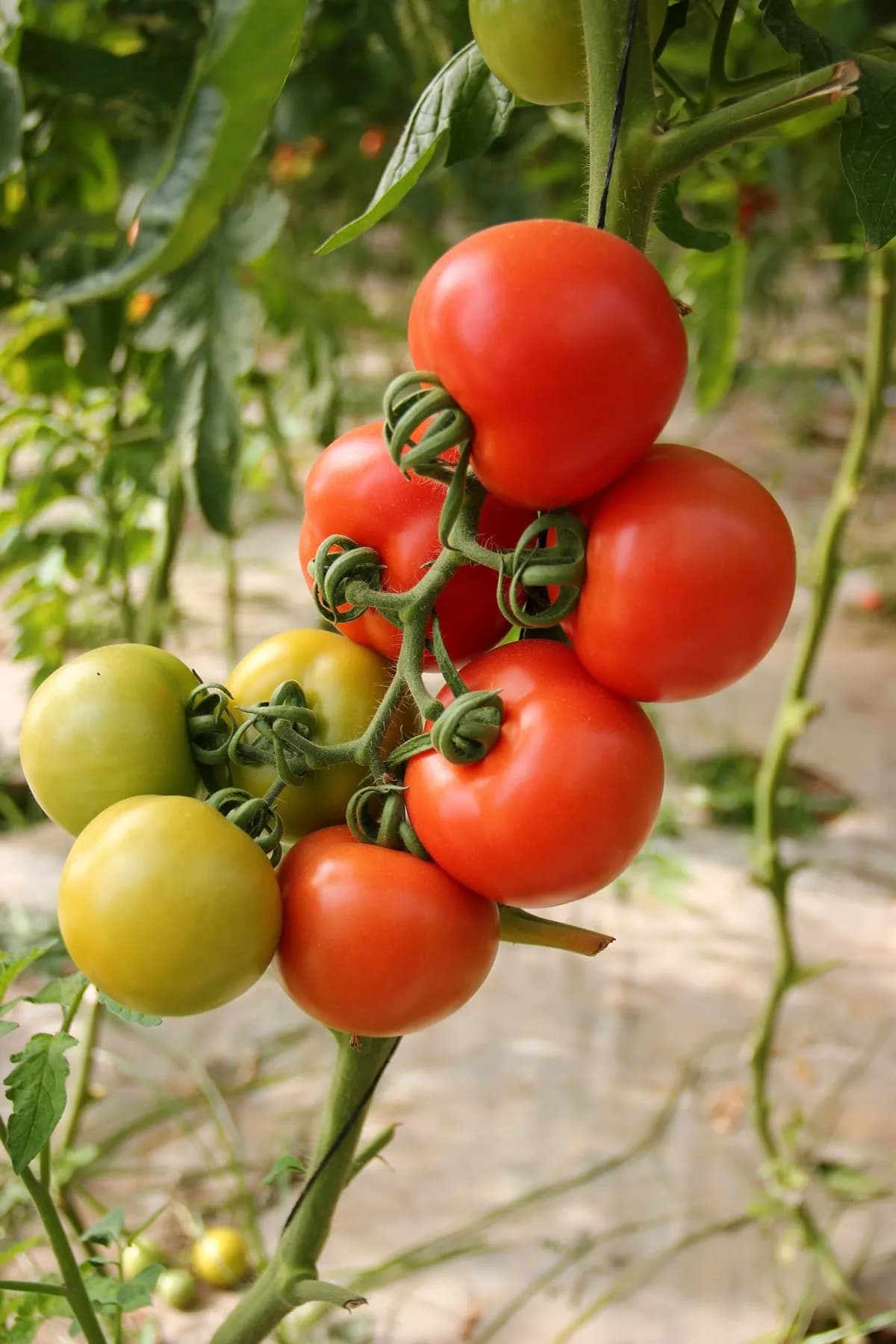
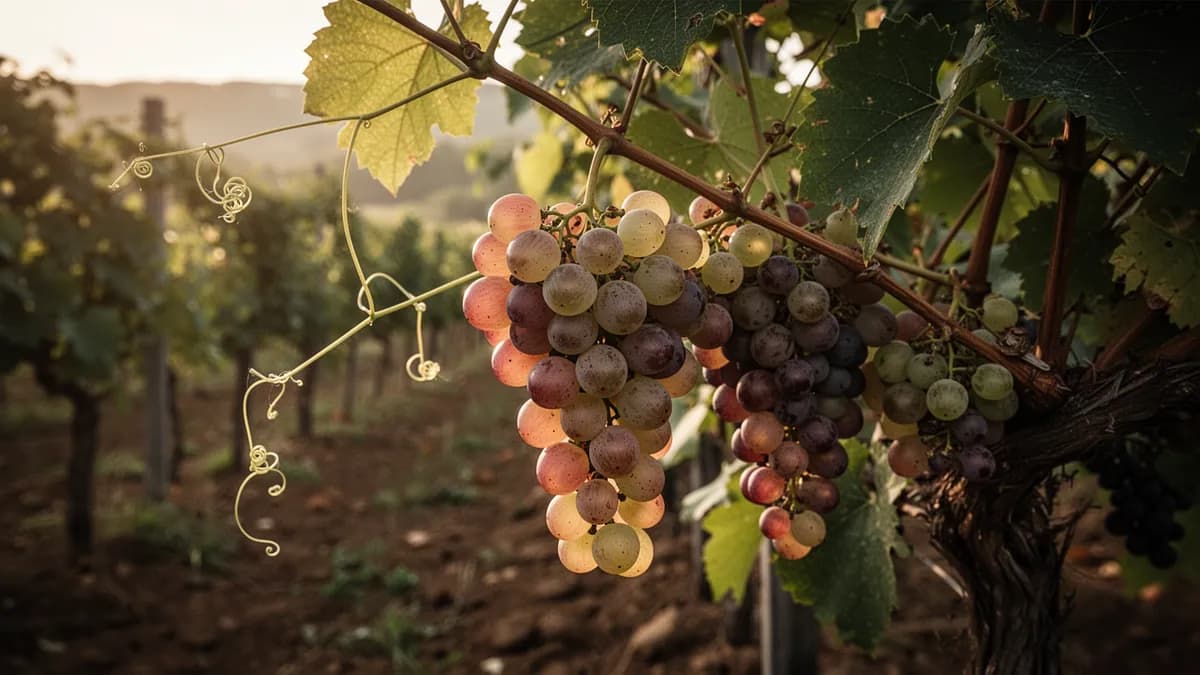
Vermeiden Sie die Pflanzung von Kohl in der Nähe von Tomaten, die extrem aggressive Nährstoffkonkurrenten sind und gemeinsame Schädlinge wie Blattläuse und Weiße Fliegen anziehen. Auch Weinreben sollten ferngehalten werden, da beobachtet wurde, dass Kohlgewächs-Wurzelausscheidungen die Gesundheit von Weinreben negativ beeinflussen. Pflanzen Sie niemals Kohl nach einem anderen Kohlgewächs — halten Sie eine strikte 3-4-jährige Fruchtfolge ein, um Kohlhernie, Schwarzfäule und andere bodenbürtige Krankheitsanreicherung zu verhindern. Gute Fruchtfolgepartner, die Kohl vorausgehen sollten, sind Hülsenfrüchte (Erbsen, Bohnen), die Stickstoff fixieren, oder Lauchgewächse, die einen relativ sauberen, schädlingsfreien Boden hinterlassen.
Zwiebel gehört daneben. Tomate nicht.
Altes Gärtnerwissen, geprüft an der echten Nachbartabelle von Kohl — teste jede Pflanze, die du anbaust.
Probiere Kohl direkt hier im Beet
Ein echtes Planer-Beet, Kohl steht schon drin. Tippe einen Begleiter an, platziere ihn und sieh, wie die Nachbarschaftsprüfung antwortet — grün für gute Nachbarn, rot bei Streit.


Passende Anbau-Ratgeber
Richtig düngen
Kohl gedeiht in nährstoffreichem, feuchtigkeitsspeicherndem Boden mit einem pH-Wert von 6,0-7,5 und reichlich organischer Substanz. Das ideale Kohlbeet wurde großzügig mit Kompost angereichert — arbeiten Sie 8-10 cm gut abgelagerten Kompost in die oberen 30 cm des Bodens ein und geben Sie zusätzlich eine Schaufel voll direkt in jedes Pflanzloch. Kohlwurzeln breiten sich weit aus, bleiben aber relativ flach (obere 30 cm), daher sind Oberflächenfruchtbarkeit und Feuchtigkeitsspeicherung wichtiger als eine tiefe Bodenbearbeitung. Schwere Lehmböden sollten mit Kompost und grober organischer Substanz aufgelockert werden, um die Drainage zu verbessern, während sandige Böden zusätzlichen Kompost benötigen, um Feuchtigkeit zu halten.
Als Starkzehrer profitiert Kohl von einem ausgewogenen Langzeitdünger (10-10-10), der bei der Pflanzung eingearbeitet wird, gefolgt von stickstoffreichen Nachdüngungen alle 3 Wochen während des aktiven vegetativen Wachstums. Blutmehl (12-0-0), Fischemulsion (5-1-1) und kompostierter Hühnermist sind hervorragende Stickstoffquellen. Sobald sich die Köpfe zu festigen beginnen, reduzieren Sie den Stickstoff, um übermäßig weiche Außenblätter zu vermeiden, die anfällig für Krankheiten und Aufplatzen sind. Eine letzte Nachdüngung mit kaliumreichem Dünger (Seetangmehl oder Holzasche) 3-4 Wochen vor der Ernte fördert dichte, gut strukturierte Köpfe mit verbesserten Lagereigenschaften.
Halten Sie den Boden-pH zwischen 6,5 und 7,5, besonders in Gebieten, in denen Kohlhernie aufgetreten ist — diese verheerende bodenbürtige Krankheit gedeiht in sauren Böden und ist nach ihrer Etablierung praktisch nicht mehr auszurotten. Bringen Sie bei Bedarf Kalk aus, um den pH-Wert zu erhöhen, idealerweise mehrere Wochen vor der Pflanzung. Stellen Sie durch Aufrechterhaltung des richtigen pH-Wertes eine ausreichende Kalziumverfügbarkeit sicher, da Kalziummangel innere Blattrandverbräunung verursacht (braune, papierartige Ränder an den inneren Blättern). In bormangeligen Böden bringen Sie 1 Esslöffel Borax pro 10 Meter Reihe aus, um hohle, braun gestreifte Stängel zu verhindern. Eine umfassende Bodenanalyse vor der Pflanzung ist die beste Investition für jedes Kohlgewächs-Beet.
Ideale Temperatur
Winterhärtezone-Kompatibilität
Von der Saat zur Ernte, Schritt für Schritt
Samenkeimung
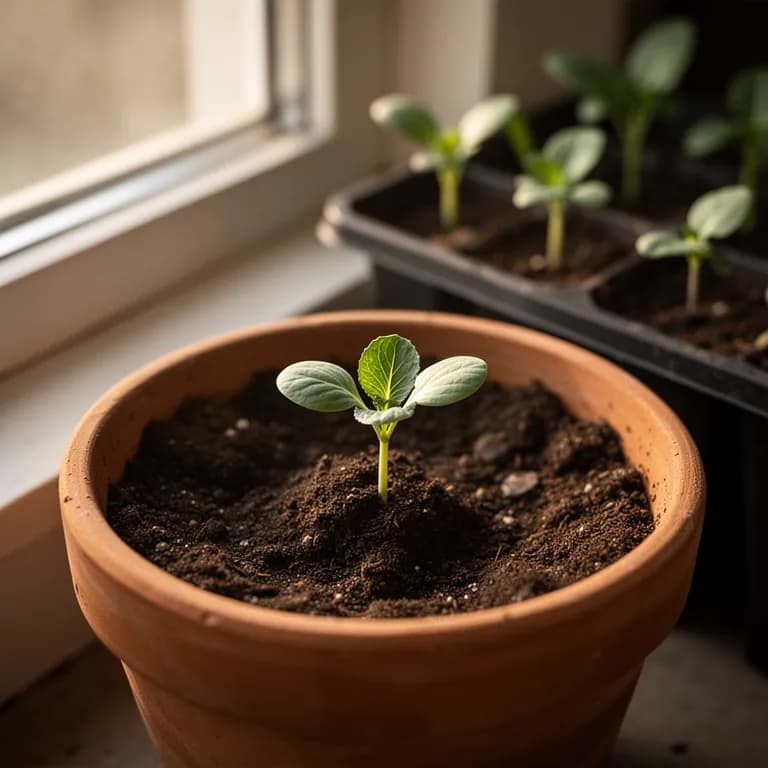
Kohlsamen keimen in 5-10 Tagen bei 18-24°C. Die Samen sind runde, dunkelbraune Kohlgewächs-Samen von etwa 2 mm Durchmesser. Die Keimlinge erscheinen mit einem Paar herzförmiger Keimblätter, die größer und kräftiger sind als bei den meisten anderen Kohlgewächsen.
Sämlingsentwicklung
Die Sämlinge entwickeln breite, blaugrüne echte Blätter und einen dicken Zentralstängel. Das Wachstum ist unter kühlen, hellen Bedingungen stetig. Diese Innenphase etabliert das Wurzelsystem und die Blattanzahl, die die zukünftige Kopfgröße bestimmen.
Verpflanzung & Etablierung
Abgehärtete Sämlinge werden ins Freie gepflanzt und etablieren ihr Wurzelsystem im Gartenboden. Kohl gehört zu den widerstandsfähigsten Setzlingen und verträgt leichten Frost ohne Schaden. Die Rosette der Außenblätter beginnt sich schnell auszubreiten.
Blattrosettenbildung
Die Pflanze bildet eine große Rosette aus äußeren Hüllblättern, die die energieintensive Phase der Kopfbildung antreiben. Jedes neue Blatt steht etwas aufrechter als das vorherige und biegt sich allmählich nach innen, um sich um den Vegetationspunkt zu wölben.
Kopfbildung
Die inneren Blätter wickeln sich fest übereinander und bilden den charakteristischen dichten, geschichteten Ball, der den Kohlkopf ausmacht. Der Kopf wächst schnell und nimmt täglich an Gewicht zu, während sich die Blätter immer dichter zusammenpacken. Der Kopf sollte sich beim vorsichtigen Drücken zunehmend fest und schwer anfühlen.
Ernte & Sekundärwachstum
Der Kopf erreicht seine volle Reife — fest, dicht und schwer für seine Größe. Nach dem Schneiden des Hauptkopfes treibt der Strunk 2-4 kleine Sekundärköpfe aus Achselknospen aus, die die Ernte um mehrere Wochen mit zarten Mini-Kohlen verlängern.
Säen Sie 6 mm tief in sterile Anzuchterde. Halten Sie den Boden gleichmäßig feucht, aber nicht staunass. Verwenden Sie Bodenwärme für eine schnellere Keimung, entfernen Sie die Heizmatte jedoch sofort nach dem Auflaufen, um Vergeilung zu verhindern.
Kohl Monat für Monat pflegen
Was du jeden Monat für deine Kohl tun solltest
Oktober
Aktueller MonatErnten Sie Lagerkohl nach den ersten leichten Frösten, die den Geschmack verbessern. Lassen Sie die Hüllblätter am Kopf und lassen Sie die Köpfe einen Tag an einem kühlen, schattigen Ort nachreifen, bevor Sie sie in den Erdkeller bringen. Späte Sorten vertragen mehrere leichte Fröste.
Immer wissen, was jetzt im Garten zu tun ist
Eine E-Mail zum Monatsanfang: was du jetzt säen, pflanzen und anpacken solltest — für deine Kohl und alles, was drumherum wächst. Dazu ein kurzer Startkurs, der dich vor den klassischen Fehlern bewahrt.
- Was jetzt zu tun ist
- Passend zu deiner Saison
- Startkurs inklusive
Kohl ernten
Ernten Sie Kohl, wenn die Köpfe fest und solide sind und nur leicht nachgeben, wenn Sie sie mit beiden Händen fest drücken. Der Kopf sollte sich dicht und schwer für seine Größe anfühlen — ein reifer Kohlkopf ist überraschend gewichtig, oft 1-4 kg je nach Sorte. Frühreifende Sorten sind in 50-65 Tagen nach der Pflanzung bereit und produzieren kleinere, zarte Köpfe, die ideal für den Frischverzehr sind, während spätreifende Lagersorten 80-110 Tage benötigen und die großen, extrem dichten Köpfe bilden, die sich monatelang im Erdkeller halten.
Schneiden Sie den Kopf mit einem scharfen, sauberen Messer vom Strunk und schneiden Sie dabei etwa 5-8 cm unterhalb der Kopfbasis durch den Stängel. Lassen Sie mehrere äußere Hüllblätter am Kopf — diese festen Außenblätter schützen den Kopf vor physischen Schäden und Feuchtigkeitsverlust bei Lagerung und Transport. Für eine Bonusernte lassen Sie den Strunk und das Wurzelsystem nach dem Schneiden des Hauptkopfes im Boden. Die meisten Kohlsorten treiben 2-4 kleine Sekundärköpfe (jeweils 8-15 cm Durchmesser) aus Achselknospen am verbleibenden Stängel. Diese Sekundärköpfe sind zart und hervorragend für den Frischverzehr, obwohl sie selten groß genug für die Lagerung werden.
Das Timing ist bei nassem Wetter entscheidend — ernten Sie umgehend, wenn sich die Köpfe fest anfühlen, denn starker Regen nach einer Trockenperiode verursacht eine schnelle innere Ausdehnung, die die Außenblätter aufsprengt, das Lagerpotenzial zunichtemacht und das Innere Fäulniserregern aussetzt. Wenn Regen vorhergesagt wird und die Köpfe fast reif sind, ernten Sie vorsorglich oder drehen Sie die gesamte Pflanze eine Vierteldrehung im Boden, um die Wurzeln teilweise abzutrennen und die Wasseraufnahme zu verlangsamen. Für Lagersorten, die für den Erdkeller bestimmt sind, verzögern Sie die Ernte bis nach den ersten leichten Frösten (die den Geschmack verbessern, indem Stärke in Zucker umgewandelt wird), aber ernten Sie vor harten Frösten unter -5°C, die die Außenblätter schädigen und Eintrittspunkte für Lagerfäule schaffen können.
angenommen, du pflanzt zu Beginn des Zeitraums — trage dein tatsächliches Datum ein
Ernte Kohl zügig, dann trägt die Pflanze weiter.
Lagerung & Konservierung
Kohl ist eines der am besten lagerfähigen Frischgemüse — ein entscheidender Vorteil, der ihn in nördlichen Klimazonen jahrhundertelang zu einem Überlebensnahrungsmittel machte, bevor es Kühlung gab. Ganze Köpfe mit intakten Hüllblättern halten sich im Kühlschrank 3-4 Wochen und in einem kalten Erdkeller (0-4°C, 90-95% Luftfeuchtigkeit) 3-6 Monate, wobei spätreifende Lagersorten wie Late Flat Dutch und Storage No. 4 am längsten halten. Der Schlüssel zur erfolgreichen Lagerung ist, die Köpfe trocken, kalt und gut belüftet zu halten — wickeln Sie jeden Kopf einzeln in Zeitungspapier oder legen Sie ihn in einen perforierten Plastikbeutel, und waschen Sie ihn niemals vor der Lagerung. Kontrollieren Sie eingelagerte Köpfe monatlich und entfernen Sie solche, die Anzeichen von Weichwerden oder Fäulnis zeigen, bevor sie benachbarte Köpfe beeinträchtigen.
Die Fermentation zu Sauerkraut ist die klassische und nahrhafteste Konservierungsmethode, die in Europa seit mindestens 2.000 Jahren praktiziert wird. Schneiden Sie den Kohl fein, mischen Sie ihn mit 2% Salz nach Gewicht (etwa 20 g pro Kilogramm Kohl), packen Sie ihn fest in saubere Einmachgläser oder einen Gärtopf und fermentieren Sie ihn bei Raumtemperatur (18-22°C) für 3-6 Wochen. Die natürlichen Milchsäurebakterien auf den Kohlblättern wandeln Zucker in Milchsäure um und erzeugen ein tangy, probiotikreiches Lebensmittel, das sich nach Abschluss der Fermentation 6-12 Monate im Kühlschrank hält. Kimchi folgt einem ähnlichen Verfahren mit der Zugabe von Chili, Knoblauch, Ingwer und Fischsauce — eine koreanische Tradition, die zu einem weltweit beliebten Gesundheitslebensmittel geworden ist.
Zum Einfrieren entkernen Sie den Kohl und schneiden ihn in Spalten oder hobeln ihn in Streifen. Blanchieren Sie Spalten 2 Minuten oder geschnittenen Kohl 90 Sekunden, tauchen Sie ihn in Eiswasser, lassen Sie ihn gründlich abtropfen und frieren Sie ihn portionsweise ein. Gefrorener Kohl eignet sich gut für gekochte Gerichte (Suppen, Eintöpfe, Pfannengerichte), verliert aber seine Knackigkeit und ist nicht für rohe Zubereitungen geeignet. Getrocknete Kohlchips können zu Pulver gemahlen werden, um Suppen und Eintöpfe zu verfeinern, oder zum Kochen rehydriert werden. Eingelegter Rotkohl in gewürztem Essig mit Nelken, Lorbeerblättern und Zucker ist eine klassische deutsche und britische Beilage, die hervorragend zu gebratenem Fleisch passt.
Zur kurzfristigen Aufbewahrung von angeschnittenem Kohl wickeln Sie die Schnittfläche fest in Frischhaltefolie und lagern Sie ihn im Kühlschrank — so hält er sich 5-7 Tage. Sobald er angeschnitten ist, verliert Kohl jedoch schnell Vitamin C, daher sollten Sie angeschnittene Portionen umgehend für maximalen Nährwert verwenden.
Was schiefgeht — und die Lösung
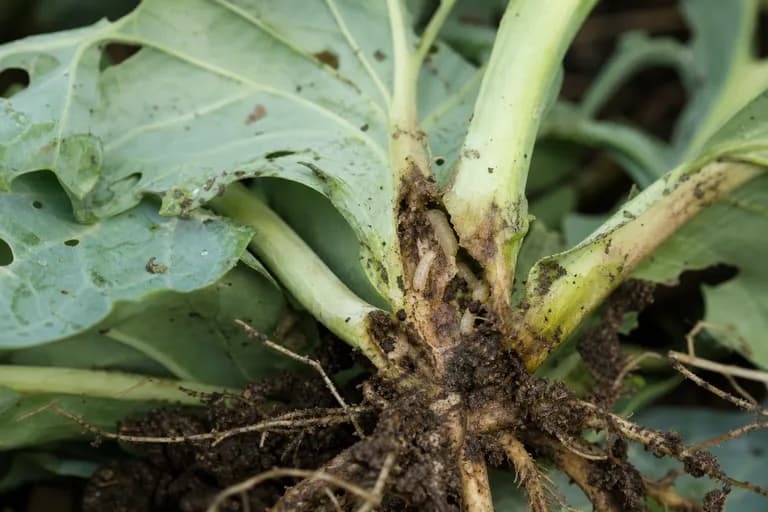
Kohlfliege
SchädlingPflanzen welken und bleiben trotz ausreichender Bewässerung im Wachstum zurück. Beim Herausziehen betroffener Pflanzen zeigen sich kleine, weiße, beinlose Maden, die an den Wurzeln und am Stängelgrund fressen. Sekundäre Fäulniserreger folgen häufig und zerstören das Wurzelsystem weiter.
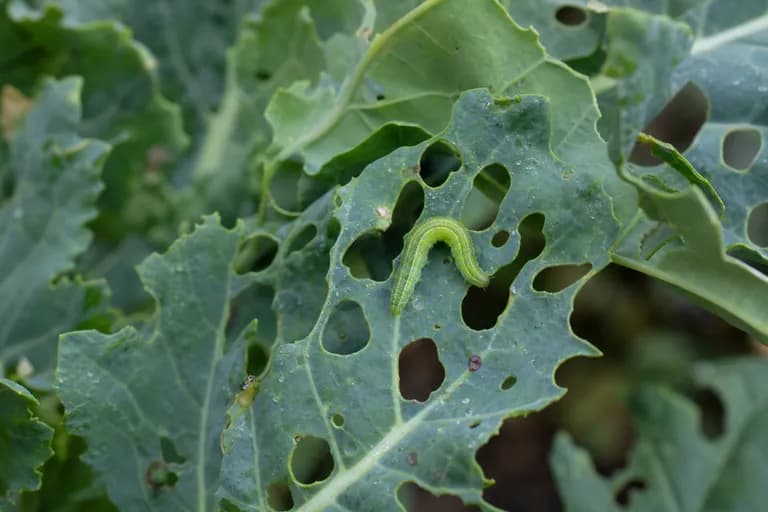
Kohlspanner
SchädlingBlassgrüne Raupen mit einer charakteristischen spannenden Fortbewegung, die große, unregelmäßige Löcher in die Blätter fressen, oft beginnend mit den äußeren Hüllblättern und sich nach innen zum Kopf vorarbeitend. Dunkelgrüner Kot ist auf den Blättern sichtbar.
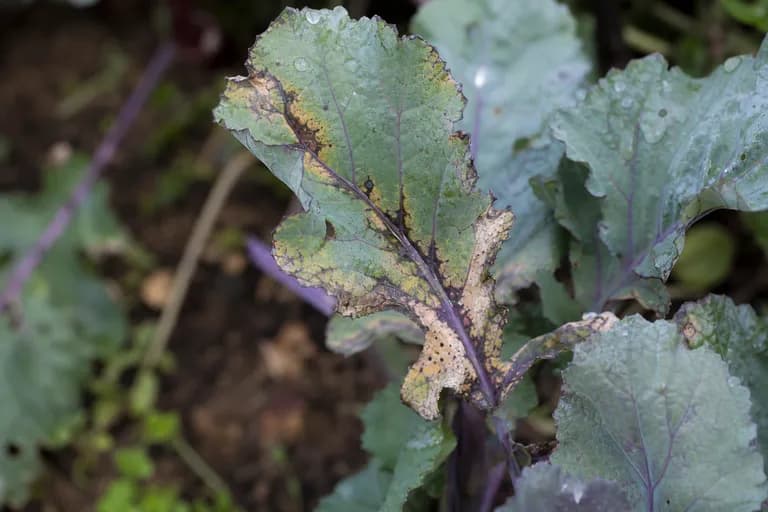
Schwarzfäule
KrankheitV-förmige gelbe Läsionen an den Blatträndern, die sich nach innen ausbreiten, wobei sich die Blattadern schwarz verfärben. Betroffenes Gewebe wird trocken und papierartig. Das Bakterium breitet sich systemisch über das Gefäßsystem aus und kann ganze Köpfe zerstören.
Aufplatzen
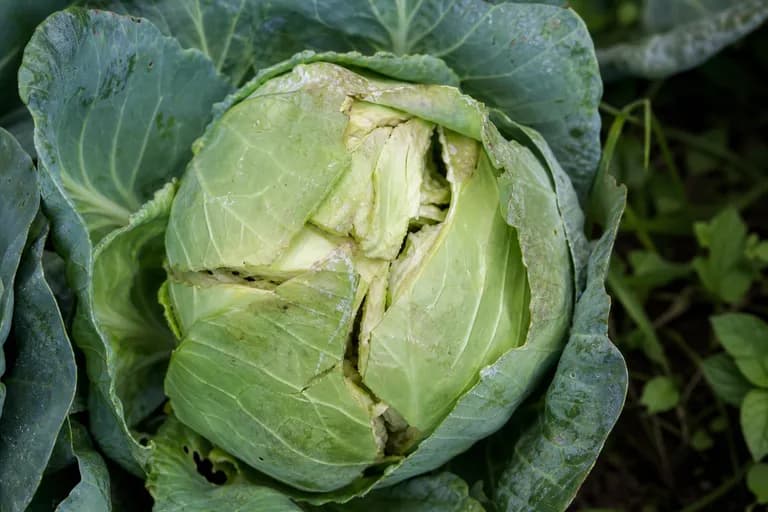
KrankheitReife Köpfe reißen von oben oder an den Seiten auf, wobei die inneren Blätter Regen, Insekten und Fäulnis ausgesetzt werden. Dies ist eine physiologische Störung und kein Krankheitserreger, verursacht durch schnelles inneres Wachstum nach Wasserstress.
Fehlerbehebung bei häufigen Problemen
Das Aufplatzen der Köpfe ist das häufigste und frustrierendste Kohlproblem und tritt auf, wenn starker Regen oder plötzliche Bewässerung einer Trockenperiode folgt. Der schnelle Wasserzufluss bewirkt, dass sich die inneren Blätter schneller ausdehnen als die festen Außenblätter nachgeben können, wodurch der Kopf aufplatzt und das Innere Regen, Insekten und Fäulniserregern ausgesetzt wird. Die Vorbeugung erfordert eine absolut gleichmäßige Bodenfeuchtigkeit — Tröpfchenbewässerung kombiniert mit 5-8 cm Mulch ist der beste Schutz. Wenn starker Regen vorhergesagt wird und die Köpfe fast reif sind, ernten Sie vorsorglich oder drehen Sie die Pflanze eine Vierteldrehung im Boden, um die Wurzeln teilweise abzutrennen und die Wasseraufnahme zu verlangsamen.
Lockere, offene Köpfe, die nie einen festen Ball bilden, resultieren aus mehreren möglichen Ursachen: übermäßiger Stickstoff (der Blattwachstum auf Kosten der Kopfdichte fördert), unzureichendes Sonnenlicht (weniger als 6 Stunden täglich), hohe Temperaturen während der Kopfbildung (über 27°C) oder zu späte Frühjahrspflanzung, sodass die Köpfe sich während der Sommerhitze bilden müssen. Die Lösung liegt im Timing: Pflanzen Sie früh genug für Frühjahrsernten, damit die Köpfe bei kühlem Wetter wachsen, oder pflanzen Sie im Hochsommer für Herbsternten, die von sinkenden Temperaturen profitieren.
Vorzeitiges Schossen — die Pflanze bildet einen Blütenstiel anstatt einen Kopf — wird ausgelöst, wenn Setzlinge über längere Zeit Temperaturen unter 7°C für mehr als 10-14 Tage ausgesetzt sind, gefolgt von Erwärmung. Die Pflanze interpretiert dieses Kalt-Warm-Muster als Winter-zu-Frühling und wechselt zur Fortpflanzung. Schützen Sie junge Setzlinge vor anhaltender Kälte mit Vliesabdeckungen und pflanzen Sie nicht zu früh im Frühling aus. Sobald eine Pflanze zu schossen beginnt, wird sie keinen Kopf mehr bilden und sollte entfernt werden.
Kohlfliegen (kleine weiße Larven, die an den Wurzeln fressen) verursachen plötzliches Welken, Kümmerwuchs und letztlich den Pflanzentod. Die erwachsenen Fliegen legen im Frühjahr Eier am Stängelgrund ab. Vorbeugung ist weitaus wirksamer als Behandlung: Bringen Sie bei der Pflanzung Pappe- oder Teerpappekragen eng um jeden Stängel an und decken Sie die Pflanzen während der Eiablageperiode mit Vliesabdeckungen ab. Auch nützliche Nematoden, die bei der Pflanzung ausgebracht werden, können die Madenpopulationen reduzieren.
Innere Verbräunung (Blattrandnekrose an inneren Blättern) deutet auf Kalziummangel hin, der meist durch sauren Boden-pH oder ungleichmäßige Bewässerung verursacht wird, die die Kalziumaufnahme verhindert, selbst wenn Kalzium im Boden vorhanden ist. Hohle, braun gestreifte Stängel deuten auf Bormangel hin. Beheben Sie beides durch richtiges pH-Management (Kalk für Kalzium) und Mikronährstoff-Ergänzungen (Borax-Lösung für Bor). Eine Bodenanalyse vor der Pflanzung verhindert diese Probleme vollständig.
Anbautipps
- Bauen Sie zwei Kohlsaisons an: frühe Sorten (Golden Acre, Copenhagen Market) im Frühling für den Frischverzehr und späte Sorten (Late Flat Dutch, Storage No. 4), die im Hochsommer gepflanzt werden, für die Herbsternte und die Winterlagerung im Erdkeller.
- Bringen Sie bei der Pflanzung Pappe- oder Teerpappekragen um die Stängel an — dieser einfache Trick verhindert, dass Kohlfliegen Eier am Stängelgrund ablegen, und vermeidet die verheerenden Wurzelschäden, die zu plötzlichem Pflanzentod führen.
- Lassen Sie die Kohlstrünke nach dem Schneiden des Hauptkopfes im Boden — die meisten Sorten treiben 2-4 kleine Sekundärköpfe aus Achselknospen. Diese Bonus-Minikohlköpfe sind außergewöhnlich zart und erscheinen innerhalb von 2-3 Wochen.
- Gleichmäßige Feuchtigkeit ist der einzelne wichtigste Faktor für hochwertigen Kohl. Ungleichmäßige Bewässerung (Trockenheit gefolgt von starkem Regen) ist die Hauptursache für das Aufplatzen der Köpfe, was das Lagerpotenzial ruiniert und Krankheiten begünstigt.
- Wenn starker Regen vorhergesagt wird und Ihre Kohlköpfe fast reif sind, drehen Sie jede Pflanze eine Vierteldrehung im Boden, um die Wurzeln teilweise abzutrennen. Dies verlangsamt die Wasseraufnahme und reduziert das Risiko des regenbedingten Aufplatzens drastisch.
- Warten Sie mit der Ernte des Lagerkohls bis nach den ersten leichten Frösten — Kälte wandelt Stärke in Zucker um und verbessert den Geschmack merklich. Reifer Kohl verträgt Frost bis -6°C, was ihn zu einer der letzten Kulturen macht, die Sie im Herbst ernten.
- Pflanzen Sie Rotkohl neben Grünkohlsorten für optische Schönheit, kulinarische Vielfalt und einen deutlich höheren Antioxidantiengehalt — Rotkohl enthält Anthocyane in Mengen, die mit Blaubeeren vergleichbar sind.
- Wirsing (mit gekräuselten, flexiblen Blättern) ist der beste Kohltyp zum Füllen und Einwickeln, da die Blätter von Natur aus biegsam sind und beim Falten um Füllungen nicht brechen.
- Beginnen Sie innerhalb weniger Stunden nach der Ernte mit der Sauerkrautfermentation für maximale Knackigkeit und probiotische Entwicklung. Die natürlichen Milchsäurebakterien auf frischen Kohlblättern sind unmittelbar nach dem Schnitt auf ihrem Höhepunkt.
- Wechseln Sie Kohl in einem strikten 3-4-Jahres-Zyklus mit Nicht-Kohlgewächsen ab. Kohlherniesporen überleben im Boden über 15 Jahre, und sobald sich diese Krankheit etabliert hat, macht sie den Anbau von Kohlgewächsen ohne Hochbeete und importierten Boden nahezu unmöglich.
Bau deine beste Kohl an — und alles drumherum.
Starte heute kostenlos. Lege deine Beete an, setze deine Kohl ein und lass PlotMyGarden Timing, Abstände, Begleiter und Erinnerungen von der Saat bis zum Erntekorb übernehmen.
Finde deine Kohl
Golden Acre
Eine frühreifende Sorte, die kompakte, runde Köpfe von 1-1,5 kg mit knackigem, süßem Geschmack hervorbringt. 65 Tage. Ideal für kleine Gärten und den Frischverzehr. Lagert nicht so lange wie Spätsorten.
Late Flat Dutch
Eine große, flachköpfige Traditionssorte, die sich hervorragend zur langfristigen Lagerung im Erdkeller eignet. Köpfe können 5-7 kg erreichen. 100 Tage. Dichte, mild aromatische Blätter sind ideal für Sauerkraut und Krautsalat.
Savoy Perfection
Eine besondere Sorte mit wunderschön gekräuselten, zarten Blättern, die milder und süßer sind als glattblättrige Sorten. 90 Tage. Hervorragend zum Füllen und für Wickel dank ihrer flexiblen Blätter.
Red Acre
Ein kompakter Rotkohl mit dichten, tiefvioletten Köpfen, die Salaten und Rohkostsalaten eine auffallende Farbe verleihen. 75 Tage. Reich an Anthocyan-Antioxidantien. Gute Lagereigenschaften und Kältetoleranz.
Copenhagen Market
Eine klassische dänische Traditionssorte mit runden, festen Köpfen von 1,5-2 kg und hervorragendem süßem, mildem Geschmack. 72 Tage. Ausgezeichneter Allzweckkohl für Frischverzehr, Kochen und kurzfristige Lagerung.
Kohl bietet einen außergewöhnlichen Wert für Hobbygärtner. Eine Saatguttüte für 2-3 Euro produziert über 100 Pflanzen, die jeweils einen Kopf von 1-4 kg hervorbringen (je nach Sorte). Bio-Kohl kostet im Einzelhandel 2-5 Euro pro Kopf, und Spezialitätensorten (Rot-, Wirsing-, Chinakohl) erzielen Premiumpreise. Mit 10-15 Pflanzen über Frühjahrs- und Herbstsaison kann eine Familie jährlich Kohl im Wert von 30-75+ Euro anbauen. Die echten Einsparungen kommen durch die Lagerung: Ein Erdkeller, bestückt mit 20-30 Köpfen spätreifender Sorten, liefert frischen Kohl über den gesamten Winter und ersetzt monatelange Ladeneinkäufe. Rechnen Sie den Wert von selbstgemachtem Sauerkraut und Kimchi hinzu, vervielfachen sich die Einsparungen weiter.
Schnelle Rezepte
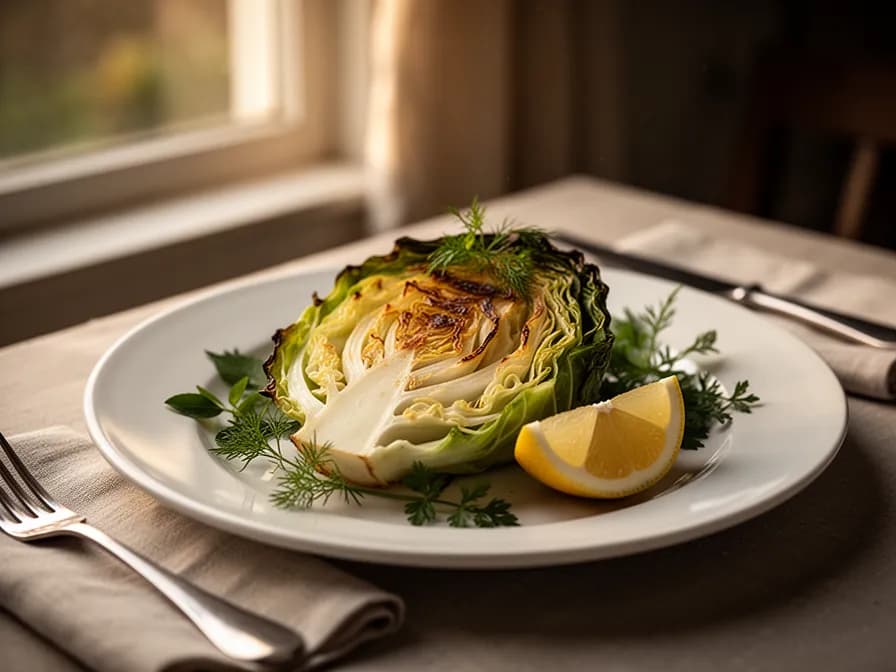
Klassisches hausgemachtes Sauerkraut
30 Min. + 3-6 Wochen FermentationDas einfachste und wirkungsvollste Kohlrezept — nur Kohl und Salz, fermentiert zu einem würzigen, knackigen, probiotikareichen Superfood, das sich monatelang hält. Eine Fertigkeit, die jeder Gärtner beherrschen sollte.
5 Zutaten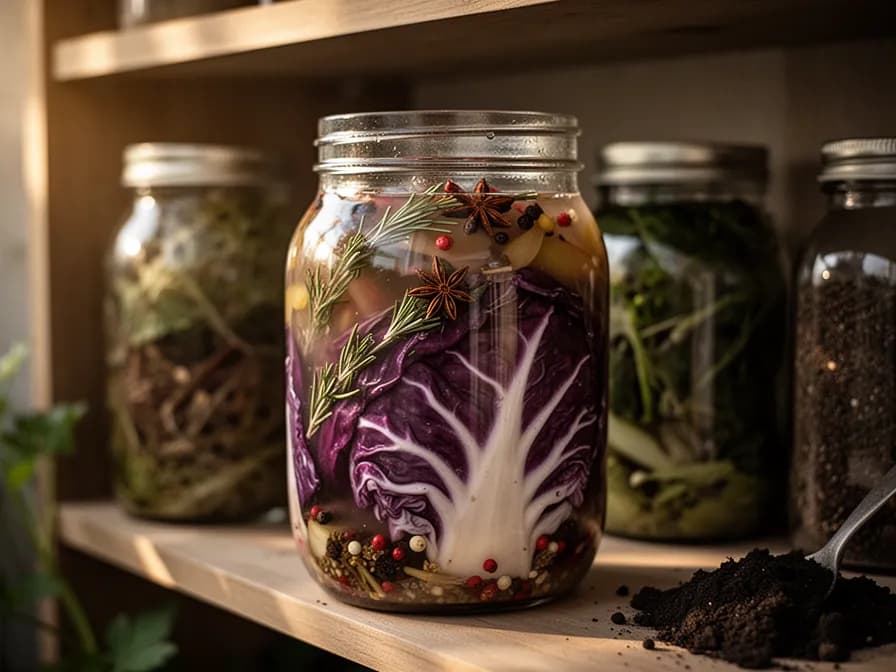
Kohlrouladen
75 Min.Ein beliebtes Wohlfühlgericht aus ganz Osteuropa und dem Mittelmeerraum — zarte ganze Kohlblätter um eine herzhafte Füllung aus gewürztem Hackfleisch und Reis gewickelt, in Tomatensauce geschmort, bis sie butterzart sind.
9 ZutatenGeschmorter Rotkohl mit Äpfeln
60 Min.Ein deutscher und skandinavischer Klassiker — Rotkohl langsam geschmort mit säuerlichen Äpfeln, Essig und warmen Gewürzen, bis er seidig und süß-sauer ist. Die perfekte Beilage zu Schweinebraten, Ente oder Würstchen.
10 ZutatenKulinarische Verwendung
Kohl ist eines der vielseitigsten und weltweit bedeutendsten Gemüse und bildet das Rückgrat traditioneller Küchen in Europa, Asien und Amerika. Roher Kohl, in feine Streifen geschnitten für Krautsalat oder dünn aufgeschnitten für Salate, bietet befriedigenden Biss, milde Süße und bleibt weit länger knackig als Kopfsalat — was ihn zur idealen Salatbasis für Picknicks, Buffets und vorbereitete Mahlzeiten macht. Klassischer Krautsalat mit einem cremigen Mayonnaise-Essig-Dressing oder einer würzigen Vinaigrette ist eine allgegenwärtige Beilage, während asiatische Kohlsalate mit Sesam, Reisessig und Chili leichter und aromatischer sind.
Gekochter Kohl umfasst eine enorme Bandbreite an Techniken und Traditionen. Sauerkraut und Kimchi sind die berühmtesten fermentierten Gemüse der Welt, geschätzt für ihren würzigen Geschmack und die Vorteile für die Darmgesundheit durch lebende Milchsäurebakterien. Geschmorter Rotkohl mit Äpfeln, Essig und warmen Gewürzen (Nelken, Wacholder, Lorbeerblätter) ist ein deutscher und mitteleuropäischer Klassiker, der Schweinebraten, Ente und Wild begleitet. Kohlrouladen (Golabki in der polnischen, Sarma in der Balkanküche, Kohlroulade in der deutschen Küche) füllen blanchierte ganze Blätter mit gewürztem Hackfleisch, Reis und Aromaten und schmoren sie dann in Tomaten- oder Brühensauce. Japanische Okonomiyaki (herzhafte Kohlpfannkuchen) und chinesischer gebratener Kohl mit Knoblauch und Chili sind beliebte Straßengerichte in ganz Asien.
Kohl harmoniert wunderbar mit Kümmel, Senf, Essig, Äpfeln, Speck, Wacholderbeeren, Dill, Fenchel und kräftigem Käse. Rotkohl verleiht jedem Gericht eine auffallende Farbe und wird süßer und leuchtender, wenn er mit einer Säure (Essig, Wein oder Zitrus) gekocht wird. Wirsing mit seinen gekräuselten, zarten Blättern ist die beste Wahl zum Füllen und für feine Zubereitungen. Für maximale Nährstoffe essen Sie Kohl roh oder nur sehr leicht gegart — langes Kochen zerstört das reichlich vorhandene Vitamin C (eines der höchsten unter den gängigen Gemüsesorten) und reduziert die Glucosinolat-Verbindungen, die Kohl seinen Ruf als krebsvorbeugendes Gemüse verleihen.
Was drinsteckt
Gesundheitsvorteile
- Reich an Vitamin C (61% TV pro 100 g roh) — historisch entscheidend für die Vorbeugung von Skorbut und weiterhin wichtig für die Immunfunktion, Kollagensynthese und den antioxidativen Schutz vor Zellschäden durch freie Radikale
- Enthält Glucosinolate, die zu Sulforaphan und anderen Isothiocyanaten metabolisiert werden — Verbindungen mit nachgewiesenen krebshemmenden Eigenschaften, die die Phase-II-Entgiftungsenzyme des Körpers aktivieren und die Apoptose von Krebszellen fördern
- Rotkohl liefert Anthocyan-Antioxidantien in Mengen vergleichbar mit Blaubeeren, mit nachgewiesenen entzündungshemmenden Wirkungen, die die Herz-Kreislauf-Gesundheit unterstützen und das Risiko chronisch-entzündlicher Erkrankungen verringern können
- Fermentierter Kohl (Sauerkraut, Kimchi) ist eine der reichsten natürlichen Quellen probiotischer Bakterien und unterstützt die Vielfalt des Darmmikrobioms, eine verbesserte Immunfunktion, eine bessere Nährstoffaufnahme und eine reduzierte Entzündung
- Sehr hoher Gehalt an Vitamin K (85% TV pro 100 g), das für eine ordnungsgemäße Blutgerinnung, die Aufrechterhaltung der Knochenmineraldichte und den Kalziumstoffwechsel unerlässlich ist — regelmäßiger Kohlverzehr unterstützt die Skelettgesundheit ein Leben lang
- Geringe Kaloriendichte (25 Kalorien pro 100 g) kombiniert mit hohem Ballaststoffgehalt (2,5 g pro 100 g) fördert Sättigung und unterstützt eine gesunde Verdauung, was Kohl wertvoll für Gewichtsmanagement und Stoffwechselgesundheit macht
Woher Kohl stammt
Kohl (Brassica oleracea var. capitata) stammt vom Wildkohl ab, einer blättrigen Pflanze, die an den Küstenklippen Westeuropas und des Mittelmeerraums heimisch ist. Wildkohl wächst noch heute entlang der Kreideküsten Englands, Frankreichs und Spaniens, wo seine zähen, wachsartigen Blätter sich entwickelten, um Salzsprühnebel, Wind und kargen Boden zu widerstehen. Der Übergang vom lose beblätterten Wildkohl zum kopfbildenden Kohl erfolgte durch Jahrhunderte selektiver Züchtung, vermutlich beginnend im östlichen Mittelmeerraum um 1000-600 v. Chr., wo frühe Bauern Pflanzen mit zunehmend kompaktem, geschichtetem Blattwachstum auswählten.
Die alten Griechen und Römer bauten Kohl intensiv an und schätzten ihn sowohl als Nahrungspflanze als auch als Heilpflanze. Cato der Ältere (234-149 v. Chr.) widmete in seiner landwirtschaftlichen Abhandlung einen ganzen Abschnitt dem Kohl und pries ihn als Heilmittel gegen nahezu jede Krankheit. Der römische Anbau verbreitete Kohl über ihr gesamtes Reich, und im Mittelalter war er zum Grundgemüse der europäischen Bauernküche geworden — nahrhaft, ertragreich, leicht anzubauen und einzigartig geeignet für die Langzeitlagerung über die mageren Wintermonate. Die Sauerkraut-Fermentation, die wahrscheinlich in Mitteleuropa während des Mittelalters entwickelt wurde (möglicherweise aber auch von chinesischen Traditionen der Kohlfermentation inspiriert), machte Kohl zu einem ganzjährigen Grundnahrungsmittel.
Europäische Kolonisten brachten Kohl im 16.-17. Jahrhundert nach Amerika, wo er in den nördlichen Klimazonen gedieh, die seinen Vorlieben für kühles Wetter entsprachen. Heute wird Kohl auf jedem bewohnten Kontinent angebaut und gehört zu den 20 am meisten produzierten Gemüsesorten weltweit, mit einer Jahresproduktion von über 70 Millionen Tonnen. Kopfkohl hat sich in zahlreiche Formen diversifiziert: Grünkohl (der weltweit häufigste), Rotkohl (geschätzt für seine Anthocyan-Antioxidantien), Wirsing (mit gekräuselten, zarten Blättern, ideal zum Füllen) und Chinakohl (Brassica rapa subsp. pekinensis, eine verwandte, aber eigenständige Art). Das Gemüse bleibt in vielen Regionen ein Eckpfeiler der Ernährungssicherheit und bietet erschwingliche Nährstoffe, außergewöhnliche Lagerfähigkeit und bemerkenswerte kulinarische Vielseitigkeit.
Kohl: Schon gewusst?
Faszinierende Fakten über Kohl
Kohl ist eines der ältesten Kulturgemüse, mit Hinweisen auf eine Domestizierung vor mindestens 4.000 Jahren im Mittelmeerraum. Die alten Griechen und Römer betrachteten ihn als Heilpflanze, und Cato der Ältere schrieb dem Kohl zu, ihn sein ganzes Leben lang gesund gehalten zu haben.
Kohl: Fragen & Antworten
Wann sollte ich Kohl pflanzen?
Was sind gute Begleitpflanzen für Kohl?
In welchen Winterhärtezonen kann Kohl wachsen?
Wie viel Sonne braucht Kohl?
Welchen Abstand sollte ich zwischen Kohl lassen?
Welche Schädlinge und Krankheiten befallen Kohl?
Wie lagere ich Kohl nach der Ernte?
Was sind die besten Kohl-Sorten zum Anbauen?
Welchen Boden braucht Kohl?
Warum ist mein Kohlkopf aufgeplatzt?
Warum hat mein Kohl geschosst (geblüht) anstatt einen Kopf zu bilden?
Wie lagere ich Kohl im Erdkeller für den Winter?
Kann ich Kohl vom Strunk nachwachsen lassen?
Was ist der Unterschied zwischen Weiß-, Rot- und Wirsingkohl?
Wie mache ich Sauerkraut aus meinem Gartenkohl?
Du hast die Theorie gelesen. Jetzt baue sie auf Autopilot an.
Alles, was Kohl knifflig macht — das Timing, die Abstände, die Begleiter, das Erntefenster — genau das übernimmt PlotMyGarden für dich, für jede Pflanze im Garten.
Ein Plan, der dein Wetter kennt
Standort einmal festlegen. Aussaat-, Dünge- und Erntedaten rund um deinen echten letzten Frosttermin und die Live-Vorhersage — kein Raten mehr nach Saattüte.
Aus dem Abschnitt „Pflanzzeit“Beetplaner per Drag & Drop
Beete auf einem Raster gestalten. Jede Pflanze rastet im richtigen Abstand ein, und du siehst die ganze Saison, bevor du einen Cent für Saatgut ausgibst.
Aus dem Abschnitt „Anbau“Begleiter-Konflikte früh erkannt
Über 200 gute und schlechte Kombinationen werden beim Pflanzen live geprüft — so landet ein saisonruinierender Fehler nie in der Erde.
Aus dem Abschnitt „Begleiter“Erinnerungen, nach denen du wirklich handelst
„Gieß die Bohnen.“ „Heute ernten, bevor's umschlägt.“ Pünktlich, konkret und auf deine echten Pflanzen bezogen.
Aus dem Abschnitt „Ernte“Staffel-Aussaat, geplant
Sechs Wochen ernten statt sechs Tage? Die App verteilt deine Aussaaten automatisch und erinnert dich, wenn der nächste Satz fällig ist.
Aus dem Abschnitt „Pflanzzeit“Ein Verlauf, der schlauer wird
Jede protokollierte Ernte bringt der App deinen Garten bei. Der Plan fürs nächste Jahr startet bei dem, was in deinem Boden wirklich funktioniert hat.
Aus dem Abschnitt „Überblick“Pflanze diese neben Kohl
Weitere Kreuzblütler
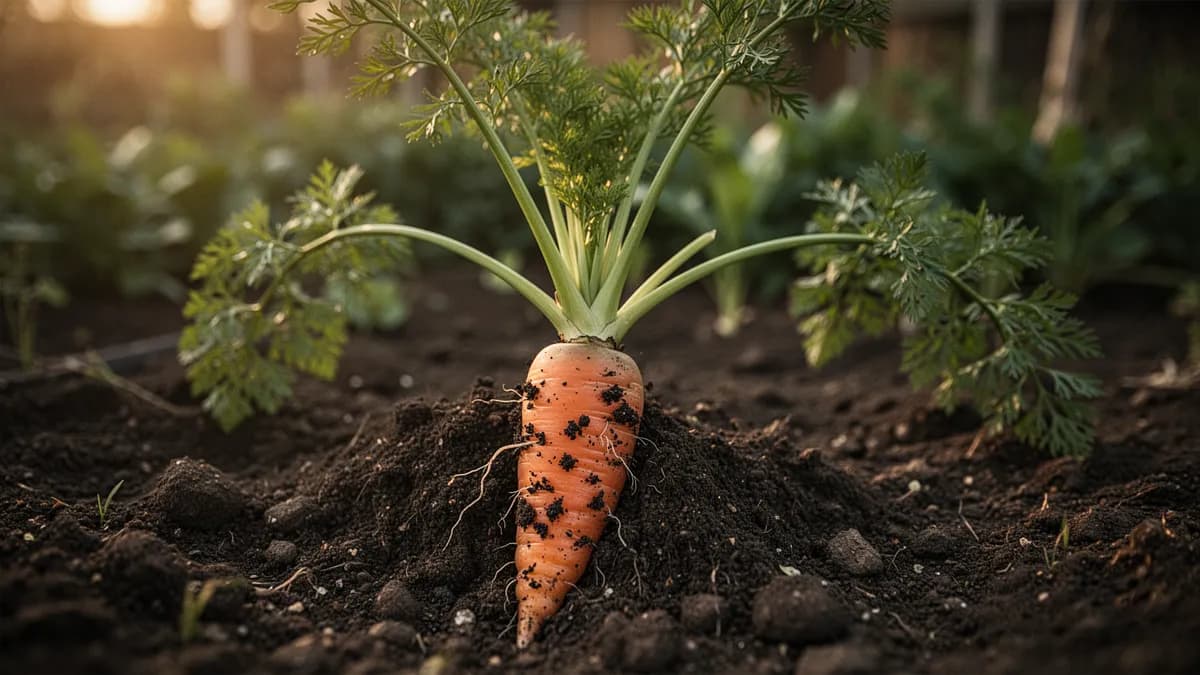
Halte Kohl von diesen fern
Gartenpläne mit Kohl
Bau deine beste Kohl an — und alles drumherum.
Starte heute kostenlos. Lege deine Beete an, setze deine Kohl ein und lass PlotMyGarden Timing, Abstände, Begleiter und Erinnerungen von der Saat bis zum Erntekorb übernehmen.