Bok Choy
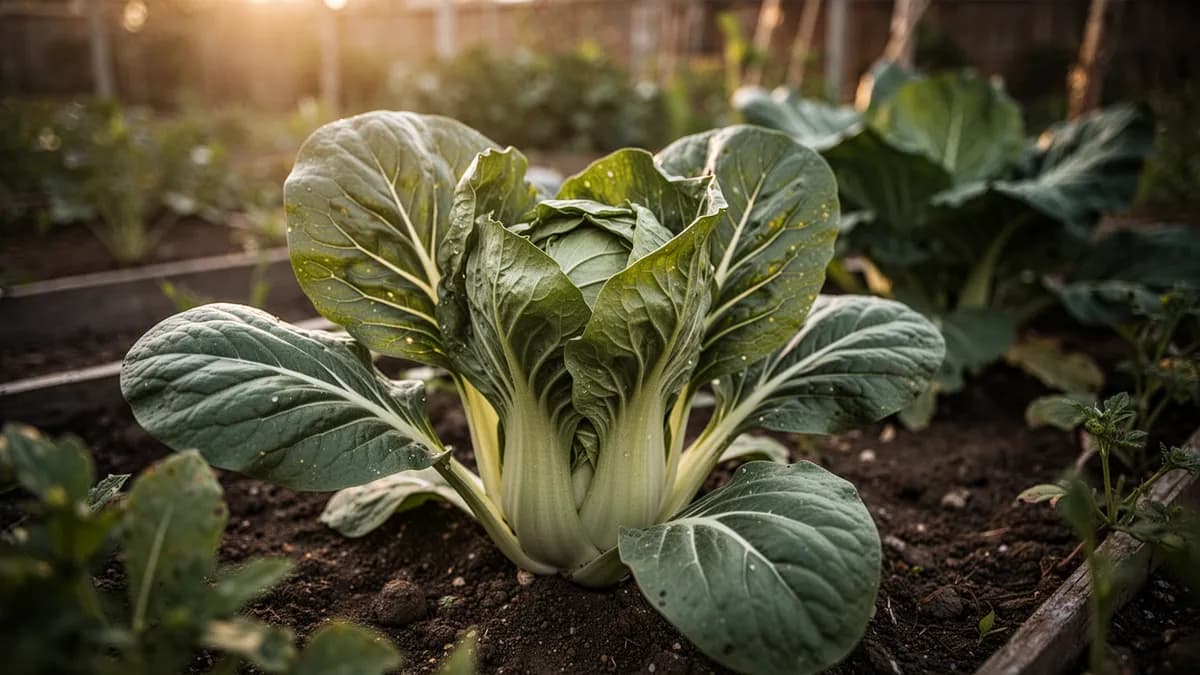
A fast-growing Chinese cabbage with crisp white stems and dark green leaves, perfect for stir-fries and soups.





On this pageOverview
Meet Bok Choy
A fast-growing Chinese cabbage with crisp white stems and dark green leaves, perfect for stir-fries and soups. Bok choy prefers cool weather and bolts quickly in heat, so plant in early spring or late summer for best results. Baby bok choy varieties are ready in as few as thirty days and make excellent container plants. Provide consistent moisture and light afternoon shade in warmer climates to extend the harvest period.
When to plant Bok Choy
Direct sow bok choy seeds half an inch deep in rows 12 to 18 inches apart as soon as soil can be worked in spring. For transplants, start seeds indoors four weeks before the planned outdoor planting date at 65 to 75°F. Seeds germinate quickly in 4 to 8 days. Thin seedlings or transplant to final spacing when two true leaves develop. Bok choy transplants poorly once the taproot is established, so use biodegradable pots to minimize root disturbance. For fall crops, direct sow 8 to 10 weeks before the first expected frost.
Your Bok Choy Year
Composed for Zone 7 · typical seasons · frost passes Apr 2, returns Nov 1
Plant Bok Choy Mar – Apr, Aug – Sep, pick May – Jun, Oct – Nov. Check the planting methods below and set your climate to personalize these windows.
How to grow Bok Choy
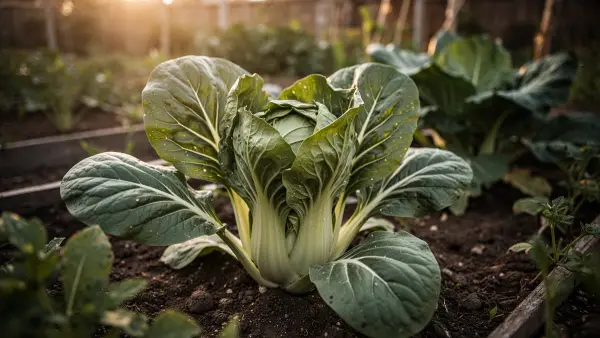
Bok choy is a cool-season crop that performs best when temperatures remain between 50 and 70°F. Direct sow seeds half an inch deep in early spring as soon as soil can be worked, or start indoors four weeks before transplanting. For a fall crop, sow in late summer when decreasing day length discourages bolting. Space plants 6 to 12 inches apart depending on variety size.
Provide consistent moisture throughout the growing period, as bok choy has shallow roots that dry out quickly. Mulch with straw or shredded leaves to retain moisture and keep soil cool. In warmer climates, provide afternoon shade using taller crops or shade cloth to delay bolting. Water at the base to keep leaves dry and prevent fungal issues.
Bok choy matures rapidly, with baby varieties ready in 30 days and full-size heads in 45 to 60 days. Succession plant every two to three weeks for a continuous harvest. Watch for bolting when temperatures rise above 75°F and harvest promptly if flower stalks begin to form. The entire plant is edible including flowers.
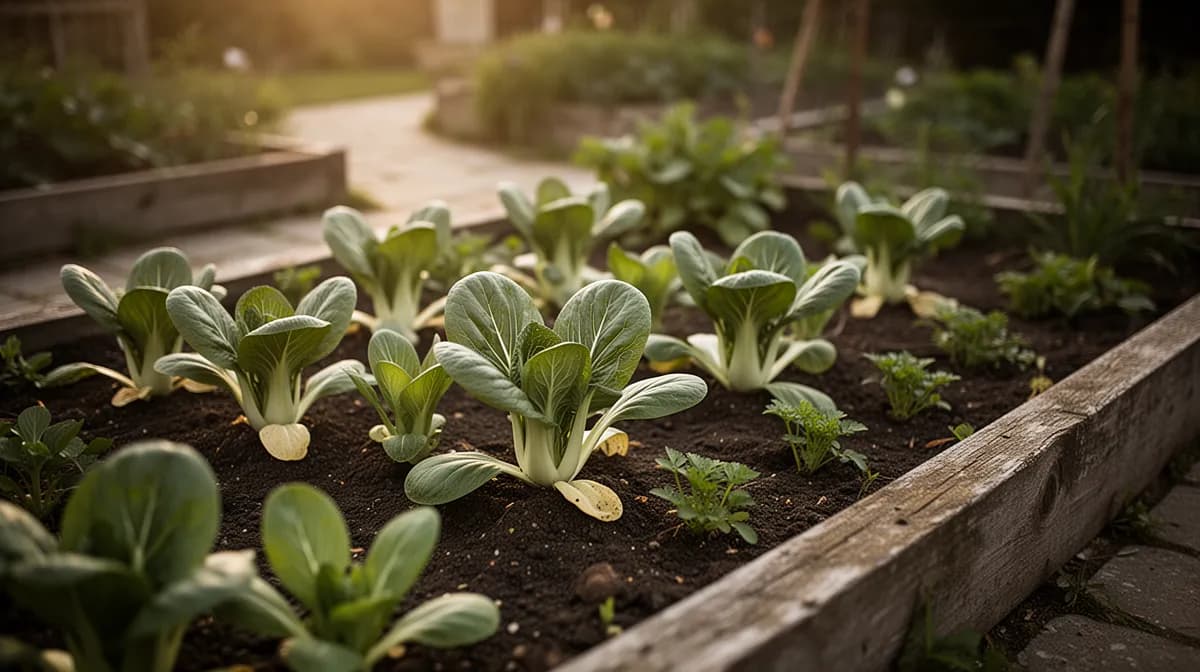
36 plants fit a 4 × 8 ft bed
Each Bok Choy wants 25 cm of elbow room. The planner keeps that spacing for you — every plant, every bed.
Bok Choy's best neighbours
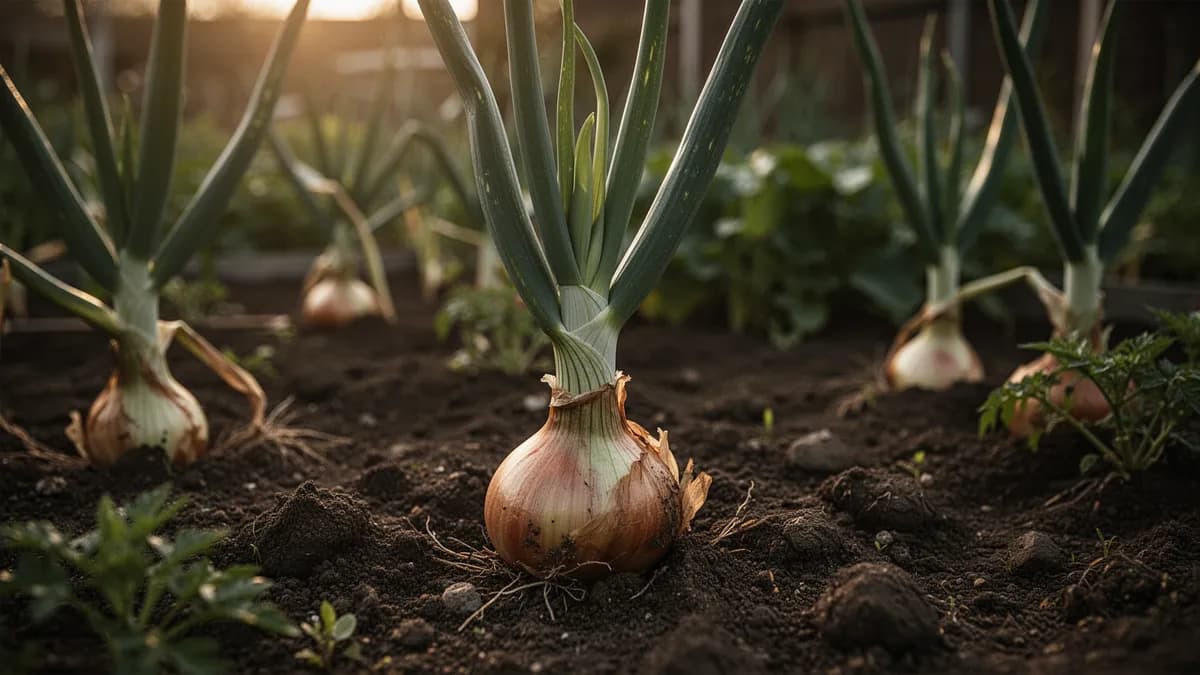
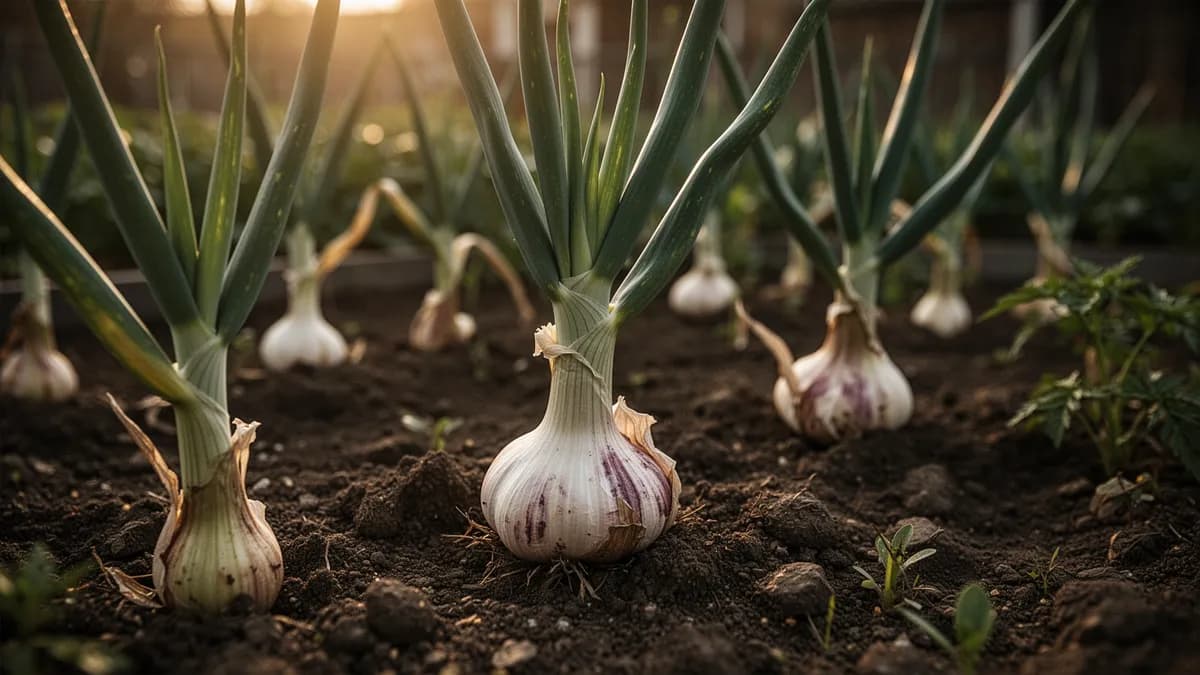
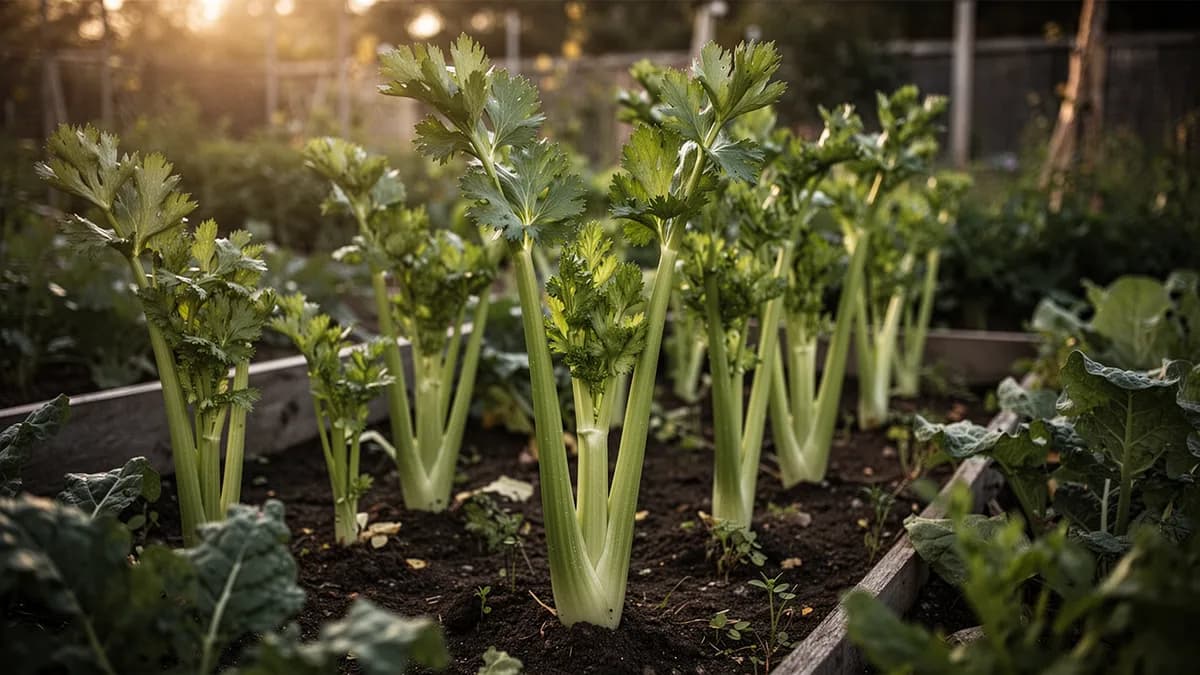
Bok choy benefits from aromatic alliums like onions and garlic planted nearby, which help mask its scent from cabbage moths. Celery and chamomile are traditional companion plants that may improve flavor. Dill and cilantro attract beneficial parasitic wasps. Avoid planting near strawberries or other brassica crops that share the same pests. Nasturtiums serve as trap crops for aphids. Mint planted in pots nearby may deter flea beetles with its strong scent.
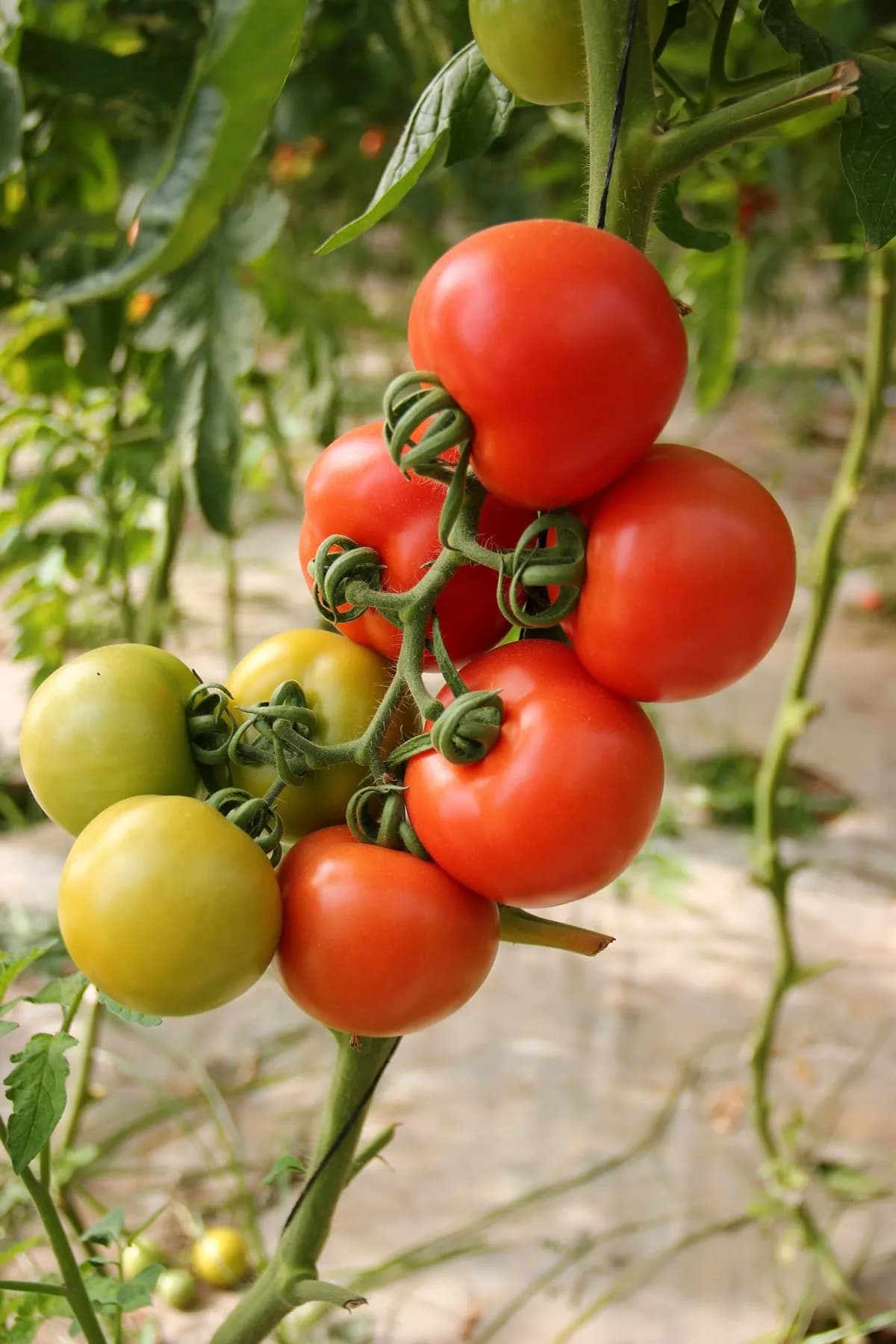
Onion belongs beside it. Tomato doesn't.
Old growers' knowledge, checked against Bok Choy's real companion table below — test any plant you're growing.
Try Bok Choy in a bed — right here
A real planner bed with Bok Choy already in it. Tap a companion to place it and watch the pairing checks answer — green for good neighbours, red for a clash.


Related growing guides
Feed it well
Bok choy thrives in rich, moisture-retentive soil with a pH between 6.0 and 7.5. Work three inches of compost into the top six inches of soil before planting. Apply a balanced granular fertilizer at planting and liquid fish emulsion every two weeks during active growth. Bok choy is a moderate feeder but responds well to nitrogen for leaf development. Avoid fresh manure which can harbor pathogens. In containers, use a premium potting mix amended with slow-release fertilizer.
Ideal Temperature
Hardiness Zone Compatibility
From seed to harvest, stage by stage
Seed Germination
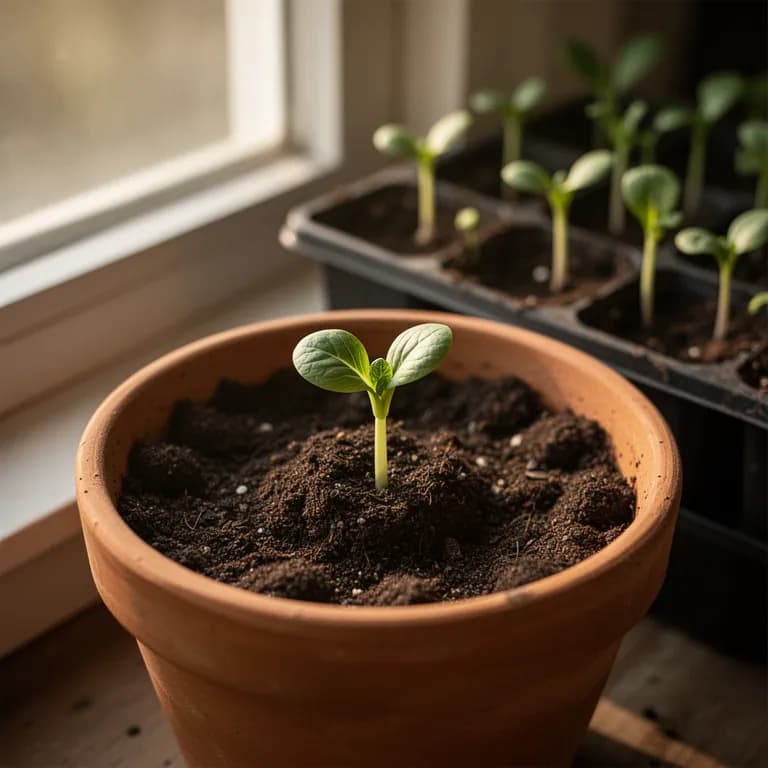
Tiny round seeds germinate rapidly in cool, moist soil. Cotyledon leaves emerge within 4 to 8 days — among the fastest of any brassica. The delicate taproot begins anchoring into the top few inches of soil. Bok choy germinates best at 50-75°F and can sprout in as few as 3 days under ideal conditions.
Seedling Development
True leaves develop with their characteristic spoon-shaped form and dark green color. Seedlings grow quickly and develop 2-3 sets of true leaves. The central bud becomes visible as the plant begins forming its rosette pattern.
Rosette Formation
The plant forms its distinctive rosette of upright leaves with broad, fleshy white or green stems radiating from a central base. Leaf production accelerates and the stems begin thickening noticeably. The shallow root system expands laterally through the top soil layer.
Rapid Growth
Stems thicken significantly and the head begins to fill out. Baby bok choy varieties may be ready to harvest at this stage. Full-size varieties add several new leaves per week with increasingly thick, crisp petioles. The plant is at peak water demand during this phase.
Maturity and Harvest
Full-size heads reach 10 to 15 inches tall with plump, tightly packed stems and broad dark leaves. The head feels firm when gently squeezed. Flavor is at its peak — mild, slightly sweet stems with more assertive leaves. Any delay in harvest risks bolting, especially in warming spring weather.
Keep the soil surface evenly moist but not soggy. A light dusting of vermiculite over seeds helps retain moisture. Avoid soil temperatures above 80°F, which can inhibit germination.
Caring for Bok Choy month by month
What to do each month for your Bok Choy
October
You are herePrime fall harvest month. Bok choy exposed to light frost develops enhanced sweetness. Harvest baby varieties at 6-8 inches and full-size at 10-15 inches. Succession plantings from August should be producing now. Protect from hard freezes with row covers.
Know exactly what to do in your garden — every month
One email at the start of each month: what to sow, plant, and tackle right now — for your Bok Choy and everything growing around it. Plus a short starter course that helps you dodge the classic mistakes.
- What to do, right now
- Matched to your season
- Starter course included
Harvesting Bok Choy
Harvest baby bok choy whole when plants reach 6 to 8 inches tall, cutting at the base with a sharp knife. Full-size varieties are ready when heads are 10 to 15 inches tall with plump white stems and dark green leaves. For cut-and-come-again harvesting, remove outer leaves individually, leaving the center to continue growing. Harvest in the morning when stems are most crisp and turgid. If bolting begins, harvest immediately as the stems become tough and bitter once flower stalks develop.
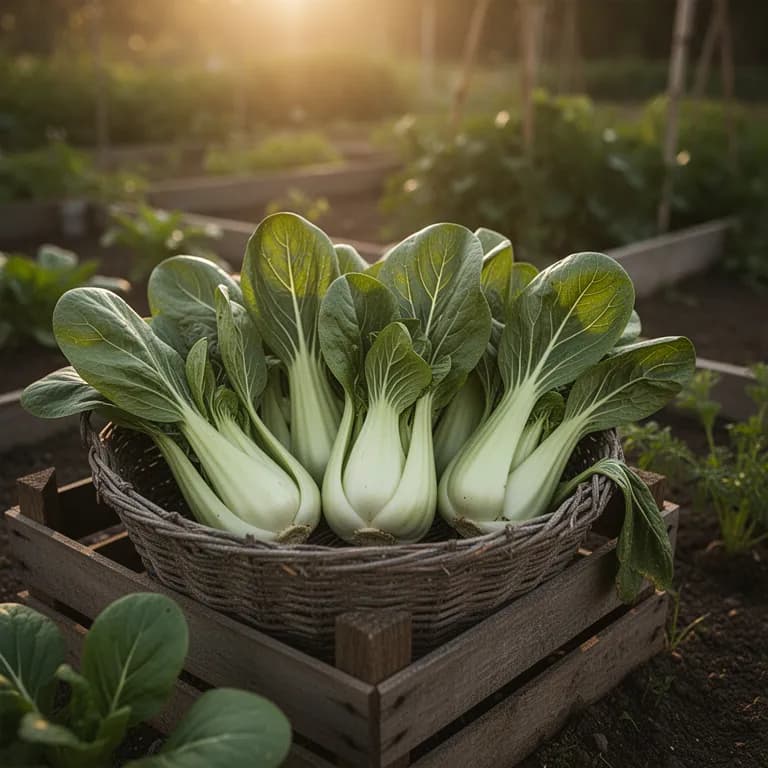
assuming you plant when the window opens — set your real date
Pick Bok Choy promptly and the plant keeps producing.
Storage & Preservation
Wrap unwashed bok choy loosely in damp paper towels and place in a plastic bag in the refrigerator crisper drawer where it keeps for 5 to 7 days. Do not wash before storing as excess moisture promotes rot. For freezing, blanch chopped bok choy for two minutes, plunge into ice water, drain thoroughly, and freeze in portions. Pickled bok choy stems make an excellent condiment. Baby bok choy can be halved and fermented in a kimchi-style preparation for long-term storage.
What goes wrong — and the fix
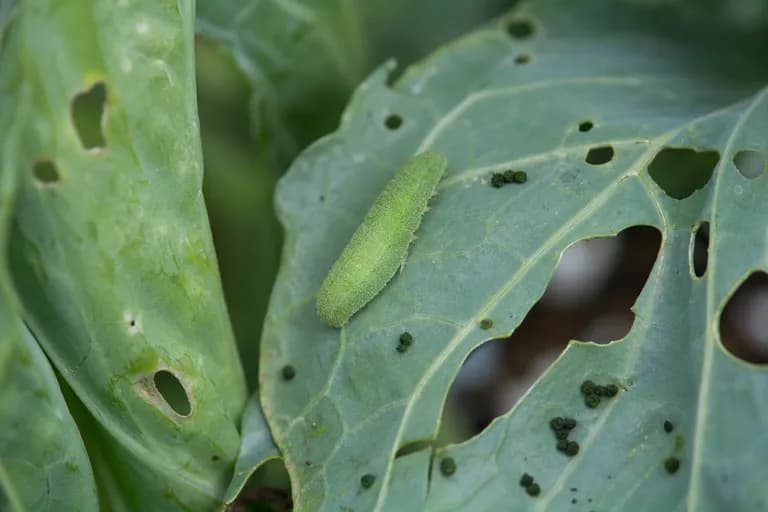
Cabbage Worms
PestRagged holes chewed through leaves by velvety green caterpillars. Dark frass pellets visible on leaves.
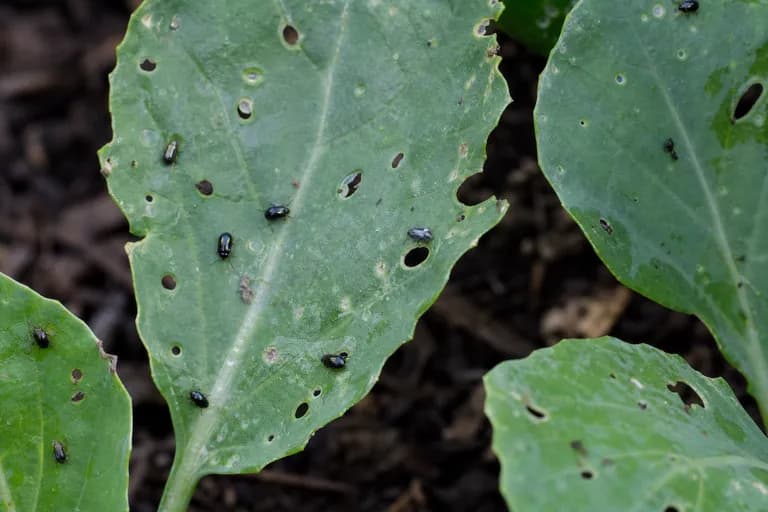
Flea Beetles
PestTiny round holes peppered across leaves, especially damaging to young seedlings that may be stunted or killed.
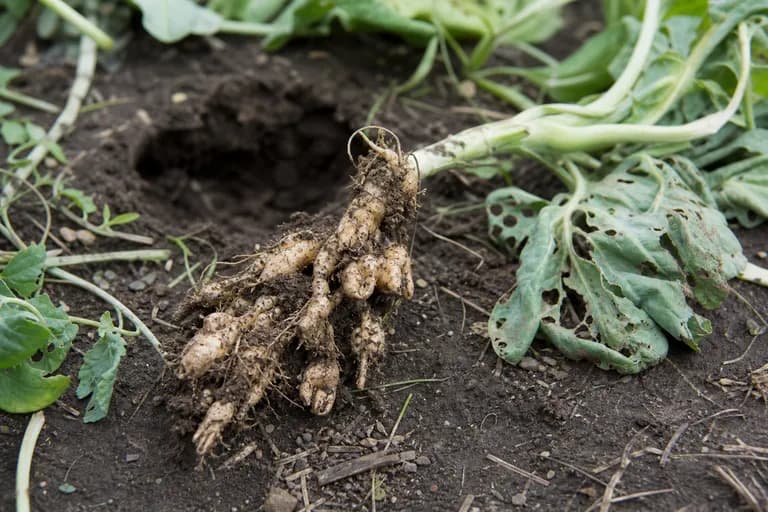
Clubroot
DiseaseWilting during warm days despite adequate moisture. Roots develop swollen, distorted galls when pulled up.
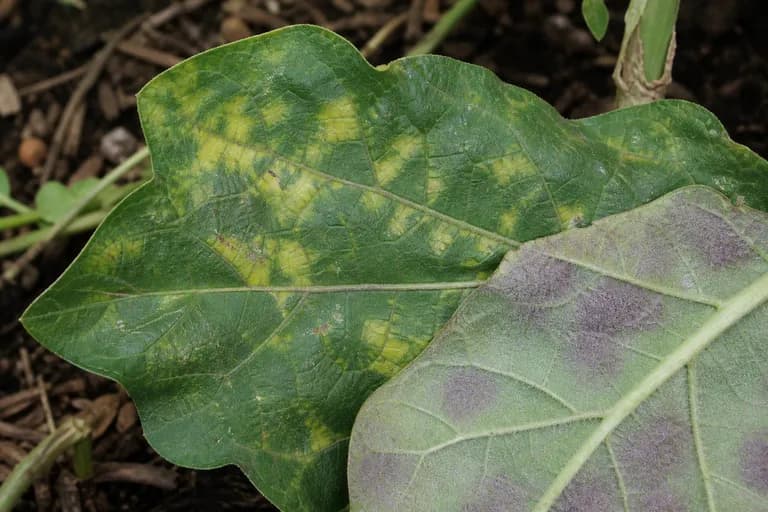
Downy Mildew
DiseaseYellow patches on upper leaf surfaces with grayish-purple fuzzy growth underneath, spreading in cool wet conditions.
Troubleshooting Common Problems
Premature bolting is the primary challenge, triggered by temperatures above 75°F, transplant shock, or sudden temperature fluctuations. Choose bolt-resistant varieties for spring planting. Slugs and snails are attracted to the moist conditions bok choy prefers and can devastate young plants overnight. Split stems indicate inconsistent watering or too-rapid growth from excessive nitrogen. Inner rot can develop in overly mature plants or those experiencing prolonged wet conditions around the base.
Growing Tips
- Timing is everything with bok choy. Plant too late in spring and rising temperatures cause immediate bolting. The safest strategy is to start seeds indoors 4 weeks before last frost and transplant at the first opportunity — bok choy handles light frost, so early planting is far less risky than late planting.
- For the most reliable harvests, focus on fall planting rather than spring. Decreasing day length and cooling temperatures virtually eliminate bolting and produce sweeter, more tender plants. Sow 8-10 weeks before first frost for full-size heads.
- Consistent moisture is the single most important cultural factor. Bok choy has shallow roots concentrated in the top 4-6 inches of soil, so even brief dry spells cause stress, bitterness, and bolting. Drip irrigation with 2-3 inches of organic mulch is the ideal setup.
- Succession planting every 2-3 weeks extends your harvest from a single concentrated picking to months of continuous supply. Plant small batches of 6-12 plants rather than one large planting that all matures simultaneously.
- Baby bok choy varieties like Mei Qing Choi are superior for beginners and small spaces. They mature in just 30-35 days, are more bolt-resistant than full-size types, and are perfectly suited to containers as small as 6 inches deep.
- Use floating row covers from the moment of transplanting through harvest. Row covers block cabbage moths, flea beetles, and aphids while creating a slightly warmer, more humid microclimate that bok choy loves. Remove only for weeding and harvesting.
- Afternoon shade is essential in zones 7 and warmer during spring planting. Position bok choy on the north side of taller crops like peas or tomato cages, or use 30-40% shade cloth to keep soil and air temperatures within the ideal range.
- Cut-and-come-again harvesting dramatically extends the productive life of each plant. Instead of cutting the whole head, pick outer leaves as needed, allowing the center to continue producing new growth for several additional weeks.
Grow your best Bok Choy yet — and everything around it.
Start a free plan today. Lay out your beds, drop in your Bok Choy, and let PlotMyGarden handle the timing, spacing, companions and reminders from seed to harvest basket.
Pick your Bok Choy
Shanghai Green
A compact variety with spoon-shaped green stems instead of white, mild flavor, and excellent bolt resistance for warmer climates.
Mei Qing Choi
A popular baby bok choy type maturing in just 35 days, perfect for containers and tight spacing with sweet, tender stems.
Win-Win Choi
A vigorous full-size variety with thick white stems and excellent cold tolerance, producing reliably large heads.
Purple Lady
A striking purple-leaved variety that adds color to the garden and plate, with mild flavor and good bolt resistance.
A packet of bok choy seeds costs $2-4 and contains 200-500 seeds — enough for several seasons of planting. Organic baby bok choy sells for $3-5 per pound at grocery stores and $4-7 per pound at farmers markets. Growing just two succession plantings of a 10-foot row can yield 4-6 kg of bok choy, saving $25-50 per season. The savings are even more significant for organic baby bok choy, which commands premium prices. Bok choy's fast 30-45 day maturity means beds can be turned over multiple times per season, multiplying the return on a tiny investment in seeds.
Quick recipes
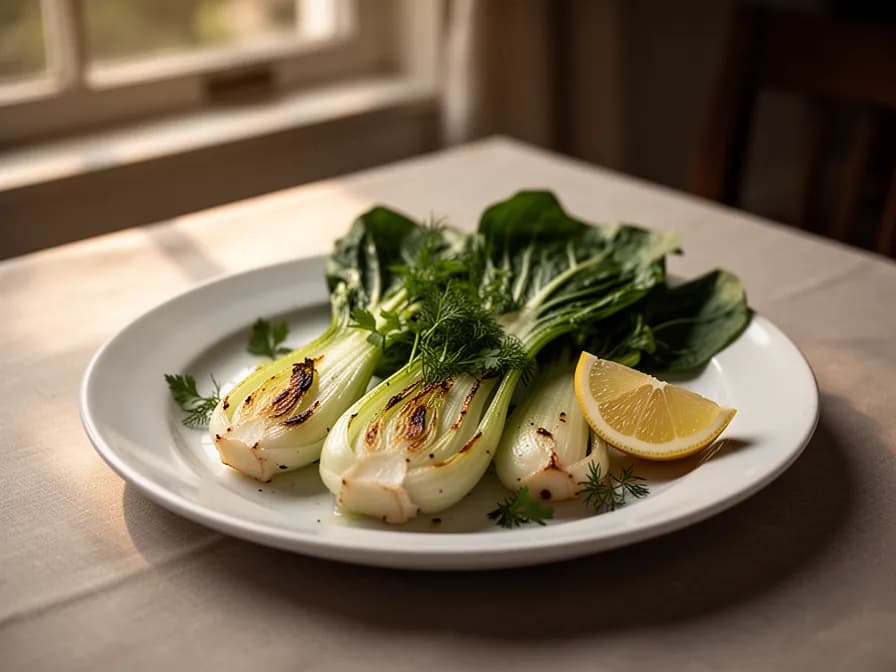
Garlic Bok Choy Stir-Fry
10 minThe classic preparation — baby bok choy halved and seared in a screaming-hot wok with garlic and a splash of soy sauce. The stems stay crisp while the leaves just wilt. Ready in under five minutes of active cooking.
7 ingredientsGinger Bok Choy Miso Soup
15 minA warming, nourishing soup where chopped bok choy is simmered in a fragrant broth of white miso, fresh ginger, and scallions. Add silken tofu for protein and rice noodles for substance — comfort food at its most wholesome.
8 ingredientsRoasted Bok Choy with Oyster Sauce
20 minBaby bok choy halved and roasted at high heat until the cut sides caramelize to a golden brown, then drizzled with a savory oyster sauce glaze. The char adds a smoky depth that transforms this simple vegetable into something extraordinary.
7 ingredientsCulinary Uses
Bok choy is a stir-fry staple, cooked quickly over high heat to keep stems crisp and leaves tender. Baby bok choy can be halved and braised, grilled, or roasted with sesame oil. Add chopped bok choy to ramen, pho, and wonton soup. The mild stems work well in slaws and fresh salads. Steam whole baby heads and dress with oyster sauce for a simple, elegant side dish.
What's inside
Health Benefits
- Bok choy is one of the richest vegetable sources of beta-carotene (vitamin A precursor), providing nearly 90% of the daily value per 100g — essential for healthy vision, immune function, and skin cell turnover.
- Contains sulforaphane and other glucosinolates, potent compounds studied extensively for their role in supporting the body's natural detoxification enzymes and potentially reducing cancer risk — a benefit shared with other cruciferous vegetables.
- Provides highly bioavailable calcium due to very low oxalate levels, making it superior to spinach and other high-oxalate greens for plant-based calcium absorption — important for bone health, muscle function, and nerve signaling.
- Rich in vitamin C (50% DV per 100g), a powerful antioxidant that supports immune defense, collagen synthesis for skin elasticity, and enhances iron absorption from plant-based foods.
- Contains significant amounts of potassium and very low sodium, supporting healthy blood pressure regulation — the potassium-to-sodium ratio in bok choy is among the most favorable of any vegetable.
- Provides folate, vitamin B6, and iron in a low-calorie package (just 13 calories per 100g), supporting energy metabolism, red blood cell formation, and cognitive function without contributing to caloric excess.
Where Bok Choy comes from
Bok choy (Brassica rapa subsp. chinensis) originated in the Yangtze River Delta region of central China, where wild forms of Brassica rapa were first domesticated over 5,000 years ago. Archaeological evidence from Neolithic sites in the region shows brassica seed remains, and the earliest written references to bok choy appear in Chinese agricultural texts from the 5th century AD. Over millennia, Chinese farmers selected for the thick, fleshy petioles and compact rosette form that distinguish modern bok choy from its wild relatives.
Bok choy spread throughout East and Southeast Asia along ancient trade routes, becoming a dietary staple in Korea, Japan, Vietnam, and the Philippines, each region developing preferred varieties and cooking traditions. In Japan it is known as 'chingensai' and arrived during the Edo period. Korean cuisine integrated bok choy into kimchi variations and banchan (side dishes), while Vietnamese cooking features it prominently in pho and stir-fries.
Bok choy arrived in Europe and the Americas with Chinese immigrants during the 19th century, initially grown in small garden plots within immigrant communities. The vegetable gained mainstream Western attention only in the late 20th century as interest in Asian cuisine exploded. Today, China remains by far the largest producer, growing millions of tonnes annually for both domestic consumption and export. California, with its large Asian-American population and mild climate, is the leading US producer. Modern seed breeding has produced bolt-resistant hybrids, baby bok choy varieties suited to container growing, and cold-hardy cultivars that extend the growing range into northern climates. Despite its global spread, bok choy remains most deeply embedded in Chinese culinary culture, where it appears in everything from simple home stir-fries to elaborate banquet dishes.
Bok Choy: did you know?
Fascinating facts about Bok Choy
Bok choy has been cultivated in China for over 5,000 years, making it one of the oldest continuously grown vegetables in the world — it was already a dietary staple when the Great Wall was being conceived.
Bok Choy questions, answered
When should I plant Bok Choy?
What are good companion plants for Bok Choy?
What hardiness zones can Bok Choy grow in?
How much sun does Bok Choy need?
How far apart should I space Bok Choy?
What pests and diseases affect Bok Choy?
How do I store Bok Choy after harvest?
What are the best Bok Choy varieties to grow?
What soil does Bok Choy need?
Why does my bok choy bolt so quickly?
Can I grow bok choy in containers?
Is bok choy the same as Chinese cabbage?
How do I prevent pests from destroying my bok choy?
Can I eat bok choy that has started to flower?
How cold-hardy is bok choy compared to other greens?
You just read the theory. Now grow it on autopilot.
Everything that makes Bok Choy fiddly — the timing, the spacing, the companions, the harvest window — is exactly what PlotMyGarden handles for you, for every plant in your garden.
A plan that knows your weather
Set your location once. Get sow, feed and harvest dates built around your real last-frost date and live forecast — no more guessing from a generic seed packet.
From the “When to plant” sectionDrag-and-drop bed planner
Design beds on a grid. Every plant snaps to its proper spacing, and you can see your whole season laid out before you spend a cent on seed.
From the “Growing guide” sectionCompanion conflicts, caught early
200+ good-and-bad pairings checked live as you plant — so a season-wrecking mistake never makes it into the ground.
From the “Companions” sectionReminders you'll actually act on
“Water the beans.” “Pick today before it turns.” Timely, specific, and tied to the plants you're really growing.
From the “Harvest” sectionSuccession, scheduled
Want a harvest for six weeks, not six days? It spaces your sowings automatically and reminds you when each new block is due.
From the “When to plant” sectionA record that gets smarter
Every harvest you log teaches it your garden. Next year's plan starts from what actually worked in your soil, not a textbook's.
From the “Overview” sectionPlant these alongside Bok Choy
More Cruciferous
Keep Bok Choy away from these
Garden plans featuring Bok Choy
Grow your best Bok Choy yet — and everything around it.
Start a free plan today. Lay out your beds, drop in your Bok Choy, and let PlotMyGarden handle the timing, spacing, companions and reminders from seed to harvest basket.