Colirrábano
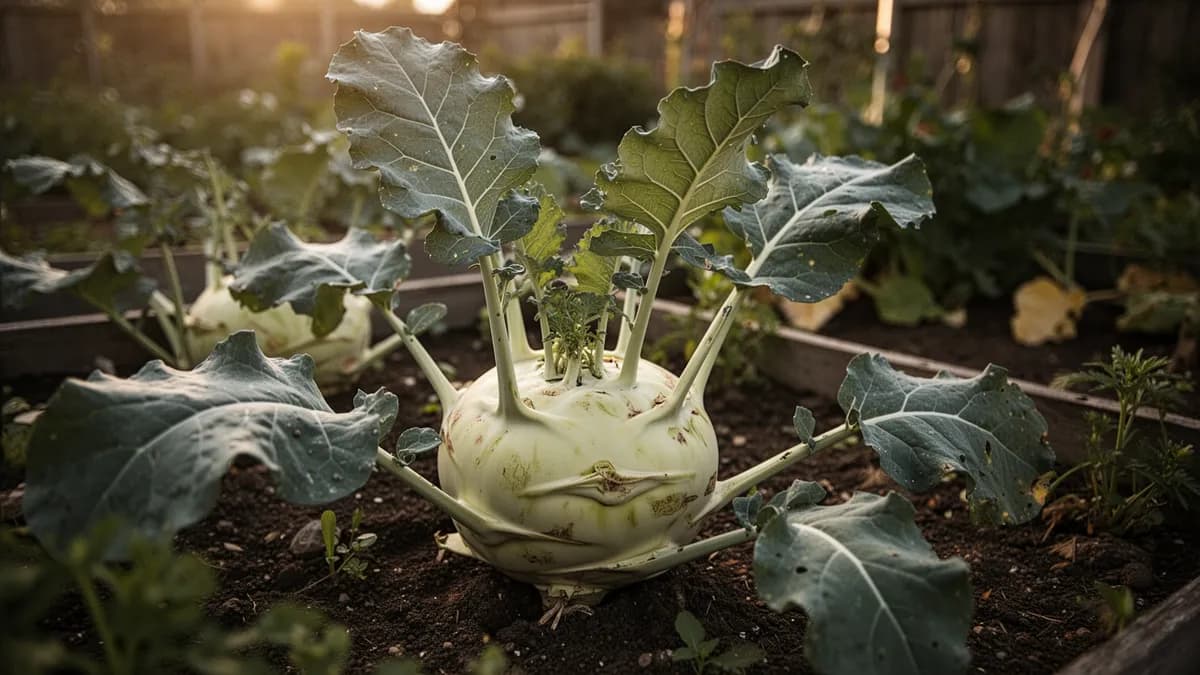
Una verdura inusual con una base de tallo bulbosa comestible.





En esta páginaResumen
Conoce Colirrábano
Una verdura inusual con una base de tallo bulbosa comestible. Tierno y dulce.
Cuándo plantar Colirrábano
Siembre directamente o comience 4 semanas en interiores.
Tu año de Colirrábano
Ajustado a Zona 7 · temporada típica · la helada se va hacia el 2 abr y vuelve hacia el 1 nov
Planta Colirrábano Mar – Abr, Ago – Sep y cosecha May – Jun, Oct – Nov. Consulta los métodos de plantación y elige tu clima para adaptar los periodos.
Cómo cultivar Colirrábano
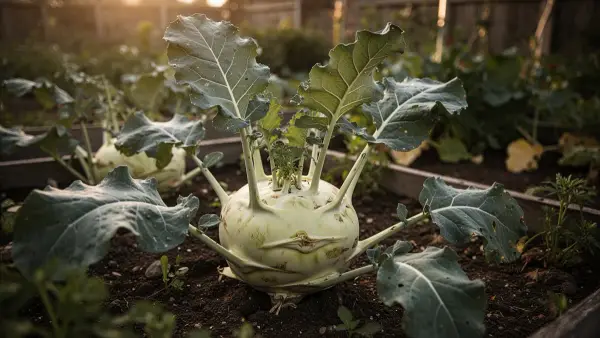
El colirrábano prefiere clima fresco. Cultive en primavera y otoño.
Crecimiento rápido - listo en 50-60 días.
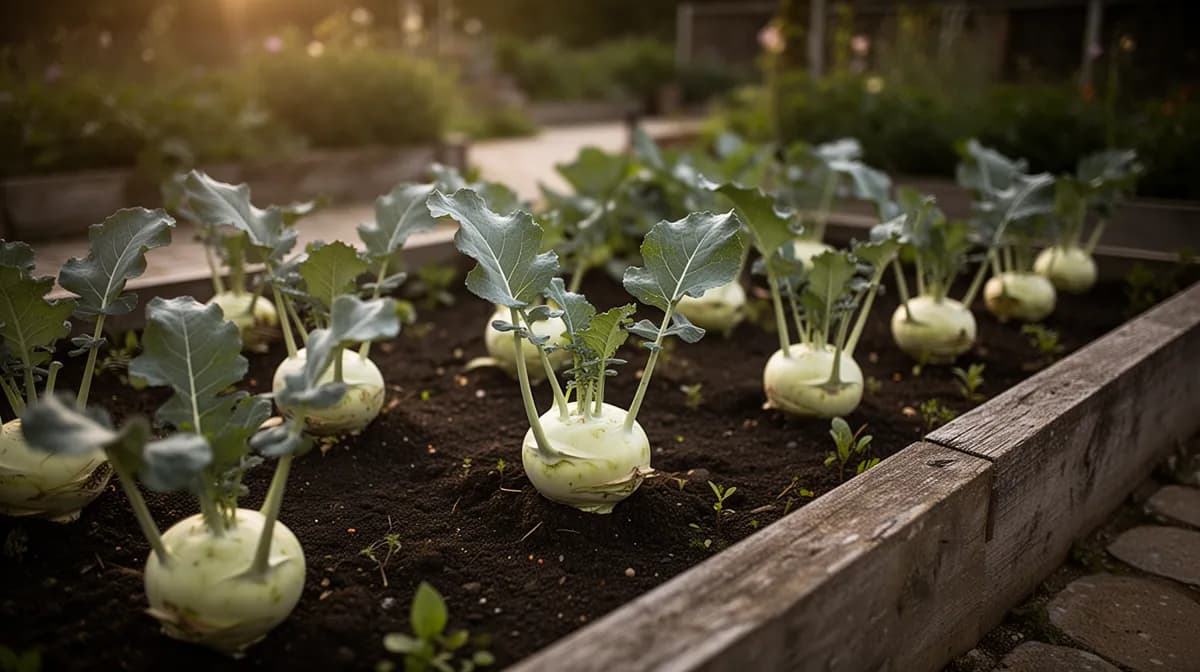
72 plantas caben en un bancal de 120 × 240 cm
Cada Colirrábano pide 20 cm de margen. El planificador guarda ese marco por ti — cada planta, cada bancal.
Los mejores vecinos de Colirrábano
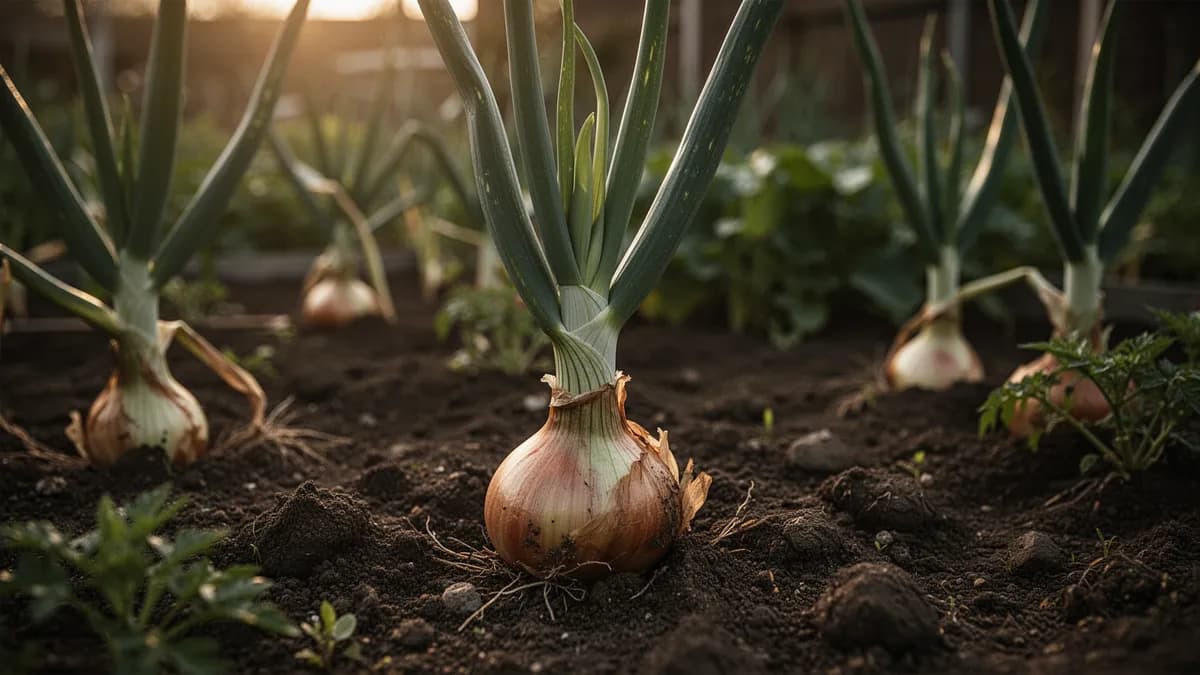
Cebollas y remolachas.
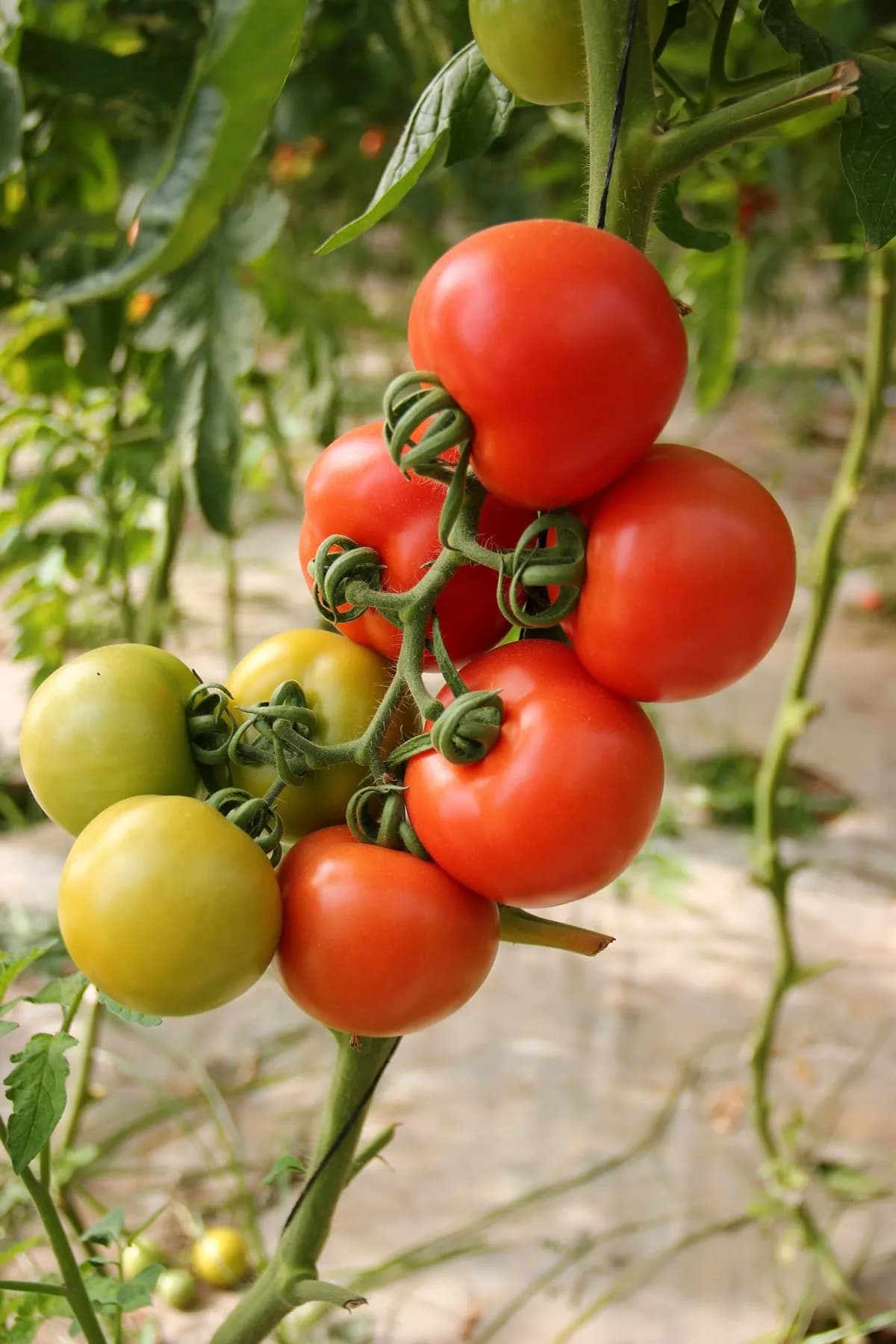
Remolacha va a su lado. Tomate no.
Saber de huerto de siempre, cotejado con la tabla real de Colirrábano — prueba cualquier planta que cultives.
Prueba Colirrábano en un bancal, aquí mismo
Un bancal real del planificador con Colirrábano ya plantado. Toca una planta compañera para colocarla y mira cómo responde la comprobación de vecinos: verde para buenos vecinos, rojo si hay conflicto.


Guías de cultivo relacionadas
Abónalo bien
Rico en nutrientes, pH 6,0-7,5.
Temperatura ideal
Compatibilidad de zonas de rusticidad
De la semilla a la cosecha, etapa por etapa
Germinación de semillas
Las semillas germinan rápidamente en un suelo fresco o templado, y los diminutos cotiledones aparecen en 5–10 días. Las semillas de colirrábano son pequeñas y redondas, similares a las de otras brassicas. La germinación es más rápida alrededor de 20 °C, pero ocurre con fiabilidad en un amplio rango de temperaturas.
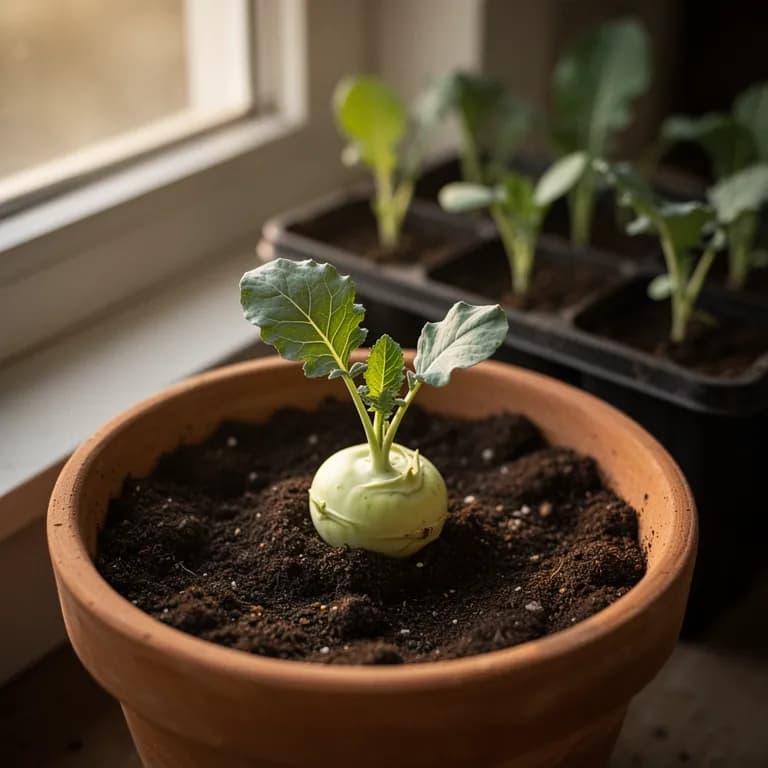
Desarrollo de plántulas
Se desarrollan las primeras hojas verdaderas con la forma característica, redondeada y ligeramente lobulada, del follaje de las brassicas. Las plántulas crecen rápido y deben aclararse hasta dejar 15–20 cm entre plantas cuando tengan 2–3 hojas verdaderas para evitar el exceso de densidad que perjudica la formación del bulbo.
Crecimiento vegetativo
La planta produce una roseta de hojas grandes de color verde azulado sobre tallos firmes. El tallo justo por encima de la línea del suelo empieza a engrosarse visiblemente; este es el inicio del bulbo comestible. El crecimiento foliar se acelera y el sistema radicular se establece en los primeros 15–20 cm del suelo.
Formación del bulbo
El tallo se hincha rápidamente hasta formar la característica esfera por encima de la superficie del suelo. El bulbo se expande hasta 3–5 cm de diámetro durante esta fase. Las hojas continúan creciendo desde la parte superior del bulbo en engrosamiento, dando a la planta su aspecto singular, casi alienígena.
Maduración del bulbo
El bulbo alcanza el tamaño de cosecha de 5–8 cm de diámetro en las variedades estándar. La piel se vuelve lisa y tensa. La pulpa interior es crujiente, jugosa y ligeramente dulce. Las variedades gigantes como Superschmelz siguen creciendo más allá de este punto sin perder ternura.
Cosecha
Los bulbos están en su punto óptimo de cosecha. La piel es lisa, la pulpa es crujiente y jugosa al cortarla, y el sabor es suave y dulce. Los bulbos cosechados en otoño y expuestos a una helada ligera desarrollan un dulzor mayor.
Mantén el suelo constantemente húmedo, pero no empapado, durante la germinación. Una capa ligera de vermiculita ayuda a conservar la humedad superficial. No se necesita fertilizante en esta etapa.
Cuidar Colirrábano mes a mes
Qué hacer cada mes para tu Colirrábano
Octubre
Mes actualMonitor fall kohlrabi as bulbs mature. Light frost actually improves flavor by converting starches to sugars. Harvest as bulbs reach ideal size. Begin storing bulbs in the refrigerator or root cellar for extended keeping.
Ten claro qué hacer en tu huerto, cada mes
Un correo al empezar cada mes: qué sembrar, plantar y hacer ahora mismo — para tu Colirrábano y todo lo que crece alrededor. Más un breve curso inicial para esquivar los errores clásicos.
- Qué hacer ahora mismo
- Ajustado a tu temporada
- Curso inicial incluido
Cosechar Colirrábano
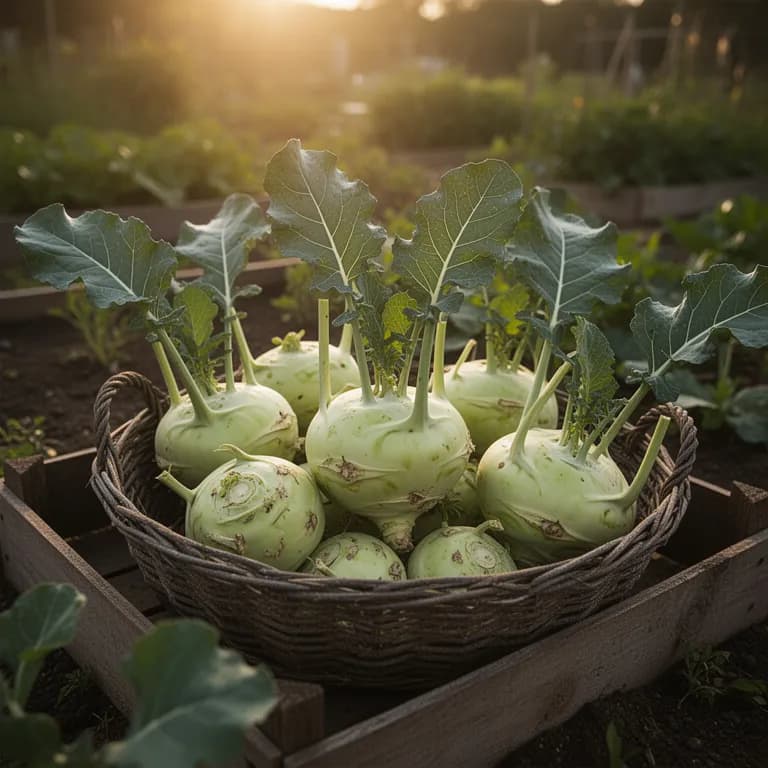
Coseche cuando los bulbos tienen 5-8 cm de diámetro.
se supone que plantas al comenzar el periodo — indica tu fecha real
Cosecha las variedades estándar cuando los bulbos alcancen 5–8 cm de diámetro.
Almacenamiento y conservación
En refrigerador 2-3 semanas.
Qué falla — y cómo solucionarlo
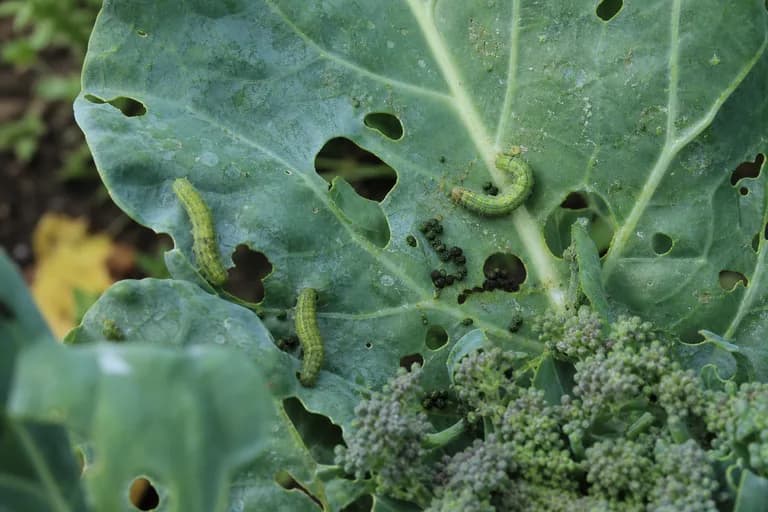
Mosca de la col
PlagaLarvas en raíces.
Solución de problemas comunes
Bulbos leñosos si se cosecha tarde.
Consejos de cultivo
- Timing is everything with kohlrabi. Plant in early spring or late summer for a fall harvest — avoiding the heat of midsummer, which causes tough, woody bulbs and triggers bolting. Fall crops generally produce sweeter, more tender bulbs than spring ones.
- Thin seedlings early and ruthlessly to 15-20 cm (6-8 inches) apart. Overcrowded kohlrabi produces small, misshapen bulbs that never reach their full potential. Use thinned seedlings as microgreens — they have a mild, pleasant brassica flavor.
- Consistent moisture is the single most important factor for tender, crack-free bulbs. Use drip irrigation or soaker hoses and mulch heavily with straw or shredded leaves to maintain even soil moisture throughout the growing period.
- Harvest standard varieties promptly at 5-8 cm (2-3 inches) diameter — do not wait for them to grow larger. The window between perfectly tender and unpleasantly woody is very short. If you want large bulbs, grow Superschmelz instead of leaving standard varieties in the ground too long.
- Floating row covers are your best friend for kohlrabi. They protect against flea beetles and cabbage worms from day one, eliminating the two most common pest problems without any spraying. Leave covers on from planting through harvest.
- Succession plant every 2-3 weeks to avoid a glut of kohlrabi all maturing at once. Stagger sowings from early spring through late summer for a continuous supply of perfectly sized bulbs from May through November.
- Do not discard the leaves — they are nutritious and delicious. Young kohlrabi leaves can be sautéed with garlic and olive oil, added to soups, or used anywhere you would use collard greens or kale. They are higher in calcium and iron than the bulb itself.
- Kohlrabi is one of the best vegetables for container growing. Its compact size, shallow roots, and fast maturity make it ideal for pots at least 20 cm (8 inches) deep. Grow 3-4 plants per 40 cm container for a satisfying harvest on a balcony or patio.
Cultiva tu mejor Colirrábano — y todo lo que la rodea.
Empieza un plan gratis hoy. Diseña tus bancales, coloca tu Colirrábano y deja que PlotMyGarden gestione el momento, el espaciado, las asociaciones y los recordatorios de la semilla a la cesta.
Elige tu Colirrábano
Purple Vienna
Piel morada, pulpa verde. 55 días.
White Vienna
Piel verde. 55 días.
A packet of kohlrabi seeds costs $2-4 and contains 200-500 seeds — enough to plant a large garden. At organic grocery prices of $3-5 per bulb, even a modest planting of 10-15 plants saves $30-75 in a single season. The fast 45-60 day maturity and tolerance for spring and fall planting means two full crops per year are achievable in most climates, doubling the savings.
Recetas rápidas
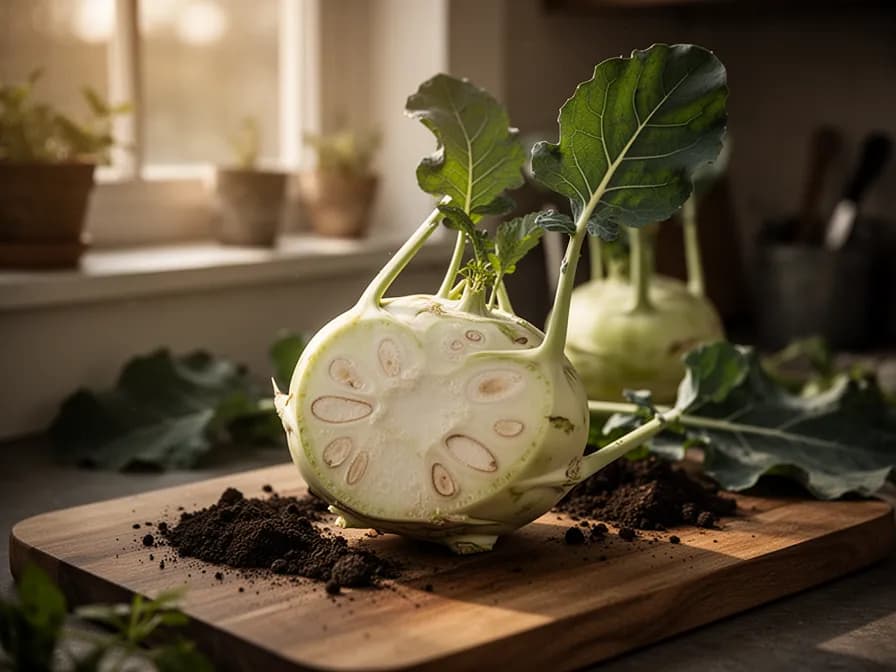
Kohlrabi Apple Slaw
15 minA crisp, refreshing slaw that showcases raw kohlrabi at its best. Julienned kohlrabi and tart apple tossed with a bright lemon-Dijon dressing. The perfect crunchy side dish for grilled meats or fish.
7 ingredientes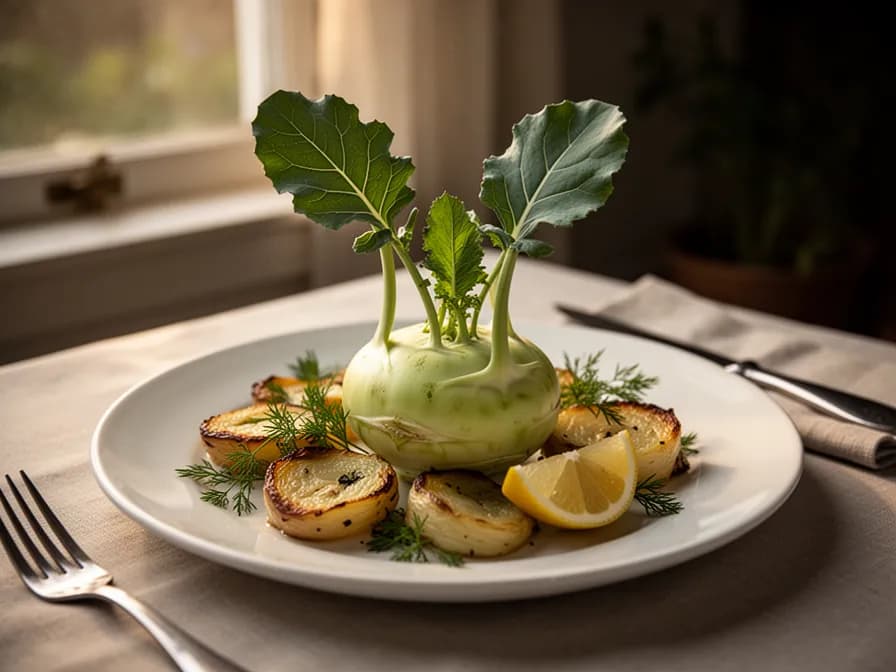
Roasted Kohlrabi Wedges
35 minHigh-heat roasting transforms kohlrabi into caramelized, golden wedges with a sweet, nutty flavor. A simple preparation that converts even kohlrabi skeptics. Excellent as a side dish or snack.
7 ingredientesCreamy Kohlrabi Soup
30 minA silky, comforting soup that highlights kohlrabi's delicate flavor. Simmered with potato and onion, then pureed until velvety smooth. A warming bowl that proves kohlrabi deserves a starring role.
8 ingredientesUsos culinarios
Palitos crudos, en ensaladas, cocido o salteado.
Qué contiene
Beneficios para la salud
- Exceptional Vitamin C content — one cup of raw kohlrabi provides nearly 140% of the daily recommended intake, making it one of the richest vegetable sources of this essential antioxidant that supports immune function and skin health.
- Contains glucosinolates, sulfur-containing compounds found in brassica vegetables that break down into isothiocyanates during digestion. Research suggests these compounds may have anti-inflammatory and anti-cancer properties.
- High in dietary fiber (3.6g per cup), which supports healthy digestion, feeds beneficial gut bacteria, promotes satiety, and helps regulate blood sugar levels after meals.
- Good source of potassium (350mg per cup), an essential mineral that helps regulate blood pressure, supports proper muscle contraction, and maintains fluid balance in the body.
- Provides Vitamin B6 (pyridoxine), which plays a key role in brain development, neurotransmitter production, and the metabolism of proteins and red blood cells.
- Very low calorie density — only 27 calories per 100g — combined with high water content (91%) and good fiber, making kohlrabi an excellent food for weight management and healthy snacking.
De dónde viene Colirrábano
Kohlrabi's origins trace back to northern Europe, where it was developed through selective breeding of wild cabbage (Brassica oleracea) sometime in the late medieval period. Unlike its ancient brassica relatives — cabbage, kale, and broccoli, which have been cultivated for thousands of years — kohlrabi is a comparatively recent creation. The earliest reliable written descriptions come from the Italian botanist Mattioli in 1554, who noted it was already being grown in Germany and Italy. By the 1600s, kohlrabi had spread across Central and Northern Europe, particularly taking root in German-speaking regions where it became a kitchen staple.
The vegetable was brought to North America by European immigrants in the early 1800s, but it never achieved the widespread popularity it enjoys in its Central European heartland. Thomas Jefferson is recorded to have grown kohlrabi at Monticello, and it appeared in American seed catalogs throughout the 19th century. However, its unusual appearance — a swollen, above-ground stem studded with leaf stalks — may have limited its mainstream adoption compared to more familiar root vegetables like turnips and beets.
Today, kohlrabi remains most popular in Germany, Austria, Switzerland, and parts of Eastern Europe, where it is sold fresh in every market and used in a wide range of traditional dishes from creamy Kohlrabigemüse to hearty soups and salads. In India, particularly in Kashmir, a local variety called monj-hak has been cultivated for centuries and holds deep cultural significance in Kashmiri cuisine. Interest in kohlrabi has grown substantially in recent years among home gardeners and chefs worldwide, driven by its fast growth, mild flavor, versatility in the kitchen, and impressive nutritional profile.
Colirrábano: ¿sabías que?
Datos fascinantes sobre Colirrábano
The name 'kohlrabi' comes from the German words 'Kohl' (cabbage) and 'Rübe' (turnip), literally meaning 'cabbage turnip' — even though the edible part is neither a head nor a root, but a swollen stem.
Colirrábano: preguntas frecuentes
¿Cuándo debo plantar Colirrábano?
¿Cuáles son buenas plantas acompañantes para Colirrábano?
¿En qué zonas de rusticidad puede crecer Colirrábano?
¿Cuánto sol necesita Colirrábano?
¿A qué distancia debo espaciar Colirrábano?
¿Qué plagas y enfermedades afectan a Colirrábano?
¿Cómo almaceno Colirrábano después de la cosecha?
¿Cuáles son las mejores variedades de Colirrábano para cultivar?
¿Qué suelo necesita Colirrábano?
Why did my kohlrabi bulb become woody and fibrous?
Can I eat kohlrabi leaves, or are they only for composting?
What is the difference between green and purple kohlrabi?
How do I grow the giant kohlrabi variety Superschmelz?
Can I grow kohlrabi in containers on a balcony?
When should I plant kohlrabi for a fall harvest?
Acabas de leer la teoría. Ahora cultívala en piloto automático.
Todo lo que hace que Colirrábano sea delicado — el momento, el espaciado, las asociaciones, la ventana de cosecha — es justo lo que PlotMyGarden resuelve por ti, para cada planta de tu huerto.
Un plan que conoce tu clima
Indica tu ubicación una vez. Recibe fechas de siembra, abonado y cosecha basadas en tu última helada real y el pronóstico en vivo — sin adivinar con un sobre genérico.
De la sección “Cuándo plantar”Planificador de bancales de arrastrar y soltar
Diseña bancales sobre una cuadrícula. Cada planta encaja con su espaciado correcto y ves toda la temporada antes de gastar un céntimo en semillas.
De la sección “Cultivo”Conflictos de asociación, detectados a tiempo
Más de 200 buenas y malas combinaciones comprobadas en vivo mientras plantas — para que un error que arruine la temporada nunca llegue a la tierra.
De la sección “Asociaciones”Recordatorios que sí vas a seguir
“Riega las judías.” “Recoge hoy antes de que se pase.” Oportunos, concretos y ligados a las plantas que de verdad cultivas.
De la sección “Cosecha”Escalonado, programado
¿Quieres cosechar seis semanas en vez de seis días? Reparte tus siembras automáticamente y te avisa cuando toca el siguiente lote.
De la sección “Cuándo plantar”Un registro que se vuelve más listo
Cada cosecha que registras le enseña tu huerto. El plan del año que viene parte de lo que de verdad funcionó en tu suelo, no en un manual.
De la sección “Resumen”Planta estos junto a Colirrábano
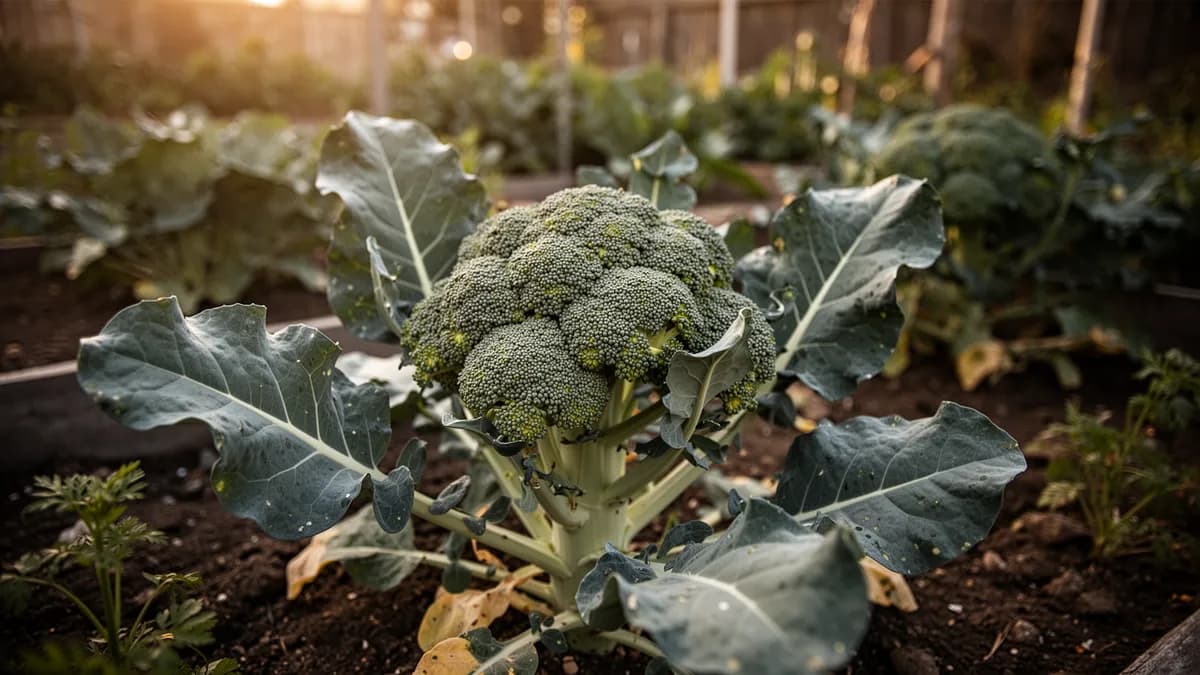
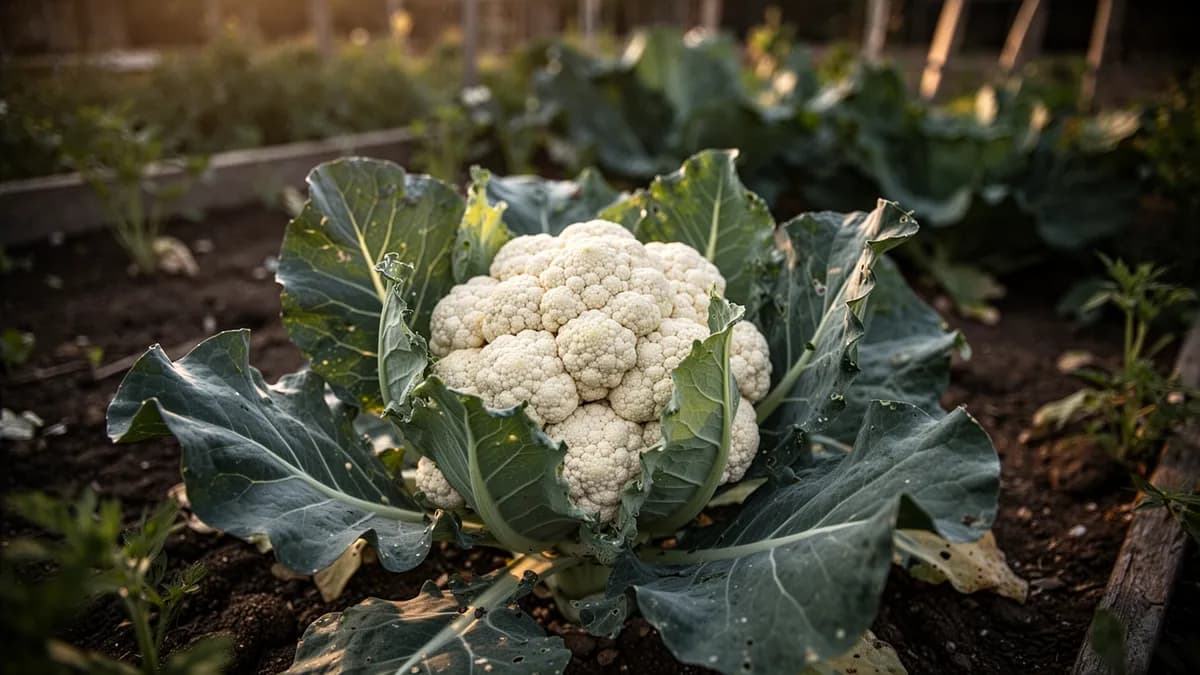
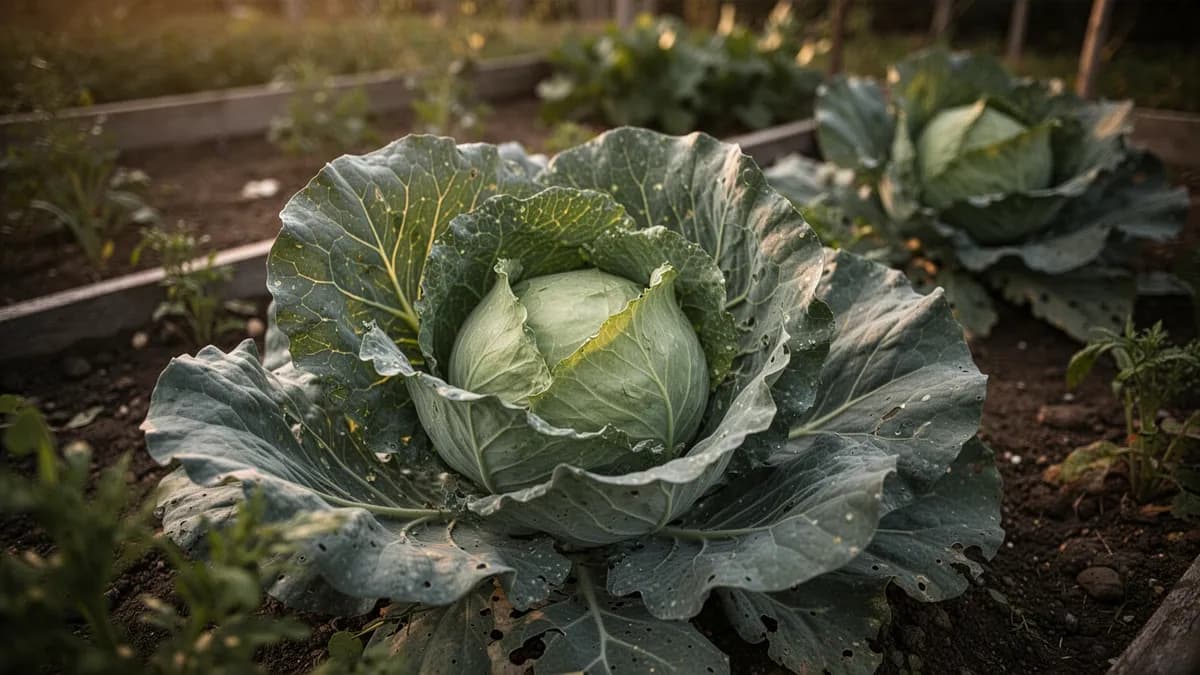
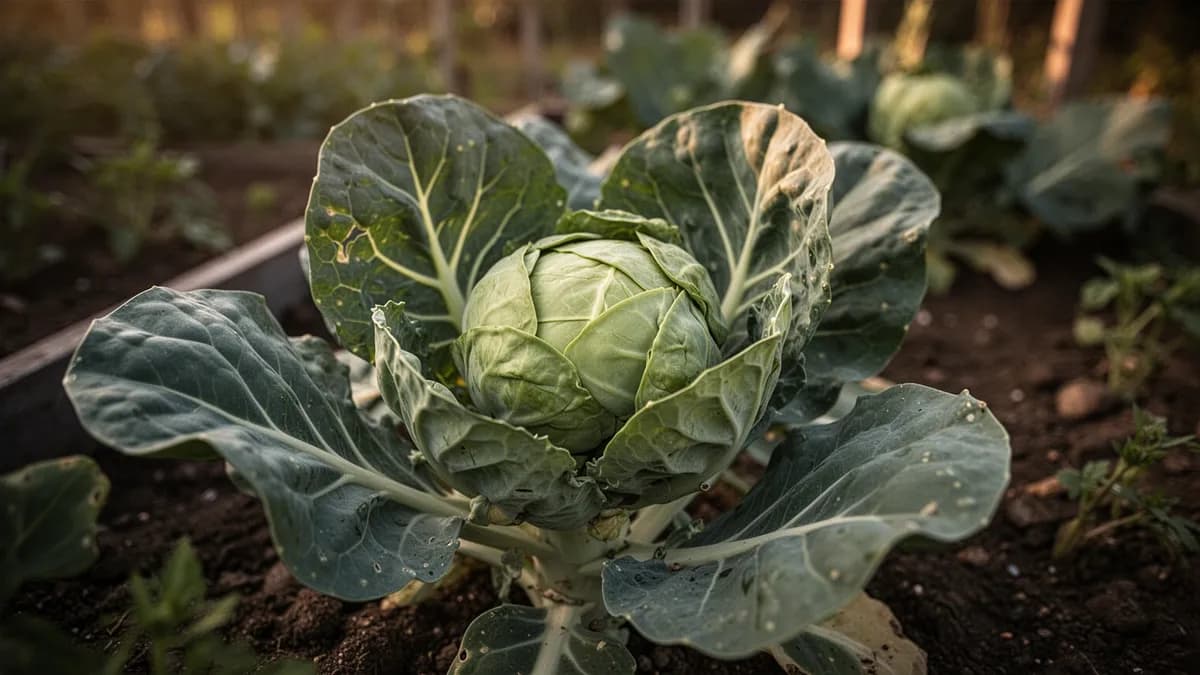
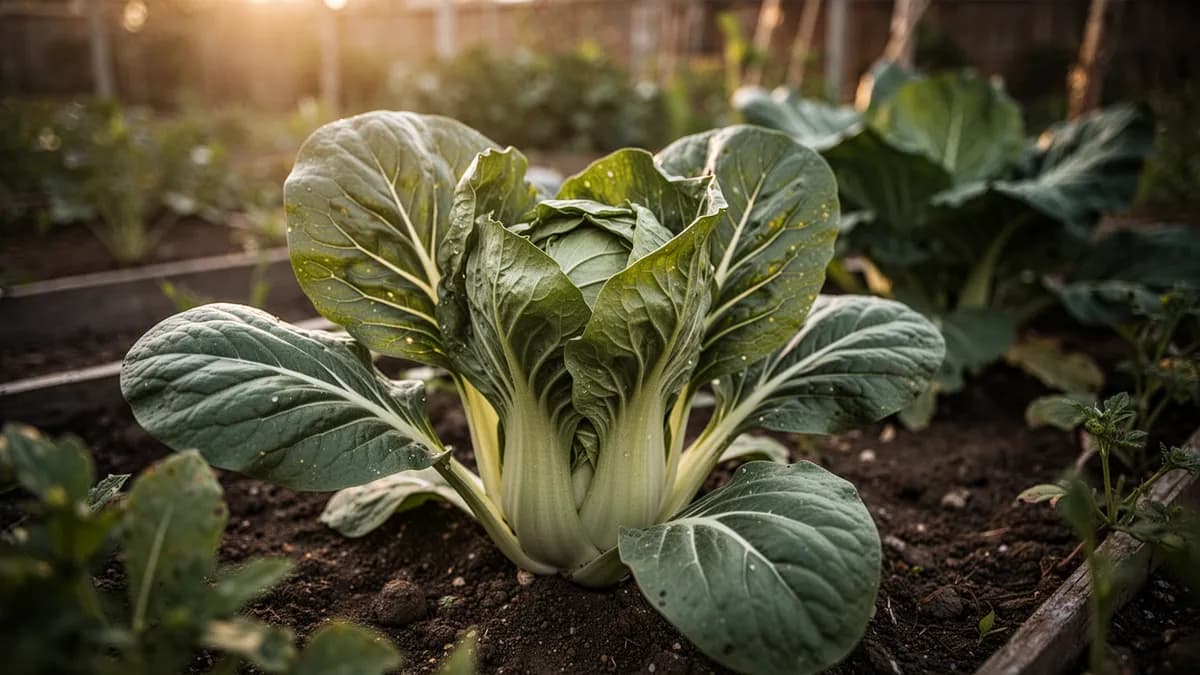
Más Crucíferas
Mantén Colirrábano lejos de estos
Diseños de jardín con Colirrábano
Cultiva tu mejor Colirrábano — y todo lo que la rodea.
Empieza un plan gratis hoy. Diseña tus bancales, coloca tu Colirrábano y deja que PlotMyGarden gestione el momento, el espaciado, las asociaciones y los recordatorios de la semilla a la cesta.