Remolacha
Una verdura de raíz con raíces dulces y terrosas y hojas comestibles.





En esta páginaResumen
Conoce Remolacha
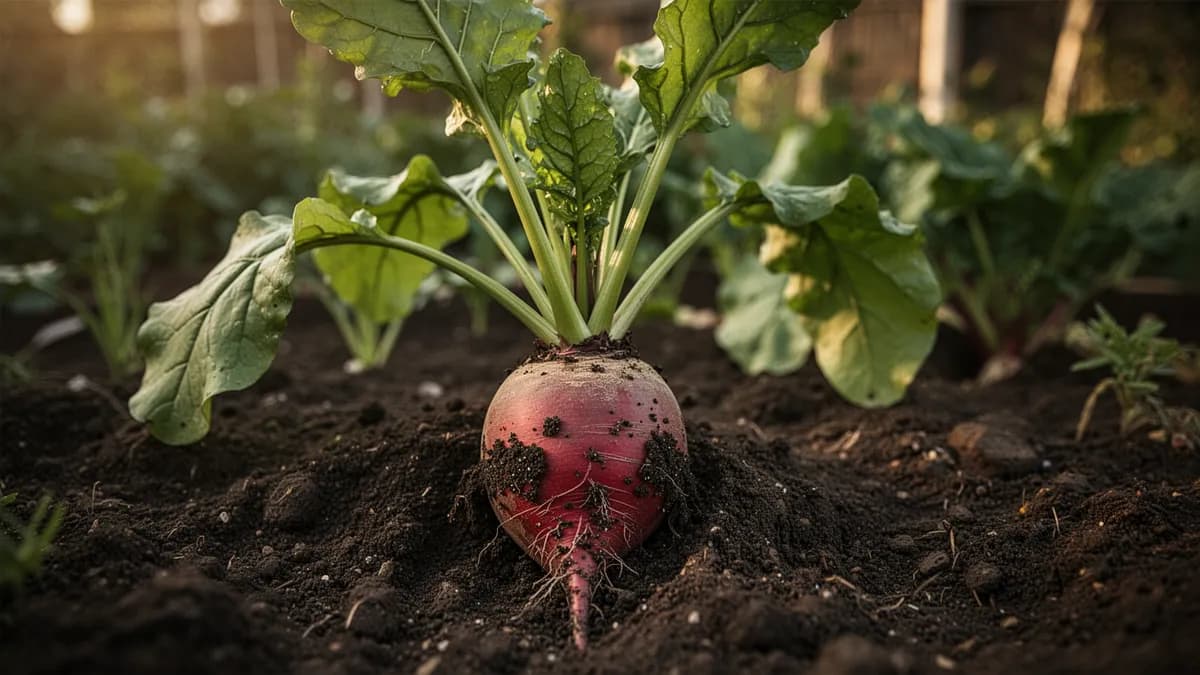
Una verdura de raíz con raíces dulces y terrosas y hojas comestibles. La remolacha es nutritiva y versátil.
Cuándo plantar Remolacha
Siembre directamente en primavera. Semillas 1 cm de profundidad.
Tu año de Remolacha
Ajustado a Zona 7 · temporada típica · la helada se va hacia el 2 abr y vuelve hacia el 1 nov
Planta Remolacha Mar – May, Ago – Sep y cosecha Jun – Ago, Oct – Nov. Consulta los métodos de plantación y elige tu clima para adaptar los periodos.
Cómo cultivar Remolacha
La remolacha prefiere clima fresco. Siembre semillas 1 cm de profundidad, 5-10 cm aparte. Las semillas son cápsulas con múltiples semillas.
Riegue regularmente para raíces tiernas. En sequía se vuelven leñosas.
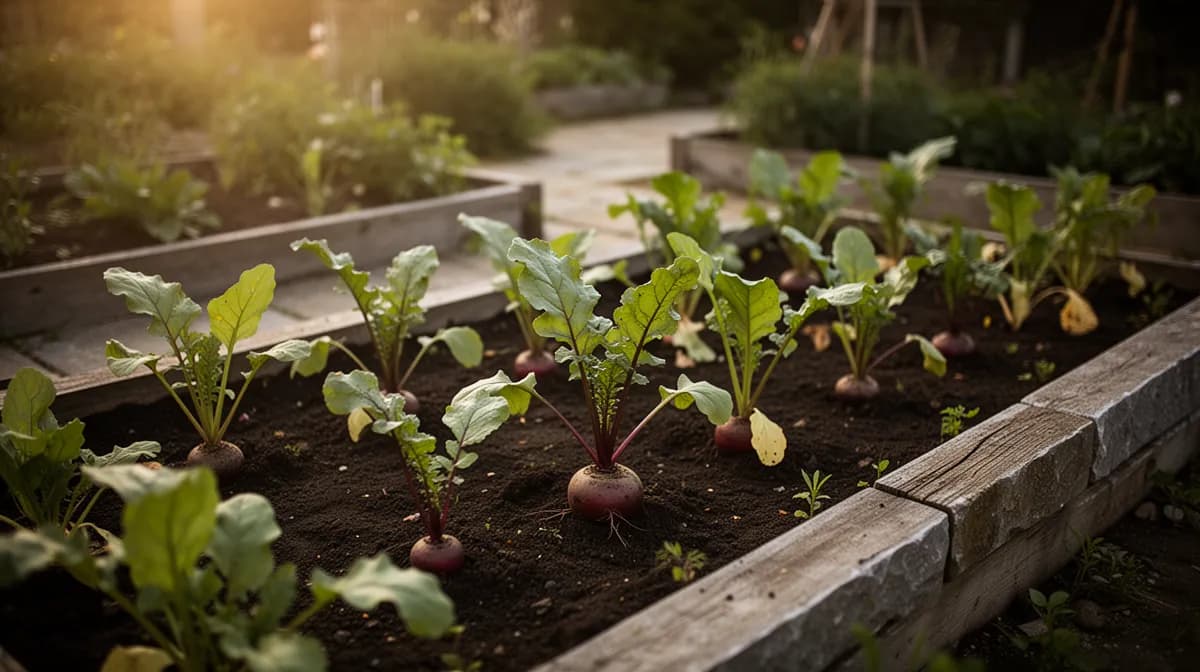
288 plantas caben en un bancal de 120 × 240 cm
Cada Remolacha pide 10 cm de margen. El planificador guarda ese marco por ti — cada planta, cada bancal.
Los mejores vecinos de Remolacha
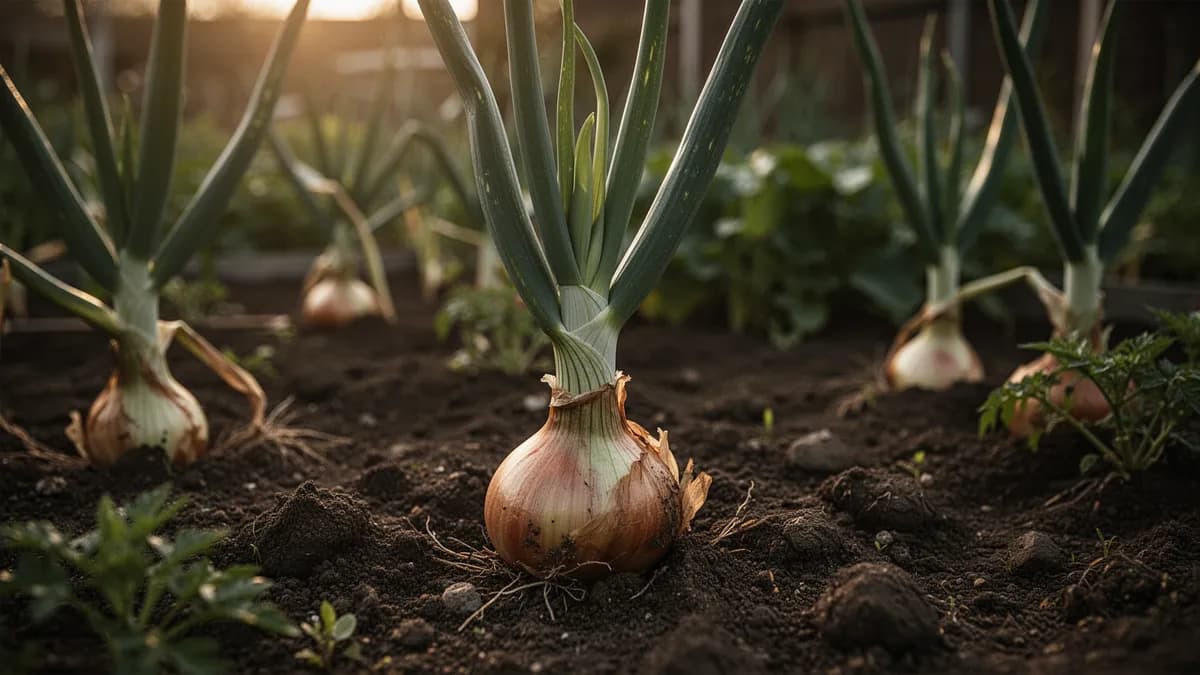
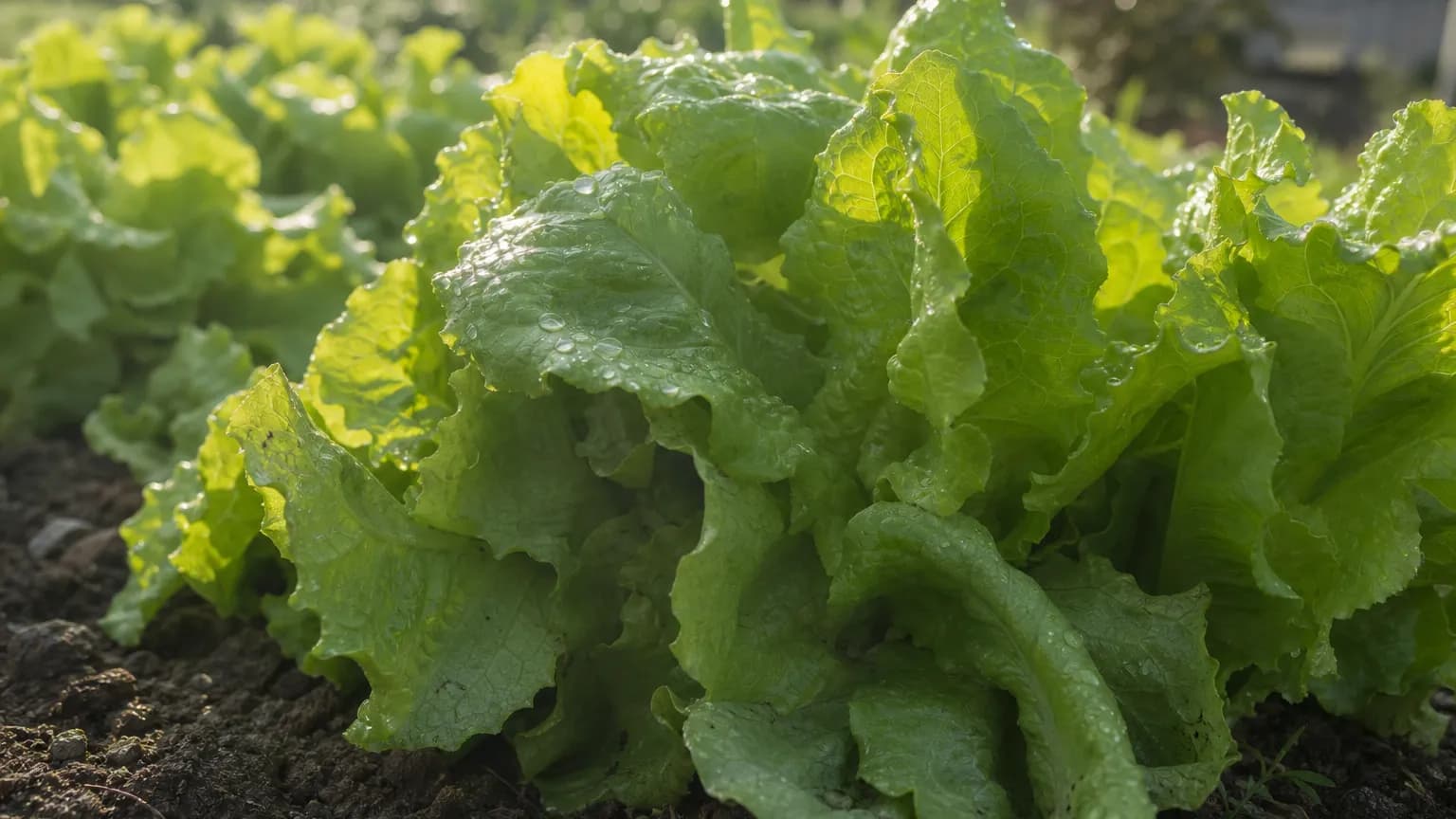
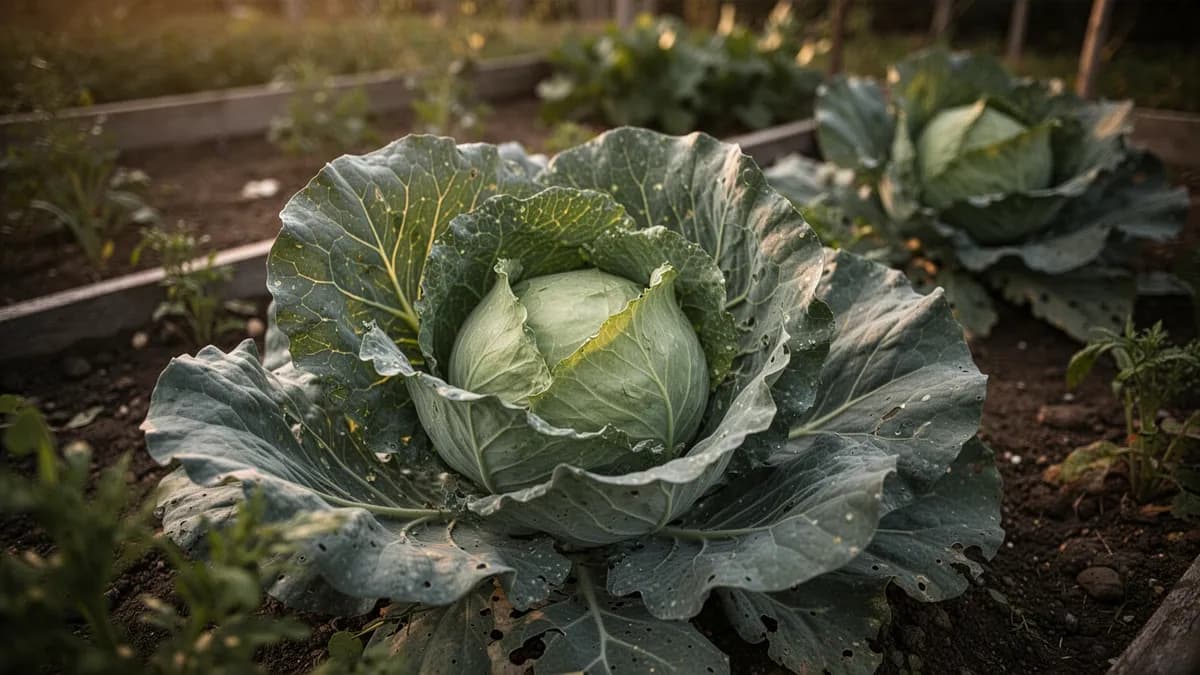
Cebollas y col son buenos compañeros.
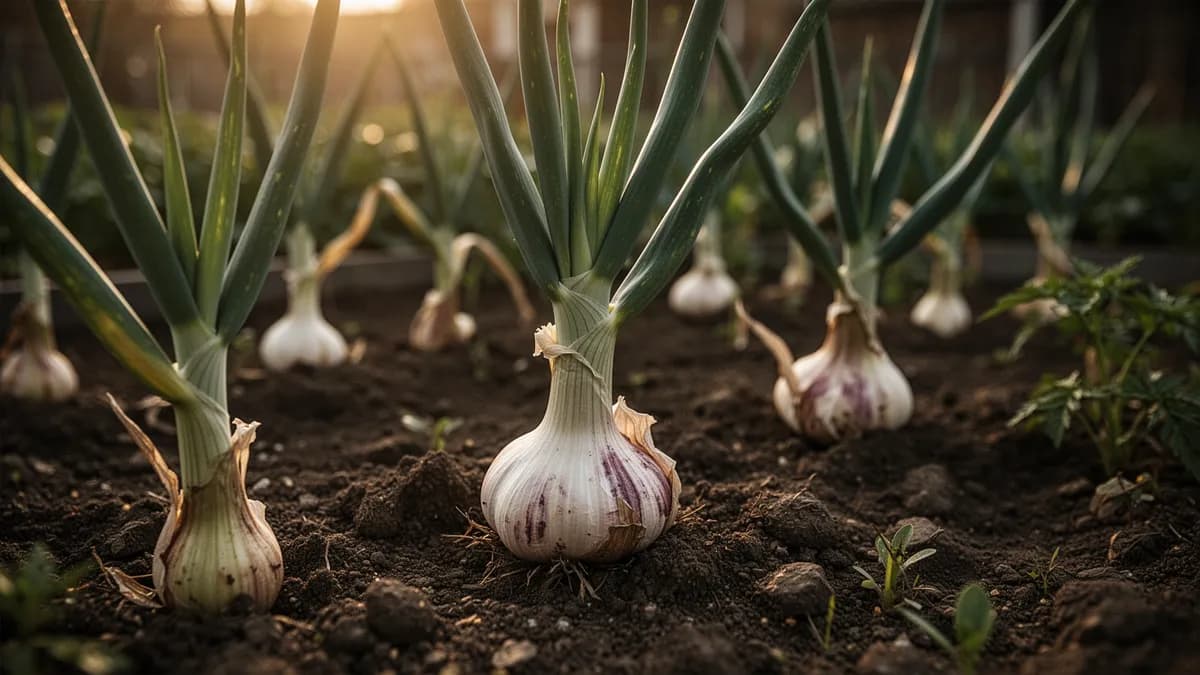
Cebolla va a su lado. Maíz no.
Saber de huerto de siempre, cotejado con la tabla real de Remolacha — prueba cualquier planta que cultives.
Prueba Remolacha en un bancal, aquí mismo
Un bancal real del planificador con Remolacha ya plantado. Toca una planta compañera para colocarla y mira cómo responde la comprobación de vecinos: verde para buenos vecinos, rojo si hay conflicto.


Guías de cultivo relacionadas
Abónalo bien
Suelo suelto con pH 6,0-7,0. Incorpore compost.
Temperatura ideal
Compatibilidad de zonas de rusticidad
De la semilla a la cosecha, etapa por etapa
Germinación de la semilla
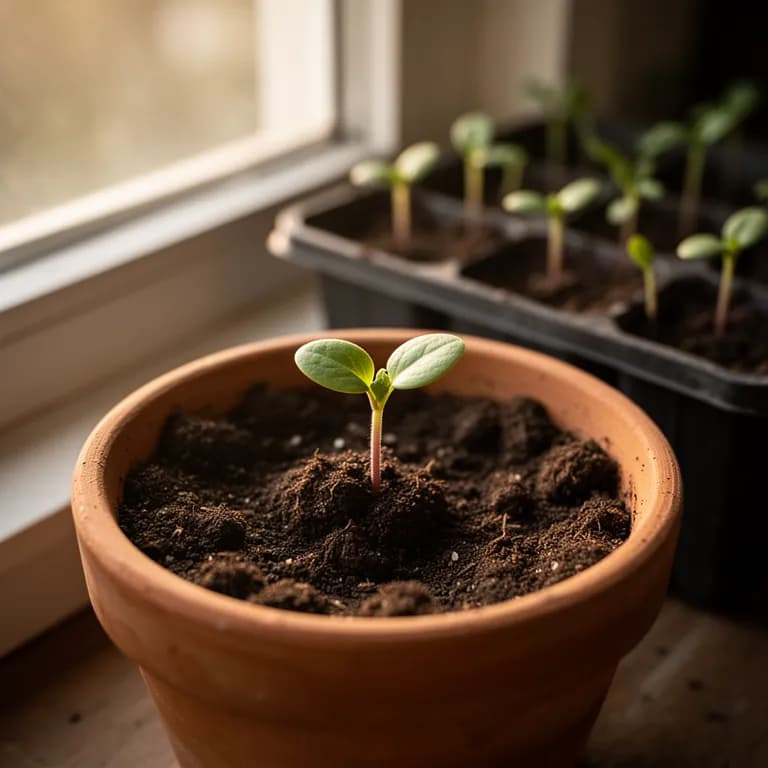
Cada 'semilla' rugosa de remolacha es en realidad una cápsula seca que contiene 2-4 semillas verdaderas. Después del remojo y la siembra, las raíces emergen primero y anclan la plántula en el suelo, seguidas por un par de cotiledones delgados que empujan a través de la superficie. Los cotiledones a menudo tienen un tono rojo violáceo.
Aclareo y crecimiento temprano
De cada cápsula de semilla brotan múltiples plántulas, que deben aclararse a una planta por cada 8-10 cm. Las hojas verdaderas se desarrollan con superficies características de venas rojas y ligeramente rizadas. La pequeña raíz pivotante comienza a formarse bajo la superficie del suelo.
Desarrollo del follaje
La roseta de hojas se expande rápidamente, con hojas maduras que alcanzan 15-20 cm. La planta construye el aparato fotosintético que necesita para el crecimiento de la raíz. La raíz comienza a engrosarse visiblemente bajo tierra, pasando de una raíz pivotante delgada a una forma bulbosa.
Engrosamiento de la raíz
La raíz se hincha rápidamente bajo tierra, formando la característica forma redonda o cilíndrica según la variedad. Los hombros de la raíz pueden sobresalir por encima de la superficie del suelo, mostrando los colores rojo, dorado o rayado que se van intensificando. Esta es la fase más crítica para mantener la humedad constante.
Ventana de cosecha
Las raíces alcanzan los 5-7 cm de diámetro y están en su máximo punto de ternura y dulzor. Los hombros son claramente visibles por encima del nivel del suelo. El follaje permanece vigoroso y verde. Las remolachas baby pueden cosecharse antes a 3-4 cm, mientras que las raíces más grandes desarrollan un sabor más intenso pero una textura más gruesa.
Sobremaduración y producción de semillas
Si no se cosechan, las raíces se vuelven leñosas y fibrosas mientras la planta desvía energía para lanzar un tallo floral alto (espigado). En su segundo año (la remolacha es bienal), las plantas producen tallos florales altos con pequeñas flores verdes que se convierten en las características cápsulas de semillas rugosas.
Mantén el suelo uniformemente húmedo pero no encharcado. Remoja las cápsulas de semilla durante 24 horas antes de sembrar para acelerar la germinación. La temperatura del suelo debe estar entre 10-27 °C para obtener los mejores resultados.
Cuidar Remolacha mes a mes
Qué hacer cada mes para tu Remolacha
Octubre
Mes actualHarvest fall beets as they reach desired size. A light frost actually improves sweetness by converting starches to sugars. Apply heavy straw mulch (15-20 cm) over remaining beets to extend the harvest window through early winter.
Ten claro qué hacer en tu huerto, cada mes
Un correo al empezar cada mes: qué sembrar, plantar y hacer ahora mismo — para tu Remolacha y todo lo que crece alrededor. Más un breve curso inicial para esquivar los errores clásicos.
- Qué hacer ahora mismo
- Ajustado a tu temporada
- Curso inicial incluido
Cosechar Remolacha
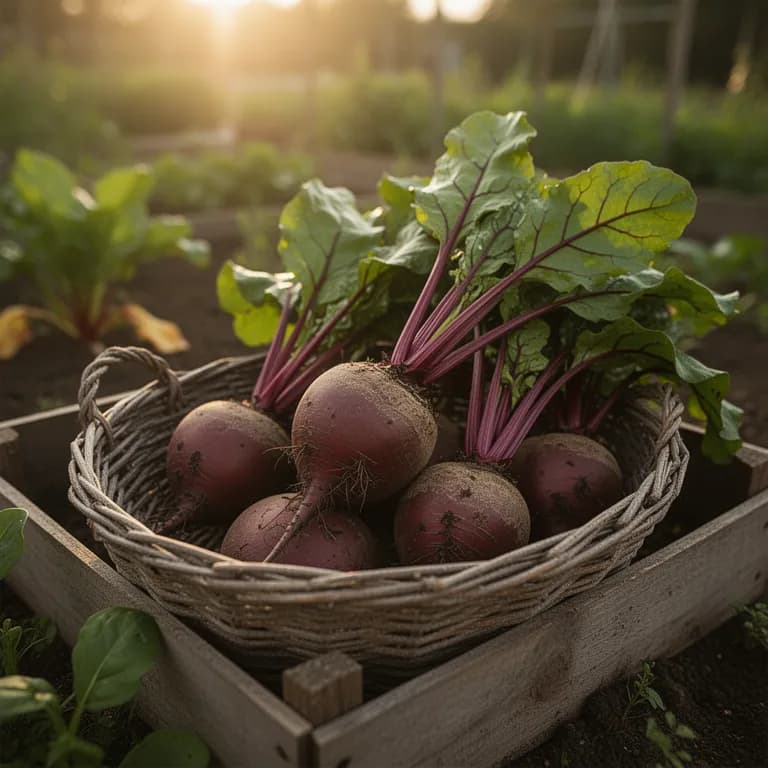
Coseche remolacha cuando las raíces tienen 5-8 cm de diámetro. Las hojas también son comestibles.
se supone que plantas al comenzar el periodo — indica tu fecha real
Cuando las raíces alcancen 5-7 cm de diámetro; remolachas baby a 3-4 cm
Almacenamiento y conservación
Duran varias semanas en refrigerador. Puede congelarse o encurtirse.
Qué falla — y cómo solucionarlo
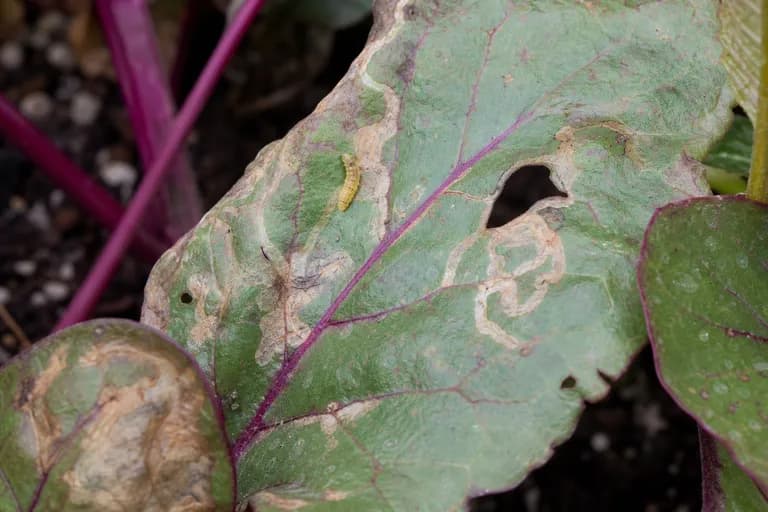
Minador de hojas
PlagaTúneles en hojas.
Solución de problemas comunes
Raíces corchosas por deficiencia de boro.
Consejos de cultivo
- Beets are cool-season crops that prefer temperatures between 10-21°C (50-70°F). They tolerate light frost and actually taste sweeter after exposure to cold — plant in early spring and again in late summer for the best results.
- Soak beet seed clusters in warm water for 24 hours before planting. Each 'seed' is actually a cluster of 2-4 seeds fused together, so soaking softens the corky coating and dramatically speeds germination from 2-3 weeks down to 5-10 days.
- Thinning is non-negotiable. Because multiple seedlings emerge from each seed cluster, you must thin to 8-10 cm (3-4 inches) apart when seedlings are 5 cm tall. Crowded beets produce small, flat, misshapen roots. Eat the thinnings as microgreens.
- Soil pH matters more for beets than almost any other vegetable. They strongly prefer slightly alkaline soil (pH 6.5-7.5) and perform poorly in acidic conditions below 6.0. Test your soil and apply lime if needed before planting.
- Consistent moisture is the single most important factor for quality beet roots. Fluctuating soil moisture causes white internal zoning rings and tough, woody texture. Water 2.5 cm per week and mulch to maintain even moisture levels.
- Boron deficiency causes black, corky spots inside beet roots (internal black spot) that make them inedible. If this has been a problem, apply 1 tablespoon of borax per 30 square meters of garden bed before planting.
- For succession harvests throughout the season, sow a new short row every 3 weeks from early spring through midsummer, then again in late summer for fall crops. This ensures a steady supply of tender, young beets rather than one overwhelming glut.
- Beets make excellent container crops — use containers at least 25 cm (10 inches) deep with good drainage. Round varieties like Detroit Dark Red work better in containers than long cylindrical types like Cylindra, which need deeper soil.
Cultiva tu mejor Remolacha — y todo lo que la rodea.
Empieza un plan gratis hoy. Diseña tus bancales, coloca tu Remolacha y deja que PlotMyGarden gestione el momento, el espaciado, las asociaciones y los recordatorios de la semilla a la cesta.
Elige tu Remolacha
Detroit Dark Red
Variedad clásica con color rojo profundo. 60 días.
Chioggia
Variedad italiana con anillos concéntricos. 55 días.
A packet of beet seeds costs $2-4 and contains 100-200 seeds — enough to plant a 10-meter row producing 15-20 kg of roots worth $30-60 at organic grocery prices. Beets are one of the best value crops for home gardeners because you harvest both roots and greens (effectively two vegetables from one planting), and they store for months in a root cellar without any processing or energy cost.
Recetas rápidas
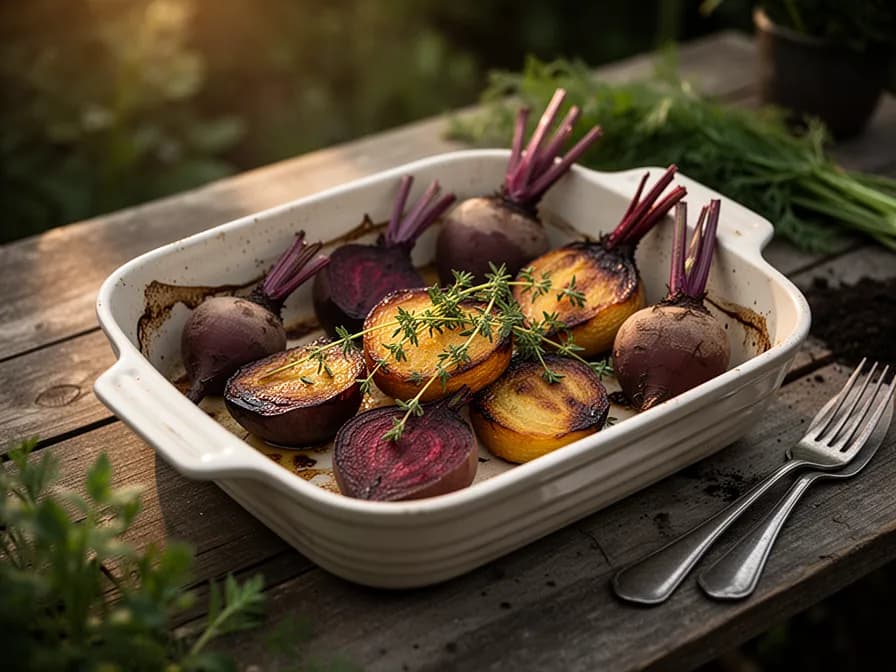
Classic Roasted Beets
60 minThe simplest way to enjoy beets at their earthy, sweet best. Wrapped in foil and roasted until tender, the skins slip off easily and the natural sugars caramelize beautifully. Serve warm with goat cheese and a drizzle of balsamic, or chill for salads.
7 ingredientesQuick Pickled Beets
30 min + coolingA tangy, vibrant condiment that transforms sandwiches, salads, and grain bowls. These refrigerator pickles are ready in hours and keep for weeks. The beautiful magenta brine can even be used to pickle eggs for a stunning appetizer.
8 ingredientes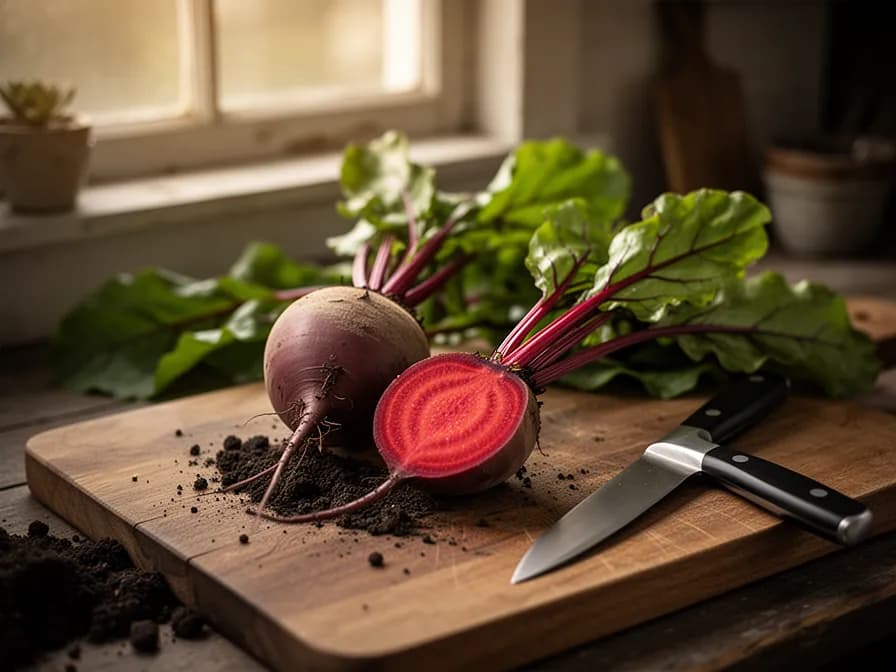
Traditional Borscht
90 minThe iconic Eastern European beet soup, hearty enough for a full meal. A rich, ruby-red broth loaded with tender beets, potatoes, and cabbage, finished with a generous dollop of sour cream. Each spoonful delivers warmth and deep, complex flavor.
10 ingredientesUsos culinarios
Cocida, asada, cruda en ensaladas o en jugo.
Qué contiene
Beneficios para la salud
- Dietary nitrates in beets convert to nitric oxide in the body, which dilates blood vessels, lowers blood pressure, and improves oxygen delivery to muscles — multiple studies show beet juice can improve athletic endurance by 1-3%.
- Betalains (the red pigments in beets) are powerful antioxidants with demonstrated anti-inflammatory properties. Research suggests they may help protect against oxidative stress and support the body's Phase 2 detoxification pathways in the liver.
- One cup of cooked beets provides 34% of the daily value for folate — a B-vitamin essential for DNA synthesis, cell division, and neural tube development during pregnancy.
- Beet fiber (2.8g per 100g) supports digestive health by feeding beneficial gut bacteria and promoting regular bowel movements. The combination of soluble and insoluble fiber helps maintain healthy cholesterol levels.
- Beet greens are a nutritional powerhouse in their own right — one cup provides over 200% of the daily value for vitamin K (bone health and blood clotting), plus significant amounts of vitamins A and C, iron, and calcium.
- The natural betaine in beets supports liver function and may help reduce the accumulation of fat in the liver. Betaine also plays a role in reducing homocysteine levels, an amino acid linked to increased heart disease risk.
De dónde viene Remolacha
The wild ancestor of the modern beet, Beta vulgaris subsp. maritima (sea beet), still grows along the coastlines of Europe, North Africa, and western Asia. This scraggly coastal plant with thin, tough roots bears little resemblance to the plump garden beet we know today. Ancient civilizations first cultivated sea beet for its leaves rather than its roots — the Babylonians, Egyptians, and Greeks all grew leafy beet varieties around 2,000 BCE that were essentially the ancestors of modern Swiss chard.
It was the Romans who first began selecting beets for larger roots, though these early root beets were long and turnip-shaped rather than round. The round, red beet we recognize today was not developed until the 16th and 17th centuries in Germany and Italy through selective breeding. The deep red pigmentation (betacyanin) that defines modern beets was gradually intensified through generations of selection. By the 1800s, beets had become a staple root vegetable across Europe, and European settlers brought them to the Americas.
The beet family underwent a dramatic expansion in the 18th century when a Prussian chemist discovered that beet roots contained sucrose identical to cane sugar. This discovery, championed by Napoleon during the Continental Blockade against Britain, gave rise to the sugar beet industry that now supplies roughly 20% of the world's sugar. Today, garden beets, sugar beets, Swiss chard, and leafy beet greens are all cultivated forms of the same species, Beta vulgaris — a testament to the remarkable diversity that selective breeding can produce from a single wild plant.
Remolacha: ¿sabías que?
Datos fascinantes sobre Remolacha
Beet juice has been used as a natural dye for thousands of years — the ancient Romans used it to color food and fabric, and it remains a popular natural food coloring (labeled E162 or 'beetroot red') in the modern food industry.
Remolacha: preguntas frecuentes
¿Cuándo debo plantar Remolacha?
¿Cuáles son buenas plantas acompañantes para Remolacha?
¿En qué zonas de rusticidad puede crecer Remolacha?
¿Cuánto sol necesita Remolacha?
¿A qué distancia debo espaciar Remolacha?
¿Qué plagas y enfermedades afectan a Remolacha?
¿Cómo almaceno Remolacha después de la cosecha?
¿Cuáles son las mejores variedades de Remolacha para cultivar?
¿Qué suelo necesita Remolacha?
Why do my beets have white rings inside when I cut them open?
Can I eat beet greens, and are they nutritious?
Why are my beets small and flat instead of round?
How do I prevent my beets from tasting 'earthy' or like dirt?
Can I grow beets in containers or raised beds?
When should I plant beets for a fall harvest?
Acabas de leer la teoría. Ahora cultívala en piloto automático.
Todo lo que hace que Remolacha sea delicado — el momento, el espaciado, las asociaciones, la ventana de cosecha — es justo lo que PlotMyGarden resuelve por ti, para cada planta de tu huerto.
Un plan que conoce tu clima
Indica tu ubicación una vez. Recibe fechas de siembra, abonado y cosecha basadas en tu última helada real y el pronóstico en vivo — sin adivinar con un sobre genérico.
De la sección “Cuándo plantar”Planificador de bancales de arrastrar y soltar
Diseña bancales sobre una cuadrícula. Cada planta encaja con su espaciado correcto y ves toda la temporada antes de gastar un céntimo en semillas.
De la sección “Cultivo”Conflictos de asociación, detectados a tiempo
Más de 200 buenas y malas combinaciones comprobadas en vivo mientras plantas — para que un error que arruine la temporada nunca llegue a la tierra.
De la sección “Asociaciones”Recordatorios que sí vas a seguir
“Riega las judías.” “Recoge hoy antes de que se pase.” Oportunos, concretos y ligados a las plantas que de verdad cultivas.
De la sección “Cosecha”Escalonado, programado
¿Quieres cosechar seis semanas en vez de seis días? Reparte tus siembras automáticamente y te avisa cuando toca el siguiente lote.
De la sección “Cuándo plantar”Un registro que se vuelve más listo
Cada cosecha que registras le enseña tu huerto. El plan del año que viene parte de lo que de verdad funcionó en tu suelo, no en un manual.
De la sección “Resumen”Planta estos junto a Remolacha
Más Hortalizas de raíz
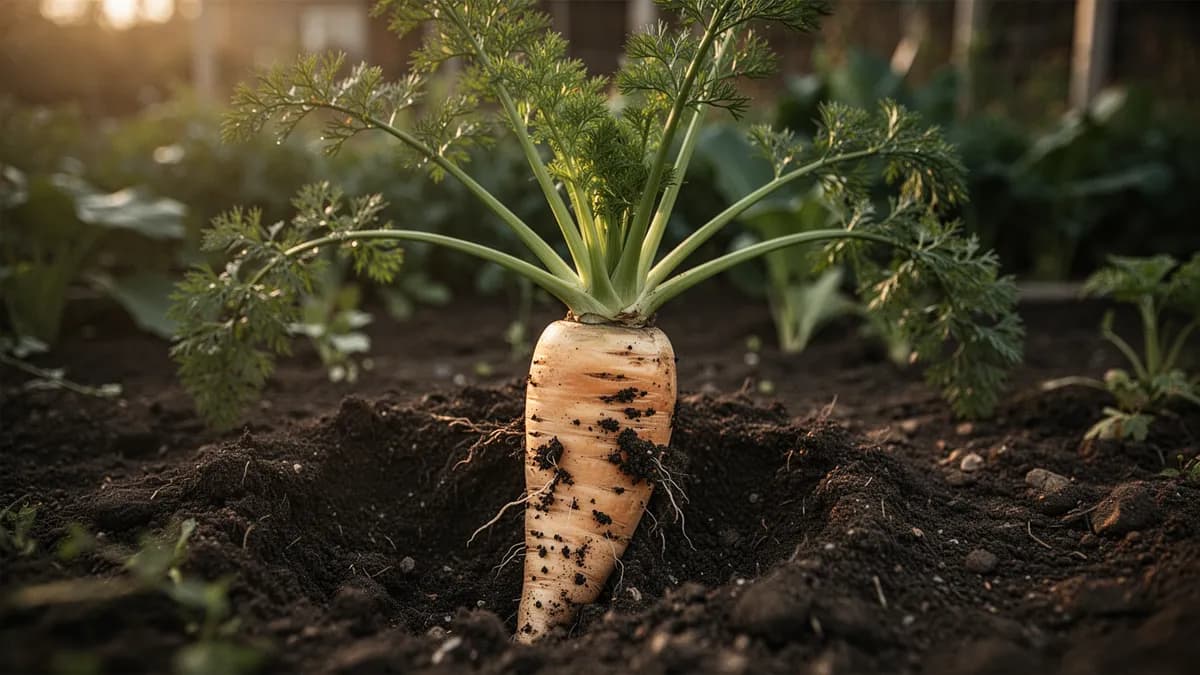
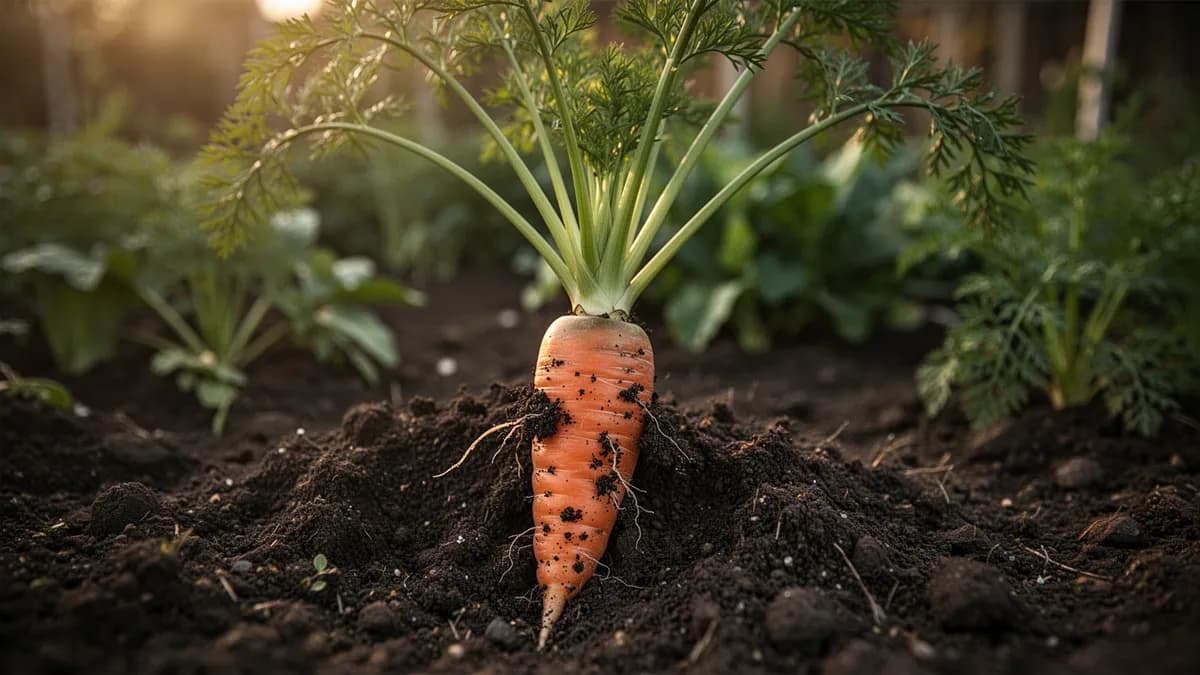
Mantén Remolacha lejos de estos
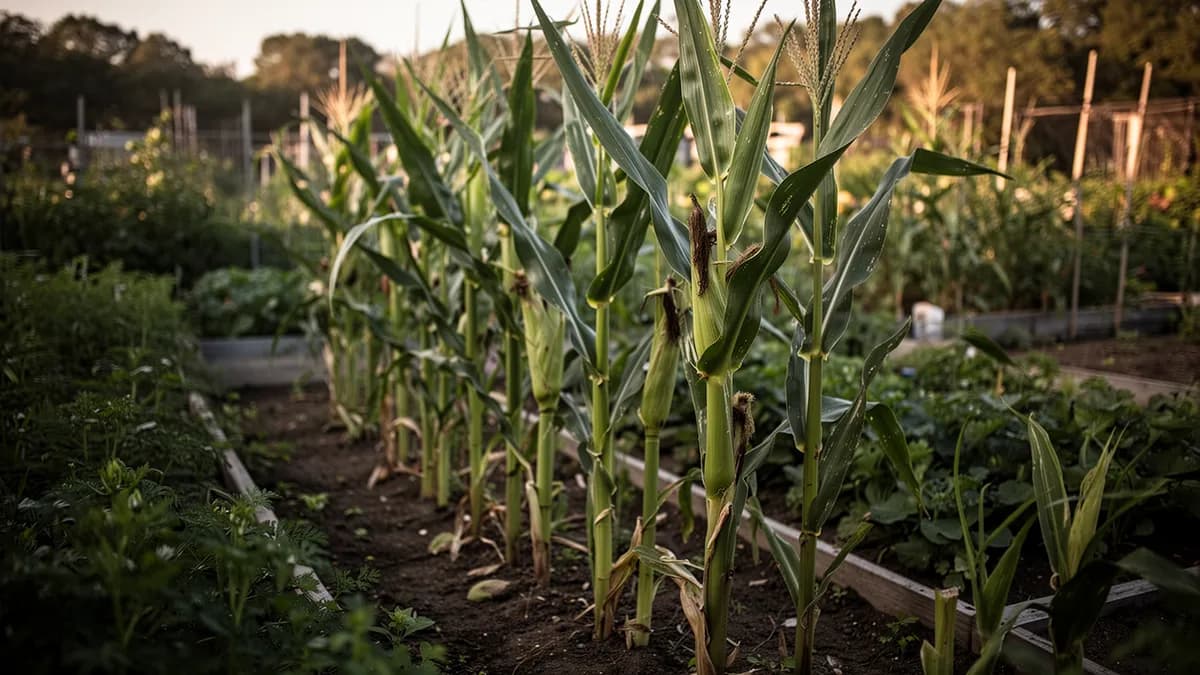
Diseños de jardín con Remolacha
Cultiva tu mejor Remolacha — y todo lo que la rodea.
Empieza un plan gratis hoy. Diseña tus bancales, coloca tu Remolacha y deja que PlotMyGarden gestione el momento, el espaciado, las asociaciones y los recordatorios de la semilla a la cesta.