Nabo
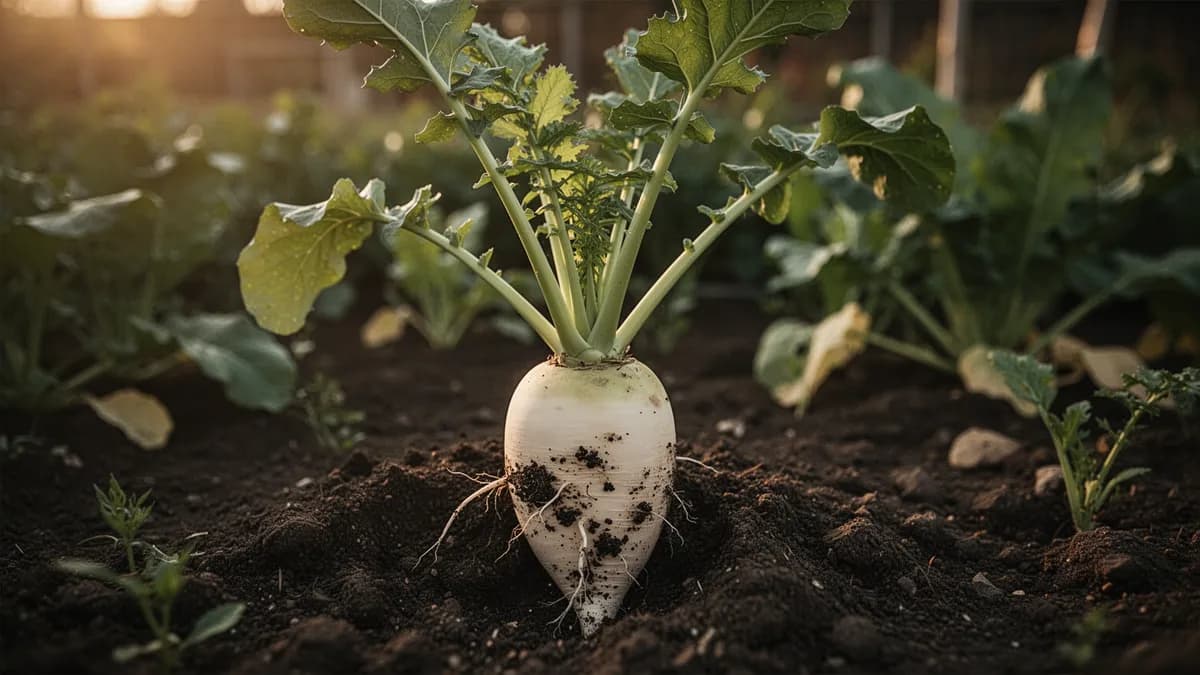
Una verdura de raíz con sabor suce y ligeramente dulce.





En esta páginaResumen
Conoce Nabo
Una verdura de raíz con sabor suce y ligeramente dulce. Los nabos son resistentes al frío y pueden cultivarse en primavera y otoño.
Cuándo plantar Nabo
Siembre directamente en primavera o principios de otoño.
Tu año de Nabo
Ajustado a Zona 7 · temporada típica · la helada se va hacia el 2 abr y vuelve hacia el 1 nov
Planta Nabo Mar – Abr, Ago – Sep y cosecha May – Jun, Oct – Nov. Consulta los métodos de plantación y elige tu clima para adaptar los periodos.
Cómo cultivar Nabo
Los nabos prefieren clima fresco. Siembre semillas 1 cm de profundidad, 10-15 cm aparte.
Riegue regularmente para raíces tiernas. Las hojas también son comestibles.
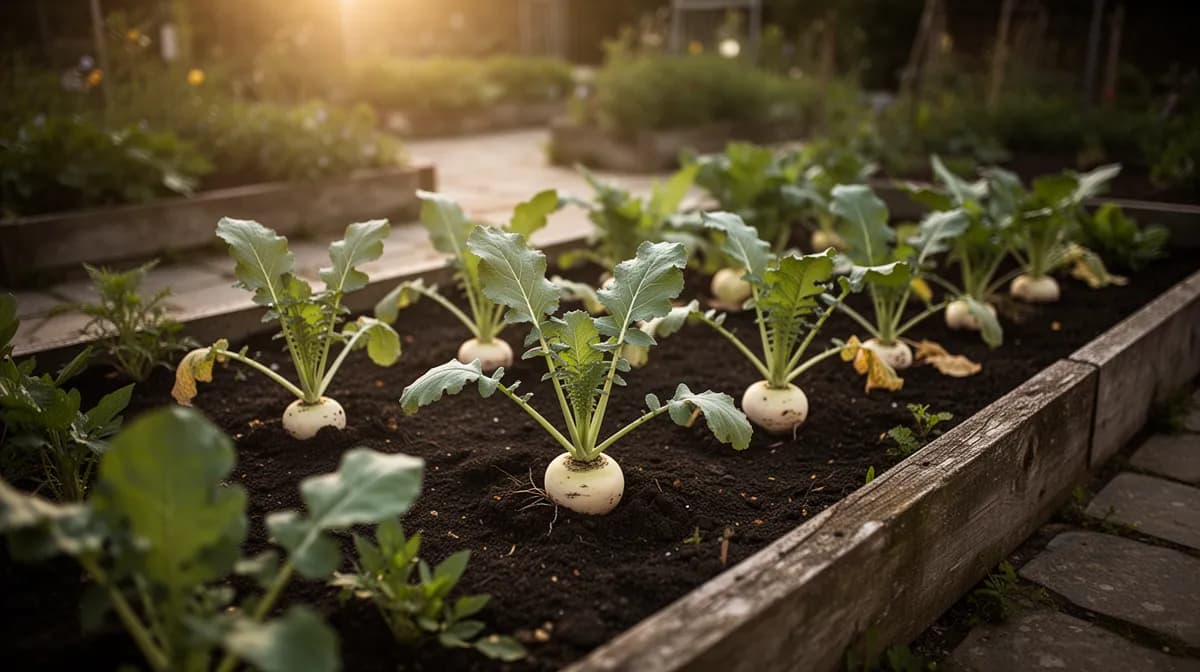
288 plantas caben en un bancal de 120 × 240 cm
Cada Nabo pide 10 cm de margen. El planificador guarda ese marco por ti — cada planta, cada bancal.
Los mejores vecinos de Nabo
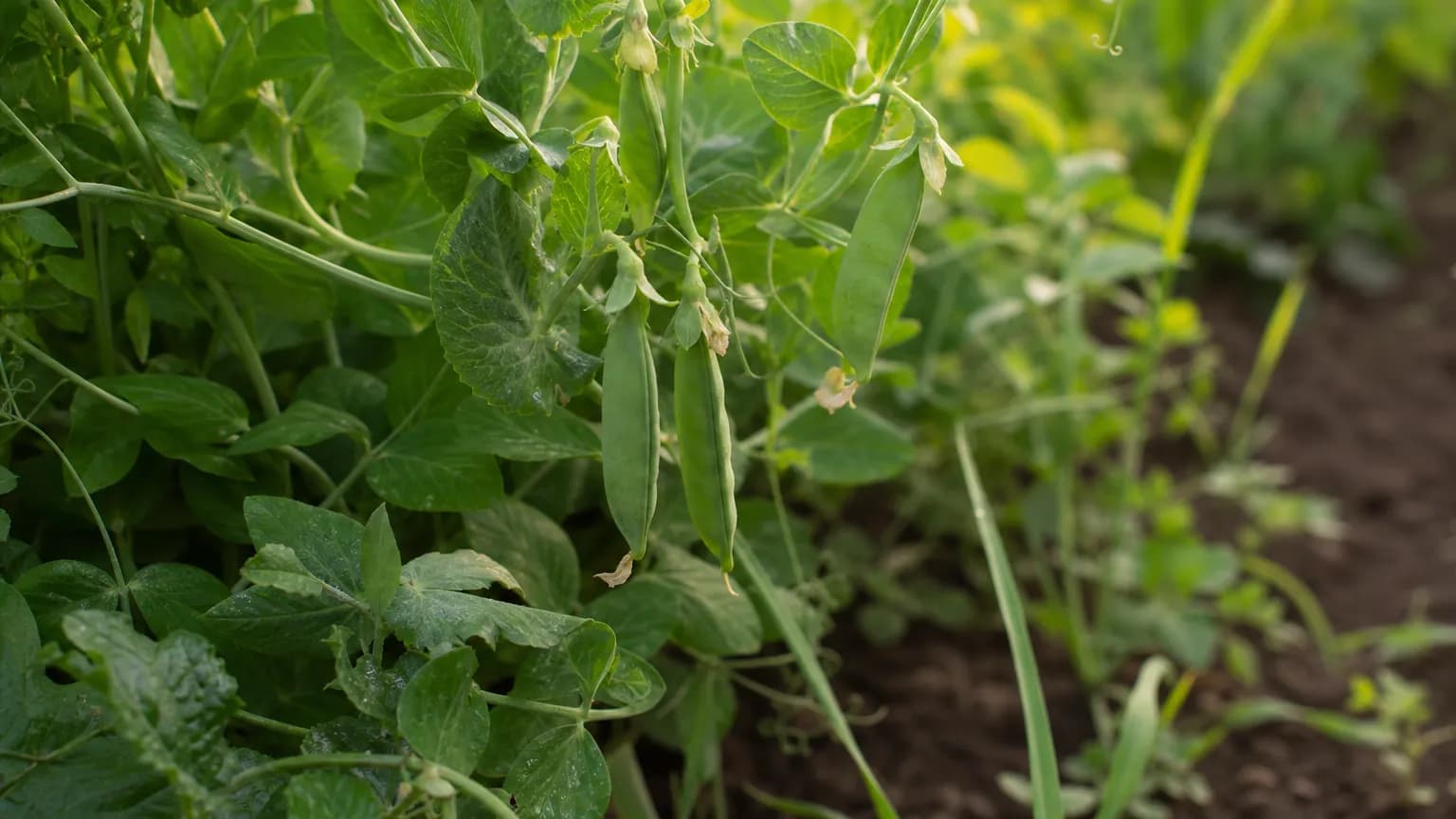
Los guisantes son buenos compañeros.
Guisantes va a su lado. Papa no.
Saber de huerto de siempre, cotejado con la tabla real de Nabo — prueba cualquier planta que cultives.
Prueba Nabo en un bancal, aquí mismo
Un bancal real del planificador con Nabo ya plantado. Toca una planta compañera para colocarla y mira cómo responde la comprobación de vecinos: verde para buenos vecinos, rojo si hay conflicto.


Guías de cultivo relacionadas
Abónalo bien
Suelo suelto con pH 6,0-7,0. Incorpore compost.
Temperatura ideal
Compatibilidad de zonas de rusticidad
De la semilla a la cosecha, etapa por etapa
Germinación
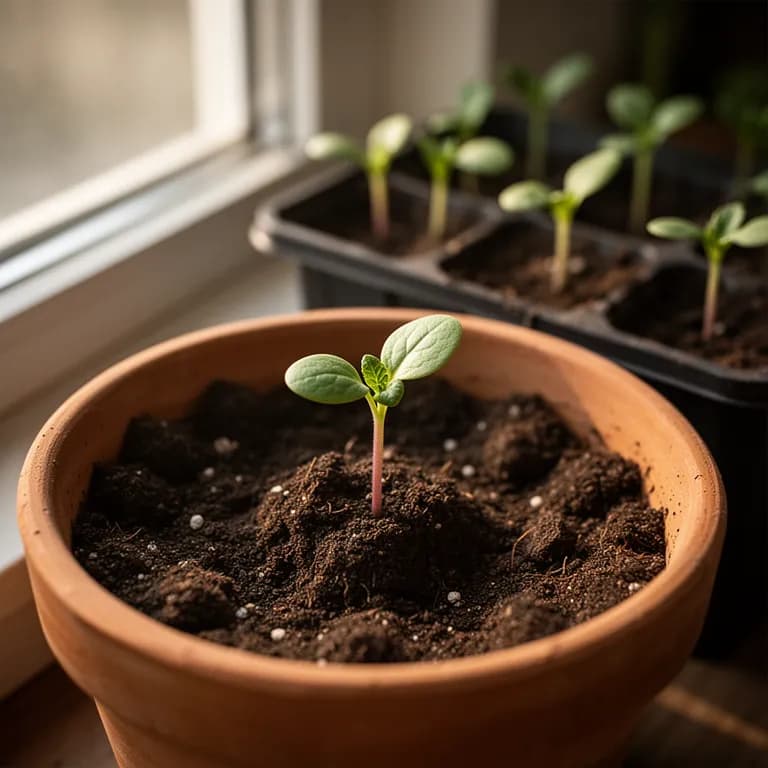
Las semillas de nabo germinan con una rapidez notable, a menudo en 3-5 días en condiciones ideales. Las diminutas semillas se hinchan con la humedad y envían una radícula blanca hacia abajo mientras un par de cotiledones redondeados y con forma de corazón emerge a través de la superficie del suelo. Los nabos están entre las semillas de hortalizas que germinan más rápido en el jardín.
Crecimiento de plántulas
Las hojas verdaderas desarrollan su textura rugosa y ligeramente pilosa característica. Las plántulas crecen con rapidez y empiezan a competir por el espacio. Esta es la ventana crítica para el aclareo: las plantas deben quedar bien espaciadas para un buen desarrollo de la raíz. La pequeña raíz pivotante comienza a formarse bajo la superficie del suelo.
Desarrollo de hojas
La roseta de hojas rugosas y lobuladas se expande rápidamente, proporcionando la energía fotosintética necesaria para el desarrollo de la raíz. Un nabo sano produce 6-10 hojas erguidas durante esta fase. La raíz pivotante comienza a engrosarse notablemente bajo la línea del suelo, pasando de ser una fibra delgada a una raíz reconocible.
Engrosamiento de la raíz
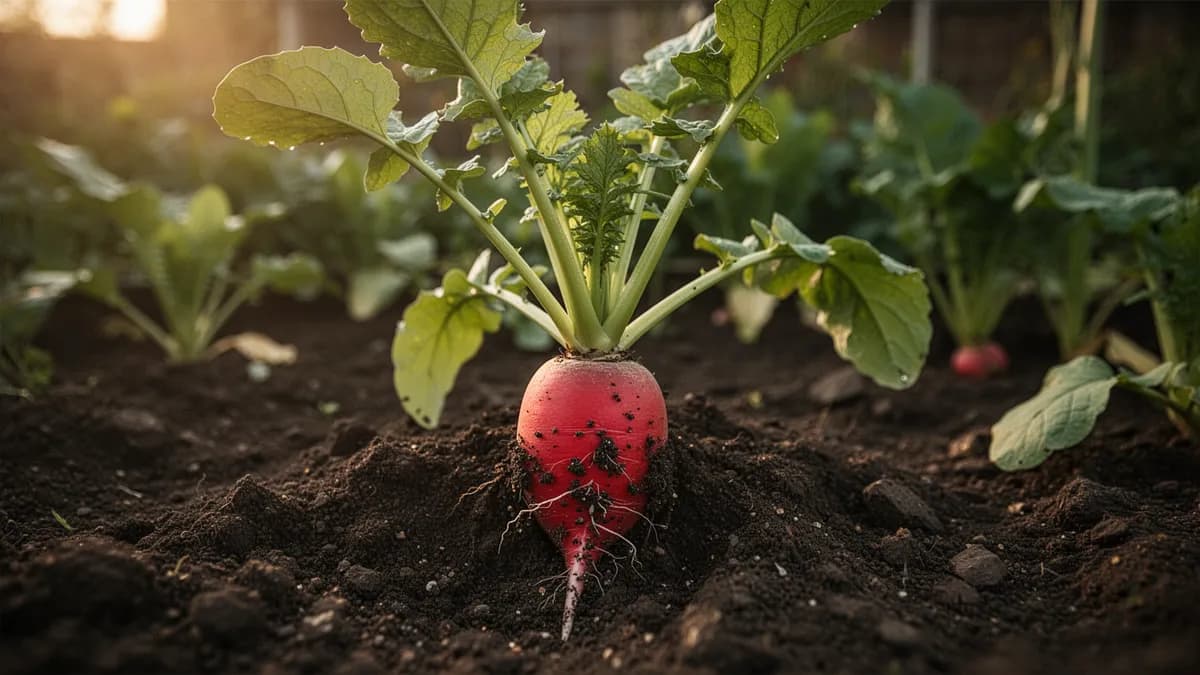
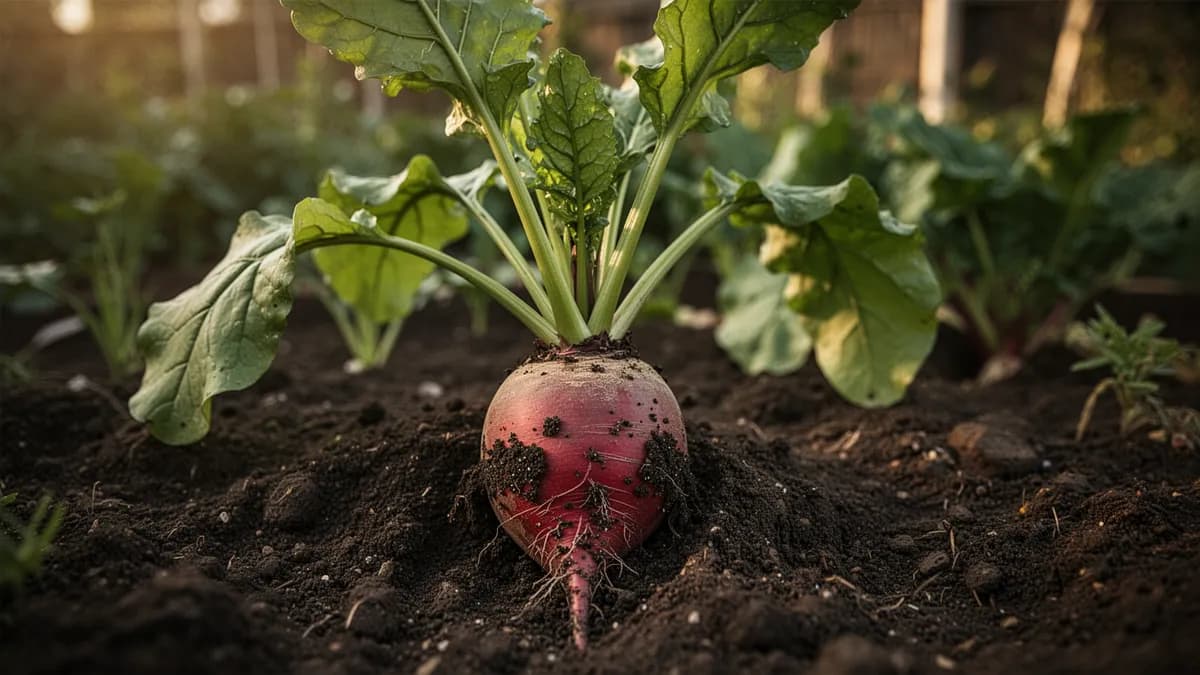
La raíz se hincha rápidamente y empuja su corona por encima de la superficie del suelo, un rasgo característico del nabo que facilita medir el tamaño sin arrancar la planta. La parte superior expuesta a la luz desarrolla el color característico de la variedad (morado, blanco o dorado). La pulpa interior es blanca, crujiente y jugosa.
Madurez
Las raíces alcanzan su tamaño completo de 5-10 cm según la variedad. La pulpa está en su punto óptimo de dulzor y ternura cuando se cosecha al tamaño correcto. En siembras de otoño, las temperaturas frescas y las heladas ligeras convierten el almidón en azúcares, mejorando el sabor. Las variedades de almacenamiento desarrollan una piel más gruesa para conservarse mejor.
Invernada / Almacenamiento
En climas suaves, los nabos de otoño pueden permanecer en el suelo bajo un acolchado espeso durante meses, proporcionando raíces frescas durante el invierno. Las raíces entran en un estado de reposo en el suelo frío, conservando la calidad e incluso mejorando su dulzor. Si se dejan demasiado tiempo hasta la primavera, la planta sale del reposo y emite un tallo floral, volviendo la raíz leñosa.
Mantén el suelo constantemente húmedo pero no encharcado durante la germinación. Las semillas necesitan temperaturas de suelo de 10-18°C para obtener mejores resultados. Cúbrelas con solo 1 cm de tierra fina; sembrarlas demasiado profundo retrasa la emergencia.
Cuidar Nabo mes a mes
Qué hacer cada mes para tu Nabo
Octubre
Mes actualHarvest fall turnips as they reach desired size. Leave some roots in the ground for post-frost sweetening — light frosts convert starches to sugars. Begin applying straw mulch over rows intended for winter storage in the ground.
Ten claro qué hacer en tu huerto, cada mes
Un correo al empezar cada mes: qué sembrar, plantar y hacer ahora mismo — para tu Nabo y todo lo que crece alrededor. Más un breve curso inicial para esquivar los errores clásicos.
- Qué hacer ahora mismo
- Ajustado a tu temporada
- Curso inicial incluido
Cosechar Nabo
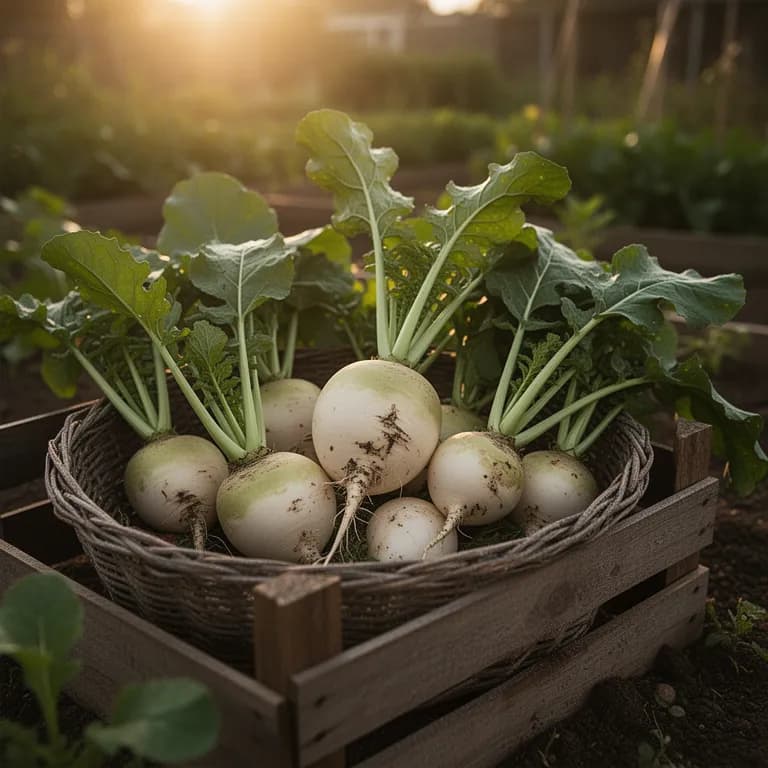
Coseche nabos cuando las raíces tienen 7-10 cm de diámetro. Se vuelven más dulces después de las heladas.
se supone que plantas al comenzar el periodo — indica tu fecha real
Las nabos bebé pueden cosecharse ahora con 3-5 cm, o las raíces maduras cuando alcancen 5-7 cm de diámetro.
Almacenamiento y conservación
Duran varias semanas en refrigerador. Puede congelarse.
Qué falla — y cómo solucionarlo
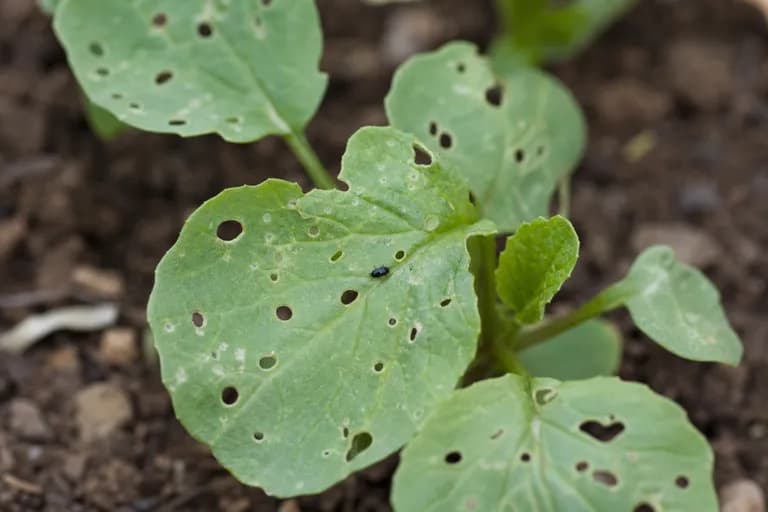
Mosca de la col
PlagaLarvas en raíces.
Solución de problemas comunes
Raíces leñosas por crecimiento prolongado o calor.
Consejos de cultivo
- Turnips are a cool-season crop — timing is everything. Sow in early spring (2-4 weeks before last frost) or late summer (6-8 weeks before first frost) for the best results. Avoid growing turnips in summer heat, which produces woody, bitter roots.
- Direct-sow only — turnips do not transplant. Their fast-growing taproot is easily damaged during transplanting, resulting in stunted or deformed roots. Sow seeds 1 cm deep directly where they will grow.
- Thin ruthlessly to 10 cm apart. Overcrowded turnips produce all tops and no roots. This is the single most common mistake new turnip growers make. Use the thinnings in salads — they are delicious.
- Soil preparation matters for root shape. Loosen soil to 20-25 cm deep and remove all rocks and debris. Rocky or compacted soil causes forked, misshapen roots. In heavy clay, grow in raised beds with loose, amended soil.
- Water consistently at 2.5 cm per week. Irregular watering causes cracked roots and bitter flavor. Mulch lightly to retain soil moisture and moderate root-zone temperature. Drip irrigation or soaker hoses produce the most even results.
- Harvest spring turnips at 5-7 cm diameter without delay. Even 2-3 extra days in warm weather can turn a sweet, tender turnip woody and strong-flavored. Check roots daily as they approach maturity.
- For the sweetest turnips, grow a fall crop. Turnips that mature in cooling temperatures and experience light frost are dramatically sweeter than spring-grown ones. Fall turnips are also less bothered by flea beetles.
- Grow both roots and greens for maximum value. Turnip greens are more nutritious than the root and can be harvested multiple times from a single planting using the cut-and-come-again technique. Dedicated greens varieties like Seven Top produce abundant, tender leaves.
Cultiva tu mejor Nabo — y todo lo que la rodea.
Empieza un plan gratis hoy. Diseña tus bancales, coloca tu Nabo y deja que PlotMyGarden gestione el momento, el espaciado, las asociaciones y los recordatorios de la semilla a la cesta.
Elige tu Nabo
Purple Top
Variedad clásica con parte superior morada. 50 días.
A single packet of turnip seeds (costing $2-4) contains 500-1,000 seeds — enough to plant dozens of meters of row and produce 20-50 kg of turnips and greens over spring and fall seasons combined. At organic grocery prices of $3-5 per kg for turnips and $4-6 per bunch for greens, a single seed packet can easily yield $100-200 worth of produce. Turnips require minimal inputs beyond seeds and water, making them one of the most cost-effective crops for home gardeners.
Recetas rápidas
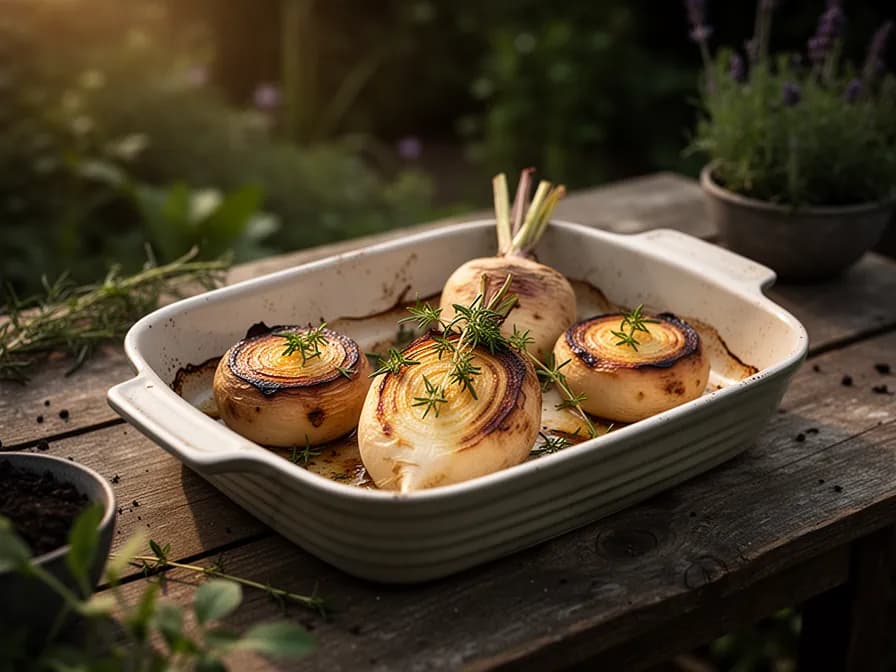
Roasted Honey-Glazed Turnips
35 minCubed turnips roasted at high heat until caramelized and golden, then tossed with a simple honey-thyme glaze. Roasting transforms turnips from mild and starchy to sweet and buttery — this recipe converts even self-proclaimed turnip skeptics.
7 ingredientesSouthern-Style Braised Turnip Greens
45 minA staple of Southern American cooking — tender turnip greens braised low and slow with smoky pork until silky and deeply flavored. Serve with cornbread to soak up the rich pot liquor, which is prized for its concentrated vitamins and minerals.
8 ingredientesTurnip and Potato Mash
25 minA lighter, more flavorful alternative to plain mashed potatoes. Blending turnips with potatoes creates a silky mash with a subtle peppery undertone and fewer carbohydrates. A perfect side dish for roasted meats and hearty stews.
7 ingredientesUsos culinarios
Cocido, asado, en sopas o guisos.
Qué contiene
Beneficios para la salud
- Turnip greens are an outstanding non-dairy source of calcium — one cooked cup provides approximately 190mg, more than a cup of milk, with high bioavailability for bone health support.
- Both root and greens are rich in Vitamin C — the root provides about 23% of daily needs per 100g, supporting immune function, collagen synthesis, and iron absorption from plant foods.
- Greens supply over 100% of daily Vitamin K requirements per serving, essential for proper blood clotting and long-term bone density maintenance.
- As a brassica vegetable, turnips contain glucosinolates — sulfur-containing compounds that break down into isothiocyanates during digestion, which laboratory studies have linked to anti-inflammatory and anti-cancer properties.
- The root is very low in calories (28 per 100g) and has a low glycemic index, making it an excellent potato substitute for those managing weight or blood sugar levels.
- Turnip greens are a significant source of folate (170mcg per cooked cup, about 42% DV), a B-vitamin crucial for DNA synthesis and especially important during pregnancy for preventing neural tube defects.
De dónde viene Nabo
The turnip is one of humanity's oldest cultivated root vegetables, with origins tracing back to central and western Asia over 4,000 years ago. Wild forms of Brassica rapa still grow across temperate Eurasia, and early farmers selected those with the largest, most tender roots for continued planting. Both the ancient Greeks and Romans cultivated turnips extensively — the Roman author Pliny the Elder considered the turnip one of the most important vegetables of his era, ranking it just behind grain and beans in agricultural significance.
During the Middle Ages, turnips were the primary root vegetable across northern Europe, feeding peasants and livestock alike through long, harsh winters. They were especially vital in regions too cold for other crops, from Scotland to Scandinavia. The introduction of the potato from the Americas in the 16th century gradually displaced the turnip from its central dietary role, but turnips remained important in many regional cuisines and agricultural systems. The 18th-century agricultural reformer Charles 'Turnip' Townshend revolutionized British farming by popularizing turnips as a winter livestock feed crop in his four-field crop rotation system.
Today, turnips are grown worldwide but remain most culturally significant in East Asian, Southern American, and northern European cuisines. Japan has developed refined salad turnip varieties like Hakurei that are eaten raw, while the American South preserves a deep tradition of braised turnip greens. In France, the navets of Nantes are a celebrated regional specialty. The turnip's fast growth, cold hardiness, dual-purpose nature (both roots and greens are edible), and nutritional density ensure its continued relevance in modern home gardens and sustainable agriculture.
Nabo: ¿sabías que?
Datos fascinantes sobre Nabo
Turnips have been cultivated for at least 4,000 years — they were a dietary staple in ancient Rome and Greece long before the potato arrived in Europe from the Americas in the 16th century.
Nabo: preguntas frecuentes
¿Cuándo debo plantar Nabo?
¿Cuáles son buenas plantas acompañantes para Nabo?
¿En qué zonas de rusticidad puede crecer Nabo?
¿Cuánto sol necesita Nabo?
¿A qué distancia debo espaciar Nabo?
¿Qué plagas y enfermedades afectan a Nabo?
¿Cómo almaceno Nabo después de la cosecha?
¿Cuáles son las mejores variedades de Nabo para cultivar?
¿Qué suelo necesita Nabo?
Why are my turnips woody and bitter?
Can I eat turnip greens, and are they nutritious?
When should I plant turnips for a fall crop?
Why do my turnips produce lots of leaves but no roots?
Do turnips need to be planted in full sun?
How do I store turnips long-term?
Acabas de leer la teoría. Ahora cultívala en piloto automático.
Todo lo que hace que Nabo sea delicado — el momento, el espaciado, las asociaciones, la ventana de cosecha — es justo lo que PlotMyGarden resuelve por ti, para cada planta de tu huerto.
Un plan que conoce tu clima
Indica tu ubicación una vez. Recibe fechas de siembra, abonado y cosecha basadas en tu última helada real y el pronóstico en vivo — sin adivinar con un sobre genérico.
De la sección “Cuándo plantar”Planificador de bancales de arrastrar y soltar
Diseña bancales sobre una cuadrícula. Cada planta encaja con su espaciado correcto y ves toda la temporada antes de gastar un céntimo en semillas.
De la sección “Cultivo”Conflictos de asociación, detectados a tiempo
Más de 200 buenas y malas combinaciones comprobadas en vivo mientras plantas — para que un error que arruine la temporada nunca llegue a la tierra.
De la sección “Asociaciones”Recordatorios que sí vas a seguir
“Riega las judías.” “Recoge hoy antes de que se pase.” Oportunos, concretos y ligados a las plantas que de verdad cultivas.
De la sección “Cosecha”Escalonado, programado
¿Quieres cosechar seis semanas en vez de seis días? Reparte tus siembras automáticamente y te avisa cuando toca el siguiente lote.
De la sección “Cuándo plantar”Un registro que se vuelve más listo
Cada cosecha que registras le enseña tu huerto. El plan del año que viene parte de lo que de verdad funcionó en tu suelo, no en un manual.
De la sección “Resumen”Planta estos junto a Nabo
Más Hortalizas de raíz
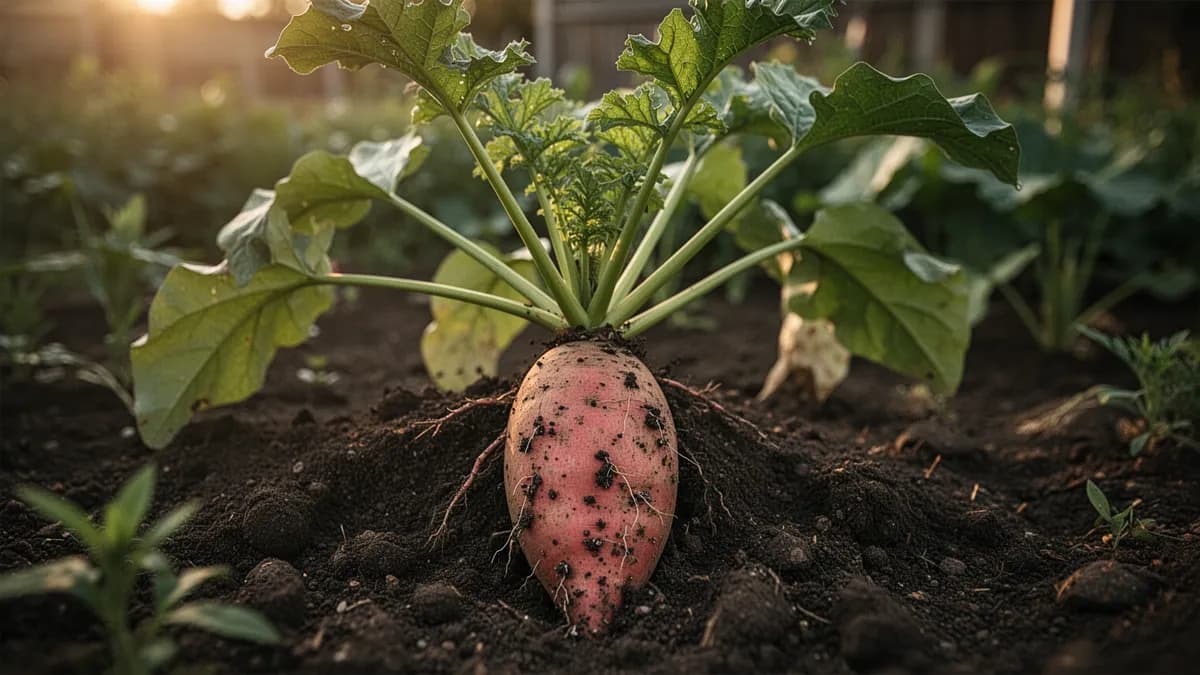
Mantén Nabo lejos de estos
Diseños de jardín con Nabo
Cultiva tu mejor Nabo — y todo lo que la rodea.
Empieza un plan gratis hoy. Diseña tus bancales, coloca tu Nabo y deja que PlotMyGarden gestione el momento, el espaciado, las asociaciones y los recordatorios de la semilla a la cesta.