Vegetables · Root VegetablesBeta vulgaris

Beet

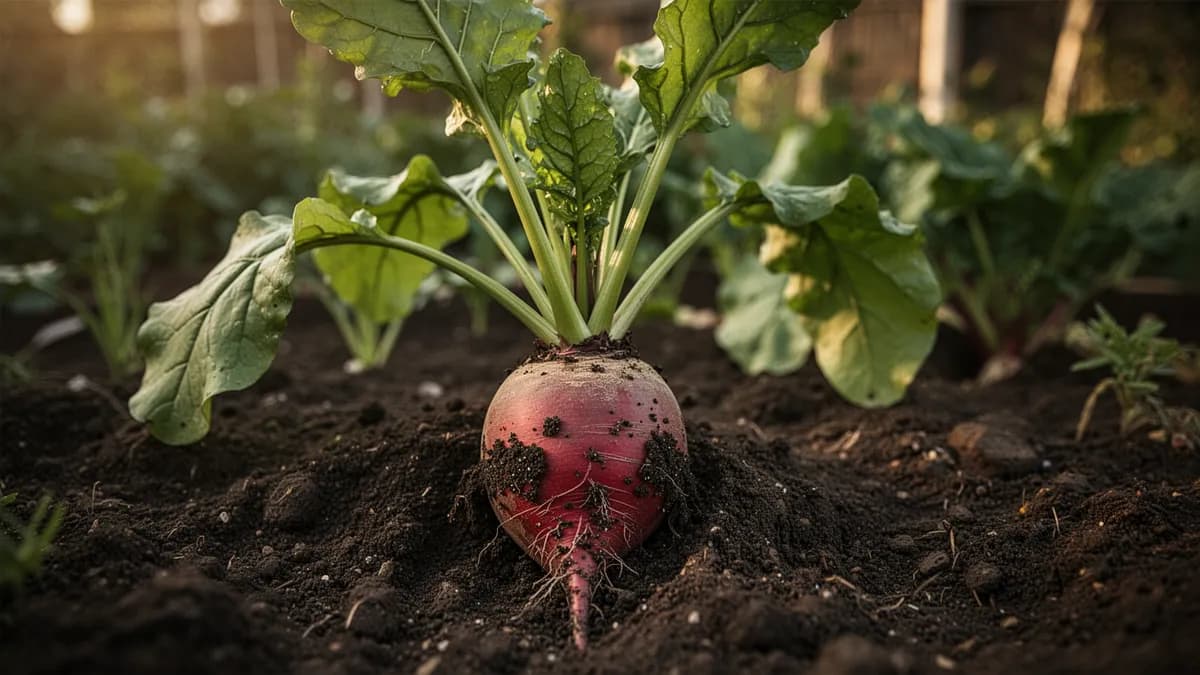
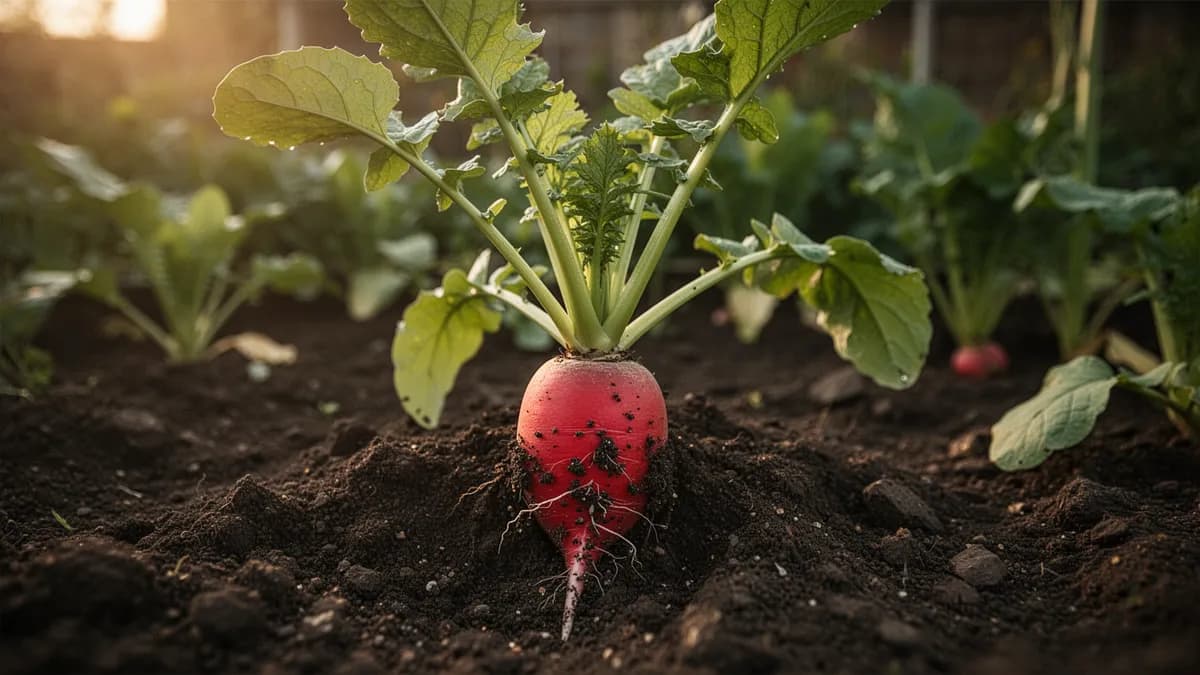
A dual-purpose root crop providing both earthy, sweet roots and nutritious edible greens from the same plant.

Full Sun (6-8h+)Medium (even moisture)55 daysDifficultyBeginner Friendly
Balcony gardenerAllotment gardenerGarden enthusiastUrban gardenerGarden lover
4.8 · trusted by 12,400+ gardeners
Beet
Sow & harvest reminderstuned to your local frost dates
Beet × Corn — keep apart
Sunlight
Full Sun (6-8h+)
Water Need
Medium (even moisture)
Frost Tolerance
Half-Hardy (light frost)
Days to Maturity
55 days
Plant Spacing
10 cm
4 in
Hardiness Zones
Zone 2–11
USDA
Difficulty
Beginner Friendly
Expected Yield
150-250g
On this pageOverview
01 · Overview

Meet Beet

A dual-purpose root crop providing both earthy, sweet roots and nutritious edible greens from the same plant. Sow seeds directly since each wrinkled seed cluster produces multiple seedlings that need thinning to avoid crowding. Beets prefer loose, slightly alkaline soil and consistent moisture to develop smooth, evenly shaped roots without zoning rings. Harvest roots at two to three inches in diameter for the most tender texture, and use the vitamin-rich greens in salads or sautees.

55
days from seed to your first harvest. Time your whole season around it — sow, feed and pick dates all key off this one number.
02 · When to plant

When to plant Beet

Beets are best direct-sown since they dislike root disturbance, though they can be started indoors in biodegradable pots for very early harvests. Soak seed clusters in warm water for 24 hours before planting to soften the corky coating and improve germination — without soaking, germination is slow and erratic. Sow 1-2 cm (1/2-3/4 inch) deep and 5 cm apart as soon as soil can be worked in spring, typically 2-4 weeks before the last frost date.

Germination takes 5-10 days at 10-27°C (50-80°F), with optimal germination at 15-20°C (59-68°F). Because each beet 'seed' is actually a dried fruit cluster containing 2-4 true seeds fused together, every sowing point will produce multiple seedlings that must be thinned. Thin to 8-10 cm apart when seedlings are 5 cm tall — do not skip thinning or roots will be crowded and stunted. The thinned seedlings are perfectly edible and make excellent microgreens for salads.

For fall crops, sow 8-10 weeks before the first expected frost — fall beets often outperform spring plantings because they mature in cooling weather that enhances sweetness. In hot climates, shade seed beds with row cover or lattice to keep soil below 27°C (80°F) for better germination. Monogerm varieties (such as 'Solo' or 'Moneta') produce a single seedling per seed, eliminating the need for thinning — these are worth seeking out if thinning is a chore you want to avoid. For succession harvests, sow a new row every 3 weeks from early spring through midsummer.

Planting & harvest schedule

We watch the calendar so you don't have to

Tell us where you garden once. We line your sow and harvest windows up with your local season — and nudge you the moment each one opens.

Beet schedulelocation off
Zone 6–7synced to your climate
Your climate
J
F
M
A
M
J
J
A
S
O
N
D
Your last frostApr 16 · average for your zone
Sow windowMar – May, Aug – Sep · in your climate
First harvestMay 9 · from sowing to first pick
See your exact Beet dates

Share your location once and we'll line every sow and harvest date up with your real local season — not a generic seed-packet guess.

Used once to set your season · never shared
Finding your seasonmatching your spot to a growing zone…
Share your location to unlock your datesGet my dates — start free trial
03 · Growing guide

How to grow Beet

Beets are a cool-season crop that produces two harvests from one planting — nutritious roots and vitamin-rich greens. They grow best at temperatures between 10-21°C (50-70°F) and can tolerate light frost, making them ideal for spring and fall gardens. Each beet 'seed' is actually a cluster of 2-4 seeds fused together, so seedlings always need thinning. Soak seed clusters in warm water for 24 hours before planting to soften the outer coating and speed germination. Sow 1-2 cm (1/2-3/4 inch) deep and 5 cm apart in rows spaced 30 cm apart.

Prepare beds by loosening soil to 30 cm deep and removing rocks that cause forked roots. Work in compost and ensure soil pH is 6.5-7.5 — beets are one of the few vegetables that prefer slightly alkaline conditions. Acidic soil below 6.0 causes stunted growth and dark, zoned rings in roots. Apply lime if needed to raise pH. Thin seedlings to 8-10 cm apart when they reach 5 cm tall — the thinnings are delicious in salads.

Maintain consistent moisture with 2.5 cm of water per week — irregular watering causes tough, woody roots with prominent internal zoning rings. Mulch lightly to retain moisture and keep roots cool. Side-dress with a balanced fertilizer 4-6 weeks after sowing. For continuous harvests, make succession plantings every 3-4 weeks in spring and again in late summer for fall harvest. Beets tolerate light shade and make excellent interplanting partners between taller crops.

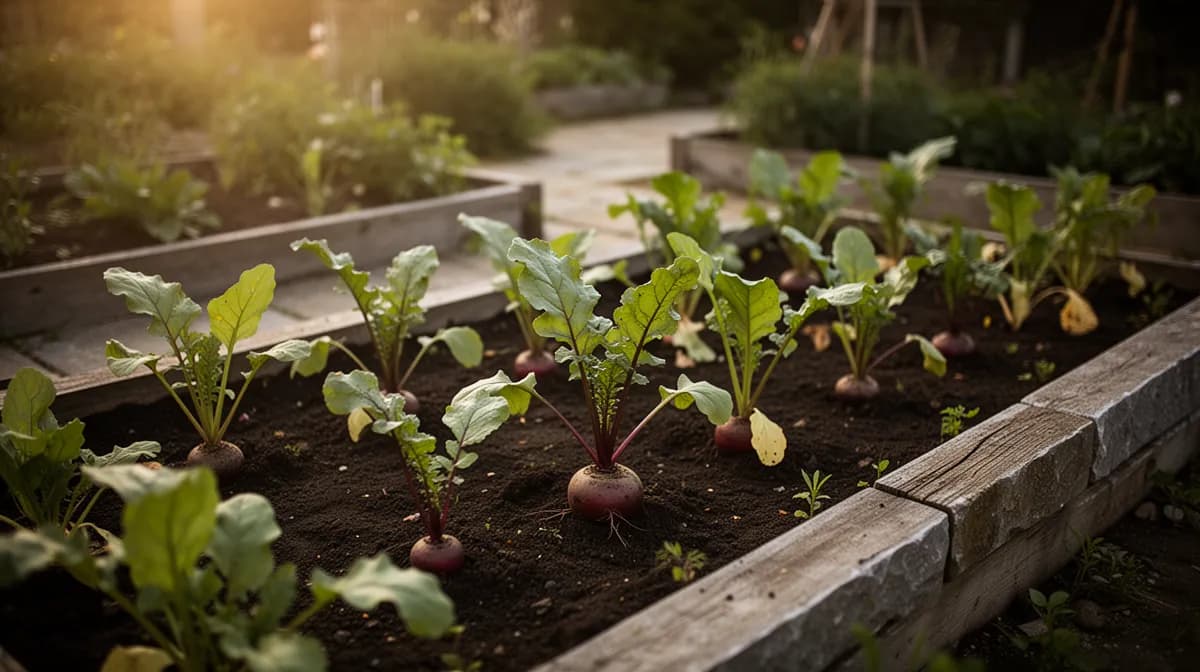
Rows of beets growing in a raised bed
Beets thrive in loose, well-drained raised beds
Lay it out in seconds

The bed planner spaces every plant for you

Pick a bed size and PlotMyGarden spaces your Beet at 10 cm, counts how many fit, and lays the block out before you buy a single seed.

Beet bed planner10 cm spacing
Bed size
144 Beet at proper spacing
4 × 4 ft · 10 cm
144 Beet fit this bed at 10 cm spacing — room to grow without crowding.
144 plants ready to placePlan my bed — start free trial
04 · Companions

Beet's best neighbours

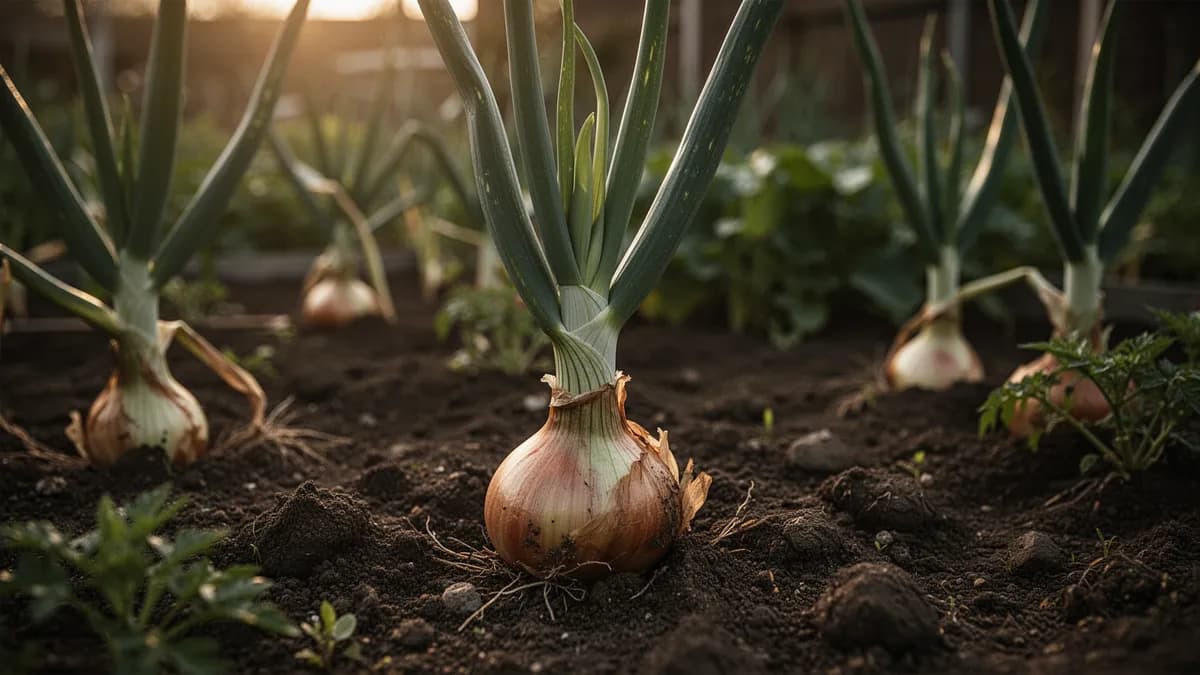
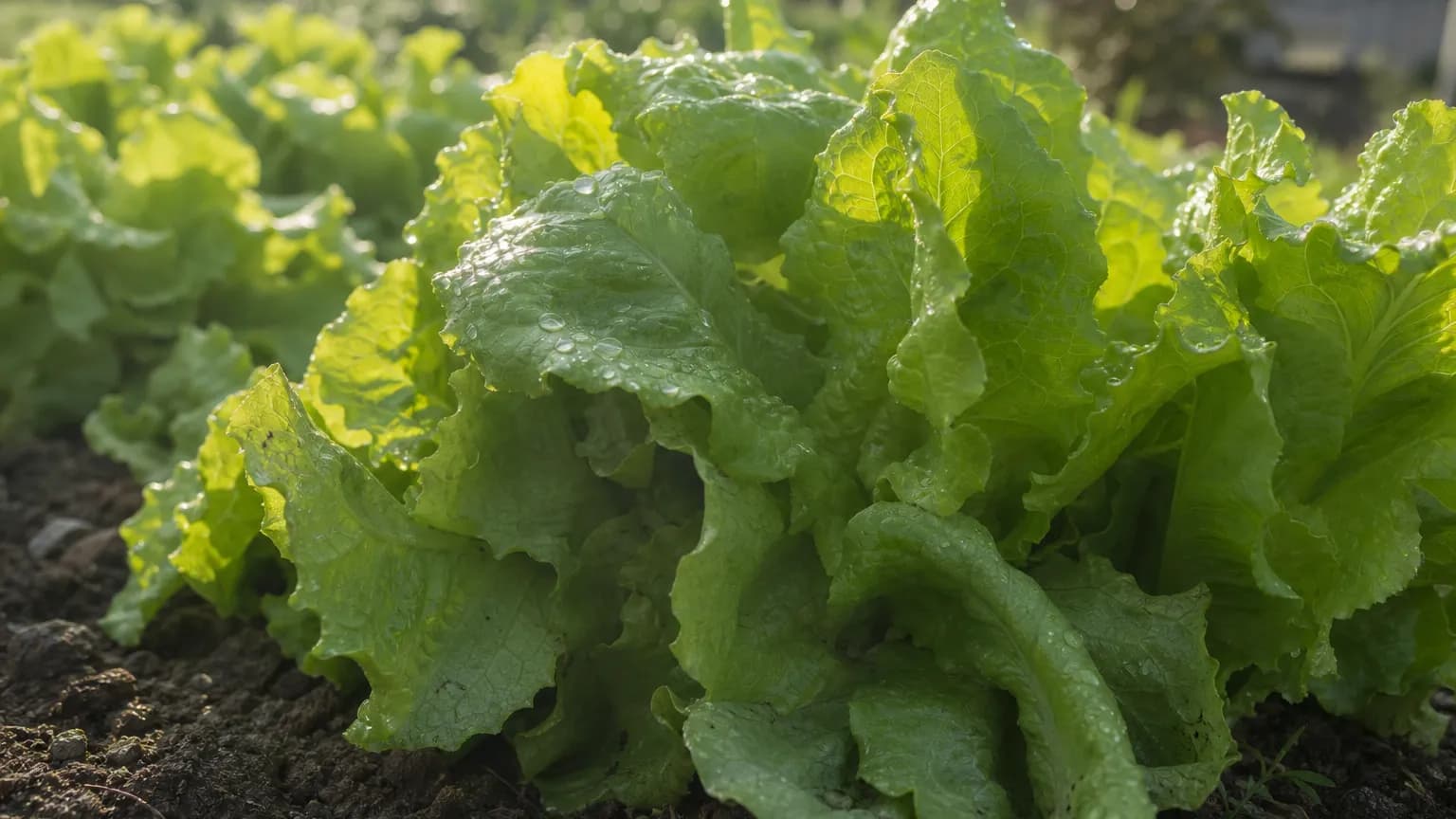
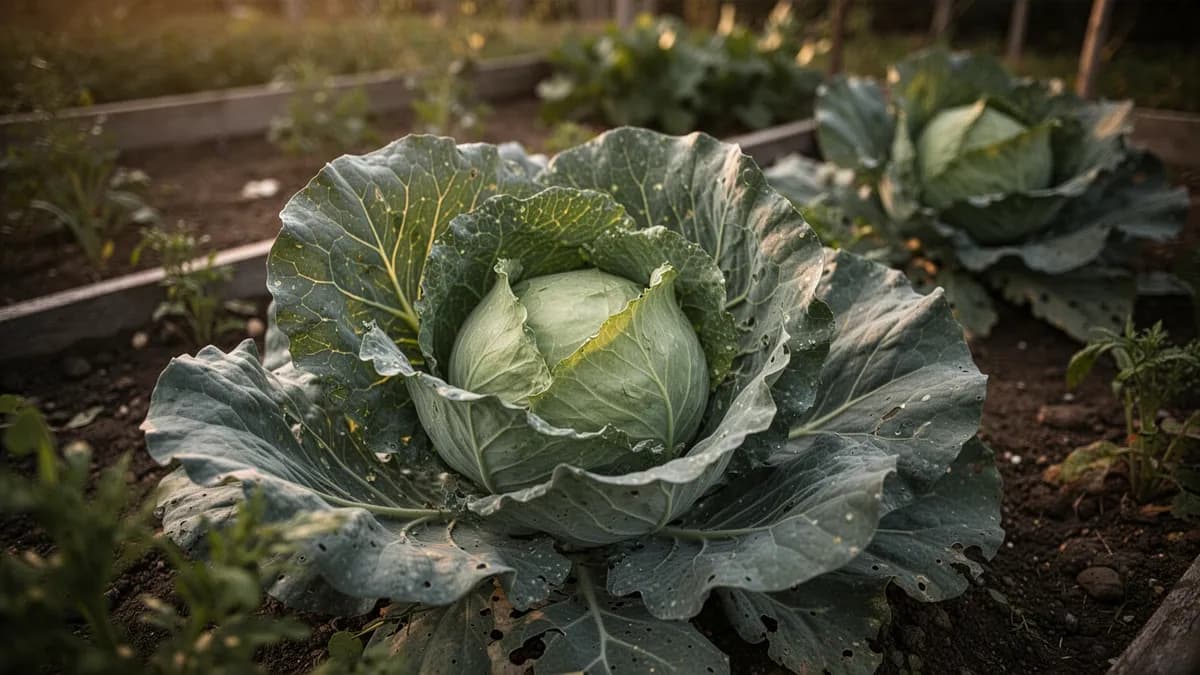
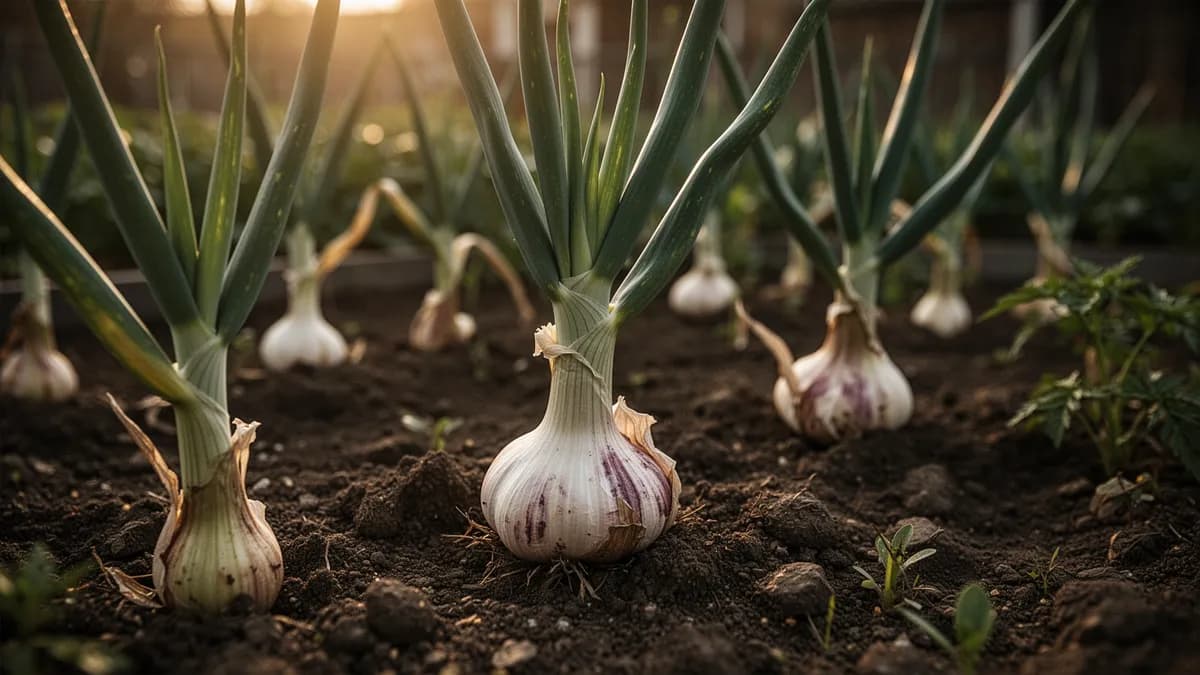
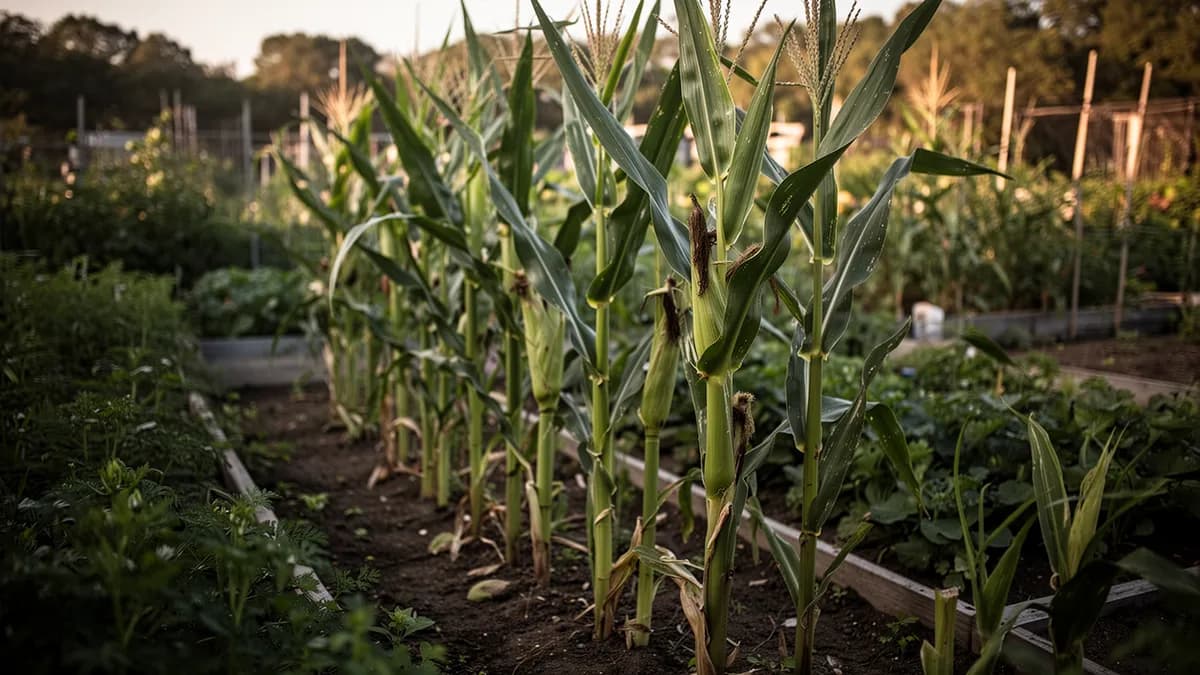
Onions and garlic make excellent beet companions — their strong scent deters leaf-mining flies and flea beetles that target beet foliage. Lettuce benefits from the partial shade cast by beet greens during warm weather, and both crops share similar moisture needs. Cabbage family crops and beets coexist well since they occupy different soil depths. Beets and Swiss chard should not be planted near each other because they are the same species and share identical pests and diseases, concentrating problems. Avoid planting near corn, which competes aggressively for nutrients and shades beets excessively.

Live companion check

It flags clashes before you plant, not after

Every plant you place is checked against its neighbours in real time. Good matches glow green; conflicts get flagged on the spot — so a season-wrecking mistake never makes it into the ground.

Companion check200+ rules
Test against Beet
Tap a plant to test it against Beet — live, the way the planner checks every neighbour you place.
Grows well with (4)
Keep apart (1)
200+ companion & conflict rules built inCheck my whole garden — start free trial
05 · Soil & feeding

Feed it well

Beets prefer loose, deep, well-drained soil with a pH of 6.5-7.5 — they are one of the few crops that thrive in slightly alkaline conditions. Test soil pH and apply lime if below 6.5, as acidic soil causes stunted growth and tough roots with dark internal zoning. Work in 5-8 cm of compost and a balanced fertilizer (10-10-10) before planting, loosening the soil to at least 30 cm deep and removing any rocks or debris that would cause roots to fork or become misshapen.

Beets have a particular need for boron — deficiency causes black, corky spots inside roots known as internal black spot, which renders them inedible. Apply borax at 1 tablespoon per 30 square meters if boron deficiency is common in your area, but do not over-apply as boron toxicity is also damaging. Potassium supports root development, so add wood ash or potassium sulfate if a soil test reveals low levels. Side-dress with compost or liquid fertilizer 4-6 weeks after sowing to sustain growth through the root-bulking phase.

Avoid excessive nitrogen, which promotes lush foliage at the expense of root development — a fertilizer ratio favoring phosphorus and potassium over nitrogen (such as 5-10-10) is ideal once seedlings are established. For raised beds and containers, use a well-draining potting mix amended with compost and perlite, maintaining a depth of at least 25 cm to accommodate root growth. In heavy clay soils, incorporate generous amounts of coarse sand and compost to improve drainage and prevent the waterlogged conditions that cause root rot.

Ideal Temperature

10°C – 21°C
5°C13°C22°C30°C

Hardiness Zone Compatibility

12345678910111213
Ideal (zones 2-11)Greenhouse / protection neededNot recommended
06 · Growth stages

From seed to harvest, stage by stage

0–10 days

Seed Germination

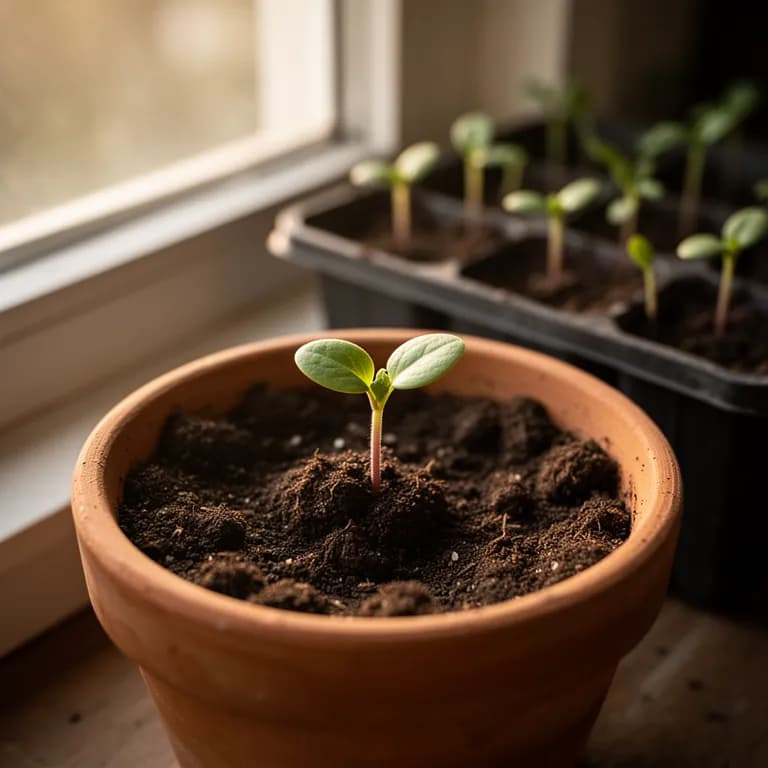
Each wrinkled beet 'seed' is actually a dried fruit cluster containing 2-4 true seeds. After soaking and sowing, roots emerge first, anchoring into the soil, followed by a pair of slender cotyledons that push through the surface. The cotyledons are often tinged reddish-purple.

10–25 days

Thinning & Early Growth

Multiple seedlings emerge from each seed cluster and must be thinned to one plant per 8-10 cm. True leaves develop with distinctive red-veined, slightly crinkled surfaces. The small taproot begins forming below the soil line.

25–40 days

Leaf Canopy Development

The rosette of leaves expands rapidly, with mature leaves reaching 15-20 cm. The plant builds the photosynthetic engine it needs to fuel root growth. The root begins to swell noticeably underground, transitioning from a thin taproot to a bulbous shape.

40–55 days

Root Bulking

The root swells rapidly underground, with the characteristic rounded or cylindrical shape forming depending on variety. The shoulders of the root may push above the soil surface, revealing the deepening red, golden, or striped coloring. This is the most critical period for consistent moisture.

55–75 days

Harvest Window

Roots reach 5-7 cm in diameter and are at peak tenderness and sweetness. The shoulders are clearly visible above soil level. Leaves remain vigorous and green. Baby beets can be harvested earlier at 3-4 cm, while larger roots develop more intense flavor but coarser texture.

75–120 days

Overmaturity & Seed Production

If left unharvested, roots become woody and fibrous as the plant transitions energy toward sending up a tall flowering stalk (bolting). In their second year (beets are biennials), plants produce tall seed stalks with small green flowers that develop into the characteristic wrinkled seed clusters.

Care Tip

Keep soil consistently moist but not waterlogged. Soak seed clusters for 24 hours before planting to speed germination. Soil temperature should be 10-27°C (50-80°F) for best results.

Young beet seedlings emerging from soil
Beet seedlings after thinning to proper spacing
07 · Monthly care

Caring for Beet month by month

What to do each month for your Beet

July

You are here

Complete harvest of spring beets before they become woody in summer heat. In hot climates, beet growing may pause. Begin planning fall planting — sow fall crops 8-10 weeks before first frost. Prepare beds for late-summer sowing with fresh compost.

08 · Harvest

Harvesting Beet

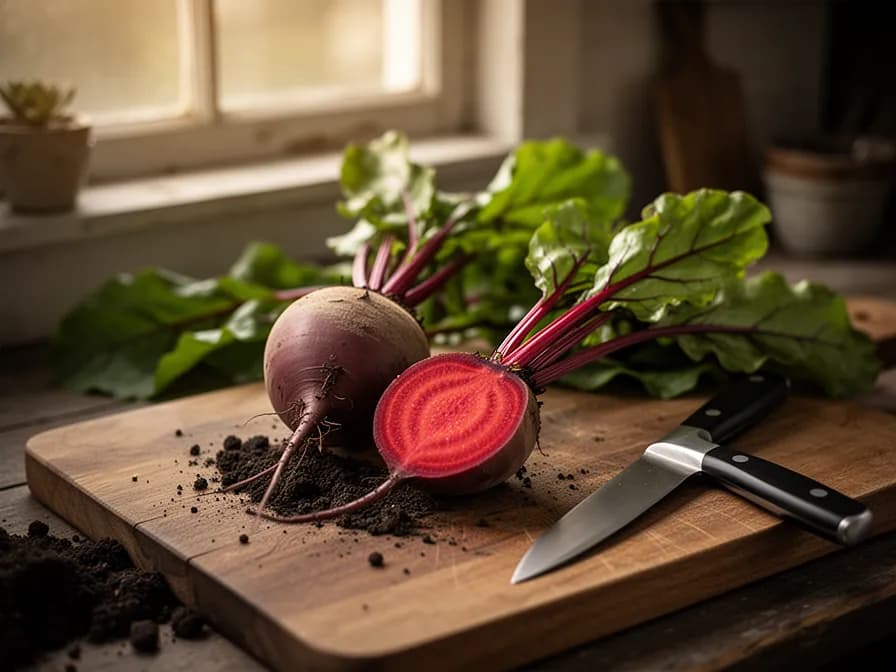
Harvest beets when roots are 5-7 cm (2-3 inches) in diameter for the most tender, sweet flavor — larger beets become woody and fibrous. Baby beets can be harvested at 3-4 cm for a delicate, gourmet treat. Gently loosen soil with a fork and pull roots, being careful not to damage them as wounded beets bleed their red juice and do not store well. Leave 2-3 cm of stem attached to prevent bleeding during cooking.

Beet greens can be harvested individually throughout the season by cutting outer leaves at the base — take no more than a third of the foliage at once so the root continues developing. The greens are richest in vitamins A, C, and K when young and tender, before leaves exceed 15 cm in length. Use scissors or a sharp knife to make clean cuts, which heal faster and reduce the risk of disease entering through ragged wounds.

Fall-harvested beets are sweeter, as cool temperatures convert starches to sugars — a light frost actually intensifies their sweetness without damaging roots still in the ground. To extend the harvest window, mulch fall beets with 15-20 cm of straw before hard freezes arrive, and dig roots as needed through early winter. In mild climates (zones 8-10), beets can be overwintered in the ground under mulch and harvested fresh throughout the cold months.

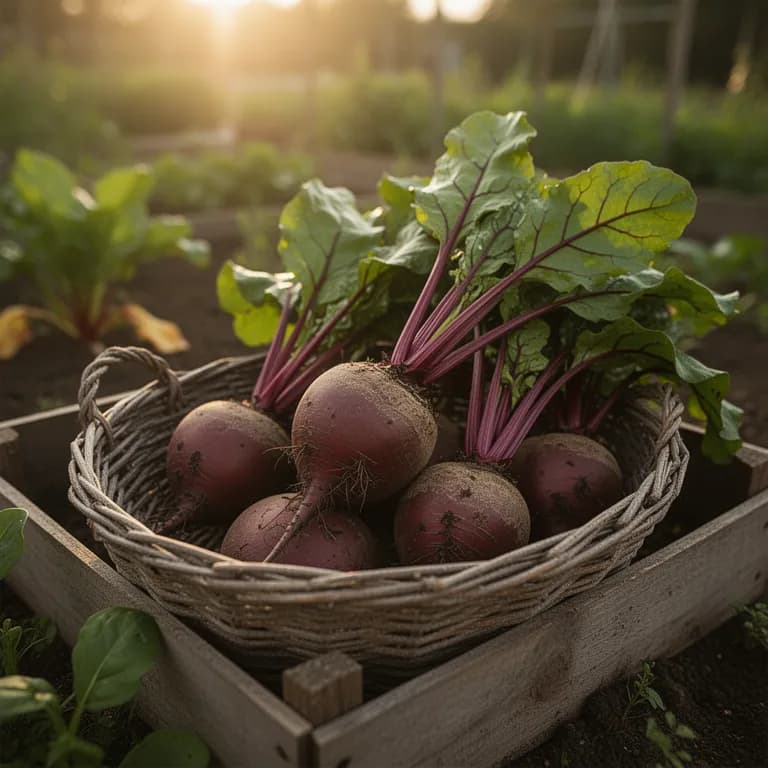
Freshly harvested beets with greens attached
Harvest when roots are 5-7 cm in diameter for best tenderness
Never miss the window

We count the days and tell you when to pick

Tell us when you planted and PlotMyGarden tracks the 55-day countdown to harvest, then pings you the day your Beet is ready.

Harvest trackercounting from planting
When did you plant?
Started from
55days until harvest
Right now: Seed Germination0%
PlantedJun 15, 2024
Harvest windowAug 9, 2024Aug 29, 2024
55d
Pick byAug 29, 2024
On track — harvest around Aug 9, 2024Track my harvest — start free trial

Storage & Preservation

Remove greens immediately after harvest (leaving 2-3 cm of stem) to prevent them from drawing moisture from roots. Store unwashed beets in a perforated plastic bag in the refrigerator for 2-3 weeks, or layer in damp sand in a root cellar at 0-4°C (32-40°F) for 4-5 months. Do not wash beets before storage — soil residue acts as a natural protective barrier. Trim the taproot but leave it intact to prevent moisture loss through the wound.

For freezing, cook beets until tender, slip off skins, dice or slice, and freeze in a single layer on baking sheets before transferring to freezer bags for up to 12 months. Beets are excellent for water-bath canning as pickled beets in a vinegar brine — follow tested recipes to ensure proper acidity for safe preservation. Pressure canning is required for plain (non-pickled) beets at 10 PSI for 30 minutes for pint jars.

Dehydrate cooked, sliced beets at 52°C (125°F) for 8-12 hours for beet chips that store in airtight containers for months. Fermented beet kvass is a traditional Eastern European probiotic-rich tonic made by fermenting cubed beets in salted water for 2-3 days at room temperature. Beet greens can be blanched and frozen separately, or dried and crumbled into soups and stews for a nutrient boost throughout the winter.

09 · Pests

What goes wrong — and the fix

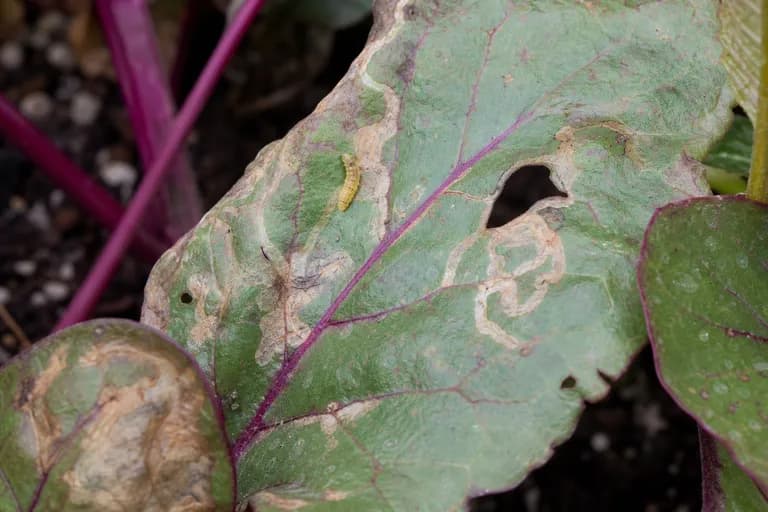
Leaf Miner

Pest

Tan, papery, winding trails visible within leaves where larvae tunnel between leaf surfaces. Heavily mined leaves become brown and papery. Root development slows as photosynthetic capacity is reduced.

Prevention Cover beds with floating row covers at planting to exclude the adult flies that lay eggs on leaves. Remove and destroy mined leaves promptly. Clean up crop debris where pupae overwinter.
Fix: Crush larvae within their leaf mines by squeezing the leaf between fingers. Remove heavily mined leaves. Neem oil spray deters adult flies from laying eggs. Spinosad is effective against larvae if applied when mines are first noticed.

Cercospora Leaf Spot

Disease

Small circular spots with gray-brown centers and dark purple-red borders on leaves. Spots may coalesce and cause extensive leaf death. Reduces root size due to lost photosynthetic area.

Prevention Plant resistant varieties. Maintain proper spacing for air circulation. Avoid overhead watering. Practice 3-year crop rotation away from beets and Swiss chard (same species). Remove crop debris after harvest.
Fix: Apply copper-based fungicide at the first sign of spots, repeating every 7-10 days during warm, humid weather. Remove and destroy heavily infected leaves. Improve air circulation by thinning plants and weeding.

Flea Beetle

Pest

Tiny round holes peppered across leaves by small, jumping black beetles. Seedlings are most vulnerable — heavy feeding can kill young plants. Mature plants tolerate moderate damage without significant yield loss.

Prevention Use floating row covers over seedbeds. Interplant with taller crops to provide partial shade. Maintain weed-free borders where beetles overwinter. Plant slightly later when beetle pressure has decreased.
Fix: Apply diatomaceous earth to dry foliage. Neem oil or kaolin clay spray deters feeding. Spinosad is effective for heavy infestations. Established plants usually outgrow flea beetle damage without intervention.

Troubleshooting Common Problems

White internal rings (zoning) in beet roots are caused by fluctuating soil moisture and temperature — maintain consistent watering and mulch to moderate conditions. Black, corky spots inside roots indicate boron deficiency — apply borax to soil before planting. Small or flat roots result from overcrowding, insufficient thinning, or compacted soil. Always thin seedlings to 8-10 cm apart when they reach 5 cm tall, even though it feels wasteful — the thinnings make excellent salad greens.

Beets that bolt and go to seed prematurely are responding to prolonged cold exposure (vernalization) followed by warming — avoid exposing young plants to temperatures below 4°C (40°F) for more than 2 weeks. Late spring sowings are less prone to bolting than very early ones. If a beet does bolt, the root becomes woody and inedible, but the flowering stalk can be left for pollinators or cut back immediately in hopes the root remains usable for greens.

Pale greens with reddish edges may indicate phosphorus deficiency — apply bone meal or rock phosphite to the soil. Damping off kills seedlings at the soil line in cold, wet conditions — ensure good drainage and avoid overwatering during germination. Leaf scorch (brown, dry leaf margins) usually signals potassium deficiency or inconsistent watering during hot weather. If roots taste earthy or muddy, the compound geosmin is responsible — this is natural and more pronounced in some varieties, but thorough washing and roasting can reduce the intensity.

Growing Tips

  1. Beets are cool-season crops that prefer temperatures between 10-21°C (50-70°F). They tolerate light frost and actually taste sweeter after exposure to cold — plant in early spring and again in late summer for the best results.
  2. Soak beet seed clusters in warm water for 24 hours before planting. Each 'seed' is actually a cluster of 2-4 seeds fused together, so soaking softens the corky coating and dramatically speeds germination from 2-3 weeks down to 5-10 days.
  3. Thinning is non-negotiable. Because multiple seedlings emerge from each seed cluster, you must thin to 8-10 cm (3-4 inches) apart when seedlings are 5 cm tall. Crowded beets produce small, flat, misshapen roots. Eat the thinnings as microgreens.
  4. Soil pH matters more for beets than almost any other vegetable. They strongly prefer slightly alkaline soil (pH 6.5-7.5) and perform poorly in acidic conditions below 6.0. Test your soil and apply lime if needed before planting.
  5. Consistent moisture is the single most important factor for quality beet roots. Fluctuating soil moisture causes white internal zoning rings and tough, woody texture. Water 2.5 cm per week and mulch to maintain even moisture levels.
  6. Boron deficiency causes black, corky spots inside beet roots (internal black spot) that make them inedible. If this has been a problem, apply 1 tablespoon of borax per 30 square meters of garden bed before planting.
  7. For succession harvests throughout the season, sow a new short row every 3 weeks from early spring through midsummer, then again in late summer for fall crops. This ensures a steady supply of tender, young beets rather than one overwhelming glut.
  8. Beets make excellent container crops — use containers at least 25 cm (10 inches) deep with good drainage. Round varieties like Detroit Dark Red work better in containers than long cylindrical types like Cylindra, which need deeper soil.
10 · Varieties

Pick your Beet

Detroit Dark Red

The classic garden beet with deep crimson flesh, smooth round shape, and excellent sweet flavor. 55-60 days to maturity. Very reliable and widely adapted. Excellent for canning, roasting, and fresh eating.

ADvia AmazonShop seeds

Chioggia

An Italian heirloom with stunning concentric red and white rings inside when sliced raw. Mild, sweet flavor. 55 days. The rings fade when cooked, so best enjoyed raw in salads for maximum visual impact.

ADvia AmazonShop seeds

Golden (Burpee's Golden)

A beautiful golden-orange beet that does not bleed or stain like red varieties. Mild, sweet flavor with tender greens. 55 days. Germinates more slowly than red types — be patient and keep soil moist.

ADvia AmazonShop seeds

Bull's Blood

Grown primarily for its dramatic deep burgundy-red leaves that are beautiful in salads and as an ornamental. Roots are tender and sweet. 35 days for greens, 55 for roots. Double-duty variety.

ADvia AmazonShop seeds

Cylindra (Formanova)

A Danish variety producing long, cylindrical roots rather than globes, yielding uniform slices when cut. 60 days. Grows up to 20 cm long. Excellent flavor and easy to slice for pickles and canning.

ADvia AmazonShop seeds
Why Grow Your Own?

A packet of beet seeds costs $2-4 and contains 100-200 seeds — enough to plant a 10-meter row producing 15-20 kg of roots worth $30-60 at organic grocery prices. Beets are one of the best value crops for home gardeners because you harvest both roots and greens (effectively two vegetables from one planting), and they store for months in a root cellar without any processing or energy cost.

11 · Recipes

Quick recipes

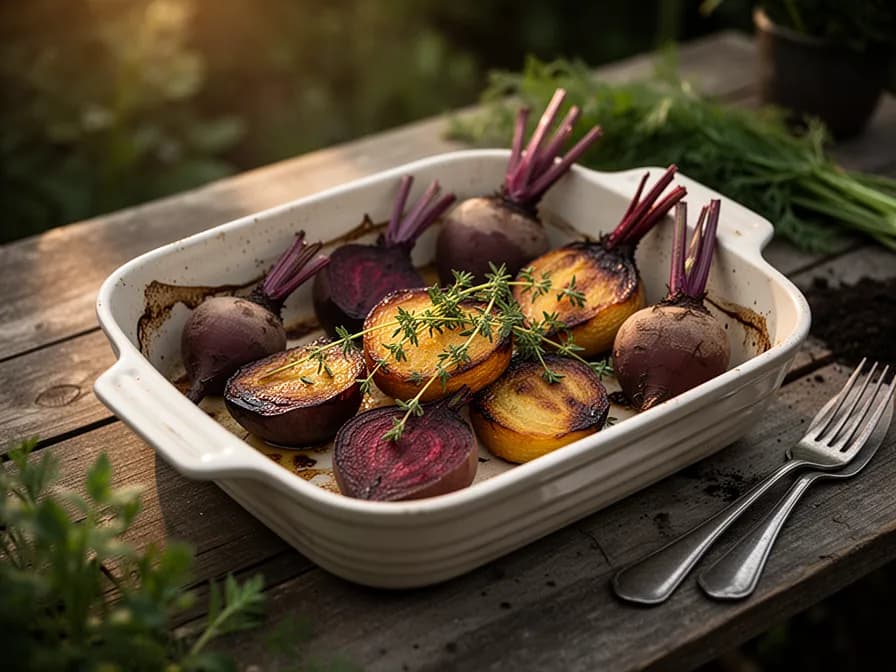
Classic Roasted Beets

Classic Roasted Beets

60 min

The simplest way to enjoy beets at their earthy, sweet best. Wrapped in foil and roasted until tender, the skins slip off easily and the natural sugars caramelize beautifully. Serve warm with goat cheese and a drizzle of balsamic, or chill for salads.

7 ingredients

Quick Pickled Beets

30 min + cooling

A tangy, vibrant condiment that transforms sandwiches, salads, and grain bowls. These refrigerator pickles are ready in hours and keep for weeks. The beautiful magenta brine can even be used to pickle eggs for a stunning appetizer.

8 ingredients
Traditional Borscht

Traditional Borscht

90 min

The iconic Eastern European beet soup, hearty enough for a full meal. A rich, ruby-red broth loaded with tender beets, potatoes, and cabbage, finished with a generous dollop of sour cream. Each spoonful delivers warmth and deep, complex flavor.

10 ingredients

Culinary Uses

Beets are incredibly versatile — roast them at 200°C (400°F) wrapped in foil to concentrate their earthy sweetness, boil and slice for salads, pickle in vinegar for a tangy condiment, grate raw into slaws, or blend into smoothies and juices. Classic dishes include borscht (Eastern European beet soup), beet salads with goat cheese and walnuts, and the Scandinavian gravlax cure that uses grated beet. The natural red pigment (betacyanin) also makes beets a popular natural food coloring for pasta, baked goods, and even red velvet cake.

Beets pair beautifully with goat cheese, citrus, arugula, horseradish, dill, cumin, and balsamic vinegar. Different varieties offer distinct culinary experiences: golden beets have a milder, less earthy flavor ideal for salads where staining is unwanted, while Chioggia beets display stunning candy-striped rings when sliced raw. Beet greens are a nutritional powerhouse — saute them with garlic and olive oil as you would Swiss chard, or add young leaves raw to salads for a mild, spinach-like flavor.

Cooking tip: Beets contain betalains — powerful antioxidant pigments with anti-inflammatory properties — that are partially destroyed by extended cooking. For maximum nutritional benefit, steam beets for 15 minutes or roast them rather than boiling, which leaches nutrients into the water. The naturally occurring nitrates in beets convert to nitric oxide in the body, which is why beet juice has become popular among athletes for its potential to improve blood flow and exercise performance.

12 · Nutrition

What's inside

Per 100g serving
43
Calories
Vitamin C4.9mg (5% DV)
Vitamin A33 IU (1% DV)
Potassium325mg (9% DV)
Fiber2.8g (11% DV)

Health Benefits

  • Dietary nitrates in beets convert to nitric oxide in the body, which dilates blood vessels, lowers blood pressure, and improves oxygen delivery to muscles — multiple studies show beet juice can improve athletic endurance by 1-3%.
  • Betalains (the red pigments in beets) are powerful antioxidants with demonstrated anti-inflammatory properties. Research suggests they may help protect against oxidative stress and support the body's Phase 2 detoxification pathways in the liver.
  • One cup of cooked beets provides 34% of the daily value for folate — a B-vitamin essential for DNA synthesis, cell division, and neural tube development during pregnancy.
  • Beet fiber (2.8g per 100g) supports digestive health by feeding beneficial gut bacteria and promoting regular bowel movements. The combination of soluble and insoluble fiber helps maintain healthy cholesterol levels.
  • Beet greens are a nutritional powerhouse in their own right — one cup provides over 200% of the daily value for vitamin K (bone health and blood clotting), plus significant amounts of vitamins A and C, iron, and calcium.
  • The natural betaine in beets supports liver function and may help reduce the accumulation of fat in the liver. Betaine also plays a role in reducing homocysteine levels, an amino acid linked to increased heart disease risk.
13 · History

Where Beet comes from

The wild ancestor of the modern beet, Beta vulgaris subsp. maritima (sea beet), still grows along the coastlines of Europe, North Africa, and western Asia. This scraggly coastal plant with thin, tough roots bears little resemblance to the plump garden beet we know today. Ancient civilizations first cultivated sea beet for its leaves rather than its roots — the Babylonians, Egyptians, and Greeks all grew leafy beet varieties around 2,000 BCE that were essentially the ancestors of modern Swiss chard.

It was the Romans who first began selecting beets for larger roots, though these early root beets were long and turnip-shaped rather than round. The round, red beet we recognize today was not developed until the 16th and 17th centuries in Germany and Italy through selective breeding. The deep red pigmentation (betacyanin) that defines modern beets was gradually intensified through generations of selection. By the 1800s, beets had become a staple root vegetable across Europe, and European settlers brought them to the Americas.

The beet family underwent a dramatic expansion in the 18th century when a Prussian chemist discovered that beet roots contained sucrose identical to cane sugar. This discovery, championed by Napoleon during the Continental Blockade against Britain, gave rise to the sugar beet industry that now supplies roughly 20% of the world's sugar. Today, garden beets, sugar beets, Swiss chard, and leafy beet greens are all cultivated forms of the same species, Beta vulgaris — a testament to the remarkable diversity that selective breeding can produce from a single wild plant.

14 · Did you know?

Beet: did you know?

Fascinating facts about Beet

Beet juice has been used as a natural dye for thousands of years — the ancient Romans used it to color food and fabric, and it remains a popular natural food coloring (labeled E162 or 'beetroot red') in the modern food industry.

15 · FAQ

Beet questions, answered

When should I plant Beet?
Plant Beet in March, April, May, August, September. It takes approximately 55 days to reach maturity, with harvest typically in June, July, August, October, November.
What are good companion plants for Beet?
Beet grows well alongside Onion, Lettuce, Cabbage, Garlic. Companion planting can improve growth, flavor, and natural pest control.
What hardiness zones can Beet grow in?
Beet thrives in USDA hardiness zones 2 through 11. With greenhouse protection, it may be grown in zones 1 through 12.
How much sun does Beet need?
Beet requires Full Sun (6-8h+). This means at least 6-8 hours of direct sunlight daily.
How far apart should I space Beet?
Space Beet plants 10cm (4 inches) apart for optimal growth and air circulation.
What pests and diseases affect Beet?
Common issues include Leaf Miner, Cercospora Leaf Spot, Flea Beetle. Prevention through good garden practices like crop rotation, proper spacing, and companion planting is the best approach. See the detailed pests and diseases section above for symptoms, prevention, and treatment for each.
How do I store Beet after harvest?
Remove greens immediately after harvest (leaving 2-3 cm of stem) to prevent them from drawing moisture from roots. Store unwashed beets in a perforated plastic bag in the refrigerator for 2-3 weeks, or layer in damp sand in a root cellar at 0-4°C (32-40°F) for 4-5 months. Do not wash beets before st...
What are the best Beet varieties to grow?
Popular varieties include Detroit Dark Red, Chioggia, Golden (Burpee's Golden), Bull's Blood, Cylindra (Formanova). Each has unique characteristics suited to different growing conditions and culinary preferences. See the varieties section above for detailed descriptions.
What soil does Beet need?
Beets prefer loose, deep, well-drained soil with a pH of 6.5-7.5 — they are one of the few crops that thrive in slightly alkaline conditions. Test soil pH and apply lime if below 6.5, as acidic soil causes stunted growth and tough roots with dark internal zoning. Work in 5-8 cm of compost and a bala...
Why do my beets have white rings inside when I cut them open?
White internal rings (called zoning) are caused by fluctuating soil moisture and temperature during the root-bulking phase. When growing conditions alternate between wet and dry, or hot and cool, the root develops alternating layers of different density and color. Prevent this by watering consistently (2.5 cm per week), mulching to moderate soil temperature, and harvesting during cooler weather. Fall beets are less prone to zoning than summer ones.
Can I eat beet greens, and are they nutritious?
Absolutely — beet greens are not only edible but are a nutritional powerhouse containing more vitamins and minerals than the roots themselves. One cup of cooked beet greens provides over 200% of the daily value for vitamin K, plus significant amounts of vitamins A and C, iron, and calcium. Use them exactly as you would Swiss chard (they are the same species) — saute with garlic and olive oil, add young leaves to salads, or blend into smoothies.
Why are my beets small and flat instead of round?
Small, flat beets are almost always caused by overcrowding — each beet seed cluster produces multiple seedlings that compete for space if not thinned. Thin to 8-10 cm apart when seedlings are 5 cm tall. Other causes include compacted or rocky soil (loosen to 30 cm depth), insufficient sunlight (beets need at least 6 hours of direct sun), or acidic soil below pH 6.0. Amend heavy soils with compost and sand.
How do I prevent my beets from tasting 'earthy' or like dirt?
The earthy flavor comes from a compound called geosmin, which is produced by soil microorganisms and absorbed by beet roots. Some people are more sensitive to it than others. To reduce earthiness: peel beets before cooking, roast at high heat (which breaks down geosmin), add acid like vinegar or citrus juice, or try golden beet varieties which tend to have a milder, sweeter flavor with less earthiness than red types.
Can I grow beets in containers or raised beds?
Yes, beets are excellent container crops. Use containers at least 25 cm (10 inches) deep with drainage holes and a quality potting mix amended with compost. Round varieties like Detroit Dark Red are better suited to containers than long types like Cylindra. In raised beds, beets are even easier to grow because you control the soil depth, drainage, and pH. Space plants 8-10 cm apart in all directions for a block planting that maximizes yield.
When should I plant beets for a fall harvest?
Count backwards 8-10 weeks from your first expected fall frost date — that is your ideal fall sowing date. In most zones, this means sowing between mid-July and late August. Fall beets are often sweeter and more flavorful than spring ones because they mature in cooling weather that converts starches to sugars. A light frost actually intensifies sweetness. Mulch heavily with straw before hard freezes to extend the harvest well into winter.
Why gardeners switch

You just read the theory. Now grow it on autopilot.

Everything that makes Beet fiddly — the timing, the spacing, the companions, the harvest window — is exactly what PlotMyGarden handles for you, for every plant in your garden.

A plan that knows your weather

Set your location once. Get sow, feed and harvest dates built around your real last-frost date and live forecast — no more guessing from a generic seed packet.

From the “When to plant” section

Drag-and-drop bed planner

Design beds on a grid. Every plant snaps to its proper spacing, and you can see your whole season laid out before you spend a cent on seed.

From the “Growing guide” section

Companion conflicts, caught early

200+ good-and-bad pairings checked live as you plant — so a season-wrecking mistake never makes it into the ground.

From the “Companions” section

Reminders you'll actually act on

“Water the beans.” “Pick today before it turns.” Timely, specific, and tied to the plants you're really growing.

From the “Harvest” section

Succession, scheduled

Want a harvest for six weeks, not six days? It spaces your sowings automatically and reminds you when each new block is due.

From the “When to plant” section

A record that gets smarter

Every harvest you log teaches it your garden. Next year's plan starts from what actually worked in your soil, not a textbook's.

From the “Overview” section
Companion crops

Plant these alongside Beet

Keep growing

More Root Vegetables

Keep apart

Keep Beet away from these

Your garden, planned in an afternoon

Grow your best Beet yet — and everything around it.

Start a free plan today. Lay out your beds, drop in your Beet, and let PlotMyGarden handle the timing, spacing, companions and reminders from seed to harvest basket.

Free 7-day trial — no card required
Plan unlimited beds & plants
Weather-aware reminders
Cancel in one click, anytime