Peas
A cool-season legume that fixes nitrogen in the soil and produces sweet, tender pods on climbing vines.





On this pageOverview
Meet Peas
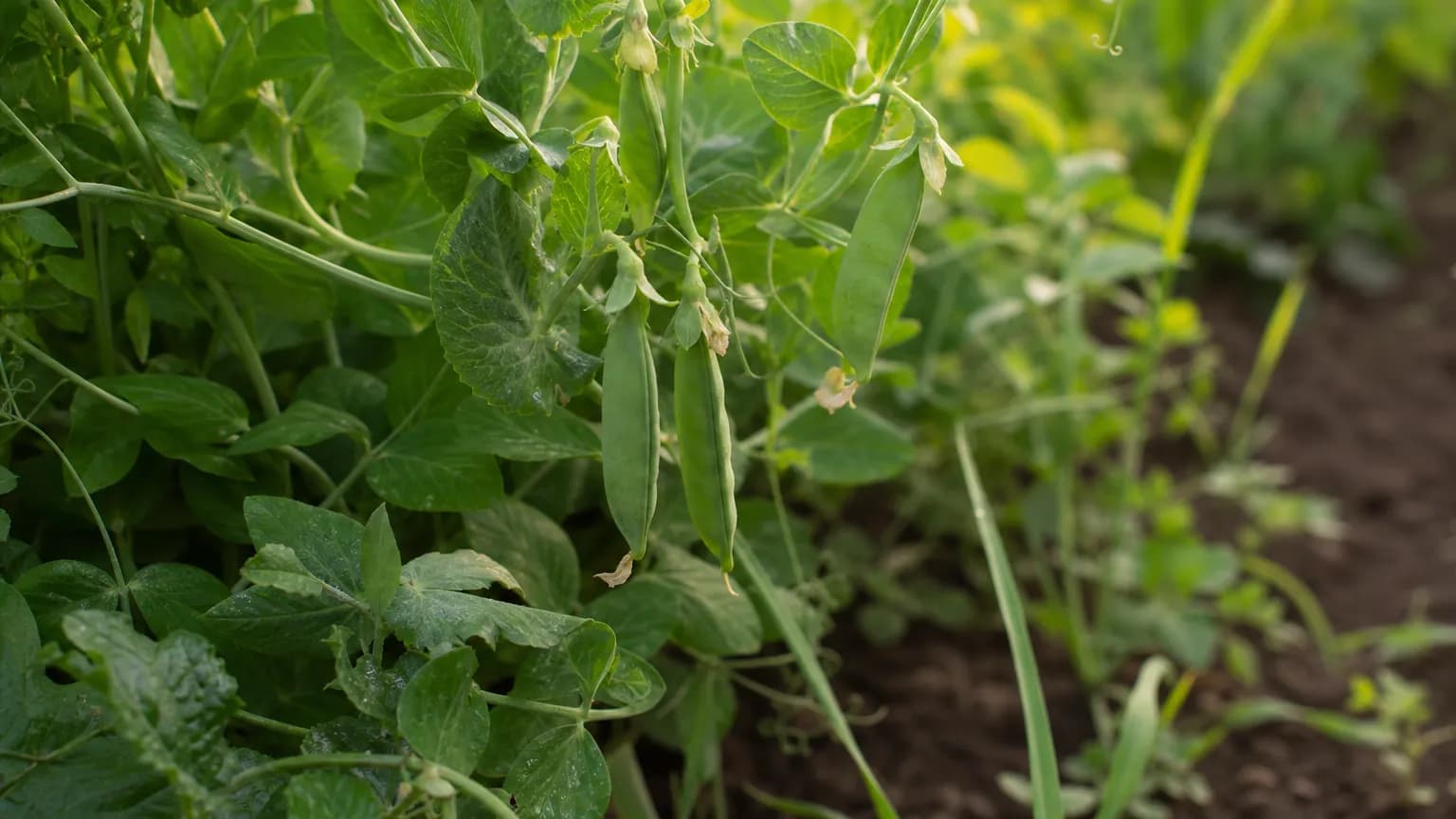
A cool-season legume that fixes nitrogen in the soil and produces sweet, tender pods on climbing vines. Provide a trellis, fence, or netting at planting time for climbing varieties to cling to with their tendrils. Sow seeds directly into the ground as soon as soil can be worked in early spring since peas tolerate light frost. Pick pods frequently when they are plump but still bright green to encourage continued production and prevent tough, starchy peas.
When to plant Peas
Peas are best direct-sown into the garden, as they dislike root disturbance, grow rapidly in cool soil, and gain nothing from an indoor head start. Sow seeds 2.5 cm (1 inch) deep and 5-8 cm apart as soon as the ground can be worked in late winter or early spring — peas are among the very first crops to go into the garden each year. Seeds germinate (slowly) in soil as cool as 4°C (40°F), but 10-16°C (50-60°F) produces faster, more uniform emergence.
Soaking seeds overnight in room-temperature water before planting speeds germination by 2-3 days and improves overall germination rates, especially in cool soil. After soaking, drain seeds and dust them with pea-specific Rhizobium inoculant powder — this introduces the beneficial nitrogen-fixing bacteria that colonize the roots and form the nodules that allow peas to manufacture their own nitrogen.
For an extended harvest in regions with long, cool springs, make succession plantings every 2-3 weeks from early spring through mid-spring. For fall crops, direct-sow 8-10 weeks before the first expected frost — fall peas often encounter pest and disease pressure from summer, so choose resistant varieties.
Indoor starting is generally unnecessary and often counterproductive for peas, but if your spring soil is persistently wet, start seeds in biodegradable peat pots 2-3 weeks before outdoor planting. Transplant the entire pot without disturbing roots — pea roots are brittle and do not recover well from disturbance.
Your Peas Year
Composed for Zone 7 · typical seasons · frost passes Apr 2, returns Nov 1
Plant Peas Feb – Apr, pick May – Jul. Check the planting methods below and set your climate to personalize these windows.
How to grow Peas
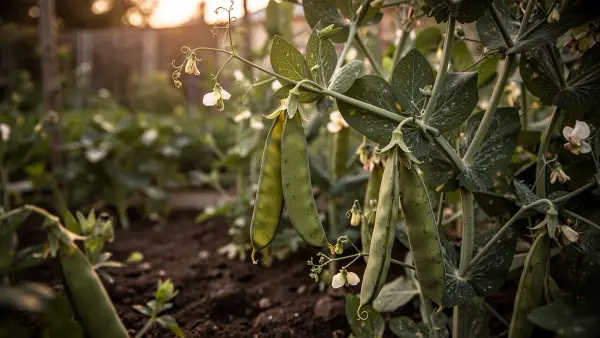
Peas are a cool-season crop that thrives when planted early in the season, as soon as the soil can be worked and temperatures are consistently above 4°C (40°F). Prepare beds by loosening soil to a depth of 15-20 cm and working in a light application of compost — avoid heavy nitrogen fertilization since peas fix their own nitrogen through symbiotic root bacteria (Rhizobium). Inoculate seeds with a pea-specific rhizobium inoculant at planting time for best results, especially in beds that have not grown legumes recently. Sow seeds 2.5 cm (1 inch) deep and 5-8 cm apart in double rows spaced 15 cm apart.
Install trellising, netting, or pea sticks at planting time so climbing varieties can attach their tendrils as they grow. Bush types still benefit from low support to keep pods off the ground and improve air circulation. Water consistently but moderately — peas dislike waterlogged soil but need steady moisture during flowering and pod development.
Mulch around plants with straw or shredded leaves to keep roots cool as temperatures rise. Peas stop producing once heat arrives, so succession-plant every two weeks in spring for an extended harvest. For fall crops, sow 8-10 weeks before the first expected frost. After harvest, cut plants at soil level and leave the nitrogen-rich roots in the ground to benefit the next crop.
450 plants fit a 4 × 8 ft bed
Each Peas wants 8 cm of elbow room. The planner keeps that spacing for you — every plant, every bed.
Peas's best neighbours
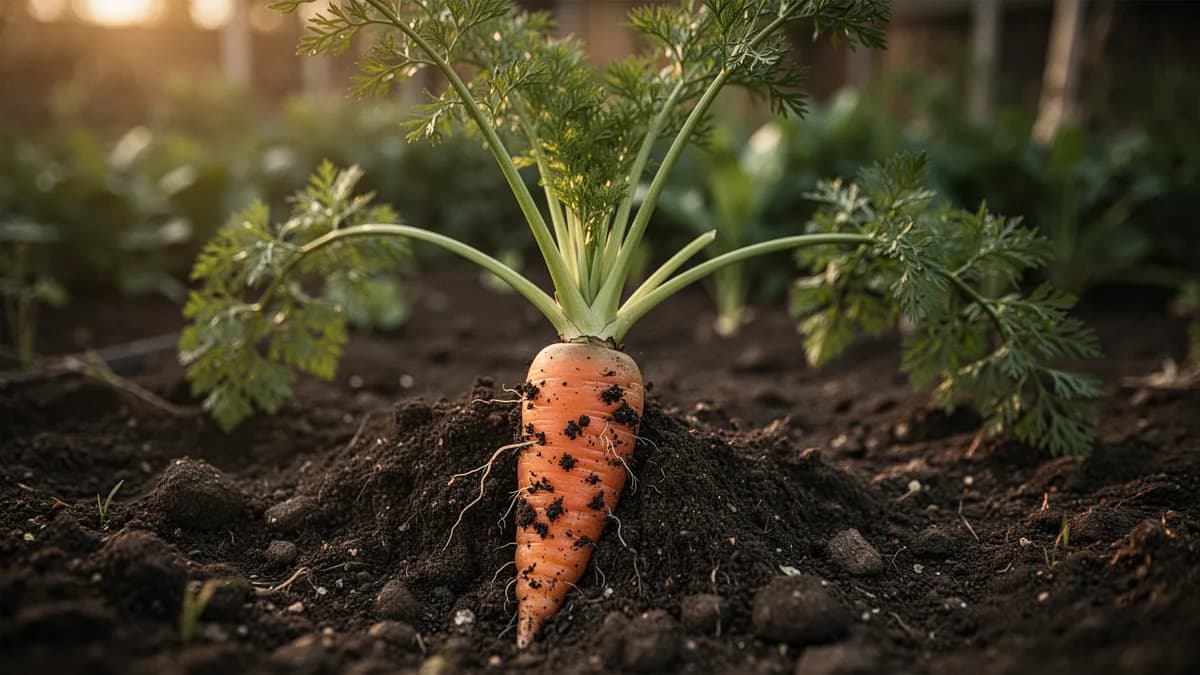
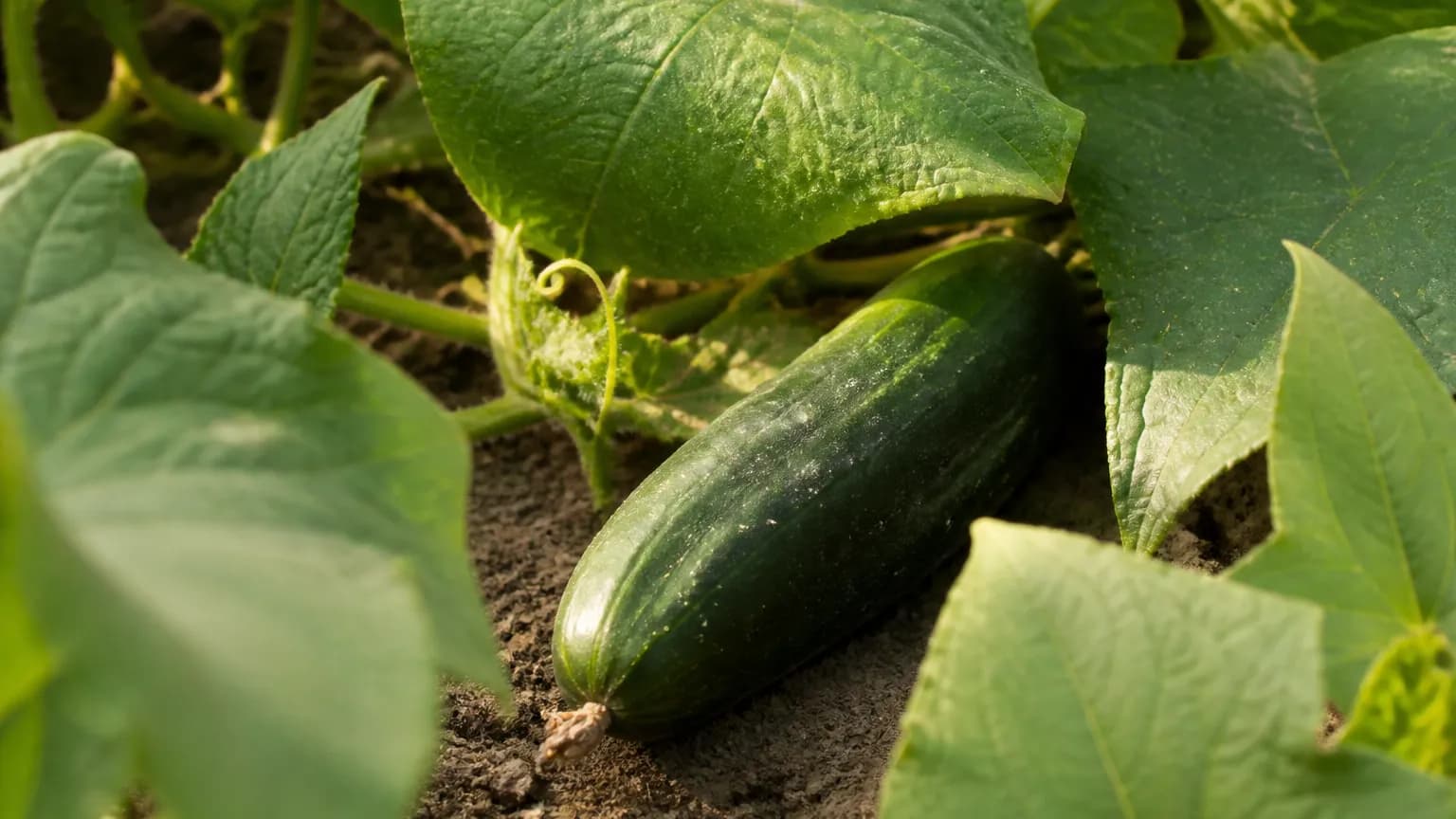
Peas and carrots are one of gardening's most classic companion pairings, and the partnership is genuinely synergistic. Peas fix atmospheric nitrogen through their root nodule bacteria, enriching the soil for the nitrogen-hungry carrots growing alongside them. In return, carrots' deep taproots loosen and aerate the soil, improving drainage around pea roots. The two crops occupy different soil layers and don't compete for space or light.
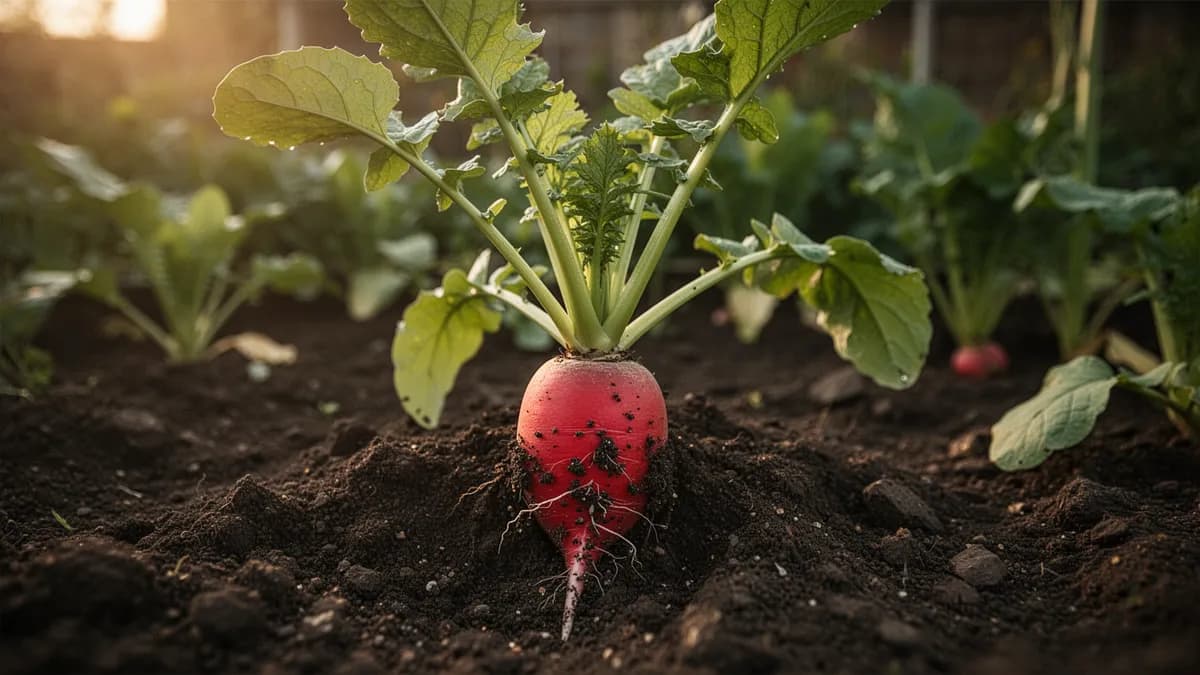
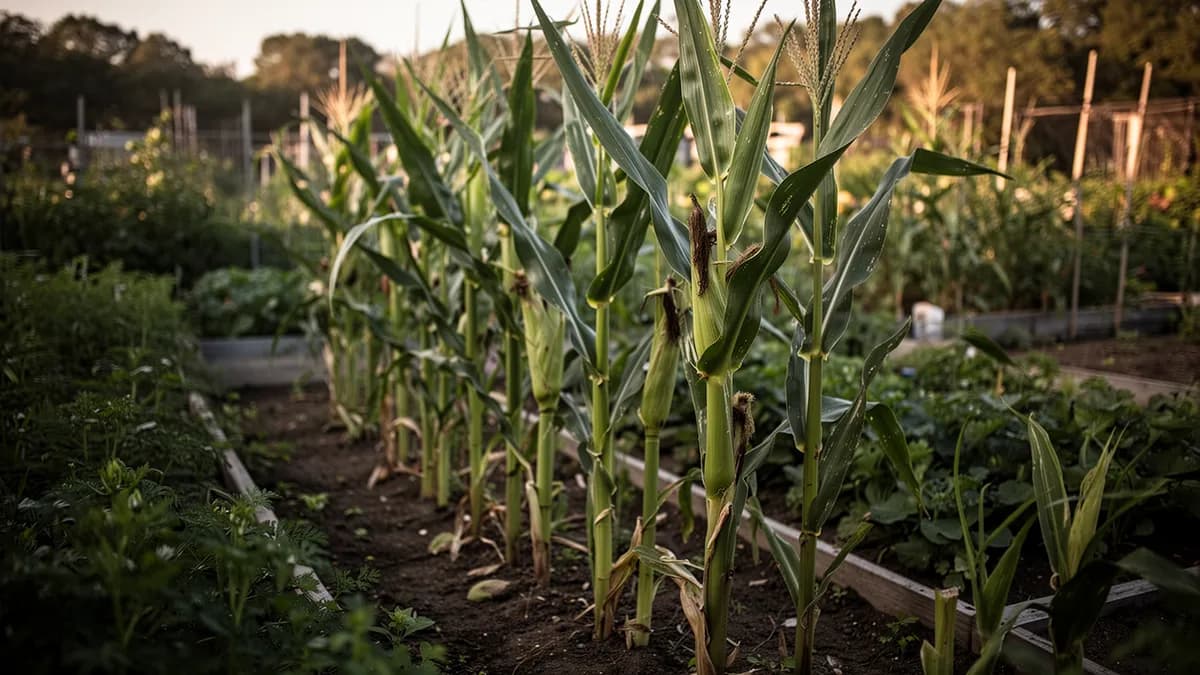
Radishes are excellent interplanting partners for peas because they germinate and mature quickly (25-30 days), occupying space between pea plants that would otherwise be bare during the early establishment phase. Lettuce, spinach, and other cool-season greens work similarly as understory companions. Corn stalks provide natural trellising for climbing pea varieties in the 'Three Sisters' companion planting tradition.
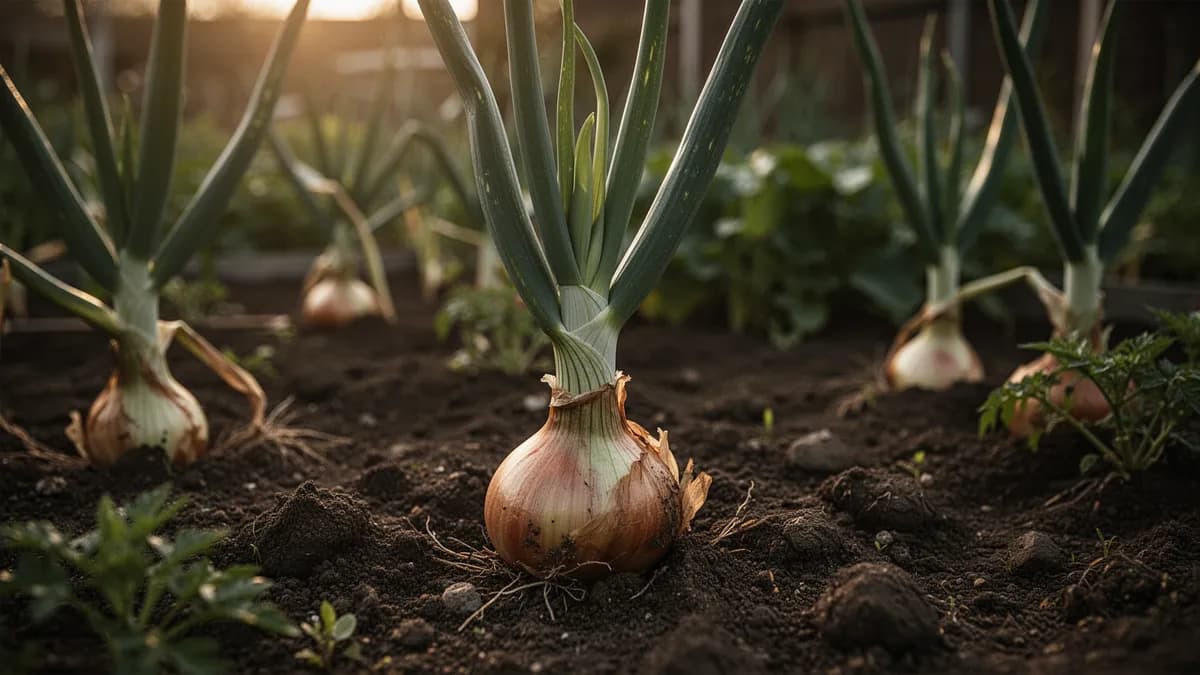
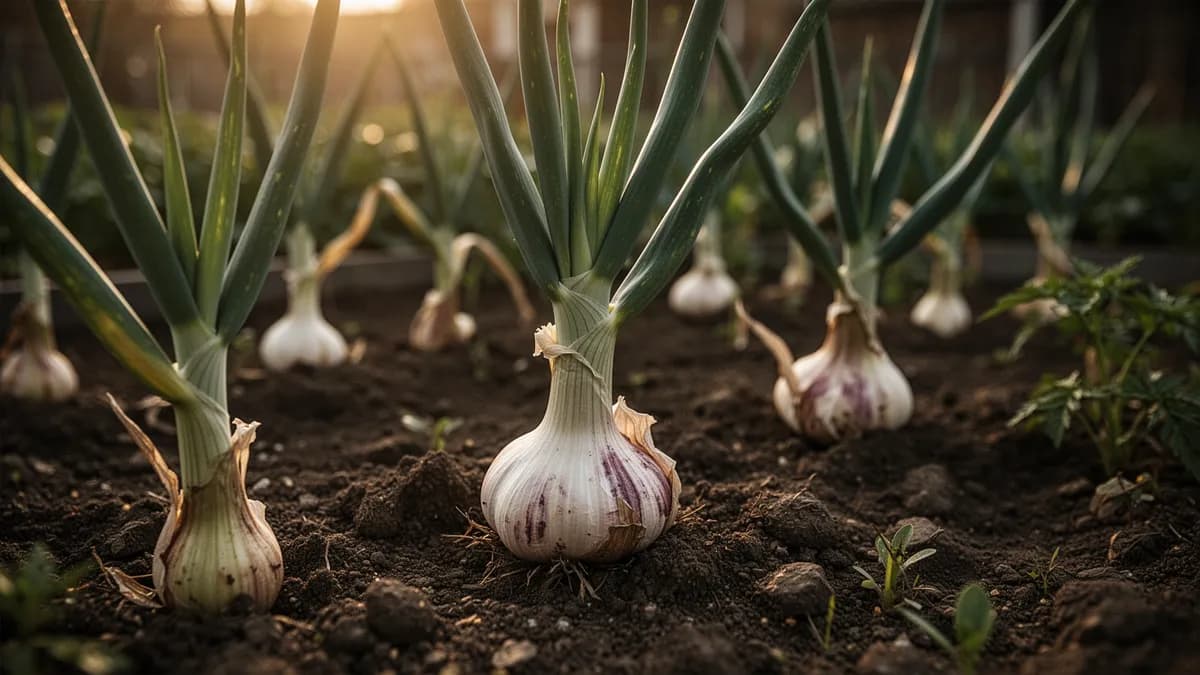
Avoid planting peas near any alliums — onions, garlic, shallots, leeks, and chives all release sulfur compounds from their roots that actively inhibit the Rhizobium bacteria essential for pea nitrogen fixation. This biochemical incompatibility is well-documented and reduces both pea vigor and pod yield significantly. Keep at least 1-2 meters between pea beds and allium beds. Fennel should also be avoided, as it produces allelopathic root exudates that inhibit the growth of many neighboring plants.
Carrot belongs beside it. Onion doesn't.
Old growers' knowledge, checked against Peas's real companion table below — test any plant you're growing.
Try Peas in a bed — right here
A real planner bed with Peas already in it. Tap a companion to place it and watch the pairing checks answer — green for good neighbours, red for a clash.


Related growing guides
Feed it well
Peas prefer well-drained, loamy soil with a pH of 6.0-7.5 and moderate organic matter content. They perform poorly in heavy clay, waterlogged conditions, or compacted soil where their shallow root system cannot establish properly. Unlike most vegetables, peas are nitrogen-fixers — symbiotic Rhizobium bacteria in their root nodules convert atmospheric nitrogen into plant-available forms, making peas largely self-sufficient for nitrogen. This remarkable ability means that excessive nitrogen fertilizer is actually counterproductive: it inhibits nodule formation, encourages excessive leafy growth at the expense of pod production, and wastes money on a nutrient the plant can manufacture itself.
Prepare pea beds by working 5-8 cm of aged compost into the top 15-20 cm of soil. This provides adequate phosphorus, potassium, and micronutrients without the nitrogen overload. At planting time, apply a low-nitrogen fertilizer such as 5-10-10 or bone meal to support root development and flowering. Inoculate seeds with pea-specific Rhizobium inoculant powder before sowing, especially in beds that have not grown legumes in the past 3 years — this ensures the beneficial bacteria are present to colonize the roots and form the nitrogen-fixing nodules that both feed the pea plant and enrich the soil for subsequent crops.
A light side-dressing of wood ash or kelp meal when plants begin flowering provides potassium for pod filling without adding unwanted nitrogen. Avoid fresh manure, which burns delicate pea roots, introduces weed seeds, and provides far too much nitrogen. After the pea crop is finished, cut vines at soil level and leave the nitrogen-rich root nodules in the ground to decompose — this free nitrogen boost benefits whatever crop follows. This is why peas are such valuable rotation partners, particularly before heavy feeders like brassicas, corn, or squash that thrive on the nitrogen peas leave behind.
Ideal Temperature
Hardiness Zone Compatibility
From seed to harvest, stage by stage
Seed Germination
Pea seeds are large and wrinkled (sweet varieties) or smooth (starchy types). Germination occurs in 7-14 days in cool soil (4-10°C) or 5-7 days in warmer soil (10-16°C). The seed swells, cracks open, and sends a root downward while the shoot pushes toward the surface.
Seedling Emergence
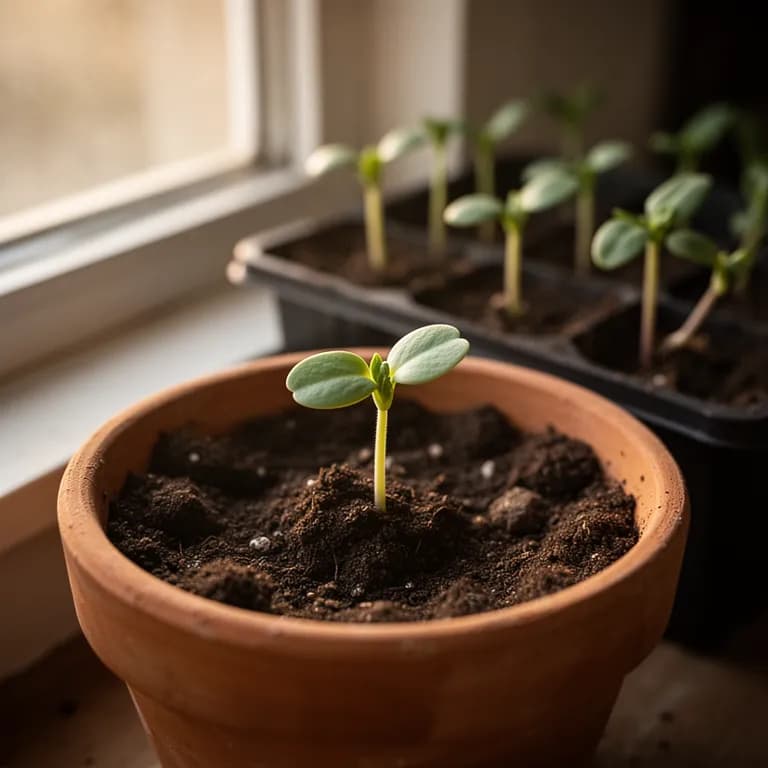
Seedlings emerge with a hooked stem that straightens as first true leaves unfold. Tendrils appear almost immediately. Early growth is concentrated below ground as roots establish and Rhizobium bacteria begin colonizing to form nitrogen-fixing nodules.
Vegetative Growth & Climbing
Vines grow rapidly, climbing support via spiraling tendrils. Root nodules actively fix atmospheric nitrogen, visible as small white or pink lumps on the roots. Bush varieties reach 45-75 cm; climbing types continue to 150-240 cm.
Flowering
Pea flowers appear at leaf nodes, working from the bottom up. Most garden pea flowers are white, though some produce purple or bicolored blooms. Peas are largely self-pollinating — each flower pollinates itself before fully opening.
Pod Development
Pods develop rapidly from each flower. Snow pea pods reach harvest size while flat; snap peas fill to plumpness with thick edible walls; shell pea pods swell as peas enlarge. Pod development accelerates in warm weather but flavor peaks in cool conditions.
Harvest & Decline
Peak harvest lasts 2-3 weeks for bush types, 4-6 weeks for climbing types. As temperatures rise, production stops. After the last harvest, vines die back but nitrogen-rich root nodules remain, enriching the soil for the next crop.
Soak seeds overnight before planting to speed germination. Dust with Rhizobium inoculant. Sow 2.5 cm deep in well-drained soil. If soil is very wet, wait — rotting seeds are the number one cause of pea failure.
Caring for Peas month by month
What to do each month for your Peas
October
You are hereHarvest fall peas. Flavor improves as temperatures cool. Light frosts don't harm pea plants and may improve sweetness. Continue picking every 1-2 days.
Know exactly what to do in your garden — every month
One email at the start of each month: what to sow, plant, and tackle right now — for your Peas and everything growing around it. Plus a short starter course that helps you dodge the classic mistakes.
- What to do, right now
- Matched to your season
- Starter course included
Harvesting Peas
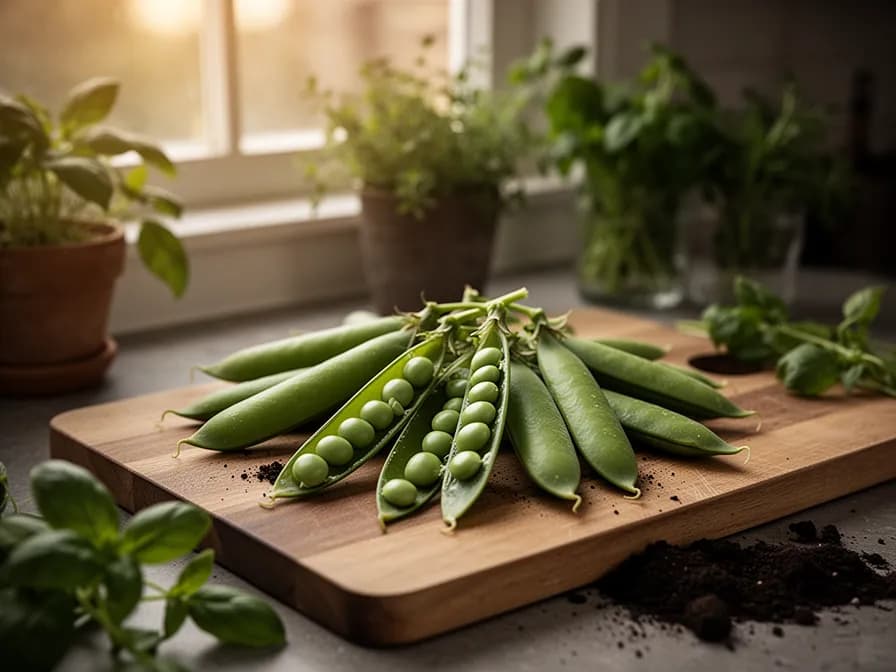
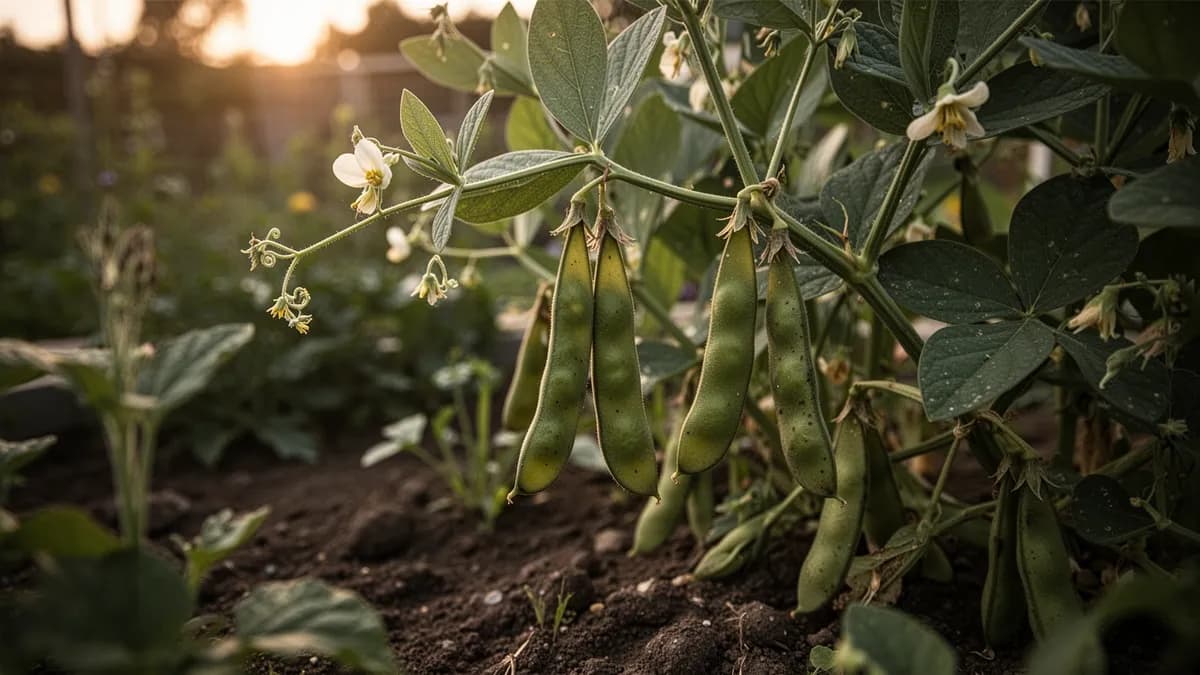
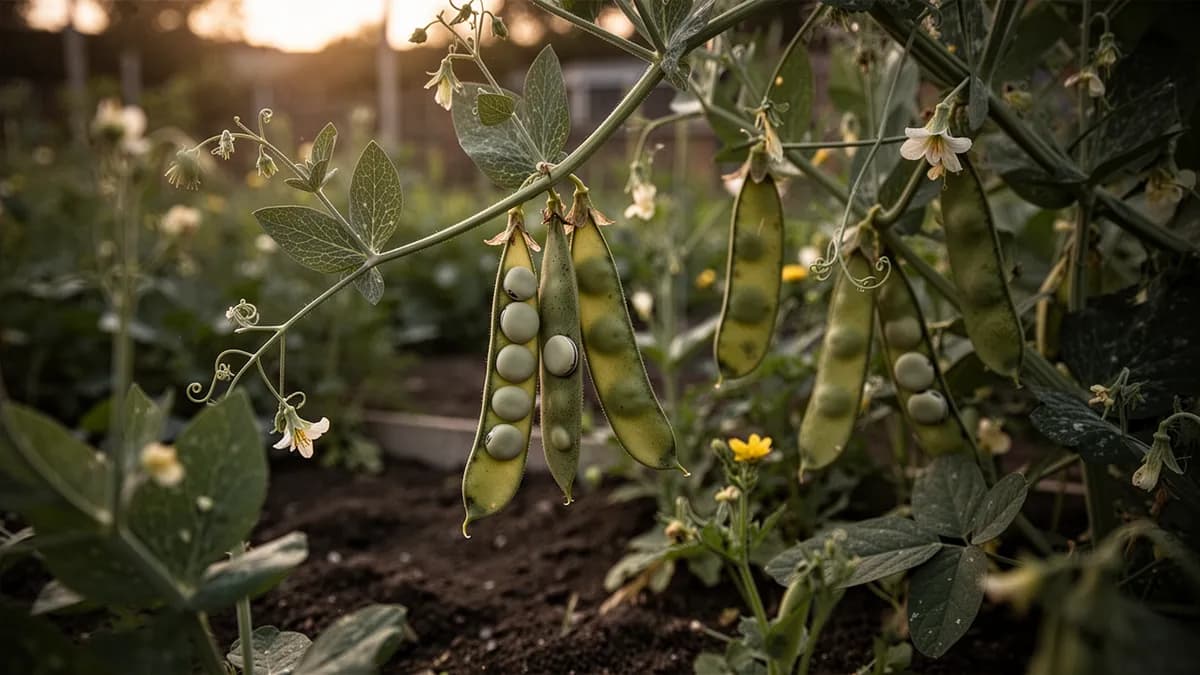
The harvest window for peas is surprisingly narrow — just 1-3 days between perfect sweetness and starchy disappointment — making frequent picking the single most important harvest skill. Begin harvesting snap peas when pods are plump, bright green, and the peas inside are visible as gentle bumps but haven't yet become large or angular. The pod walls should be thick, crisp, and sweet when you bite into them. For snow peas (flat edible-pod types), pick when pods are flat to slightly curved with seeds barely visible as tiny bumps — oversized snow peas with filled seeds lose their tender, delicate character entirely.
Shell peas require the most precise timing. Harvest when pods are well-filled and firm, the pod surface is still bright green and slightly glossy, and the peas inside feel round and plump when you gently squeeze the pod. If the pod surface turns dull, pale, or waxy, or if the peas inside feel angular rather than round, you've waited too long — the sugars have already begun converting to starch. The difference between a pea picked at peak ripeness and one picked 24 hours too late is dramatic and unmistakable.
Pick in the early morning when sugar content is at its highest, as sugars convert to starch throughout the warm afternoon. Harvest every 1-2 days during peak production — this frequent picking is not optional, as leaving mature pods on the vine signals the plant to stop flowering and shift energy to seed maturation. Use two hands when picking: hold the vine or stem with one hand and pull the pod gently upward with the other to avoid damaging the brittle vines. Better yet, use small scissors or garden snips for a clean cut. Process or eat harvested peas within hours — sugars convert to starch at room temperature at a remarkable rate, and peas that were ambrosial at 8 AM can taste noticeably starchier by dinner.
assuming you plant when the window opens — set your real date
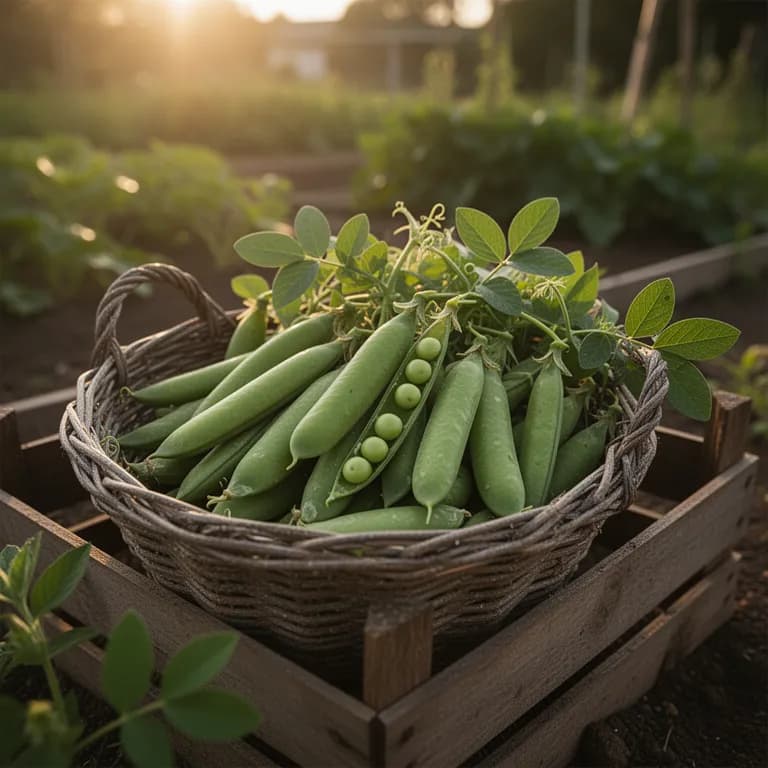
Snow peas flat and tender; snap peas plump; shell peas full
Storage & Preservation
Fresh peas are famously perishable — sugars begin converting to starch within minutes of picking, and the decline accelerates at room temperature. This rapid sugar loss is why garden-fresh peas taste incomparably sweeter than anything from a store (which may be days post-harvest). For the absolute best flavor, eat peas raw straight from the vine or cook them within 1-2 hours of harvest. If you must store them, place unwashed, unshelled peas in a perforated plastic bag in the coldest part of the refrigerator — they'll keep for 3-5 days, though sweetness diminishes daily.
Freezing is by far the best preservation method for peas and can capture near-garden-fresh sweetness if done within hours of harvest. For shelled peas, blanch in boiling water for exactly 90 seconds, plunge immediately into ice water for 2 minutes, drain thoroughly on clean towels, then freeze in a single layer on a parchment-lined baking sheet before transferring to freezer bags. This individual quick-freeze (IQF) method prevents clumping and allows you to pour out exactly the amount you need. Properly blanched and frozen peas maintain excellent quality for 8-12 months. Snow peas and snap peas freeze well after a 2-minute blanch — trim ends and remove strings before blanching.
Dried peas (from fully mature shell pea varieties left on the vine until pods are brown and rattling) are a pantry staple that keeps indefinitely in airtight containers. These dried split peas or whole dried peas are the basis for classic pea soup, dal, and other hearty dishes. Fresh peas can also be dehydrated in a food dehydrator at 52°C (125°F) for 8-10 hours for lightweight, shelf-stable snacking or backpacking food. Peas are not suitable for home canning in a water bath (they're low-acid), but can be pressure-canned in pint jars at 10 PSI for 40 minutes.
One often-overlooked preservation technique: pea shoot tips (the tender growing ends of pea vines) are a gourmet delicacy that can be harvested liberally from vigorous plants, especially at the end of the season. They keep 3-5 days refrigerated in a damp paper towel and are exceptional in salads, stir-fries, and as a garnish.
What goes wrong — and the fix
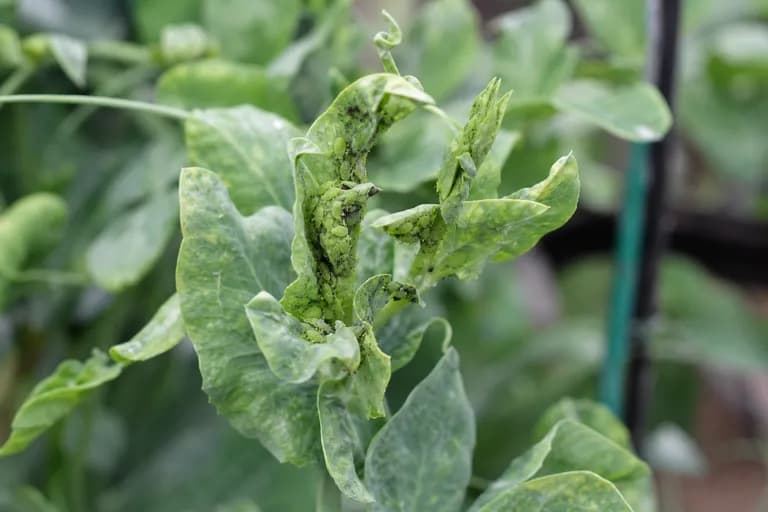
Pea Aphid
PestClusters of small green insects on shoot tips and flower buds, causing stunted growth, curled leaves, and sticky honeydew deposits that attract sooty mold.
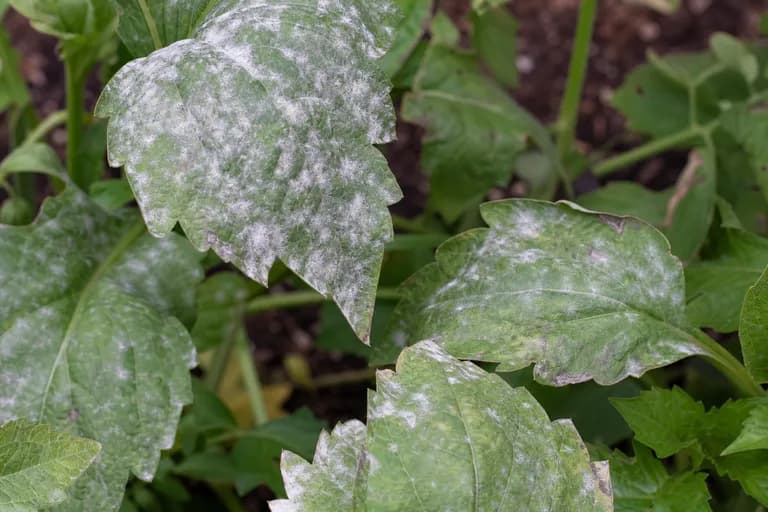
Powdery Mildew
DiseaseWhite powdery coating on leaves, stems, and pods, typically appearing in warm, humid conditions late in the season. Severely affected leaves yellow and die prematurely.
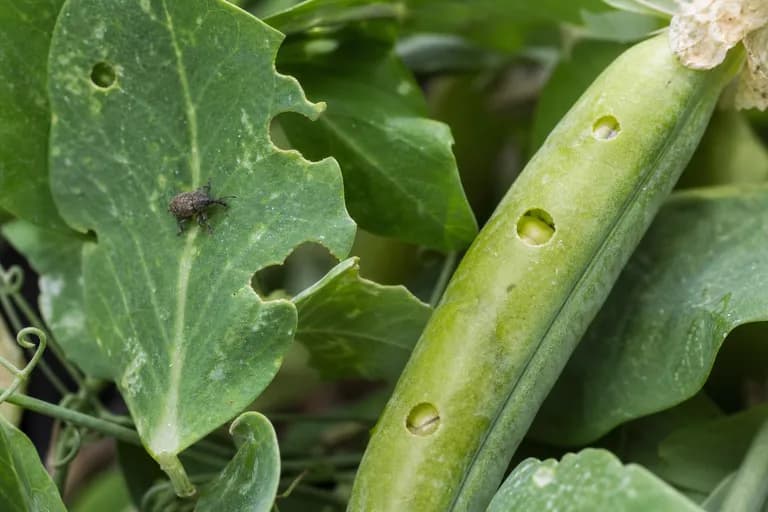
Pea Weevil
PestAdult weevils leave distinctive notch-shaped bites along leaf margins. Larvae bore into developing seeds inside pods, leaving round exit holes in dried peas.
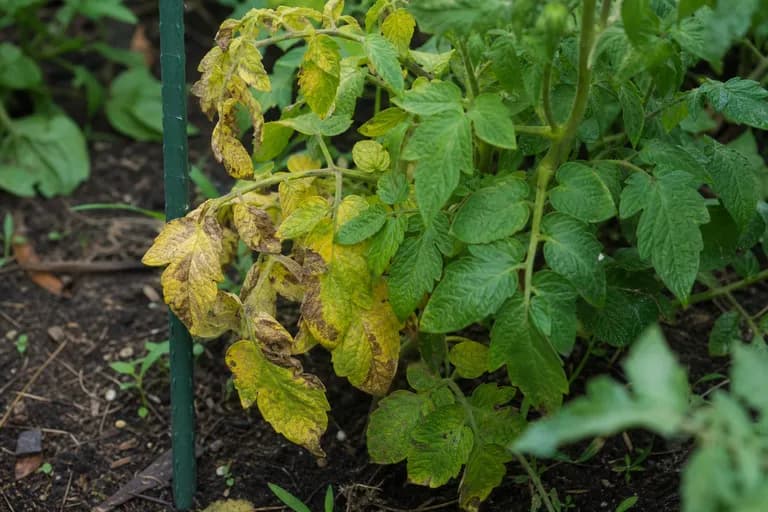
Fusarium Wilt
DiseaseLower leaves yellow and wilt, often on one side of the plant first. Stems may show brown discoloration when cut open. Plants gradually collapse and die.
Troubleshooting Common Problems
Poor germination is the most common pea problem and is almost always caused by planting in soil that is too cold, too wet, or both. Pea seeds planted in cold (below 7°C), waterlogged soil sit dormant and rot before they can germinate. The solution is patience — wait until soil reaches at least 7-10°C and drainage is adequate. In heavy clay soils, raised beds dramatically improve drainage and warm faster in spring. Pre-sprouting seeds on a damp paper towel indoors for 2-3 days before planting can jumpstart germination and avoid the vulnerable period when seeds sit in cold, wet soil.
Heat is the ultimate pea nemesis. Peas are a cool-season crop that stops flowering and producing pods when temperatures consistently exceed 27°C (80°F). Plants that flower abundantly but set few pods are experiencing heat-induced pollination failure — the flowers abort before pods can form. There is no remedy once heat arrives; the season is simply over. The best strategy is planting as early as possible in spring (peas tolerate frost) and choosing quick-maturing varieties (50-60 days) that finish before summer heat.
Yellowing leaves at the base of plants are normal as the season progresses — older leaves naturally senesce as the plant redirects energy to flowering and pod production. However, widespread yellowing across the entire plant may indicate Fusarium wilt (look for brown vascular tissue when you split a stem), root rot from waterlogged soil, or nitrogen deficiency (unlikely if Rhizobium inoculant was used).
Tough, starchy, flavorless peas are almost always the result of late harvesting — the difference between a perfect pea and a starchy one can be just 24-48 hours on the vine. Pick every 1-2 days during peak production without exception. Powdery mildew (white coating on leaves) is common late in the season as humidity increases — choose resistant varieties and ensure good air circulation through proper spacing and vertical trellising.
Growing Tips
- Plant peas as early as possible in spring — they tolerate frost and thrive in cool weather. Every day of delay costs production when heat arrives.
- Always inoculate seeds with Rhizobium inoculant, especially in beds that haven't grown legumes recently. This dramatically improves vigor, yield, and soil fertility.
- Soak seeds overnight before planting to speed germination. In wet or cold soil, pre-sprout on damp paper towels indoors and plant once roots emerge.
- Install trellising at planting time, not after. Plants without support become a tangled, disease-prone mat on the ground.
- Succession plant every 2-3 weeks for a 6-8 week harvest instead of a single 2-week burst.
- Pick every single day during peak production — peas left on the vine even one day too long turn starchy and signal the plant to stop producing.
- Eat or process peas within 2-4 hours of harvest. Sugars convert to starch rapidly at room temperature.
- After harvest, cut vines at soil level and leave nitrogen-rich roots in the ground. Plant a heavy feeder in the same bed.
- Harvest pea shoots (top 10-15 cm of growing tips) for a gourmet salad green without significantly reducing pod yield.
- For fall peas, choose quick-maturing (50-60 day), disease-resistant varieties and sow 8-10 weeks before first frost.
Grow your best Peas yet — and everything around it.
Start a free plan today. Lay out your beds, drop in your Peas, and let PlotMyGarden handle the timing, spacing, companions and reminders from seed to harvest basket.
Pick your Peas
Sugar Snap
The original snap pea with thick, edible pods and sweet, crunchy peas inside. Vigorous climber reaching 150-180 cm tall. 58 days to maturity. Excellent for fresh eating and stir-fries.
Oregon Sugar Pod II
A prolific snow pea with flat, tender pods harvested before peas fill out. Disease-resistant dwarf plants reaching 70 cm. 68 days to maturity. Perfect for Asian-inspired dishes.
Lincoln (Homesteader)
A classic shell pea with outstanding sweet flavor, considered one of the best-tasting heirloom varieties. Plants reach 75 cm. 65 days to maturity. Excellent heat tolerance for a pea.
Green Arrow
Heavy-yielding shell pea producing long, straight pods packed with 8-11 dark green peas. Compact vines reach 60-70 cm. 68 days. Resistant to Fusarium wilt and downy mildew.
Cascadia
A snap pea bred for disease resistance and compact growth at just 80 cm tall. Produces crisp, stringless pods with excellent flavor. 58 days. Great for small gardens and containers.
A $2-3 seed packet produces enough peas for 3-5 meters of row, yielding 2-5 kg per planting. Fresh sugar snap peas sell for $8-15 per kg at farmers markets, and organic shelled peas command $10-20 per kg. With succession plantings, a family can grow $50-150+ worth of premium peas annually. The flavor difference between garden-fresh peas (eaten within hours) and store-bought is so dramatic that many gardeners consider peas the single most rewarding crop to grow at home.
Quick recipes
Spring Peas with Butter and Mint
10 minThe quintessential spring side dish — perfectly fresh peas, good butter, a squeeze of lemon, and torn mint. Simplicity that showcases the garden's sweetest gift.
5 ingredients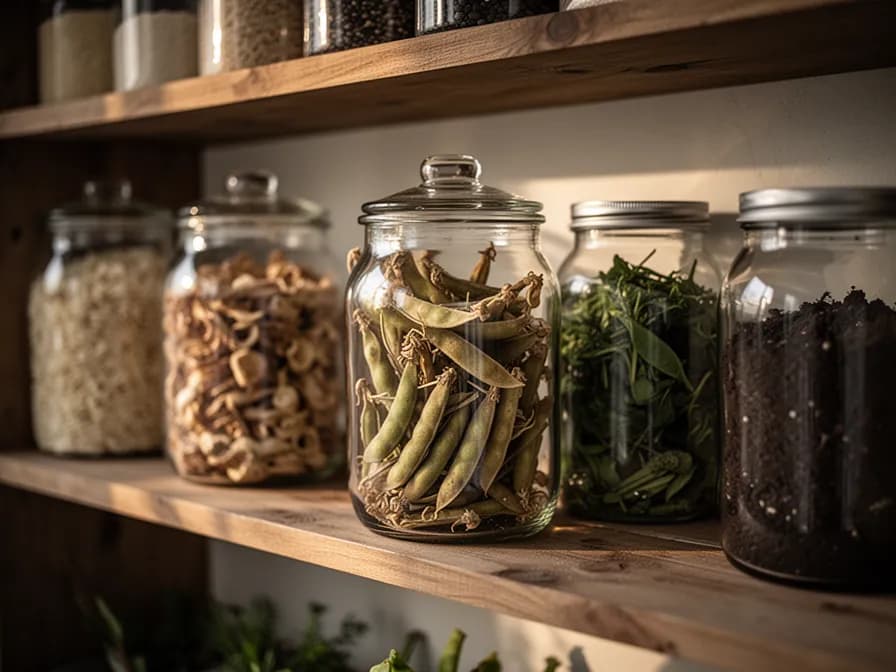
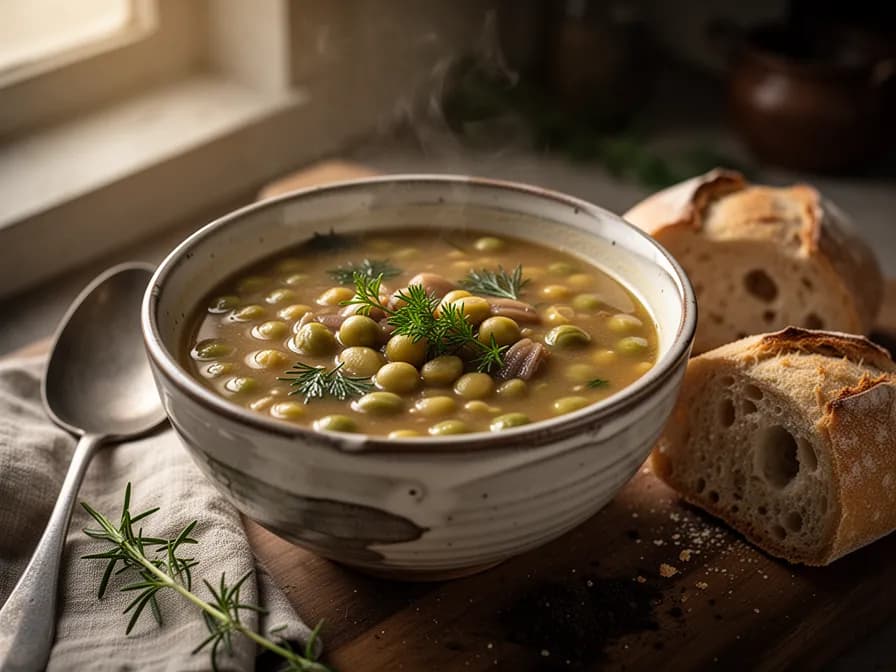
Vibrant Spring Pea Soup
25 minA bright, vivid green soup that captures the essence of spring. Light, fresh, and elegant — serve warm or chilled.
8 ingredientsSugar Snap Pea Stir-Fry with Garlic and Ginger
12 minCrispy snap peas flash-cooked in a screaming-hot wok with garlic, ginger, and sesame. Ready in minutes and bursting with crunch.
8 ingredientsCulinary Uses
Fresh garden peas are one of the greatest pleasures of spring gardening — sweet enough to eat raw straight from the vine, they are a fleeting seasonal delicacy that no frozen or canned product can replicate. Snap peas eaten whole in the garden, still warm from the sun, are the ultimate gardener's snack. Shell peas tossed with butter, a squeeze of lemon, and torn fresh mint make one of the simplest and most elegant spring side dishes. Snow peas and snap peas add crisp sweetness to salads, grain bowls, and crudité platters without any cooking required.
Cooked peas are equally versatile. Classic English mushy peas are a beloved fish-and-chips accompaniment. French petits pois à la française braises tiny shell peas with lettuce, spring onions, and butter. Italian risi e bisi (rice and peas) from Venice is one of the world's great comfort dishes. Pea soup — whether the quick, vibrant spring version or the hearty split pea soup simmered with ham — spans cultures from Scandinavia to India. Snow peas and snap peas are indispensable in Chinese, Thai, and Japanese stir-fries.
Peas pair beautifully with mint, butter, cream, lemon, prosciutto, pancetta, dill, chervil, tarragon, Parmesan, ricotta, smoked salmon, asparagus, and spring onions. Pea shoots (tender growing tips of pea vines) are a gourmet ingredient featured in high-end restaurants. Nutritionally, peas are remarkably protein-rich for a vegetable (5.4g per 100g), making them valuable for plant-based diets, and provide excellent fiber, vitamins A, C, K, folate, iron, and manganese.
What's inside
Health Benefits
- One of the highest-protein vegetables at 5.4g per 100g fresh, providing essential amino acids that complement grains — particularly valuable for plant-based diets
- Excellent dietary fiber (5.7g per 100g, 20% DV) supports digestive health, feeds beneficial gut bacteria, stabilizes blood sugar, and promotes lasting satiety
- Rich in vitamin C (67% DV per 100g fresh) supporting immune defense, collagen synthesis, and enhanced iron absorption from plant foods
- Contains significant folate (16% DV) essential for DNA synthesis and critically important during pregnancy for preventing neural tube defects
- Provides lutein and zeaxanthin, carotenoid antioxidants that protect against age-related macular degeneration and cataracts
- Anti-inflammatory polyphenols including coumestrol and pisatin help modulate chronic inflammation associated with cardiovascular disease and diabetes
Where Peas comes from
Peas (Pisum sativum) are among the oldest cultivated crops in human history, with archaeological evidence of domestication dating to 7000-6000 BC in the Fertile Crescent. Wild peas still grow in modern-day Turkey, Syria, and Iraq. Early farmers selected for larger seeds, non-shattering pods, and improved flavor. Dried peas spread rapidly as a critical protein and calorie source that stored easily.
For thousands of years, peas were primarily consumed dried — as split pea soup, porridge, and flour. Fresh 'green' peas eaten immature became fashionable in the 17th-century French court, when Louis XIV's chef served petits pois at Versailles, sparking an aristocratic craze. English gardeners enthusiastically adopted fresh pea cultivation, developing many varieties still grown today.
Gregor Mendel's use of pea plants for his heredity experiments in the 1860s laid the foundation for modern genetics. In 1979, Dr. Calvin Lamborn created the sugar snap pea, inventing an entirely new vegetable category. Today, peas are grown on every continent except Antarctica, with global production exceeding 20 million tonnes. Canada, Russia, China, India, and the EU are the largest producers.
Peas: did you know?
Fascinating facts about Peas
Gregor Mendel used pea plants for his groundbreaking heredity experiments in the 1860s because peas have easily observable traits (tall vs. short, wrinkled vs. smooth) and self-pollinate reliably — laying the foundation for modern genetics.
Peas questions, answered
When should I plant Peas?
What are good companion plants for Peas?
What hardiness zones can Peas grow in?
How much sun does Peas need?
How far apart should I space Peas?
What pests and diseases affect Peas?
How do I store Peas after harvest?
What are the best Peas varieties to grow?
What soil does Peas need?
Why are my peas tough and starchy instead of sweet?
Why did my peas stop producing?
What's the difference between snow, snap, and shell peas?
Do I need pea inoculant?
Can I grow peas in containers?
Bush or climbing peas?
You just read the theory. Now grow it on autopilot.
Everything that makes Peas fiddly — the timing, the spacing, the companions, the harvest window — is exactly what PlotMyGarden handles for you, for every plant in your garden.
A plan that knows your weather
Set your location once. Get sow, feed and harvest dates built around your real last-frost date and live forecast — no more guessing from a generic seed packet.
From the “When to plant” sectionDrag-and-drop bed planner
Design beds on a grid. Every plant snaps to its proper spacing, and you can see your whole season laid out before you spend a cent on seed.
From the “Growing guide” sectionCompanion conflicts, caught early
200+ good-and-bad pairings checked live as you plant — so a season-wrecking mistake never makes it into the ground.
From the “Companions” sectionReminders you'll actually act on
“Water the beans.” “Pick today before it turns.” Timely, specific, and tied to the plants you're really growing.
From the “Harvest” sectionSuccession, scheduled
Want a harvest for six weeks, not six days? It spaces your sowings automatically and reminds you when each new block is due.
From the “When to plant” sectionA record that gets smarter
Every harvest you log teaches it your garden. Next year's plan starts from what actually worked in your soil, not a textbook's.
From the “Overview” sectionPlant these alongside Peas
More Legumes
Keep Peas away from these
Garden plans featuring Peas
Grow your best Peas yet — and everything around it.
Start a free plan today. Lay out your beds, drop in your Peas, and let PlotMyGarden handle the timing, spacing, companions and reminders from seed to harvest basket.