Frijol Lima
El frijol lima (Phaseolus lunatus), también conocido como pallar o haba de Lima, es una leguminosa originaria de América Central y del Sur, cultivada desde hace más de 7.000 años.





En esta páginaResumen
Conoce Frijol Lima
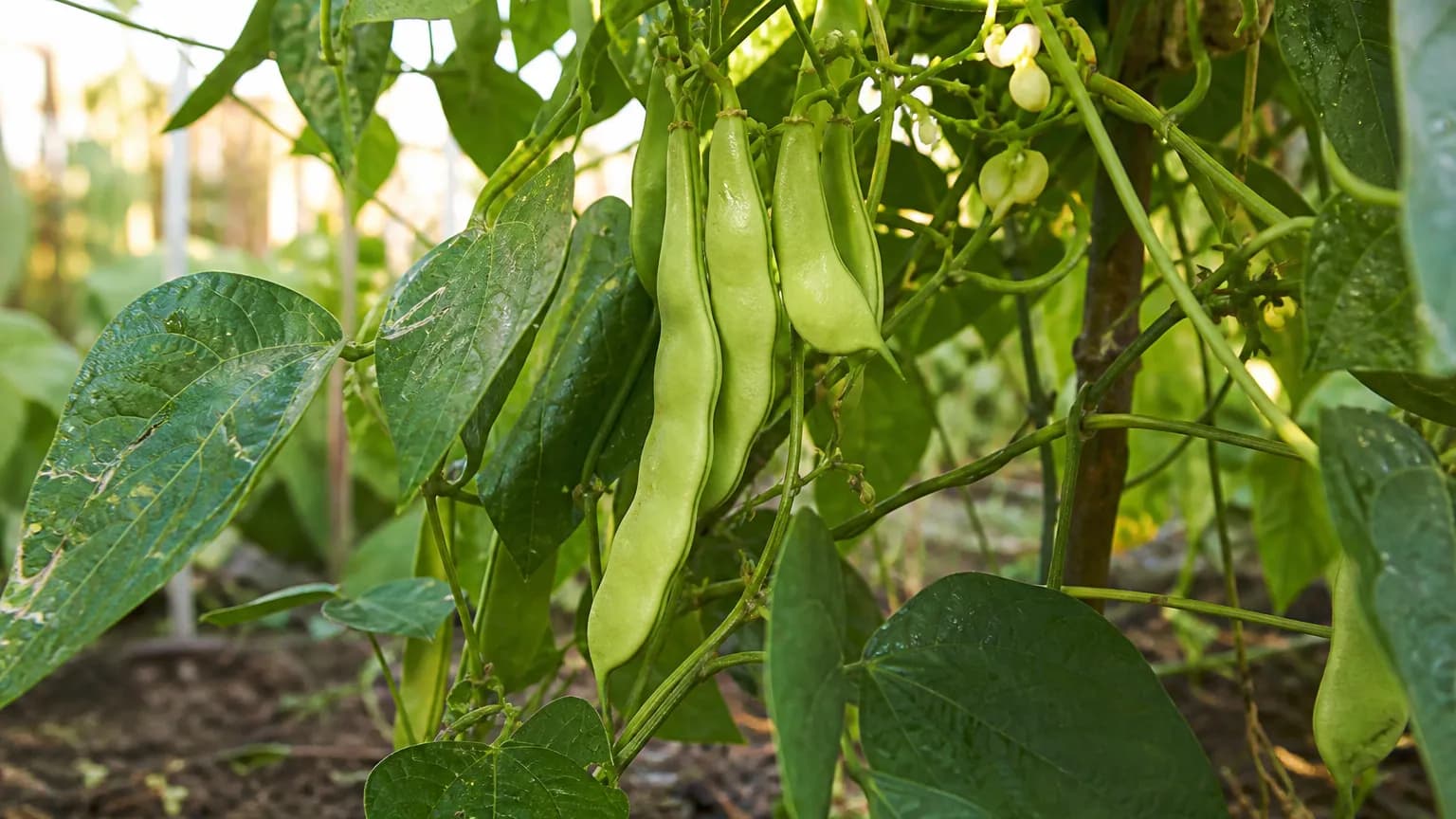
El frijol lima (Phaseolus lunatus), también conocido como pallar o haba de Lima, es una leguminosa originaria de América Central y del Sur, cultivada desde hace más de 7.000 años. Se distingue por sus granos grandes, planos y de textura cremosa y mantecosa, ricos en proteínas, fibra y minerales esenciales como hierro y potasio.
Cuándo plantar Frijol Lima
Siembre directamente en el terreno definitivo ya que los frijoles lima no toleran bien el trasplante. Espere hasta que la temperatura del suelo supere los 18°C para evitar la pudrición de las semillas. Plante a 3-5 cm de profundidad con el ojo de la semilla hacia abajo. La germinación ocurre en 7-14 días dependiendo de la temperatura.
Tu año de Frijol Lima
Ajustado a Zona 7 · temporada típica · la helada se va hacia el 2 abr y vuelve hacia el 1 nov
Planta Frijol Lima May – Jun y cosecha Ago – Oct. Consulta los métodos de plantación y elige tu clima para adaptar los periodos.
Cómo cultivar Frijol Lima
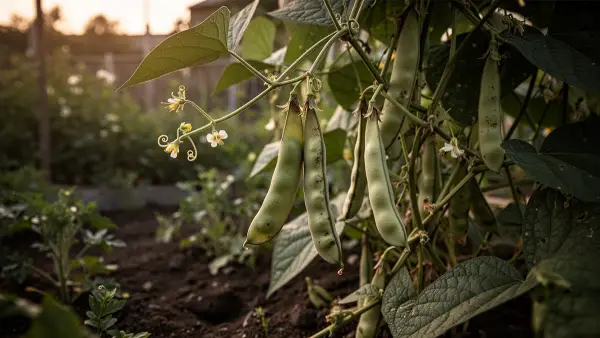
El frijol lima es un cultivo amante del calor que requiere una temporada de crecimiento larga y cálida. Siembre directamente en el exterior 2-3 semanas después de la última helada, cuando la temperatura del suelo alcance al menos 18°C. Plante las semillas a 3-5 cm de profundidad y 10-15 cm de separación, en hileras espaciadas 60-90 cm según la variedad.
Las variedades trepadoras necesitan tutores, pérgolas o mallas de al menos 2 metros de altura, mientras que las variedades de mata son compactas y autoportantes. Riegue regularmente, especialmente durante la floración y formación de vainas, ya que el estrés hídrico en estas etapas reduce significativamente el rendimiento. Evite mojar las flores durante el riego para no interferir con la polinización.
Como leguminosa, el frijol lima fija nitrógeno atmosférico en el suelo y generalmente no necesita fertilización nitrogenada. Aplique un acolchado orgánico de 5-7 cm alrededor de las plantas para mantener la humedad del suelo y suprimir las malas hierbas. Inocule las semillas con Rhizobium antes de la siembra si es la primera vez que cultiva leguminosas en ese terreno.
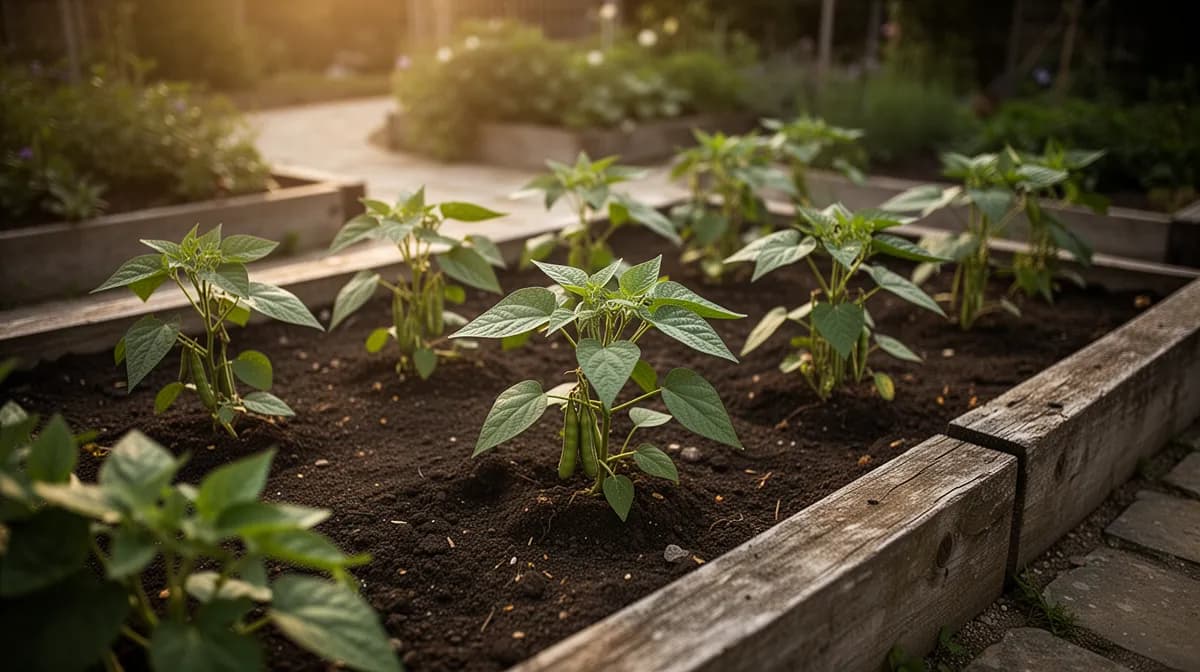
128 plantas caben en un bancal de 120 × 240 cm
Cada Frijol Lima pide 15 cm de margen. El planificador guarda ese marco por ti — cada planta, cada bancal.
Los mejores vecinos de Frijol Lima
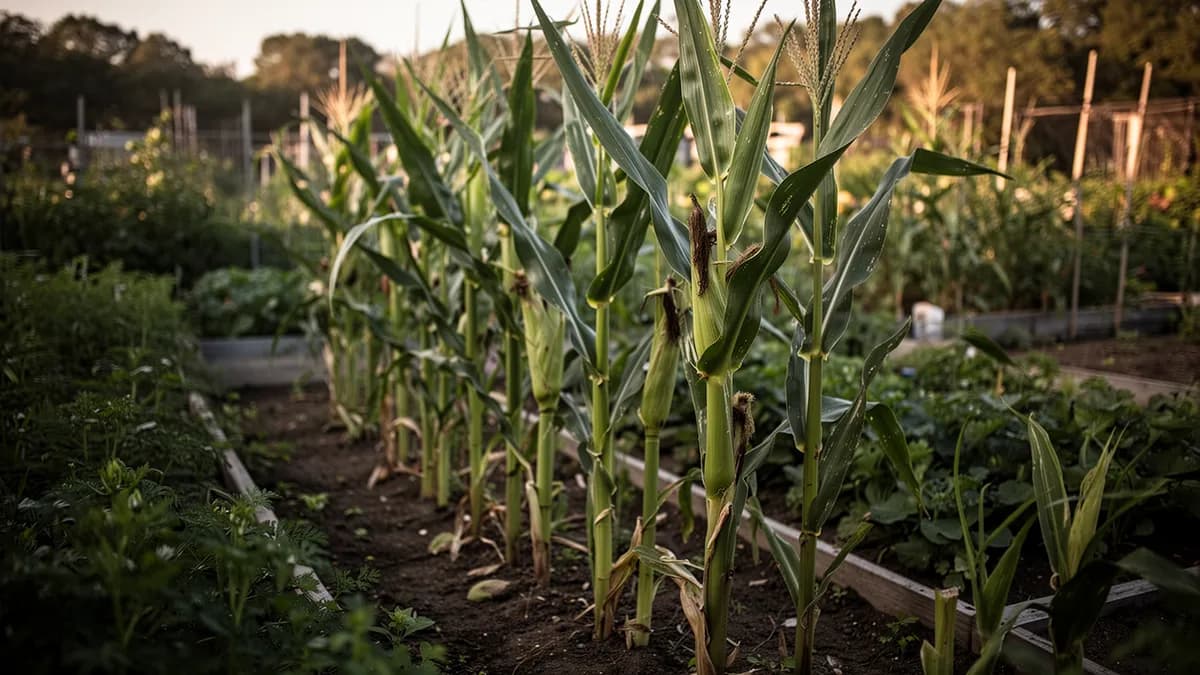
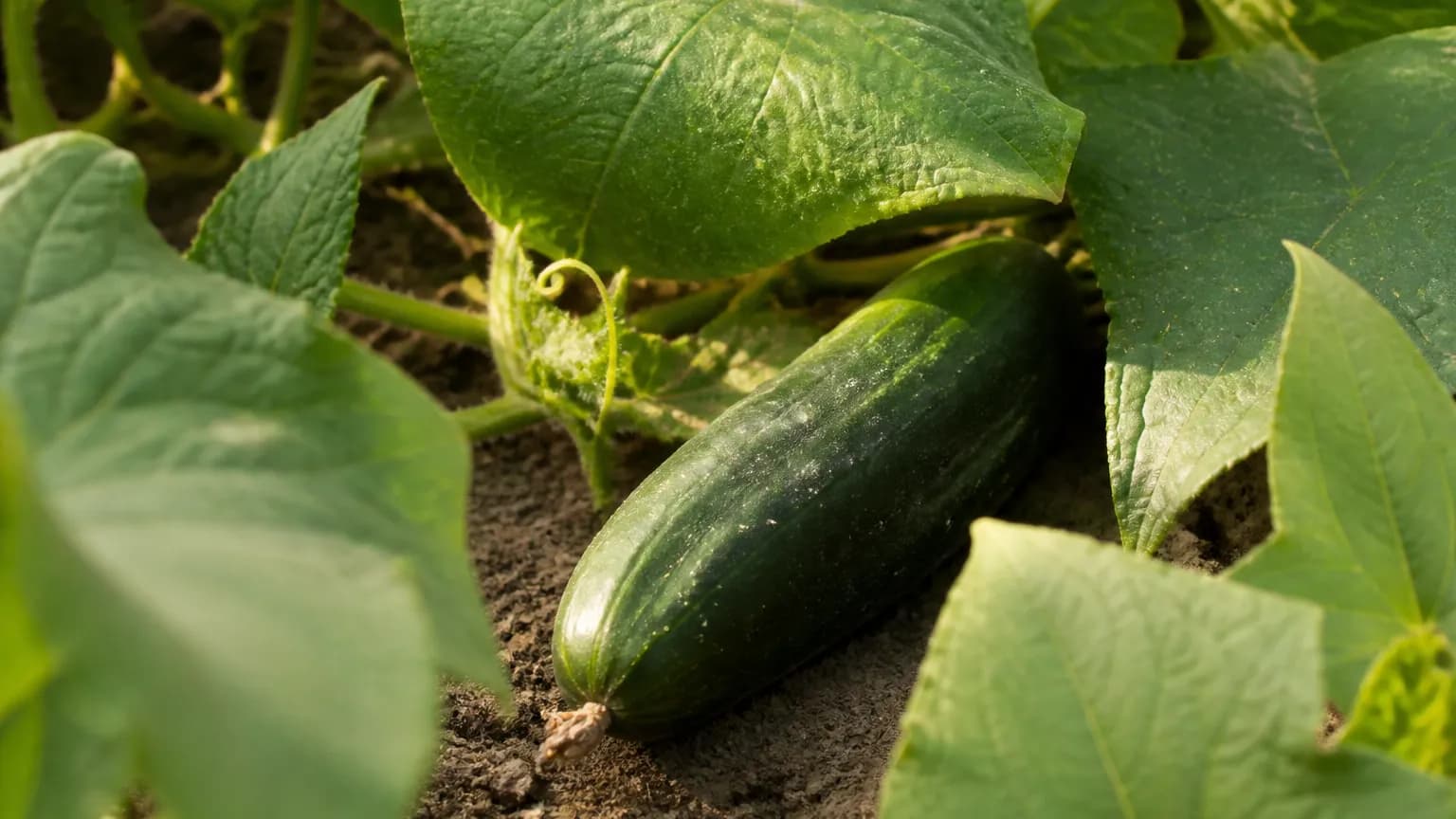
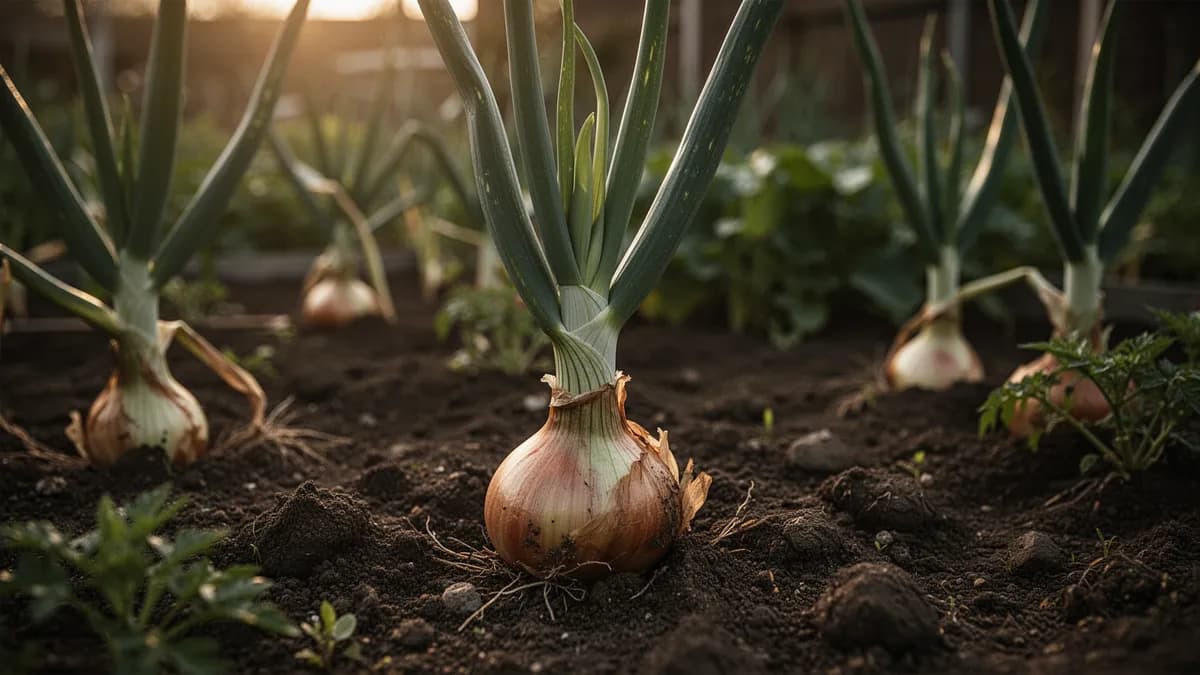
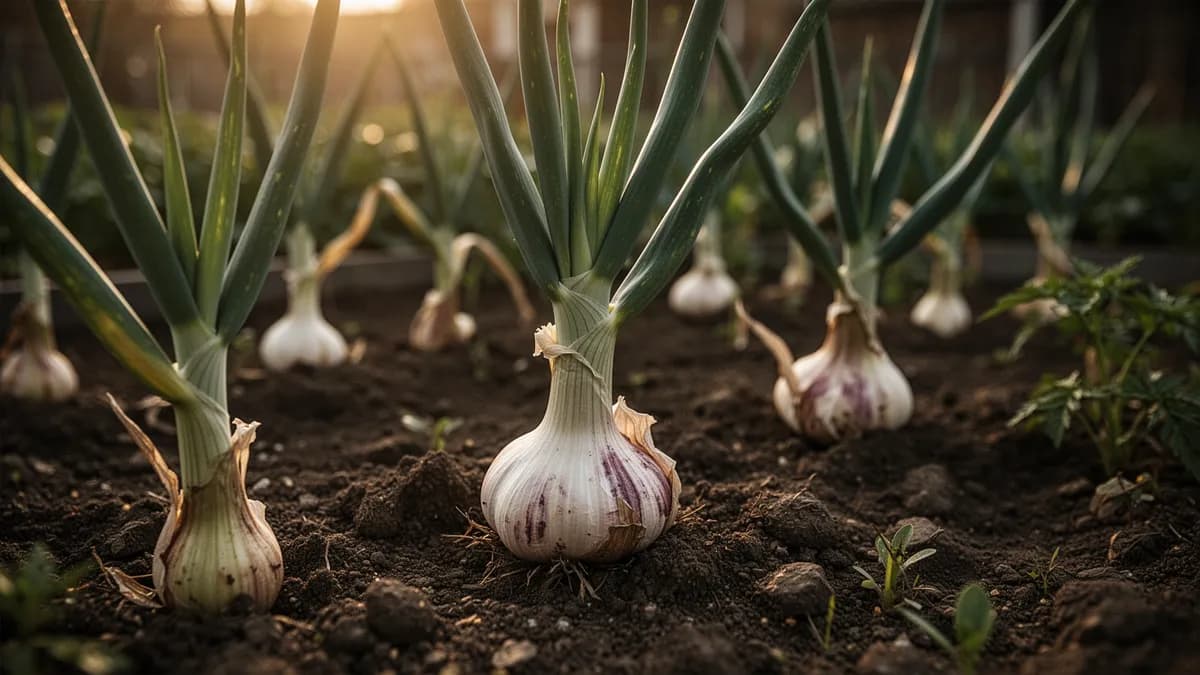
Forma parte de la clásica asociación de las Tres Hermanas junto con el maíz y la calabaza: el maíz sirve de tutor, el frijol fija nitrógeno y la calabaza cubre el suelo. También crece bien junto a pepinos y remolachas. Evite plantarlo cerca de ajos, cebollas y pimientos.
Maíz va a su lado. Cebolla no.
Saber de huerto de siempre, cotejado con la tabla real de Frijol Lima — prueba cualquier planta que cultives.
Prueba Frijol Lima en un bancal, aquí mismo
Un bancal real del planificador con Frijol Lima ya plantado. Toca una planta compañera para colocarla y mira cómo responde la comprobación de vecinos: verde para buenos vecinos, rojo si hay conflicto.


Guías de cultivo relacionadas
Abónalo bien
Requiere suelos bien drenados, francos y moderadamente fértiles con pH entre 6,0 y 7,0. Como fijador de nitrógeno, no necesita fertilización nitrogenada; aplique fósforo y potasio antes de la siembra para favorecer el desarrollo de raíces y la formación de vainas. Evite suelos pesados y encharcados.
Temperatura ideal
Compatibilidad de zonas de rusticidad
De la semilla a la cosecha, etapa por etapa
Germinación
Las semillas grandes se hinchan en el suelo cálido y envían primero una raíz gruesa antes de emerger.
Desarrollo de plántulas
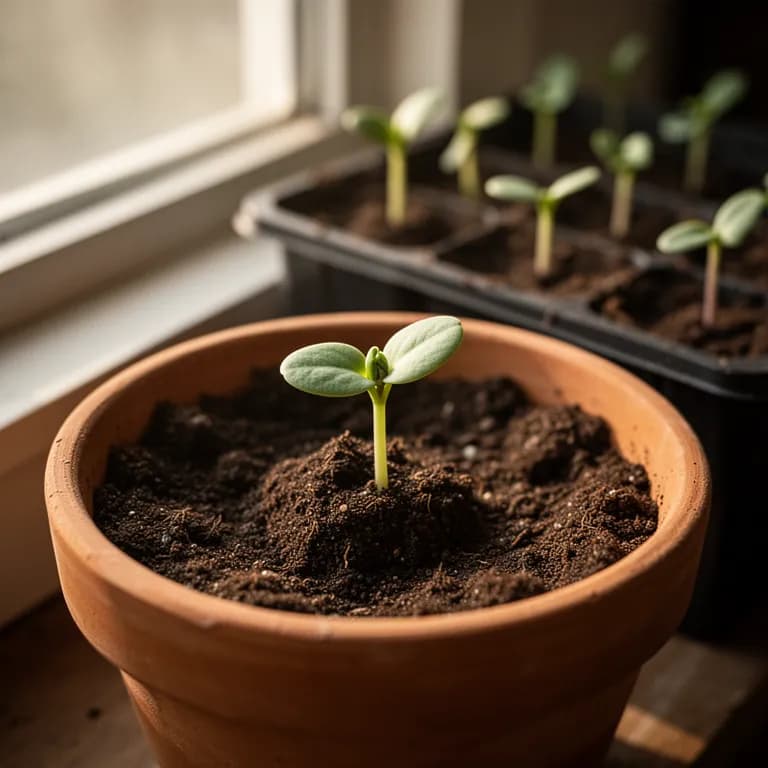
Se abren las primeras hojas verdaderas y las raíces se desarrollan con rapidez; las plántulas son muy sensibles a las heladas.
Crecimiento vegetativo
Las plantas de porte bajo se mantienen compactas, mientras que las de enrame trepan con vigor y acumulan energía para florecer.
Floración
Aparecen pequeños racimos de flores blancas a lila pálido, sensibles al calor y al frío.
Desarrollo de vainas
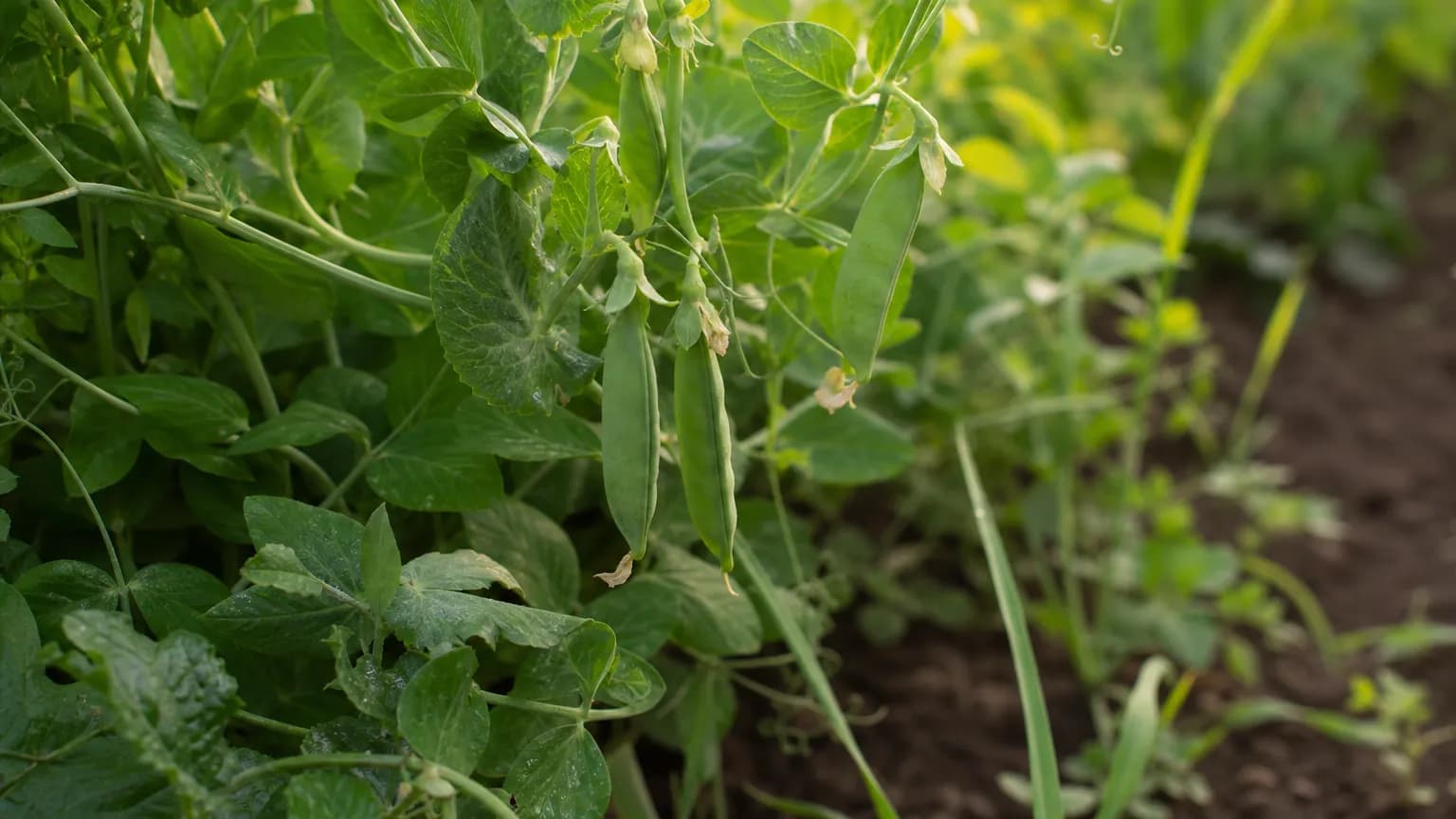
Las vainas planas se hinchan a medida que las semillas crecen y se vuelven visibles a través de la pared cuando están listas.
Cosecha y secado
Las vainas se cortan verdes para consumo fresco o se dejan secar en la planta para almacenarlas en invierno.
Siembra las semillas a 2,5–5 cm de profundidad con el ojo hacia abajo. No las remojes antes de sembrar. Mantén el suelo cálido y con humedad uniforme.
Cuidar Frijol Lima mes a mes
Qué hacer cada mes para tu Frijol Lima
Octubre
Mes actualFinal fresh harvests in most zones. For dried beans, leave remaining pods on plants until brown and papery. Pull entire plants and hang in a dry, ventilated area to finish curing. Begin cleaning up spent bush plants.
Ten claro qué hacer en tu huerto, cada mes
Un correo al empezar cada mes: qué sembrar, plantar y hacer ahora mismo — para tu Frijol Lima y todo lo que crece alrededor. Más un breve curso inicial para esquivar los errores clásicos.
- Qué hacer ahora mismo
- Ajustado a tu temporada
- Curso inicial incluido
Cosechar Frijol Lima
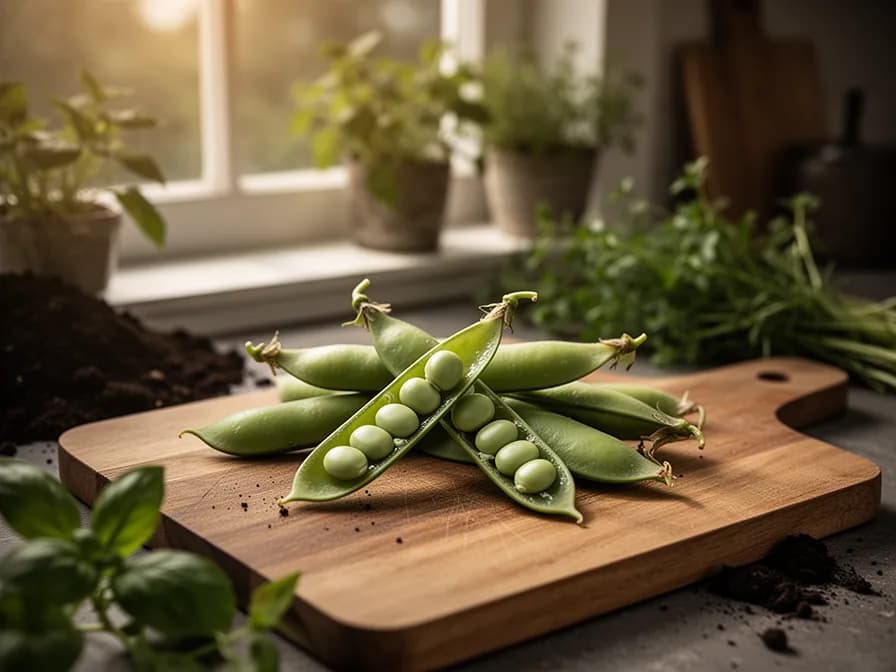
Para consumo fresco, coseche cuando las vainas estén llenas y turgentes pero aún verdes, entre 75 y 85 días después de la siembra. Para grano seco, deje las vainas en la planta hasta que se tornen completamente marrones y crujientes, entre 90 y 110 días. Coseche por la mañana cuando las vainas están menos frágiles.
se supone que plantas al comenzar el periodo — indica tu fecha real
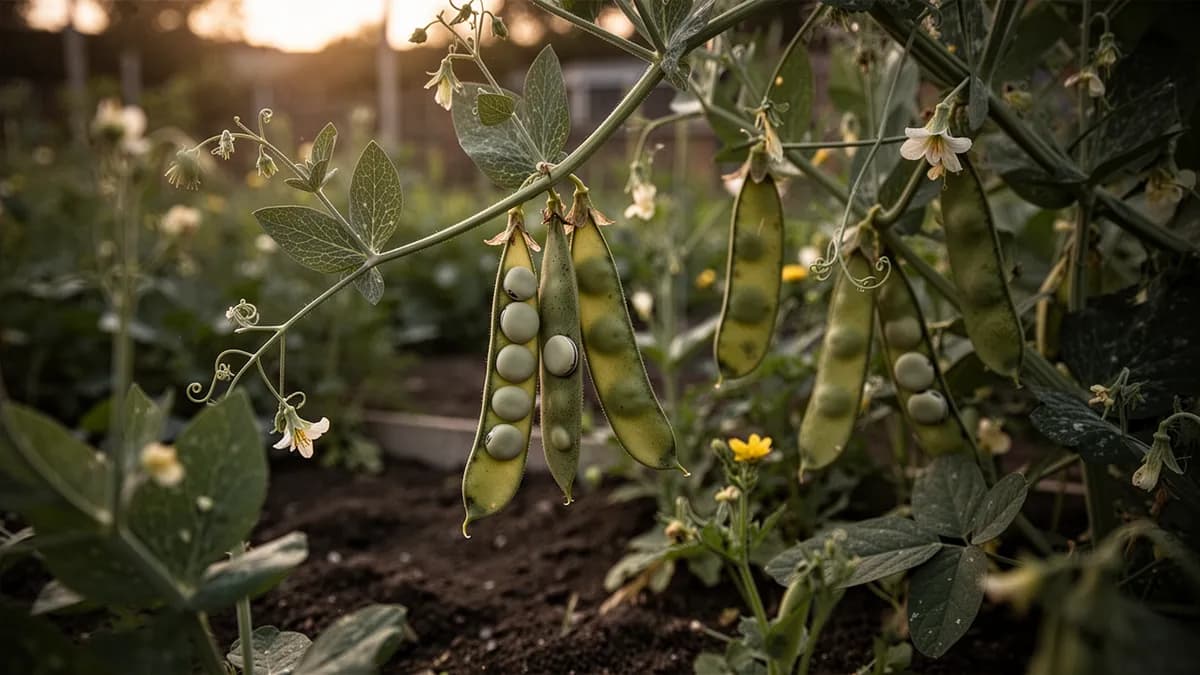
Cosecha para consumo fresco cuando las vainas estén hinchadas, de color verde brillante y se vean las semillas a través de la pared de la vaina.
Almacenamiento y conservación
Los frijoles lima frescos se conservan en el refrigerador dentro de bolsas perforadas durante 5-7 días, o se blanquean y congelan por hasta 12 meses. Los granos secos se almacenan en recipientes herméticos en un lugar fresco y oscuro, donde se conservan en perfectas condiciones durante 2-3 años.
Qué falla — y cómo solucionarlo
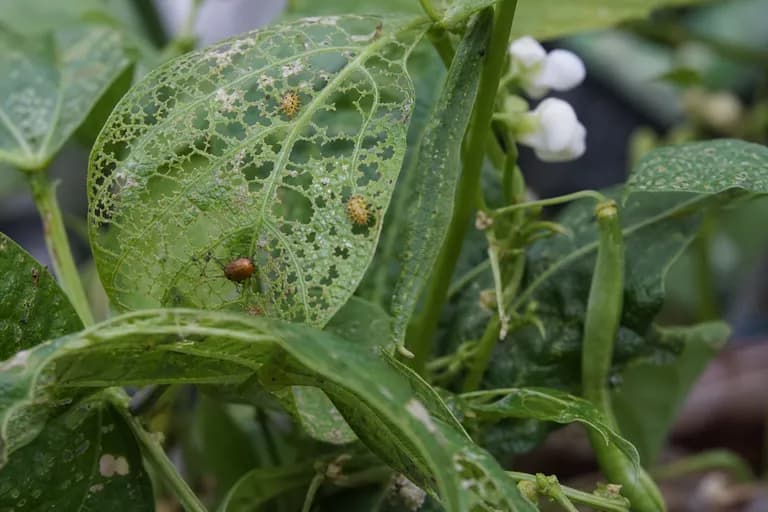
Minador de hojas del frijol
PlagaGalerías serpenteantes blanquecinas o pardas en las hojas, creadas por larvas que se alimentan del tejido interno. Reduce la capacidad fotosintética y debilita la planta.
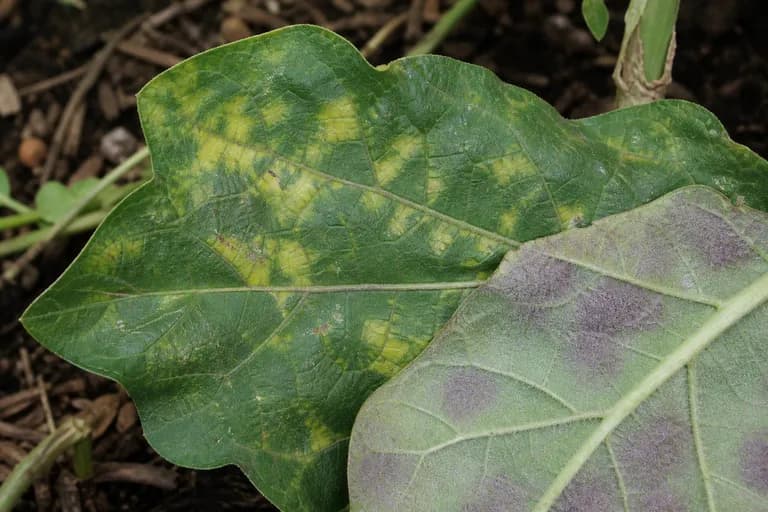
Roya del frijol (Uromyces appendiculatus)
EnfermedadPústulas pequeñas de color marrón rojizo en el envés de las hojas que liberan esporas polvorientas al tocarlas. Las hojas severamente afectadas amarillean y caen prematuramente.
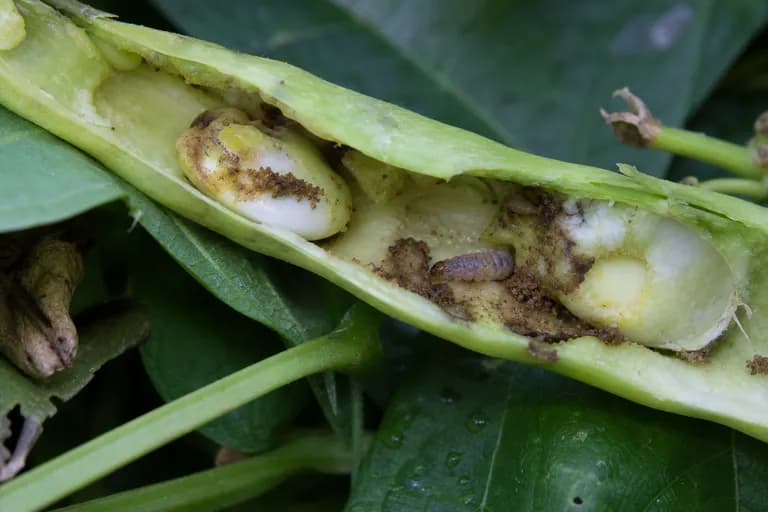
Gorgojo del frijol (Acanthoscelides obtectus)
PlagaPequeños agujeros redondos en los granos almacenados. Las larvas se desarrollan dentro del grano, destruyendo su interior y dejándolo inservible para consumo o siembra.
Solución de problemas comunes
El inicio lento en suelos fríos es el problema más común, ya que las semillas pueden pudrirse si la temperatura del suelo está por debajo de 15°C. Las flores pueden caer sin formar vainas durante períodos de calor extremo (más de 35°C) o estrés hídrico. La pudrición de raíces por Fusarium puede ocurrir en suelos mal drenados.
Consejos de cultivo
- Do not rush planting. Lima beans are more cold-sensitive than common green beans. Wait until soil temperatures are genuinely at 18°C (65°F) or warmer — use a soil thermometer rather than guessing. Seeds planted in cold soil will rot rather than germinate.
- Unlike common beans, do not soak lima bean seeds before planting. The large, flat seeds absorb water rapidly and the seed coat cracks easily, leading to poor germination or damaged embryos. Plant dry seeds directly into moist, warm soil.
- Inoculate seeds with Phaseolus-specific Rhizobium bacteria, especially if lima beans have not been grown in that bed within the past 3-4 years. Proper inoculation dramatically improves nitrogen fixation, plant vigor, and yields.
- Pole lima beans are significantly more productive than bush types but require very sturdy support. Vines can reach 3 meters and carry heavy pod loads. Use strong wooden poles, thick wire trellises, or cattle panel arches — lightweight structures will collapse under the weight.
- Blossom drop is the number one frustration with lima beans. It is caused almost exclusively by temperature stress — either too hot (above 32°C / 90°F) or too cool (below 16°C / 60°F) during flowering. Time your planting so flowering occurs during the mildest part of summer in your area.
- Water consistently during flowering and pod fill, providing at least 2.5 cm per week. Drought stress during these critical stages causes poor pod set and shriveled beans. Drip irrigation is ideal as it avoids wetting foliage, which promotes disease.
- Harvest fresh shelling beans when pods are plump and the individual bean shapes are clearly visible through the pod wall. Do not wait until pods yellow — at that point the beans become starchy and lose their delicate, buttery fresh flavor.
- After the final harvest, cut plants at the soil surface rather than pulling them out. Leave the nitrogen-rich root nodules in the soil to decompose and release fixed nitrogen for the next crop. Lima bean roots can add meaningful nitrogen equivalent to a light fertilizer application.
Cultiva tu mejor Frijol Lima — y todo lo que la rodea.
Empieza un plan gratis hoy. Diseña tus bancales, coloca tu Frijol Lima y deja que PlotMyGarden gestione el momento, el espaciado, las asociaciones y los recordatorios de la semilla a la cesta.
Elige tu Frijol Lima
Fordhook 242
Variedad de mata con granos grandes y gruesos de color verde claro. Textura cremosa y mantecosa. Tolerante al calor y muy productiva. Madura en 80-90 días.
Henderson Bush
Variedad de mata compacta con granos pequeños tipo baby lima. Muy productiva y precoz, ideal para espacios reducidos. Madura en 65-75 días.
King of the Garden
Variedad trepadora vigorosa con los granos más grandes de todas las limas. Necesita tutores fuertes. Producción abundante y prolongada. Madura en 85-95 días.
Christmas Lima
Variedad trepadora con granos grandes moteados de color rojo y blanco, sabor a castaña. Muy decorativa y de excelente sabor. Madura en 80-90 días.
A packet of lima bean seeds costing $3-5 provides 30-50 seeds, enough for a substantial planting. Each pole plant can yield $5-10 worth of fresh shelled limas at farmers market prices of $5-8 per pound. A row of 10-15 pole plants can easily produce $50-100 worth of fresh beans plus additional dried beans for winter storage. Dried lima beans from the store cost $3-5 per pound, and a small garden patch can produce 5-10 pounds of dried beans — a significant pantry savings.
Recetas rápidas
Classic American Succotash
25 minThe quintessential American dish combining fresh lima beans with sweet corn, originally adapted from a Narragansett recipe. Simple, wholesome, and the ideal way to showcase freshly shelled garden limas at their buttery best.
8 ingredientesCreamy Lima Bean and Garlic Dip
15 minA smooth, velvety dip made from cooked lima beans blended with roasted garlic and lemon — a protein-rich alternative to hummus that highlights the natural creaminess of limas.
7 ingredientesSlow-Simmered Lima Beans with Ham Hock
15 min active + 90 min simmerA deeply comforting Southern classic where dried lima beans simmer low and slow with a smoked ham hock until they become meltingly tender and infused with smoky richness.
8 ingredientesUsos culinarios
Los frijoles lima frescos se cocinan hervidos o al vapor como guarnición con mantequilla y hierbas. Los granos secos son la base del succotash americano tradicional, combinados con maíz. En Perú, el pallar se usa en guisos y ensaladas frías. Su textura cremosa los hace ideales para purés, sopas espesas y como espesante natural de guisos.
Qué contiene
Beneficios para la salud
- Lima beans are an outstanding source of plant-based protein (7.8g per 100g cooked), providing essential amino acids that complement grains to form complete proteins — making them especially valuable in vegetarian and vegan diets.
- Exceptionally high in dietary fiber (7g per 100g cooked), lima beans support digestive health, promote satiety, and help regulate blood sugar by slowing glucose absorption after meals.
- Rich in molybdenum, a trace mineral essential for enzyme function in sulfite detoxification and purine metabolism — a single cup of cooked limas provides over 100% of the daily value.
- Contain significant iron (2.4mg per 100g cooked), which supports oxygen transport and energy metabolism. The non-heme iron in lima beans is best absorbed when eaten alongside vitamin C-rich foods like tomatoes or bell peppers.
- Provide potassium (508mg per 100g cooked), supporting healthy blood pressure regulation and cardiovascular function — a nutrient most adults do not consume in adequate amounts.
- Lima beans are a good source of folate (83mcg per 100g cooked), critical for cell division, DNA repair, and neural tube development during pregnancy.
De dónde viene Frijol Lima
Lima beans (Phaseolus lunatus) have two independent centers of domestication in the Americas. The large-seeded Andean type was domesticated in what is now Peru around 6,000-7,000 years ago, while the small-seeded Mesoamerican type was independently domesticated in present-day Mexico and Guatemala around 3,000-5,000 years ago. Archaeological evidence from the Guitarrero Cave in Peru shows lima bean remains dating to approximately 6,800 BCE, making them one of the oldest cultivated crops in the Western Hemisphere.
The Inca, Moche, and other pre-Columbian civilizations cultivated lima beans extensively as a protein-rich staple food. The Moche people of northern Peru (100-700 CE) were so closely associated with lima beans that they decorated their ceramics with intricate lima bean motifs, using the beans' natural patterning as design elements. Spanish conquistadors encountered the large-seeded Andean lima bean in Lima, Peru in the 1500s and gave the bean its common English name after the city. From there, Spanish and Portuguese traders carried lima beans along colonial trade routes to Africa, Asia, and the Philippines.
Lima beans arrived in North America both through indigenous trade networks spreading the Mesoamerican type northward and through European colonial introduction of the Andean type. By the 1700s, lima beans were a well-established crop in the southeastern United States. The Fordhook variety, developed by W. Atlee Burpee in the early 1900s, became the American standard and is still one of the most widely grown cultivars today. Today, the United States, Peru, Myanmar, and Madagascar are major producers, with California's Central Valley being the primary commercial growing region in the US. Lima beans remain an important subsistence crop throughout tropical regions of Africa, Asia, and Latin America.
Frijol Lima: ¿sabías que?
Datos fascinantes sobre Frijol Lima
Lima beans are named after Lima, Peru, where Spanish explorers first encountered them in the 16th century — but archaeological evidence shows they were cultivated in Mesoamerica and South America for at least 7,000 years before European contact.
Frijol Lima: preguntas frecuentes
¿Cuándo debo plantar Frijol Lima?
¿Cuáles son buenas plantas acompañantes para Frijol Lima?
¿En qué zonas de rusticidad puede crecer Frijol Lima?
¿Cuánto sol necesita Frijol Lima?
¿A qué distancia debo espaciar Frijol Lima?
¿Qué plagas y enfermedades afectan a Frijol Lima?
¿Cómo almaceno Frijol Lima después de la cosecha?
¿Cuáles son las mejores variedades de Frijol Lima para cultivar?
¿Qué suelo necesita Frijol Lima?
Why are my lima bean blossoms falling off without setting pods?
What is the difference between bush and pole lima beans?
Can I eat lima beans raw?
Why are my lima bean seeds rotting in the ground instead of germinating?
How do I save lima bean seeds for next year?
Do lima beans fix nitrogen in the soil like other legumes?
Acabas de leer la teoría. Ahora cultívala en piloto automático.
Todo lo que hace que Frijol Lima sea delicado — el momento, el espaciado, las asociaciones, la ventana de cosecha — es justo lo que PlotMyGarden resuelve por ti, para cada planta de tu huerto.
Un plan que conoce tu clima
Indica tu ubicación una vez. Recibe fechas de siembra, abonado y cosecha basadas en tu última helada real y el pronóstico en vivo — sin adivinar con un sobre genérico.
De la sección “Cuándo plantar”Planificador de bancales de arrastrar y soltar
Diseña bancales sobre una cuadrícula. Cada planta encaja con su espaciado correcto y ves toda la temporada antes de gastar un céntimo en semillas.
De la sección “Cultivo”Conflictos de asociación, detectados a tiempo
Más de 200 buenas y malas combinaciones comprobadas en vivo mientras plantas — para que un error que arruine la temporada nunca llegue a la tierra.
De la sección “Asociaciones”Recordatorios que sí vas a seguir
“Riega las judías.” “Recoge hoy antes de que se pase.” Oportunos, concretos y ligados a las plantas que de verdad cultivas.
De la sección “Cosecha”Escalonado, programado
¿Quieres cosechar seis semanas en vez de seis días? Reparte tus siembras automáticamente y te avisa cuando toca el siguiente lote.
De la sección “Cuándo plantar”Un registro que se vuelve más listo
Cada cosecha que registras le enseña tu huerto. El plan del año que viene parte de lo que de verdad funcionó en tu suelo, no en un manual.
De la sección “Resumen”Planta estos junto a Frijol Lima
Más Legumbres
Mantén Frijol Lima lejos de estos
Cultiva tu mejor Frijol Lima — y todo lo que la rodea.
Empieza un plan gratis hoy. Diseña tus bancales, coloca tu Frijol Lima y deja que PlotMyGarden gestione el momento, el espaciado, las asociaciones y los recordatorios de la semilla a la cesta.