Carrot
A cool-season root vegetable that develops sweet, tender roots in loose, sandy soil free of stones.





On this pageOverview
Meet Carrot
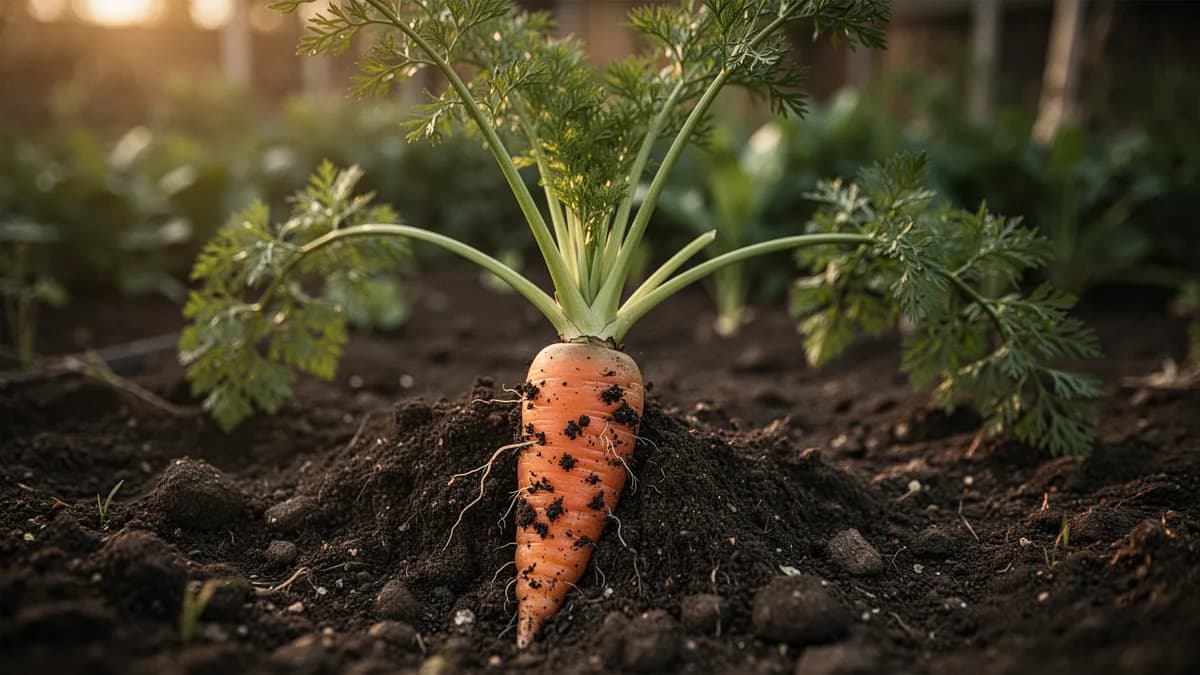
A cool-season root vegetable that develops sweet, tender roots in loose, sandy soil free of stones. Sow seeds directly in the garden as carrots do not transplant well due to their delicate taproot structure. Thin seedlings to proper spacing early to prevent forked or stunted roots. Flavor improves with light frost exposure in autumn, and roots can be left in the ground under mulch for extended winter harvest.
When to plant Carrot
Carrots must always be direct-sown — they absolutely cannot be transplanted. The taproot is extremely sensitive to any disturbance, and transplanted carrots almost invariably develop forked, stunted, or grotesquely deformed roots. This is non-negotiable: sow carrot seeds directly where they will grow to maturity. If you want an early start in cold climates, warm the soil with cloches or black plastic for 2 weeks before sowing rather than starting seeds indoors.
Sow seeds 6mm (1/4 inch) deep in finely prepared, moist soil 2-4 weeks before the last frost date — carrots tolerate light frost and actually prefer cool soil for germination. The tiny seeds are difficult to sow evenly, so mix them with fine sand at a 1:4 ratio, or use pelleted seed for precision spacing. Sow in rows 30 cm apart, or broadcast thinly across wide beds and thin later. After sowing, firm the soil gently with the back of a rake to ensure good seed-to-soil contact, then water with a fine mist — a heavy stream will wash the tiny seeds away or bury them too deep.
The germination period is the most critical and frustrating phase of growing carrots. Seeds take 10-21 days to emerge — an eternity compared to most vegetables — and they demand consistently moist soil throughout this entire period. Even a single afternoon of the soil surface drying out can kill the fragile emerging seedlings. Cover the seed bed with a thin layer of vermiculite (the best option — it retains moisture while letting light through), burlap, or even a wooden board (check daily and remove the moment you see any green). Water gently with a fine mist every morning and evening if rain does not provide moisture. Interplanting with radish seeds is a classic companion technique — the radishes pop up in 3-5 days, marking the invisible carrot rows and breaking the soil crust that traps seedlings.
Once seedlings emerge, thin ruthlessly to 5-8 cm apart when they are about 5 cm tall. This feels wasteful but is absolutely essential — crowded carrots physically cannot develop proper roots and will remain a tangled mass of stunted, twisted, miniature roots. Use scissors to snip unwanted seedlings at soil level rather than pulling them out, which disturbs the roots of neighboring plants. For continuous harvest, sow succession rows every 3 weeks from early spring through midsummer. For fall crops (often the sweetest carrots of the year), sow 10-12 weeks before the first expected frost.
Your Carrot Year
Composed for Zone 7 · typical seasons · frost passes Apr 2, returns Nov 1
Plant Carrot Mar – May, Aug – Sep, pick Jun – Aug, Oct – Nov. Check the planting methods below and set your climate to personalize these windows.
How to grow Carrot
Carrots require patience and proper soil preparation, but reward gardeners with a sweetness and flavor that surpasses anything available in stores. The single most important factor is soil quality — carrots need loose, deep, stone-free soil worked to a depth of at least 30 cm (12 inches). Raised beds are ideal because you can fill them with a custom sandy-loam mix. Remove all rocks, clods, and debris that cause roots to fork, split, or become stunted. Sow seeds directly outdoors 2-4 weeks before the last frost date, as carrots tolerate light frost and actually prefer cool soil for germination.
Sow seeds thinly, about 6mm (1/4 inch) deep, in rows spaced 30 cm apart. Carrot seeds are tiny and slow to germinate (10-21 days), so mix them with sand or radish seeds to mark the rows and prevent crusting. Keep the seed bed consistently moist during germination — even a brief dry spell can kill emerging seedlings. Cover with a thin layer of vermiculite or burlap to retain moisture. Once seedlings reach 5 cm tall, thin ruthlessly to 5-8 cm apart; crowded carrots produce deformed roots.
Maintain consistent moisture throughout the growing season, providing 2.5 cm (1 inch) of water per week. Irregular watering causes cracking and tough, fibrous cores. Mulch between rows with straw or grass clippings to retain moisture, suppress weeds, and keep the soil surface cool. Weed carefully by hand, as hoeing near carrots can damage developing roots. For fall harvest, sow a second crop 10-12 weeks before the first expected frost — cool autumn temperatures intensify sweetness by converting starches to sugars.
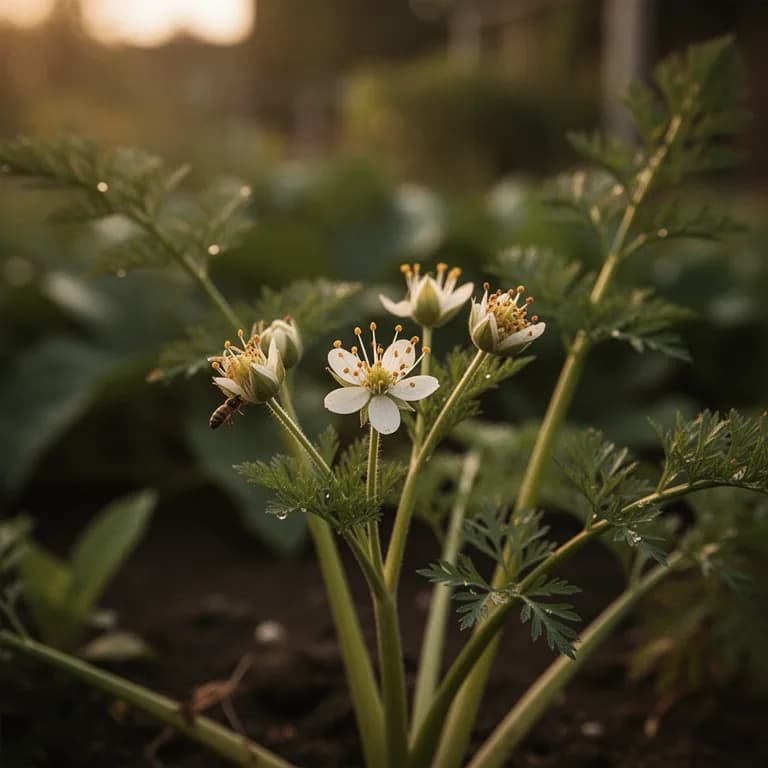
450 plants fit a 4 × 8 ft bed
Each Carrot wants 8 cm of elbow room. The planner keeps that spacing for you — every plant, every bed.
Carrot's best neighbours
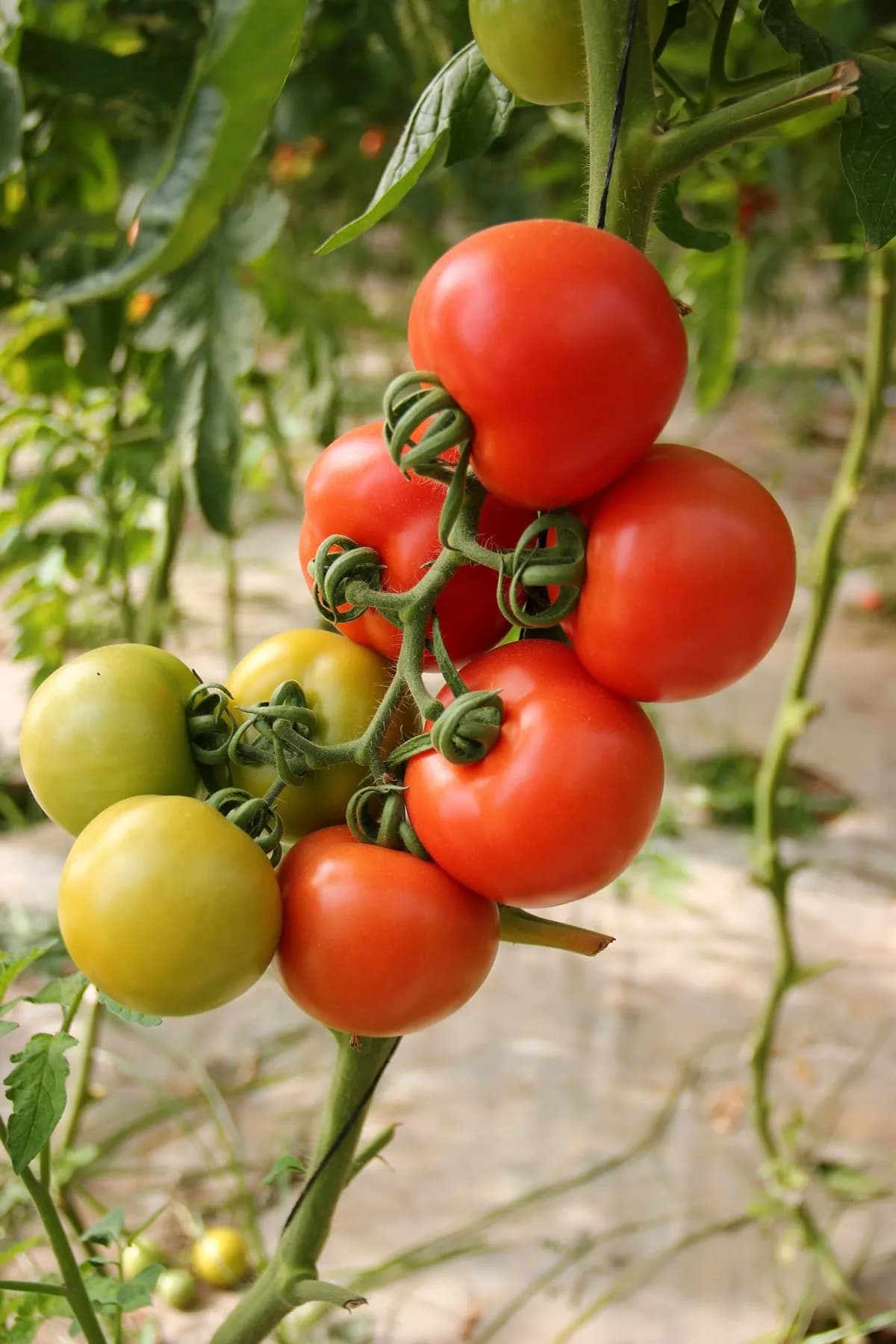
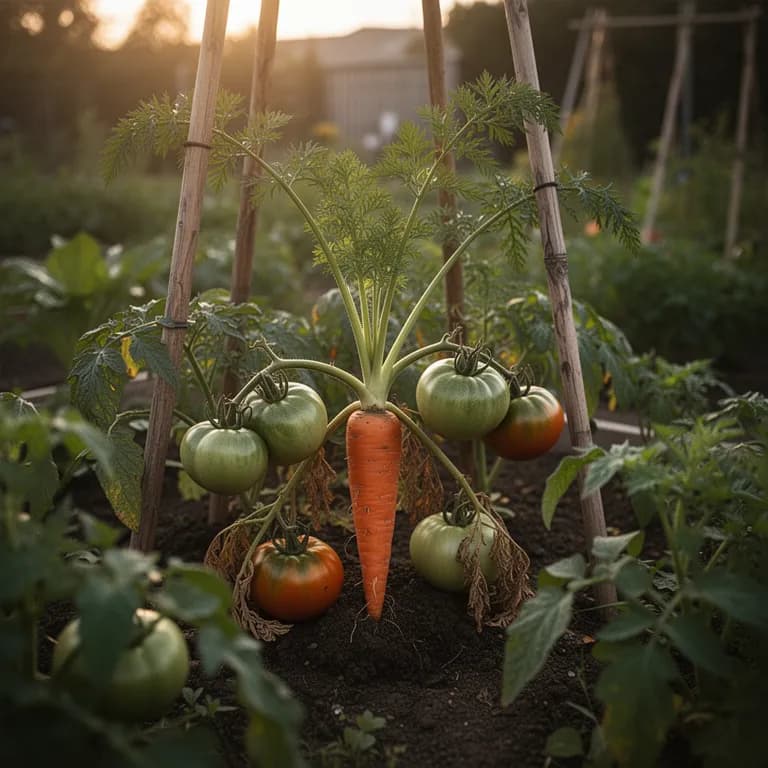
Carrots and tomatoes are one of the garden's great companion partnerships — tomatoes secrete solanine, a natural compound that repels the carrot rust fly, the most destructive carrot pest, while carrots send their deep taproots down to loosen and aerate the soil around tomato roots, improving water infiltration and drainage. Plant carrots in the partial shade of tomato plants, where the lower light actually benefits the cool-season root crop during warm summer months.
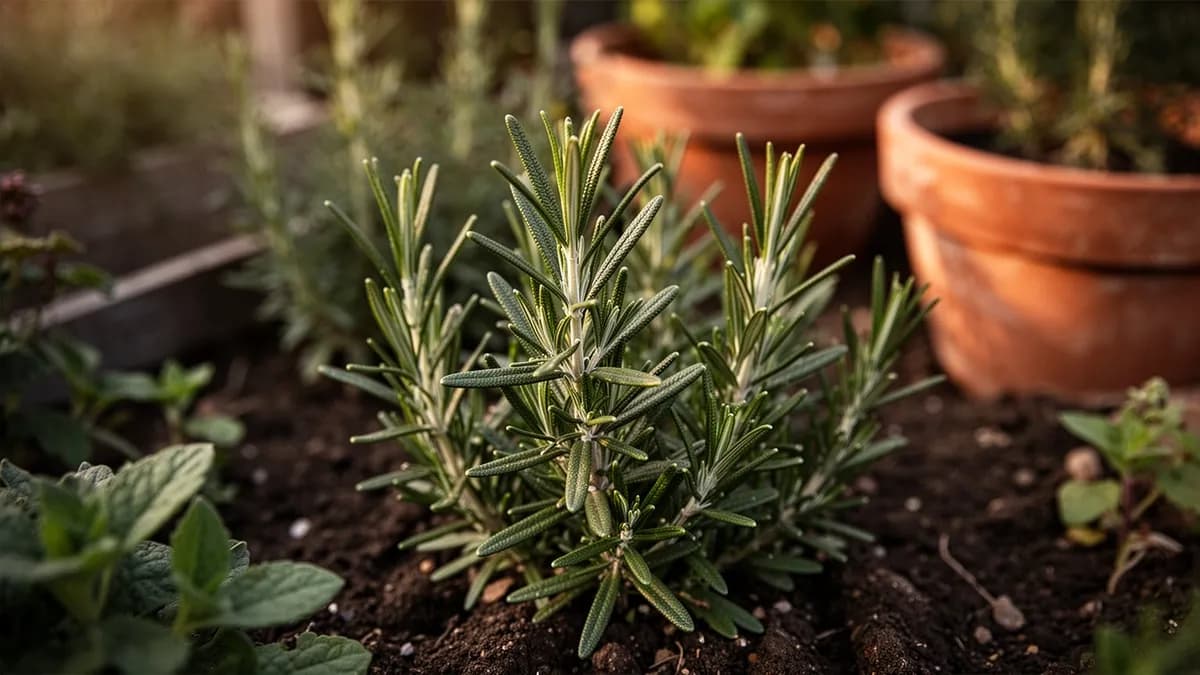
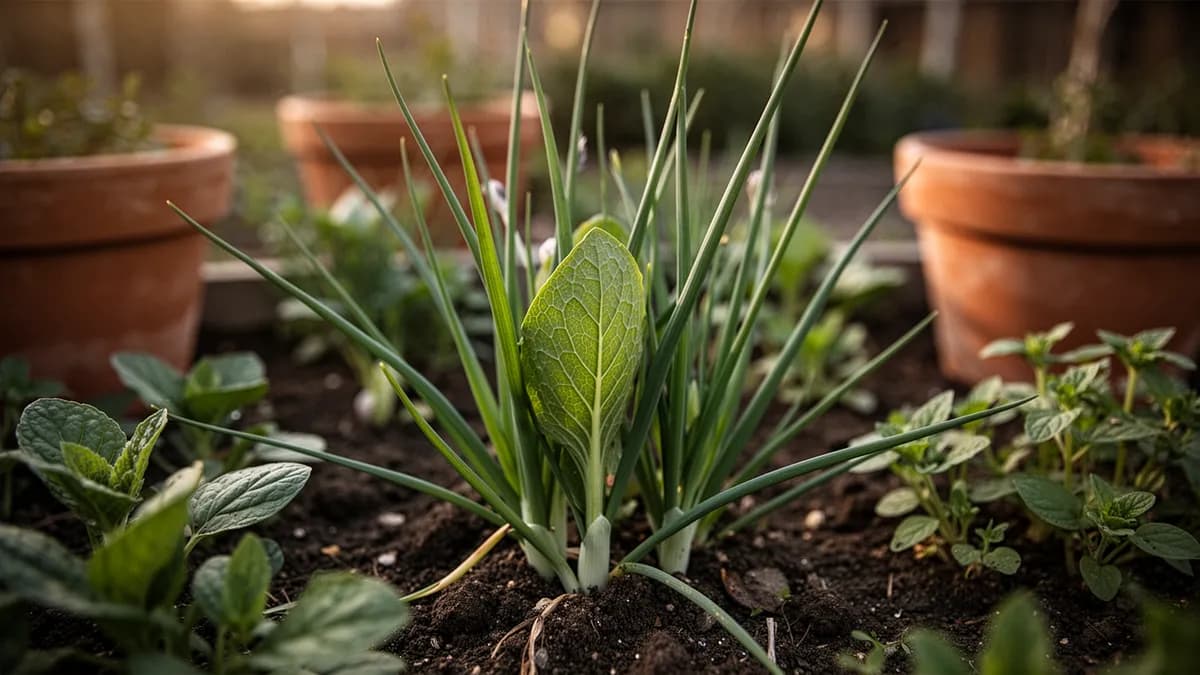
The allium family is a carrot's best friend for pest control. Leeks, onions, chives, and garlic planted alongside or between carrot rows release strong volatile compounds that mask the distinctive carrot scent that attracts carrot rust flies. Rosemary and sage perform a similar masking function with their aromatic oils. This interplanting strategy is so effective that many organic growers consider it essential — alternating rows of carrots and alliums creates a powerful scent-confusion barrier without any chemical inputs.
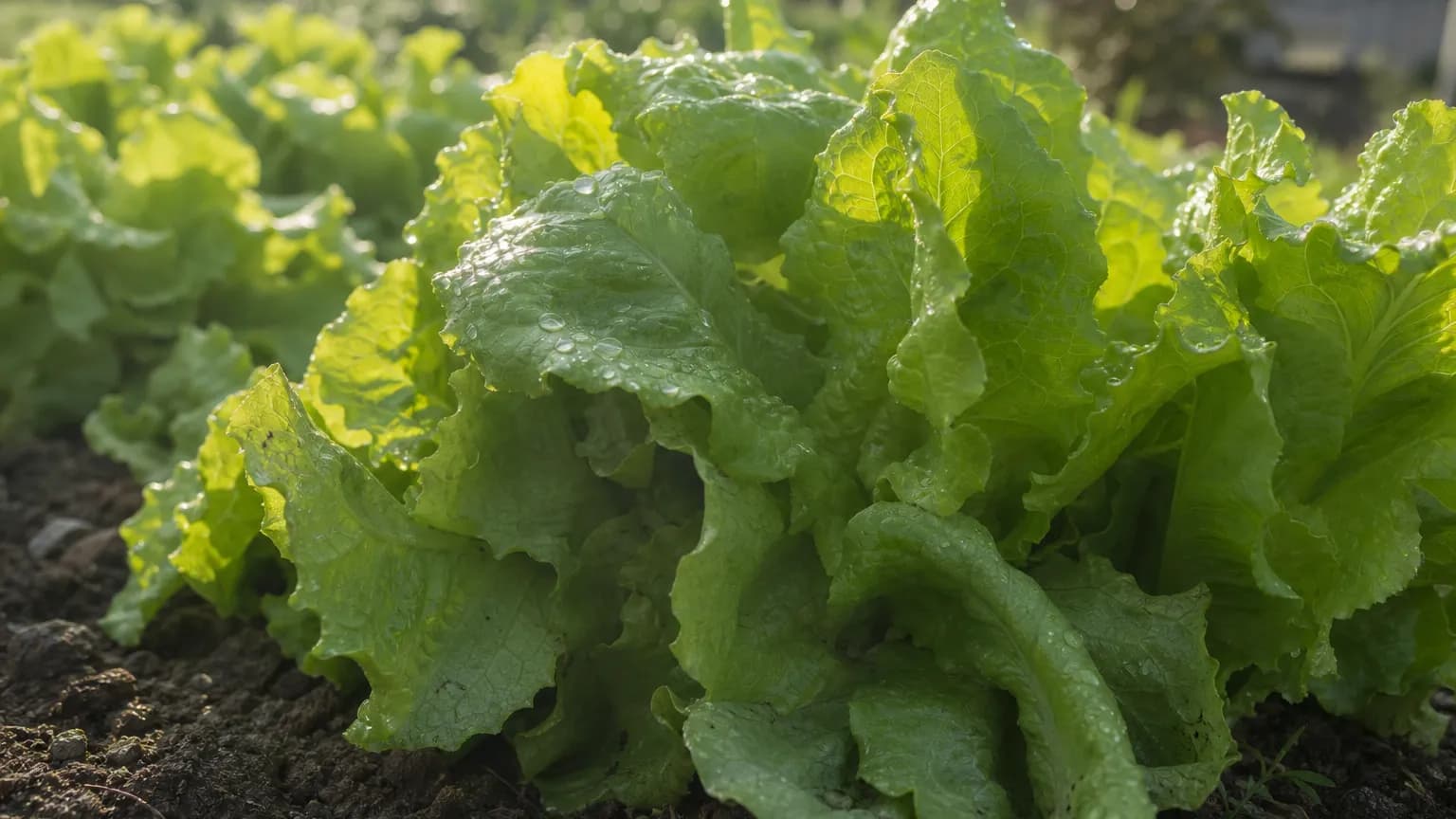
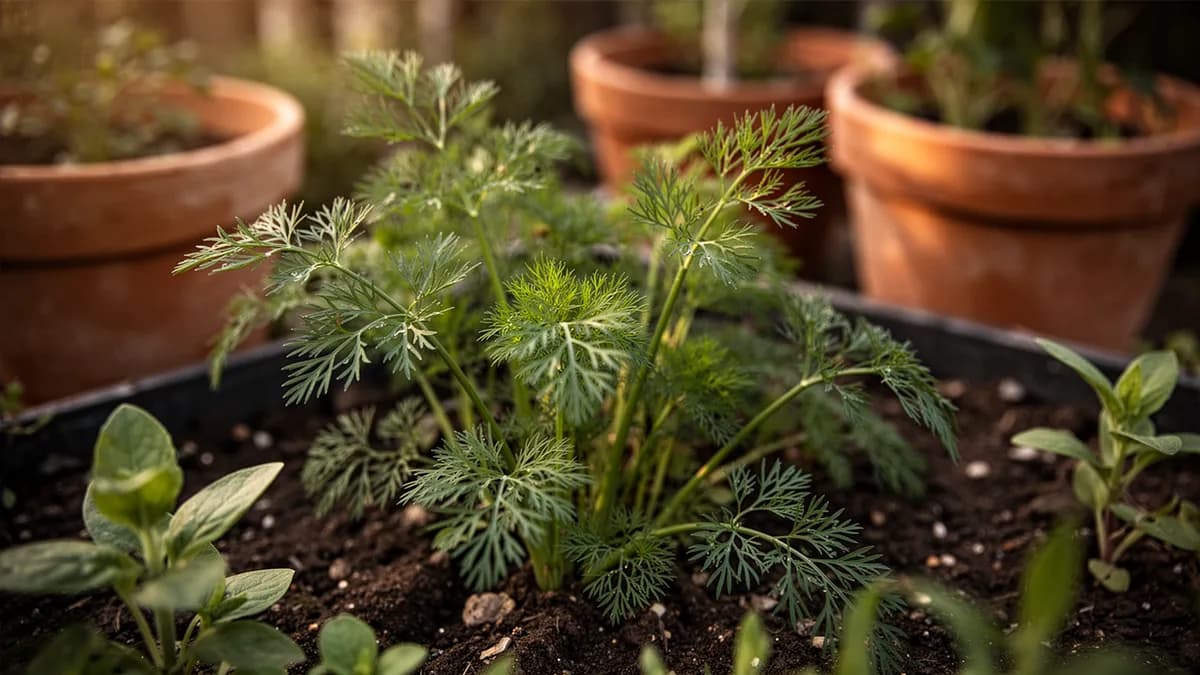
Lettuce interplanted between carrot rows acts as living mulch, shading the soil surface to keep it cool and moist — exactly the conditions carrots prefer. The shallow-rooted lettuce does not compete with deep-rooted carrots for nutrients or water. Radishes sown with carrots germinate quickly, marking the slow-to-appear carrot rows and breaking soil crust that can trap delicate carrot seedlings below the surface. The radishes are harvested long before the carrots need the space. Avoid planting near dill, which belongs to the same Apiaceae family as carrots and can cross-pollinate, producing off-type seed. Mature dill roots also release compounds that may inhibit carrot growth. Parsnips, fennel, and celery should also be kept at a distance as they share pests and diseases with carrots.
Tomato belongs beside it. Dill doesn't.
Old growers' knowledge, checked against Carrot's real companion table below — test any plant you're growing.
Try Carrot in a bed — right here
A real planner bed with Carrot already in it. Tap a companion to place it and watch the pairing checks answer — green for good neighbours, red for a clash.


Related growing guides
Feed it well
Soil preparation is the single most important factor in growing beautiful, straight carrots — no amount of watering, fertilizing, or pest control can compensate for poorly prepared soil. Carrots demand loose, deep, well-drained sandy loam with a pH of 6.0-6.8, worked to a minimum depth of 30 cm (12 inches) for standard varieties and 40+ cm for long Imperator types. Every rock, clod, root fragment, and piece of debris must be removed, as the taproot will fork, split, or deform around any obstacle. Raised beds filled with a custom mix of equal parts topsoil, coarse sand, and aged compost are the ideal solution — they give you complete control over soil texture and depth. In heavy clay soils, incorporate generous amounts of coarse sand (not fine sand, which makes clay worse) and compost to at least 30 cm depth.
Carrots are relatively light feeders compared to heavy-cropping vegetables like tomatoes and squash, and over-fertilizing is actually more harmful than under-fertilizing. Avoid fresh manure at all costs — it causes hairy, forked, and fantastically misshapen roots that look like alien creatures. Use only well-aged compost (at least 6 months decomposed) incorporated before sowing. A balanced organic fertilizer (5-5-5 or similar) worked into the top 15 cm at planting time provides adequate nutrition for the entire growing season. If growth stalls mid-season or foliage appears pale, side-dress lightly with compost or apply dilute liquid kelp as a gentle boost. Excess nitrogen causes lush, bushy tops at the expense of root development, while excess phosphorus can paradoxically cause forking.
Mulch between rows with 5-8 cm of straw, grass clippings, or shredded leaves once seedlings are established — this conserves the consistent moisture that carrots absolutely require, keeps the soil cool (especially important in summer plantings), and suppresses weeds that compete with the slow-starting seedlings. The mulch layer also prevents green shoulders by blocking sunlight from hitting exposed root crowns. Water deeply and evenly, providing 2.5 cm per week, and never let the soil cycle between bone-dry and saturated — irregular moisture is the primary cause of cracked and split roots. Drip irrigation with a timer is the gold standard for carrot beds, delivering consistent, gentle moisture directly to the root zone.
Ideal Temperature
Hardiness Zone Compatibility
From seed to harvest, stage by stage
Seed Germination
Carrot seeds are notoriously slow to germinate, taking 10-21 days depending on soil temperature and moisture. The tiny seeds need consistent moisture throughout this entire period — even a single day of drying out can kill emerging seedlings. Radish seeds sown alongside carrots help mark rows and break soil crust.
Seedling Establishment
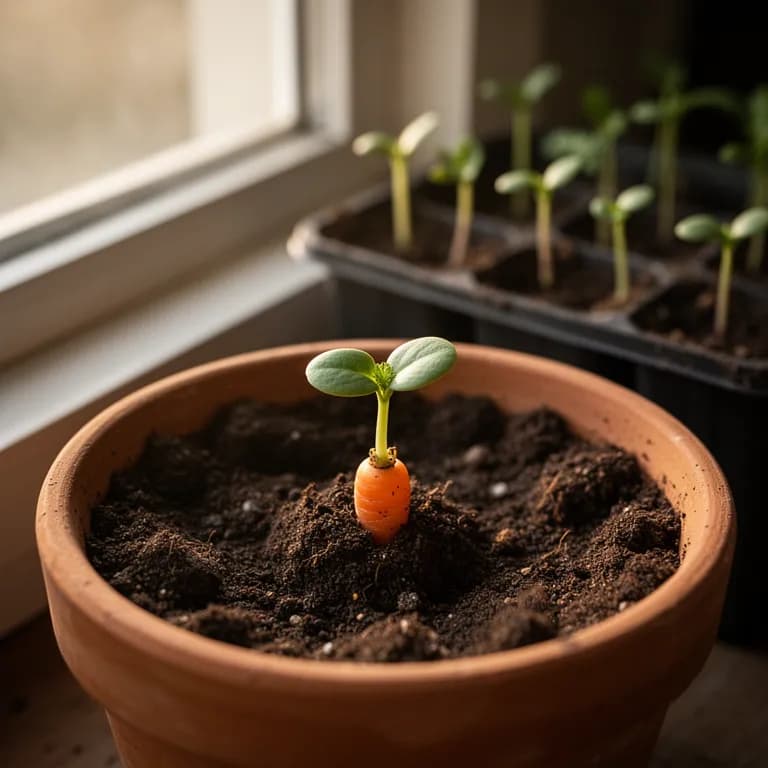
Tiny, grass-like seedlings emerge and develop their first true feathery leaves. Growth is very slow above ground during this stage as the young plants focus on establishing a strong taproot. Seedlings are fragile and easily outcompeted by weeds.
Root Development
The taproot begins to swell and develop its characteristic orange color as beta-carotene accumulates. Foliage grows vigorously, forming bushy tops of feathery, fern-like leaves. The roots push deeper into the soil, requiring loose conditions to grow straight.
Root Sizing
Roots reach their full length and begin thickening. The diameter of the root crown visible at the soil surface indicates readiness — most varieties are ready when the crown is 1.5-2 cm across. Sugar content increases steadily during this phase, especially in cooler weather.
Harvest Window
Carrots have reached their mature size and sugar content peaks. Roots can be harvested anytime during this window. Fall carrots exposed to light frosts become exceptionally sweet as the plant converts starches to sugars as a natural antifreeze mechanism. Roots left in the ground too long in warm weather develop tough, woody cores.
Winter Storage in Ground
In mild climates (zones 6+), carrots can overwinter in the ground under 15-20 cm of straw mulch, effectively storing themselves in the soil. The roots remain dormant and can be dug as needed throughout winter, providing fresh produce when the garden is otherwise empty.
Cover the seed bed with a thin layer of vermiculite or burlap to retain surface moisture. Water gently with a fine mist daily. Never let the top centimeter of soil dry out during the germination period, or you will get patchy, uneven stands.
Caring for Carrot month by month
What to do each month for your Carrot
October
You are hereHarvest main fall crop as temperatures drop. Carrots sweeten significantly after light frosts as starches convert to sugars. Apply 15-20 cm of straw mulch over remaining carrots for in-ground winter storage. Pull any carrots showing signs of splitting.
Know exactly what to do in your garden — every month
One email at the start of each month: what to sow, plant, and tackle right now — for your Carrot and everything growing around it. Plus a short starter course that helps you dodge the classic mistakes.
- What to do, right now
- Matched to your season
- Starter course included
Harvesting Carrot
Harvest carrots when the tops of roots are 1.5-2 cm in diameter at the soil surface, typically 60-80 days after sowing depending on variety. Gently brush soil away from the root crown to check size before committing to harvest — each variety has its own ideal diameter and rushing the harvest sacrifices sweetness and weight. Nantes types are ready at about 2 cm crown diameter, while Chantenay and Danvers types can grow slightly larger without losing quality. Baby carrots can be pulled at any size once roots have developed their characteristic color, and thinning harvests at this stage give remaining carrots more room to size up.
Always loosen the soil deeply alongside the row with a garden fork before pulling — never just yank carrots straight up from compacted soil, as this snaps roots and leaves the bottom half in the ground. Insert the fork at least 15 cm from the row and lever the soil upward gently. In heavy clay soils, you may need to fork both sides of the row. Harvest on a day when the soil is slightly moist but not waterlogged — bone-dry soil grips roots tightly, while soggy soil makes a muddy mess and can cause skin damage. Cut the green tops off within an hour of harvest, leaving a 1 cm stub — the foliage continues drawing moisture and nutrients from the root if left attached, causing rapid wilting and loss of sweetness.
Fall-harvested carrots are dramatically sweeter than summer-pulled ones because cool temperatures near 0°C trigger the plant to convert starches to sugars as a natural antifreeze mechanism. This is why many experienced gardeners consider their fall crop the main event and treat spring carrots as a bonus. In mild climates (zones 6+), carrots can be left in the ground well into winter under 15-20 cm of straw or leaf mulch — the soil is the best root cellar and carrots harvested fresh from frozen ground in January are astonishingly sweet. Mark the bed location clearly before snow covers it. Harvest all remaining overwintered carrots before spring temperatures warm above 10°C, as the roots will resume growth and quickly become woody and bitter as the plant prepares to flower.
assuming you plant when the window opens — set your real date
Root crown 1.5-2 cm across; after a light frost for peak sweetness.
Storage & Preservation
Remove the green tops immediately after harvest — within an hour if possible — as the foliage continues drawing moisture and sugars from the root, causing rapid wilting and loss of sweetness. Leave a 1 cm stub of stem rather than twisting off the tops, which can damage the crown and create an entry point for rot. Brush off excess soil gently but do not wash until you are ready to use the carrots, as surface moisture dramatically accelerates spoilage in storage. Any carrots with cracks, fork damage, or pest tunnels should be set aside for immediate use rather than long-term storage.
For short-term refrigerator storage, place unwashed carrots in perforated plastic bags in the crisper drawer, where they will keep their crunch and sweetness for 4-6 weeks. If carrots begin to go limp, soak them in cold water for 30 minutes to rehydrate — they will snap back to crispness surprisingly well. For serious long-term storage (4-6 months), pack unwashed carrots in boxes layered with slightly damp sand, sawdust, or peat moss in a root cellar or unheated garage maintained at 0-4°C (32-40°F) and 90-95% humidity. This traditional method preserves flavor and texture far better than refrigeration. Alternatively, leave carrots in the garden under 15-20 cm of straw mulch and harvest throughout winter as needed — the best root cellar is the ground itself.
Freezing preserves carrots for up to 12 months. Peel and cut into uniform slices, dice, or batons, then blanch in boiling water for 2-3 minutes (3 minutes for larger pieces) to halt enzyme activity that degrades flavor, color, and texture. Plunge immediately into ice water, drain thoroughly, and freeze in measured portions on a parchment-lined tray before transferring to freezer bags. Frozen carrots work beautifully in soups, stews, and casseroles. For baby food, puree blanched carrots before freezing in ice cube trays for perfect portions.
Dehydrating produces shelf-stable carrot chips and shreds that rehydrate well in soups and stews — slice thinly (3 mm) and dry at 52°C (125°F) for 8-12 hours until brittle. Pressure-canning preserves carrots safely at 11 psi for 25-30 minutes (consult current USDA guidelines for your altitude). Fermented carrot sticks with garlic, dill, and a 3% salt brine produce a probiotic-rich, tangy condiment that keeps for months refrigerated. Quick-pickled carrots in spiced vinegar are a classic addition to banh mi sandwiches and taco toppings.
What goes wrong — and the fix
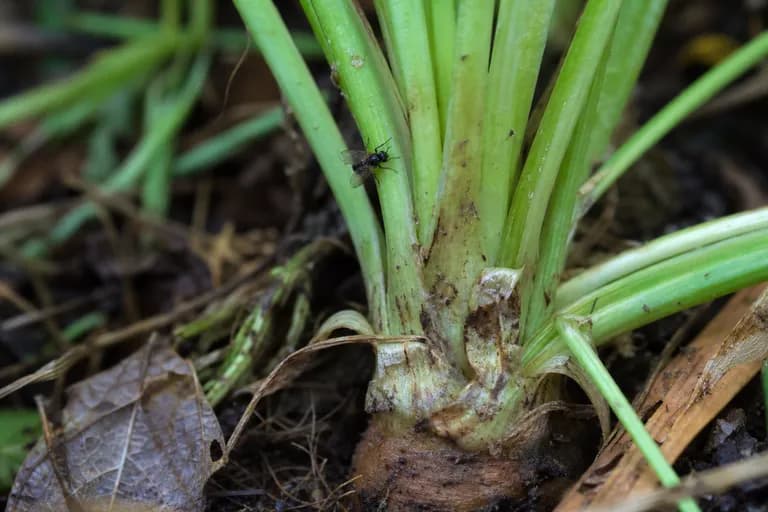
Carrot Rust Fly
PestLarvae tunnel into carrot roots, leaving rusty brown feeding tracks and causing roots to rot. Adults are small, shiny black flies that lay eggs at the base of carrot plants. Damaged carrots have a distinctive off-flavor and are susceptible to secondary infections.
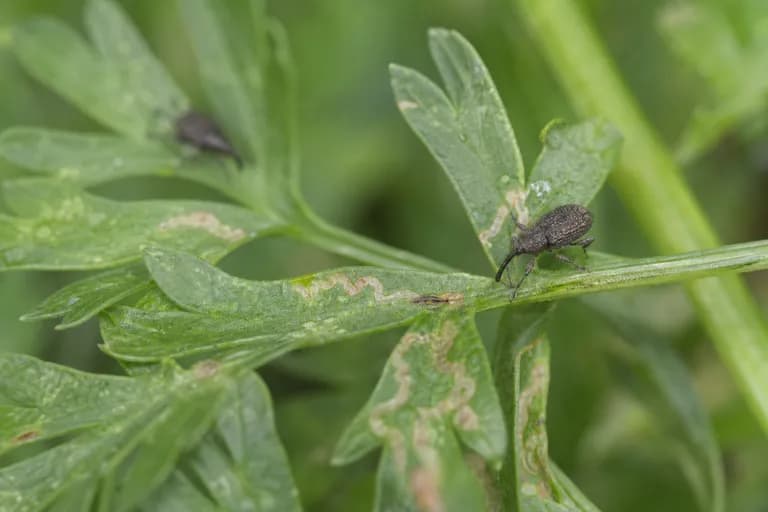
Carrot Weevil
PestSmall, dark brown snout beetles that chew zigzag tracks across carrot foliage. Larvae burrow into the upper portion of the root, creating dark tunnels that allow secondary rot organisms to enter.
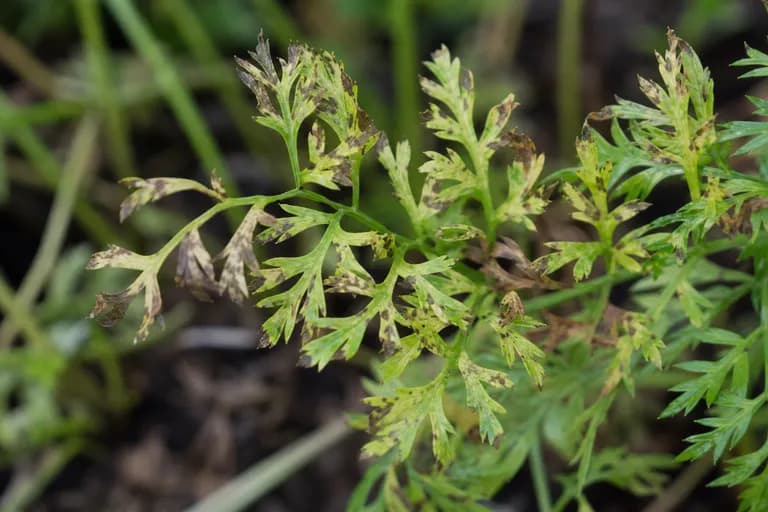
Alternaria Leaf Blight
DiseaseDark brown to black irregular lesions on older leaves, starting at leaf margins and progressing inward. Severely affected foliage yellows and dies back, reducing the plant's ability to size up roots properly.
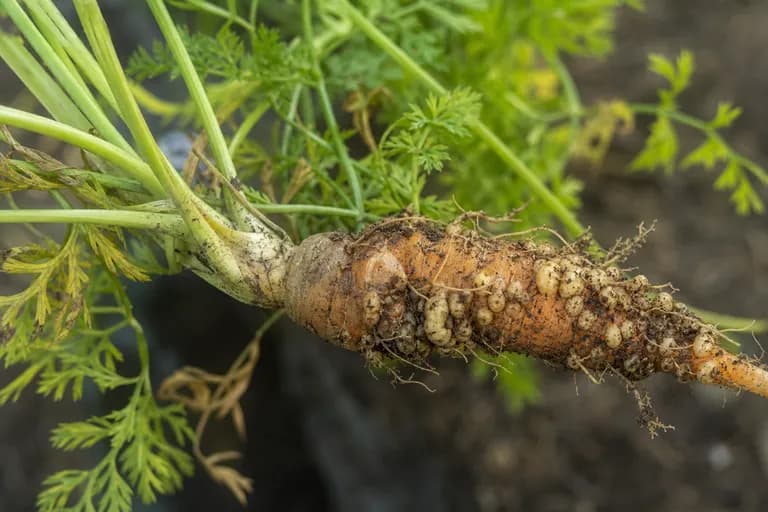
Root-Knot Nematodes
PestRoots develop knobby galls and become forked, stunted, or branched. Plants may appear stunted above ground with yellowing foliage. Damage is most severe in warm, sandy soils.
Troubleshooting Common Problems
Forked, misshapen, and multi-legged roots are by far the most common carrot frustration, and the cause is almost always soil-related. Rocky soil, clay clods, fresh manure, root fragments from previous crops, or even lumps of uncomposted organic matter force the taproot to split and grow around obstacles. Overcrowding from insufficient thinning produces clusters of twisted, intertwined roots that are impossible to separate cleanly. Root damage during careless weeding or hoeing too close to the row causes the taproot to branch. The solution is thorough soil preparation to 30+ cm depth, removing every obstacle, using only well-aged compost, and thinning ruthlessly to 5-8 cm spacing when seedlings are 5 cm tall.
Cracked and split roots result from sudden heavy watering or rain after a dry spell — the root interior absorbs water and expands faster than the skin can stretch, causing it to burst open. This is especially common in summer when irrigation is inconsistent. Prevention is simple: maintain even, consistent moisture throughout the growing season with drip irrigation and heavy mulch. Once a carrot has cracked, it is still edible but will not store well, as cracks invite fungal infections and rot. Use cracked carrots immediately in soups and cooking.
Green shoulders (the top portion of the root turning green) occur when the root crown is exposed to sunlight, triggering chlorophyll production. While not dangerous, the green portion tastes bitter. This is especially common in varieties that push their shoulders above the soil line as they size up, such as Imperator types. Prevent green shoulders by hilling soil around exposed root crowns, maintaining 5-8 cm of mulch over the bed, or choosing Nantes varieties that tend to stay below the surface.
Tough, woody cores and fibrous texture develop in carrots that are left in the ground too long past maturity, or those grown during extended periods of hot weather above 27°C. The core becomes pale, hard, and distinctly unpleasant to eat. Harvest carrots promptly once they reach their expected size, and in warm climates, choose heat-tolerant varieties and focus on spring and fall plantings when cooler temperatures produce tender, sweet roots.
Poor and patchy germination is extremely common because carrot seeds are notoriously slow (10-21 days) and demand consistently moist soil throughout the entire germination period — even a single afternoon of drying out can kill the tiny emerging seedlings. The soil surface crusts over in sun and wind, trapping seedlings below. Solutions include covering the seed bed with vermiculite or burlap, watering with a fine mist twice daily, and mixing carrot seeds with radish seeds that germinate quickly and break the soil crust. Old seed (over 3 years) also has significantly reduced viability, and soil temperatures above 35°C trigger dormancy, preventing germination entirely.
Growing Tips
- The #1 secret to beautiful straight carrots is soil preparation — work the soil to at least 30 cm deep and remove every rock, clod, and root fragment. Even small obstacles will cause roots to fork, split, or become deformed.
- Never use fresh manure or high-nitrogen fertilizer on carrot beds — this causes hairy, forked, and misshapen roots. Use only well-aged compost (at least 6 months old) incorporated before planting.
- Carrot seeds are notoriously slow to germinate (10-21 days). Mix them with radish seeds before sowing — the radishes germinate in 3-5 days, marking the row and breaking soil crust for the slower carrots.
- Keep the seed bed consistently moist for the entire 2-3 week germination period. This is the most critical step — even one day of drying out can kill emerging seedlings and leave gaps in your row.
- Thin seedlings to 5-8 cm apart when they are 5 cm tall. This feels wasteful but is absolutely essential — crowded carrots cannot form proper roots and will remain stunted, twisted, and forked.
- Mulch between rows with 5-8 cm of straw to conserve moisture, keep soil cool, and prevent the green shoulders that develop when root tops are exposed to sunlight.
- For the sweetest carrots, plan your main crop for fall harvest. Carrots exposed to temperatures near freezing convert starches to sugars as a natural antifreeze — fall carrots are dramatically sweeter than summer-harvested ones.
- Interplant with onions, leeks, or rosemary to repel the carrot rust fly. The strong scent of alliums masks the carrot aroma that attracts this destructive pest.
- Use fine-mesh insect netting (1.6mm or smaller) over carrot beds from sowing through harvest if carrot rust fly is present in your area. This is the most effective organic control method.
- For container growing, choose short varieties like Chantenay or Little Finger and use containers at least 30 cm deep filled with a light, sandy potting mix. Longer varieties like Imperator need deeper raised beds.
Grow your best Carrot yet — and everything around it.
Start a free plan today. Lay out your beds, drop in your Carrot, and let PlotMyGarden handle the timing, spacing, companions and reminders from seed to harvest basket.
Pick your Carrot
Nantes
A cylindrical, blunt-tipped carrot with exceptionally sweet, tender flesh and virtually no core. 65-70 days. The gold standard for home gardens, performing well in a variety of soil types.
Danvers Half Long
A sturdy American heirloom that tolerates heavier soils better than most varieties. Tapered, 18 cm roots with rich, deep orange color. 75 days. Excellent for storage and processing.
Chantenay Red Core
A short, stocky carrot ideal for heavy or shallow soils where longer varieties struggle. 12-15 cm roots with broad shoulders and sweet, fine-grained flesh. 70 days.
Cosmic Purple
A stunning variety with deep purple skin and orange interior, packed with anthocyanin antioxidants. 70 days. Sweet flavor with a slight spiciness. Purple color fades with cooking.
Little Finger
A Nantes-type baby carrot perfect for containers and shallow raised beds. Slender, 10 cm roots with smooth skin and gourmet sweetness. 55 days. Excellent for fresh eating and crudites.
A single 30-meter row of carrots produces 5-8 kg of roots from a $3-4 seed packet, equivalent to $20-40 worth of organic carrots at the grocery store. With two succession plantings per season (spring and fall), a family can easily grow $40-80 worth of carrots annually, plus enjoy varieties and freshness unavailable at any price in stores.
Quick recipes
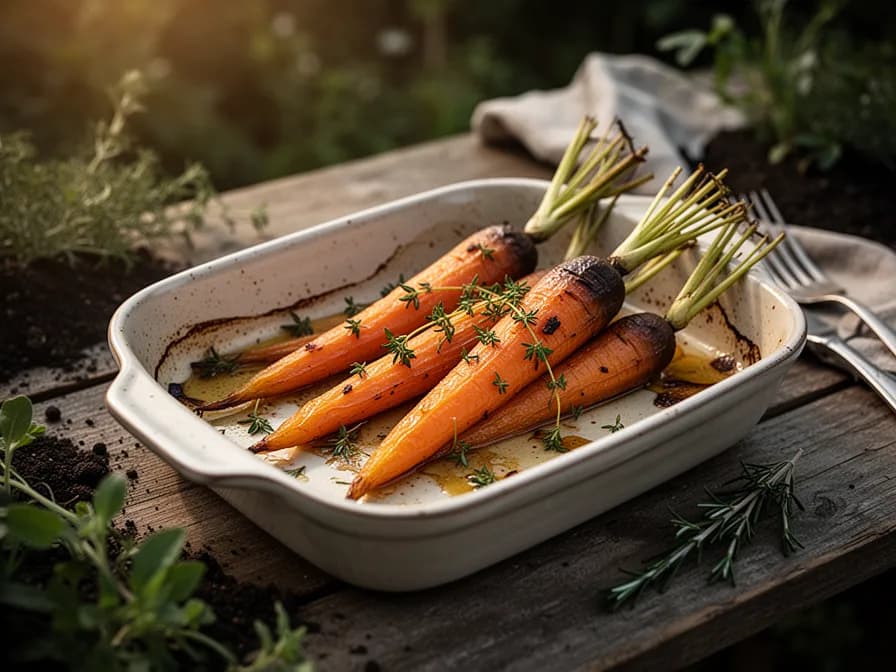
Honey-Glazed Roasted Carrots
35 minSweet, caramelized carrots roasted with honey, thyme, and garlic until golden and tender — the perfect side dish that converts even carrot skeptics.
8 ingredients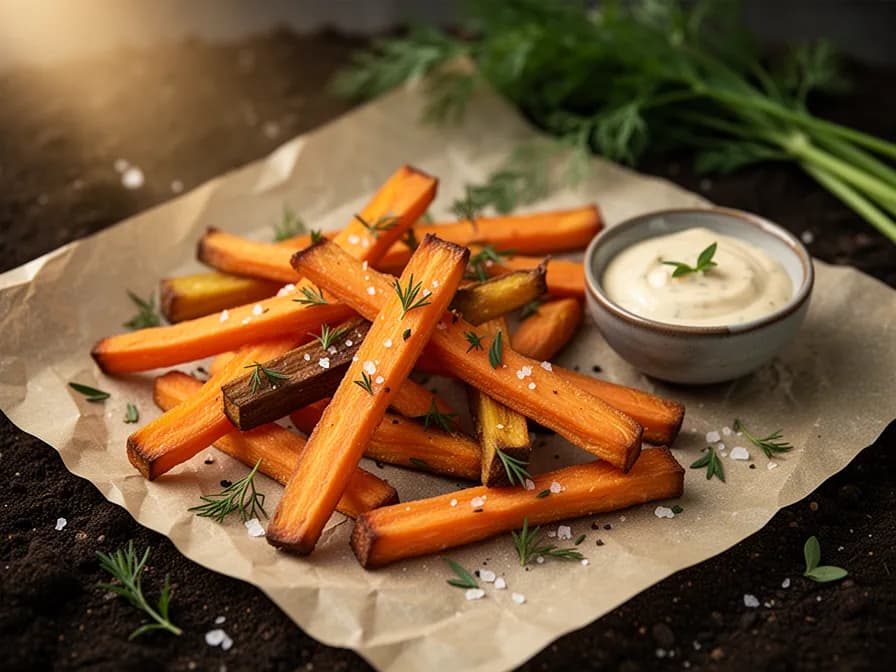
Carrot Ginger Soup
40 minSilky, vibrant soup with the warmth of ginger and sweetness of roasted carrots — elegant enough for dinner parties, simple enough for weeknight meals.
9 ingredientsClassic Carrot Cake
60 minMoist, spiced cake loaded with grated carrots, walnuts, and raisins, crowned with luscious cream cheese frosting — a timeless favorite that showcases garden carrots beautifully.
10 ingredientsCulinary Uses
Carrots are one of the most versatile kitchen staples — equally delicious raw, roasted, steamed, pureed, fermented, baked, or juiced. Raw carrots are the quintessential healthy snack: crunchy sticks with hummus, grated into vibrant coleslaws, shaved into ribbons for salads, or sliced into matchsticks for Vietnamese-style pickled garnishes. They form the essential flavor base of Western cooking as part of the classic mirepoix (diced carrot, onion, and celery) that starts countless stocks, soups, stews, sauces, and braises. Without carrots, most of the world's greatest comfort foods simply would not taste the same.
Roasting transforms carrots into something magical — the high heat caramelizes their natural sugars to produce golden, candy-sweet edges with tender, creamy interiors. Toss with olive oil, honey, thyme, and a pinch of cumin, then roast at 200°C (400°F) for 30-40 minutes. Glazed carrots with butter, brown sugar, and a splash of orange juice are a classic side dish. Carrot ginger soup is silky elegance in a bowl — puree roasted carrots with fresh ginger, coconut milk, and warm spices for a soup that tastes like it came from a restaurant. Carrots pair beautifully with ginger, cumin, coriander, honey, maple syrup, butter, thyme, dill, orange, and tahini.
In baking, grated carrots add incredible moisture and natural sweetness — carrot cake with cream cheese frosting is a beloved classic, but carrots also shine in muffins, quick breads, pancakes, and even brownies. The vegetable flavor disappears entirely in sweet baked goods, making carrots a secret weapon for adding nutrition to children's snacks. Nutritionally, carrots are an outstanding source of beta-carotene (vitamin A), and cooking carrots with a small amount of fat significantly improves absorption — so those butter-roasted carrots are not just delicious, they are actually more nutritious than raw. Purple, red, and yellow heritage varieties add stunning visual drama to the plate and contain additional anthocyanin and lycopene antioxidants not found in standard orange carrots.
What's inside
Health Benefits
- Beta-carotene in carrots is converted to vitamin A in the body, essential for maintaining healthy vision, particularly night vision and protection against age-related macular degeneration
- Regular carrot consumption has been associated with reduced risk of several cancers — the antioxidant falcarinol and beta-carotene work synergistically to protect cells from damage
- Soluble fiber in carrots helps lower blood cholesterol levels by binding to bile acids in the digestive system, supporting overall cardiovascular health
- The potassium content in carrots helps regulate blood pressure by counteracting the effects of sodium, reducing strain on the cardiovascular system
- Biotin and vitamin K in carrots support healthy blood clotting, bone metabolism, and the maintenance of strong hair, skin, and nails
- Anti-inflammatory compounds in carrots, particularly beta-carotene and vitamin C, may help reduce chronic inflammation linked to heart disease, diabetes, and arthritis
Where Carrot comes from
The wild carrot (Daucus carota) originated in Persia (modern-day Iran and Afghanistan) and was first cultivated not for its root but for its aromatic leaves and seeds, much like its relatives parsley, fennel, and cumin. These early carrots had thin, forked, bitter roots — nothing like the plump, sweet varieties we grow today. Archaeological evidence suggests carrot seeds were used as medicine and flavoring as far back as 3000 BC.
Carrot cultivation for its edible root began in earnest around the 10th century in Persia, where purple and yellow varieties were developed. Arab traders spread carrots westward to North Africa and Spain, and eastward to India, China, and Japan. By the 13th century, purple and yellow carrots were being grown across Europe. The familiar orange carrot appeared in the Netherlands in the 17th century, where Dutch growers selectively bred yellow and red varieties together, producing the sweet, deep-orange carrots that became the dominant type worldwide.
The orange carrot's rise was partly practical — it had better flavor, higher vitamin A content, and didn't stain cooking pots like purple varieties. Today, carrots are grown on every inhabited continent and rank as the second most popular vegetable globally after potatoes. Modern breeding has created an extraordinary range of colors (purple, red, white, yellow, and orange), shapes (round, tapered, cylindrical), and sizes (baby to jumbo), but the sweet orange Nantes and Imperator types remain the most widely grown varieties in home gardens and commercial agriculture alike.
Carrot: did you know?
Fascinating facts about Carrot
Carrots were originally purple, yellow, and white — the familiar orange carrot was developed in the Netherlands in the 17th century, possibly to honor William of Orange, though some historians debate this origin story.
Carrot questions, answered
When should I plant Carrot?
What are good companion plants for Carrot?
What hardiness zones can Carrot grow in?
How much sun does Carrot need?
How far apart should I space Carrot?
What pests and diseases affect Carrot?
How do I store Carrot after harvest?
What are the best Carrot varieties to grow?
What soil does Carrot need?
Why are my carrots forked and misshapen?
Why are my carrots bitter or tough?
How do I store carrots for months?
Why aren't my carrot seeds germinating?
Can I transplant carrot seedlings?
What causes green tops on my carrot roots?
You just read the theory. Now grow it on autopilot.
Everything that makes Carrot fiddly — the timing, the spacing, the companions, the harvest window — is exactly what PlotMyGarden handles for you, for every plant in your garden.
A plan that knows your weather
Set your location once. Get sow, feed and harvest dates built around your real last-frost date and live forecast — no more guessing from a generic seed packet.
From the “When to plant” sectionDrag-and-drop bed planner
Design beds on a grid. Every plant snaps to its proper spacing, and you can see your whole season laid out before you spend a cent on seed.
From the “Growing guide” sectionCompanion conflicts, caught early
200+ good-and-bad pairings checked live as you plant — so a season-wrecking mistake never makes it into the ground.
From the “Companions” sectionReminders you'll actually act on
“Water the beans.” “Pick today before it turns.” Timely, specific, and tied to the plants you're really growing.
From the “Harvest” sectionSuccession, scheduled
Want a harvest for six weeks, not six days? It spaces your sowings automatically and reminds you when each new block is due.
From the “When to plant” sectionA record that gets smarter
Every harvest you log teaches it your garden. Next year's plan starts from what actually worked in your soil, not a textbook's.
From the “Overview” sectionPlant these alongside Carrot
More Root Vegetables
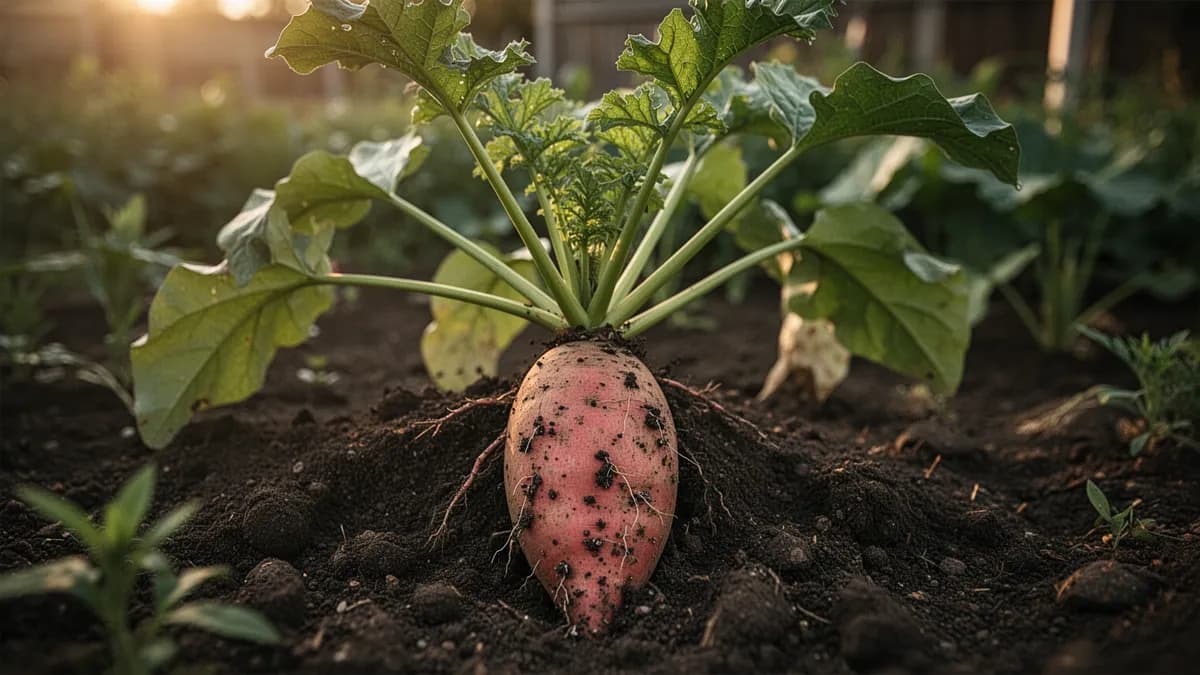
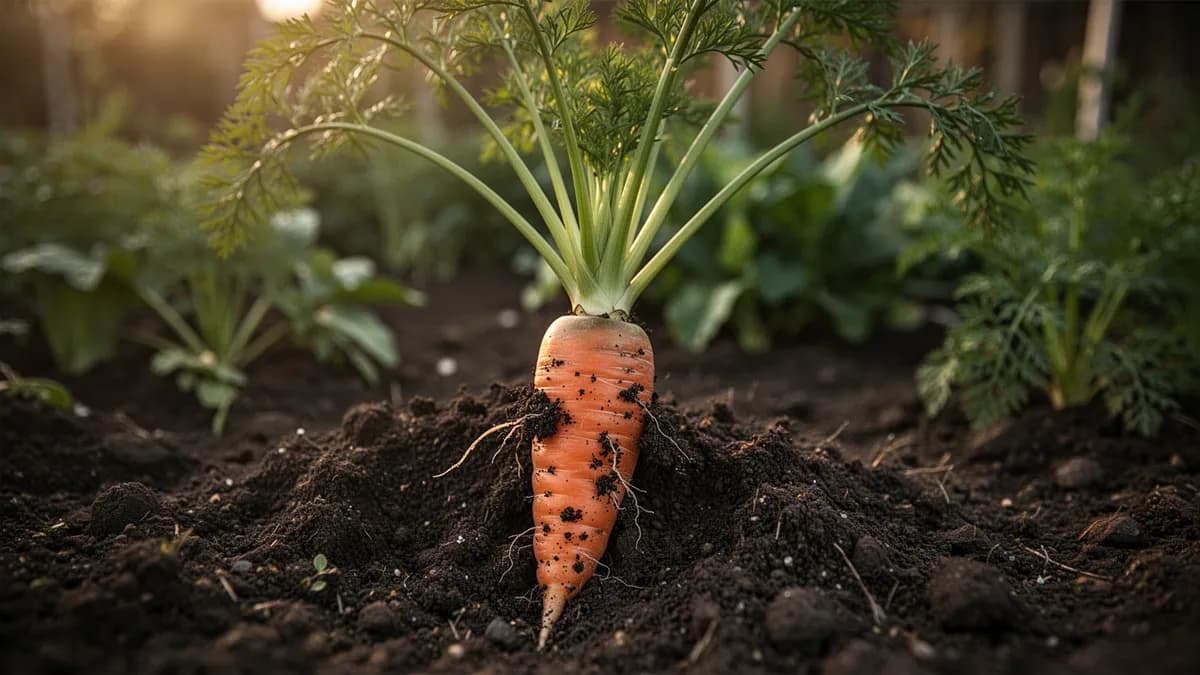
Keep Carrot away from these
Garden plans featuring Carrot
Grow your best Carrot yet — and everything around it.
Start a free plan today. Lay out your beds, drop in your Carrot, and let PlotMyGarden handle the timing, spacing, companions and reminders from seed to harvest basket.