Rosemary
A woody perennial Mediterranean herb with needle-like leaves and excellent drought tolerance once established.





On this pageOverview
Meet Rosemary
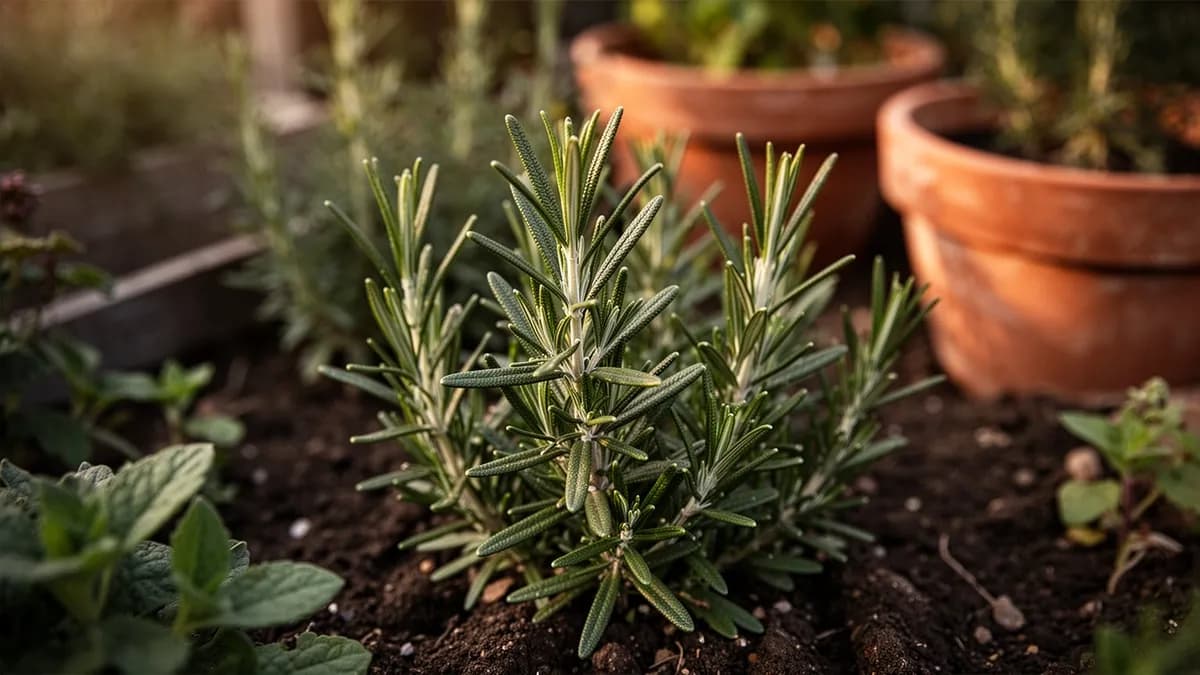
A woody perennial Mediterranean herb with needle-like leaves and excellent drought tolerance once established. Plant in well-drained, sandy or gravelly soil and avoid overwatering, which can cause root rot in this low-moisture species. Rosemary can be shaped into hedges, topiaries, or grown in containers and brought indoors in cold climates where it is not winter-hardy. Its robust, piney flavor pairs beautifully with roasted meats, potatoes, and breads, and it retains its aroma well when dried.
When to plant Rosemary
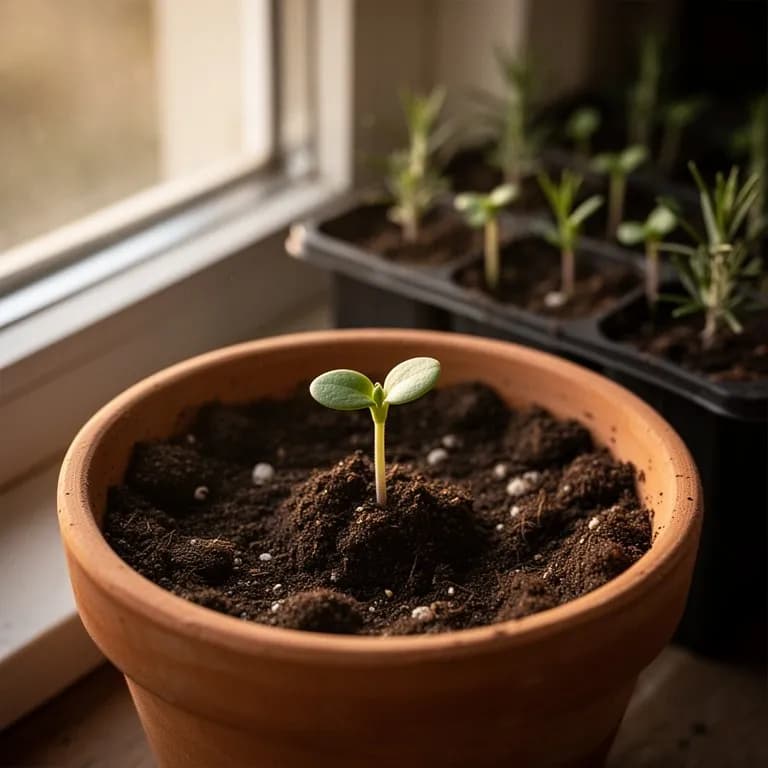
Rosemary is difficult to grow from seed, with germination rates of 30-50% and a long germination period of 14-28 days. If starting from seed, sow indoors 10-12 weeks before the last frost. Press seeds lightly onto the surface of moist seed-starting mix without covering, as they need light. Maintain temperature at 65-70°F. Seedlings grow very slowly for the first several months. For faster results, propagate from 4-6 inch stem cuttings taken from new growth in late spring, which root reliably in 3-4 weeks.
Your Rosemary Year
Composed for Zone 7 · typical seasons · frost passes Apr 2, returns Nov 1
Plant Rosemary Mar – May, pick Jan – Dec. Check the planting methods below and set your climate to personalize these windows.
How to grow Rosemary
Start rosemary from cuttings or nursery transplants rather than seed, as seed germination is slow and unreliable with rates often below 50%. Take 4-6 inch stem cuttings from new growth in late spring, strip the lower leaves, dip in rooting hormone, and insert into a mix of perlite and peat. Roots typically develop in 3-4 weeks under warm, humid conditions.
Prepare a planting site with sharply drained, sandy or gravelly soil amended with lime if your soil is acidic, as rosemary prefers a pH between 6.0 and 7.5. Space plants 24-36 inches apart to allow good air circulation. In clay-heavy soils, plant in raised beds or mounds to prevent waterlogging, which is the most common cause of rosemary failure.
Water sparingly once established, allowing the soil to dry between waterings. Rosemary is highly drought-tolerant and suffers far more from overwatering than underwatering. Prune after flowering to maintain shape and encourage dense growth. In zones colder than 7, grow rosemary in containers and move indoors to a bright, cool window for winter, reducing watering but never letting the rootball dry out completely.
8 plants fit a 4 × 8 ft bed
Each Rosemary wants 60 cm of elbow room. The planner keeps that spacing for you — every plant, every bed.
Rosemary's best neighbours
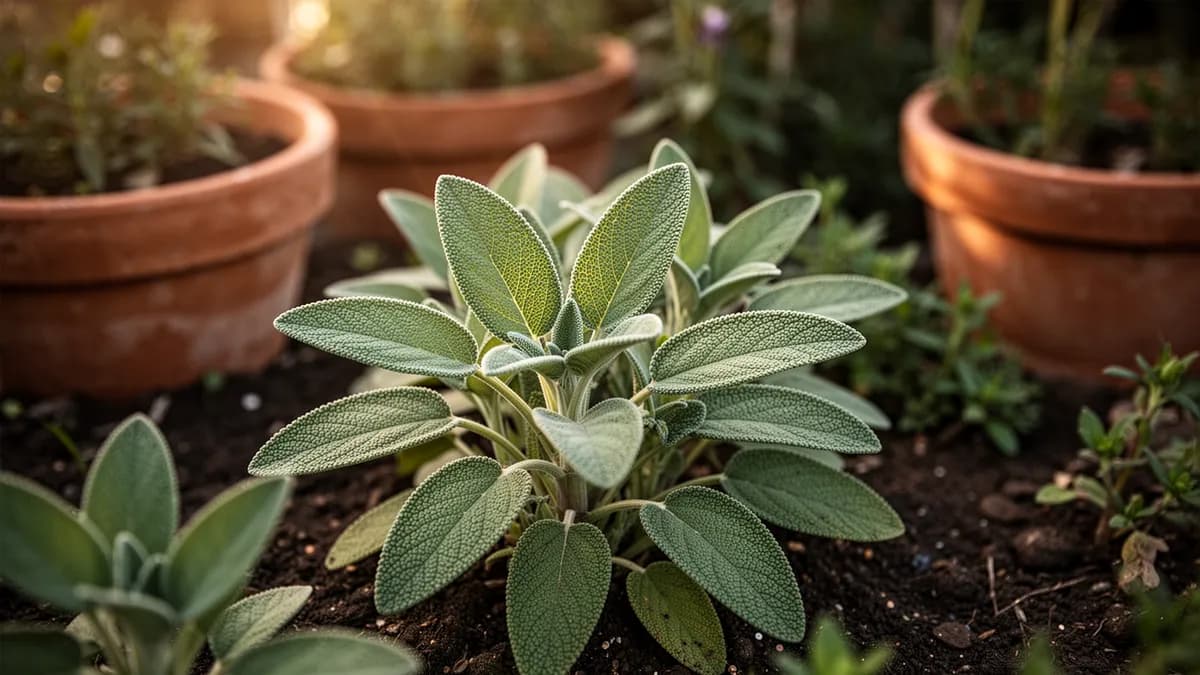
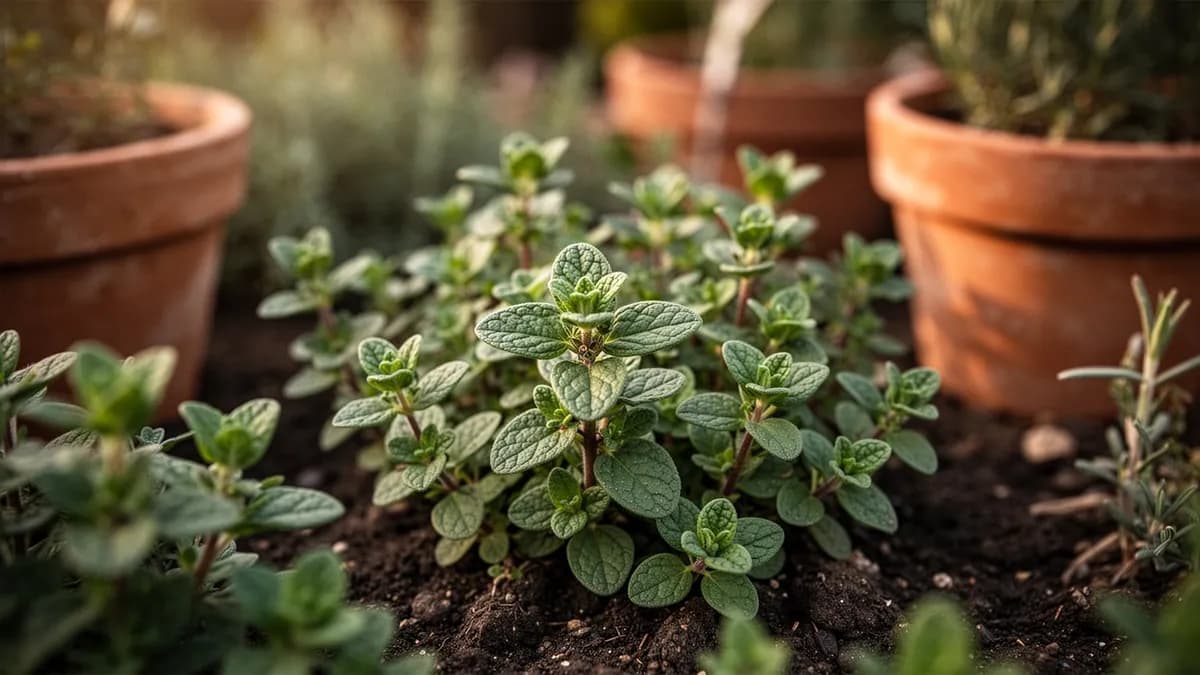
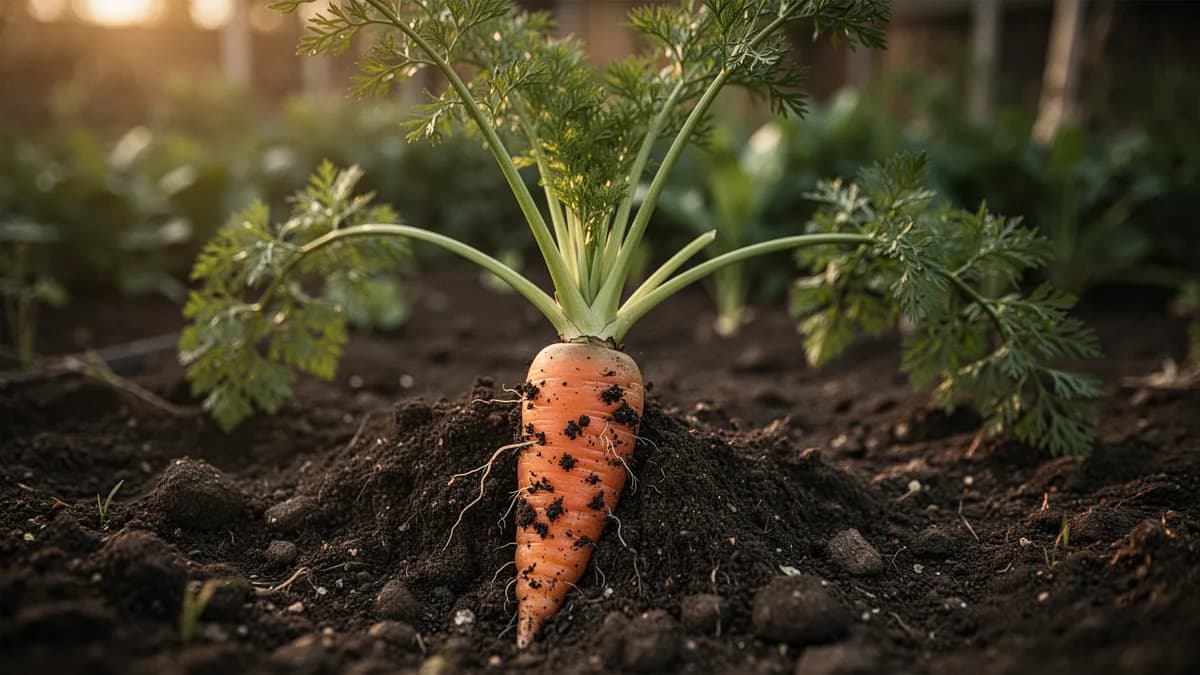
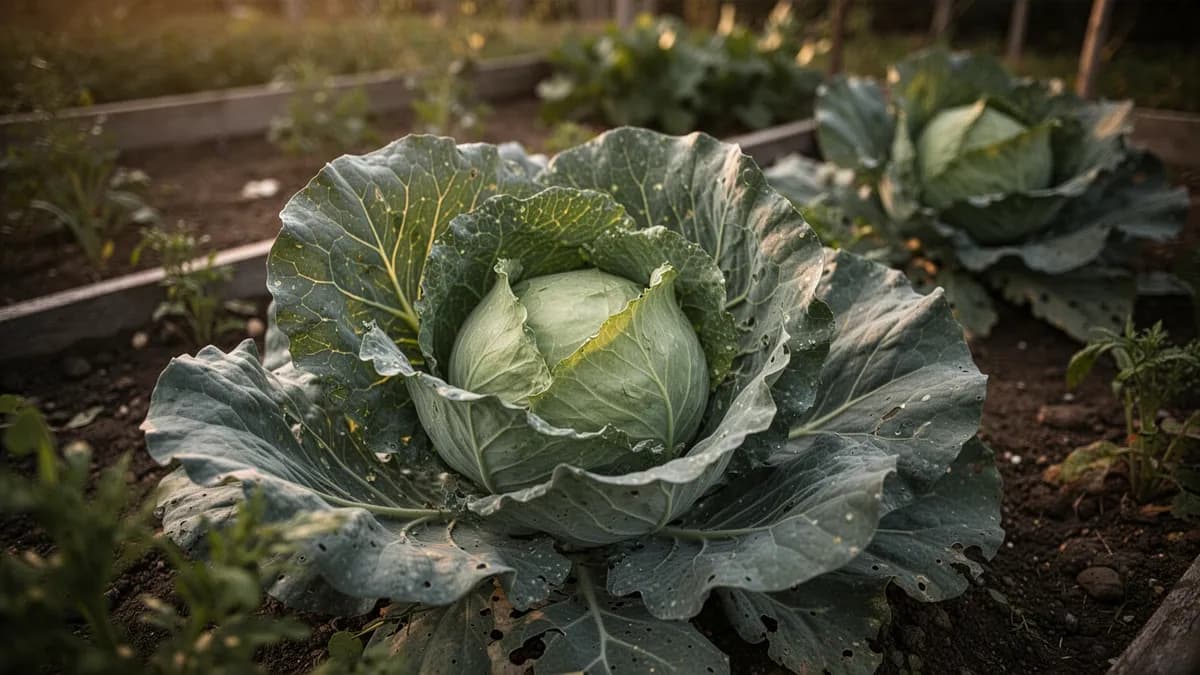
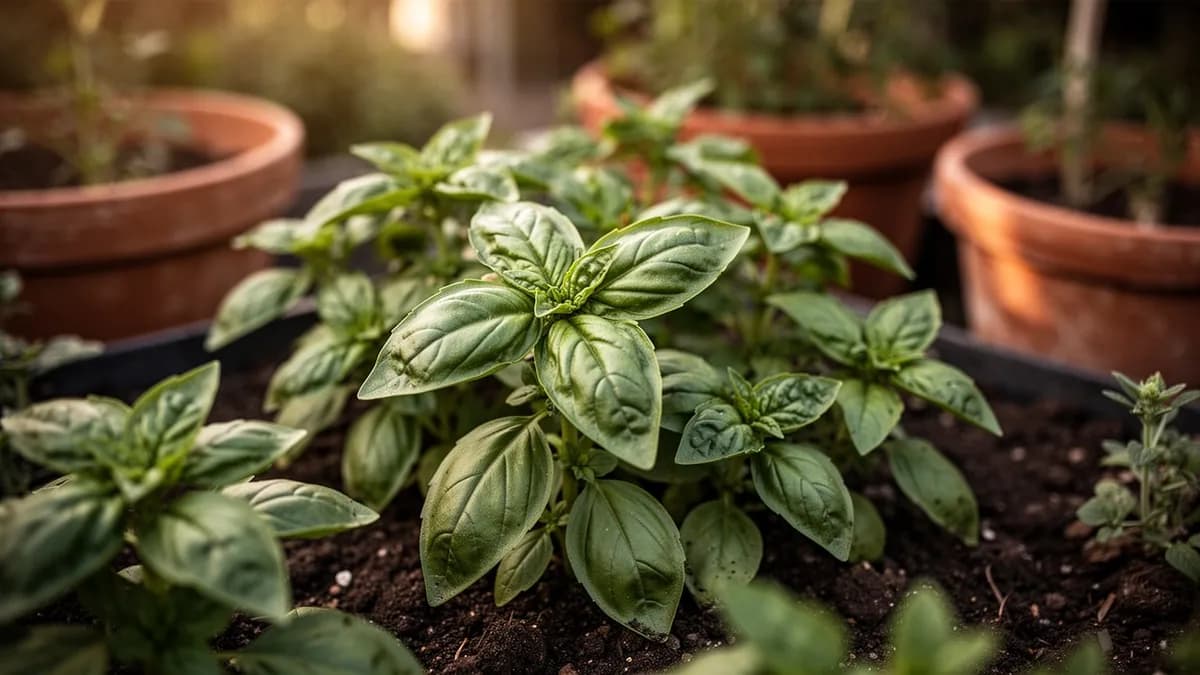
Rosemary's strong aromatic oils repel carrot fly, cabbage moths, and bean beetles, making it an excellent companion for brassicas and root vegetables. It thrives alongside other Mediterranean herbs like sage and thyme, as they share preferences for dry, lean soil and full sun. Rosemary also attracts beneficial pollinators during its flowering period. Keep rosemary away from basil and mint, which require much more moisture and would suffer in rosemary's dry conditions.
Sage belongs beside it. Basil doesn't.
Old growers' knowledge, checked against Rosemary's real companion table below — test any plant you're growing.
Try Rosemary in a bed — right here
A real planner bed with Rosemary already in it. Tap a companion to place it and watch the pairing checks answer — green for good neighbours, red for a clash.


Related growing guides
Feed it well
Rosemary demands well-drained, lean soil with a pH of 6.0-7.5. Sandy, gravelly, or rocky soils are ideal. Avoid rich, heavy soils and excessive organic matter, which retain too much moisture around roots. Add crushed limestone if your soil is acidic. Rosemary needs minimal fertilization; a single application of balanced slow-release fertilizer in early spring is sufficient. Over-fertilizing produces lush but less aromatic growth. Top-dress with a thin layer of compost annually rather than using concentrated fertilizers.
Ideal Temperature
Hardiness Zone Compatibility
From seed to harvest, stage by stage
Seed Germination
Rosemary seeds are notoriously slow and unreliable to germinate. Seeds require consistent warmth around 20-25°C and light exposure. Germination rates are typically only 30-50%, so sow generously.
Seedling Development
Tiny seedlings emerge with their first pair of true needle-like leaves. Growth is very slow at this stage. Seedlings are delicate and prone to damping off if overwatered.
Vegetative Growth
The plant begins developing its woody stem structure and branching habit. Leaves become more aromatic as essential oil production increases. Root system expands significantly during this phase.
Establishment Phase
The plant develops a sturdy woody base and reaches harvestable size. The aromatic profile deepens and the plant becomes more drought-tolerant as roots establish deeply in the soil.
Mature Perennial
A fully mature rosemary plant can reach 60-120 cm tall and wide, forming an attractive evergreen shrub. Plants flower prolifically, producing clusters of small blue, purple, pink, or white blooms.
Long-Term Perennial
Well-maintained rosemary plants can live for 10 years or more in suitable climates. The woody trunk thickens and the plant develops a characterful, gnarled appearance reminiscent of a miniature tree.
Keep the soil surface moist but not waterlogged. Use a heat mat to maintain consistent soil temperature and do not cover seeds deeply as they need light to germinate.
Caring for Rosemary month by month
What to do each month for your Rosemary
October
You are hereMove container plants to a bright, cool indoor location. Apply a light mulch around outdoor plants for winter protection. Stop fertilizing for the season.
Know exactly what to do in your garden — every month
One email at the start of each month: what to sow, plant, and tackle right now — for your Rosemary and everything growing around it. Plus a short starter course that helps you dodge the classic mistakes.
- What to do, right now
- Matched to your season
- Starter course included
Harvesting Rosemary
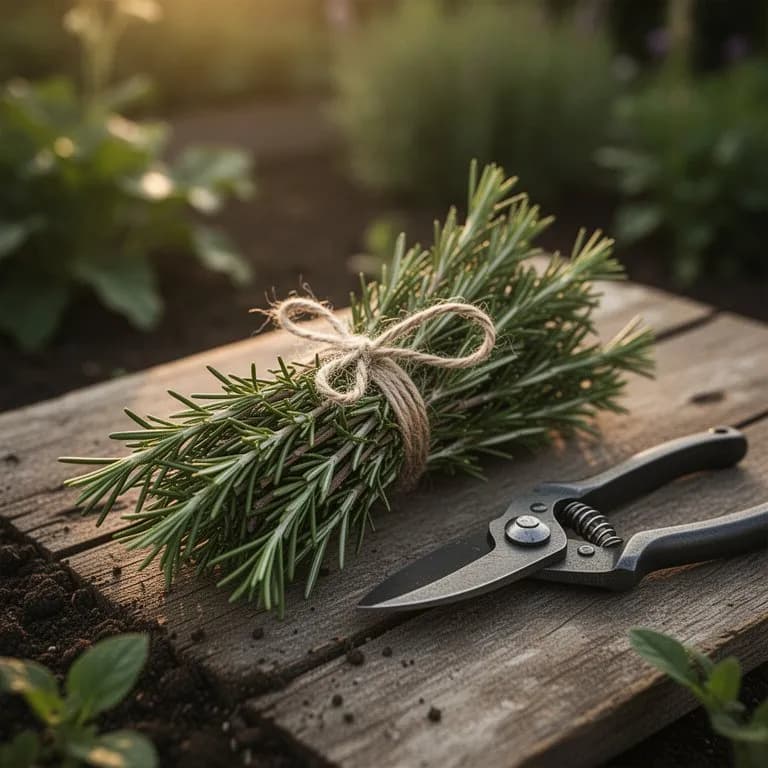
Harvest rosemary sprigs at any time during the growing season by cutting 4-6 inch stem tips with sharp scissors or pruning shears. Avoid cutting into old woody growth, which regenerates poorly. For the best flavor, harvest in the morning after dew has evaporated. Never remove more than one-third of the plant at a time to maintain vigor. Rosemary can be harvested year-round in mild climates, and the flavor actually intensifies during cooler weather when growth slows.
assuming you plant when the window opens — set your real date
Plant is well-established with woody base and 30+ cm tall
Storage & Preservation
Fresh rosemary keeps for 1-2 weeks wrapped in a damp paper towel inside a sealed plastic bag in the refrigerator. For long-term storage, strip leaves from stems and freeze in airtight containers or freeze whole sprigs in freezer bags. Rosemary dries exceptionally well by hanging small bundles upside down in a warm, dark location for 1-2 weeks. Store dried leaves in airtight jars away from light. Rosemary-infused olive oil and vinegar are excellent preservation methods that also create flavorful cooking ingredients.
What goes wrong — and the fix
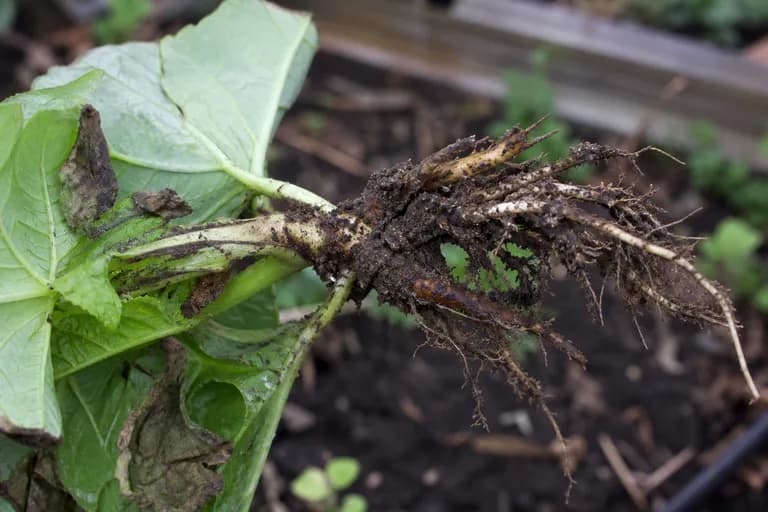
Root Rot
DiseaseWilting despite moist soil, yellowing foliage, brown and mushy roots, plant collapse.
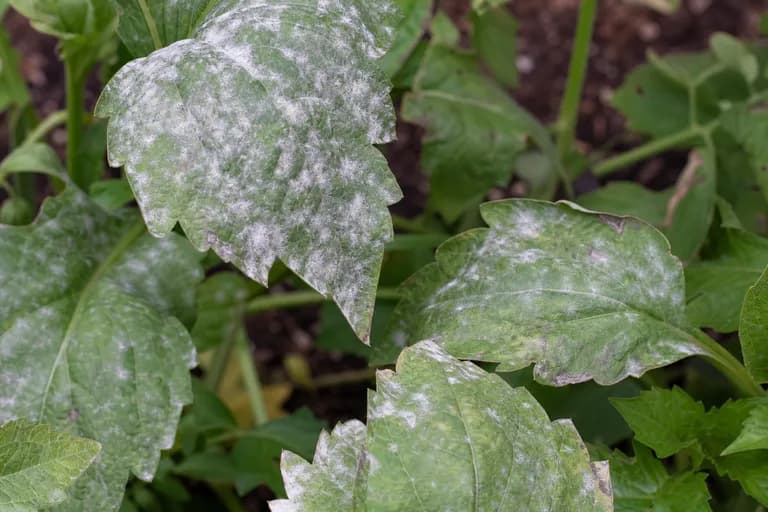
Powdery Mildew
DiseaseWhite powdery coating on leaves and stems, leaf distortion, reduced vigor.
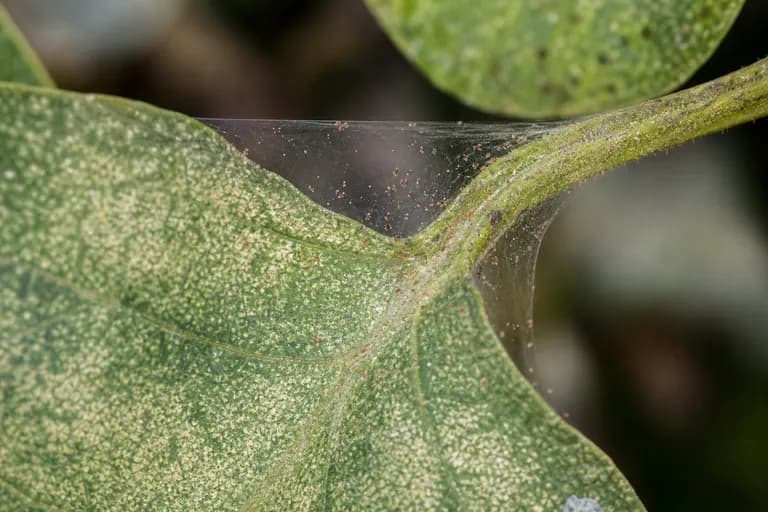
Spider Mites
PestFine webbing on leaf undersides, stippled or bronzed leaves, tiny moving dots visible with a magnifying glass.
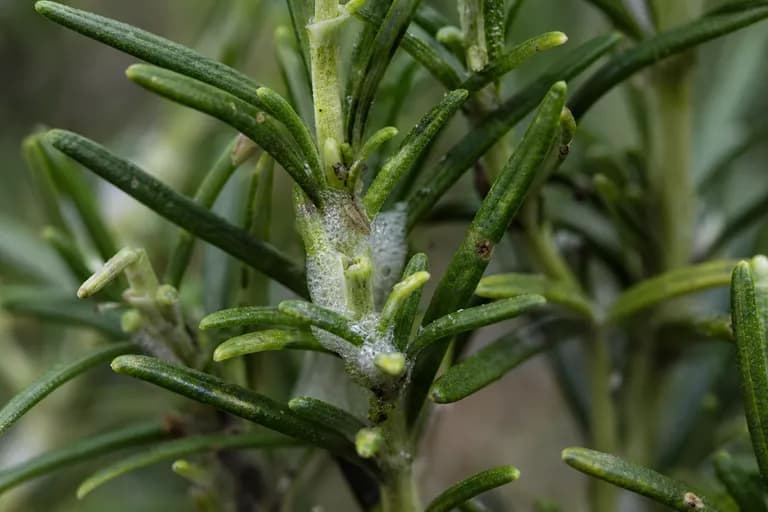
Spittlebugs
PestFrothy white masses on stems and leaf axils, minor leaf distortion, cosmetic damage.
Troubleshooting Common Problems
The most frequent cause of rosemary death is overwatering and poor drainage, which leads to root rot. Yellowing needles often signal waterlogged soil rather than nutrient deficiency. Brown, crispy tips on indoor plants indicate insufficient humidity or underwatering during dry winter heating. Leggy, sparse growth results from inadequate sunlight. Indoor rosemary is especially prone to powdery mildew in stagnant air. Sudden dieback of branches can indicate root problems or canker disease; prune affected wood back to healthy tissue and improve drainage.
Growing Tips
- Start rosemary from stem cuttings rather than seed for much faster and more reliable results. Take 10-15 cm cuttings from healthy new growth, strip the lower leaves, and root in moist perlite or water.
- Plant rosemary in extremely well-draining soil. Mix sand or perlite into heavy clay soils, or grow in raised beds. Rosemary roots will rot quickly in waterlogged conditions.
- Water deeply but infrequently, allowing the soil to dry out completely between waterings. Overwatering is the number one killer of rosemary plants, far more dangerous than underwatering.
- Provide at least 6-8 hours of direct sunlight daily. Rosemary grown in shade becomes leggy, loses flavor intensity, and is more susceptible to fungal diseases.
- Avoid heavy fertilization which produces lush but less flavorful growth. A light application of balanced fertilizer once or twice during the growing season is sufficient.
- Prune regularly by harvesting sprigs from the tips to maintain a compact, bushy shape. Never cut into old woody growth below the green foliage as it may not regenerate.
- In cold climates (below USDA zone 7), grow rosemary in containers that can be moved indoors to a bright, cool location for winter. A sunny south-facing window is ideal.
- Improve air circulation around plants to prevent powdery mildew and other fungal problems. Avoid crowding rosemary with other plants and do not mulch directly against the stems.
- Harvest rosemary in the morning after the dew has dried but before the heat of the day for the highest concentration of essential oils and the best flavor.
- Layer or mound-layer established plants by bending low branches to the ground and covering with soil to encourage rooting. This creates new plants while rejuvenating the parent.
Grow your best Rosemary yet — and everything around it.
Start a free plan today. Lay out your beds, drop in your Rosemary, and let PlotMyGarden handle the timing, spacing, companions and reminders from seed to harvest basket.
Pick your Rosemary
Tuscan Blue
An upright variety reaching 4-6 feet with broad, intensely aromatic leaves. Excellent culinary rosemary with strong flavor and vigorous growth.
Arp
The most cold-hardy rosemary cultivar, surviving temperatures to -10°F. Light green leaves with a slightly lemony flavor, ideal for northern gardeners.
Prostrate (Creeping) Rosemary
A trailing variety perfect for hanging baskets, rock walls, and ground cover. Grows only 6-12 inches tall but spreads 4-8 feet wide.
Salem
A vigorous upright variety with excellent cold tolerance and strong flavor. Dark green needles on sturdy stems, reaching 3-4 feet tall.
Spice Islands
Prized by chefs for its exceptionally high essential oil content and bold pine-pepper flavor. Upright growth to 4 feet with narrow, dark green leaves.
A single rosemary plant costs around $3-5 and can produce fresh sprigs year-round for 5-10 years in suitable climates. Considering that a small package of fresh rosemary at the grocery store costs $2-4 and dried rosemary jars cost $4-7, one plant can save $50-100 or more per year. Rosemary is also extremely easy to propagate from cuttings, allowing you to grow unlimited free plants from a single purchase.
Quick recipes
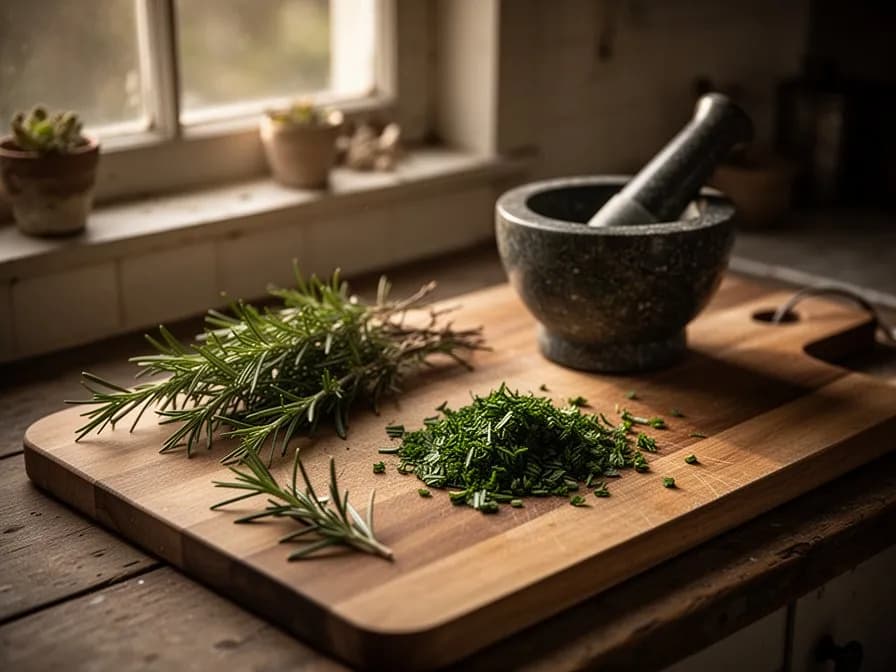
Rosemary Garlic Roasted Potatoes
40 minutesCrispy golden potatoes infused with fragrant rosemary and roasted garlic. A classic side dish that pairs perfectly with roasted meats and grilled vegetables.
6 ingredients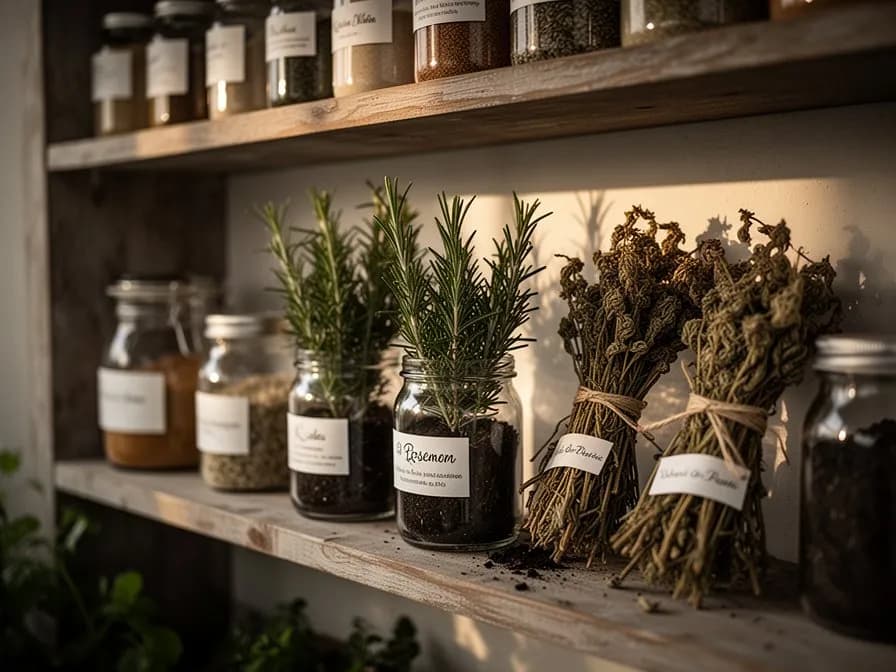
Rosemary Simple Syrup
15 minutesA versatile aromatic syrup perfect for cocktails, lemonade, iced tea, and drizzling over desserts. The piney sweetness of rosemary adds a sophisticated herbal note to any drink.
4 ingredientsRosemary Focaccia Bread
2.5 hours (including rise time)Pillowy soft Italian flatbread topped with fragrant rosemary, flaky sea salt, and fruity olive oil. This classic bread is simple to make and fills the kitchen with an irresistible aroma.
7 ingredientsCulinary Uses
Rosemary is indispensable with roasted lamb, chicken, pork, and potatoes. Add whole sprigs to roasting pans, soups, and stews for deep herbal flavor. Strip leaves from stems and mince finely for focaccia, bread doughs, and compound butters. Rosemary pairs beautifully with garlic, lemon, olive oil, and other Mediterranean ingredients. Use woody stems as aromatic skewers for grilling vegetables and meats.
What's inside
Health Benefits
- Contains carnosic acid and carnosol, powerful antioxidants that may help protect brain cells from oxidative damage and support cognitive function and memory.
- Rosmarinic acid provides significant anti-inflammatory properties that may help alleviate symptoms of arthritis, muscle soreness, and respiratory inflammation.
- Rosemary aroma has been shown in studies to improve concentration, alertness, and memory recall when inhaled during cognitive tasks.
- Antimicrobial compounds in rosemary essential oil are effective against several foodborne pathogens including Staphylococcus aureus and E. coli.
- May support digestive health by stimulating bile production and reducing bloating, gas, and indigestion when consumed as a tea or culinary herb.
- Contains ursolic acid, which research suggests may help maintain muscle mass, support healthy blood sugar levels, and promote cardiovascular health.
Where Rosemary comes from
Rosemary (Salvia rosmarinus, formerly Rosmarinus officinalis) is native to the dry, rocky coastal regions of the Mediterranean basin, particularly the limestone hills of southern France, Spain, Italy, Greece, and North Africa. The name 'rosemary' derives from the Latin 'ros marinus,' meaning 'dew of the sea,' a poetic reference to the plant's natural habitat along misty Mediterranean cliffs where morning dew settles on its fragrant leaves. Archaeological evidence suggests rosemary has been used by humans for over 5,000 years. The ancient Egyptians placed rosemary sprigs in tombs, while the Greeks and Romans burned it as incense in temples and used it medicinally. Hippocrates, Galen, and Dioscorides all documented its therapeutic properties. During the Middle Ages, rosemary became deeply intertwined with European folk traditions. It was woven into bridal wreaths to symbolize fidelity, placed under pillows to ward off nightmares, and burned in sickrooms as a disinfectant. Queen Elizabeth of Hungary reportedly used a rosemary-based tonic known as 'Hungary Water' in the 14th century, one of the earliest recorded perfumes. Spanish explorers brought rosemary to the Americas in the early colonial period, and it quickly naturalized in the warm climates of California and the American South. Today, major commercial production occurs in Spain, Morocco, Tunisia, France, and the United States. Modern research has validated many traditional uses, with studies confirming its antimicrobial, anti-inflammatory, and cognitive-enhancing properties. Rosemary remains one of the world's most popular and widely cultivated culinary and medicinal herbs.
Rosemary: did you know?
Fascinating facts about Rosemary
Rosemary was traditionally tossed into graves and carried at funerals as a symbol of remembrance, a custom dating back to ancient Egypt.
Rosemary questions, answered
When should I plant Rosemary?
What are good companion plants for Rosemary?
What hardiness zones can Rosemary grow in?
How much sun does Rosemary need?
How far apart should I space Rosemary?
What pests and diseases affect Rosemary?
How do I store Rosemary after harvest?
What are the best Rosemary varieties to grow?
What soil does Rosemary need?
Why is my rosemary turning brown and dying?
Can rosemary survive winter outdoors?
How do I propagate rosemary from cuttings?
Is rosemary safe for pets?
Why does my indoor rosemary keep dying?
When and how should I prune rosemary?
You just read the theory. Now grow it on autopilot.
Everything that makes Rosemary fiddly — the timing, the spacing, the companions, the harvest window — is exactly what PlotMyGarden handles for you, for every plant in your garden.
A plan that knows your weather
Set your location once. Get sow, feed and harvest dates built around your real last-frost date and live forecast — no more guessing from a generic seed packet.
From the “When to plant” sectionDrag-and-drop bed planner
Design beds on a grid. Every plant snaps to its proper spacing, and you can see your whole season laid out before you spend a cent on seed.
From the “Growing guide” sectionCompanion conflicts, caught early
200+ good-and-bad pairings checked live as you plant — so a season-wrecking mistake never makes it into the ground.
From the “Companions” sectionReminders you'll actually act on
“Water the beans.” “Pick today before it turns.” Timely, specific, and tied to the plants you're really growing.
From the “Harvest” sectionSuccession, scheduled
Want a harvest for six weeks, not six days? It spaces your sowings automatically and reminds you when each new block is due.
From the “When to plant” sectionA record that gets smarter
Every harvest you log teaches it your garden. Next year's plan starts from what actually worked in your soil, not a textbook's.
From the “Overview” sectionPlant these alongside Rosemary
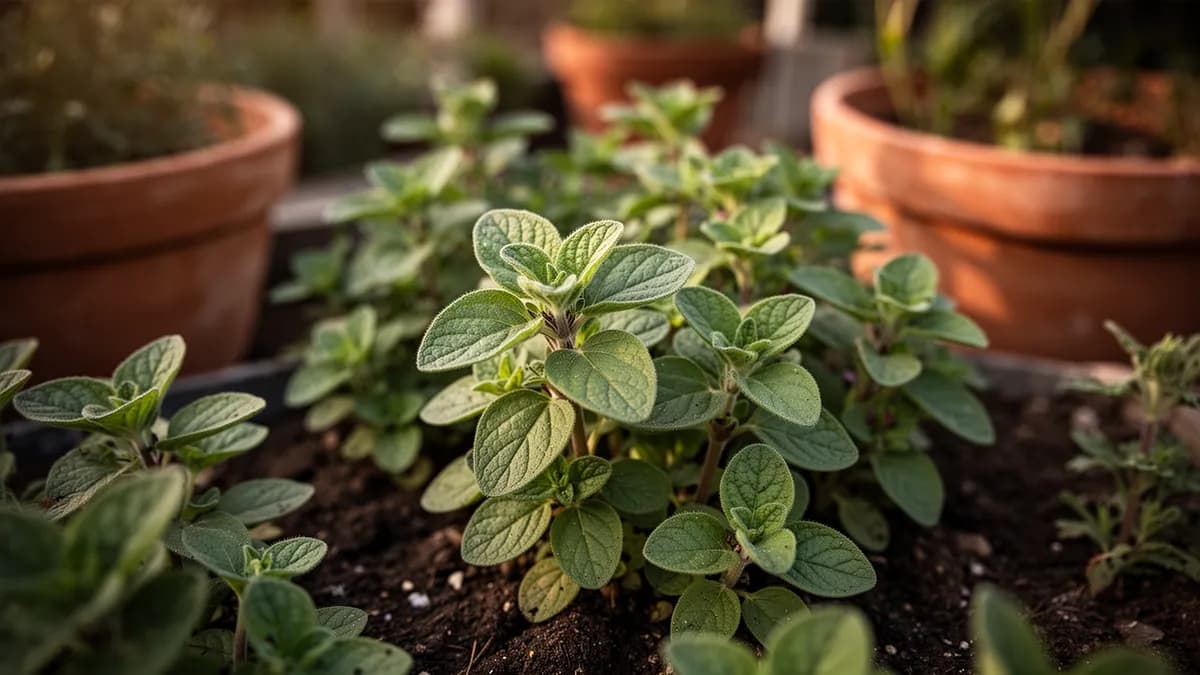
More Culinary Herbs
Keep Rosemary away from these
Garden plans featuring Rosemary
Grow your best Rosemary yet — and everything around it.
Start a free plan today. Lay out your beds, drop in your Rosemary, and let PlotMyGarden handle the timing, spacing, companions and reminders from seed to harvest basket.