Oregano
Ein robustes mehrjähriges Kraut mit würzigen Blättern, deren Aroma sich verstärkt, wenn die Pflanze in magerem, trockenem Boden wächst.





Auf dieser SeiteÜberblick
Oregano im Überblick
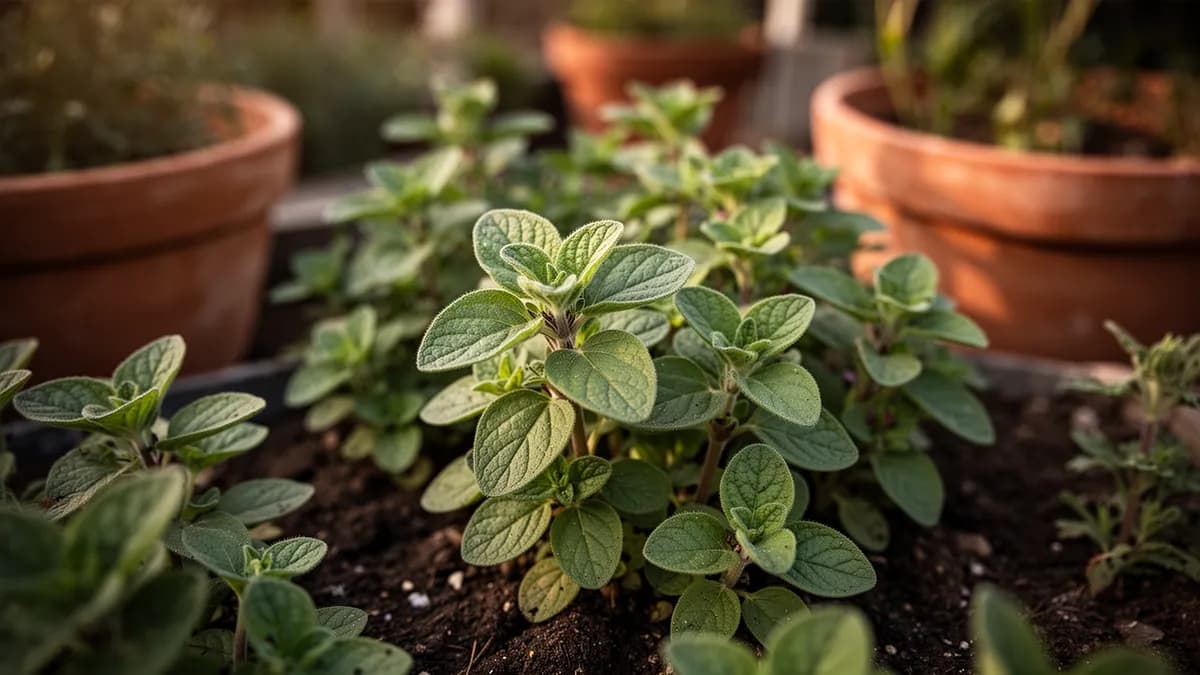
Ein robustes mehrjähriges Kraut mit würzigen Blättern, deren Aroma sich verstärkt, wenn die Pflanze in magerem, trockenem Boden wächst. Schneiden Sie die Stängel im zeitigen Frühjahr um ein Drittel zurück, um frisches Wachstum zu fördern und zu verhindern, dass die Pflanze sparrig und holzig wird. Oregano lässt sich außergewöhnlich gut trocknen und wird im getrockneten Zustand tatsächlich aromatischer als frisch. Sein kräftiger, leicht pfeffriger Geschmack ist unverzichtbar bei Pizza, Pastasaucen, griechischen Salaten und vielen mexikanischen Gerichten.
Wann Oregano pflanzen
Säen Sie Oregano-Samen 6–8 Wochen vor dem letzten Frost drinnen aus. Streuen Sie die winzigen Samen auf die Oberfläche feuchter Anzuchterde, ohne sie zu bedecken, da sie Licht zum Keimen benötigen. Die Keimung dauert 7–14 Tage bei 18–21 °C. Halten Sie den Boden gleichmäßig feucht mit einer Sprühflasche. Vereinzeln Sie die Setzlinge auf 5 cm Abstand, sobald sie echte Blätter entwickeln. Härten Sie die Setzlinge über 7–10 Tage ab. Beachten Sie, dass aus Samen gezogener Oregano im Geschmack variieren kann; probieren Sie die Pflanzen und wählen Sie die aromatischsten aus. Für garantiertes Aroma vermehren Sie aus Stecklingen oder Teilung einer bewährten, aromatischen Pflanze.
Dein Oregano-Jahr
Abgestimmt auf Zone 7 · typische Saison · Frost geht um den 2. Apr. und kehrt um den 1. Nov. zurück
Oregano Mär – Mai pflanzen, Jan – Dez ernten. Beachte die Pflanzmethoden unten und wähle dein Klima für passende Zeiträume.
So baust du Oregano an
Beginnen Sie mit Oregano aus Setzlingen, Stecklingen oder Teilung für die zuverlässigsten Ergebnisse. Wenn Sie aus Samen ziehen, säen Sie 6–8 Wochen vor dem letzten Frost drinnen aus, indem Sie die winzigen Samen auf feuchte Anzuchterde drücken, ohne sie zu bedecken. Die Keimung erfolgt in 7–14 Tagen bei 18–21 °C. Pflanzen Sie die Setzlinge nach dem letzten Frost ins Freie an einen vollsonnigen Standort mit gut durchlässigem, magerem Boden.
Bereiten Sie den Pflanzbereich vor, indem Sie für ausgezeichnete Drainage sorgen und Lehmböden mit Sand und Kies verbessern. Setzen Sie die Pflanzen in einem Abstand von 30–45 cm. Oregano bevorzugt einen leicht alkalischen pH-Wert von 6,5–7,5 und gedeiht in armen bis durchschnittlichen Böden. Reicher, stark aufgedüngter Boden erzeugt üppiges Wachstum, aber deutlich weniger aromatische Blätter mit geringerer Konzentration an ätherischen Ölen.
Gießen Sie sparsam, sobald die Pflanzen etabliert sind, und lassen Sie den Boden zwischen den Bewässerungen austrocknen. Oregano ist äußerst trockenheitsverträglich und leidet unter nassen Bedingungen. Schneiden Sie die Pflanzen im zeitigen Frühjahr kräftig zurück, um abgestorbenes Wachstum zu entfernen und kräftige neue Triebe anzuregen. Knipsen Sie Blütenknospen ab, wenn Sie den besten Blattgeschmack erhalten möchten, oder lassen Sie sie blühen, um Bestäuber anzulocken. Teilen Sie die Horste alle 3–4 Jahre, um Überfüllung zu verhindern und die Pflanzenvitalität zu erhalten.
32 Pflanzen passen in ein Beet von 120 × 240 cm
Oregano braucht 30 cm Platz pro Pflanze. Der Planer hält diesen Abstand für dich ein — jede Pflanze, jedes Beet.
Die besten Nachbarn für Oregano
Oregano ist eine wirkungsvolle Begleitpflanze, weil seine starken ätherischen Öle Blattläuse, Spinnmilben und Kohlweißlinge abwehren. Pflanzen Sie ihn neben Tomaten, Paprika und Auberginen, um Schädlinge abzuschrecken und den Fruchtansatz durch Bestäuberanlockung zu verbessern. Oreganos niedriger, ausbreitender Wuchs dient auch als lebende Mulchschicht, die Unkraut um höhere Kulturpflanzen unterdrückt. Er wächst harmonisch mit anderen mediterranen Kräutern zusammen, die ähnliche Vorlieben für mageren Boden teilen. Halten Sie Oregano von Minze fern, die aggressiv um Platz konkurriert.
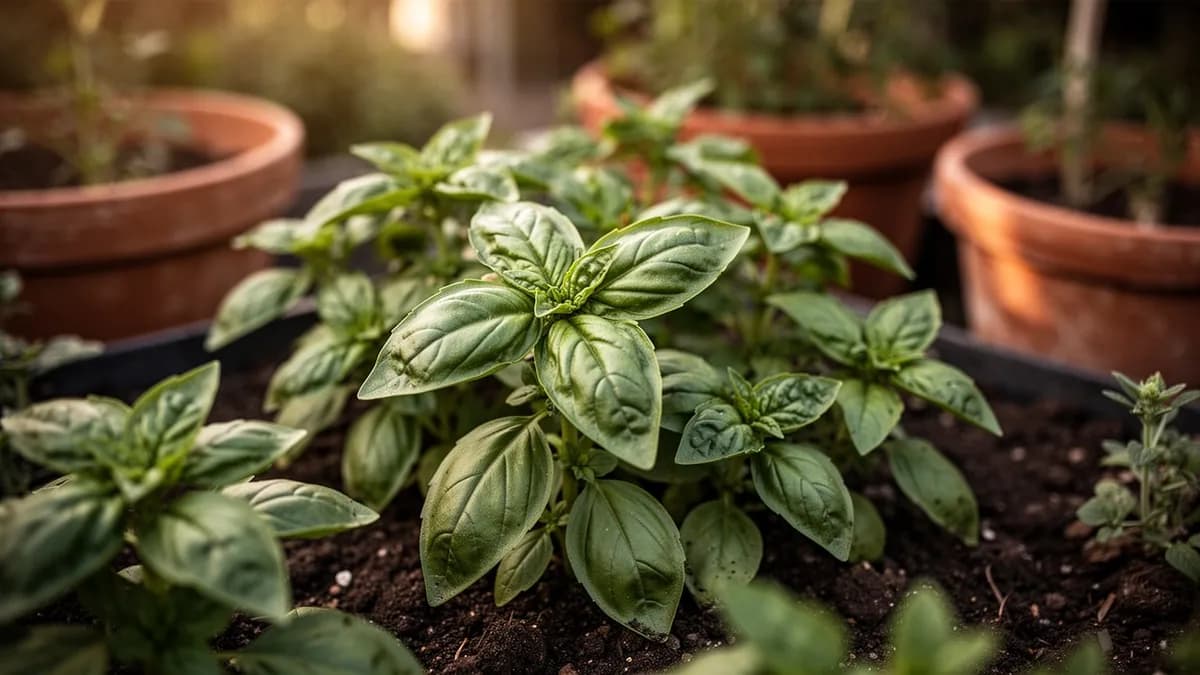
Basilikum gehört daneben. Minze nicht.
Altes Gärtnerwissen, geprüft an der echten Nachbartabelle von Oregano — teste jede Pflanze, die du anbaust.
Probiere Oregano direkt hier im Beet
Ein echtes Planer-Beet, Oregano steht schon drin. Tippe einen Begleiter an, platziere ihn und sieh, wie die Nachbarschaftsprüfung antwortet — grün für gute Nachbarn, rot bei Streit.


Passende Anbau-Ratgeber
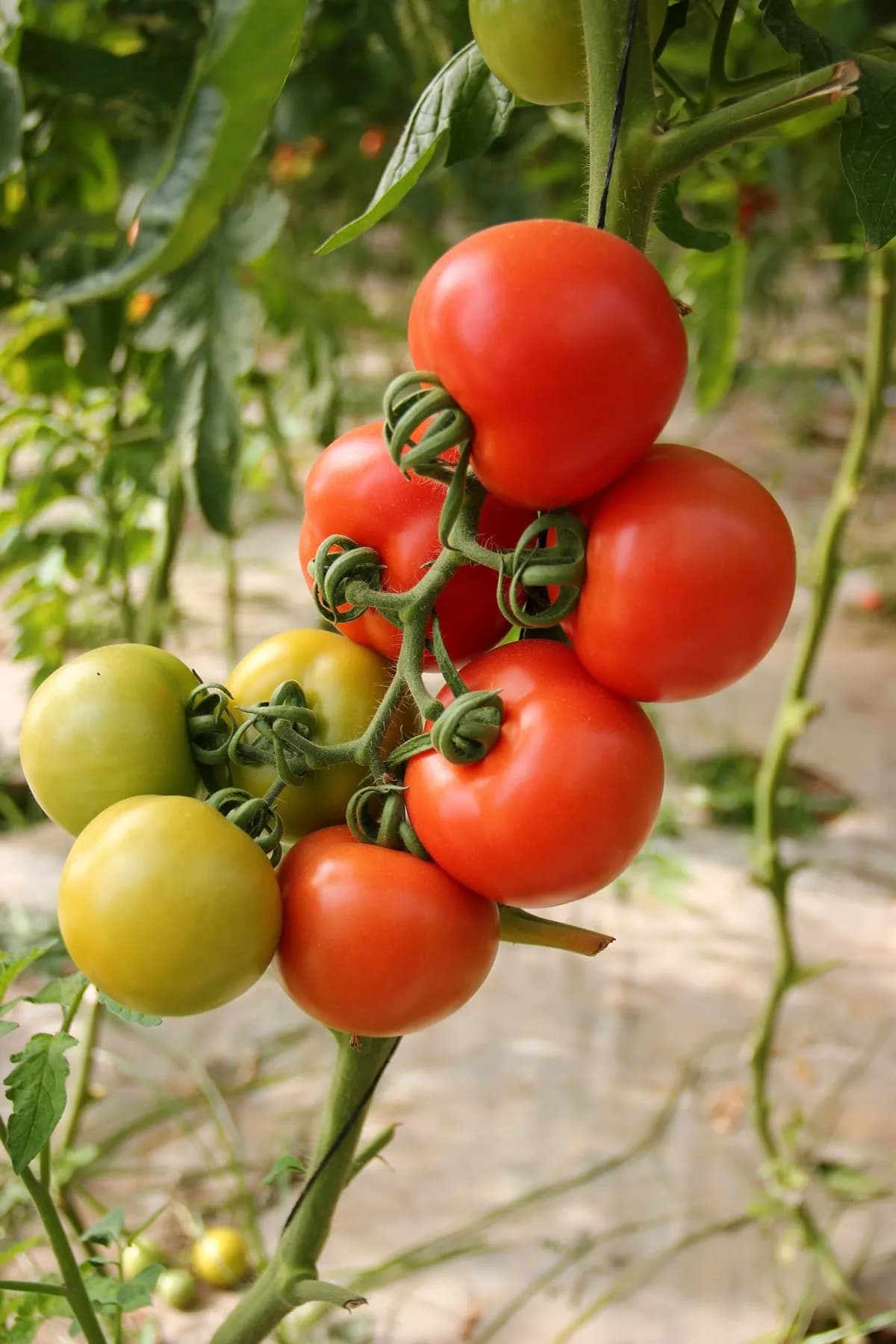
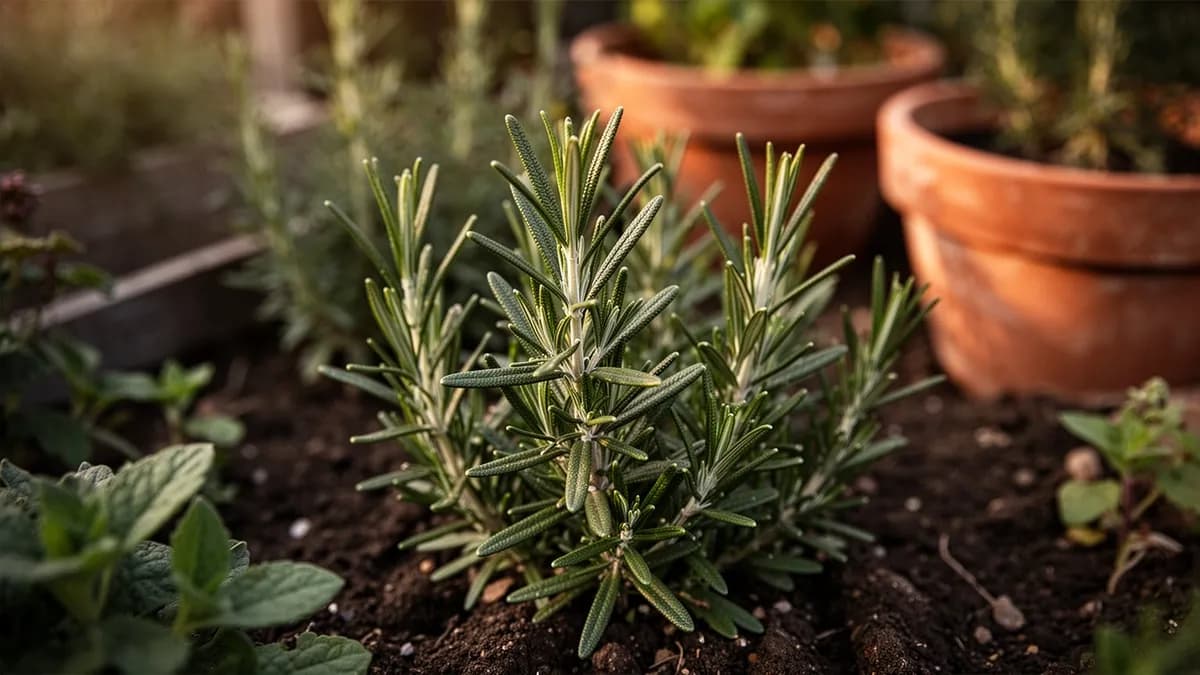
Richtig düngen
Oregano gedeiht in magerem, gut durchlässigem Boden mit einem pH-Wert von 6,5–7,5. Sandige, steinige oder kiesige Böden bringen die aromatischsten Pflanzen hervor. Vermeiden Sie reichen, stark kompostierten Boden, der üppiges, aber geschmackloses Wachstum fördert. Eine dünne Schicht Kompost, die beim Pflanzen eingearbeitet wird, ist ausreichend. Oregano benötigt während der gesamten Wachstumsperiode nahezu keine zusätzliche Düngung. Überdüngung ist einer der häufigsten Fehler, da sie die Konzentration der ätherischen Öle verdünnt und die Schärfe verringert, die Oregano so wertvoll macht.
Ideale Temperatur
Winterhärtezone-Kompatibilität
Von der Saat zur Ernte, Schritt für Schritt
Samenkeimung
Oregano-Samen sind sehr klein und benötigen Licht zum Keimen. Säen Sie sie auf die Oberfläche feuchter Anzuchterde und drücken Sie sie leicht an, ohne sie zu bedecken. Halten Sie den Boden gleichmäßig feucht bei etwa 20–22 Grad Celsius. Die Keimung kann langsam und ungleichmäßig sein und dauert in der Regel 7 bis 14 Tage.
Setzlingsentwicklung
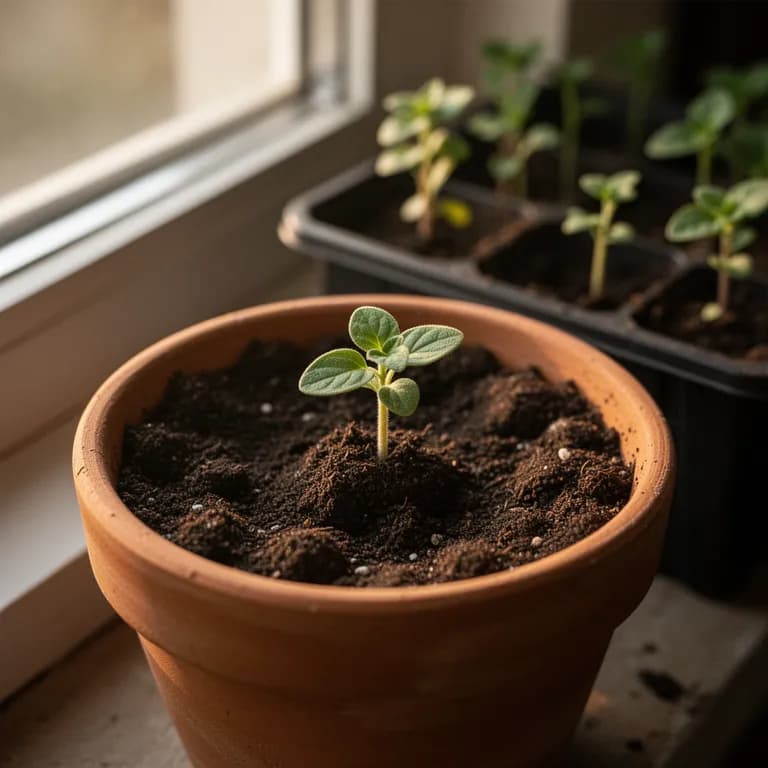
Die Setzlinge entwickeln ihre ersten echten Blätter, die klein, rundlich und leicht behaart sind. Das Wachstum ist in dieser Phase langsam, da die Pflanze sich auf den Aufbau eines Wurzelsystems konzentriert. Vereinzeln Sie die Setzlinge auf etwa 20–25 cm Abstand, sobald sie zwei Paar echte Blätter haben.
Vegetatives Wachstum
Die Pflanze tritt in eine schnelle Wachstumsphase ein und bildet verzweigte Stängel mit aromatischen ovalen Blättern. Oregano entwickelt einen ausbreitenden, polsterförmigen Wuchs und kann eine Höhe von 30–45 cm erreichen. Die Stängel werden an der Basis halbholzig, wenn die Pflanze reift.
Haupternte vor der Blüte
Kurz vor der Blüte erreicht der Oregano seine höchste Konzentration an ätherischen Ölen. Die Blätter sind am aromatischsten und geschmackvollsten. Blütenknospen beginnen sich an den Stängelspitzen zu bilden und erscheinen als dichte Büschel kleiner grüner Knoten.
Blüte
Kleine röhrenförmige Blüten erscheinen in Büscheln an den Stängelspitzen, von weiß über rosa bis violett, je nach Sorte. Die Blüten sind sehr attraktiv für Bienen, Schmetterlinge und andere nützliche Bestäuber. Der Blattgeschmack nimmt während der aktiven Blüte etwas ab.
Samenbildung und Ruhevorbereitung
Nach der Blüte entwickeln sich kleine Samenkapseln. Wenn der Herbst naht, verlangsamt sich das Wachstum und die unteren Blätter können vergilben. In kälteren Klimazonen sterben die oberirdischen Teile ab, aber der holzige Wurzelstock bleibt lebendig und treibt im folgenden Frühjahr wieder aus. Oregano ist eine winterharte Staude in den Zonen 4–10.
Besprühen Sie die Oberfläche vorsichtig, anstatt von oben zu gießen, um ein Verrutschen der winzigen Samen zu vermeiden. Eine Abdeckhaube oder Frischhaltefolie hilft, während dieser kritischen Phase eine gleichmäßige Feuchtigkeit aufrechtzuerhalten.
Oregano Monat für Monat pflegen
Was du jeden Monat für deine Oregano tun solltest
Oktober
Aktueller MonatLassen Sie die Pflanze auf natürliche Weise abhärten. Schneiden Sie nach dem ersten Frost abgestorbene Stängel auf 5–8 cm über dem Boden zurück. Bringen Sie in kälteren Regionen eine leichte Schutzschicht aus Mulch auf.
Immer wissen, was jetzt im Garten zu tun ist
Eine E-Mail zum Monatsanfang: was du jetzt säen, pflanzen und anpacken solltest — für deine Oregano und alles, was drumherum wächst. Dazu ein kurzer Startkurs, der dich vor den klassischen Fehlern bewahrt.
- Was jetzt zu tun ist
- Passend zu deiner Saison
- Startkurs inklusive
Oregano ernten
Beginnen Sie mit der Ernte von Oregano, sobald die Pflanzen mindestens 10–15 cm hoch sind. Die aromatischste Ernte erfolgt kurz bevor die Pflanze blüht, wenn der Gehalt an ätherischen Ölen seinen Höhepunkt erreicht. Schneiden Sie die Stängel bis auf 5–8 cm über dem Boden zurück und nehmen Sie nicht mehr als zwei Drittel der Pflanze auf einmal. Oregano erholt sich schnell und kann mehrmals pro Saison geerntet werden. Interessanterweise verstärkt sich das Oregano-Aroma beim Trocknen tatsächlich, was ihn zu einem der wenigen Kräuter macht, das in der Küche oft getrocknet dem frischen vorgezogen wird.
angenommen, du pflanzt zu Beginn des Zeitraums — trage dein tatsächliches Datum ein
Ernten Sie kurz bevor sich die Blütenknospen öffnen, wenn die ätherischen Öle ihren Höhepunkt erreicht haben und die Blätter besonders aromatisch sind. Eine morgendliche Ernte nach dem Abtrocknen des Taus liefert den höchsten Ölgehalt.
Lagerung & Konservierung
Frischer Oregano hält sich etwa eine Woche im Kühlschrank, eingewickelt in ein feuchtes Papiertuch in einem verschlossenen Beutel. Oregano ist eines der am besten zum Trocknen geeigneten Kräuter, weil sich sein Aroma durch den Trocknungsprozess verstärkt. Hängen Sie Bündel kopfüber an einem warmen, dunklen, gut belüfteten Ort für 1–2 Wochen auf. Streifen Sie die getrockneten Blätter von den Stängeln und lagern Sie sie in luftdichten Gläsern fern von Hitze und Licht. Getrockneter Oregano behält sein ausgezeichnetes Aroma bis zu einem Jahr. Oregano kann auch in Olivenöl in Eiswürfelformen eingefroren werden, um ihn beim Kochen bequem verwenden zu können.
Was schiefgeht — und die Lösung
Wurzelfäule
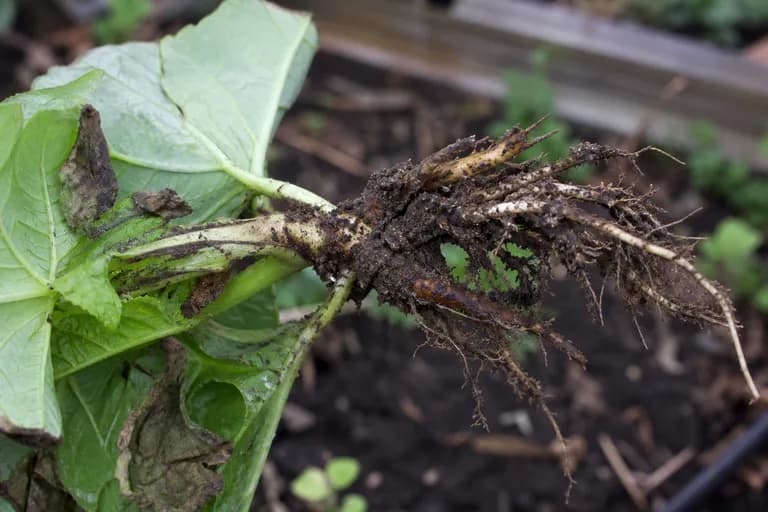
KrankheitVergilbtes Laub, Welken trotz feuchtem Boden, matschige verfärbte Wurzeln, Zusammenbruch der Pflanze.
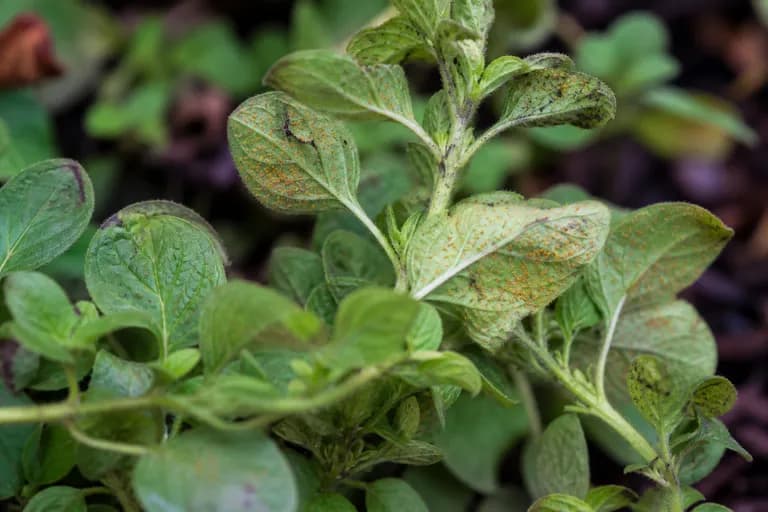
Minzrost
KrankheitKleine orangebraune Pusteln auf den Blattunterseiten, verformte Triebe, verkümmertes Wachstum im Frühjahr.
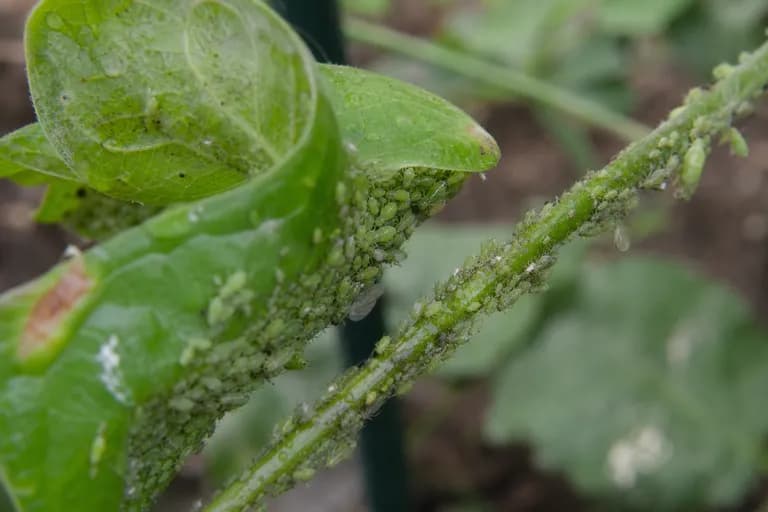
Blattläuse
SchädlingAnsammlungen kleiner grüner oder schwarzer Insekten an Triebspitzen, eingerollte Blätter, klebriger Honigtaurückstand.
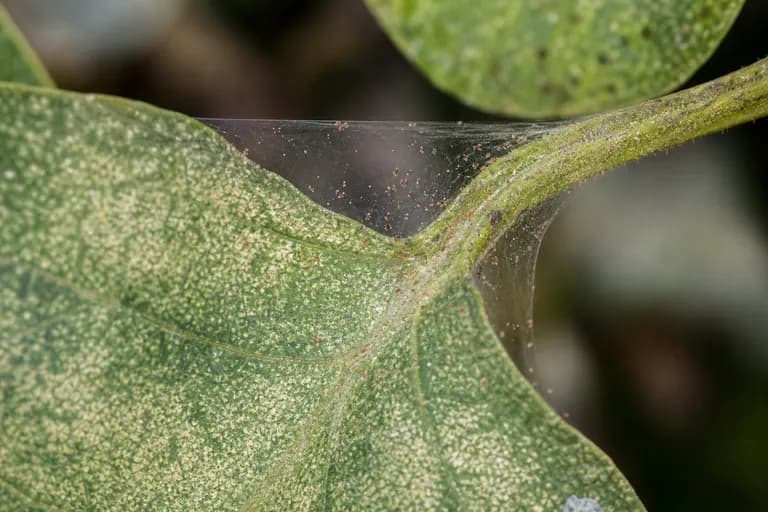
Spinnmilben
SchädlingFeine Sprenkelung auf den Blättern, bronzefarbenes oder vergilbtes Laub, feine Gespinste an Triebspitzen bei trockenen Bedingungen.
Fehlerbehebung bei häufigen Problemen
Milde, geschmacklose Blätter resultieren typischerweise aus übermäßig reichem Boden, übermäßiger Düngung oder dem Anbau von Zier- statt Küchensorten. Sparriges, ausladendes Wachstum deutet auf unzureichendes Sonnenlicht oder zu fruchtbaren Boden hin. Wurzelfäule ist die häufigste Todesursache, verursacht durch Überwässerung oder schweren Lehmboden. Holzige, unproduktive Mitten entwickeln sich bei älteren Pflanzen, die nicht geteilt oder im Frühjahr kräftig zurückgeschnitten wurden. Einige aus Samen gezogene Oregano-Pflanzen sind geschmacklos; probieren Sie immer ein Blatt, bevor Sie Pflanzen in der Gärtnerei kaufen, um echte Küchenqualität sicherzustellen.
Anbautipps
- Pflanzen Sie Oregano an den sonnigsten verfügbaren Platz mit mindestens 6 bis 8 Stunden direktem Sonnenlicht täglich. Mehr Sonneneinstrahlung führt zu höheren Konzentrationen an ätherischen Ölen und intensiver aromatischen Blättern.
- Verwenden Sie gut durchlässigen Boden mit einem leicht alkalischen pH-Wert zwischen 6,0 und 8,0. Oregano gedeiht in magerem, sogar steinigem Boden und produziert tatsächlich aromatischere Blätter, wenn er nicht mit stickstoffreichen Zusätzen überdüngt wird.
- Gießen Sie sparsam und lassen Sie den Boden zwischen den Bewässerungen austrocknen. Oregano ist nach dem Anwachsen trockenheitsverträglich, und Überwässerung ist die häufigste Ursache für das Absterben der Pflanze, was zu Wurzelfäule und vermindertem Aroma führt.
- Vermehren Sie Oregano aus Stängelstecklingen oder Wurzelteilung statt aus Samen für zuverlässigere Ergebnisse. Samen können langsam keimen und möglicherweise nicht sortenecht wachsen, während Stecklinge exakte Klone erzeugen.
- Ernten Sie Oregano, indem Sie die Stängel knapp über einem Blattknoten schneiden, was zwei neue Zweige dazu anregt, von diesem Punkt aus zu wachsen. Diese Knipstechnik erzeugt eine vollere, buschigere Pflanze mit deutlich mehr erntbarem Laub über die Zeit.
- Trocknen Sie Oregano, indem Sie 5 bis 8 Stängel zusammenbündeln und kopfüber an einem warmen, gut belüfteten Ort ohne direkte Sonneneinstrahlung für 1 bis 2 Wochen aufhängen. Alternativ verwenden Sie einen Dörrapparat bei 35 Grad Celsius für schnellere Ergebnisse.
- Teilen Sie etablierte Oregano-Horste alle 3 bis 4 Jahre im zeitigen Frühjahr, um die Pflanze zu verjüngen. Ältere Pflanzen werden in der Mitte holzig und produzieren weniger aromatische Blätter, aber Teilung fördert kräftiges neues Wachstum.
- Pflanzen Sie Oregano neben Tomaten, Paprika und Kürbisgewächsen als Begleitpflanze. Er wehrt Blattläuse, Spinnmilben und andere häufige Gartenschädlinge ab und lockt mit seinen Blüten nützliche Bestäuber an.
- Mulchen Sie um Oregano-Pflanzen mit Kies oder kleinen Steinen statt mit organischem Mulch. Dies reflektiert Wärme nach oben zur Pflanze, verbessert die Drainage, unterdrückt Unkraut und ahmt das felsige mediterrane Terrain nach, in dem Oregano natürlich gedeiht.
- Für den stärksten kulinarischen Geschmack bauen Sie griechischen Oregano (Origanum vulgare subsp. hirtum) statt gewöhnlichen Oregano an. Probieren Sie ein Blatt vor dem Kauf einer Pflanze und wählen Sie eine mit scharfem, würzigem Biss statt mildem, fadem Geschmack.
Bau deine beste Oregano an — und alles drumherum.
Starte heute kostenlos. Lege deine Beete an, setze deine Oregano ein und lass PlotMyGarden Timing, Abstände, Begleiter und Erinnerungen von der Saat bis zum Erntekorb übernehmen.
Finde deine Oregano
Griechischer Oregano
Gilt als der beste Küchen-Oregano mit intensiv würzigem, scharfem Aroma. Kompakter Wuchs mit kleinen graugrünen Blättern, unverzichtbar für die mediterrane Küche.
Italienischer Oregano
Eine Kreuzung aus Oregano und Majoran mit milderem, süßerem Geschmack. Größere Blätter als griechischer Oregano, hervorragend für Pastasaucen und Pizza.
Scharfer Oregano
Eine intensiv aromatische Sorte mit spürbarer Schärfe. Kompakte Pflanzen mit kleinen Blättern, perfekt für mexikanische und südwestamerikanische Gerichte.
Goldener Oregano
Eine dekorativ-kulinarische Sorte mit leuchtend gelbgrünem Laub. Milderer Geschmack, aber optisch sehr wirkungsvoll in Gärten und Gefäßen.
Syrischer Oregano (Za'atar)
Eine nahöstliche Sorte, die zentral für die Za'atar-Gewürzmischung ist. Größere, rundere Blätter mit einem komplexen, leicht bitter-herzhaften Geschmacksprofil.
Eine einzelne Oregano-Pflanze kostet zwischen 3 und 5 Euro und kann als Staude 4 bis 6 Jahre lang frische Kräuter liefern. Eine etablierte Pflanze liefert pro Saison den Gegenwert von 30 bis 50 Euro an frischem Oregano und 15 bis 25 Euro an getrocknetem Oregano aus dem Lebensmittelgeschäft. Da getrockneter Oregano im Supermarkt typischerweise 4 bis 7 Euro für ein kleines Glas kostet und eine einzelne Pflanze genug produzieren kann, um mehrere Gläser pro Jahr zu füllen, ist der Eigenanbau von Oregano eines der kostengünstigsten Kräuter, die Sie zu Hause kultivieren können.
Schnelle Rezepte
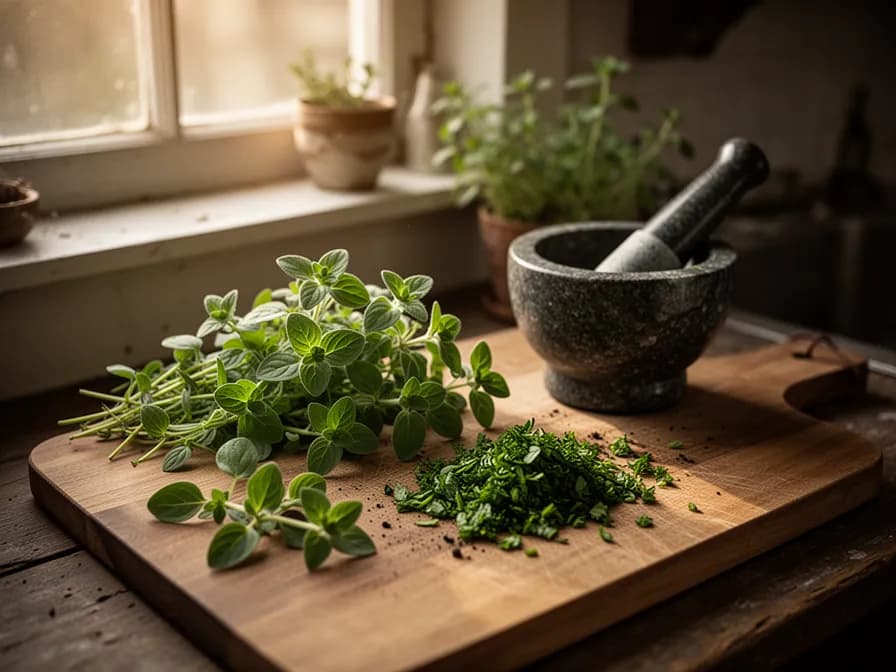
Klassisches Oregano-Chimichurri
10 Min.Eine lebhafte argentinisch inspirierte Sauce mit frischem Oregano als Hauptkraut, perfekt zu gegrilltem Fleisch, geröstetem Gemüse oder knusprigem Brot. Die Kombination von frischem Oregano mit Petersilie, Knoblauch und Rotweinessig ergibt ein kräftiges, kräuterreiches Würzmittel.
7 Zutaten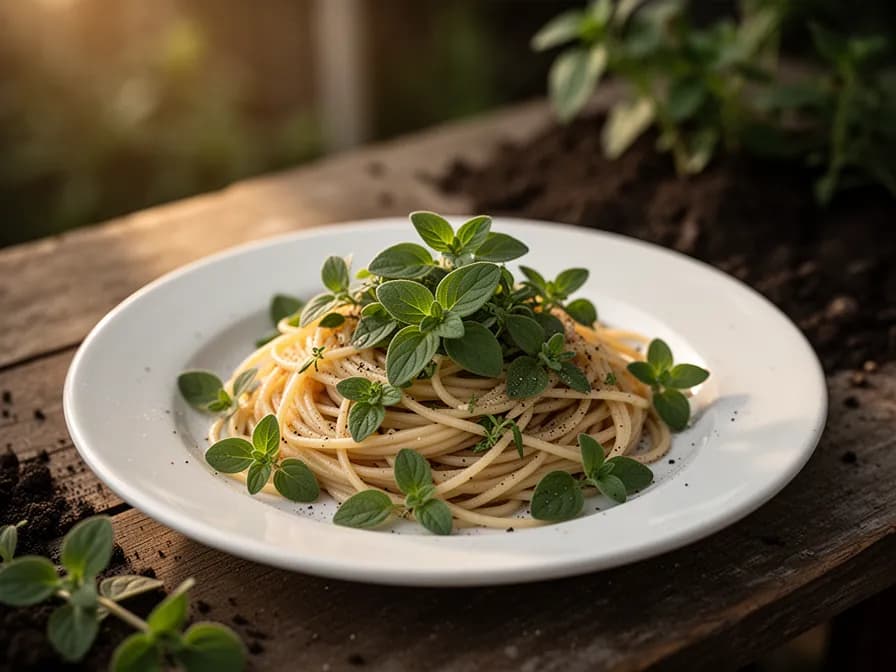
Oregano-Olivenöl
5 Min. plus 1 Woche ZiehzeitEin einfaches, aber intensiv aromatisches Öl, das die Essenz der mediterranen Küche einfängt. Verwenden Sie es zum Brotdippen, Beträufeln von Salaten, Verfeinern von Suppen oder als Basis für Salatdressings. Getrockneter Oregano eignet sich hier am besten, da frischer Feuchtigkeit einbringen kann, die die Haltbarkeit verkürzt.
6 ZutatenGriechische Oregano-Ofenkartoffeln
15 Min. Vorbereitung, 45 Min. BackzeitKnusprige, goldene Kartoffeln durchzogen mit Zitronensaft und großzügigen Mengen getrocknetem Oregano, inspiriert von der klassischen griechischen Taverna-Beilage. Die Kartoffeln nehmen die zitronig-kräuterige Kochflüssigkeit beim Rösten auf und entwickeln außen eine unwiderstehliche Kruste, während sie innen cremig bleiben.
7 ZutatenKulinarische Verwendung
Oregano ist unverzichtbar für italienische Pizza, Pastasaucen und Gerichte auf Tomatenbasis. Er ist ebenso wichtig in der griechischen Küche für Salate, gegrilltes Fleisch und Moussaka. Mexikanischer Oregano (eine andere Art) würzt Chili, Tacos und Enchiladas. Fügen Sie getrockneten Oregano früh beim Kochen hinzu, um seinen komplexen, warm-pfeffrigen Geschmack zu entwickeln. Frischer Oregano eignet sich gut für Marinaden, Dressings und als Garniturkraut. Oregano harmoniert hervorragend mit Tomaten, Knoblauch, Olivenöl, Zitrone und gegrilltem Gemüse.
Was drinsteckt
Gesundheitsvorteile
- Reich an Carvacrol und Thymol, zwei phenolischen Verbindungen mit starken antimikrobiellen Eigenschaften, die nachweislich schädliche Bakterien wie E. coli und Staphylococcus aureus in Laborstudien hemmen.
- Enthält hohe Konzentrationen an Rosmarinsäure, einem starken Antioxidans, das Entzündungen reduzieren und Zellen vor oxidativen Schäden schützen kann, die mit chronischen Krankheiten verbunden sind.
- Traditionell als Verdauungshilfe verwendet, wird Oregano-Tee seit Jahrhunderten getrunken, um Blähungen, Verdauungsstörungen und leichte Magenbeschwerden zu lindern, indem er den Gallenfluss anregt und den Verdauungstrakt beruhigt.
- Liefert eine bedeutende Menge an Vitamin K, das für die ordnungsgemäße Blutgerinnung und den Knochenstoffwechsel unerlässlich ist. Bereits ein Esslöffel getrockneter Oregano deckt etwa 11 Prozent der empfohlenen täglichen Aufnahme.
- Das im Oregano enthaltene Beta-Caryophyllen wirkt als diätetisches Cannabinoid, interagiert mit CB2-Rezeptoren im Körper und kann möglicherweise dazu beitragen, systemische Entzündungen zu reduzieren.
- Kann die Atemwegsgesundheit unterstützen, da die flüchtigen Öle im Oregano traditionell in Dampfinhalationen und pflanzlichen Heilmitteln verwendet werden, um Verstopfungen zu lösen und gereizte Atemwege zu beruhigen.
Woher Oregano stammt
Oregano (Origanum vulgare) stammt aus den gemäßigten Regionen West- und Südwesteurasiens und dem Mittelmeerraum, wo er seit Jahrtausenden kultiviert und verwendet wird. Das Kraut wächst wild an den Hängen Griechenlands, der Türkei, Italiens und Spaniens und gedeiht in den felsigen, gut durchlässigen Kalksteinböden und der warmen Sonne, die die mediterrane Landschaft prägen. Antike griechische Ärzte, darunter Hippokrates, verwendeten Oregano als Antiseptikum und als Heilmittel gegen Magen- und Atemwegserkrankungen. Die Römer übernahmen das Kraut begeistert und verbreiteten seinen Anbau in ihrem gesamten Reich, da sie es sowohl für seine kulinarische Vielseitigkeit als auch für seine vermeintlichen medizinischen Eigenschaften schätzten. Im Mittelalter wurde Oregano in Klosterkräutergärten in ganz Europa angebaut, wo Mönche das klassische Wissen über Kräutermedizin bewahrten und ihn zur Behandlung von Zahnschmerzen, Verdauungsstörungen und Husten einsetzten. Dem Kraut wurde auch zugeschrieben, böse Geister abzuwehren, wenn es rund ums Haus gepflanzt wurde. Oregano gelangte mit den europäischen Kolonisten nach Amerika, blieb aber in der nordamerikanischen Küche jahrhundertelang relativ unbekannt. Sein Durchbruch kam nach dem Zweiten Weltkrieg, als amerikanische Soldaten, die aus den italienischen und nordafrikanischen Feldzügen zurückkehrten, eine Wertschätzung für Pizza, Pastasaucen und andere mediterrane Gerichte mitbrachten, in denen Oregano eine wichtige Rolle spielte. Dies löste das aus, was die Gewürzindustrie den ‚Pizza-Effekt' nannte, und der amerikanische Oregano-Verbrauch stieg in den 1950er und 1960er Jahren dramatisch an. Heute ist Oregano eines der am häufigsten verwendeten Kräuter der Welt und unverzichtbar in der italienischen, griechischen, türkischen, mexikanischen und zahllosen anderen Küchen. Die wichtigsten kommerziellen Anbaugebiete befinden sich in der Türkei, Griechenland, Mexiko und den Vereinigten Staaten, wobei türkischer Oregano allgemein als die Sorte mit dem kräftigsten Geschmacksprofil unter den handelsüblichen Sorten gilt.
Oregano: Schon gewusst?
Faszinierende Fakten über Oregano
Der Name Oregano stammt von den griechischen Wörtern ‚oros' (Berg) und ‚ganos' (Freude oder Glanz), was wörtlich ‚Freude des Berges' bedeutet, weil man glaubte, er bringe Glück, wenn er an Berghängen wachsend gefunden wird.
Oregano: Fragen & Antworten
Wann sollte ich Oregano pflanzen?
Was sind gute Begleitpflanzen für Oregano?
In welchen Winterhärtezonen kann Oregano wachsen?
Wie viel Sonne braucht Oregano?
Welchen Abstand sollte ich zwischen Oregano lassen?
Welche Schädlinge und Krankheiten befallen Oregano?
Wie lagere ich Oregano nach der Ernte?
Was sind die besten Oregano-Sorten zum Anbauen?
Welchen Boden braucht Oregano?
Was ist der Unterschied zwischen Oregano und Majoran?
Wie verhindere ich, dass meine Oregano-Pflanze holzig und unproduktiv wird?
Kann ich Oregano das ganze Jahr über drinnen anbauen?
Ist getrockneter Oregano wirklich besser als frischer zum Kochen?
Warum hat mein Oregano im Vergleich zu gekauftem getrockneten Oregano sehr wenig Geschmack?
Wie sollte ich getrockneten Oregano lagern, um seine Wirksamkeit zu erhalten?
Du hast die Theorie gelesen. Jetzt baue sie auf Autopilot an.
Alles, was Oregano knifflig macht — das Timing, die Abstände, die Begleiter, das Erntefenster — genau das übernimmt PlotMyGarden für dich, für jede Pflanze im Garten.
Ein Plan, der dein Wetter kennt
Standort einmal festlegen. Aussaat-, Dünge- und Erntedaten rund um deinen echten letzten Frosttermin und die Live-Vorhersage — kein Raten mehr nach Saattüte.
Aus dem Abschnitt „Pflanzzeit“Beetplaner per Drag & Drop
Beete auf einem Raster gestalten. Jede Pflanze rastet im richtigen Abstand ein, und du siehst die ganze Saison, bevor du einen Cent für Saatgut ausgibst.
Aus dem Abschnitt „Anbau“Begleiter-Konflikte früh erkannt
Über 200 gute und schlechte Kombinationen werden beim Pflanzen live geprüft — so landet ein saisonruinierender Fehler nie in der Erde.
Aus dem Abschnitt „Begleiter“Erinnerungen, nach denen du wirklich handelst
„Gieß die Bohnen.“ „Heute ernten, bevor's umschlägt.“ Pünktlich, konkret und auf deine echten Pflanzen bezogen.
Aus dem Abschnitt „Ernte“Staffel-Aussaat, geplant
Sechs Wochen ernten statt sechs Tage? Die App verteilt deine Aussaaten automatisch und erinnert dich, wenn der nächste Satz fällig ist.
Aus dem Abschnitt „Pflanzzeit“Ein Verlauf, der schlauer wird
Jede protokollierte Ernte bringt der App deinen Garten bei. Der Plan fürs nächste Jahr startet bei dem, was in deinem Boden wirklich funktioniert hat.
Aus dem Abschnitt „Überblick“Pflanze diese neben Oregano
Weitere Küchenkräuter
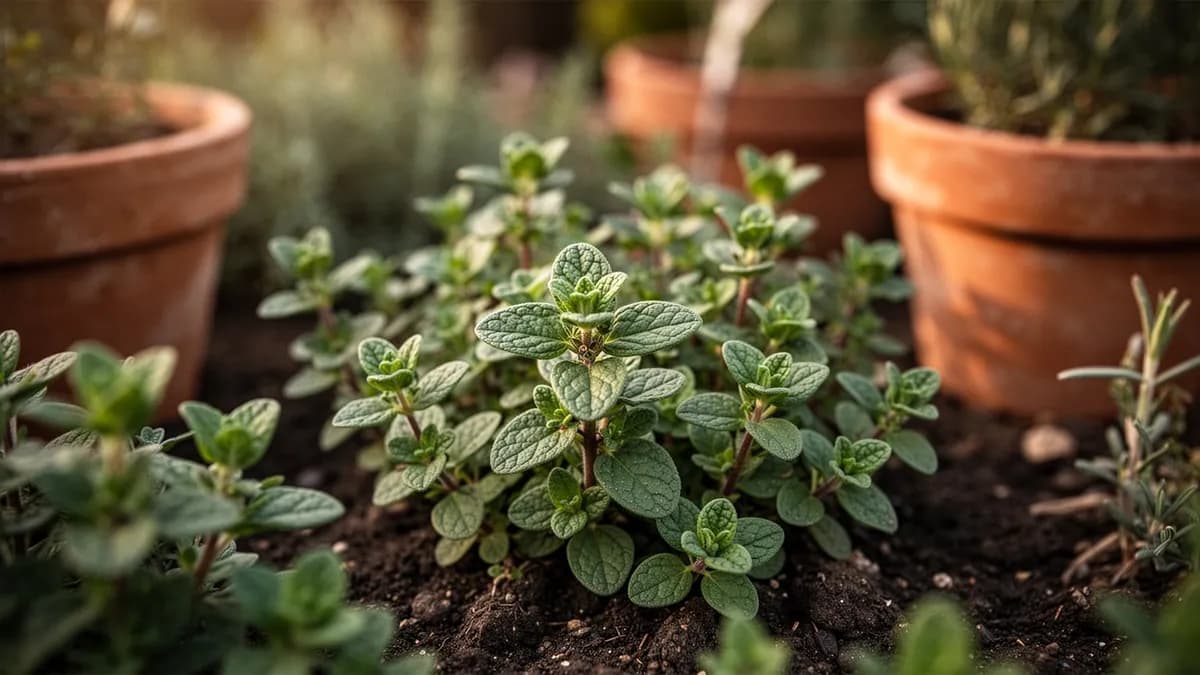
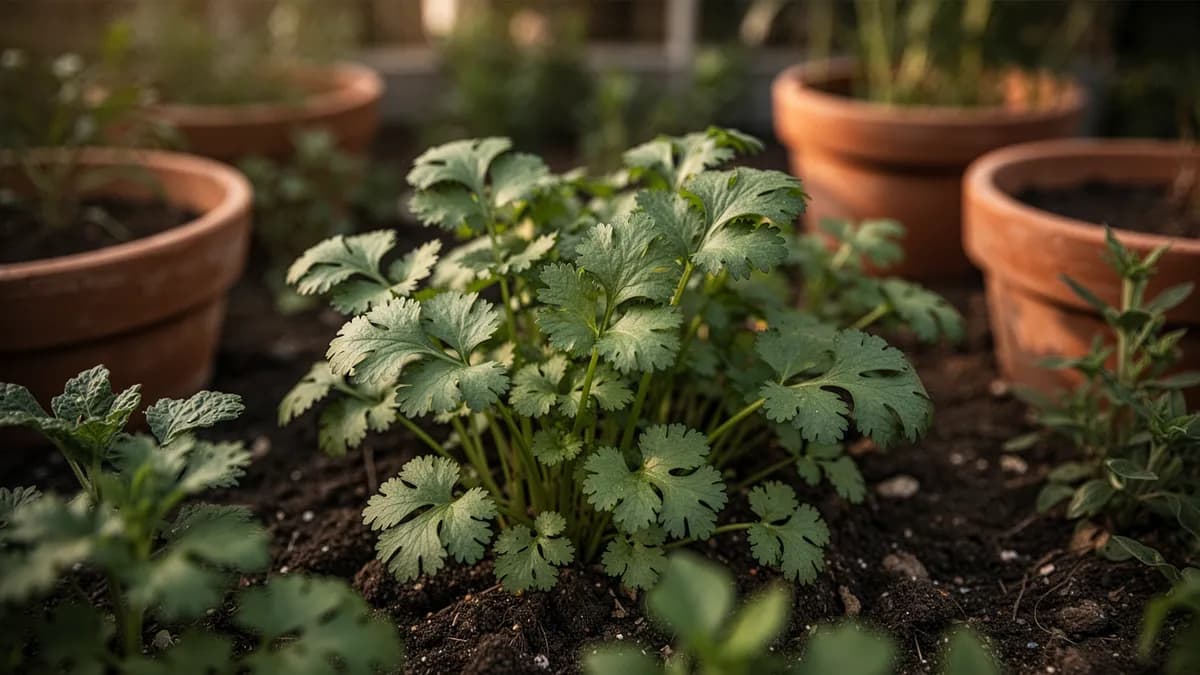
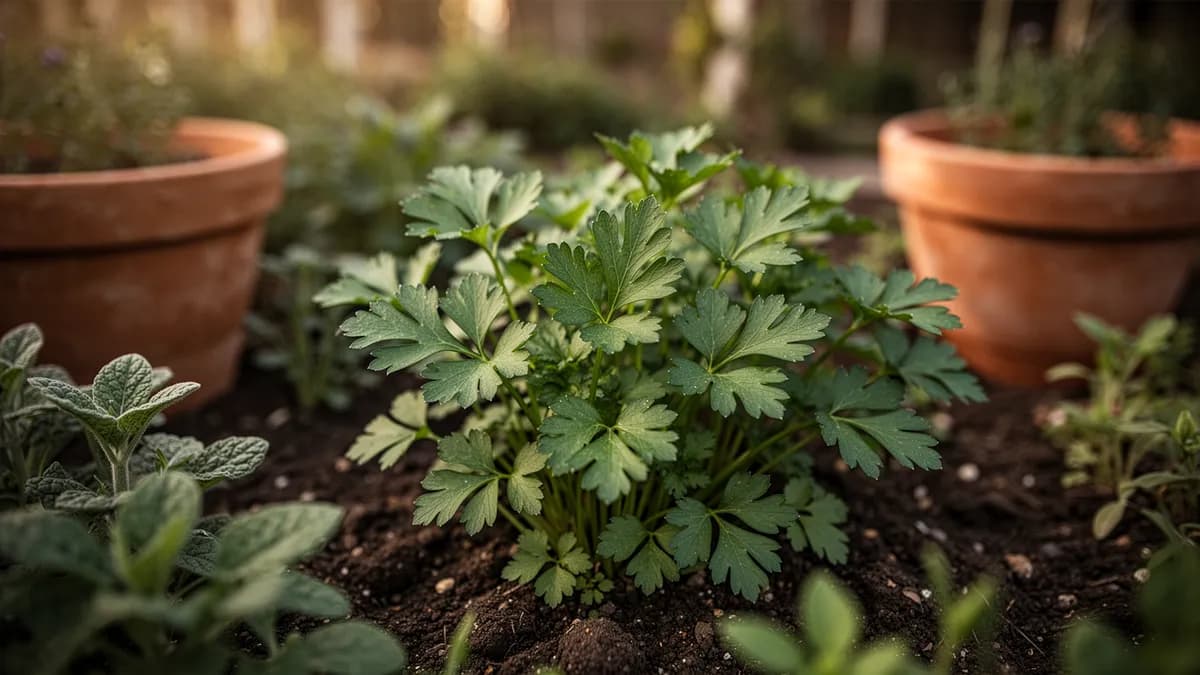
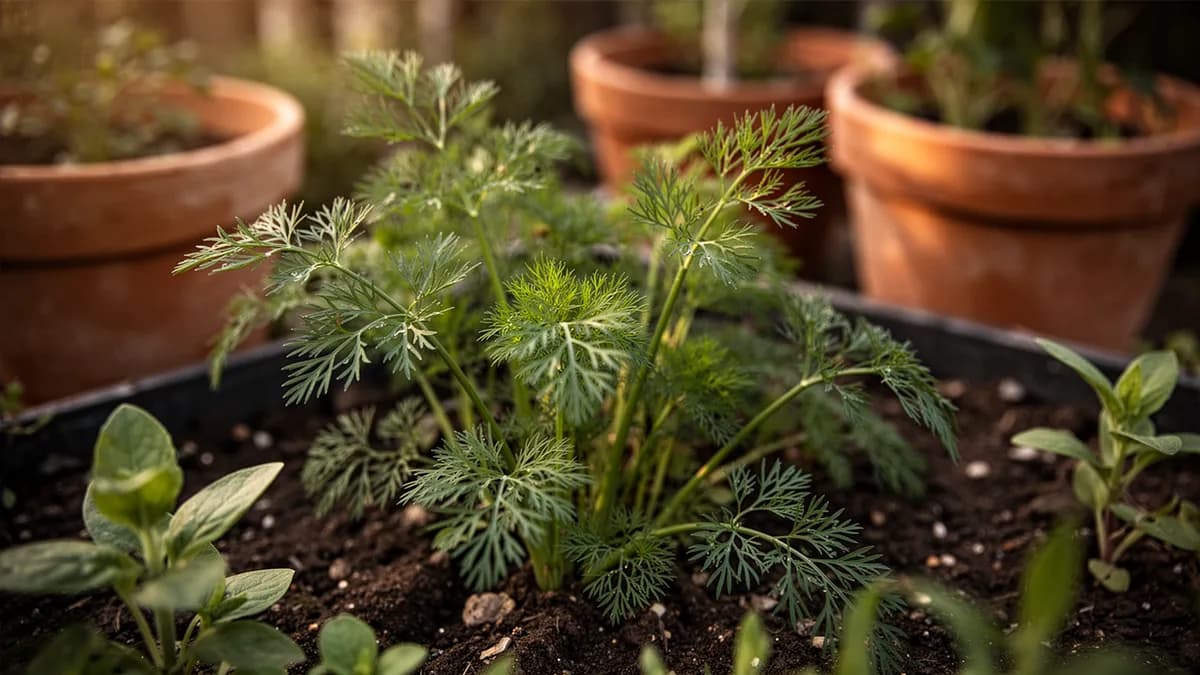
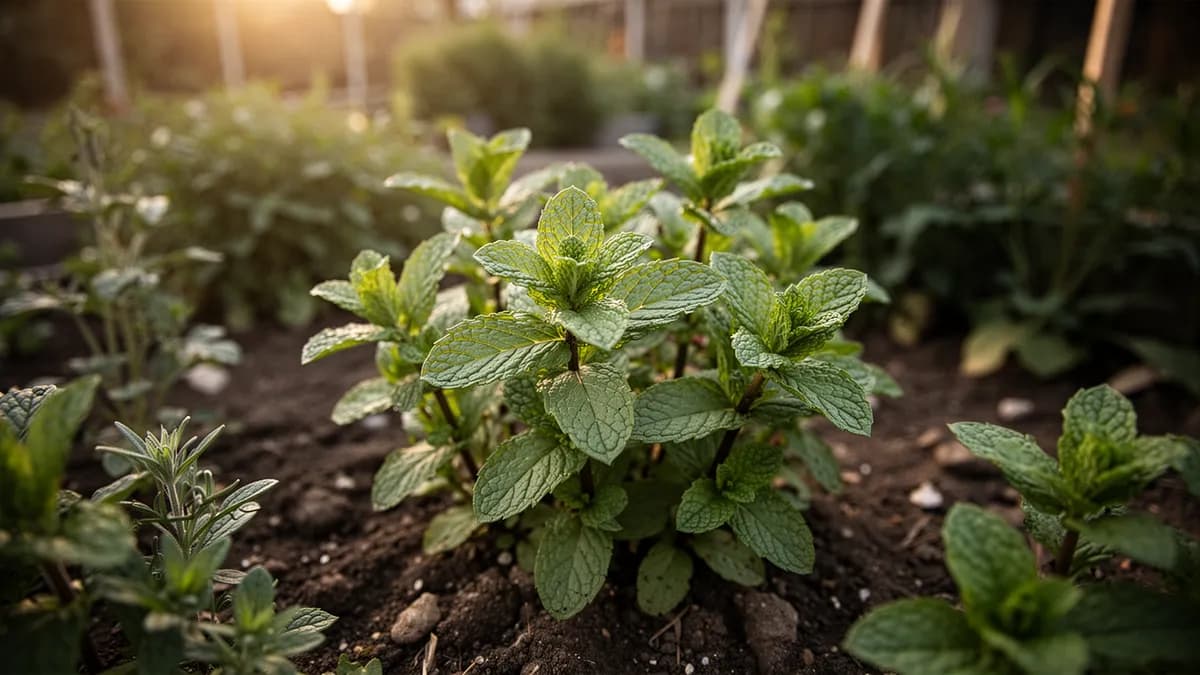
Halte Oregano von diesen fern
Gartenpläne mit Oregano
Bau deine beste Oregano an — und alles drumherum.
Starte heute kostenlos. Lege deine Beete an, setze deine Oregano ein und lass PlotMyGarden Timing, Abstände, Begleiter und Erinnerungen von der Saat bis zum Erntekorb übernehmen.