Mint
A vigorous spreading herb best grown in containers to prevent its aggressive runners from overtaking the garden.





On this pageOverview
Meet Mint
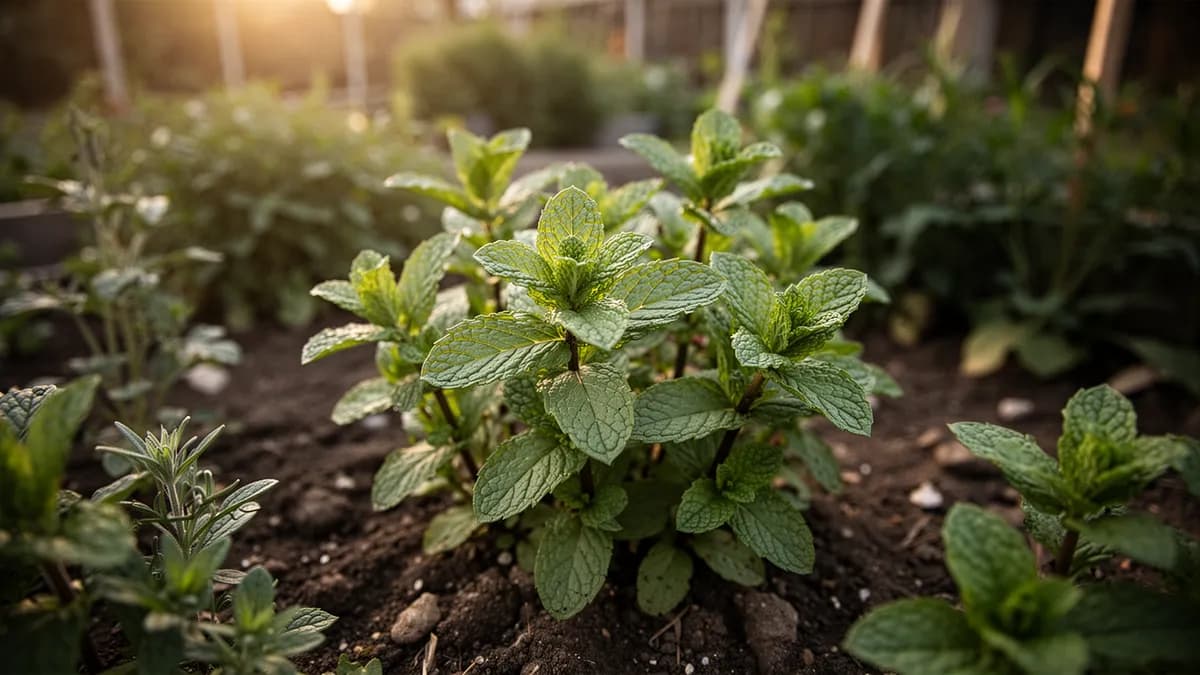
A vigorous spreading herb best grown in containers to prevent its aggressive runners from overtaking the garden. Mint tolerates partial shade and consistently moist soil better than most herbs, making it ideal for damp, shaded areas. Dozens of varieties are available including spearmint, peppermint, chocolate mint, and apple mint, each with distinct flavor nuances. Harvest frequently by cutting stems just above a leaf node to encourage bushy regrowth and use fresh in teas, cocktails, and salads.
When to plant Mint
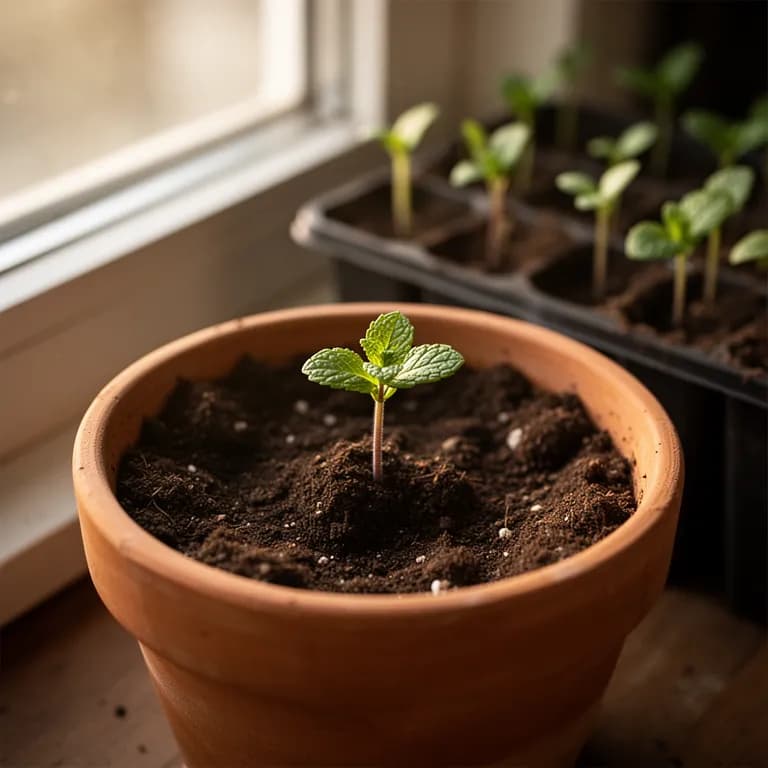
While mint can be grown from seed, results are often variable and slow compared to vegetative propagation. If starting from seed, sow indoors 8-10 weeks before the last frost. Press tiny seeds onto the surface of moist starting mix without covering. Germination takes 10-15 days at 65-70°F. Keep soil consistently moist. The preferred method is root division: dig up a section of established mint with roots attached and replant. Alternatively, root 4-inch stem cuttings in water; roots appear in 7-10 days.
Your Mint Year
Composed for Zone 7 · typical seasons · frost passes Apr 2, returns Nov 1
Plant Mint Mar – May, pick May – Oct. Check the planting methods below and set your climate to personalize these windows.
How to grow Mint
Mint is best started from transplants, runners, or root divisions rather than seed, as seed-grown plants are often variable in quality and take longer to establish. Plant in spring after the last frost in a location with morning sun and afternoon shade. The most critical decision is containment: plant mint in containers, or sink a bottomless pot or root barrier at least 12 inches deep into the garden bed to prevent its aggressive runners from spreading.
Prepare soil by working in generous amounts of compost to create rich, moisture-retentive conditions. Mint prefers a slightly acidic to neutral pH of 6.0-7.0 and consistently moist soil. Space plants 18-24 inches apart, though they will quickly fill in any gaps. Water regularly, as mint is one of the few herbs that genuinely dislikes dry conditions.
Cut plants back to ground level in late fall or early spring to remove dead growth and encourage vigorous new shoots. Divide clumps every 2-3 years to prevent congestion and maintain flavor quality. Feed monthly during the growing season with a balanced liquid fertilizer. In hot climates, provide afternoon shade to prevent wilting and leaf scorch.
10 plants fit a 4 × 8 ft bed
Each Mint wants 45 cm of elbow room. The planner keeps that spacing for you — every plant, every bed.
Mint's best neighbours
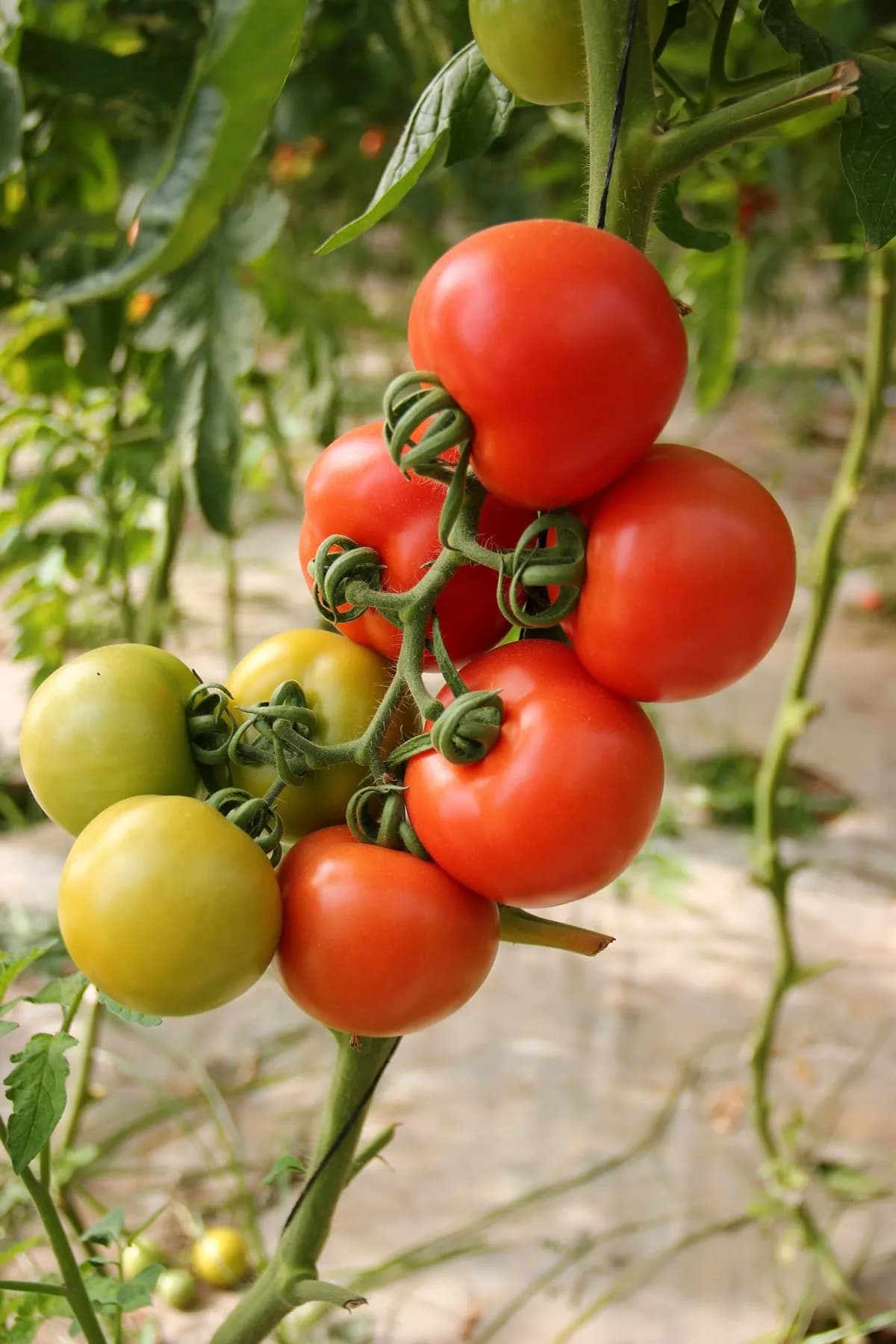
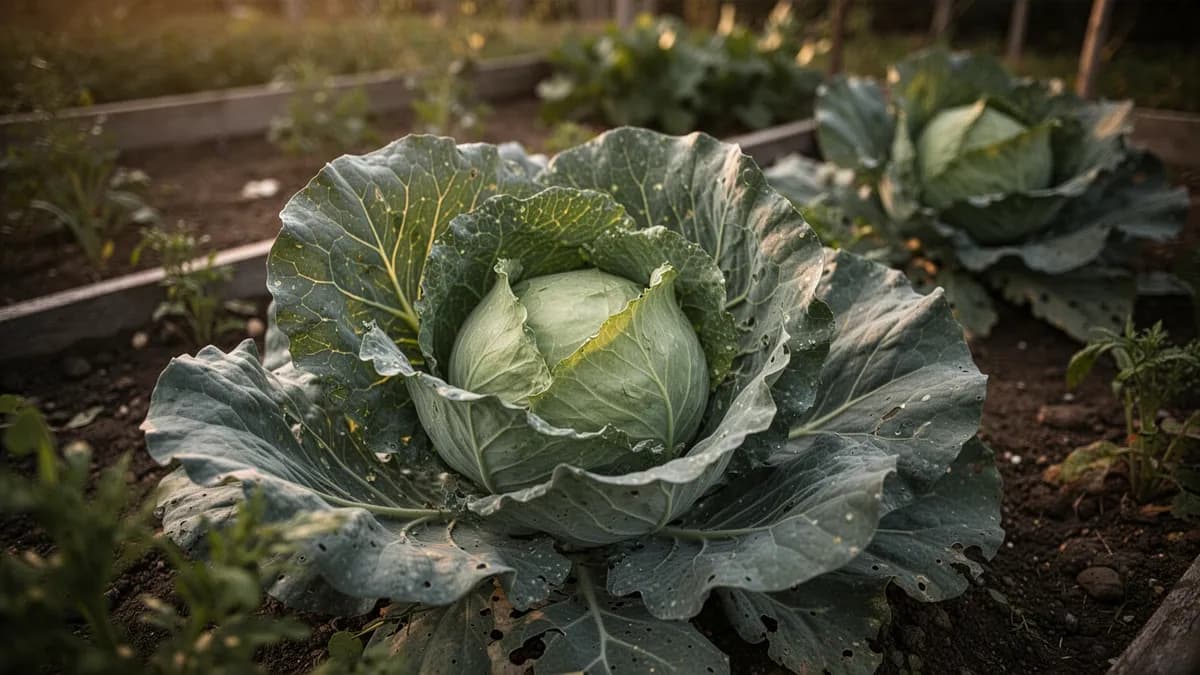
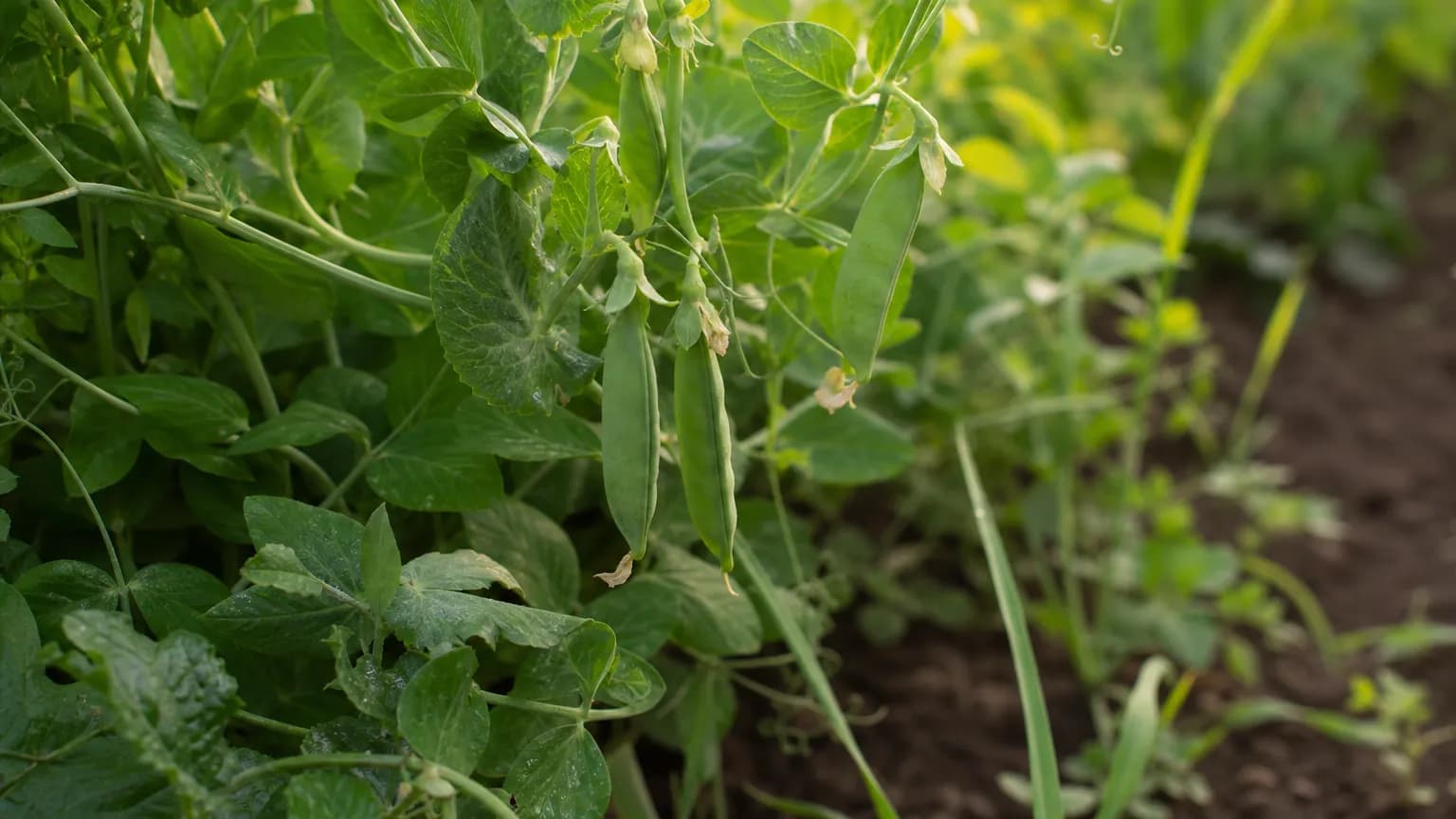
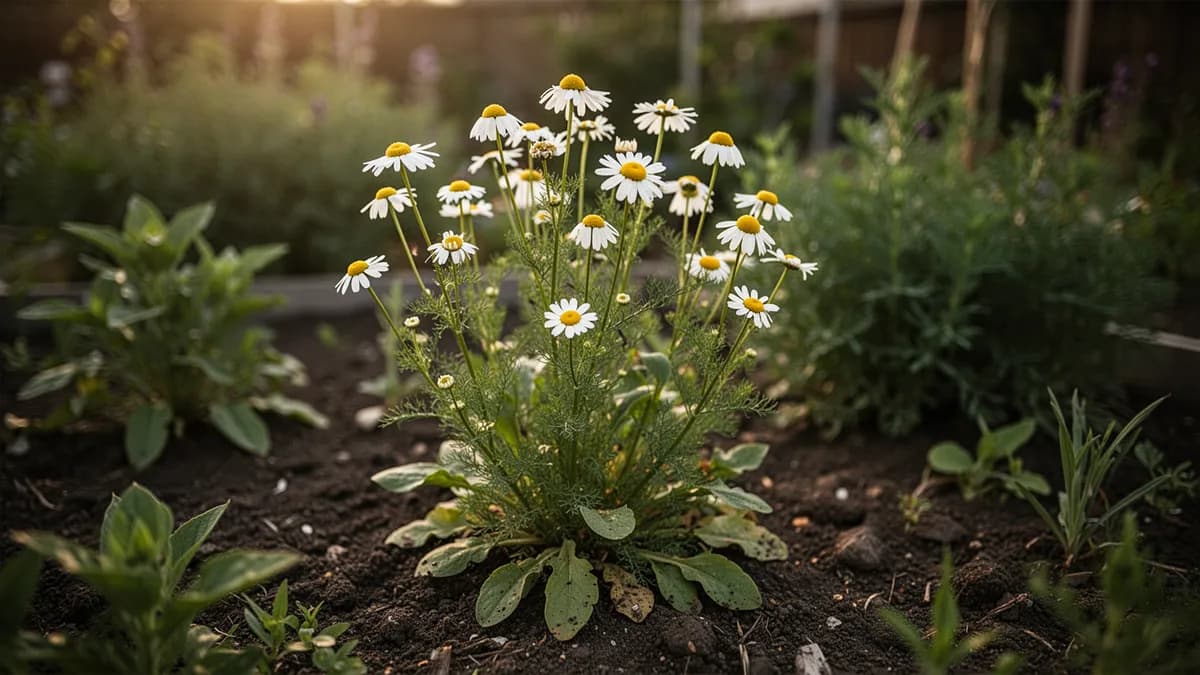
Mint's strong menthol scent repels aphids, flea beetles, cabbage moths, and ants, making it useful near brassicas and tomatoes. However, mint's aggressive spreading habit means it should always be contained when planted near other crops. The flowers attract beneficial hoverflies and predatory wasps. Mint reportedly improves the vigor and flavor of nearby cabbages and tomatoes. Avoid planting near parsley and chamomile, as they can compete poorly against mint's vigorous root system.
Tomato belongs beside it. Parsley doesn't.
Old growers' knowledge, checked against Mint's real companion table below — test any plant you're growing.
Try Mint in a bed — right here
A real planner bed with Mint already in it. Tap a companion to place it and watch the pairing checks answer — green for good neighbours, red for a clash.


Related growing guides
Feed it well
Mint thrives in rich, moist, well-drained soil with a pH of 6.0-7.0. Unlike most herbs, mint appreciates fertile soil amended with generous compost. Work in 3-4 inches of compost before planting. Feed monthly during the growing season with a balanced liquid fertilizer or side-dress with compost. Mint is a heavy feeder compared to other herbs and benefits from regular nutrition. In containers, use a high-quality potting mix and fertilize every 2-3 weeks during active growth. Ensure consistent moisture without waterlogging.
Ideal Temperature
Hardiness Zone Compatibility
From seed to harvest, stage by stage
Propagation
Mint is most commonly started from cuttings or root divisions rather than seed. Place stem cuttings in water until roots develop, or divide an established plant's root ball. Seeds are tiny and germinate irregularly over 10-14 days.
Seedling Establishment
Young mint plants develop their first true leaves with the characteristic serrated edges and aromatic oils. Root systems begin to strengthen, and stems start to show the square cross-section typical of the mint family.
Vegetative Growth
The plant enters rapid growth, producing abundant foliage and beginning to send out stolons (underground runners). Stems elongate and branch freely, creating a bushy habit. Leaf production accelerates significantly during this phase.
Mature Growth & Spreading
Mint reaches full maturity and begins aggressive lateral spreading through underground stolons. New shoots emerge from runners up to 60 cm from the parent plant. Leaf flavor and essential oil concentration are at their peak just before flowering.
Flowering
Terminal flower spikes develop with whorls of small pale purple or white flowers. Pollinators are strongly attracted to the blooms. Leaf flavor becomes slightly bitter once flowering begins as the plant redirects energy to reproduction.
Dormancy
In temperate climates, mint dies back to ground level after the first hard frost. The root system and stolons remain alive underground, storing energy for the following spring. In mild climates, mint may remain semi-evergreen year-round.
Keep soil consistently moist and warm at 18-21°C. Cover seed trays with plastic wrap to maintain humidity until germination occurs.
Caring for Mint month by month
What to do each month for your Mint
October
You are hereCut back spent growth to about 5 cm above soil level. Apply a thick mulch layer of straw or shredded leaves to protect roots. Move container plants to a sheltered spot.
Know exactly what to do in your garden — every month
One email at the start of each month: what to sow, plant, and tackle right now — for your Mint and everything growing around it. Plus a short starter course that helps you dodge the classic mistakes.
- What to do, right now
- Matched to your season
- Starter course included
Harvesting Mint
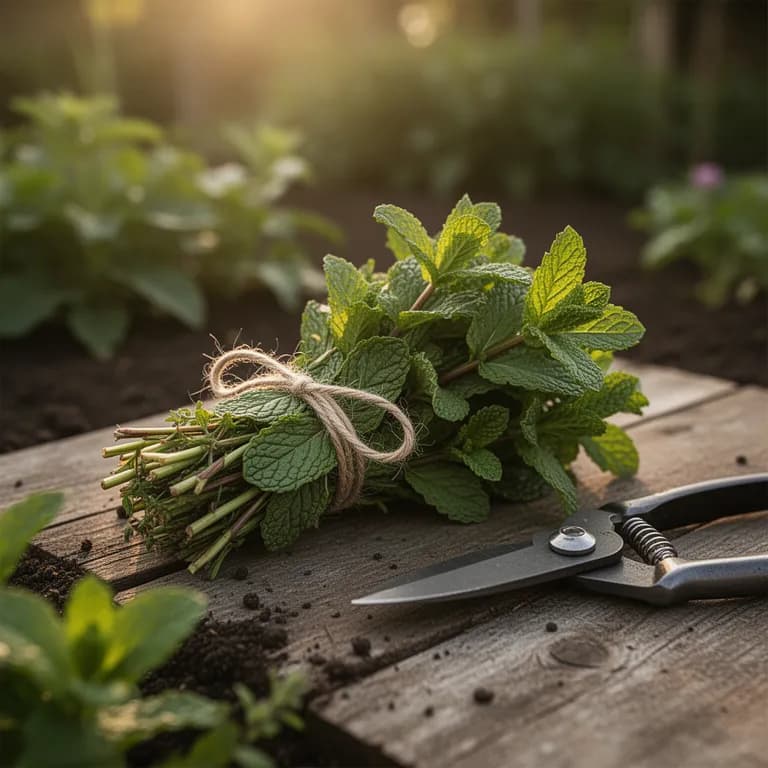
Begin harvesting mint once plants are 4-6 inches tall, typically 3-4 weeks after planting. Cut stems just above a leaf node to encourage branching. For the most intense flavor, harvest in the morning after dew dries. Regular harvesting 2-3 times per month keeps plants bushy and productive. Just before flowering, cut the entire plant back by two-thirds for a large harvest, as flavor peaks at this stage. Plants will quickly regrow for subsequent harvests throughout the season.
assuming you plant when the window opens — set your real date
Stems 15-20 cm; pick before flowering for best flavor
Storage & Preservation
Fresh mint stays vibrant for up to a week when stored with stems in a glass of water at room temperature, loosely covered with a plastic bag. For refrigerator storage, wrap sprigs in a damp paper towel inside a sealed bag. Freeze whole leaves on a baking sheet, then transfer to freezer bags for year-round use. Mint dries easily by hanging bundles in a warm, dark area for 1-2 weeks, though dried mint loses some brightness compared to fresh. Mint-infused simple syrup, frozen in ice cube trays, is convenient for cocktails and beverages.
What goes wrong — and the fix
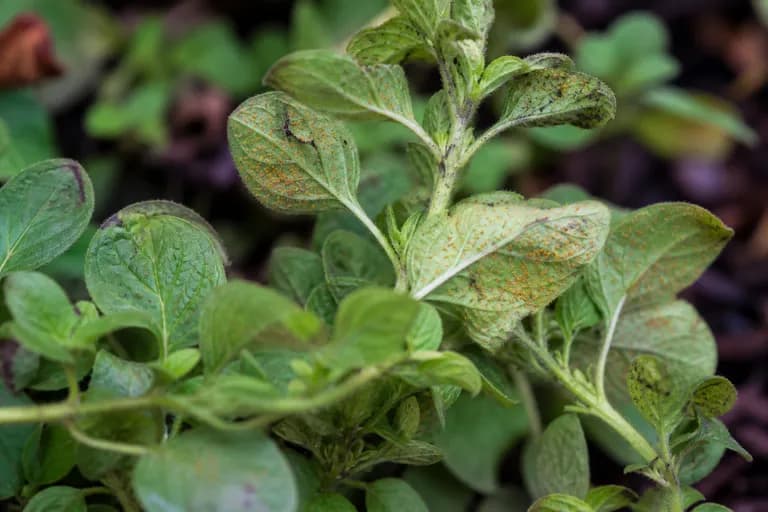
Mint Rust
DiseaseOrange-brown pustules on leaf undersides, distorted new growth, stunted plants in spring.
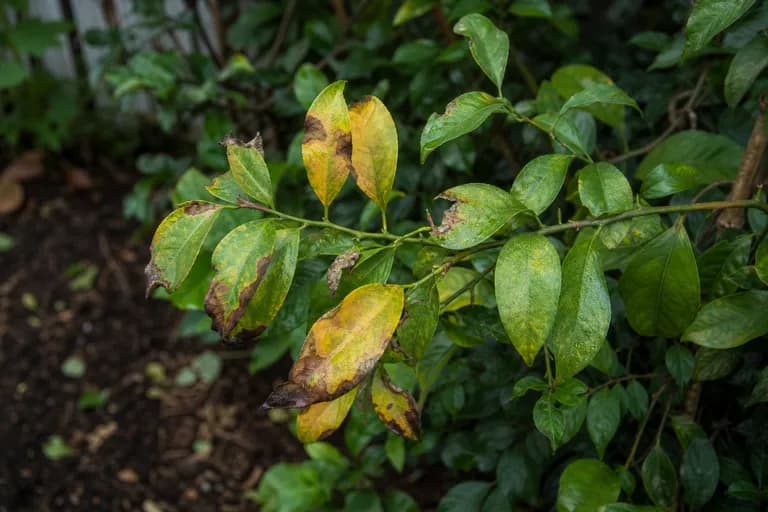
Verticillium Wilt
DiseaseYellowing and wilting of leaves on one side of the plant, brown discoloration inside stems, gradual decline.
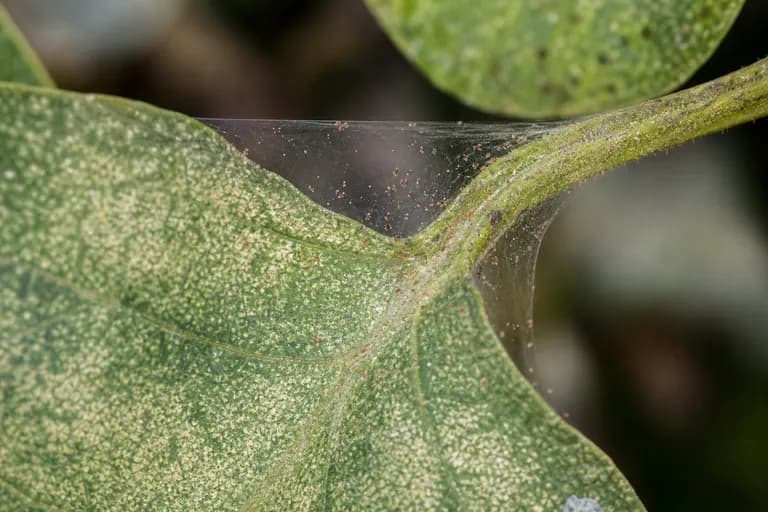
Spider Mites
PestStippled, yellowed leaves, fine webbing on leaf undersides, reduced vigor in dry conditions.
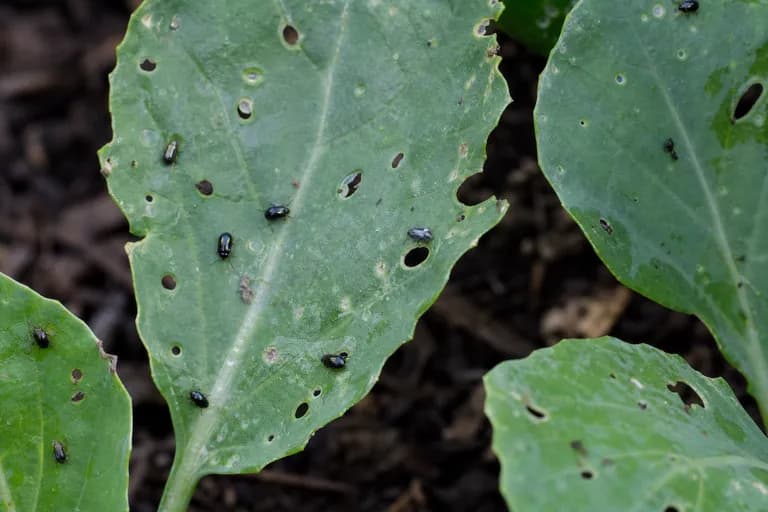
Flea Beetles
PestNumerous small round holes in leaves creating a shothole appearance, tiny jumping black beetles.
Troubleshooting Common Problems
The biggest challenge with mint is controlling its aggressive spread through underground runners. Always plant in containers or use root barriers buried 12 inches deep. Leggy, sparse growth results from insufficient light; provide at least 4-6 hours of sun daily. Yellowing leaves often indicate overwatering, poor drainage, or nutrient deficiency. Mint rust causes orange pustules on leaves and requires cutting plants to ground level. Flavor loss in established patches occurs when plants become overcrowded; divide every 2-3 years to rejuvenate.
Growing Tips
- Always grow mint in containers or install root barriers at least 30 cm deep to prevent it from taking over your garden through aggressive underground stolons.
- Harvest mint by cutting stems just above a leaf node, which encourages two new branches to grow from that point, doubling your plant's productivity.
- Plant mint in partial shade for the best leaf flavor and essential oil production. Full sun is tolerated but may cause leaves to become tough and less aromatic.
- Water mint consistently to keep the soil evenly moist but not waterlogged. Mint is one of the few herbs that actually prefers more moisture than most.
- Propagate new plants easily by placing 10 cm stem cuttings in a glass of water on a windowsill. Roots will develop within 7-10 days.
- Cut back the entire plant to about 5 cm above the soil line two or three times during the growing season to promote vigorous, bushy regrowth with tender new leaves.
- Watch for mint rust, identified by small orange pustules on leaf undersides. Remove and destroy affected stems immediately and avoid overhead watering to prevent spread.
- Grow different mint varieties in separate containers to prevent cross-pollination and hybridization, which can result in plants with unpredictable and often inferior flavors.
- Refresh container-grown mint every two to three years by dividing the root ball, discarding the woody center, and replanting vigorous outer sections in fresh potting mix.
- Freeze mint leaves in ice cube trays with a splash of water or olive oil to preserve the fresh flavor for winter cooking and drinks throughout the year.
Grow your best Mint yet — and everything around it.
Start a free plan today. Lay out your beds, drop in your Mint, and let PlotMyGarden handle the timing, spacing, companions and reminders from seed to harvest basket.
Pick your Mint
Spearmint
The most common culinary mint with a sweet, mild flavor. Ideal for teas, mojitos, tabbouleh, and general cooking. Less menthol than peppermint.
Peppermint
A natural hybrid with high menthol content and intense cooling flavor. Excellent for tea, chocolate pairings, and digestive remedies.
Chocolate Mint
Features dark stems and a subtle chocolate undertone beneath the classic mint flavor. Outstanding in desserts, ice cream, and hot cocoa.
Apple Mint
Rounded, fuzzy leaves with a fruity apple-mint flavor. Milder and sweeter than spearmint, excellent in fruit salads and cold drinks.
Moroccan Mint
A spearmint variety with exceptionally sweet flavor, traditionally used in Moroccan mint tea. Compact growth and strong resistance to bolting.
A single mint plant costs around $3-5 and can provide an unlimited supply of fresh mint for years. Store-bought fresh mint typically costs $2-4 per small package, and dried mint runs $5-8 per jar. A well-maintained mint plant can easily save $50-80 per year for regular mint users, and since mint spreads aggressively, you can share divisions with friends and neighbors at no cost.
Quick recipes
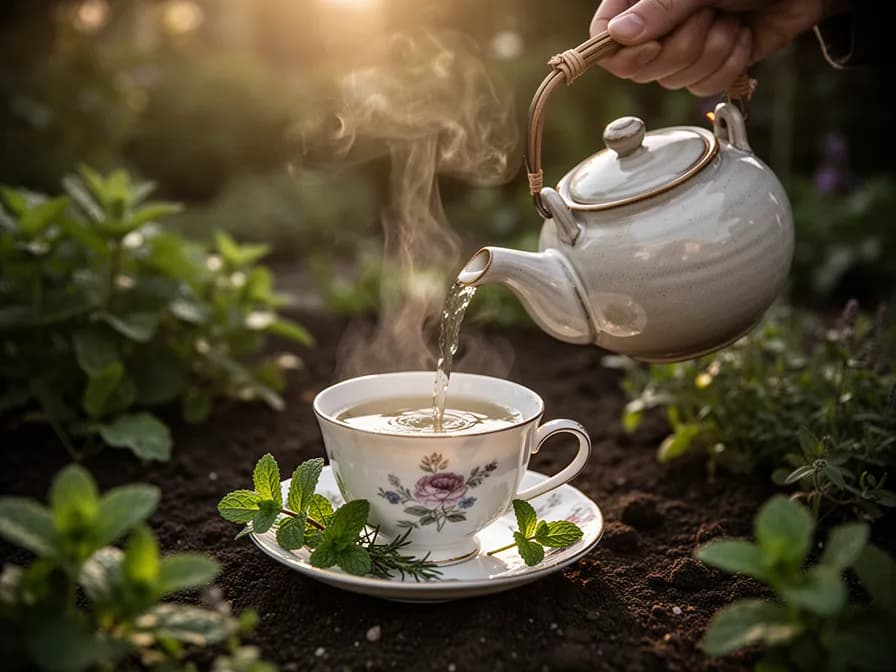
Classic Fresh Mint Tea
5 minutesA simple, refreshing herbal tea made with freshly picked spearmint leaves. Naturally caffeine-free and perfect served hot or iced. The gentle sweetness of spearmint makes added sugar optional.
4 ingredientsMint Chimichurri Sauce
10 minutesA vibrant herb sauce that pairs beautifully with grilled lamb, roasted vegetables, or as a marinade. The mint adds a fresh twist to the classic Argentinian condiment.
7 ingredients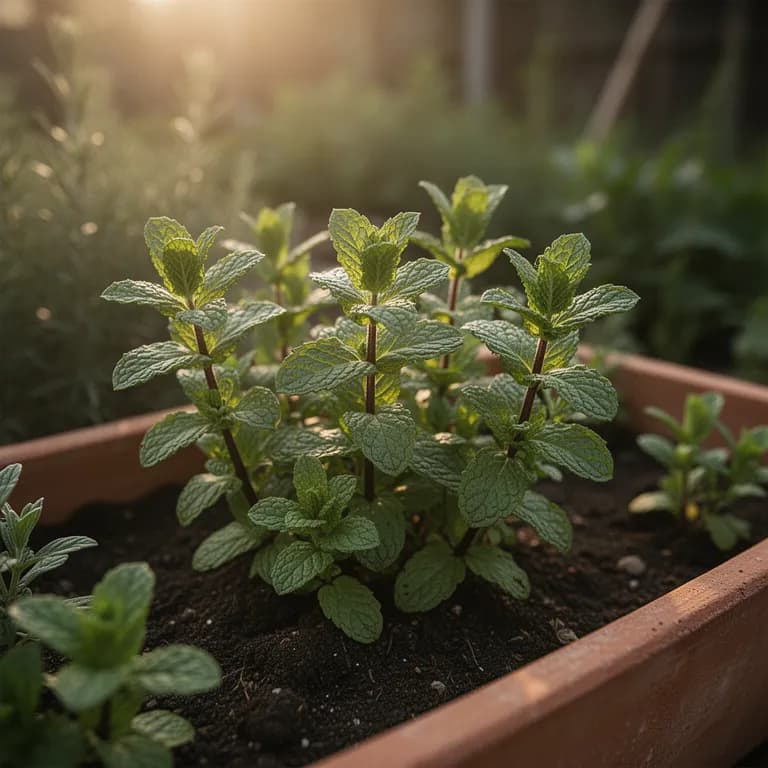
Watermelon Mint Salad
10 minutesA cooling summer salad that combines sweet watermelon with fresh mint and tangy feta cheese. Perfect as a side dish for barbecues or a light refreshing snack on hot days.
6 ingredientsCulinary Uses
Mint is essential in Middle Eastern tabbouleh, Vietnamese spring rolls, and Indian chutneys. It brightens cocktails like mojitos and juleps, and elevates iced teas and lemonades. Pair mint with lamb, peas, new potatoes, and summer fruits. Chocolate mint enhances desserts and hot beverages. Add fresh mint at the end of cooking to preserve its volatile oils. Mint is also widely used in yogurt sauces, raita, and tzatziki.
What's inside
Health Benefits
- Relieves digestive discomfort including bloating, gas, and indigestion by relaxing the smooth muscles of the gastrointestinal tract.
- Contains rosmarinic acid and other antioxidants that help reduce inflammation and protect cells from oxidative damage.
- May improve symptoms of irritable bowel syndrome (IBS) when consumed regularly as tea or in capsule form.
- The menthol in mint acts as a natural decongestant, helping to clear nasal passages and ease breathing during colds.
- Supports oral health by inhibiting bacterial growth in the mouth, freshening breath, and potentially reducing gum inflammation.
- May enhance cognitive function and alertness, with studies suggesting that mint aroma can improve memory and attention span.
Where Mint comes from
Spearmint (Mentha spicata) is native to Europe and southern temperate Asia, with its origins likely in the Mediterranean region and the Balkans. It is one of the oldest cultivated herbs in human history, with archaeological evidence suggesting its use in ancient civilizations stretching back millennia. The ancient Egyptians valued mint highly, and traces of the herb have been discovered in tombs dating to approximately 1000 BCE, where it was placed alongside other precious offerings. Greek and Roman cultures embraced mint enthusiastically, weaving it into their mythology, medicine, and daily life. Hippocrates and other early physicians prescribed mint preparations for digestive ailments, and Roman naturalist Pliny the Elder documented its medicinal uses extensively. The Romans are credited with spreading mint cultivation throughout their empire, introducing it to Britain and other parts of northern Europe where it naturalized readily in the temperate climate. During the Middle Ages, mint became a staple of monastic herb gardens across Europe, valued both as a medicinal plant and a strewing herb to freshen the air in homes and churches. Medieval herbalists recommended mint for everything from headaches to insect bites. The herb arrived in North America with the earliest European colonists and quickly became established, both in cultivation and as a naturalized wild plant. By the 18th century, commercial mint farming had begun in earnest, particularly in England and later in the American Midwest. Today, the United States, India, and China are the largest producers of mint globally. Spearmint remains one of the most widely grown and recognized herbs worldwide, found in kitchen gardens, commercial farms, and wild landscapes on every inhabited continent.
Mint: did you know?
Fascinating facts about Mint
Mint has been cultivated for over 3,500 years and was found in Egyptian tombs dating back to 1000 BCE, where it was likely used for its fragrance and medicinal properties.
Mint questions, answered
When should I plant Mint?
What are good companion plants for Mint?
What hardiness zones can Mint grow in?
How much sun does Mint need?
How far apart should I space Mint?
What pests and diseases affect Mint?
How do I store Mint after harvest?
What are the best Mint varieties to grow?
What soil does Mint need?
Why is my mint plant getting leggy and sparse instead of bushy?
How do I stop mint from spreading and taking over my garden?
Can I grow mint indoors year-round?
What is the difference between spearmint and peppermint?
Why do my mint leaves have orange spots on the underside?
When is the best time to harvest mint for the strongest flavor?
You just read the theory. Now grow it on autopilot.
Everything that makes Mint fiddly — the timing, the spacing, the companions, the harvest window — is exactly what PlotMyGarden handles for you, for every plant in your garden.
A plan that knows your weather
Set your location once. Get sow, feed and harvest dates built around your real last-frost date and live forecast — no more guessing from a generic seed packet.
From the “When to plant” sectionDrag-and-drop bed planner
Design beds on a grid. Every plant snaps to its proper spacing, and you can see your whole season laid out before you spend a cent on seed.
From the “Growing guide” sectionCompanion conflicts, caught early
200+ good-and-bad pairings checked live as you plant — so a season-wrecking mistake never makes it into the ground.
From the “Companions” sectionReminders you'll actually act on
“Water the beans.” “Pick today before it turns.” Timely, specific, and tied to the plants you're really growing.
From the “Harvest” sectionSuccession, scheduled
Want a harvest for six weeks, not six days? It spaces your sowings automatically and reminds you when each new block is due.
From the “When to plant” sectionA record that gets smarter
Every harvest you log teaches it your garden. Next year's plan starts from what actually worked in your soil, not a textbook's.
From the “Overview” sectionPlant these alongside Mint
More Tea Herbs
Keep Mint away from these
Garden plans featuring Mint
Grow your best Mint yet — and everything around it.
Start a free plan today. Lay out your beds, drop in your Mint, and let PlotMyGarden handle the timing, spacing, companions and reminders from seed to harvest basket.