Basilikum
Ein aromatisches einjähriges Kraut, das in der mediterranen und asiatischen Küche unverzichtbar ist.





Auf dieser SeiteÜberblick
Basilikum im Überblick
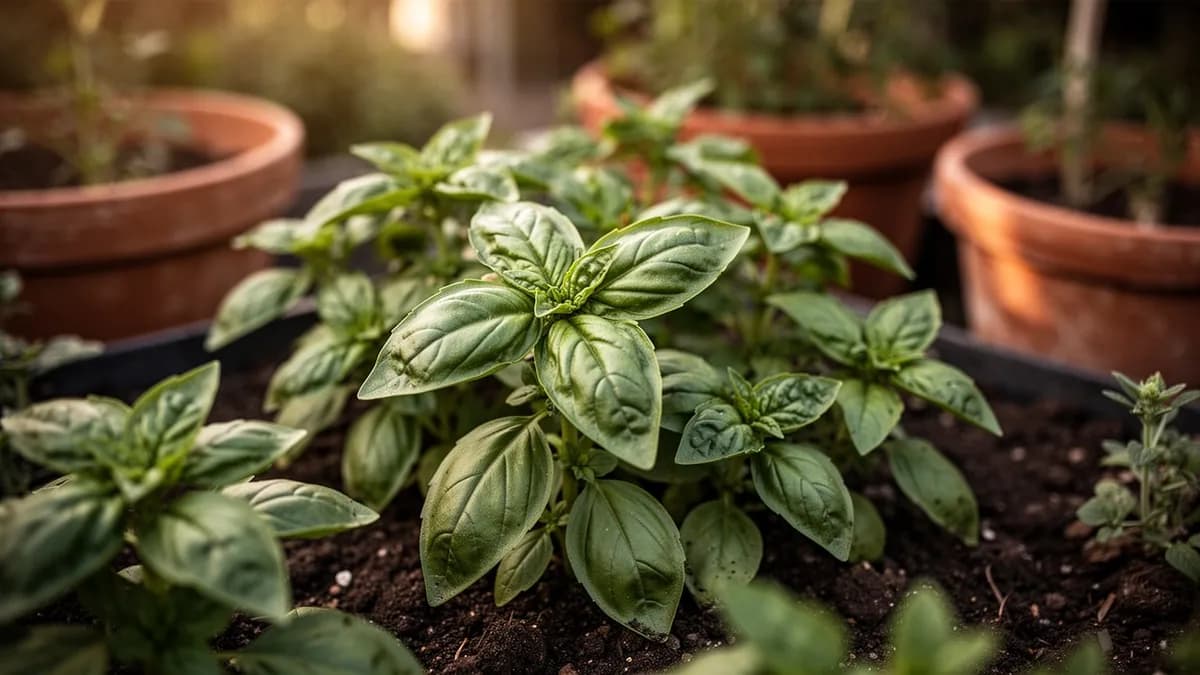
Ein aromatisches einjähriges Kraut, das in der mediterranen und asiatischen Küche unverzichtbar ist. Es gibt Dutzende von Sorten mit einzigartigen Geschmacksprofilen von süß bis scharf. Blütenknospen regelmäßig auskneifen, um buschiges Wachstum zu fördern und die Erntezeit den ganzen Sommer über zu verlängern. Basilikum ist sehr kälteempfindlich und sollte erst ins Freie gepflanzt werden, wenn keine Frostgefahr mehr besteht. Blätter morgens ernten, wenn die ätherischen Öle am konzentriertesten sind, für maximales Aroma und Geschmack.
Wann Basilikum pflanzen
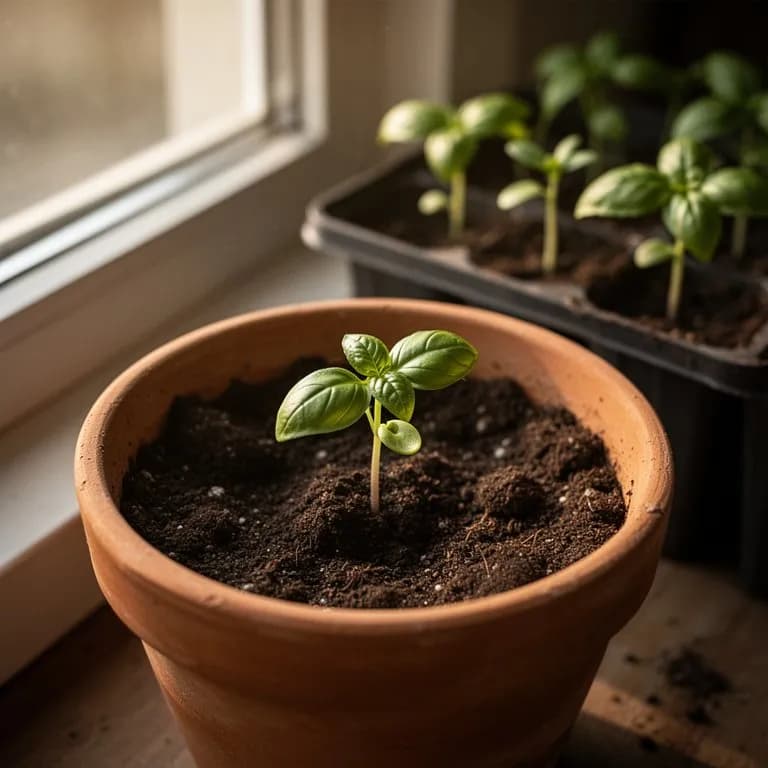
Basilikumsamen 6–8 Wochen vor dem letzten erwarteten Frosttermin drinnen aussäen. Samen auf die Oberfläche feuchter Anzuchterde streuen und leicht andrücken, ohne sie zu bedecken, da Basilikumsamen Licht zur Keimung benötigen. Bodentemperatur bei 21–24 °C halten, ggf. mit einer Heizmatte. Samen keimen in 5–10 Tagen. Nach dem Auflaufen der Sämlinge täglich 12–16 Stunden starkes Licht bereitstellen. Auf einen Sämling pro Zelle ausdünnen, wenn die ersten echten Blätter erscheinen. Umpflanzlinge 7–10 Tage lang abhärten, bevor sie nach Ablauf der Frostgefahr ins Freie gebracht werden.
Dein Basilikum-Jahr
Abgestimmt auf Zone 7 · typische Saison · Frost geht um den 2. Apr. und kehrt um den 1. Nov. zurück
Basilikum Apr – Jun pflanzen, Jun – Sep ernten. Beachte die Pflanzmethoden unten und wähle dein Klima für passende Zeiträume.
So baust du Basilikum an
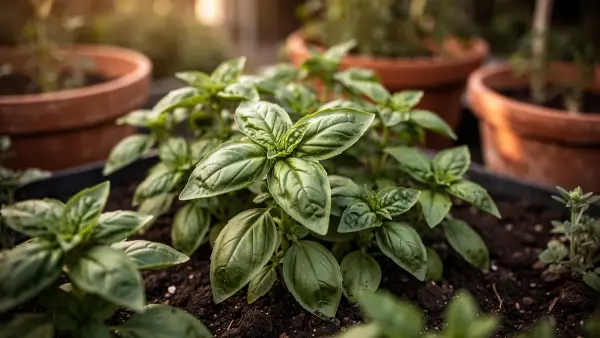
Basilikumsamen 6–8 Wochen vor dem letzten Frosttermin drinnen aussäen, dabei auf die Oberfläche feuchter Anzuchterde streuen und leicht andrücken, da die Samen Licht zur Keimung benötigen. Bodentemperatur bei 21–24 °C halten, um eine optimale Keimung zu erzielen, die in der Regel nach 5–10 Tagen erfolgt. Sämlinge erst ins Freie umpflanzen, wenn keine Frostgefahr mehr besteht und die Nachttemperaturen dauerhaft über 10 °C bleiben.
Den Pflanzstandort vorbereiten, indem 5–8 cm Kompost in gut durchlässigen Boden eingearbeitet werden. Pflanzen im Abstand von 30–45 cm in Reihen oder Gruppen setzen. Basilikum gedeiht am besten in nährstoffreichem, feuchtigkeitsspeicherndem Boden mit einem pH-Wert zwischen 6,0 und 7,0. Regelmäßig an der Pflanzenbasis gießen, um den Boden gleichmäßig feucht, aber nie durchnässt zu halten.
Sobald die Pflanzen 15 cm hoch sind, beginnen, die obersten Blattreihen regelmäßig auszukneifen, um Verzweigung und buschigeres Wachstum zu fördern. Blütenknospen entfernen, sobald sie erscheinen, um die Energie in die Blattproduktion umzuleiten. Alle 2–3 Wochen während der Wachstumsperiode mit einem ausgewogenen Flüssigdünger düngen. In heißen Klimazonen kann Nachmittagsschatten Welken und Blattverbrennung verhindern.
36 Pflanzen passen in ein Beet von 120 × 240 cm
Basilikum braucht 25 cm Platz pro Pflanze. Der Planer hält diesen Abstand für dich ein — jede Pflanze, jedes Beet.
Die besten Nachbarn für Basilikum
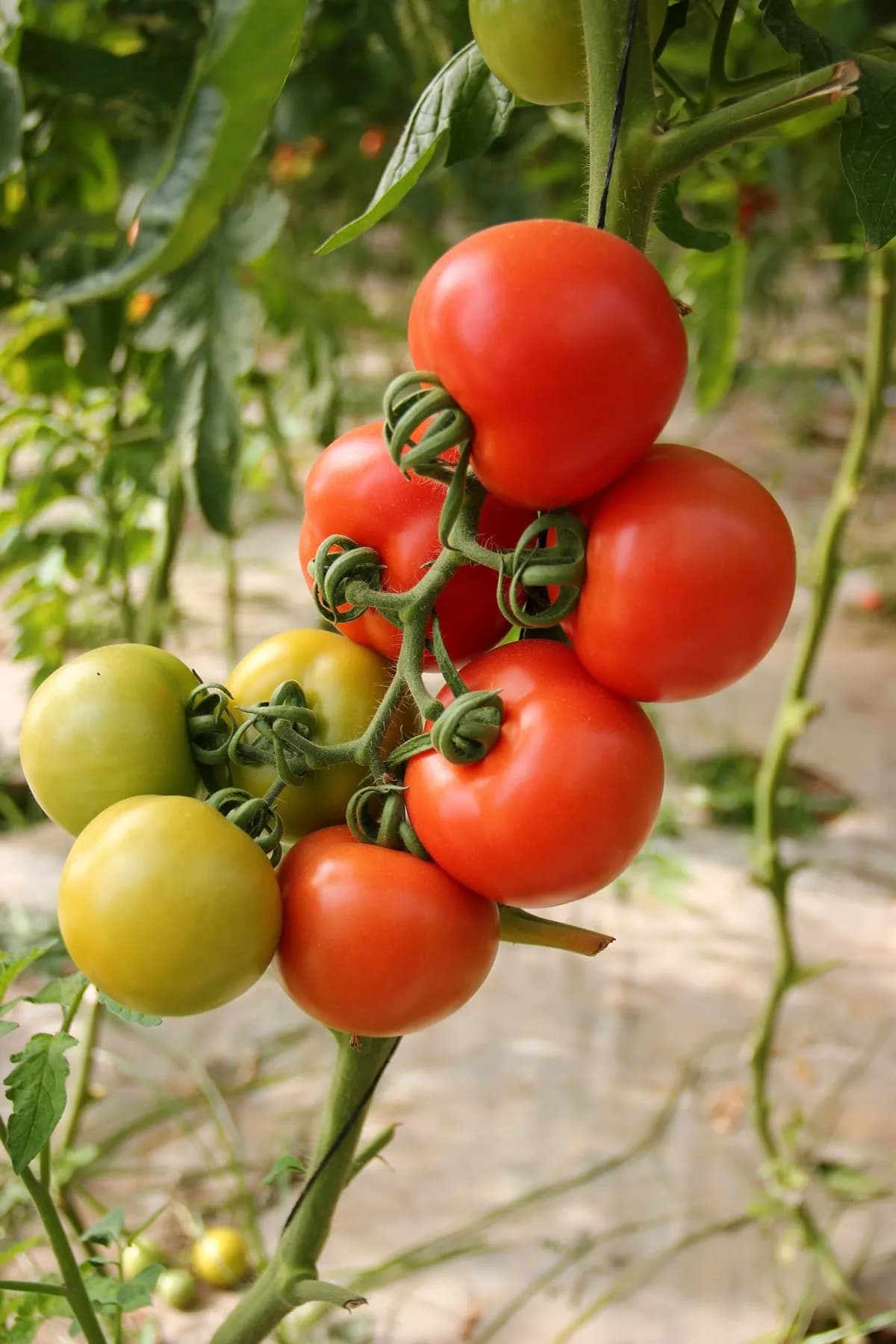
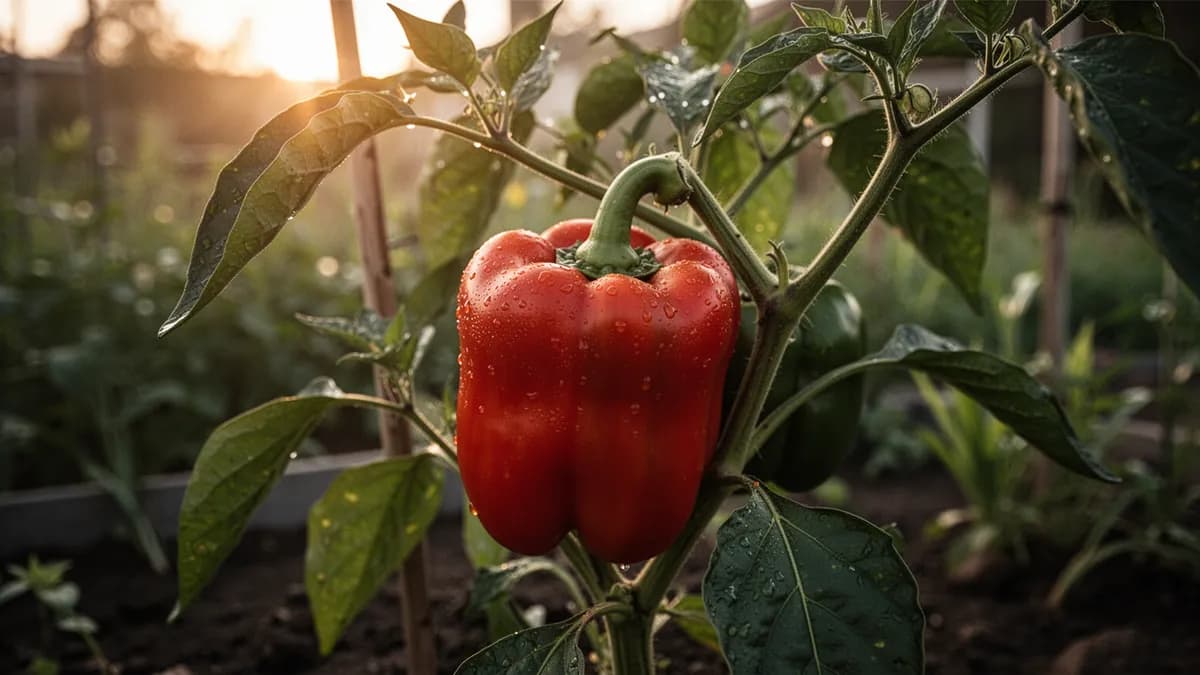
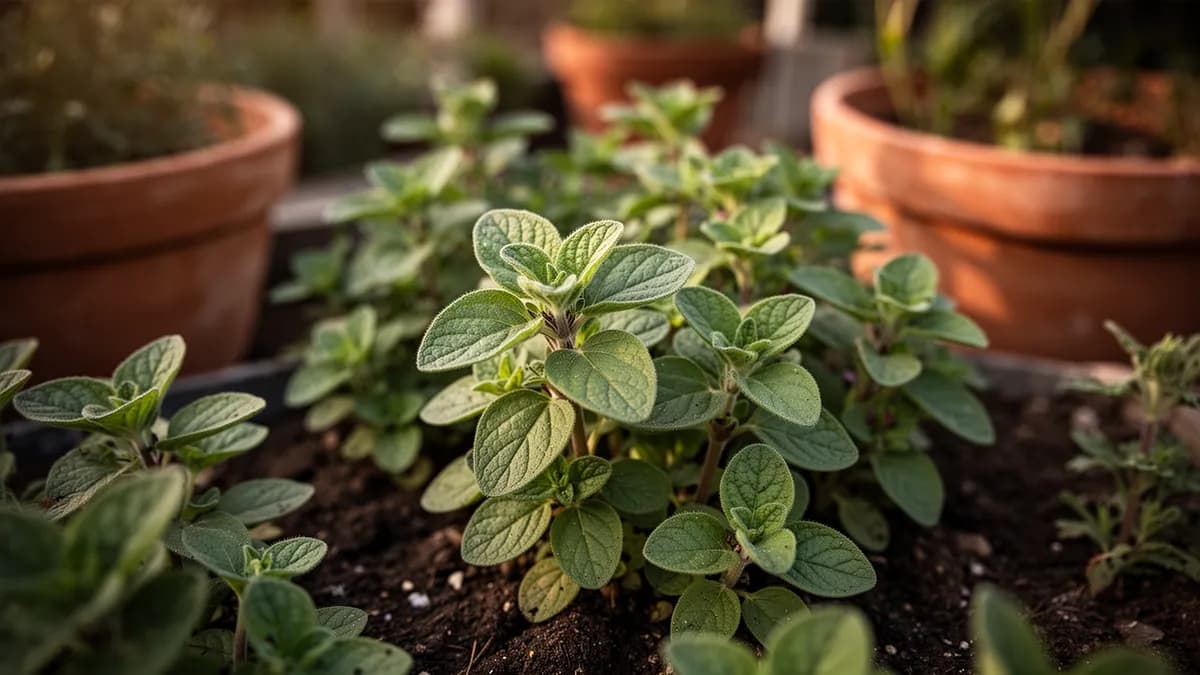
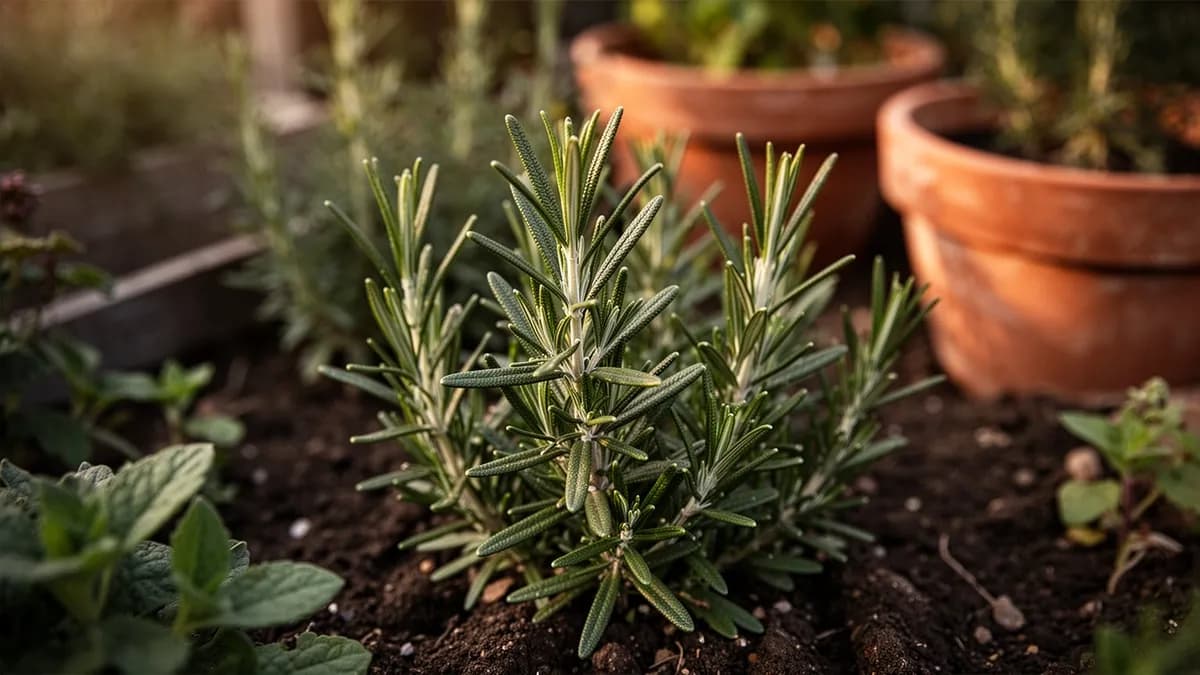
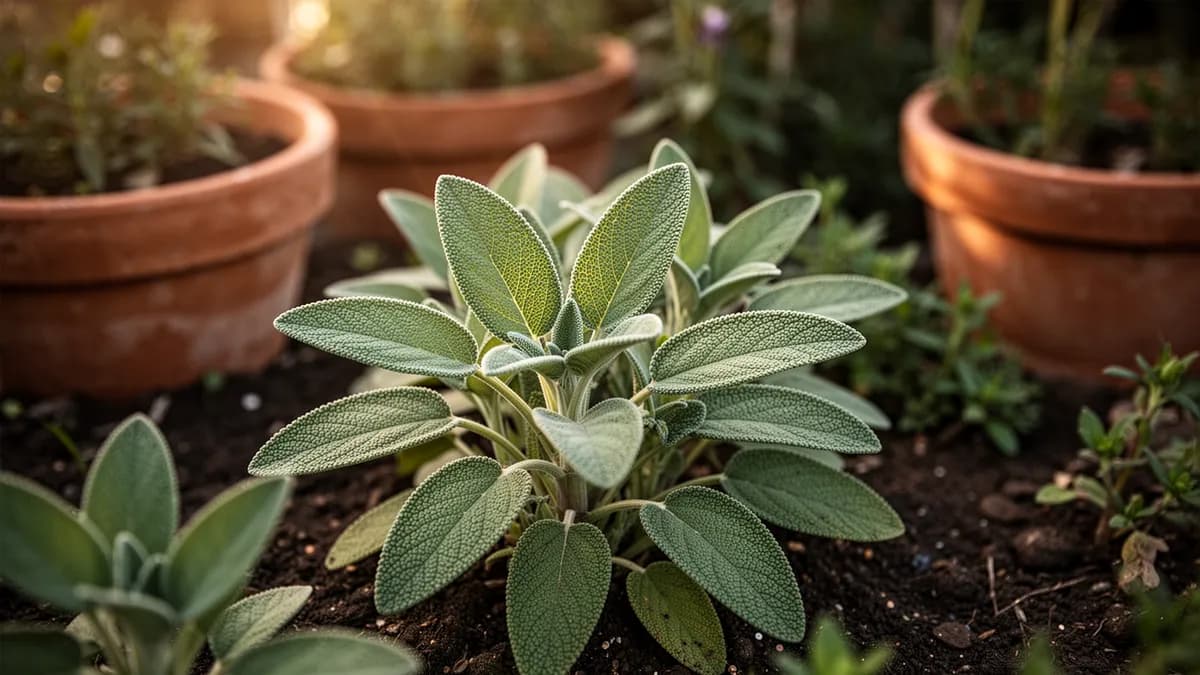
Basilikum und Tomaten sind ein legendäres Begleitpflanzenpaar, da Basilikum durch seine starken Aromaöle Thripse, Blattläuse und Tomatenhornraupen vertreibt, während beide Pflanzen unter ähnlichen warmen, sonnigen Bedingungen gedeihen. Das Pflanzen von Basilikum in der Nähe von Paprika bietet ähnliche schädlingsabwehrende Vorteile. Basilikum zieht auch Bestäuber an, die den Fruchtansatz bei nahegelegenen Gemüsepflanzen verbessern. Basilikum nicht in der Nähe von Salbei oder Rosmarin pflanzen, da diese mediterranen Stauden trockene Bedingungen bevorzugen, die dem Feuchtigkeitsbedarf von Basilikum widersprechen.
Tomate gehört daneben. Salbei nicht.
Altes Gärtnerwissen, geprüft an der echten Nachbartabelle von Basilikum — teste jede Pflanze, die du anbaust.
Probiere Basilikum direkt hier im Beet
Ein echtes Planer-Beet, Basilikum steht schon drin. Tippe einen Begleiter an, platziere ihn und sieh, wie die Nachbarschaftsprüfung antwortet — grün für gute Nachbarn, rot bei Streit.


Passende Anbau-Ratgeber
Richtig düngen
Basilikum gedeiht am besten in reichem, gut durchlässigem Boden mit einem pH-Wert von 6,0–7,0. Schwere Lehmböden mit Kompost und Perlit verbessern, um die Drainage zu verbessern. Vor dem Pflanzen 5–8 cm gereiften Kompost einarbeiten. Alle 2–3 Wochen während des aktiven Wachstums mit einem ausgewogenen Flüssigdünger (10-10-10) oder Fischdünger düngen. Überdüngung mit Stickstoff vermeiden, was die ätherische Ölkonzentration und Geschmacksintensität verringern kann. Pflanzen mit Stroh oder zerkleinertem Laub mulchen, um Feuchtigkeit zu speichern und die Bodentemperatur zu regulieren.
Ideale Temperatur
Winterhärtezone-Kompatibilität
Von der Saat zur Ernte, Schritt für Schritt
Samenkeimung
Basilikumsamen sind winzig und sollten auf der Oberfläche von warmem, feuchtem Boden ausgesät werden. Sie benötigen Licht und gleichmäßige Wärme von 21–24 °C zur Keimung. Samen entwickeln eine gelatinöse Hülle, wenn sie nass werden, die ihnen hilft, sich an der Bodenoberfläche zu verankern.
Keimlingsstadium
Keimblätter (Kotyledonen) erscheinen zuerst, gefolgt vom ersten Paar echter Blätter, die kleinere Versionen der ausgewachsenen Basilikumblätter sind. Sämlinge sind in dieser Phase empfindlich und anfällig für Umfallkrankheit bei zu feuchten Bedingungen.
Vegetatives Wachstum
Die Pflanze entwickelt sich schnell und bildet mehrere Paare gegenständiger Blätter entlang eines Mittelstängels. Die Blattgröße nimmt zu und das charakteristische Basilikumaroma wird ausgeprägter. In dieser Phase etabliert die Pflanze ihr Wurzelsystem und die Hauptverzweigungsstruktur.
Reifes Erntestadium
Die Basilikumpflanze erreicht ihre volle Größe mit dichtem, buschigem Laub und maximaler ätherischer Ölproduktion. Blätter sind am aromatischsten und geschmackvollsten. Die Pflanze kann erste Anzeichen von Blütenknospenbildung an den Stängelspitzen zeigen.
Blühstadium
Wenn nicht zurückgekniffen, bildet Basilikum hohe Blütenähren mit kleinen weißen, rosa oder violetten röhrenförmigen Blüten, die für Bestäuber wie Bienen und Schmetterlinge sehr attraktiv sind. Sobald die Blüte beginnt, verlangsamt sich die Blattproduktion und vorhandene Blätter können leicht bitter werden.
Samenreife und Rückgang
Nach der Bestäubung entwickeln sich Samenkapseln in den getrockneten Blütenkelchen. Die Pflanze lenkt alle Energie in die Samenproduktion, und die Blattqualität nimmt deutlich ab. Untere Blätter können vergilben und abfallen. Als Einjährige erreicht die Pflanze natürlich das Ende ihres Lebenszyklus.
Den Boden gleichmäßig feucht, aber nicht durchnässt halten. Eine Heizmatte verwenden, um die Bodentemperatur über 21 °C zu halten, für schnellste Keimung. Sanft besprühen statt stark zu gießen, um die kleinen Samen nicht zu verschieben.
Basilikum Monat für Monat pflegen
Was du jeden Monat für deine Basilikum tun solltest
Oktober
Aktueller MonatBasilikum wird beim ersten Hauch von Frost schwarz. Alle verbleibenden Blätter vor dem Kältewetter ernten. Abgestorbene Pflanzen herausziehen und kompostieren. Die letzte Ernte durch Einfrieren in Olivenöl oder Herstellen von Pesto konservieren.
Immer wissen, was jetzt im Garten zu tun ist
Eine E-Mail zum Monatsanfang: was du jetzt säen, pflanzen und anpacken solltest — für deine Basilikum und alles, was drumherum wächst. Dazu ein kurzer Startkurs, der dich vor den klassischen Fehlern bewahrt.
- Was jetzt zu tun ist
- Passend zu deiner Saison
- Startkurs inklusive
Basilikum ernten
Mit der Basilikumernte beginnen, sobald die Pflanzen mindestens drei Paare echter Blätter haben, in der Regel 60–90 Tage nach der Aussaat. Stängel knapp oberhalb eines Blattknotens abschneiden, um Verzweigung und fortlaufende Produktion zu fördern. Morgens nach dem Trocknen des Taus, aber vor der Mittagshitze ernten, wenn die ätherische Ölkonzentration am höchsten ist. Regelmäßige Ernten alle ein bis zwei Wochen fördern buschigeres Wachstum und verhindern das Blühen. Bei größeren Ernten die gesamte Pflanze um ein Drittel zurückschneiden und mindestens zwei Blattpaare an jedem Stängel für das Nachwachsen belassen.
angenommen, du pflanzt zu Beginn des Zeitraums — trage dein tatsächliches Datum ein
Pflanze über 20 cm hoch, bevor sich Blütenknospen bilden
Lagerung & Konservierung
Frisches Basilikum bei Zimmertemperatur mit den Stängeln in einem Glas Wasser aufbewahren, locker mit einer Plastiktüte abdecken. Frisches Basilikum nicht im Kühlschrank aufbewahren, da Kälte die Blätter schwärzt. Zur längeren Konservierung ganze Blätter auf einem Backblech einfrieren und dann in luftdichte Beutel umfüllen, oder Blätter mit Olivenöl pürieren und in Eiswürfelformen einfrieren. Basilikum kann auch in einem Dörrgerät bei 35 °C getrocknet oder in Bündeln an einem warmen, gut belüfteten Ort aufgehängt werden, obwohl getrocknetes Basilikum einen Großteil seines aromatischen Potenzials verliert.
Was schiefgeht — und die Lösung
Fusarium-Welke
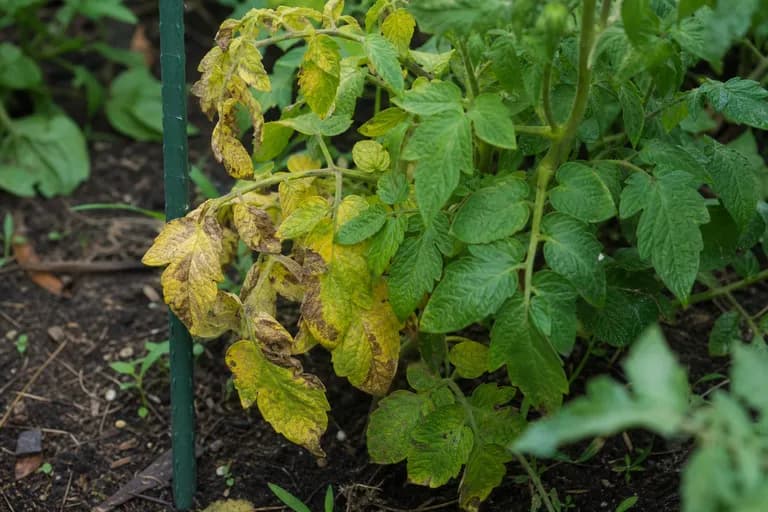
KrankheitVergilben und Welken der Blätter, beginnend an der Basis, braune Streifen im Stängelinneren, Wachstumshemmung.
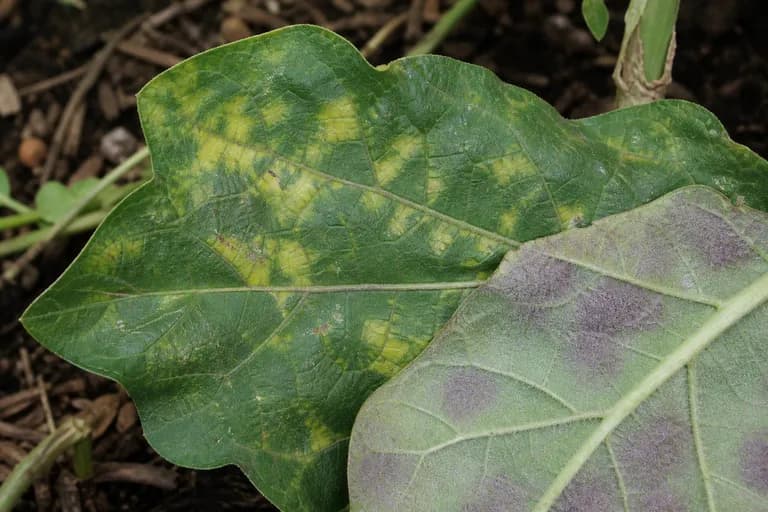
Falscher Mehltau
KrankheitVergilben zwischen den Blattadern auf der Oberseite, flaumig-grauer bis violetter Belag auf der Blattunterseite.
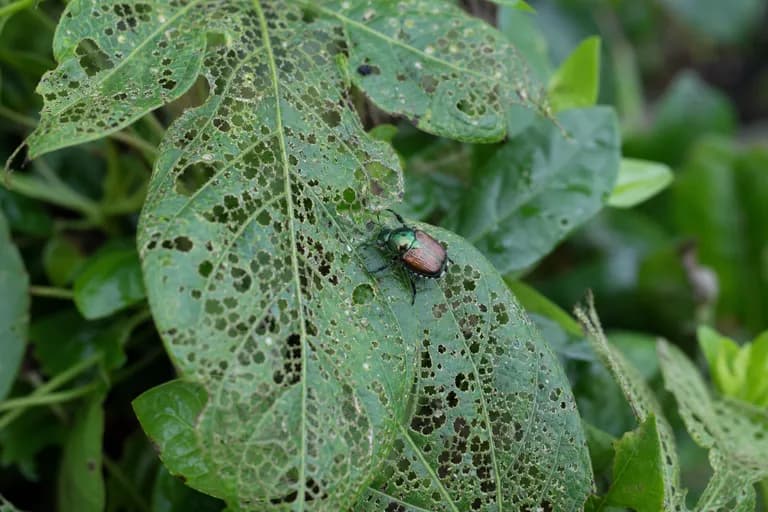
Japankäfer
SchädlingSkelettierte Blätter, bei denen nur die Blattadern übrig bleiben, sichtbare metallisch-grüne Käfer auf dem Laub.
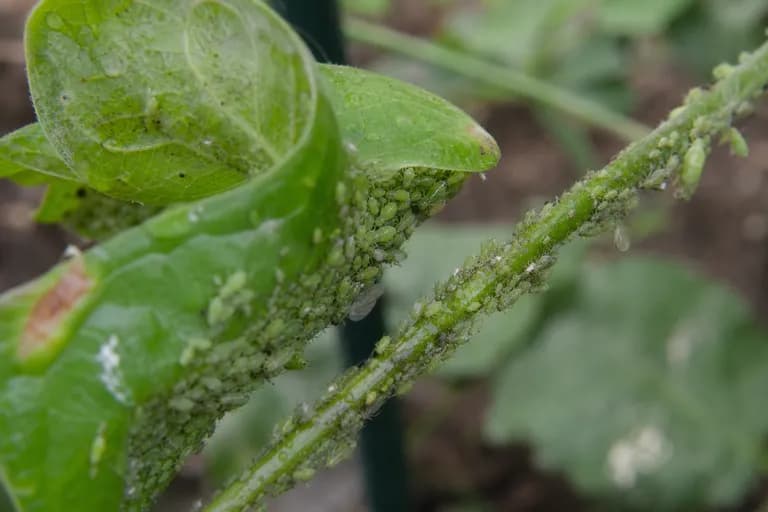
Blattläuse
SchädlingAnsammlungen kleiner grüner oder schwarzer Insekten an Stängeln und Blattunterseiten, klebrige Honigtaurückstände, eingerollte Blätter.
Fehlerbehebung bei häufigen Problemen
Legeres, spärliches Wachstum resultiert meist aus unzureichendem Licht oder versäumtem regelmäßigen Auskneifen der Triebspitzen. Vergilbende untere Blätter deuten oft auf Überwässerung oder schlechte Drainage hin. Geschwärzte Blätter sind ein Zeichen von Kälteschäden oder Temperaturen unter 10 °C. Vorzeitiges Schossen tritt bei Hitze über 29 °C auf und kann durch die Wahl schossfester Sorten, Nachmittagsschatten und häufiges Ernten hinausgezögert werden. Welken trotz feuchtem Boden kann auf Fusarium-Welke hinweisen, die das Entfernen befallener Pflanzen und Bodensolarisierung erfordert.
Anbautipps
- Samen 6–8 Wochen vor dem letzten Frosttermin drinnen auf einer auf 21–24 °C eingestellten Heizmatte aussäen. Basilikumsamen benötigen Licht zum Keimen, daher werden sie sanft auf die Oberfläche feuchter Anzuchterde gedrückt, ohne sie zu bedecken.
- Warten, bis die Nachttemperaturen dauerhaft über 10 °C bleiben, bevor ins Freie umgepflanzt wird. Basilikum ist extrem kälteempfindlich und selbst ein leichter Frost wird die Pflanzen sofort abtöten.
- Die mittlere Triebspitze auskneifen, sobald Pflanzen 3–4 Paare echter Blätter haben, um seitliche Verzweigung zu fördern. Diese eine Maßnahme verwandelt eine dünne, einstängelige Pflanze in ein buschiges, produktives Exemplar.
- Basilikum gründlich, aber seltener gießen und den obersten 2–3 cm Erde zwischen den Gaben abtrocknen lassen. Basilikum ist nach dem Einwurzeln überraschend trockenheitsverträglich, und Überwässerung ist die häufigste Ursache für Wurzelfäule und schwachen Geschmack.
- Blütenknospen sofort bei ihrem Erscheinen durch Abkneifen oder Rückschneiden des Stängels knapp über dem nächsten Blattpaar entfernen. Sobald Basilikum blüht, verlangsamt sich die Blattproduktion dramatisch und vorhandene Blätter entwickeln einen bitteren Geschmack.
- Morgens nach dem Trocknen des Taus, aber vor der Mittagshitze ernten, wenn die ätherische Ölkonzentration in den Blättern ihren täglichen Höchstwert erreicht. Immer Stängel abschneiden statt einzelne Blätter zu pflücken, für das beste Nachwachsen.
- Basilikum neben Tomaten anbauen für eine klassische Begleitpflanzungspartnerschaft. Es wird angenommen, dass Basilikum den Tomatengeschmack verbessert und bestimmte Schädlinge einschließlich Blattläuse, weiße Fliegen und Tomatenhornraupen vertreiben kann.
- Für eine kontinuierliche Versorgung Staffelaussaat praktizieren, indem alle 3–4 Wochen von Frühjahr bis Mitte Sommer neue Samen gesät werden. So stehen immer junge, produktive Pflanzen bereit, die nachlassende ersetzen.
- Topfgewachsenes Basilikum alle 10–14 Tage während der Wachstumssaison mit einem verdünnten flüssigen Bio-Dünger düngen. Gartenwachsendes Basilikum profitiert von einer Reihenbeigabe von Kompost oder ausgewogenem Granulat-Dünger monatlich.
- Basilikum leicht aus Stecklingen vermehren, indem 10-cm-Stengelspitzen abgeschnitten, die unteren Blätter entfernt und in ein Glas Wasser auf eine sonnige Fensterbank gestellt werden. Wurzeln bilden sich in 7–10 Tagen, und eingewurzelte Stecklinge können eingetopft oder ins Freie gepflanzt werden.
Bau deine beste Basilikum an — und alles drumherum.
Starte heute kostenlos. Lege deine Beete an, setze deine Basilikum ein und lass PlotMyGarden Timing, Abstände, Begleiter und Erinnerungen von der Saat bis zum Erntekorb übernehmen.
Finde deine Basilikum
Genovese
Das klassische italienische Süßbasilikum mit großen, glänzend dunkelgrünen Blättern und intensivem Aroma. Der Goldstandard für Pesto und Caprese-Salate.
Thailändisches Süßbasilikum
Hat violette Stängel und ein unverwechselbares Anis-Nelken-Aroma, das beim Kochen gut standhält. Unverzichtbar für Thai-Currys und Pfannengerichte.
Purple Ruffles
Eine Zierpflanzensorte mit tief gefransten, dunkelvioletten Blättern. Verleiht Gärten eine auffällige Farbe und einen milden Geschmack in Salaten und Essigen.
Zitronenbasilikum
Kompakte Pflanzen mit leuchtend grünen Blättern und starkem Zitrus-Duft. Hervorragend geeignet für Meeresfrüchtegerichte, Tees und südostasiatische Suppen.
Afrikanisches Blaues Basilikum
Ein steriler Hybrid-Mehrjähriger mit violett geäderten Blättern und Kampfer-Untertönen. Herausragende Bestäuberpflanze, die kontinuierlich blüht, ohne in Samenreife zu gehen.
Eine einzelne Basilikumpflanze, die 2–4 € kostet, kann das Äquivalent von 15–25 Supermarktpackungen (je 3–5 €) über eine Wachstumssaison produzieren, was potenzielle Einsparungen von 40–120 € ergibt. Basilikum aus Samen anzubauen ist noch wirtschaftlicher: Ein Samenpaket für 2 € liefert 50+ Pflanzen. Frisches Gartenbasilikum übertrifft auch qualitätsmäßig im Geschmack und Nährwert das im Laden gekaufte, da ätherische Öle innerhalb von Stunden nach der Ernte zu degradieren beginnen.
Schnelle Rezepte
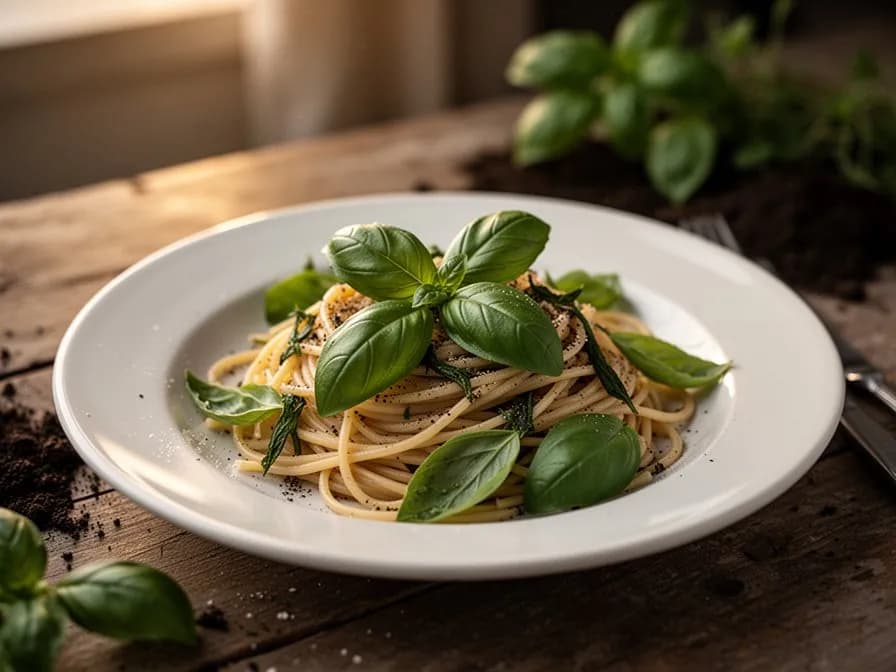
Klassisches Genovese-Pesto
10 Min.Ein authentisches italienisches Pesto aus frischem Basilikum, Pinienkernen, Knoblauch, Parmigiano-Reggiano und nativem Olivenöl extra. Perfekt zu Pasta, auf Bruschetta gestrichen oder über gegrilltes Gemüse geträufelt. Dieses Rezept verwendet die traditionelle Mörser-und-Stößel-Methode für die gleichmäßigste Textur und vollsten Geschmack.
7 Zutaten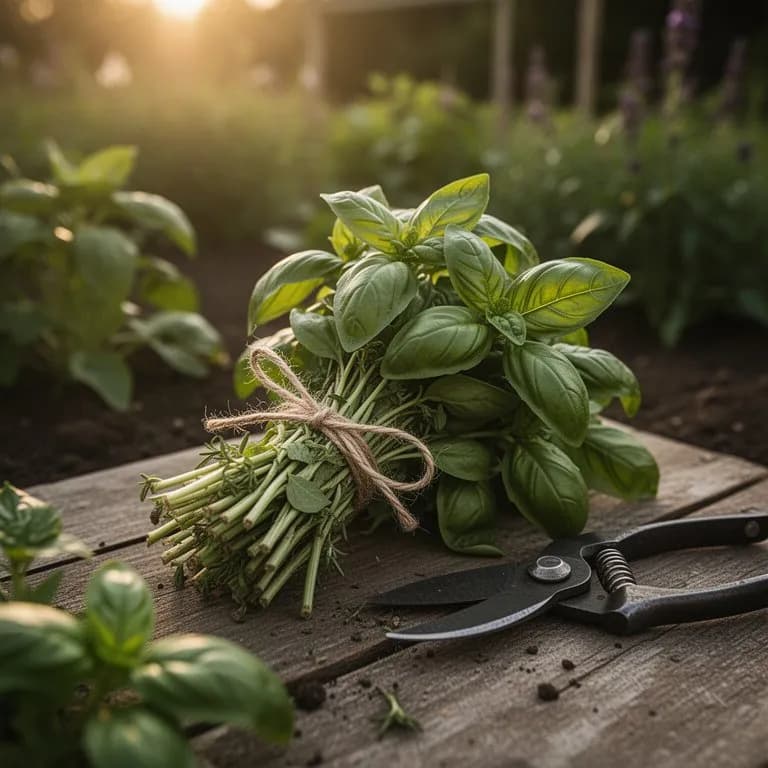
Caprese-Salat mit Gartenbasilikum
5 Min.Ein wunderschön einfacher italienischer Salat, der die perfekte Verbindung von frischem Basilikum, reifen Tomaten und cremigem Mozzarella zeigt. Dieses Gericht schmeckt am besten auf dem Höhepunkt des Sommers, wenn sowohl Tomaten als auch Basilikum ihr bestes Aroma und ihre volle Aromaentfaltung erreichen.
6 ZutatenThai-Basilikum-Pfannengericht (Pad Krapao)
15 Min.Ein feuriges und aromatisches Thai-Streetfood-Klassiker, das das unverwechselbare Anisaroma des Thai-Basilikums in den Vordergrund stellt. Die Basilikumblätter werden ganz am Ende des Kochens hinzugefügt, damit sie gerade welken und ihre duftenden ätherischen Öle an das Gericht abgeben. Traditionell über gedämpftem Jasminreis mit einem Spiegelei obenauf serviert.
9 ZutatenKulinarische Verwendung
Basilikum ist das Herzstück des klassischen Pestos und passt hervorragend zu Tomaten, Mozzarella und Olivenöl im Caprese-Salat. Frische Blätter zu Pastasaucen, Pizza, Bruschetta und mediterranen Salaten hinzufügen. Thailändisches Basilikum verfeinert Pfannengerichte, grüne Currys und Pho. Zitronenbasilikum verleiht Meeresfrüchten, Obstsalaten und Eistees eine frische Note. Frisches Basilikum immer am Ende des Kochens hinzufügen, um die flüchtigen aromatischen Öle zu erhalten.
Was drinsteckt
Gesundheitsvorteile
- Reich an entzündungshemmenden Verbindungen wie Eugenol und Rosmarinsäure, die dazu beitragen können, Schwellungen und Beschwerden bei entzündlichen Erkrankungen wie Arthritis zu reduzieren
- Enthält potente antibakterielle ätherische Öle, die in Laborstudien gezeigt haben, das Wachstum mehrerer schädlicher Bakterien einschließlich E. coli und Staphylococcus zu hemmen
- Reich an Antioxidantien einschließlich Beta-Carotin und Anthocyanen (besonders in violetten Sorten), die dabei helfen, freie Radikale zu neutralisieren und Zellen vor oxidativen Schäden zu schützen
- Kann die Herzgesundheit durch seinen Magnesiumgehalt unterstützen, der die Entspannung der Blutgefäße fördert und dabei hilft, einen gesunden Blutdruck aufrechtzuerhalten
- Besitzt adaptogene Eigenschaften, insbesondere Heiliges Basilikum (Tulsi), das in der ayurvedischen Medizin seit Jahrhunderten verwendet wird, um dem Körper bei der Stressbewältigung zu helfen und die geistige Klarheit zu fördern
- Unterstützt die Verdauungsgesundheit mit natürlichen Verbindungen, die dazu beitragen können, Blähungen zu lindern, Blähungen zu reduzieren und den Appetit anzuregen, indem sie eine gesunde Enzymsekretion im Darm fördern
Woher Basilikum stammt
Basilikum (Ocimum basilicum) stammt aus tropischen Regionen, die sich von Zentralafrika bis Südostasien erstrecken, wo es seit über 5.000 Jahren kultiviert wird. Das Kraut stammt wahrscheinlich aus Indien, wo es in der hinduistischen Tradition eine tiefe spirituelle Bedeutung hat. Wilde Basilikumarten wachsen noch immer im tropischen Afrika und Asien, und die bemerkenswerte genetische Vielfalt der Pflanze in diesen Regionen weist auf ihre alten Ursprünge hin. Von Indien aus reiste Basilikum über antike Gewürzhandelsrouten in den Nahen Osten und gelangte ins antike Ägypten, wo es Berichten zufolge beim Einbalsamierungsprozess verwendet wurde. Das Kraut verbreitete sich anschließend ins antike Griechenland und Rom, wo es eine komplexe kulturelle Symbolik entwickelte. Die Griechen assoziierten Basilikum mit Hass und Unglück, während die Römer es als Symbol von Liebe und Fruchtbarkeit betrachteten. Diese Dualität der Bedeutung hielt sich im mittelalterlichen Europa, wo Basilikum abwechselnd mit Skorpionen und romantischer Hingabe assoziiert wurde. Im 16. Jahrhundert hatte sich Basilikum fest in der italienischen Küche etabliert, insbesondere in der Ligurien-Region um Genua, wo das heute berühmte Genovese-Basilikum zur Grundlage des Pesto alla genovese wurde. Italienische Einwanderer brachten ihre geliebten Basilikumsamen im 19. Jahrhundert nach Amerika und führten das Kraut einem neuen Kontinent ein. Unterdessen hatten sich verschiedene Basilikumsorten unabhängig in ganz Südostasien entwickelt und Thai-Basilikum, Heiliges Basilikum und Zitronenbasilikum hervorgebracht, die jeweils an lokale Küchentraditionen angepasst wurden. Heute ist Basilikum eines der weltweit am häufigsten angebauten Küchenkräuter, das in Hausgärten und kommerziellen Betrieben in jeder gemäßigten und tropischen Region kultiviert wird. Moderne Züchtungsprogramme entwickeln weiterhin neue Sorten mit verbesserter Krankheitsresistenz, einzigartigen Geschmacksprofilen und dekorativem Reiz und stellen sicher, dass dieses alte Kraut an der Spitze kulinarischer und gartenbaulicher Innovation bleibt.
Basilikum: Schon gewusst?
Faszinierende Fakten über Basilikum
Basilikum gehört zur Familie der Lippenblütler (Lamiaceae) und es gibt über 60 anerkannte Sorten weltweit, von süßem Genovese über scharfes Thai-Basilikum bis hin zu zitronigem Zitronen- und auffälligem Purpurbasilikum.
Basilikum: Fragen & Antworten
Wann sollte ich Basilikum pflanzen?
Was sind gute Begleitpflanzen für Basilikum?
In welchen Winterhärtezonen kann Basilikum wachsen?
Wie viel Sonne braucht Basilikum?
Welchen Abstand sollte ich zwischen Basilikum lassen?
Welche Schädlinge und Krankheiten befallen Basilikum?
Wie lagere ich Basilikum nach der Ernte?
Was sind die besten Basilikum-Sorten zum Anbauen?
Welchen Boden braucht Basilikum?
Warum werden meine Basilikumblätter gelb?
Wie verhindere ich, dass Basilikum schosst und blüht?
Kann ich Basilikum im Winter drinnen anbauen?
Was verursacht schwarze Flecken auf meinen Basilikumblättern?
Was ist die beste Methode, frisches Basilikum zu konservieren?
Wie viel Sonne braucht Basilikum, um gut zu wachsen?
Du hast die Theorie gelesen. Jetzt baue sie auf Autopilot an.
Alles, was Basilikum knifflig macht — das Timing, die Abstände, die Begleiter, das Erntefenster — genau das übernimmt PlotMyGarden für dich, für jede Pflanze im Garten.
Ein Plan, der dein Wetter kennt
Standort einmal festlegen. Aussaat-, Dünge- und Erntedaten rund um deinen echten letzten Frosttermin und die Live-Vorhersage — kein Raten mehr nach Saattüte.
Aus dem Abschnitt „Pflanzzeit“Beetplaner per Drag & Drop
Beete auf einem Raster gestalten. Jede Pflanze rastet im richtigen Abstand ein, und du siehst die ganze Saison, bevor du einen Cent für Saatgut ausgibst.
Aus dem Abschnitt „Anbau“Begleiter-Konflikte früh erkannt
Über 200 gute und schlechte Kombinationen werden beim Pflanzen live geprüft — so landet ein saisonruinierender Fehler nie in der Erde.
Aus dem Abschnitt „Begleiter“Erinnerungen, nach denen du wirklich handelst
„Gieß die Bohnen.“ „Heute ernten, bevor's umschlägt.“ Pünktlich, konkret und auf deine echten Pflanzen bezogen.
Aus dem Abschnitt „Ernte“Staffel-Aussaat, geplant
Sechs Wochen ernten statt sechs Tage? Die App verteilt deine Aussaaten automatisch und erinnert dich, wenn der nächste Satz fällig ist.
Aus dem Abschnitt „Pflanzzeit“Ein Verlauf, der schlauer wird
Jede protokollierte Ernte bringt der App deinen Garten bei. Der Plan fürs nächste Jahr startet bei dem, was in deinem Boden wirklich funktioniert hat.
Aus dem Abschnitt „Überblick“Pflanze diese neben Basilikum
Weitere Küchenkräuter
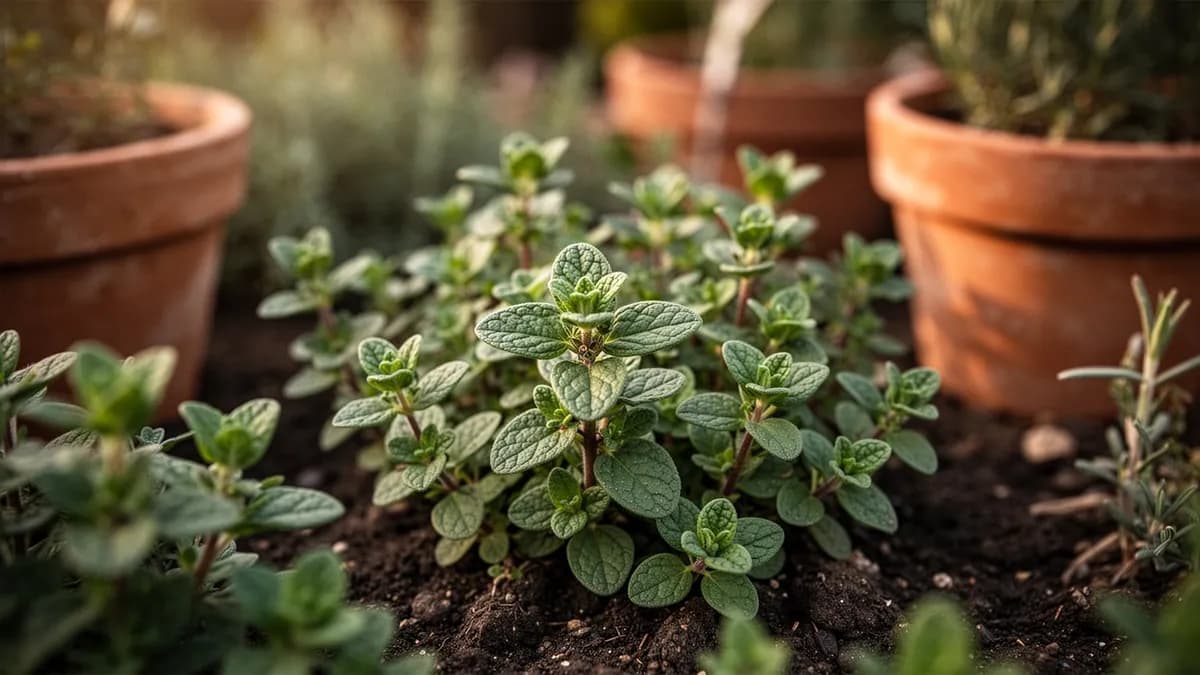
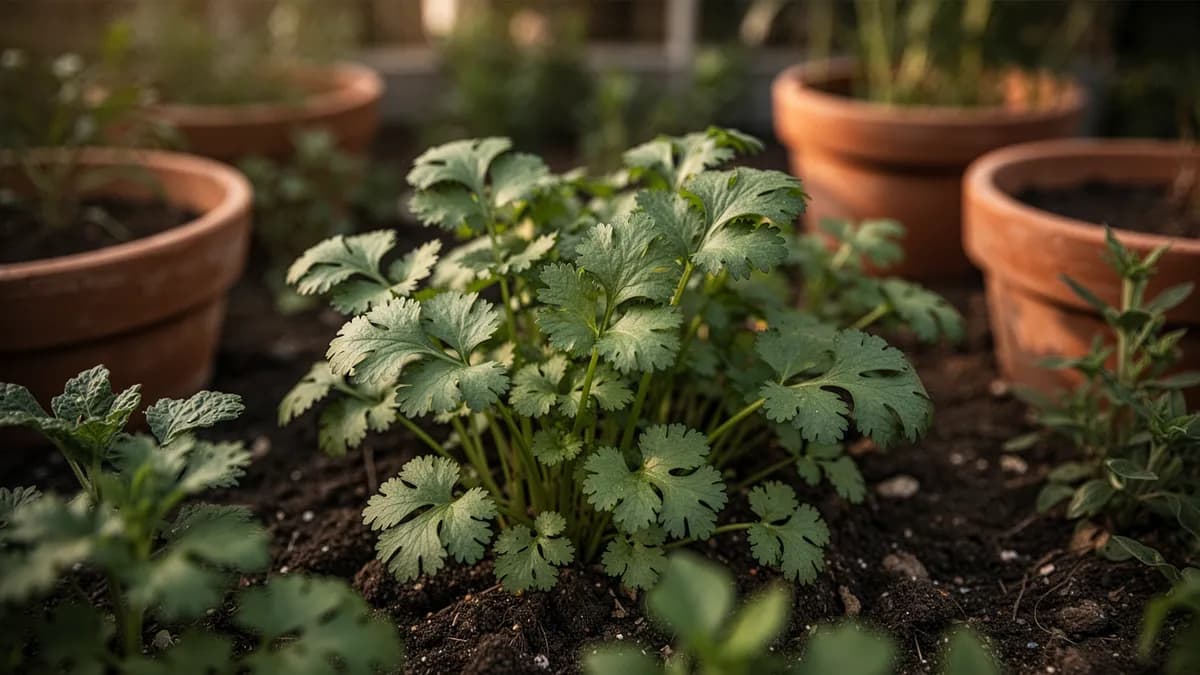
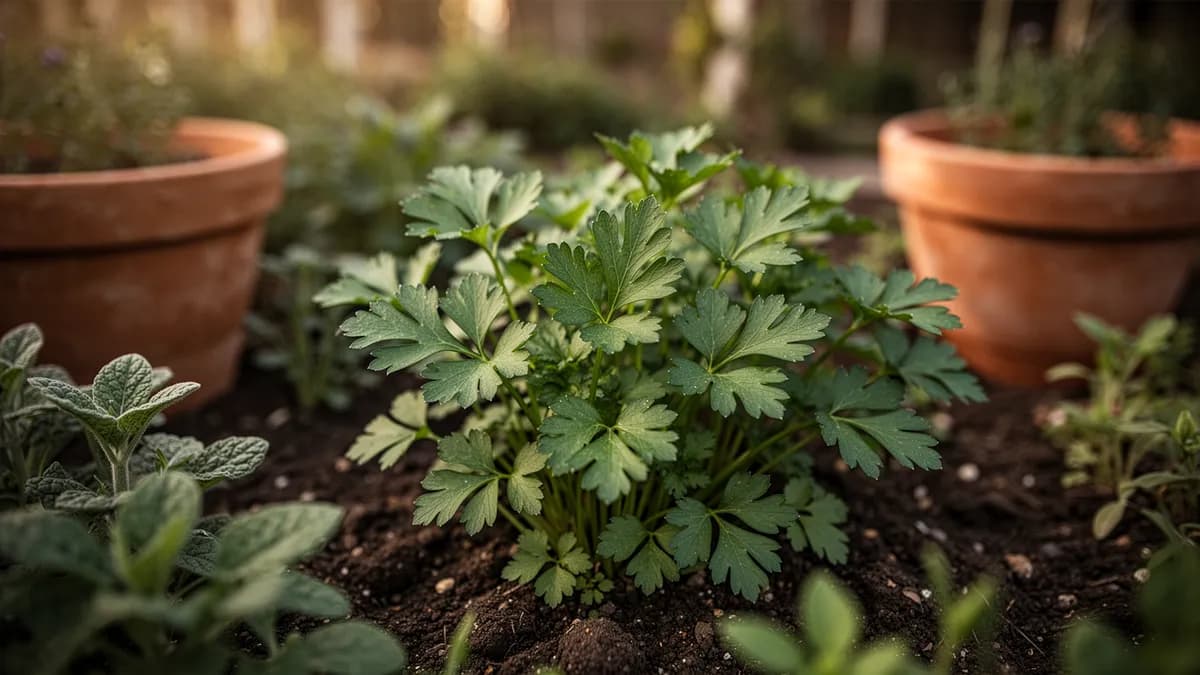
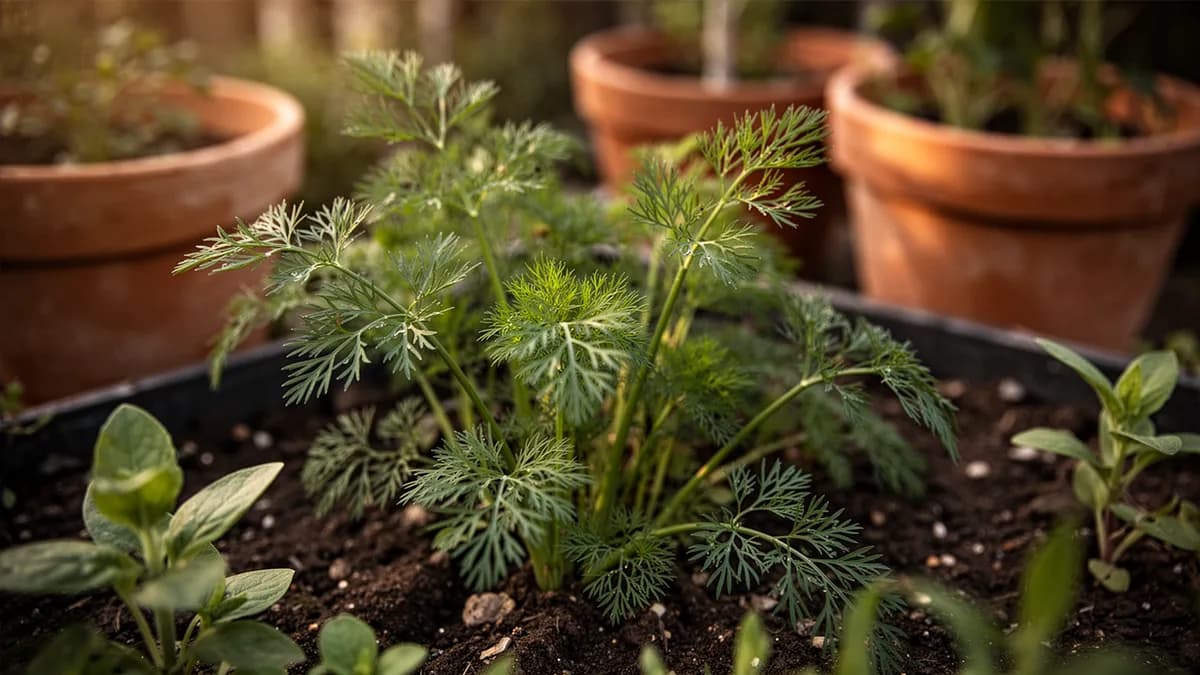
Halte Basilikum von diesen fern
Gartenpläne mit Basilikum
Bau deine beste Basilikum an — und alles drumherum.
Starte heute kostenlos. Lege deine Beete an, setze deine Basilikum ein und lass PlotMyGarden Timing, Abstände, Begleiter und Erinnerungen von der Saat bis zum Erntekorb übernehmen.