Cilantro
A fast-bolting annual producing flavorful leaves and seeds, best succession-sown every two to three weeks for continuous harvest.





On this pageOverview
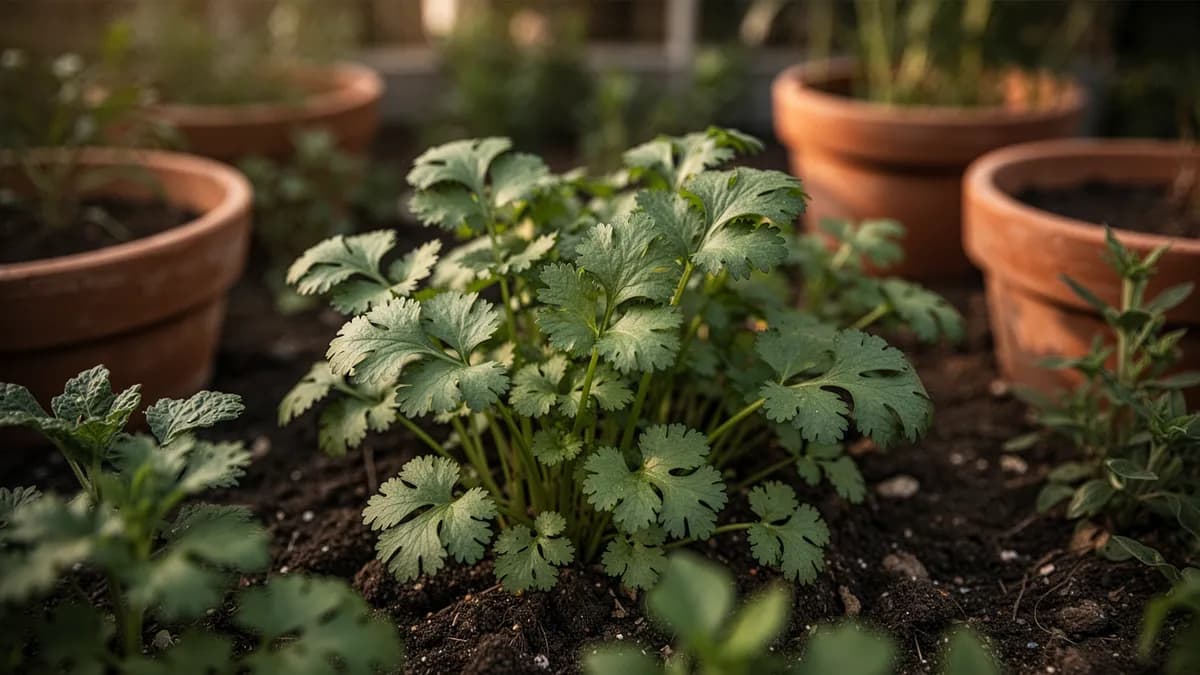
Meet Cilantro
A fast-bolting annual producing flavorful leaves and seeds, best succession-sown every two to three weeks for continuous harvest. Cilantro prefers cool weather and will bolt rapidly in heat, so plant in partial shade during warmer months or choose slow-bolt cultivars. Once the plant flowers, allow it to set seed to harvest coriander, which has a warm, citrusy flavor used in many world cuisines. Both the fresh leaves and dried seeds are culinary essentials in Mexican, Indian, Thai, and Middle Eastern cooking.
When to plant Cilantro
Sow cilantro seeds directly outdoors 2-3 weeks before the last frost date. Gently crush the round seed husks to split them, which significantly improves germination rates. Plant seeds 1/4 inch deep, 1 inch apart, in rows 12 inches apart. Keep soil consistently moist during the 7-10 day germination period. Thin seedlings to 4-6 inches apart. Cilantro strongly resists transplanting due to its taproot; if starting indoors, use biodegradable pots that can be planted directly in the ground without disturbing roots.
Your Cilantro Year
Composed for Zone 7 · typical seasons · frost passes Apr 2, returns Nov 1
Plant Cilantro Mar – Apr, Sep – Oct, pick May – Jun, Oct – Nov. Check the planting methods below and set your climate to personalize these windows.
How to grow Cilantro
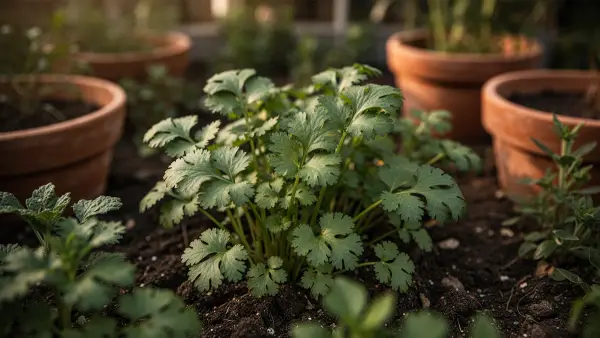
Sow cilantro seeds directly in the garden 2-3 weeks before the last spring frost, as it prefers cool weather and does not transplant well due to its taproot. Lightly crush the round seed husks before planting to improve germination, then sow 1/4 inch deep in rows 12 inches apart. Seeds germinate in 7-10 days. For a continuous harvest, succession-sow every 2-3 weeks from early spring through fall.
Choose a site with partial shade during warmer months, as cilantro bolts rapidly when temperatures exceed 80°F. Rich, well-drained soil with a pH of 6.2-6.8 and consistent moisture produces the best leaf growth. Thin seedlings to 4-6 inches apart once they develop their first true leaves.
Water evenly to keep soil consistently moist but not waterlogged. Apply a thin layer of mulch to keep roots cool and delay bolting. When plants inevitably bolt in warm weather, allow some to flower and set seed for coriander harvest. Self-sown seeds will produce volunteer plants in subsequent seasons. For summer harvests, choose slow-bolt varieties like Calypso or Santo and provide afternoon shade.
128 plants fit a 4 × 8 ft bed
Each Cilantro wants 15 cm of elbow room. The planner keeps that spacing for you — every plant, every bed.
Cilantro's best neighbours
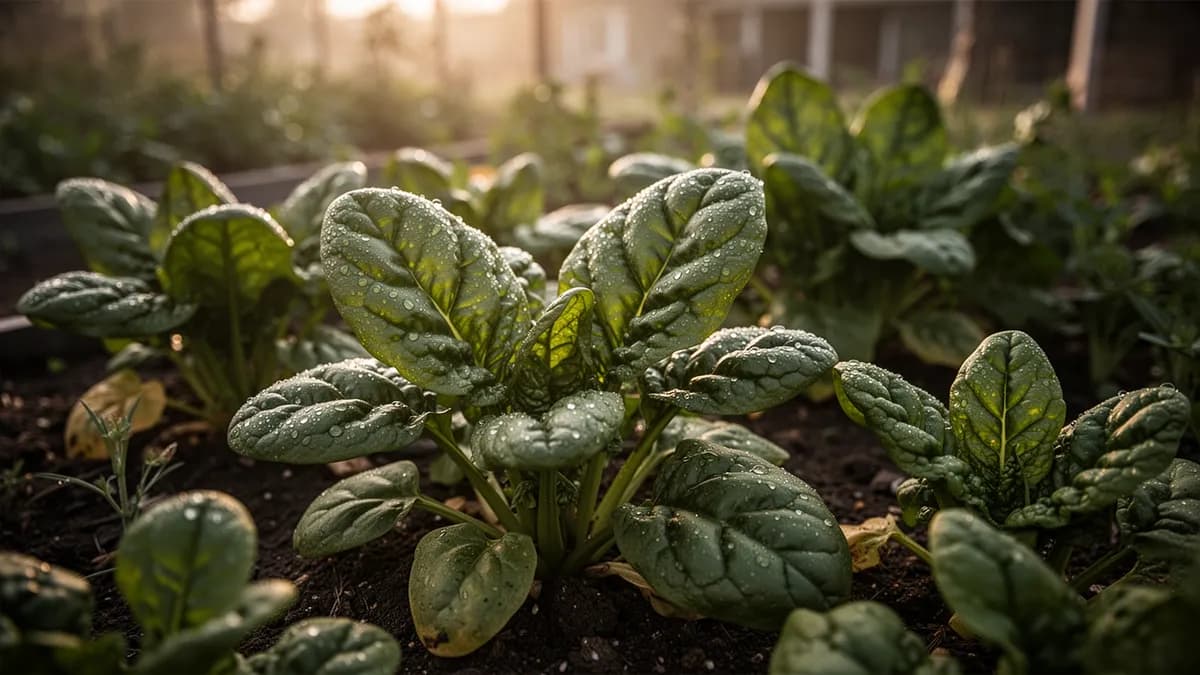
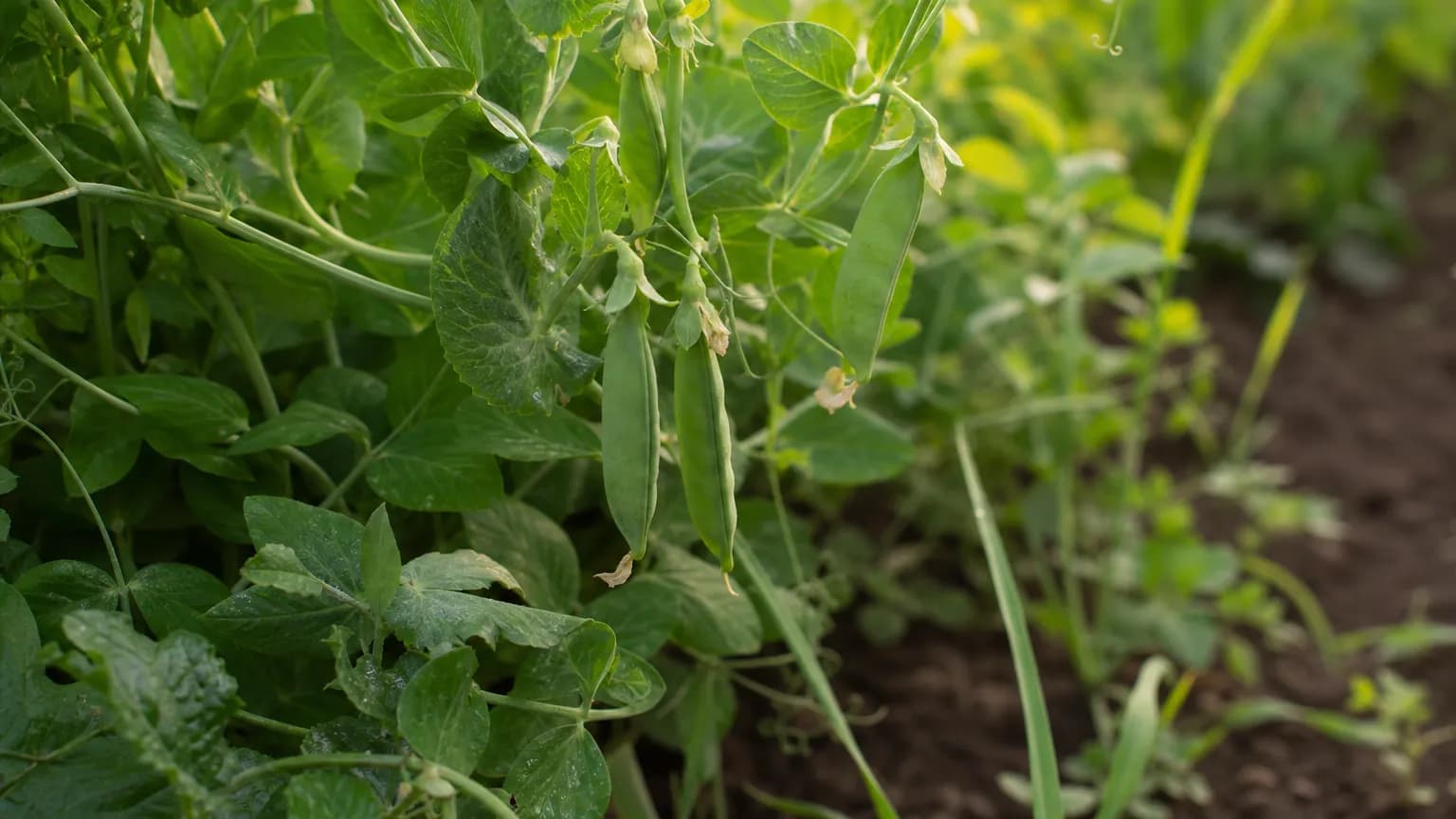
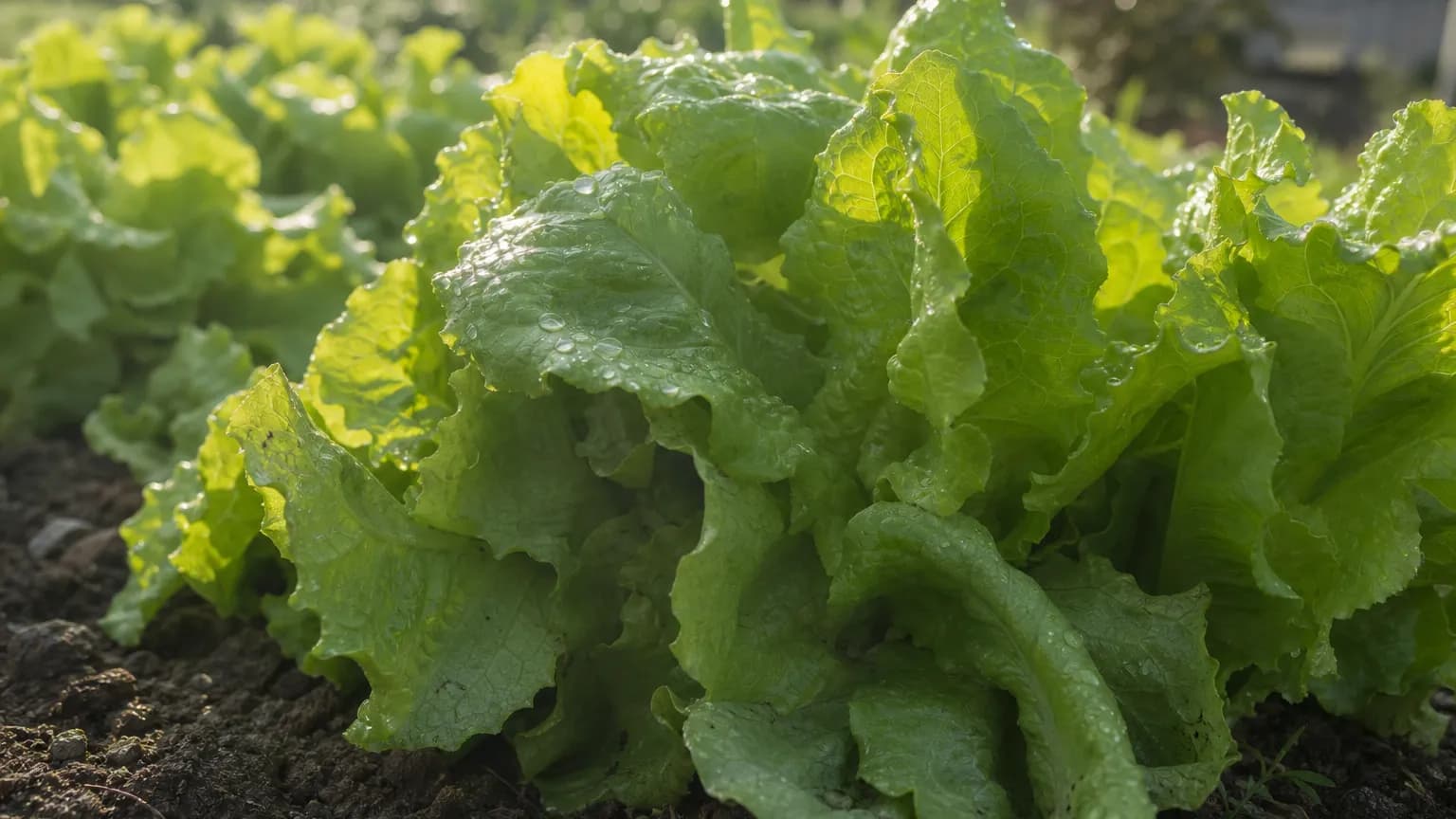
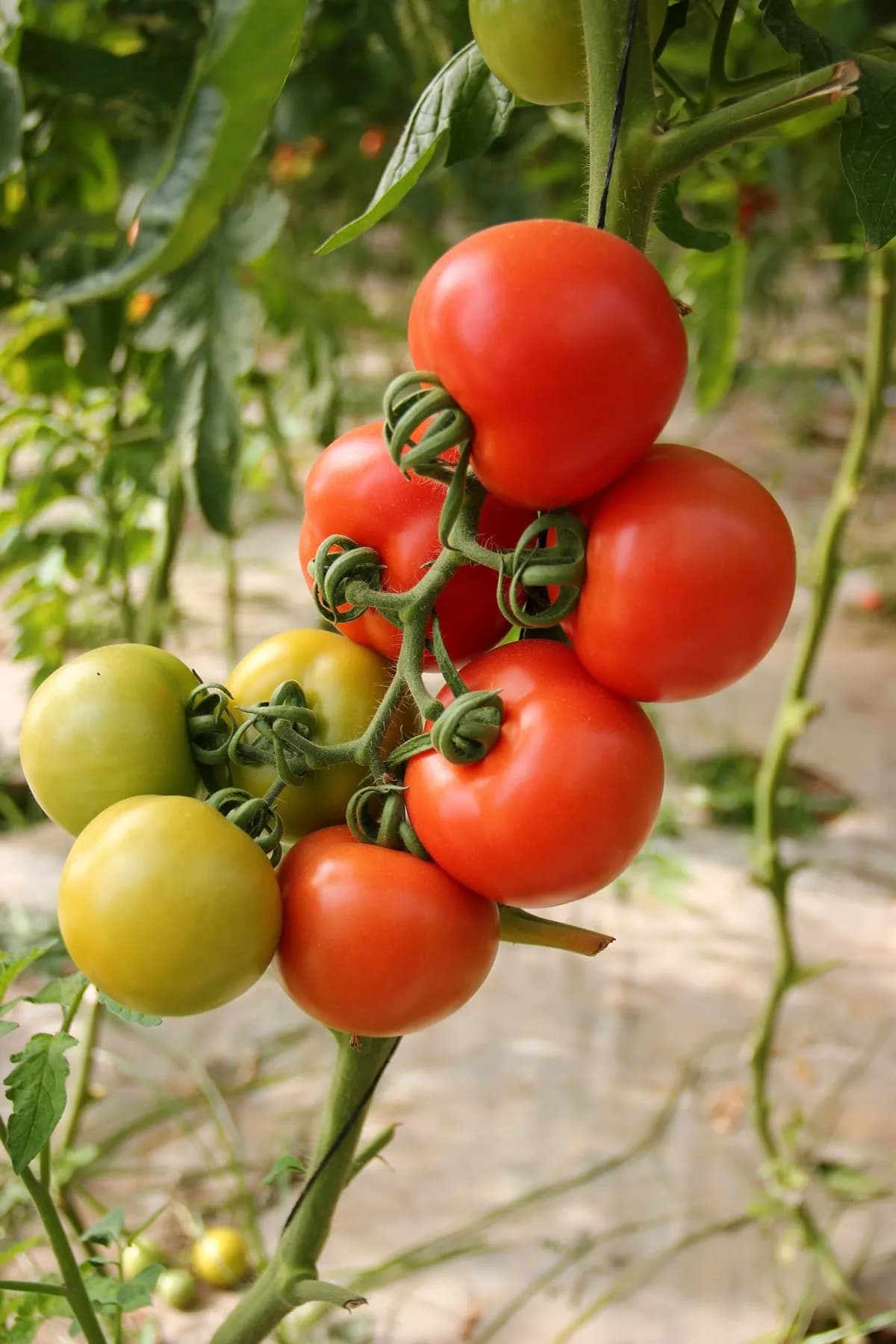
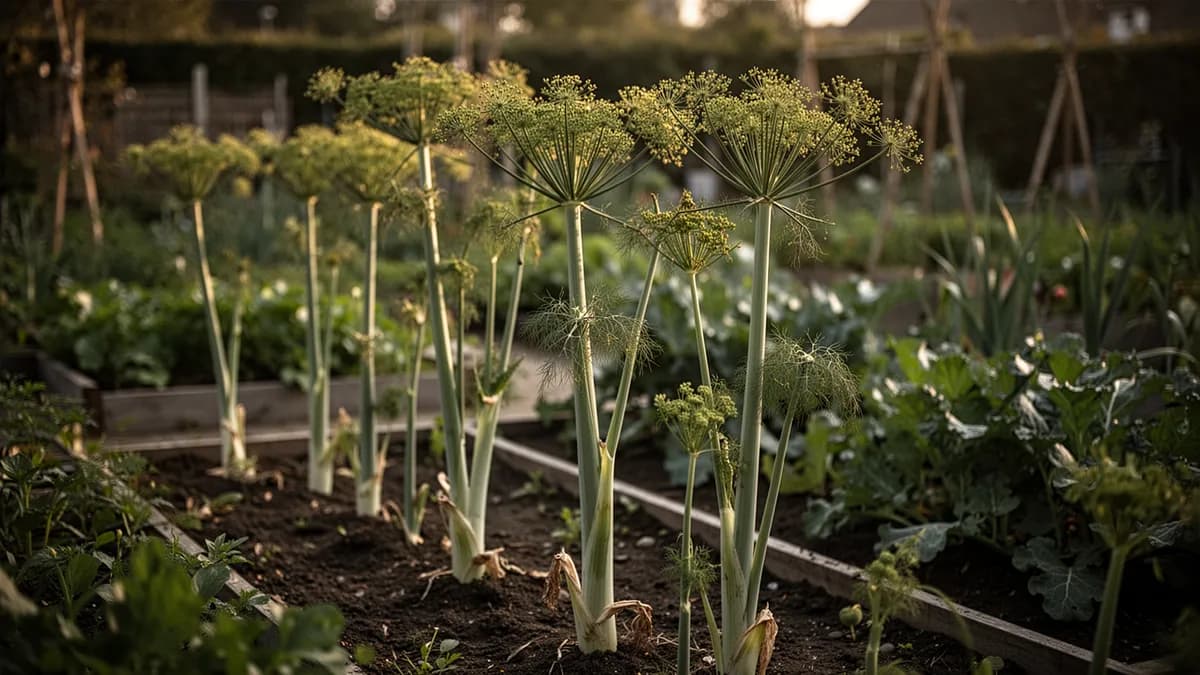
Cilantro attracts beneficial hoverflies and parasitic wasps when it bolts and flowers, making it an excellent insectary plant in the vegetable garden. Its small umbrella-shaped flowers provide nectar for pest-controlling insects. Plant near tomatoes, spinach, and lettuce where it can provide light shade and attract pollinators. Cilantro also reportedly repels aphids, spider mites, and potato beetles through its aromatic compounds. Avoid planting near fennel, which can cross-pollinate and affect seed quality.
Spinach belongs beside it. Fennel doesn't.
Old growers' knowledge, checked against Cilantro's real companion table below — test any plant you're growing.
Try Cilantro in a bed — right here
A real planner bed with Cilantro already in it. Tap a companion to place it and watch the pairing checks answer — green for good neighbours, red for a clash.


Related growing guides
Feed it well
Cilantro grows best in rich, well-drained soil with a pH of 6.2-6.8. Work in 2-3 inches of compost before planting to provide a nutrient-rich growing medium. Cilantro is a moderate feeder and benefits from a balanced liquid fertilizer applied every 3-4 weeks during active leaf growth. Avoid excessive nitrogen, which can make the flavor less pronounced. In containers, use a high-quality potting mix and feed regularly. Keep soil consistently moist but well-drained; soggy conditions promote root diseases.
Ideal Temperature
Hardiness Zone Compatibility
From seed to harvest, stage by stage
Seed Germination
Cilantro seeds are actually fruits containing two seeds each. Gently crushing the husk before sowing improves germination rates. Seeds sprout best in cool soil between 55 and 68 degrees Fahrenheit.
Seedling Stage
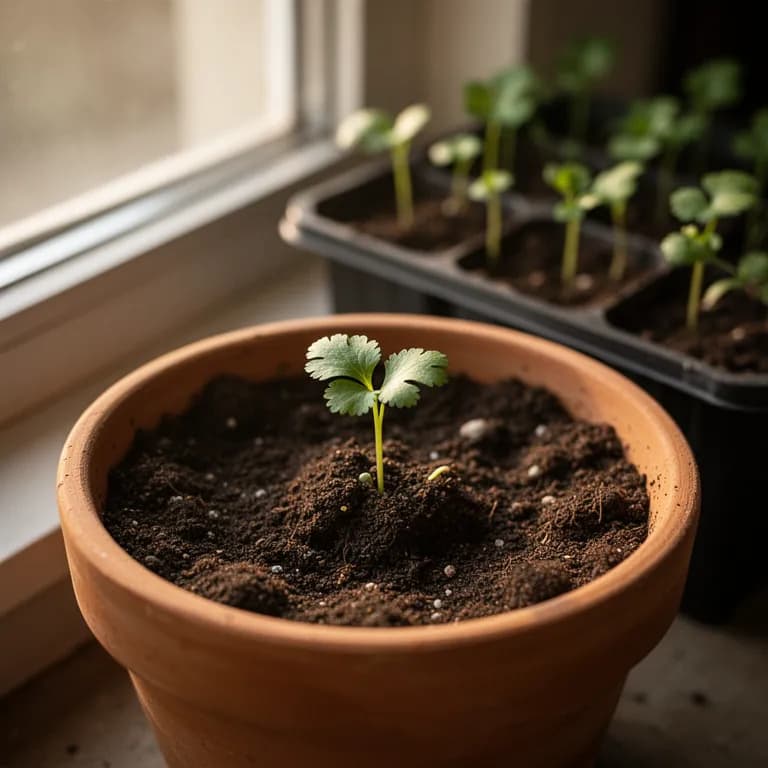
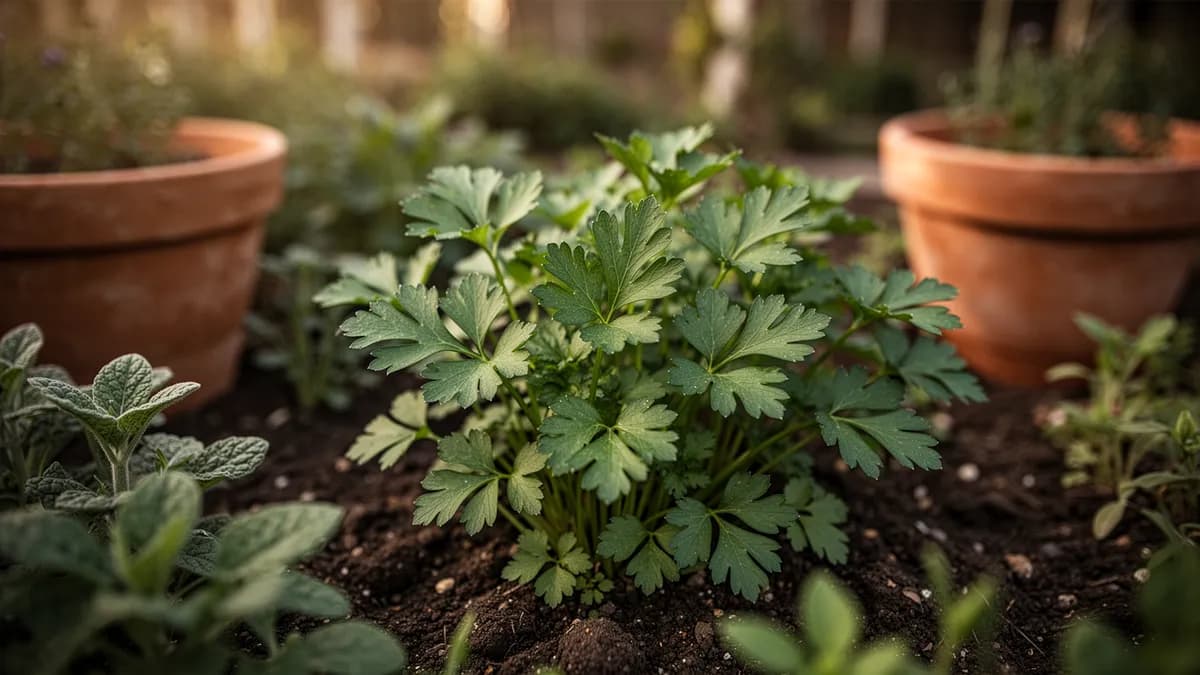
Cotyledons appear first as narrow, elongated leaves. The first true leaves emerge with their characteristic rounded, lobed shape that distinguishes cilantro from other herbs.
Vegetative Growth
The plant produces abundant broad, flat leaves on branching stems. This is the prime harvest window for fresh cilantro leaves, which have the most intense flavor during this stage.
Pre-Bolting Transition
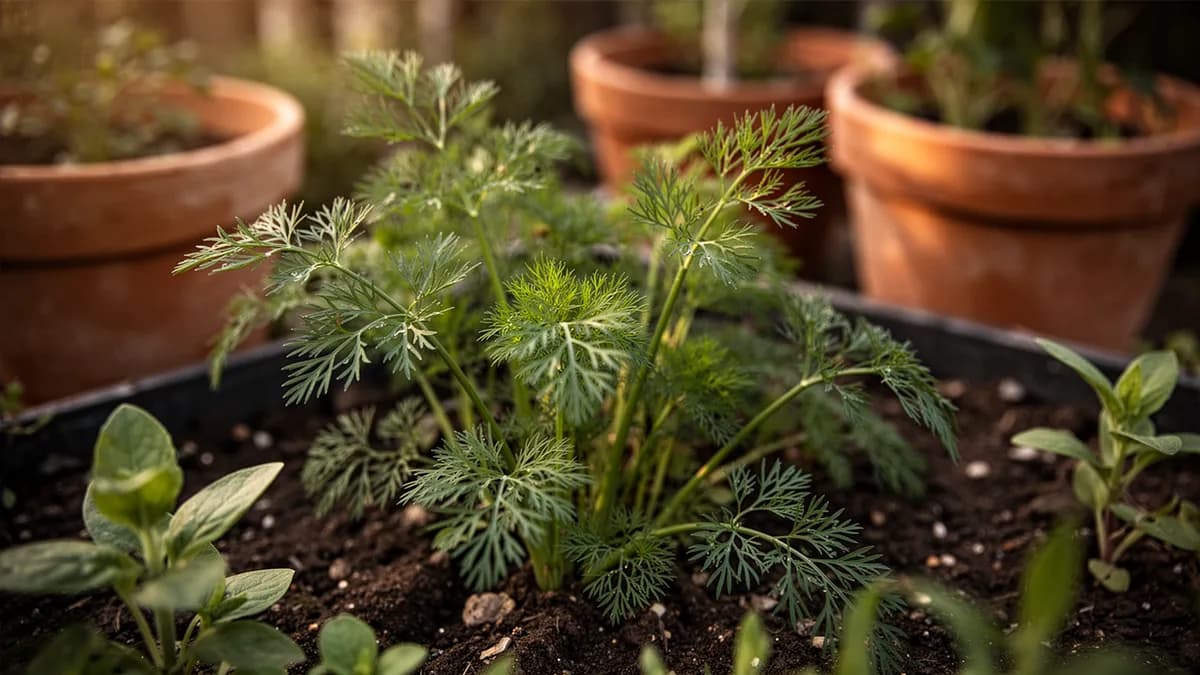
Leaves become increasingly feathery and fern-like as the plant prepares to flower. The central stem begins to elongate noticeably. Leaf flavor becomes stronger and slightly more bitter.
Flowering and Bolting
The plant sends up a tall flower stalk topped with umbrella-shaped clusters of tiny white to pale pink flowers. Bees and beneficial insects are strongly attracted to the blooms.
Seed Development
Green seed heads develop after pollination and gradually dry to a tan or brown color. The seeds transition from an unpleasant smell when green to a warm, citrusy aroma when fully dried.
Soak seeds for 12 to 24 hours before planting and lightly crush the seed husks to speed up germination. Keep soil consistently moist but not waterlogged.
Caring for Cilantro month by month
What to do each month for your Cilantro
October
You are hereHarvest leaves generously from fall plantings. Apply light mulch as nights grow cooler. Cilantro can tolerate light frosts down to about 28 degrees Fahrenheit.
Know exactly what to do in your garden — every month
One email at the start of each month: what to sow, plant, and tackle right now — for your Cilantro and everything growing around it. Plus a short starter course that helps you dodge the classic mistakes.
- What to do, right now
- Matched to your season
- Starter course included
Harvesting Cilantro
Begin harvesting cilantro leaves once plants are 6 inches tall, about 3-4 weeks after sowing. Cut outer leaves first, leaving the inner growth to continue producing. Harvest whole stems by cutting at the base rather than picking individual leaves. For the freshest flavor, harvest in the morning. Once flower stalks appear, leaf flavor changes and becomes more pungent. Allow seed heads to dry on the plant, then cut and collect coriander seeds when they turn light brown and have a sweet, citrusy fragrance.
assuming you plant when the window opens — set your real date
Plants are 15 cm tall, roughly 3-4 weeks after sowing
Storage & Preservation
Fresh cilantro is best used immediately but can be stored for 1-2 weeks with stems in a jar of water in the refrigerator, loosely covered with a plastic bag. Change the water every few days. Cilantro does not dry well, as it loses most of its flavor. For best preservation, blend fresh leaves with a small amount of water or oil and freeze in ice cube trays. Whole cilantro leaves can also be frozen flat on a baking sheet and transferred to freezer bags. Coriander seeds store indefinitely in airtight jars in a cool, dark place.
What goes wrong — and the fix
Bacterial Leaf Spot
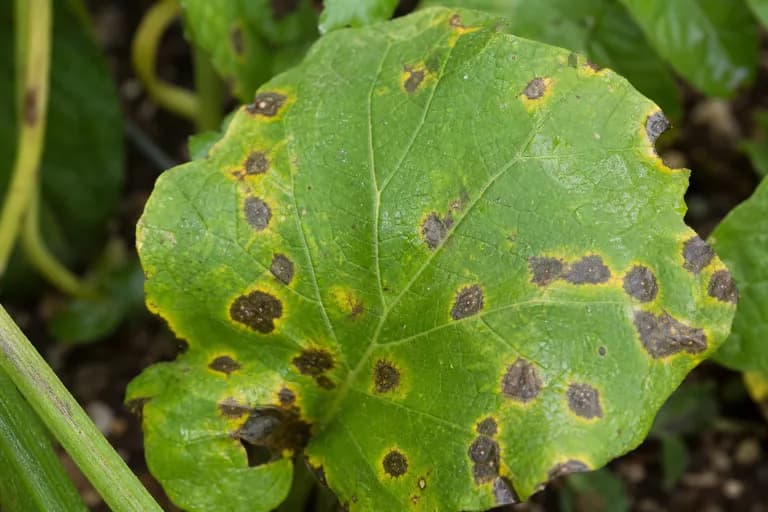
DiseaseDark, water-soaked spots on leaves that turn brown, yellowing surrounding tissue, leaf drop.
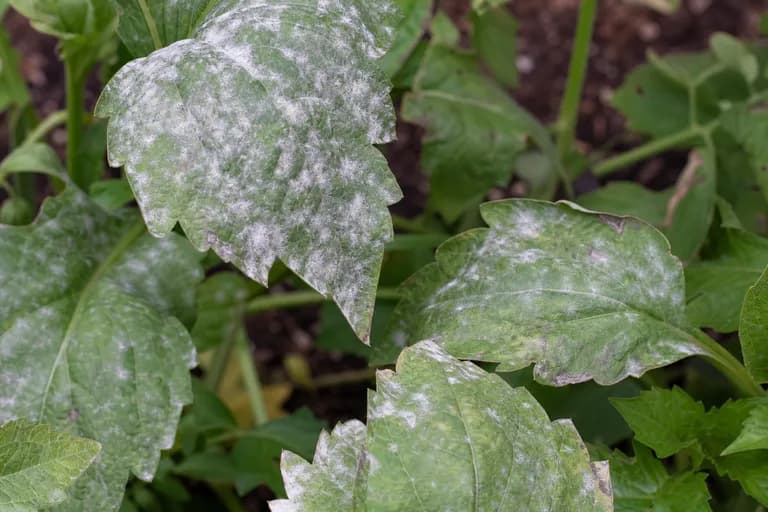
Powdery Mildew
DiseaseWhite powdery coating on leaves, leaf curling, reduced growth and vigor.
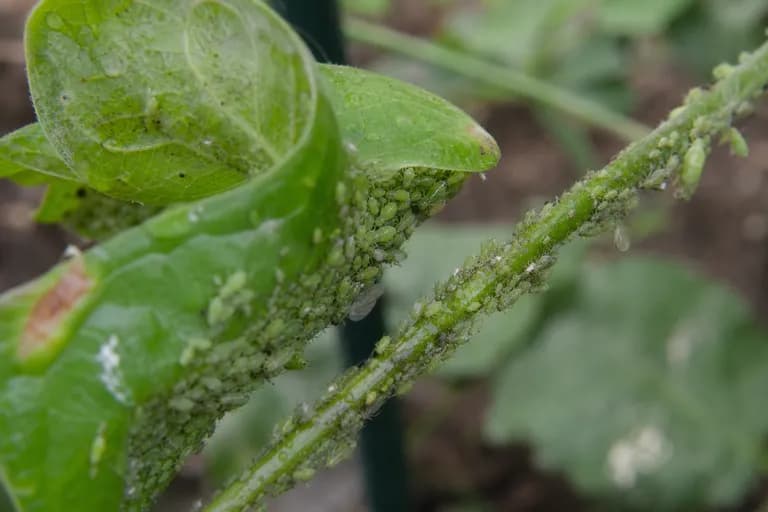
Aphids
PestClusters of small green insects on tender new growth, curled distorted leaves, sticky honeydew residue.
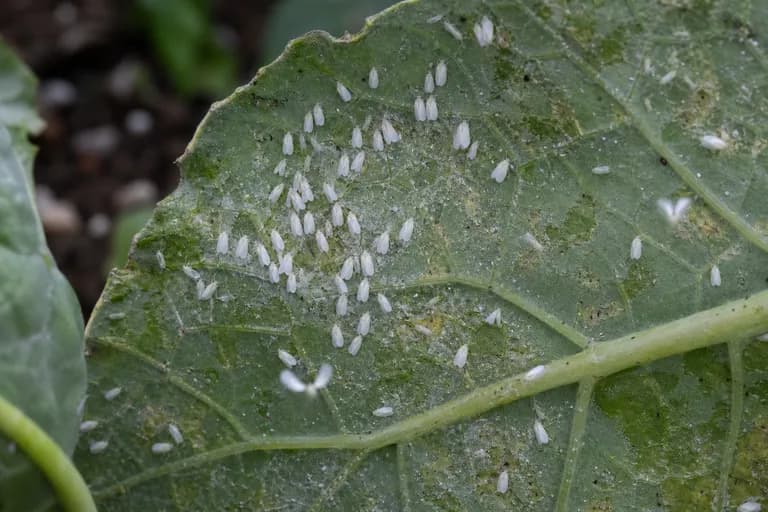
Whiteflies
PestTiny white flying insects that flutter when foliage is disturbed, yellowing leaves, sticky honeydew.
Troubleshooting Common Problems
Premature bolting is the most common frustration with cilantro, triggered by temperatures above 80°F and long day lengths. Combat this by planting in partial shade, using slow-bolt varieties, succession sowing, and mulching to keep roots cool. Yellowing lower leaves often indicate overwatering or nitrogen deficiency. Poor germination results from old seed or failure to crush the seed husk before planting. Cilantro's taproot makes transplanting difficult; always direct-sow or use peat pots that can be planted whole.
Growing Tips
- Sow cilantro seeds directly in the garden rather than transplanting, as cilantro develops a deep taproot that resents being disturbed and transplant shock often triggers premature bolting.
- Practice succession planting every 2 to 3 weeks from early spring through fall to ensure a continuous supply of fresh leaves throughout the growing season.
- Choose slow-bolt varieties such as Calypso, Santo, or Leisure for extended leaf harvests, especially in climates where warm weather arrives quickly in late spring.
- Crush or gently split the round seed husks before sowing to separate the two seeds inside and improve germination rates by up to 50 percent.
- Provide afternoon shade during warm months using shade cloth or by planting on the east side of taller crops like tomatoes or trellised beans to prevent heat-induced bolting.
- Water consistently and deeply rather than with frequent shallow watering, as cilantro has a long taproot that benefits from moisture reaching at least 6 to 8 inches into the soil.
- Harvest by cutting outer stems at the base of the plant rather than picking individual leaves, which encourages the center to keep producing new growth and extends the harvest period.
- Allow a few plants to bolt and set seed each season to attract beneficial insects like hoverflies and parasitic wasps, and to establish a self-sowing colony that returns year after year.
- Grow cilantro in containers at least 8 to 10 inches deep to accommodate its taproot, using a well-draining potting mix and placing pots where they receive morning sun and afternoon shade.
- Store freshly harvested cilantro by placing stems in a jar of water like a bouquet, covering loosely with a plastic bag, and refrigerating. This method keeps leaves fresh for up to two weeks.
Grow your best Cilantro yet — and everything around it.
Start a free plan today. Lay out your beds, drop in your Cilantro, and let PlotMyGarden handle the timing, spacing, companions and reminders from seed to harvest basket.
Pick your Cilantro
Calypso
One of the slowest-bolting cilantro varieties, producing abundant leaves for an extended harvest period. Ideal for warm-climate gardeners who struggle with premature bolting.
Santo
A slow-bolt variety with large, flavorful leaves. Excellent bolt resistance and vigorous upright growth make it a reliable producer in fluctuating temperatures.
Leisure
Developed specifically for leaf production with delayed bolting. Dark green leaves with classic cilantro flavor, compact bushy growth habit.
Delfino
A unique variety with finely cut, feathery foliage resembling dill. Attractive in containers and herb gardens with a mild, sweet cilantro flavor.
Cruiser
An extremely bolt-resistant variety bred for commercial production. Vigorous plants with dense foliage and strong classic cilantro flavor.
A single packet of cilantro seeds costing around two to three dollars can produce dozens of harvests through succession planting, compared to buying fresh bunches at one to two dollars each at the grocery store. With succession sowing every two to three weeks, a small garden bed can yield fresh cilantro for six or more months, saving forty dollars or more over a growing season. Allowing some plants to go to seed provides free coriander spice and self-sown seedlings for the following year.
Quick recipes
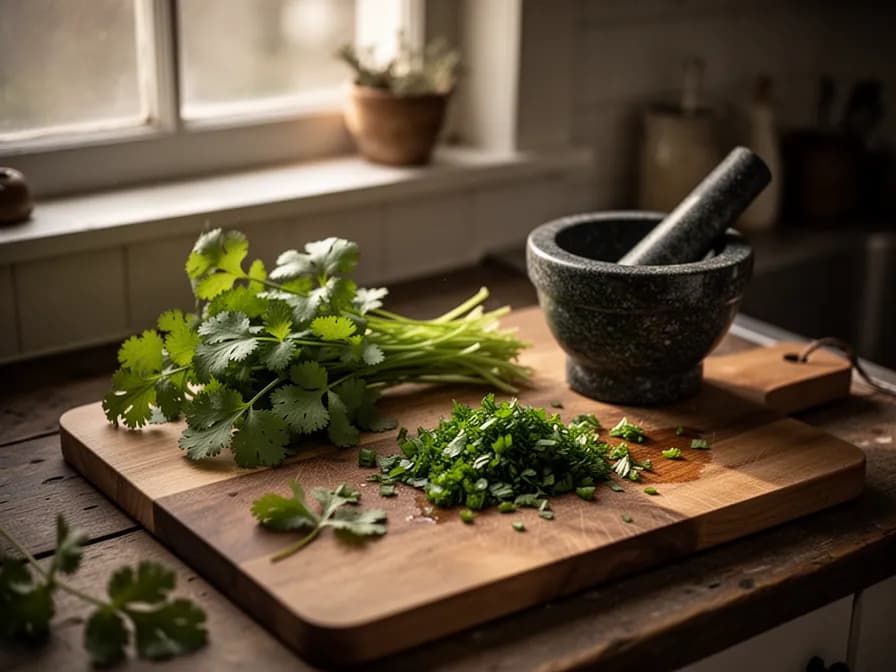
Classic Cilantro Lime Rice
5 minutes plus rice cooking timeFluffy white rice tossed with fresh cilantro and bright lime juice, perfect as a side dish for tacos, burritos, or grilled proteins. This recipe replicates the popular restaurant-style cilantro rice at home.
5 ingredientsFresh Cilantro Chimichurri
10 minutesA vibrant Argentinian-inspired herb sauce made with cilantro instead of the traditional parsley. Drizzle over grilled steak, roasted vegetables, or crusty bread for an explosion of herbaceous, garlicky flavor.
6 ingredientsCilantro Jalapeño Salsa Verde
15 minutesA bright and spicy green salsa bursting with fresh cilantro flavor. Ideal for dipping tortilla chips, spooning over tacos, or drizzling on grilled chicken. Adjust the jalapeño quantity to control the heat level.
6 ingredientsCulinary Uses
Cilantro leaves are essential in Mexican salsas, guacamole, and tacos. They are equally vital in Thai curries, Vietnamese pho, and Indian chutneys. The roots are prized in Thai cooking for curry pastes. Coriander seeds, with their warm citrus-nutmeg flavor, are used ground in spice blends, curries, and baking. Add fresh cilantro as a finishing garnish just before serving, as heat destroys its delicate flavor. Cilantro pairs perfectly with lime, chili, garlic, and avocado.
What's inside
Health Benefits
- Supports natural detoxification processes by binding to heavy metals such as lead, mercury, and aluminum, potentially aiding their removal from the body.
- Rich in antioxidants including quercetin, tocopherols, and beta-carotene that help combat oxidative stress and reduce cellular damage.
- Contains compounds with antimicrobial properties that have shown effectiveness against Salmonella and other foodborne pathogens in laboratory studies.
- May help lower blood sugar levels by stimulating insulin secretion and enhancing glucose uptake, supporting dietary management of blood sugar.
- Provides anti-inflammatory benefits through its content of linalool and other bioactive compounds, which may help reduce symptoms of inflammatory conditions.
- Supports digestive health by promoting the production of digestive enzymes, easing bloating, and helping to relieve nausea and stomach discomfort.
Where Cilantro comes from
Cilantro (Coriandrum sativum) is one of the oldest cultivated herbs in human history, with origins tracing back to the eastern Mediterranean and western Asia. Archaeological evidence places its use as far back as 5000 BCE, with coriander seeds discovered in Neolithic cave sites in present-day Israel. The ancient Egyptians valued it highly, placing coriander seeds in the tomb of Pharaoh Ramses II as an offering for the afterlife, and it was mentioned in the Ebers Papyrus, one of the oldest known medical texts. The herb spread throughout the ancient world along trade routes, becoming a staple in Greek, Roman, Indian, and Chinese culinary and medicinal traditions. Roman soldiers carried coriander as they expanded the empire, using it to preserve meat and flavor bread. The Romans introduced it to Britain, where it became a common garden herb by the Middle Ages. Spanish conquistadors and Portuguese traders brought cilantro to the Americas in the fifteenth and sixteenth centuries, where it quickly became integral to the cuisines of Mexico, Central America, and South America. In traditional medicine across multiple cultures, cilantro was prescribed for digestive complaints, anxiety, insomnia, and as an appetite stimulant. Indian Ayurvedic practitioners used coriander seeds to treat fevers and urinary complaints, while traditional Chinese medicine employed it to address measles symptoms and promote digestion. Today cilantro is cultivated on every inhabited continent and remains one of the most widely used herbs in global cuisine, bridging culinary traditions from Mexican salsas to Indian chutneys to Thai curries.
Cilantro: did you know?
Fascinating facts about Cilantro
Cilantro and coriander come from the same plant: the leaves are called cilantro while the dried seeds are called coriander, making it one of the few herbs where both parts are widely used under different names.
Cilantro questions, answered
When should I plant Cilantro?
What are good companion plants for Cilantro?
What hardiness zones can Cilantro grow in?
How much sun does Cilantro need?
How far apart should I space Cilantro?
What pests and diseases affect Cilantro?
How do I store Cilantro after harvest?
What are the best Cilantro varieties to grow?
What soil does Cilantro need?
Why does my cilantro keep bolting so quickly?
Can I grow cilantro indoors year-round?
Is cilantro the same as coriander?
Why does cilantro taste like soap to some people?
How do I harvest and use coriander seeds from my cilantro plants?
What are the best companion plants to grow alongside cilantro?
You just read the theory. Now grow it on autopilot.
Everything that makes Cilantro fiddly — the timing, the spacing, the companions, the harvest window — is exactly what PlotMyGarden handles for you, for every plant in your garden.
A plan that knows your weather
Set your location once. Get sow, feed and harvest dates built around your real last-frost date and live forecast — no more guessing from a generic seed packet.
From the “When to plant” sectionDrag-and-drop bed planner
Design beds on a grid. Every plant snaps to its proper spacing, and you can see your whole season laid out before you spend a cent on seed.
From the “Growing guide” sectionCompanion conflicts, caught early
200+ good-and-bad pairings checked live as you plant — so a season-wrecking mistake never makes it into the ground.
From the “Companions” sectionReminders you'll actually act on
“Water the beans.” “Pick today before it turns.” Timely, specific, and tied to the plants you're really growing.
From the “Harvest” sectionSuccession, scheduled
Want a harvest for six weeks, not six days? It spaces your sowings automatically and reminds you when each new block is due.
From the “When to plant” sectionA record that gets smarter
Every harvest you log teaches it your garden. Next year's plan starts from what actually worked in your soil, not a textbook's.
From the “Overview” sectionPlant these alongside Cilantro
More Culinary Herbs
Keep Cilantro away from these
Garden plans featuring Cilantro
Grow your best Cilantro yet — and everything around it.
Start a free plan today. Lay out your beds, drop in your Cilantro, and let PlotMyGarden handle the timing, spacing, companions and reminders from seed to harvest basket.