Zanahoria Nantes
Una variedad de zanahoria cilíndrica con punta roma de sabor excepcionalmente dulce y carne crujiente, casi sin corazón.





En esta páginaResumen
Conoce Zanahoria Nantes
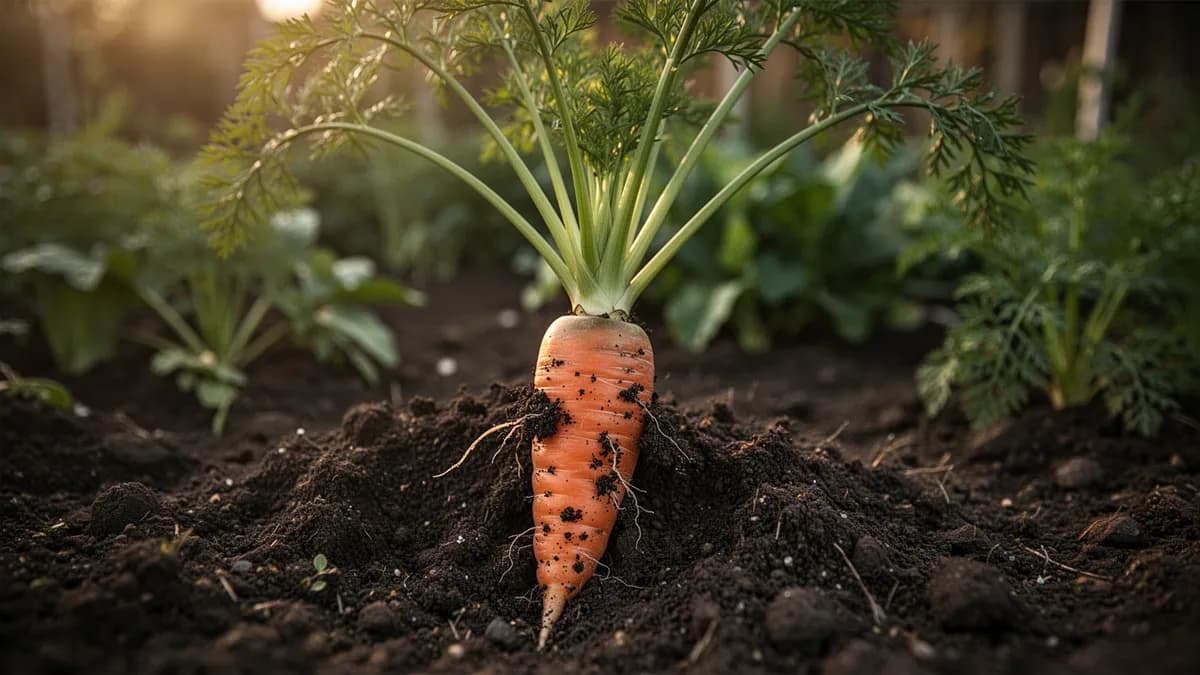
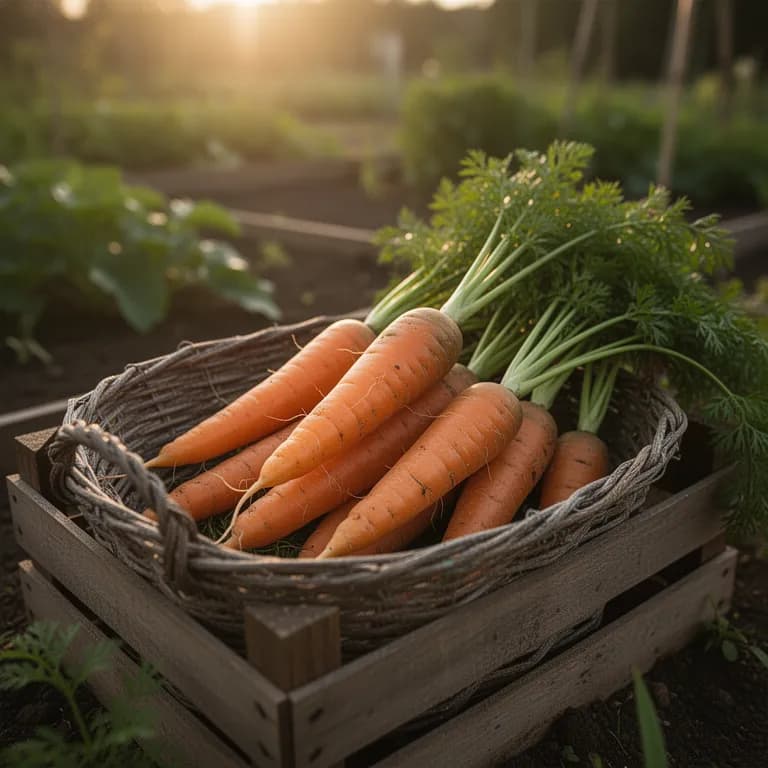
Una variedad de zanahoria cilíndrica con punta roma de sabor excepcionalmente dulce y carne crujiente, casi sin corazón. Los tipos Nantes se consideran el estándar de oro para consumo fresco y son favoritos entre jardineros caseros por su rendimiento confiable. Crece mejor en suelo suelto y arenoso y tolera mejor los suelos pesados que otros tipos de zanahoria. Coseche cuando el color del hombro se muestre en la superficie del suelo y las raíces hayan alcanzado unos 15 cm de longitud.
Cuándo plantar Zanahoria Nantes
Siembre siempre directamente; las zanahorias no se trasplantan. Siembre a 0.5 cm de profundidad en suelo de textura fina 2-4 semanas antes de la última helada. Mezcle semillas diminutas con arena para distribución uniforme. Mantenga el suelo consistentemente húmedo por 10-21 días de germinación. Raclare progresivamente a 5-8 cm. Las semillas peletizadas son más fáciles de espaciar con precisión. Para cosecha de otoño, siembre 10-12 semanas antes de la primera helada. Las semillas permanecen viables por 3 años.
Tu año de Zanahoria Nantes
Ajustado a Zona 7 · temporada típica · la helada se va hacia el 2 abr y vuelve hacia el 1 nov
Planta Zanahoria Nantes Mar – May, Ago – Sep y cosecha Jun – Ago, Oct – Nov. Consulta los métodos de plantación y elige tu clima para adaptar los periodos.
Cómo cultivar Zanahoria Nantes
Siembre semillas de zanahoria Nantes directamente a 0.5 cm de profundidad en suelo suelto y bien trabajado 2-4 semanas antes de la última helada. Las semillas germinan lentamente en 10-21 días a 13-24°C. Mantenga el suelo consistentemente húmedo durante la germinación. Raclare plántulas a 5-8 cm de distancia cuando las partes superiores alcancen 5 cm de altura.
Las zanahorias Nantes crecen mejor en suelo suelto y libre de piedras. Trabaje los 30 cm superiores profundamente, removiendo rocas que causen raíces bifurcadas. Estas zanahorias de longitud media (15-18 cm) necesitan menos profundidad que variedades más largas, haciéndolas ideales para suelo de jardín promedio o bancales elevados. Proporcione humedad consistente para raíces rectas y dulces.
Siembra sucesiva cada 3 semanas desde principios de primavera hasta mediados de verano para cosecha continua. Los tipos Nantes maduran en 60-70 días y se mantienen bien en el suelo sin volverse leñosas. Para las raíces más dulces, coseche después de heladas ligeras, que convierten almidones en azúcares. Acolche sobre hileras en otoño para extender la cosecha hasta principios de invierno.
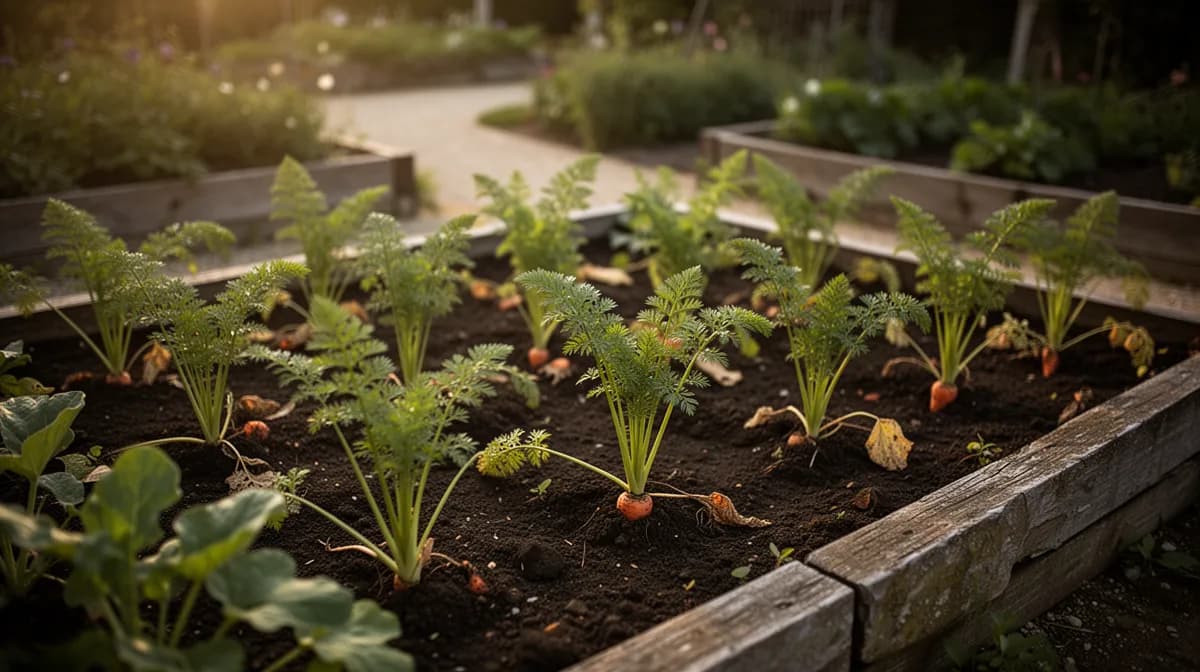
450 plantas caben en un bancal de 120 × 240 cm
Cada Zanahoria Nantes pide 8 cm de margen. El planificador guarda ese marco por ti — cada planta, cada bancal.
Los mejores vecinos de Zanahoria Nantes
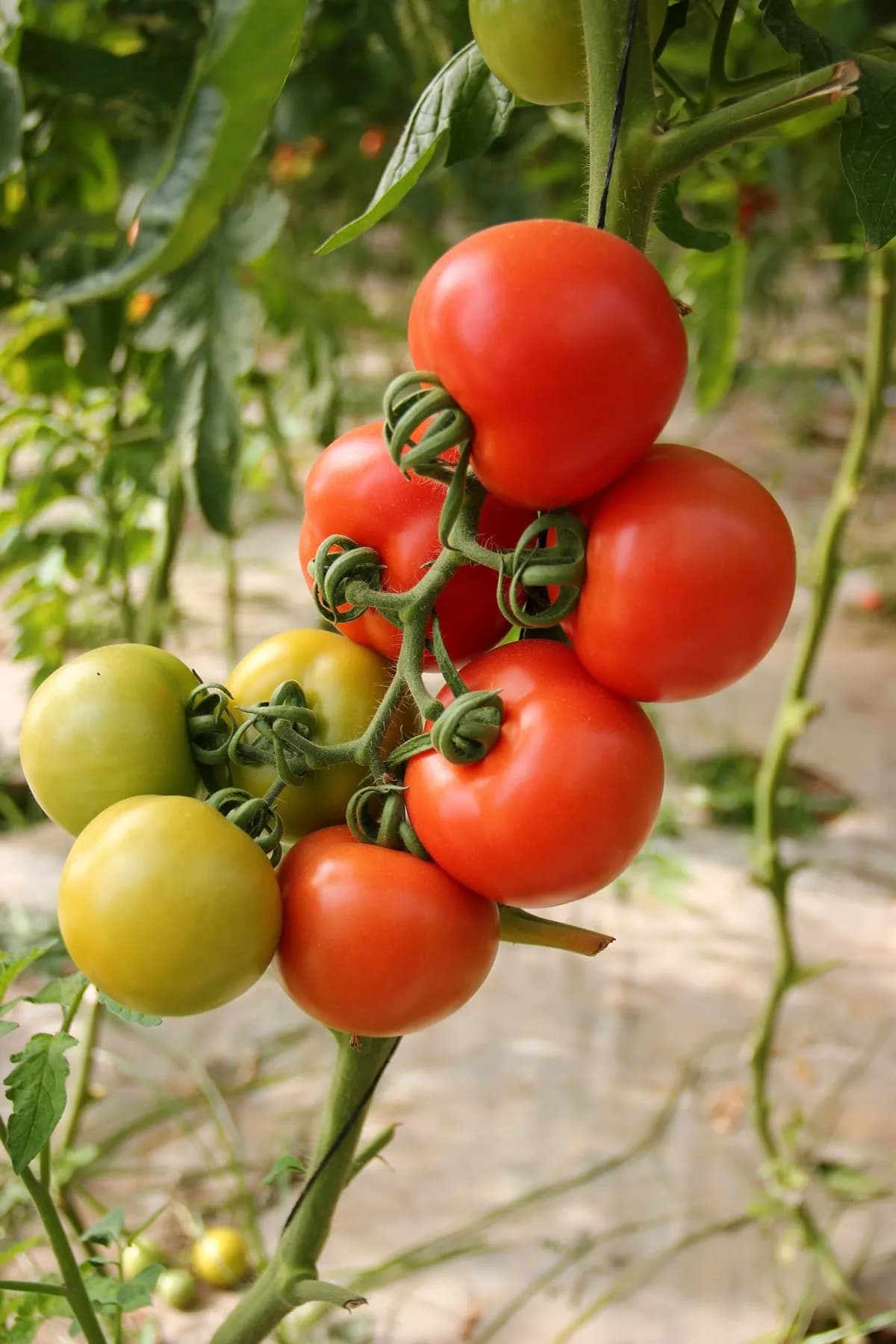
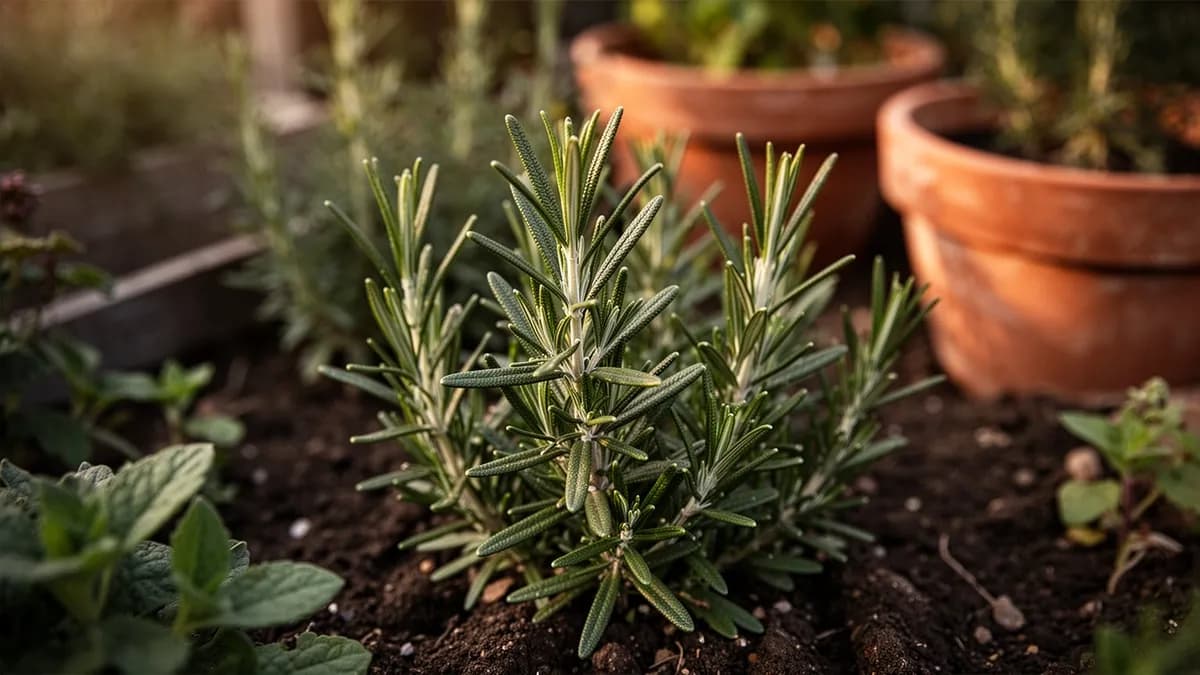
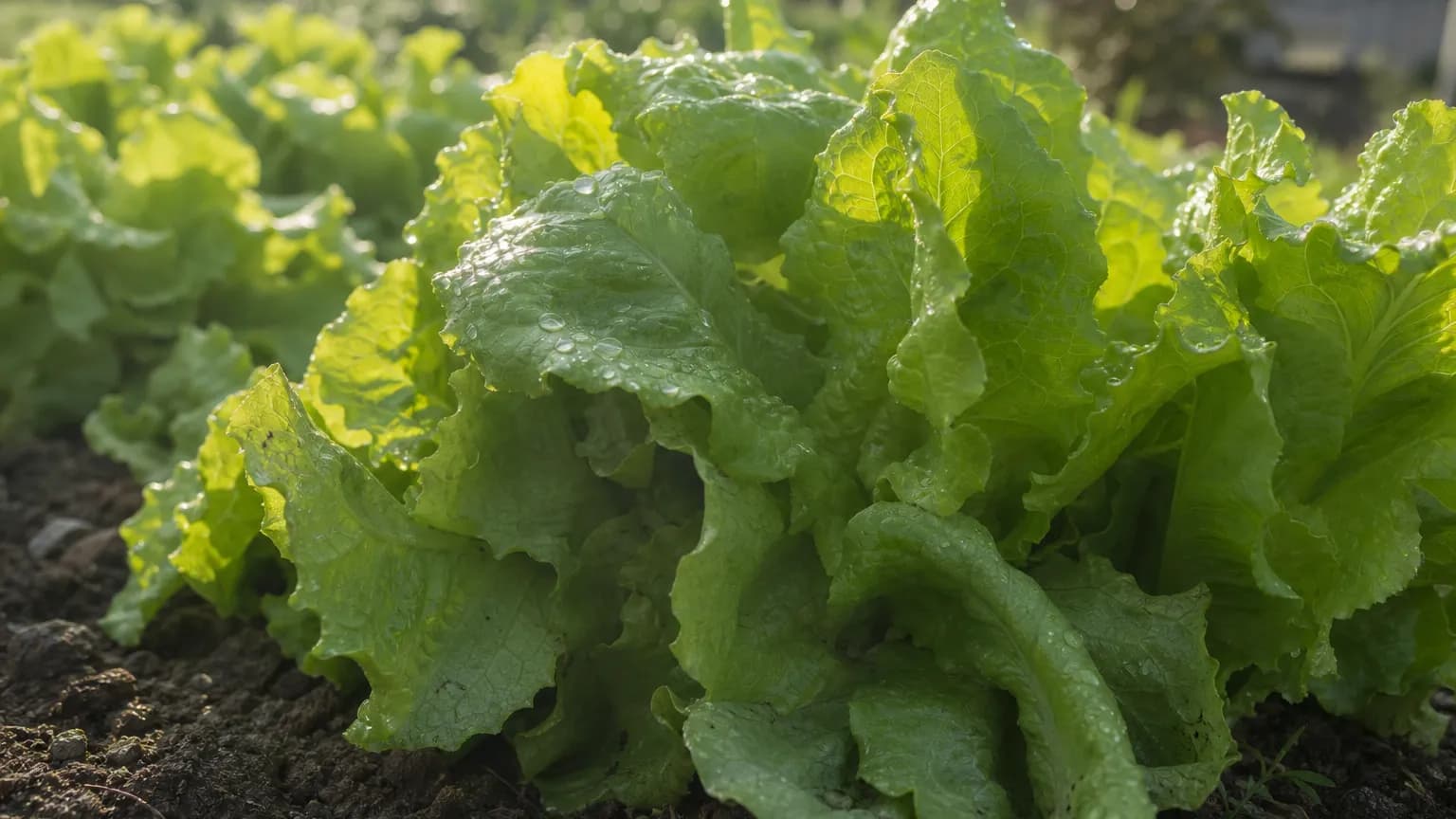
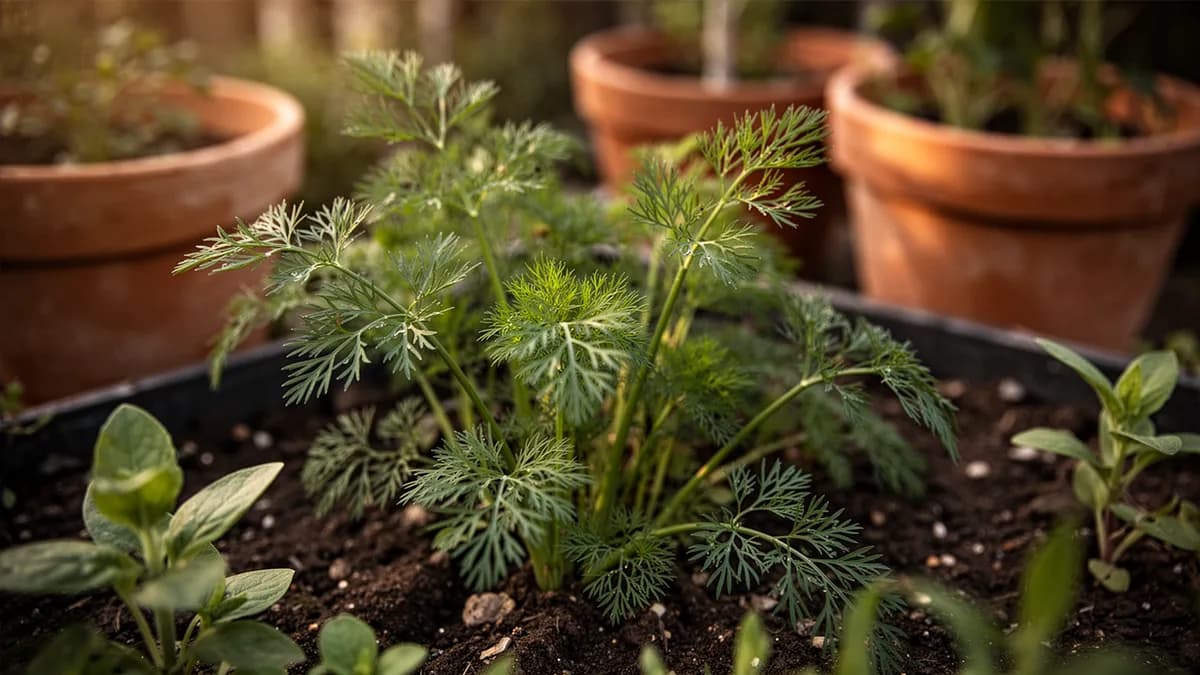
Las zanahorias crecen bien con cebollas, puerros y cebollín, que ayudan a repeler la mosca de la zanahoria. La lechuga y los rábanos hacen excelentes compañeros de interplantación. Los tomates y el romero son vecinos beneficiosos. Evite plantar cerca de eneldo. Los rábanos sembrados con zanahorias marcan hileras y rompen la costra del suelo, luego se cosechan antes de que las zanahorias necesiten el espacio.
Tomate va a su lado. Eneldo no.
Saber de huerto de siempre, cotejado con la tabla real de Zanahoria Nantes — prueba cualquier planta que cultives.
Prueba Zanahoria Nantes en un bancal, aquí mismo
Un bancal real del planificador con Zanahoria Nantes ya plantado. Toca una planta compañera para colocarla y mira cómo responde la comprobación de vecinos: verde para buenos vecinos, rojo si hay conflicto.


Guías de cultivo relacionadas
Abónalo bien
Las zanahorias Nantes necesitan suelo suelto, profundo y bien drenado con un pH de 6.0-6.8. Trabaje el suelo a 30 cm de profundidad, removiendo rocas. Evite estiércol fresco, que causa bifurcación. Aplique fertilizante bajo en nitrógeno (como 5-10-10) al plantar; el exceso de nitrógeno promueve partes superiores exuberantes y raíces bifurcadas. El potasio es importante para el desarrollo de raíces. El suelo franco arenoso es ideal.
Temperatura ideal
Compatibilidad de zonas de rusticidad
De la semilla a la cosecha, etapa por etapa
Germinación
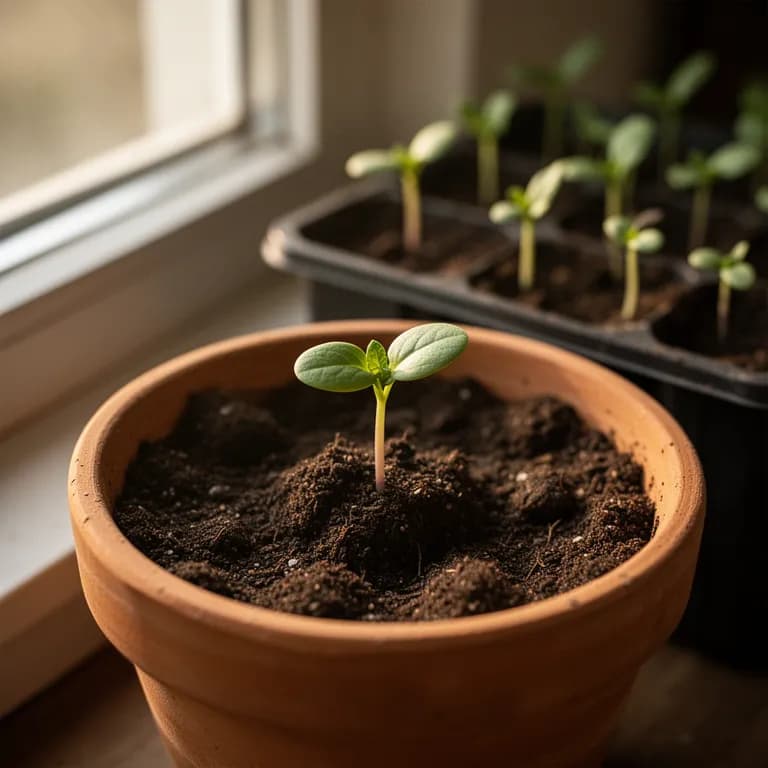
Las semillas de zanahoria son diminutas y germinan lentamente, tardando entre 10 y 21 días según la temperatura del suelo. Los cotiledones, pequeños y parecidos a la hierba, emergen en pares a través de la superficie. La germinación es más rápida entre 20 y 25 °C, pero puede producirse incluso a 7 °C. La raíz principal comienza a formarse inmediatamente bajo la superficie.
Desarrollo de plántulas
Aparecen las primeras hojas verdaderas con el follaje característico de la zanahoria, fino y parecido al del helecho. La pequeña raíz principal comienza a profundizarse, y este desarrollo inicial determina la forma final de la zanahoria. Las plántulas son frágiles y el crecimiento puede verse fácilmente superado por las malas hierbas en esta fase.
Crecimiento vegetativo
El follaje fino y plumoso se expande rápidamente y alcanza 20–30 cm de altura. Bajo tierra, la raíz principal se alarga y comienza a engrosarse, desarrollando su característica forma cilíndrica Nantes. En esta etapa la raíz sigue siendo en gran parte blanca y todavía no ha acumulado pigmentos carotenoides importantes.
Engrosamiento de la raíz
La raíz se hincha rápidamente hasta su diámetro completo de 2,5–4 cm, desarrollando el intenso color naranja a medida que se acumulan beta-caroteno y otros carotenoides. La forma cilíndrica queda claramente definida con la característica punta Nantes, roma y redondeada. El contenido de azúcares aumenta de forma constante durante esta fase.
Maduración
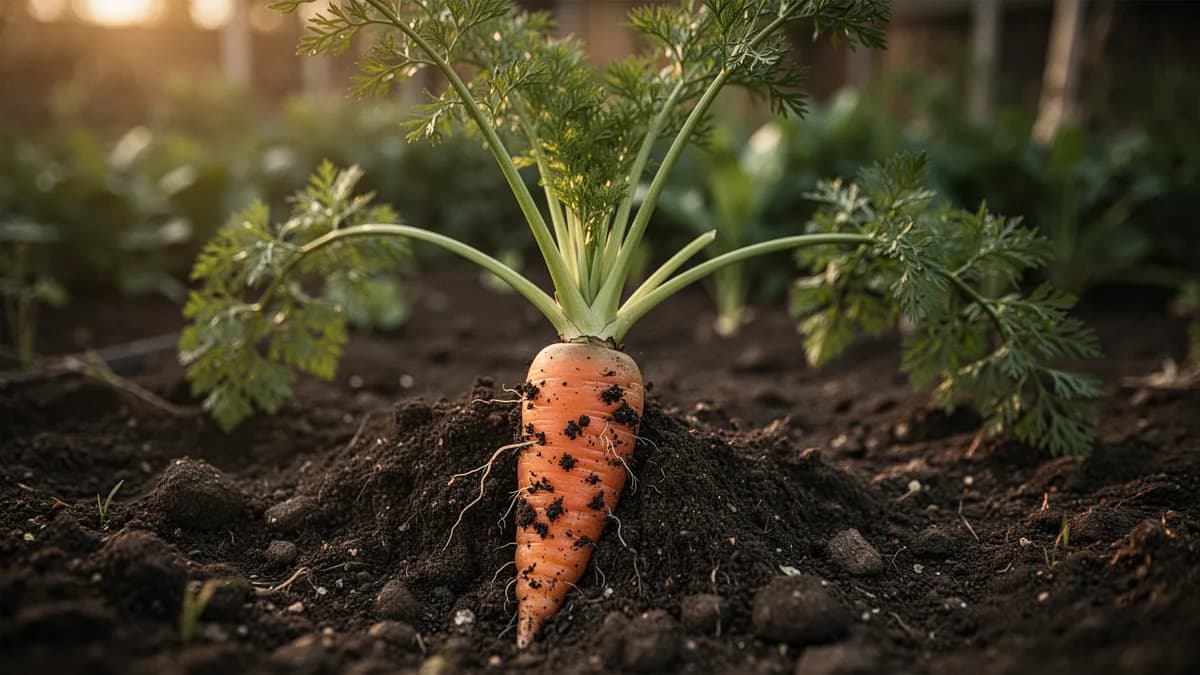
Las raíces alcanzan su tamaño completo con 15–18 cm de largo y 3–4 cm de diámetro. El color naranja se intensifica hasta su tono final y el contenido de azúcares alcanza su punto máximo. El hombro de la raíz puede sobresalir ligeramente sobre la línea del suelo, mostrando un naranja intenso que indica que está lista para cosechar.
Cosecha prolongada
Las zanahorias Nantes se conservan bien en el suelo durante semanas después de alcanzar la madurez sin volverse leñosas ni fibrosas, una ventaja importante frente a otros tipos de zanahoria. En el clima fresco del otoño, las raíces siguen volviéndose más dulces a medida que la planta convierte los almidones en azúcares en respuesta al frío.
Mantén la superficie del suelo constantemente húmeda: incluso unas pocas horas de sequedad pueden matar las semillas en germinación. Cubre las hileras con arpillera o una capa fina de vermiculita para conservar la humedad. Nunca dejes que se forme una costra en la superficie del suelo.
Cuidar Zanahoria Nantes mes a mes
Qué hacer cada mes para tu Zanahoria Nantes
Octubre
Mes actualFall carrots are sizing up. After the first light frost, carrots become noticeably sweeter as starches convert to sugars. Begin applying heavy straw mulch (15-20 cm) over rows to insulate against hard frost and extend the harvest window.
Ten claro qué hacer en tu huerto, cada mes
Un correo al empezar cada mes: qué sembrar, plantar y hacer ahora mismo — para tu Zanahoria Nantes y todo lo que crece alrededor. Más un breve curso inicial para esquivar los errores clásicos.
- Qué hacer ahora mismo
- Ajustado a tu temporada
- Curso inicial incluido
Cosechar Zanahoria Nantes
Coseche zanahorias Nantes cuando las raíces alcancen 15-18 cm de largo y 2.5-4 cm de diámetro, típicamente 60-70 días después de la siembra. Afloje el suelo junto a las raíces con un tenedor de jardín antes de tirar. La forma cilíndrica y punta roma hacen las Nantes más fáciles de cosechar sin rotura. Las zanahorias dejadas en el suelo después de heladas ligeras se vuelven más dulces. En climas templados, acolche sobre hileras y coseche durante el invierno.
se supone que plantas al comenzar el periodo — indica tu fecha real
Cosecha cuando las raíces midan 15–18 cm de largo y unos 3–4 cm de diámetro, normalmente entre 60 y 70 días después de la siembra; el hombro puede mostrar un color naranja vivo en la superficie del suelo.
Almacenamiento y conservación
Remueva las partes superiores inmediatamente después de la cosecha. Almacene sin lavar en bolsas de plástico perforadas en el refrigerador por 4-6 semanas. Para almacenamiento a largo plazo, empaquete en arena húmeda en una bodega a 0-4°C por hasta 5 meses. Las zanahorias Nantes se pueden escaldar y congelar por 12 meses, encurtir o deshidratar. Extraer jugo y congelarlo es un excelente método de preservación.
Qué falla — y cómo solucionarlo
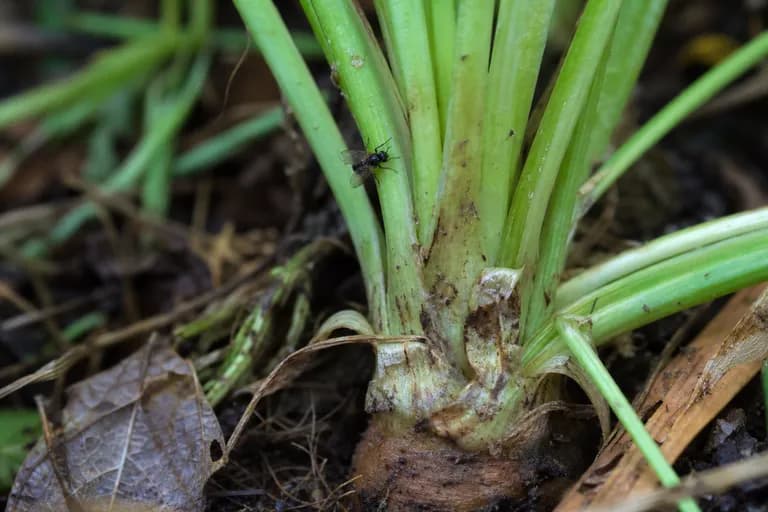
Mosca de la zanahoria
PlagaTúneles de color óxido en raíces, partes superiores marchitas, pequeñas moscas oscuras cerca de las plantas.
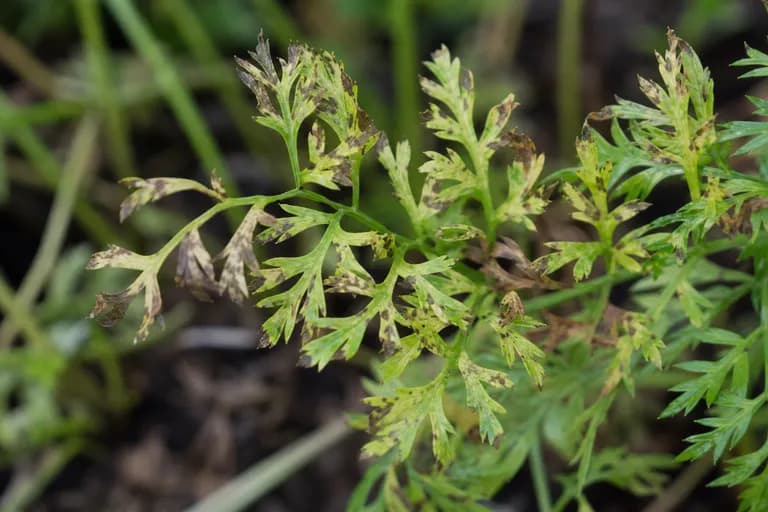
Tizón foliar por Alternaria
EnfermedadManchas marrones oscuras en hojas comenzando en márgenes foliares, hojas se enrollan y mueren.
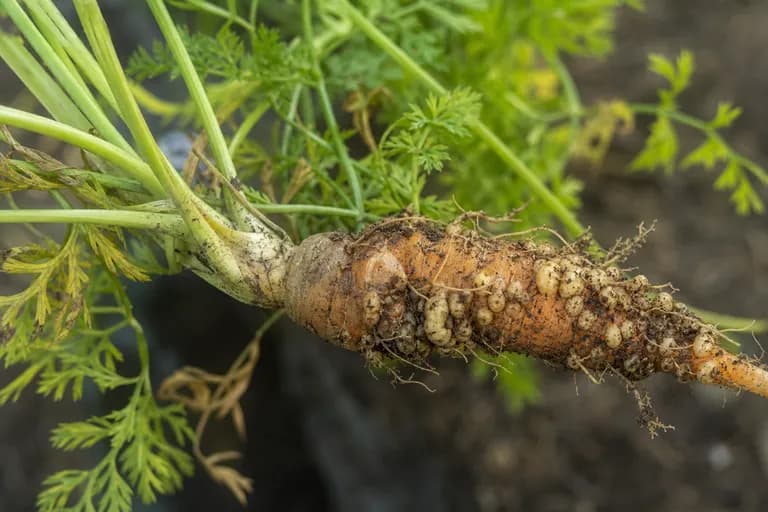
Nematodos agalladores
PlagaAgallas e hinchazones en raíces, zanahorias bifurcadas y distorsionadas, crecimiento atrofiado.
Solución de problemas comunes
Las raíces bifurcadas resultan de suelo pedregoso o compactado o estiércol fresco. La mala germinación ocurre por suelo seco o superficie costra; mantenga húmedo durante la germinación. Los hombros verdes se desarrollan cuando las raíces empujan sobre el suelo; coloque tierra sobre las partes superiores expuestas. Las raíces peludas indican exceso de nitrógeno. El agrietamiento resulta de riego irregular. El sabor amargo se desarrolla por estrés de calor durante el engrosamiento de raíces.
Consejos de cultivo
- Soil preparation is everything for Nantes carrots. Work soil to a full 30 cm (12 inches) deep, removing every stone, twig, and clod. Any obstruction causes roots to fork, split, or grow crooked. If your native soil is rocky or heavy clay, grow Nantes carrots in raised beds filled with a loose, sandy compost mix.
- Never let the soil surface dry out during the germination period. Carrot seeds planted 6mm deep can take 10-21 days to germinate, and even brief drying kills the emerging radicle. Cover rows with burlap, vermiculite, or floating row cover and water gently every day.
- Mix carrot seeds with radish seeds before sowing — radishes germinate in 4-5 days, marking the row for you and breaking up any soil crust that would block slower carrot seedlings. Harvest the radishes before they compete with the carrots for space.
- Thin ruthlessly. Overcrowded carrots produce stunted, misshapen roots. When tops are 5 cm tall, thin to 5-8 cm apart by snipping seedlings at soil level with scissors rather than pulling, which disturbs the roots of neighboring plants.
- Avoid fresh manure and high-nitrogen fertilizers — excess nitrogen causes lush, dark green tops but hairy, forked, and split roots with poor flavor. Use a balanced or low-nitrogen fertilizer (5-10-10) applied at planting time only.
- Succession sow every 2-3 weeks from early spring through midsummer for a continuous harvest rather than one overwhelming glut. This simple practice is the single most effective way to enjoy homegrown carrots for months instead of weeks.
- For the sweetest possible carrots, time your fall planting so roots mature after the first light frosts. Cold exposure triggers the plant to convert stored starches into sugars as a natural antifreeze mechanism, producing roots that taste noticeably sweeter than summer-harvested ones.
- Hill soil over any exposed carrot shoulders throughout the season. The portion of the root exposed to sunlight turns green and develops a bitter, unpleasant flavor due to chlorophyll and solanine-like alkaloid production in the root tissue.
Cultiva tu mejor Zanahoria Nantes — y todo lo que la rodea.
Empieza un plan gratis hoy. Diseña tus bancales, coloca tu Zanahoria Nantes y deja que PlotMyGarden gestione el momento, el espaciado, las asociaciones y los recordatorios de la semilla a la cesta.
Elige tu Zanahoria Nantes
Napoli
Tipo Nantes de maduración temprana listo en 58 días. Excelente sabor dulce y piel suave.
Bolero
Zanahoria Nantes de almacenamiento sobresaliente con resistencia excepcional a enfermedades. El sabor dulce se mantiene bien durante el almacenamiento.
Mokum
Híbrido extra dulce con piel fina y tierna. Perfecta para consumo fresco y extracción de jugo.
Yaya
Maduración rápida a 56 días con raíces cilíndricas uniformes. Excelente para zanahorias baby.
A packet of Nantes carrot seeds costs $2-4 and contains 500-1,000 seeds — enough to plant 10-20 meters of row and produce 10-30 kg of carrots. With organic carrots selling for $3-5 per kg at grocery stores, a single seed packet can yield $30-150 worth of carrots. The flavor difference between a freshly pulled homegrown Nantes carrot — still warm from the sun, crisp, and intensely sweet — and a weeks-old, refrigerated store-bought carrot is genuinely transformative. Carrot juice alone (at $6-10 per liter from juice bars) makes home growing extraordinarily cost-effective for juicing enthusiasts.
Recetas rápidas
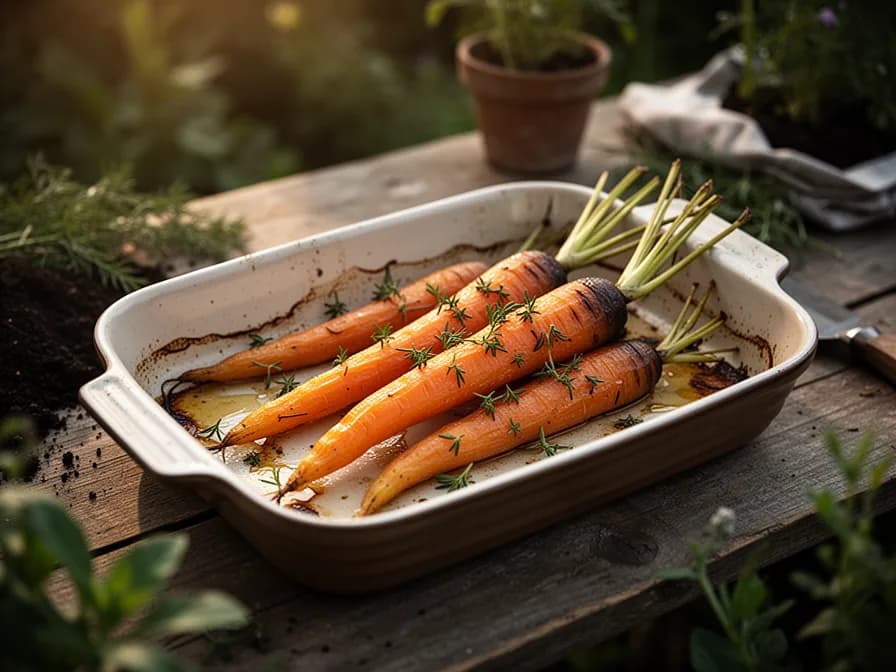
Honey-Glazed Roasted Nantes Carrots
30 minWhole Nantes carrots roasted at high heat until caramelized and tender, then finished with a honey-butter glaze and fresh thyme. The natural sweetness of Nantes carrots intensifies beautifully when roasted, creating a side dish that converts even carrot skeptics.
7 ingredientesFresh Carrot-Ginger Juice
10 minA vibrant, naturally sweet juice showcasing the superior flavor of homegrown Nantes carrots. The addition of fresh ginger and a squeeze of lemon creates a bright, energizing drink packed with beta-carotene and antioxidants.
5 ingredientesClassic Carrot Soup with Cumin
35 minA silky-smooth soup that lets the sweet, delicate flavor of Nantes carrots shine. Ground cumin and a touch of cream add warmth and richness without masking the pure carrot taste. Nantes varieties produce the smoothest, sweetest soup of any carrot type.
9 ingredientesUsos culinarios
Las zanahorias Nantes son la mejor opción para consumo fresco, con carne dulce y tierna y mínimo corazón. Coma crudas como bocadillos y en ensaladas. Extraiga jugo para una bebida dulce y vibrante. Ase para caramelizar azúcares naturales. Use en pastel de zanahoria, sopas y guisos. La textura fina las hace ideales para purés y comida para bebés. Cocine al vapor o glasee con miel y mantequilla.
Qué contiene
Beneficios para la salud
- Outstanding source of beta-carotene (provitamin A), with a single medium carrot providing over 200% of the daily value — essential for healthy vision, immune function, and skin cell regeneration. Cooking increases beta-carotene bioavailability by up to 25%.
- Contains lutein and zeaxanthin, two carotenoid pigments that accumulate in the macula of the eye and provide protection against age-related macular degeneration and cataracts — the leading causes of vision loss in older adults.
- Rich in soluble pectin fiber that binds to bile acids in the gut, potentially helping to lower LDL cholesterol levels and supporting cardiovascular health when consumed regularly as part of a balanced diet.
- Provides polyacetylenes, including falcarinol and falcarindiol, which laboratory studies have shown to exhibit anti-inflammatory and potential anti-tumor properties, though more human research is needed.
- Good source of potassium (320mg per 100g), which helps regulate blood pressure, supports proper muscle and nerve function, and counteracts the blood-pressure-raising effects of dietary sodium.
- Contains biotin (vitamin B7) and vitamin K, supporting healthy metabolism, blood clotting, and bone mineral density — nutrients that work synergistically with the fat-soluble vitamins A and E also present in carrots.
De dónde viene Zanahoria Nantes
The cultivated carrot (Daucus carota subsp. sativus) descends from wild carrot, also known as Queen Anne's lace, which is native to Central Asia — modern Afghanistan, Iran, and Pakistan are considered the center of origin. The earliest cultivated carrots, documented around the 10th century in Persia, were purple and yellow, grown primarily for their aromatic leaves and seeds rather than roots. Purple and yellow varieties spread westward through the Arab world into North Africa and Moorish Spain by the 11th and 12th centuries.
Orange carrots first appeared in the Netherlands in the late 16th or early 17th century, developed by Dutch growers who selectively bred yellow and red carrot varieties to concentrate beta-carotene pigments. Whether this was truly in honor of William of Orange, as popular legend claims, is uncertain, but Dutch breeders unquestionably transformed the carrot from a thin, bitter, forked root into the sweet, fleshy vegetable we recognize today. From the Netherlands, orange carrots spread across Europe and to the Americas with colonists.
The Nantes type specifically was developed in the Nantes region of the Loire Valley in western France during the 1850s. French market gardeners selected for a distinctly cylindrical root with a blunt, rounded tip that was easier to pull from soil, virtually coreless, and remarkably sweet. The maritime climate of western France — cool and moist — proved ideal for carrot cultivation. The Nantes type quickly became the standard for fresh eating across Europe, and today its descendants (Napoli, Bolero, Mokum, Yaya) remain the most popular home garden carrots worldwide, prized for flavor, texture, and reliable performance in a range of soil types.
Zanahoria Nantes: ¿sabías que?
Datos fascinantes sobre Zanahoria Nantes
The Nantes carrot was first developed in the Nantes region of western France in the 1850s and was specifically bred for its cylindrical shape, blunt tip, and exceptionally sweet, almost coreless flesh — characteristics that make it the undisputed favorite for fresh eating worldwide.
Zanahoria Nantes: preguntas frecuentes
¿Cuándo debo plantar Zanahoria Nantes?
¿Cuáles son buenas plantas acompañantes para Zanahoria Nantes?
¿En qué zonas de rusticidad puede crecer Zanahoria Nantes?
¿Cuánto sol necesita Zanahoria Nantes?
¿A qué distancia debo espaciar Zanahoria Nantes?
¿Qué plagas y enfermedades afectan a Zanahoria Nantes?
¿Cómo almaceno Zanahoria Nantes después de la cosecha?
¿Cuáles son las mejores variedades de Zanahoria Nantes para cultivar?
¿Qué suelo necesita Zanahoria Nantes?
Why are my Nantes carrots forked or misshapen?
Why didn't my carrot seeds germinate?
Can I grow Nantes carrots in containers or raised beds?
How do I store Nantes carrots for long-term use?
What makes Nantes carrots different from other carrot types?
Acabas de leer la teoría. Ahora cultívala en piloto automático.
Todo lo que hace que Zanahoria Nantes sea delicado — el momento, el espaciado, las asociaciones, la ventana de cosecha — es justo lo que PlotMyGarden resuelve por ti, para cada planta de tu huerto.
Un plan que conoce tu clima
Indica tu ubicación una vez. Recibe fechas de siembra, abonado y cosecha basadas en tu última helada real y el pronóstico en vivo — sin adivinar con un sobre genérico.
De la sección “Cuándo plantar”Planificador de bancales de arrastrar y soltar
Diseña bancales sobre una cuadrícula. Cada planta encaja con su espaciado correcto y ves toda la temporada antes de gastar un céntimo en semillas.
De la sección “Cultivo”Conflictos de asociación, detectados a tiempo
Más de 200 buenas y malas combinaciones comprobadas en vivo mientras plantas — para que un error que arruine la temporada nunca llegue a la tierra.
De la sección “Asociaciones”Recordatorios que sí vas a seguir
“Riega las judías.” “Recoge hoy antes de que se pase.” Oportunos, concretos y ligados a las plantas que de verdad cultivas.
De la sección “Cosecha”Escalonado, programado
¿Quieres cosechar seis semanas en vez de seis días? Reparte tus siembras automáticamente y te avisa cuando toca el siguiente lote.
De la sección “Cuándo plantar”Un registro que se vuelve más listo
Cada cosecha que registras le enseña tu huerto. El plan del año que viene parte de lo que de verdad funcionó en tu suelo, no en un manual.
De la sección “Resumen”Planta estos junto a Zanahoria Nantes
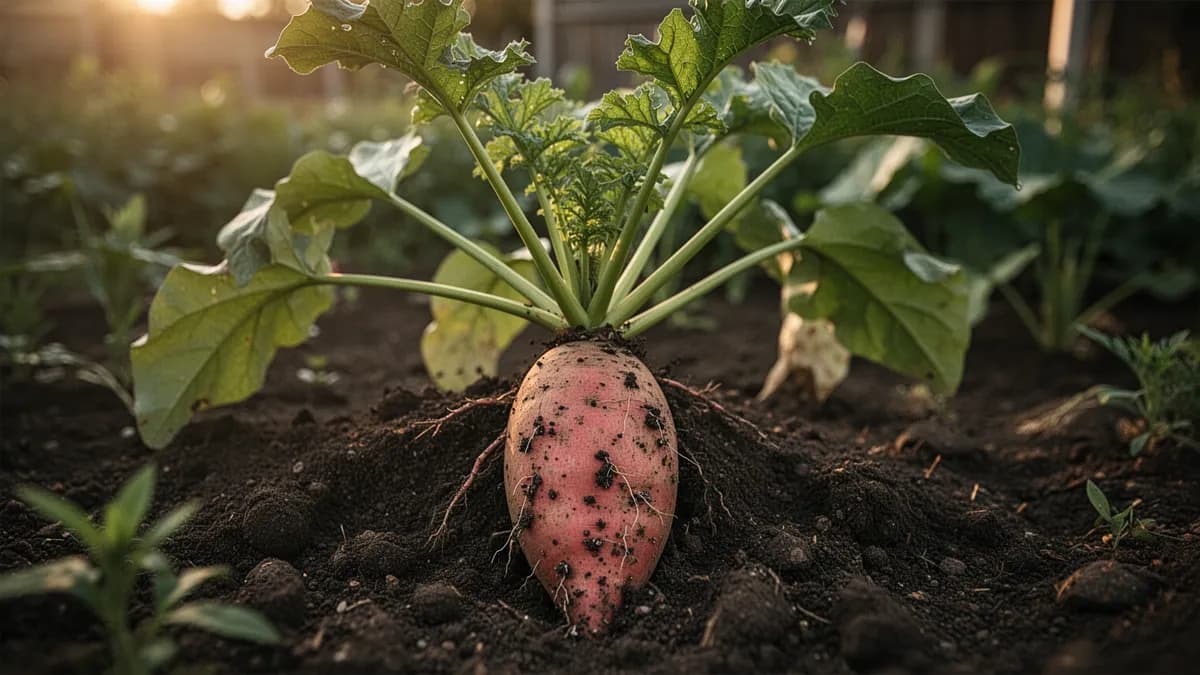
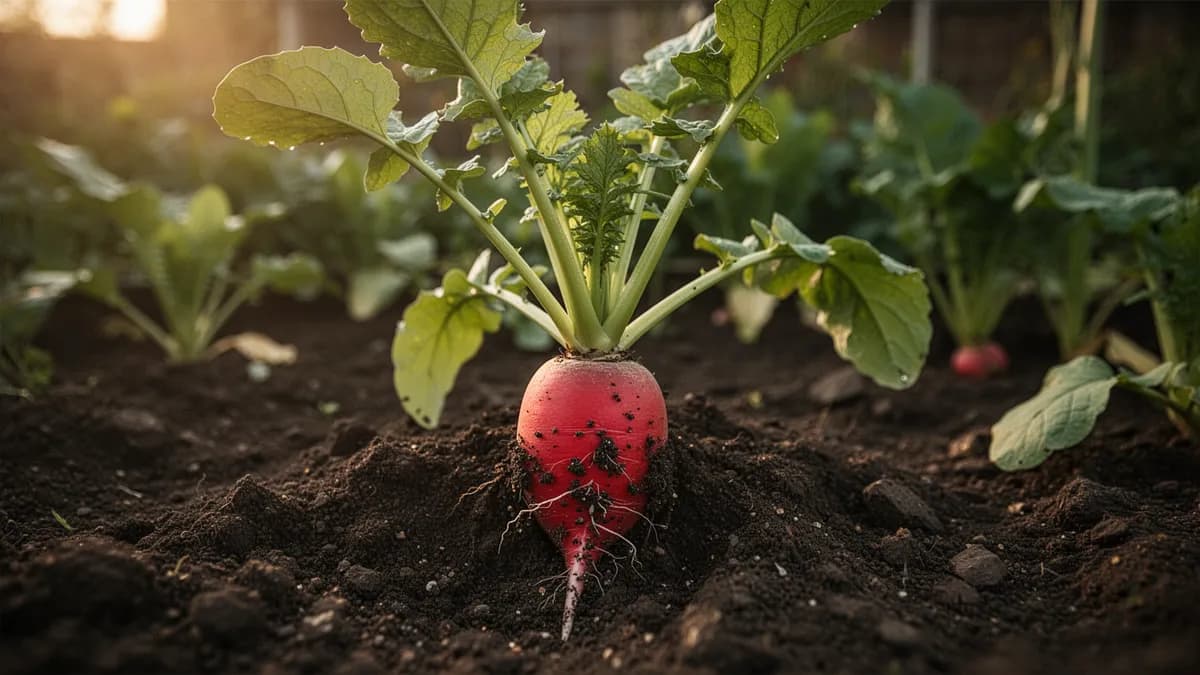
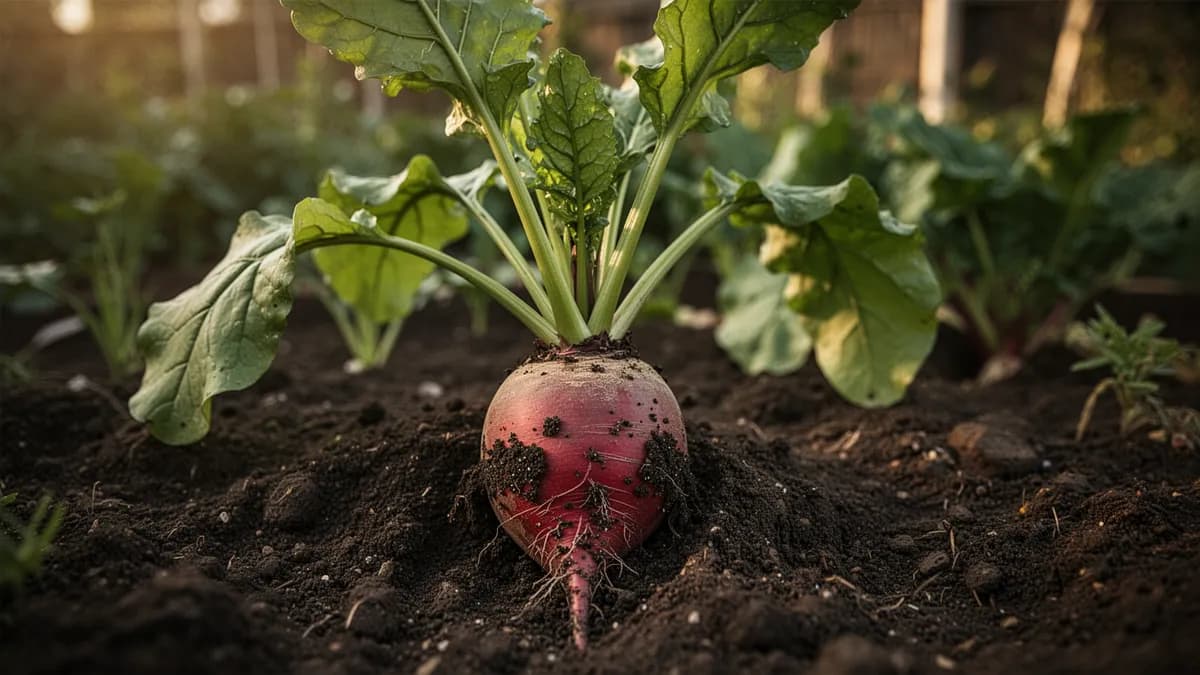
Más Hortalizas de raíz
Mantén Zanahoria Nantes lejos de estos
Cultiva tu mejor Zanahoria Nantes — y todo lo que la rodea.
Empieza un plan gratis hoy. Diseña tus bancales, coloca tu Zanahoria Nantes y deja que PlotMyGarden gestione el momento, el espaciado, las asociaciones y los recordatorios de la semilla a la cesta.