Bok Choy
Una verdura de hoja asiática con tallos crujientes y sabor suave.





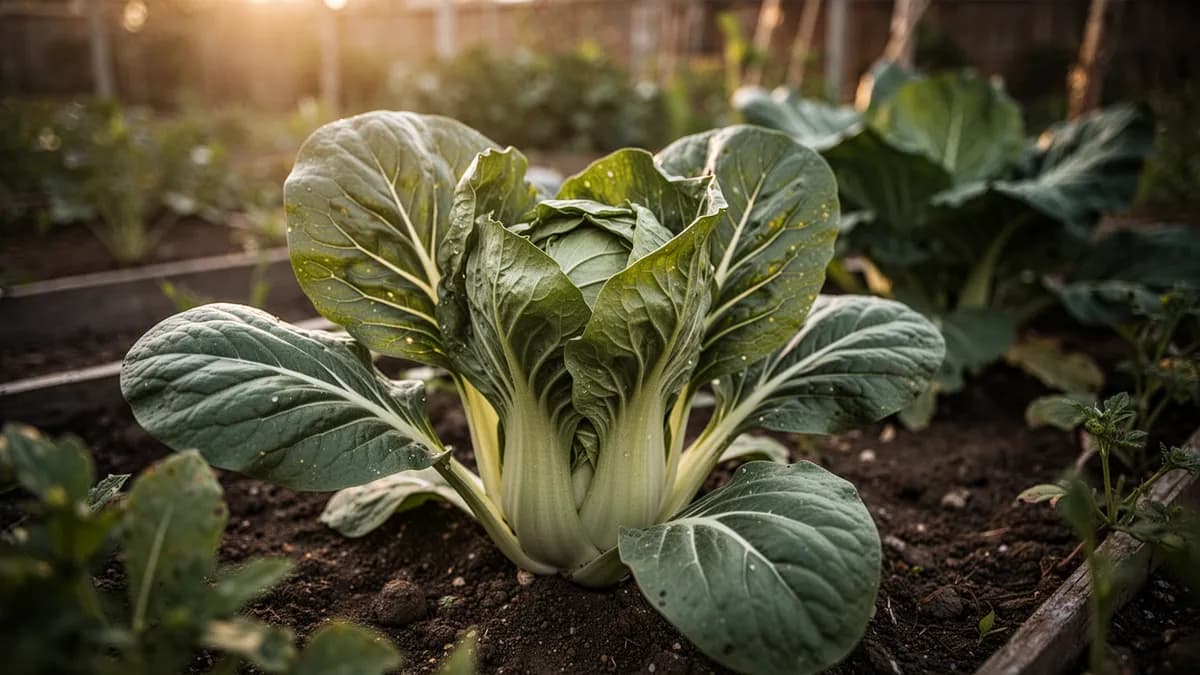
En esta páginaResumen
Conoce Bok Choy
Una verdura de hoja asiática con tallos crujientes y sabor suave. Crecimiento rápido.
Cuándo plantar Bok Choy
Siembre directamente en el exterior o inicie en semillero 4 semanas antes del trasplante. Trasplante con cuidado para no dañar la raíz pivotante.
Tu año de Bok Choy
Ajustado a Zona 7 · temporada típica · la helada se va hacia el 2 abr y vuelve hacia el 1 nov
Planta Bok Choy Mar – Abr, Ago – Sep y cosecha May – Jun, Oct – Nov. Consulta los métodos de plantación y elige tu clima para adaptar los periodos.
Cómo cultivar Bok Choy
Elija un lugar con sol pleno o semisombra y suelo fértil bien drenado con pH 6,0-7,5. Incorpore compost antes de sembrar para enriquecer el suelo.
Siembre semillas a 1 cm de profundidad y 20-30 cm de separación en primavera temprana u otoño. Evite las épocas calurosas, ya que el calor provoca el espigado.
Riegue de manera uniforme y constante. Abone con fertilizante nitrogenado cada 3 semanas. El bok choy crece muy rápido y puede cosecharse en pocas semanas.
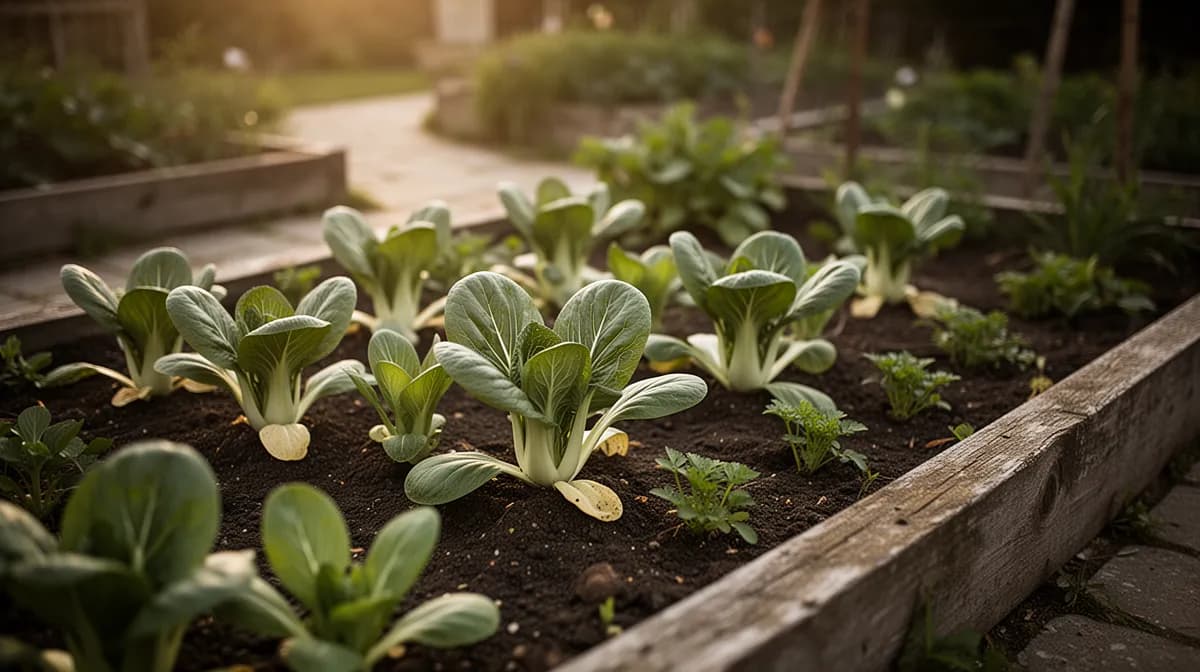
36 plantas caben en un bancal de 120 × 240 cm
Cada Bok Choy pide 25 cm de margen. El planificador guarda ese marco por ti — cada planta, cada bancal.
Los mejores vecinos de Bok Choy
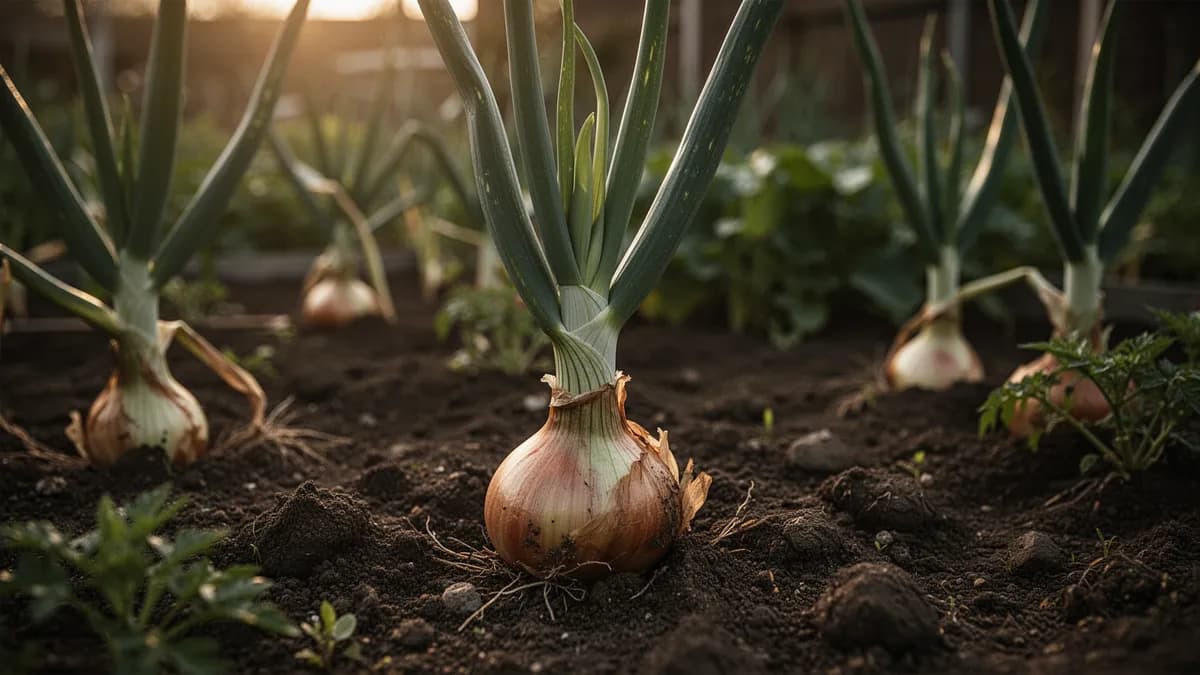
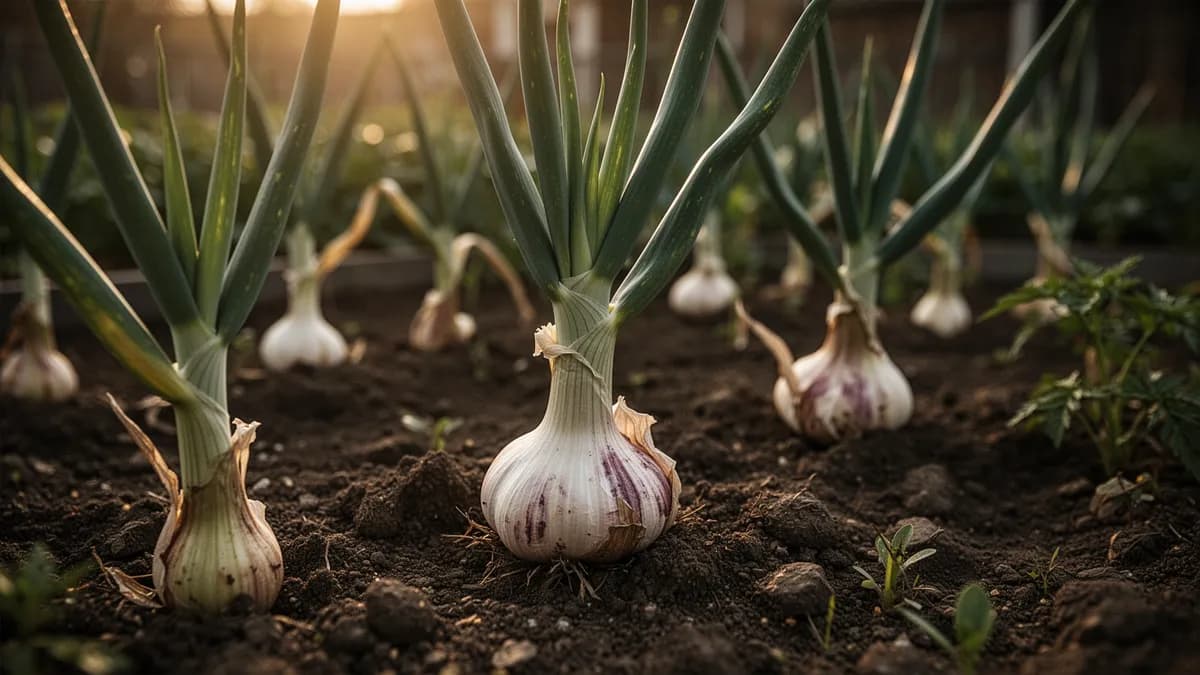
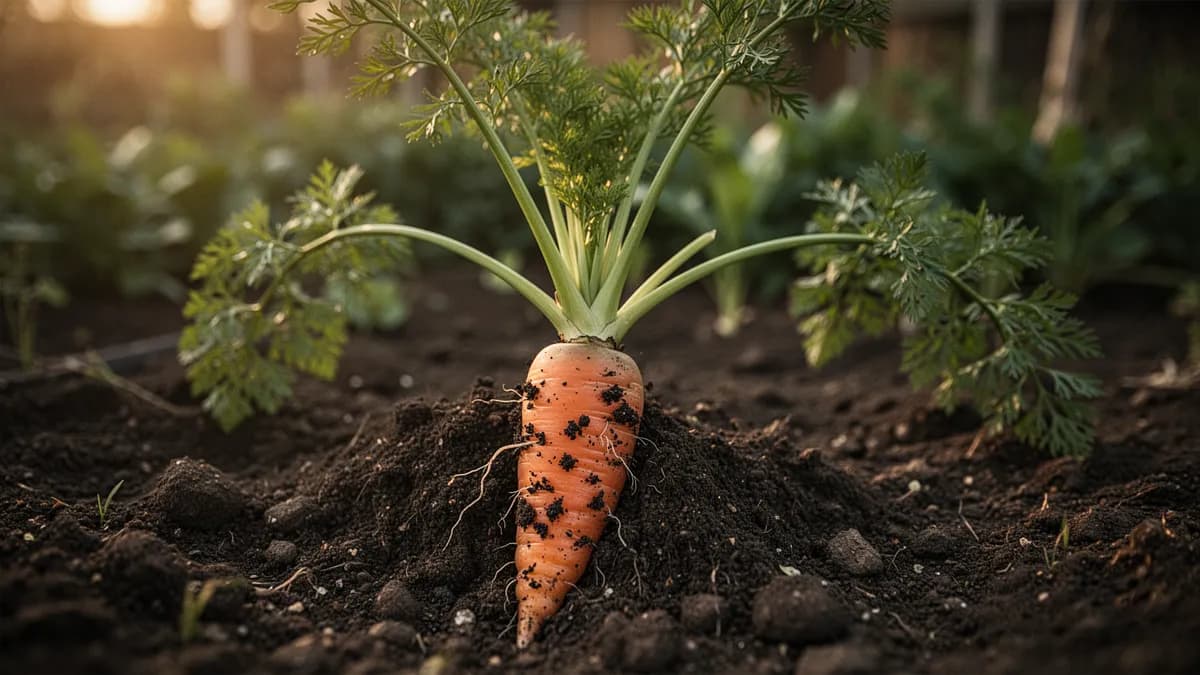
Se asocia bien con zanahorias, cebollas y remolacha. Evite cultivar junto a otras coles para reducir la presión de plagas.
Cebolla va a su lado. Tomate no.
Saber de huerto de siempre, cotejado con la tabla real de Bok Choy — prueba cualquier planta que cultives.
Prueba Bok Choy en un bancal, aquí mismo
Un bancal real del planificador con Bok Choy ya plantado. Toca una planta compañera para colocarla y mira cómo responde la comprobación de vecinos: verde para buenos vecinos, rojo si hay conflicto.


Guías de cultivo relacionadas
Abónalo bien
Prefiere suelo profundo y fértil con pH 6,0-7,5, enriquecido con compost. Abone con fertilizante rico en nitrógeno cada 3 semanas para estimular el crecimiento de hojas.
Temperatura ideal
Compatibilidad de zonas de rusticidad
De la semilla a la cosecha, etapa por etapa
Germinación de las semillas
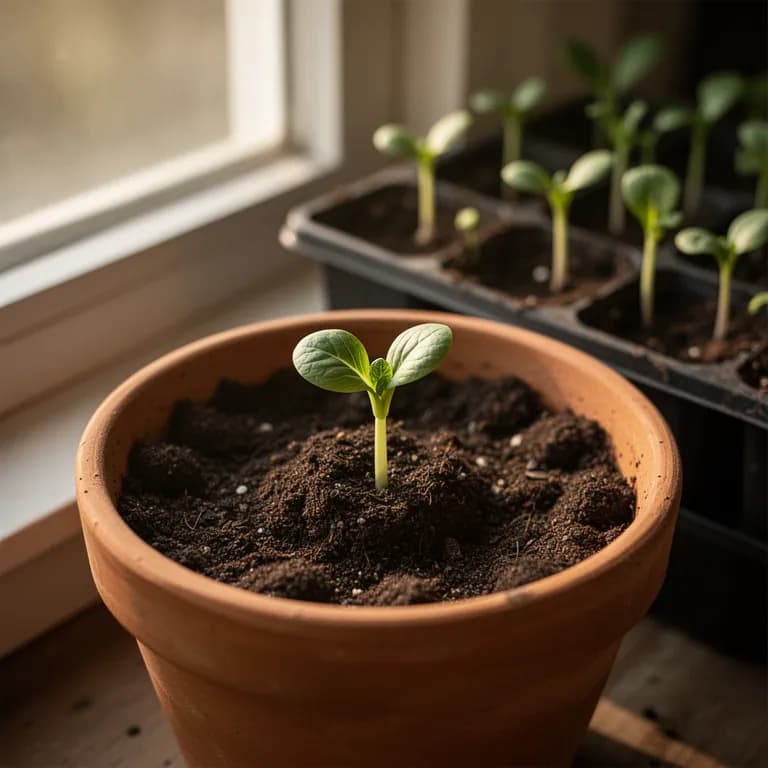
Las pequeñas semillas redondas germinan rápidamente en suelo fresco y húmedo. Los cotiledones emergen en 4 a 8 días, una de las velocidades más altas entre las brassicas. La delicada raíz principal comienza a afianzarse en las capas superiores del suelo. El bok choy germina mejor entre 50 y 75 °F y, en condiciones ideales, puede brotar en solo 3 días.
Desarrollo de plántula
Las hojas verdaderas desarrollan su característica forma de cuchara y su color verde oscuro. Las plántulas crecen rápido y forman de 2 a 3 conjuntos de hojas verdaderas. La yema central se hace visible cuando la planta empieza a formar su roseta.
Formación de roseta
La planta forma su característica roseta de hojas erectas con tallos anchos, carnosos y blancos o verdes que salen de una base central. La producción de hojas se acelera y los tallos empiezan a engrosarse notablemente. El sistema radicular poco profundo se extiende lateralmente por la capa superior del suelo.
Madurez y cosecha
Las cabezas de tamaño completo alcanzan de 10 a 15 pulgadas de alto, con tallos carnosos y bien compactados y hojas grandes de color verde oscuro. La cabeza se siente firme al apretarla suavemente. El sabor está en su punto máximo: tallos suaves y ligeramente dulces con hojas más intensas. Cualquier retraso en la cosecha aumenta el riesgo de espigado, especialmente cuando la primavera se va calentando.
Planta cosechada
El bok choy suele cultivarse como una hortaliza anual de estación fresca y termina su ciclo una vez cosechado o cuando espiga.
Mantén la superficie del suelo uniformemente húmeda, pero no encharcada. Una ligera capa de vermiculita sobre las semillas ayuda a conservar la humedad. Evita temperaturas del suelo superiores a 80 °F, ya que pueden inhibir la germinación.
Cuidar Bok Choy mes a mes
Qué hacer cada mes para tu Bok Choy
Octubre
Mes actualPrime fall harvest month. Bok choy exposed to light frost develops enhanced sweetness. Harvest baby varieties at 6-8 inches and full-size at 10-15 inches. Succession plantings from August should be producing now. Protect from hard freezes with row covers.
Ten claro qué hacer en tu huerto, cada mes
Un correo al empezar cada mes: qué sembrar, plantar y hacer ahora mismo — para tu Bok Choy y todo lo que crece alrededor. Más un breve curso inicial para esquivar los errores clásicos.
- Qué hacer ahora mismo
- Ajustado a tu temporada
- Curso inicial incluido
Cosechar Bok Choy
Coseche hojas jóvenes para baby bok choy a los 30 días. Para plantas enteras, espere 45-60 días y corte a nivel del suelo.
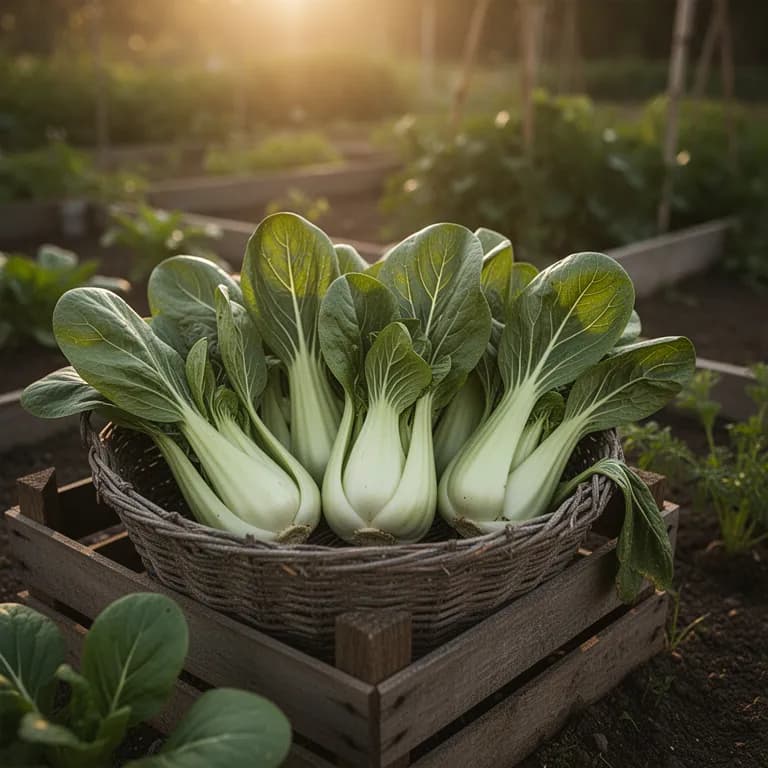
se supone que plantas al comenzar el periodo — indica tu fecha real
Las variedades baby bok choy pueden estar listas en unos 30 días; las cabezas de tamaño completo en 45 a 60 días.
Almacenamiento y conservación
Conserve sin lavar en bolsa de plástico en el refrigerador hasta 2 semanas. Blanquee y congele para conservación a largo plazo.
Qué falla — y cómo solucionarlo
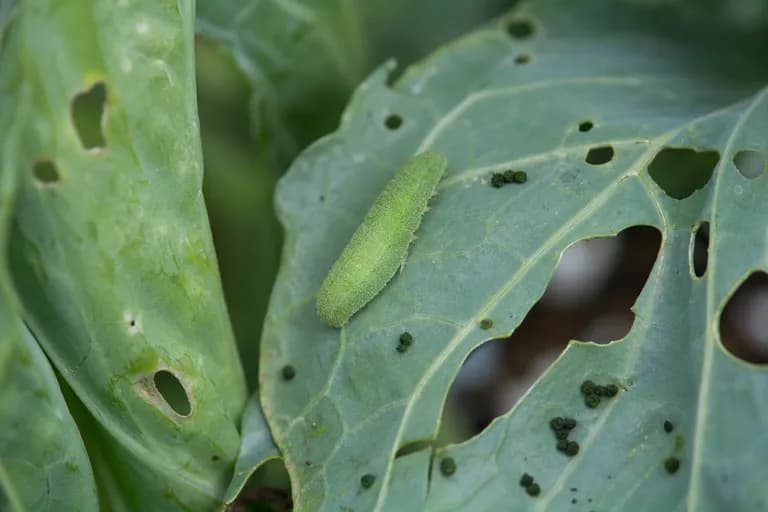
Mosca de la col
PlagaLarvas que se alimentan de raíces causando marchitamiento y muerte de plántulas.
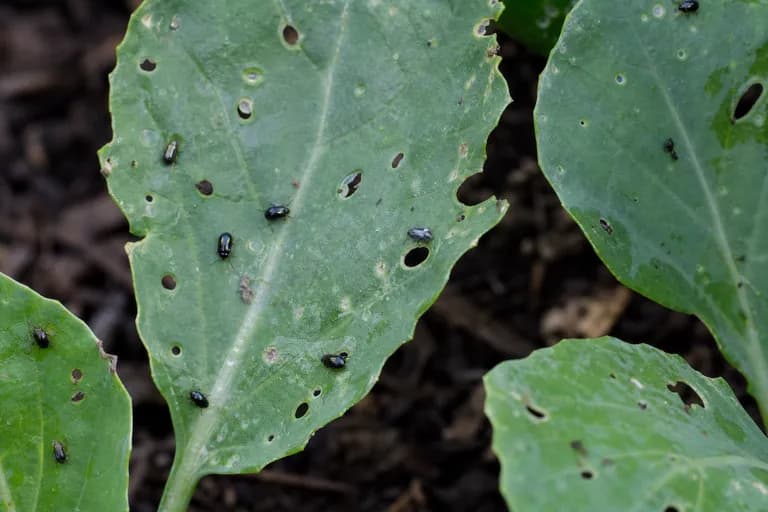
Orugas
PlagaHojas con agujeros irregulares o completamente devoradas.
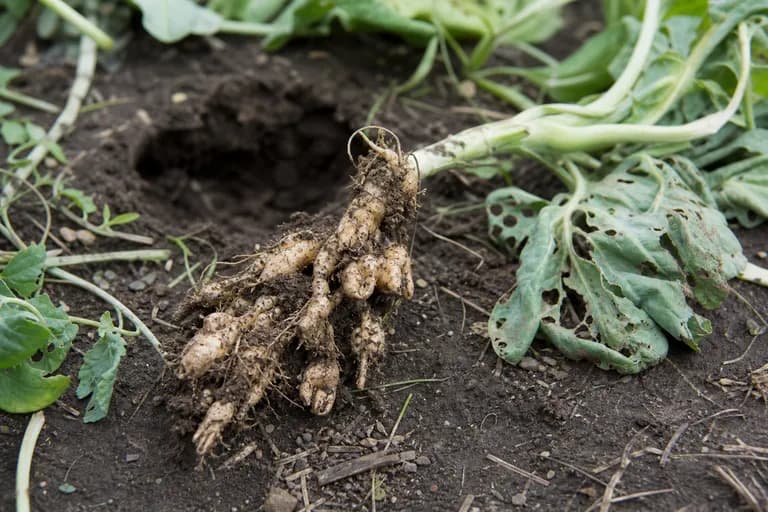
Mildiu
EnfermedadManchas amarillas en la parte superior y pelusa gris en el envés.
Solución de problemas comunes
El calor provoca el espigado prematuro con sabor amargo. El exceso de humedad puede causar pudrición en la base del tallo.
Consejos de cultivo
- Timing is everything with bok choy. Plant too late in spring and rising temperatures cause immediate bolting. The safest strategy is to start seeds indoors 4 weeks before last frost and transplant at the first opportunity — bok choy handles light frost, so early planting is far less risky than late planting.
- For the most reliable harvests, focus on fall planting rather than spring. Decreasing day length and cooling temperatures virtually eliminate bolting and produce sweeter, more tender plants. Sow 8-10 weeks before first frost for full-size heads.
- Consistent moisture is the single most important cultural factor. Bok choy has shallow roots concentrated in the top 4-6 inches of soil, so even brief dry spells cause stress, bitterness, and bolting. Drip irrigation with 2-3 inches of organic mulch is the ideal setup.
- Succession planting every 2-3 weeks extends your harvest from a single concentrated picking to months of continuous supply. Plant small batches of 6-12 plants rather than one large planting that all matures simultaneously.
- Baby bok choy varieties like Mei Qing Choi are superior for beginners and small spaces. They mature in just 30-35 days, are more bolt-resistant than full-size types, and are perfectly suited to containers as small as 6 inches deep.
- Use floating row covers from the moment of transplanting through harvest. Row covers block cabbage moths, flea beetles, and aphids while creating a slightly warmer, more humid microclimate that bok choy loves. Remove only for weeding and harvesting.
- Afternoon shade is essential in zones 7 and warmer during spring planting. Position bok choy on the north side of taller crops like peas or tomato cages, or use 30-40% shade cloth to keep soil and air temperatures within the ideal range.
- Cut-and-come-again harvesting dramatically extends the productive life of each plant. Instead of cutting the whole head, pick outer leaves as needed, allowing the center to continue producing new growth for several additional weeks.
Cultiva tu mejor Bok Choy — y todo lo que la rodea.
Empieza un plan gratis hoy. Diseña tus bancales, coloca tu Bok Choy y deja que PlotMyGarden gestione el momento, el espaciado, las asociaciones y los recordatorios de la semilla a la cesta.
Elige tu Bok Choy
Joi Choi
Tallos blancos anchos y hojas verde oscuro, muy productiva. Madura en 50 días.
Shanghai Green
Tallos verde claro, variedad baby compacta ideal para espacios pequeños. Madura en 45 días.
Choi Sum
Se cosecha por sus tallos floridos comestibles antes de que abran las flores amarillas.
A packet of bok choy seeds costs $2-4 and contains 200-500 seeds — enough for several seasons of planting. Organic baby bok choy sells for $3-5 per pound at grocery stores and $4-7 per pound at farmers markets. Growing just two succession plantings of a 10-foot row can yield 4-6 kg of bok choy, saving $25-50 per season. The savings are even more significant for organic baby bok choy, which commands premium prices. Bok choy's fast 30-45 day maturity means beds can be turned over multiple times per season, multiplying the return on a tiny investment in seeds.
Recetas rápidas
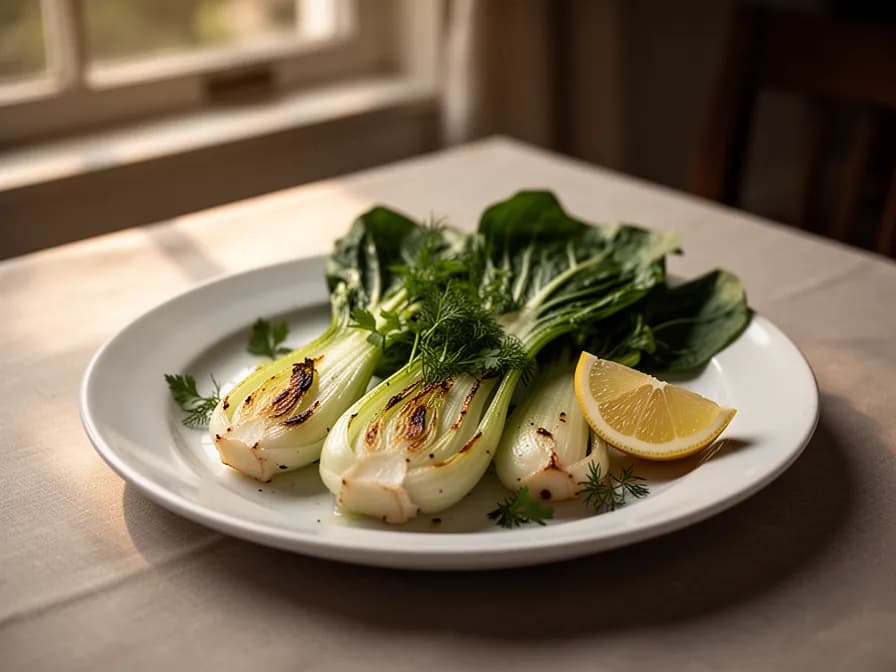
Garlic Bok Choy Stir-Fry
10 minThe classic preparation — baby bok choy halved and seared in a screaming-hot wok with garlic and a splash of soy sauce. The stems stay crisp while the leaves just wilt. Ready in under five minutes of active cooking.
7 ingredientesGinger Bok Choy Miso Soup
15 minA warming, nourishing soup where chopped bok choy is simmered in a fragrant broth of white miso, fresh ginger, and scallions. Add silken tofu for protein and rice noodles for substance — comfort food at its most wholesome.
8 ingredientesRoasted Bok Choy with Oyster Sauce
20 minBaby bok choy halved and roasted at high heat until the cut sides caramelize to a golden brown, then drizzled with a savory oyster sauce glaze. The char adds a smoky depth that transforms this simple vegetable into something extraordinary.
7 ingredientesUsos culinarios
Excelente salteado con ajo y jengibre, al vapor, en sopas asiáticas y ramen, o crudo en ensaladas. Los tallos y las hojas son igualmente comestibles.
Qué contiene
Beneficios para la salud
- Bok choy is one of the richest vegetable sources of beta-carotene (vitamin A precursor), providing nearly 90% of the daily value per 100g — essential for healthy vision, immune function, and skin cell turnover.
- Contains sulforaphane and other glucosinolates, potent compounds studied extensively for their role in supporting the body's natural detoxification enzymes and potentially reducing cancer risk — a benefit shared with other cruciferous vegetables.
- Provides highly bioavailable calcium due to very low oxalate levels, making it superior to spinach and other high-oxalate greens for plant-based calcium absorption — important for bone health, muscle function, and nerve signaling.
- Rich in vitamin C (50% DV per 100g), a powerful antioxidant that supports immune defense, collagen synthesis for skin elasticity, and enhances iron absorption from plant-based foods.
- Contains significant amounts of potassium and very low sodium, supporting healthy blood pressure regulation — the potassium-to-sodium ratio in bok choy is among the most favorable of any vegetable.
- Provides folate, vitamin B6, and iron in a low-calorie package (just 13 calories per 100g), supporting energy metabolism, red blood cell formation, and cognitive function without contributing to caloric excess.
De dónde viene Bok Choy
Bok choy (Brassica rapa subsp. chinensis) originated in the Yangtze River Delta region of central China, where wild forms of Brassica rapa were first domesticated over 5,000 years ago. Archaeological evidence from Neolithic sites in the region shows brassica seed remains, and the earliest written references to bok choy appear in Chinese agricultural texts from the 5th century AD. Over millennia, Chinese farmers selected for the thick, fleshy petioles and compact rosette form that distinguish modern bok choy from its wild relatives.
Bok choy spread throughout East and Southeast Asia along ancient trade routes, becoming a dietary staple in Korea, Japan, Vietnam, and the Philippines, each region developing preferred varieties and cooking traditions. In Japan it is known as 'chingensai' and arrived during the Edo period. Korean cuisine integrated bok choy into kimchi variations and banchan (side dishes), while Vietnamese cooking features it prominently in pho and stir-fries.
Bok choy arrived in Europe and the Americas with Chinese immigrants during the 19th century, initially grown in small garden plots within immigrant communities. The vegetable gained mainstream Western attention only in the late 20th century as interest in Asian cuisine exploded. Today, China remains by far the largest producer, growing millions of tonnes annually for both domestic consumption and export. California, with its large Asian-American population and mild climate, is the leading US producer. Modern seed breeding has produced bolt-resistant hybrids, baby bok choy varieties suited to container growing, and cold-hardy cultivars that extend the growing range into northern climates. Despite its global spread, bok choy remains most deeply embedded in Chinese culinary culture, where it appears in everything from simple home stir-fries to elaborate banquet dishes.
Bok Choy: ¿sabías que?
Datos fascinantes sobre Bok Choy
Bok choy has been cultivated in China for over 5,000 years, making it one of the oldest continuously grown vegetables in the world — it was already a dietary staple when the Great Wall was being conceived.
Bok Choy: preguntas frecuentes
¿Cuándo debo plantar Bok Choy?
¿Cuáles son buenas plantas acompañantes para Bok Choy?
¿En qué zonas de rusticidad puede crecer Bok Choy?
¿Cuánto sol necesita Bok Choy?
¿A qué distancia debo espaciar Bok Choy?
¿Qué plagas y enfermedades afectan a Bok Choy?
¿Cómo almaceno Bok Choy después de la cosecha?
¿Cuáles son las mejores variedades de Bok Choy para cultivar?
¿Qué suelo necesita Bok Choy?
Why does my bok choy bolt so quickly?
Can I grow bok choy in containers?
Is bok choy the same as Chinese cabbage?
How do I prevent pests from destroying my bok choy?
Can I eat bok choy that has started to flower?
How cold-hardy is bok choy compared to other greens?
Acabas de leer la teoría. Ahora cultívala en piloto automático.
Todo lo que hace que Bok Choy sea delicado — el momento, el espaciado, las asociaciones, la ventana de cosecha — es justo lo que PlotMyGarden resuelve por ti, para cada planta de tu huerto.
Un plan que conoce tu clima
Indica tu ubicación una vez. Recibe fechas de siembra, abonado y cosecha basadas en tu última helada real y el pronóstico en vivo — sin adivinar con un sobre genérico.
De la sección “Cuándo plantar”Planificador de bancales de arrastrar y soltar
Diseña bancales sobre una cuadrícula. Cada planta encaja con su espaciado correcto y ves toda la temporada antes de gastar un céntimo en semillas.
De la sección “Cultivo”Conflictos de asociación, detectados a tiempo
Más de 200 buenas y malas combinaciones comprobadas en vivo mientras plantas — para que un error que arruine la temporada nunca llegue a la tierra.
De la sección “Asociaciones”Recordatorios que sí vas a seguir
“Riega las judías.” “Recoge hoy antes de que se pase.” Oportunos, concretos y ligados a las plantas que de verdad cultivas.
De la sección “Cosecha”Escalonado, programado
¿Quieres cosechar seis semanas en vez de seis días? Reparte tus siembras automáticamente y te avisa cuando toca el siguiente lote.
De la sección “Cuándo plantar”Un registro que se vuelve más listo
Cada cosecha que registras le enseña tu huerto. El plan del año que viene parte de lo que de verdad funcionó en tu suelo, no en un manual.
De la sección “Resumen”Planta estos junto a Bok Choy
Más Crucíferas
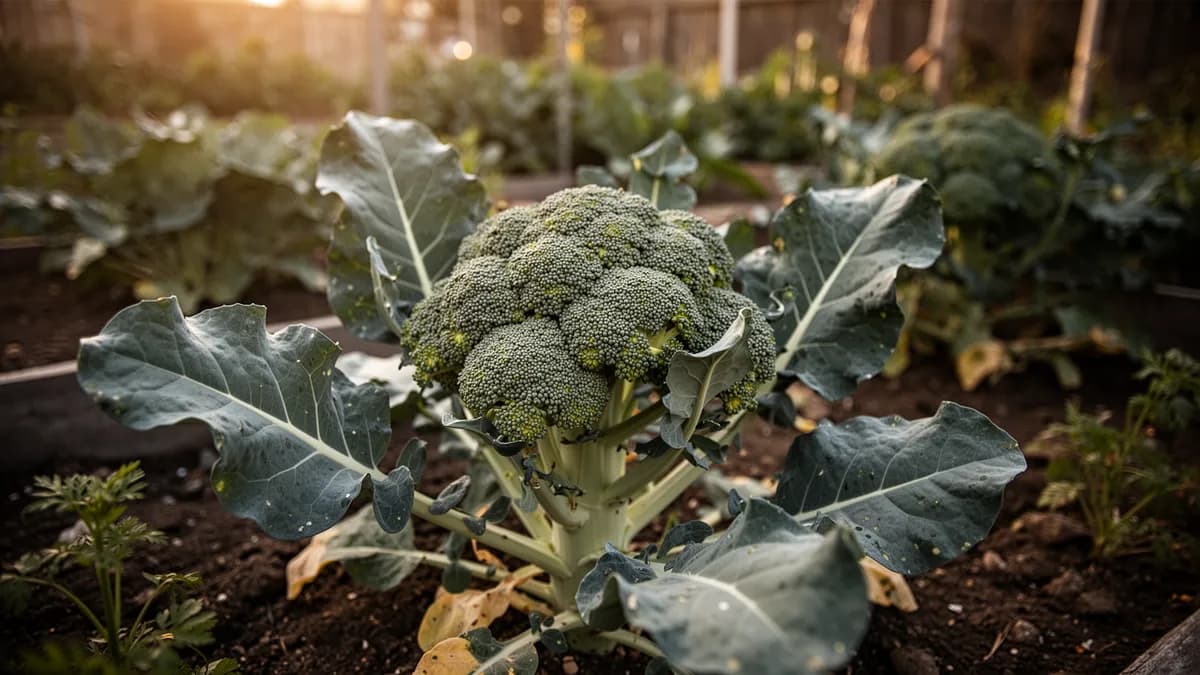
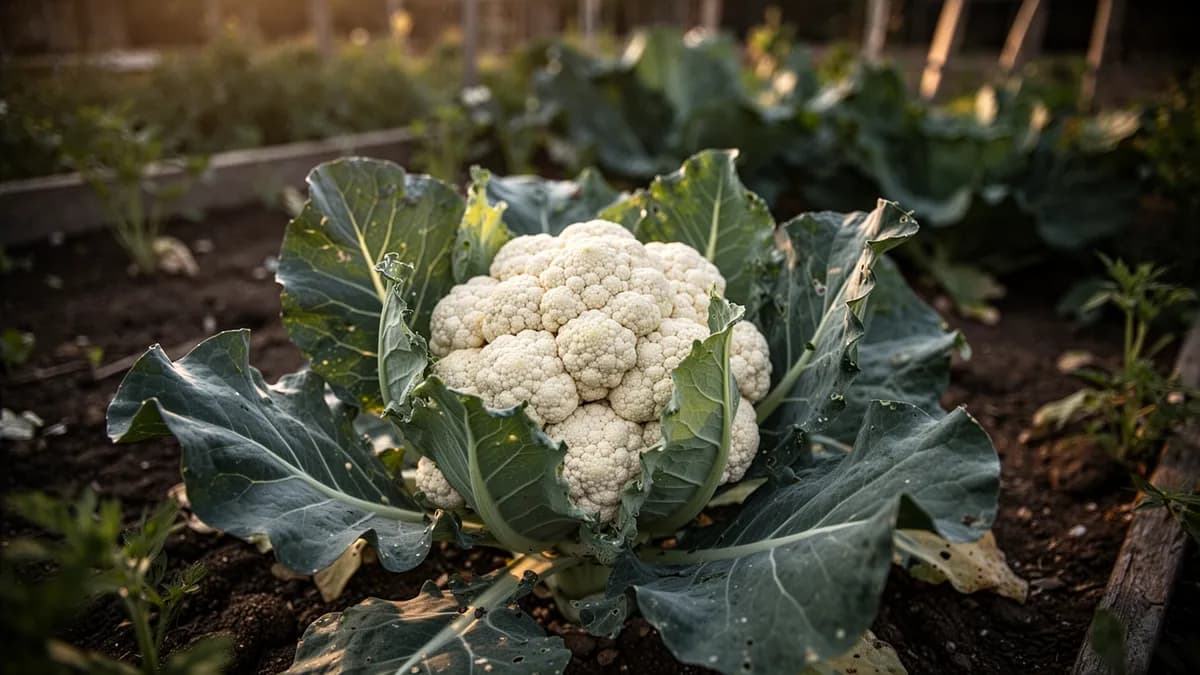
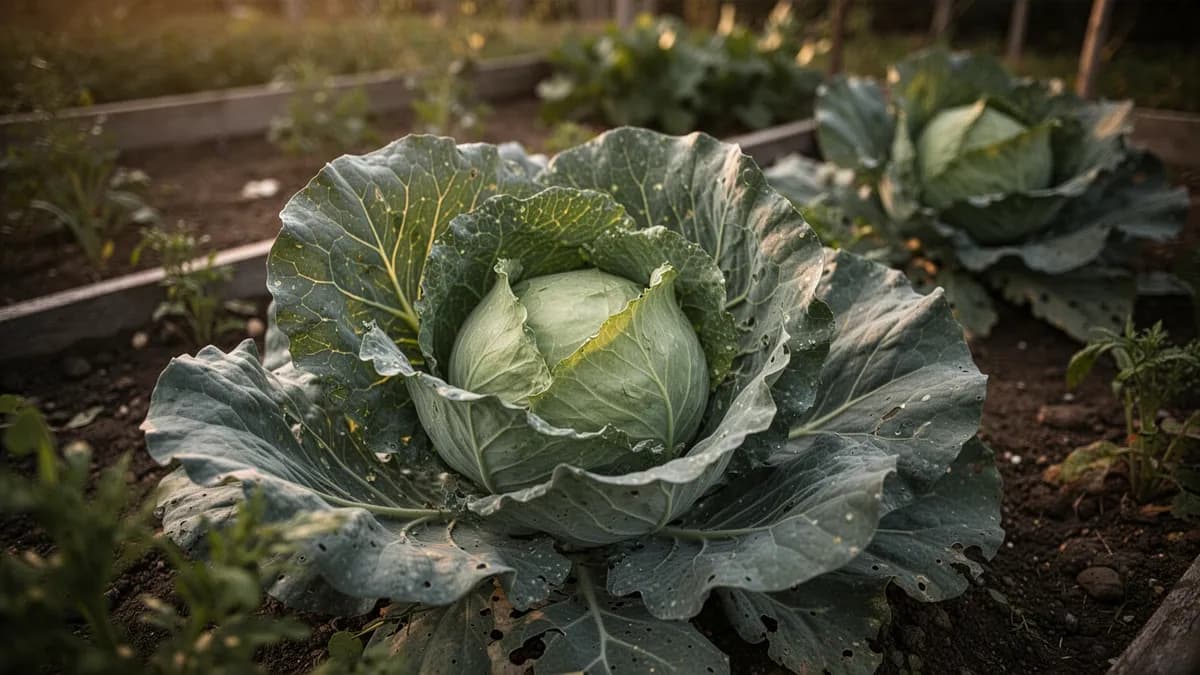
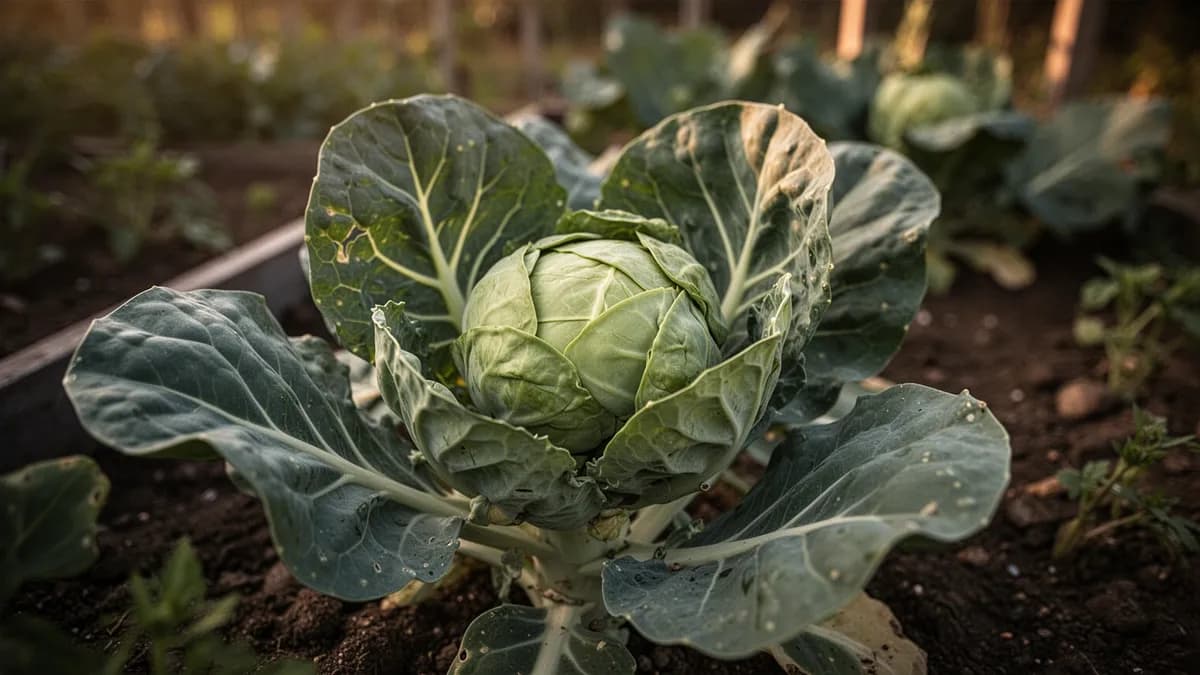
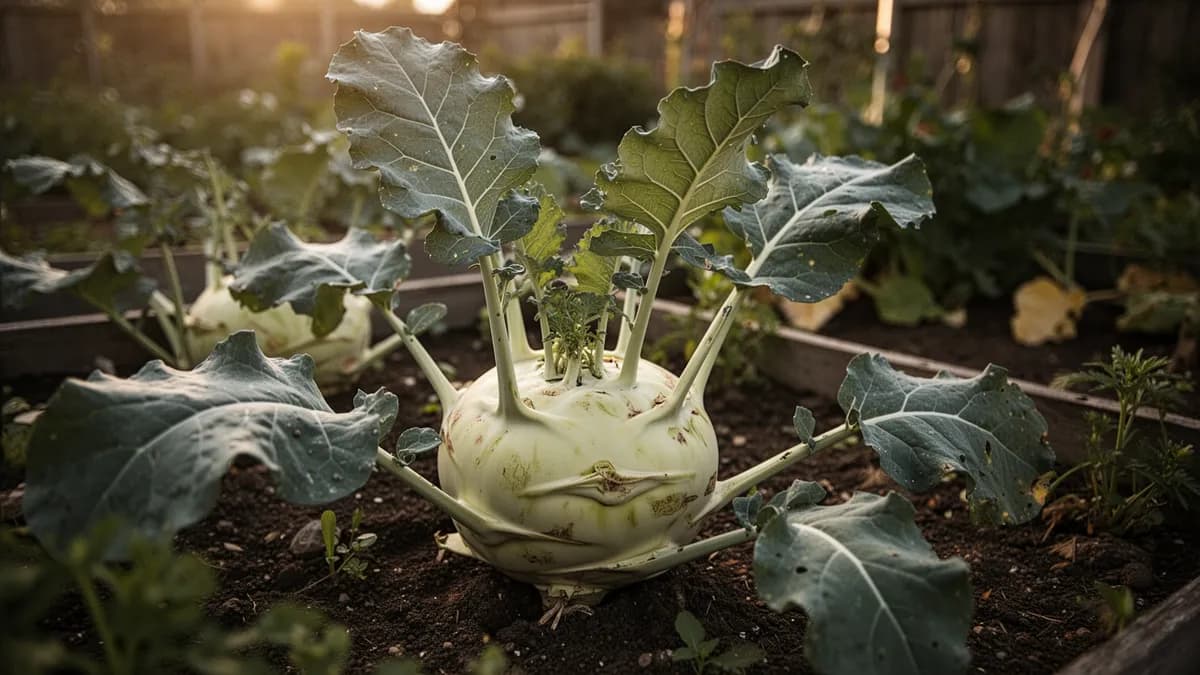
Mantén Bok Choy lejos de estos
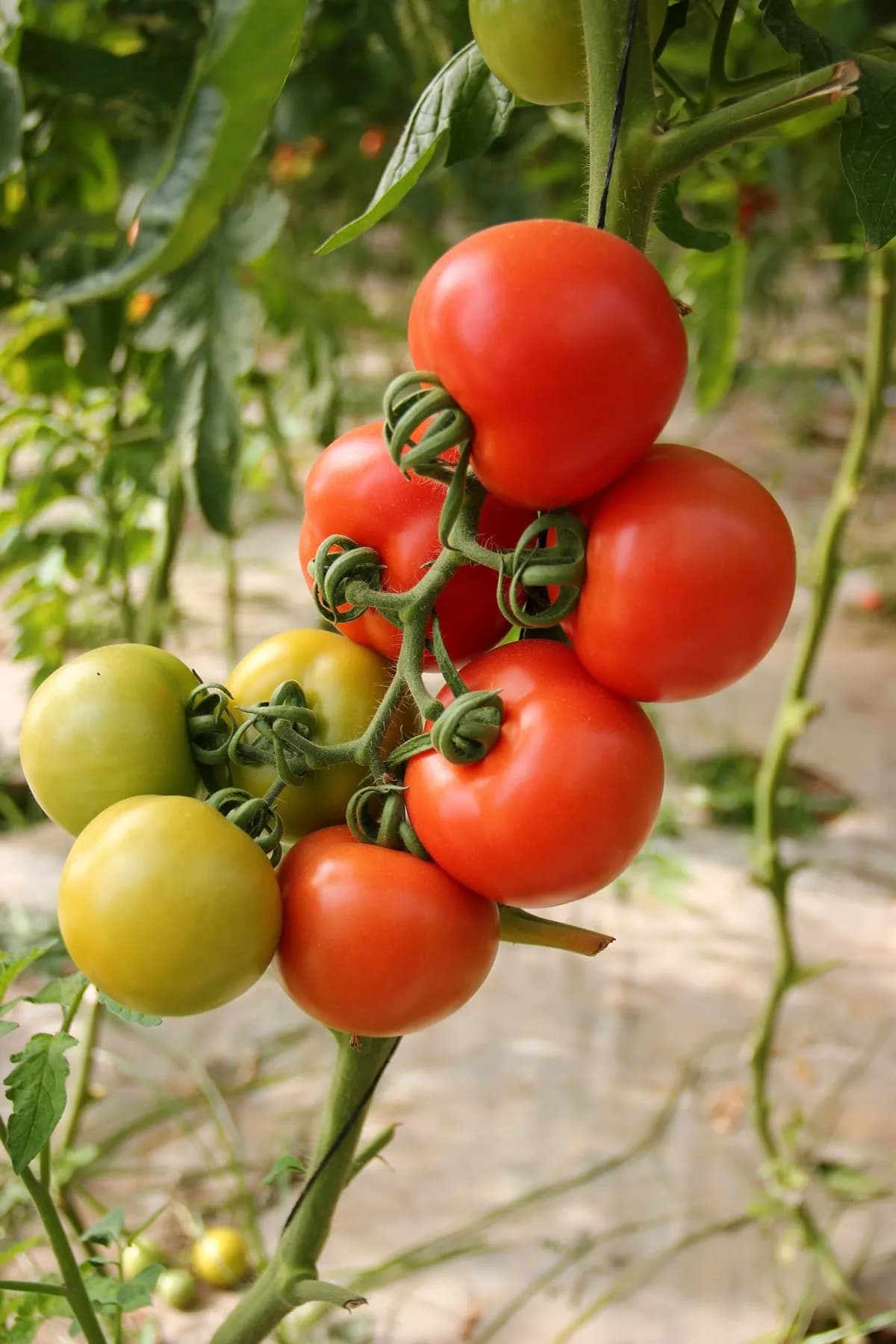
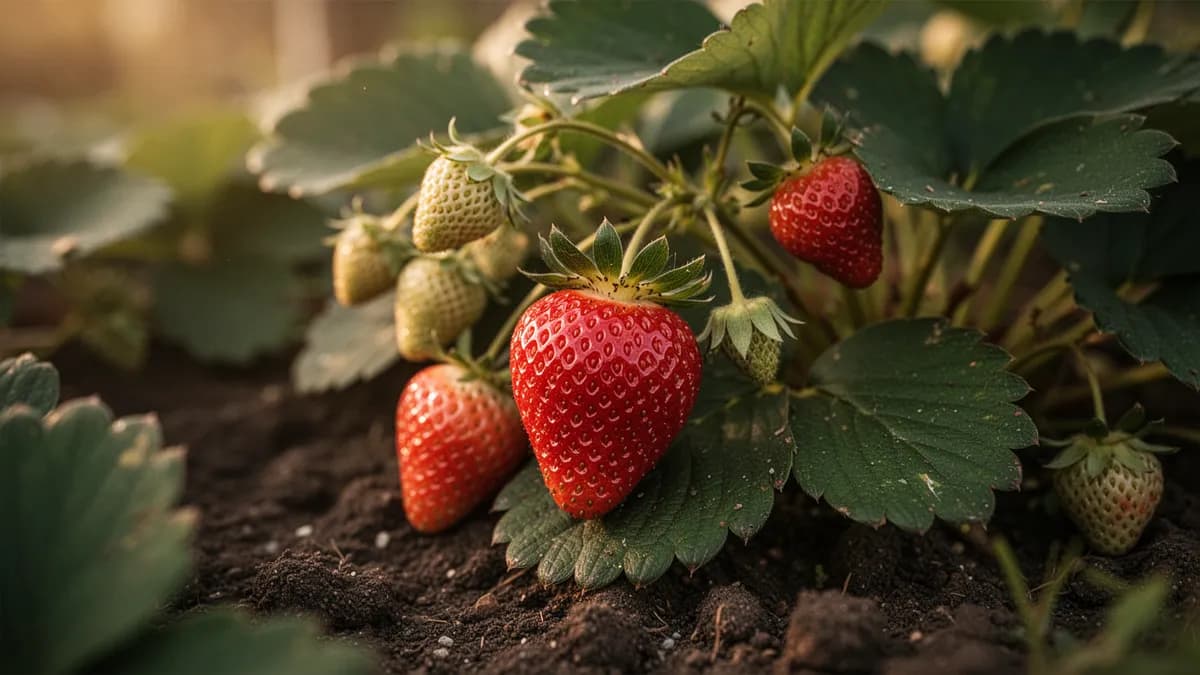
Diseños de jardín con Bok Choy
Cultiva tu mejor Bok Choy — y todo lo que la rodea.
Empieza un plan gratis hoy. Diseña tus bancales, coloca tu Bok Choy y deja que PlotMyGarden gestione el momento, el espaciado, las asociaciones y los recordatorios de la semilla a la cesta.