Broccoli
A cool-season brassica harvested for its dense cluster of immature flower buds before they open.





On this pageOverview
Meet Broccoli
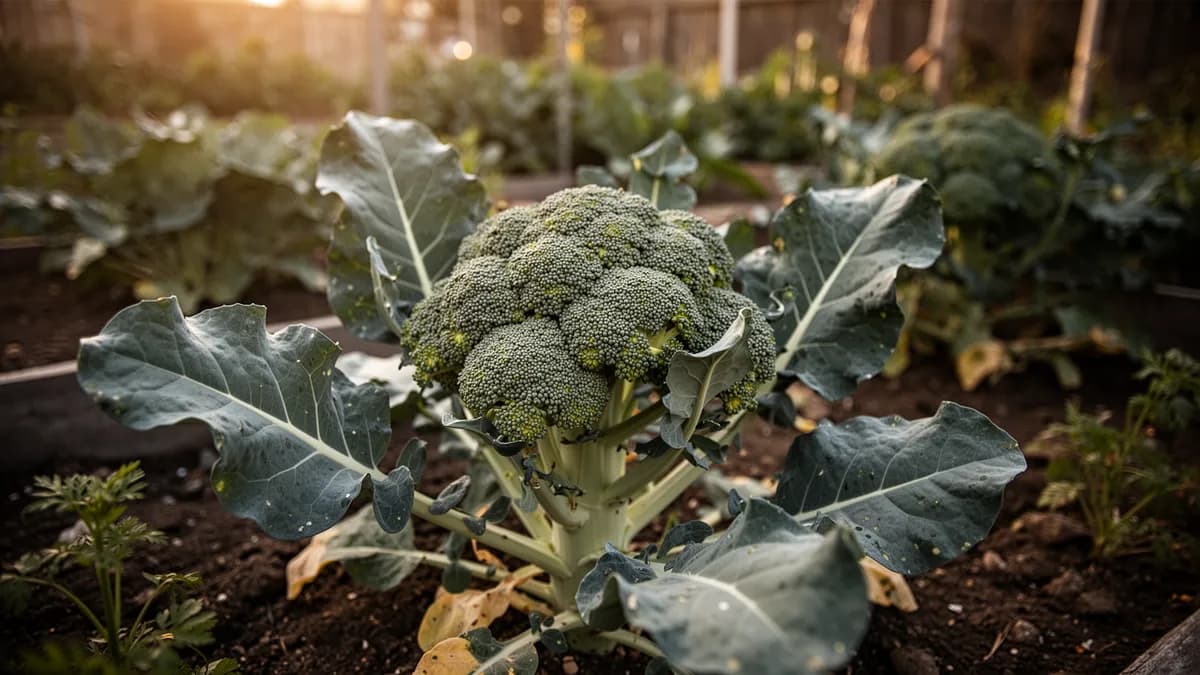
A cool-season brassica harvested for its dense cluster of immature flower buds before they open. Plant in fertile, well-drained soil enriched with compost and maintain consistent moisture for tight head formation. After cutting the main head, leave the plant in place as many varieties will produce smaller side shoots for weeks afterward. Watch for cabbage worms and aphids, and use floating row covers as an effective organic defense.
When to plant Broccoli
Start broccoli seeds indoors 6-8 weeks before the last frost date for spring planting — timing is critical because broccoli needs to form its head during cool weather before summer heat arrives. Sow seeds 6mm (1/4 inch) deep in sterile seed-starting mix at 18-24°C (65-75°F). Germination is quick and reliable, occurring in 5-10 days. Sow 2-3 seeds per cell and thin to the strongest seedling once true leaves appear.
After germination, immediately move seedlings to cooler conditions — 15-18°C (60-65°F) — to produce stocky, compact transplants with thick stems. Warm temperatures create leggy, weak seedlings that perform poorly in the garden. Provide 12-14 hours of bright light daily using grow lights positioned 10-15 cm above seedlings. Transplant into individual 8-10 cm pots when the first true leaves are well developed. Feed weekly with quarter-strength liquid fertilizer from the first true leaf stage — strong, well-fed transplants establish faster and produce better heads than starved ones.
Harden off seedlings for 7-10 days before transplanting outdoors, gradually increasing exposure to direct sun, wind, and outdoor temperatures. Broccoli transplants tolerate light frost to -4°C (25°F), but a sudden cold snap below that during early growth can trigger buttoning (premature tiny heads). Set transplants slightly deeper than they grew in their pots — burying the stem up to the first set of leaves promotes additional root development from the buried stem. Water with a dilute starter fertilizer immediately and apply floating row covers if cabbage worms are an issue.
For fall planting — which often produces the best broccoli of the year — start seeds indoors 12-14 weeks before the first expected frost, or sow directly in a shaded outdoor nursery bed in midsummer. The challenge with fall broccoli seedlings is heat: keep them cool by starting seeds in a shaded location, running fans for air circulation, and watering from the bottom to prevent damping off. Transplant to the garden when seedlings have 4-5 true leaves and evening temperatures begin to cool below 21°C.
Your Broccoli Year
Composed for Zone 7 · typical seasons · frost passes Apr 2, returns Nov 1
Plant Broccoli Mar – Apr, Jul – Aug, pick Jun – Jul, Oct – Nov. Check the planting methods below and set your climate to personalize these windows.
How to grow Broccoli
Broccoli is a cool-season brassica that produces best when it matures during mild weather, making it ideal for spring and fall gardens. Start seeds indoors 6-8 weeks before the last frost date, sowing 6mm (1/4 inch) deep in seed-starting mix at 18-24°C (65-75°F). Transplant hardened-off seedlings outdoors 2-3 weeks before the last frost, spacing plants 45-60 cm apart in rows 60-90 cm apart. Broccoli seedlings tolerate light frost but are damaged by hard freezes, so protect transplants with row covers if temperatures dip below -4°C (25°F).
Choose a location with full sun (6-8 hours daily) and fertile, well-drained soil enriched with generous amounts of compost. Broccoli is a heavy feeder that demands consistent nutrition throughout its growth. Set transplants slightly deeper than they grew in their pots, and water with a dilute starter fertilizer to establish roots quickly. For fall harvest — often the best broccoli season — transplant seedlings in midsummer, timing it so heads mature during the cool days of autumn.
Water deeply and consistently, providing 2.5-4 cm (1-1.5 inches) per week, as drought stress causes small, loose heads and premature bolting. Mulch around plants with 5-8 cm of straw to retain moisture, moderate soil temperature, and suppress weeds. Side-dress with a nitrogen-rich fertilizer like blood meal or fish emulsion every 3 weeks. After harvesting the main head, continue watering and feeding the plant — most varieties will produce a generous secondary harvest of smaller side shoots for several additional weeks.
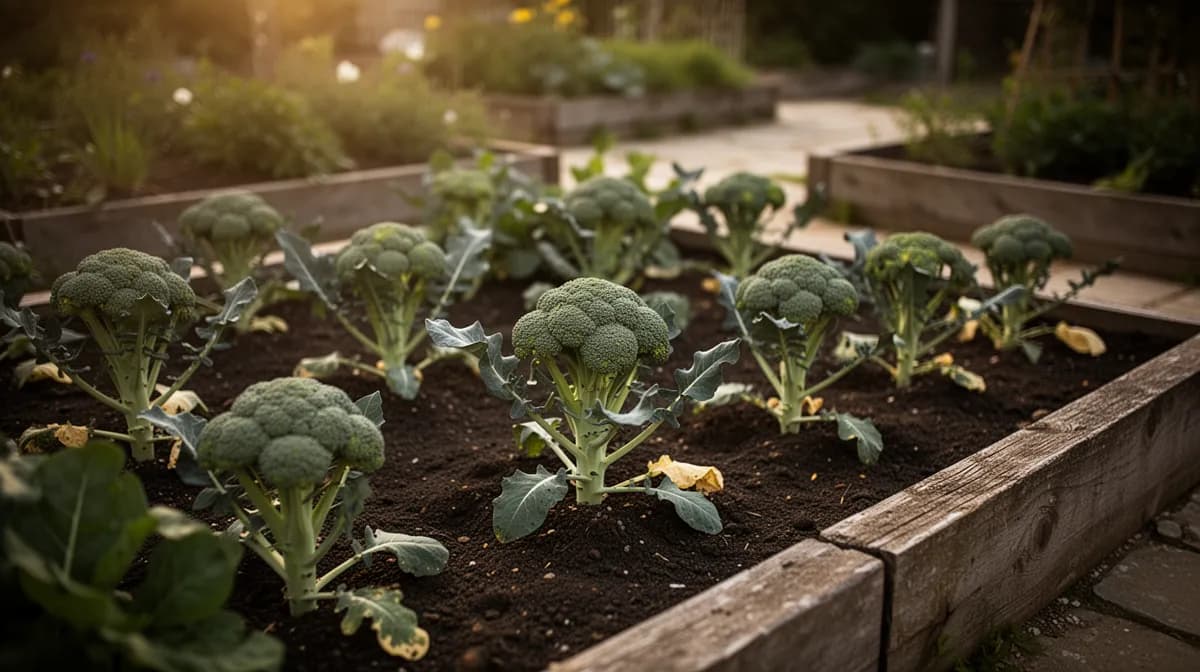
10 plants fit a 4 × 8 ft bed
Each Broccoli wants 45 cm of elbow room. The planner keeps that spacing for you — every plant, every bed.
Broccoli's best neighbours
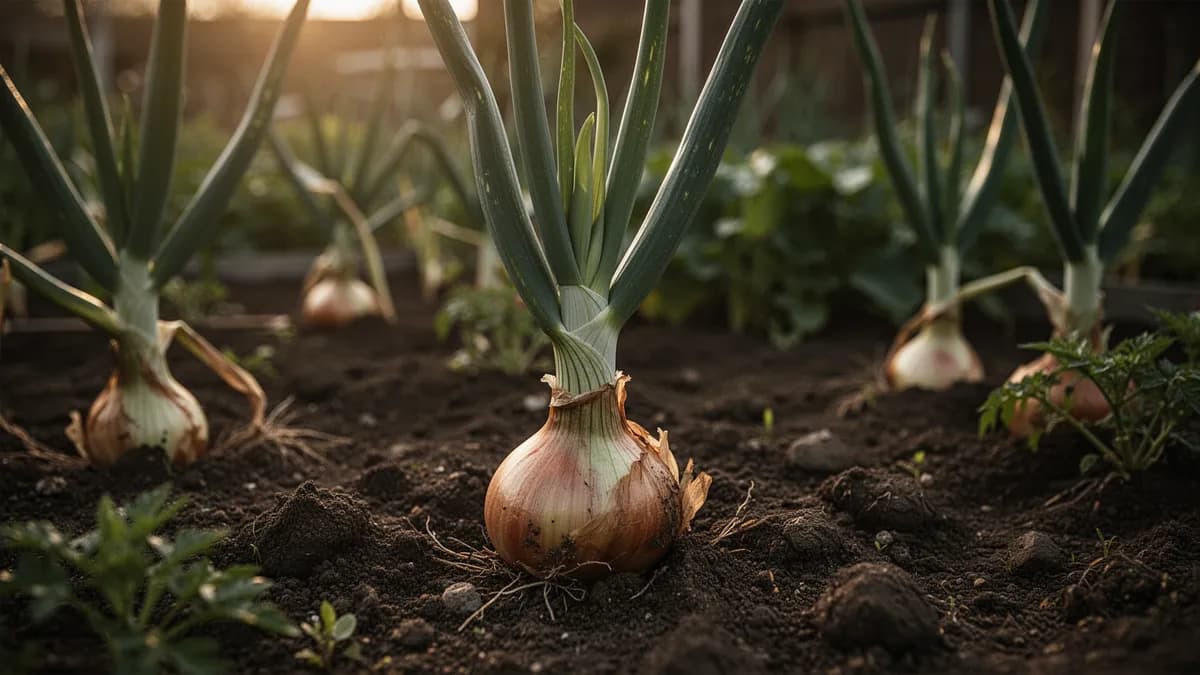
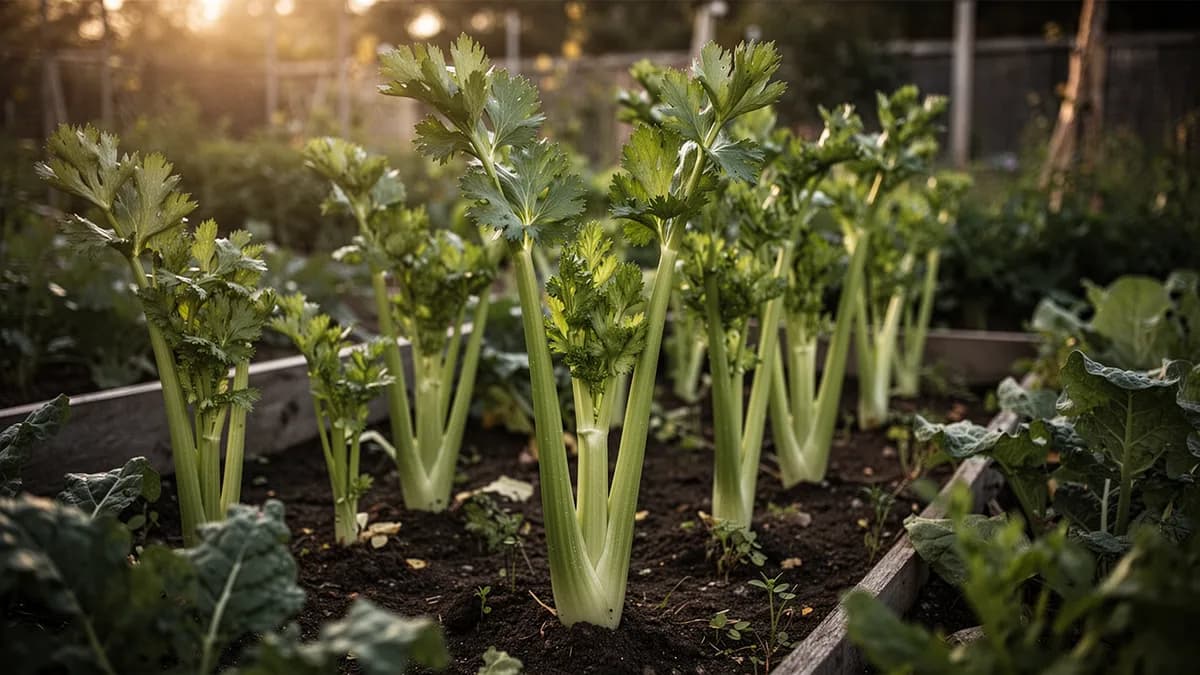
The allium family is broccoli's most valuable pest-defense companion. Onions, leeks, garlic, and chives release pungent sulfur compounds that repel cabbage loopers, aphids, and flea beetles — the holy trinity of broccoli pests. Interplant alliums directly among broccoli plants or border the bed with a dense row of chives for continuous pest confusion. Celery's strong aromatic scent serves a similar masking function, making it harder for pest insects to locate broccoli by smell.
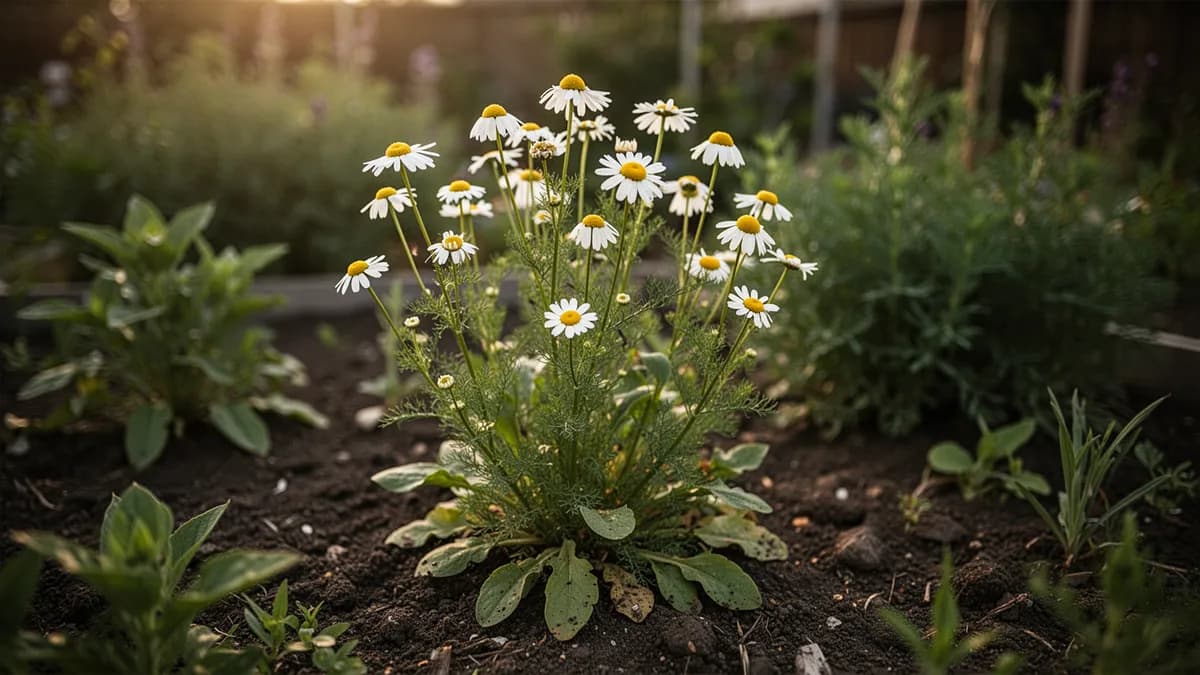
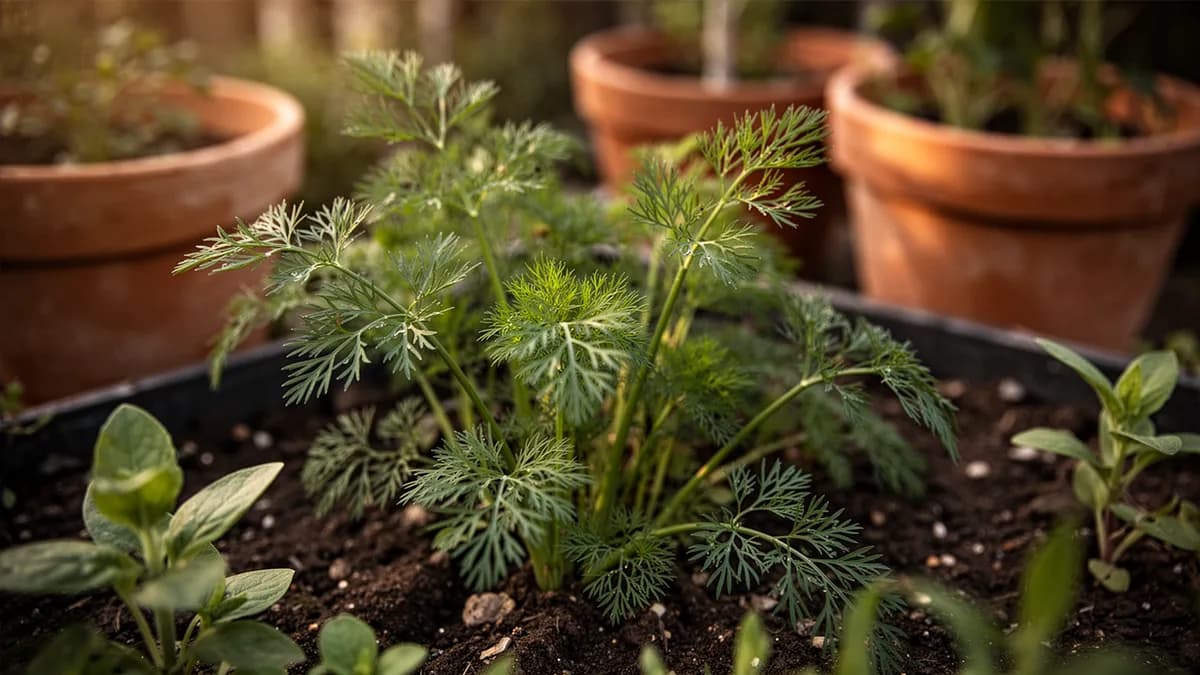
Chamomile planted as a border around broccoli beds performs double duty — it attracts beneficial hoverflies and parasitic wasps that prey on broccoli pests, while also reportedly improving brassica vigor and flavor through mild allelopathic compounds released by its roots. Dill is another excellent beneficial-insect attractor, but allow it to flower and go to seed rather than harvesting it for culinary use — the tiny yellow flowers are what draw predatory insects. Nasturtiums planted nearby serve as trap crops, luring aphids away from broccoli and onto themselves.
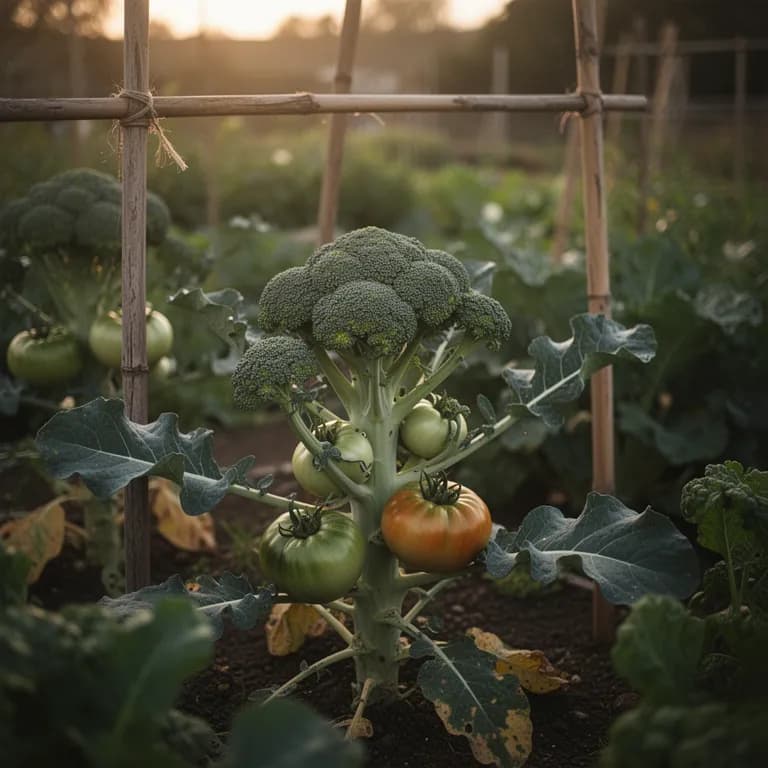
Avoid planting broccoli near tomatoes, peppers, and eggplant — these solanaceae crops are heavy feeders that compete for the same nutrients, and their height can shade developing broccoli heads. Keep broccoli away from strawberries, which share susceptibility to similar soil-borne diseases including Verticillium wilt. Most importantly, never plant broccoli after or near other brassica family members (cabbage, kale, cauliflower, Brussels sprouts) in the same season — this concentration invites devastating pest and disease buildup. Practice a minimum 3-year rotation between brassica crops in any given bed.
Onion belongs beside it. Tomato doesn't.
Old growers' knowledge, checked against Broccoli's real companion table below — test any plant you're growing.
Try Broccoli in a bed — right here
A real planner bed with Broccoli already in it. Tap a companion to place it and watch the pairing checks answer — green for good neighbours, red for a clash.


Related growing guides
Feed it well
Broccoli is one of the garden's heaviest feeders and demands rich, deeply prepared soil to produce the large, tight heads gardeners covet. The ideal soil is well-drained with a pH of 6.0-7.0 and loaded with organic matter. Work 8-10 cm of aged compost or well-rotted manure into the top 30 cm of soil before planting. Add a handful of bone meal to each planting hole for phosphorus that supports strong root development, plus a balanced slow-release fertilizer (10-10-10) mixed into the soil around each transplant. Maintain soil pH above 6.5 with garden lime if needed — this both optimizes nutrient availability and reduces the risk of clubroot, a devastating brassica disease that thrives in acidic soil.
Once plants are established and growing actively, side-dress with nitrogen-rich amendments every 3 weeks throughout the growing season. Blood meal, fish emulsion, and compost tea are all excellent choices. Broccoli's heavy feeding demands increase as the plant enters head formation — a dilute fish emulsion foliar spray every 2 weeks during this critical phase produces noticeably larger, tighter heads. Watch for hollow, pithy stems, which indicate boron deficiency — a surprisingly common issue with broccoli. Apply dissolved borax (1 tablespoon per 4 liters of water) as a soil drench once mid-season to prevent this.
Mulch around plants with 5-8 cm of straw or shredded leaves to conserve moisture, moderate soil temperature, and suppress weeds. Consistent, deep watering (2.5-4 cm per week) is absolutely critical — even brief dry spells during head formation cause small, loose, premature heads that are a fraction of the potential size. Drip irrigation with a timer provides the most reliable moisture delivery. For container growing, use pots at least 45 cm deep and wide with rich, compost-amended potting mix, and feed with liquid fertilizer every 10 days, as containerized broccoli exhausts nutrients rapidly.
Ideal Temperature
Hardiness Zone Compatibility
From seed to harvest, stage by stage
Seed Germination
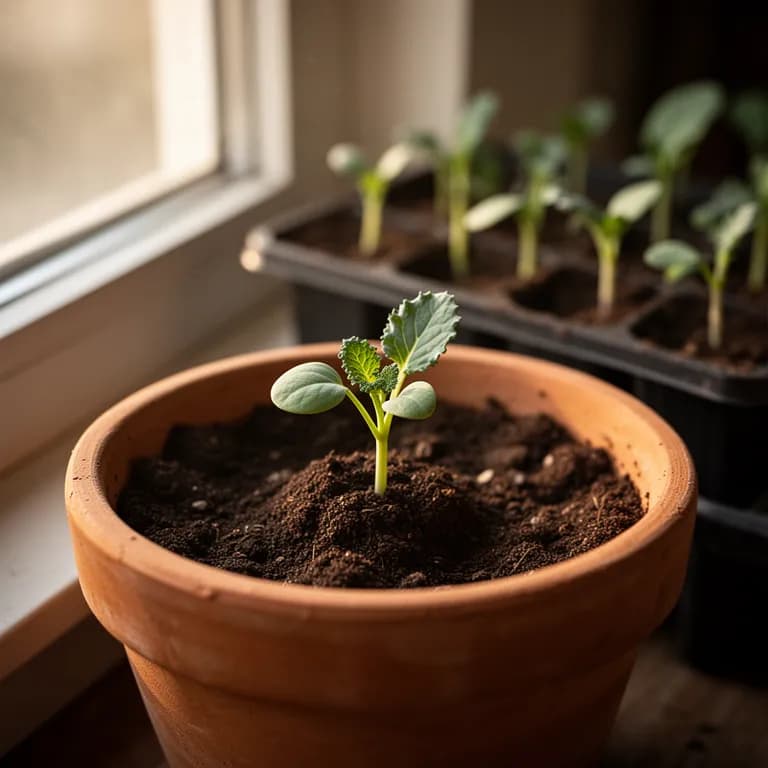
Broccoli seeds germinate quickly in 5-10 days at temperatures of 18-24°C. Seeds are medium-sized brassica seeds that are easy to handle. Seedlings emerge with a pair of rounded cotyledons typical of the cabbage family.
Seedling Growth
Seedlings develop true leaves that are broader and bluer-green than the initial cotyledons. Growth is steady under cool, bright conditions. The central stem thickens to support the developing plant. This is the indoor growing phase for most gardeners.
Vegetative Growth
After transplanting outdoors, broccoli plants grow rapidly, developing a large rosette of broad, blue-green leaves. The thick central stem supports increasingly large leaves. Strong vegetative growth during this phase is essential for producing large heads later.
Head Formation
The central growing point transitions from leaf production to forming a dense cluster of flower buds — the broccoli head or crown. The head grows rapidly, doubling in size every few days under ideal cool conditions. Tight, deep green buds indicate peak quality.
Main Harvest
The main head reaches full size with tightly packed green buds. Harvest when the head is 10-20 cm across and buds are still firm and closed. Cut the stem 15 cm below the head at a 45-degree angle. Leave the plant in the ground for side shoot production.
Side Shoot Production
After the main head is removed, the plant produces smaller side shoots (5-10 cm heads) from the leaf axils. These side shoots are often more tender and flavorful than the main head. Production continues for 4-8 weeks with good care.
Sow 6mm deep in sterile seed-starting mix. Keep soil consistently moist but not waterlogged. After germination, move seedlings to cooler conditions (15-18°C) immediately to prevent leggy growth.
Caring for Broccoli month by month
What to do each month for your Broccoli
October
You are hereHarvest fall broccoli heads when tightly packed and deep green. Fall heads are often larger and tighter than spring because they form in cooling rather than warming temperatures. Continue for side shoots.
Know exactly what to do in your garden — every month
One email at the start of each month: what to sow, plant, and tackle right now — for your Broccoli and everything growing around it. Plus a short starter course that helps you dodge the classic mistakes.
- What to do, right now
- Matched to your season
- Starter course included
Harvesting Broccoli
Harvest the main broccoli head when the crown is fully developed, deep green, and the individual buds are tightly packed — each bud should be about the size of a match head and still firmly closed. The ideal time is when the head reaches 10-20 cm across (depending on variety) and feels dense and compact. Check the head daily once it begins forming, as broccoli can go from perfect to past-prime in just 2-3 days during warm weather. If you see even a few yellow flowers beginning to open among the buds, harvest immediately — the head is past peak and flavor declines rapidly once flowering begins.
Cut the main stem at a 45-degree angle about 15 cm (6 inches) below the head using a sharp knife. The angled cut prevents rainwater from pooling on the stem surface, which causes rot and disease in the remaining plant. Always harvest in the cool morning hours when the head is fully hydrated — broccoli harvested in afternoon heat wilts faster and has a shorter shelf life. Handle the harvested head gently, as the soft buds bruise easily.
Critically, leave the plant in the ground after harvesting the main head — this is where the extended harvest happens. Most broccoli varieties produce abundant side shoots (smaller heads 5-10 cm across) from the leaf axils for 4-8 additional weeks after the main head is removed. These side shoots are often more tender and flavorful than the main head. Continue watering and feeding the plant to encourage vigorous side shoot production. Varieties like De Cicco and Calabrese are specifically renowned for their prolific side shoot production, sometimes yielding more total broccoli from side shoots than the original main head.
assuming you plant when the window opens — set your real date
Head 10-20 cm across, buds tight and deep green, before yellow flowers appear
Storage & Preservation
Fresh broccoli stores surprisingly well in the refrigerator — up to 2 weeks when handled properly. Wrap unwashed heads loosely in a damp paper towel inside a loosely sealed plastic bag, and store in the crisper drawer at 0-4°C. Do not wash before storing, as surface moisture promotes mold growth in the tightly packed bud clusters. Do not store broccoli in an airtight container or sealed bag, as trapped ethylene gas accelerates yellowing. Keep broccoli away from ethylene-producing fruits like apples and bananas. If the florets begin to yellow, the broccoli is past prime but still edible — just less sweet.
Freezing is the ideal preservation method for broccoli harvests that exceed fresh consumption. Cut into uniform-sized florets (3-4 cm), blanch in boiling water for exactly 3 minutes (under-blanching leads to poor color and texture; over-blanching produces mush), then plunge immediately into ice water for 3 minutes to halt cooking. Drain thoroughly, spread on a parchment-lined baking sheet in a single layer, and freeze until solid before transferring to freezer bags — this prevents the florets from clumping into a frozen block. Properly frozen broccoli keeps for 10-12 months and works excellently in stir-fries, soups, casseroles, gratins, and pasta dishes.
Don't forget the stems — they are just as nutritious as the florets and are entirely edible once peeled. The tough outer skin peels away to reveal a tender, sweet interior that can be sliced into coins, cut into matchsticks for slaws and stir-fries, or pureed into creamy soups. Stems can be frozen alongside florets using the same blanching method.
Broccoli can also be fermented in a 3% salt brine for 5-7 days to produce a probiotic-rich condiment with a tangy, savory flavor — excellent as a side dish or pizza topping. Dehydrating at 52°C (125°F) for 6-8 hours produces broccoli powder that can be stirred into soups, smoothies, sauces, and even baked goods for a concentrated nutrition boost — one tablespoon of broccoli powder contains the nutrients of roughly a full cup of fresh broccoli.
What goes wrong — and the fix
Cabbage Worm
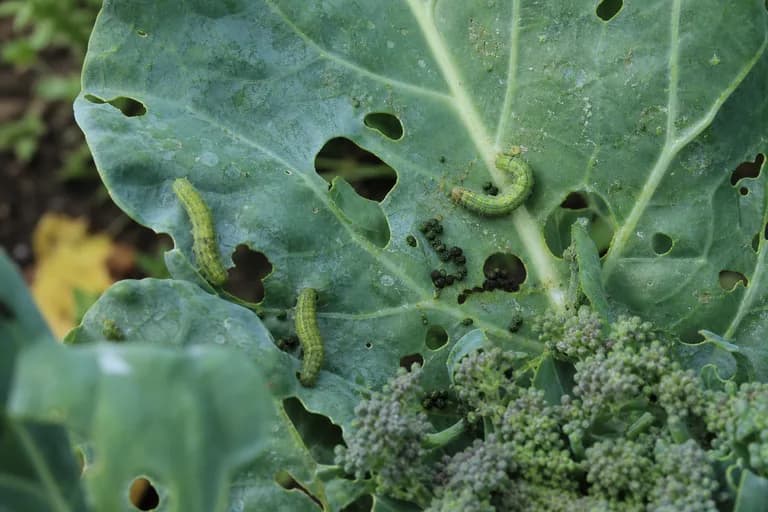
PestVelvety green caterpillars that blend perfectly with broccoli leaves, feeding actively and leaving large irregular holes. Dark green droppings (frass) accumulate in leaf folds and on developing heads. White butterflies circling plants indicate egg-laying activity.
Clubroot
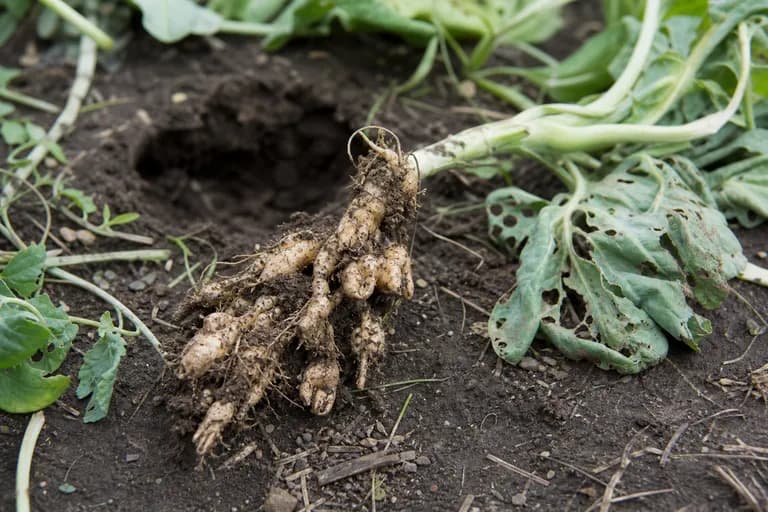
DiseasePlants wilt during warm days despite adequate moisture. Roots become swollen, distorted, and club-shaped. Stunted growth and yellowing foliage. The disease persists in soil for 10+ years and is spread through contaminated soil, transplants, and tools.
Downy Mildew
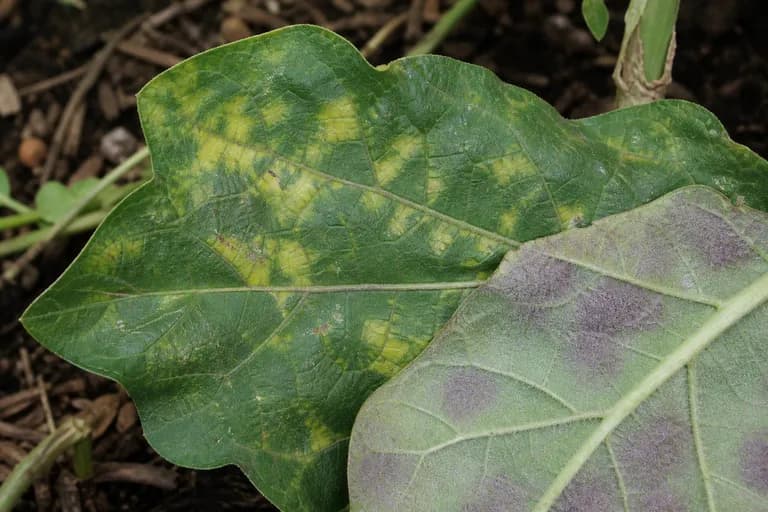
DiseaseAngular yellow patches on upper leaf surfaces with grayish-purple fuzzy mold growth on the undersides. Lesions spread during cool, humid weather and can eventually kill affected leaves, reducing head size and quality.
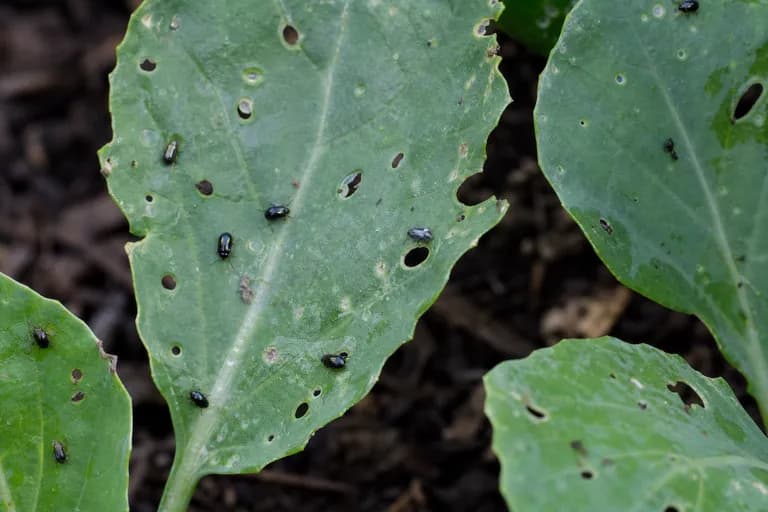
Flea Beetles
PestTiny, shiny black or bronze beetles that jump when disturbed, chewing numerous small round holes in leaves, giving them a shotgun-blast appearance. Seedlings and young transplants are most vulnerable and can be killed by severe infestations.
Troubleshooting Common Problems
Small, premature heads (called 'buttoning') are the most frustrating broccoli issue, where the plant forms a tiny, marble-sized head and then bolts before reaching a useful size. Buttoning is caused by transplant shock, exposure to cold temperatures below 4°C during early growth, inconsistent watering, or nutrient deficiency during the critical early establishment phase. Prevent by hardening off seedlings properly, protecting transplants with row covers during cold snaps, maintaining steady moisture and nutrition, and transplanting at the right time — neither too early (cold stress) nor too late (heat stress).
Loose, open, or 'ricey' heads with visibly separated buds result from high temperatures during head formation — consistently above 27°C (80°F) causes broccoli curds to develop unevenly and open prematurely. This is why timing is everything with broccoli: plant early enough in spring that heads mature before summer heat arrives, or time fall plantings so heads form during the cool days of autumn. Fall broccoli almost always produces tighter, higher-quality heads than spring broccoli.
Hollow, pithy stems are caused by boron deficiency combined with rapid growth — the interior cells expand faster than the plant can fill them with solid tissue. Apply dissolved borax (1 tablespoon per 4 liters of water) as a soil drench once mid-season to prevent this common issue. Excessive nitrogen without adequate boron exacerbates the problem.
Side shoots failing to form after the main head is harvested usually means the stem was cut too low (leaving no leaf axils from which side shoots can emerge) or the plant was severely nutrient-depleted by the time of harvest. Cut the main stem at least 15 cm below the head, leaving several healthy leaves and their associated buds on the plant. Continue watering and feeding with nitrogen-rich fertilizer every 2-3 weeks to fuel side shoot production.
Cabbage worms (velvety green caterpillars) and cabbage loopers are the most destructive broccoli pests, and they are particularly insidious because they hide deep within the head where they are nearly invisible and extremely difficult to wash out after harvest. Floating row covers applied from transplanting are the best prevention. Soak harvested heads upside-down in salted water for 20-30 minutes to force out any hidden caterpillars before cooking or eating.
Growing Tips
- Timing is everything with broccoli — heads must form during cool weather (15-21°C). In spring, transplant early enough that heads mature before summer heat. In fall, time transplanting so heads form as temperatures cool.
- Don't throw away the stems! Peel the tough outer skin with a vegetable peeler to reveal the sweet, tender interior. Sliced stems are delicious in slaws, stir-fries, and soups.
- Always leave the plant in the ground after cutting the main head. Side shoots are a huge bonus — they can produce as much total broccoli as the original head over the following 4-8 weeks.
- Install floating row covers at transplanting time in areas where cabbage worms are a problem. Prevention is far easier than treatment once caterpillars establish inside developing heads.
- Soak harvested heads upside-down in salted water for 20-30 minutes before cooking to force out any hidden caterpillars — they are nearly invisible in the tight floret clusters.
- Feed broccoli every 3 weeks with nitrogen-rich fertilizer throughout the growing season. Pale or small leaves indicate hunger — broccoli is one of the garden's heaviest feeders.
- Check forming heads daily — broccoli can go from perfect to past-prime (yellow flowers opening) in just 2-3 days during warm weather. Harvest when buds are tightly packed and deep green.
- Fall broccoli almost always outperforms spring broccoli because heads form as temperatures cool rather than warm, producing tighter, sweeter, larger heads with fewer pest problems.
- For the most sulforaphane (the cancer-fighting compound), chop broccoli and let it sit for 40 minutes before cooking. This allows the enzyme myrosinase to convert glucoraphanin into sulforaphane.
- Mulch heavily with 5-8 cm of straw to keep roots cool and soil evenly moist — inconsistent moisture is the primary cause of small, loose, premature heads.
Grow your best Broccoli yet — and everything around it.
Start a free plan today. Lay out your beds, drop in your Broccoli, and let PlotMyGarden handle the timing, spacing, companions and reminders from seed to harvest basket.
Pick your Broccoli
Calabrese
The classic Italian heirloom producing large, dark green central heads followed by abundant side shoots over a long harvest period. 65 days. Open-pollinated and widely adapted.
Waltham 29
A cold-hardy heirloom ideal for fall planting with compact heads and prolific side shoot production that extends the harvest season. 74 days. Excellent for home gardens and freezing.
De Cicco
An early Italian heirloom with a smaller central head but exceptional side shoot production, providing harvests for 6-8 weeks. 48 days. Perfect for cut-and-come-again harvesting.
Green Magic
A heat-tolerant hybrid that performs well in both spring and fall plantings. Smooth, dome-shaped dark green heads with fine bead size. 60 days. Good disease resistance.
Purple Sprouting
An overwintering variety planted in late summer for early spring harvest. Produces numerous small, sweet, purple florets over several weeks. 200+ days. Hardy to -12°C (10°F). Outstanding flavor.
A $3-4 seed packet produces 50-100 broccoli plants, each yielding a main head (300-600g) plus 4-8 weeks of side shoots (additional 200-400g per plant). A single well-managed broccoli plant can produce $4-8 worth of organic broccoli at store prices. With 10-15 plants across spring and fall seasons, a family can grow $60-150+ worth of premium broccoli annually — far fresher and more flavorful than anything trucked in from distant farms.
Quick recipes
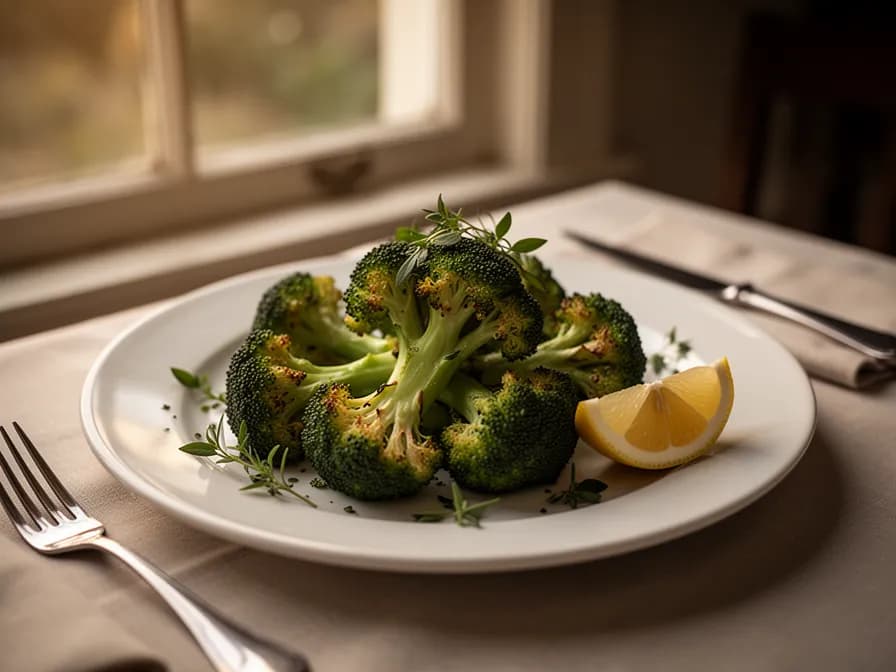
Crispy Roasted Broccoli
25 minBroccoli transformed by high heat into something magical — deeply caramelized, nutty, and slightly sweet with crispy charred edges. The technique that has converted millions of broccoli skeptics worldwide.
7 ingredients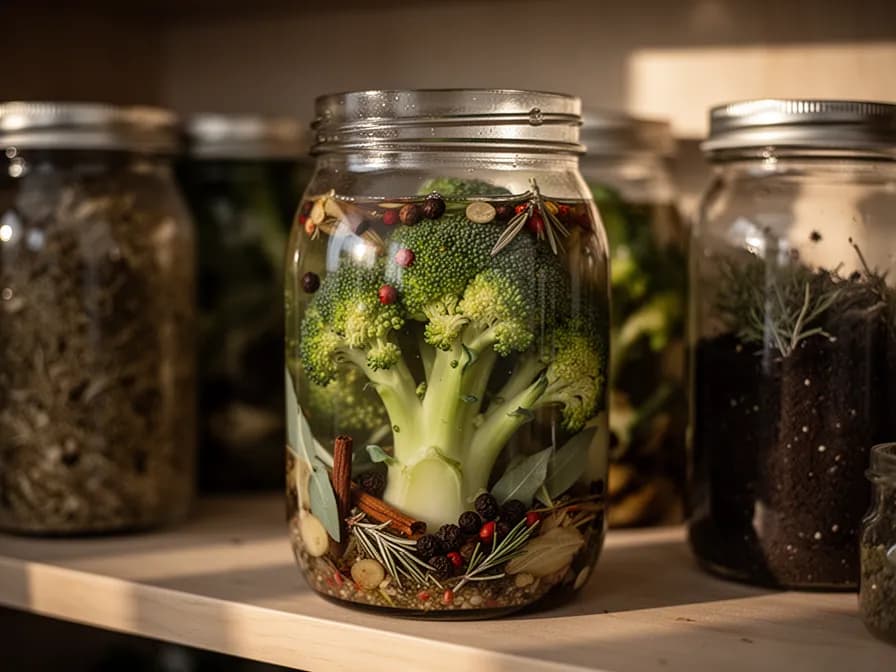
Broccoli Cheddar Soup
35 minRich, creamy, and deeply satisfying — this classic comfort soup features tender broccoli in a velvety cheddar sauce. Perfect for cool evenings and an excellent way to use up stems as well as florets.
9 ingredientsAsian Broccoli Stir-Fry
15 minRestaurant-quality stir-fried broccoli with a savory garlic-ginger sauce — ready in minutes and bursting with umami flavor. The secret is a screaming-hot pan and not overcooking the broccoli.
9 ingredientsCulinary Uses
Broccoli is one of the most widely eaten vegetables in the world, and for good reason — it is equally delicious raw, steamed, roasted, stir-fried, grilled, or pureed into soups. Raw broccoli florets with ranch dressing, hummus, or blue cheese dip are a party-platter staple, and finely chopped raw broccoli is the star of broccoli salad (tossed with bacon, red onion, dried cranberries, and a creamy dressing). Lightly steamed broccoli retains its bright green color and snappy crunch, making it a perfect side dish finished with a squeeze of lemon and a drizzle of olive oil.
Roasting is the technique that converts broccoli skeptics — toss florets with olive oil, minced garlic, salt, and red pepper flakes, then roast at 220°C (425°F) until the edges are deeply charred and caramelized while the centers remain tender. The high heat transforms broccoli's mild bitterness into a nutty, almost sweet complexity. Stir-fried broccoli with soy sauce, sesame oil, ginger, and garlic is a Chinese-American restaurant essential. Broccoli cheddar soup is one of the most beloved comfort soups, and pureed broccoli makes an excellent base for pasta sauces, gratins, and casseroles.
Don't overlook the stems — once the tough outer skin is peeled away, the pale interior is sweet, crisp, and milder than the florets. Slice stems into coins or matchsticks for slaws, stir-fries, and grain bowls. Nutritionally, broccoli is a genuine superfood — rich in vitamins C (149% DV per 100g) and K (127% DV), folate, fiber, potassium, and most importantly, sulforaphane, a powerful compound that has been extensively studied for its cancer-preventing, anti-inflammatory, and antioxidant properties. Cooking broccoli reduces vitamin C but increases the bioavailability of some other nutrients — lightly steaming for 3-5 minutes is considered the best compromise between nutrition and flavor.
What's inside
Health Benefits
- Sulforaphane in broccoli is one of the most extensively studied cancer-fighting compounds — it activates the body's detoxification enzymes, neutralizes carcinogens, and has shown protective effects against colon, breast, prostate, and bladder cancers in numerous studies
- Exceptionally high vitamin C content (149% DV per 100g) surpasses oranges and supports immune defense, collagen synthesis for skin and joint health, and dramatically improves non-heme iron absorption
- Rich in vitamin K (127% DV), which is essential for blood clotting and bone calcium metabolism — regular broccoli consumption supports bone density and may reduce fracture risk
- Contains chromium, a trace mineral that improves insulin sensitivity and helps regulate blood sugar levels — making broccoli particularly valuable for those managing diabetes or metabolic syndrome
- Fiber and sulforaphane work synergistically to support digestive health — fiber feeds beneficial gut bacteria while sulforaphane protects the stomach lining and may reduce the risk of gastric ulcers
- Anti-inflammatory compounds including kaempferol and omega-3 fatty acids help reduce chronic inflammation associated with heart disease, arthritis, and autoimmune conditions
Where Broccoli comes from
Broccoli (Brassica oleracea var. italica) was developed through centuries of selective breeding from wild cabbage (Brassica oleracea) by the ancient Romans, beginning around the 6th century BC in the Italian peninsula. The Romans selected for plants that produced large, dense clusters of flower buds at the growing tip, gradually transforming a leafy wild plant into a vegetable prized for its immature flower heads.
Broccoli remained largely an Italian specialty for nearly two millennia. It was a staple of Roman cuisine and continued to be grown throughout Italy during the Middle Ages and Renaissance. Italian immigrants brought broccoli to North America in the 1700s, but it remained a niche ethnic vegetable for over a century. It was not until Italian immigrant farmers in California began commercial broccoli production in the 1920s that the vegetable entered mainstream American awareness, with a major marketing push in the 1930s and 1940s.
Broccoli's global popularity exploded in the late 20th century as nutritional science revealed its extraordinary health benefits, particularly its high concentration of sulforaphane and other cancer-fighting glucosinolates. Today, broccoli is one of the most widely consumed vegetables worldwide, with global production exceeding 26 million tonnes annually. The development of hybrid varieties with improved heat tolerance, uniform maturity, and large head size has made broccoli a major commercial crop, though home gardeners often prefer older open-pollinated varieties like Calabrese and De Cicco for their superior flavor and extended side shoot production.
Broccoli: did you know?
Fascinating facts about Broccoli
Broccoli was developed from wild cabbage by the ancient Romans in the 6th century BC through selective breeding — 'broccoli' comes from the Italian 'broccolo,' meaning 'the flowering crest of a cabbage,' from 'brocco' meaning sprout or shoot.
Broccoli questions, answered
When should I plant Broccoli?
What are good companion plants for Broccoli?
What hardiness zones can Broccoli grow in?
How much sun does Broccoli need?
How far apart should I space Broccoli?
What pests and diseases affect Broccoli?
How do I store Broccoli after harvest?
What are the best Broccoli varieties to grow?
What soil does Broccoli need?
Why is my broccoli forming tiny heads instead of large ones?
Why is my broccoli head loose and flowering?
Should I grow spring or fall broccoli?
Are broccoli stems edible?
How do I get side shoots after the main harvest?
What is the best way to freeze broccoli?
You just read the theory. Now grow it on autopilot.
Everything that makes Broccoli fiddly — the timing, the spacing, the companions, the harvest window — is exactly what PlotMyGarden handles for you, for every plant in your garden.
A plan that knows your weather
Set your location once. Get sow, feed and harvest dates built around your real last-frost date and live forecast — no more guessing from a generic seed packet.
From the “When to plant” sectionDrag-and-drop bed planner
Design beds on a grid. Every plant snaps to its proper spacing, and you can see your whole season laid out before you spend a cent on seed.
From the “Growing guide” sectionCompanion conflicts, caught early
200+ good-and-bad pairings checked live as you plant — so a season-wrecking mistake never makes it into the ground.
From the “Companions” sectionReminders you'll actually act on
“Water the beans.” “Pick today before it turns.” Timely, specific, and tied to the plants you're really growing.
From the “Harvest” sectionSuccession, scheduled
Want a harvest for six weeks, not six days? It spaces your sowings automatically and reminds you when each new block is due.
From the “When to plant” sectionA record that gets smarter
Every harvest you log teaches it your garden. Next year's plan starts from what actually worked in your soil, not a textbook's.
From the “Overview” sectionPlant these alongside Broccoli
More Cruciferous
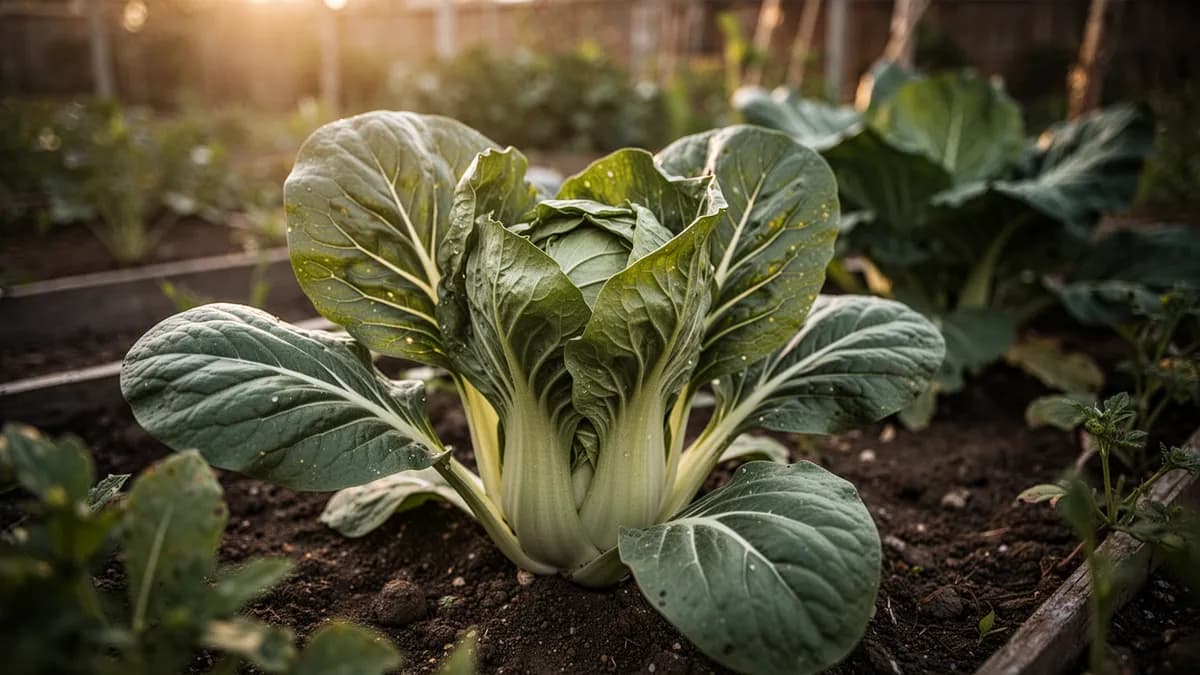
Keep Broccoli away from these
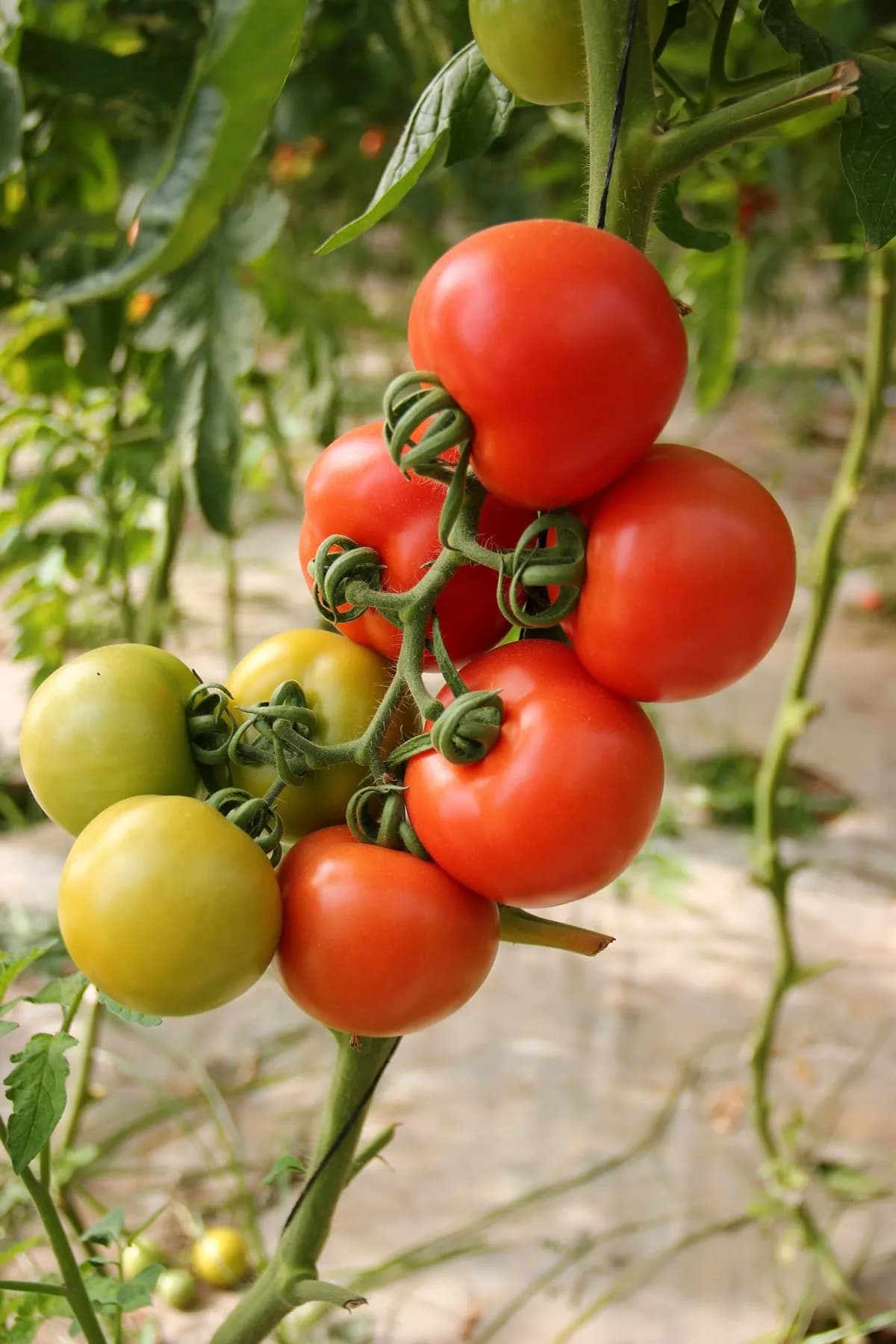
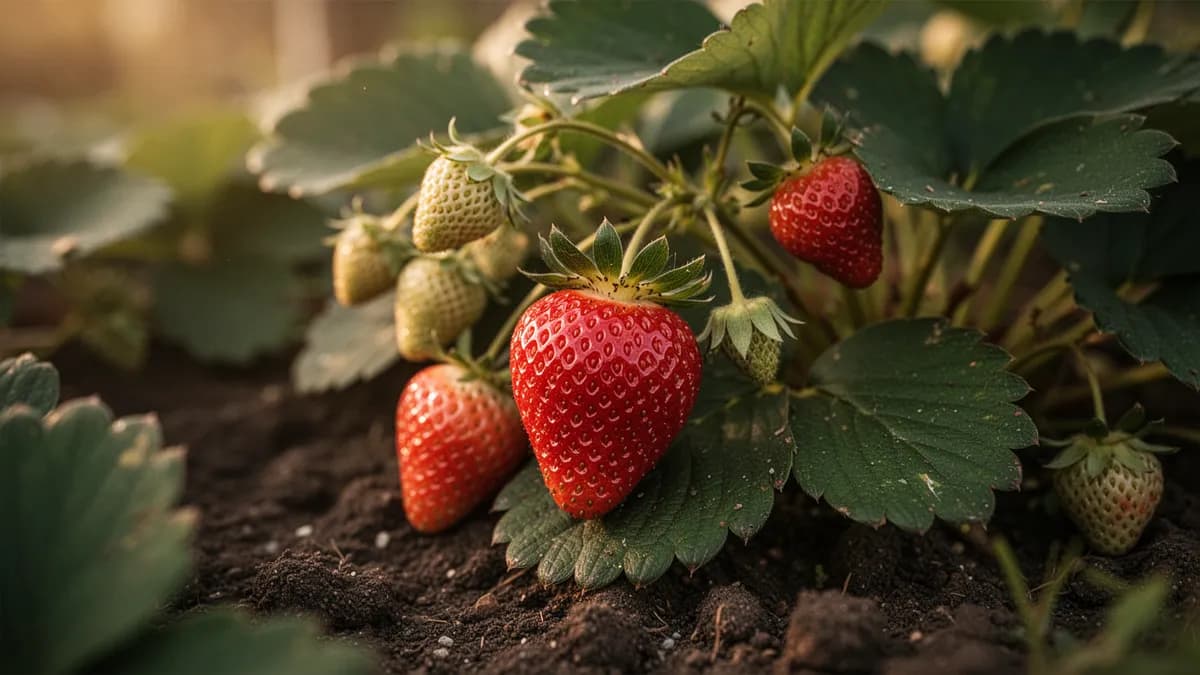
Garden plans featuring Broccoli
Grow your best Broccoli yet — and everything around it.
Start a free plan today. Lay out your beds, drop in your Broccoli, and let PlotMyGarden handle the timing, spacing, companions and reminders from seed to harvest basket.