Grünkohl
Ein widerstandsfähiges Kohlgewächs mit krausen Blättern, das nach leichten Frösten süßer wird und bis weit in den Winter hinein zuverlässig produziert.





Auf dieser SeiteÜberblick
Grünkohl im Überblick
Ein widerstandsfähiges Kohlgewächs mit krausen Blättern, das nach leichten Frösten süßer wird und bis weit in den Winter hinein zuverlässig produziert. Pflanzen Sie ihn in nährstoffreichen Boden mit gleichmäßiger Feuchtigkeit und düngen Sie mit einem stickstoffreichen Dünger, um üppiges Blattwachstum zu fördern. Blattläuse und Kohlraupen sind häufige Schädlinge, die sich mit Kulturschutznetzen oder biologischen Spritzmitteln bekämpfen lassen. Ernten Sie regelmäßig die äußeren Blätter, während Sie die Mitte weiterwachsen lassen, um eine langanhaltende Ernte nach dem Pflück-und-Nachwachs-Prinzip zu gewährleisten.
Wann Grünkohl pflanzen
Säen Sie Grünkohlsamen 6–8 Wochen vor dem letzten Frosttermin drinnen aus, um Ihren Setzlingen einen Vorsprung auf die Wachstumsperiode zu geben. Säen Sie die Samen 6 mm tief in feuchte Anzuchterde bei 18–24 °C. Die Keimung ist schnell und zuverlässig – 5–10 Tage unter guten Bedingungen. Grünkohlsamen sind größer als Salat- oder Spinatsamen und leicht zu handhaben, was sie für Anfänger bestens geeignet macht. Säen Sie 2–3 Samen pro Zelle und vereinzeln Sie auf den kräftigsten Setzling, sobald die ersten echten Blätter erscheinen.
Sorgen Sie für helles Licht über 12–14 Stunden täglich mit Pflanzenleuchten, die 10–15 cm über den Setzlingen positioniert sind. Halten Sie die Setzlinge kühl bei 15–18 °C, um gedrungene, kräftige Jungpflanzen zu erziehen – warme Innentemperaturen erzeugen langgestreckte, schwache Setzlinge, die nach dem Umpflanzen Schwierigkeiten haben. Sobald das erste Paar echte Blätter gut entwickelt ist, topfen Sie in einzelne 8–10 cm Töpfe um, damit die Wurzeln Platz zur Entwicklung haben. Düngen Sie ab dem Stadium der ersten echten Blätter wöchentlich mit Flüssigdünger in Viertelstärke.
Härten Sie die Setzlinge 5–7 Tage vor dem Auspflanzen ab, indem Sie sie schrittweise an direkte Sonne, Wind und Außentemperaturen gewöhnen. Beginnen Sie mit 2 Stunden geschützter Freiluftzeit und fügen Sie täglich 2 Stunden hinzu. Grünkohl-Setzlinge sind bemerkenswert frostresistent – sie vertragen Temperaturen bis -4 °C und gehören damit zu den frühesten sicheren Auspflanzungen im Frühlingsgarten. Pflanzen Sie an einem bewölkten Tag oder am späten Nachmittag aus, im Abstand von 45–60 cm, und gießen Sie sofort nach dem Einpflanzen gründlich an.
Für Herbstkulturen – die viele Gärtner als die beste Grünkohlsaison betrachten – säen Sie die Samen 8–10 Wochen vor dem ersten erwarteten Frost drinnen aus und pflanzen Sie die Setzlinge mit 4–5 echten Blättern aus. Das Ziel ist es, gut etablierte Pflanzen mit kräftigem Wurzelsystem zu haben, bevor kaltes Wetter einsetzt. Direktsaat funktioniert bei Grünkohl ebenfalls gut: Säen Sie 3–5 Wochen vor dem letzten Frost im Frühjahr oder 10–12 Wochen vor dem ersten Frost für Herbstkulturen. Vereinzeln Sie schrittweise auf den Endabstand von 45–60 cm. Direkt gesäter Grünkohl entwickelt eine stärkere Pfahlwurzel als umgepflanzte Setzlinge, was die Winterüberlebensrate in rauen Klimazonen verbessern kann.
Dein Grünkohl-Jahr
Abgestimmt auf Zone 7 · typische Saison · Frost geht um den 2. Apr. und kehrt um den 1. Nov. zurück
Grünkohl Mär – Mai, Jul – Aug pflanzen, Jun – Aug, Okt – Dez ernten. Beachte die Pflanzmethoden unten und wähle dein Klima für passende Zeiträume.
So baust du Grünkohl an
Grünkohl ist eines der widerstandsfähigsten und nährstoffreichsten Gemüse im Garten, das in vielen Klimazonen vom Frühsommer bis in den späten Winter produzieren kann. Säen Sie die Samen 6–8 Wochen vor dem letzten Frosttermin drinnen aus, 6 mm tief in Anzuchterde, oder säen Sie 3–5 Wochen vor dem letzten Frost direkt ins Freiland. Grünkohl verträgt leichten Frost bereits als Setzling und gehört damit zu den frühesten Pflanzen, die im Frühlingsgarten ausgepflanzt werden können. Setzen Sie die Pflanzen im Abstand von 45–60 cm in Reihen mit 60 cm Abstand, um ihrer beachtlichen Endgröße gerecht zu werden.
Grünkohl gedeiht in voller Sonne, verträgt aber auch Halbschatten, besonders in wärmeren Regionen, wo Nachmittagsschatten Hitzestress und Bitterkeit vorbeugt. Pflanzen Sie in fruchtbaren, gut drainierten Boden, der großzügig mit Kompost angereichert wurde, denn Grünkohl ist ein mittlerer bis starker Zehrer, der gut auf stickstoffreiche Bedingungen anspricht. Für eine Herbst- und Winterernte – die viele Gärtner als die beste Grünkohlsaison betrachten – pflanzen Sie die Setzlinge im Hochsommer aus, zeitlich so geplant, dass die Pflanzen vor dem ersten Frost gut etabliert sind.
Gießen Sie gleichmäßig mit 2,5–4 cm pro Woche, da Trockenstress die Blätter zäh und bitter macht. Mulchen Sie rund um die Pflanzen mit 5–8 cm Stroh oder gehäckseltem Laub, um Feuchtigkeit zu bewahren, Unkraut zu unterdrücken und die Bodentemperatur zu regulieren. Düngen Sie alle 3–4 Wochen mit einem stickstoffreichen Flüssigdünger wie Fischemulsion oder Komposttee. Entfernen Sie regelmäßig die ältesten, untersten Blätter, um die Luftzirkulation zu verbessern und die Energie der Pflanze in die Bildung zarter neuer Blätter umzulenken. In kalten Klimazonen übersteht Grünkohl häufig starke Fröste und produziert unter einem einfachen Vlies oder Frühbeet bis weit in den Winter hinein.
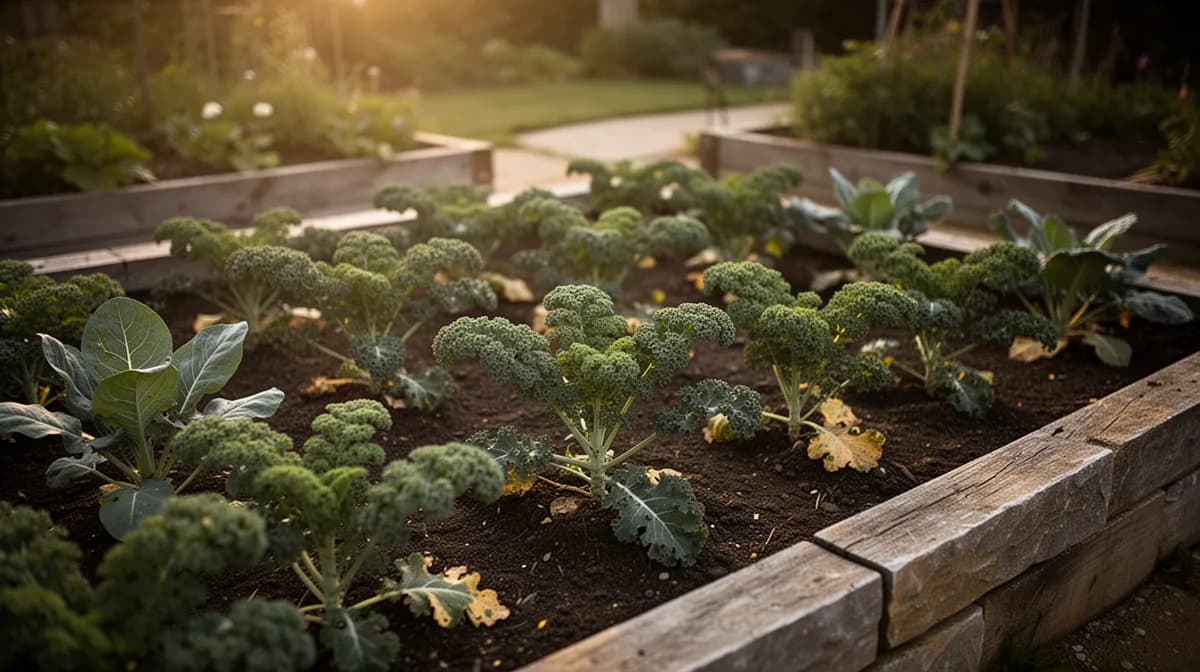
10 Pflanzen passen in ein Beet von 120 × 240 cm
Grünkohl braucht 45 cm Platz pro Pflanze. Der Planer hält diesen Abstand für dich ein — jede Pflanze, jedes Beet.
Die besten Nachbarn für Grünkohl
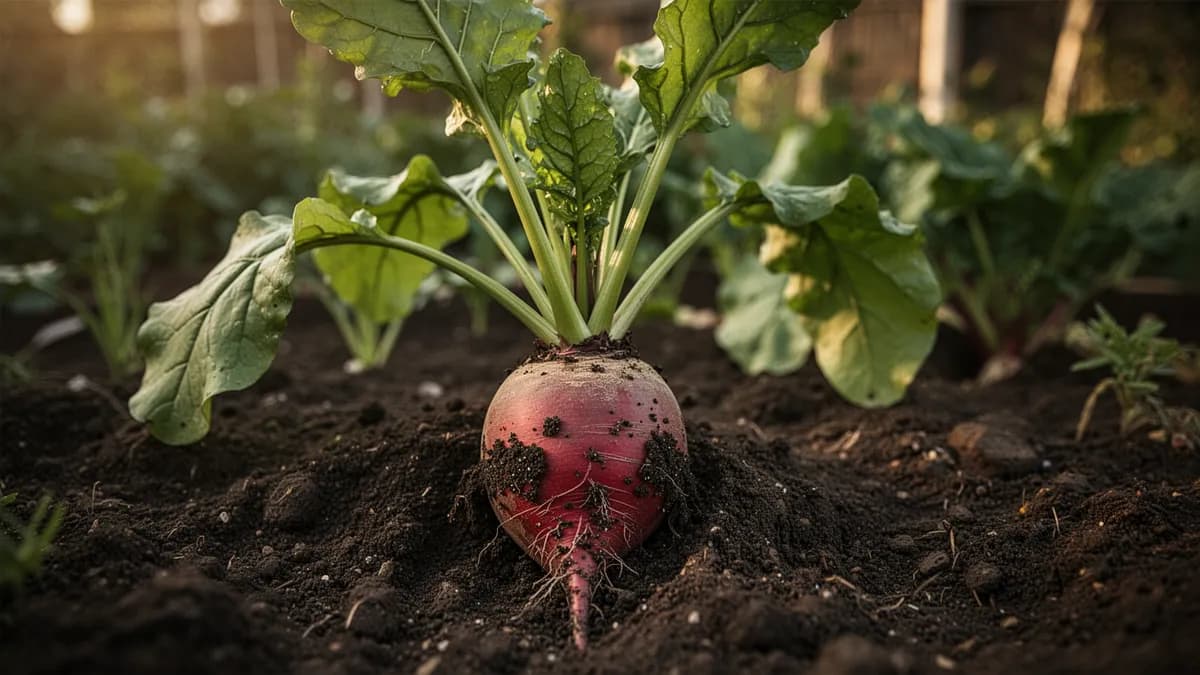
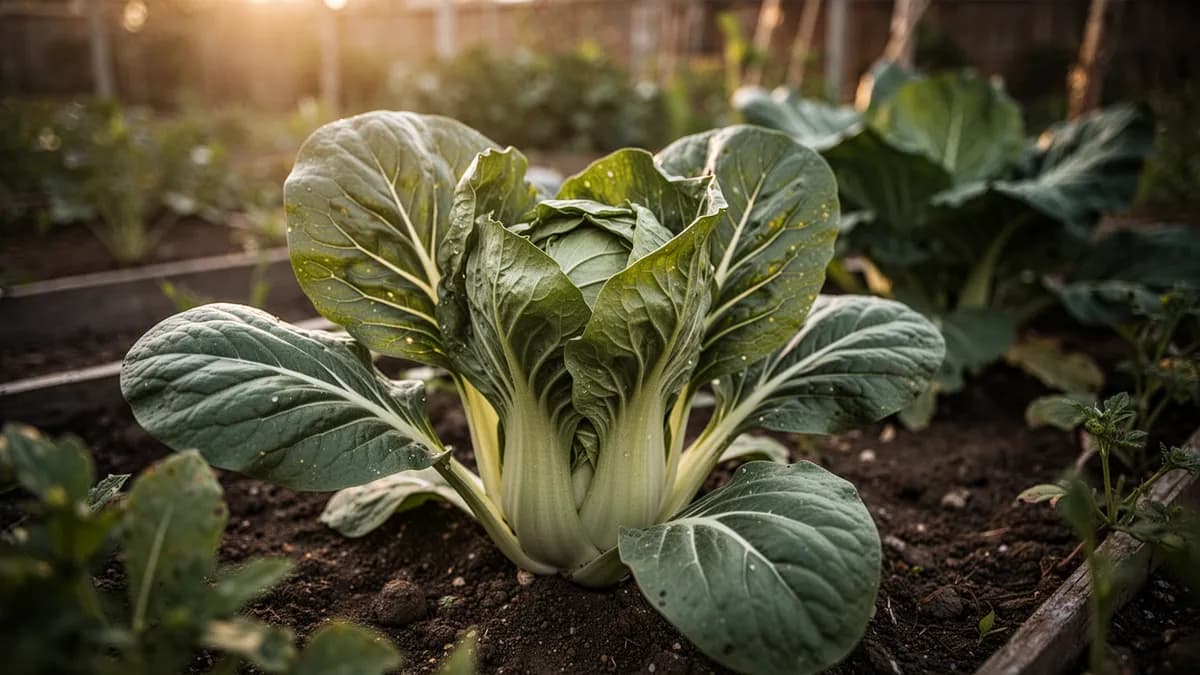
Rote Bete und Grünkohl bilden eine der effizientesten Mischkultur-Kombinationen im Garten – Rote Bete sendet tiefe Pfahlwurzeln in den Unterboden, um Mineralien und Wasser zu erschließen, die der flachwurzelnde Grünkohl nicht erreichen kann. Sie nutzen dadurch völlig unterschiedliche Bodenzonen, ohne um dieselben Ressourcen zu konkurrieren, und ihre unterschiedlichen Blattstrukturen schaffen ein attraktives, artenreiches Beet.
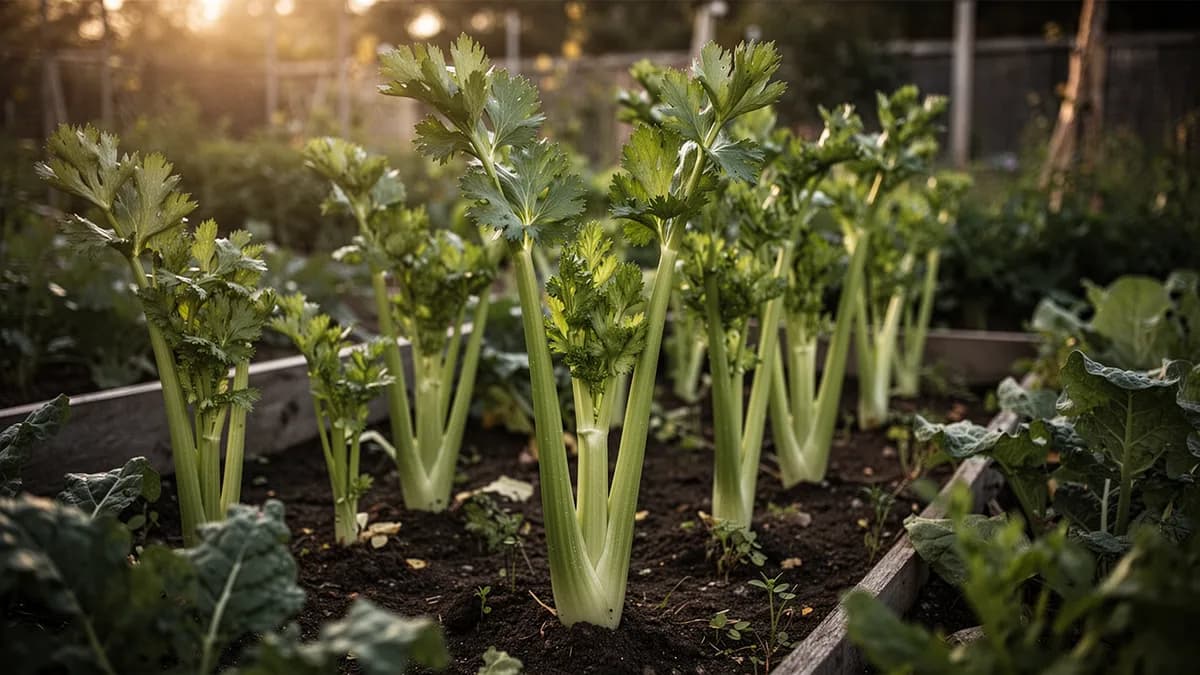
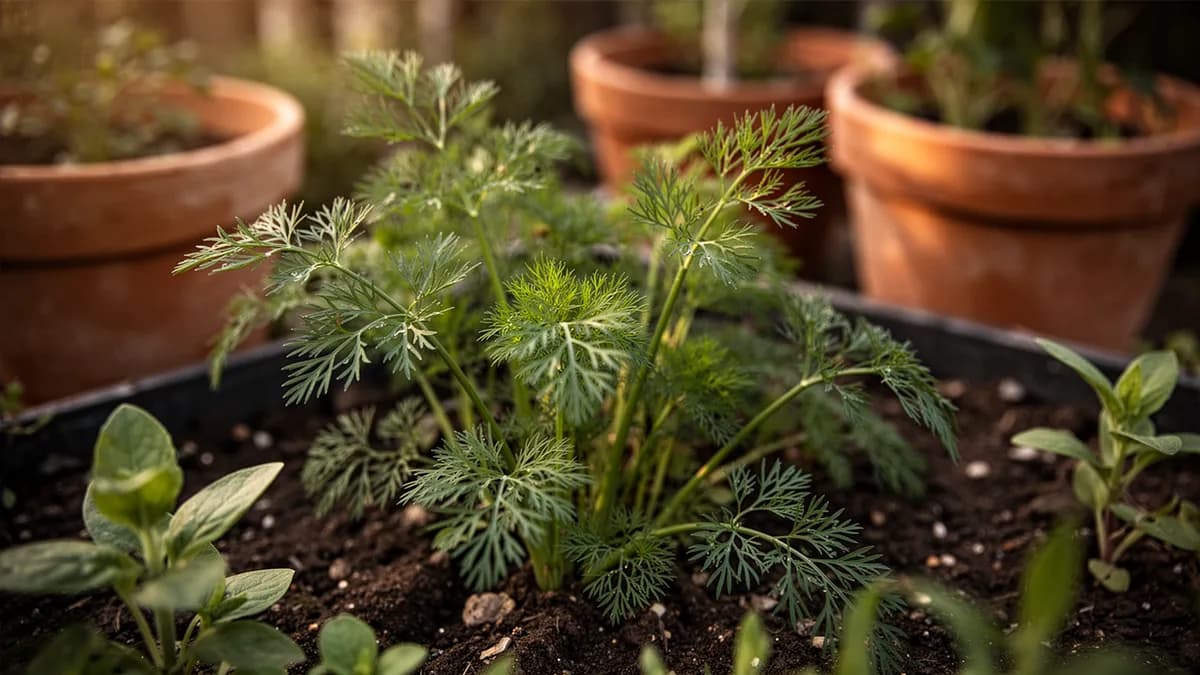
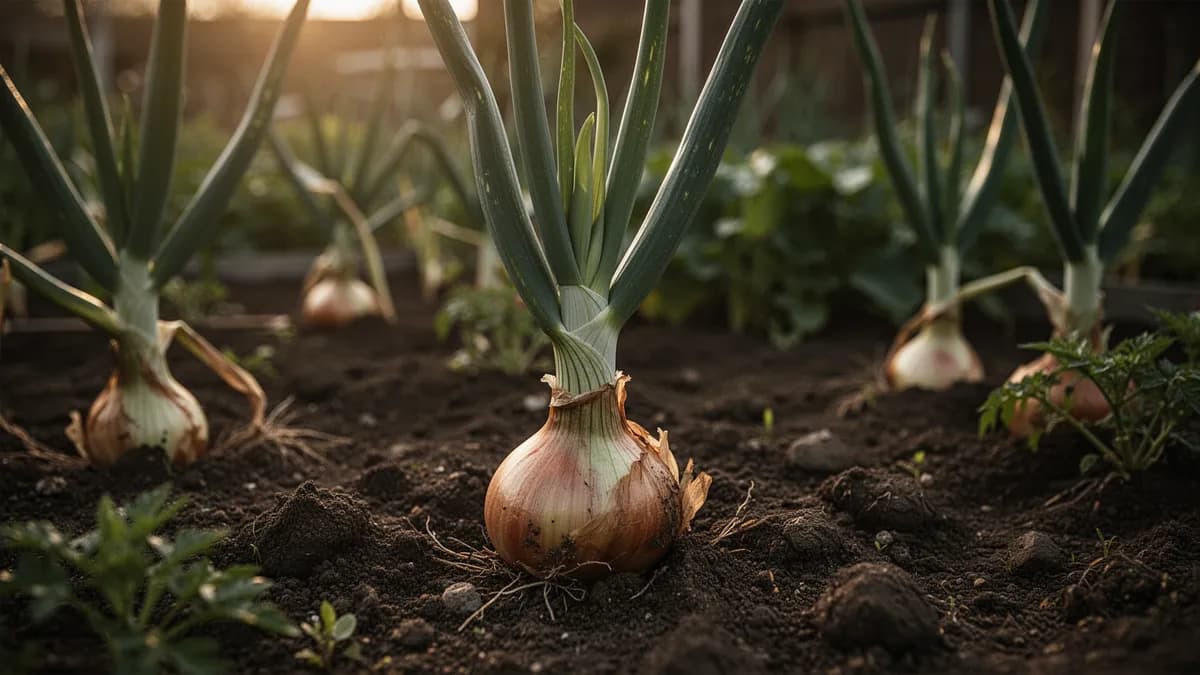
Duftende Begleitpflanzen spielen eine entscheidende Rolle beim Schutz des Grünkohls vor seinen Hauptschädlingen – Kohlraupen und Blattläusen. Sellerie, Thymian, Rosmarin und Salbei setzen in der Nähe flüchtige Verbindungen frei, die den Geruch des Grünkohls überdecken und den Kohlweißling abwehren. Dill und Schafgarbe locken Schlupfwespen (Cotesia glomerata und Trichogramma-Arten) an, die äußerst wirksame natürliche Feinde von Kohlweißlingseiern und -raupen sind. Zwiebeln und Knoblauch, die zwischen Grünkohl gepflanzt werden, schrecken Blattläuse und Erdflöhe mit ihren scharfen Schwefelverbindungen ab – abwechselnde Reihen von Grünkohl und Lauchgewächsen schaffen eine hochwirksame Schädlingsverwirrungsbarriere.
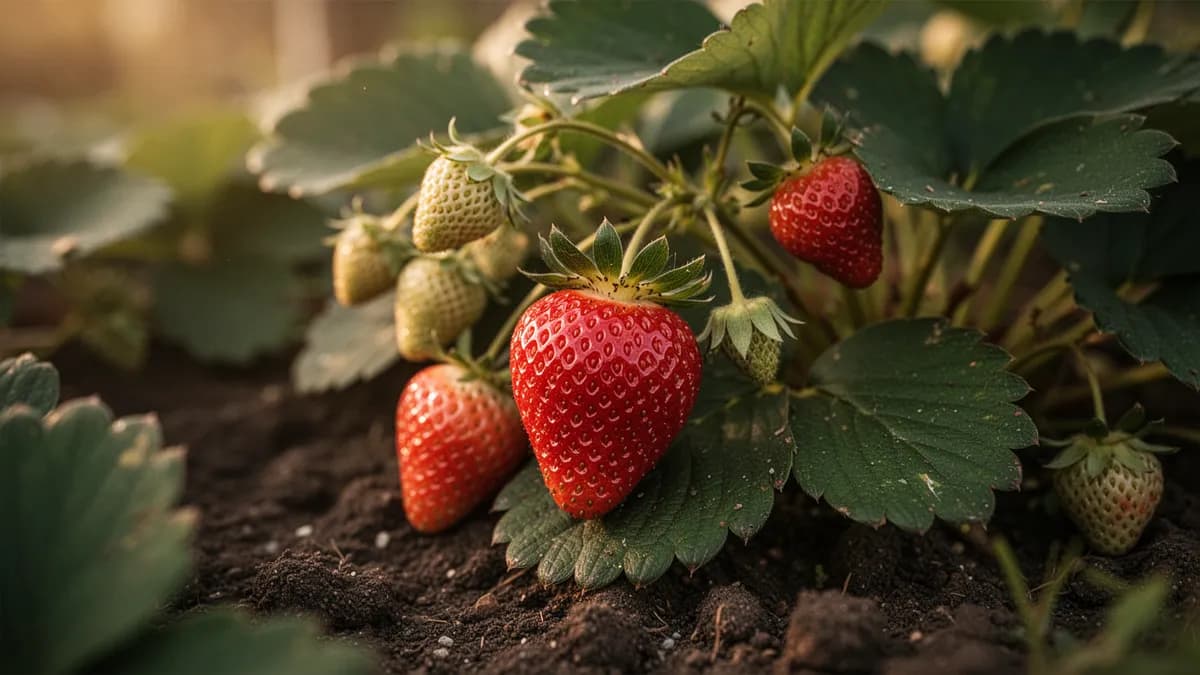
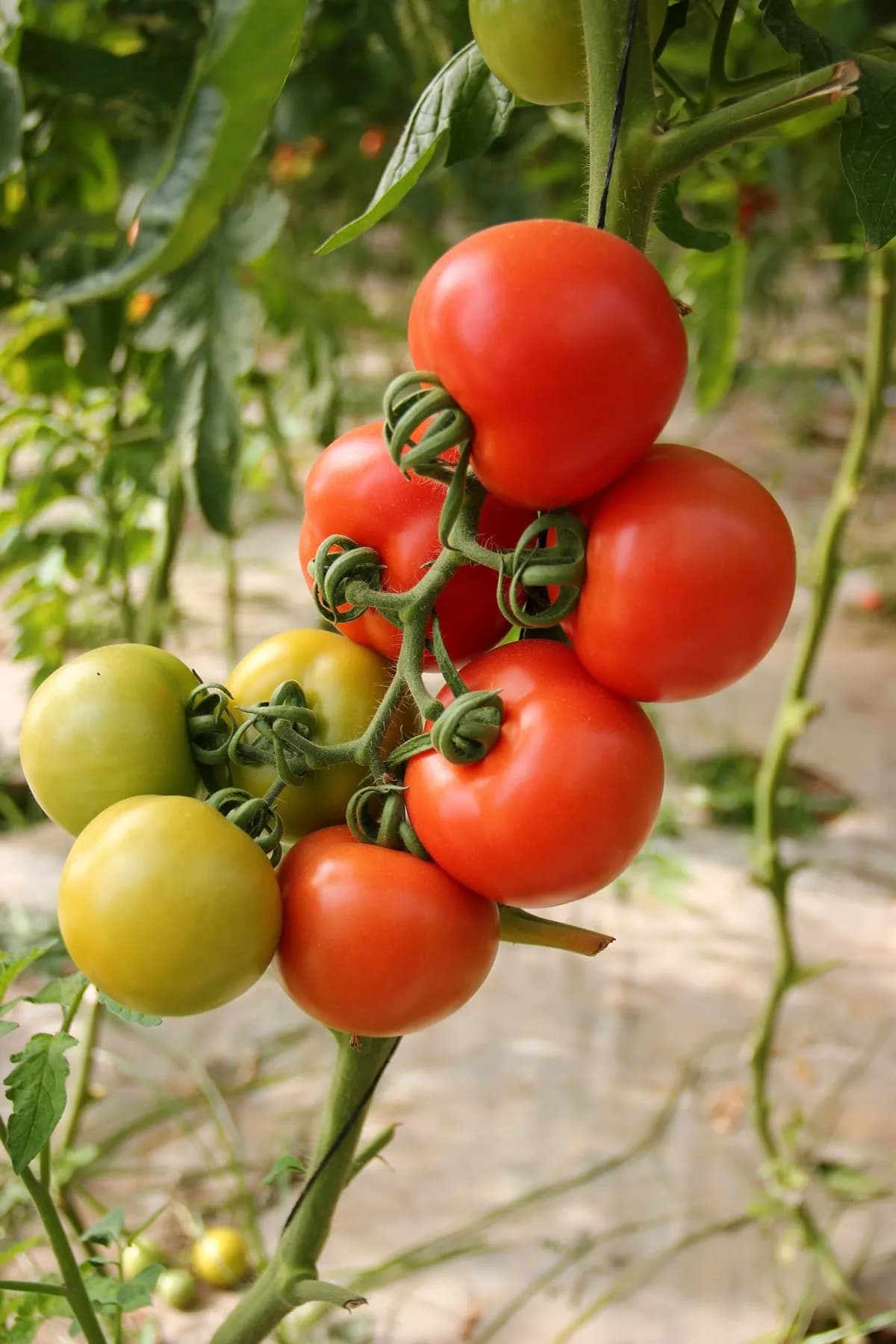
Vermeiden Sie die Pflanzung von Grünkohl in der Nähe von Erdbeeren, da beide für ähnliche bodenbürtige Krankheitserreger einschließlich Verticillium-Welke anfällig sind. Halten Sie Grünkohl von Tomaten und Paprika fern, die als Starkzehrer um dieselben Nährstoffe konkurrieren und Erdflöhe anziehen können, die auch Kohlgewächse befallen. Pflanzen Sie Grünkohl niemals nach oder neben anderen Kohlgewächsen (Kohl, Brokkoli, Blumenkohl, Rosenkohl), um die Anreicherung von Kohlhernie-Sporen und kohlgewächsspezifischen Schädlingen im Boden zu verhindern. Eine mindestens 3-jährige Fruchtfolge zwischen Kohlgewächsen im selben Beet ist für die Krankheitsvorbeugung unerlässlich.
Rote Bete gehört daneben. Erdbeere nicht.
Altes Gärtnerwissen, geprüft an der echten Nachbartabelle von Grünkohl — teste jede Pflanze, die du anbaust.
Probiere Grünkohl direkt hier im Beet
Ein echtes Planer-Beet, Grünkohl steht schon drin. Tippe einen Begleiter an, platziere ihn und sieh, wie die Nachbarschaftsprüfung antwortet — grün für gute Nachbarn, rot bei Streit.


Passende Anbau-Ratgeber
Richtig düngen
Grünkohl gedeiht in reichem, gut drainiertem Boden mit einem pH-Wert von 6,0–7,5, der mit organischer Substanz angereichert ist und seine lange Wachstumsperiode und anhaltende Blattproduktion unterstützt. Arbeiten Sie 5–8 cm Kompost oder gut abgelagerten Mist in die oberen 20–30 cm des Bodens ein. Liegt der pH-Wert unter 6,0, fügen Sie einige Wochen vor der Pflanzung Gartenkalk oder zerkleinerte Eierschalen hinzu – Grünkohl ist ein Kohlgewächs, das ausreichend Kalzium sowohl für gesundes Wachstum als auch zur Abwehr der Kohlhernie benötigt, die in saurem Boden gedeiht. Hochbeete eignen sich hervorragend für Grünkohl und bieten die verbesserte Drainage, die Staunässe verhindert, welche Kohlgewächse verabscheuen.
Grünkohl ist ein mittlerer bis starker Zehrer mit besonderem Appetit auf Stickstoff, der die gewünschte schnelle Blattproduktion antreibt. Bringen Sie bei der Pflanzung einen ausgewogenen organischen Dünger (10-10-10 oder ähnlich) aus und düngen Sie dann alle 3–4 Wochen mit stickstoffreichen Ergänzungen nach: Blutmehl, Fischemulsion oder Komposttee sind ausgezeichnete Optionen. Eine Blattdüngung mit verdünnter Fischemulsion alle 2–3 Wochen erzeugt spürbar dunklere, kräftigere Blätter. Für überwinterten Grünkohl geben Sie im Frühherbst einen letzten Stickstoffschub, um kräftige Pflanzen vor der Wachstumsverlangsamung im Winter aufzubauen, vermeiden Sie jedoch Stickstoff nach dem Bodenfrost, da er weiches, frostempfindliches Wachstum fördert.
Mulchen Sie großzügig um die Grünkohlpflanzen mit 5–8 cm Stroh, gehäckseltem Laub oder Grasschnitt, um Feuchtigkeit zu bewahren, die Bodentemperatur zu regulieren und Unkraut zu unterdrücken. Bei Sommerpflanzungen ist Mulch entscheidend, um die Wurzeln kühl zu halten – hitzegestresster Grünkohl produziert zähe, bittere Blätter. Gießen Sie gleichmäßig mit 2,5–4 cm pro Woche durch Tröpfchenbewässerung oder vorsichtiges Handgießen. Unregelmäßige Feuchtigkeit verursacht Blattverhärtung und vorzeitiges Schossen. Für Grünkohl im Kübel verwenden Sie Töpfe von mindestens 30 cm Tiefe und Breite mit reichhaltiger Blumenerde, die mit Kompost angereichert ist, und düngen Sie alle 2 Wochen mit Flüssigdünger, da Nährstoffe im Kübel schnell aufgebraucht werden.
Ideale Temperatur
Winterhärtezone-Kompatibilität
Von der Saat zur Ernte, Schritt für Schritt
Keimung
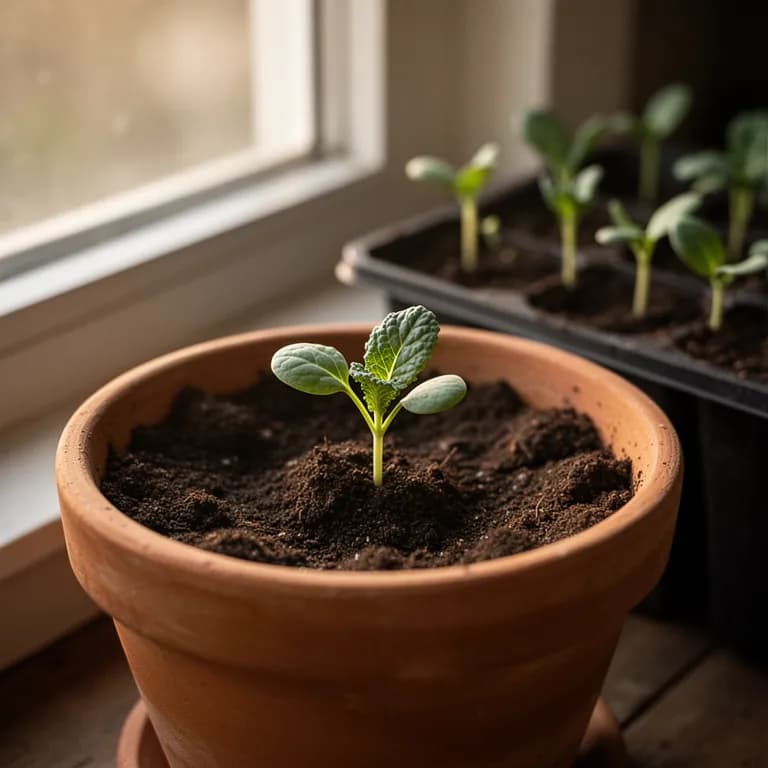
Grünkohlsamen keimen schnell in 5–10 Tagen bei Temperaturen von 18–24 °C. Die Samen sind für ein Blattgemüse relativ groß und daher leicht zu handhaben und präzise auszusäen. Die Keimlinge erscheinen mit einem Paar runder Keimblätter, die den späteren Grünkohlblättern überhaupt nicht ähneln.
Setzlingsentwicklung
Die ersten echten Blätter erscheinen und zeigen die charakteristischen Grünkohl-Merkmale – krause Ränder bei Scotch-Typen, glatt und strukturiert bei Lacinato oder flach mit purpurnen Adern bei Red Russian. Setzlinge wachsen bei kühlen Bedingungen stetig und entwickeln einen robusten Stängel.
Rosettenbildung
Die Pflanzen entwickeln ihre charakteristische Blattrosette und werden jede Woche breiter und höher. Der zentrale Stängel verdickt sich, um die immer größer werdenden Blätter zu tragen. In diesem Stadium ist der Sortentyp vollständig erkennbar – kraus, glatt oder halbsavoy.
Haupterntezeit
Der Grünkohl erreicht seine volle Produktion und das ausgedehnte Erntefenster beginnt. Unter guten Bedingungen bilden die Pflanzen wöchentlich mehrere neue Blätter. Diese produktive Phase kann viele Monate andauern, besonders bei im Herbst gepflanztem Grünkohl, der bei kühlem Wetter bis in den Winter wächst. Die Blätter sind auf dem Höhepunkt von Geschmack und Zartheit.
Winterernte
In milden Klimazonen produziert Grünkohl mit Schutz den ganzen Winter weiter. Frost verbessert den Geschmack dramatisch, indem er die Zuckerproduktion anregt. Das Wachstum verlangsamt sich, stoppt aber nicht vollständig. Einige Sorten vertragen Temperaturen bis -18 °C. Der süßeste Grünkohl des Jahres stammt aus dieser Phase.
Schossen und Samenbildung
Wenn die Frühlingswärme und die länger werdenden Tage kommen, treibt überwinterter Grünkohl einen Blütenstängel mit kleinen gelben Blüten. Die jungen Blütenknospen und -triebe (Grünkohl-Raab) sind essbar und köstlich – ähnlich wie Stängelkohl. Sobald die Blüte beginnt, nimmt die Blattqualität schnell ab.
Halten Sie den Boden während der Keimung gleichmäßig feucht, aber nicht staunass. Säen Sie 6 mm tief und drücken Sie die Erde leicht an. Anzucht drinnen bietet die beste Kontrolle über die Bedingungen – halten Sie 18–24 °C und gute Luftzirkulation, um Umfallkrankheit zu verhindern.
Grünkohl Monat für Monat pflegen
Was du jeden Monat für deine Grünkohl tun solltest
Oktober
Aktueller MonatGrünkohl verbessert sich nach den ersten leichten Frösten dramatisch – der Zuckergehalt steigt merklich. Ernten Sie großzügig und frieren Sie Überschüsse ein. Bringen Sie Mulch um den Pflanzenfuß zur Wurzelisolierung auf, wenn die Temperaturen fallen.
Immer wissen, was jetzt im Garten zu tun ist
Eine E-Mail zum Monatsanfang: was du jetzt säen, pflanzen und anpacken solltest — für deine Grünkohl und alles, was drumherum wächst. Dazu ein kurzer Startkurs, der dich vor den klassischen Fehlern bewahrt.
- Was jetzt zu tun ist
- Passend zu deiner Saison
- Startkurs inklusive
Grünkohl ernten
Beginnen Sie mit der Ernte, sobald die Pflanzen mindestens 10 ausgewachsene Blätter haben und die Stängel etwa bleistiftdick sind, typischerweise 55–65 Tage nach dem Auspflanzen. Ernten Sie immer von unten nach oben – pflücken Sie zuerst die ältesten, äußersten Blätter mit einem scharfen Messer oder durch kräftiges Abknicken des Stiels am Hauptstamm. Belassen Sie mindestens 6–8 Blätter am Wachstumszentrum (die Terminalknospe und die umgebenden jungen Blätter), um die weitere Produktion aufrechtzuerhalten. Eine gesunde, so bewirtschaftete Grünkohlpflanze kann 6–9 Monate lang kontinuierlich produzieren, bis weit in den Winter und manchmal sogar durch den Winter bis ins folgende Frühjahr.
Die Blattgröße bei der Ernte bestimmt die beste kulinarische Verwendung. Jüngere, kleinere Blätter (15–20 cm) sind deutlich zarter mit dünneren Zellwänden, ideal für rohe Salate, besonders wenn sie mit Öl und Zitrone massiert werden. Größere, ausgewachsene Blätter (25–40 cm) entwickeln eine festere Struktur und einen kräftigeren, leicht bitteren Geschmack, der wunderbar zum Kochen geeignet ist – Sautieren, Schmoren, Suppen und Eintöpfe. Der dicke Mittelstiel reifer Blätter sollte vor dem Kochen entfernt werden, da er ungeachtet der Kochzeit zäh und faserig bleibt.
Der Geschmack von Grünkohl verbessert sich nach Frosteinwirkung dramatisch – Temperaturen unter 0 °C regen die Pflanze an, Stärke in Zucker umzuwandeln als natürlichen Frostschutz, was spürbar süßere und geschmacklich komplexere Blätter hervorbringt. Viele erfahrene Gärtner betrachten Grünkohl nach dem Frost als ein völlig anderes Gemüse im Vergleich zu sommerlichen Ernten. In milden Klimazonen (Zone 6+) kann Grünkohl den ganzen Winter über unter Vliesabdeckungen oder in Frühbeeten geerntet werden und liefert frisches Grün in den Monaten, in denen kaum etwas anderes wächst. Selbst nachdem starker Frost die äußeren Blätter beschädigt hat, produziert der geschützte innere Vegetationspunkt oft bis weit in den Januar oder Februar hinein neue, zarte Blätter.
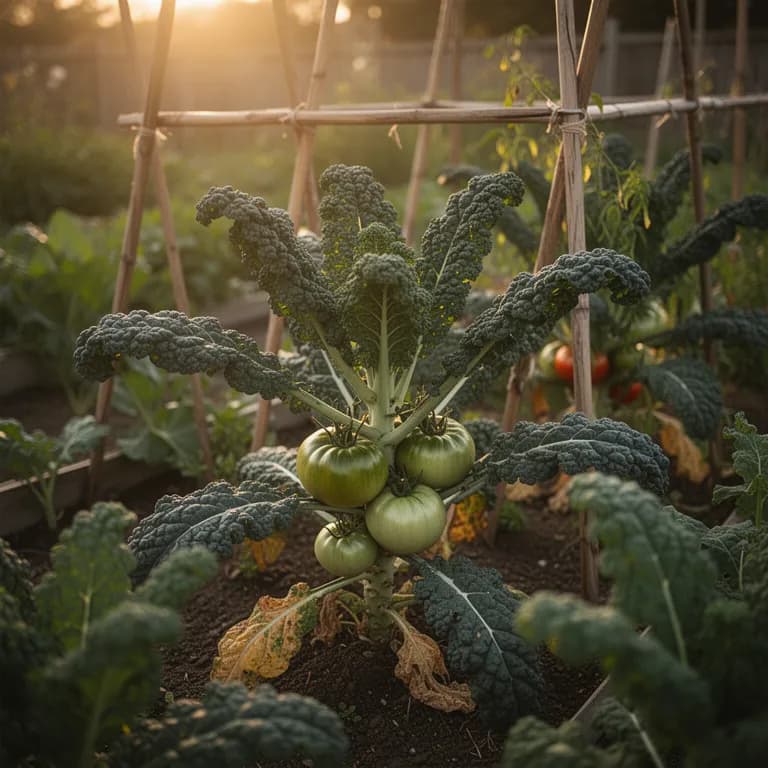
angenommen, du pflanzt zu Beginn des Zeitraums — trage dein tatsächliches Datum ein
Äußere Blätter 20-30 cm lang; jung pflücken für zarten Geschmack.
Lagerung & Konservierung
Frischer Grünkohl ist lagerbeständiger als die meisten Blattgemüse und hält sich 5–7 Tage im Kühlschrank, wenn er ungewaschen in einem locker verschlossenen Plastikbeutel oder Behälter mit einem trockenen Küchenpapier zur Feuchtigkeitsaufnahme aufbewahrt wird. Waschen Sie ihn nicht vor dem Lagern – Oberflächenfeuchtigkeit beschleunigt den Verderb. Krause Sorten halten sich tendenziell etwas länger als glattblättrige Typen wie Lacinato. Wenn die Blätter zu welken beginnen, beleben Sie sie mit einem 10-minütigen Bad in Eiswasser – sie werden sich bemerkenswert gut erholen. Nach dem Frost geernteter Grünkohl hält sich besser als sommerlich geernteter, da der höhere Zuckergehalt als natürliches Konservierungsmittel wirkt.
Einfrieren ist die beste Methode zur Langzeitkonservierung und bewahrt den Großteil des außergewöhnlichen Nährstoffprofils von Grünkohl. Streifen Sie die Blätter von ihren dicken Mittelstielen (die Stiele bleiben auch nach dem Kochen faserig), blanchieren Sie sie 2–3 Minuten in kochendem Wasser, tauchen Sie sie sofort in Eiswasser und drücken Sie so viel Feuchtigkeit wie möglich aus. Portionieren Sie in abgemessene Mengen (200–250 g sind ideal für Suppen und Smoothies) und frieren Sie die Beutel flach ein für effizientes Stapeln – eingefrorener Grünkohl hält 10–12 Monate und ist in gekochten Gerichten, Smoothies und Mixzubereitungen praktisch nicht von frischem zu unterscheiden.
Grünkohlchips sind eine beliebte Konservierungsmethode und ein wirklich köstlicher Snack. Entfernen Sie die Mittelstiele vollständig, reißen Sie die Blätter in mundgerechte Stücke, mischen Sie sie mit Olivenöl, Meersalz und optionalen Gewürzen (Hefeflocken, Knoblauchpulver, geräuchertes Paprikapulver) und dehydrieren Sie sie bei 52 °C für 4–6 Stunden, bis sie vollständig knusprig sind, oder backen Sie sie bei 135 °C für 15–20 Minuten, wobei Sie genau aufpassen, da sie schnell verbrennen können. Lagern Sie sie in luftdichten Behältern – richtig getrocknete Grünkohlchips bleiben 2–3 Wochen knusprig.
Das Fermentieren von Grünkohl ergibt ein nährstoffreiches, probiotisches Beiwerk ähnlich wie Sauerkraut. Massieren Sie gehackten Grünkohl mit 2 % Salz nach Gewicht (20 g Salz pro 1 kg Grünkohl), drücken Sie ihn fest in Gläser, beschweren Sie ihn, damit die Blätter in der eigenen Lake untergetaucht bleiben, und fermentieren Sie bei Raumtemperatur 5–10 Tage. Das Ergebnis ist säuerlich, herzhaft und voller nützlicher Bakterien. Grünkohl kann auch getrocknet und zu Pulver gemahlen werden, das Suppen, Smoothies, Soßen und sogar Backwaren konzentrierte Nährstoffe verleiht – ein Esslöffel Grünkohlpulver entspricht etwa einer Tasse frischem Grünkohl.
Was schiefgeht — und die Lösung
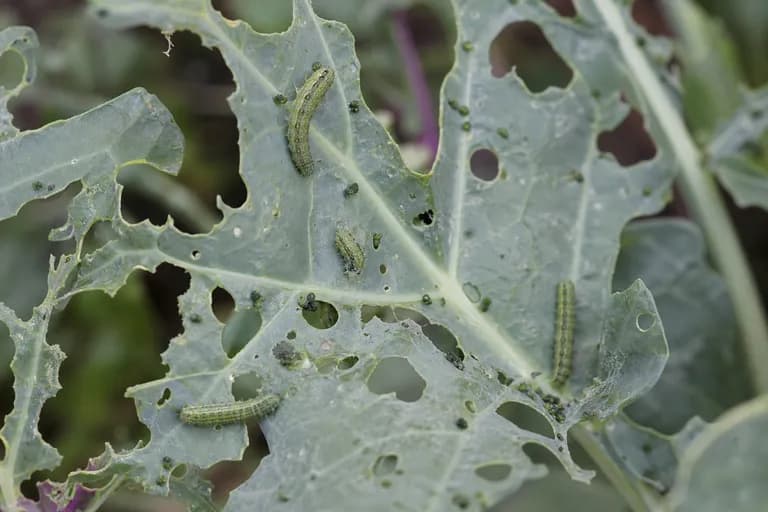
Kohlweißlingsraupe (Großer Kohlweißling)
SchädlingSamtgrüne Raupen, die an Blättern fressen und zerlumpte Löcher hinterlassen sowie dunkelgrüne Kotkrümel. Weiße Schmetterlinge, die um die Pflanzen flattern, sind das erwachsene Stadium, das Eier ablegt. Schwerer Befall kann Blätter bis auf die Blattadern skelettieren.
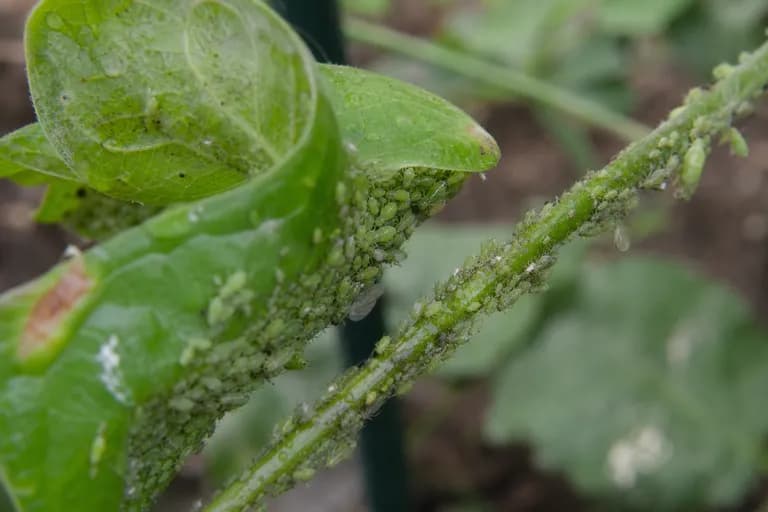
Blattläuse
SchädlingDichte Kolonien graugrüner oder blaugrüner, wachsartiger Blattläuse, die sich in den gekräuselten Blattzentren und auf den Blattunterseiten sammeln. Blätter werden gelb und verformen sich, und Honigtau zieht Rußtau an. Kohlblattläuse sind besonders hartnäckig an Kohlgewächsen.
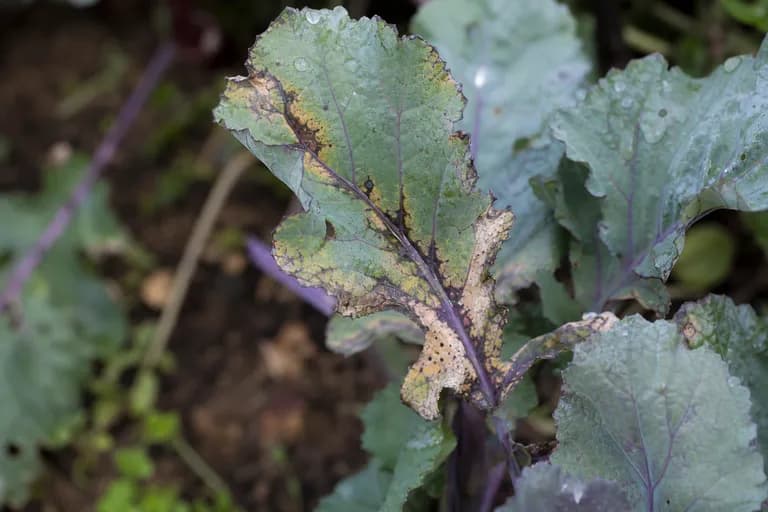
Schwarzfäule
KrankheitV-förmige gelbe Läsionen, die am Blattrand beginnen und sich nach innen ausbreiten, wobei sich die Blattadern schwarz verfärben. Befallenes Gewebe wird papierartig und braun. Die Krankheit kann sich systemisch über das Leitgewebe ausbreiten und die Pflanze schließlich abtöten.
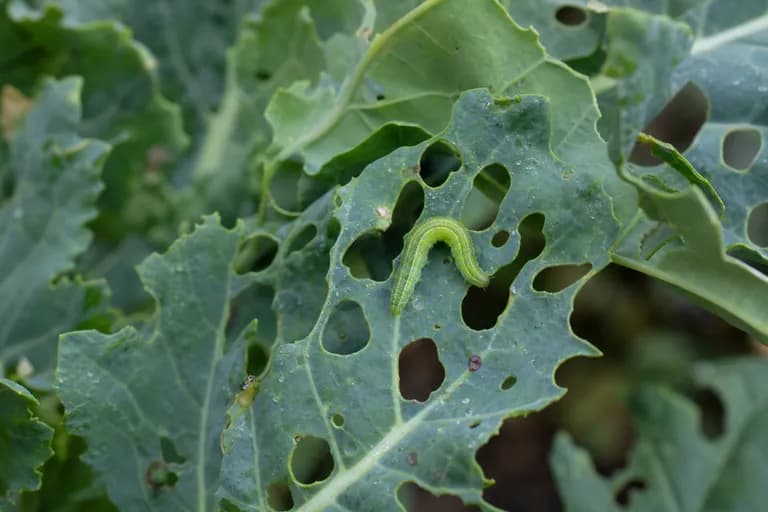
Kohlspanner
SchädlingHellgrüne Raupen, die sich in einer charakteristischen Spannbewegung fortbewegen und große, unregelmäßige Löcher in Blätter fressen. Sie fressen gefräßig und können Pflanzen schnell entlauben. Sie sind tendenziell aktiver und schädlicher bei Herbstpflanzungen.
Fehlerbehebung bei häufigen Problemen
Zähe, bittere, faserige Blätter sind die häufigste Beschwerde bei Grünkohl, und die Ursache ist fast immer Umweltstress statt ein Problem mit der Sorte. Hitzestress über 27 °C, unzureichendes Wasser und das Ernten überreifer Blätter sind die drei Hauptursachen. Bieten Sie in warmen Klimazonen Nachmittagsschatten mit Schattiergewebe (40–50 %) oder stellen Sie den Grünkohl auf die Nordseite höherer Kulturen. Gießen Sie gleichmäßig – selbst kurze Trockenperioden veranlassen Grünkohl, Bitterstoffe in seinen Blättern zu konzentrieren. Ernten Sie Blätter in mittlerer Größe (20–30 cm), anstatt sie auf Maximalgröße wachsen zu lassen, da kleinere Blätter deutlich zarter und milder im Geschmack sind.
Kohlweißlingsraupen und Kohlspanner sind die zerstörerischsten Grünkohlschädlinge und hinterlassen zerlumpte Löcher in Blättern; bei schwerem Befall werden Pflanzen bis auf die Blattadern skelettiert. Die weißen Schmetterlinge (Kohlweißlinge) und graubraunen Nachtfalter (Kohlspanner), die Sie im Garten flattern sehen, sind das adulte, eierlegende Stadium. Kulturschutznetze, die ab dem Auspflanzen angebracht werden, sind die wirksamste Vorbeugung und schaffen eine physische Barriere, die eierlegende Adulte fernhält. Zur biologischen Behandlung ist Bacillus thuringiensis (Bt)-Spray, abends ausgebracht, äußerst wirksam gegen Raupen und gleichzeitig unschädlich für Nützlinge.
Blattläuse – insbesondere die wachsartige graugrüne Kohlblattlaus – können dichte, hartnäckige Kolonien in den gekräuselten Zentren der Grünkohlblätter bilden, wo sie schwer zu erreichen sind. Spritzen Sie mit einem kräftigen Wasserstrahl und richten Sie den Strahl in die Blattspalten. Tragen Sie Kaliseife oder Neemöl auf und fügen Sie einige Tropfen Spülmittel hinzu, um die Haftung auf der Wachsschicht der Läuse zu verbessern. Fördern Sie Marienkäfer, Florfliegen und Schlupfwespen, indem Sie Dill, Schafgarbe und Duftsteinrich in der Nähe pflanzen.
Das Vergilben und Abfallen der untersten, ältesten Blätter ist völlig normal, wenn die Pflanze altert und Energie in neues Spitzenwachstum umleitet – entfernen Sie sie einfach, um die Luftzirkulation aufrechtzuerhalten und zu verhindern, dass sie zu Krankheitsherden werden. Wenn jedoch die oberen Blätter vergilben, deutet dies auf Stickstoffmangel hin – bringen Sie sofort Fischemulsion oder Blutmehl aus.
Kohlhernie ist eine verheerende Kohlgewächskrankheit, die durch einen bodenbürtigen Erreger (Plasmodiophora brassicae) verursacht wird und geschwollene, missgeformte Wurzeln sowie stark verkümmertes Wachstum zur Folge hat. Einmal etabliert, überdauern die Sporen 15–20 Jahre im Boden. Beugen Sie Kohlhernie vor, indem Sie den Boden-pH über 7,0 halten (der Erreger kann unter alkalischen Bedingungen nicht gedeihen), Kohlgewächse in einem Mindestrhythmus von 7 Jahren wechseln und niemals Setzlinge aus unbekanntem oder potenziell kontaminiertem Boden verwenden. Grünkohl, der die Überwinterung nicht übersteht, hat oft unter Staunässe gelitten statt unter Kälte – sorgen Sie für ausgezeichnete Drainage in Winterbeeten, da eingefrorene, staunasse Wurzeln der eigentliche Killer sind.
Anbautipps
- Starten Sie eine Herbst-Grünkohlkultur im Hochsommer für den besten Grünkohl, den Sie je anbauen werden. Herbst-Grünkohl entgeht dem Raupendruck des Frühlings, und frostgesüßte Winterblätter befinden sich geschmacklich in einer völlig anderen Kategorie als sommerliche Ernten.
- Entfernen Sie immer den zähen Mittelstiel vor dem Essen – er bleibt ungeachtet der Zubereitungsart faserig. Falten Sie das Blatt am Stiel in der Mitte zusammen und streifen Sie ihn mit einem kräftigen Zug ab.
- Massieren Sie rohen Grünkohl 2–3 Minuten mit Olivenöl und Salz, um ihn von zäh und faserig in seidig und zart zu verwandeln. Dieses physische Einwirken bricht die zähen Zellwände auf und macht rohen Grünkohl wirklich angenehm zu essen.
- Installieren Sie Kulturschutznetze direkt beim Auspflanzen, wenn Kohlraupen in Ihrer Gegend ein Problem sind. Dieser einzige Schritt beseitigt den häufigsten und zerstörerischsten Grünkohlschädling, ganz ohne Spritzen.
- Ernten Sie von unten nach oben und belassen Sie stets 6–8 Blätter in der Mitte. Dadurch bleibt der Vegetationspunkt erhalten und eine einzige Pflanze kann 6–9 Monate lang kontinuierlich produzieren – eine bemerkenswerte Rendite aus einem einzigen Setzling.
- Entfernen Sie vergilbende untere Blätter umgehend – sie haben ihre Produktion beendet und dienen nur als Unterschlupf für Schädlinge und Krankheiten. Eine saubere Pflanzenbasis verbessert die Luftzirkulation und die Pflanzengesundheit.
- Düngen Sie Grünkohl alle 3–4 Wochen mit stickstoffreichem Dünger (Fischemulsion, Blutmehl, Komposttee). Blasse oder kleine Blätter deuten fast immer auf Stickstoffmangel hin. Grünkohl ist ein stärkerer Zehrer als die meisten Blattgemüse.
- Mulchen Sie großzügig mit 5–8 cm Stroh oder gehäckseltem Laub, um Feuchtigkeit zu bewahren, die Bodentemperatur zu regulieren und Unkraut zu verhindern. Im Sommer hält Mulch die Wurzeln kühl und verhindert den Hitzestress, der bittere, zähe Blätter verursacht.
- In Zone 6+ kann Grünkohl mit einfachem Vliesschutz überwintern und den größten Teil des Winters frisches Grün produzieren. Bringen Sie vor dem Bodenfrost eine dicke Mulchschicht zur Wurzelisolierung auf.
- Bauen Sie Lacinato (Palmkohl) für das beste Rohverzehr-Erlebnis an – seine Textur ist von Natur aus zarter als die von Krauskohlsorten, und er hält Massieren und Dressing in Salaten wunderbar stand.
Bau deine beste Grünkohl an — und alles drumherum.
Starte heute kostenlos. Lege deine Beete an, setze deine Grünkohl ein und lass PlotMyGarden Timing, Abstände, Begleiter und Erinnerungen von der Saat bis zum Erntekorb übernehmen.
Finde deine Grünkohl
Lacinato (Palmkohl)
Eine italienische Traditionssorte mit langen, schmalen, tief strukturierten dunkelblaugrünen Blättern. 60 Tage. Zarte Textur und milder, leicht süßer Geschmack. Die bevorzugte Sorte für italienische Zubereitungen und rohen Grünkohl.
Winterbor
Eine extrem winterharte Hybride mit eng gekrausten, gefransten blaugrünen Blättern. 60 Tage. Verträgt Temperaturen bis -18 °C und gewinnt nach starkem Frost tatsächlich an Geschmack. Hervorragend zur Überwinterung.
Red Russian
Eine wunderschöne Sorte mit flachen, eichenblattförmigen graugrünen Blättern und purpurroten Adern und Stielen. 50 Tage. Einer der zartesten Grünkohle, ideal für rohe Salate. Extrem winterhart und schnellwüchsig.
Dwarf Blue Curled Scotch
Eine kompakte Pflanze mit eng gekrausten, blaugrünen Blättern, ideal für kleine Gärten und Kübel. 55 Tage. Sehr winterhart und ertragreich. Der klassische Krauskohl zum Garnieren und Kochen.
Redbor
Eine beeindruckende Zier-Nutz-Hybride mit tief gekrausten, dunkel-magenta-purpurnen Blättern, die bei Kälte intensiver werden. 55 Tage. Verleiht Garten und Teller dramatische Farbe. Guter Geschmack zum Kochen.
Ein Samentütchen für 2–3 € produziert 50–100+ Grünkohlpflanzen, von denen jede über ihre 6–9-monatige produktive Lebensdauer 2–4 kg Blätter liefern kann. Eine einzelne, gut gepflegte Grünkohlpflanze kann über eine Saison Bio-Grünkohl im Wert von 15–30 € zu Ladenpreisen produzieren. Mit nur 5–10 Pflanzen kann eine Familie jährlich Bio-Grünkohl im Wert von 75–200+ € erzeugen, einschließlich frischer Ernten, eingefrorener Vorräte und selbstgemachter Grünkohlchips – und das aus einer Investition, die kleiner ist als ein einziges Bund Bio-Grünkohl im Laden.
Schnelle Rezepte
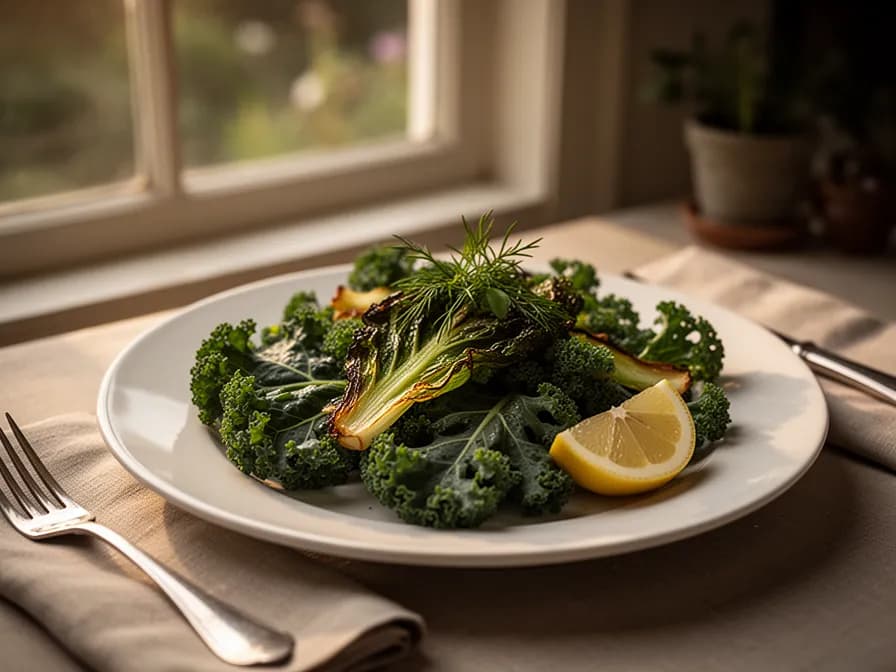
Knusprige Grünkohlchips
25 Min.Süchtig machende, knusprige Grünkohlchips mit Hefeflocken und Meersalz – ein kalorienarmer Snack, der weitaus besser schmeckt als jede gekaufte Variante und in Minuten verschwindet.
6 Zutaten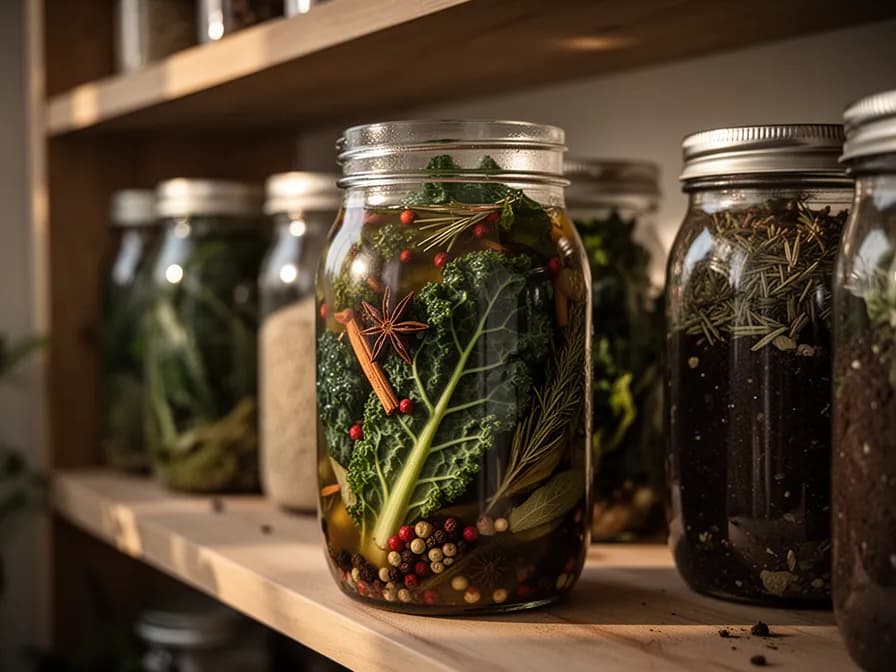
Toskanische Grünkohl-Bohnen-Suppe
35 Min.Eine herzhafte, wärmende, italienisch inspirierte Suppe mit zartem Palmkohl, cremigen Cannellini-Bohnen und Parmesanrinde – die ultimative Wintermahlzeit, die bei jedem Aufwärmen besser wird.
9 ZutatenMassierter Grünkohlsalat mit Zitrone und Parmesan
15 Min.Ein moderner Klassiker – zarte, massierte Grünkohlblätter in einer spritzigen Zitronenvinaigrette mit gerösteten Pinienkernen, gehobeltem Parmesan und süßen getrockneten Cranberries. Die Massagetechnik verwandelt zähen Grünkohl in seidig-zartes Salatgrün.
8 ZutatenKulinarische Verwendung
Grünkohl ist ein außergewöhnlich vielseitiges Blattgemüse, das roh, sautiert, geschmort, zu Chips geröstet, in Smoothies gemixt, fermentiert oder in praktisch jede Suppe, jeden Eintopf oder Auflauf gegeben werden kann. Die wichtigste Technik für den Rohverzehr ist das Massieren: Streifen Sie die Blätter von ihren zähen Mittelstielen, reißen Sie sie in mundgerechte Stücke und massieren Sie sie dann 2–3 Minuten kräftig mit Olivenöl und einer großzügigen Prise Salz. Dadurch werden die zähen Zellwände und Fasern physisch aufgebrochen, und starre, faserige Blätter verwandeln sich in seidig-zarte Salatblätter. Massierte Grünkohlsalate mit Zitrone, Parmesan, gerösteten Pinienkernen und getrockneten Cranberries sind ein moderner Klassiker, der selbst Grünkohl-Skeptiker überzeugt.
Gekochter Grünkohl glänzt in deftigen Zubereitungen, die von einem robusten Blattgemüse profitieren, das seine Struktur behält. Sautierter Grünkohl mit Knoblauch, Chiliflocken und einem abschließenden Spritzer Zitrone ist der schnellste Weg auf den Tisch. Portugiesische Caldo Verde, italienische Ribollita und norddeutscher Grünkohl mit Pinkel oder Kasseler sind traditionelle Gerichte, die von der Fähigkeit des Grünkohls abhängen, längeres Kochen zu überstehen. Grünkohl eignet sich hervorragend für Frittatas, Quiches und Gratins und harmoniert wunderbar mit weißen Bohnen, Kartoffeln, Wurst, Speck, kräftigen Käsesorten wie Gruyère und Pecorino, Zitrusfrüchten, Nüssen, Trockenobst und warmen Gewürzen.
Grünkohlchips sind ein Phänomen für sich – reißen Sie Blätter in Stücke, mischen Sie sie mit Olivenöl, Hefeflocken und Meersalz und backen oder dehydrieren Sie sie, bis sie papier-knusprig sind. Das Ergebnis ist ein wirklich süchtig machender, kalorienarmer Snack voller Nährstoffe. In Smoothies fügt eine Handvoll roher Grünkohl Eisen, Kalzium und die Vitamine A, C und K hinzu, praktisch ohne wahrnehmbaren Geschmack, wenn er mit Banane, Beeren und einem Schuss Saft gemixt wird. Ernährungsphysiologisch ist Grünkohl eines der nährstoffdichtesten Lebensmittel der Erde – Tasse für Tasse enthält er mehr Vitamin C als eine Orange, mehr Kalzium als Milch und mehr Eisen als Rindfleisch, plus außergewöhnliche Mengen an Vitamin K (684 % TW pro 100 g) und Beta-Carotin.
Was drinsteckt
Gesundheitsvorteile
- Der außergewöhnliche Vitamin-K-Gehalt (684 % TW pro 100 g) ist essenziell für die ordnungsgemäße Blutgerinnung und spielt eine entscheidende Rolle im Knochen-Kalzium-Stoffwechsel, was Osteoporose vorbeugt und das Frakturrisiko senkt
- Sulforaphan und andere Glucosinolate im Grünkohl wurden umfassend auf ihre starken krebshemmenden Eigenschaften untersucht – diese Verbindungen aktivieren die körpereigenen Entgiftungsenzyme und können zur Vorbeugung mehrerer Krebsarten beitragen
- Enthält bioverfügbareres Kalzium als Spinat (Grünkohl hat niedrige Oxalatwerte, die die Aufnahme blockieren) und unterstützt die Knochendichte – ein wichtiges Lebensmittel für Menschen, die auf Milchprodukte verzichten
- Reich an Lutein und Zeaxanthin, zwei Carotinoid-Antioxidantien, die sich in der Makula des Auges anreichern und vor altersbedingter Makuladegeneration schützen – der häufigsten Ursache für Sehverlust bei älteren Erwachsenen
- Entzündungshemmende Verbindungen einschließlich Omega-3-Fettsäuren (Alpha-Linolensäure) und Kaempferol können chronische Entzündungen reduzieren, die mit Herzkrankheiten, Arthritis und Autoimmunerkrankungen verbunden sind
- Der außergewöhnliche Vitamin-C-Gehalt (104 % TW pro 100 g) unterstützt die Immunfunktion, die Kollagensynthese für Haut- und Gelenkgesundheit und verbessert die Eisenaufnahme dramatisch, wenn Grünkohl zusammen mit eisenreichen Lebensmitteln verzehrt wird
Woher Grünkohl stammt
Grünkohl (Brassica oleracea var. sabellica) ist eine der ältesten Formen des kultivierten Kohls und wurde vermutlich aus dem Wildkohl (Brassica oleracea) domestiziert, der bereits um 2000 v. Chr. an den Küstenklippen des Mittelmeerraums und des atlantischen Europas wuchs. Im Gegensatz zum Kopfkohl, der auf eng gepackte Blätter selektiert wurde, behielt Grünkohl die lockere, offene Blattstruktur seines wilden Vorfahren. Die alten Griechen und Römer bauten mehrere Sorten nicht kopfbildender Kohlgewächse an, die dem modernen Grünkohl sehr ähnelten.
Im Mittelalter wurde Grünkohl zu einer der wichtigsten Nahrungspflanzen in Nordeuropa, wo seine außergewöhnliche Winterhärte ihn zu einem der wenigen frischen Gemüse machte, die während strenger Winter verfügbar waren. In Schottland war Grünkohl so zentral für die Ernährung, dass das Wort 'kaleyard' zum Synonym für Küchengarten wurde und 'kail' als allgemeines Wort für Abendessen verwendet wurde. Grünkohl wurde im 17. Jahrhundert von englischen Kolonisten nach Nordamerika gebracht und war bis weit ins 19. Jahrhundert eine wichtige Gartenpflanze.
Im 20. Jahrhundert fiel Grünkohl in den meisten westlichen Ländern in kulinarische Ungnade, verdrängt durch milder schmeckende Kopfkohlsorten, Salat und Spinat. Er überlebte hauptsächlich als Zierpflanze, Viehfutter und dekorative Restaurantgarnitur. Die bemerkenswerte Grünkohl-Renaissance des 21. Jahrhunderts begann um 2011–2013, angetrieben von Gesundheitsbefürwortern, Prominenten-Empfehlungen und aggressiven Marketingkampagnen, die Grünkohl als das ultimative Superfood neu positionierten. Heute ist Grünkohl eines der beliebtesten Spezialgemüse weltweit, geschätzt für seine außergewöhnliche Nährstoffdichte – eine einzige Tasse liefert über 600 % des Tageswerts an Vitamin K und mehr Vitamin C als eine Orange.
Grünkohl: Schon gewusst?
Faszinierende Fakten über Grünkohl
Grünkohl war vom Mittelalter bis zum Ende der Renaissance eines der häufigsten Blattgemüse in Europa – erst im 20. Jahrhundert geriet er in Vergessenheit, verdrängt durch mildere Kohlsorten und Salate, bevor er sein dramatisches Comeback im 21. Jahrhundert als Superfood erlebte.
Grünkohl: Fragen & Antworten
Wann sollte ich Grünkohl pflanzen?
Was sind gute Begleitpflanzen für Grünkohl?
In welchen Winterhärtezonen kann Grünkohl wachsen?
Wie viel Sonne braucht Grünkohl?
Welchen Abstand sollte ich zwischen Grünkohl lassen?
Welche Schädlinge und Krankheiten befallen Grünkohl?
Wie lagere ich Grünkohl nach der Ernte?
Was sind die besten Grünkohl-Sorten zum Anbauen?
Welchen Boden braucht Grünkohl?
Warum ist mein Grünkohl zäh und bitter?
Kann Grünkohl wirklich den Winter überstehen?
Wie mache ich rohen Grünkohl lecker?
Wie halte ich Raupen von meinem Grünkohl fern?
Ist Grünkohl wirklich nährstoffreicher als anderes Blattgemüse?
Sollte ich Grünkohl im Frühling oder Herbst anbauen?
Du hast die Theorie gelesen. Jetzt baue sie auf Autopilot an.
Alles, was Grünkohl knifflig macht — das Timing, die Abstände, die Begleiter, das Erntefenster — genau das übernimmt PlotMyGarden für dich, für jede Pflanze im Garten.
Ein Plan, der dein Wetter kennt
Standort einmal festlegen. Aussaat-, Dünge- und Erntedaten rund um deinen echten letzten Frosttermin und die Live-Vorhersage — kein Raten mehr nach Saattüte.
Aus dem Abschnitt „Pflanzzeit“Beetplaner per Drag & Drop
Beete auf einem Raster gestalten. Jede Pflanze rastet im richtigen Abstand ein, und du siehst die ganze Saison, bevor du einen Cent für Saatgut ausgibst.
Aus dem Abschnitt „Anbau“Begleiter-Konflikte früh erkannt
Über 200 gute und schlechte Kombinationen werden beim Pflanzen live geprüft — so landet ein saisonruinierender Fehler nie in der Erde.
Aus dem Abschnitt „Begleiter“Erinnerungen, nach denen du wirklich handelst
„Gieß die Bohnen.“ „Heute ernten, bevor's umschlägt.“ Pünktlich, konkret und auf deine echten Pflanzen bezogen.
Aus dem Abschnitt „Ernte“Staffel-Aussaat, geplant
Sechs Wochen ernten statt sechs Tage? Die App verteilt deine Aussaaten automatisch und erinnert dich, wenn der nächste Satz fällig ist.
Aus dem Abschnitt „Pflanzzeit“Ein Verlauf, der schlauer wird
Jede protokollierte Ernte bringt der App deinen Garten bei. Der Plan fürs nächste Jahr startet bei dem, was in deinem Boden wirklich funktioniert hat.
Aus dem Abschnitt „Überblick“Pflanze diese neben Grünkohl
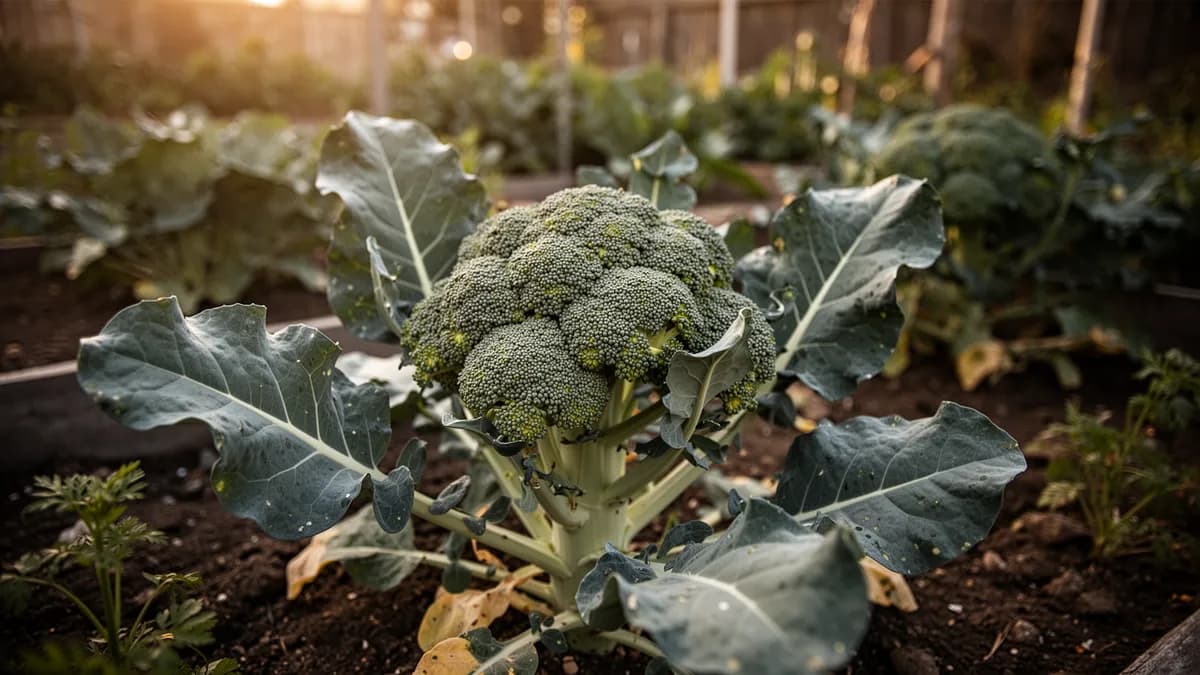
Weitere Kreuzblütler
Halte Grünkohl von diesen fern
Gartenpläne mit Grünkohl
Bau deine beste Grünkohl an — und alles drumherum.
Starte heute kostenlos. Lege deine Beete an, setze deine Grünkohl ein und lass PlotMyGarden Timing, Abstände, Begleiter und Erinnerungen von der Saat bis zum Erntekorb übernehmen.