Chamomile
A gentle annual with daisy-like flowers used for soothing tea, also known to improve the health of nearby plants.





On this pageOverview
Meet Chamomile
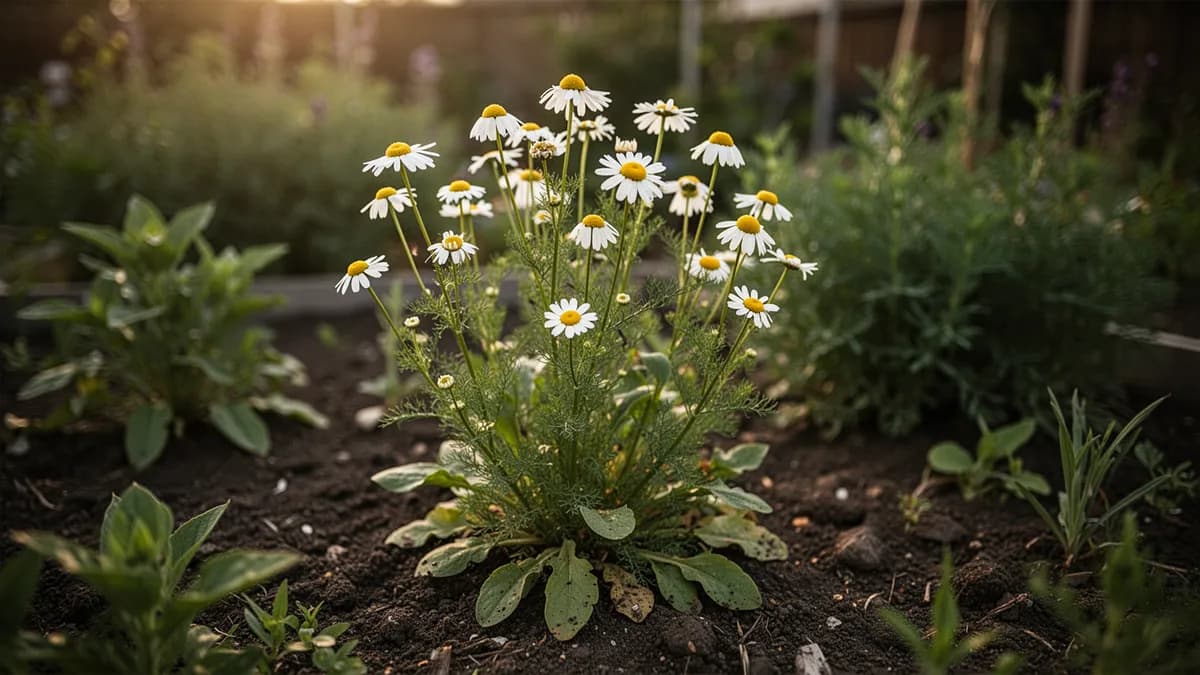
A gentle annual with daisy-like flowers used for soothing tea, also known to improve the health of nearby plants. Chamomile thrives in poor to average soil and needs little fertilization, producing abundant blooms from early to midsummer. Harvest flowers when petals are fully open and the yellow centers are bright, then dry them thoroughly for a calming herbal tea. The plant self-sows freely, so expect volunteer seedlings to appear each spring once a patch is established in the garden.
When to plant Chamomile
Scatter tiny chamomile seeds on the surface of moist seed-starting mix or prepared garden soil; do not cover, as they require light for germination. Seeds germinate in 7-14 days at 55-65°F. Keep soil consistently moist with a mist sprayer during germination. Thin seedlings to 6-10 inches apart once they have several sets of true leaves. Chamomile can be direct-sown in early spring as soon as soil can be worked; it tolerates light frost. For established gardens, simply allow plants to self-sow by leaving some flowers to set seed.
Your Chamomile Year
Composed for Zone 7 · typical seasons · frost passes Apr 2, returns Nov 1
Plant Chamomile Mar – May, pick Jun – Aug. Check the planting methods below and set your climate to personalize these windows.
How to grow Chamomile
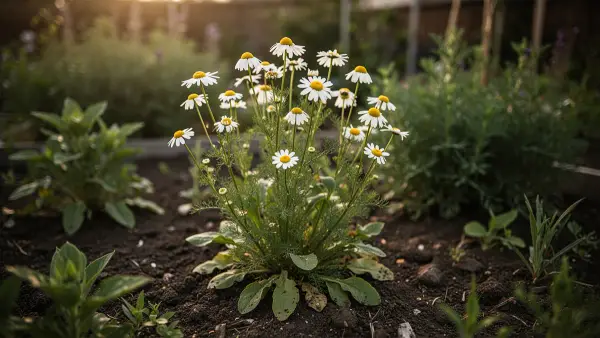
Sow chamomile seeds directly outdoors in early spring, scattering them on the surface of prepared soil and pressing lightly. The tiny seeds need light to germinate; do not cover them with soil. Germination occurs in 7-14 days at 55-65°F. Alternatively, start indoors 6-8 weeks before the last frost. German chamomile (annual) and Roman chamomile (perennial) have different growth habits but similar cultivation needs.
Prepare the site with well-drained, average soil in full sun. Chamomile actually produces the most aromatic flowers in poor to moderate soil; rich soil promotes lush foliage at the expense of blooming. Space plants 6-10 inches apart. Chamomile is remarkably unfussy and tolerates partial shade, though full sun yields the most prolific flowering.
Water moderately, keeping soil lightly moist during establishment but reducing once plants are growing vigorously. Chamomile is fairly drought-tolerant once established. Deadheading spent flowers encourages continued blooming, though leaving some flowers to go to seed ensures self-sowing for the following year. German chamomile is annual and self-sows prolifically. Roman chamomile is a low-growing perennial that spreads by runners and makes an excellent aromatic ground cover.
72 plants fit a 4 × 8 ft bed
Each Chamomile wants 20 cm of elbow room. The planner keeps that spacing for you — every plant, every bed.
Chamomile's best neighbours
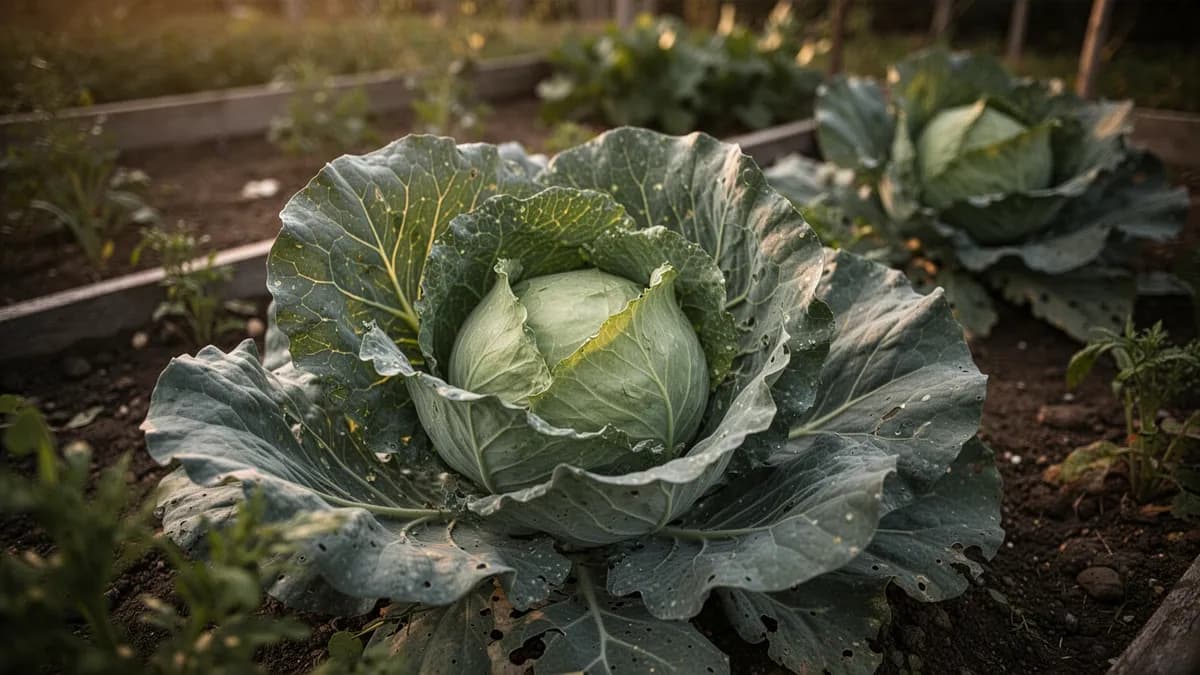
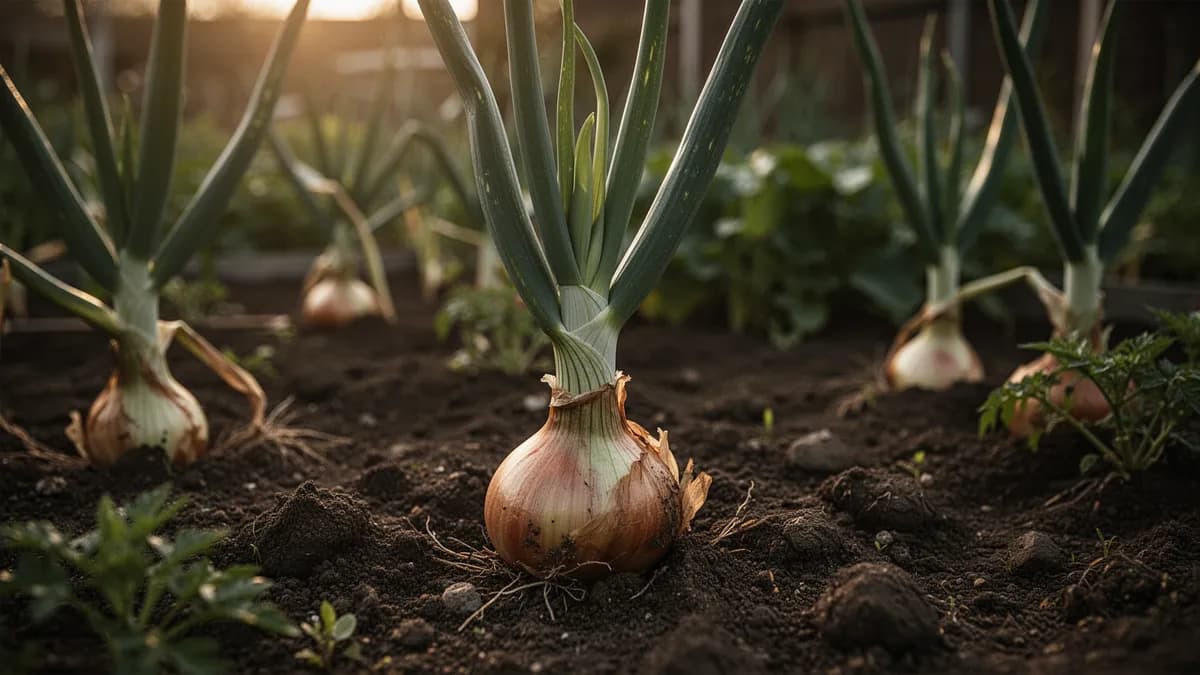
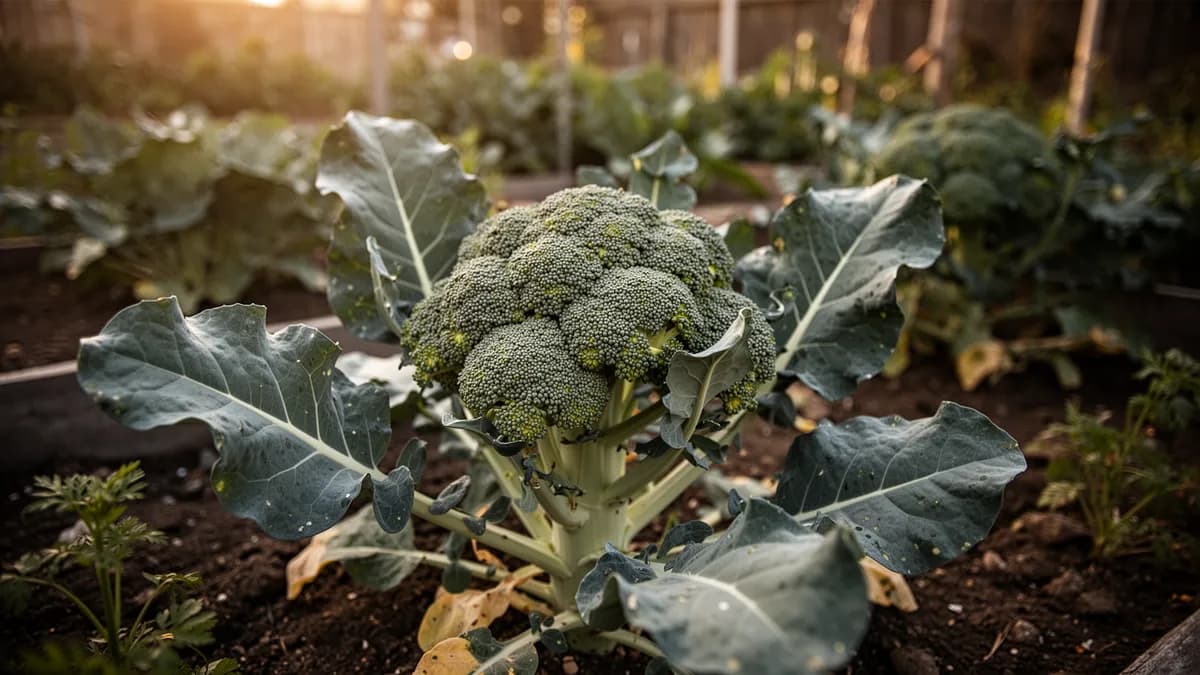
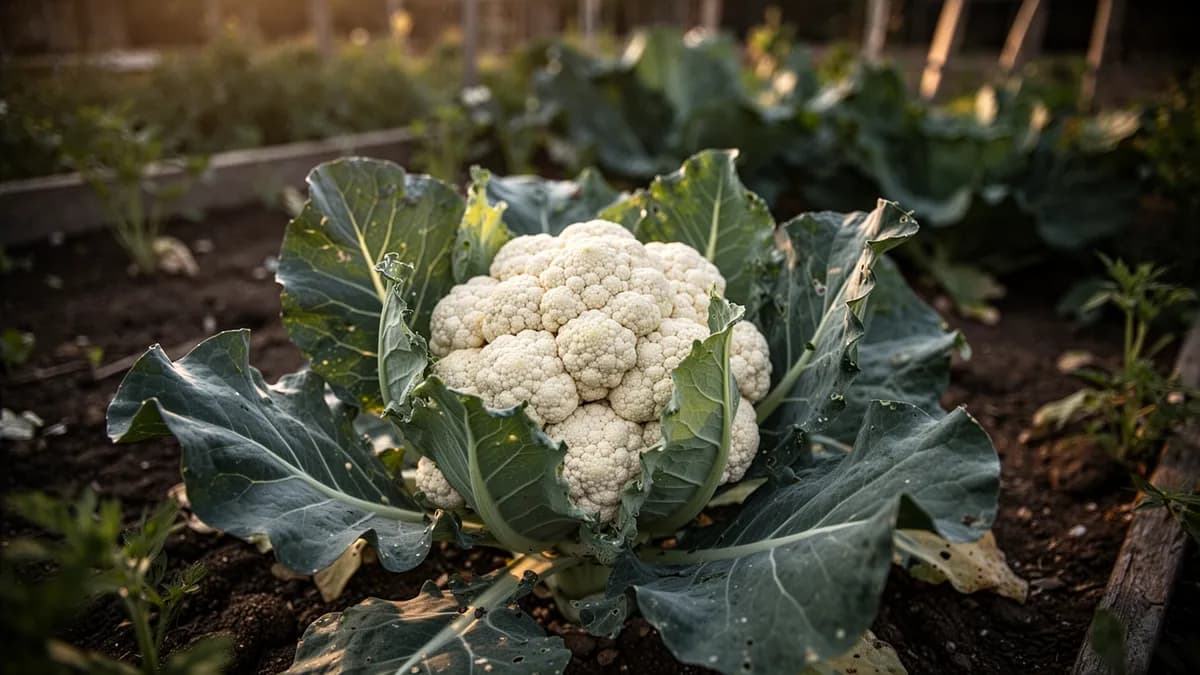
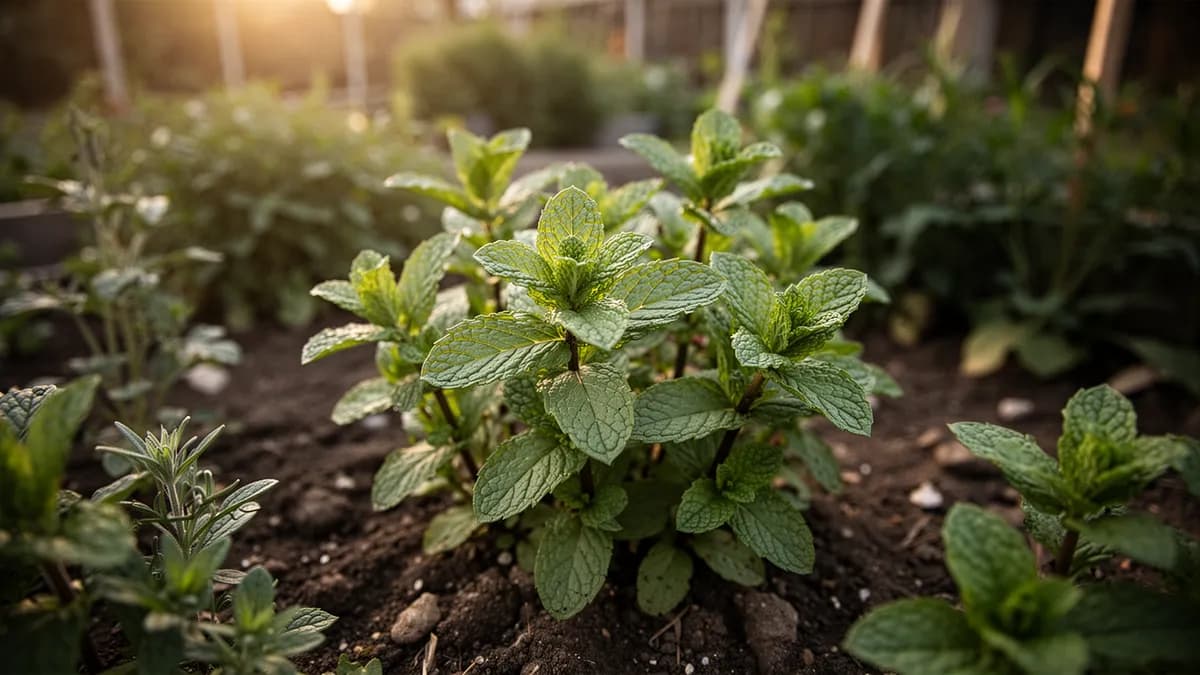
Chamomile is known as the plant doctor because it reportedly improves the health and flavor of plants growing nearby, particularly brassicas and onions. Its shallow roots do not compete with deeper-rooted vegetables. The flowers attract beneficial hoverflies, parasitic wasps, and other predatory insects that help control garden pests. Chamomile may accumulate calcium, potassium, and sulfur, making these nutrients available to neighboring plants through its decomposing foliage. Avoid planting near mint, which may outcompete the gentler chamomile.
Cabbage belongs beside it. Mint doesn't.
Old growers' knowledge, checked against Chamomile's real companion table below — test any plant you're growing.
Try Chamomile in a bed — right here
A real planner bed with Chamomile already in it. Tap a companion to place it and watch the pairing checks answer — green for good neighbours, red for a clash.


Related growing guides
Feed it well
Chamomile thrives in average to poor, well-drained soil with a pH of 5.6-7.5. Rich, heavily fertilized soil promotes excessive leafy growth at the expense of flowers and essential oil production. A light application of compost at planting is usually sufficient. Chamomile rarely needs supplemental fertilization; in fact, lean conditions produce more aromatic flowers with higher medicinal quality. In containers, use a standard potting mix without added fertilizer and feed sparingly if at all.
Ideal Temperature
Hardiness Zone Compatibility
From seed to harvest, stage by stage
Seed Sowing
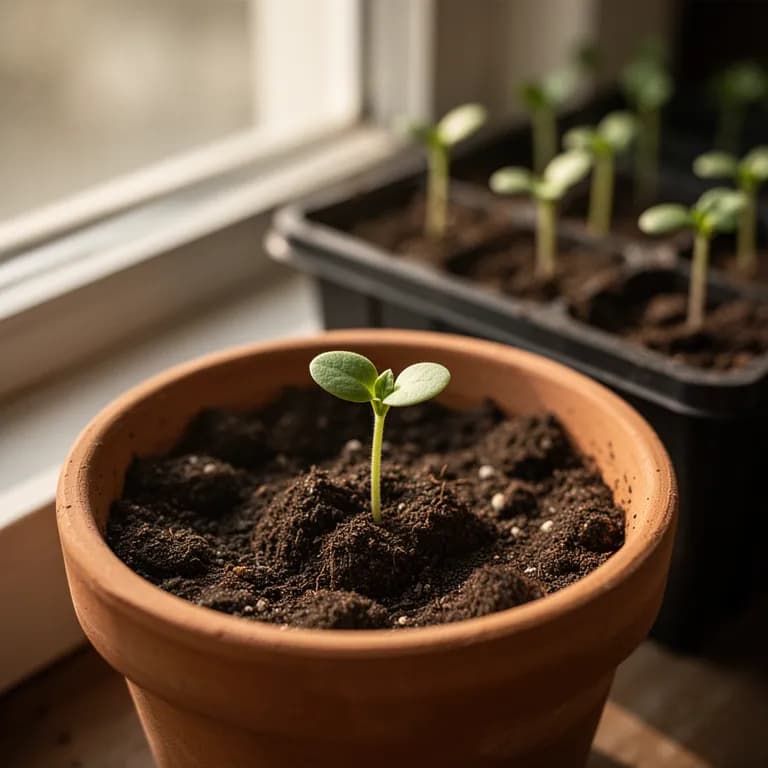
Chamomile seeds are tiny and require light to germinate. Scatter them on the surface of moist, well-drained soil and press gently without covering. Keep the soil consistently moist with a fine mist spray.
Germination
Tiny seedlings emerge with their first pair of rounded cotyledon leaves. The seedlings are delicate and thread-like at this stage, easily mistaken for grass. Keep soil evenly moist but not waterlogged.
Vegetative Growth
Plants develop their characteristic finely divided, feathery foliage and begin to form a bushy mound. Stems become more robust and branching increases. The apple-like fragrance becomes noticeable when foliage is brushed.
Bud Formation
Flower buds begin forming at the tips of branching stems. Small green button-like structures appear, gradually showing white petal tips. The plant reaches its mature height of 30-60 cm during this stage.
Full Bloom
White daisy-like flowers open fully with their classic white ray petals radiating from a raised golden-yellow center disc. Flowers bloom in succession over several weeks, providing a continuous harvest window.
Seed Set and Self-Sowing
Unpicked flowers mature and the petals dry and fall away, leaving the central cone packed with tiny seeds. As the seed heads dry on the plant, seeds drop to the ground and self-sow for the following season.
Do not bury the seeds. They need light exposure to trigger germination. A light dusting of vermiculite can help retain moisture without blocking light.
Caring for Chamomile month by month
What to do each month for your Chamomile
October
You are hereClean and store harvesting tools. Label and organize dried chamomile supplies. Mulch perennial chamomile varieties like Roman chamomile (Chamaemelum nobile) with straw or leaf litter before cold weather arrives.
Know exactly what to do in your garden — every month
One email at the start of each month: what to sow, plant, and tackle right now — for your Chamomile and everything growing around it. Plus a short starter course that helps you dodge the classic mistakes.
- What to do, right now
- Matched to your season
- Starter course included
Harvesting Chamomile
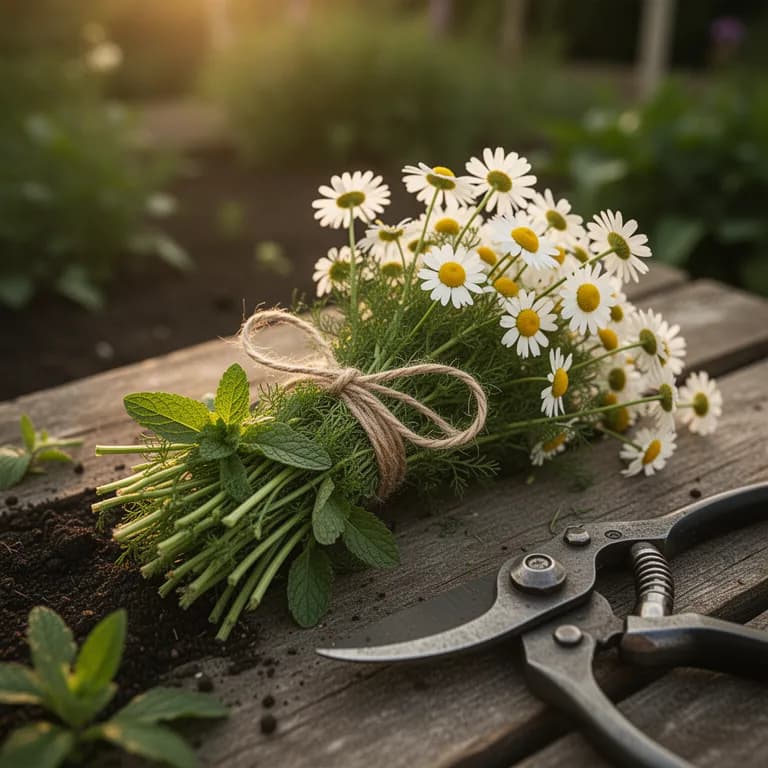
Harvest chamomile flowers when they are fully open with petals extending horizontally or slightly reflexed downward, and the yellow center is bright and fragrant. Pick flowers in the morning after dew has dried but before the midday heat. Use a chamomile rake or simply pinch flower heads off between your fingers. Harvest every 2-3 days during peak bloom to encourage continuous flowering. Dry flowers immediately after harvest by spreading them in a single layer on screens in a warm, dark, well-ventilated area for 1-2 weeks.
assuming you plant when the window opens — set your real date
Pick Chamomile promptly and the plant keeps producing.
Storage & Preservation
Dry chamomile flowers thoroughly at 95-100°F in a dehydrator or by air-drying on screens in a warm, dark location. Flowers are fully dry when they feel papery and crumble easily. Store dried flowers whole in airtight glass jars away from light and heat; they retain best quality for about one year. Do not crush flowers until ready to use, as this releases volatile oils prematurely. Chamomile can also be frozen fresh in sealed bags for a brighter-tasting tea. Chamomile-infused honey and oil are additional preservation methods.
What goes wrong — and the fix
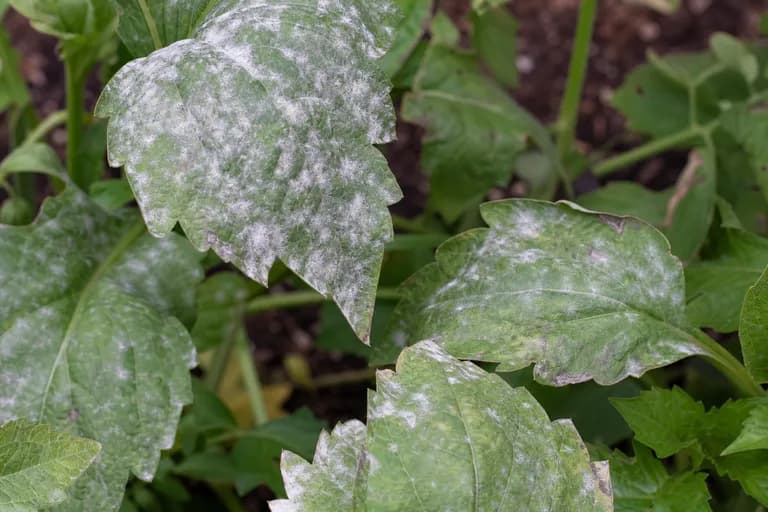
Powdery Mildew
DiseaseWhite powdery coating on leaves and stems, especially in humid conditions with poor air circulation.
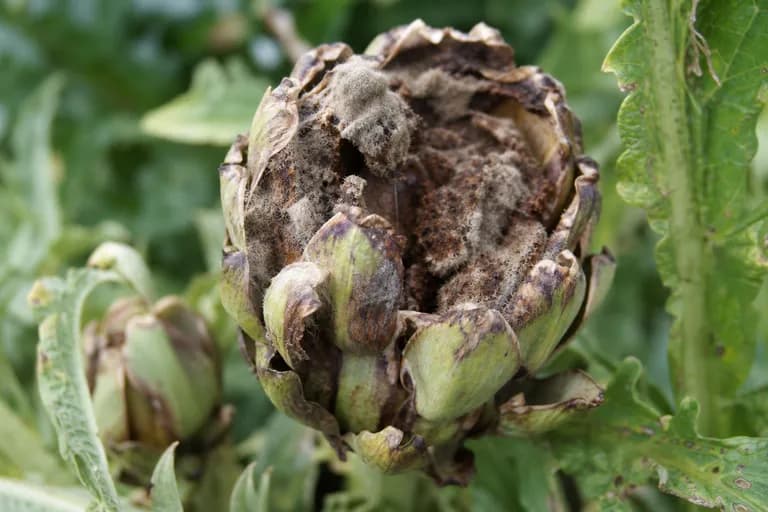
Botrytis (Gray Mold)
DiseaseFuzzy gray mold on flowers and leaves, especially during wet weather, brown rotting of flower heads.
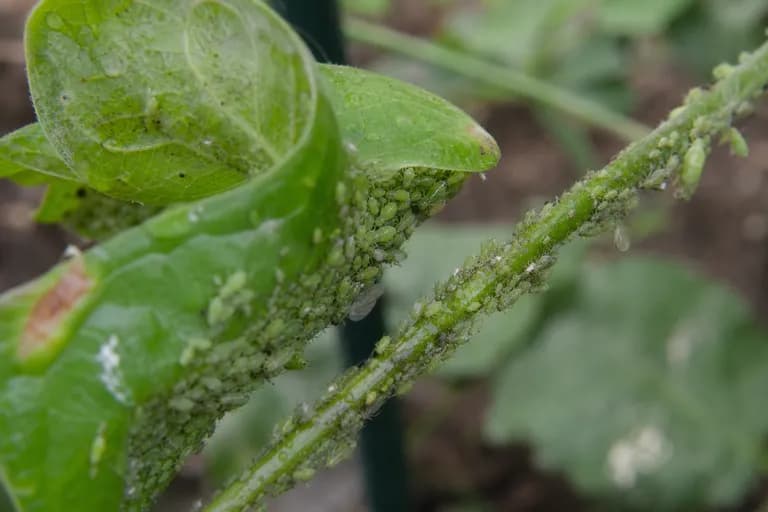
Aphids
PestSmall green insects clustering on stems and flower buds, distorted growth, sticky honeydew.
Troubleshooting Common Problems
Leggy, sprawling growth results from too much nitrogen or insufficient sunlight. Provide full sun and avoid rich soil for the most compact, floriferous plants. Powdery mildew can develop in humid conditions with poor air circulation; ensure adequate spacing. Failure to self-sow often means flowers were harvested too thoroughly; leave some to go to seed. Confusion between German and Roman chamomile leads to mismatched expectations; German chamomile is taller, annual, and self-sowing, while Roman is low, perennial, and spreading.
Growing Tips
- Surface-sow chamomile seeds and press them gently into moist soil without covering, as they need light to germinate. Expect sprouts within 7-14 days at temperatures of 15-18°C.
- Choose a location with full sun to light afternoon shade. Chamomile tolerates partial shade but produces more abundant and aromatic flowers with at least 6 hours of direct sunlight daily.
- Plant chamomile in lean to moderately fertile, well-drained soil. Overly rich soil produces excessive foliage growth at the expense of flowers and can dilute the concentration of essential oils.
- Water young plants consistently until established, then reduce watering. Mature chamomile is surprisingly drought-tolerant and prefers slightly dry conditions over soggy soil, which can cause root rot.
- Harvest flowers in the morning after the dew has evaporated but before the midday heat, when essential oil content is at its highest. Pick when petals are fully open and the center cone is plump.
- Dry harvested flowers on screens or racks in a warm, well-ventilated area away from direct sunlight. Proper drying takes 1-2 weeks and preserves the delicate flavor and medicinal compounds.
- Allow a handful of flowers to go to seed at the end of the season for a self-sowing crop next year. German chamomile self-seeds so readily that you may never need to buy seeds again.
- Use chamomile as a companion plant near brassicas, onions, and other herbs. It is reputed to improve the vigor and flavor of neighboring plants and attract beneficial pollinators like hoverflies and lacewings.
- Watch for aphids on tender growing tips. A strong jet of water from a hose usually dislodges them. Avoid chemical pesticides, which would contaminate the flowers you plan to harvest for tea and tinctures.
- If plants become leggy or sprawling in midsummer, cut them back by one-third to encourage a bushier habit and a second flush of blooms heading into early autumn.
Grow your best Chamomile yet — and everything around it.
Start a free plan today. Lay out your beds, drop in your Chamomile, and let PlotMyGarden handle the timing, spacing, companions and reminders from seed to harvest basket.
Pick your Chamomile
German Chamomile (Matricaria chamomilla)
The most common annual chamomile, growing 12-24 inches tall with prolific white daisy flowers. Self-sows freely and produces the highest quality tea flowers.
Roman Chamomile (Chamaemelum nobile)
A low-growing perennial (3-6 inches) that spreads by runners. Used as a fragrant ground cover and lawn substitute. Apple-scented foliage with smaller flowers.
Treneague Roman Chamomile
A non-flowering Roman chamomile variety used exclusively as a ground cover and chamomile lawn. Dense, mat-forming growth with intense apple fragrance when walked upon.
Zloty Lan
A German chamomile variety bred for higher essential oil content, particularly chamazulene. Preferred for medicinal and commercial essential oil production.
A single packet of chamomile seeds (approximately 2,000 seeds) costs around $2-4 and can produce hundreds of plants that self-seed year after year. One established chamomile patch can yield enough dried flowers for over 200 cups of tea per season. With premium organic chamomile tea retailing at $6-10 for a box of 20 tea bags, growing your own can save $60-100 or more per year. The plants require minimal inputs beyond water, making chamomile one of the most cost-effective herbs to grow at home.
Quick recipes
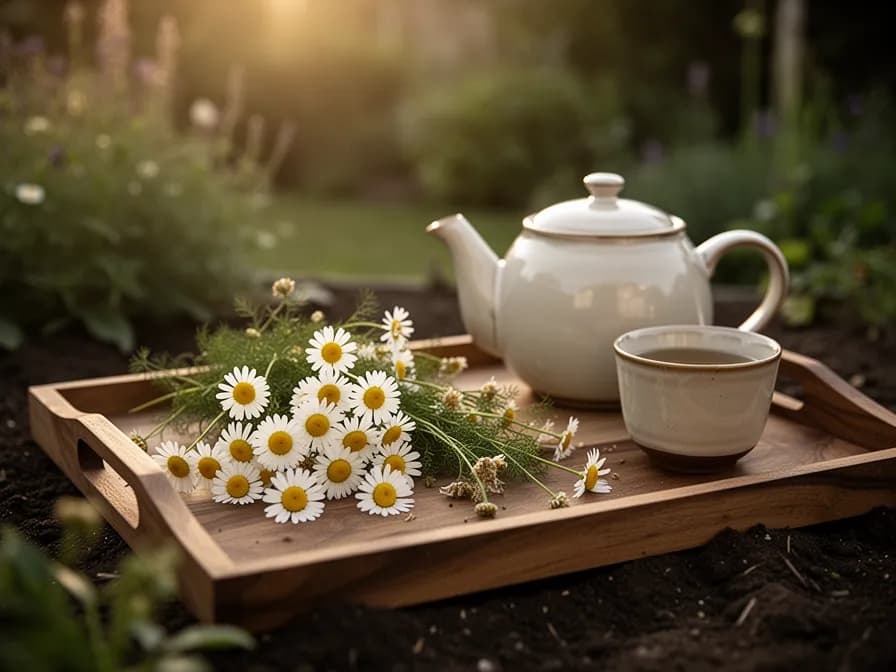
Classic Fresh Chamomile Tea
10 minutesA calming golden tea brewed from freshly harvested chamomile flower heads. The fresh blossoms yield a sweeter, more aromatic cup compared to dried flowers, with delicate honey and apple notes. Perfect as an evening wind-down ritual.
5 ingredientsChamomile Honey Syrup
25 minutesA fragrant floral syrup infused with chamomile that can be drizzled over pancakes, stirred into cocktails and lemonade, or used as a glaze for baked goods. The gentle apple-like flavor of chamomile pairs beautifully with the sweetness of honey.
5 ingredientsChamomile and Lavender Tincture
15 minutes active, 4-6 weeks steepingA concentrated herbal extract that captures the calming properties of chamomile and lavender. Use a few drops in water or tea to promote relaxation and ease mild tension. This traditional preparation keeps for over a year when stored properly.
6 ingredientsCulinary Uses
Chamomile is primarily used for its calming herbal tea, brewed by steeping 1-2 tablespoons of dried flowers in hot water for 5-10 minutes. Beyond tea, chamomile flowers can be added to baked goods, infused into honey and cream for desserts, and used to flavor cocktails and lemonade. Chamomile pairs well with honey, lemon, apple, and vanilla. In aromatherapy, chamomile essential oil is valued for its soothing, anti-anxiety properties. The flowers are also used in herbal bath preparations and skin-care infusions.
What's inside
Health Benefits
- Promotes restful sleep and reduces insomnia symptoms thanks to the flavonoid apigenin, which binds to benzodiazepine receptors in the brain and acts as a mild natural sedative.
- Soothes digestive discomfort including bloating, gas, and mild stomach cramps by relaxing smooth muscle tissue in the gastrointestinal tract.
- Exhibits anti-inflammatory properties that can help calm skin irritation, minor wounds, and conditions like eczema when applied topically as a compress or added to bath water.
- May help lower blood sugar levels and reduce the risk of diabetes complications, with several studies showing improved glycemic control in regular chamomile tea drinkers.
- Supports immune function through its antimicrobial and antioxidant compounds, potentially helping the body fight off colds and upper respiratory infections.
- Eases mild anxiety and stress when consumed regularly as a tea, with clinical trials demonstrating significant reductions in generalized anxiety disorder symptoms.
Where Chamomile comes from
Chamomile (Matricaria chamomilla), also known as German chamomile, is one of the most ancient and revered medicinal herbs in human history. Native to southern and eastern Europe and western Asia, it has been cultivated and gathered wild for thousands of years. Archaeological evidence suggests its use dates back to ancient Egypt, where it was associated with the sun god Ra due to the golden center of its flower heads. The Egyptians valued it as a remedy for fevers and as an ingredient in embalming preparations. In ancient Greece and Rome, physicians including Dioscorides and Pliny the Elder documented chamomile's ability to calm the nerves, ease digestive complaints, and reduce inflammation. The Latin genus name Matricaria derives from the Latin word 'matrix' meaning womb, reflecting its long traditional use in treating ailments related to women's health. Throughout medieval Europe, chamomile was one of the most frequently prescribed herbs by monasteries and apothecaries alike. It was strewn on floors to freshen rooms and was a staple in physic gardens across the continent. The Anglo-Saxons counted chamomile among their nine sacred healing herbs. By the Renaissance it had become a standard remedy in European herbal medicine and was carried to the Americas by colonists. Today chamomile remains a cornerstone of herbal wellness traditions around the world. Germany has been particularly significant in advancing scientific research on chamomile, recognizing it through its Commission E as an approved treatment for gastrointestinal discomfort, mild skin inflammation, and mucous membrane irritation. Modern research continues to investigate its anti-inflammatory, antioxidant, and mild sedative properties, lending scientific support to centuries of traditional use.
Chamomile: did you know?
Fascinating facts about Chamomile
The name chamomile comes from the Greek words 'chamai' (on the ground) and 'melon' (apple), referring to the plant's apple-like fragrance when its leaves are crushed underfoot.
Chamomile questions, answered
When should I plant Chamomile?
What are good companion plants for Chamomile?
What hardiness zones can Chamomile grow in?
How much sun does Chamomile need?
How far apart should I space Chamomile?
What pests and diseases affect Chamomile?
How do I store Chamomile after harvest?
What are the best Chamomile varieties to grow?
What soil does Chamomile need?
What is the difference between German chamomile and Roman chamomile?
When is the best time to harvest chamomile flowers?
How do I dry and store chamomile flowers properly?
Can I grow chamomile in a container or pot?
Is chamomile safe for everyone to consume?
Will chamomile come back every year on its own?
You just read the theory. Now grow it on autopilot.
Everything that makes Chamomile fiddly — the timing, the spacing, the companions, the harvest window — is exactly what PlotMyGarden handles for you, for every plant in your garden.
A plan that knows your weather
Set your location once. Get sow, feed and harvest dates built around your real last-frost date and live forecast — no more guessing from a generic seed packet.
From the “When to plant” sectionDrag-and-drop bed planner
Design beds on a grid. Every plant snaps to its proper spacing, and you can see your whole season laid out before you spend a cent on seed.
From the “Growing guide” sectionCompanion conflicts, caught early
200+ good-and-bad pairings checked live as you plant — so a season-wrecking mistake never makes it into the ground.
From the “Companions” sectionReminders you'll actually act on
“Water the beans.” “Pick today before it turns.” Timely, specific, and tied to the plants you're really growing.
From the “Harvest” sectionSuccession, scheduled
Want a harvest for six weeks, not six days? It spaces your sowings automatically and reminds you when each new block is due.
From the “When to plant” sectionA record that gets smarter
Every harvest you log teaches it your garden. Next year's plan starts from what actually worked in your soil, not a textbook's.
From the “Overview” sectionPlant these alongside Chamomile
More Tea Herbs
Keep Chamomile away from these
Garden plans featuring Chamomile
Grow your best Chamomile yet — and everything around it.
Start a free plan today. Lay out your beds, drop in your Chamomile, and let PlotMyGarden handle the timing, spacing, companions and reminders from seed to harvest basket.