Blaue Klitorie
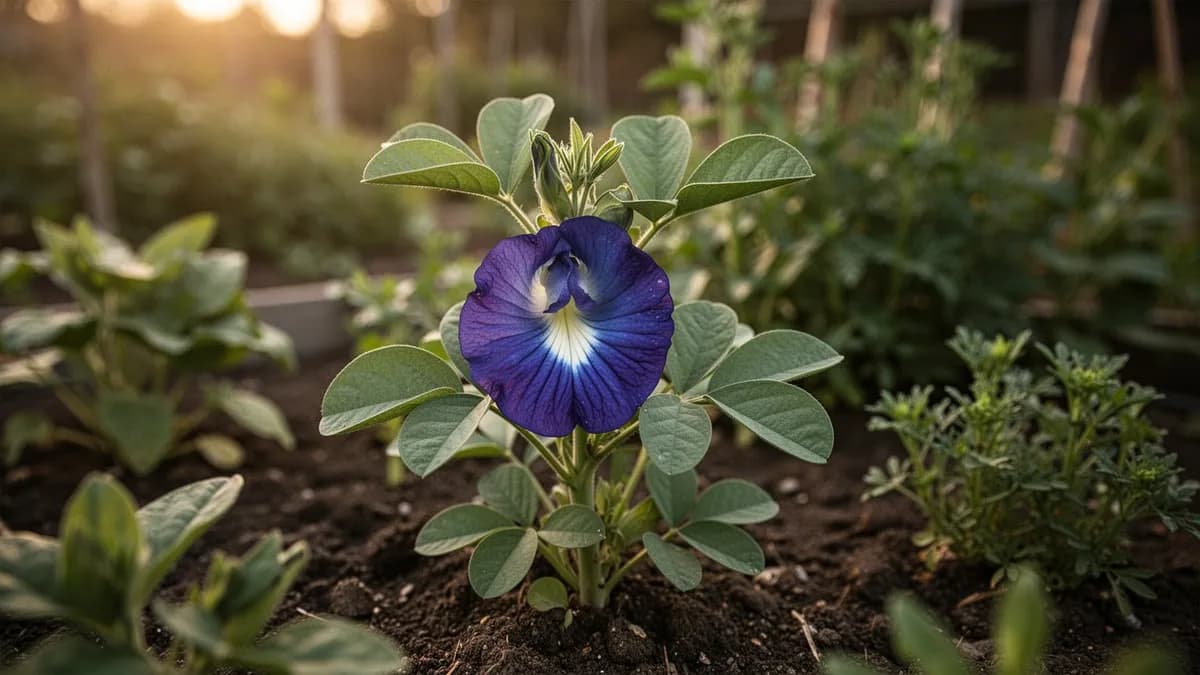
Eine tropische Kletterpflanze, die leuchtend kobaltblaue Blüten hervorbringt, die einen farbwechselnden Tee ergeben – der sich mit Zitronensaft violett färbt.





Auf dieser SeiteÜberblick
Blaue Klitorie im Überblick
Eine tropische Kletterpflanze, die leuchtend kobaltblaue Blüten hervorbringt, die einen farbwechselnden Tee ergeben – der sich mit Zitronensaft violett färbt. Schmetterlingserbsentee ist koffeinfrei und reich an Antioxidantien und in südostasiatischen Getränken und Cocktails sehr beliebt. Wird als einjährige Kletterpflanze an einem Spalier in warmen Klimazonen angebaut; Blüten täglich für die Trocknung ernten.
Wann Blaue Klitorie pflanzen
Schmetterlingserbsensamen vor dem Aussäen skarifizieren, indem die Samenschale mit einer Feile angeritzt oder die Samen 24 Stunden in warmem Wasser eingeweicht werden. 1 cm tief in warmen Boden (mindestens 20 °C) säen, entweder direkt im Freien nach dem letzten Frost oder drinnen 4–6 Wochen vor dem letzten Frost. Die Keimung dauert bei Skarifizierung 7–14 Tage. Beim Umpflanzen vorsichtig vorgehen, um die Wurzeln nicht zu stören. Sofort eine Rankhilfe bereitstellen, da die Pflanze schnell zu wickeln beginnt. In frostfreien Gebieten können Samen das ganze Jahr über gesät werden.
Dein Blaue Klitorie-Jahr
Abgestimmt auf Zone 7 · typische Saison · Frost geht um den 2. Apr. und kehrt um den 1. Nov. zurück
Blaue Klitorie Apr – Jun pflanzen, Jul – Okt ernten. Beachte die Pflanzmethoden unten und wähle dein Klima für passende Zeiträume.
So baust du Blaue Klitorie an
Die Schmetterlingserbse ist eine schnell wachsende tropische Kletterpflanze, die atemberaubende kobaltblaue Blüten hervorbringt, die für die Herstellung von farbwechselnden Tees und Cocktails geschätzt werden. In tropischen Regionen ist sie eine kräftige Staude, die 3–5 Meter klettert. In gemäßigten Klimazonen wird sie als Einjährige angebaut und erreicht in einer Saison 2–3 Meter. Die leuchtend blauen Blüten enthalten Anthocyanin-Pigmente, die sich unter Säureeinwirkung violett färben.
Samen aussäen oder nach dem letzten Frost an einem vollsonnigen Standort mit durchlässigem, durchschnittlichem Boden auspflanzen. Ein Spalier, einen Zaun oder eine andere Rankhilfe für die wickelnden Triebe bereitstellen. Während der Anwachsphase regelmäßig gießen, danach die Wassermenge reduzieren, sobald die Pflanzen kräftig wachsen – die Schmetterlingserbse ist mäßig trockenheitsresistent. Alle 2–3 Wochen mit einem ausgewogenen Dünger düngen, um reichlich Blüten zu fördern.
In gemäßigten Klimazonen erscheinen die Blüten kontinuierlich von der Hochsommermitte bis in den Herbst hinein, in den Tropen das ganze Jahr über. Als Hülsenfrucht fixiert die Schmetterlingserbse über Wurzelknöllchen Stickstoff und reichert den Boden für Folgekulturen an. Blüten täglich für den frischesten Tee pflücken. Im gemäßigten Garten vor dem Frost Samen sammeln, um sie im folgenden Jahr auszusäen.
32 Pflanzen passen in ein Beet von 120 × 240 cm
Blaue Klitorie braucht 30 cm Platz pro Pflanze. Der Planer hält diesen Abstand für dich ein — jede Pflanze, jedes Beet.
Die besten Nachbarn für Blaue Klitorie
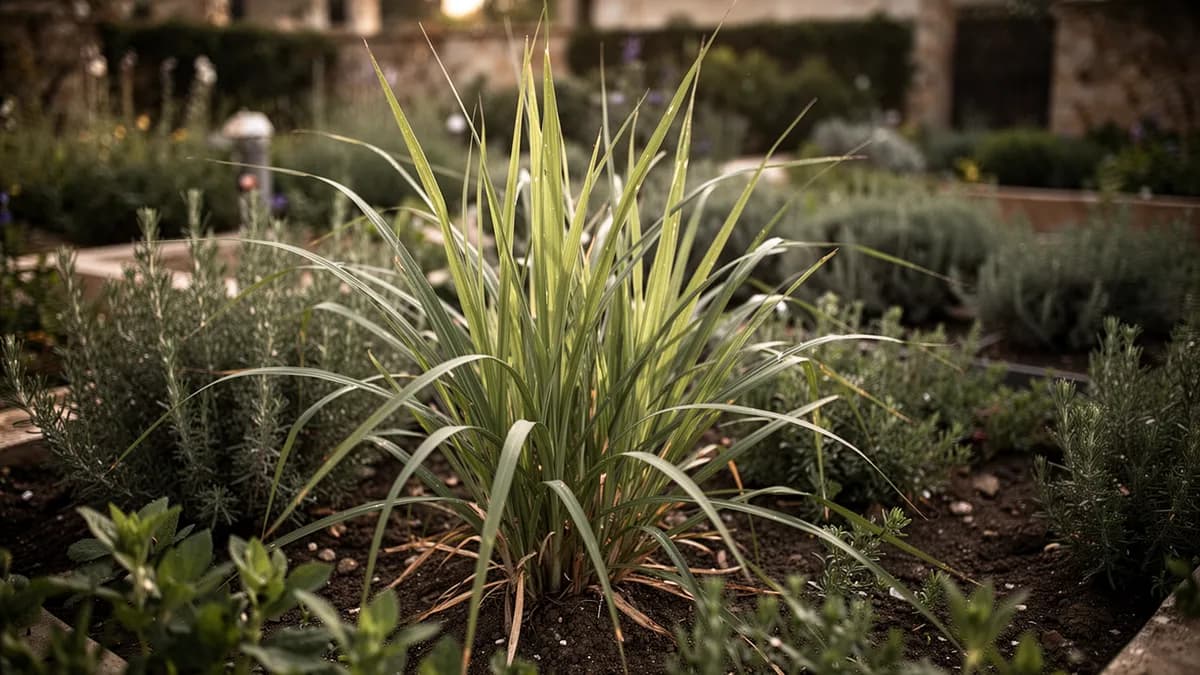
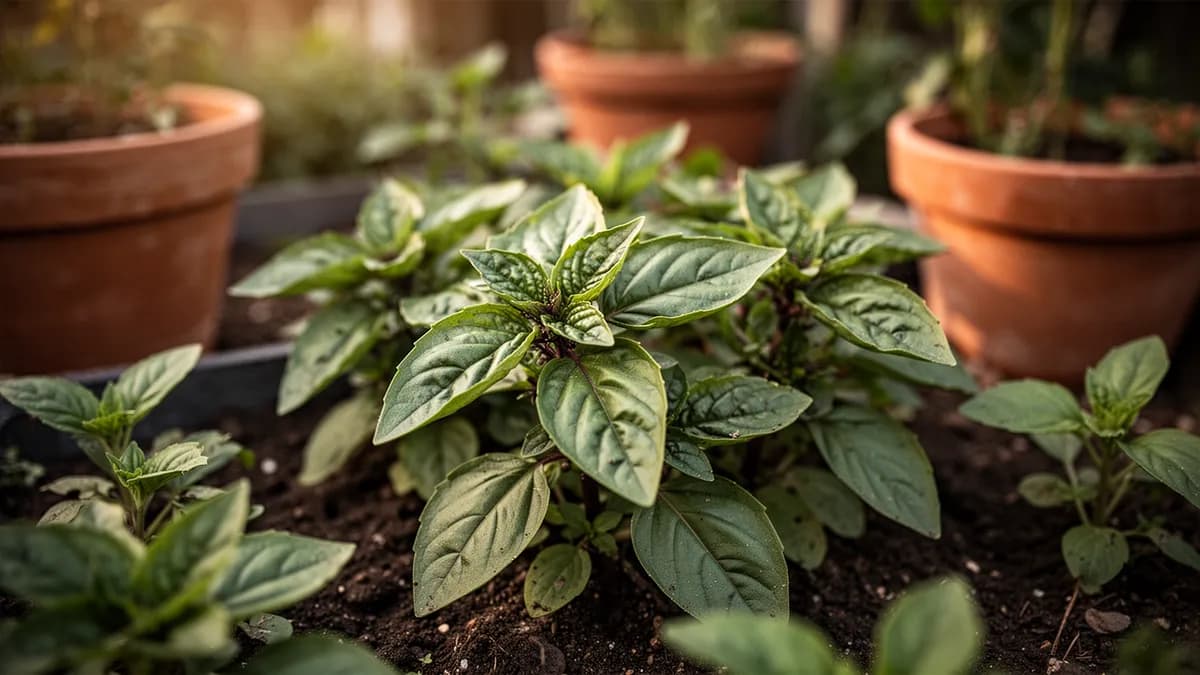
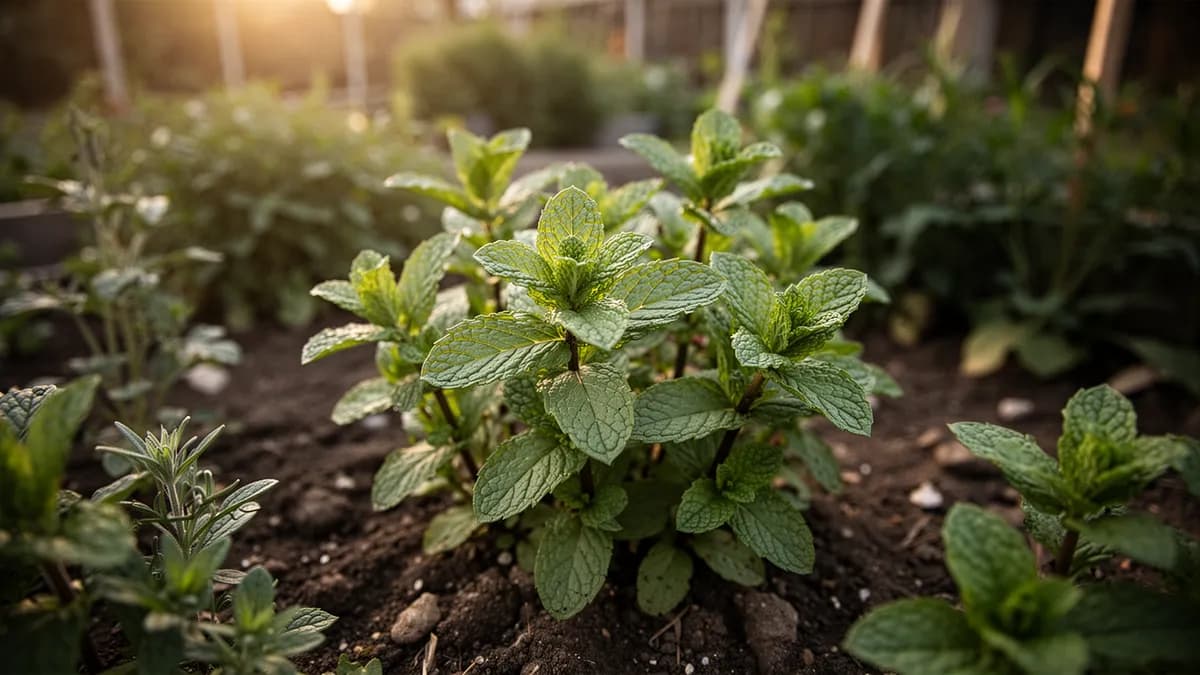
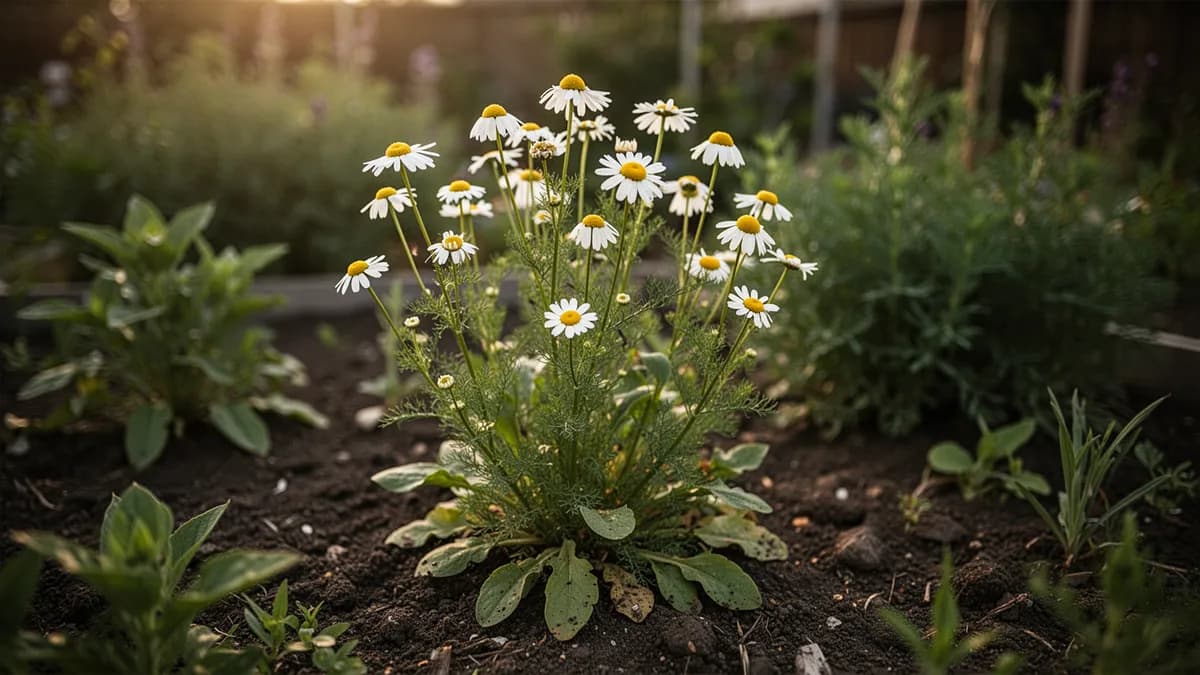
Als stickstofffixierende Hülsenfrucht bereichert die Schmetterlingserbse den Boden für benachbarte Pflanzen. An einem Spalier hinter Gemüsebeeten anbauen, um sowohl optischen Reiz als auch Bodenverbesserung zu bieten. Die Blüten ziehen Bienen und Schmetterlinge an. Mit Zitronengras und Thai-Basilikum für einen thematischen südostasiatischen Kräutergarten kombinieren. In tropischen Regionen kann sie als lebende Mulchschicht und Gründünger dienen.
Zitronengras gehört daneben.
Altes Gärtnerwissen, geprüft an der echten Nachbartabelle von Blaue Klitorie — teste jede Pflanze, die du anbaust.
Probiere Blaue Klitorie direkt hier im Beet
Ein echtes Planer-Beet, Blaue Klitorie steht schon drin. Tippe einen Begleiter an, platziere ihn und sieh, wie die Nachbarschaftsprüfung antwortet — grün für gute Nachbarn, rot bei Streit.


Passende Anbau-Ratgeber
Richtig düngen
Die Schmetterlingserbse gedeiht in jedem gut durchlässigen Boden mit einem pH-Wert von 5,5–7,5. Als Hülsenfrucht fixiert sie atmosphärischen Stickstoff und benötigt keinen stickstoffreichen Dünger. Alle 2–3 Wochen mit einem phosphor- und kaliumreichen Dünger düngen, um reichlich Blüten zu fördern. Samen vor dem Pflanzen mit Rhizobium-Bakterien impfen, um eine optimale Stickstoffixierung zu gewährleisten. Reifer Kompost beim Pflanzen bietet einen guten Start.
Ideale Temperatur
Winterhärtezone-Kompatibilität
Von der Saat zur Ernte, Schritt für Schritt
Sameneinweichen und Aussaat
Schmetterlingserbsensamen haben eine harte Außenschale, die von einer Skarifizierung oder einem nächtlichen Einweichen in warmem Wasser vor dem Pflanzen profitiert. Samen 2–3 cm tief in warmen, feuchten Boden oder Anzuchtsubstrat säen. Die Bodentemperatur sollte für eine zuverlässige Keimung mindestens 20 °C betragen.
Keimung und Auflaufen
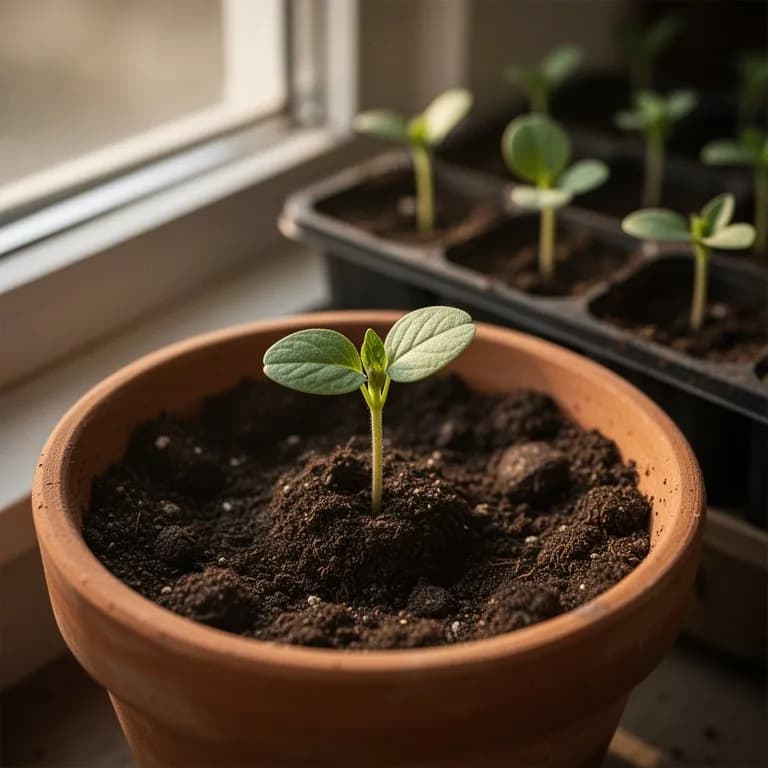
Sämlinge durchbrechen die Bodenoberfläche und entfalten ihr erstes Paar rundlicher Keimblätter. Nach wenigen Tagen beginnen die ersten zusammengesetzten echten Blätter mit ovalen Blättchen zu erscheinen. Die jungen Pflanzen sind zart und benötigen Wärme und gleichmäßige Feuchtigkeit.
Vegetatives Rankenwachstum
Die Pflanze wechselt in kräftiges Rankenwachstum über und bildet wickelnde Triebe, die aktiv nach Stützkonstruktionen suchen. Zusammengesetzte Blätter mit 5–9 ovalen Blättchen entwickeln sich entlang der Triebe. Wurzelknöllchen beginnen sich in Symbiose mit stickstofffixierenden Rhizobium-Bakterien zu bilden.
Knospenbildung und erste Blüten
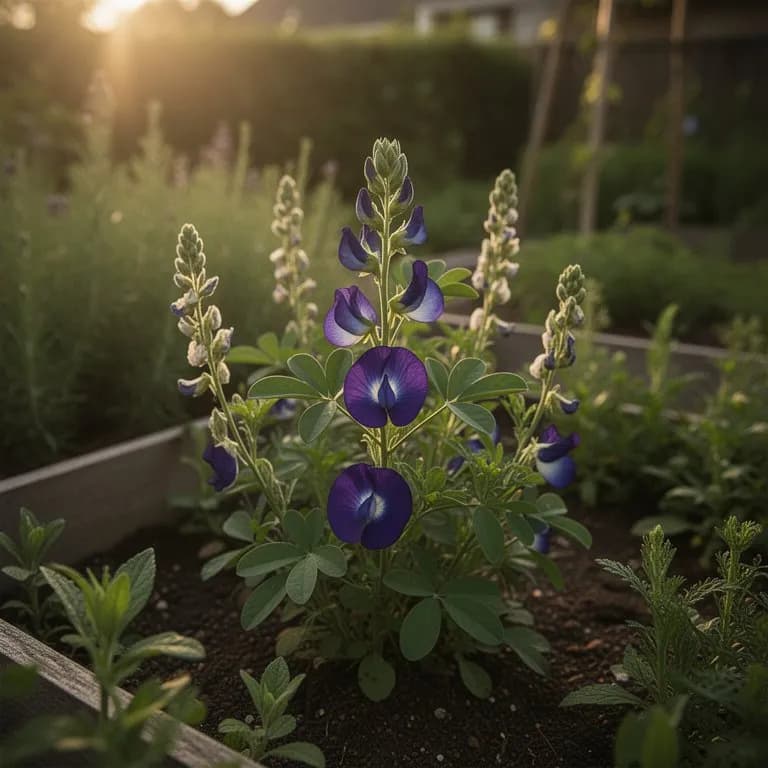
Blütenknospen erscheinen in den Blattachseln entlang der Ranke. Die Knospen schwellen über mehrere Tage an, bevor sie sich zu den charakteristischen tiefblauen trichterförmigen Blüten öffnen. Jede Blüte hält nur einen einzigen Tag, aber neue Blüten öffnen sich kontinuierlich während der gesamten Saison.
Hauptblüte und Ernte
Die Ranke tritt in ihre produktivste Phase ein und bringt täglich mehrere Blüten über einen Zeitraum von mehreren Wochen hervor. Blüten öffnen sich morgens und können den ganzen Tag über gepflückt werden. Dies ist das primäre Erntezeitfenster für die Verwendung frischer und getrockneter Blüten.
Entwicklung der Samenhülsen
Nicht geerntete Blüten entwickeln sich zu flachen, schmalen Samenhülsen, die zunächst grün und weich sind. Im Verlauf der Reife über mehrere Wochen werden die Hülsen braun und papierartig. Jede Hülse enthält 6–10 runde, dunkelbraune bis schwarze Samen.
Die Samenschale sanft mit einer Nagelfeile anritzen oder Samen 12–24 Stunden in warmem Wasser einweichen, bevor gesät wird. Dies weicht die harte Schale auf und kann die Keimrate von 50 % auf über 90 % verbessern.
Blaue Klitorie Monat für Monat pflegen
Was du jeden Monat für deine Blaue Klitorie tun solltest
Oktober
Aktueller MonatReife Samenhülsen ernten, die braun geworden und an der Pflanze getrocknet sind. Samen entnehmen und in beschrifteten Papiertüten an einem kühlen, trockenen Ort aufbewahren. In frostgefährdeten Gebieten Pflanzen zurückschneiden und Wurzeln stark mulchen oder Kübelpflanzen hereinbringen.
Immer wissen, was jetzt im Garten zu tun ist
Eine E-Mail zum Monatsanfang: was du jetzt säen, pflanzen und anpacken solltest — für deine Blaue Klitorie und alles, was drumherum wächst. Dazu ein kurzer Startkurs, der dich vor den klassischen Fehlern bewahrt.
- Was jetzt zu tun ist
- Passend zu deiner Saison
- Startkurs inklusive
Blaue Klitorie ernten
Schmetterlingserbsenblüten täglich ernten, wenn sie vollständig geöffnet sind, typischerweise morgens, wenn die Farben am leuchtendstem sind. Nur die Blütenblätter pflücken und den Kelch an der Pflanze lassen. Frische Blüten liefern die intensivste Blaufarbe im Tee. Zum Trocknen an trockenen Morgen ernten und sofort weiterverarbeiten. Je häufiger geerntet wird, desto mehr Blüten produziert die Pflanze – tägliches Pflücken fördert die kontinuierliche Blüte.
angenommen, du pflanzt zu Beginn des Zeitraums — trage dein tatsächliches Datum ein
Ernte Blaue Klitorie zügig, dann trägt die Pflanze weiter.
Lagerung & Konservierung
Blüten schnell trocknen, um die leuchtend blaue Farbe zu erhalten. Auf Gittern in einem warmen, gut belüfteten Bereich abseits von direktem Sonnenlicht ausbreiten oder einen Dörrautomaten bei 40 °C verwenden. Richtig getrocknete Blüten sollten ihre blaue Farbe behalten. In luftdichten Glasgefäßen lichtgeschützt bis zu 12 Monate aufbewahren. Getrocknete Blüten, die sich braun verfärbt haben, haben ihr Pigment verloren und ergeben einen schwächeren Tee. Blüten können auch frisch eingefroren werden.
Was schiefgeht — und die Lösung
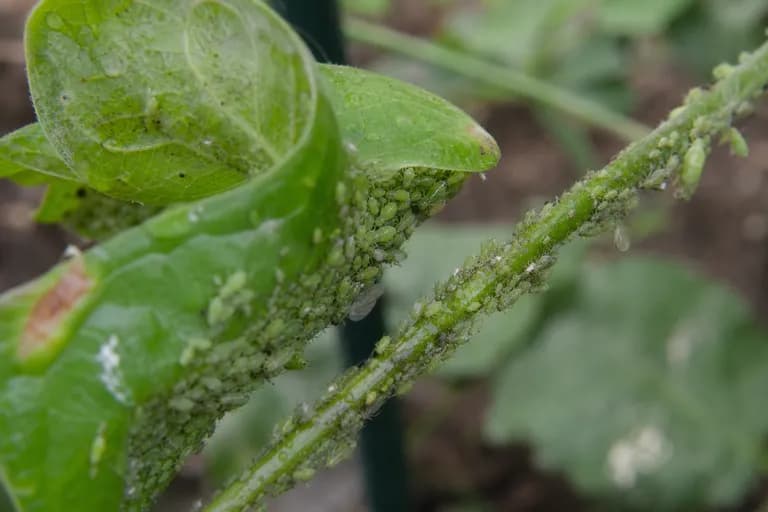
Blattläuse
SchädlingAnsammlungen an zarten Triebspitzen und Blütenknospen, die Wachstumsverformungen und klebigen Honigtau verursachen.
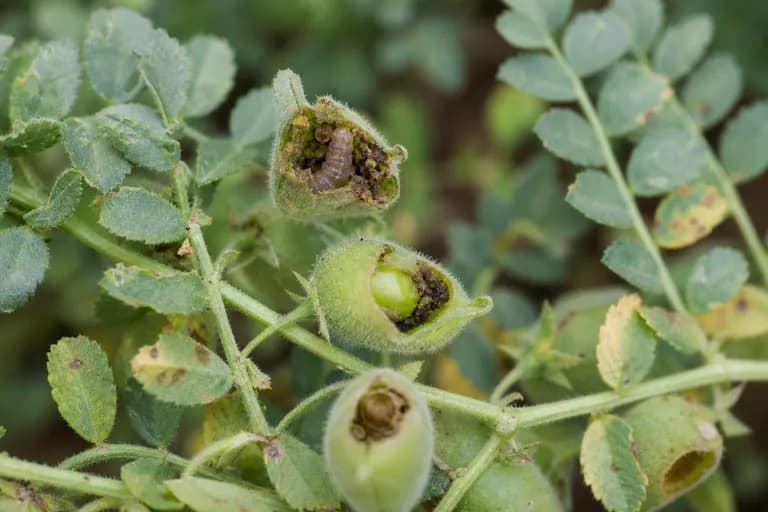
Hülsenbohrer
SchädlingRaupen, die in Samenhülsen und gelegentlich in Blütenknospen bohren. Verminderter Samenertrag.
Fehlerbehebung bei häufigen Problemen
Langsame Keimung ist häufig – Samen vor dem Pflanzen skarifiziern oder 24 Stunden in warmem Wasser einweichen. In gemäßigten Klimazonen erreicht die Kletterpflanze möglicherweise nicht ihr volles Blütenpotenzial vor dem Frost – Samen 4–6 Wochen früh drinnen vorziehen, um die Saison zu maximieren. Für ausreichende Unterstützung sorgen; ungestützte Kletterpflanzen werden zu einem verworrenen Durcheinander. Blüten halten nur einen Tag; täglich ernten für maximalen Ertrag.
Anbautipps
- Schmetterlingserbsensamen vor dem Pflanzen 12–24 Stunden in warmem Wasser skarifizieren oder einweichen, um die harte Samenschale aufzubrechen. Dieser einfache Schritt verbessert die Keimraten dramatisch und beschleunigt das Auflaufen um mehrere Tage.
- An einem Standort mit mindestens 6–8 Stunden Vollsonne täglich pflanzen. Die Schmetterlingserbse blüht am reichlichsten in hellem, direktem Sonnenlicht und produziert bei Halbschatten weniger Blüten, obwohl das Laub trotzdem kräftig wächst.
- Beim Pflanzen ein stabiles Spalier, einen Zaun, eine Laube oder eine Schnurstütze bereitstellen. Die Pflanze ist eine kräftige Wickelpflanze, die in einer Saison 3–5 Meter erreichen kann, und benötigt vertikale Unterstützung, damit die Blüten leicht geerntet werden können.
- Gut durchlässigen Boden verwenden und Überwässerung vermeiden. Die Schmetterlingserbse ist nach der Etablierung trockenheitsresistent, und die Wurzeln sind anfällig für Fäulnis bei staunassen Bedingungen. Die obersten Zentimeter des Bodens zwischen den Wassergaben trocknen lassen.
- Stickstoffreiche Dünger vermeiden, da sie das Blattwachstum auf Kosten der Blüten fördern. Als Hülsenfrucht fixiert die Schmetterlingserbse ihren eigenen Stickstoff durch Wurzelknöllchen, daher reicht eine leichte Anwendung eines kaliumreichen Düngers aus, um die Blüte zu fördern.
- Blüten am frühen Morgen ernten, wenn sie gerade erst geöffnet haben, für die intensivste Farbe und die höchste Anthocyanin-Konzentration. Jede Blüte hält nur einen einzigen Tag, daher stellt tägliches Ernten sicher, dass keine Blüten verloren gehen.
- Blüten schnell trocknen, indem sie in einer einzigen Schicht in einem warmen, schattigen, gut belüfteten Bereich ausgebreitet werden. Direktes Sonnenlicht während der Trocknung vermeiden, da es die blauen Pigmente abbaut. Richtig getrocknete Blüten sollten ihre tiefblaue Farbe behalten und sich papierartig anfühlen.
- In gemäßigten Klimazonen Samen 6–8 Wochen vor dem letzten Frost drinnen vorziehen und erst ins Freie umpflanzen, wenn die Nachttemperaturen zuverlässig über 15 °C bleiben. Die Schmetterlingserbse hat keinerlei Frosttoleranz und stirbt beim ersten Frost.
- Legeres oder überfülltes Wachstum im Hochsommer zurückschneiden, um Verzweigungen und einen frischen Schub an Blütenknospen zu fördern. Leichtes Beschneiden regt die Pflanze an, neue blütentragende Triebe an den Seitenzweigen zu produzieren.
- Samen aus reifen Hülsen aufbewahren, die an der Pflanze braun getrocknet sind. Die Hülsen aufknacken, die dunklen runden Samen sammeln und in beschrifteten Papiertüten an einem kühlen, trockenen Ort aufbewahren. Samen bleiben bis zu drei Jahre keimfähig.
Bau deine beste Blaue Klitorie an — und alles drumherum.
Starte heute kostenlos. Lege deine Beete an, setze deine Blaue Klitorie ein und lass PlotMyGarden Timing, Abstände, Begleiter und Erinnerungen von der Saat bis zum Erntekorb übernehmen.
Finde deine Blaue Klitorie
Clitoria ternatea (einfach blau)
Die standardmäßige einfachblütige blaue Form, die am häufigsten für Tee verwendet wird. Ergibt die intensivste Blaufarbe in Getränken.
Clitoria ternatea (gefüllt blau)
Gefülltblütige blaue Sorte mit mehr Blütenblättern pro Blüte. Dekorativer, aber mit ähnlicher Teequalität.
Clitoria ternatea 'Alba'
Weißblütige Form, die einen klaren, feinen Tee ohne blaue Farbe ergibt. Seltener angebaut.
Eine Packung Schmetterlingserbsensamen kostet etwa 3–5 € und ergibt eine kräftige Kletterpflanze, die pro Saison über 150 Blüten produziert. Getrocknete Schmetterlingserbsenblüten werden in Spezial-Teeshops und Reformhäusern für 15–30 € pro 50 g verkauft. Eine einzige selbst angebaute Pflanze kann im Laufe einer Wachstumsperiode leicht 100–200 g getrocknete Blüten produzieren, was einem Einzelhandelswert von 60–120 € entspricht. Da die Pflanze in warmen Klimazonen mehrjährig ist und sich leicht selbst aussät, rechnet sich die anfängliche Investition Jahr für Jahr mit praktisch keinen zusätzlichen Kosten außer Wasser.
Schnelle Rezepte
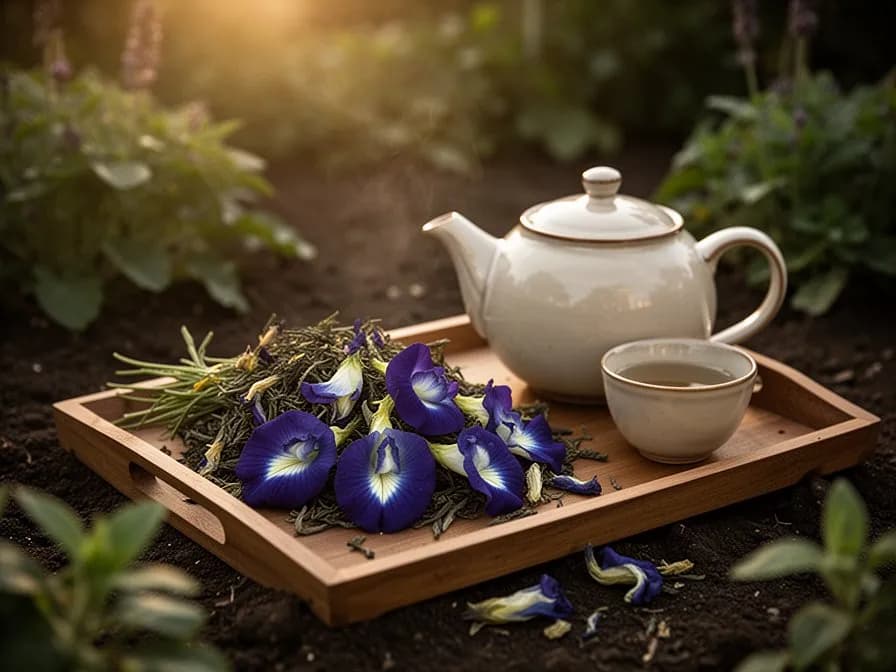
Farbwechselnde Schmetterlingserbsen-Limonade
15 Min.Ein faszinierendes Eisgetränk, das sich von tiefem Saphirblau zu leuchtendem Violett-Rosa verwandelt, wenn Zitronensaft hinzugefügt wird. Dieser koffeinfreie Erfrischer ist ein spektakulärer Gesprächsstarter bei Sommerfeiern und kann mit frischen oder getrockneten Schmetterlingserbsenblüten zubereitet werden.
6 ZutatenSchmetterlingserbsen-Blaureis
35 Min.Duftender Jasminreis, der mit Schmetterlingserbsenblütenextrakt in ein natürliches Blau getaucht wird, inspiriert vom traditionellen südostasiatischen Gericht Nasi Kerabu. Das milde Blütenaroma harmoniert wunderbar mit Kokosnusscurrys, gegrilltem Fisch und scharfem Sambal.
5 ZutatenSchmetterlingserbsenblütensirup
20 Min.Ein leuchtend blauer Blütensirup, der Cocktails, alkoholfreien Getränken, Desserts und Sprudelwasser eine atemberaubende natürliche Farbe verleiht. Wenn er mit sauren Zutaten gemischt wird, wechselt er zu Violett und Rosa und erzeugt geschichtete Getränke mit dramatischem Reiz.
5 ZutatenKulinarische Verwendung
Schmetterlingserbsenblüten werden in der gesamten südostasiatischen Küche für ihre auffallend blaue Farbe und ihren milden, erdigen Geschmack verwendet. Getrocknete oder frische Blüten in heißem Wasser aufgießen für einen leuchtend blauen Tee, der sich mit Zitronensaft violett färbt. Die Farbwechseleigenschaft ermöglicht spektakuläre Cocktails, alkoholfreie Getränke und Reisgerichte. In Thailand färben die Blüten Desserts und Getränke. Die Blüten werden auch verwendet, um Klebreis, Klöße und Speiseeis natürlich zu färben.
Was drinsteckt
Gesundheitsvorteile
- Reich an Anthocyanin-Antioxidantien, insbesondere Ternatinen, die helfen, freie Radikale zu neutralisieren, und oxidativen Stress, der mit chronischen Krankheiten und vorzeitiger Alterung verbunden ist, reduzieren können.
- Traditionell in der ayurvedischen Medizin zur Unterstützung der kognitiven Funktion und des Gedächtnisses eingesetzt, wobei moderne Tierstudien darauf hinweisen, dass der Blütenextrakt die Acetylcholinaktivität im Gehirn fördern kann.
- Enthält entzündungshemmende Verbindungen, die Schwellungen und Beschwerden reduzieren können, wobei Untersuchungen auf potenzielle Vorteile bei der Behandlung entzündlicher Erkrankungen beim regelmäßigen Verzehr als Tee hinweisen.
- Kann eine gesunde Blutzuckerregulierung unterstützen, wobei Vorstudien darauf hindeuten, dass Schmetterlingserbsenblütenextrakt die Glukoseaufnahme aus dem Verdauungstrakt hemmen und die Insulinsensitivität verbessern kann.
- Fördert die Haut- und Haargesundheit aufgrund seines hohen Flavonoidgehalts und wird in südostasiatischen Kulturen traditionell äußerlich angewendet, um das Haarwachstum anzuregen und die Hautelastizität zu verbessern.
- Wirkt in traditionellen Medizinsystemen als natürliches stressreduzierendes Adaptogen mit beruhigenden Eigenschaften, die Angstzustände reduzieren und Entspannung fördern können, ohne Schläfrigkeit zu verursachen.
Woher Blaue Klitorie stammt
Die Schmetterlingserbse (Clitoria ternatea) ist eine tropische mehrjährige Kletterpflanze, die ursprünglich aus dem äquatorialen Asien stammt, mit ihrem Ursprungszentrum vermutlich in der Region, die sich vom indischen Subkontinent über Südostasien erstreckt. Die Pflanze wird seit Jahrhunderten in tropischen und subtropischen Zonen weltweit kultiviert und als Zierpflanze, Heilkraut, Futterpflanze und stickstofffixierender Gründünger geschätzt. In Indien nimmt die Schmetterlingserbse einen prominenten Platz im ayurvedischen Arzneibuch ein, wo sie als Aparajita oder Shankhpushpi bekannt ist und seit der Antike zur Stärkung des Gedächtnisses und der kognitiven Funktion, zur Behandlung von Hautleiden und zur Unterstützung der allgemeinen Vitalität verordnet wird. Traditionelle Praktiker verwendeten Wurzel-, Blatt- und Blütenzubereitungen zur Behandlung eines breiten Spektrums von Erkrankungen, von Augenleiden bis hin zu Verdauungsbeschwerden. In Südostasien wurden die Blüten zu einem unverzichtbaren natürlichen Farbstoff in regionalen Küchen. Thailändische Köche weichen die Blütenblätter ein, um das duftende Jasminreisgericht Khao Yam und das Dessert Khanom Chan zu färben, während die malaiische Küche den Extrakt verwendet, um Kuih und Nasi Kerabu eine charakteristische blaue Farbe zu geben. Die Pflanze wurde während der Kolonialzeit in die Karibik, Mittelamerika und das tropische Afrika eingeführt, wo sie sich schnell einbürgerte und neben ihren kulinarischen Verwendungen als Deckfrucht und Viehfutter geschätzt wurde. Europäische Botaniker beschrieben die Art erstmals im 18. Jahrhundert, wobei Linné ihr 1753 den Gattungsnamen Clitoria gab. In den letzten Jahrzehnten hat die Schmetterlingserbse weltweit Aufmerksamkeit als koffeinfreier Kräutertee erlangt, der für seine dramatischen Farbwechseleigenschaften bei Zugabe von Zitronensäure geschätzt wird. Die Lebensmittel- und Getränkeindustrie hat sie als pflanzliche Alternative zu synthetischen Blaufarbstoffen angenommen. Moderne wissenschaftliche Forschung hat das reiche Anthocyanin-Profil der Blüte bestätigt, insbesondere die einzigartigen Ternatin-Verbindungen, und untersucht aktiv ihr antioxidatives, entzündungshemmendes und neuroprotektives Potenzial.
Blaue Klitorie: Schon gewusst?
Faszinierende Fakten über Blaue Klitorie
Schmetterlingserbsenblüten enthalten hohe Konzentrationen von Anthocyaninen, die sogenannten Ternatine, die ein leuchtend blaues Pigment erzeugen, das sich bei sinkendem pH-Wert violett oder rosa färbt und damit einen natürlichen Lackmustest bildet, den man trinken kann.
Blaue Klitorie: Fragen & Antworten
Wann sollte ich Blaue Klitorie pflanzen?
Was sind gute Begleitpflanzen für Blaue Klitorie?
In welchen Winterhärtezonen kann Blaue Klitorie wachsen?
Wie viel Sonne braucht Blaue Klitorie?
Welchen Abstand sollte ich zwischen Blaue Klitorie lassen?
Welche Schädlinge und Krankheiten befallen Blaue Klitorie?
Wie lagere ich Blaue Klitorie nach der Ernte?
Was sind die besten Blaue Klitorie-Sorten zum Anbauen?
Welchen Boden braucht Blaue Klitorie?
Warum wechselt Schmetterlingserbsentee die Farbe, wenn ich Zitrone hinzufüge?
Kann ich Schmetterlingserbse in einem gemäßigten Klima mit kalten Wintern anbauen?
Wie trockne und lagere ich Schmetterlingserbsenblüten, um ihre blaue Farbe zu erhalten?
Ist die Schmetterlingserbse essbar und wie schmeckt sie?
Fixiert die Schmetterlingserbse wirklich Stickstoff im Boden wie andere Hülsenfrüchte?
Wie viele Blüten kann ich von einer Schmetterlingserbsenpflanze erwarten?
Du hast die Theorie gelesen. Jetzt baue sie auf Autopilot an.
Alles, was Blaue Klitorie knifflig macht — das Timing, die Abstände, die Begleiter, das Erntefenster — genau das übernimmt PlotMyGarden für dich, für jede Pflanze im Garten.
Ein Plan, der dein Wetter kennt
Standort einmal festlegen. Aussaat-, Dünge- und Erntedaten rund um deinen echten letzten Frosttermin und die Live-Vorhersage — kein Raten mehr nach Saattüte.
Aus dem Abschnitt „Pflanzzeit“Beetplaner per Drag & Drop
Beete auf einem Raster gestalten. Jede Pflanze rastet im richtigen Abstand ein, und du siehst die ganze Saison, bevor du einen Cent für Saatgut ausgibst.
Aus dem Abschnitt „Anbau“Begleiter-Konflikte früh erkannt
Über 200 gute und schlechte Kombinationen werden beim Pflanzen live geprüft — so landet ein saisonruinierender Fehler nie in der Erde.
Aus dem Abschnitt „Begleiter“Erinnerungen, nach denen du wirklich handelst
„Gieß die Bohnen.“ „Heute ernten, bevor's umschlägt.“ Pünktlich, konkret und auf deine echten Pflanzen bezogen.
Aus dem Abschnitt „Ernte“Staffel-Aussaat, geplant
Sechs Wochen ernten statt sechs Tage? Die App verteilt deine Aussaaten automatisch und erinnert dich, wenn der nächste Satz fällig ist.
Aus dem Abschnitt „Pflanzzeit“Ein Verlauf, der schlauer wird
Jede protokollierte Ernte bringt der App deinen Garten bei. Der Plan fürs nächste Jahr startet bei dem, was in deinem Boden wirklich funktioniert hat.
Aus dem Abschnitt „Überblick“Pflanze diese neben Blaue Klitorie
Weitere Teekräuter
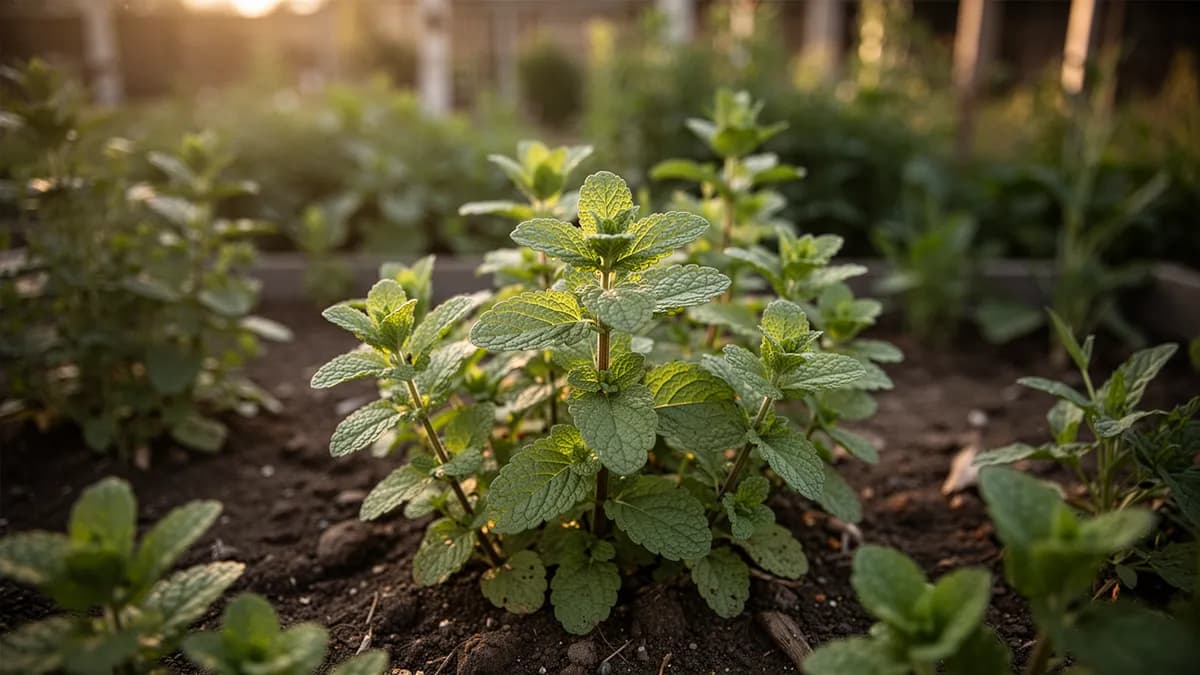
Bau deine beste Blaue Klitorie an — und alles drumherum.
Starte heute kostenlos. Lege deine Beete an, setze deine Blaue Klitorie ein und lass PlotMyGarden Timing, Abstände, Begleiter und Erinnerungen von der Saat bis zum Erntekorb übernehmen.