Cardamom
typical season: sow Apr – Jun · harvest Sep – Dec · set your climate
A tropical relative of ginger producing aromatic green pods that are the world's third most expensive spice, prized in chai tea and Indian sweets.
On this pageOverview
Meet Cardamom
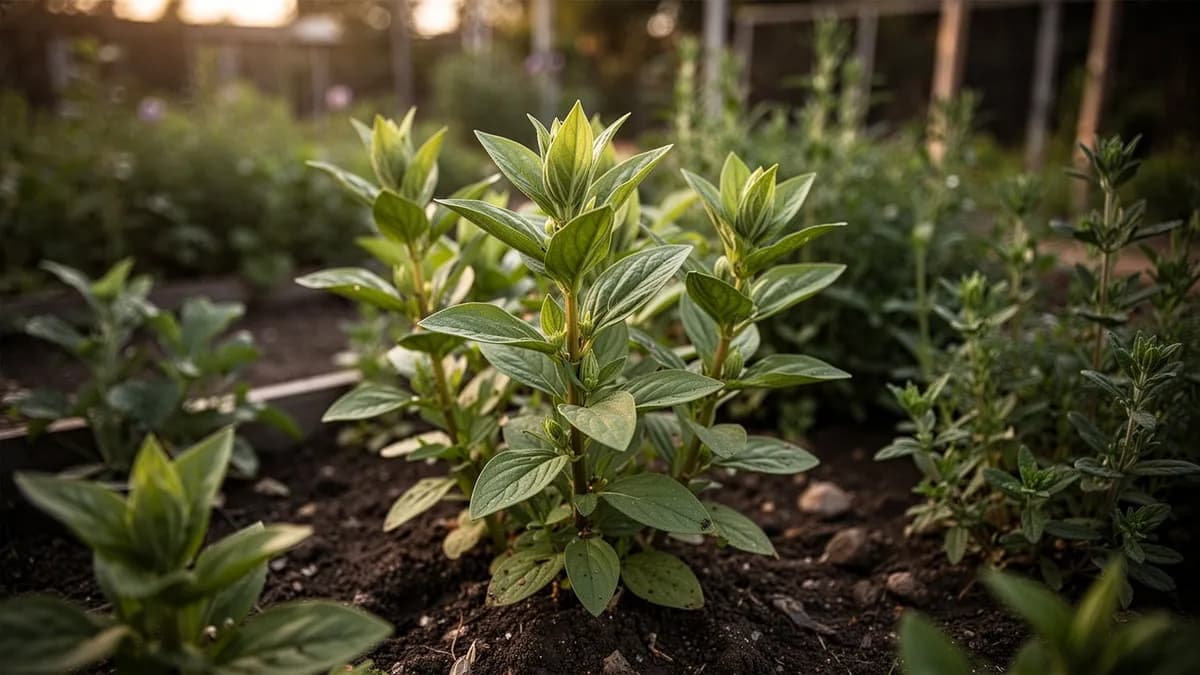
A tropical relative of ginger producing aromatic green pods that are the world's third most expensive spice, prized in chai tea and Indian sweets. Cardamom grows as a clumping rhizomatous plant with tall reed-like stems and requires warm, humid shade. In temperate climates, grow in a heated greenhouse with high humidity and rich, acidic soil.
When to plant Cardamom
Cardamom is best propagated by division of established rhizomes. Divide clumps in spring, ensuring each section has several stems and good root mass. Keep divisions warm and humid until established. Seeds are viable but germination is slow and erratic—sow fresh seeds (viability drops rapidly) on the surface of moist, warm compost at 25-30°C. Germination takes 3-8 weeks. Seedlings grow slowly and take several years to reach productive size.
Your Cardamom Year
Composed for Zone 7 · typical seasons · frost passes Apr 2, returns Nov 1
Plant Cardamom Apr – Jun, pick Sep – Dec. Check the planting methods below and set your climate to personalize these windows.
Where do you grow Cardamom?
Cardamom needs zones 10–12 to grow outdoors all year, so its dates depend on where you grow it. Set your climate and we'll date the reminders for your garden.
How to grow Cardamom
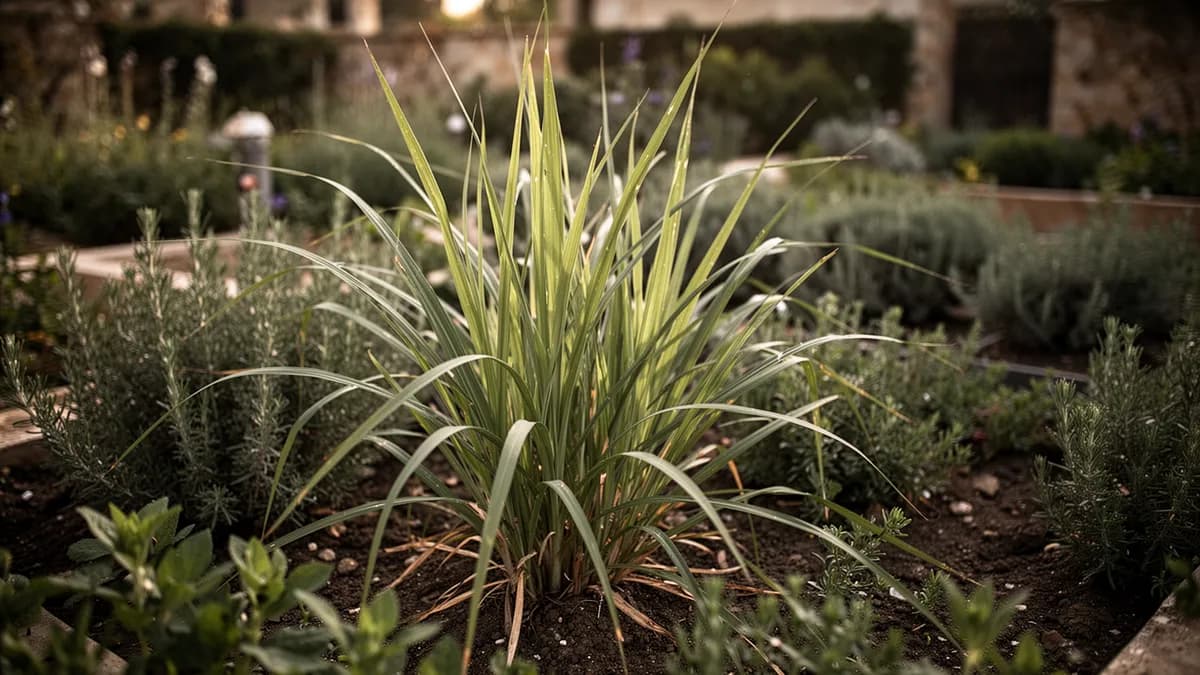
Cardamom is a tropical perennial in the ginger family, growing 2-3 meters tall with long, lance-shaped leaves on reed-like stems arising from a thick rhizome. The aromatic seed pods develop on creeping flower stalks that emerge at ground level, producing small white and purple flowers followed by the prized green pods. Cardamom requires warm, humid shade year-round.
In tropical regions (zones 10-12), plant in dappled shade under taller trees with rich, moist, acidic soil. Cardamom is a forest understory plant that does not tolerate direct sun. Maintain high humidity and consistent moisture—the soil should never dry out. Mulch deeply with organic matter.
In temperate climates, grow in large containers in a heated greenhouse or conservatory with minimum temperatures of 15°C and high humidity. Use a rich, acidic potting mix (similar to what you would use for orchids) and keep consistently moist. Mist daily or use a humidity tray. Cardamom is slow to produce pods—expect 3 years to first harvest from established plants, though the lush tropical foliage is ornamental in its own right.
Cardamom's best neighbours
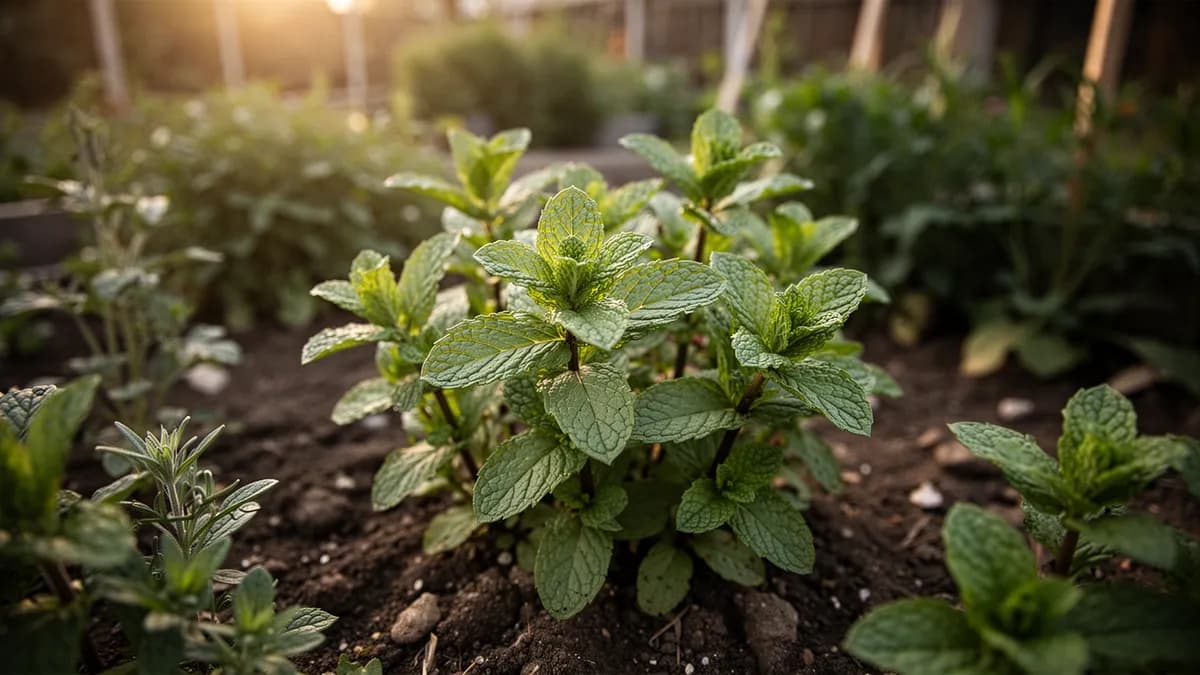
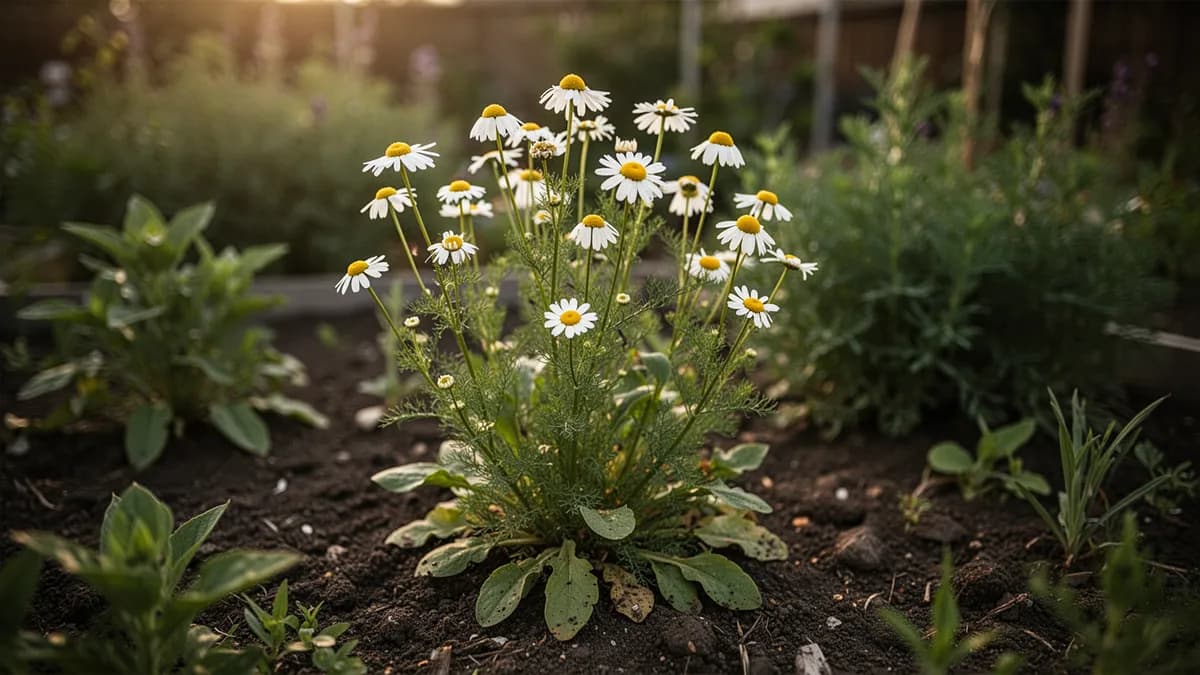
In tropical gardens, cardamom grows naturally in the understory of tall trees alongside ginger, turmeric, and other shade-loving tropicals. The tall stems provide structure in the shade garden while the ground-level flower stalks add interest at soil level. In greenhouse collections, group with other tropical spice plants for a themed display.
Ginger (Tea) belongs beside it.
Old growers' knowledge, checked against Cardamom's real companion table below — test any plant you're growing.
Related growing guides
Feed it well
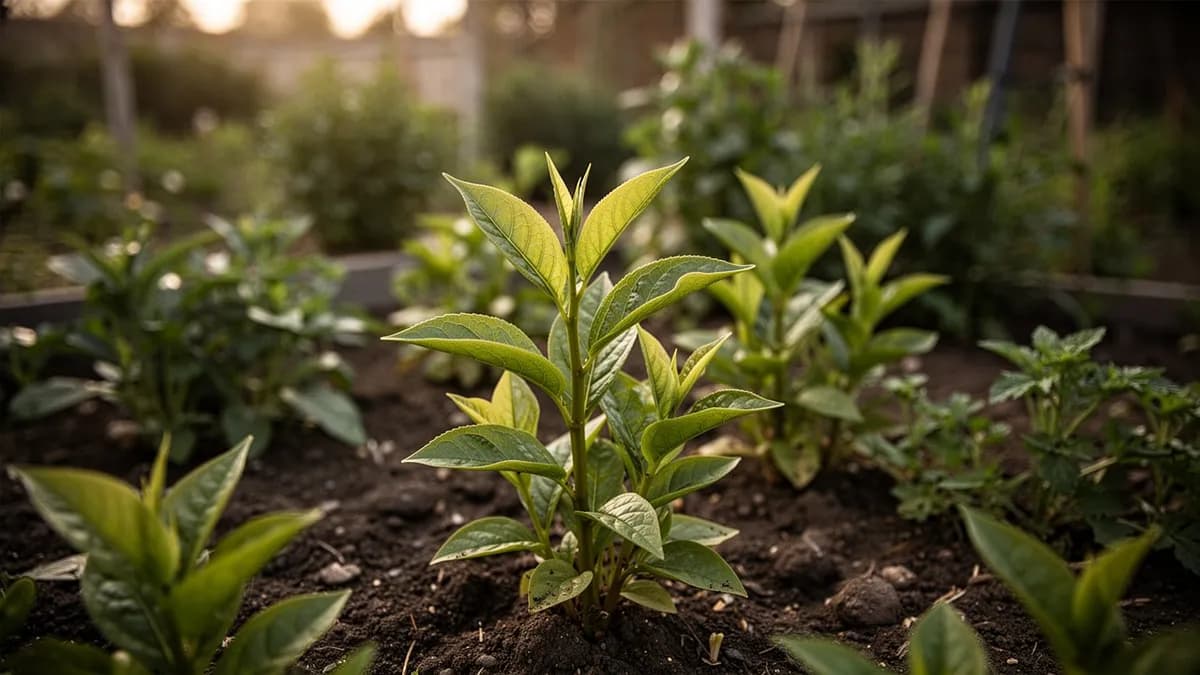
Cardamom requires rich, acidic soil (pH 5.0-6.5) with high organic matter content and excellent moisture retention. In containers, use a mix of peat-free ericaceous compost, composted bark, and perlite. Feed monthly during the growing season with an acid-loving plant fertilizer. Top-dress with compost annually. The soil should be consistently moist but never waterlogged.
Ideal Temperature
Hardiness Zone Compatibility
From seed to harvest, stage by stage
Seed Germination
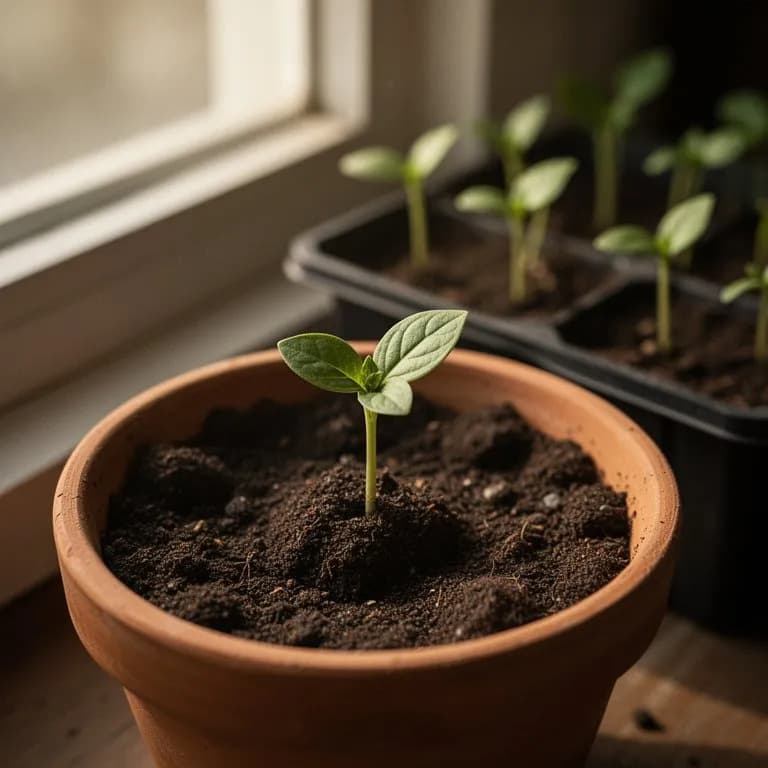
Cardamom seeds are notoriously slow and inconsistent to germinate. Fresh seeds removed from ripe pods are soaked overnight and sown 1-2 cm deep in a warm, moist seed-starting mix. A consistent temperature of 25-30°C and high humidity are essential. Germination can take 2-4 weeks or longer.
Seedling Development
Young seedlings emerge as slender shoots with tightly rolled leaves that gradually unfurl into smooth, lance-shaped blades. Growth is slow during this phase and seedlings are sensitive to cold drafts, dry air, and direct sunlight. A warm, humid environment with filtered light is critical.
Vegetative Growth
The plant enters a vigorous growth phase, producing multiple pseudostems from a central rhizome clump. Each pseudostem bears 10-20 long, aromatic leaves that release a warm spicy fragrance when brushed. During this stage the root system expands significantly and new shoots emerge from the base.
Flowering
After two to three years of growth, mature cardamom plants produce horizontal flowering stems called panicles at ground level. These bear small, orchid-like flowers that are white with purple-veined lips. Flowers open sequentially over several weeks and require insect pollination for pod formation.
Pod Development
Pollinated flowers develop into small, oval, three-sided green seed pods over 3-4 months. Each pod contains 15-20 tiny, intensely aromatic black or dark brown seeds arranged in three internal chambers. Pods remain on the ground-level stems as they mature.
Harvest and Drying
Pods are harvested by hand when they are fully formed but still green, just before they begin to yellow and split open. They are then carefully dried at low temperatures to preserve the volatile essential oils and vibrant green color that indicate premium quality cardamom.
Use only fresh seeds for the best germination rates, as cardamom seed viability drops rapidly after harvest. Cover the tray with a humidity dome or plastic wrap and keep in a warm spot out of direct sunlight.
Caring for Cardamom month by month
What to do each month for your Cardamom
November
You are hereMaintain indoor humidity above 50% using humidifiers or pebble trays. Monitor for pest infestations common to indoor plants in heated rooms. Water only when the top 2-3 cm of soil feels dry. Avoid cold drafts from windows and doors.
Harvesting Cardamom
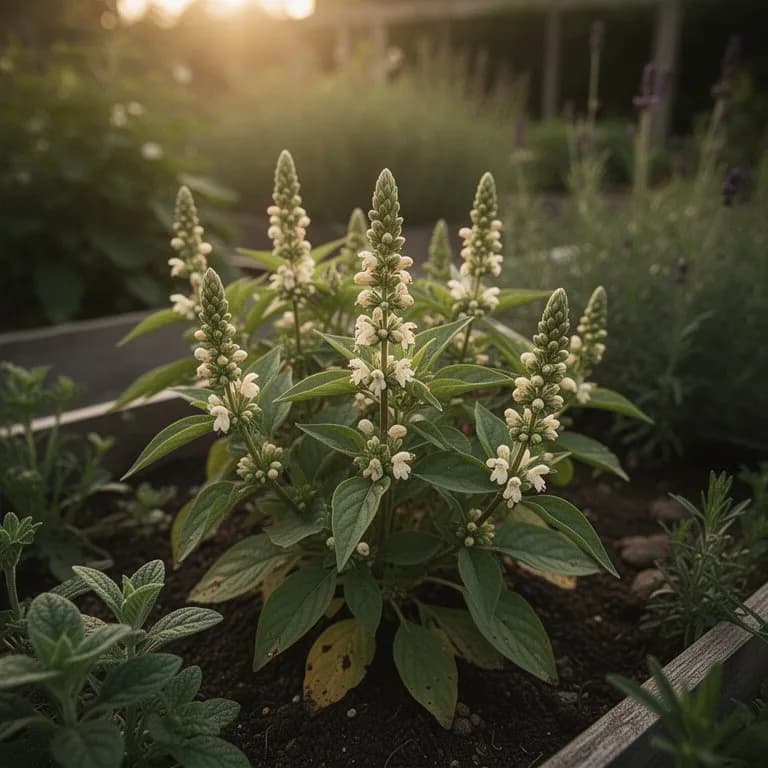
Harvest cardamom pods when they are plump and green but before they begin to split open, typically 3-4 months after flowering. Cut the entire fruiting stalk at ground level. Each stalk produces 5-20 pods. Pick individual pods that are ready, as they do not all ripen simultaneously. The pods are at their most aromatic when freshly harvested. A mature, well-established clump can produce a useful quantity of pods each year.
assuming you plant when the window opens — set your real date
Pick Cardamom promptly and the plant keeps producing.
Storage & Preservation
Dry freshly harvested pods in a warm, well-ventilated area at 40-50°C until they feel dry and papery. The green color indicates superior quality—commercially, the greenest dried pods command the highest prices. Store whole dried pods in airtight glass jars away from light for up to 2 years. Whole pods retain their aromatic oils far longer than pre-ground cardamom. For use, crack pods open and extract the small black seeds; grind just before using.
What goes wrong — and the fix
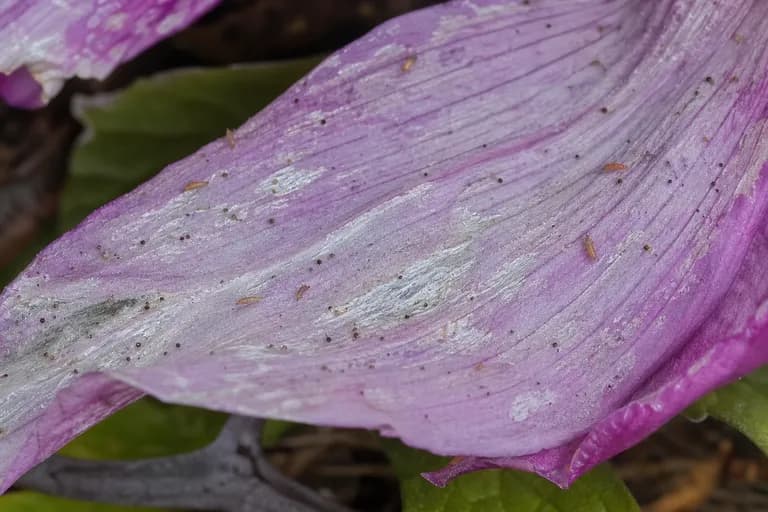
Thrips
PestSilvery streaks and distortion on young leaves. Tiny elongated insects visible on leaf surfaces.
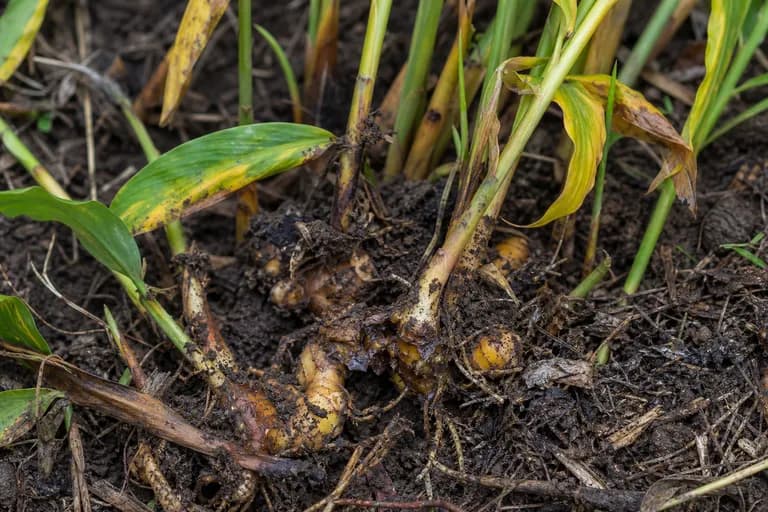
Rhizome Rot
DiseaseSoft, mushy rhizome tissue with a foul smell. Stems yellowing and collapsing from the base.
Troubleshooting Common Problems
Failure to produce pods is the most common frustration—cardamom needs 3+ years of maturity, consistent warmth (above 15°C), high humidity, and adequate nutrients to flower and fruit. Dry air causes brown leaf tips; mist regularly. In temperate greenhouses, insufficient warmth and humidity are the usual limiting factors. Even without pods, the lush tropical foliage makes cardamom a worthwhile ornamental.
Growing Tips
- Start cardamom from rhizome divisions rather than seed whenever possible, as divisions establish faster and can produce pods a full year sooner than seed-grown plants.
- Provide bright indirect light or dappled shade that mimics the filtered sunlight of a tropical forest floor. Direct afternoon sun can scorch the leaves and stunt growth.
- Maintain high humidity of 60-80% around the plant at all times. Use pebble trays, room humidifiers, or regular misting, especially when growing indoors during winter heating season.
- Plant in rich, slightly acidic soil with a pH of 6.0-6.8, amended with plenty of organic matter such as compost, coco coir, and well-rotted leaf mold for moisture retention and drainage.
- Water consistently to keep the soil evenly moist but never waterlogged. Cardamom is a forest understory plant accustomed to regular rainfall and does not tolerate drought or bone-dry conditions.
- Feed every two weeks during the active growing season with a balanced organic liquid fertilizer. Switch to a potassium-rich feed when flowering stems appear to encourage robust pod development.
- Protect plants from cold temperatures below 12°C by bringing containers indoors or providing greenhouse shelter well before the first autumn frost arrives in temperate climates.
- Mulch heavily around the base of garden-grown plants with organic matter to conserve soil moisture, suppress weeds, and keep the rhizome zone cool during hot weather.
- Watch for spider mites, aphids, and thrips, which are attracted to the lush foliage especially in dry indoor environments. Wipe leaves with a damp cloth and treat infestations with neem oil spray.
- Divide established clumps every 3-4 years in spring to rejuvenate the planting and create new plants. Each division should include at least two healthy pseudostems with attached roots.
Pick your Cardamom
Elettaria cardamomum (Green Cardamom)
True green cardamom, the most common and valued type. Sweet, complex, eucalyptus-citrus flavor used in chai, desserts, and curries.
Amomum subulatum (Black Cardamom)
A different species producing larger, smoky-flavored pods. Used in savory dishes in Indian and Chinese cuisine. Hardier than green cardamom.
A single mature cardamom plant can produce 200-500 g of green pods per year once established, with productive harvests continuing for 10-15 years. With premium green cardamom retailing at $30-60 per kilogram in grocery stores and specialty markets, a home-grown plant yielding 300 g annually represents a savings of $10-18 per year — and the flavor of freshly harvested pods far surpasses the stale pre-ground spice sold in most supermarkets. Starting from a rhizome division costs around $10-15, meaning the plant typically pays for itself within the first productive year. Even in cooler climates where cardamom must be grown in containers, the ornamental value of the lush tropical foliage adds decorative appeal to any indoor space.
Quick recipes
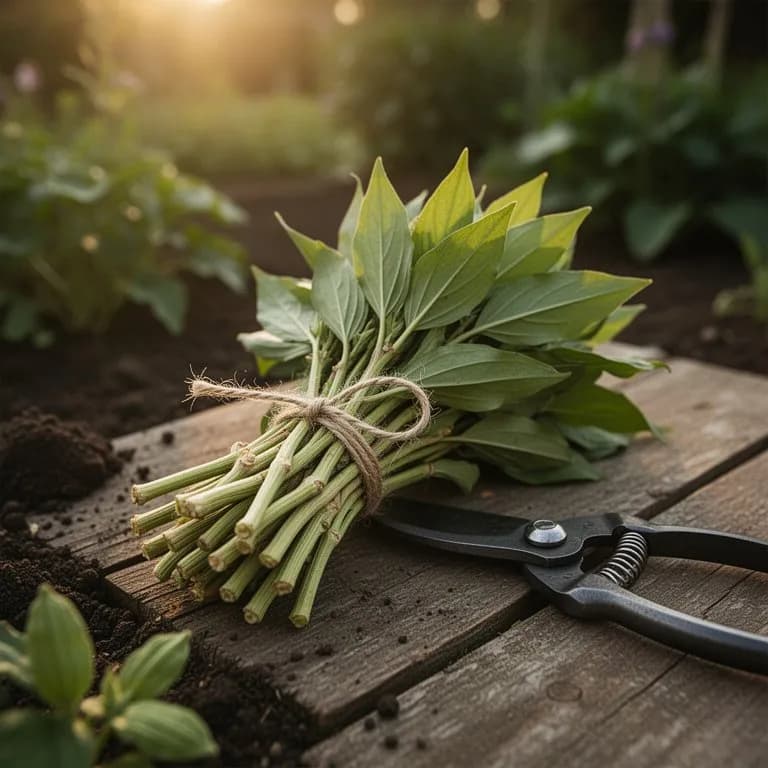
Cardamom-Spiced Chai Concentrate
20 minutesA rich, aromatic chai concentrate made with freshly crushed home-grown cardamom pods, black tea, and warming spices. This concentrate can be stored in the refrigerator for up to a week and mixed with hot milk for an instant cup of authentic masala chai.
7 ingredientsScandinavian Cardamom Rolls
2 hours including rising timeSoft, fragrant sweet rolls swirled with a buttery cardamom-sugar filling, inspired by the classic Swedish kardemummabullar. Freshly ground cardamom from home-grown pods gives these rolls an intensely aromatic flavor far superior to store-bought ground spice.
8 ingredientsCardamom and Rose Lassi
5 minutesA refreshing Indian yogurt drink infused with freshly ground cardamom and a hint of rose water. This cooling beverage is perfect after a spicy meal or on a warm afternoon and showcases the delicate floral and citrusy notes of home-grown cardamom.
7 ingredientsCulinary Uses
Cardamom is essential in Indian chai, Scandinavian baking, Middle Eastern coffee, and countless sweet and savory dishes worldwide. The whole pods add fragrance to rice dishes, curries, and stews. Ground seeds flavor cakes, pastries, and ice cream. In Scandinavian cuisine, cardamom is the dominant spice in bread and pastries. Add crushed pods to coffee or hot chocolate for an aromatic twist. The pods are also chewed as a breath freshener after meals.
What's inside
Health Benefits
- Supports digestive health by stimulating the secretion of bile acids and digestive enzymes, helping to relieve bloating, gas, heartburn, and nausea — a use documented in Ayurvedic medicine for thousands of years.
- Contains potent antioxidant compounds including cineole and limonene that help neutralize free radicals and may reduce oxidative stress linked to chronic diseases.
- May help lower blood pressure, with research suggesting that daily cardamom supplementation can produce modest but meaningful reductions in both systolic and diastolic blood pressure readings.
- Has natural antimicrobial and antibacterial properties that can help combat oral bacteria responsible for bad breath, cavities, and gum infections when chewed or used as a mouth rinse.
- Contains anti-inflammatory compounds that may help reduce inflammation markers in the body, potentially benefiting conditions such as arthritis and metabolic syndrome.
- May support respiratory health by improving airflow and oxygen circulation, with traditional use as a remedy for asthma, bronchitis, and cough in both Ayurvedic and Chinese herbal medicine systems.
Where Cardamom comes from
Cardamom (Elettaria cardamomum) is one of the oldest spices known to humanity, with a rich history stretching back over 4,000 years to the rainforests of the Western Ghats in southern India. In its native habitat it grows as an understory perennial in the shade of tall tropical trees at elevations between 600 and 1,500 meters. Ancient Indian texts including the Vedas and the Ayurvedic treatise Charaka Samhita reference cardamom as both a culinary flavoring and a powerful digestive medicine. The spice was traded along ancient caravan routes to Egypt, Greece, and Rome, where it became highly prized. The Egyptians used cardamom in perfumes and embalming mixtures, while Greek and Roman writers including Theophrastus and Pliny documented it as a valuable aromatic import from the East. Arab traders controlled much of the cardamom trade for centuries, deliberately obscuring its origins to protect their monopoly. By the medieval period, cardamom had become a luxury commodity in European courts, used to flavor wines, desserts, and medicinal preparations. Portuguese colonizers were among the first Europeans to reach the cardamom-growing regions of India's Malabar Coast in the early 1500s, followed by the Dutch and British who established plantation systems. A pivotal moment in cardamom's global history occurred in the early twentieth century when German coffee planters introduced the crop to Guatemala, where the volcanic soils and humid highland climate proved ideal. Guatemala eventually surpassed India as the world's top cardamom exporter. Today India and Guatemala together account for the vast majority of global production. In Scandinavian countries, cardamom arrived with the Vikings over a thousand years ago and remains a beloved baking spice, used generously in sweet breads, pastries, and holiday treats. The spice continues to hold deep cultural significance across South Asia, the Middle East, and East Africa, where it is a staple in chai, coffee, rice dishes, and traditional medicine.
Cardamom: did you know?
Fascinating facts about Cardamom
Cardamom is the third most expensive spice in the world by weight, surpassed only by saffron and vanilla, earning it the nickname the Queen of Spices.
Cardamom questions, answered
When should I plant Cardamom?
What are good companion plants for Cardamom?
What hardiness zones can Cardamom grow in?
How much sun does Cardamom need?
How far apart should I space Cardamom?
What pests and diseases affect Cardamom?
How do I store Cardamom after harvest?
What are the best Cardamom varieties to grow?
What soil does Cardamom need?
Can I grow cardamom outdoors in a temperate climate?
How long does it take for a cardamom plant to produce pods?
What is the best way to harvest and dry cardamom pods?
Why are the leaves on my cardamom plant turning brown at the edges?
Can I use the leaves of the cardamom plant for cooking?
What pests and diseases should I watch for when growing cardamom?
Plant these alongside Cardamom
More Tea Herbs
Grow your best Cardamom yet — and everything around it.
Start a free plan today. Lay out your beds, drop in your Cardamom, and let PlotMyGarden handle the timing, spacing, companions and reminders from seed to harvest basket.
