Lemon Balm
A lemon-scented mint relative that self-sows readily and attracts pollinators with its small white flowers.





On this pageOverview
Meet Lemon Balm
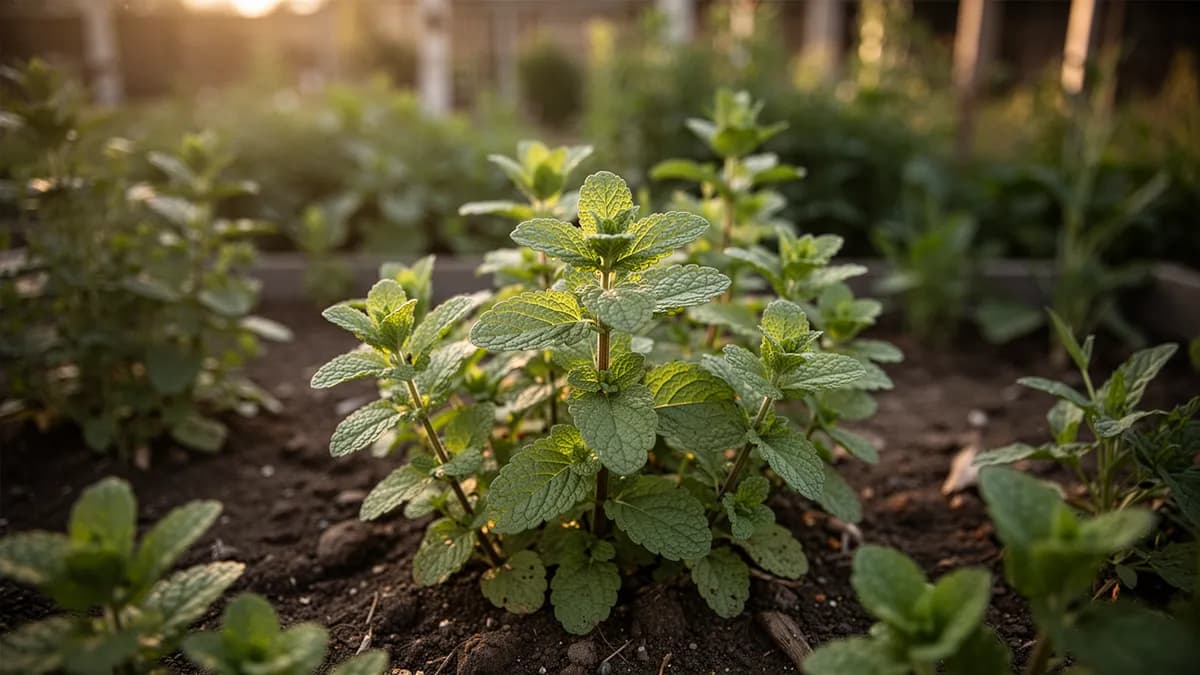
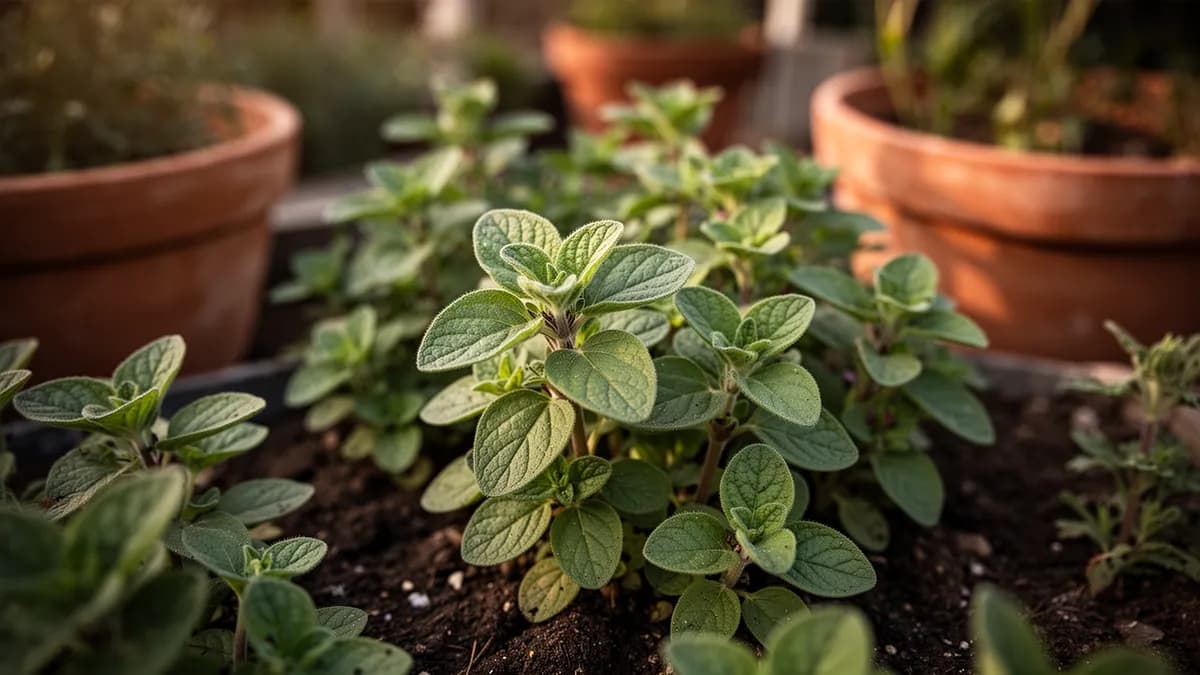
A lemon-scented mint relative that self-sows readily and attracts pollinators with its small white flowers. Like mint, lemon balm can spread aggressively, so consider planting in containers or removing flower heads before seeds set. The bright, citrusy leaves make a refreshing herbal tea known for its calming properties and are also excellent in salads, desserts, and cold drinks. Grow in partial shade with moist soil and cut plants back hard in midsummer to encourage a flush of tender new growth.
When to plant Lemon Balm
Sow lemon balm seeds indoors 6-8 weeks before the last expected frost. Sprinkle seeds on the surface of moist seed-starting mix and press lightly without covering, as light aids germination. Maintain soil temperatures of 65-70°F and keep consistently moist. Germination takes 10-14 days but can be sporadic. Thin seedlings to one per cell once true leaves appear. Lemon balm is also very easy to propagate by division in spring or fall, or from stem cuttings placed in water until roots develop.
Your Lemon Balm Year
Composed for Zone 7 · typical seasons · frost passes Apr 2, returns Nov 1
Plant Lemon Balm Mar – May, pick May – Oct. Check the planting methods below and set your climate to personalize these windows.
How to grow Lemon Balm
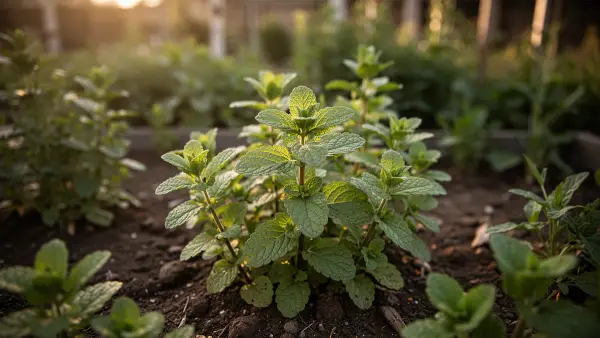
Sow lemon balm seeds indoors 6-8 weeks before the last frost or direct sow outdoors in early spring. Press seeds lightly onto the surface of moist seed-starting mix, as they need light for germination. Seeds germinate in 10-14 days at 65-70°F. Transplant seedlings outdoors after hardening off, spacing them 18-24 inches apart. Lemon balm can also be started easily from stem cuttings or root divisions taken in spring or fall.
Lemon balm is highly adaptable but performs best in partial shade with moist, fertile soil. Unlike most Mediterranean herbs, it prefers some afternoon shade, especially in hot climates where full sun can scorch the leaves. Water regularly to keep soil consistently moist but not waterlogged. Mulch around plants to retain moisture and suppress weeds.
Be aware that lemon balm is an aggressive self-seeder and spreader. To contain it, grow in containers or remove flower heads before seeds mature. Cut the entire plant back to 2-3 inches above the ground in midsummer to stimulate a fresh flush of tender, fragrant new growth. In cold climates, lemon balm dies back to the ground in winter but returns reliably from the roots each spring, surviving temperatures well below zero.
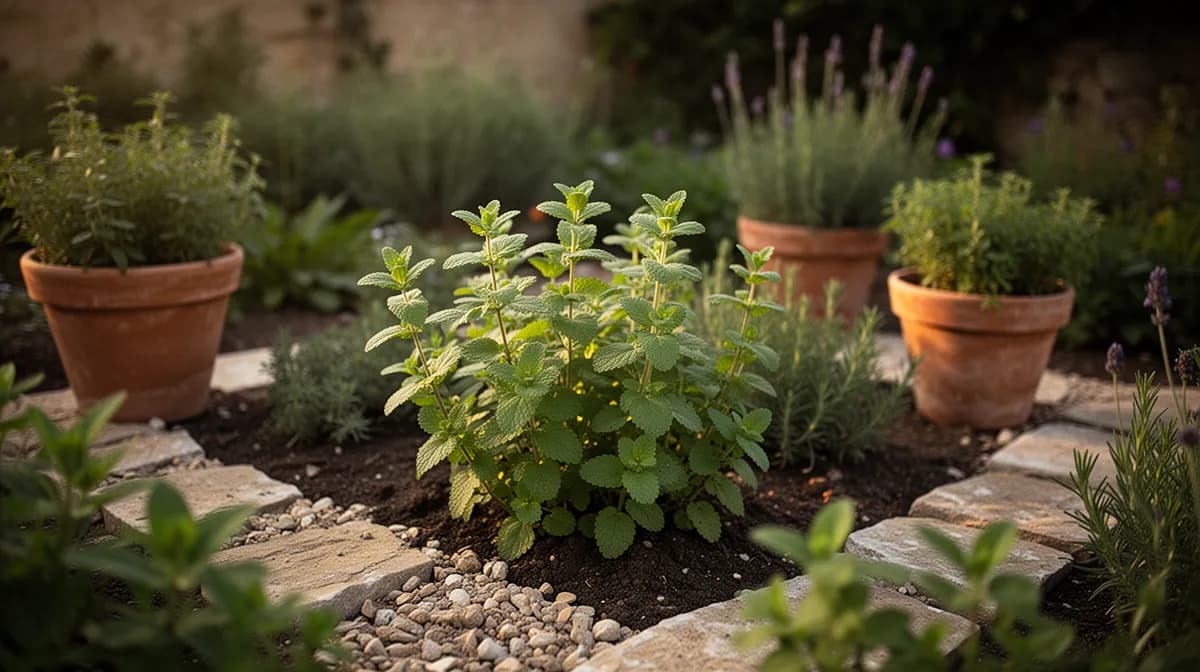
32 plants fit a 4 × 8 ft bed
Each Lemon Balm wants 30 cm of elbow room. The planner keeps that spacing for you — every plant, every bed.
Lemon Balm's best neighbours
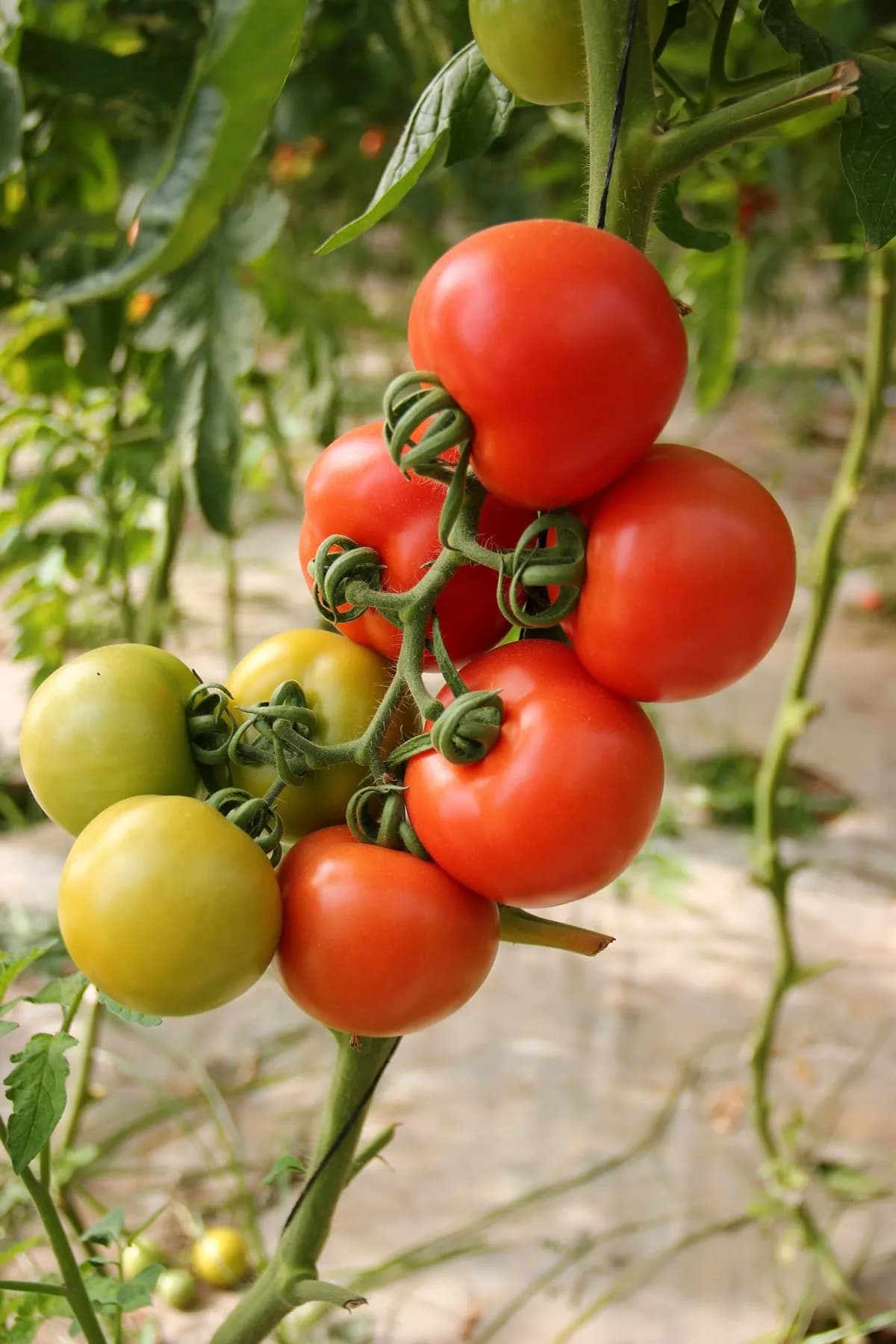
Lemon balm is a powerful pollinator attractor, and its small white flowers draw bees and beneficial insects to the garden throughout summer. Plant near tomatoes, squash, and other crops that benefit from improved pollination. The strong lemon scent is reported to deter mosquitoes and gnats when plants are brushed or bruised. Lemon balm grows well with most vegetables and herbs but should be contained to prevent it from overtaking less vigorous neighbors. It tolerates partial shade, making it useful under taller companion plants.
Basil belongs beside it. Fennel doesn't.
Old growers' knowledge, checked against Lemon Balm's real companion table below — test any plant you're growing.
Try Lemon Balm in a bed — right here
A real planner bed with Lemon Balm already in it. Tap a companion to place it and watch the pairing checks answer — green for good neighbours, red for a clash.


Related growing guides
Feed it well
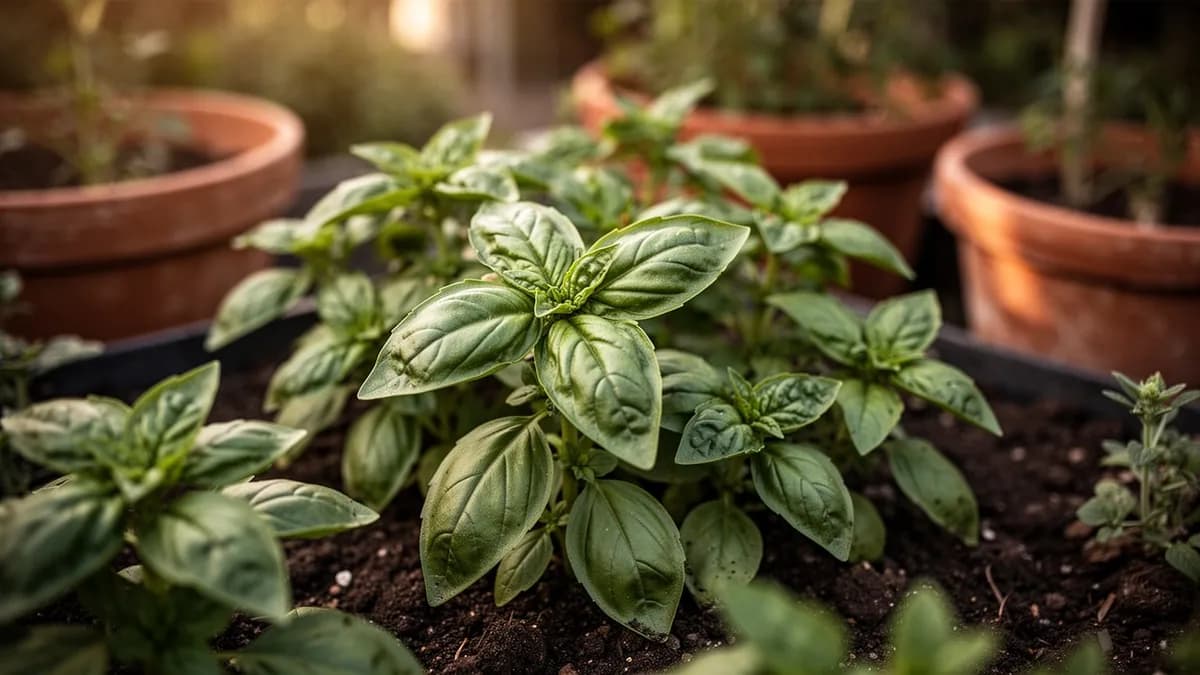
Lemon balm thrives in average to rich, moist, well-drained soil with a pH of 6.0-7.5. Amend heavy clay soil with compost and perlite to improve drainage while retaining moisture. Feed with a balanced organic fertilizer or compost tea once in spring and again after the midsummer cutback. Avoid heavy nitrogen feeding, which can promote excessive leafy growth with reduced aromatic oil concentration. A 2-inch mulch of shredded leaves or straw conserves moisture and suppresses weeds around plants.
Ideal Temperature
Hardiness Zone Compatibility
From seed to harvest, stage by stage
Seed Sowing & Germination
Lemon balm seeds are tiny and require light to germinate, so they should be surface-sown or barely covered with a thin dusting of vermiculite. Seeds germinate in 10-14 days when soil temperatures are between 18-24°C (65-75°F). Germination can be slow and uneven, which is normal for this herb.
Seedling Development
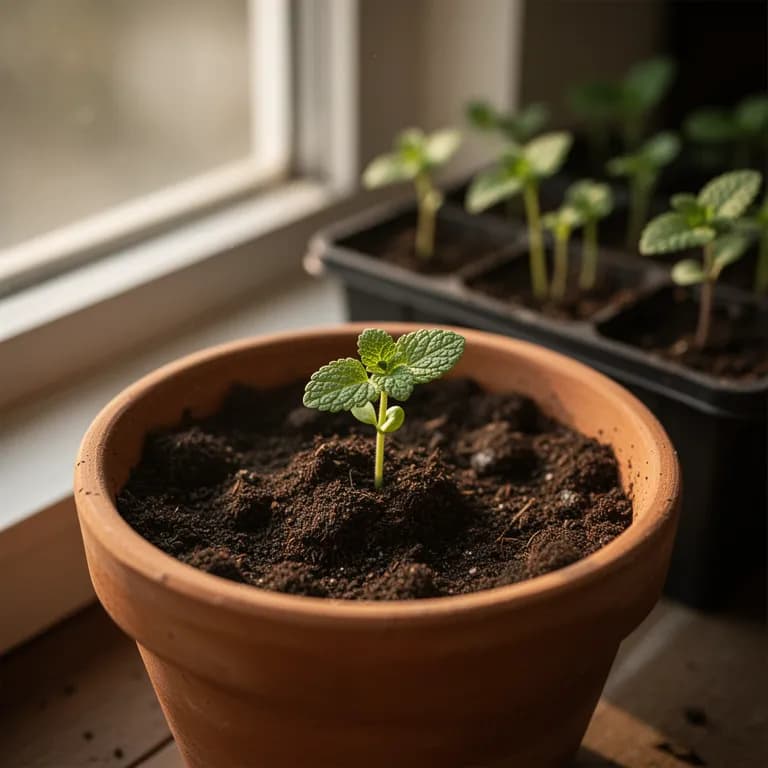
Tiny seedlings develop their first pairs of true leaves, which already show the characteristic crinkled texture and emit a faint lemon scent when brushed. Growth is slow at this stage as the plant establishes its root system. Seedlings are small and delicate, requiring careful attention to watering and light.
Vegetative Growth
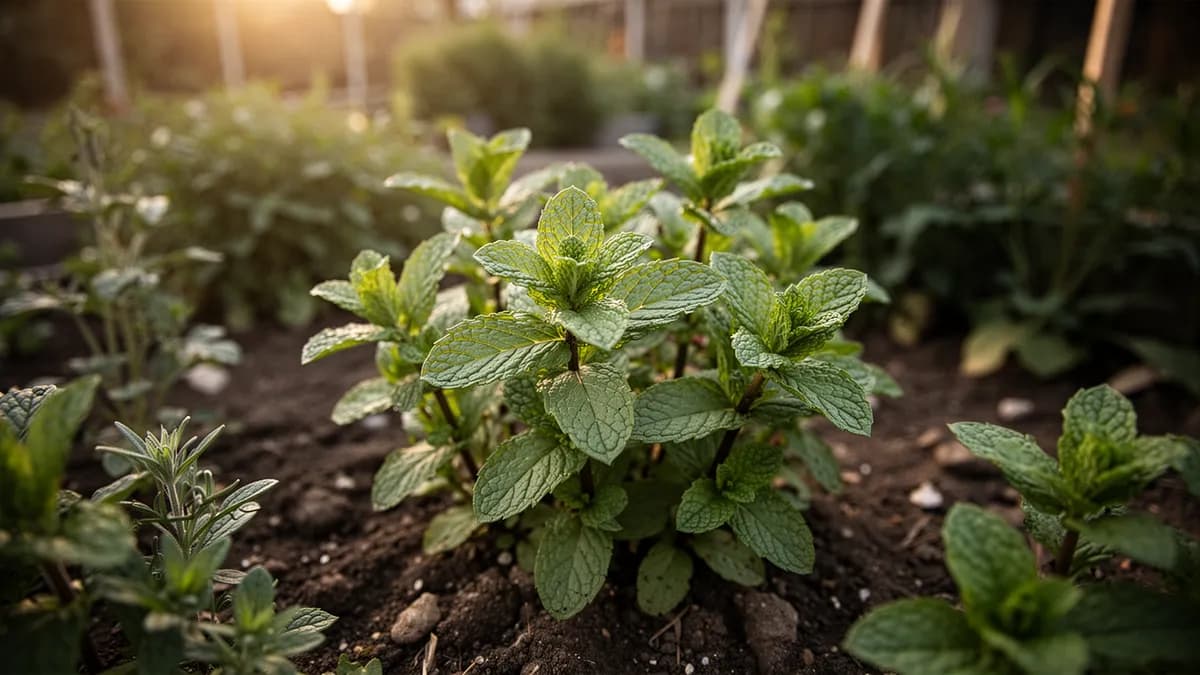
The plant enters rapid vegetative growth, branching freely and forming a bushy mound of fragrant foliage. Stems become square (a hallmark of the mint family), and leaves grow larger with deeply serrated edges. The root system expands vigorously, and the plant may begin sending out runners.
Full Maturity & Peak Harvest
The plant reaches its full size of 50-80 cm tall and wide, with dense foliage packed with aromatic essential oils. This is the prime harvest period when leaf flavor and fragrance are at their peak. The plant is robust enough to handle aggressive harvesting — cutting back up to two-thirds of the growth stimulates vigorous regrowth.
Flowering
Small, tubular white or pale yellow flowers appear in whorls at the leaf axils along the upper stems. Flowers are highly attractive to bees and other pollinators. Once flowering begins, leaf flavor becomes slightly bitter and less aromatic as the plant redirects energy into reproduction. If allowed to set seed, lemon balm self-sows prolifically.
Dormancy & Overwintering
As temperatures drop in autumn, above-ground growth dies back to the crown. The root system remains alive and dormant through winter, even in temperatures as low as -20°C (-4°F) in zones 4-9. In mild climates, some green growth may persist through winter. The plant re-emerges vigorously in early spring.
Press seeds gently into the surface of moist seed-starting mix without covering them deeply. Keep the surface consistently moist using a mist sprayer. A humidity dome or plastic wrap over the tray helps retain moisture during the long germination period. Bottom heat from a seedling mat speeds germination significantly.
Caring for Lemon Balm month by month
What to do each month for your Lemon Balm
October
You are hereGrowth slows significantly as temperatures drop. Harvest remaining usable leaves. Pot up a small division or rooted cutting and bring indoors for winter windowsill growing. In zones 4-6, apply winter mulch after the first hard frost. Clean up fallen leaves and debris around plants.
Know exactly what to do in your garden — every month
One email at the start of each month: what to sow, plant, and tackle right now — for your Lemon Balm and everything growing around it. Plus a short starter course that helps you dodge the classic mistakes.
- What to do, right now
- Matched to your season
- Starter course included
Harvesting Lemon Balm
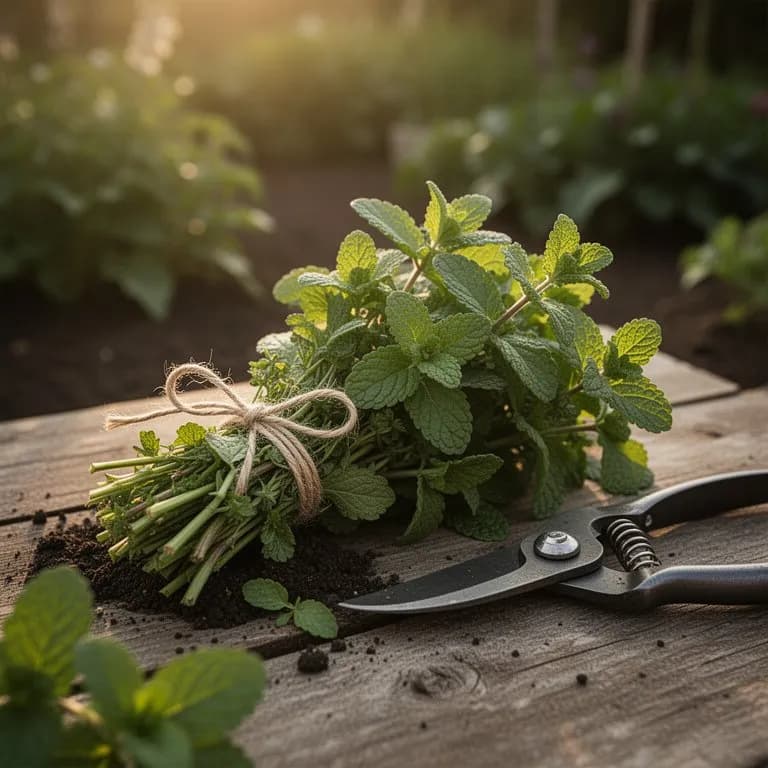
Begin harvesting lemon balm once plants are 8-10 inches tall, about 60-70 days after sowing. Snip individual stems just above a leaf node or harvest up to two-thirds of the plant at once. For the most intense lemon flavor, harvest in the morning before the heat of the day causes volatile oils to dissipate. Cut the entire plant back to 2 inches in midsummer to trigger a second harvest of tender new growth. Lemon balm can typically be harvested 3-4 times per season.
assuming you plant when the window opens — set your real date
Pick Lemon Balm promptly and the plant keeps producing.
Storage & Preservation
Use lemon balm fresh whenever possible, as the delicate lemon flavor diminishes significantly when dried. For drying, spread leaves in a single layer on screens in a warm, dark area with good ventilation, or use a dehydrator at 95-100°F. Store dried leaves in airtight jars and use within 3-6 months. Fresh leaves freeze well when laid flat on a baking sheet and transferred to freezer bags. Lemon balm also makes excellent herbal vinegar, infused honey, and flavored simple syrups that preserve its bright citrus character.
What goes wrong — and the fix
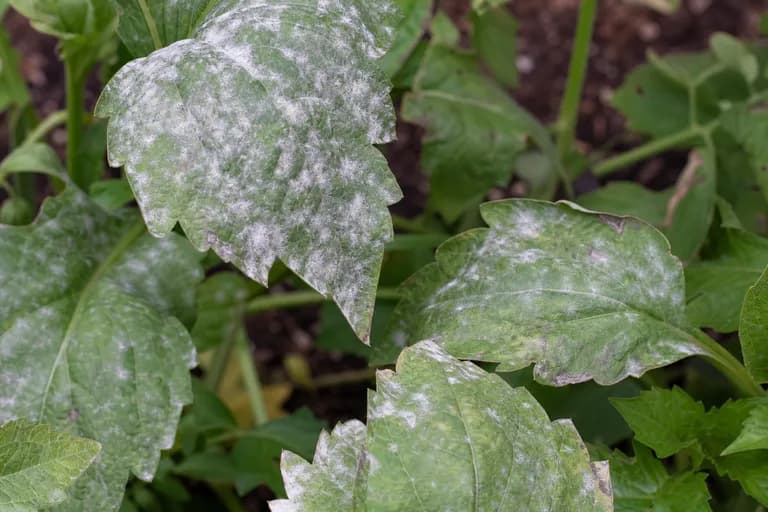
Powdery Mildew
DiseaseWhite powdery coating on leaf surfaces, especially in late summer, leaf curling and premature drop.
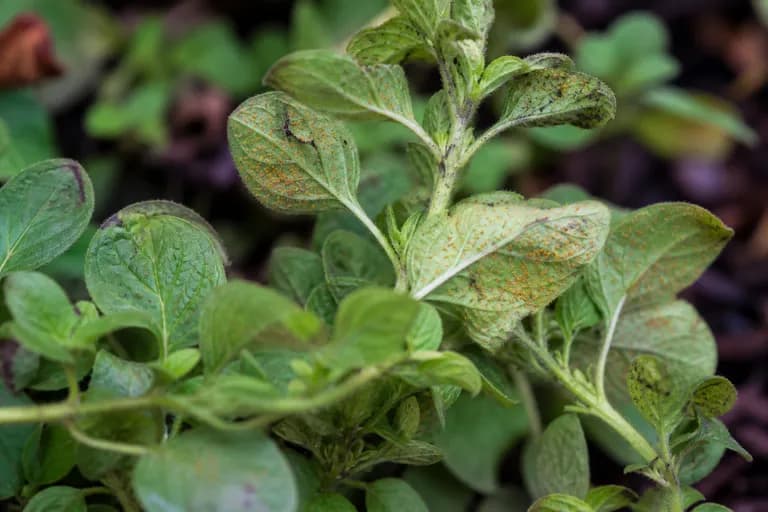
Mint Rust
DiseaseSmall orange-brown pustules on undersides of leaves, distorted stems, yellowing and dropping foliage.
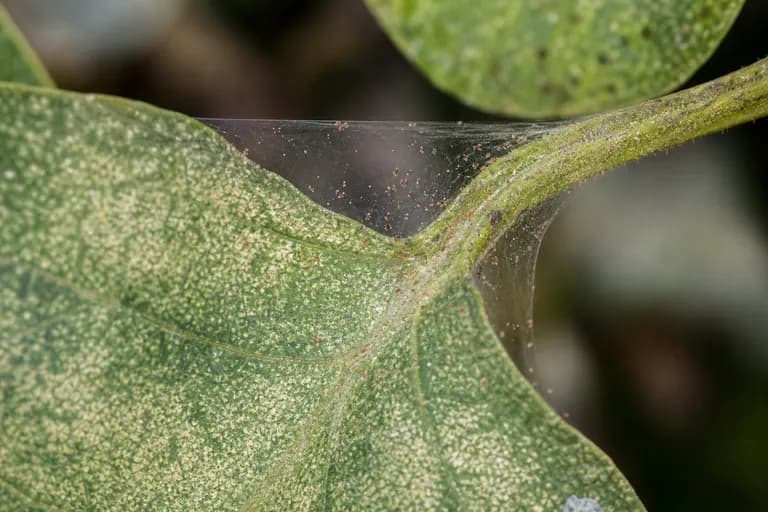
Spider Mites
PestFine stippling on leaves, tiny webs between leaf nodes, bronzed or dried-out foliage especially in dry conditions.
Troubleshooting Common Problems
Aggressive spreading is the primary challenge with lemon balm; it self-sows prolifically and can become invasive in garden beds. Remove flower heads before seeds set, or grow in containers to control spread. Powdery mildew is common in late summer, especially in crowded plantings with poor air circulation. Cutting plants back hard in midsummer prevents mildew and rejuvenates growth. In deep shade, plants become leggy and produce less aromatic foliage. Root division every 3-4 years keeps established clumps vigorous.
Growing Tips
- Contain lemon balm from the start by planting in a bottomless bucket sunk into the soil, or grow it in a large pot. Like its mint relatives, lemon balm spreads aggressively through underground runners and prolific self-seeding, and can quickly take over a garden bed if left unchecked.
- Start seeds indoors 8-10 weeks before the last frost date for the strongest transplants. Lemon balm seeds are tiny and need light to germinate — press them onto the surface of moist seed-starting mix without covering. Germination is slow (10-14 days) but reliable with consistent moisture and warmth.
- Cut plants back hard 2-3 times during the growing season to keep them compact and productive. Lemon balm responds to aggressive pruning with vigorous, bushy regrowth. Plants that are never cut back become leggy, woody at the base, and produce fewer aromatic leaves.
- Harvest just before flowering for the highest concentration of essential oils and the strongest lemon flavor. Once flowers open, the plant redirects energy to seed production and leaf quality declines noticeably. Regular harvesting naturally delays flowering.
- Grow lemon balm in partial shade if you live in a hot climate — it tolerates 3-4 hours of direct sun and actually produces more tender, flavorful leaves with afternoon shade protection. In cooler climates, full sun produces the most vigorous and aromatic plants.
- Deadhead all flowers immediately to prevent self-seeding. A single lemon balm plant can produce thousands of viable seeds that germinate readily in any disturbed soil. Vigilant deadheading is the single most effective strategy for preventing unwanted spread throughout the garden.
- Propagate easily by division in spring or autumn — simply dig up a section of the root mass with a sharp spade and replant. Stem cuttings root readily in water within 2-3 weeks, making it simple to share plants with friends or start new patches without buying seeds.
- Water established plants deeply once or twice per week rather than shallow daily watering. Lemon balm is surprisingly drought-tolerant once its deep root system is established, but consistent moisture produces the lushest foliage and strongest fragrance.
- Pair lemon balm with tomatoes, squash, and brassicas in the vegetable garden — its strong lemon scent helps deter aphids, squash bugs, and whiteflies, and its flowers attract beneficial pollinators and parasitic wasps that control pest populations naturally.
- Dry surplus leaves by hanging small bundles upside down in a warm, well-ventilated area away from direct sunlight for 5-7 days. Store dried leaves in airtight glass jars in a cool, dark place — properly dried lemon balm retains its flavor and medicinal properties for up to one year.
Grow your best Lemon Balm yet — and everything around it.
Start a free plan today. Lay out your beds, drop in your Lemon Balm, and let PlotMyGarden handle the timing, spacing, companions and reminders from seed to harvest basket.
Pick your Lemon Balm
Common Lemon Balm
The standard species with bright green leaves and a strong lemon scent. Vigorous grower that self-sows freely in gardens.
Aurea (Golden Lemon Balm)
An ornamental cultivar with gold-variegated leaves that brighten shady garden corners. Slightly less vigorous than the species with the same lemon fragrance.
Compacta
A more restrained variety that forms a tidy mound and is less aggressive than the species. Ideal for container growing and small herb gardens.
Fresh lemon balm is rarely sold in grocery stores, and when available at farmers' markets or specialty shops it costs $3-6 per small bunch. Dried lemon balm tea from health food stores costs $8-15 per 50g bag. A single lemon balm plant costs $3-5 from a nursery (or free from seed) and produces 200-400g of fresh leaves per season for 4-5 years with zero additional cost — a perennial investment that delivers $50-100 worth of fresh herb and dried tea per year. As a self-seeding perennial, one plant eventually provides unlimited divisions and seedlings to expand your patch or share with fellow gardeners.
Quick recipes
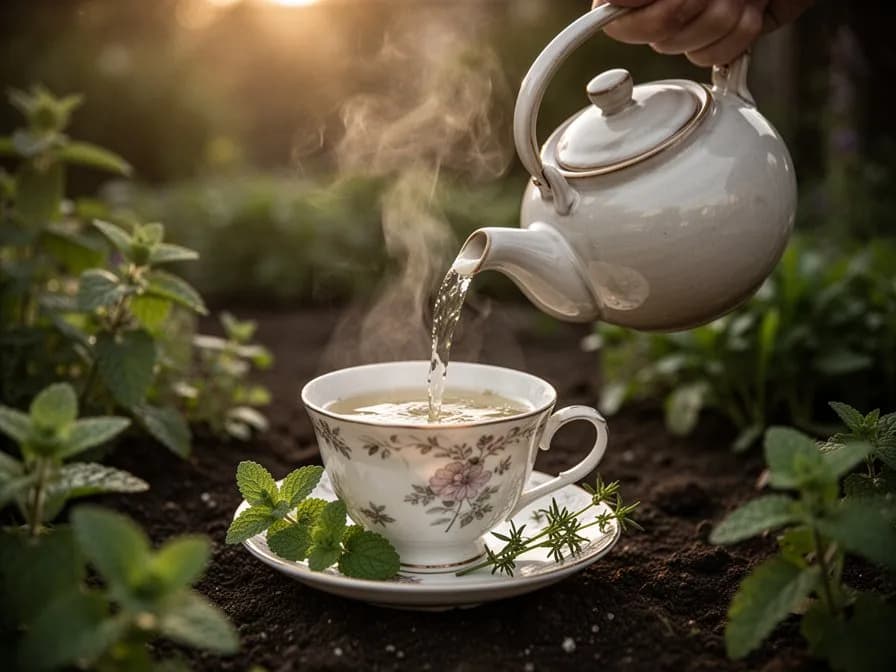
Fresh Lemon Balm Tea
5 minThe simplest and most traditional way to enjoy lemon balm — a handful of fresh leaves steeped in hot water creates a golden, fragrant infusion with natural calming properties. Best enjoyed in the evening to promote relaxation and restful sleep.
5 ingredientsLemon Balm Pesto
10 minA vibrant twist on classic basil pesto, this lemon balm version brings a bright citrusy flavor that pairs beautifully with pasta, grilled fish, and roasted vegetables. An excellent way to use a large harvest all at once.
7 ingredientsLemon Balm Infused Lemonade
15 min + chillingA refreshing summer drink where a lemon balm simple syrup transforms ordinary lemonade into something extraordinary. The herbal lemon notes complement the citrus beautifully, creating a sophisticated and naturally soothing beverage.
7 ingredientsCulinary Uses
Lemon balm's bright citrus flavor makes it a refreshing addition to herbal teas, iced beverages, and cocktails. Use fresh leaves in fruit salads, green salads, and as a garnish for fish and poultry dishes. It pairs excellently with berries, peaches, and melon. Lemon balm pesto made with pine nuts and olive oil is a unique alternative to traditional basil pesto. The leaves are also used in traditional European liqueurs and cordials.
What's inside
Health Benefits
- Lemon balm has well-documented anxiolytic (anti-anxiety) effects — clinical studies have shown that lemon balm extract significantly reduces symptoms of stress, nervousness, and restlessness, making it one of the most evidence-backed calming herbs available.
- Contains rosmarinic acid, a powerful polyphenol with antiviral properties. Research has shown lemon balm extracts to be effective against herpes simplex virus (HSV-1 and HSV-2), and topical lemon balm preparations are used in Europe to treat cold sores.
- Promotes restful sleep without the grogginess associated with pharmaceutical sleep aids. Studies indicate that lemon balm, particularly when combined with valerian, improves sleep quality and reduces the time needed to fall asleep.
- Supports digestive health by relaxing smooth muscle in the gastrointestinal tract, reducing bloating, gas, and stomach cramps. Traditional herbalists have used lemon balm tea after meals for centuries to ease digestive discomfort.
- Emerging research suggests lemon balm may support cognitive function and memory. A study found that participants who took lemon balm extract showed improved accuracy and speed on cognitive tasks, with potential implications for age-related cognitive decline.
- Rich in antioxidants including rosmarinic acid, caffeic acid, and flavonoids that help neutralize free radicals and reduce oxidative stress — a contributing factor to chronic inflammation, cardiovascular disease, and cellular aging.
Where Lemon Balm comes from
Lemon balm (Melissa officinalis) is native to southern Europe, the Mediterranean region, and western Asia, where it has grown wild along roadsides, woodland edges, and rocky hillsides for millennia. The plant was well known to the ancient Greeks and Romans, who valued it primarily as a bee plant — Pliny the Elder and Dioscorides both wrote about its ability to attract honeybees and its use as a medicinal herb. The Greek physician Dioscorides recommended lemon balm steeped in wine for scorpion stings and dog bites, while Roman naturalists planted it near apiaries to improve honey production.
During the Middle Ages, lemon balm became one of the most important herbs in European monastery gardens. Charlemagne ordered it to be grown in every monastery garden in his empire in the 9th century, recognizing both its medicinal value and its role in supporting bee populations essential for beeswax production. Medieval herbalists prescribed lemon balm preparations for a remarkable range of ailments, from digestive complaints and insomnia to melancholy and heart palpitations. The influential 11th-century Arab physician Avicenna wrote that lemon balm 'maketh the heart merry and joyful and strengtheneth the vital spirits.'
The herb reached its peak of European medicinal fame in the 17th century when Carmelite nuns in Paris created their legendary Eau de Carmes — a lemon balm distillation blended with angelica root, lemon peel, coriander, and nutmeg. This tonic was widely sold across Europe for over three centuries and used by French royalty. Lemon balm traveled to the Americas with early colonists and was established in colonial herb gardens by the 1600s. Today it is naturalized across North America and cultivated worldwide, enjoying renewed interest as modern research validates many of the calming and cognitive benefits that herbalists have attributed to it for over two thousand years.
Lemon Balm: did you know?
Fascinating facts about Lemon Balm
The botanical name Melissa officinalis comes from the Greek word 'melissa' meaning honeybee — ancient beekeepers rubbed lemon balm leaves on their hives to attract swarms and encourage bees to stay, a practice still used by some traditional beekeepers today.
Lemon Balm questions, answered
When should I plant Lemon Balm?
What are good companion plants for Lemon Balm?
What hardiness zones can Lemon Balm grow in?
How much sun does Lemon Balm need?
How far apart should I space Lemon Balm?
What pests and diseases affect Lemon Balm?
How do I store Lemon Balm after harvest?
What are the best Lemon Balm varieties to grow?
What soil does Lemon Balm need?
How do I prevent lemon balm from taking over my garden?
Can I grow lemon balm indoors year-round?
When is the best time to harvest lemon balm for tea?
Is lemon balm safe to use during pregnancy or while breastfeeding?
Why are my lemon balm leaves turning yellow?
How long does a lemon balm plant live?
You just read the theory. Now grow it on autopilot.
Everything that makes Lemon Balm fiddly — the timing, the spacing, the companions, the harvest window — is exactly what PlotMyGarden handles for you, for every plant in your garden.
A plan that knows your weather
Set your location once. Get sow, feed and harvest dates built around your real last-frost date and live forecast — no more guessing from a generic seed packet.
From the “When to plant” sectionDrag-and-drop bed planner
Design beds on a grid. Every plant snaps to its proper spacing, and you can see your whole season laid out before you spend a cent on seed.
From the “Growing guide” sectionCompanion conflicts, caught early
200+ good-and-bad pairings checked live as you plant — so a season-wrecking mistake never makes it into the ground.
From the “Companions” sectionReminders you'll actually act on
“Water the beans.” “Pick today before it turns.” Timely, specific, and tied to the plants you're really growing.
From the “Harvest” sectionSuccession, scheduled
Want a harvest for six weeks, not six days? It spaces your sowings automatically and reminds you when each new block is due.
From the “When to plant” sectionA record that gets smarter
Every harvest you log teaches it your garden. Next year's plan starts from what actually worked in your soil, not a textbook's.
From the “Overview” sectionPlant these alongside Lemon Balm
More Tea Herbs
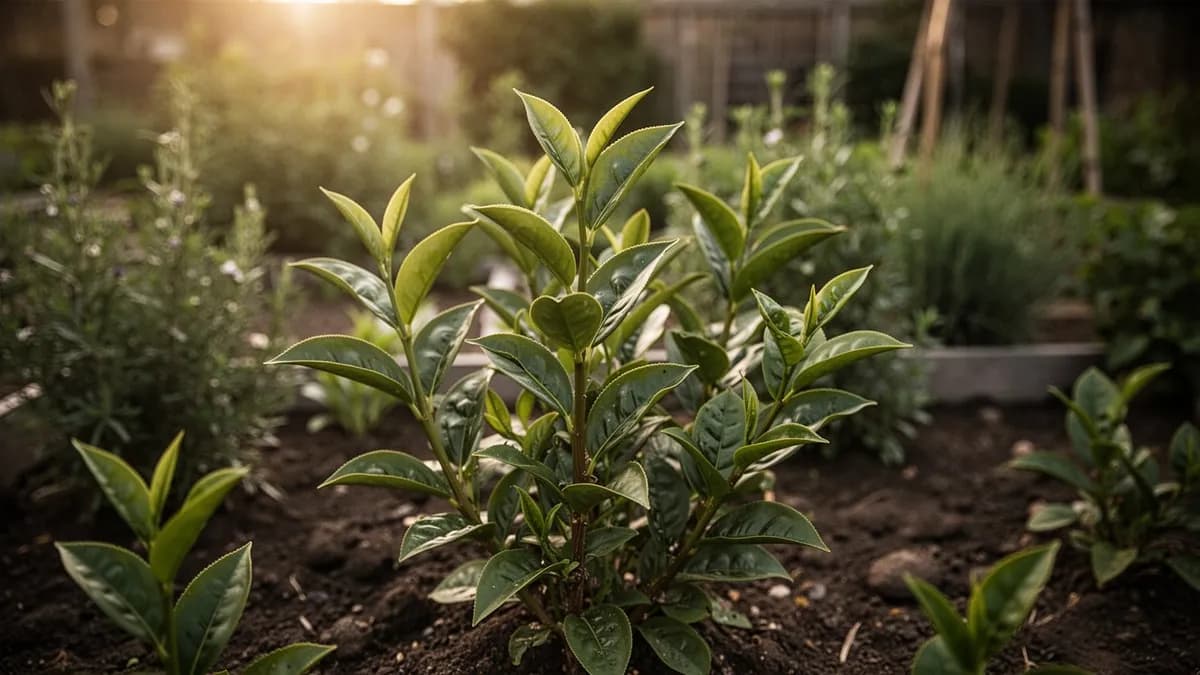
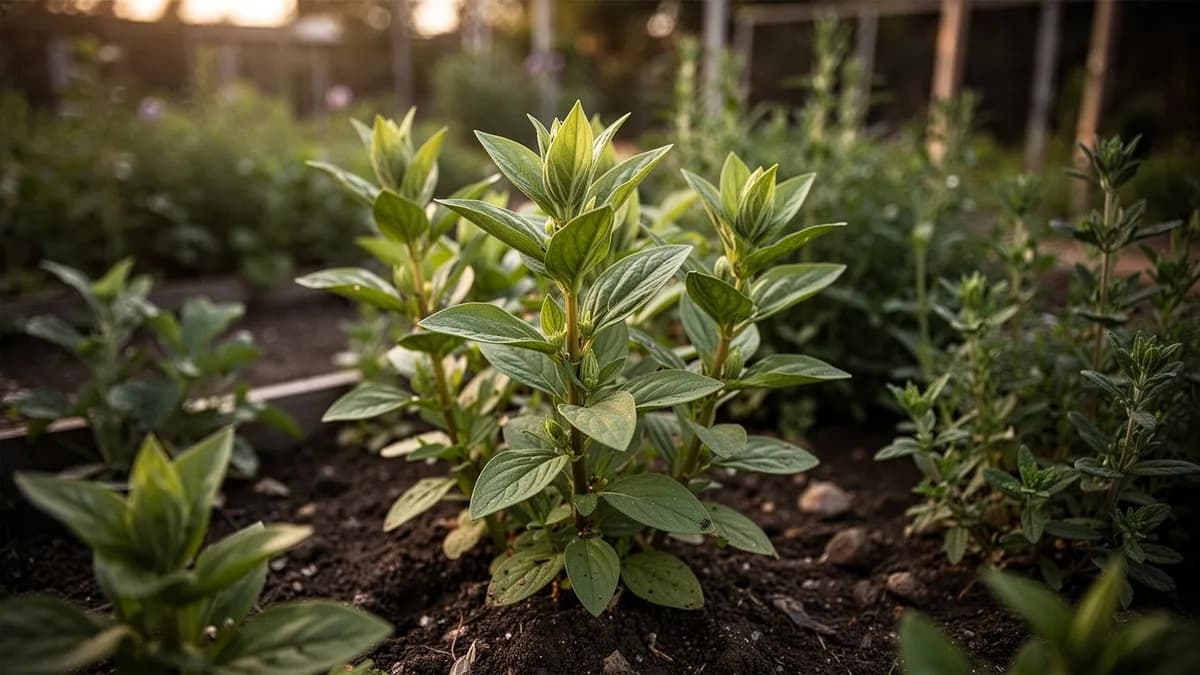
Keep Lemon Balm away from these
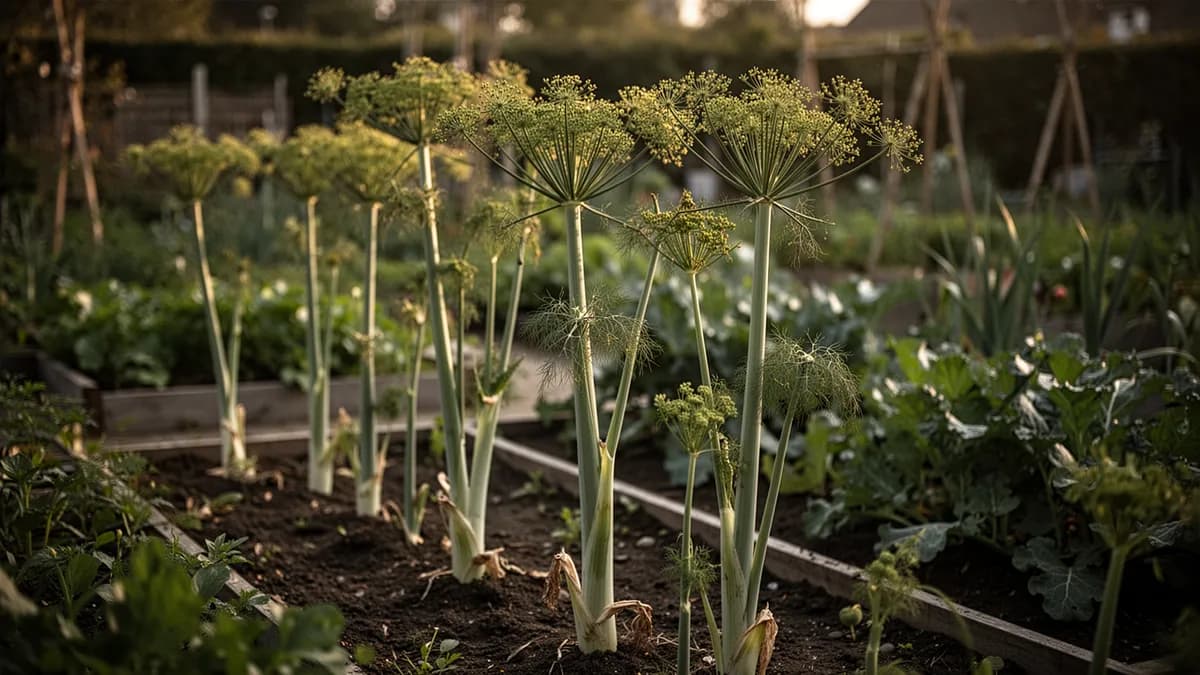
Garden plans featuring Lemon Balm
Grow your best Lemon Balm yet — and everything around it.
Start a free plan today. Lay out your beds, drop in your Lemon Balm, and let PlotMyGarden handle the timing, spacing, companions and reminders from seed to harvest basket.